



































- Chhattisgarh Tourism Board Organizes Special Heritage Tour for 17-Member International Delegation
- Visit to Key Archaeological Sites Including Lakshman Temple, Anand Prabhu Kuti Vihar, Swastik Vihar, and Tivardev Mahavihar
- An Initiative to Establish a New Global Identity for Sirpur through Academic and Tourism Dialogue
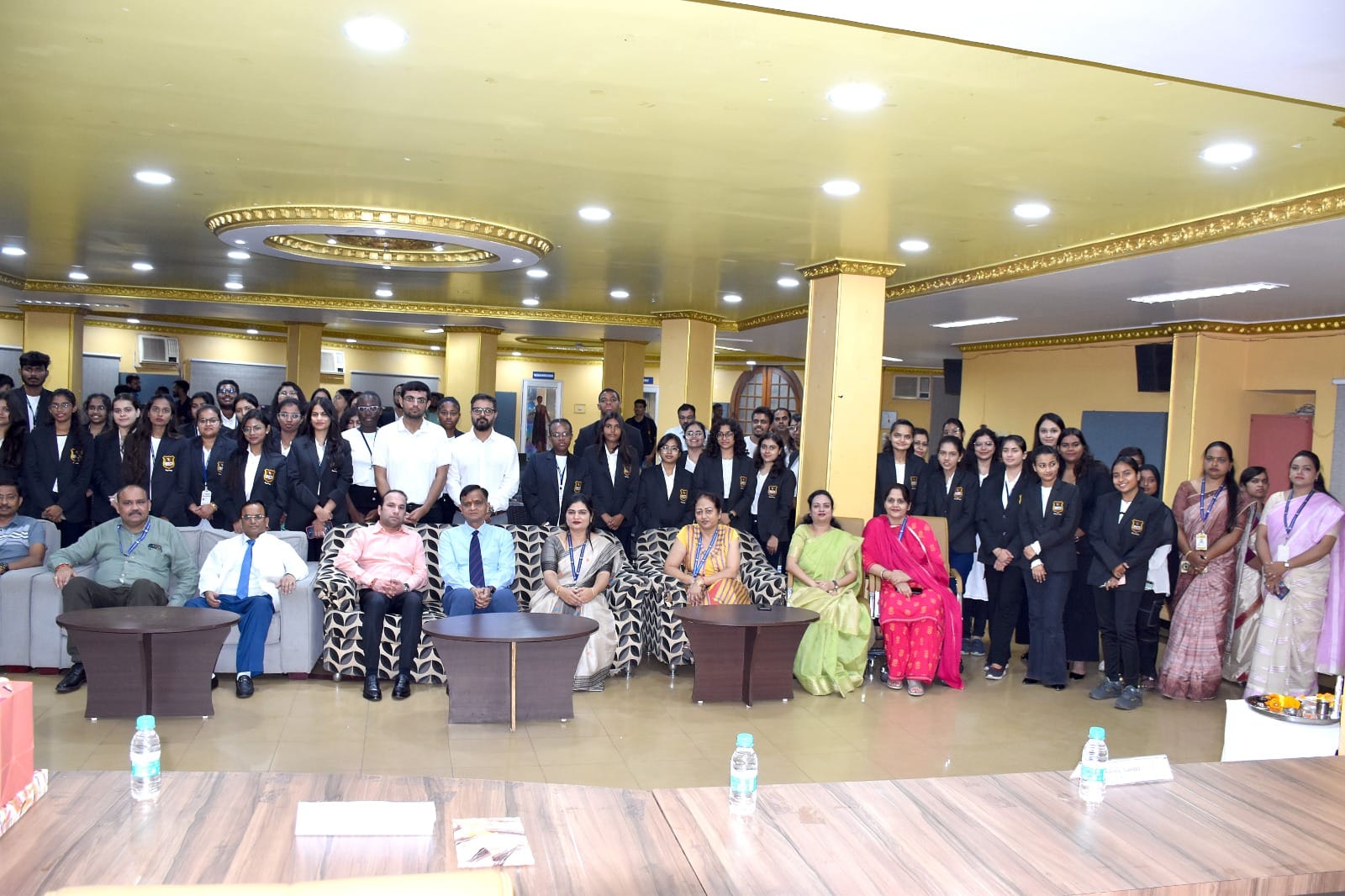
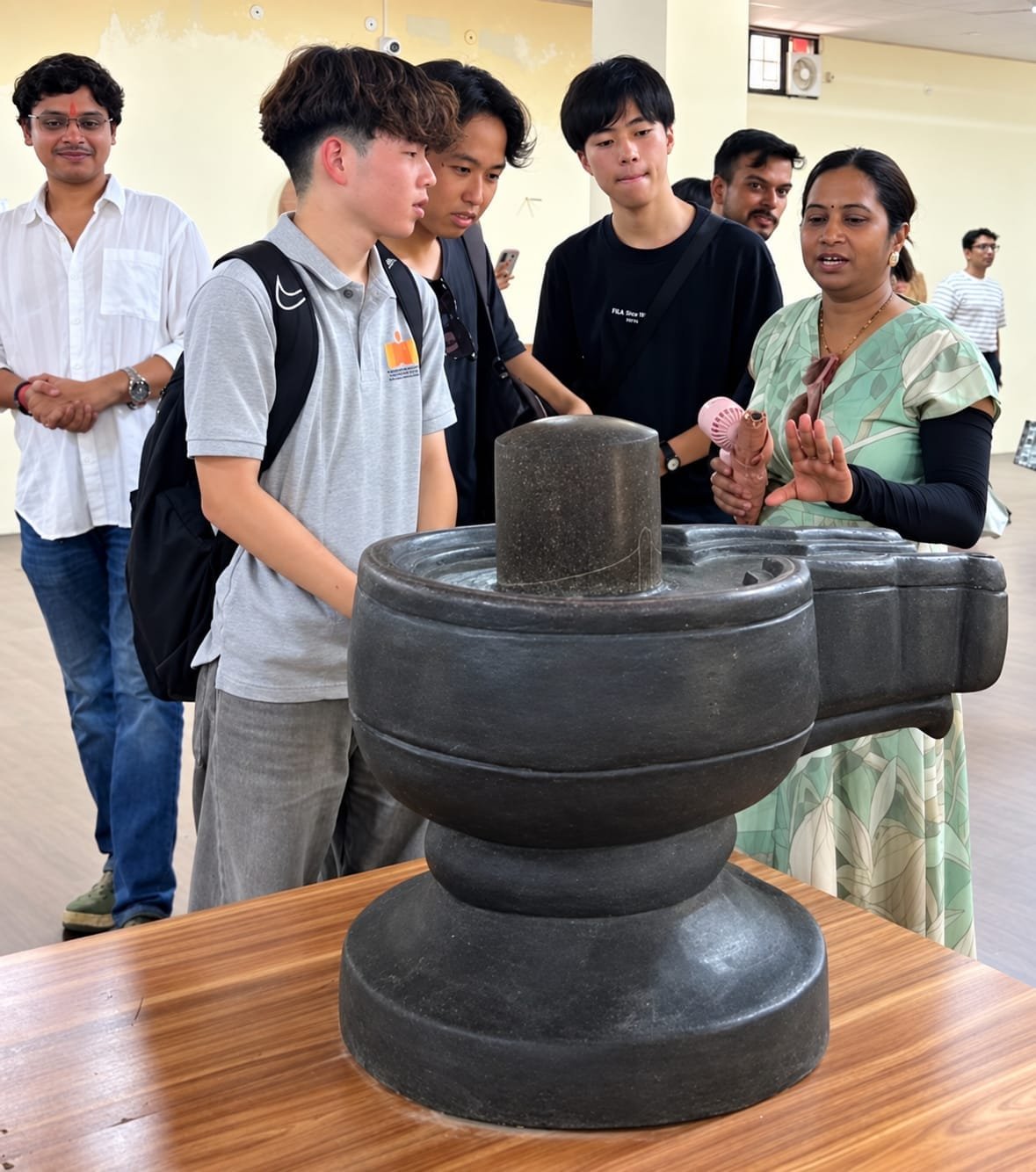
In a significant move to showcase Chhattisgarh’s rich historical, cultural, and archaeological heritage on the global stage, the Chhattisgarh Tourism Board organized a special heritage tour for a 17-member international delegation from Ehime University, Matsuyama, Japan. The delegation, hosted by NIT Raipur from September 12 to 14, 2026, for academic and research collaboration, visited the ancient historical town of Sirpur on September 14. There, they gained firsthand insight into a heritage that reflects a remarkable confluence of Buddhist, Hindu, and Jain cultures.
Acting as the primary hospitality and event partner, the Chhattisgarh Tourism Board arranged the special heritage tour in Sirpur for the international guests. Expert local guides were engaged to introduce the delegation to Sirpur’s historical background, architectural style, archaeological significance, and religious-cultural diversity. Additionally, special hospitality and dining arrangements were made, keeping the Japanese guests’ culinary preferences in mind.
- Sirpur – A Remarkable Confluence of History, Religion, and Architecture
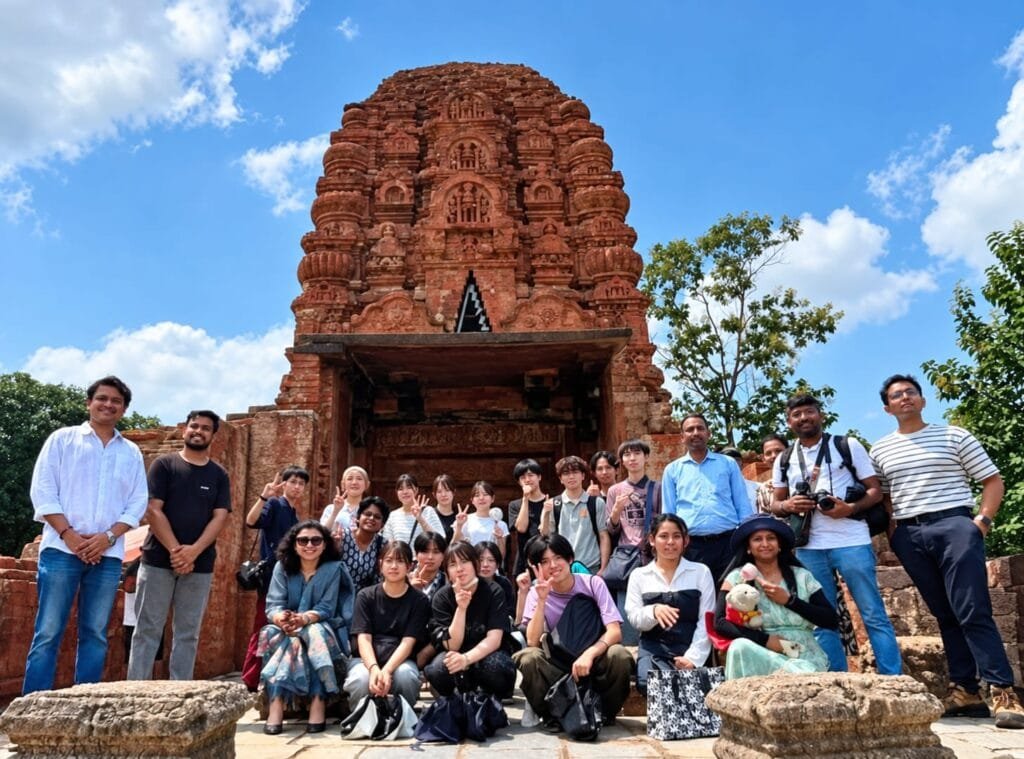
Situated on the banks of the Mahanadi River, Sirpur was known as ‘Shripur’ in ancient times and held a significant position as the capital of South Kosala. Archaeological excavations in present-day Sirpur have revealed an extensive array of Buddhist monasteries, Hindu temples, Jain relics, and other ancient structures. Numerous archaeological remains associated with Buddhist, Hindu, and Jain traditions are found here. While touring the key heritage sites of this historic town, the Japanese delegation gained insight into its architectural traditions and ancient cultural life. For them, this visit was not merely tourism but a vibrant experience of academic, cultural, and heritage-based dialogue between India and Japan.

- Lakshman Temple – Exquisite Brick Architecture
A major highlight of the delegation’s visit was the Lakshman Temple. Dating back to approximately the 7th century, this temple is counted among India’s finest ancient brick-built temples. The temple’s architecture, ornamentation, and intricate brickwork showcase the architectural artistry of Sirpur. Numerous sculptures and relics of archaeological significance are also preserved within the temple complex. Delegation members examined the temple’s architectural features—including its structure, sanctum sanctorum (garbhagriha), vestibule (antarala), and pillared hall (mandapa)—and learned about its historical and cultural context from a local guide.
- Anand Prabhu Kuti Vihara – Showcasing Sirpur’s Buddhist Splendor
Subsequently, the delegation visited Anand Prabhu Kuti Vihara, one of Sirpur’s prominent Buddhist archaeological sites. The Vihara’s structure features chambers arranged around a central courtyard and displays beautifully carved architectural elements. Artistic relics, including a statue of Buddha and artifacts related to Padmapani Avalokiteshvara, highlight its Buddhist heritage. Archaeological records indicate that this was a monastic complex comprising 14 chambers.
Japanese students and researchers gathered information here about ancient Buddhist education, monastic life, and architectural traditions. This site held special significance for them, given the profound influence of Buddhist philosophy and art on Japan’s own cultural traditions.
- Swastik Vihara – A Unique Example of Ancient Architectural Planning
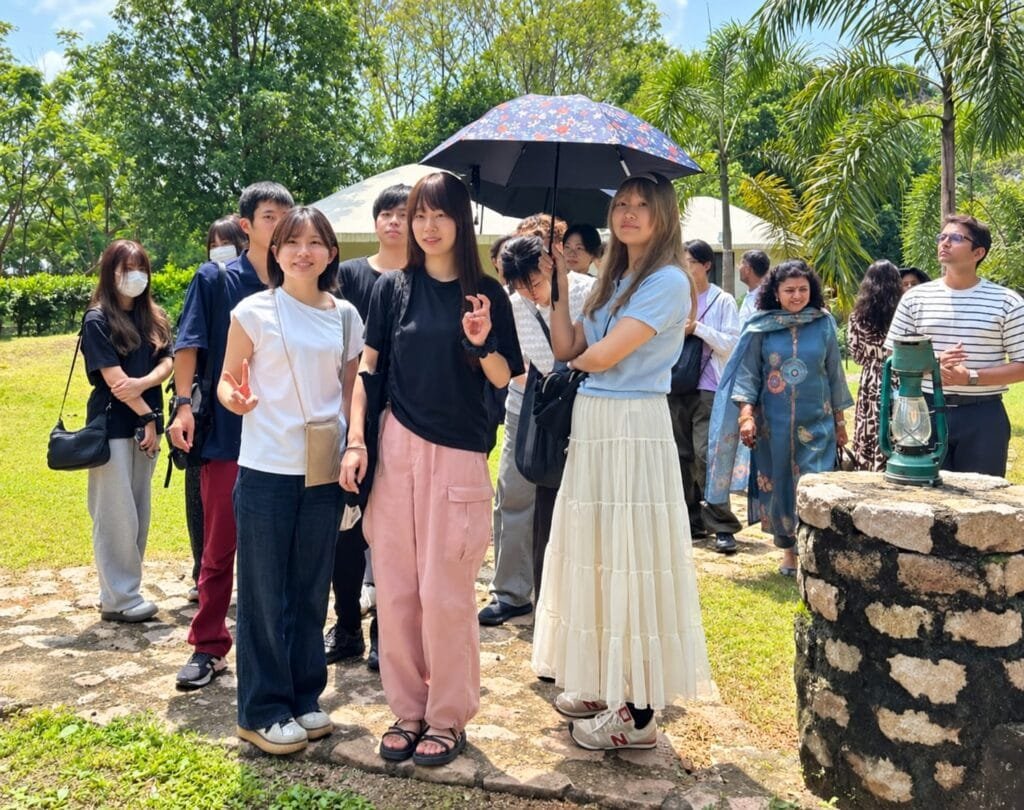
The delegation also explored Swastik Vihara. Distinguished by its unique swastika-shaped layout, this Vihara holds a special place in Sirpur’s archaeological heritage. Excavations here have yielded statues of Buddha and Padmapani, along with other relics from the Buddhist era. The delegation studied the structure and ancient architectural layout of the vihara (monastery) and gained insight into how Sirpur must have served as a significant hub for religious and intellectual activities centuries ago.
- A Fusion of Buddhist and Indian Art at Tivardev Mahavihara
Tivardev Mahavihara was another key stop on the heritage tour. As one of Sirpur’s prominent Buddhist monuments, the complex showcases a beautiful blend of Buddhist and Hindu artistic traditions. Alongside statues of the Buddha, the site features sculptures depicting figures such as Ganga and Yamuna, Gajalakshmi, and various mythological and ornamental motifs. The delegation recognized the site’s importance in the context of Indian cultural synthesis and closely examined its artistic features. This experience proved particularly enlightening for members with academic and research backgrounds.
- Gaining Insight into a Vast Archaeological Heritage
Excavations conducted in Sirpur to date have revealed numerous Buddhist monasteries, temples dedicated to Shiva and Vishnu, and remains associated with the Jain tradition. Discoveries include 12 Buddhist monasteries, a Jain monastery, statues of the Buddha and Mahavira, and the remains of several Shiva and Vishnu temples. The Japanese delegation experienced this rich archaeological landscape firsthand upon visiting the site. Members of the delegation took a keen interest in the ancient brickwork, sculpture, monastery layouts, and temple architecture, while also gathering information and documentation regarding various sites.showed interest in…
- Experiencing Local Culture and Hospitality for International Guests
The Chhattisgarh Tourism Board went beyond merely organizing a tour of monuments; it endeavored to connect international guests with local culture and hospitality. Special dining arrangements were made to cater to the dietary preferences of the Japanese delegation, while local guides provided engaging and accessible insights into Sirpur’s historical background, architecture, and cultural significance. The Japanese students and delegates showed keen interest in Sirpur’s antiquity, architectural style, and cultural diversity. For them, this experience offered an opportunity to understand India’s heritage through both academic study and firsthand exposure.
- NIT Raipur Appreciates Chhattisgarh Tourism Board’s Support
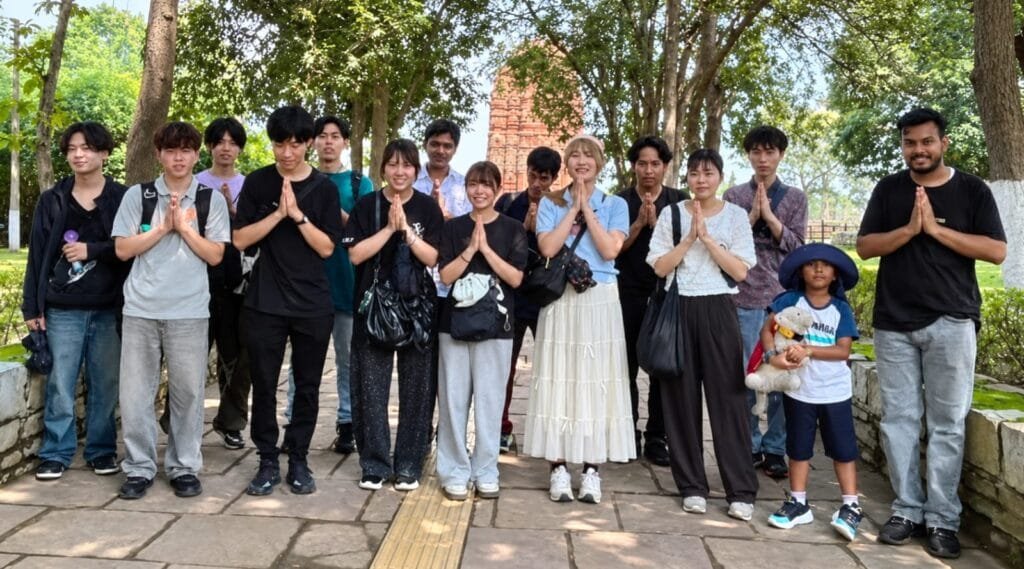
Professor Dilip Singh Sisodia of NIT Raipur commended the arrangements and support provided by the Chhattisgarh Tourism Board for the international delegation’s visit to Sirpur. He noted that the coordination and hospitality extended by the Board made the cultural tour seamless, memorable, and enlightening for the visiting Japanese delegation.
He remarked that such heritage tours for international guests serve not only as tourism experiences but also as a means to strengthen cultural and academic dialogue between nations. With the support of the Chhattisgarh Tourism Board, the delegation had the opportunity to closely understand and experience Sirpur’s rich historical and cultural heritage.
- A Significant Initiative to Place Sirpur on the Global Tourism Map
The visit of the Ehime University delegation to Sirpur is considered a significant step toward integrating Chhattisgarh’s ancient heritage into international academic, cultural, and tourism networks. This initiative by the Chhattisgarh Tourism Board aims to establish the state’s historical landmarks not merely as domestic tourist attractions, but as significant destinations for global travelers, researchers, and cultural scholars.
Heritage sites like Sirpur embody a narrative of history, religion, art, architecture, and cultural coexistence—one that holds immense potential to showcase India’s ancient wisdom and cultural traditions to the world. This visit by university students and representatives from Japan became a meaningful link in this global cultural dialogue, forging a new bridge between Chhattisgarh’s ancient heritage and Japan’s academic world.