

























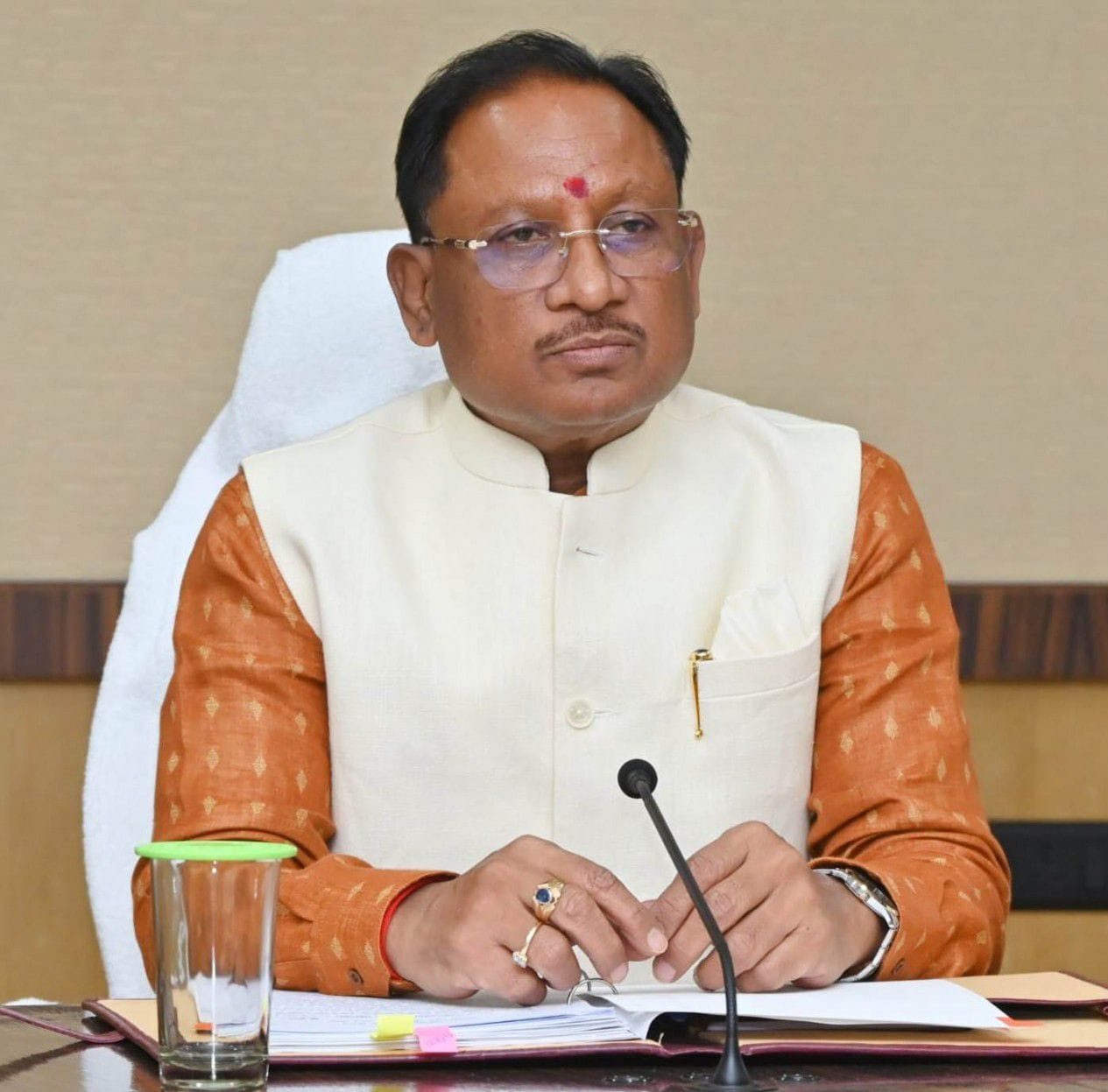



















- Governor attends the 28th National Convention of the Association of Pharmaceutical Teachers of India (APTI) – ‘APICON-2026’
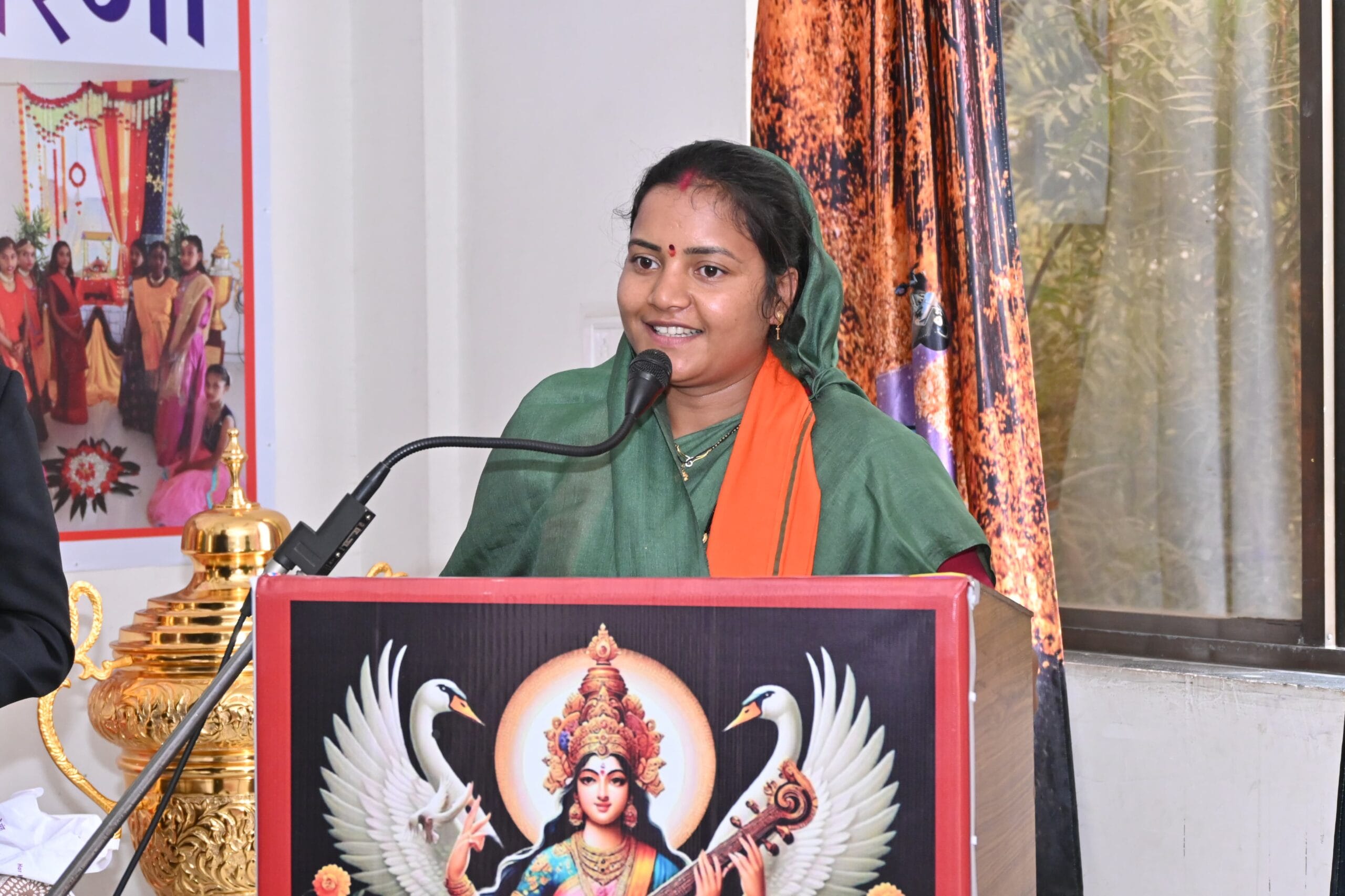
Governor Shri Ramen Deka stated that ensuring affordable medical treatment, reasonably priced medicines, and the delivery of healthcare services to rural areas remain key challenges for the nation. Addressing these issues requires a collaborative effort among physicians, pharmacists, educators, and researchers. Healthcare and education should not be viewed merely as businesses, but as a form of social service. He emphasized the need to curb the circulation of counterfeit drugs, conduct scientific research on traditional Indian medical systems, and bring to light the traditional knowledge regarding medicinal plants found in Chhattisgarh.
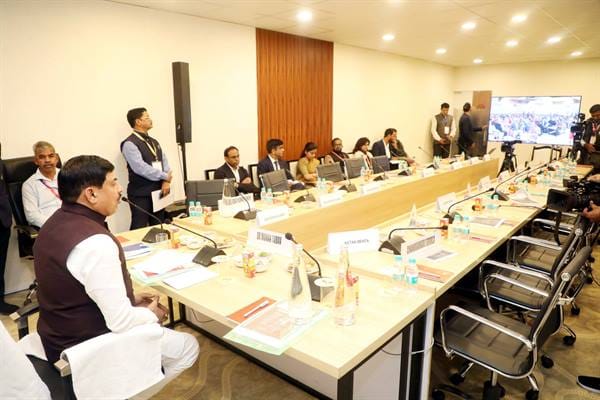
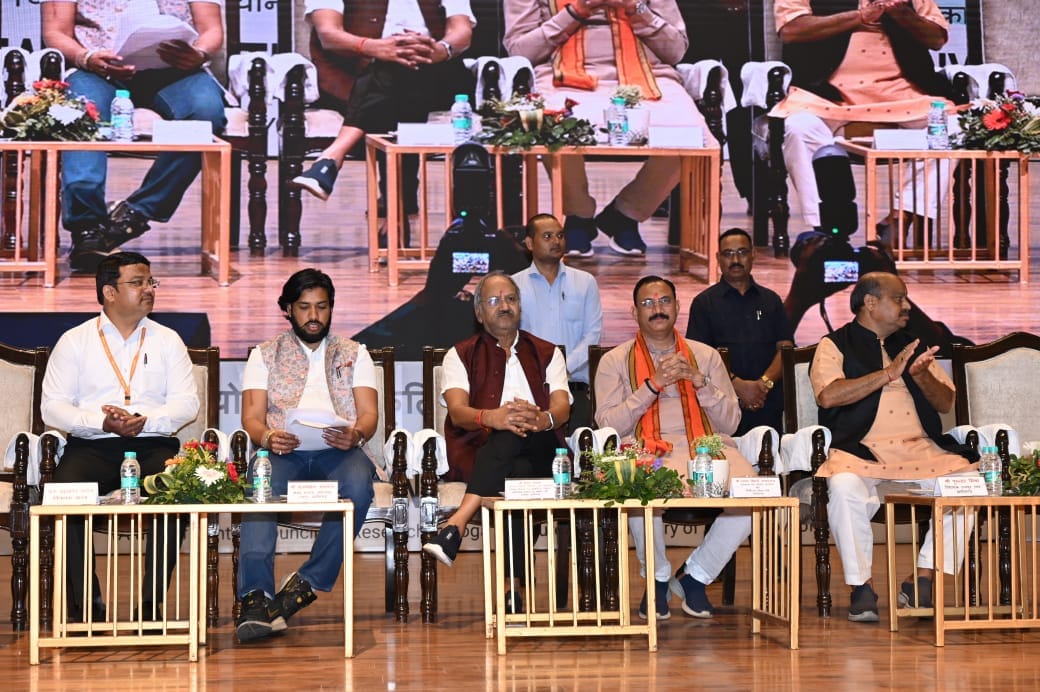
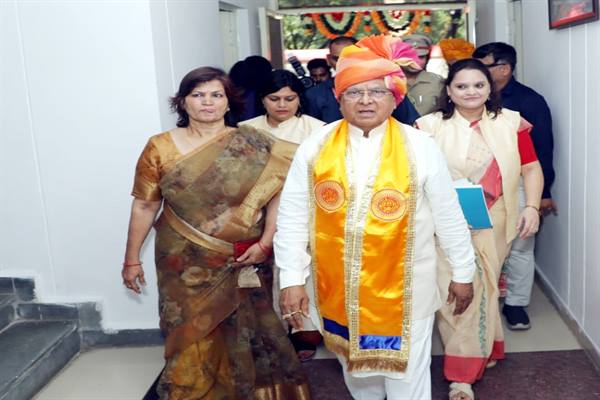
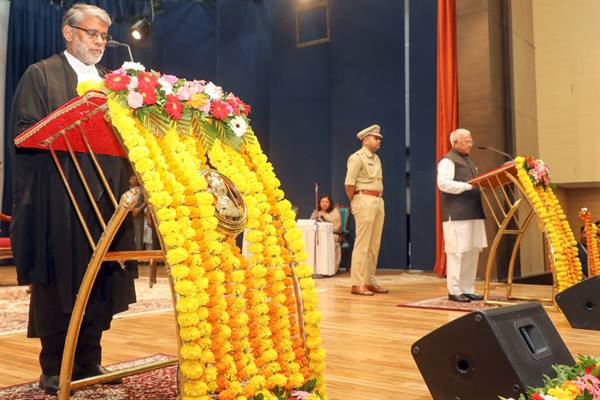
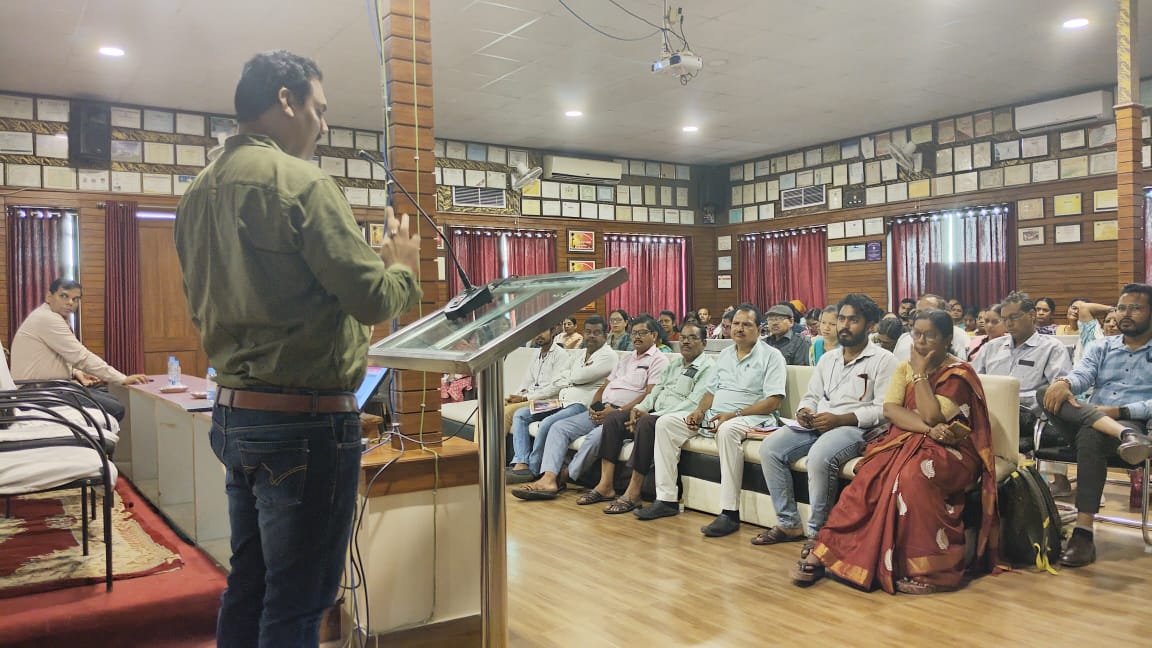
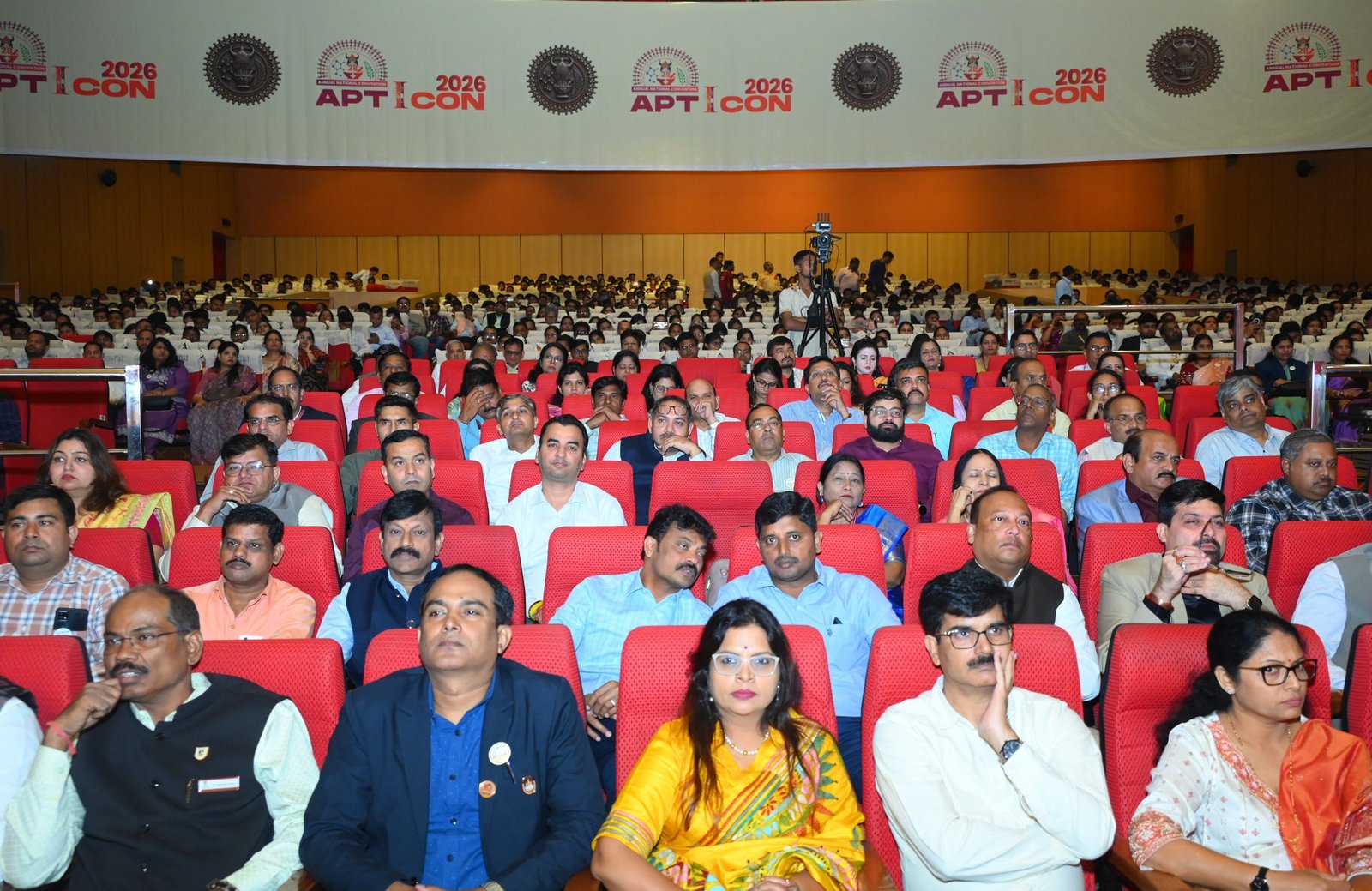
Governor Shri Deka was speaking today at the 28th National Convention of the Association of Pharmaceutical Teachers of India (APTI) – ‘APICON-2026’ – held at Pandit Ravishankar Shukla University, Raipur. The theme of the convention was ‘The Commitment of Pharmacy Educators to Prepare Pharmacists for an Aatmanirbhar Bharat’ (Self-Reliant India).
The Governor noted that while the country has made progress in the healthcare sector, extending basic facilities to the rural population remains a significant challenge. The cost of medicines must be within the reach of the common man. When prescribing medication, physicians should consider the patient’s economic situation and, wherever possible, opt for effective, lower-cost alternatives.

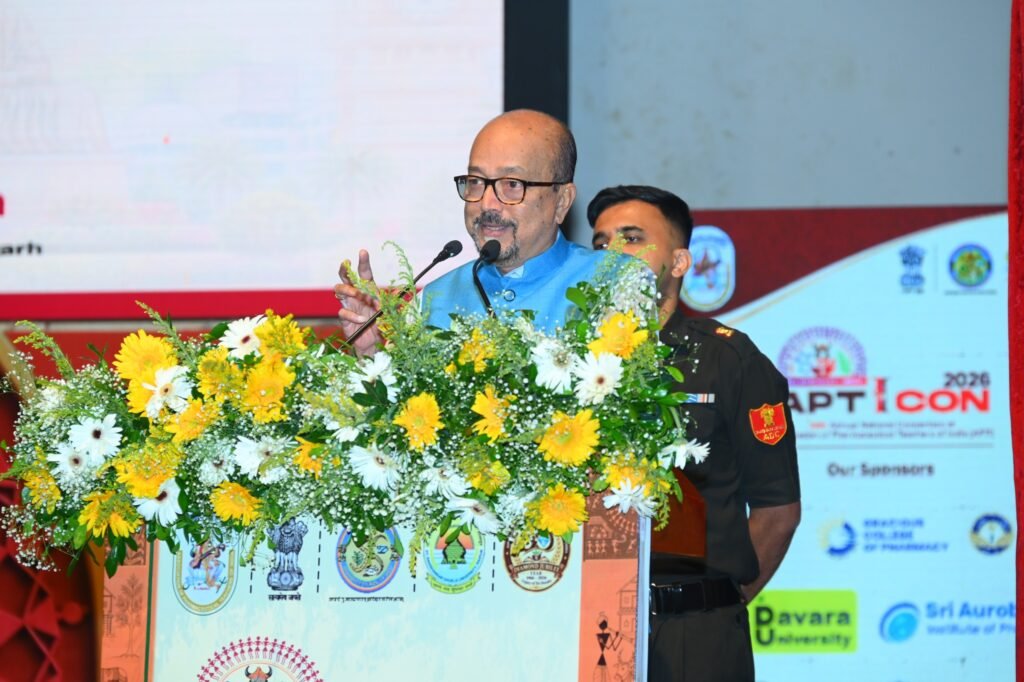
Emphasizing the need to raise awareness about health and nutrition in tribal regions, he urged physicians and pharmacists to reach out to rural communities. He highlighted that special attention must be paid to the health of pregnant women, mothers, and newborns.
The Governor further remarked that the tribal regions of Chhattisgarh—particularly the Baiga community—possess valuable knowledge regarding medicinal plants and traditional healing practices. This knowledge should be scientifically studied and documented. It is essential to evaluate the utility of traditional Indian medical practices through modern scientific research. Describing counterfeit medicines as a serious threat, it was noted that they endanger the health and lives of patients and undermine public trust in the healthcare system. Pharmacy students, educators, and the pharmaceutical industry must take responsibility for ensuring the quality of medicines. Students were urged to leverage artificial intelligence and the internet to expand their knowledge, while also prioritizing original thinking, a scientific temperament, and ethical values.
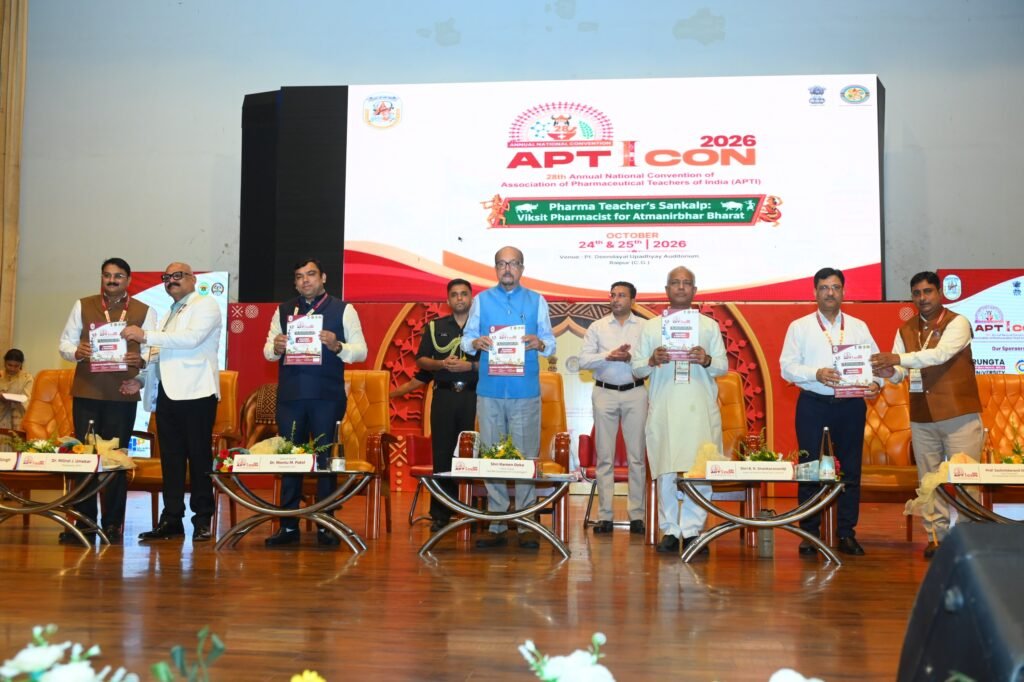
Dr. Montu M. Patel, President of the Pharmacy Council of India, stated that the pharmacy curriculum has been updated to include subjects like artificial intelligence and medical devices, in line with evolving technology and industry requirements. He also highlighted an ongoing campaign, being conducted across 42 locations nationwide, aimed at raising awareness about the risks of the unnecessary use of antibiotics.
Prof. Sachchidanand Shukla, Vice-Chancellor of Pt. Ravishankar Shukla University, discussed the research initiatives underway at the university. He emphasized the need to develop new products from the forest-based medicinal resources of Chhattisgarh and to foster interdisciplinary research by connecting pharmacy with other scientific fields.
Dr. Milind Janrao Umekar, National President of the Association of Pharmaceutical Teachers of India (APTI), provided an overview of the organization’s activities, including efforts to enhance training for pharmacy educators, promote research, and strengthen collaborations with the industry.
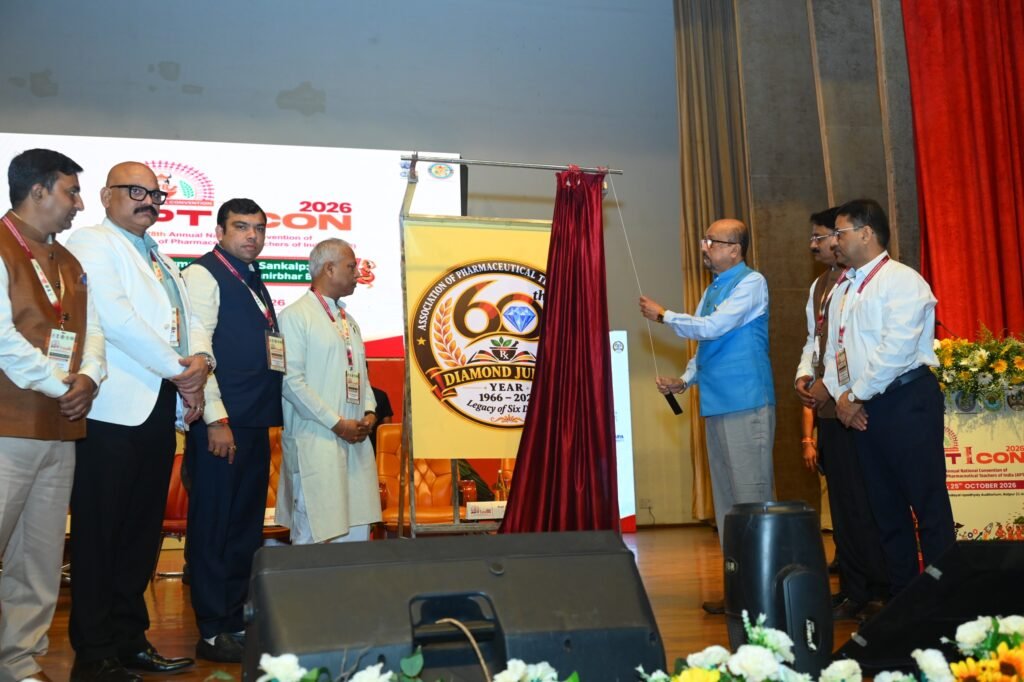
Shri B.R. Shankaranand, All-India Organizing Secretary of the Bharatiya Shiksha Mandal, remarked that education, culture, and ethical values play a pivotal role in building an ‘Atmanirbhar Bharat’ (self-reliant India). He stressed that education should serve as a catalyst for social change and the development of responsible citizens.
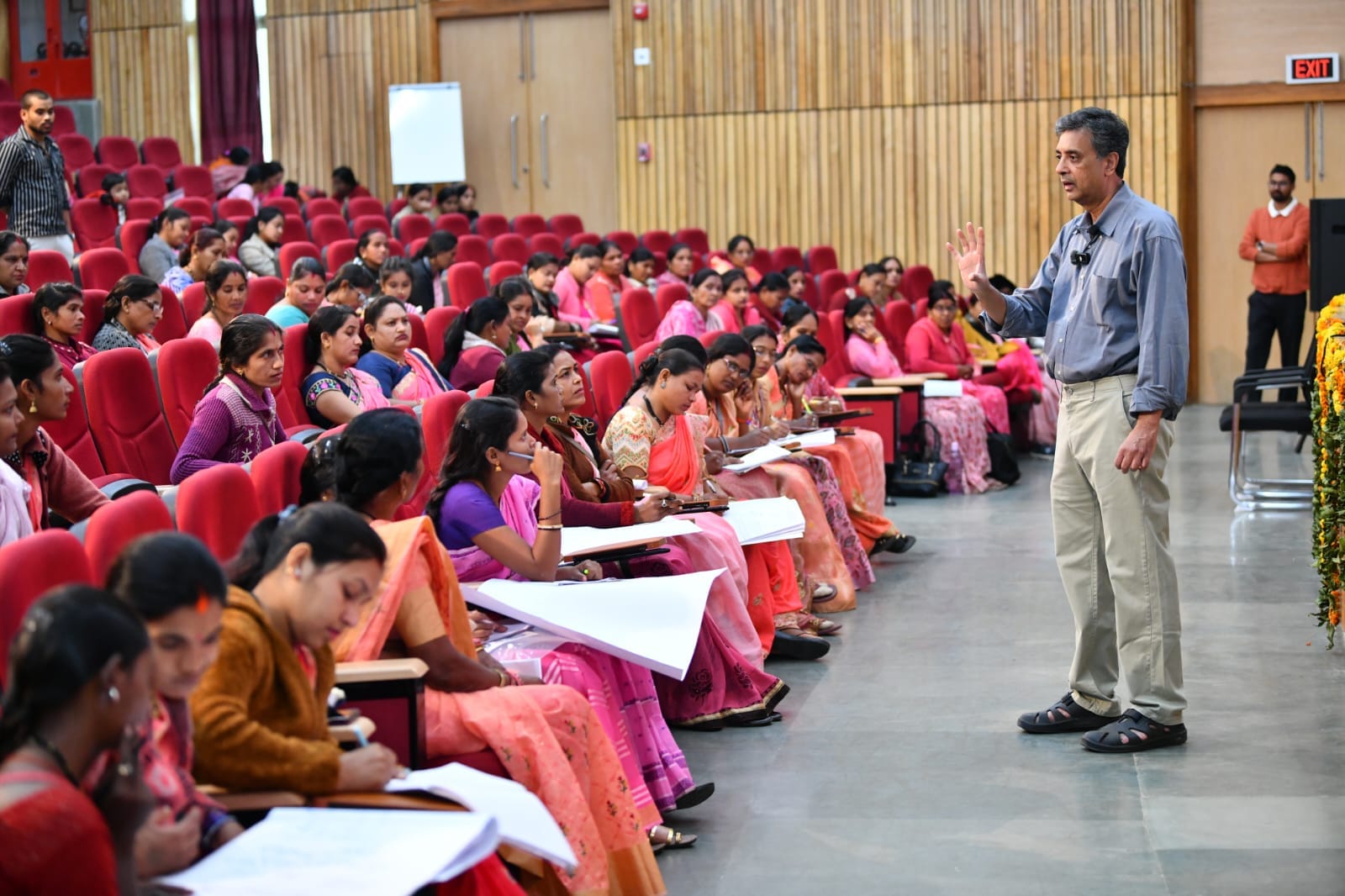
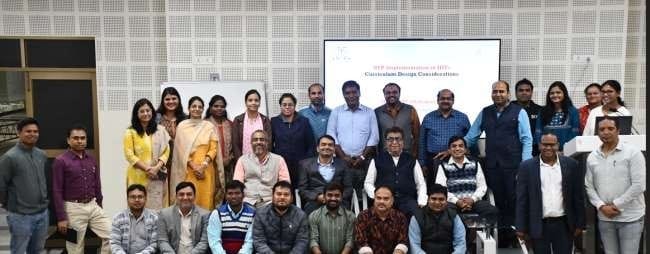
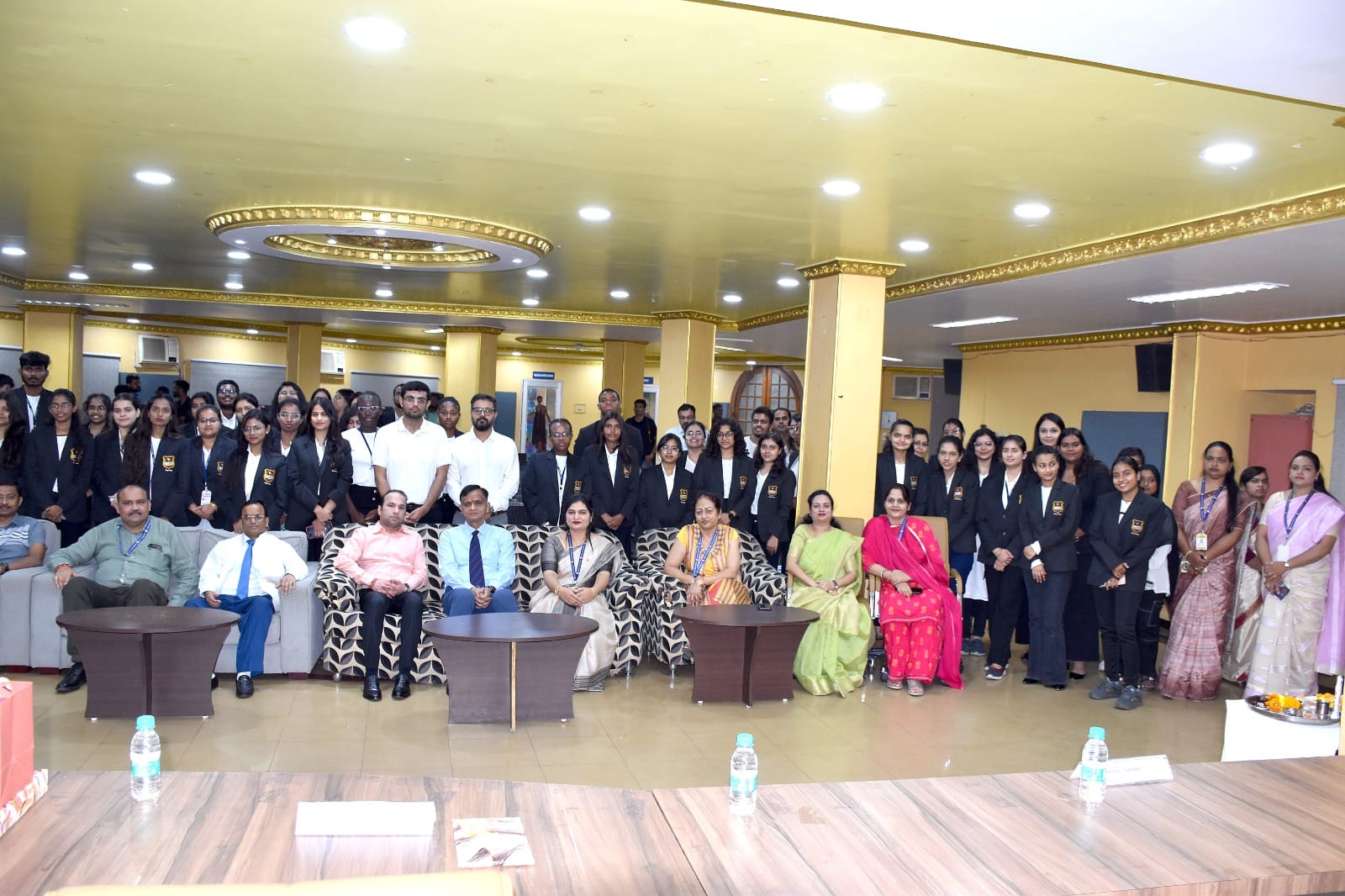
The convention saw the participation of approximately 700 educators, 900 students, and nearly 200 representatives from the pharmacy, marketing, and industrial sectors across the country. Discussions focused on strengthening the healthcare system through affordable medicines, safe treatment protocols, rural healthcare services, and high-quality research.