



















- Special training on home-stay operation and digital marketing to tribal beneficiaries of Surguja, Jashpur, Kabirdham and Bastar
- By linking tribal culture and natural beauty with tourism, the rural economy will be strengthened.
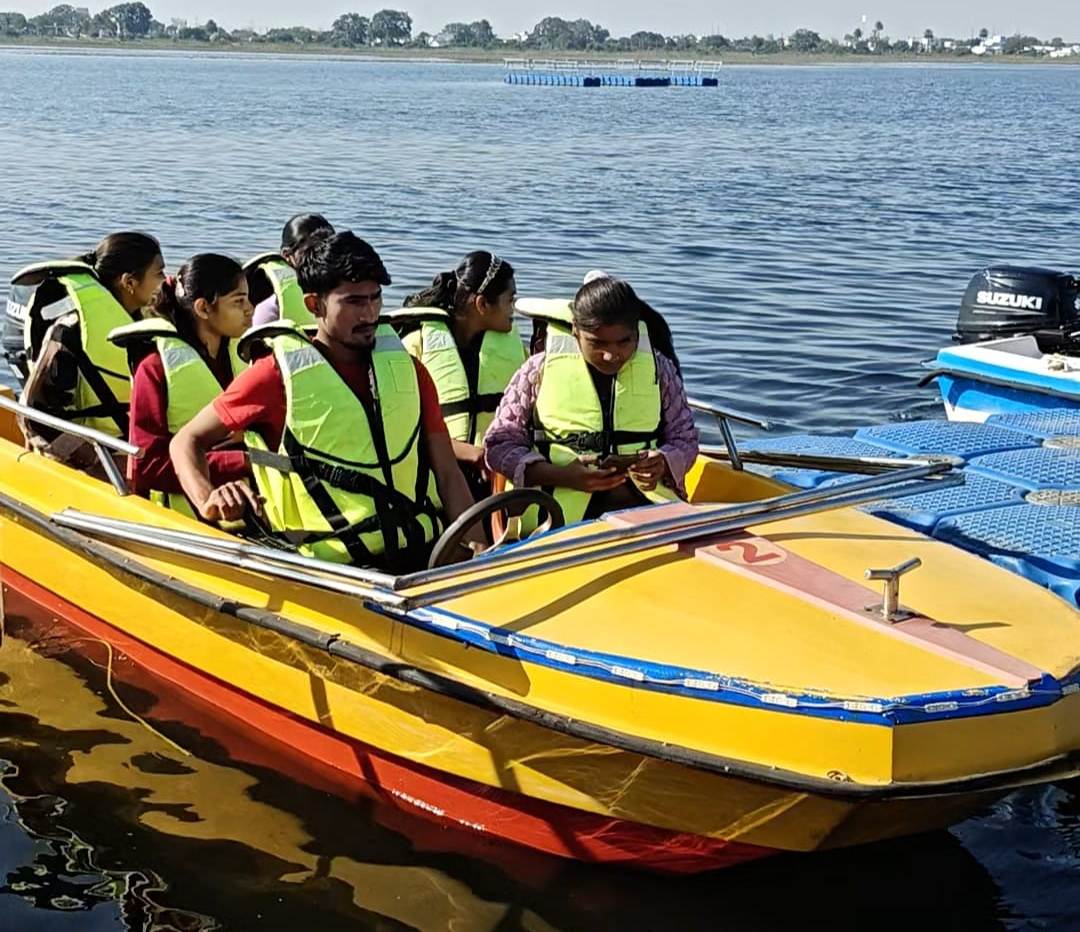
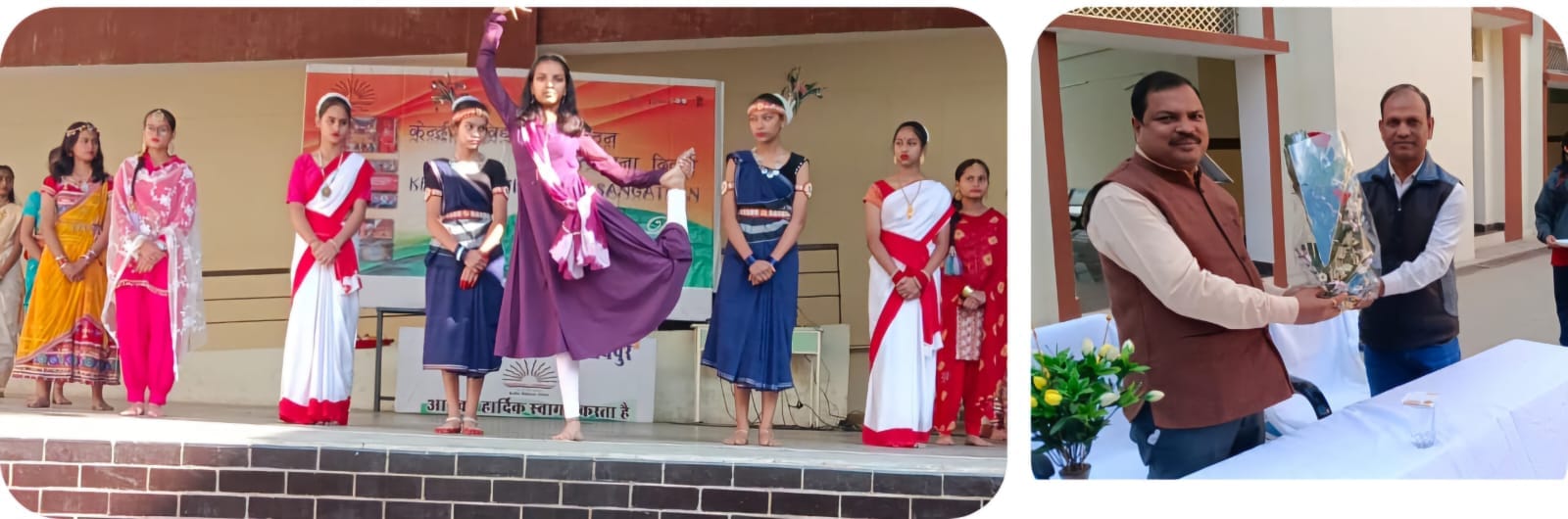
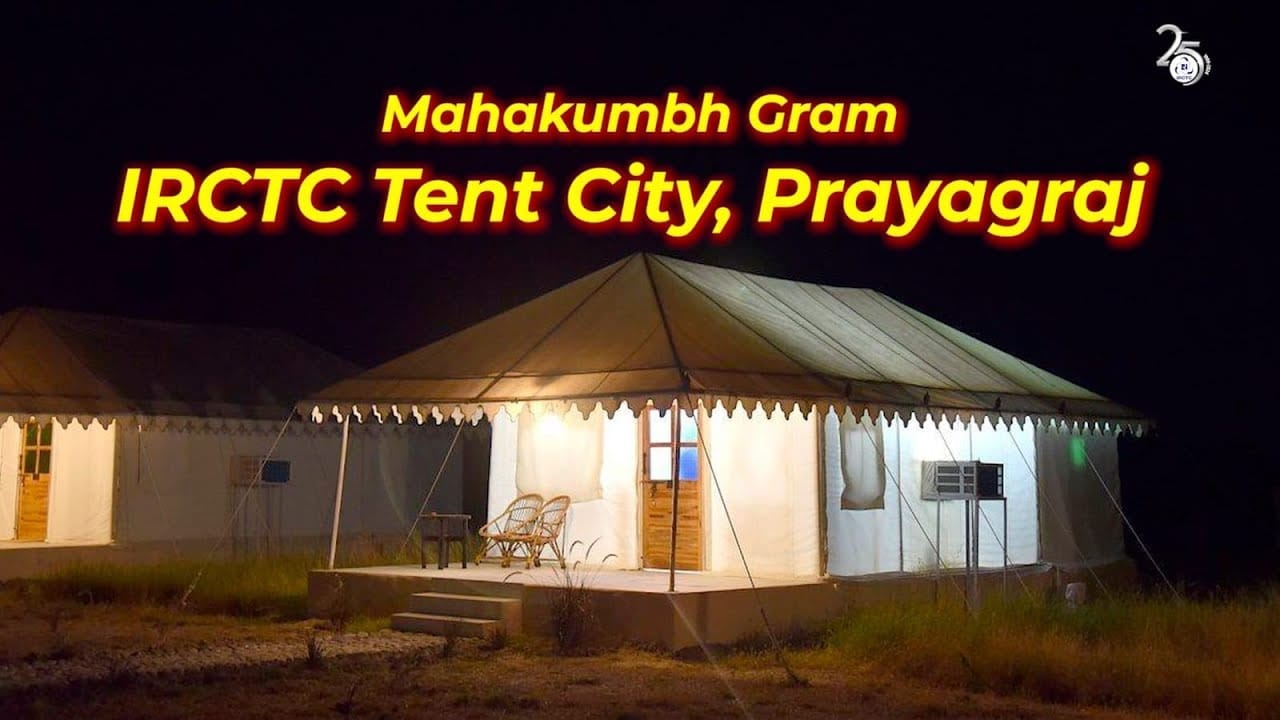
Homestays and tourism are opening new avenues for employment and self-employment for local residents, youth, and women’s groups in Chhattisgarh’s tribal and rural areas. The Chhattisgarh state government is promoting tourism in tribal areas like Bastar, Surguja, and Jashpur under its new Industrial Policy and Homestay Policy. These are becoming a powerful medium to showcase Chhattisgarh’s rich tribal culture, traditional cuisine, and rural lifestyle to tourists from across the country and the world.
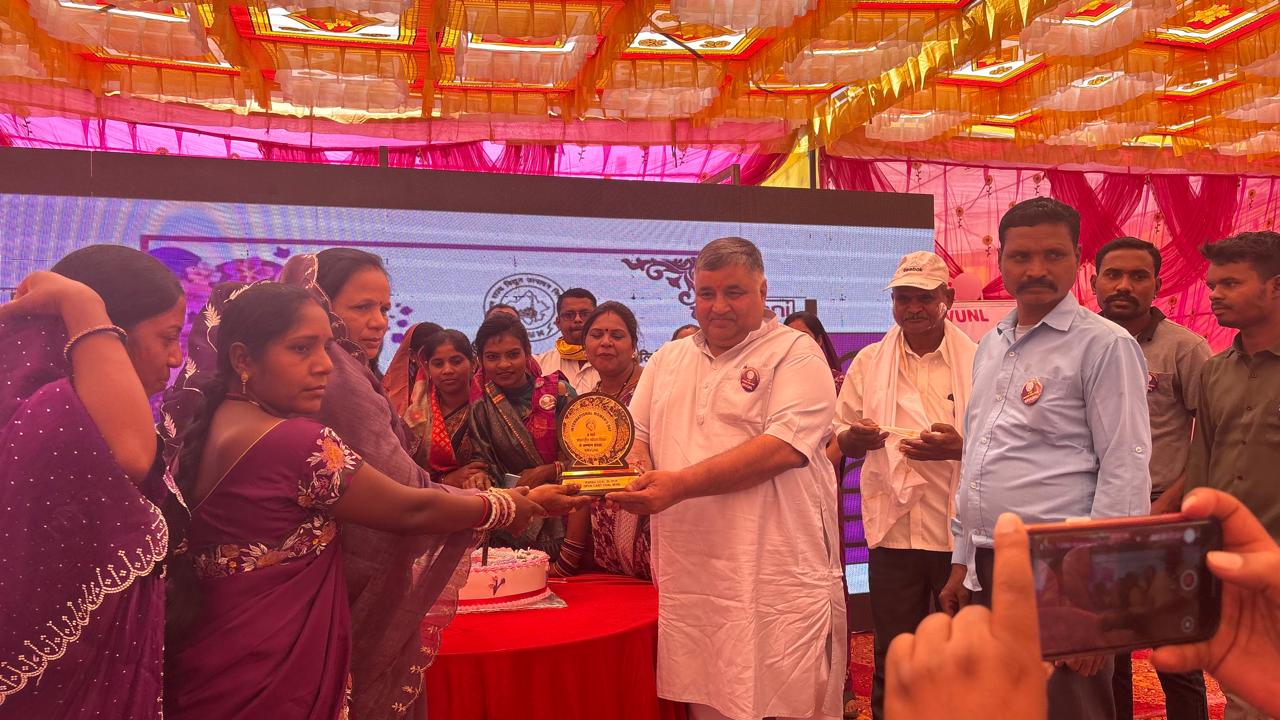
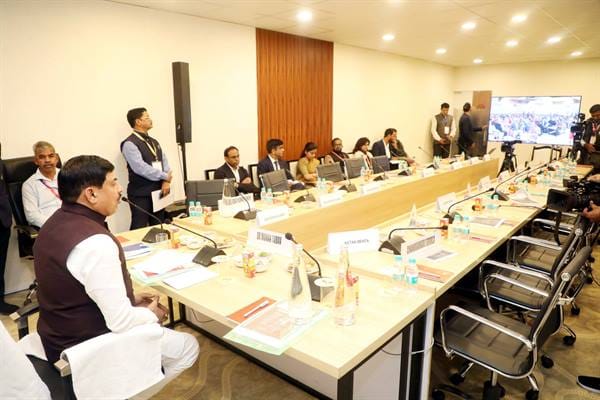
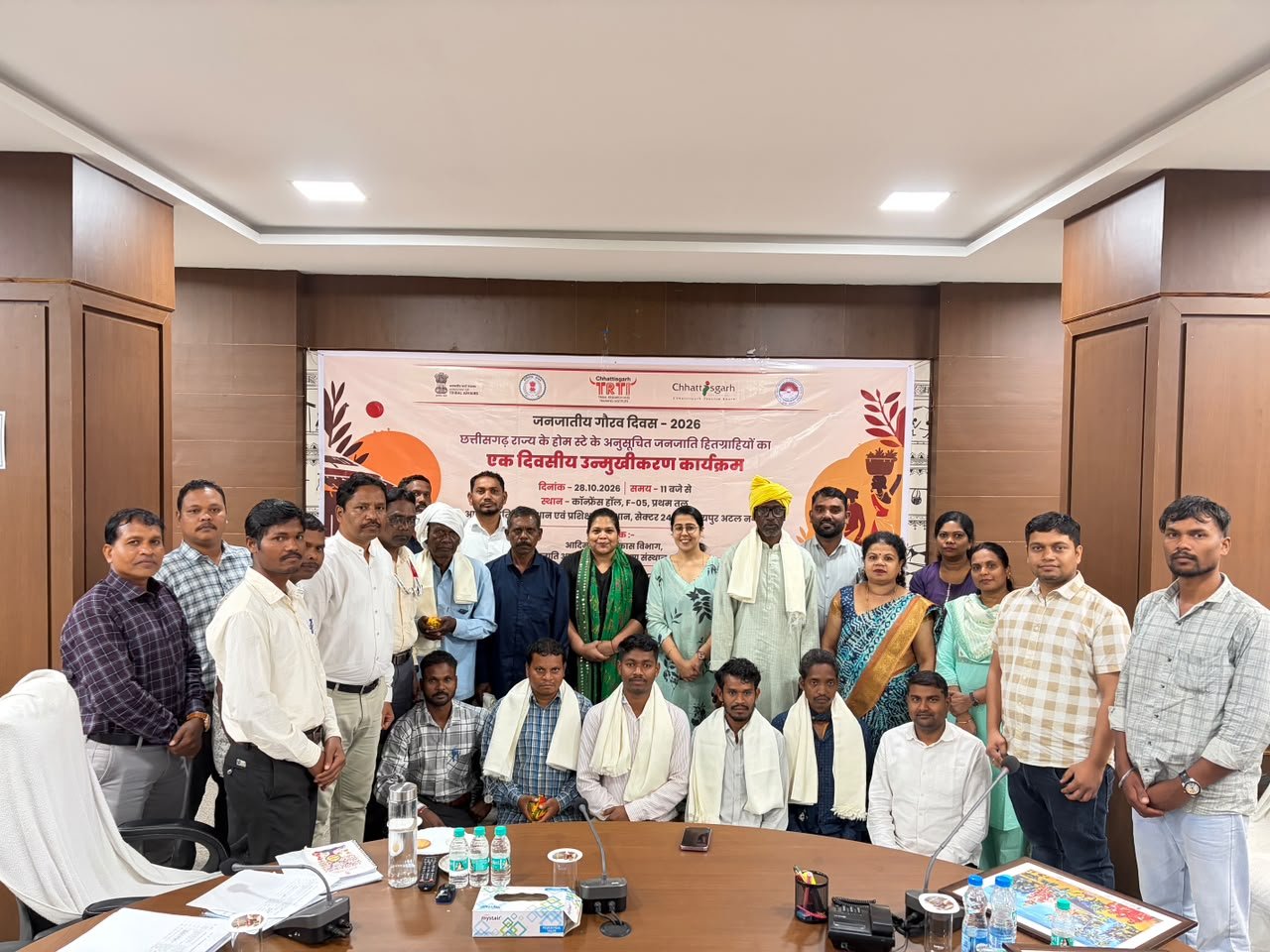
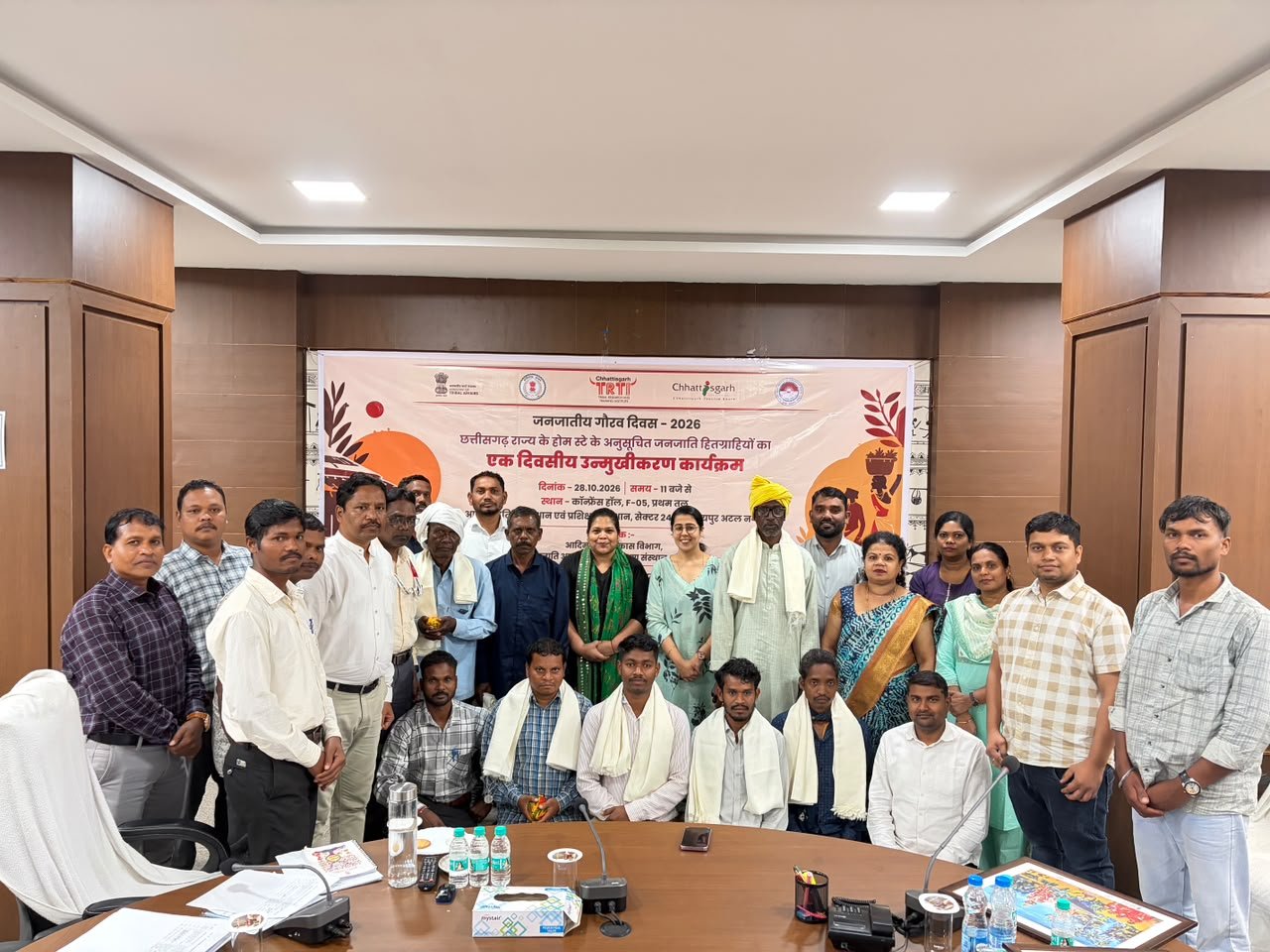
An important initiative has been taken to link tourism potential with self-employment in Chhattisgarh’s tribal areas. With financial support from the Ministry of Tribal Affairs, Government of India, the Tribal Research and Training Institute (TRTI), Nava Raipur, organized a special training program to provide new livelihood opportunities to Scheduled Tribe beneficiaries through homestay operations.
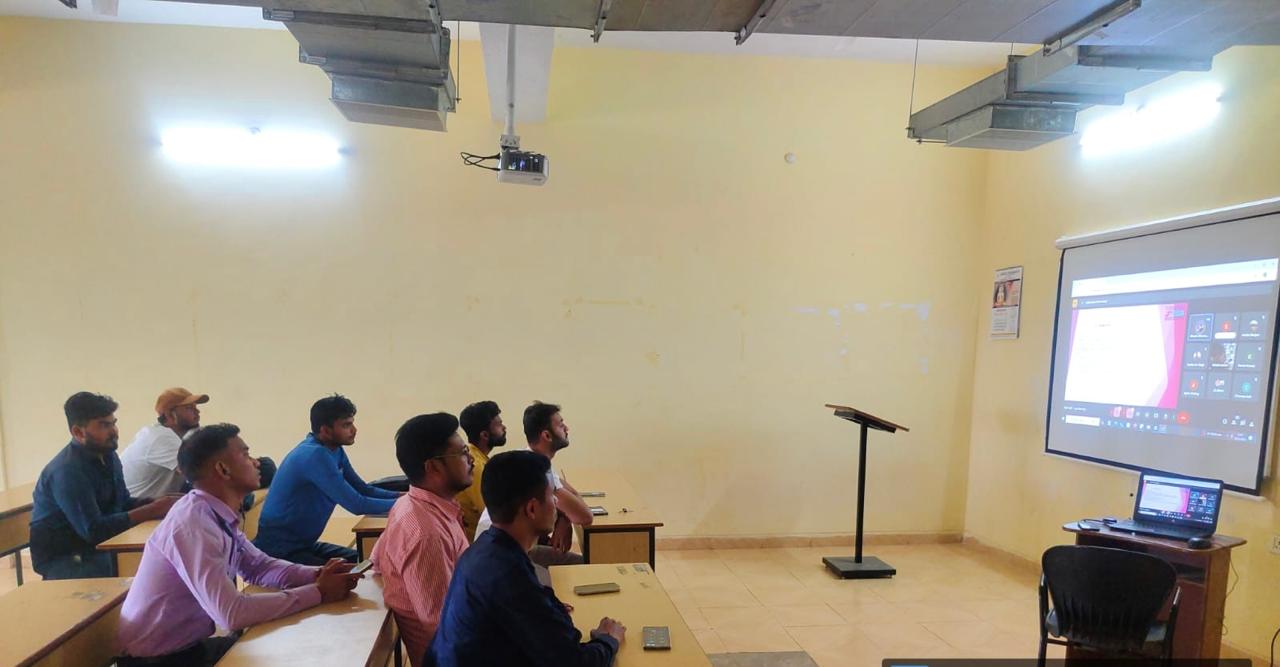
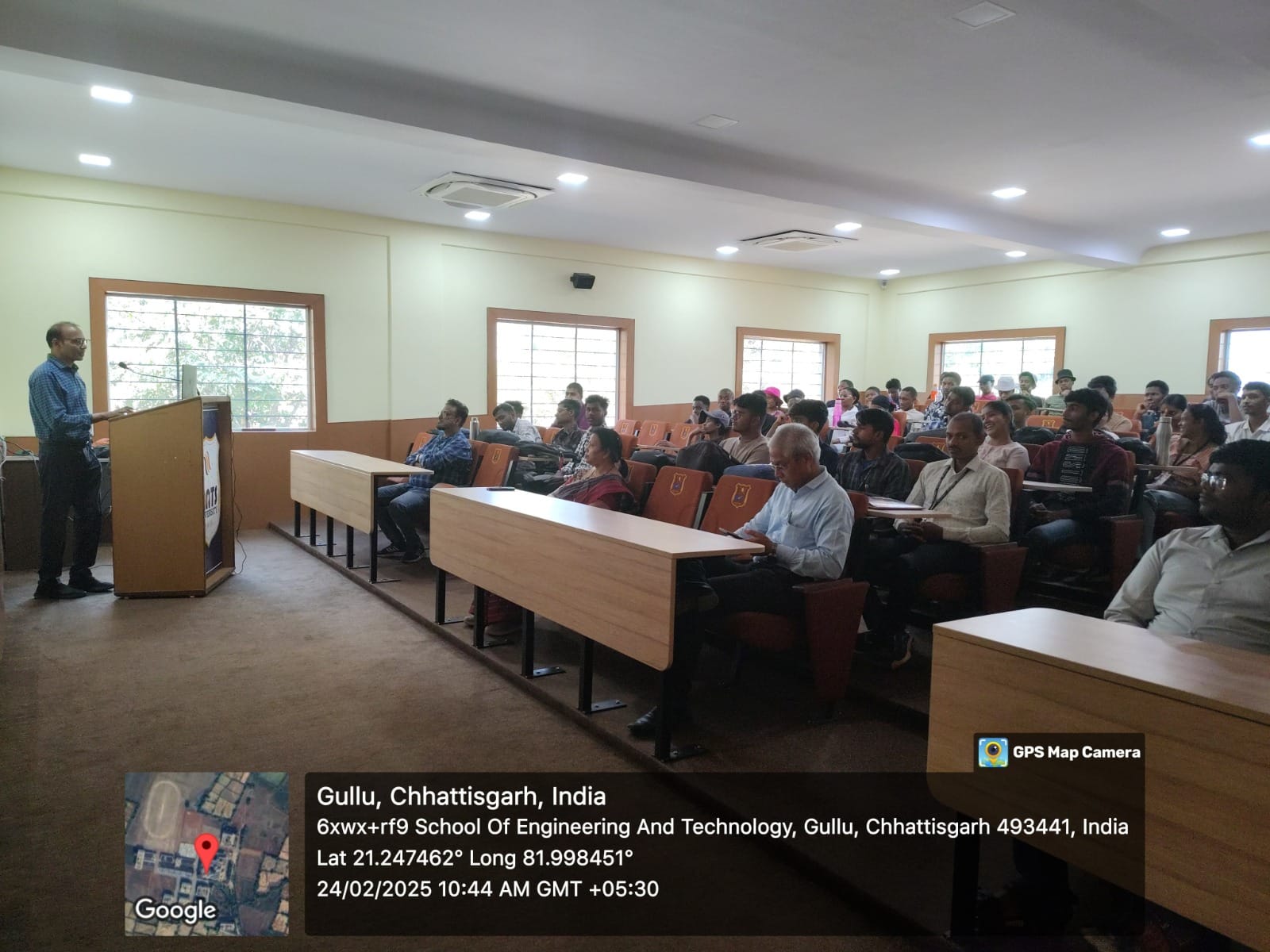
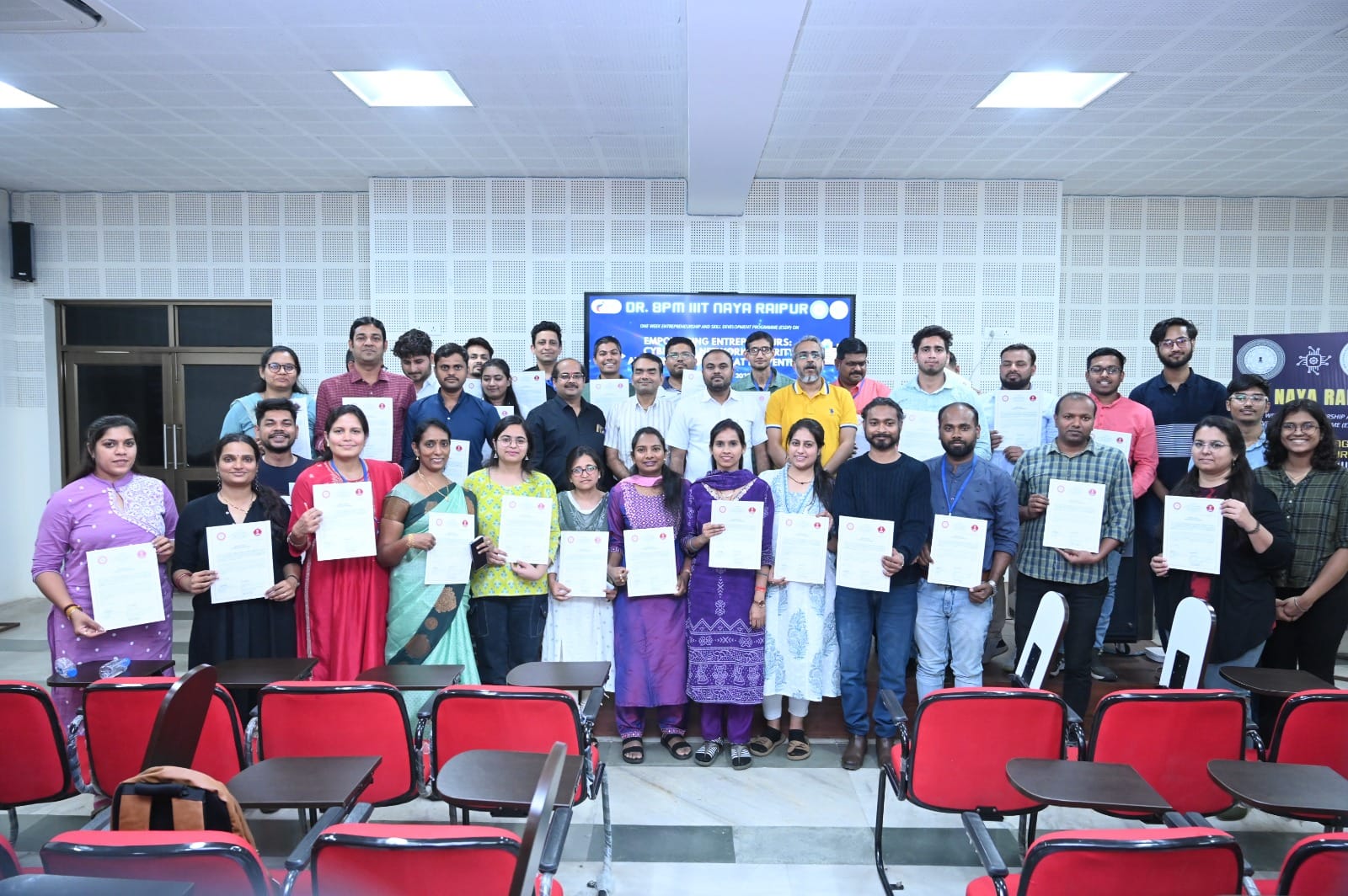
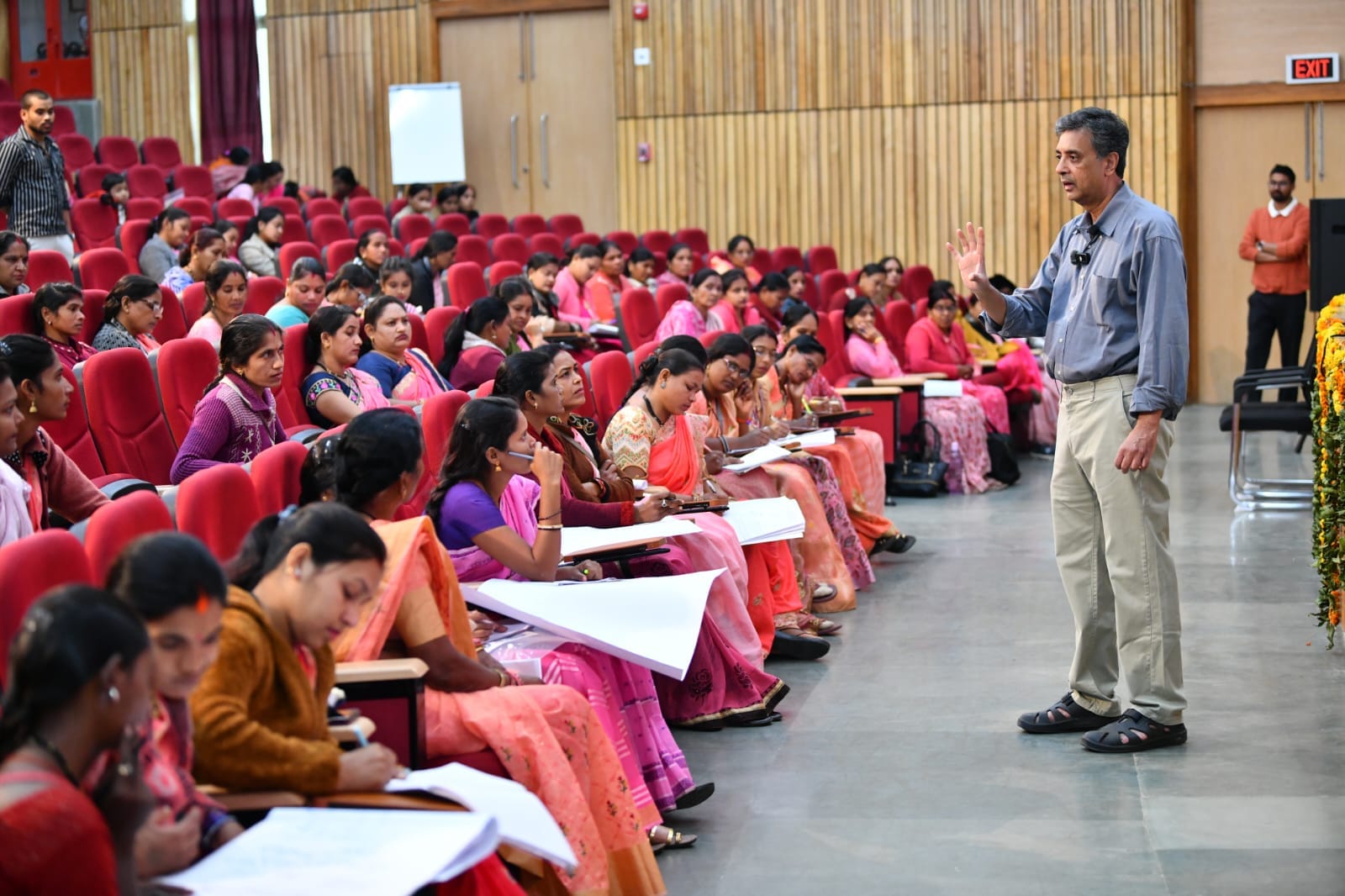
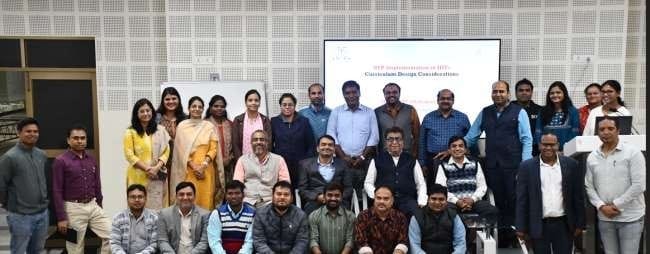
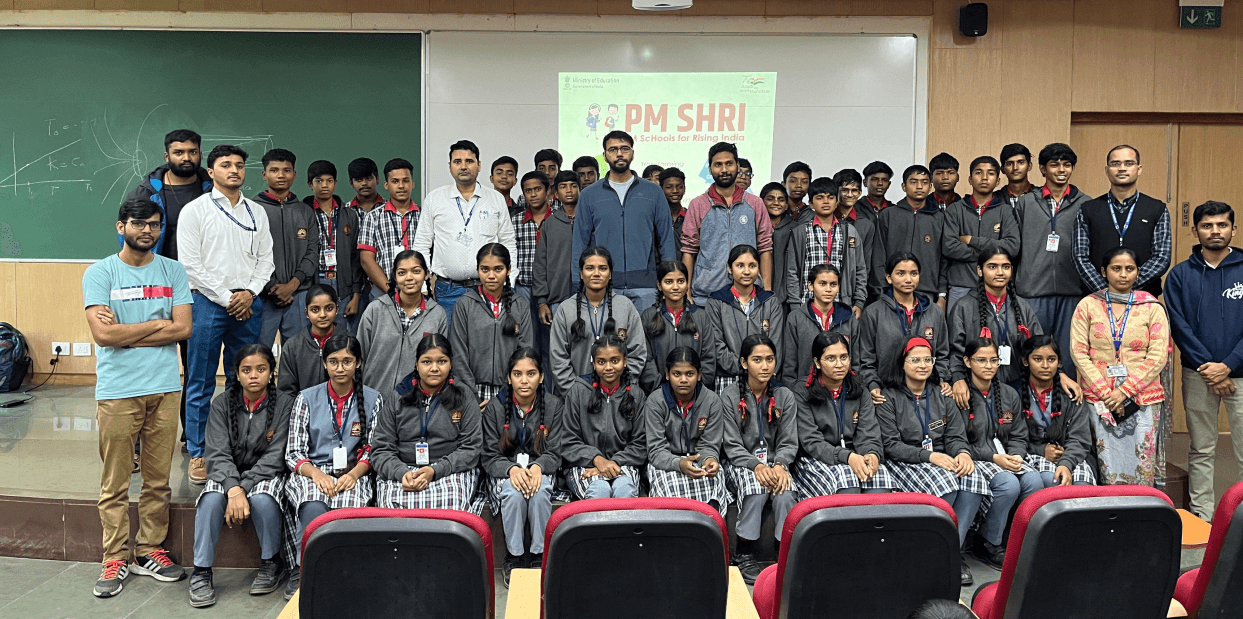
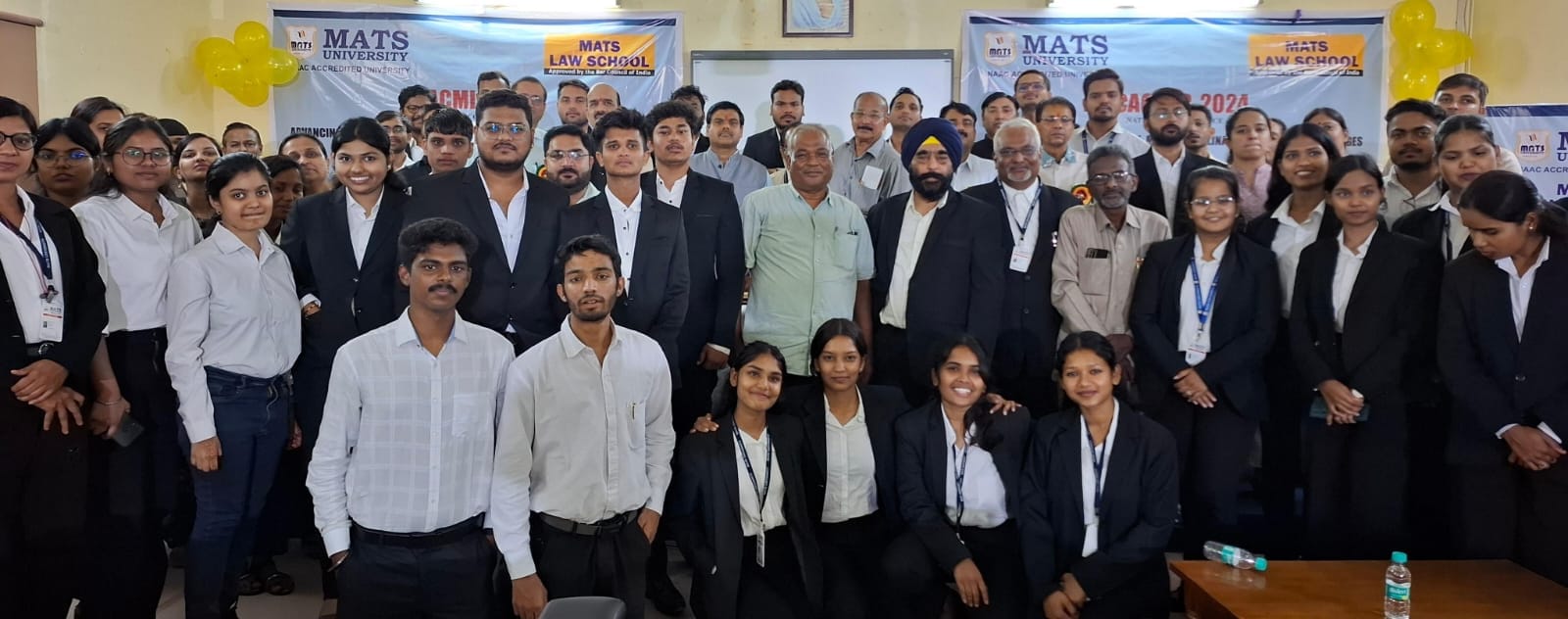
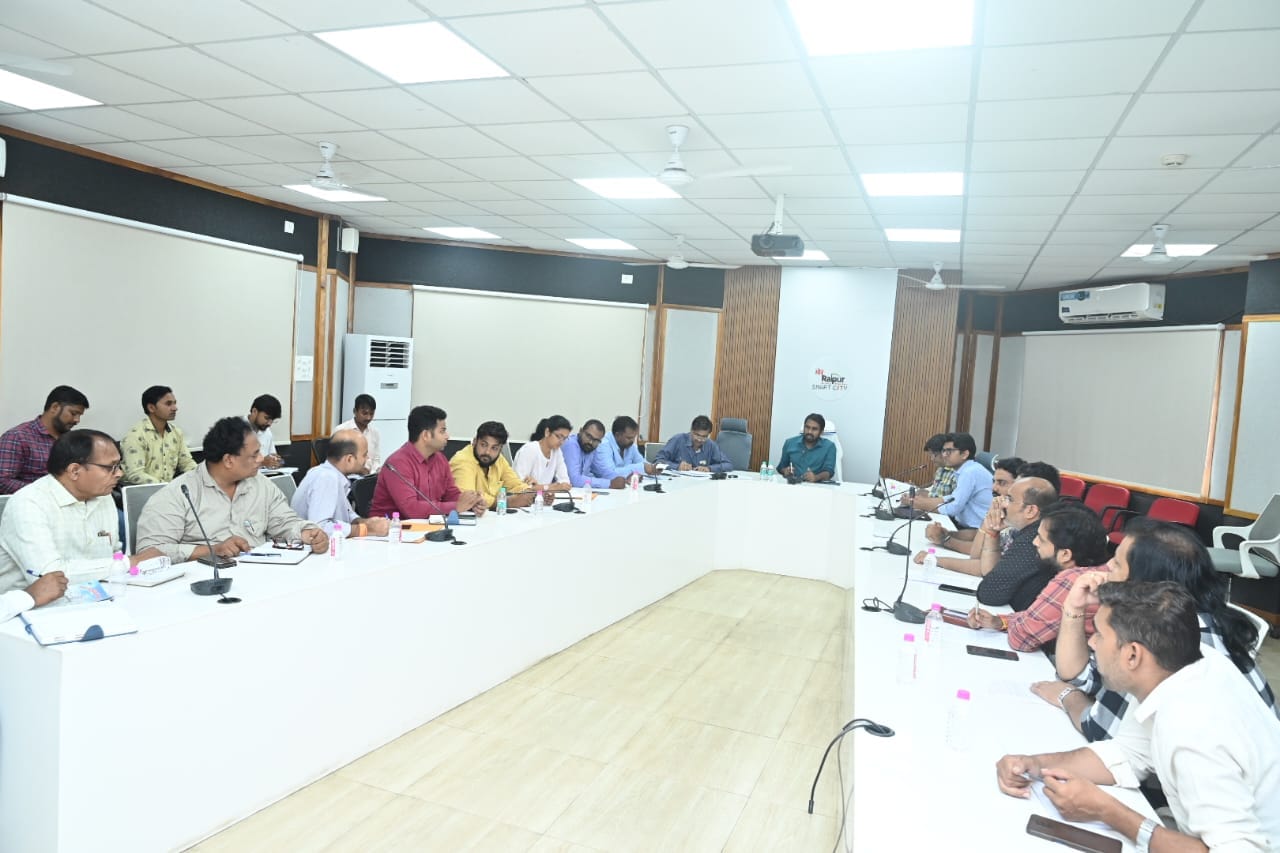
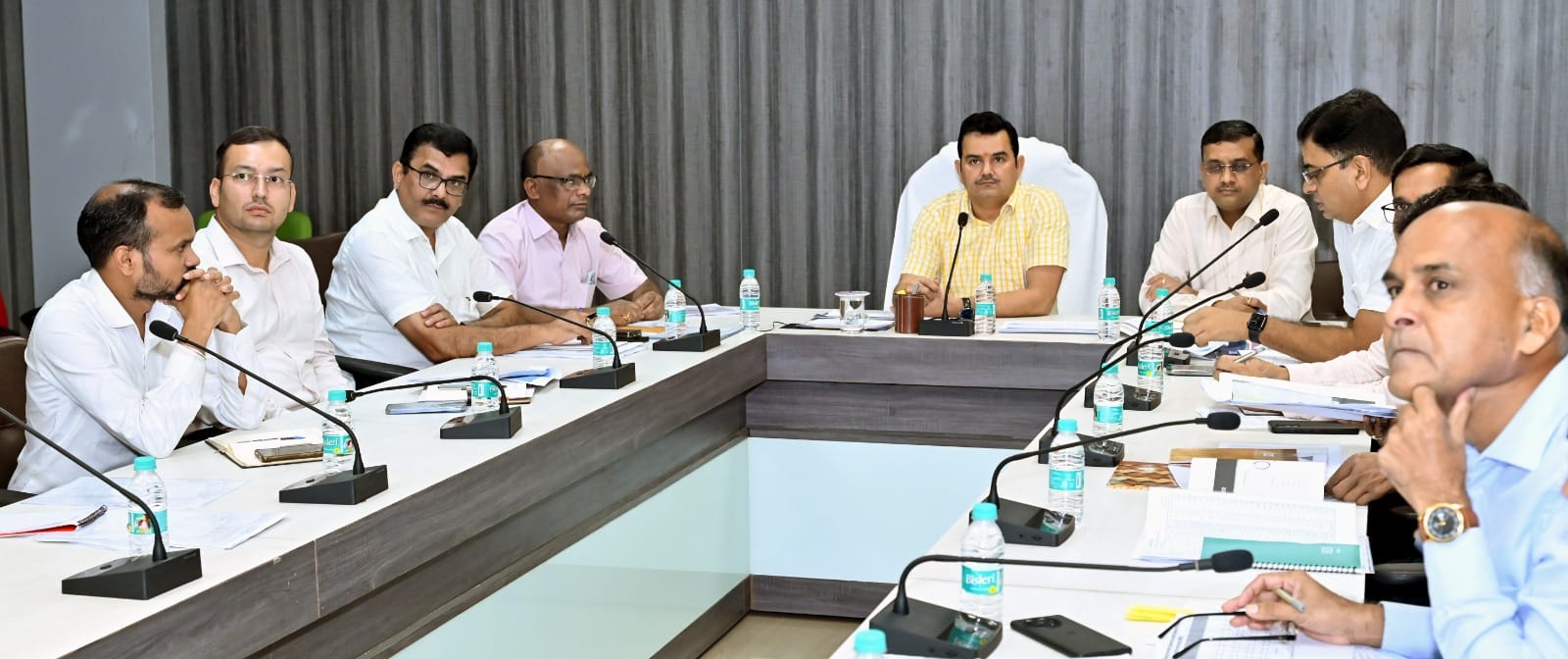
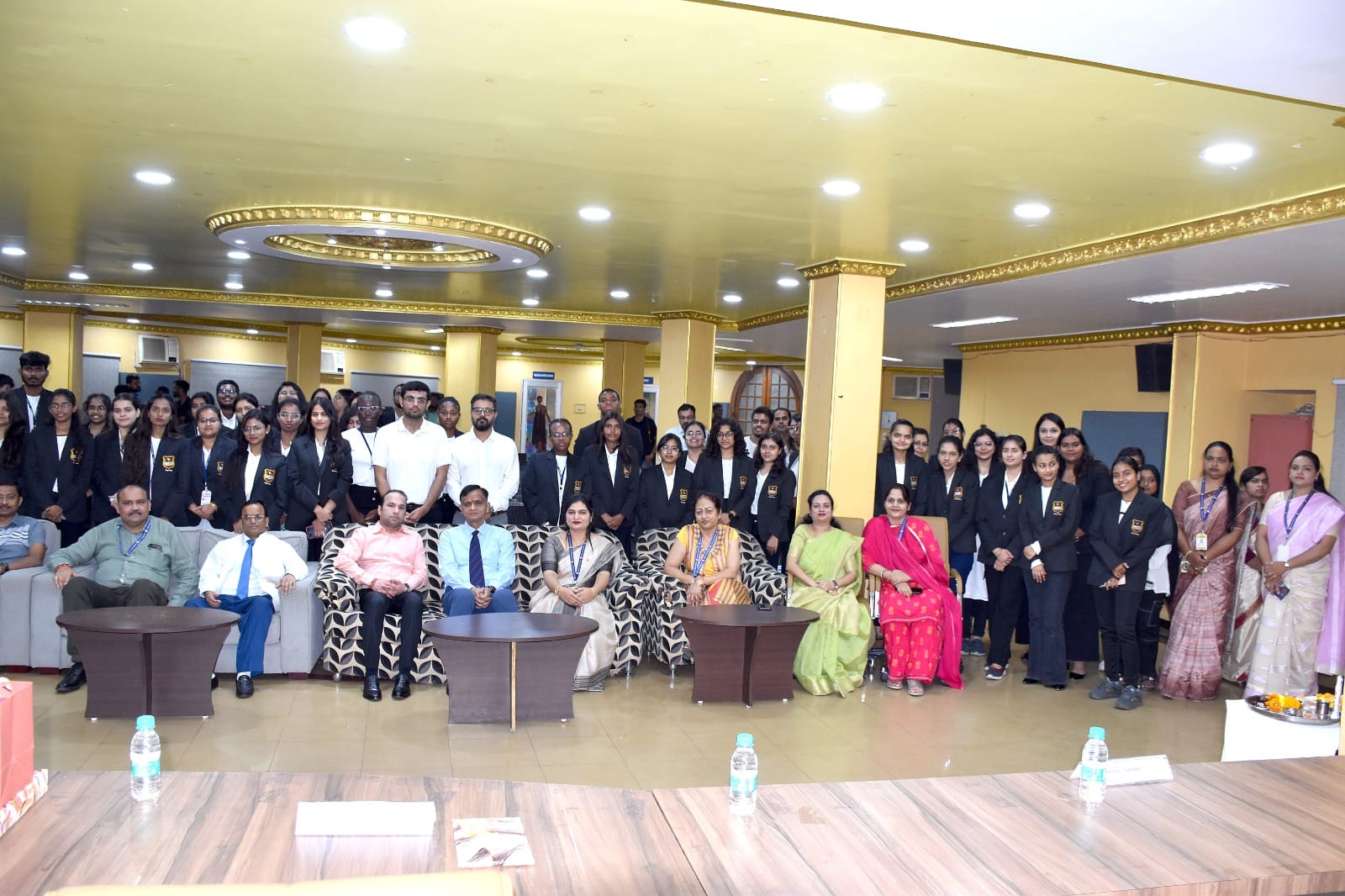
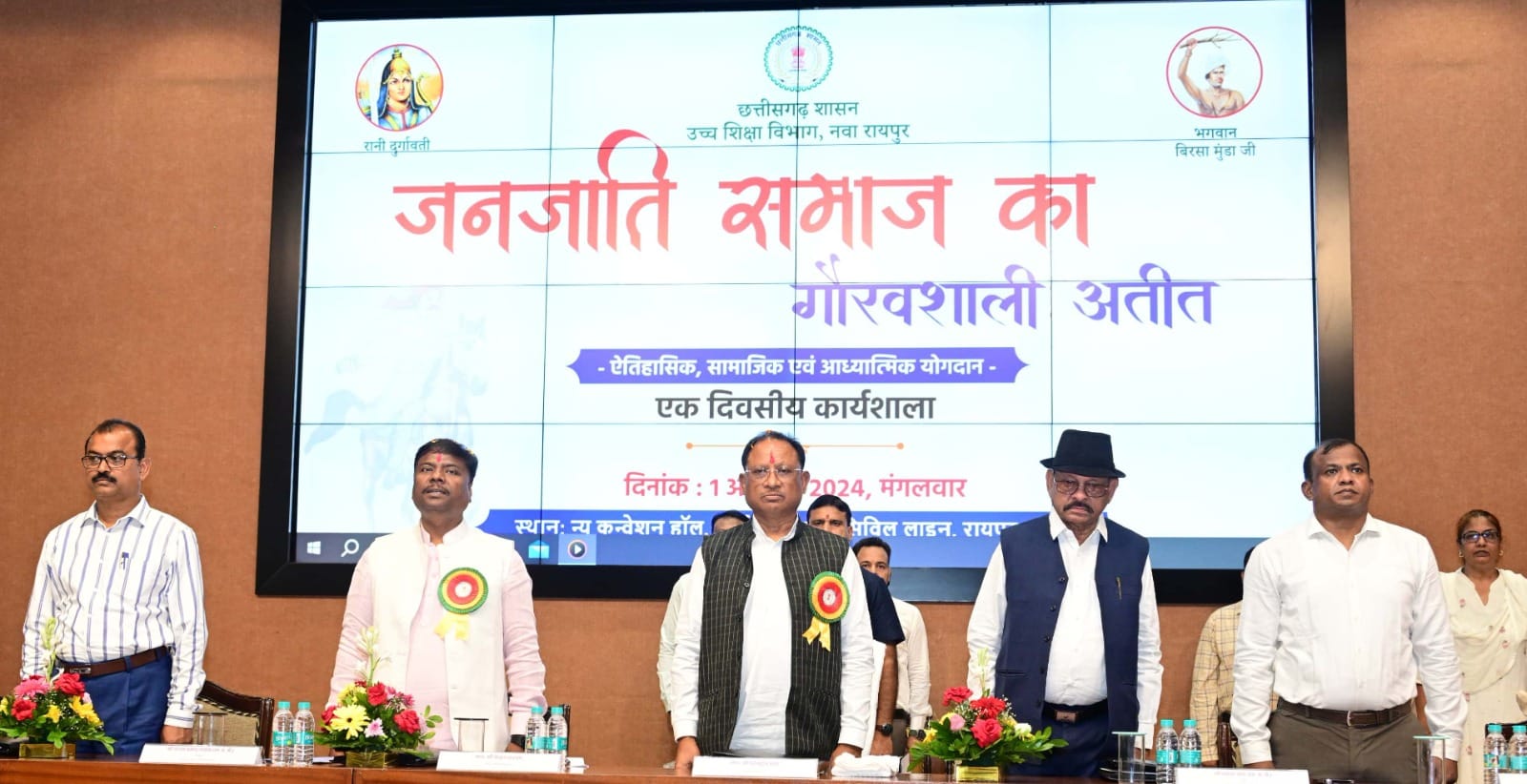
In the first phase of this initiative, beneficiaries from four selected districts of the state: Surguja, Jashpur, Kabirdham, and Bastar have been included. In this sequence, a one-day state-level orientation program was held on October 28th at the TRTI campus with the technical support of the Chhattisgarh Tourism Board and the Indian Institute of Management (IIM), Raipur.

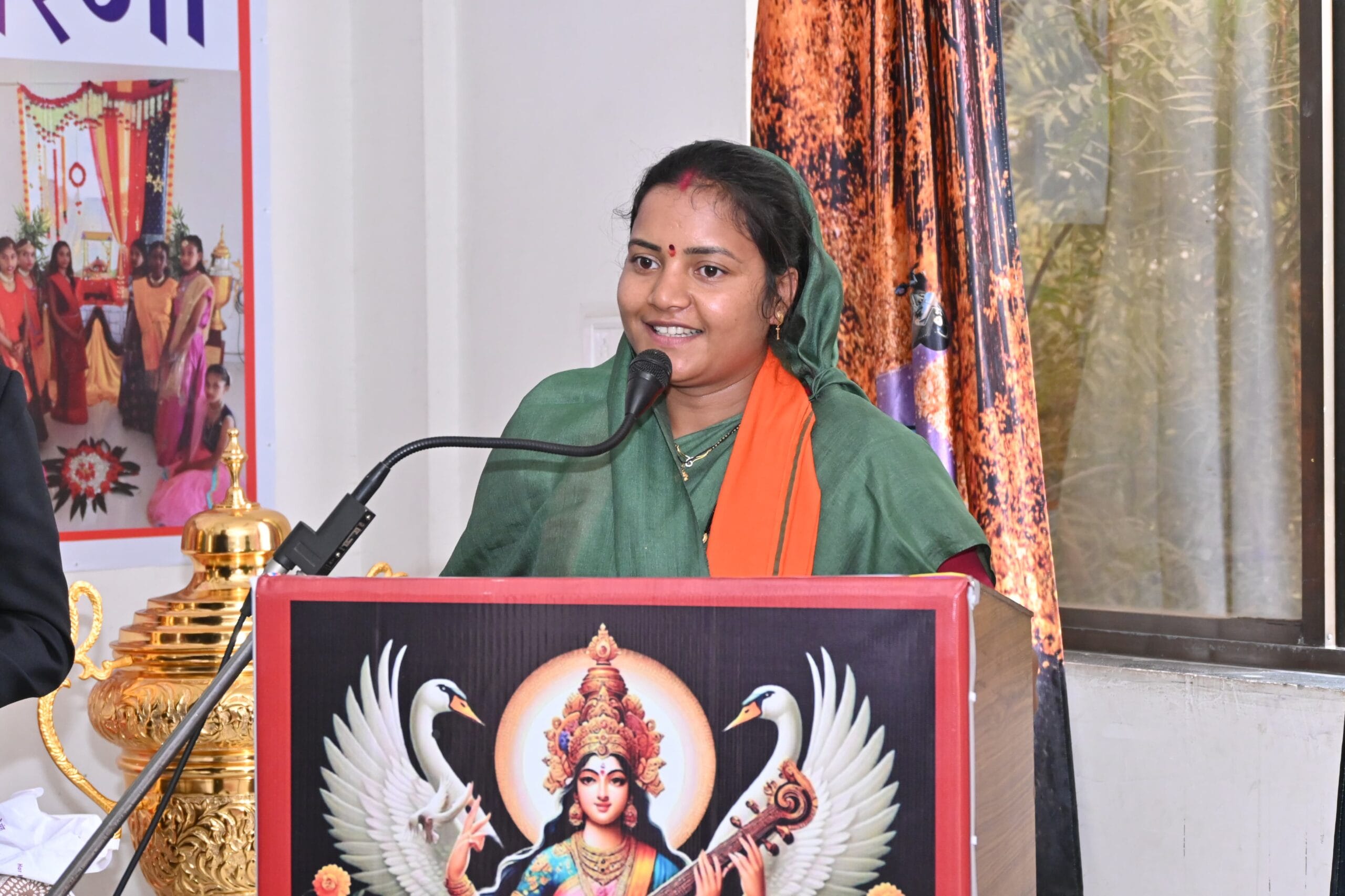
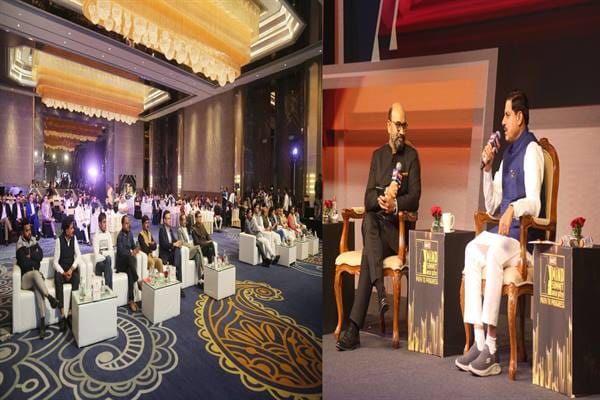
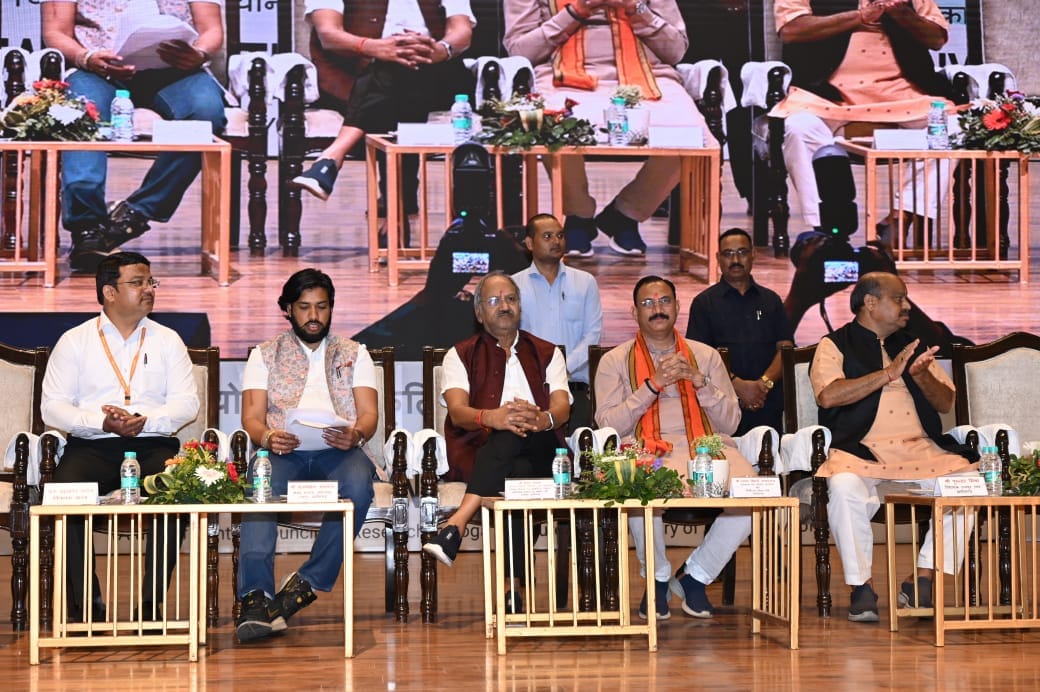
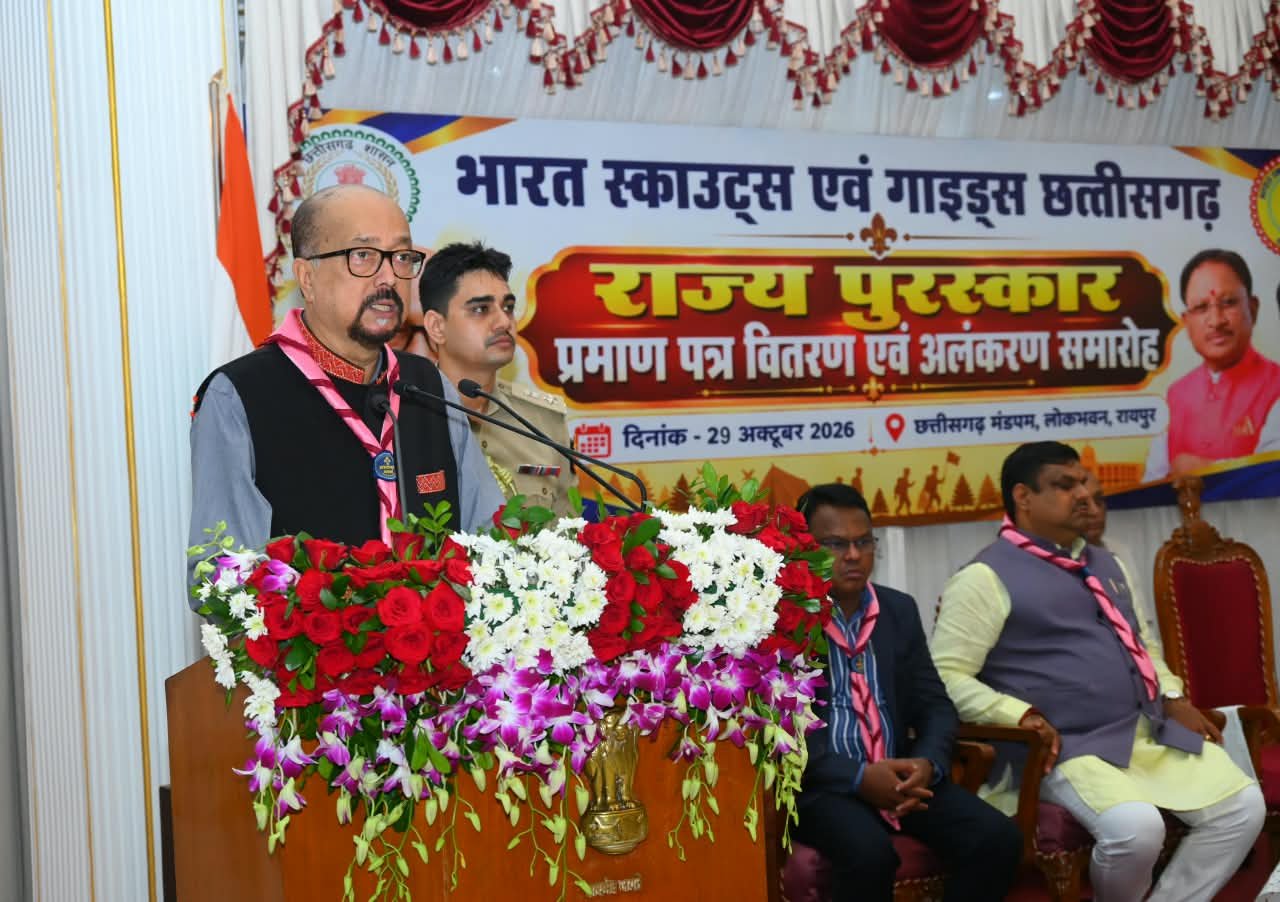
Addressing the participants, Ms. Hina Animesh Netam, Director of TRTI, said that Chhattisgarh’s rich tribal culture, traditional lifestyle, and natural beauty are a special attraction for tourists from India and abroad. The expansion of home-stay tourism will not only economically empower local families but will also give a new identity to the state’s cultural heritage. She said that encouraging tourism-based activities in rural areas will develop local employment opportunities. This will enable tribal families to earn a regular income while preserving their traditions and cultural characteristics.
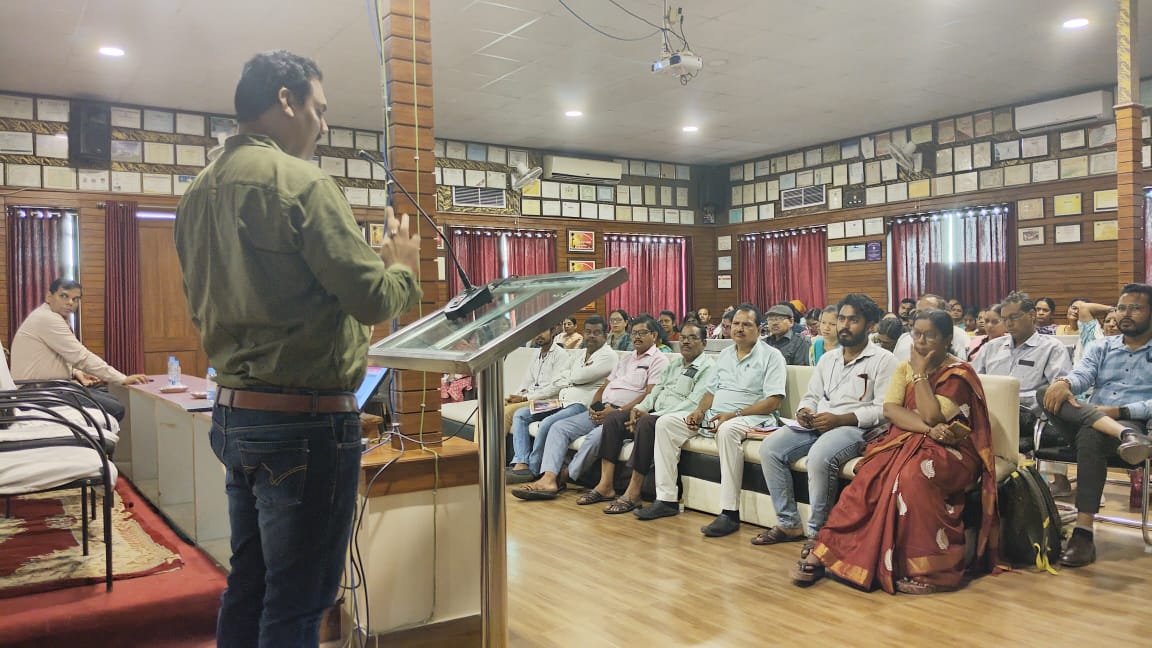
In the first technical session of the training, Dr. Shubhada Chaturvedi, an expert from the Chhattisgarh Tourism Department, explained the various provisions of the Homestay Policy. She provided detailed guidance on the registration process, government-set standards, required documents, and available grant assistance.
In the second session, Ms. Tausif Ayesha Ansari, an expert from IIM Raipur, provided practical tips for developing a homestay into a successful enterprise. She highlighted the importance of cleanliness, hospitality, maintenance of rooms and premises, and quality services for tourists. She also provided information on starting a business with limited resources and turning it into a sustainable source of regular income.
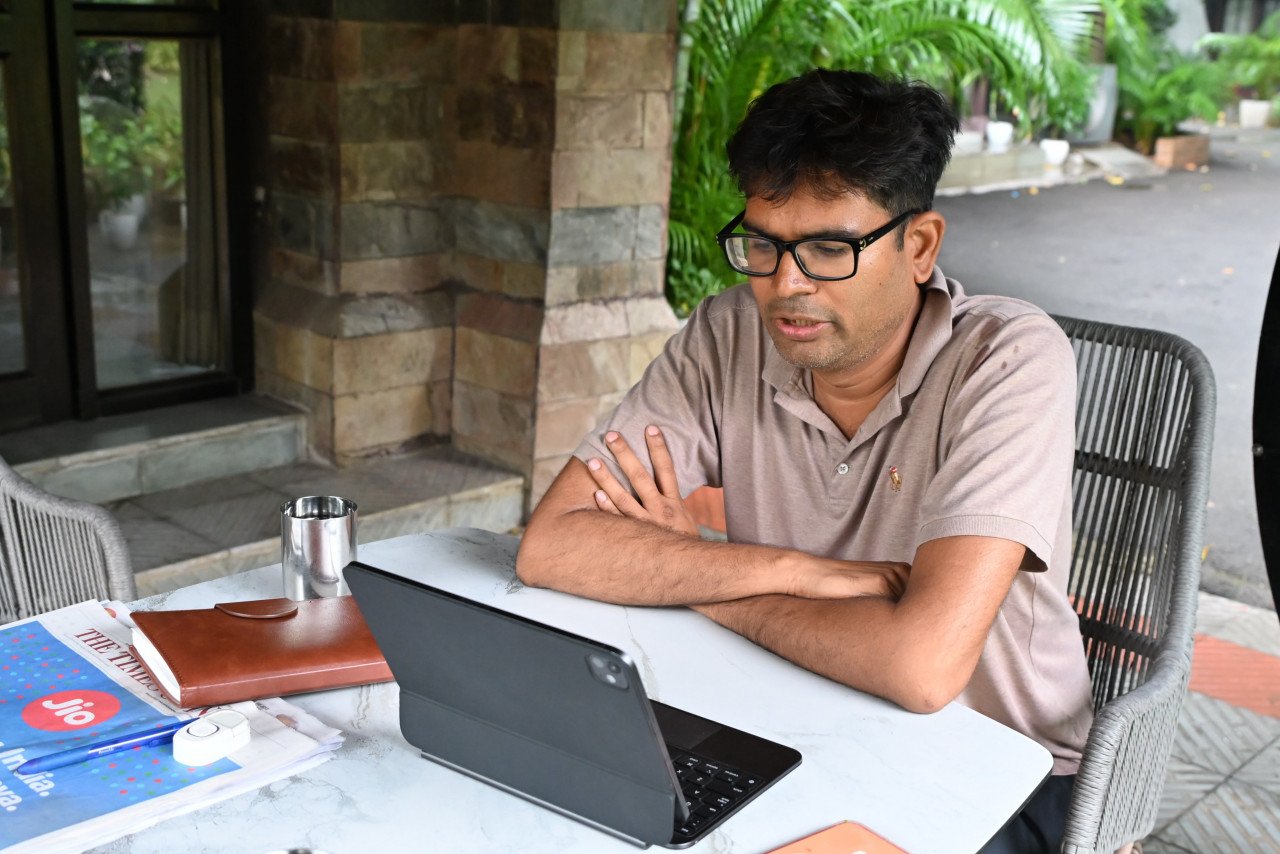
In the final session, focused on digital marketing, expert Mr. Jyotirmay Dewangan provided training on the effective use of social media, online travel portals, and various digital platforms. He explained that with the help of modern technology, stakeholders can connect directly with tourists without middlemen. This will help increase online bookings for homestays and gain wider recognition for their businesses.
At the conclusion of the program, participants from all four districts received answers to their queries from experts. Describing the training as useful for self-employment, they expressed enthusiasm for starting home-stay businesses in their areas. This initiative will prove crucial in increasing the economic self-reliance of tribal families, encouraging local tourism, and bringing national and international recognition to Chhattisgarh’s unique folk culture.