













- Catering for 2,500 People, Numerous Food Stalls, and Elaborate Decorations—All Without the Use of Single-Use Plastic
- A Unique Initiative for Environmental Conservation: Waste Segregated and Properly Disposed of at the Event Held Under the Chief Guestship of Deputy Chief Minister Shri Arun Sao
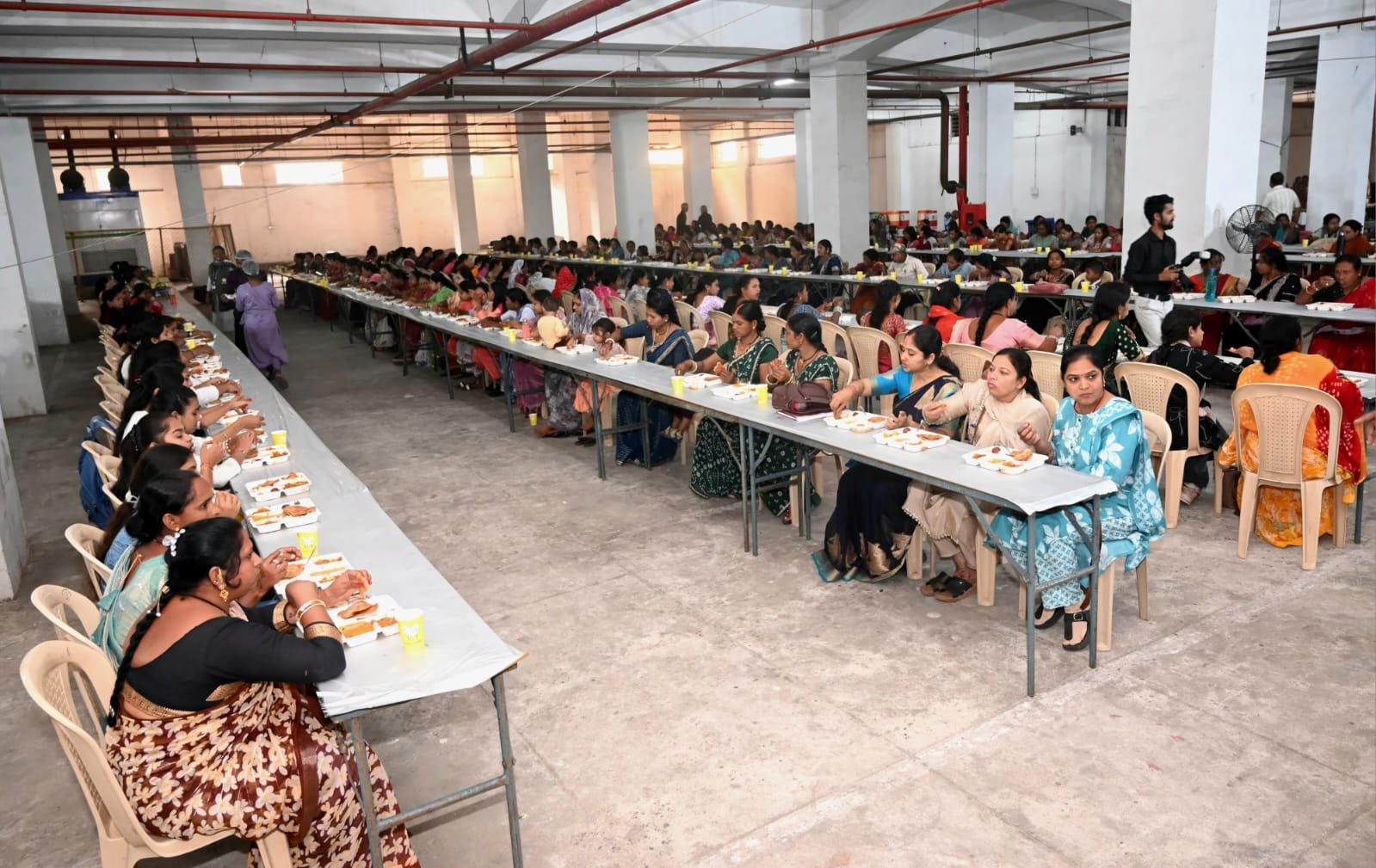
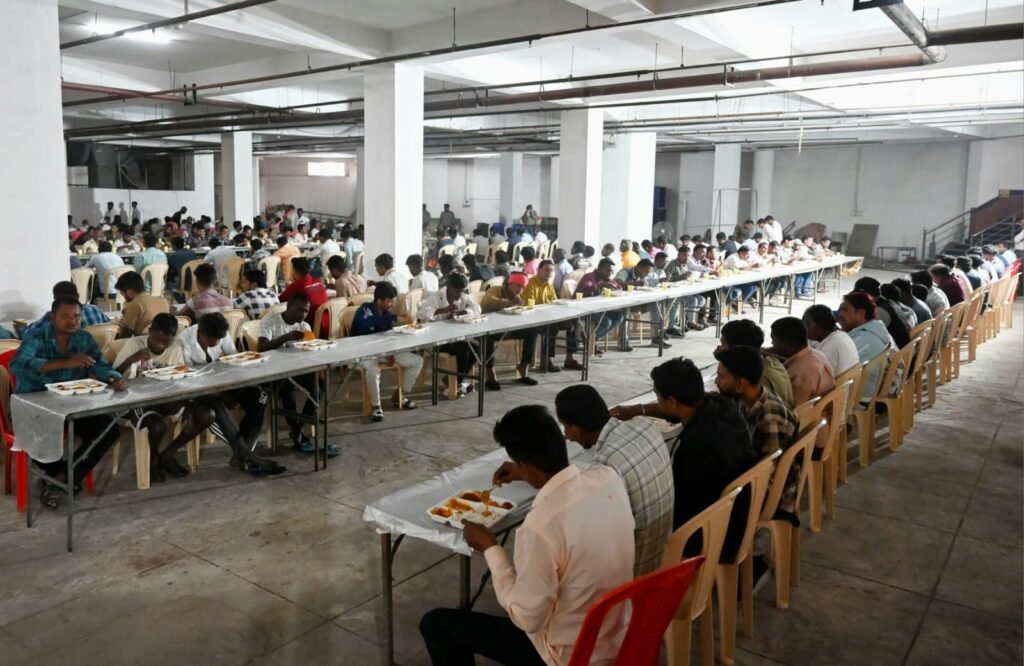
The ‘PM Swanidhi Mahotsav,’ organized in the capital city of Raipur by the Urban Administration and Development Department and the State Urban Development Agency (SUDA), has set a new precedent for environmental conservation by challenging the notion that large-scale public events must rely on plastic. Despite extensive arrangements—including catering for approximately 2,500 people, dozens of food stalls, drinking water facilities, and decorations—not a single piece of single-use plastic was used throughout the event. Bamboo plates and wooden spoons were used for serving food, while plastic-free alternatives were provided for drinking water. Decorations and signage were also crafted from reusable materials. Furthermore, waste generated during the event was segregated and disposed of through a proper, systematic process. Through this innovation, the Swanidhi Mahotsav demonstrated that large-scale events involving thousands of participants can indeed be conducted in a plastic-free and environmentally friendly manner.
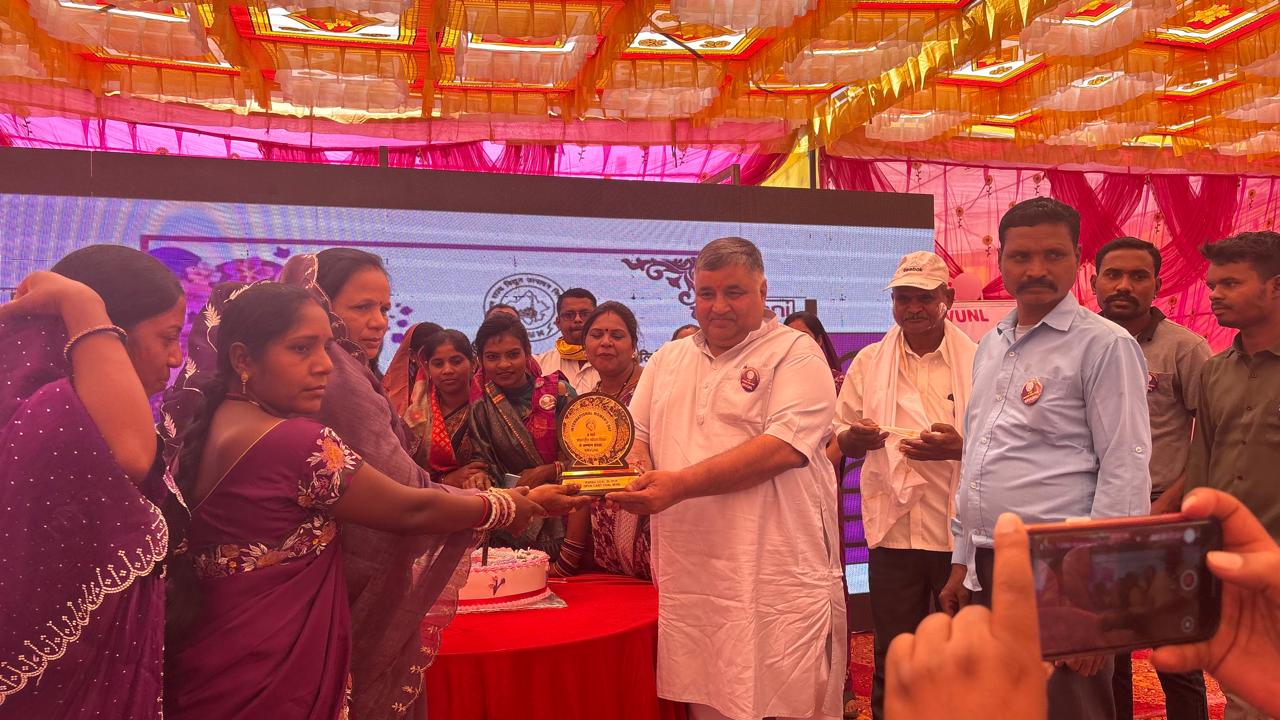
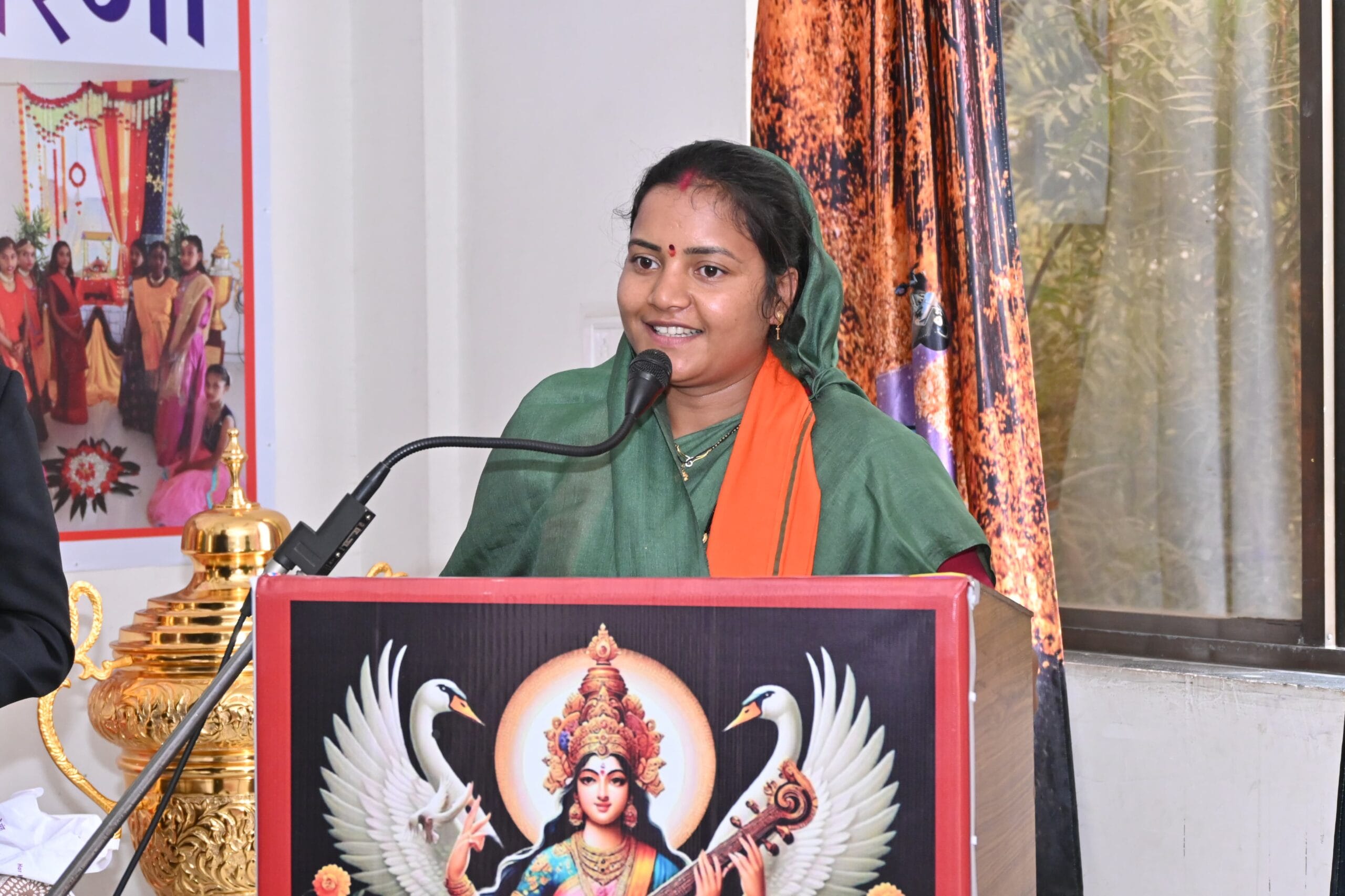
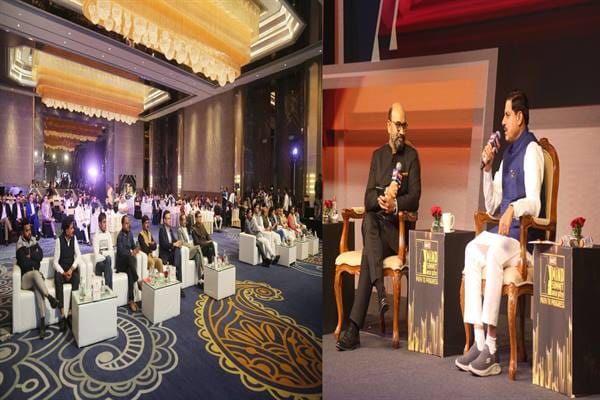
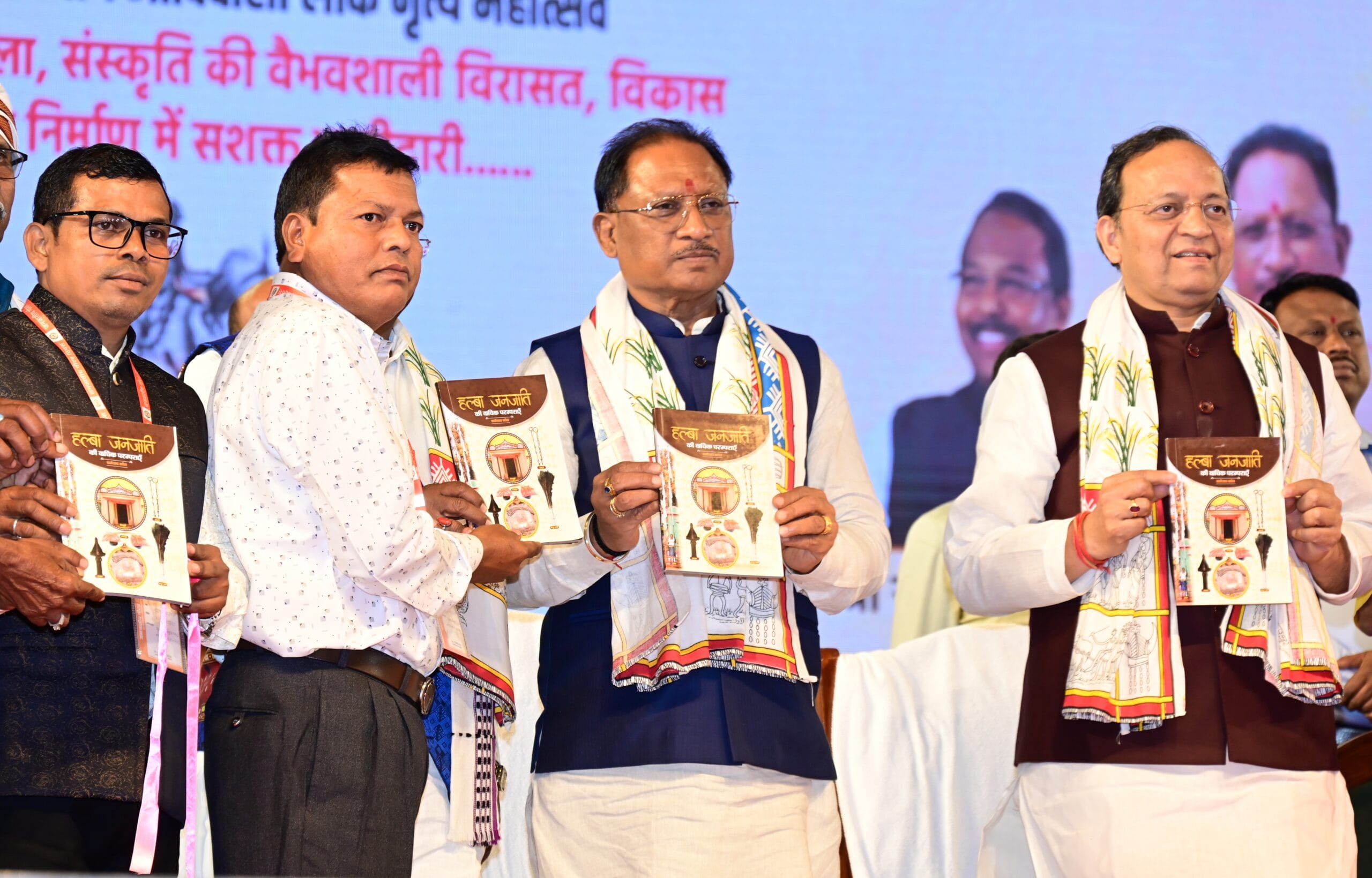
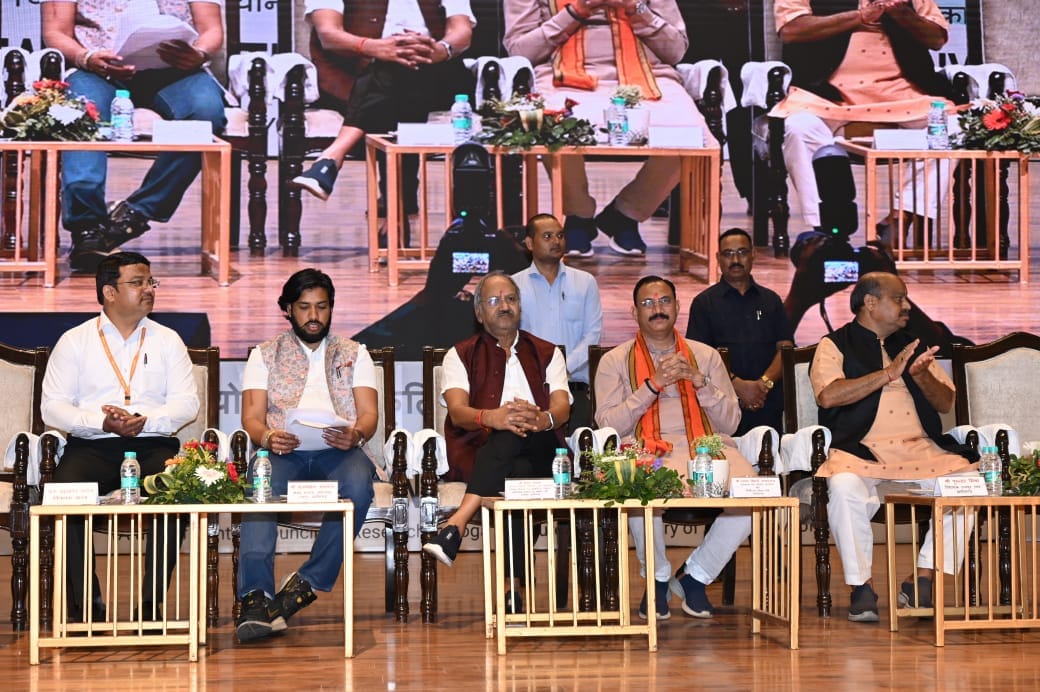
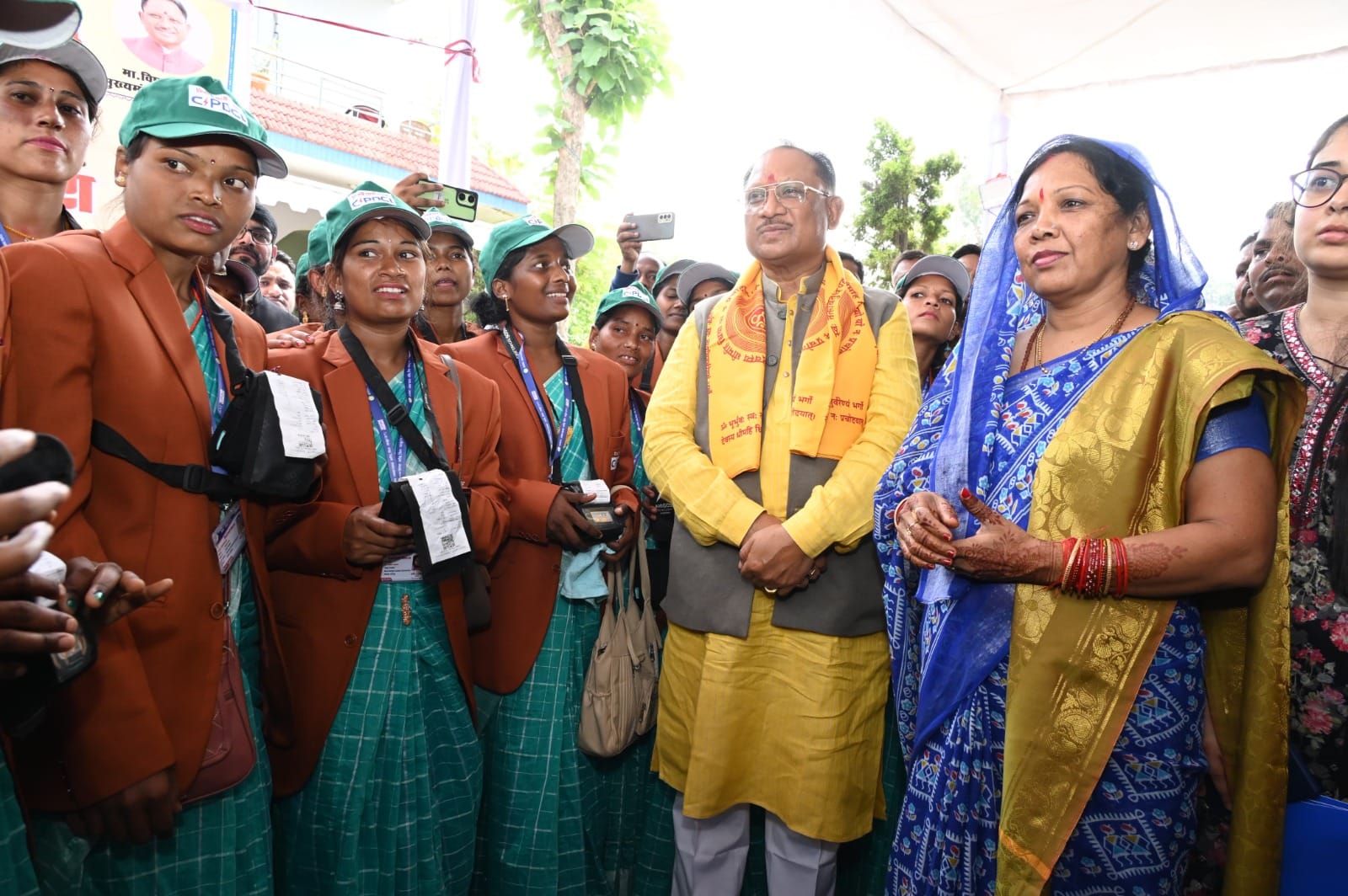
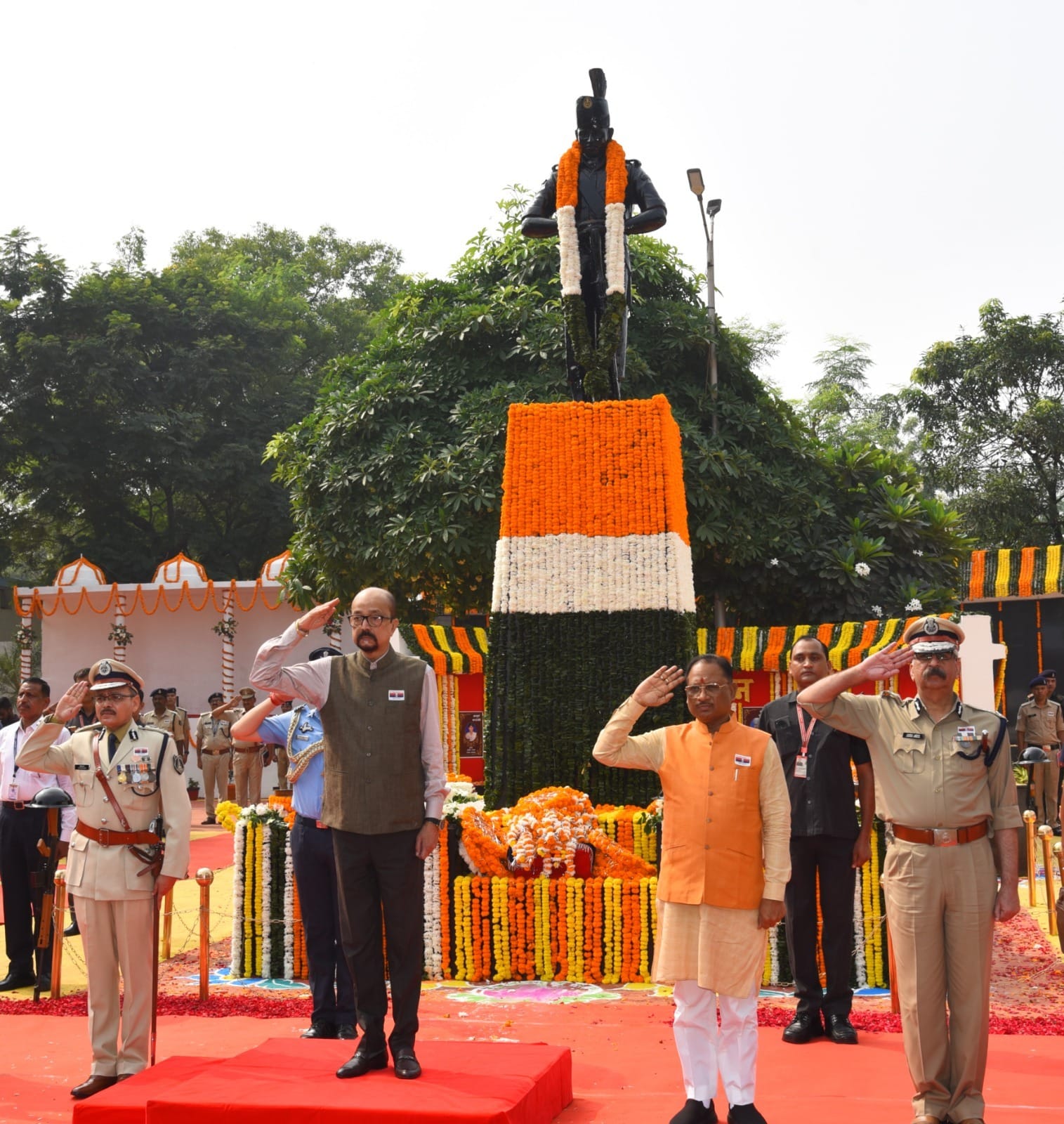
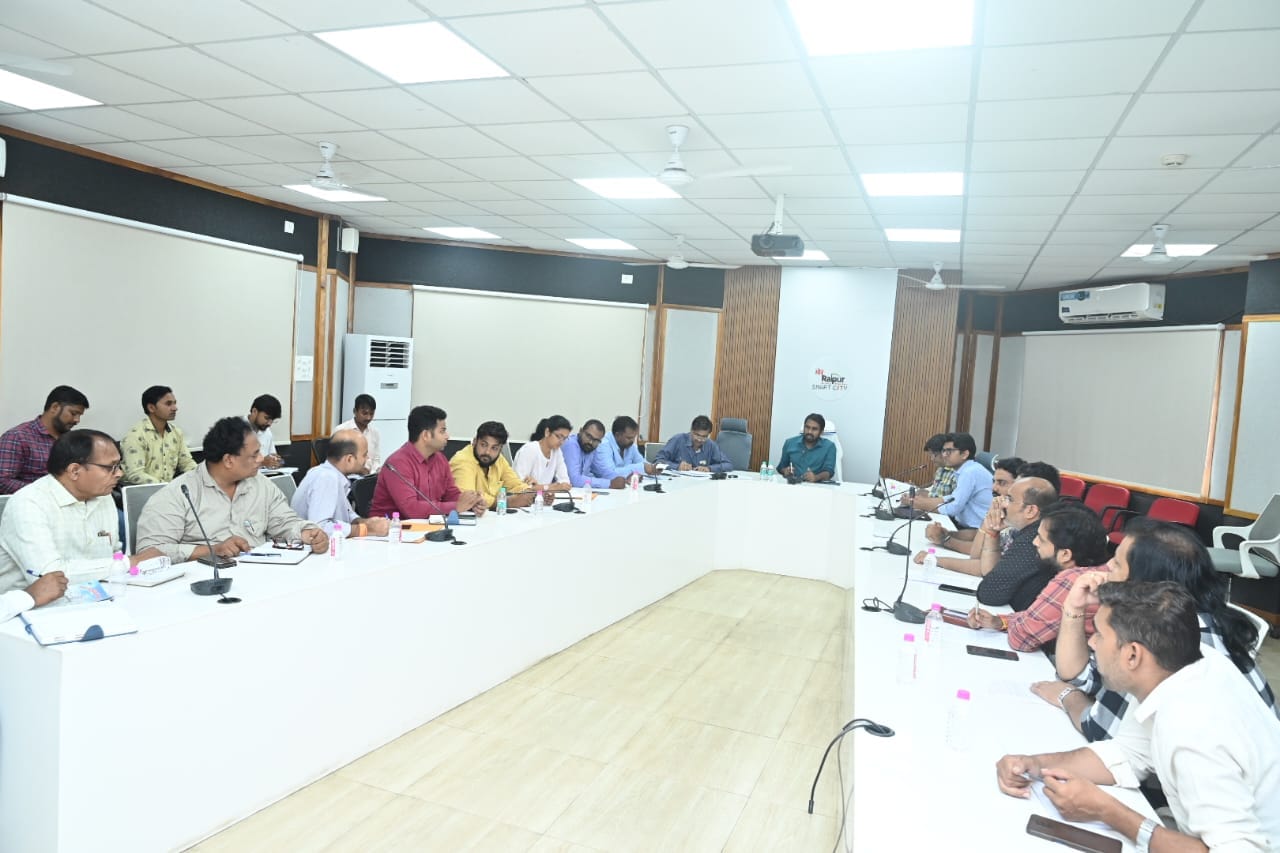
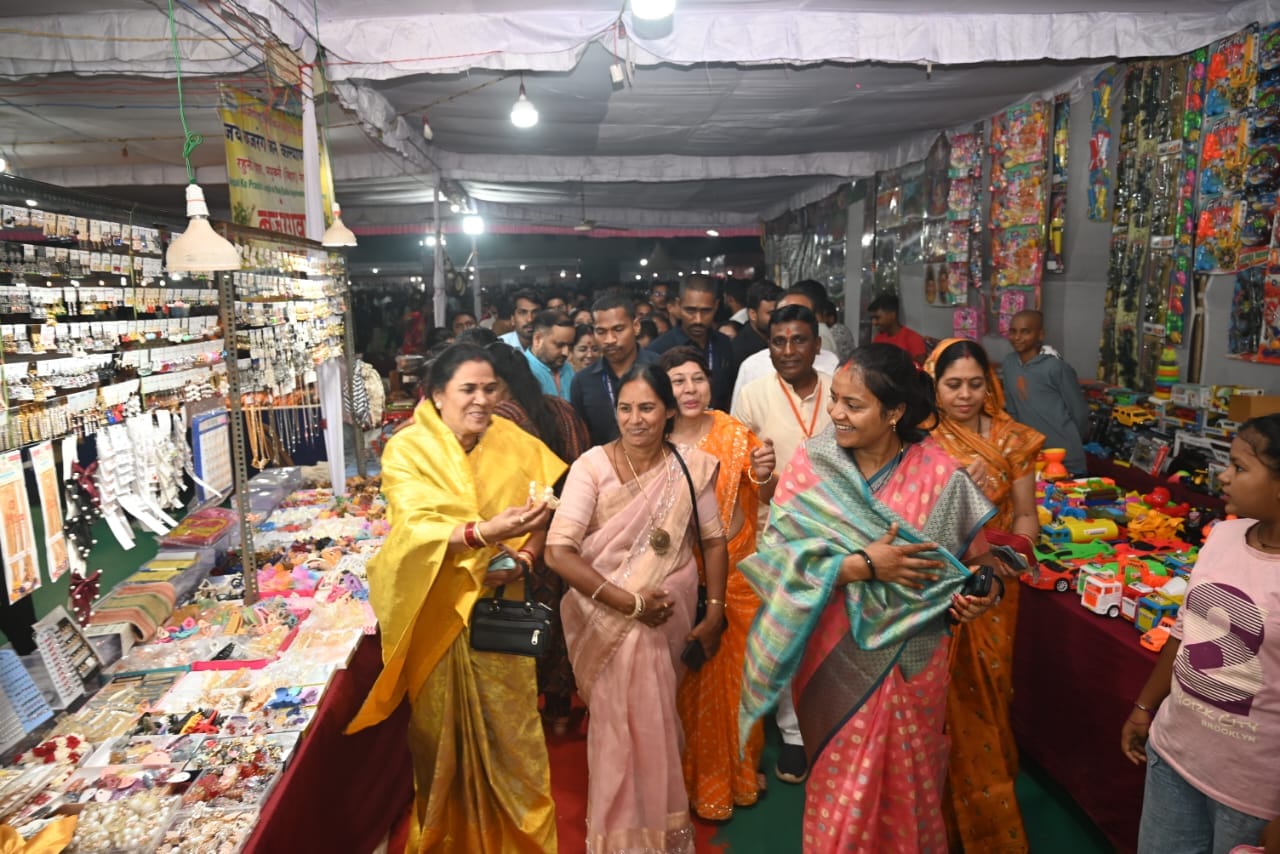
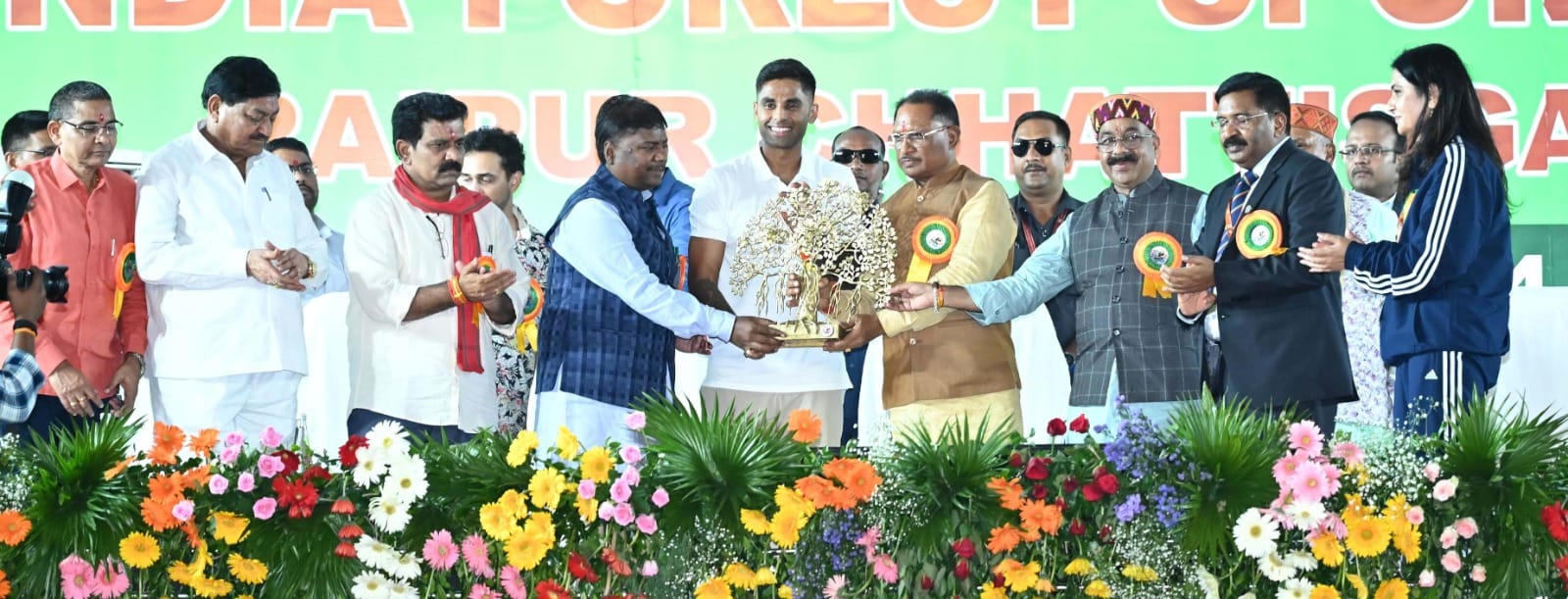
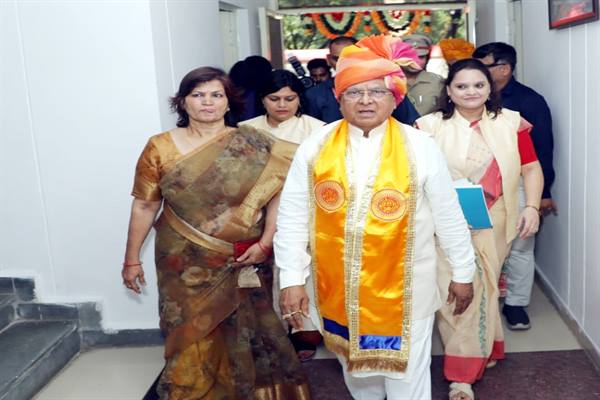
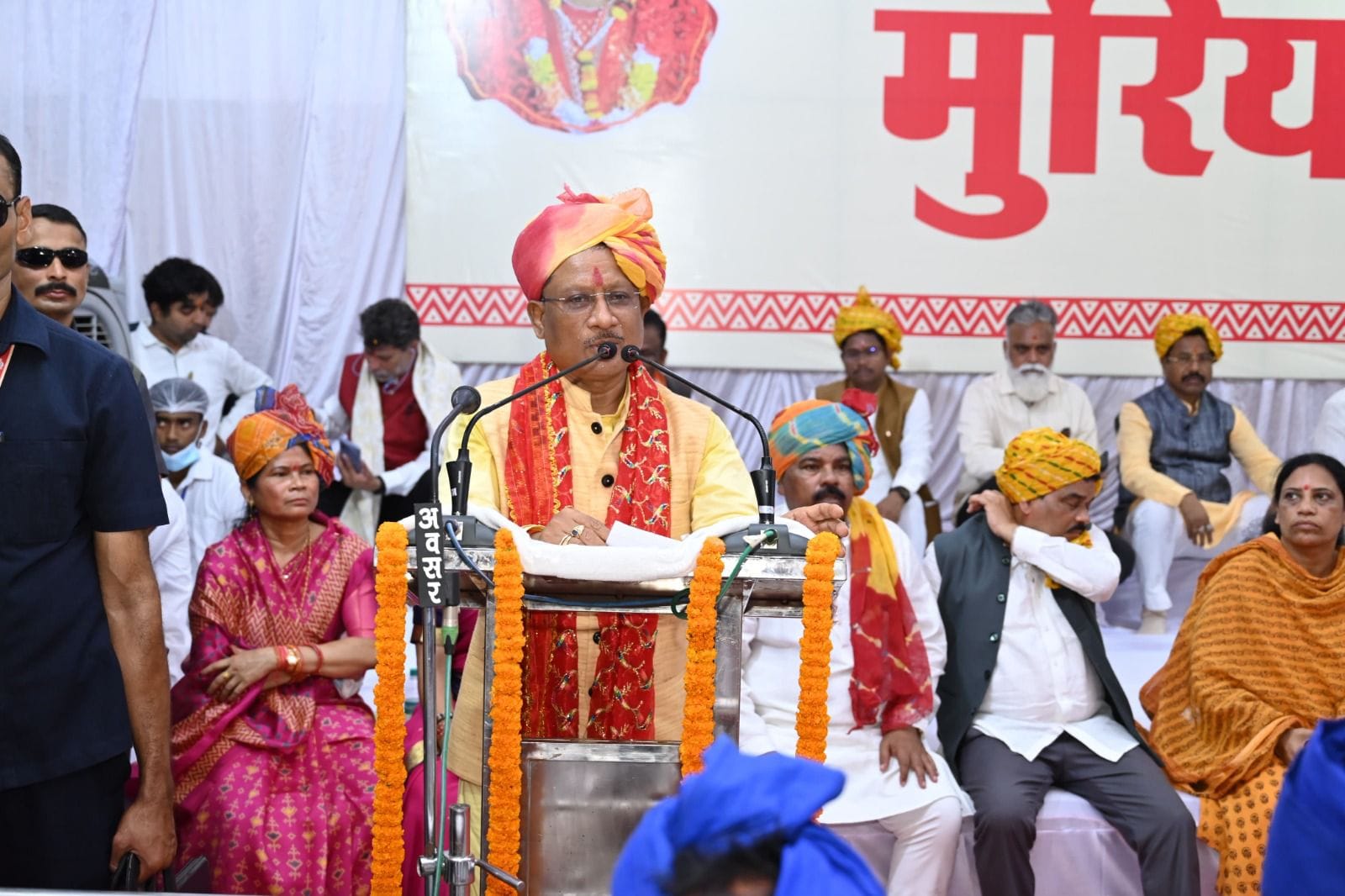
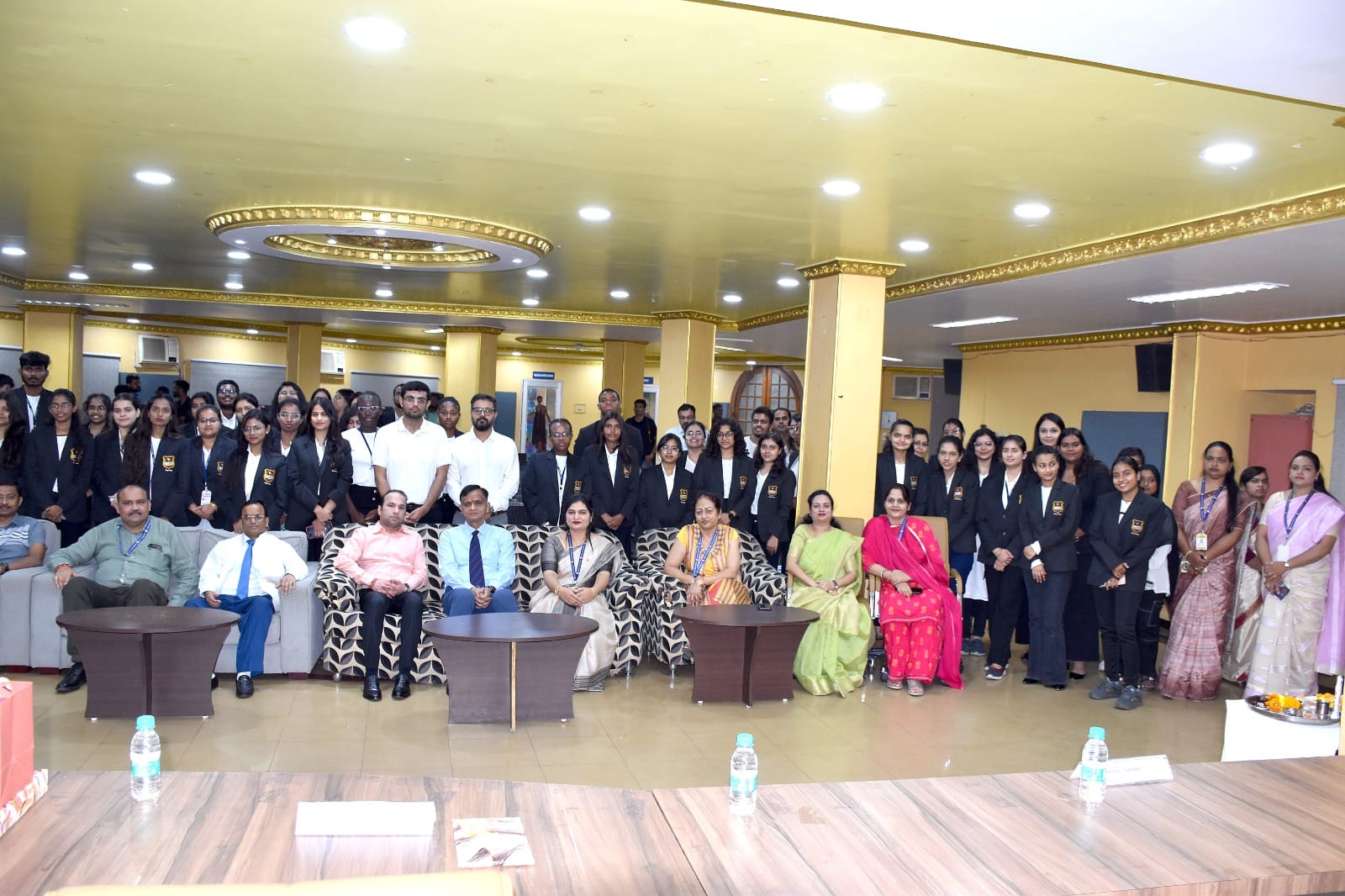
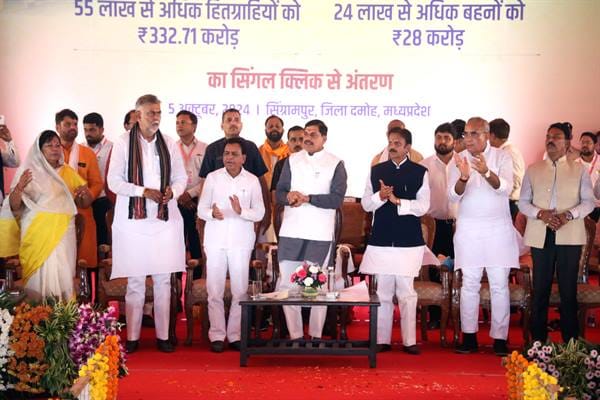
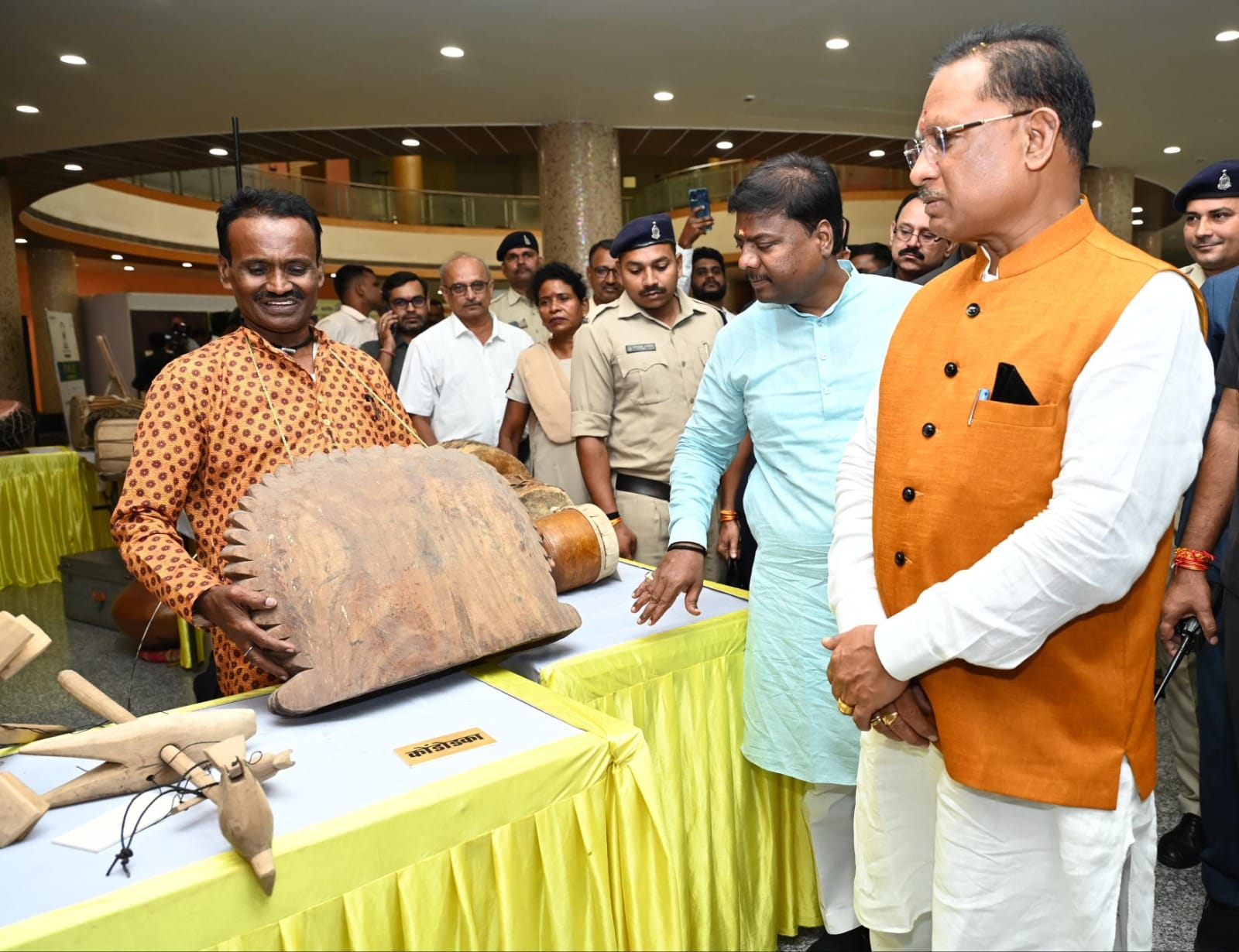
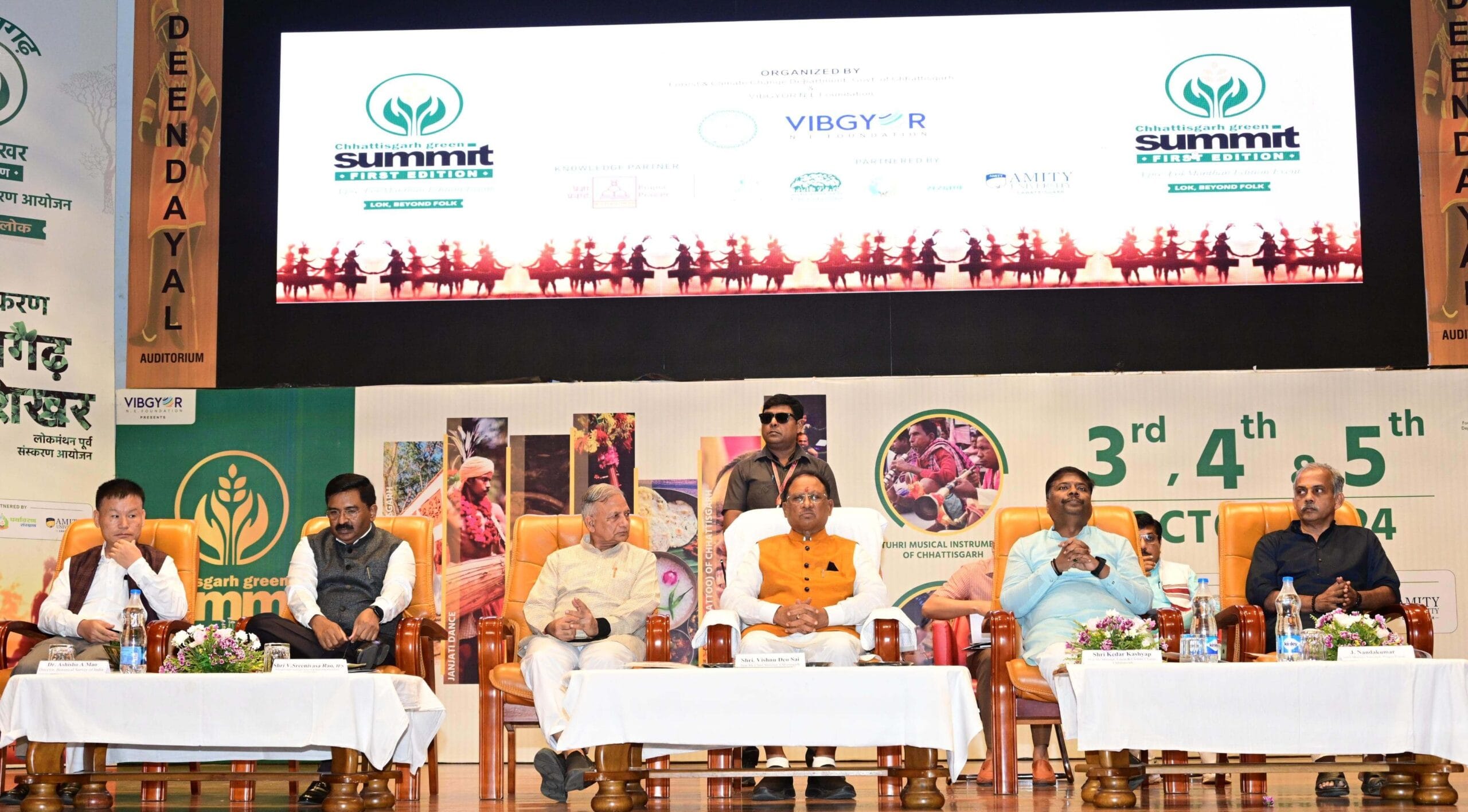
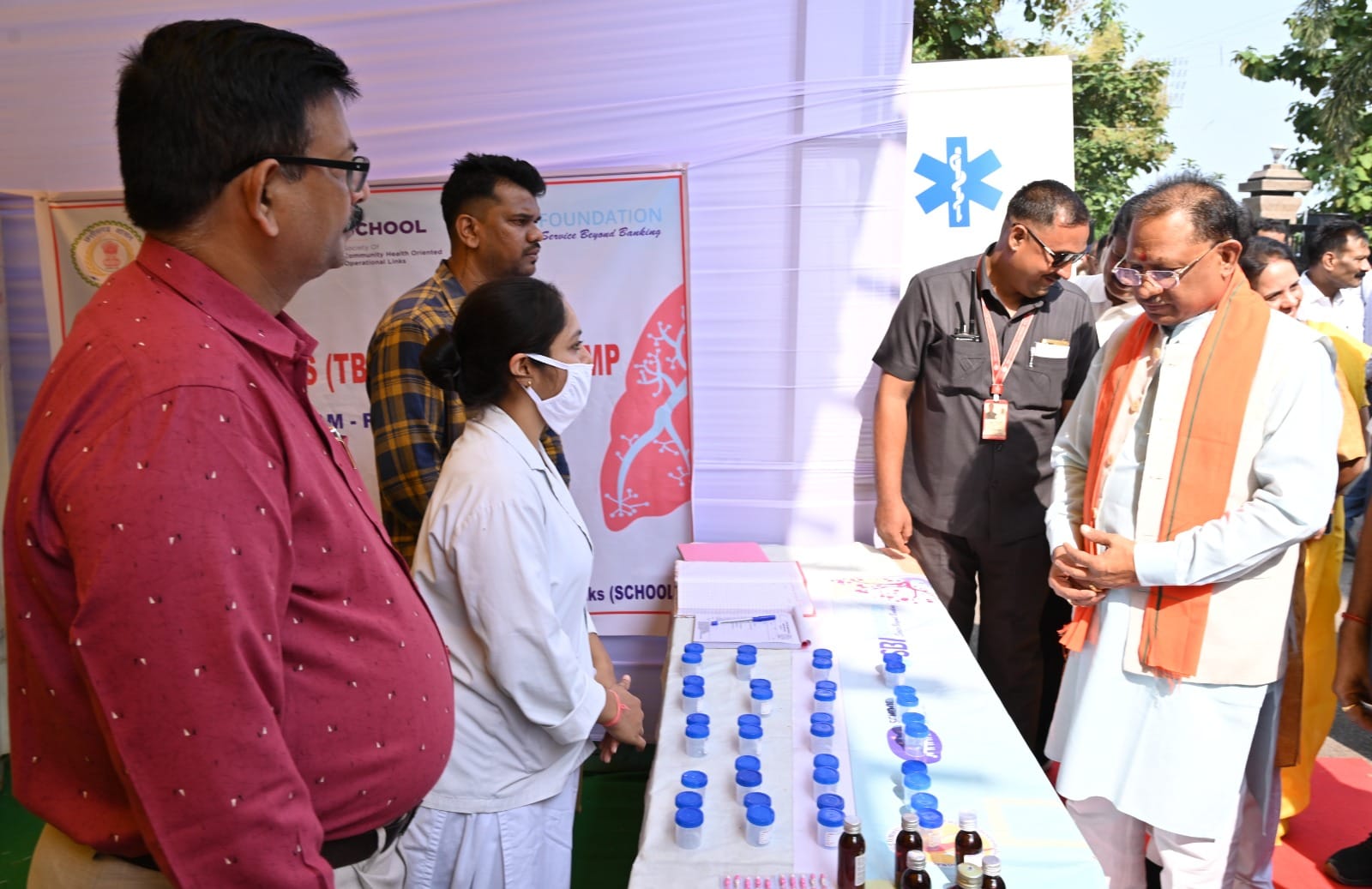
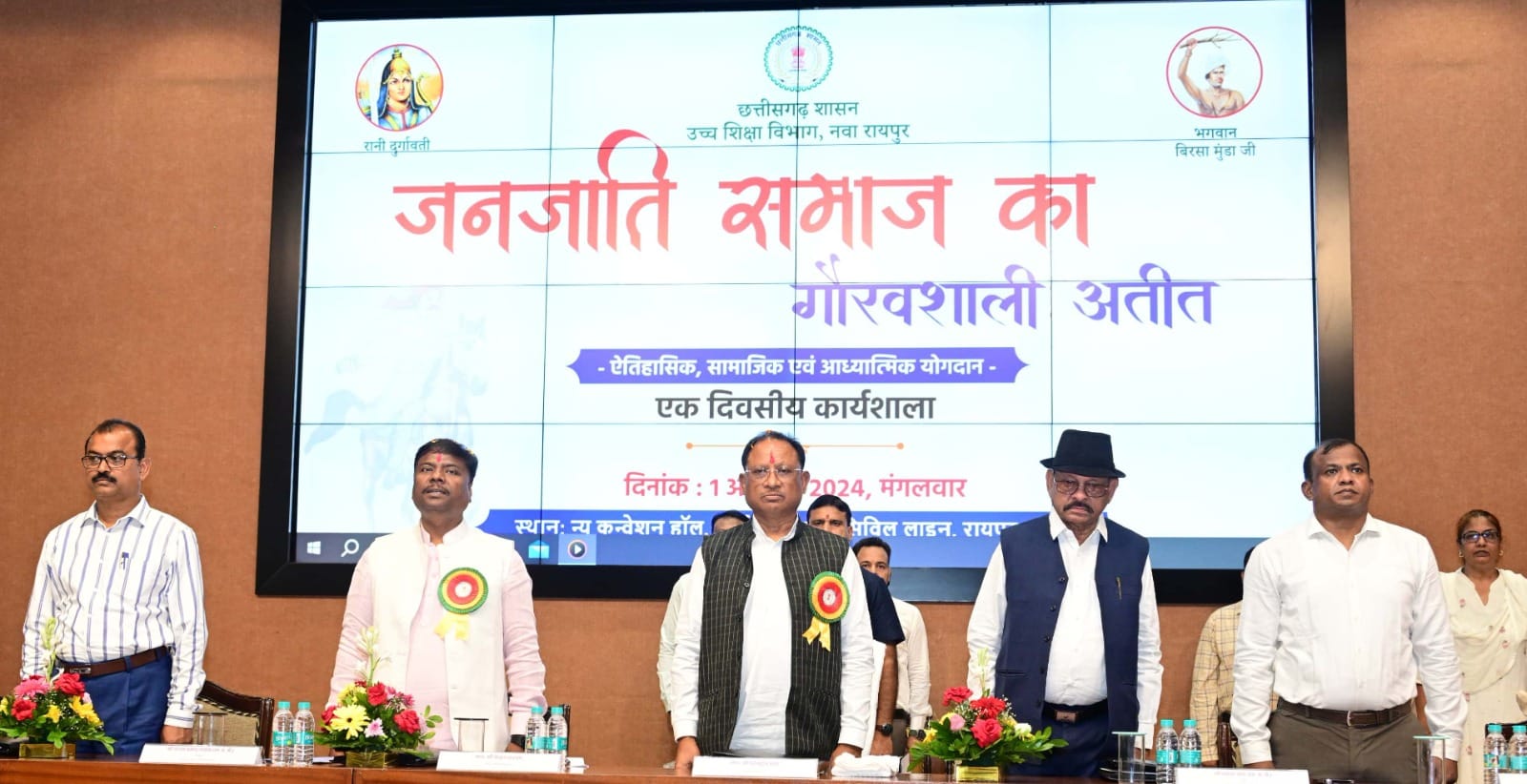
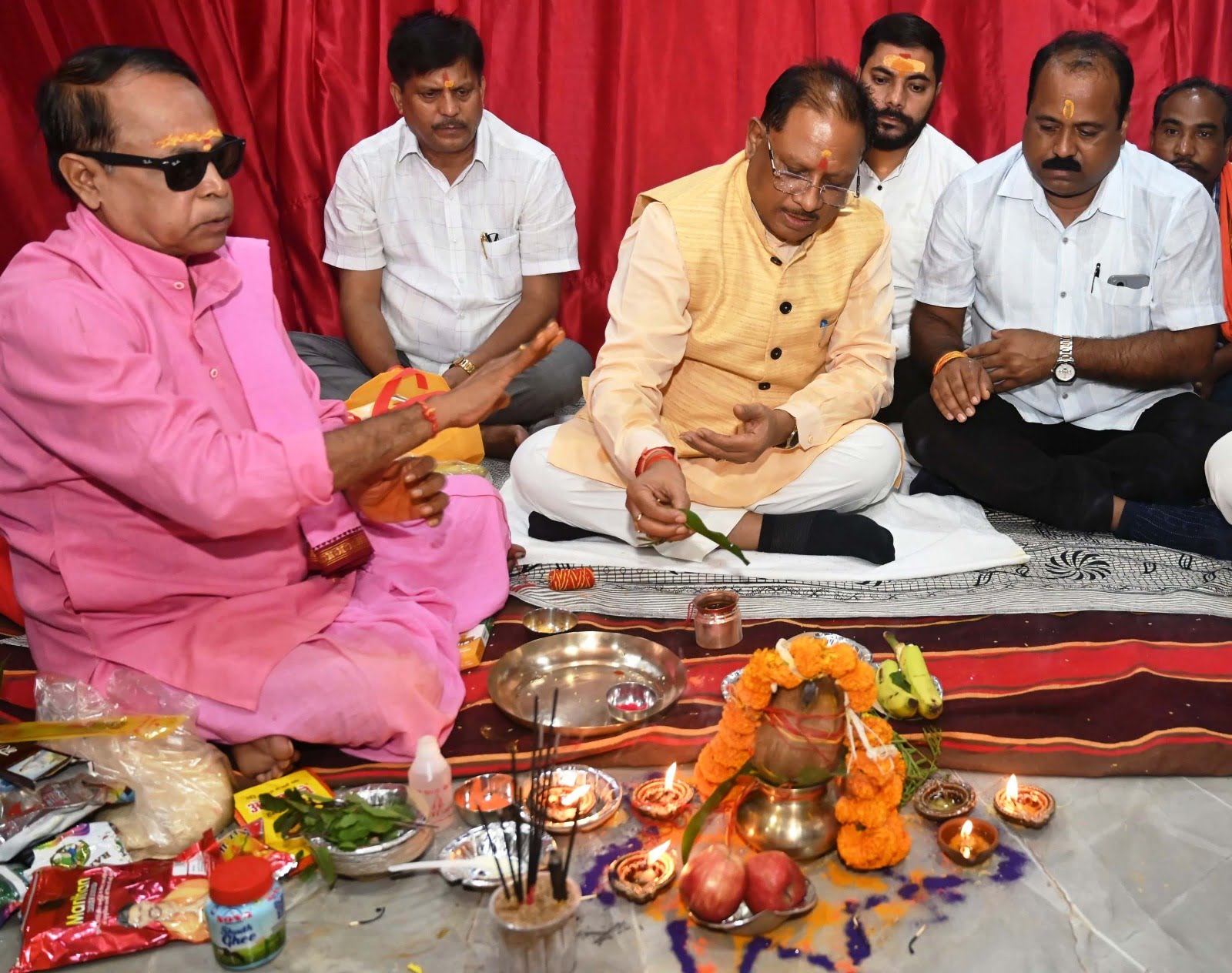
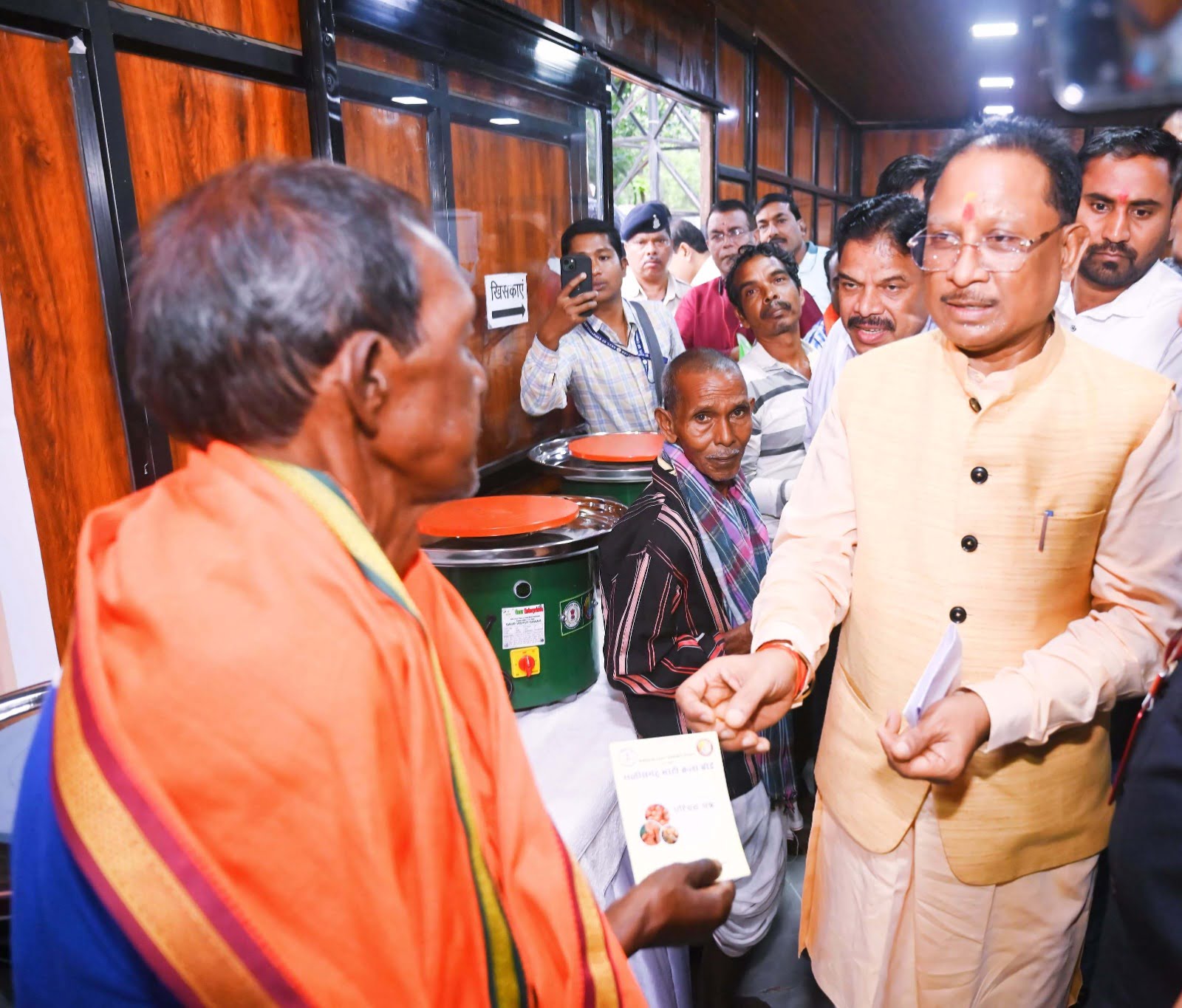
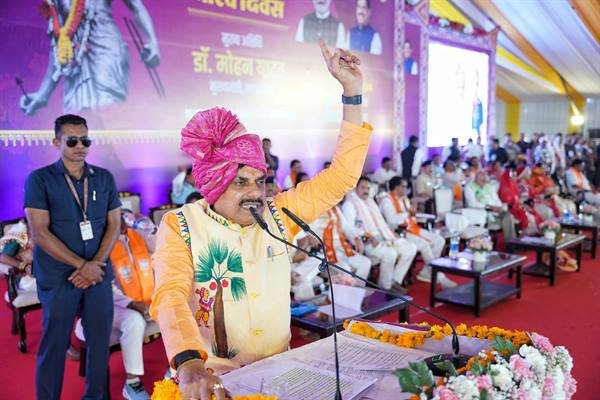
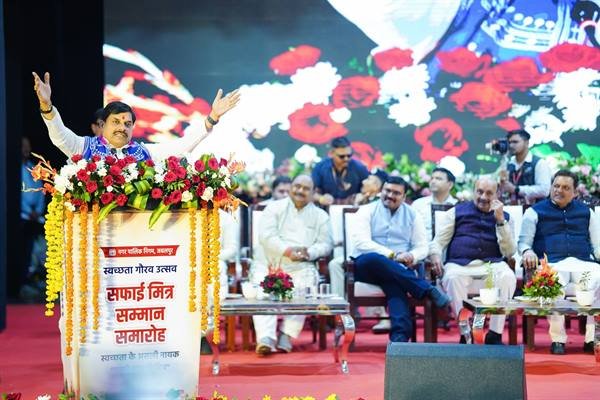
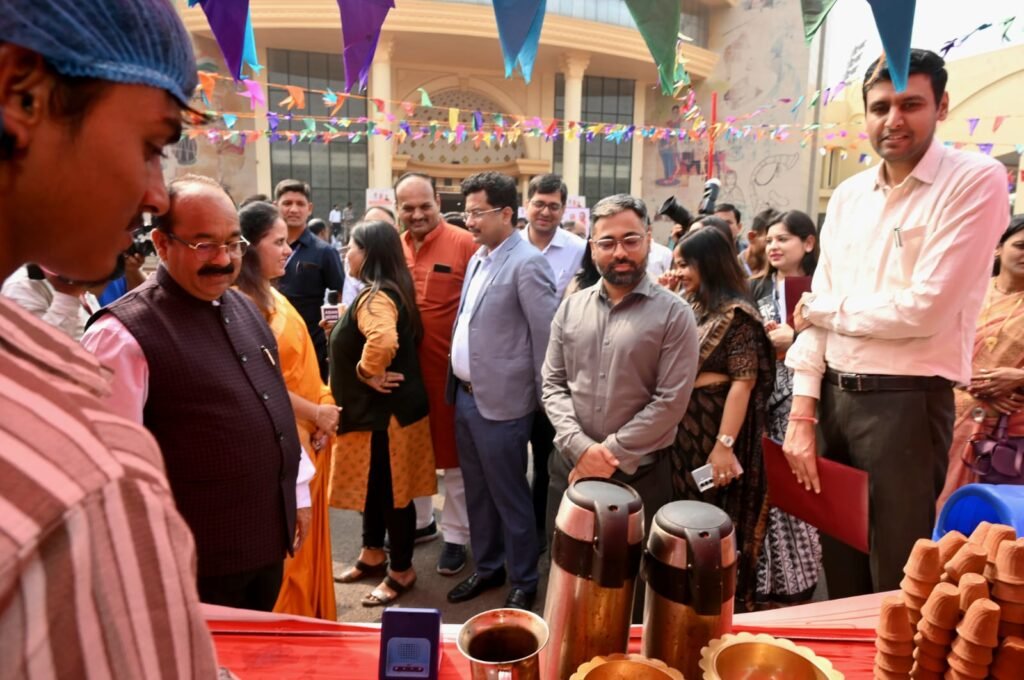
The PM Swanidhi Mahotsav, held at the Pandit Deendayal Upadhyay Auditorium under the chief guestship of Chhattisgarh’s Deputy Chief Minister and Minister for Urban Administration and Development, Shri Arun Sao, saw the participation of approximately 2,500 street vendors from across the state, along with their families. The event aimed to honor the entrepreneurial spirit of these street vendors, empower them both economically and digitally, and highlight their significant contributions to the urban economy. Innovative Arrangements for Food, Drink, and Waste Management
To ensure the festival was environmentally friendly, innovative approaches were adopted for food and beverage services. At numerous food stalls, bamboo plates replaced disposable plastic plates, and wooden spoons were used instead of plastic ones. Plastic cups and glasses were also entirely avoided. Similarly, instead of providing plastic water bottles or pouches, alternative arrangements for drinking water were made. Tables and benches were set up to accommodate 2,500 people, with food served on bamboo plates and water provided in paper cups. Priority was given to biodegradable and compostable materials. This initiative demonstrated that it is possible to cater to a large number of people without relying on single-use plastics.

- Innovative Decor and Waste Management
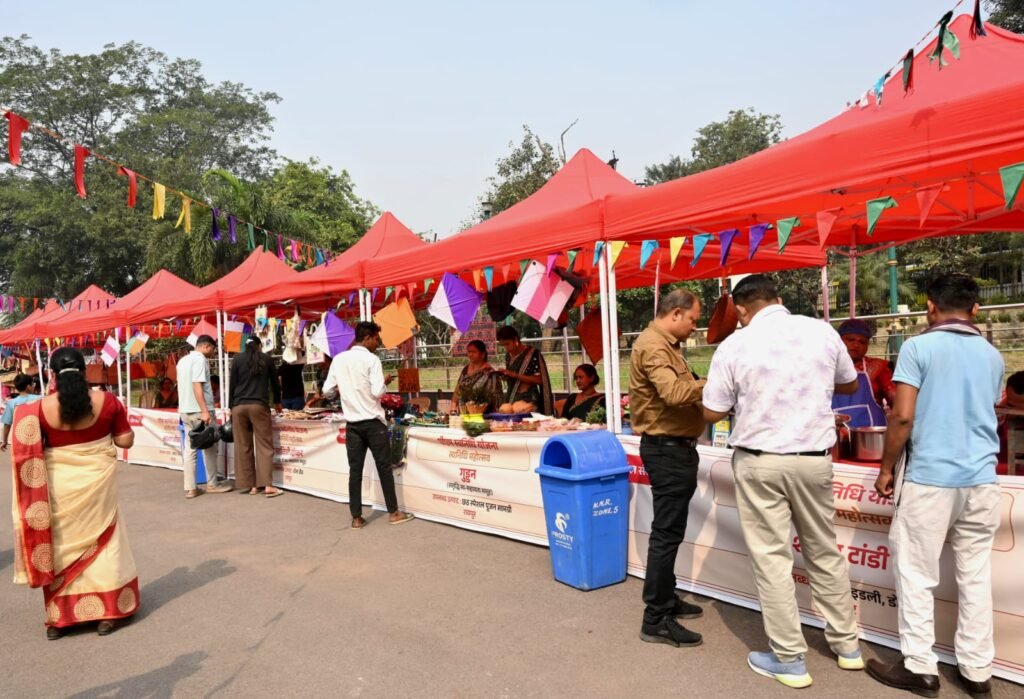
The commitment to environmental conservation extended beyond food and beverage services. The venue’s decor and information signage utilized materials that could be reused. Furthermore, the event focused on the scientific management of waste; systems were put in place to segregate wet, dry, and other types of waste at the source. Proper arrangements were made for the collection and disposal of waste following the event. Efforts were directed toward minimizing waste generation, while prioritizing reuse and recycling.
The measures implemented during the ‘Swanidhi Mahotsav’ (Self-Reliance Festival) serve as a practical model for making large-scale public events environmentally friendly. By integrating environmental conservation with a celebration of economic empowerment, this initiative in Raipur has emerged as an exemplary model for future large-scale events.