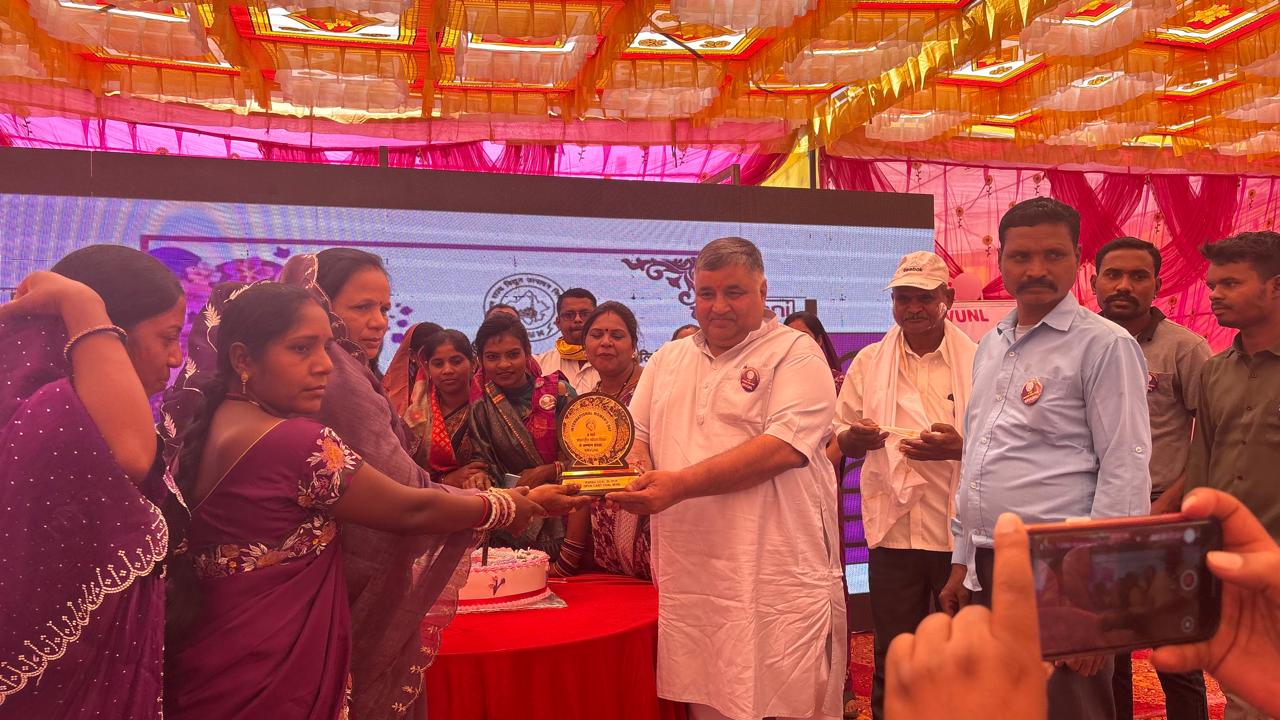



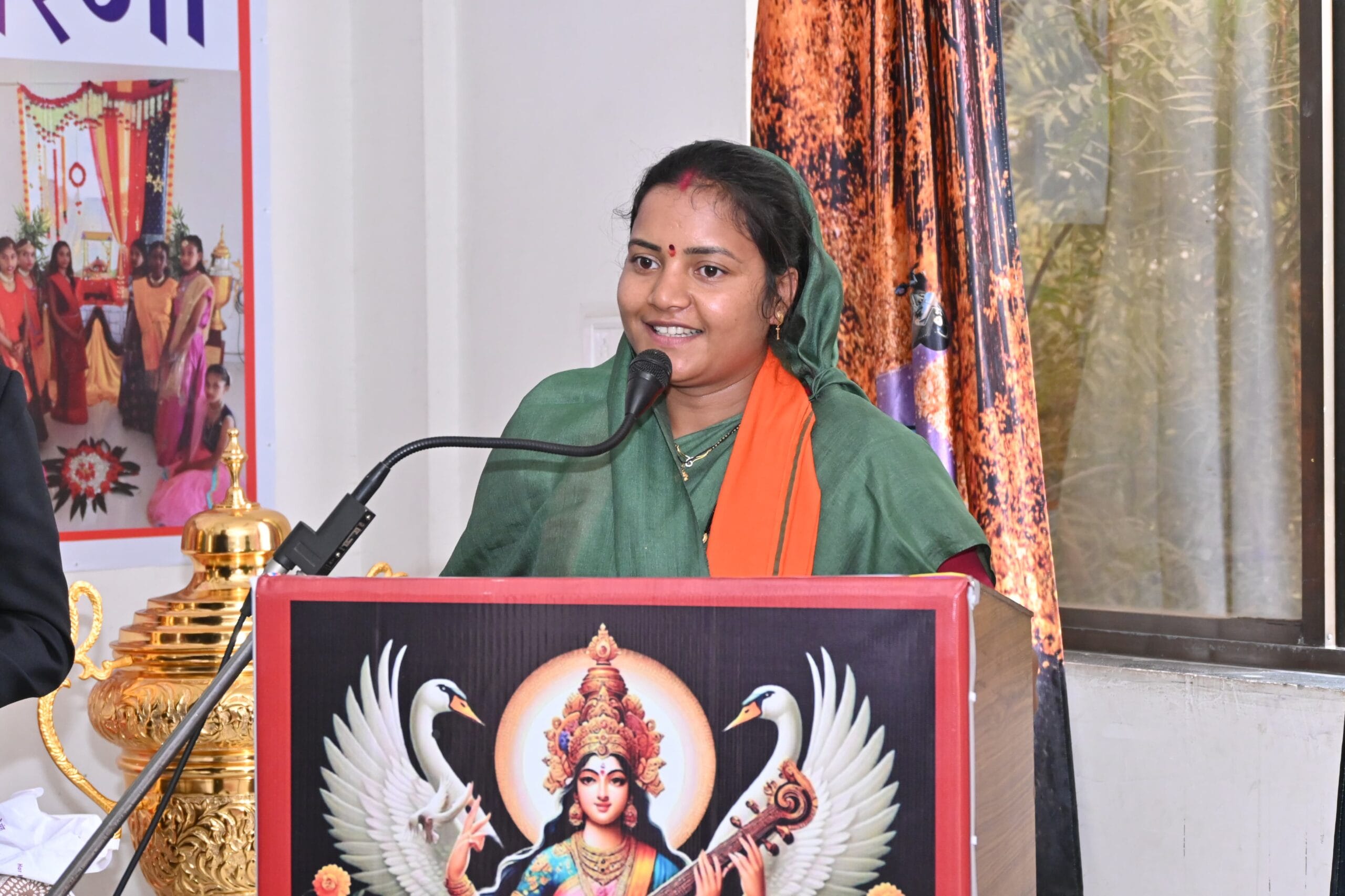
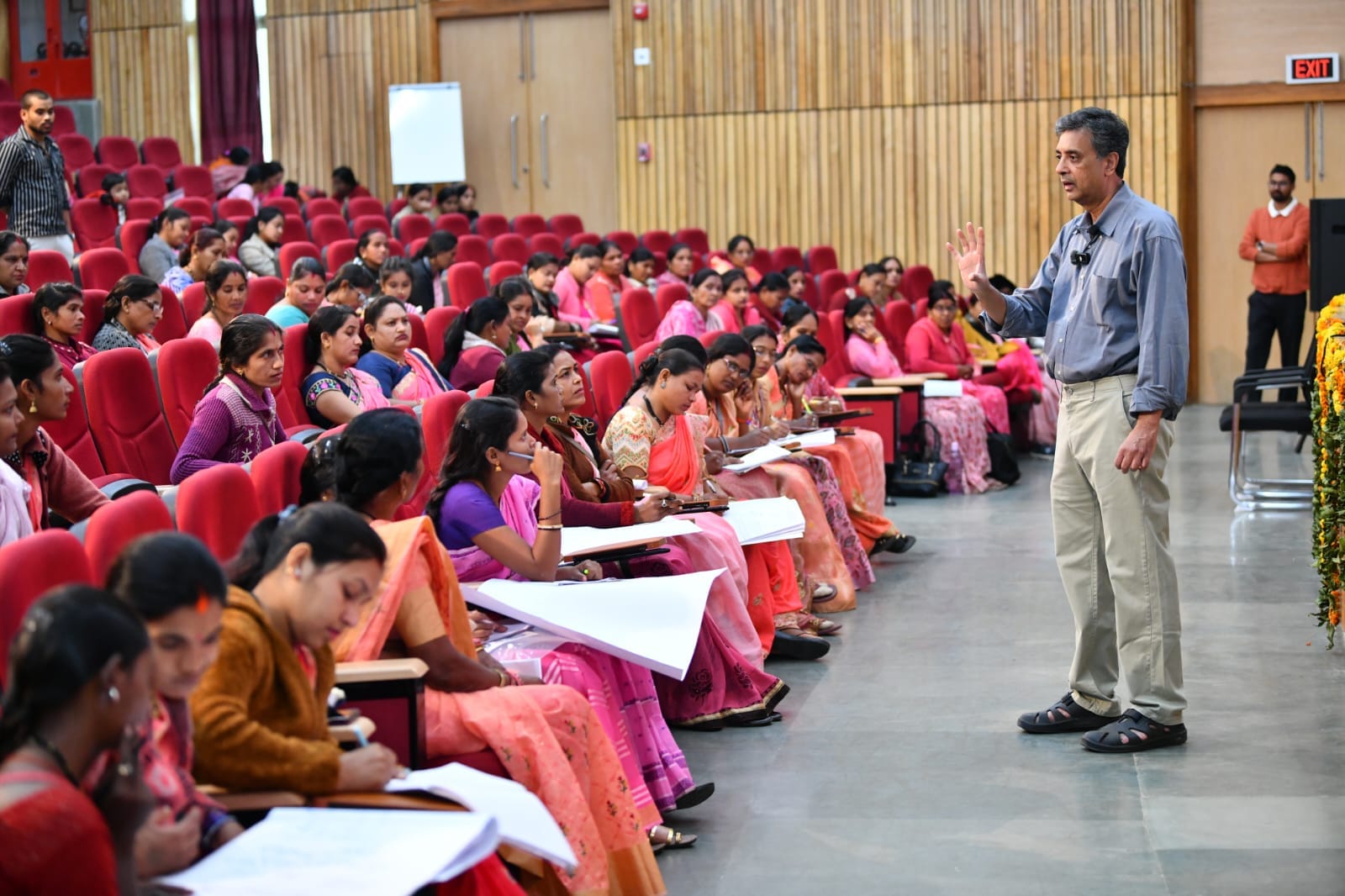
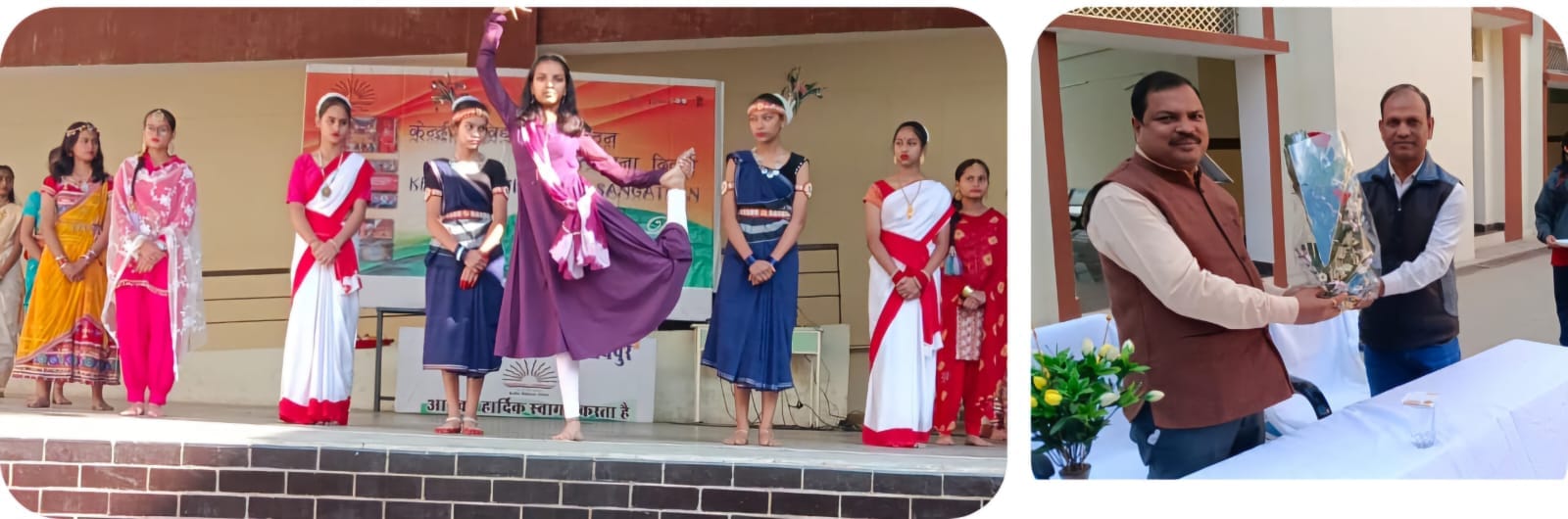





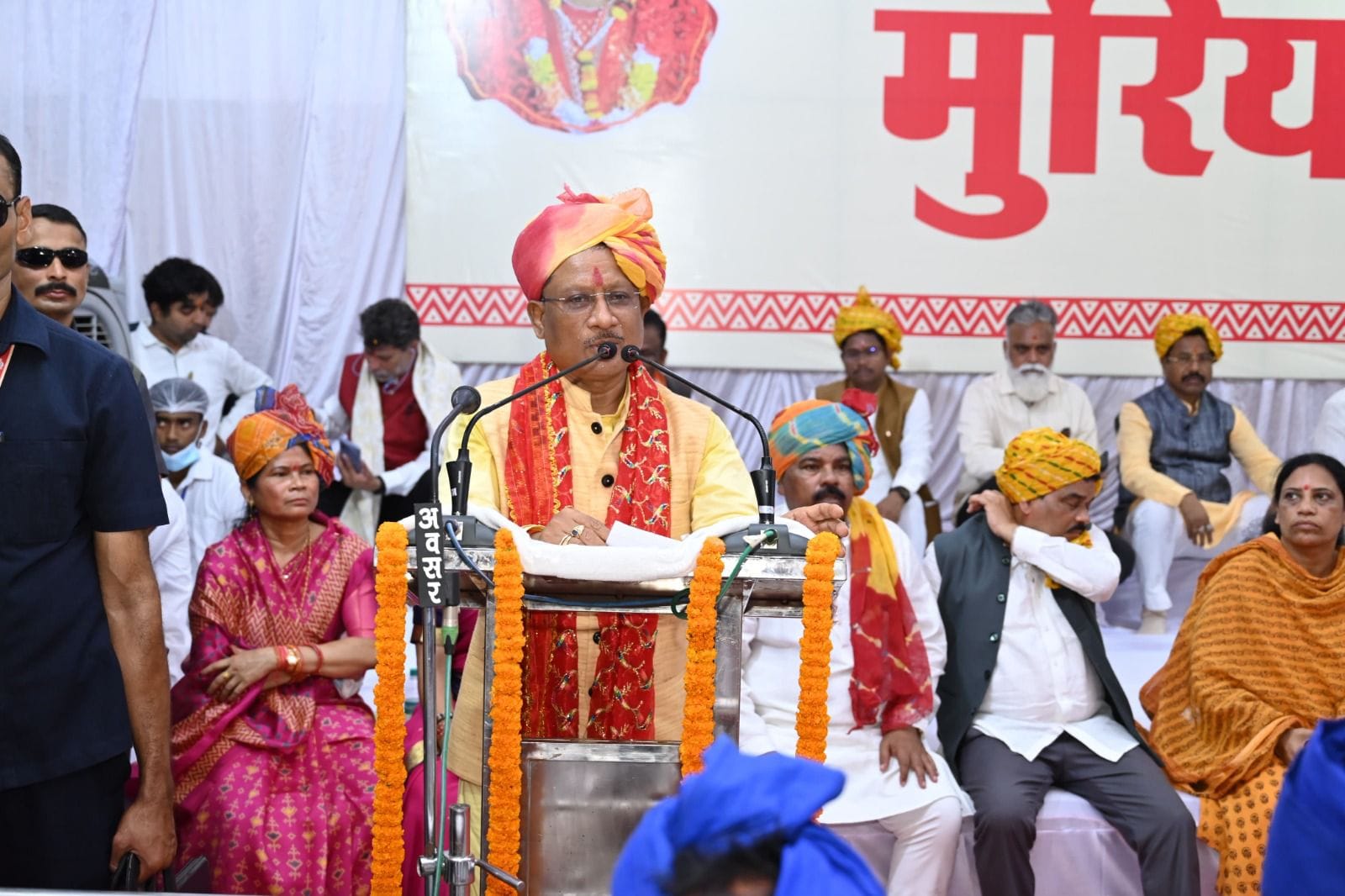
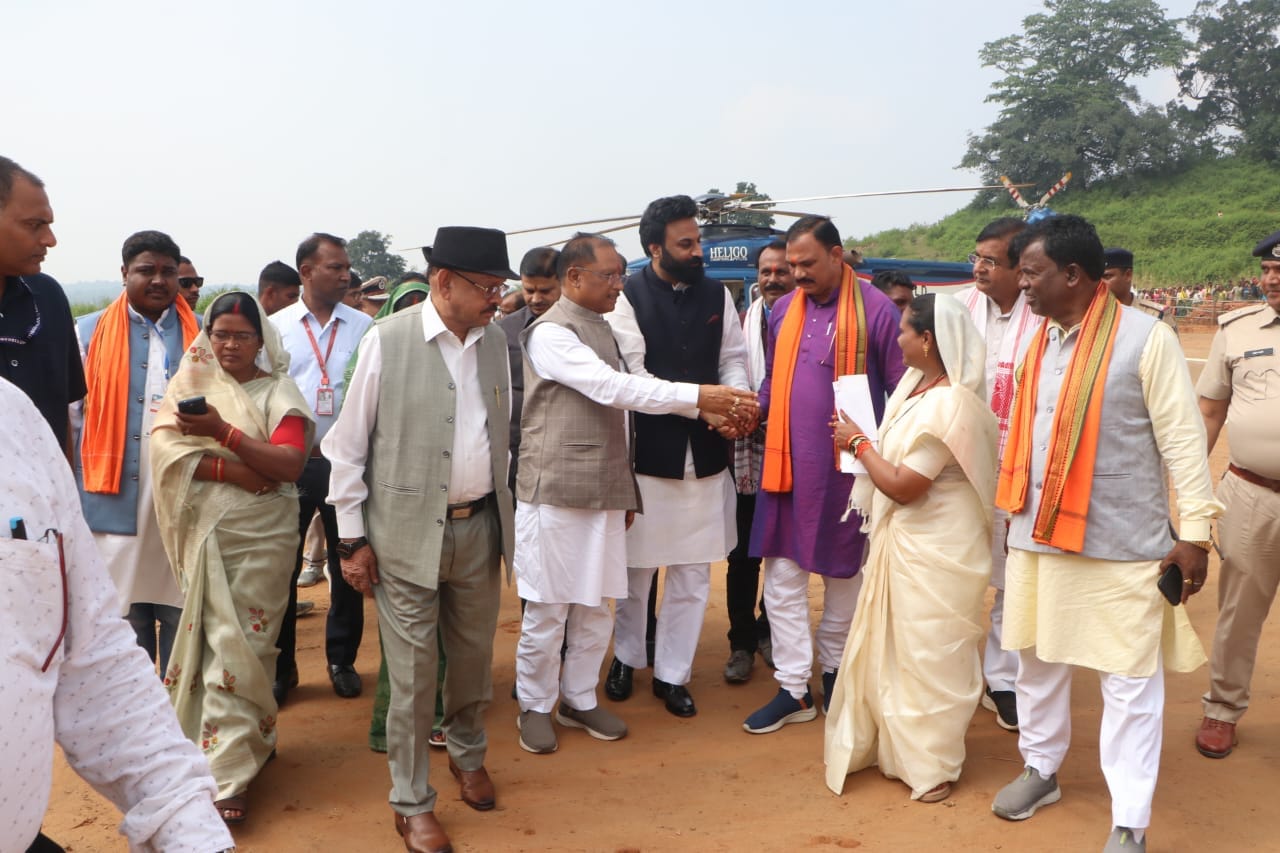

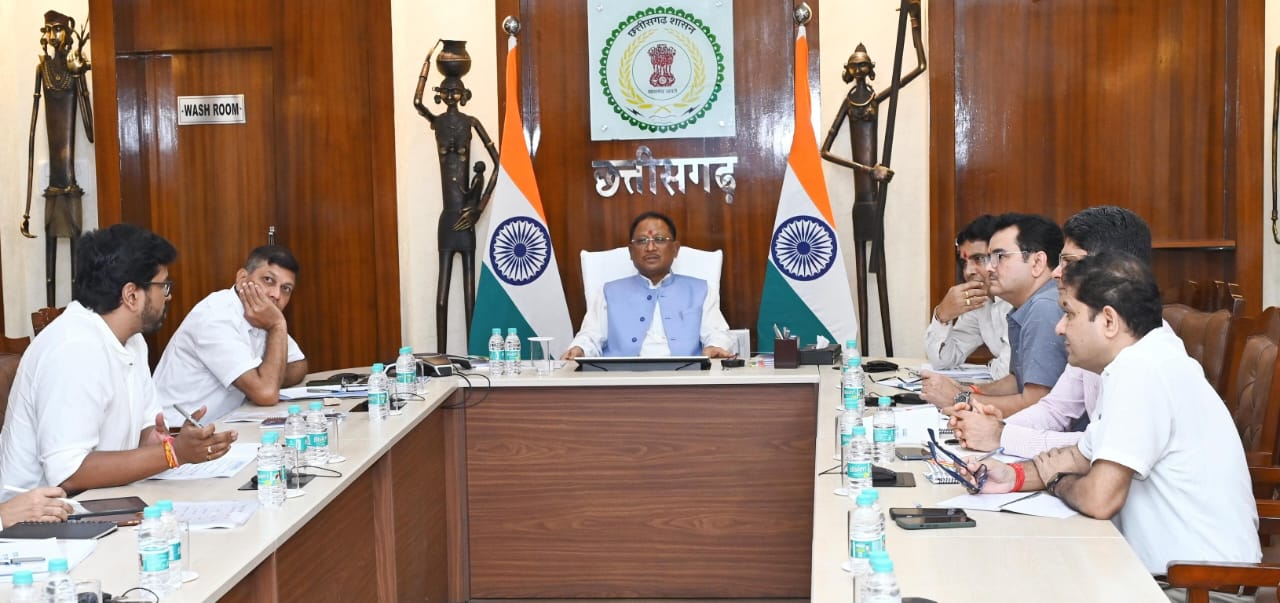
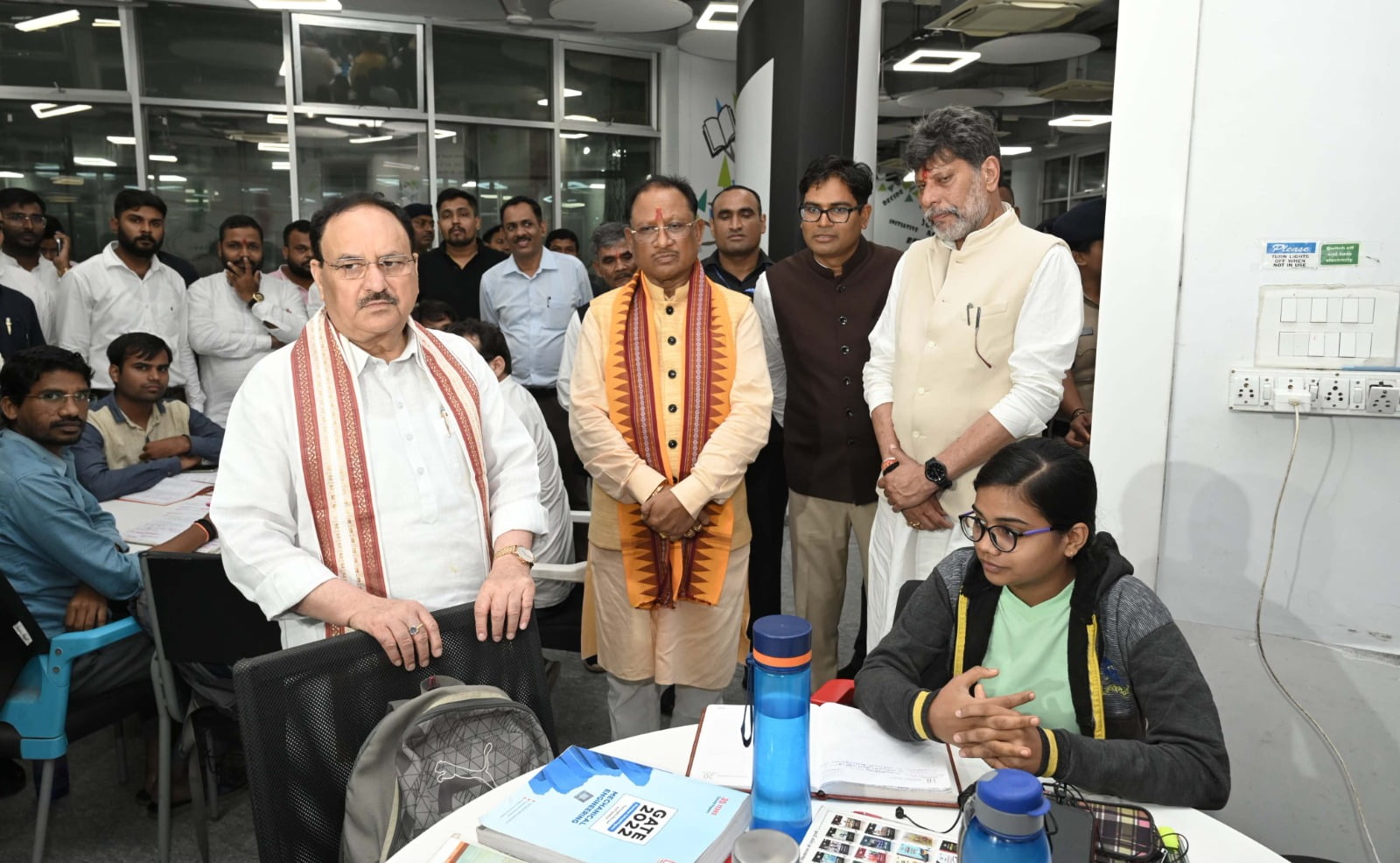
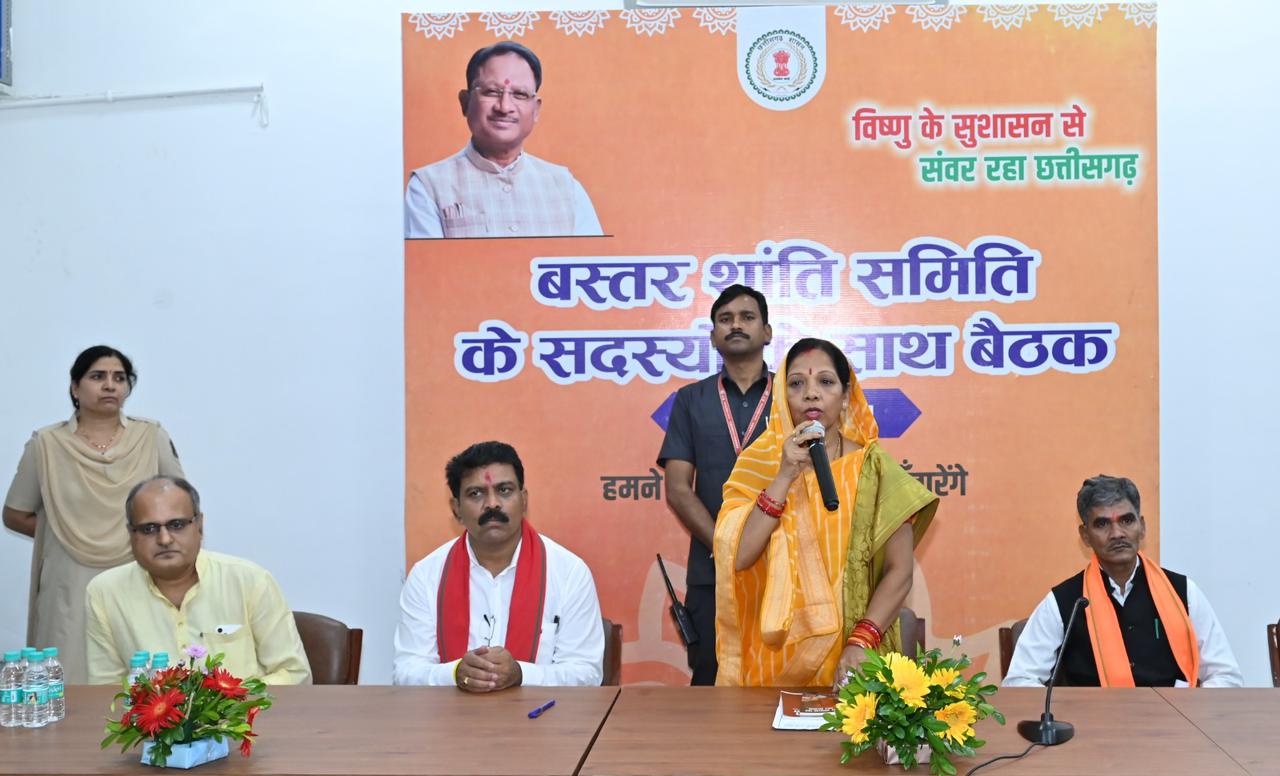
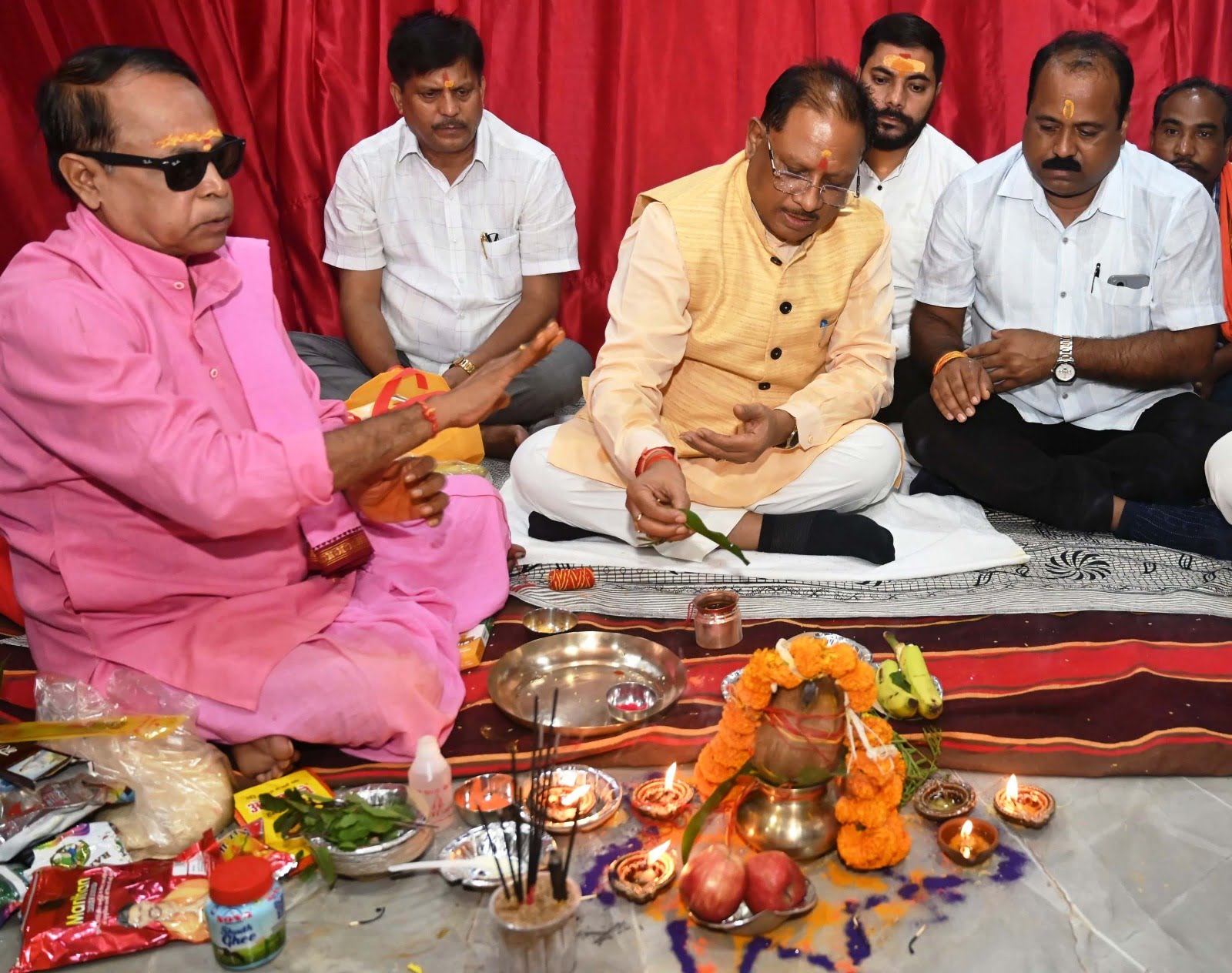


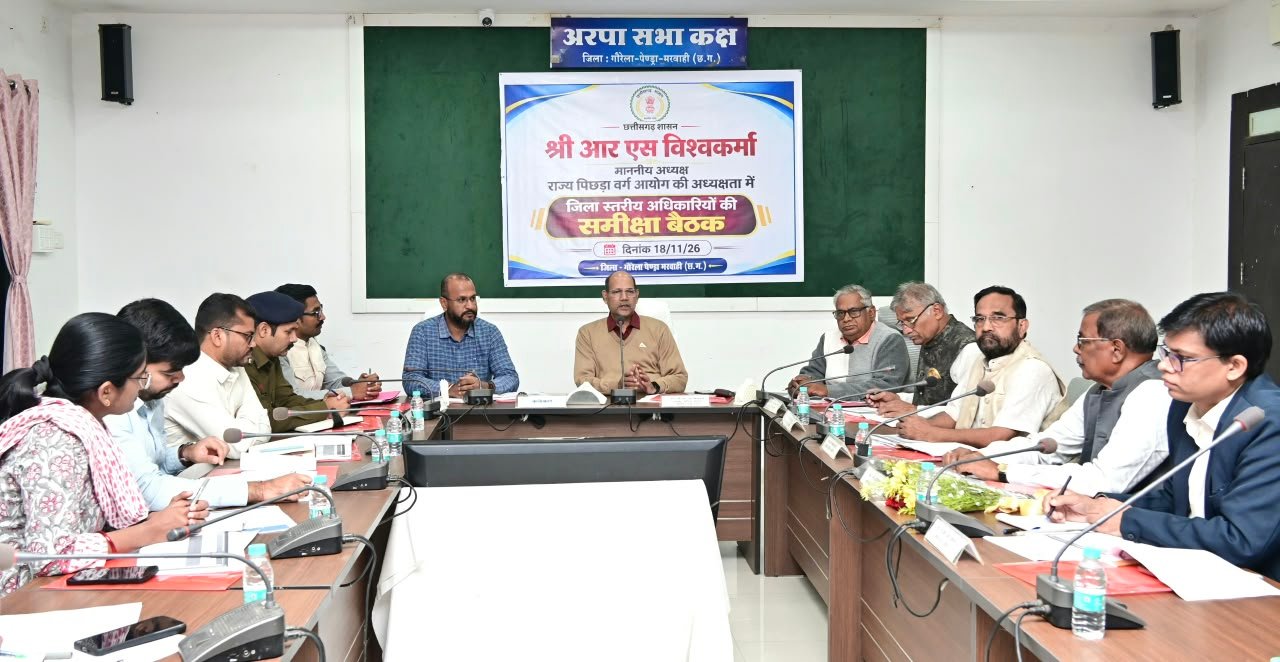


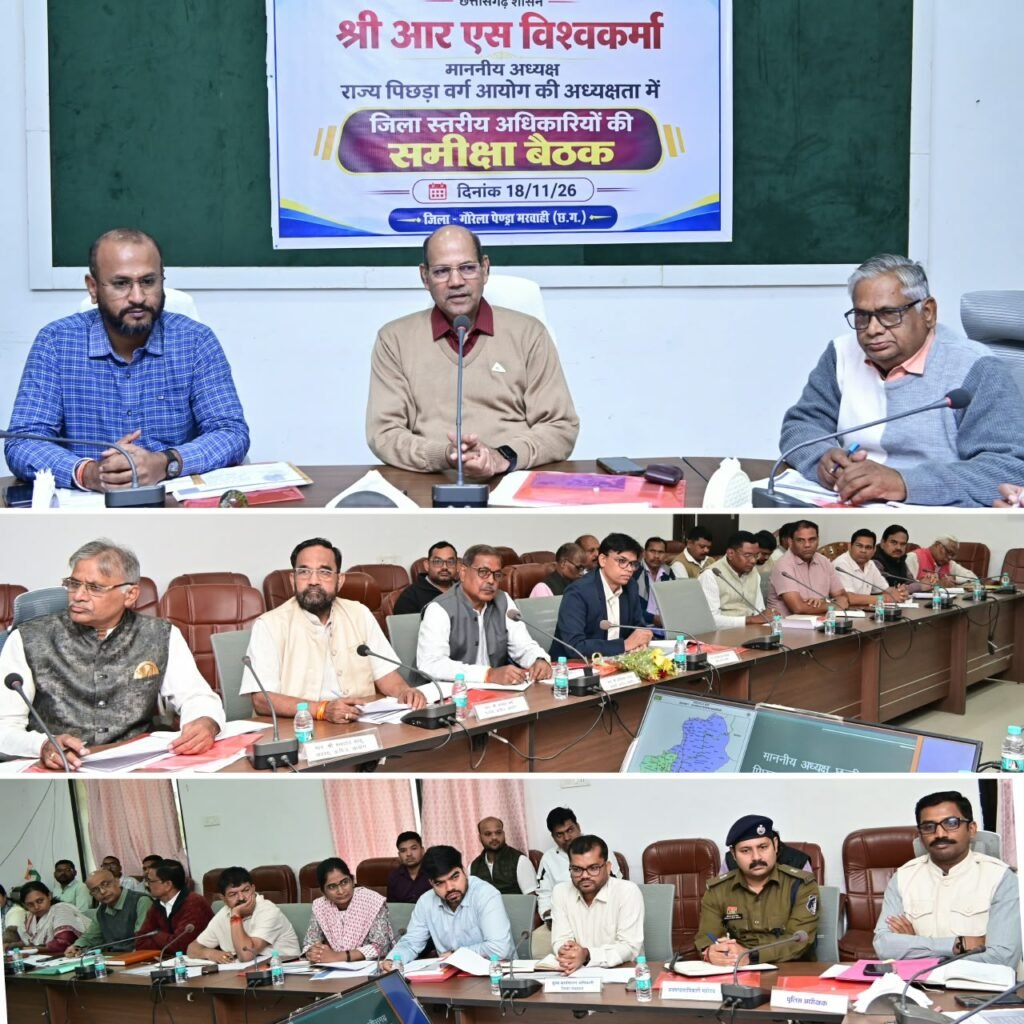
- The Chairman of the Chhattisgarh State Backward Classes Welfare Commission held a departmental review meeting in Gaurela-Pendra-Marwahi, emphasizing the promotion of agriculture, horticulture, animal husbandry, and self-employment.
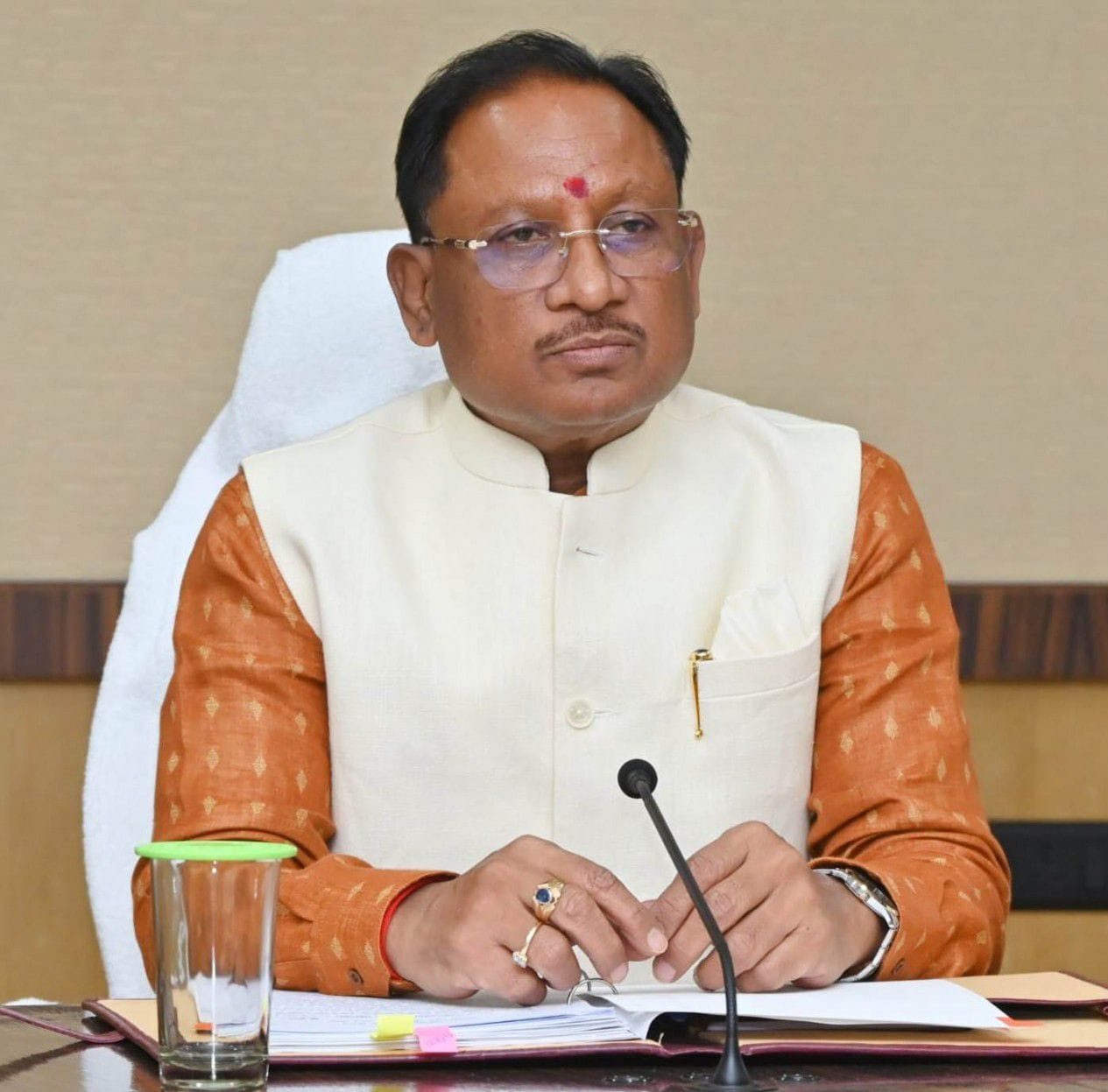
Mr. R. S. Vishwakarma, Chairman of the Chhattisgarh State Backward Classes Welfare Commission—who holds the rank of a Cabinet Minister—stated that the effective implementation of government welfare schemes must be ensured to facilitate the social, economic, and educational upliftment of all eligible beneficiaries, including those from the Other Backward Classes (OBC). He urged all departments to work in coordination to ensure that the benefits of these schemes reach those who are truly in need and eligible. He further noted that special attention must be paid to expanding education, employment, agriculture, self-employment opportunities, and basic infrastructure for the development of the Backward Classes.
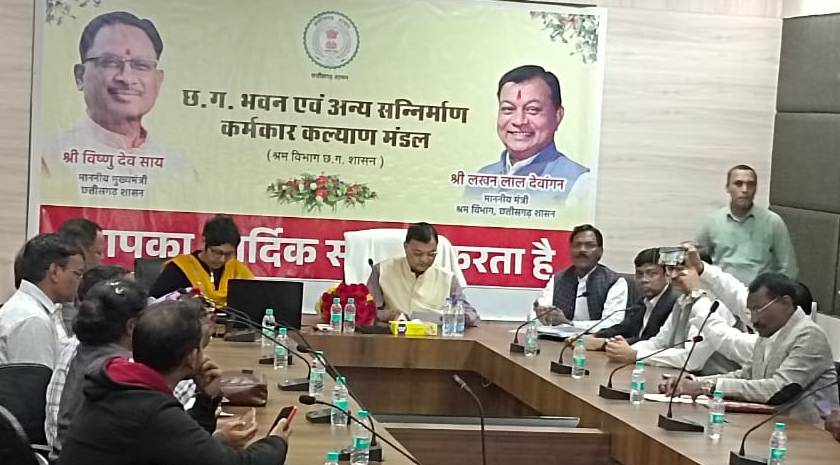
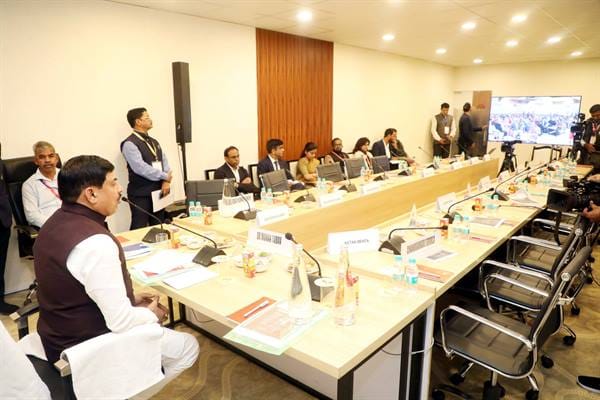
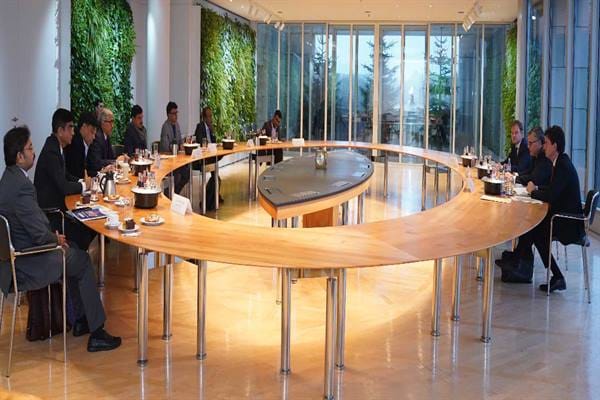
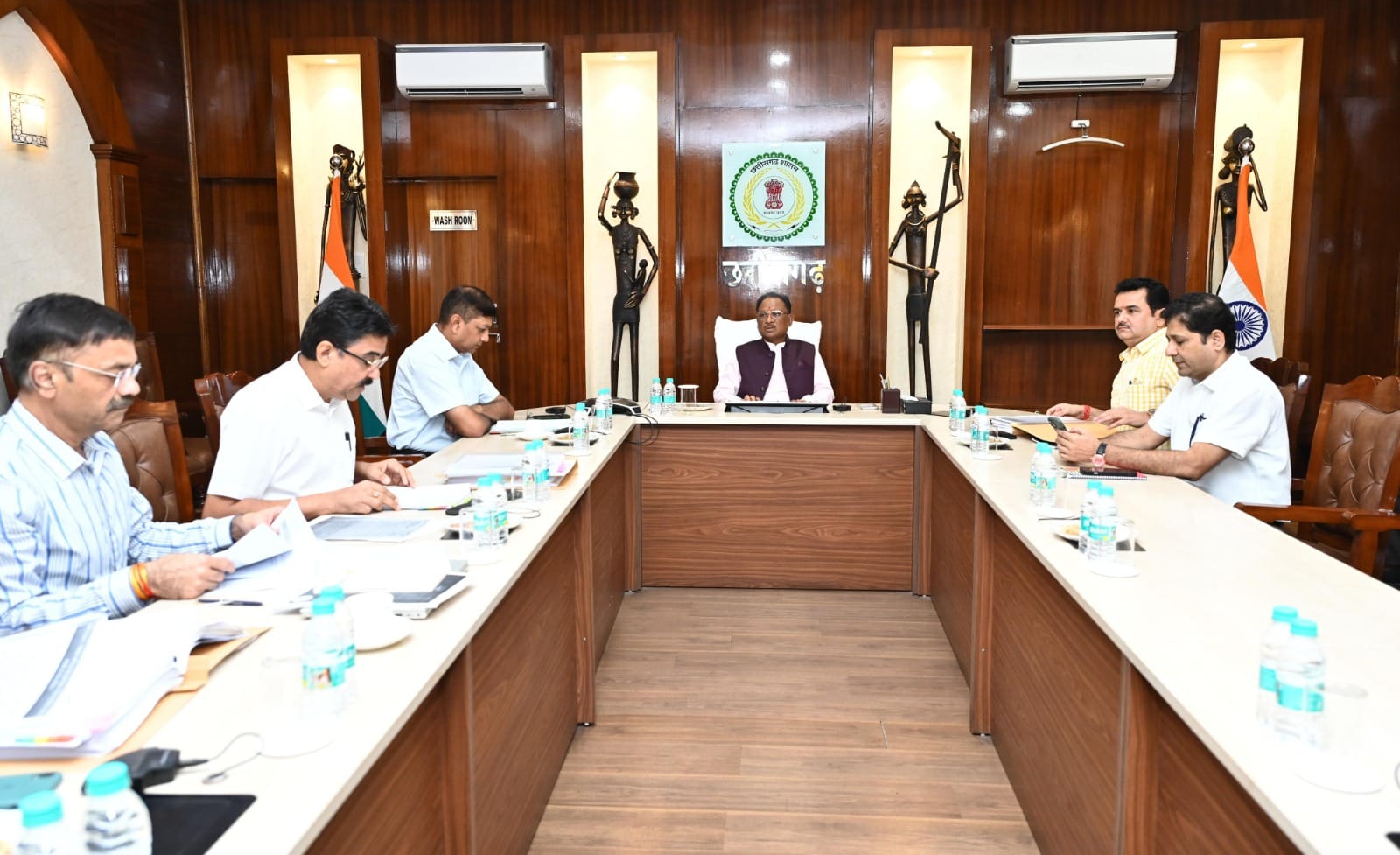
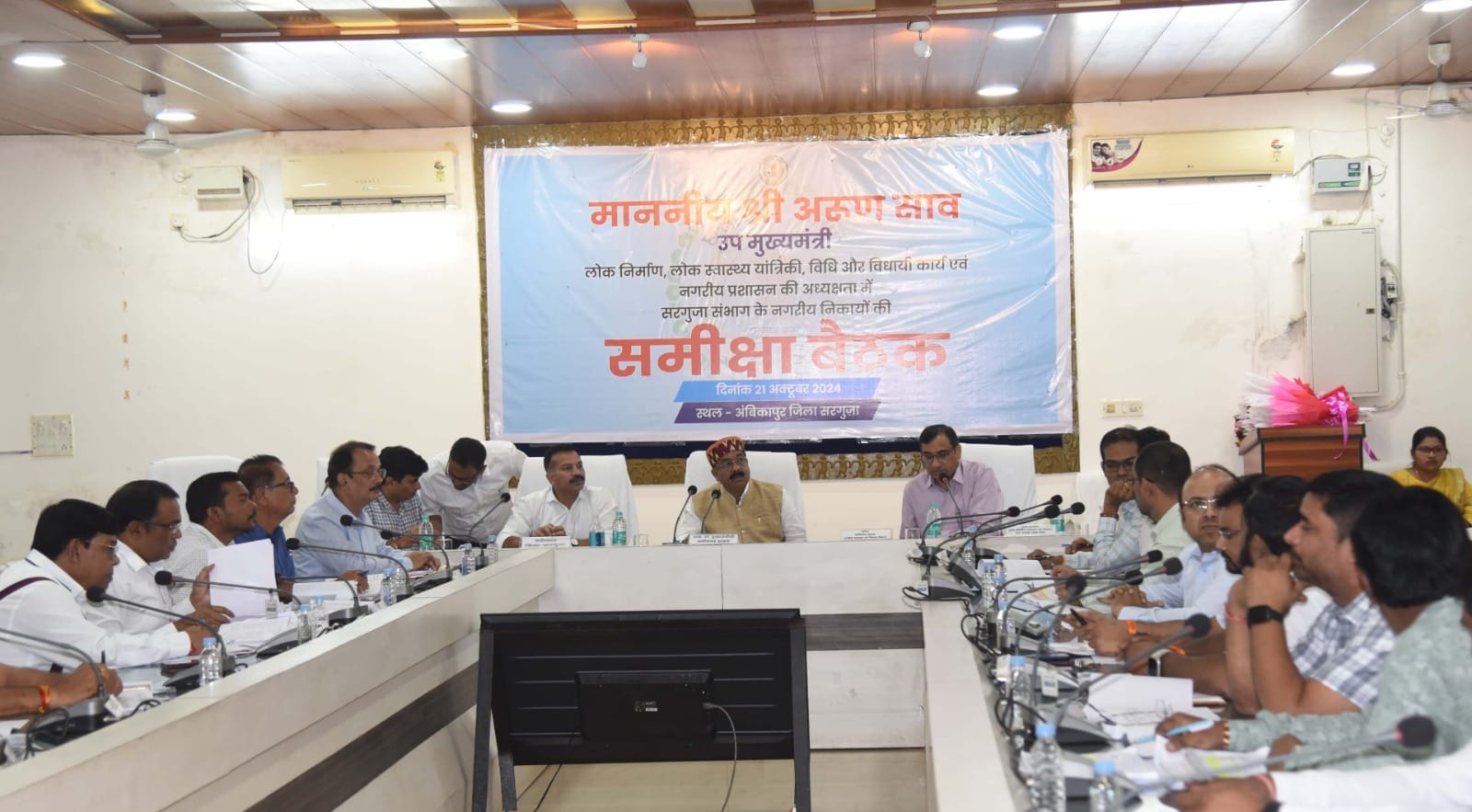
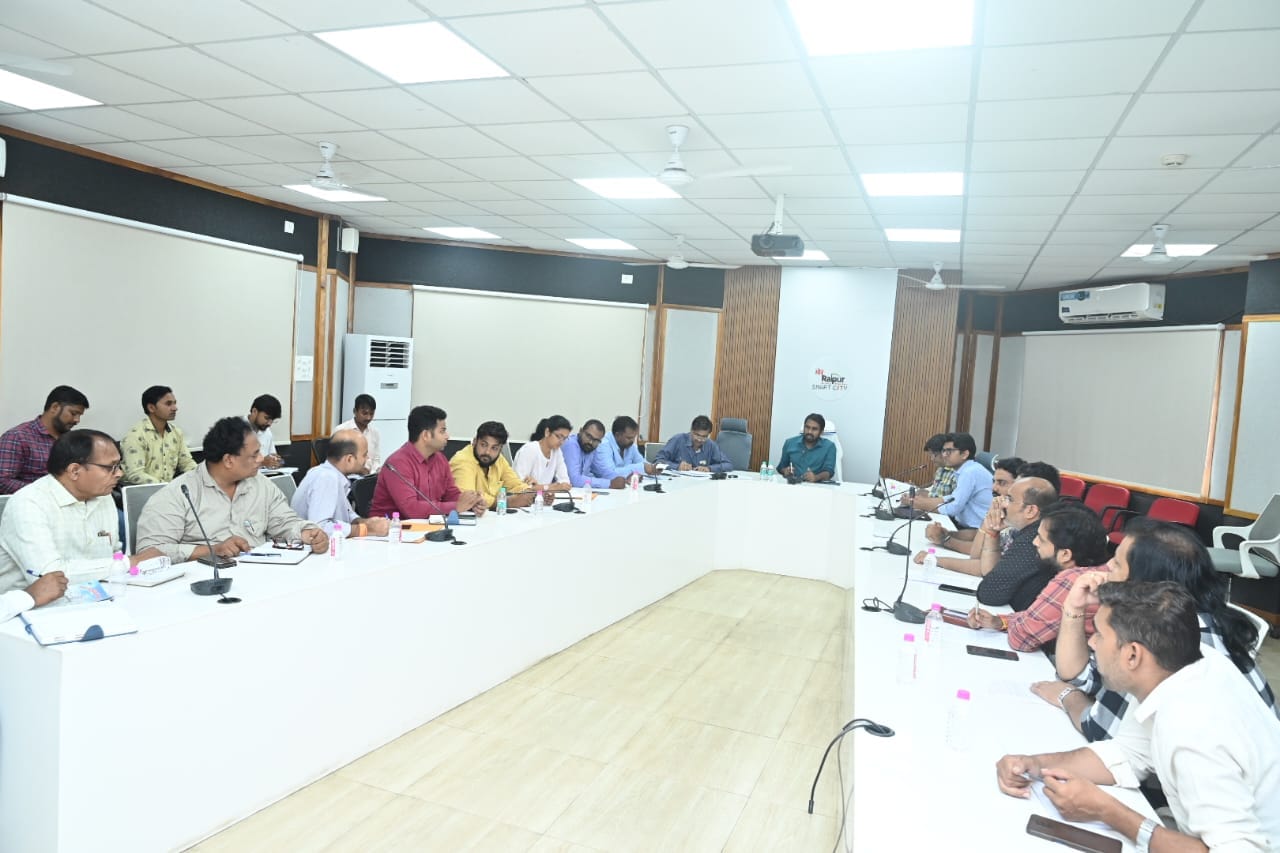
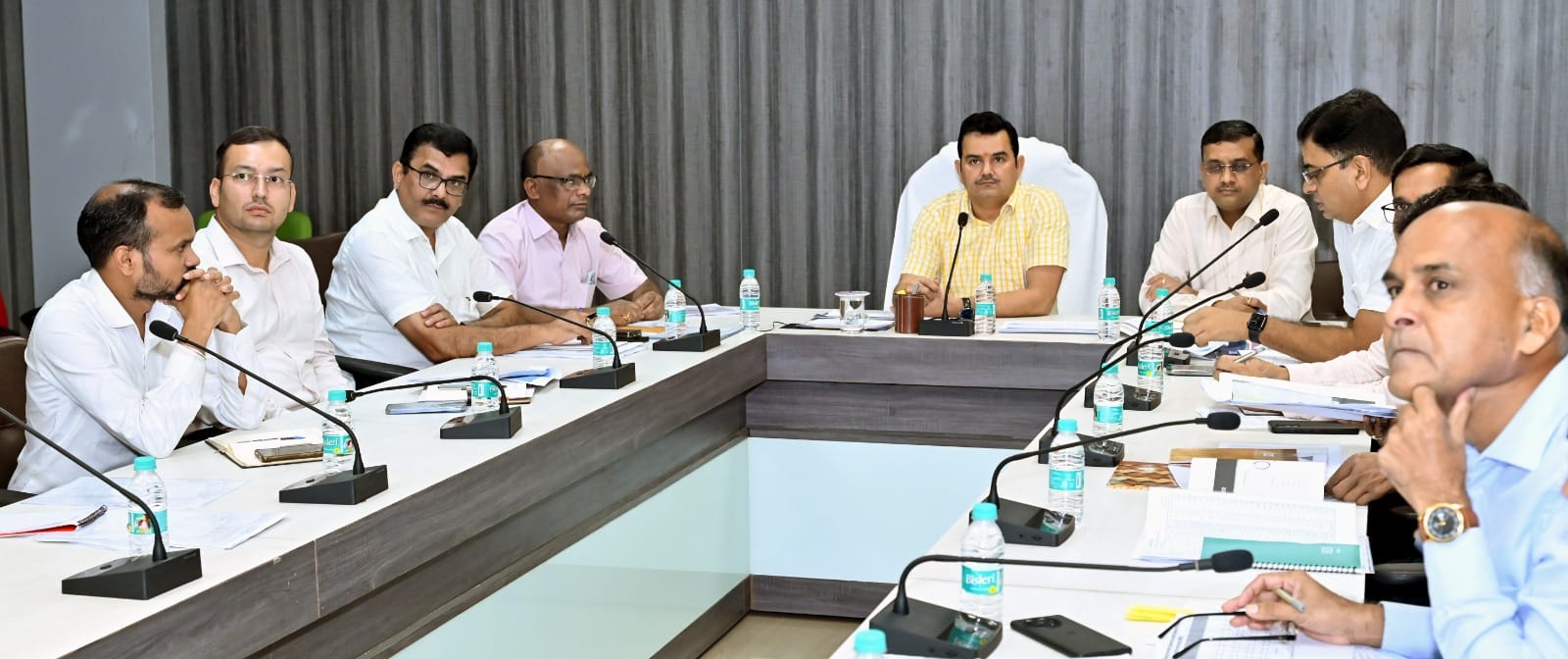
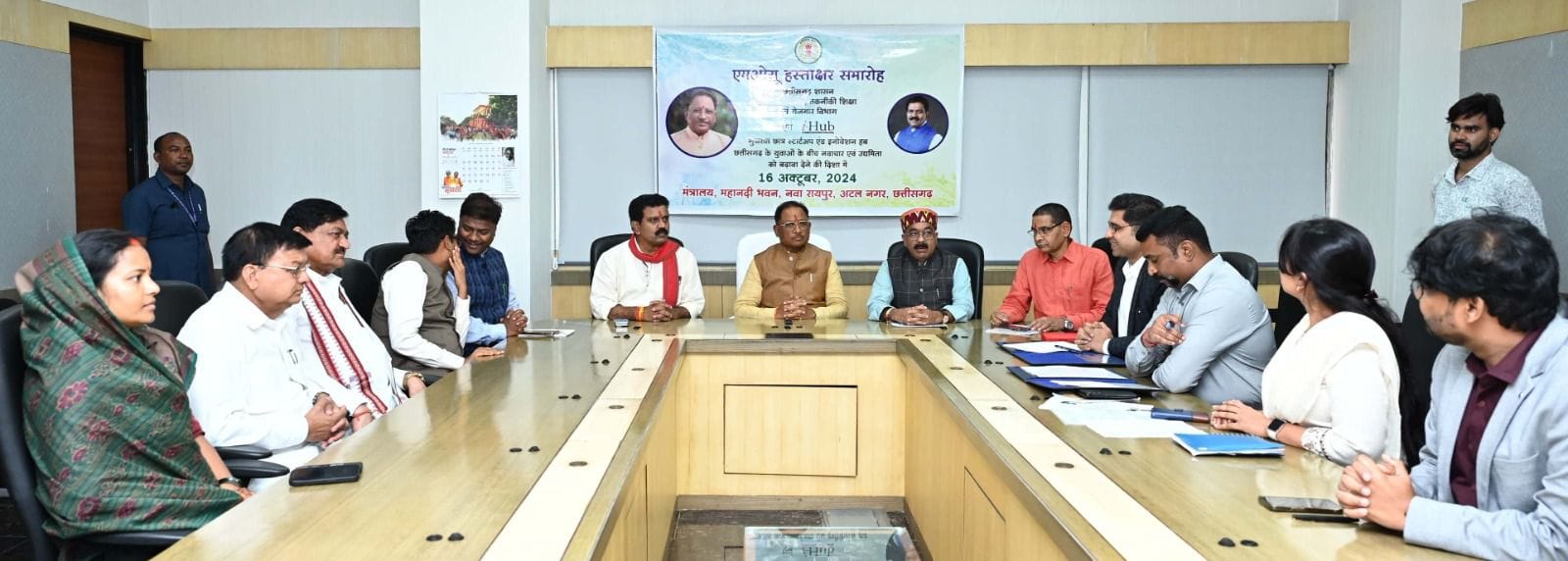
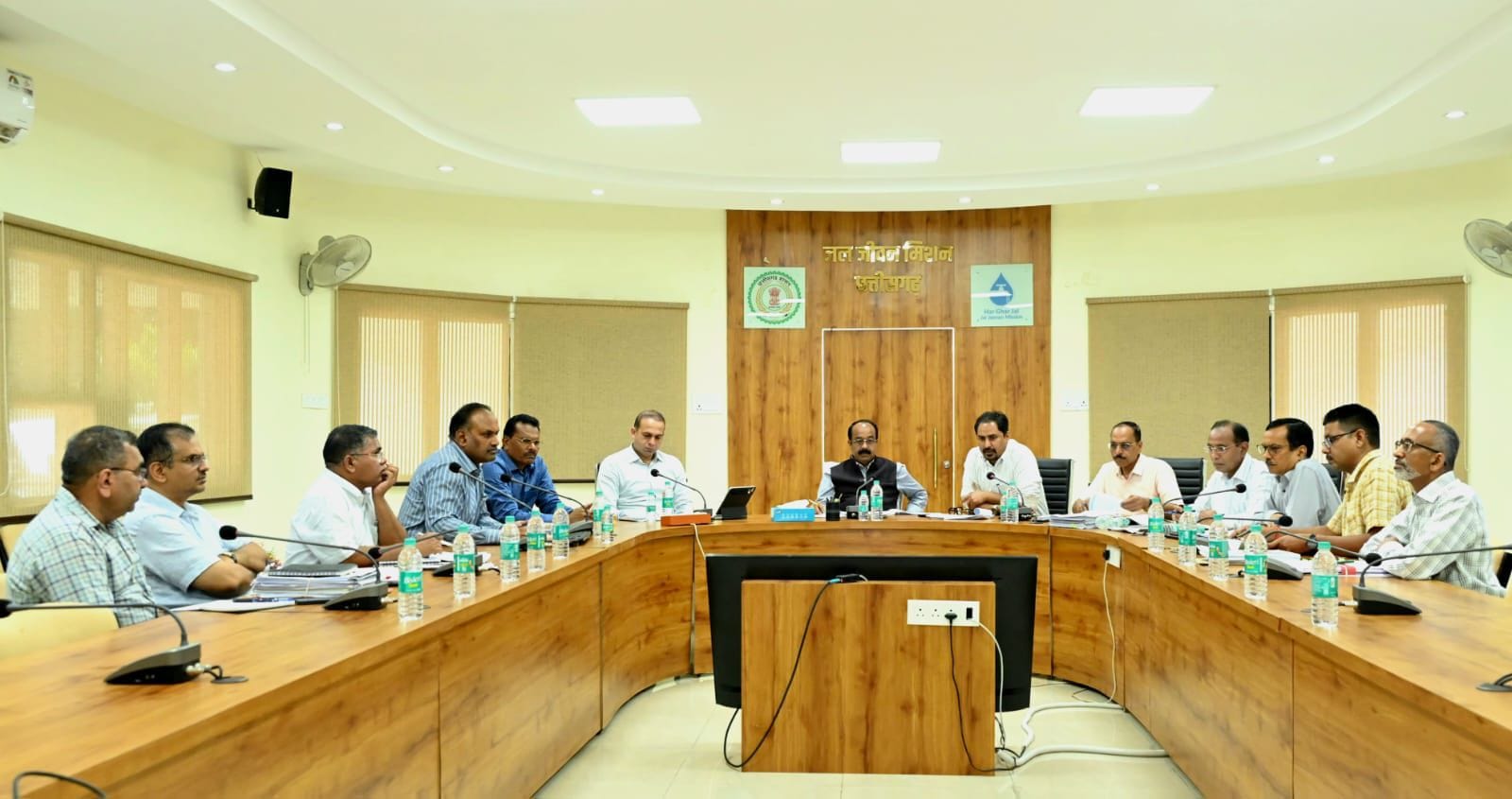
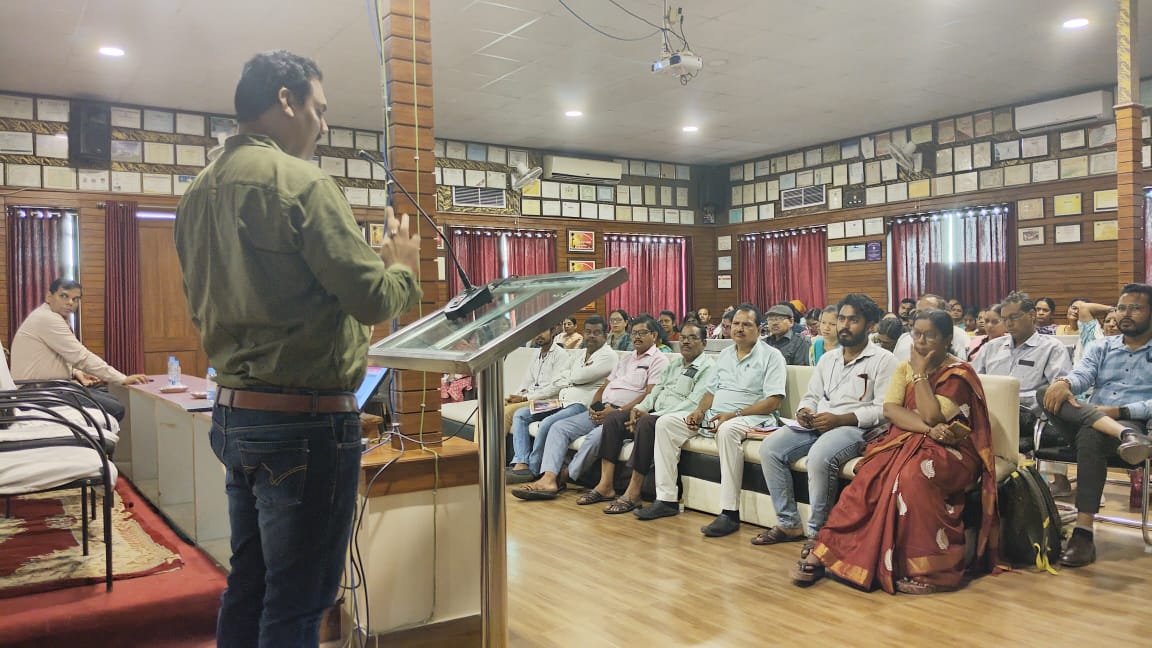
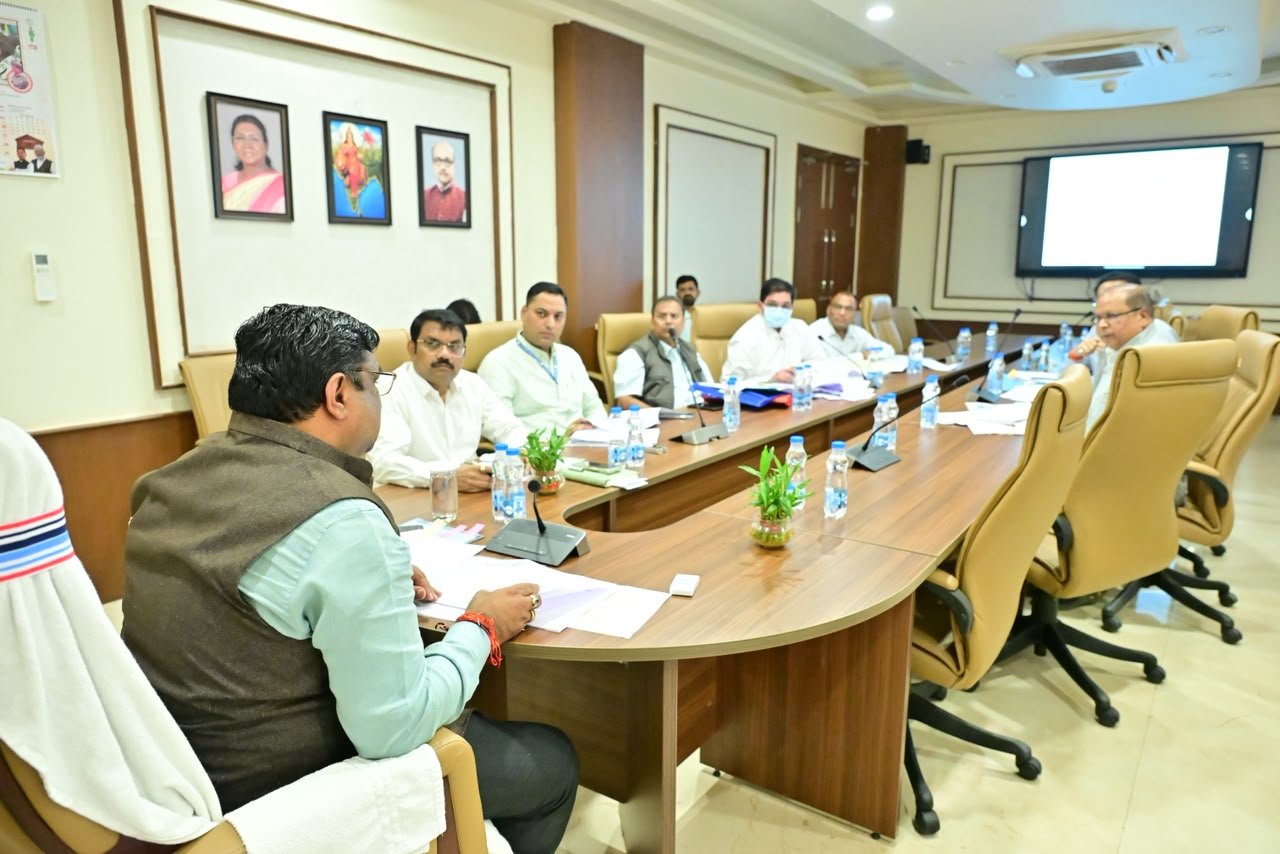
Today, at the Arpa Conference Hall in the Collectorate at the Gaurela-Pendra-Marwahi district headquarters, Mr. Vishwakarma conducted a review meeting with district-level officials from various departments to assess the progress of government schemes, development projects, and departmental activities. He directed the officials to ensure that the benefits of government schemes reach eligible beneficiaries in a timely and transparent manner, stressing that no negligence in the implementation of these schemes would be tolerated.
- Special emphasis on increasing farmers’ income through agriculture and horticulture
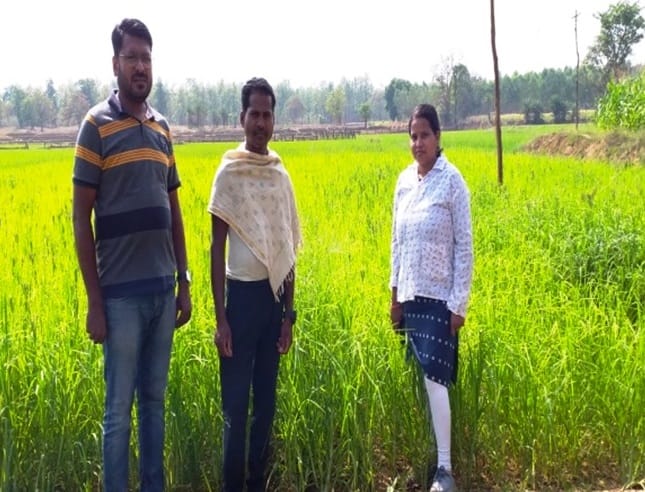
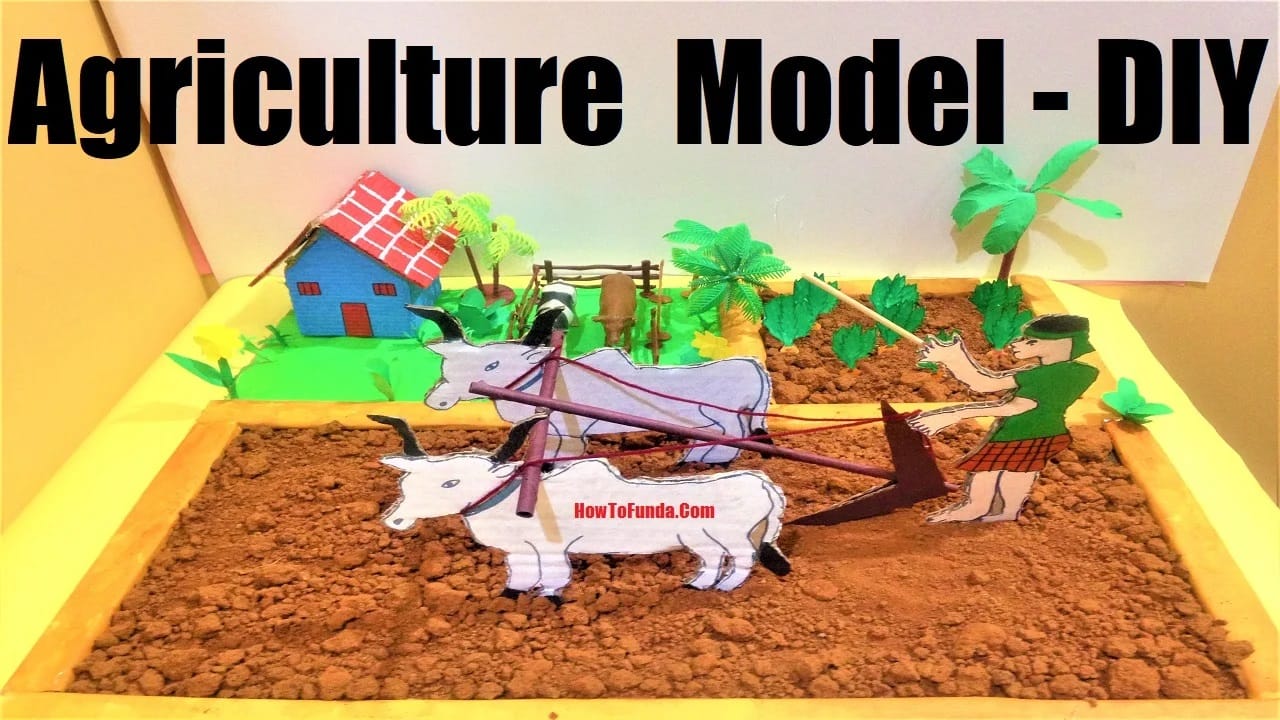
During the departmental review, the Commission Chairman instructed the Agriculture and Horticulture Departments to encourage farmers to expand the cultivation area for pulses and oilseeds—alongside traditional crops—to boost their income. He emphasized the need to construct more irrigation projects and expand the total irrigated area. Furthermore, he called for the promotion of oil palm cultivation, as well as the increased production of various horticultural crops, including mango, jamun, litchi, papaya, and banana. He stated that developing diverse, agriculture-based livelihood options alongside farming would strengthen the economic condition of farmers and create new sources of income for them.

- Employment opportunities to grow through dairy, animal husbandry, fisheries, and minor forest produce
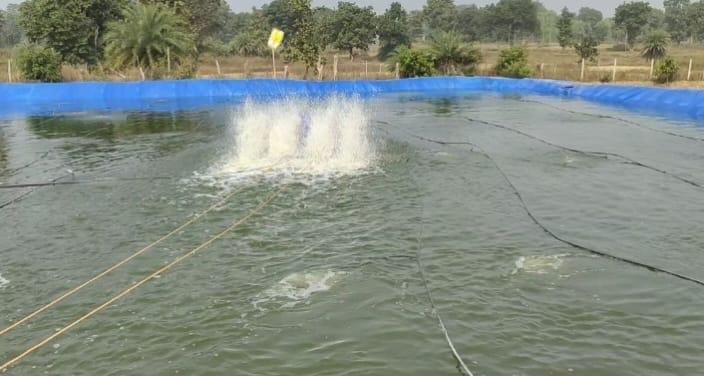
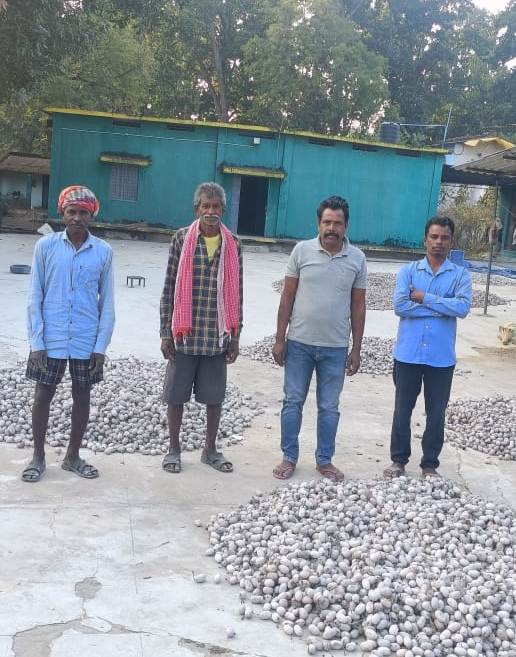
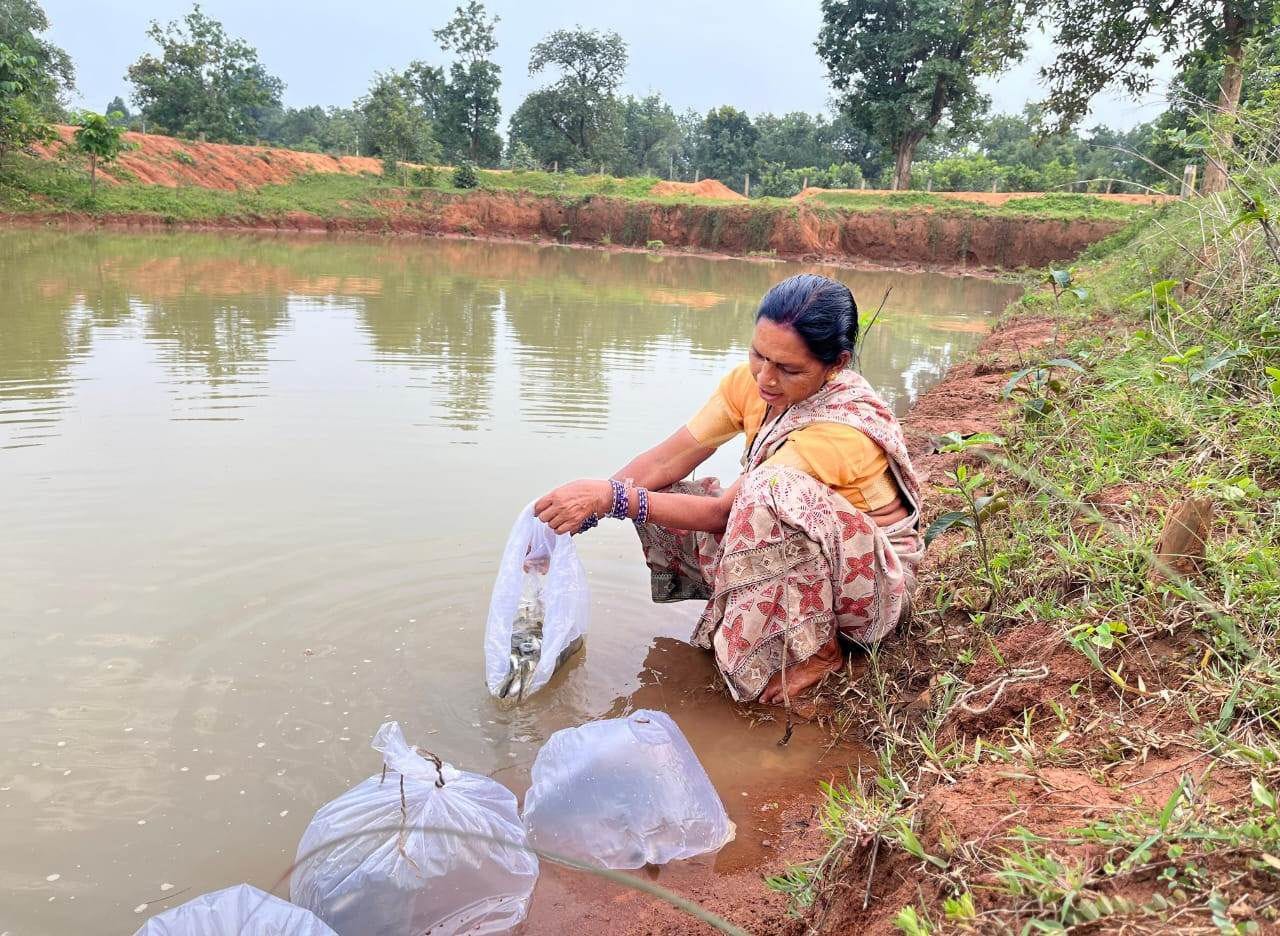
While reviewing the Livestock Development Department, Mr. Vishwakarma issued directives to increase the income of farmers and livestock rearers through dairy development schemes and to transform animal husbandry into a profitable enterprise. He placed special emphasis on promoting the processing and value addition of minor forest produce—as well as encouraging lac cultivation—to strengthen the economic status of rural families living in forest regions. Additionally, he called for the creation of supplementary livelihood opportunities for rural residents through the expansion of the fisheries sector.
- Expansion of hostel facilities for students from backward classes
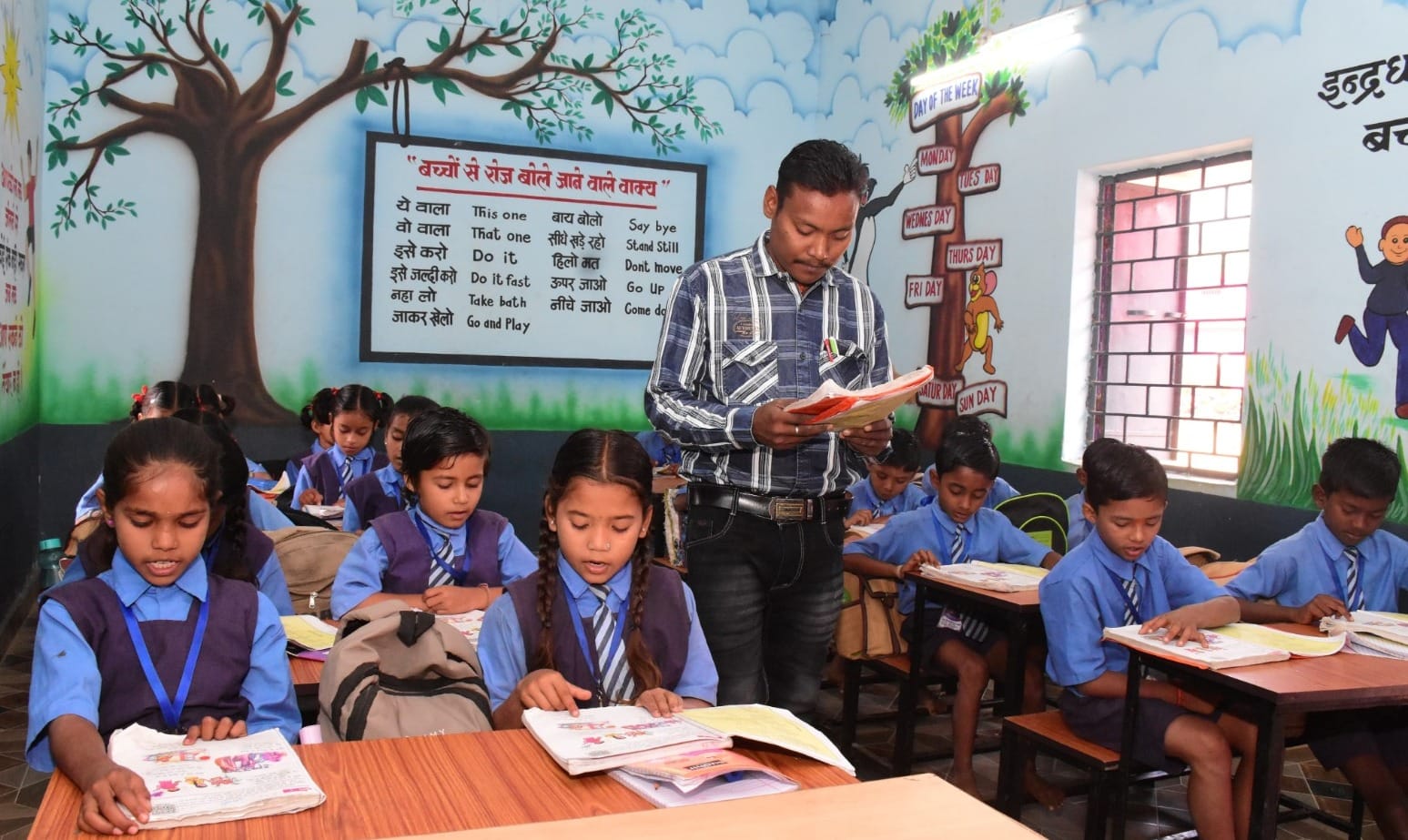
During a review of the Education and Tribal Development Department, he directed that proper maintenance, necessary repairs, and painting of schools, hostels, and ashrams (residential schools) be ensured. He instructed that proposals be prepared and submitted to the government for the establishment of pre-matric and post-matric hostels, aimed at providing better residential and educational facilities to students from Other Backward Classes (OBCs). He noted that ensuring quality education and a conducive academic environment for students is a significant step toward their social and educational upliftment.
- Review of schemes for drinking water, health, nutrition, and social security
The Public Health Engineering Department was directed to focus specifically on the construction of community-based piped water supply schemes and the expansion of drinking water facilities in rural areas. The Department of Women and Child Development was tasked with making special efforts to address malnutrition among children and ensuring the effective implementation of nutrition-related schemes. Meanwhile, the Social Welfare Department was instructed to ensure that the benefits of pension schemes reach all eligible beneficiaries.
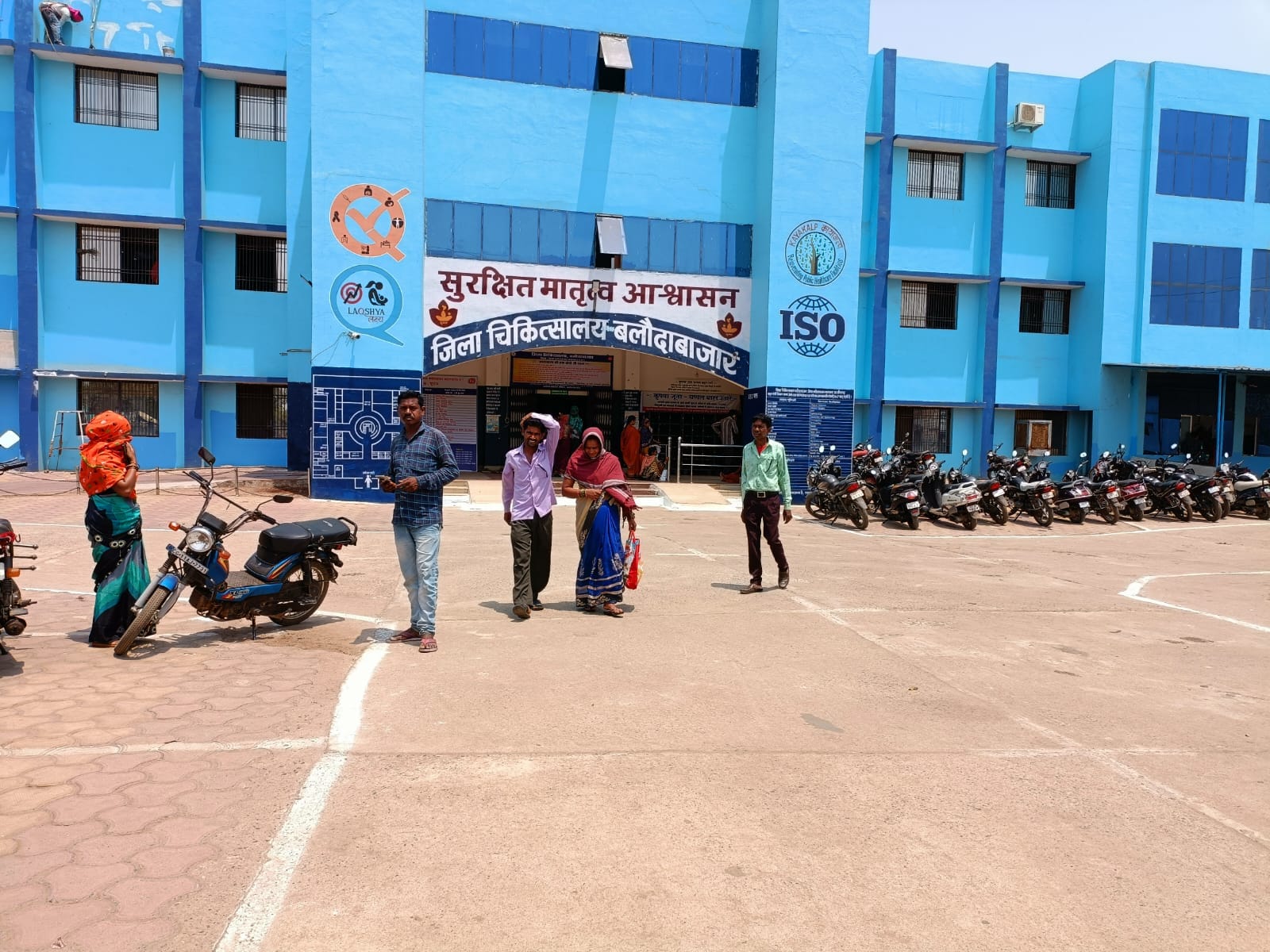
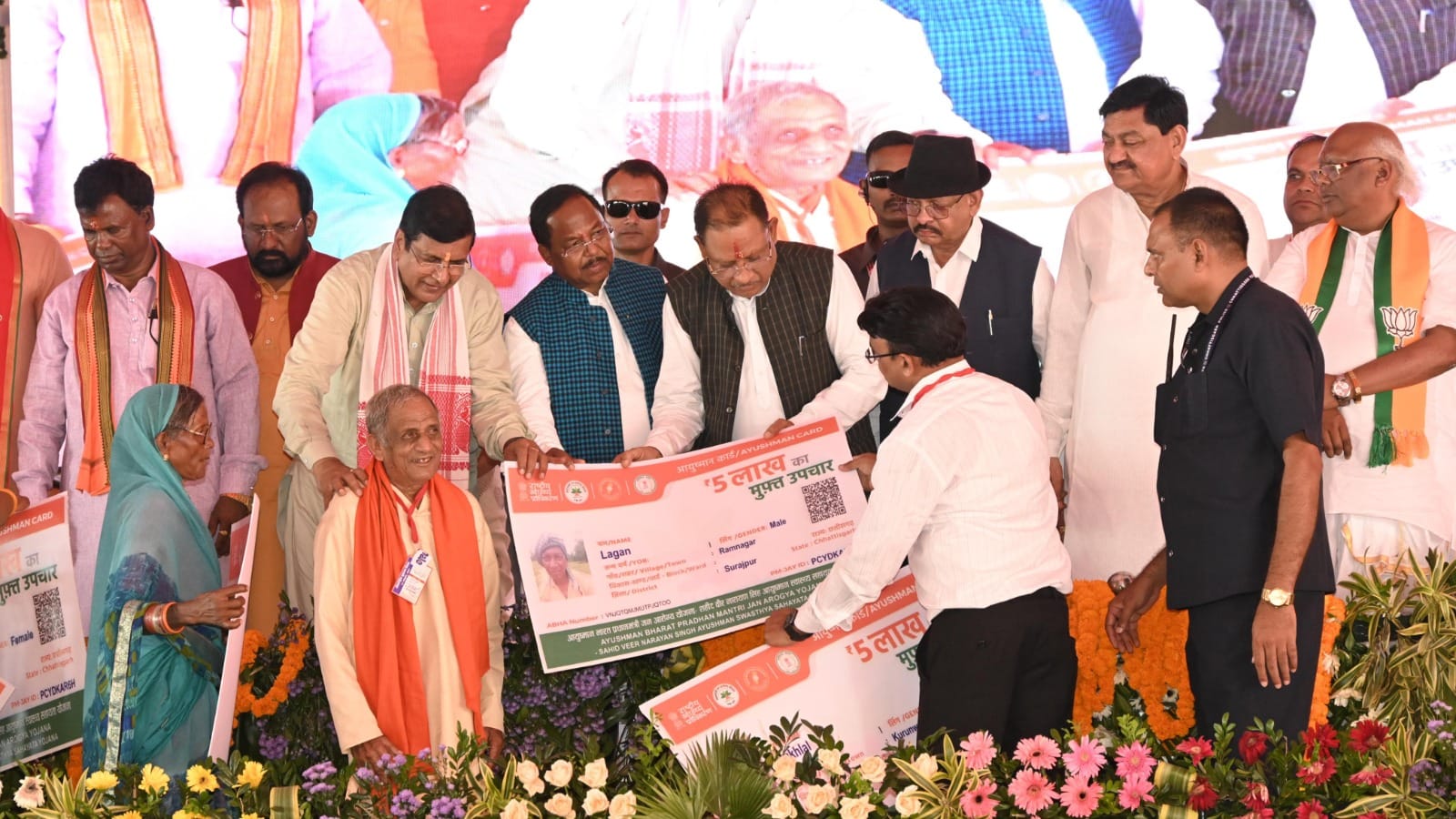
Reviewing the Health Department, Mr. Vishwakarma emphasized the expansion and strengthening of healthcare services, the provision of better treatment facilities for those in need, and ensuring that the maximum number of eligible families receive benefits under the Ayushman Bharat scheme. He stated that providing better healthcare facilities to the general public is among the government’s top priorities.
- Emphasis on local job creation through self-employment and industrial activities
The Chairman of the Commission issued directives to promote industrial development and self-employment activities, stressing the need to create new employment opportunities at the local level. He called for effective efforts to make eligible beneficiaries self-reliant by ensuring they receive the benefits of government grants and loan-based schemes. Furthermore, he instructed the Electricity Department to ensure 100% electrification across all villages in the district.
- Accelerate the online data entry for the OBC survey
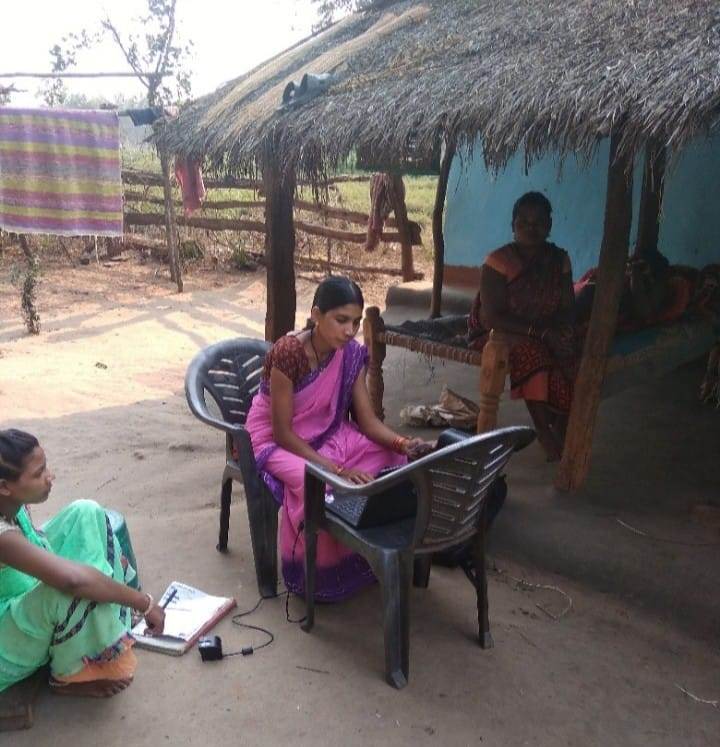
The meeting also included a detailed review of the ongoing survey aimed at the social, economic, and educational development of the Other Backward Classes (OBC). Mr. Vishwakarma directed that the data entry process for information gathered during the OBC survey be expedited. He emphasized that all survey-related data must be entered into the portal in the prescribed format—accurately, completely, and in a timely manner. He instructed the concerned officials to conduct regular monitoring to eliminate any possibility of errors during data entry.
He stated that the survey…The data obtained will serve as a crucial basis for assessing the actual social, economic, and educational status of the Other Backward Classes (OBCs). This information will facilitate the formulation of more effective and need-based schemes for the welfare and upliftment of the backward classes.
- Collector provides an overview of the district’s geography and development
At the beginning of the meeting, Collector Shri Vijay Dayaram K. delivered a presentation to apprise the Chairperson and members of the Commission about the district’s geographical profile, general information, and key characteristics. Subsequently, officials from various departments presented details regarding their respective departmental activities, ongoing public welfare schemes, set targets, achievements, and the progress of grant-based and loan-based programs.
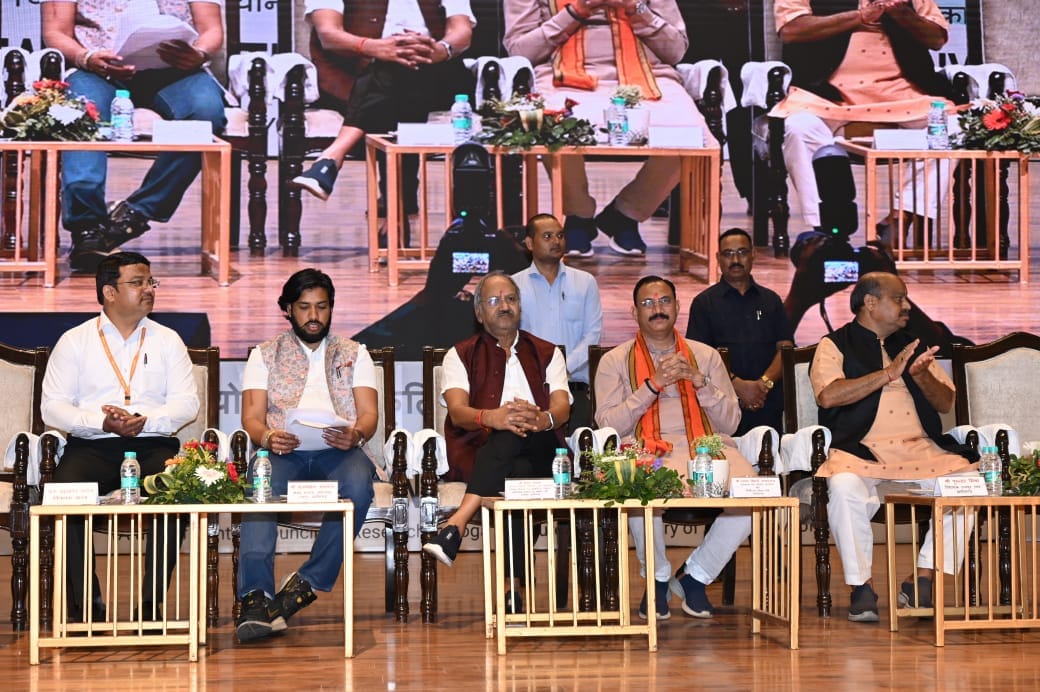
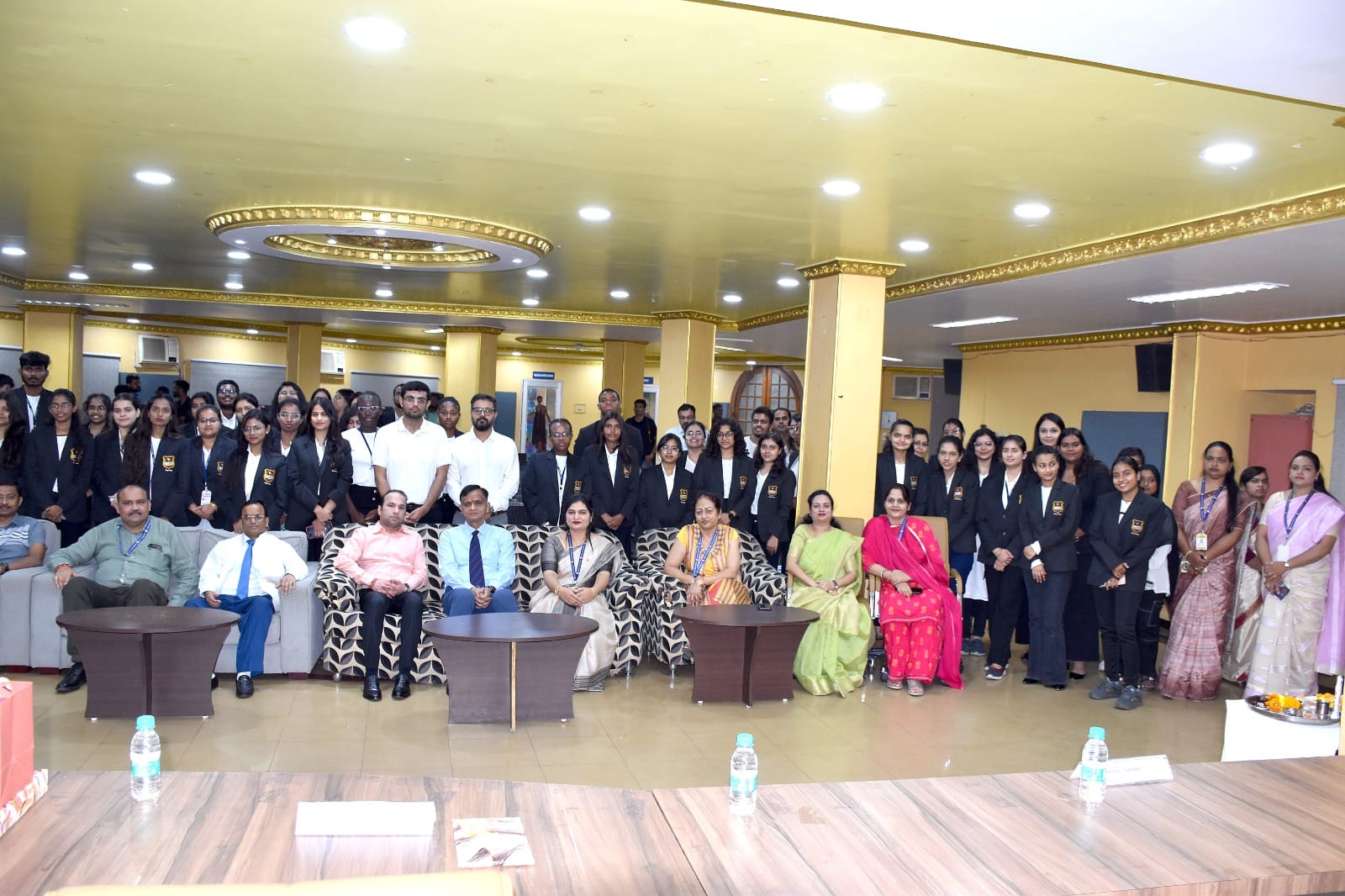
The meeting was attended by members of the Chhattisgarh State Backward Classes Welfare Commission—Shri Yashwant Singh Verma, Shri Nilambar Nayak, Shri Baldau Ram Sahu, and Shri Harishankar Yadav—along with the Commission’s Secretary, Shri Amit Kumar Srivastava. Also present were Divisional Forest Officer (DFO) Shri Kumar Nishant, Chief Executive Officer (CEO) of the Zila Panchayat Shri Mukesh Rawte, Additional Superintendent of Police Shri Avinash Mishra, and various other district-level officials from different departments.