















- United by Unique: A new story in cancer care from a person-centered perspective
Author :-
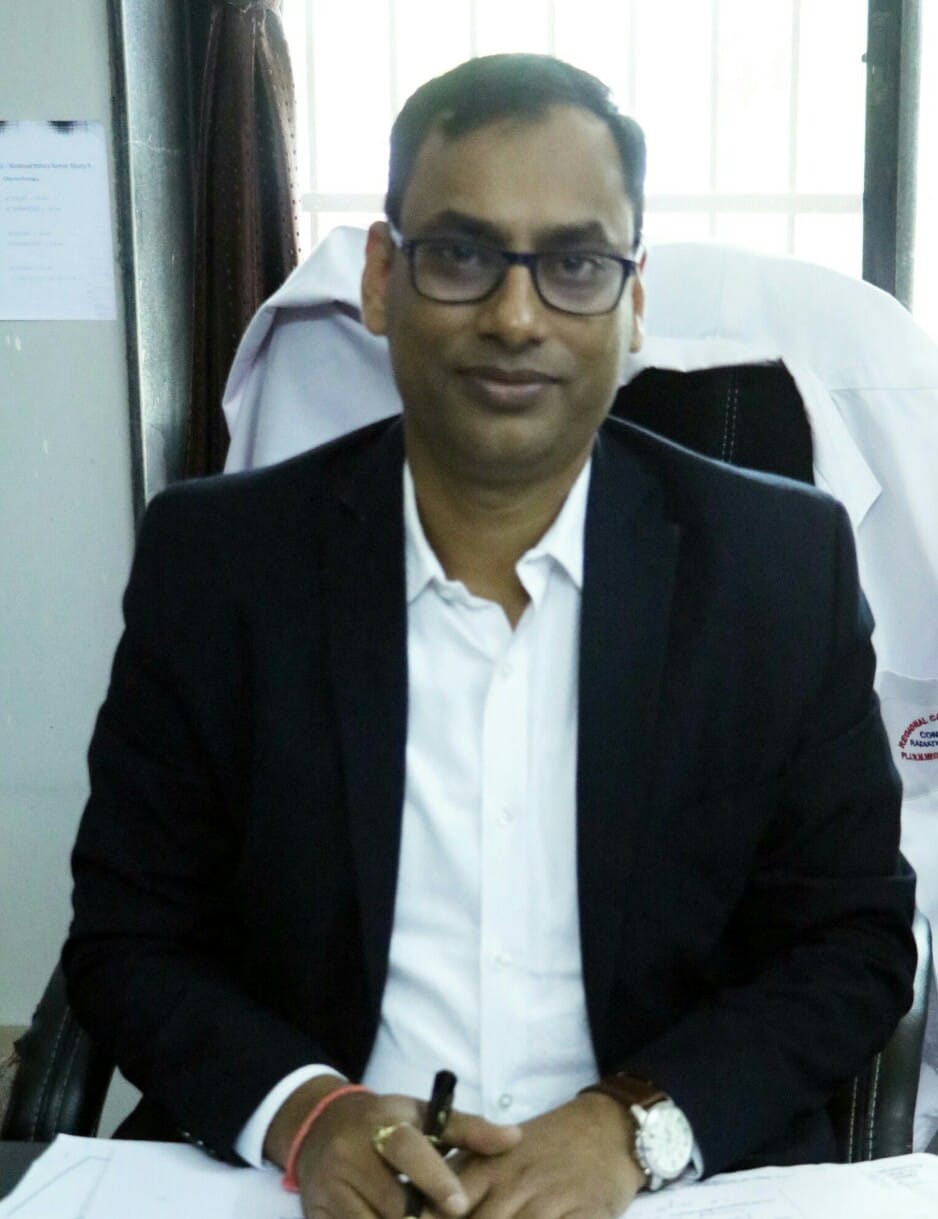
- Dr. Pradeep Chandrakar
- Professor Regional Cancer Institute
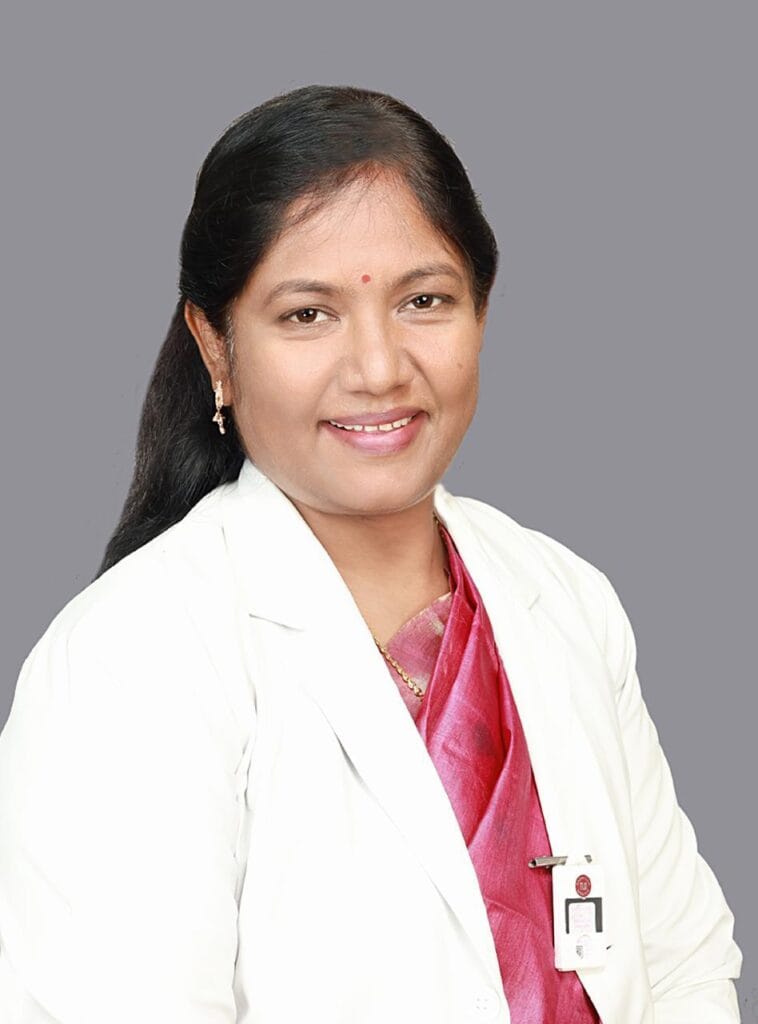
- Dr. Manjula Beck
- Head of Department, Regional Cancer Institute
Today, February 4th, is World Cancer Day. The theme is “united by unique,” meaning every cancer experience is unique, and we must all unite to create a world where we look beyond the disease and understand the person before the patient.
This World Cancer Day, let us come together to rewrite the future of cancer care, a future where the needs of people and communities come first. #UnitedByUnique#

“Cancer” isn’t just a medical diagnosis. It’s a deeply personal matter. Behind every diagnosis lies a unique human story. Stories of grief, healing, resilience, love, and so much more. That’s why a people-centered approach to cancer care, one that fully integrates each individual’s unique needs with compassion and empathy, leads to the best health outcomes.
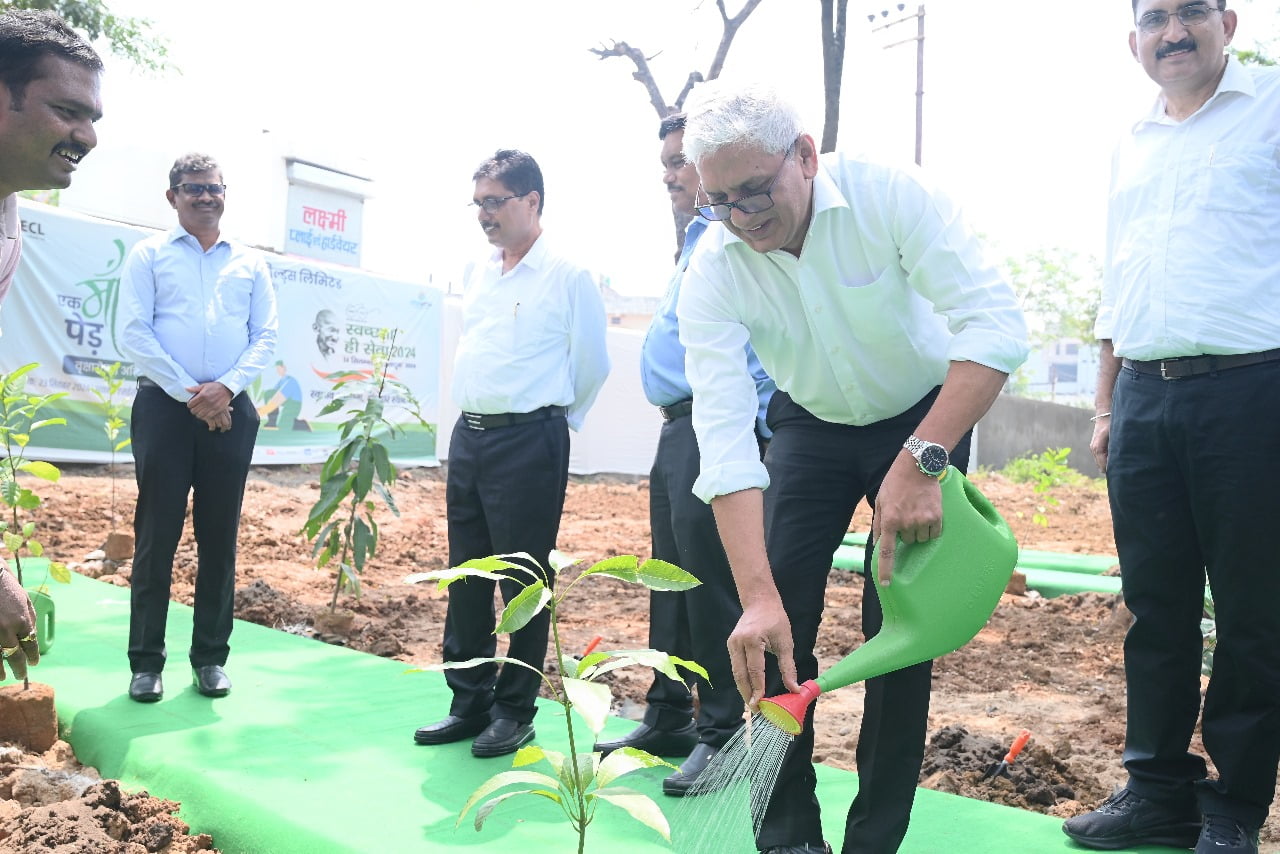
The campaign is a united effort to explore various dimensions of person-centered cancer care and new ways to bring about change, with the Regional Cancer Institute of Pandit Jawaharlal Nehru Smriti Medical College, Raipur, the only government comprehensive cancer centre in Chhattisgarh, committed to taking concrete steps from raising awareness to cancer treatment.
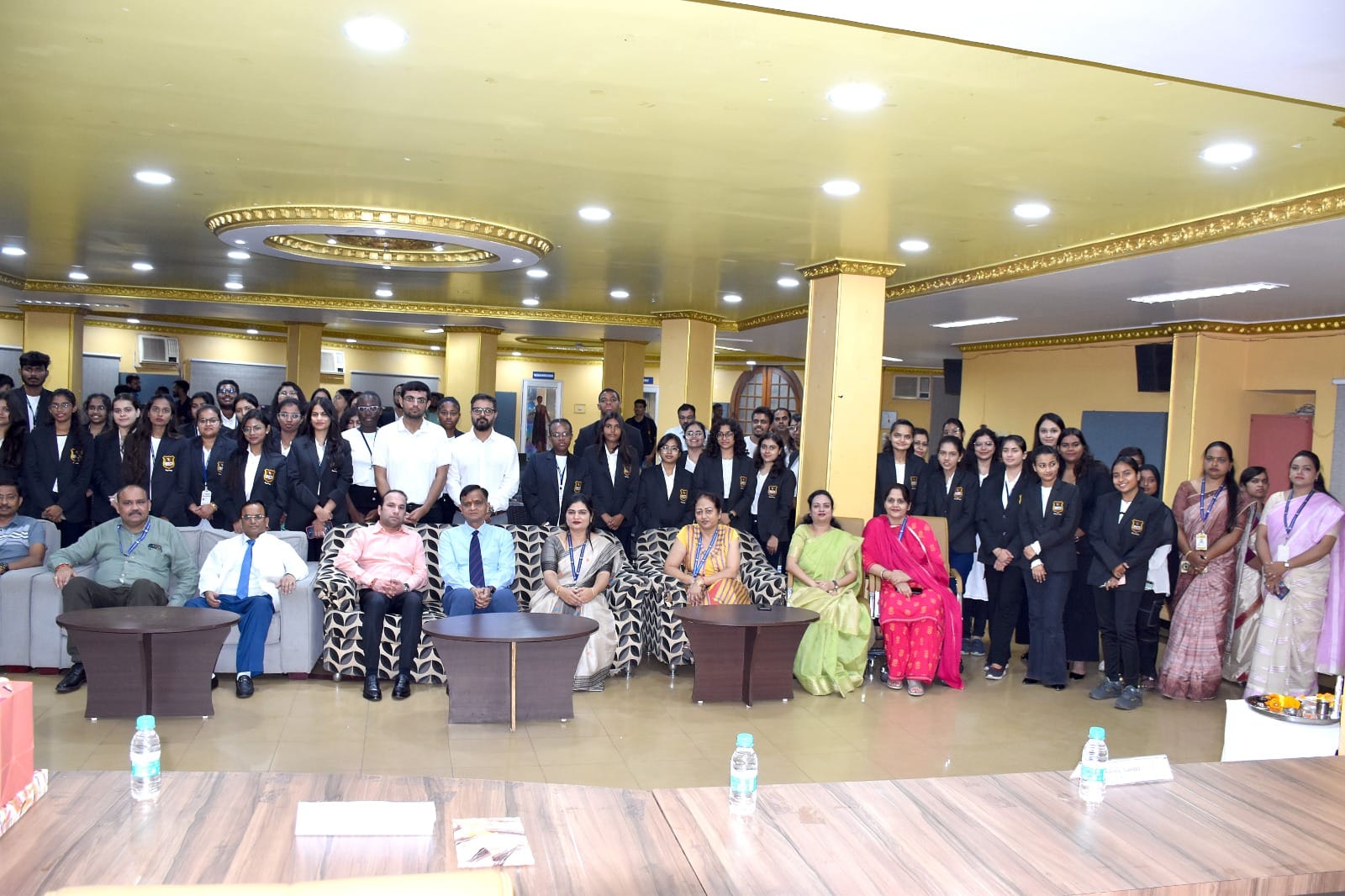
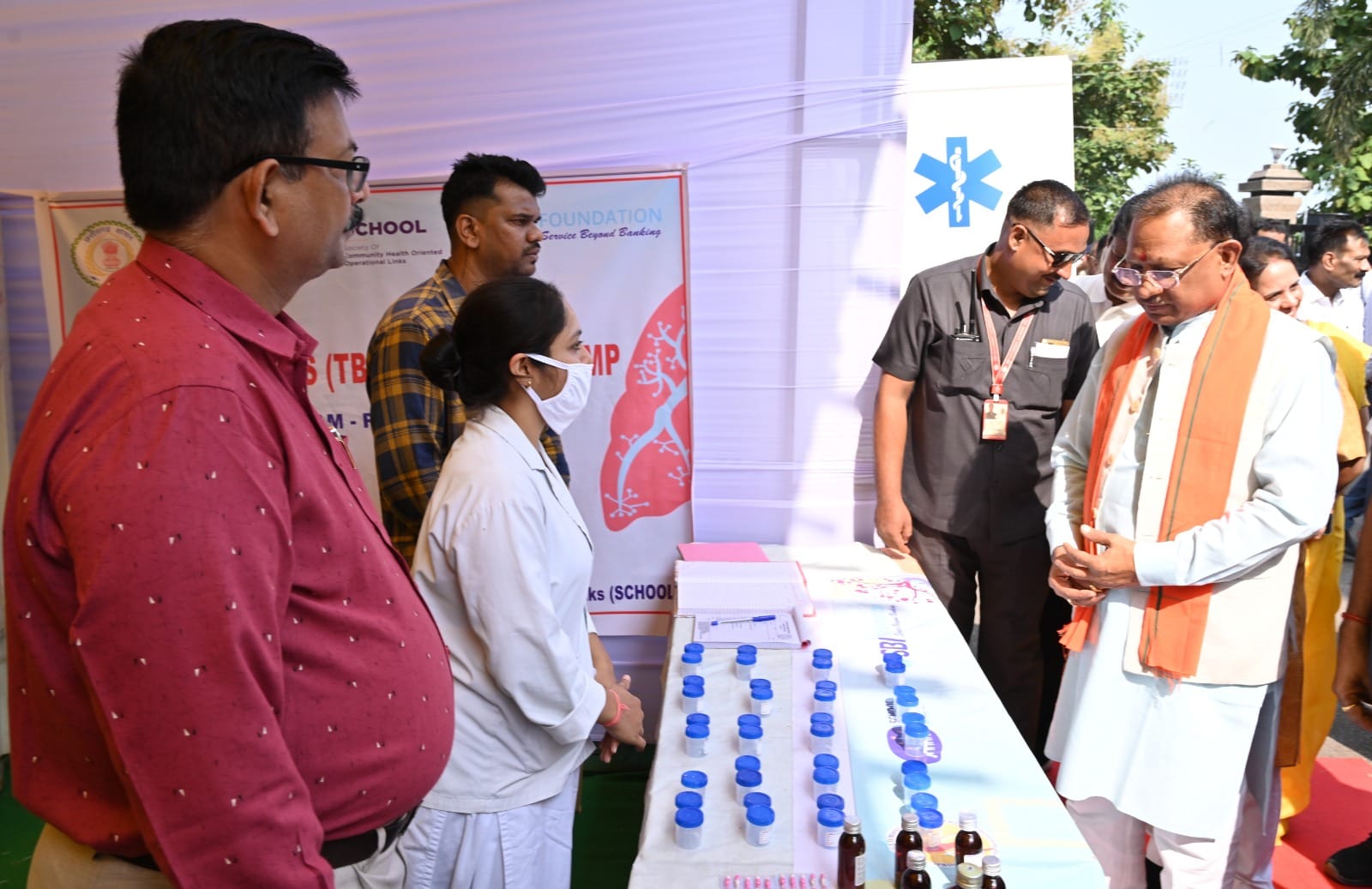
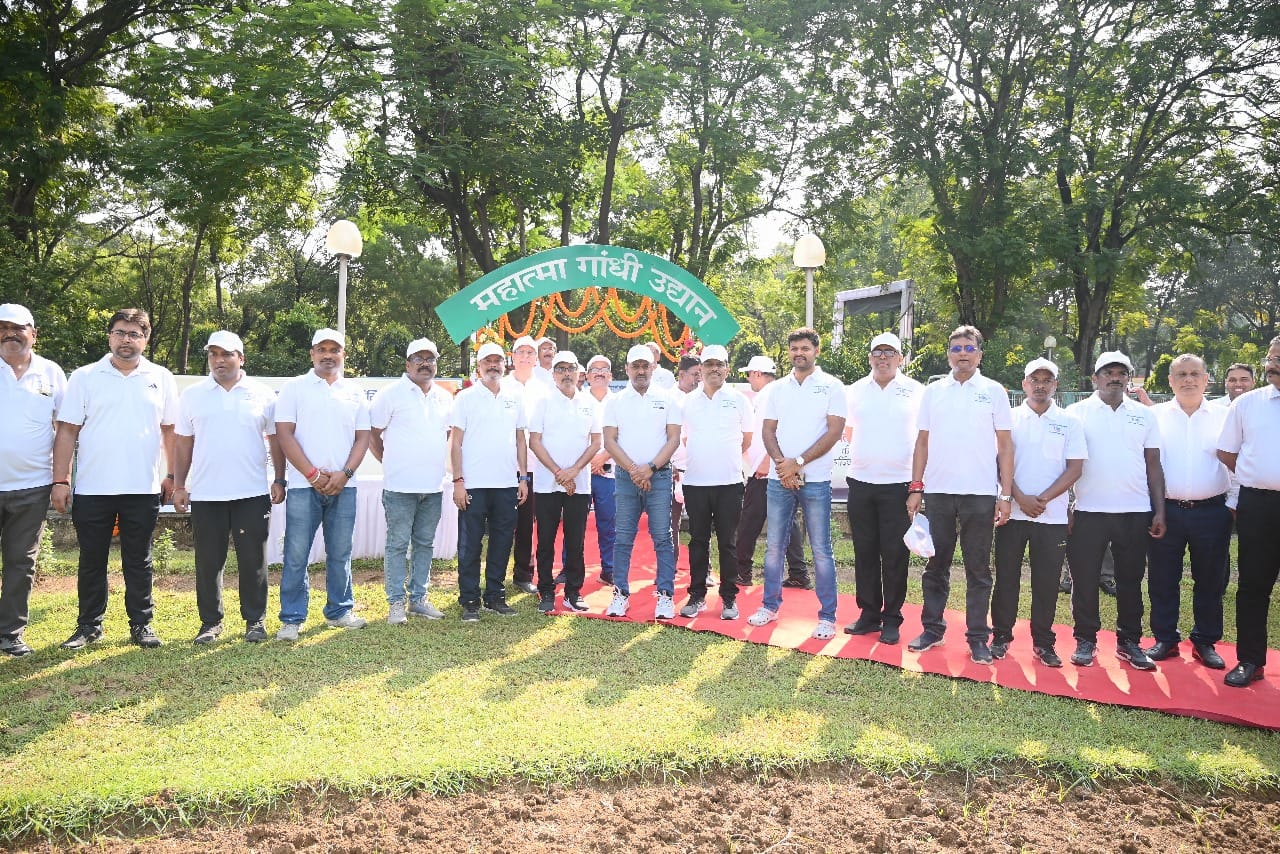
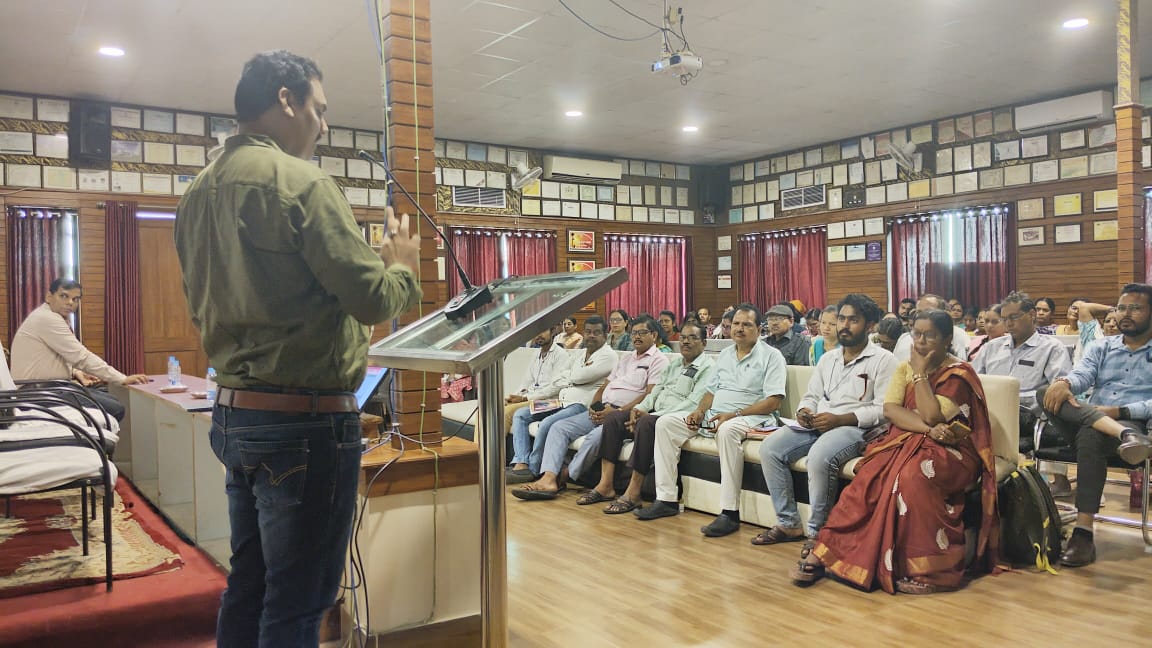
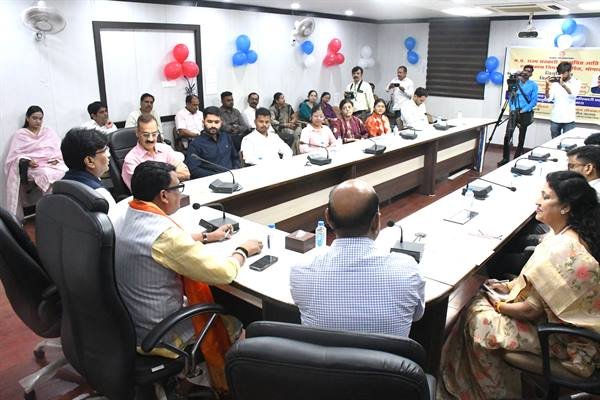
As part of this initiative, various programs are being held at the institute today. The program will begin with an awareness rally and marathon in the morning, followed by a free cancer screening camp from 9 a.m. to 2 p.m.
The Regional Cancer Institute, Raipur, offers comprehensive cancer treatment. From the highest-level cancer treatment to cancer surgery, chemotherapy, immunotherapy, targeted therapy, palliative care, and childhood and child cancer care are available free of charge. Patients of all types of cancer, from the economically disadvantaged to the economically affluent, from early to advanced stages, receive free treatment here.
If we look at cancer statistics, the number of new patients was 1601 in 2003, which increased by almost two to three times, from 3500 to 4000, in 2025. Whereas in 2003 only 3500 patients came for follow-up, now approximately 250,000 to 300,000 patients come.
Earlier, the department had only telecobalt and brachytherapy facilities for cancer treatment. Today, state-of-the-art machines and techniques like IMRT, IGRT, VMAT are available with the help of which pinpoint treatment of cancer is done and it is possible to protect the normal tissues of the body to the maximum extent. Now the number of patients coming for cancer treatment has increased from 475 per year to 25000. This is the only institute in Chhattisgarh where brachytherapy is done through interstitial implant, the major ones being cancer of mouth and throat, penile cancer, sarcoma etc.
Most of the patients in cancer reach the advanced or last stage, in which chemotherapy becomes mandatory. Chemotherapy, immunotherapy, hormonal therapy, targeted therapy ranging from 1 thousand to lakhs are provided free of cost in the institute. This includes normal chemotherapy, polymer bound, nanoparticle, pegylated forms. In the year 2003, the number of people taking chemotherapy was only 2055 which has increased to about 24000 per year in 2025. Apart from this, immunotherapy, hormonal therapy, targeted therapy are also given to the patients as per their need. Since every patient is different, the institute always tries to make their treatment unique.
Palliative care is required at every stage of cancer. Palliative care requires emotional support, social and family support, in addition to diagnosis and treatment of common symptoms, which is taken care of for patients of all stages in the institute. The department has a separate ward of 30 beds for palliative care. Patients are treated according to the category of pain, as painkillers ranging from simple paracetamol to weak/strong opioids (weak/strong opioids), morphine is available. In the year 2003, only 1312 morphine tablets were given, which increased to about 20000 in 2025.
In the year 2014, the department has facility of cancer surgery, every year about 500 to 700 patients are operated free of cost, apart from general surgery, minimally invasive surgery HIPAC and PIPAC is also done here.
Childhood and infant cancer care is complex, requiring specialized care that includes mental health, diet, and normal growth. Since 2018, the department has established separate outpatient and pediatric wards for childhood and infant cancer, where they receive special care. To date, nearly 1,000 patients have recovered.
- Cancer Care: From Awareness to Treatment
About 10 years ago (around 2015), public awareness about cancer was limited. People were afraid to discuss the topic openly, and social misconceptions persisted. At that time, awareness about cancer screening was limited, leading to limited screening. The primary sources of information were doctors, television, and posters. The general perception of cancer treatment was that cancer only involved chemotherapy or radiation. Prevention was neglected, and accurate and comprehensive information was also lacking.
In contrast, today there is a greater open discussion about cancer. There is now a greater emphasis on early detection and screening. Sources of information have changed significantly, with the internet and social media becoming primary sources. Treatment has also seen significant advances, with modern options such as immunotherapy and targeted therapy now available. Prevention is increasingly recognized, particularly through HPV vaccination and a healthy lifestyle. While the availability of information has increased, misinformation and rumors have also increased, posing a new challenge.
- Dr. Vivek Chaudhary, Dean. Pt. Nehru Medical College, Raipur
The Regional Cancer Institute, through modern technology, an experienced medical team, and comprehensive treatment facilities, continuously strives to provide quality healthcare to every cancer patient in the state. Avoid any misconceptions about cancer, get timely screenings, adopt prevention measures, and seek information only from certified and reliable medical institutions. Awareness, timely detection, and proper treatment are the most effective ways to combat cancer.
- Dr. Santosh Sonkar, Superintendent, Dr. Bhimrao Ambedkar Memorial Hospital, Raipur
HPV vaccination: While little was known about it in 2015, it has become a powerful tool for preventing cervical cancer. Today, WHO guidelines exist.
Telemedicine and apps: Today, patients can consult specialists from the comfort of their homes for conditions like metastatic cancer, which was not possible 10 years ago.
Genomic testing: Treatment is no longer a one-size-fits-all approach. Personalized medicine allows for precise treatment based on a patient’s genetic profile.
Infodemic: While the internet has increased awareness, misleading claims like miraculous home remedies have also increased the risk. Always rely on information from reputable sources.