












- Centuries-old letters emerge from the juice of the Seme leaf; Raigarh houses a treasure trove of pulse science and Ayurveda.
Amidst modern technology and the digital age, India’s thousands of years old tradition of knowledge is still alive in palm leaves. Rare palm leaf manuscripts preserved in Chhattisgarh’s Raigarh district not only preserve the unique heritage of Ayurveda and pulse science, but also reveal a remarkable chapter of the Indian medical tradition that has guided human life for centuries. The most unique feature of these manuscripts is that the letters written on them are invisible to the naked eye. Using the juice of sesame leaves, the ancient letters emerge and become clearly visible.
- ‘Gyan Bharatam National Manuscript Survey Campaign’ is giving new identity
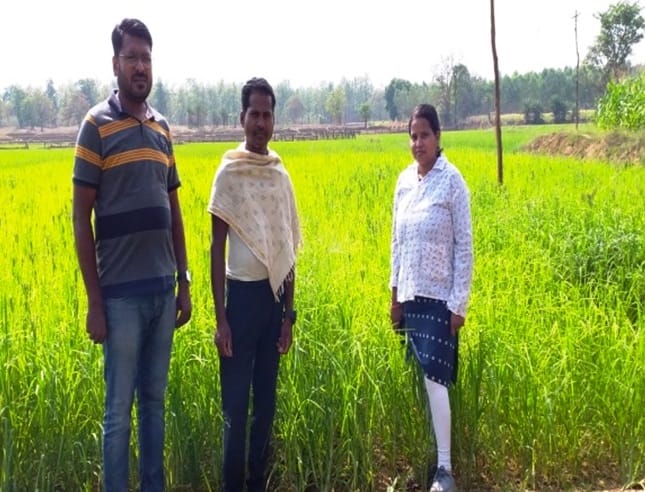
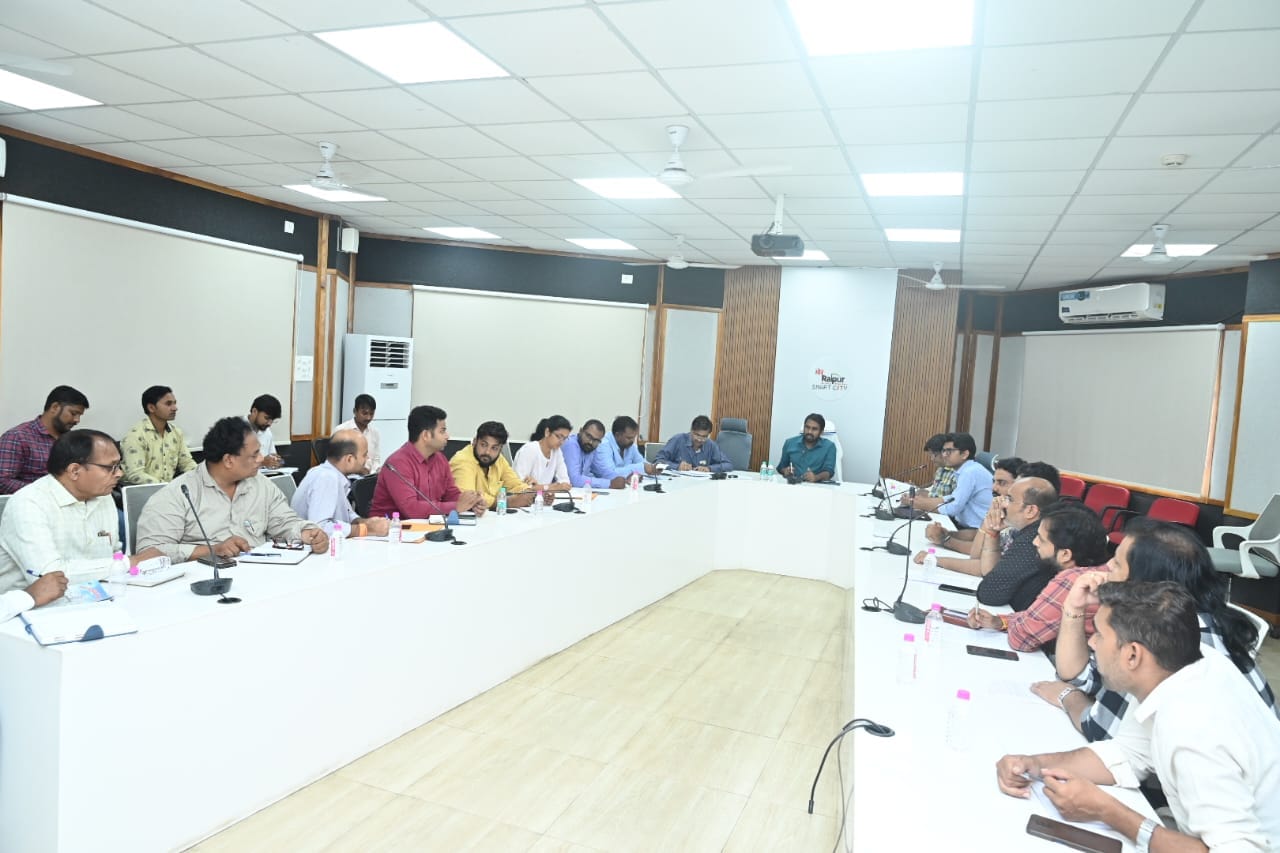
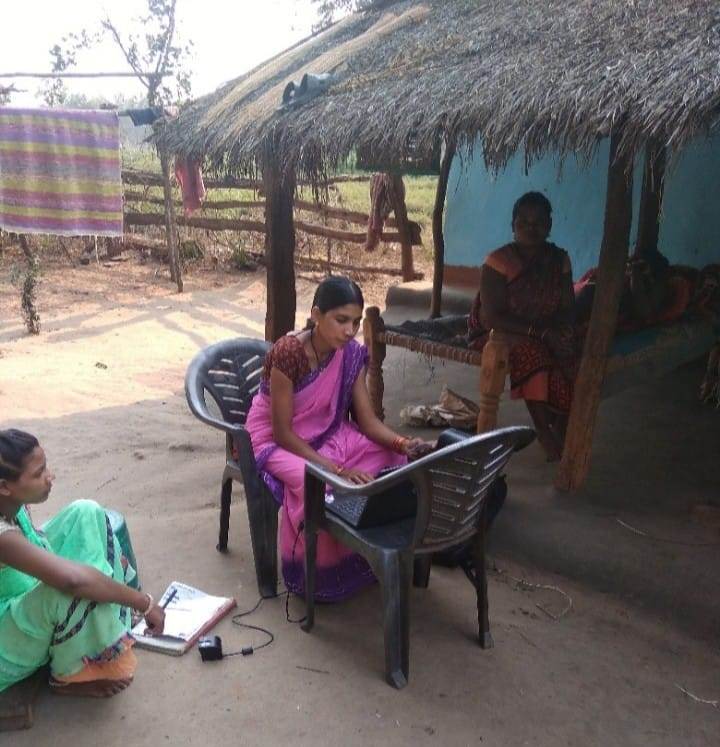
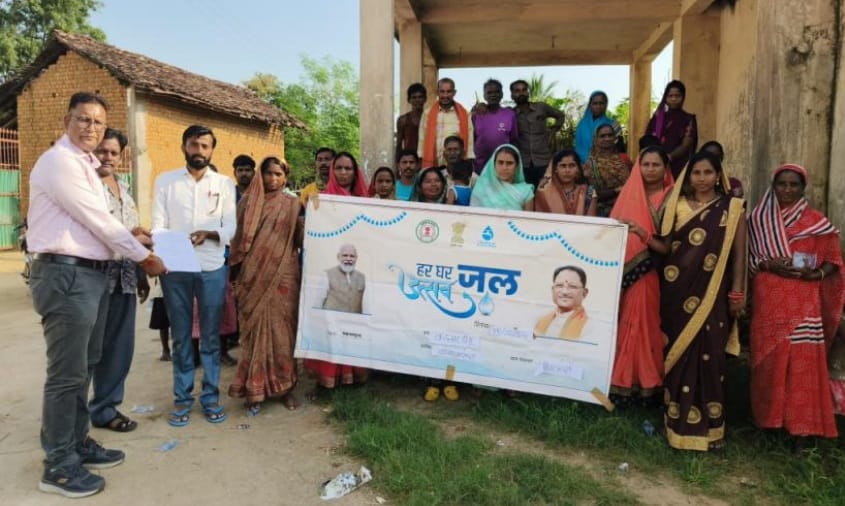
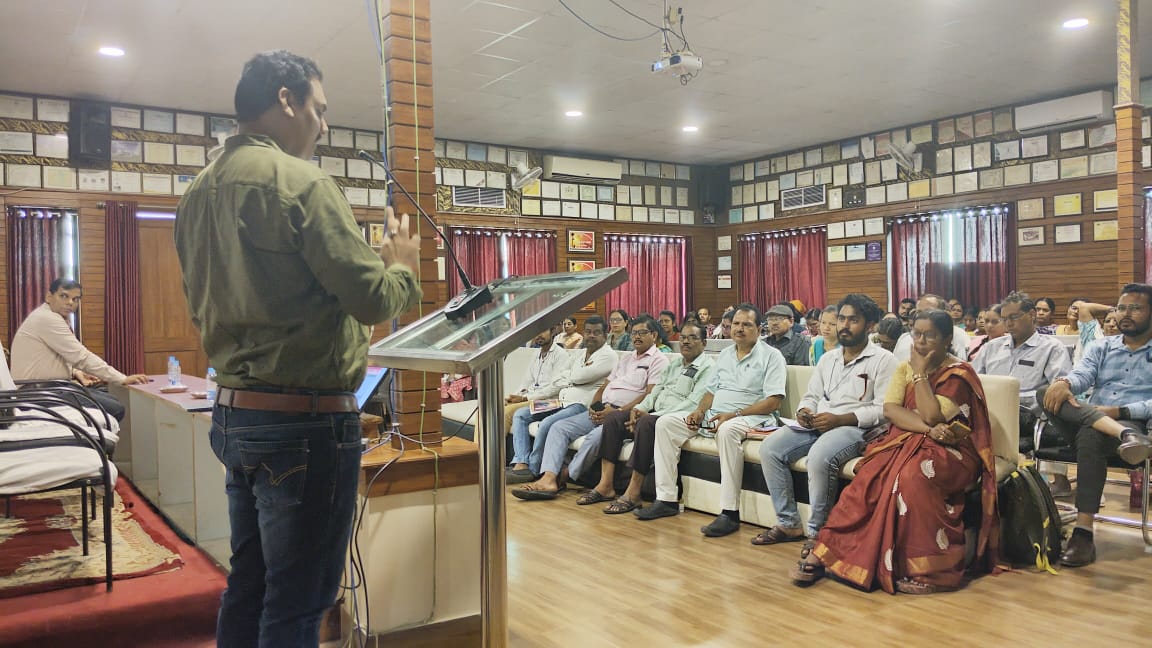
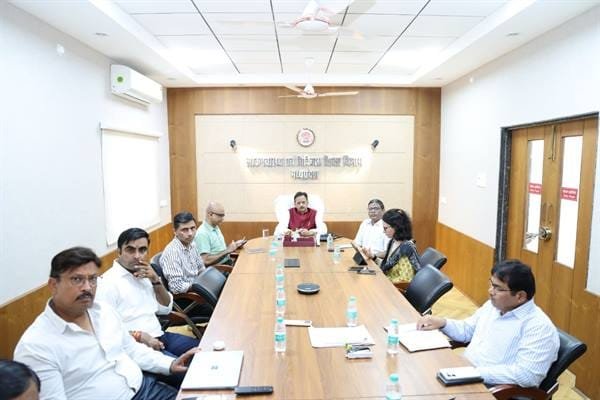
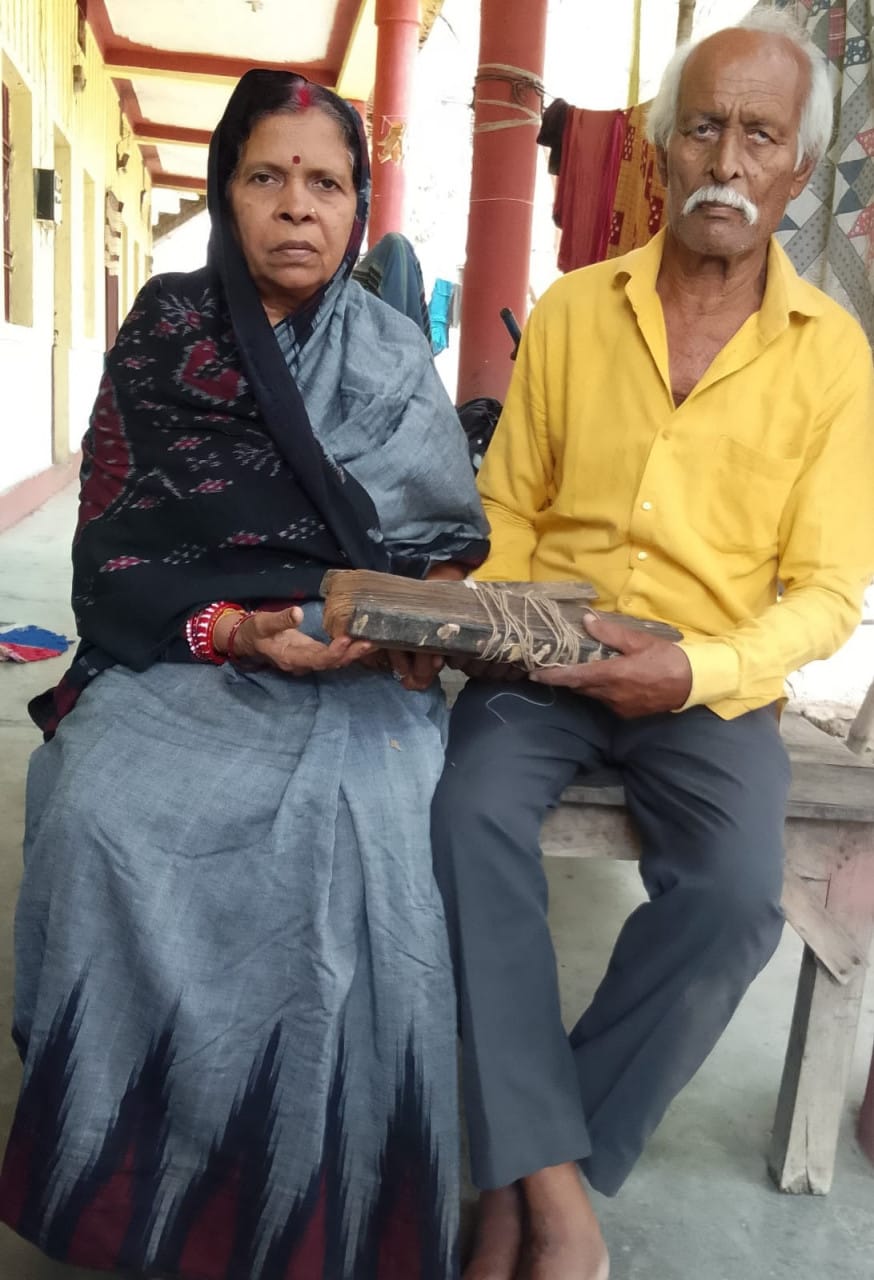
Under the “Gyan Bharatam National Manuscript Survey Campaign” run by the Government of India, the Raigarh district administration is carrying out important work to preserve, document, and study these invaluable heritage sites. The administration team is engaged in surveying and preserving rare manuscripts preserved at various locations in the district. In this sequence, the team reached the place on Kotara Road in Raigarh, where rare palm leaf manuscripts belonging to the renowned Nadi Vaidyacharya, the late Pandit Vishwanath Mishra, are still preserved.
- Pandit Vishwanath Mishra was one of the nine gems of Raja Chakradhar Singh.
The late Pandit Vishwanath Mishra was a renowned pulse physician of his time. He was one of the nine gems of Raja Chakradhar Singh of the Raigarh State and served as the royal physician. It is said that he used these palm leaf manuscripts to examine people’s pulses and treat illnesses.

- a specific traditional method of reading these
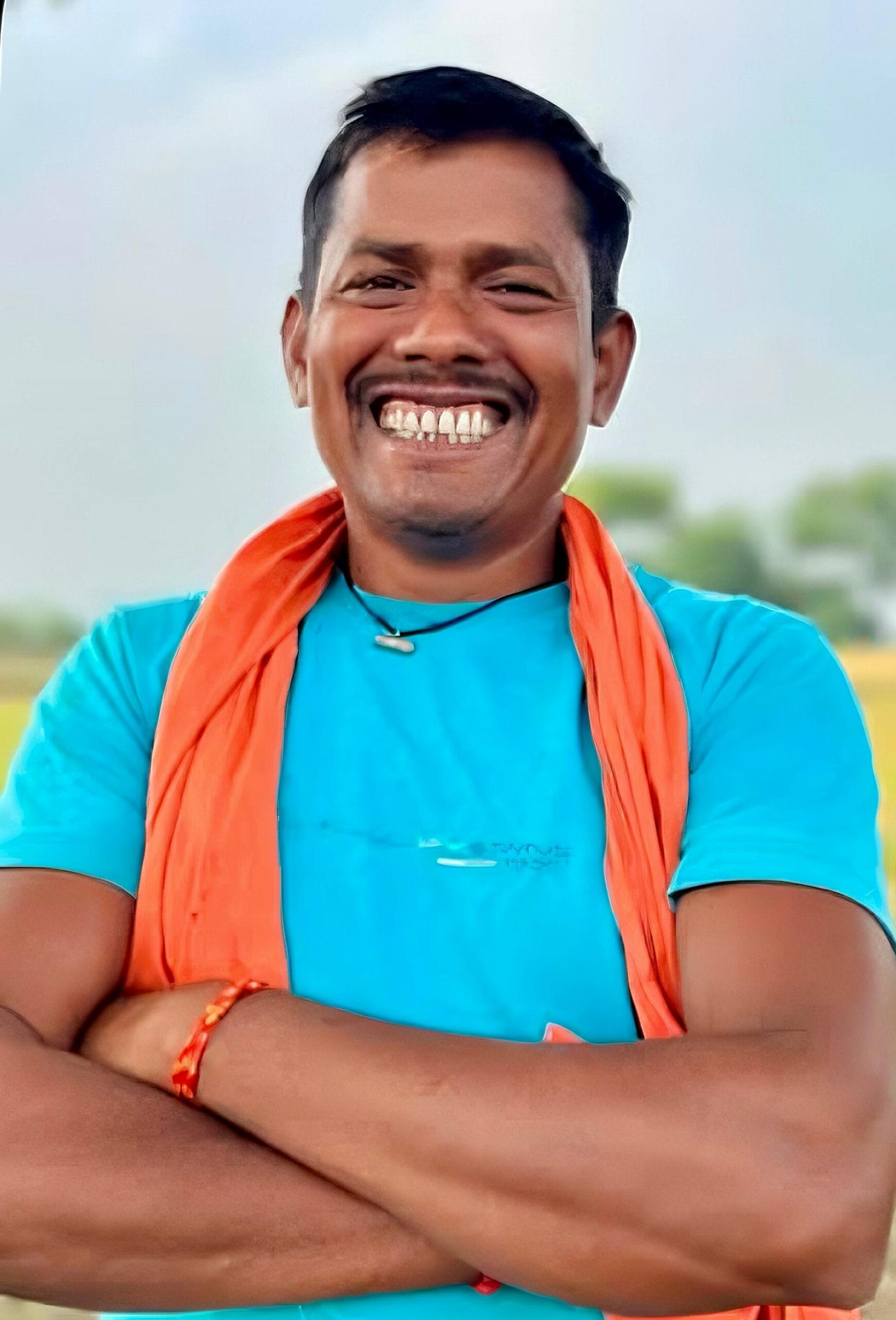
These manuscripts are still preserved with utmost care and devotion by his family. Pandit Vishwanath Mishra’s son, Mr. Pitambar Mishra, explained that these manuscripts deal entirely with Ayurveda and pulse science and are written in the Odia language. He added that the letters inscribed on these palm leaves are not normally visible. There is a specific traditional method for reading them, which involves applying the juice of a sem leaf to the palm leaves. After this, the centuries-old letters emerge clearly. Approximately two hundred palm leaves have been prepared using this method.
- A living document of medical science, cultural history and traditional medicine.
Mr. Pitambar Mishra explained that this treasure trove of knowledge created by his ancestors is not only a family heritage, but also a priceless asset to Indian culture and medical science. Family members Mr. Satyendra Mishra and Mr. Rajendra Kumar Mishra have been working to preserve these manuscripts for years. He said that this knowledge preserved in palm leaves is a living document of Indian Ayurvedic medical science, cultural history, and traditional healing systems. Their preservation is not only an effort to preserve the past, but also an important means of connecting future generations to the Indian knowledge tradition.
It is noteworthy that the “Gyanabharatam National Manuscript Survey Campaign” aims to promote the discovery, preservation, digitization, and study of ancient manuscripts scattered across the country. This campaign is considered an important initiative towards preserving India’s ancient knowledge traditions, medical science, philosophy, literature, and cultural heritage.
- It will also prove to be an invaluable treasure of knowledge and history for generations to come.
The Raigarh District Administration is continuously making efforts to effectively implement this campaign, so that the rare manuscripts preserved in the district can be protected and they can gain national and international recognition. This initiative by the administration is not only an important step towards preserving India’s cultural heritage but will also prove to be an invaluable treasure of knowledge and history for generations to come.