














- Flower cultivation takes place in 45 thousand hectares of area in the state.
- State level flower exhibition will be held in Bhopal on January 30, where
- flower growers, businessmen and scientists from across the state will participate.
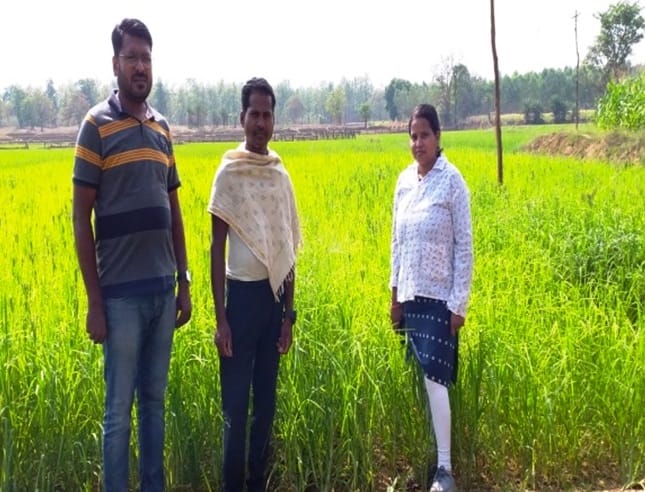
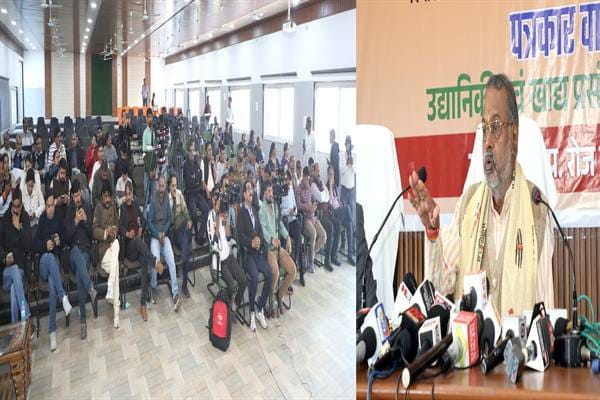
Horticulture and Food Processing Minister Shri Narayan Singh Kushwaha said that flower production will be given a commercial shape in the state. To attract farmers towards flower production, a state level flower exhibition will be organised by the Horticulture and Food Processing Department in the Rose Garden on January 30. Flower producing farmers, flower experts, entrepreneurs associated with the nursery business, representatives of flower producing institutions, students of agricultural universities and flower lovers will participate in the exhibition. He informed that Madhya Pradesh is at the second place in the country in flower production. Flower cultivation is being done in about 45 thousand hectares of area in the state, in which 5 lakh metric tons of flowers are being produced every year. About 40 thousand farmers are involved in flower cultivation in the state.
Minister Shri Kushwaha informed that the state government’s goal is to double the income of farmers by providing commercial form to flower production. Madhya Pradesh is to be made a leading state in flower production. An action plan has been made to develop flower production clusters around such religious places and cities of the state where there is a high demand for flowers. In this regard, the Horticulture Department is looking at the Simhastha fair to be held in 2028 as a big opportunity. On the initiative of Chief Minister Dr. Mohan K Yadav, work is being done to develop a special cluster of flower production in about 100 acres around Ujjain.
Minister Kushwaha stated that farmers in small districts like Guna have established a new identity in rose production, both domestically and internationally. Guna roses are also gaining recognition in Delhi, Mumbai, and Bangalore, as well as abroad. He added that the department has also linked flower production with the Prime Minister’s Micro Food Enterprise Upgradation Scheme (PMFME). Many beneficiaries have benefited from the scheme and are involved in flower products.
Minister Shri Kushwaha said that the state level exhibition is multi-purpose.
• To increase the income of farmers by promoting commercial cultivation of flowers.
• To encourage commercial production of flowers in different species.
• To encourage farmers by connecting them with new technologies, improved varieties and modern production methods.
• To promote nurseries producing flowers and ornamental plants.
• To develop the interest of citizens towards beautiful gardens, parks and green environment in urban areas.
• To increase awareness among the general public about the importance of environmental protection, green lifestyle and horticulture.
Major attractions of the flower show
The grand exhibition of flowers and processed products will showcase rare, attractive, and colorful flower species and processed products produced in various districts of the state, which will be a special attraction for the visitors. These include:
• Perennial flowers: Rose, Gerbera, Marigold, Marigold, Tuberose, Gladiolus, Orchid, Lily, Anthurium, Carnation, Hibiscus, Bougainvillea etc.
• Seasonal (annual) flowers: Zinnia, Pansy, Phlox, Aster, Marigold, Geranium etc.
• Ornamental potted plants: Croton, Dracaena, Coleus, Palm, Purple Heart/Jesus Heart etc.
Special categories: Cactus group, Bonsai group and processed flower products.
- Horticulture farmers and entrepreneurs honored
Farmers, entrepreneurs and groups doing excellent work related to production of flowers and ornamental plants and flower processing will be honored and rewarded during the exhibition.
- Theme based artistic presentations
Artistic floral designs, theme-based structures, and creative designs will be displayed at the venue, presenting a vibrant blend of nature, horticulture, agriculture, and innovation. The state-level flower exhibition will highlight the immense potential of the state’s agriculture and horticulture sectors, while also delivering a powerful message of green and sustainable development.