










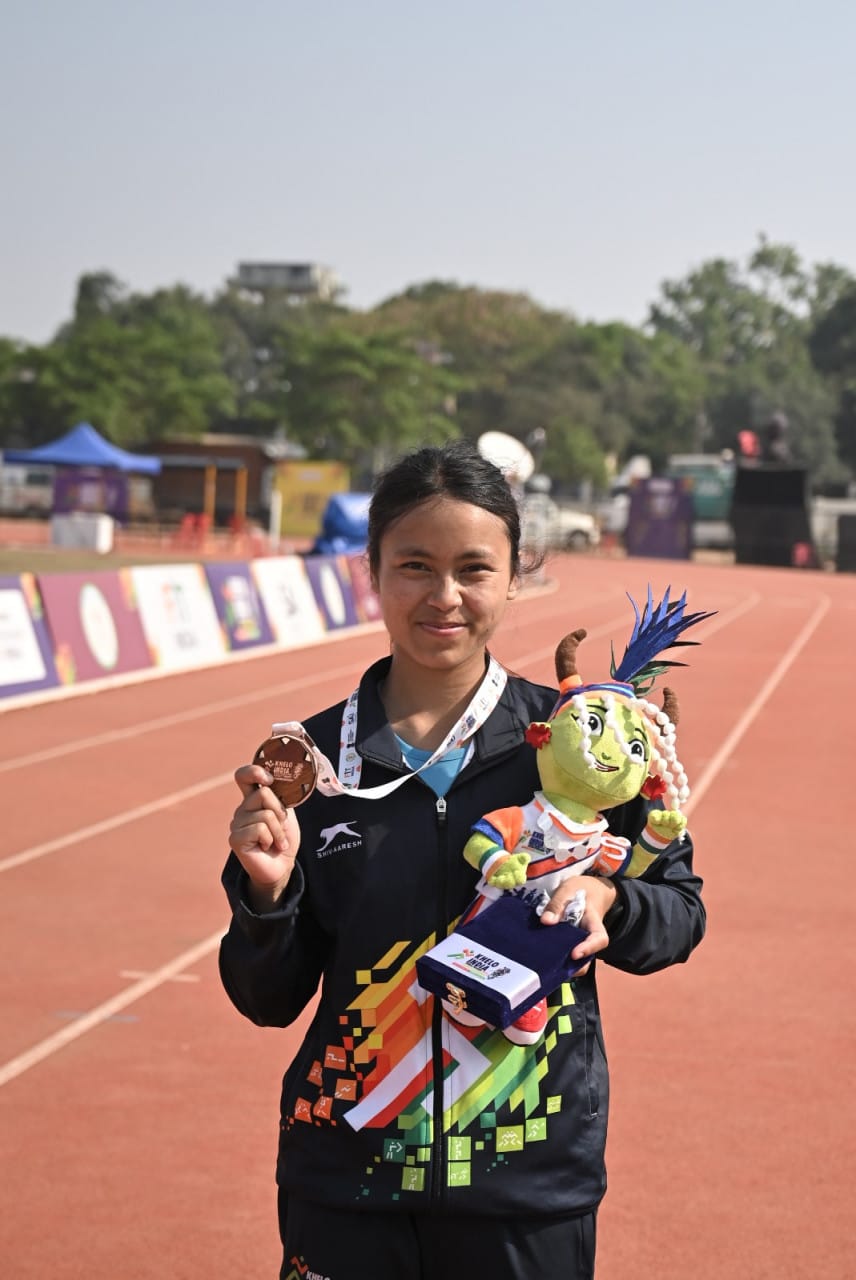

- Several athletes from Odisha, Jharkhand, Chhattisgarh and Mizoram have performed brilliantly at the Khelo India Tribal Games, attracting the attention of Olympians and talent scouts.
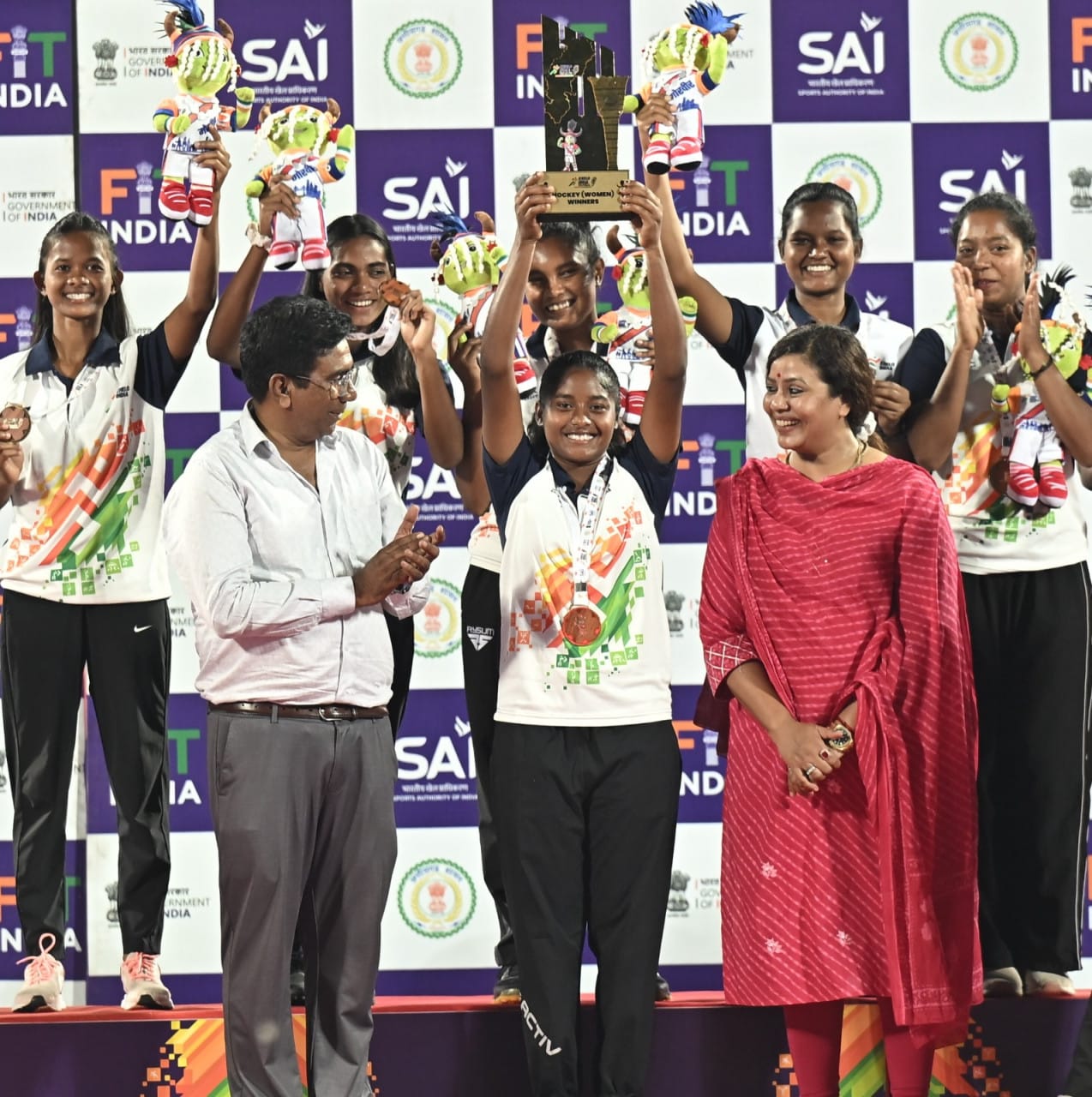
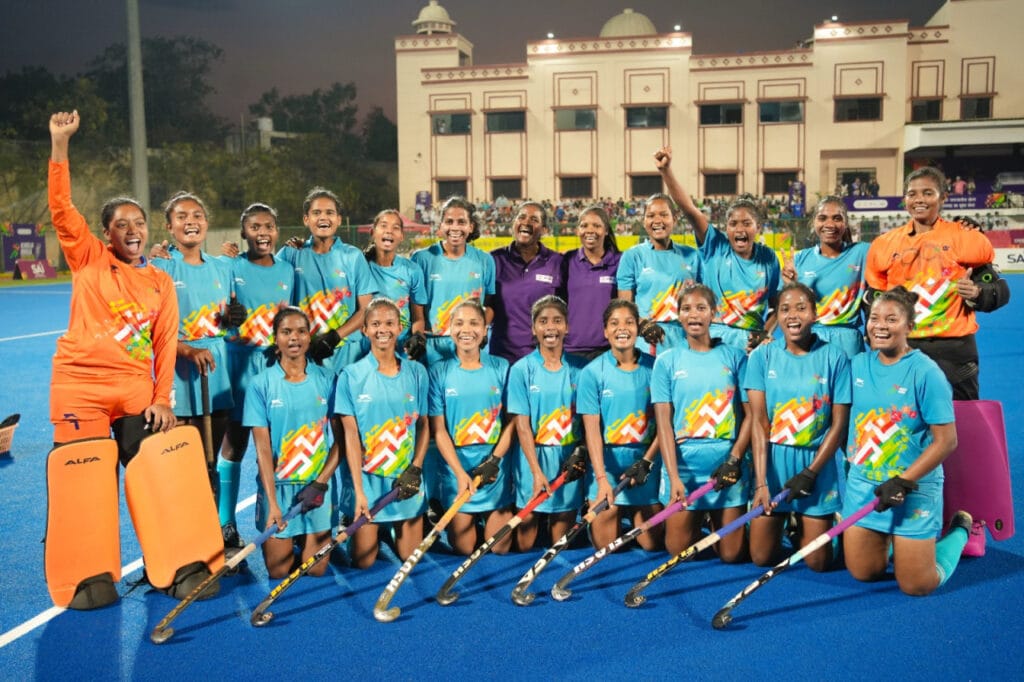
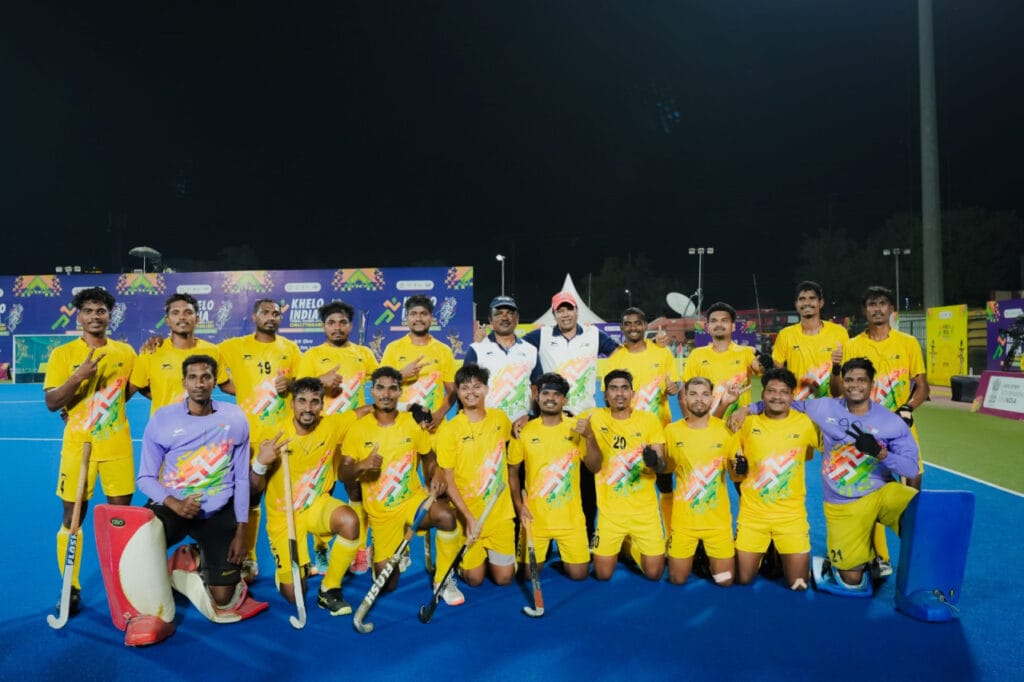
Odisha reasserted its dominance by winning the hockey gold medal in both the men’s and women’s categories at the Khelo India Tribal Games 2026. The men’s team defeated Jharkhand 4-1 in the final played at the Sardar Vallabhbhai Patel International Hockey Stadium in Raipur, while the women’s team defeated Mizoram 1-0 in a thrilling contest. Jharkhand won silver and Chhattisgarh won bronze in the men’s category, while Jharkhand won bronze in the women’s category to complete the podium.
Odisha’s double gold medal at the Khelo India Tribal Games 2026 in Raipur is not just a sporting achievement, but a powerful example of how hockey is revitalizing life in the tribal areas of Odisha, Jharkhand, and Chhattisgarh. The northeastern states, considered a repository of sporting talent, also made their presence felt, with Mizoram reaching the final.
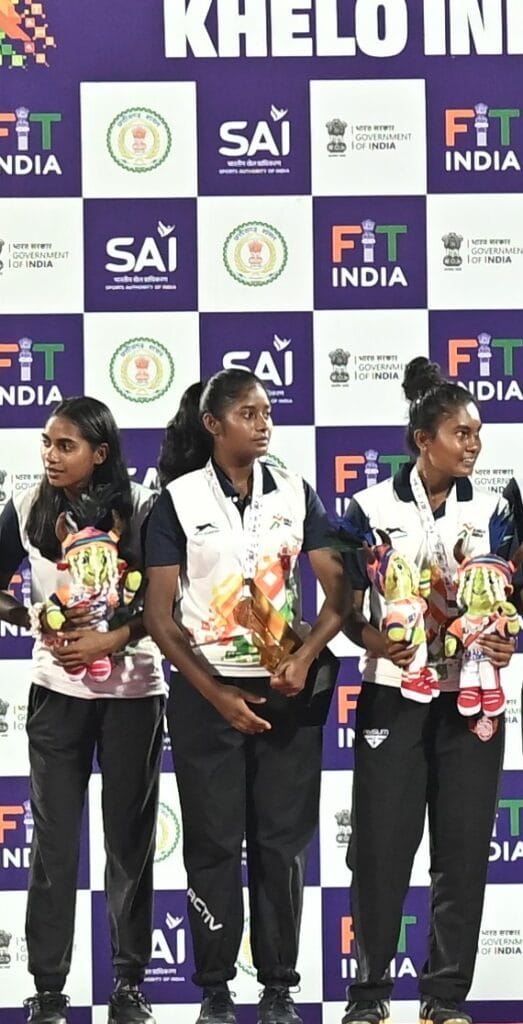
The Odisha men’s team defeated Jharkhand 4-1 in the final, while the women’s team defeated Mizoram 1-0 in a closely contested match. Teams from Jharkhand and Chhattisgarh also reached the podium, reflecting the depth of talent emerging from these regions. But beyond the medals, the real story lies in the villages, forests, and communities where hockey has become both identity and opportunity. Hockey has been a part of tribal culture for decades. Children would play barefoot on uneven grounds, using sticks made from tree branches. The talent was always there, but there wasn’t a way to nurture it—that’s now changing.
Thanks to the Centres of Excellence run by the Union Sports Ministry and the states, improved infrastructure, and organized grassroots programs, a robust sports ecosystem is now developing. Former Olympian Ajit Lakra, who was part of the Indian team at the 1992 Barcelona Olympics and is currently the head coach at the Bilaspur Centre of Excellence, has been observing this change closely. He said, “The entire system, from grassroots to junior and then senior levels, is gradually strengthening. Players from tribal areas, in particular, are benefiting greatly from this. Their natural talent is now being honed through proper guidance and training.”
Lakra believes this structured collaboration is creating a positive cascade. “When children come here, learn, and perform well, they inspire others,” he said. “This is constantly generating new players.” Areas once affected by socio-economic challenges and Naxalism are now witnessing a quiet transformation through sports. Hockey is acting as a bridge connecting these communities to the mainstream. The Sports Ministry’s ‘Aasmita’ program is bringing more and more women players into the mainstream.
Former Olympian Manohar Topno, who was part of the Indian team at the 1984 Los Angeles Olympics and has coached the men’s teams from Jharkhand and Chhattisgarh, underscored the grassroots impact of initiatives like the Khelo India Tribal Games. He said, “I want to thank SAI for organizing this grassroots tournament. The boys and girls from our communities are progressing and establishing new identities for themselves. If we continue this way, one day these players will represent India.”
Topno also emphasized an important truth behind talent. “Hockey is played naturally in our tribal communities,” he said. “If we focus on these areas, our players will thrive and bring glory to the country.” Another significant change is the access to facilities like sports science, physiotherapy, and video analysis, which were previously limited to the top level. Now, players from remote areas are also taking advantage of a professional training environment. This combination of traditional natural play and modern coaching is unlocking new levels of performance.
“Hockey is in the blood of children from these areas, so they are naturally drawn to the sport. Platforms like Khelo India have given them direction,” said Asrita Lakra, a former player from Jharkhand and a member of Hockey India.
He added, “Better facilities, training, and exposure are now allowing players to reach the national level. Their morale has increased, and their performance is clearly improving.”
Its impact is no longer limited to stories, but is evident in results, representation, and growing ambition. Tribal athletes are no longer just participants, but are becoming contenders, champions, and future international stars.
Odisha’s golden performance in Raipur symbolizes a larger movement—one where villages are becoming centers of excellence and hockey is reshaping the dreams of an entire generation. From the dusty fields of Bastar to the packed stadiums of Raipur, these players’ journey is transforming not only Indian hockey but also the social fabric of tribal India.