












- Indian chronology and the scientific nature of time were discussed.
- Experts expressed their views at the international conference “Mahakal the Master of Time”.
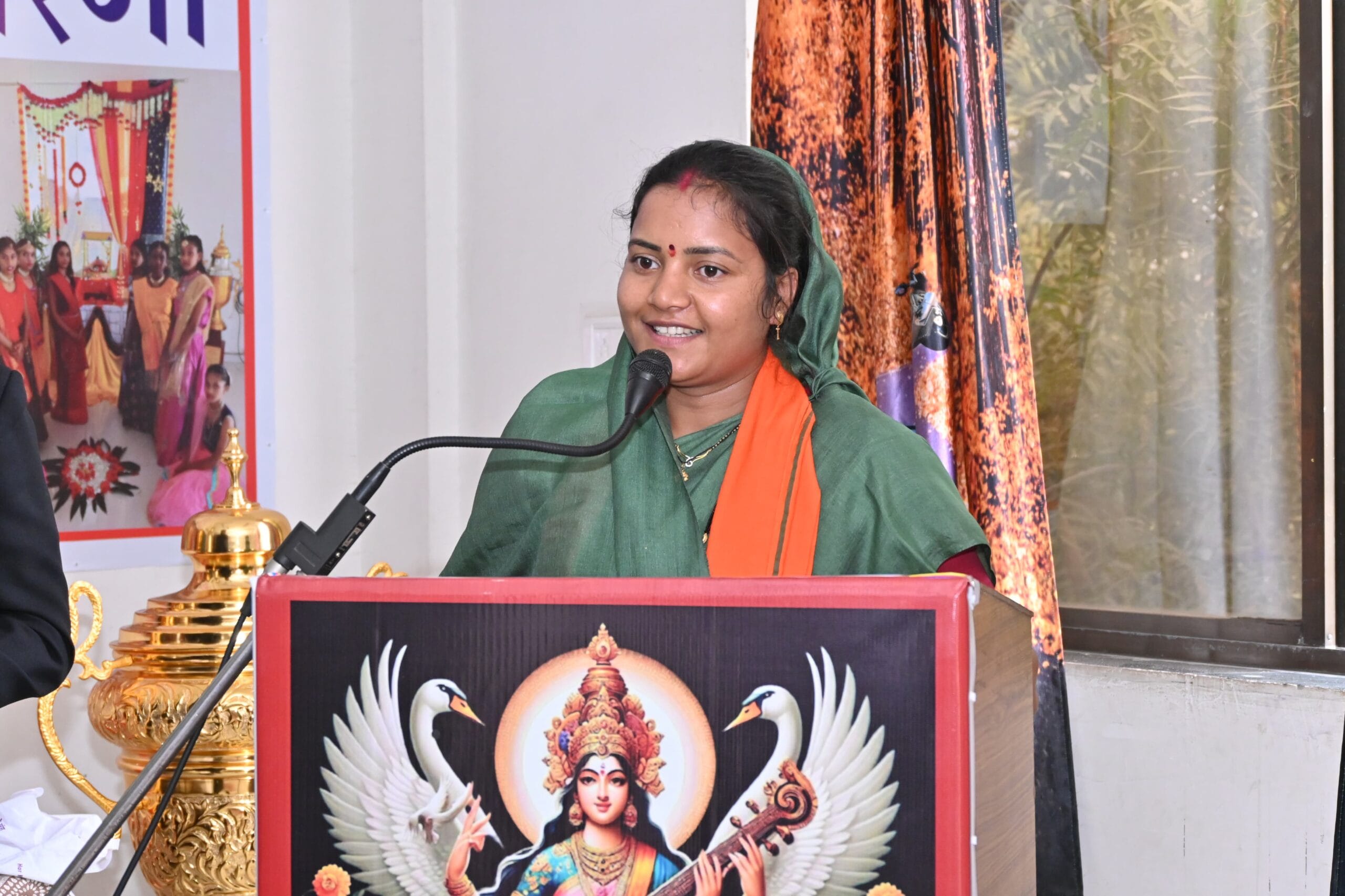
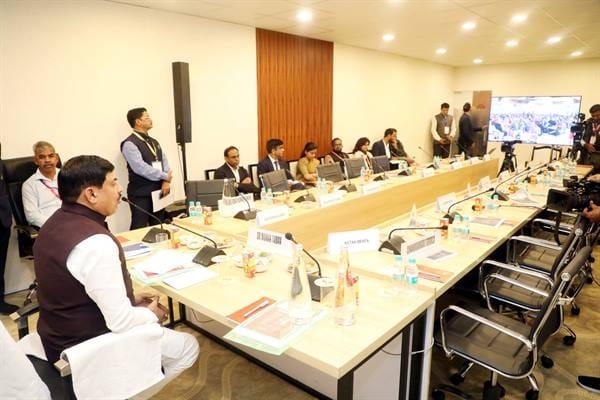
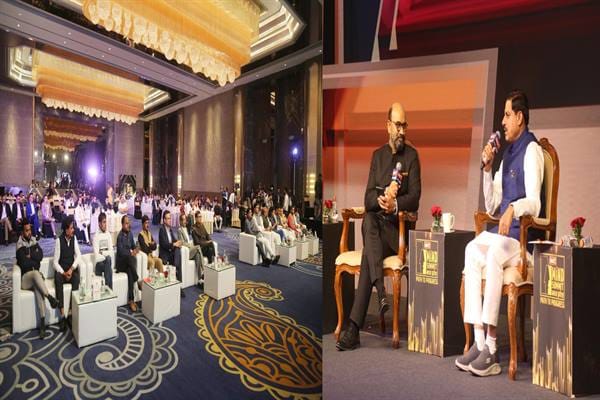
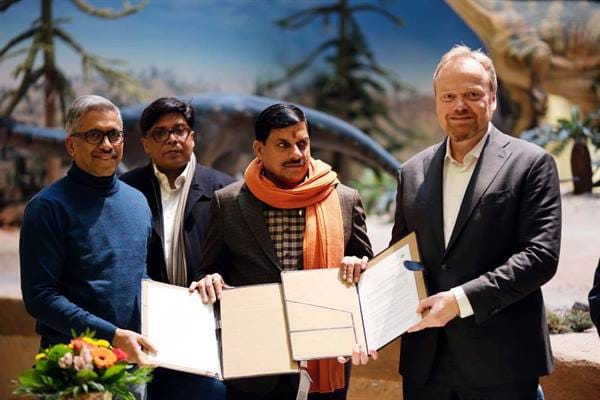
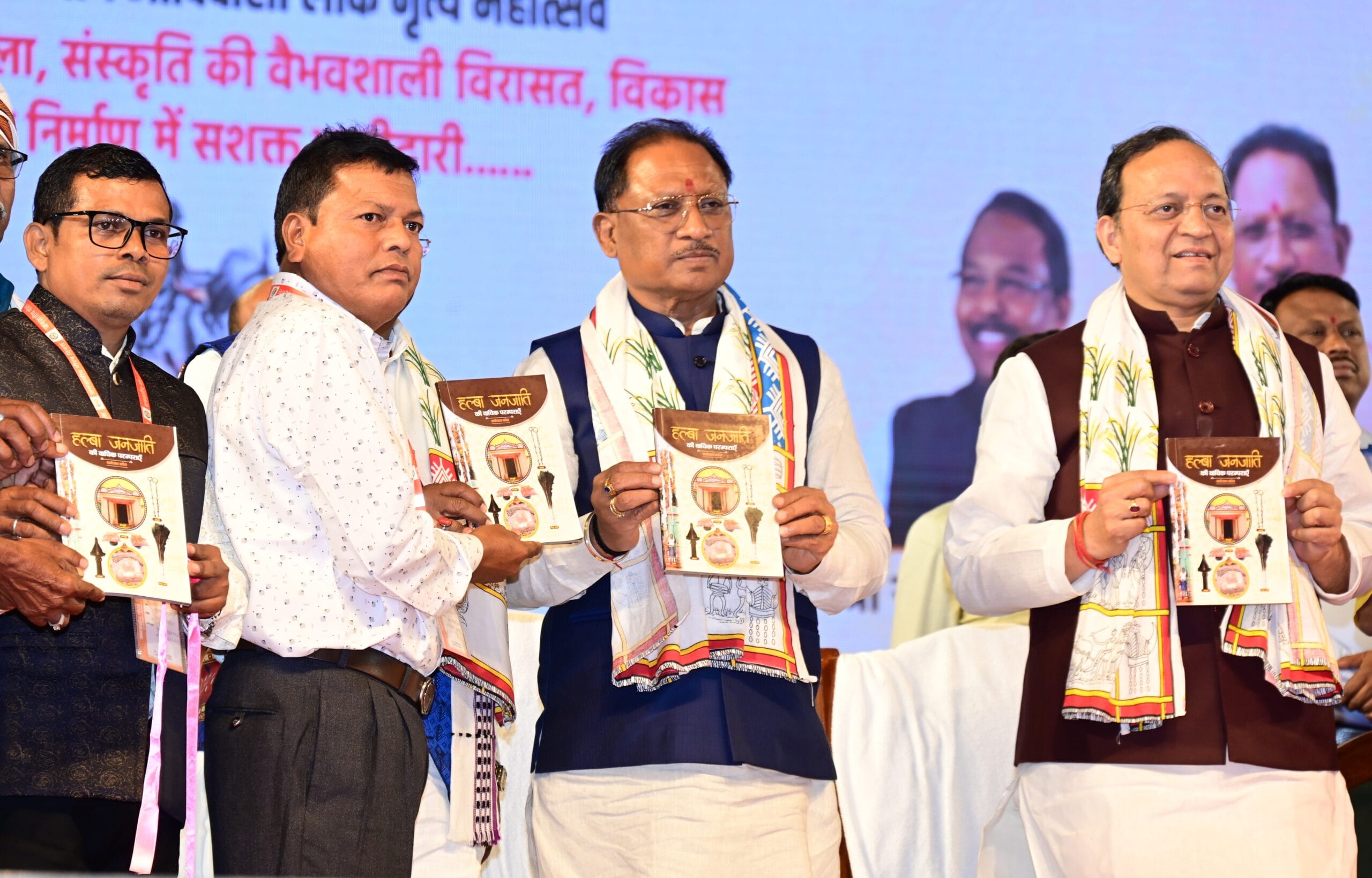
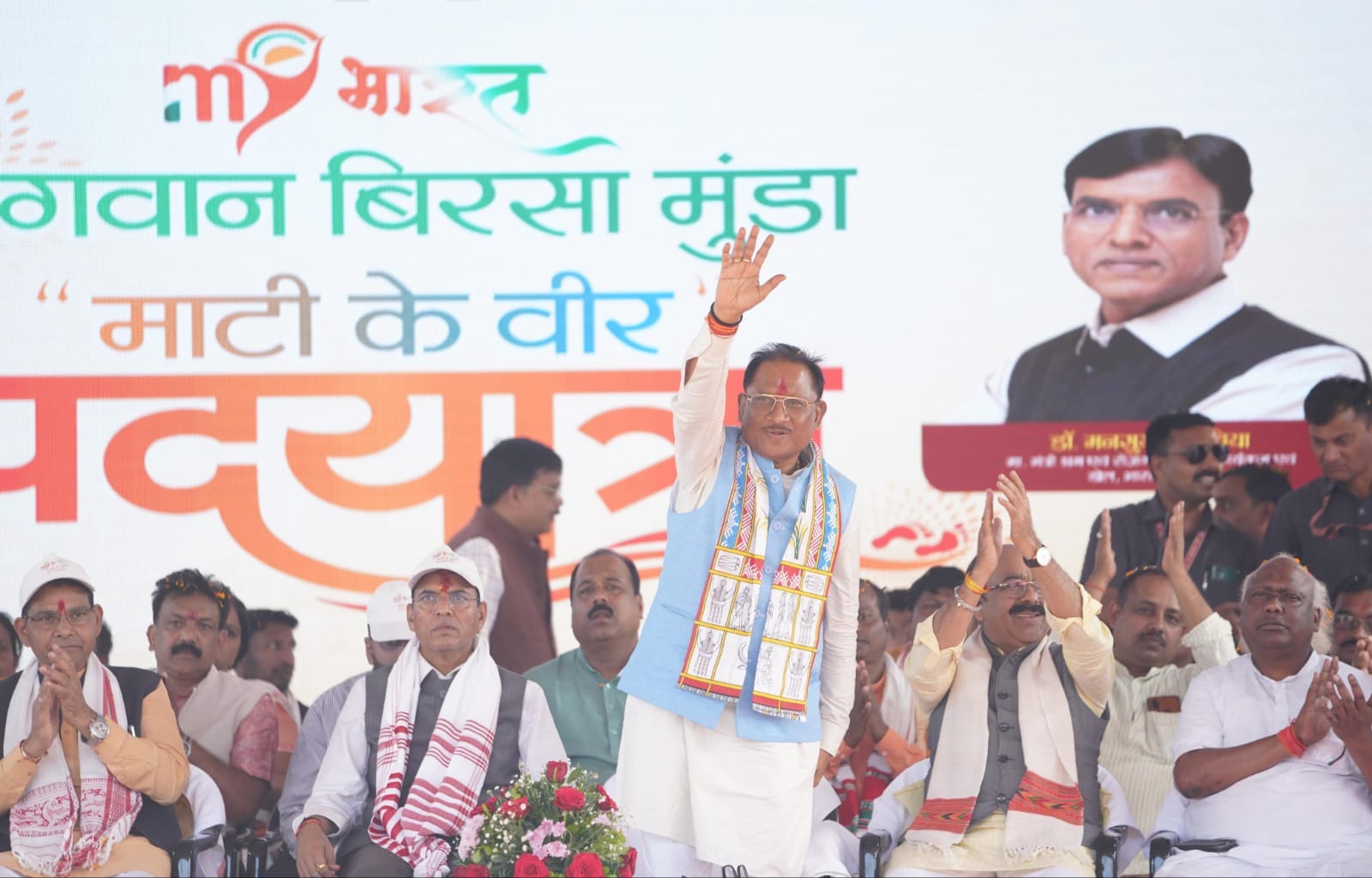
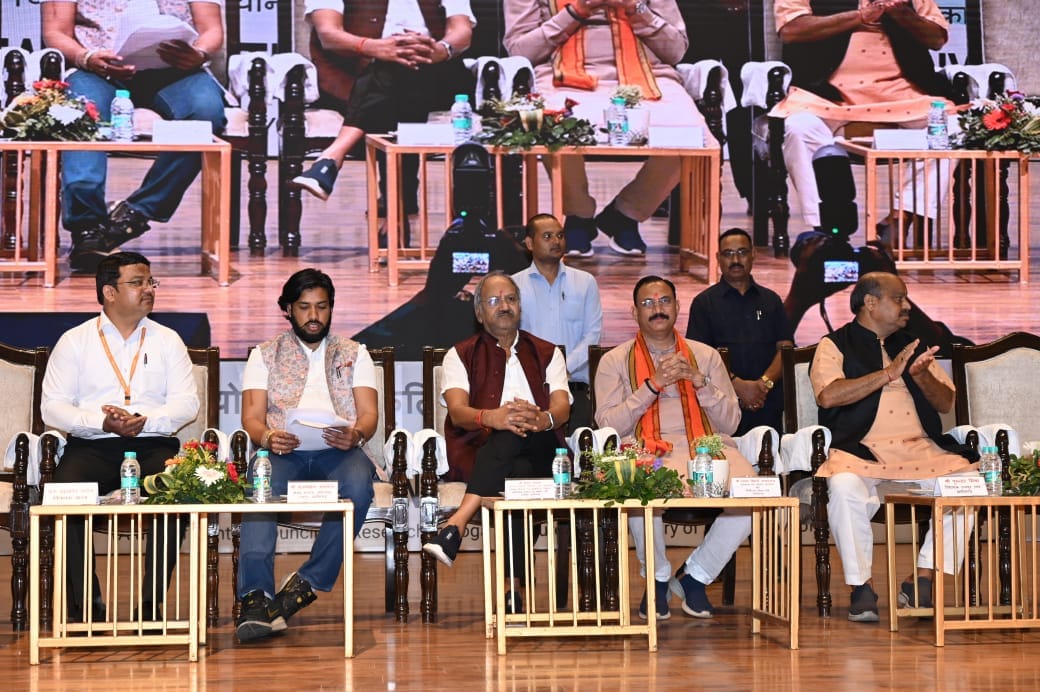
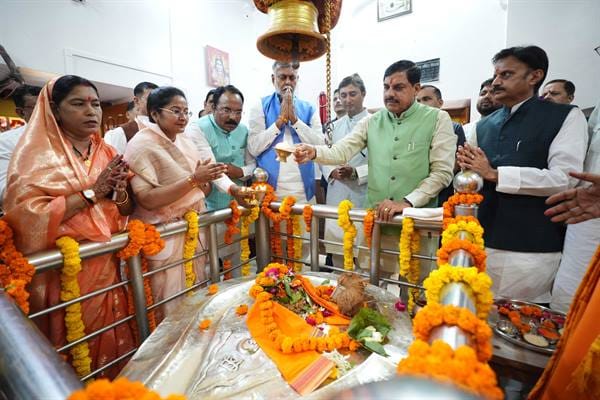
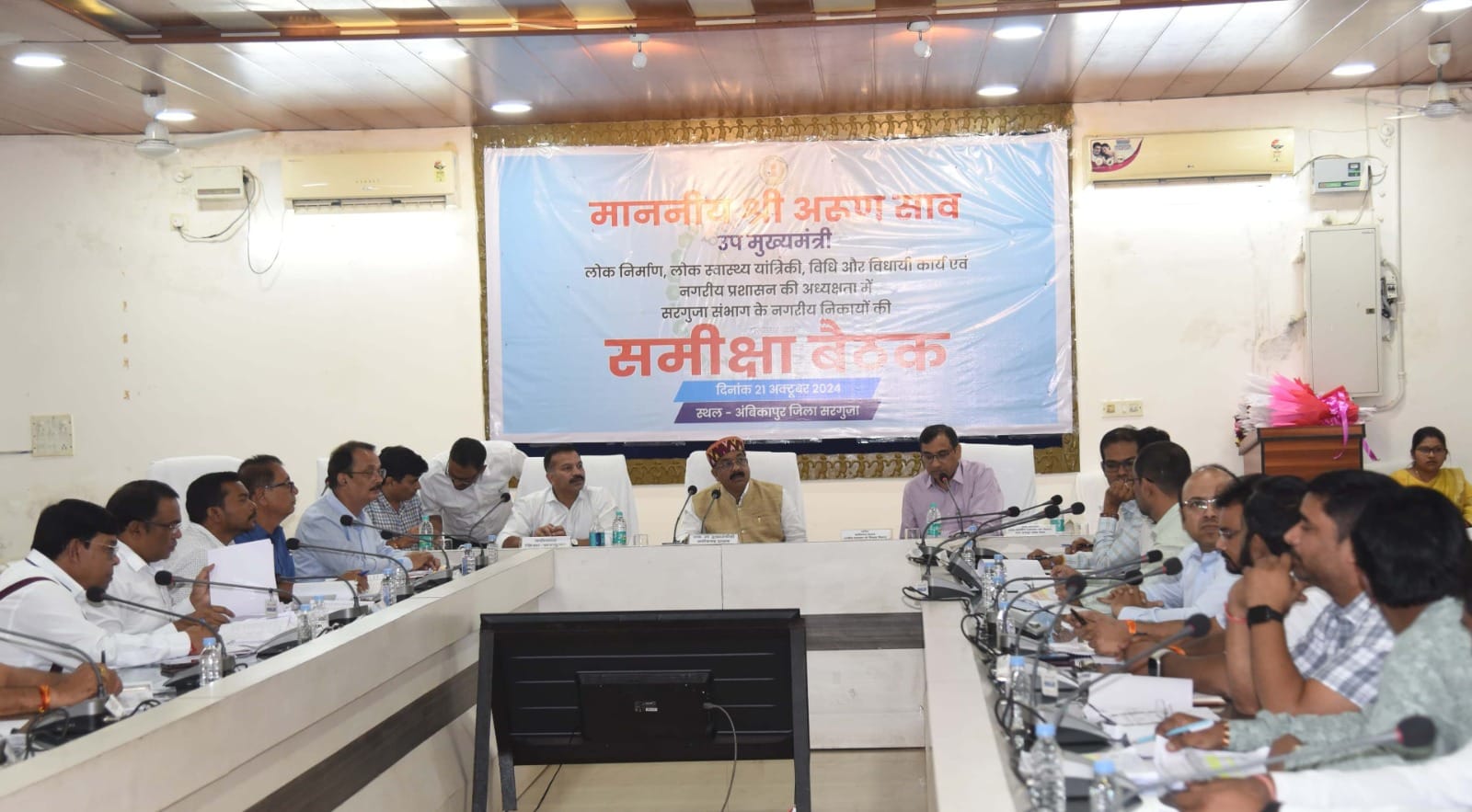
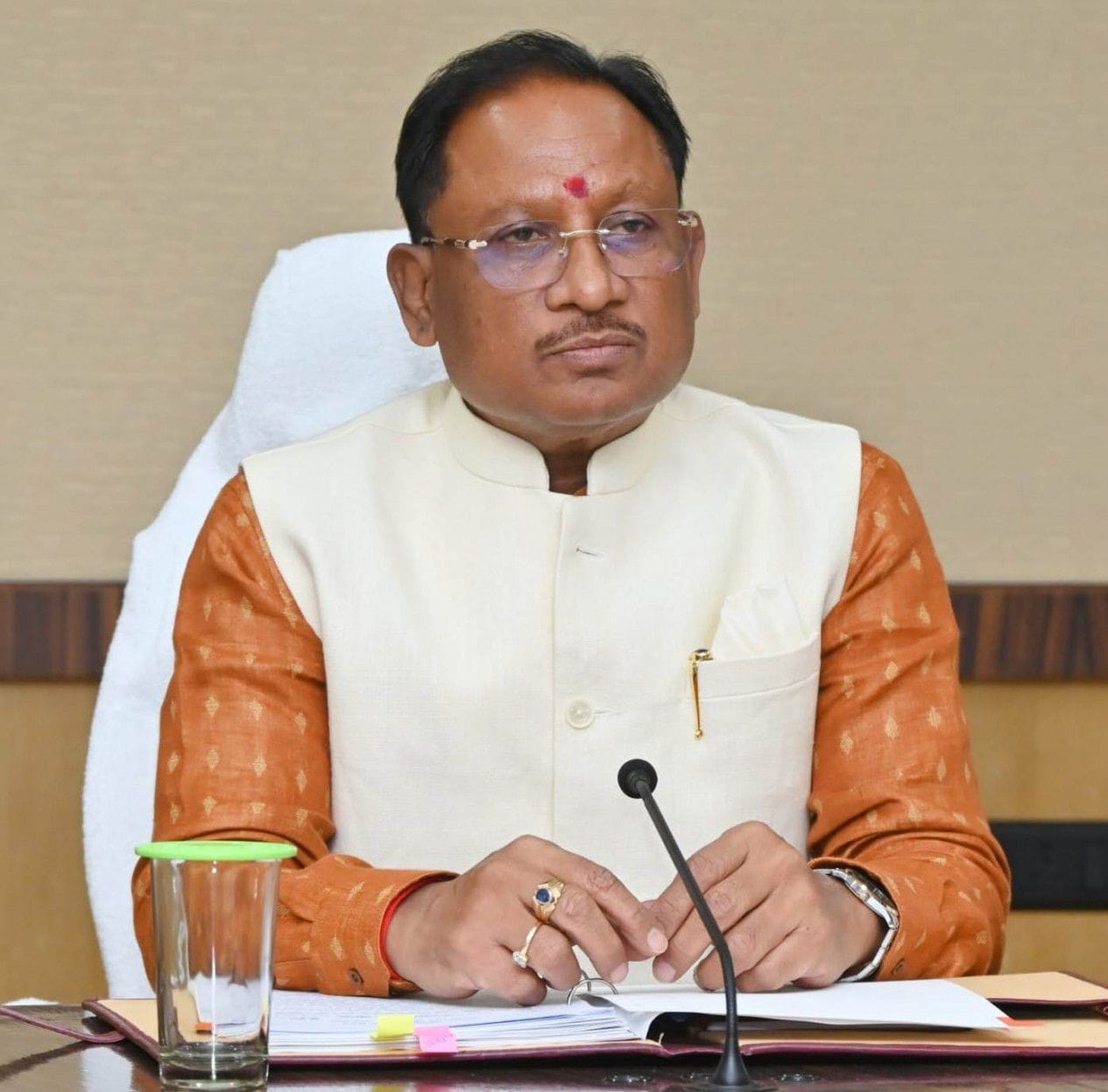
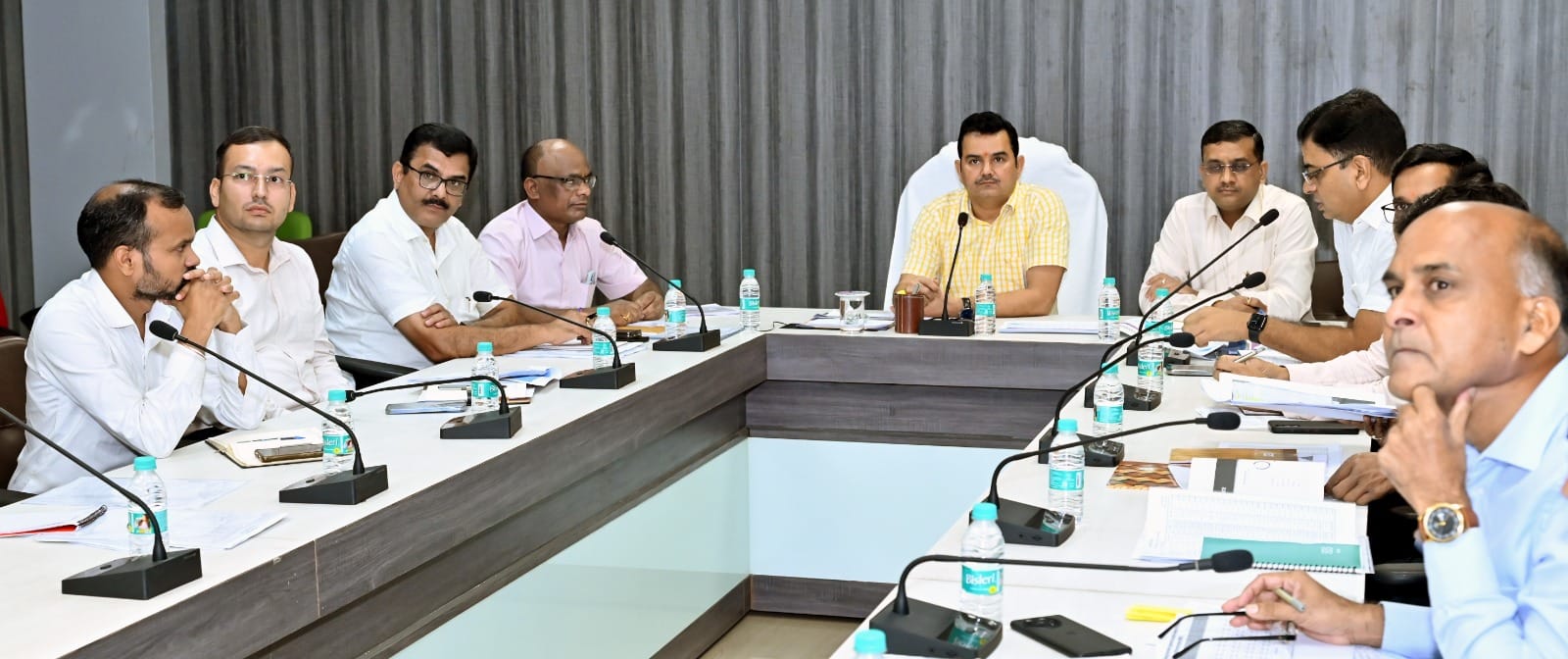
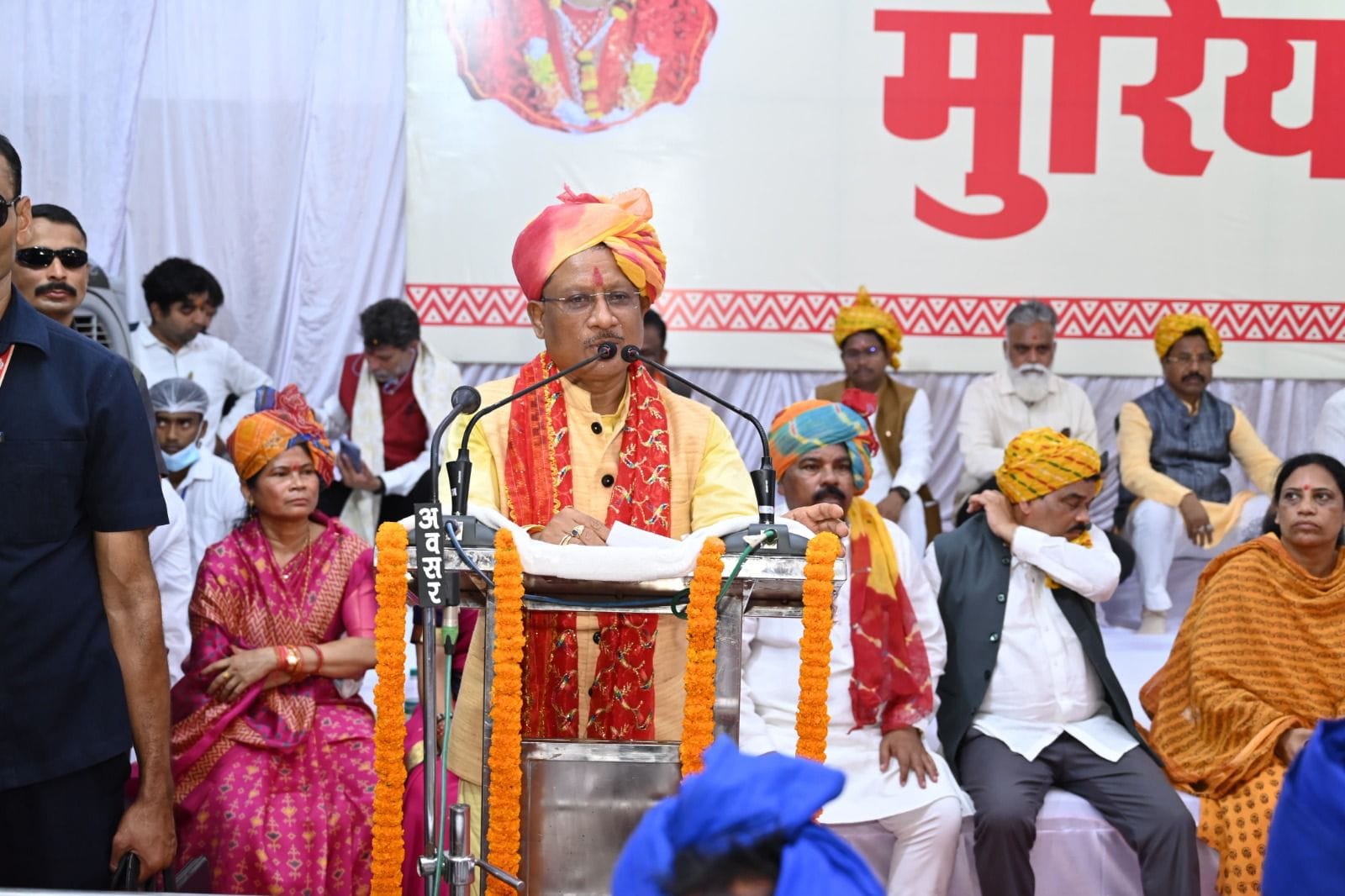
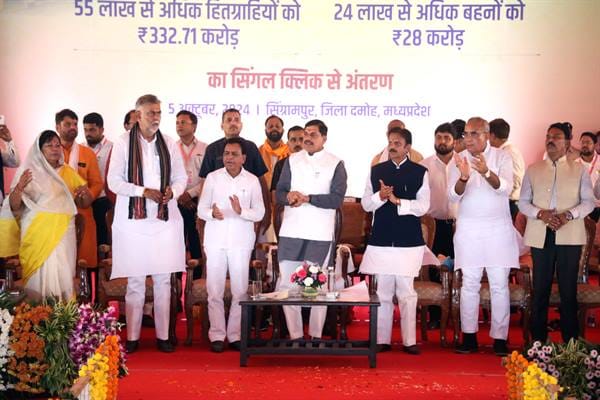
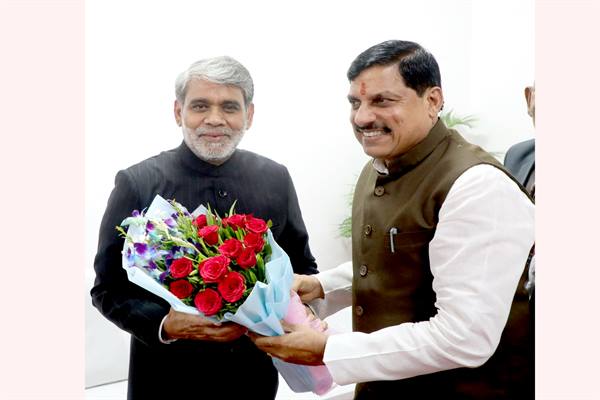
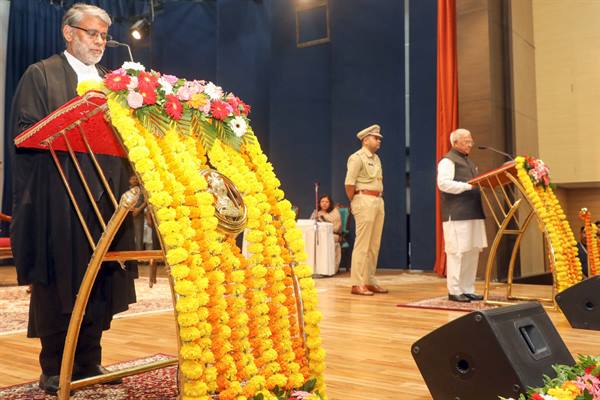
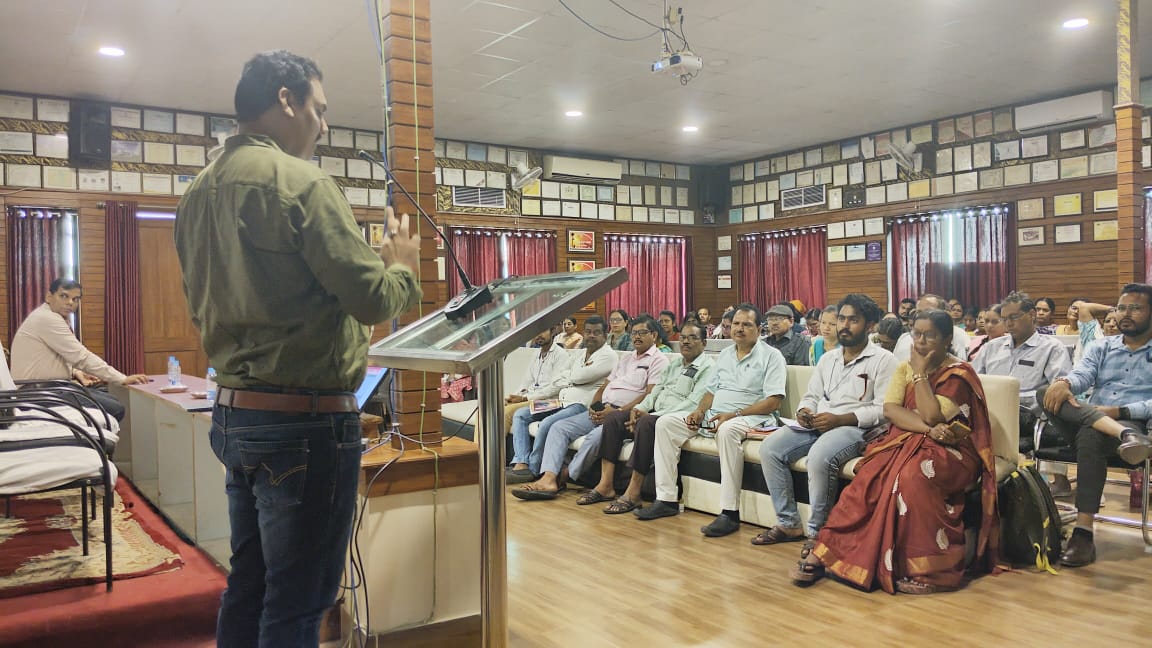
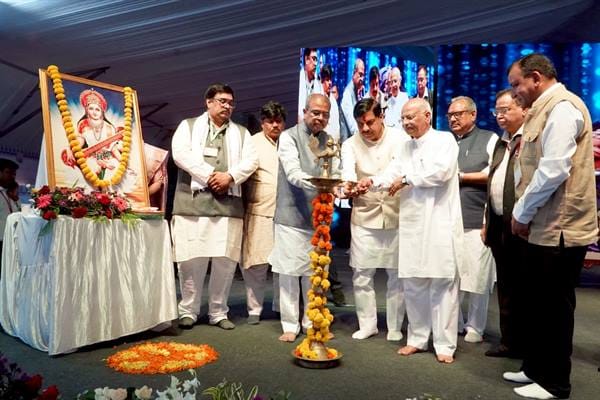
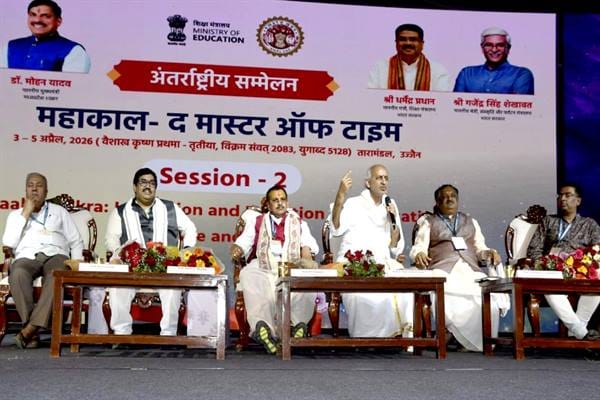
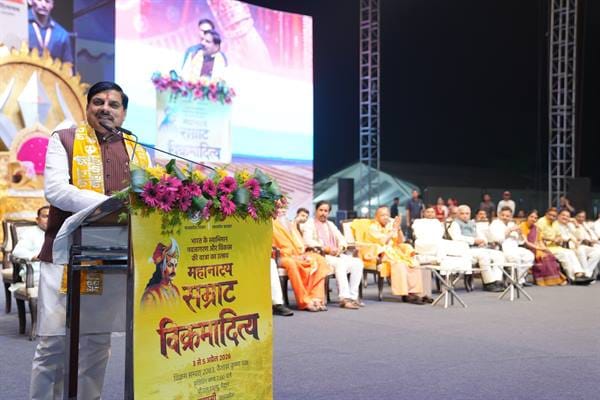
Under the leadership of Chief Minister Dr. Mohan Yadav, the international conference “Mahakal: The Master of Time” was held on Friday in Ujjain, the sacred land of Mahakal. Renowned astronomers, scientists, and leading scholars from India and abroad deeply deliberated on the scientific nature and ancient superiority of Indian time calculation. The primary objective of this conference is to re-establish Ujjain’s glorious identity on the global stage. For ages, Ujjain has been the world’s prime meridian and a center of time calculation. Scholars unanimously called for moving towards the “Indianization” of the global concept of time and reviving our scientific heritage, which has provided humanity with a sense of time for centuries.
The main topic of the first session of the conference was “What is time? How is it measured, and the significance of Ujjain as the prime meridian.” Moderating the session, Professor Tadikonda Venkat Bharat of IIT Guwahati, while shedding light on the fundamental nature of time, stated that ancient India was a guide to the entire world in the field of time-measurement. Over time, due to cultural transitions, this invaluable knowledge became subject to Western methods. Now, the time demands that we revive our heritage through modern science and research. Historian Dr. M.L. Raja, from the S. Radhakrishnan Chair of the Rajya Sabha, proudly described India as the “God of Time-Measurement.” He stated that the intricacies of time that the Western world is now attempting to understand were evident to Indian sages thousands of years ago. Proving the scientific validity of the Indian calendar, Dr. Raja explained that there is no anomaly like leap year in our system; it is the pure mathematics of the movement of celestial bodies. Presenting the far-reaching idea of ’One Nation, One Culture and One Era’, he stressed the need to present Indian evidence before the world with irrefutable proof.
Prof. Vinay Kumar Pandey of Kashi added new dimensions to the classical and astronomical significance of Ujjain (Avantika). Citing texts like the Skanda Purana, Narada Purana, and Surya Siddhanta, he stated that “Avantika is the true origin center of time calculation.” He stated that Ujjain is a unique geographical location in the world where a cremation ground and a Shaktipeeth coexist, making it the center of the origin and rhythm of time. Astronomer Pt. Kailashpati Nayak, linking the spiritual and practical aspects of time, stated that Lord Mahakaal himself is the one who sets the wheel of time in motion. He highlighted the importance of the almanac and wholeheartedly praised the effort to re-establish Ujjain as a standard center of time.
A key milestone of the conference was the remarkable synthesis of modern science and ancient tradition. Dr. Deepak Sharma, Principal Scientist, CSIR-NPL, discussed in detail the role of modern-day precision time measurement technologies and atomic clocks. He stated that if nanosecond-level accuracy is not maintained, the accuracy of technologies like GPS could be compromised. Dr. Sharma shared the important fact that this microscopic precision of modern science was actually already inherent in our ancient Indian calculation systems. He placed special emphasis on the synthesis of traditional Indian knowledge and modern science.
The second session of the conference focused on the theme “Kala Chakra: Involution and Evolution of Civilization in Time and Space.” Professor M.D. Srinivas, Chairman of the Centre for Policy Studies, Chennai, and Professor Srinivas Varakhedi, Vice Chancellor of the Karnataka Sanskrit University, noted that the Indian concept of the Kalachakra is not merely a linear movement, but a systematic cyclical system that encompasses ethical values and environmental balance. The Indian knowledge tradition views innovation as a rediscovery of ancient principles, providing a way to develop knowledge in accordance with modern needs while maintaining its continuity.
Both sessions of the conference emphasized that Ujjain is not only a center of faith and devotion, but also the scientific origin of the world’s time cycle. Scholars reiterated their resolve to integrate India’s rich chronology tradition with modern research to make it even more useful for the future. This international discussion will not only re-establish Ujjain’s historical role, but will also pave the way for India’s re-establishment as a “world leader” in the field of chronology in the future.