














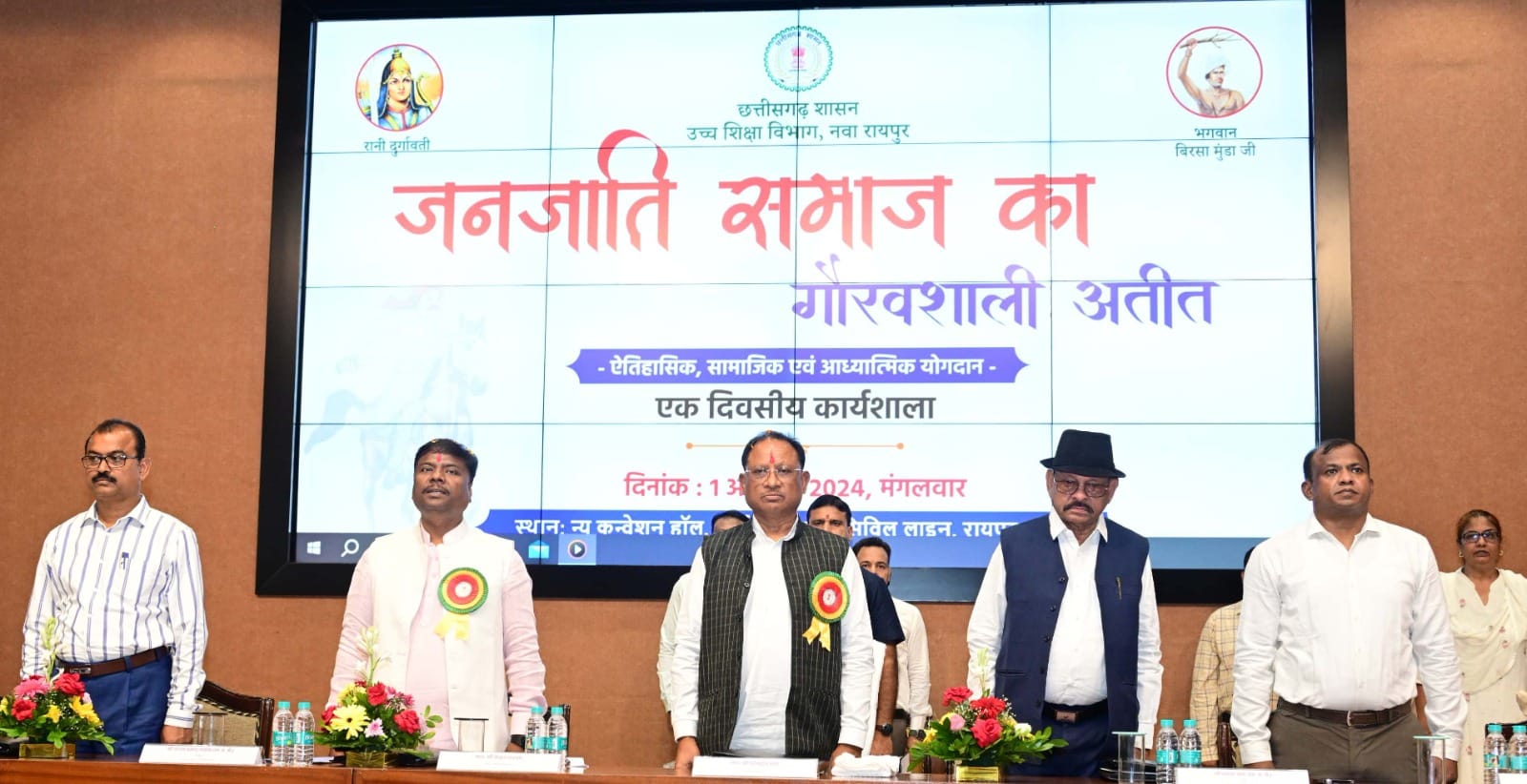



- Venue: New Convention Hall & Circuit House, Civil Lines, Raipur
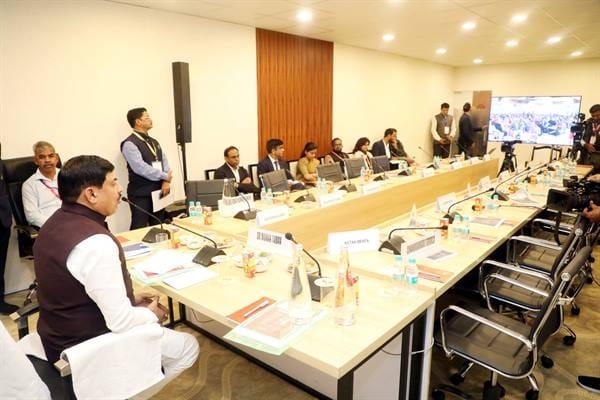
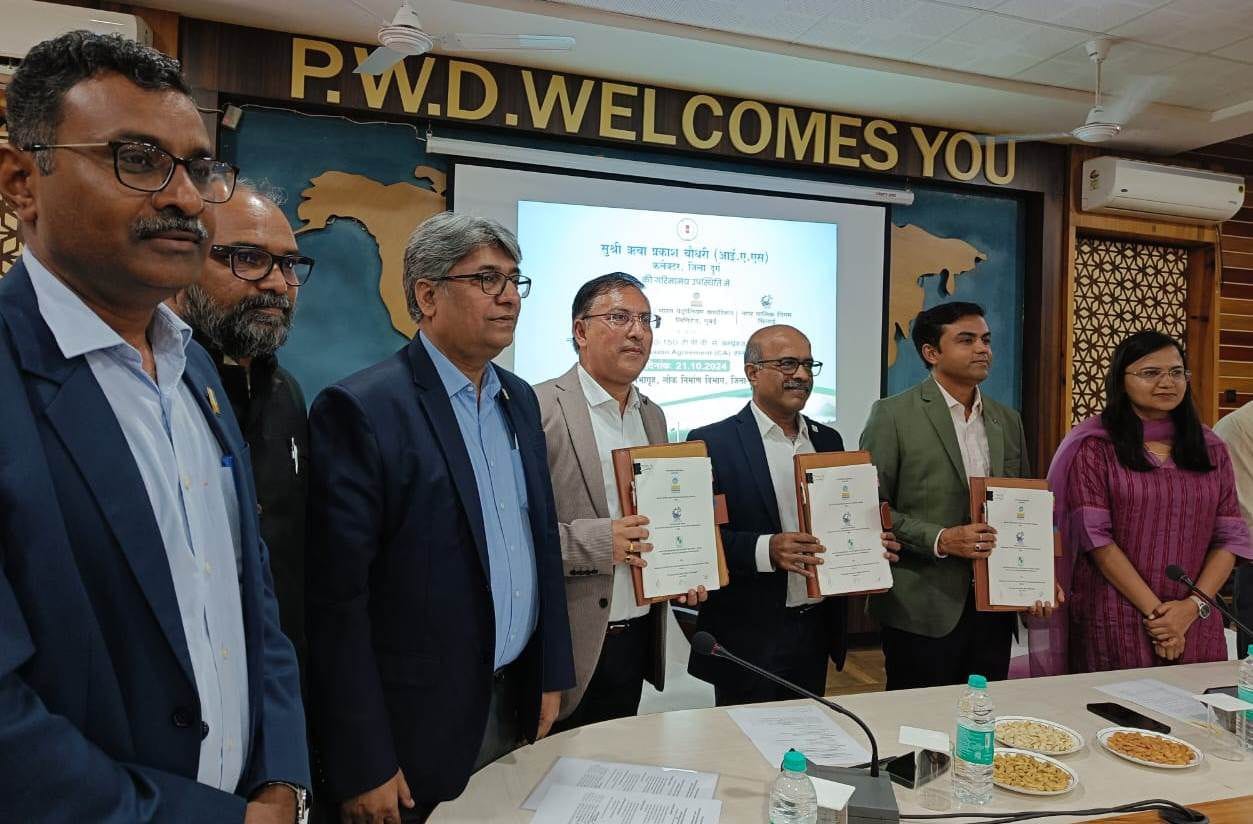
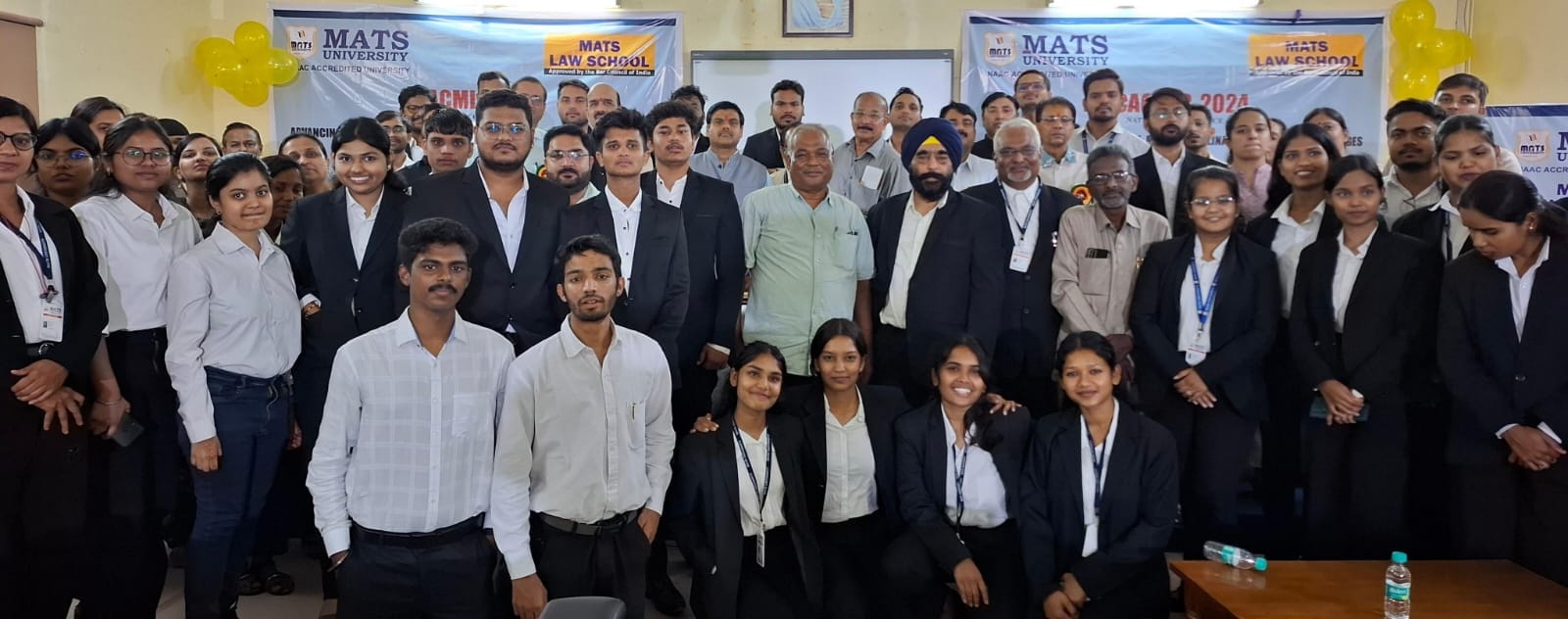
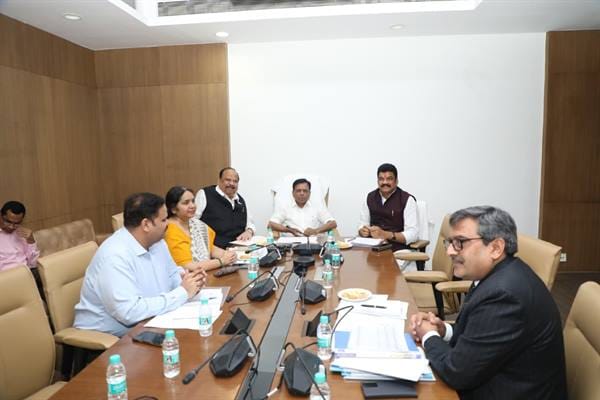
The School of Business and Management Studies of MATS University organized a grand and prestigious two-day international conference on “Next Generation GST 2.0: Its Global Impact” on 23rd and 24th March 2026 at the New Convention Hall & Circuit House, Civil Lines, Raipur. The conference served as a high-level academic and intellectual platform focusing on the latest dimensions of modern taxation systems, their global economic impact, and contemporary policy perspectives. Scholars, researchers, and academicians from India and abroad actively participated in the event.
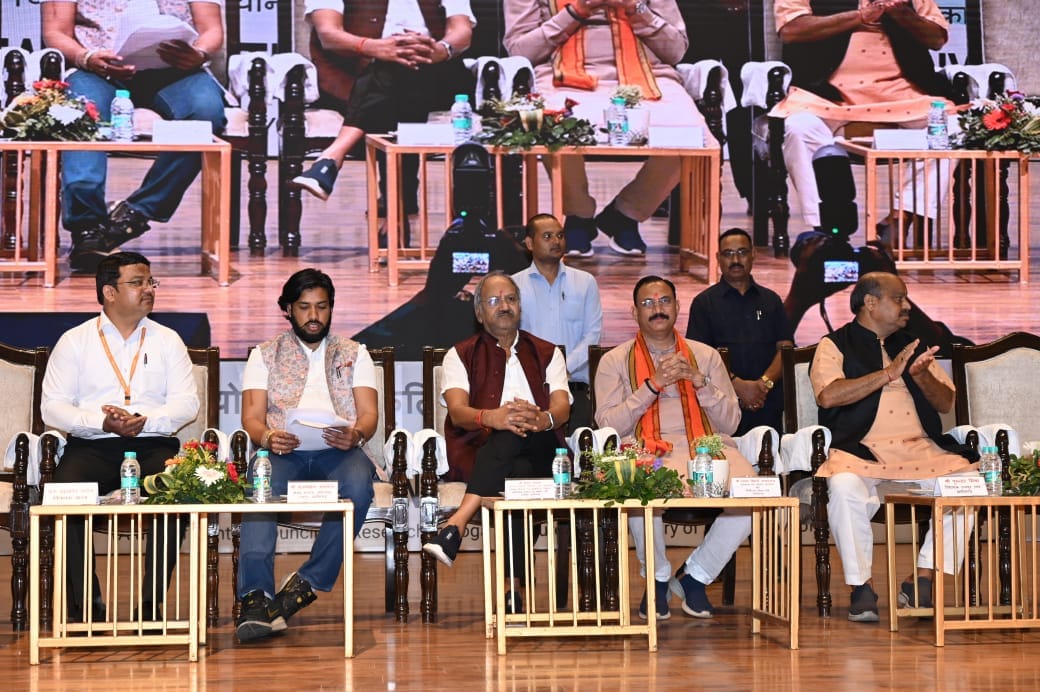
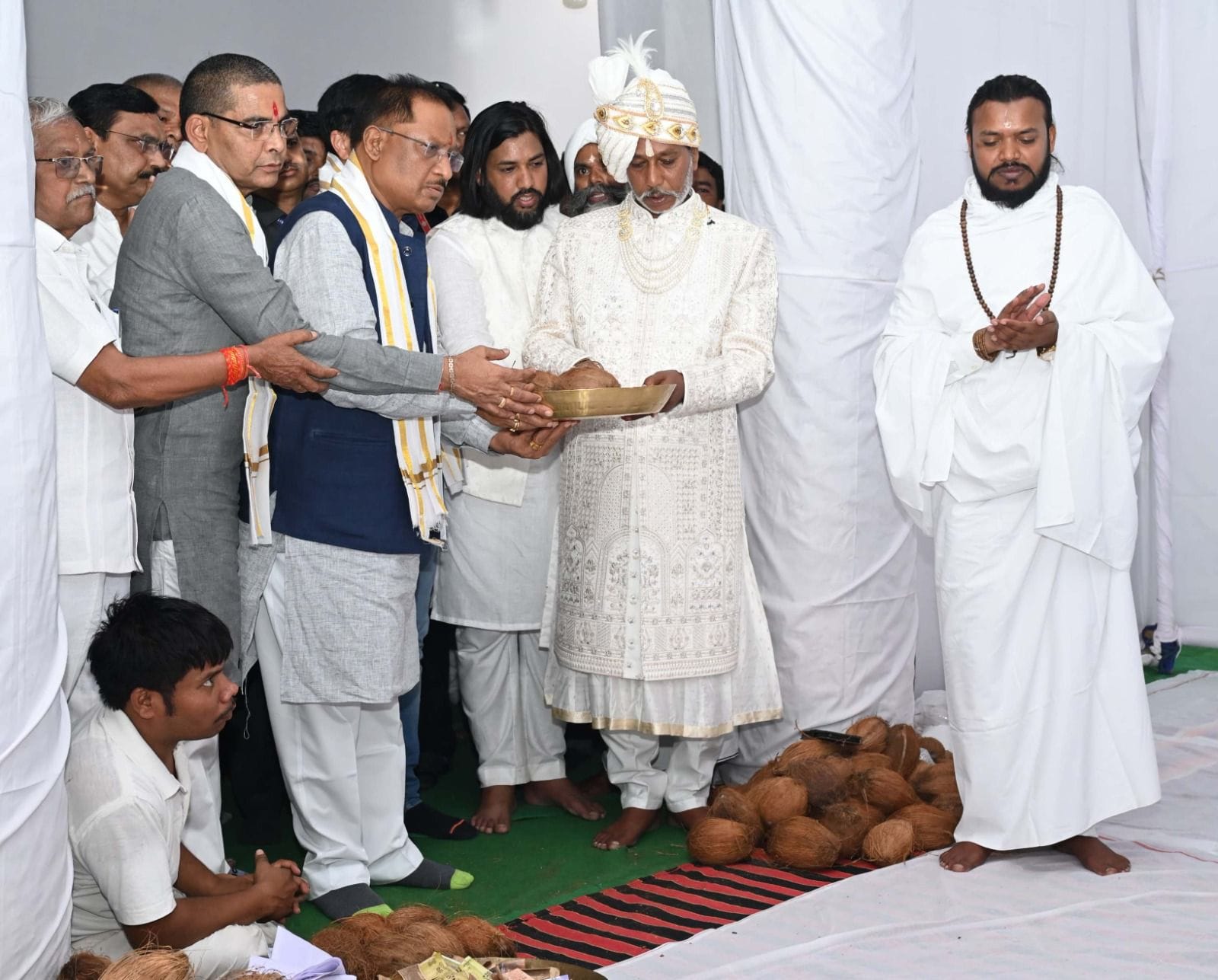
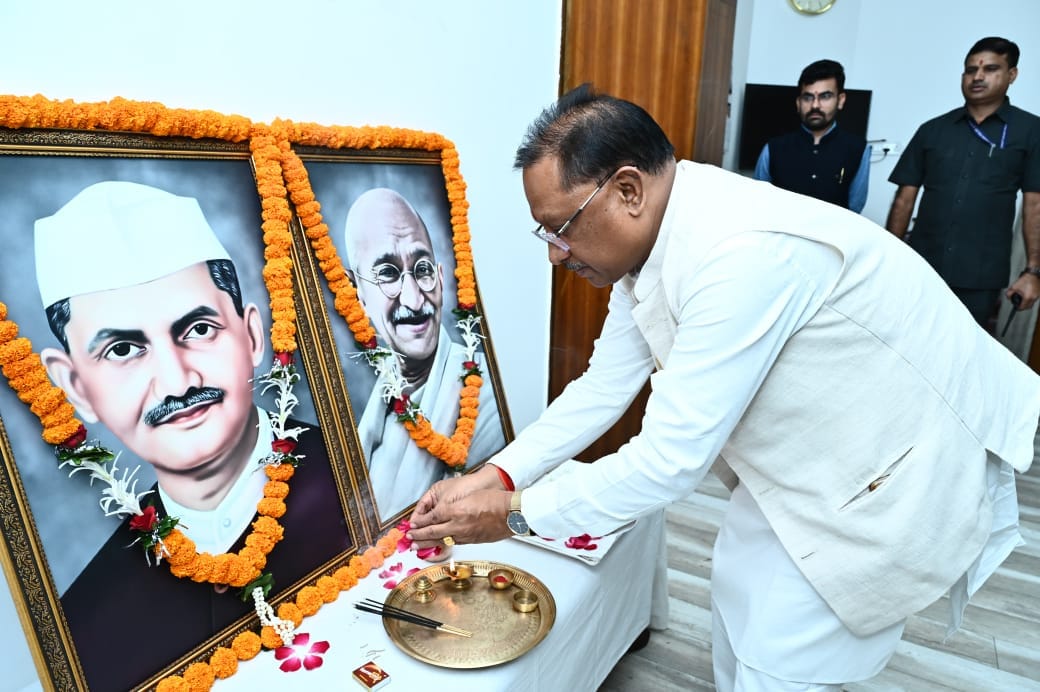
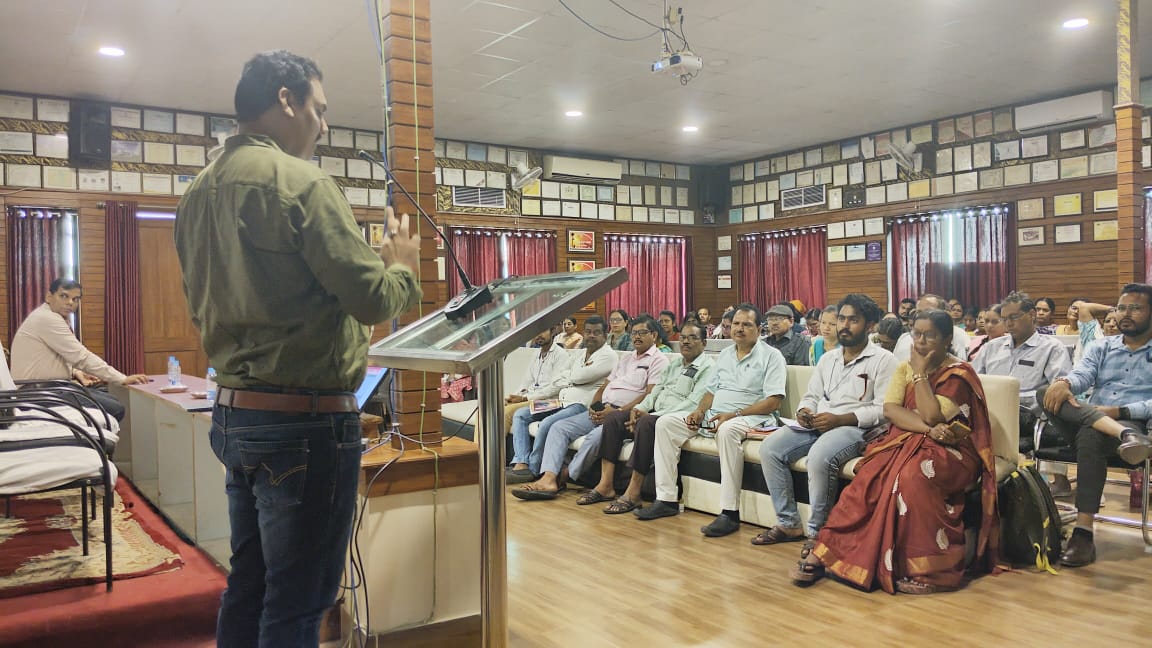
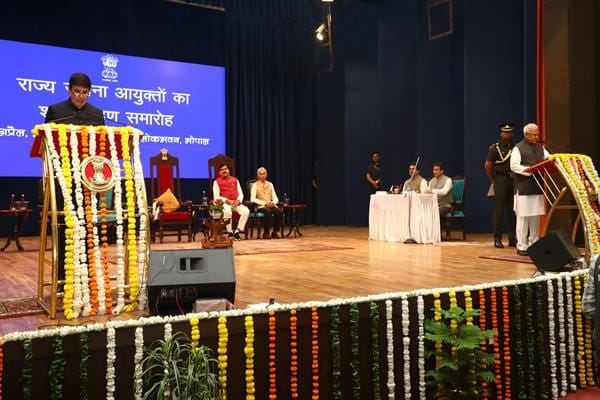
The inaugural session on the first day commenced with Saraswati Vandana and the national anthem. Dr. Umesh Gupta, Conference Coordinator, delivered the welcome address, highlighting the objectives and framework of the conference. The event was graced by Honorable Chancellor Shri Gajaraj Pagariya, Honorable Vice Chancellor Prof. (Dr.) K.P. Yadav, Director General Shri Priyesh Pagariya, Registrar Shri Gokulananda Panda, Guest of Honor Shri Shailendra Deshmukh (Additional Director, NACIN Raipur), Keynote Speaker Shri Vaibhav Kshatriya, and Honorable Higher Education Minister Shri Tankram Verma.
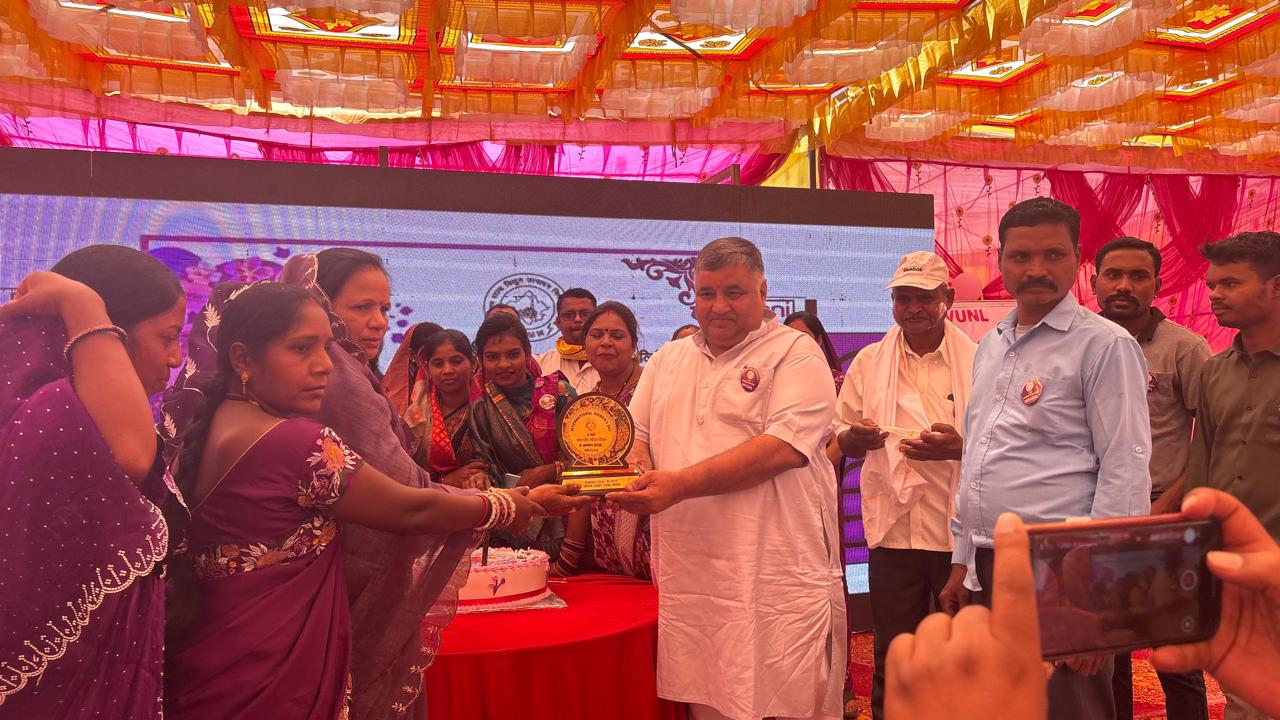
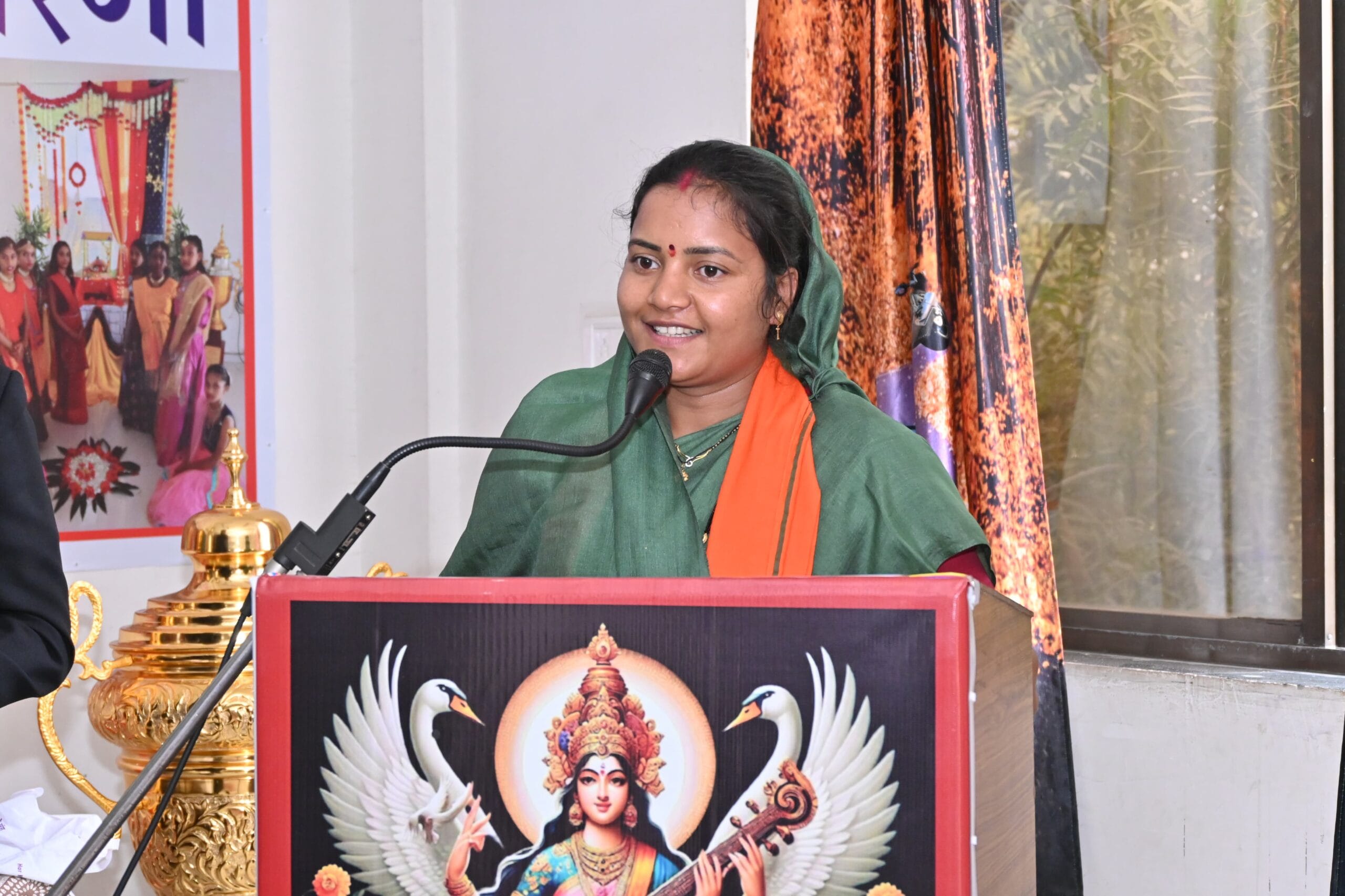
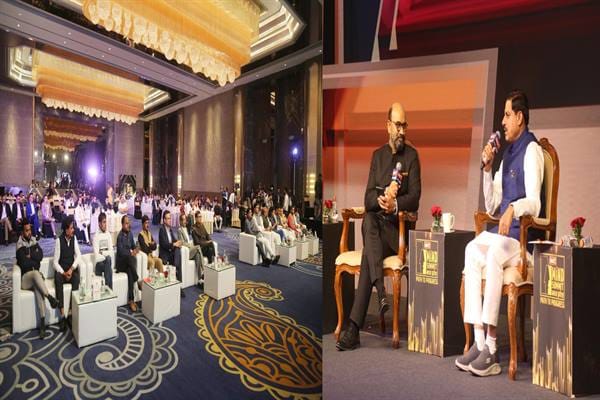
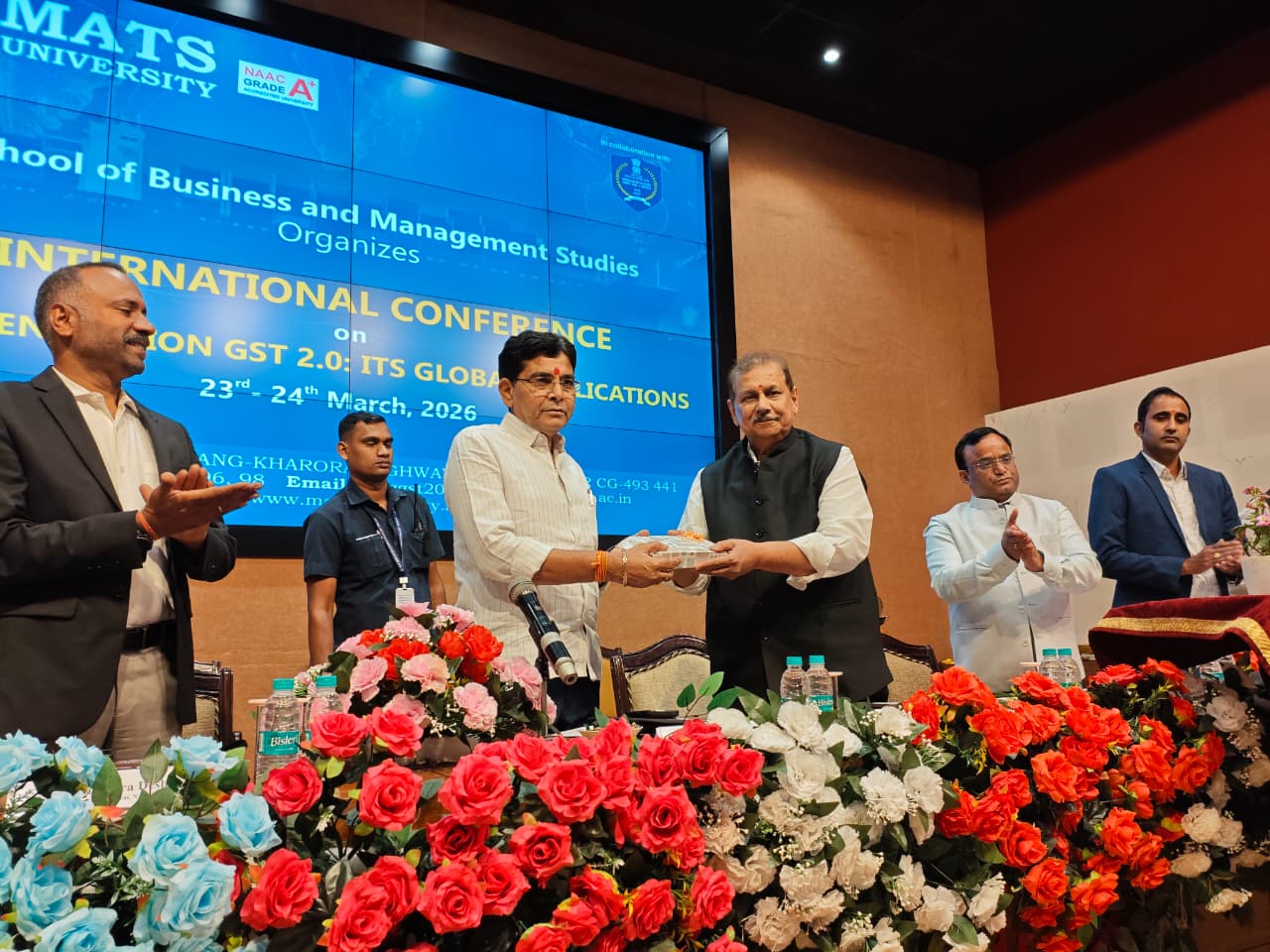
Honorable Minister Shri Tankram Verma, in his address, highlighted the national and global significance of GST 2.0. He stated that GST 2.0 not only strengthens the taxation system but also promotes global trade, investment attraction, and economic transparency. He shared his insights on its global implications, potential effects on the domestic and international economy, and future opportunities.
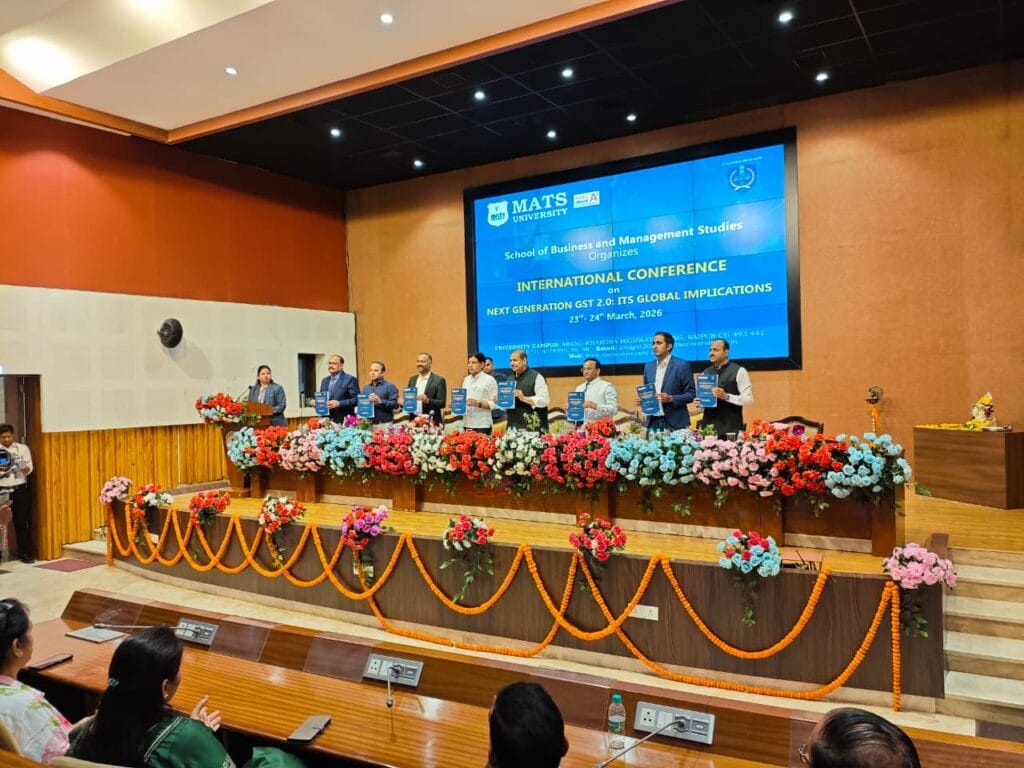
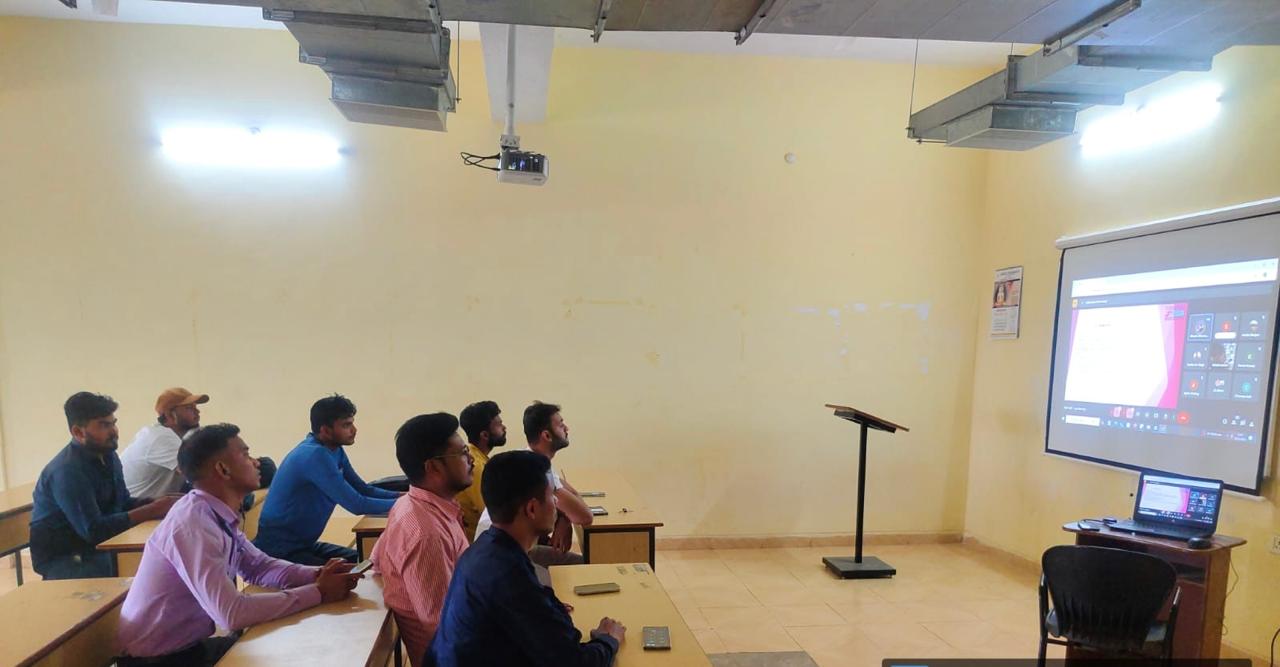
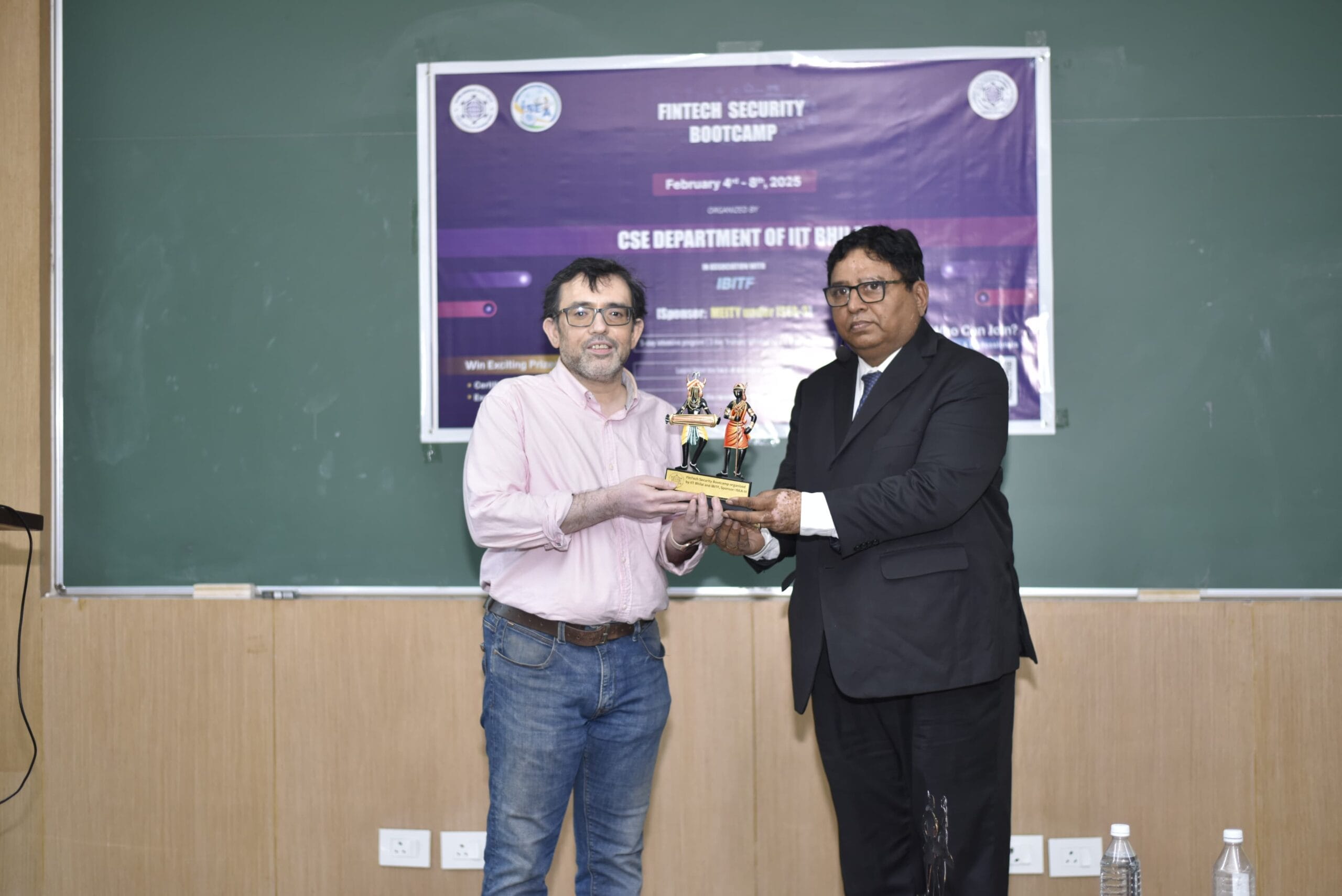
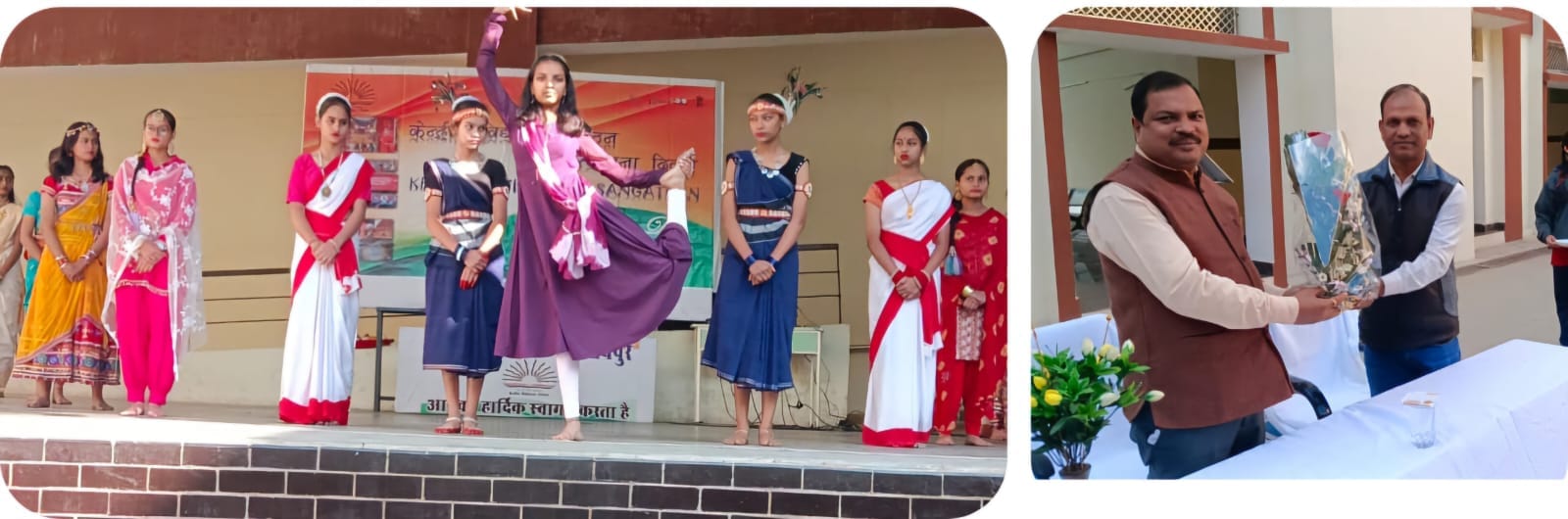
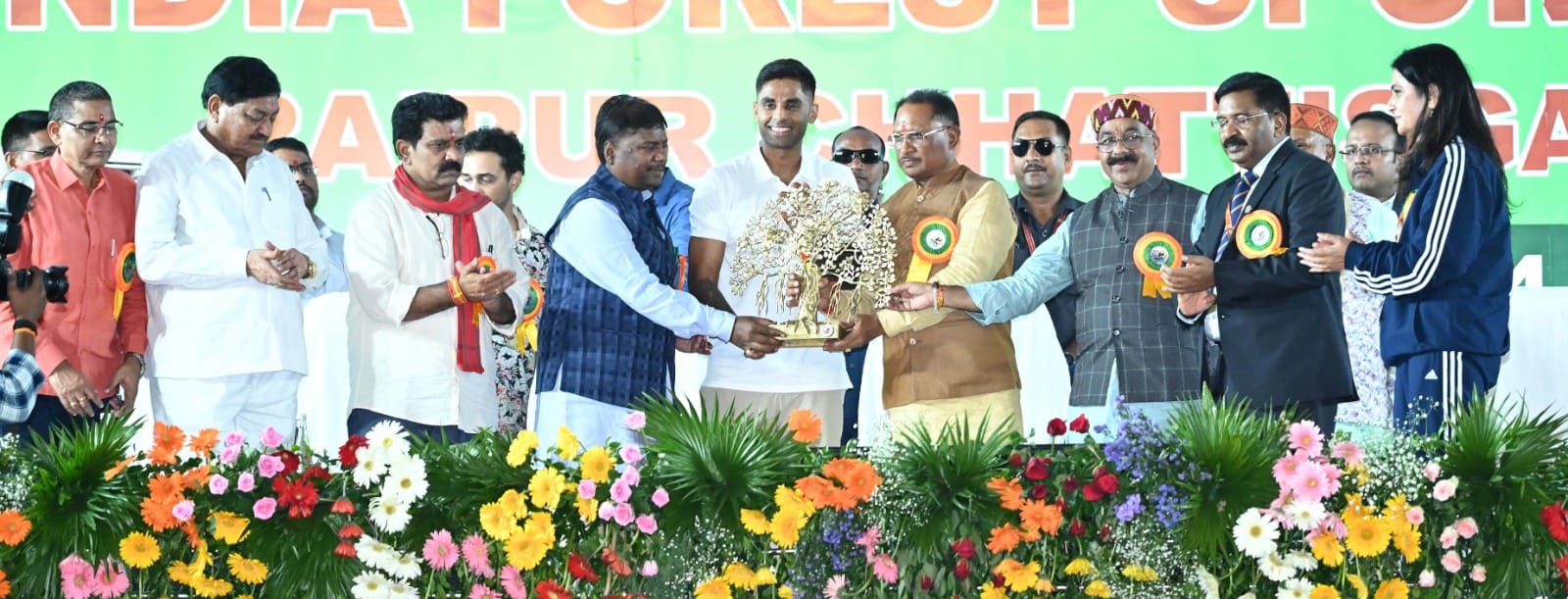
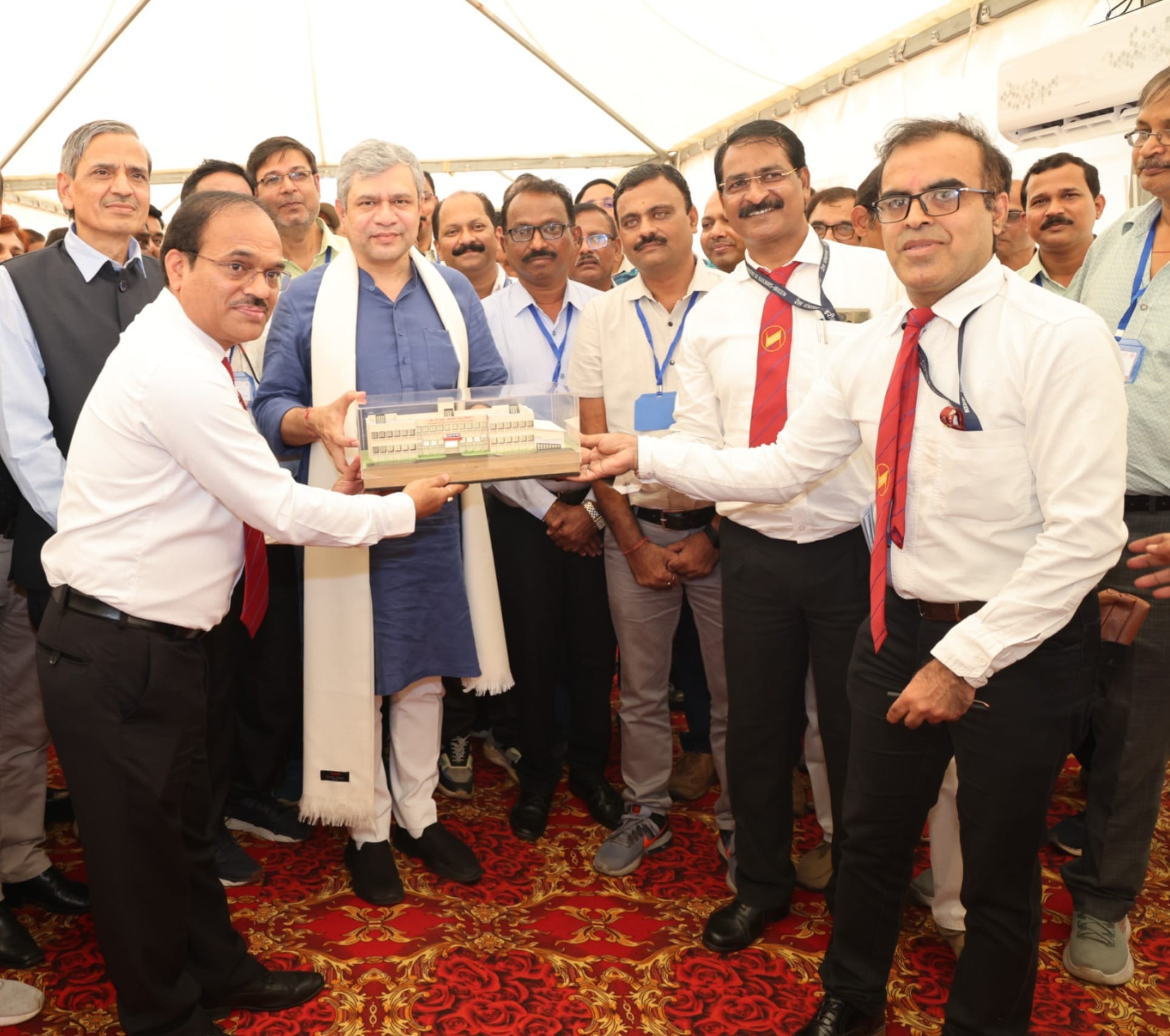
The conference souvenir was officially released, and the dignitaries were presented with mementos in recognition of their contributions. An online lecture by industry expert Shri Suresh Keswani provided participants with practical insights from the corporate world.
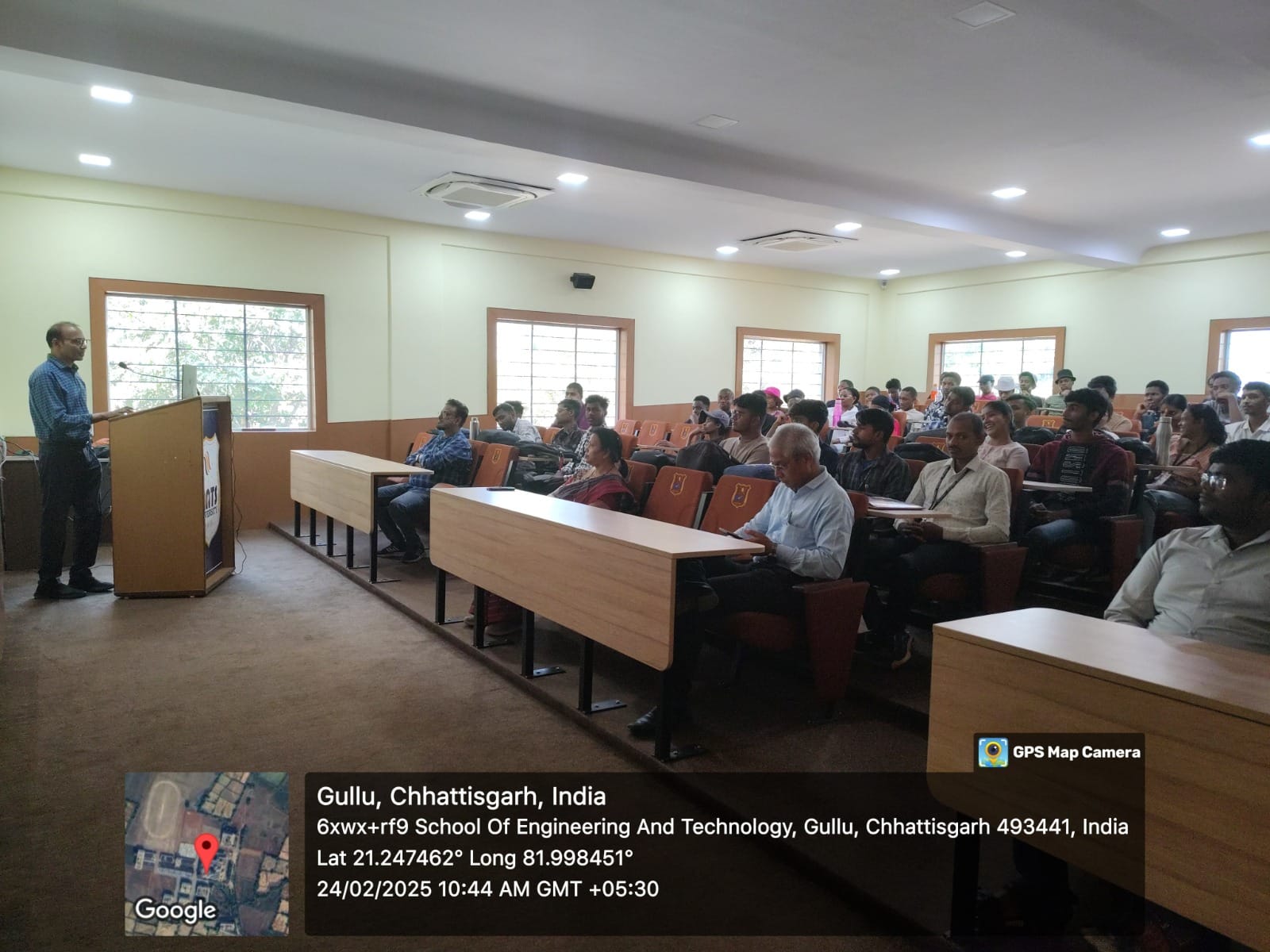
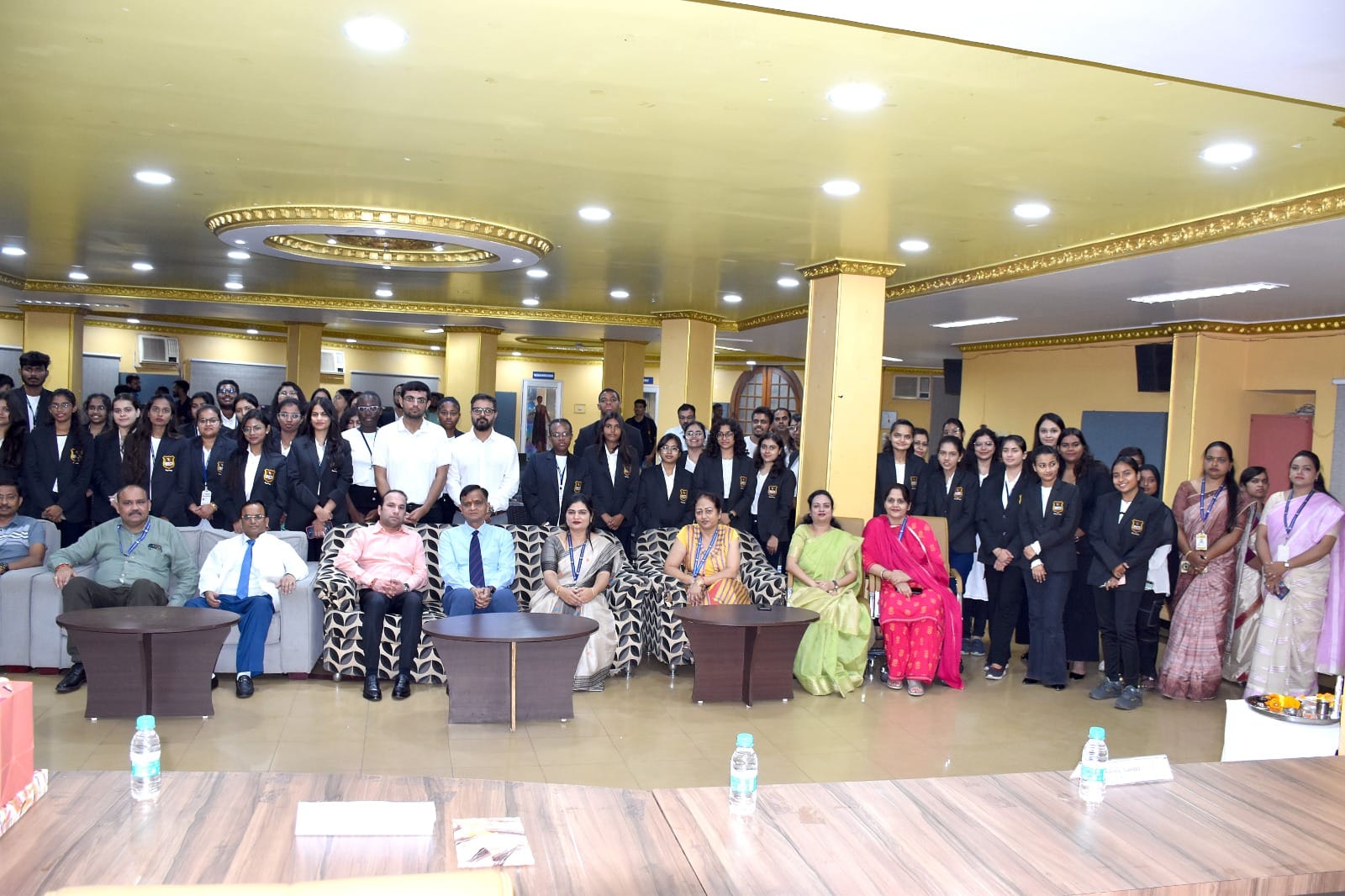
The first technical session was chaired by Dr. Ashish Kumar Shrivastava and featured an online keynote lecture by Dr. M.D. Yousuf, Dhofar University, Sultanate of Oman, which was a highlight of the session. The second technical session, chaired by Dr. Tapesh Chandra Gupta, included presentations of various research papers and extensive academic discussions. The first day concluded with a cultural program, group photography, and high tea.
The second day commenced with the coordinated gathering of students and researchers along with refreshments. Technical Session III was chaired by Dr. Devashish Mukherjee and featured an online keynote address by Dr. N.K. Rajagopal, UTAS, Sultanate of Oman. Technical Session IV, chaired by Dr. Ashok Kumar Mishra, included presentations of diverse research papers and in-depth academic discussions.
In the afternoon session, Keynote Speaker Dr. Santosh Kumar Verma, Yulin University, China, shared insights on the global significance and impact of GST 2.0. Technical Session V, chaired by Dr. Ashok Kumar Pandey (Commissioner, CGST Raipur), included research paper presentations and thematic discussions.
The conference concluded in a highly prestigious environment. Head of Department Dr. Umesh Gupta delivered the welcome address, and Dr. Nitin Kalla presented a detailed report on the conference. The session was attended by Honorable Chancellor Shri Gajaraj Pagariya, Honorable Vice Chancellor Prof. (Dr.) K.P. Yadav, Director General Shri Priyesh Pagariya, and Registrar Shri Gokulananda Panda.
As distinguished guests, Shri Ashok Kumar Agrawal (Secretary, CGPURC) and Prof. Dr. Sanjiv Parashar (Director Incharge, IIM Raipur) highlighted the academic relevance of the conference. Chief Guest Shri Vijay Kumar Goyal (Chairman, CGPURC) shared his perspectives on the future of GST 2.0 and its wide-ranging global impacts.
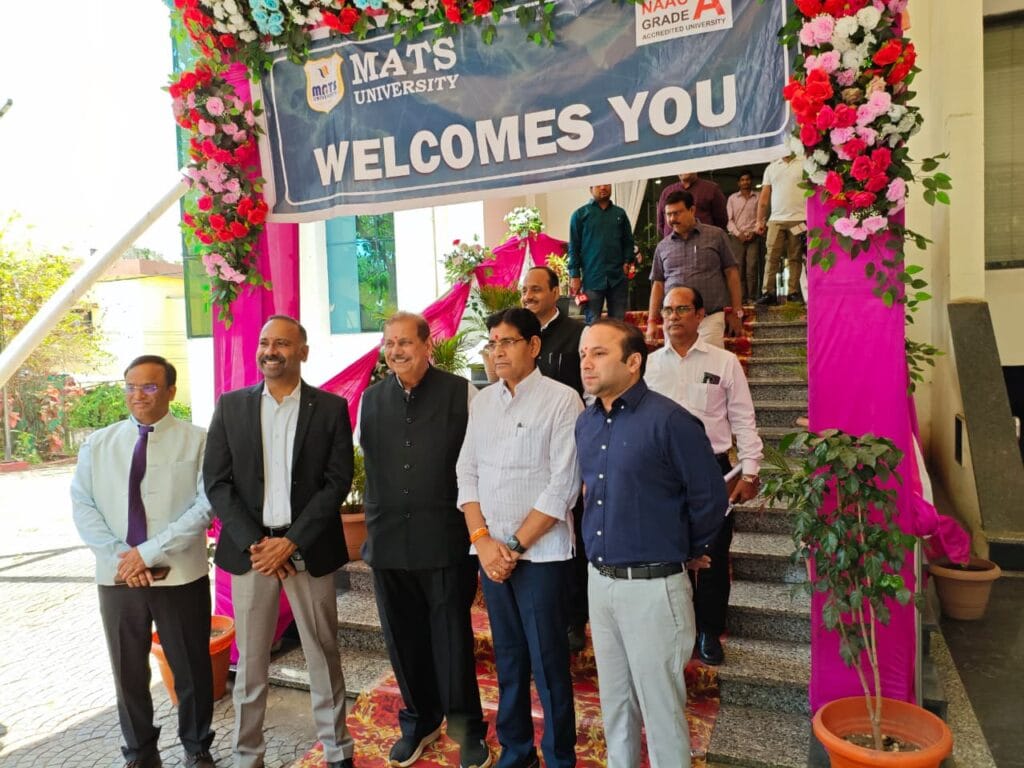
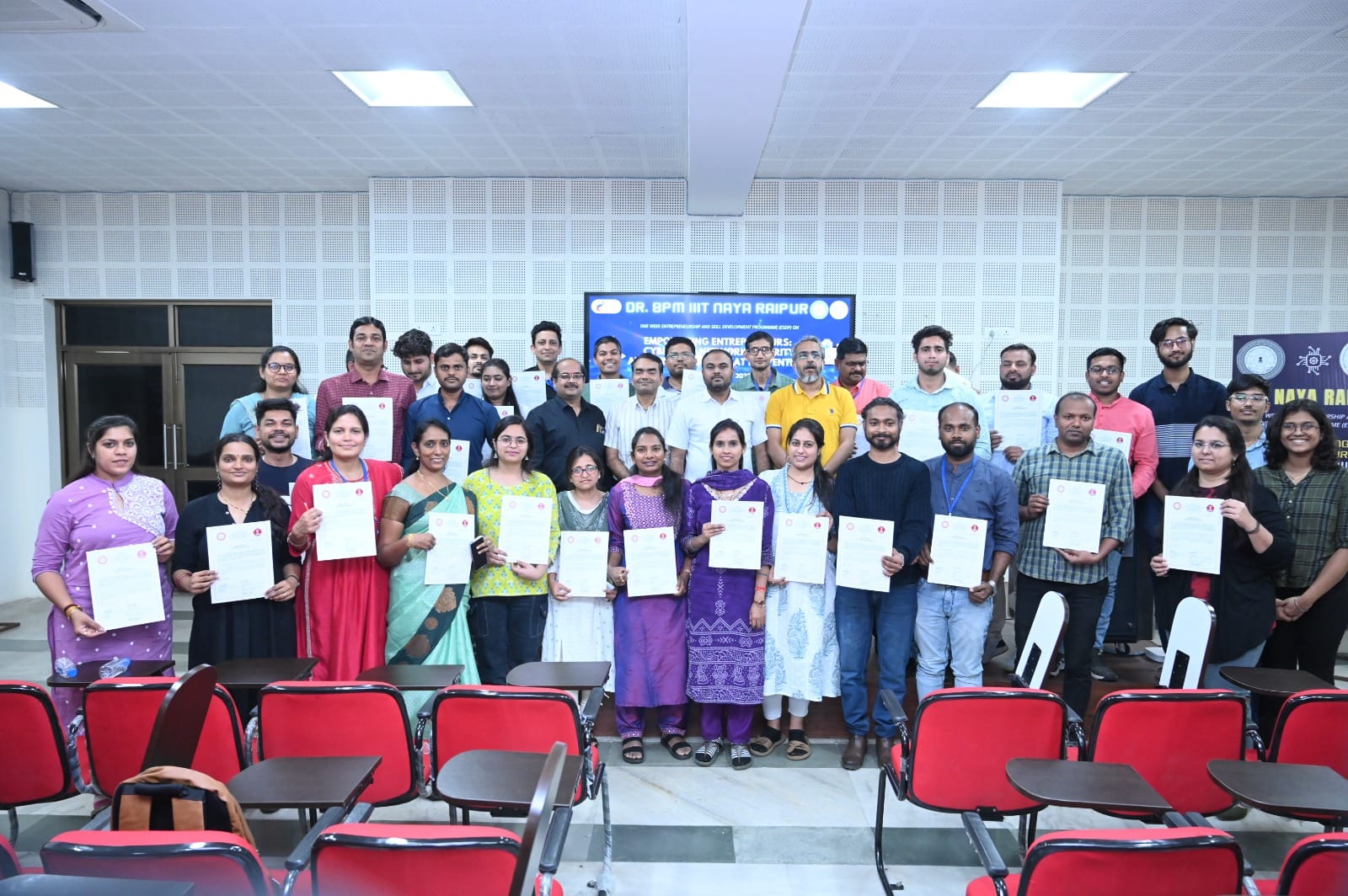
Certificates were distributed to the participants, and mementos were presented to the dignitaries. Registrar Shri Gokulananda Panda delivered the vote of thanks, and Director General Shri Priyesh Pagariya played a key role in organizing and coordinating the event.
This two-day international conference proved to be a significant achievement in promoting meaningful dialogue, innovation, and global collaboration among academicians, researchers, and policymakers. It enriched the academic community and provided new directions to global economic discourse.
All faculty members and students of the School of Business and Management Studies were present during the program