















- Shri Naseem Ahmed Khan, Deputy Director Public Relations
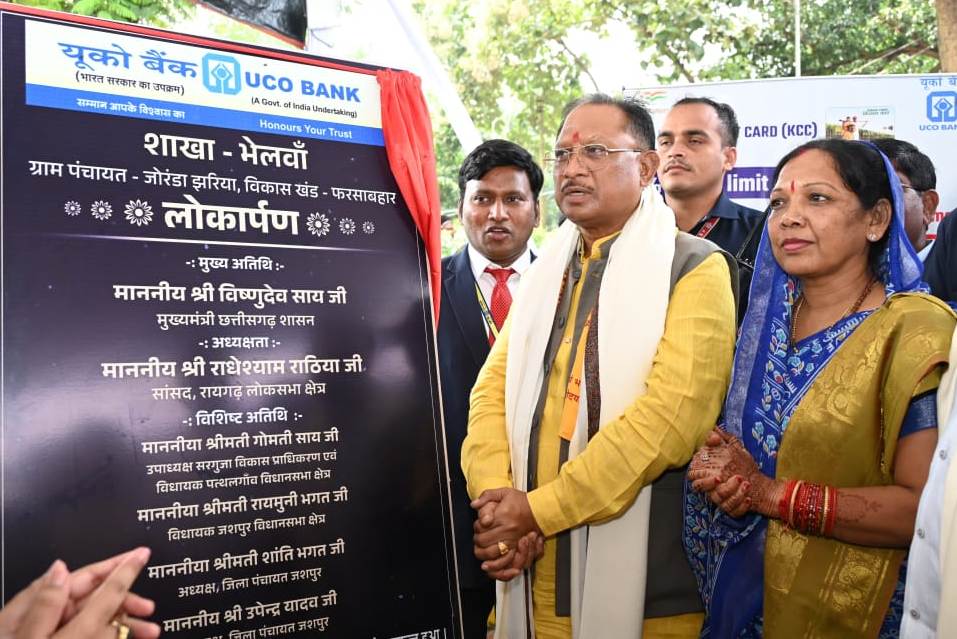
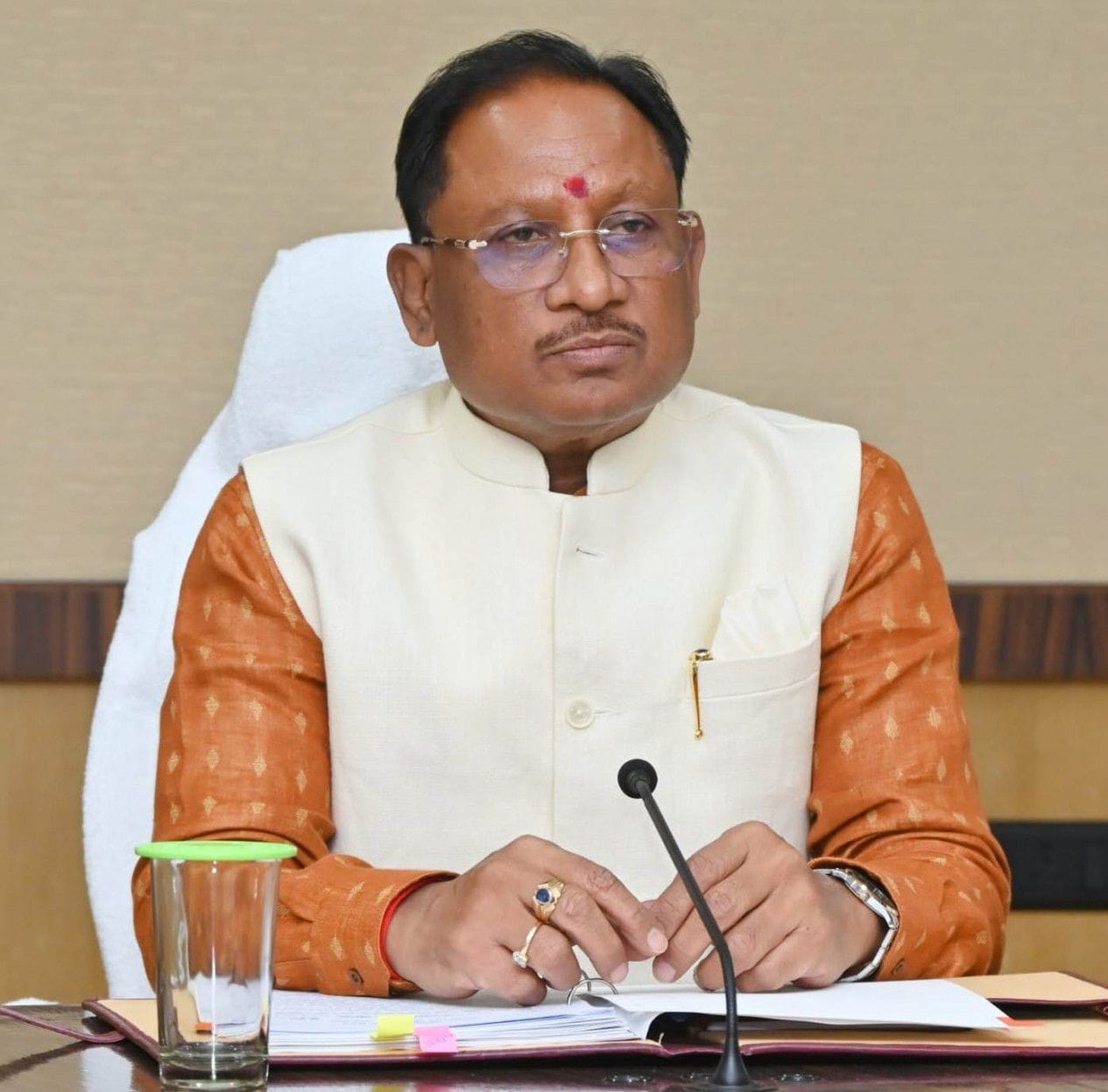
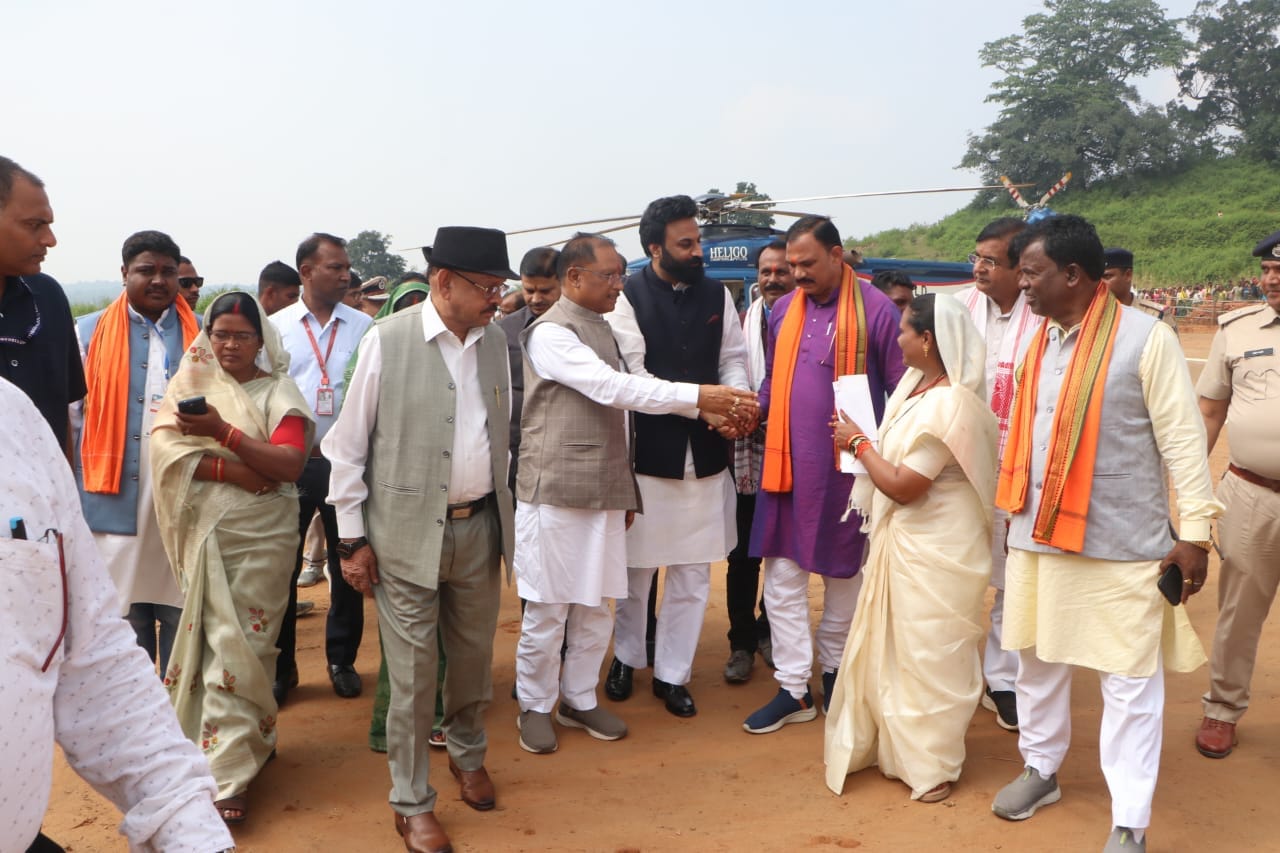
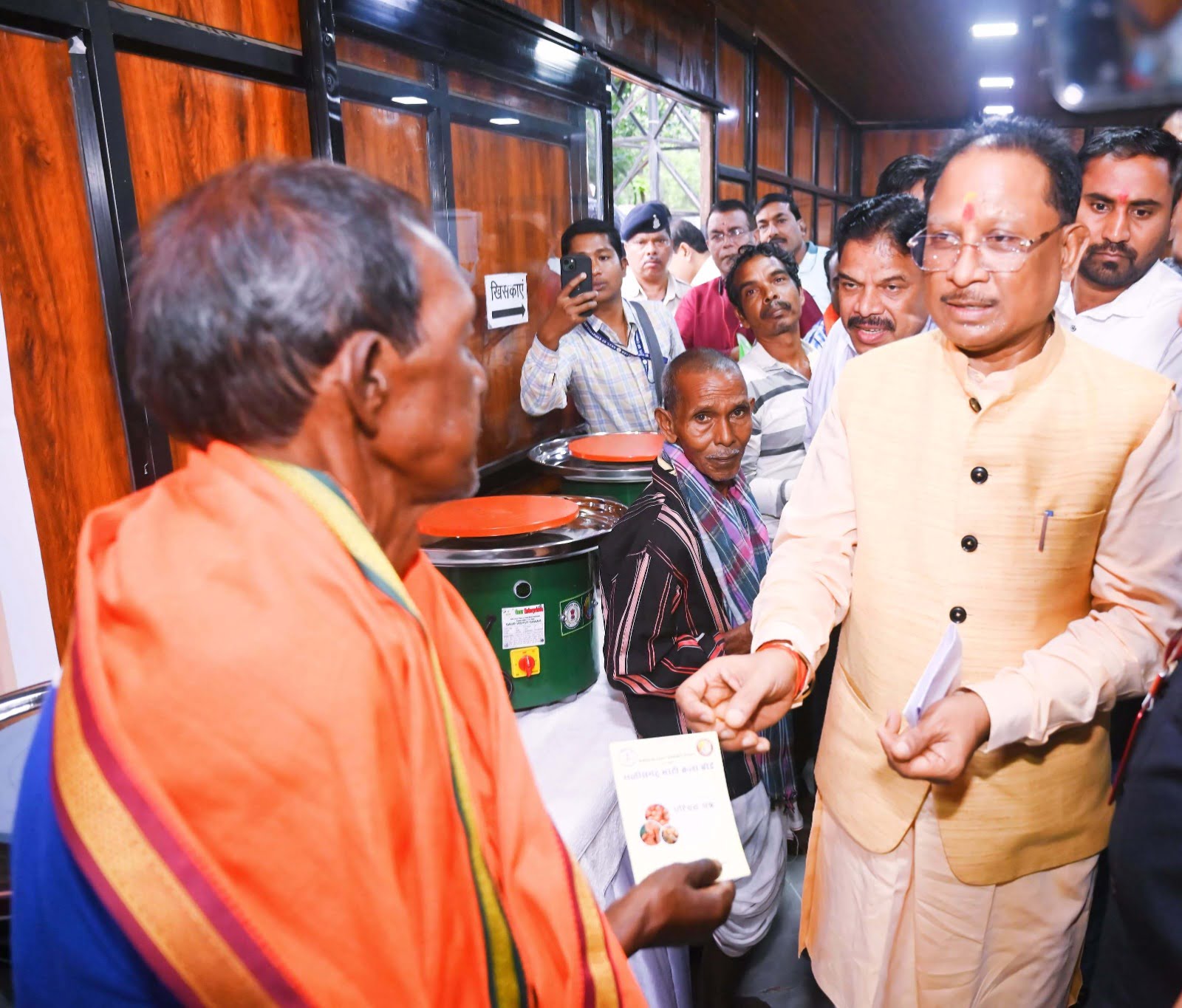
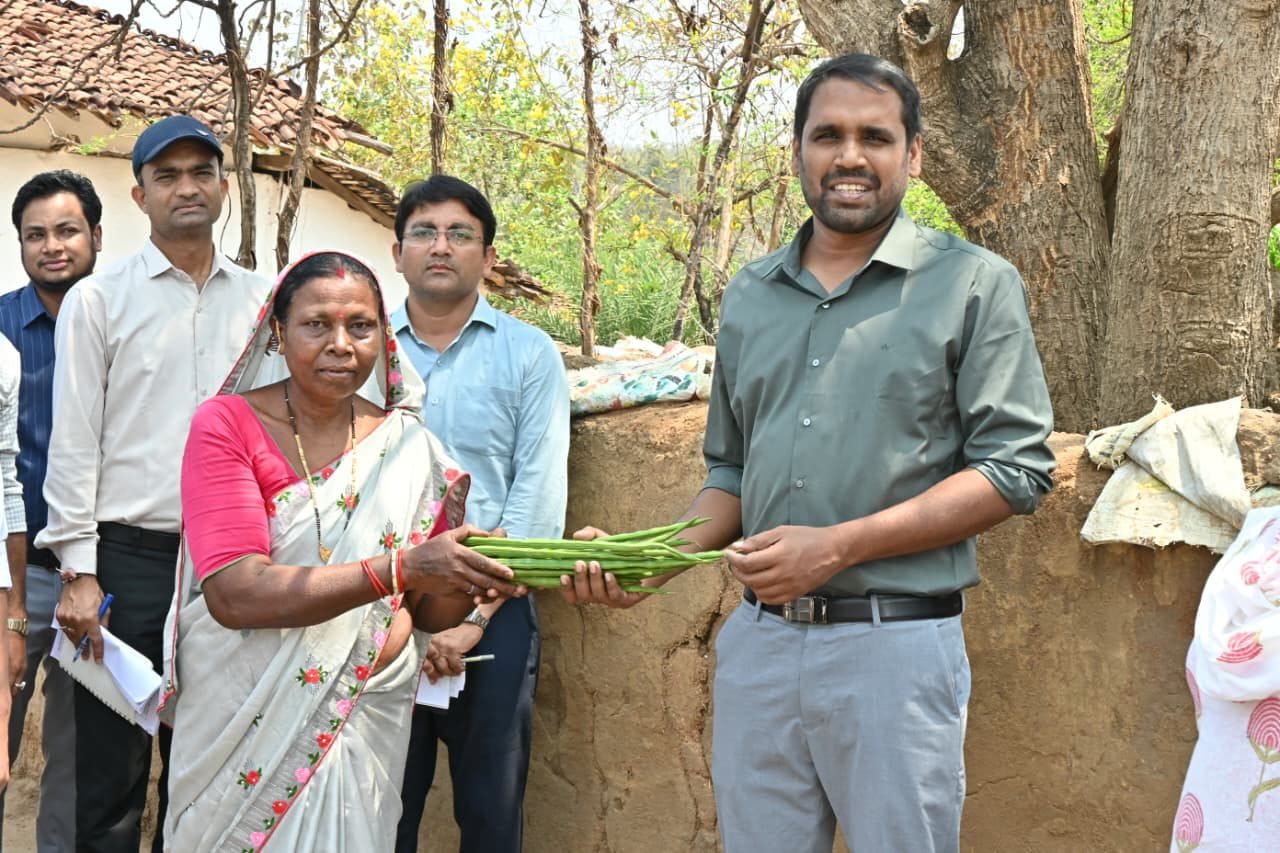
Chhattisgarh today stands at a milestone in rural development where policies are no longer confined to paper but have become a vehicle for concrete change on the ground. Under the leadership of Chief Minister Shri Vishnu Dev Sai, the state government has adopted good governance not just as a principle but as a way of working. The effective and transparent implementation of schemes such as the Pradhan Mantri Awas Yojana (Rural), Mahatma Gandhi National Rural Employment Guarantee Act (NREGA), the National Rural Livelihoods Mission, and the Pradhan Mantri Gram Sadak Yojana (Prime Minister’s Rural Roads Scheme) has made Chhattisgarh an emerging model for rural development at the national level.
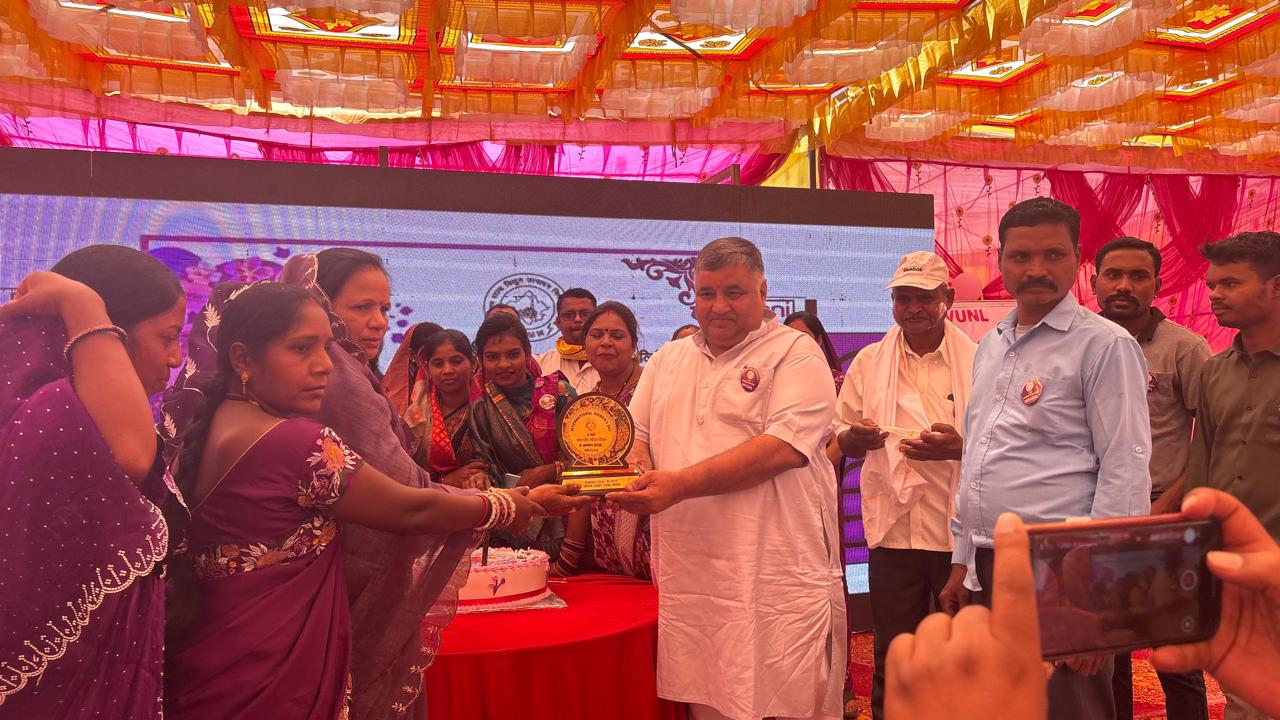
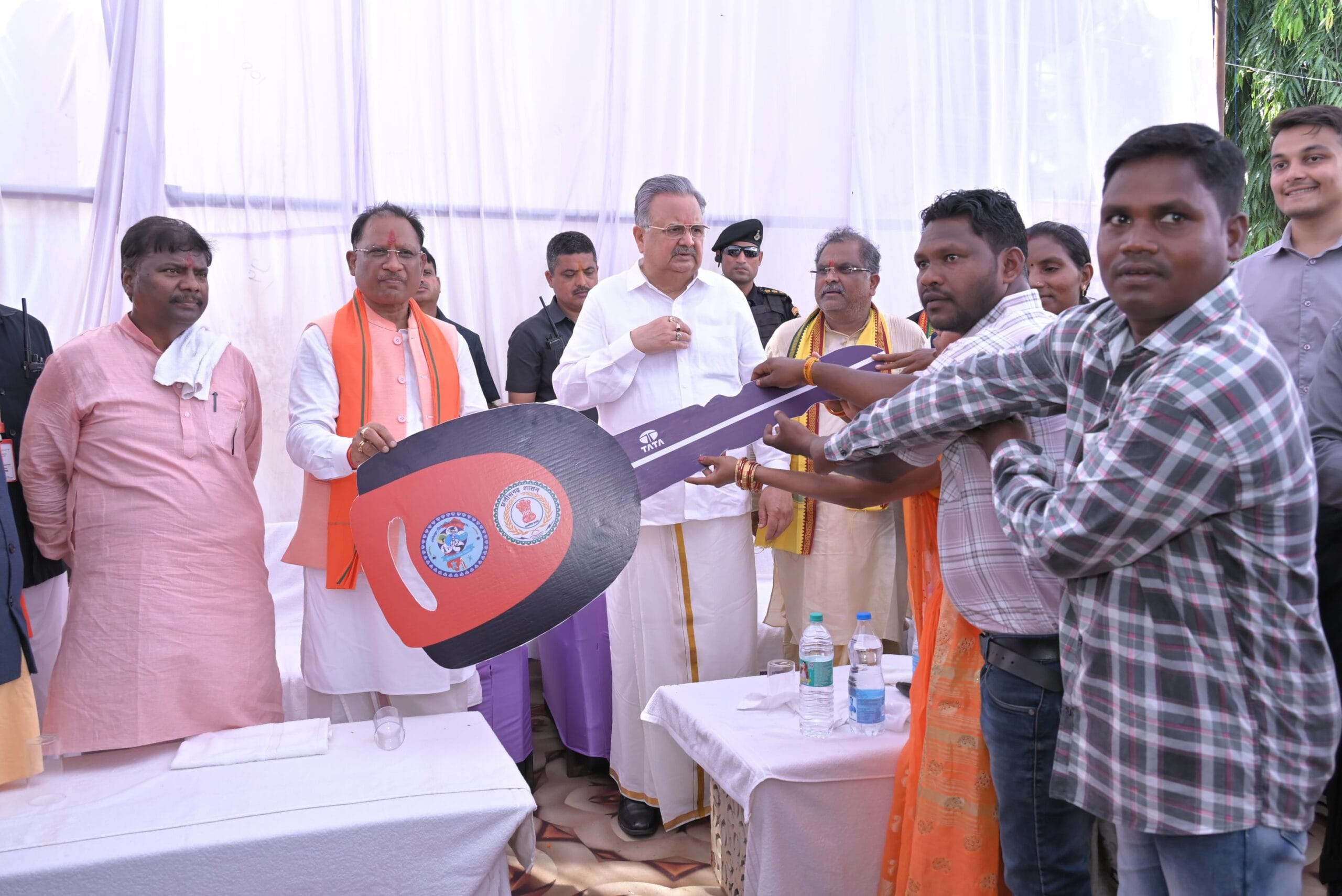
Under the Pradhan Mantri Awas Yojana (Gramin), Chhattisgarh has completed over 800,000 pucca houses in the last two years, the highest in the country. This achievement is not merely a matter of statistics, but a major step towards social justice and a dignified life. Chief Minister Shri Sai believes that housing is not just a roof, but the foundation of security, stability, and self-respect. This is why the state government has linked the housing scheme with livelihoods. By supplying centering plates and other construction materials to housing beneficiaries, over 8,000 women have become “Lakhpati Didi.”
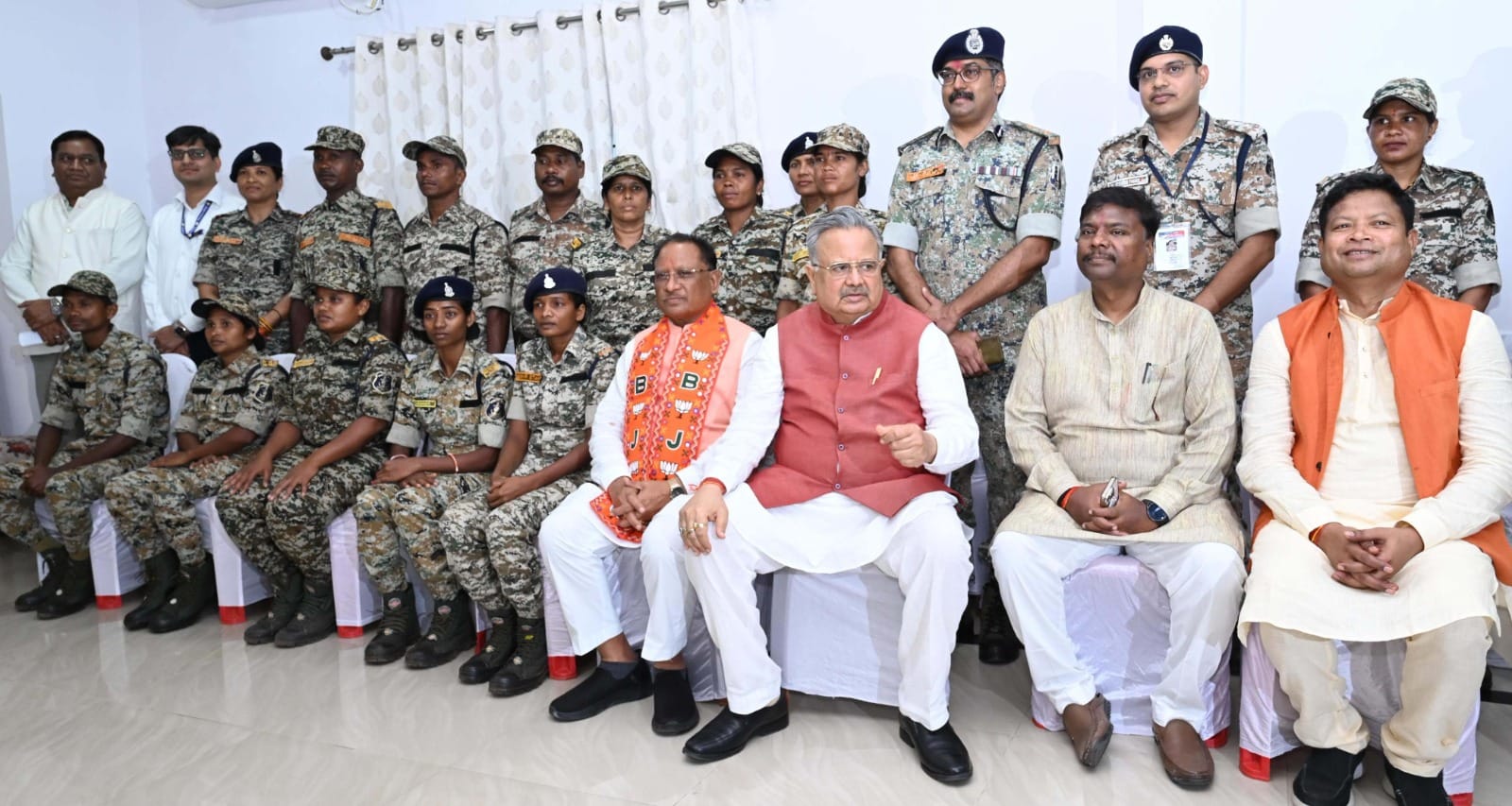
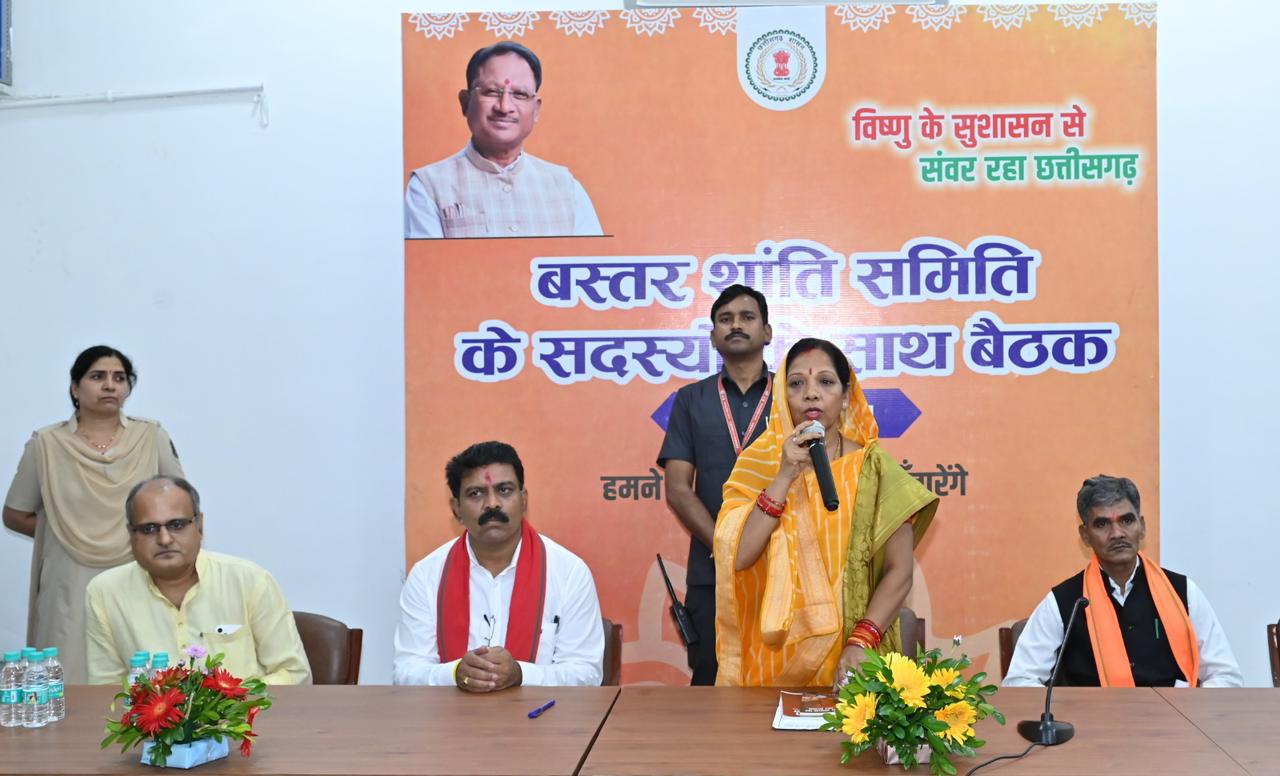
In the Naxal-affected areas, which have been Chhattisgarh’s biggest challenge, the government has given equal importance to development and trust along with security. Youth are being integrated into the mainstream through skill training and rehabilitation schemes. Through R-SETI and Project Unnati, more than 5 thousand beneficiaries, including surrendered Naxalites, have been given mason training. At the same time, housing has been approved for 3416 surrendered Naxalites and Naxal-affected families. The approval of more than 33 thousand houses for special backward tribes under the PM-Janman Awas Yojana is being considered a historic initiative in this direction.
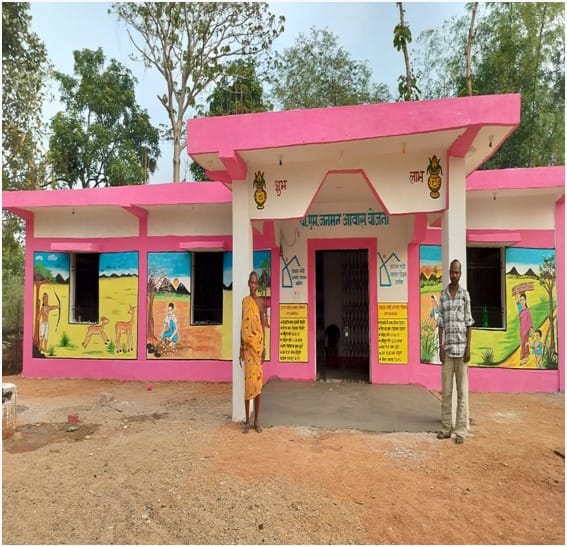
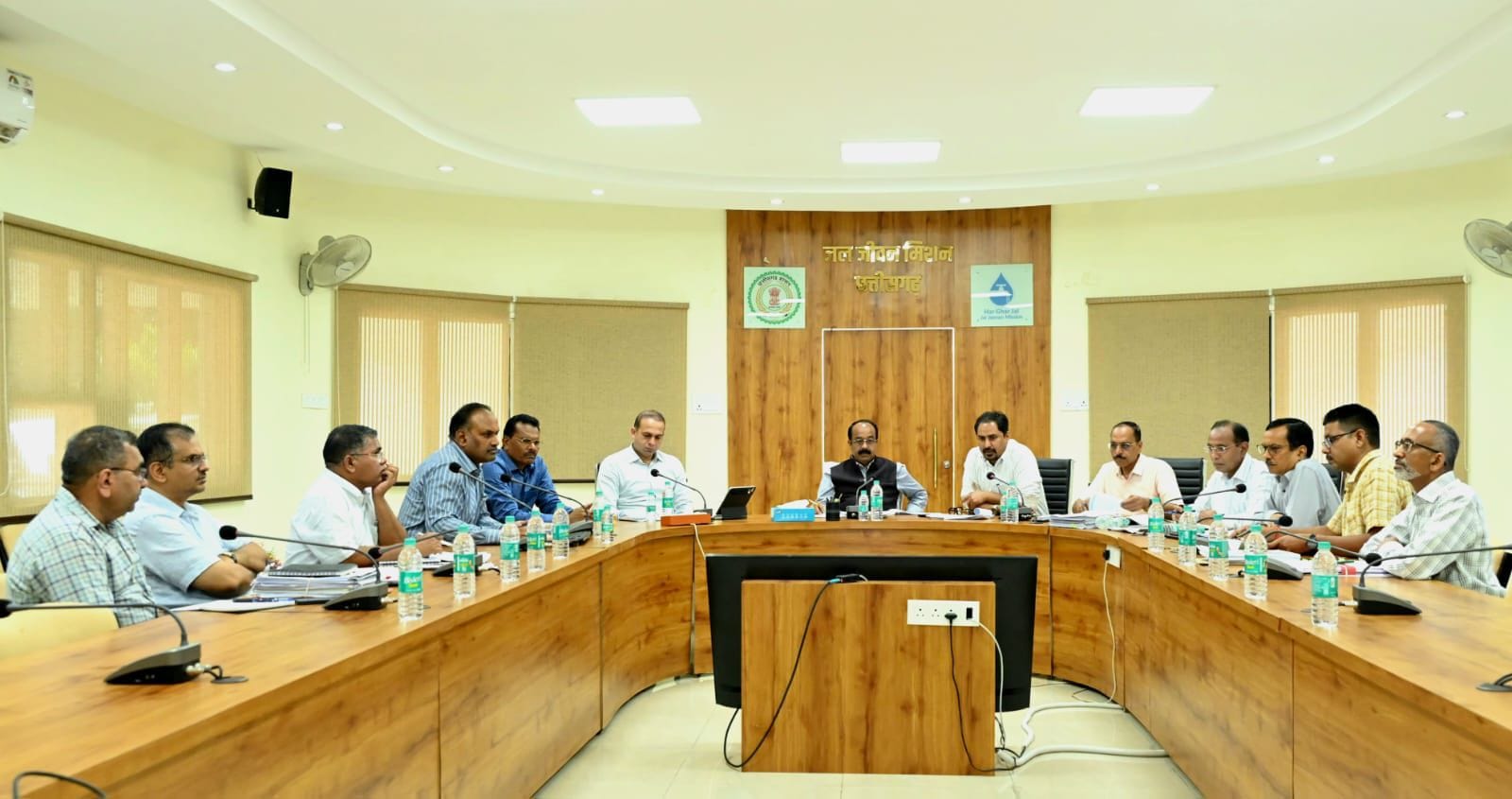
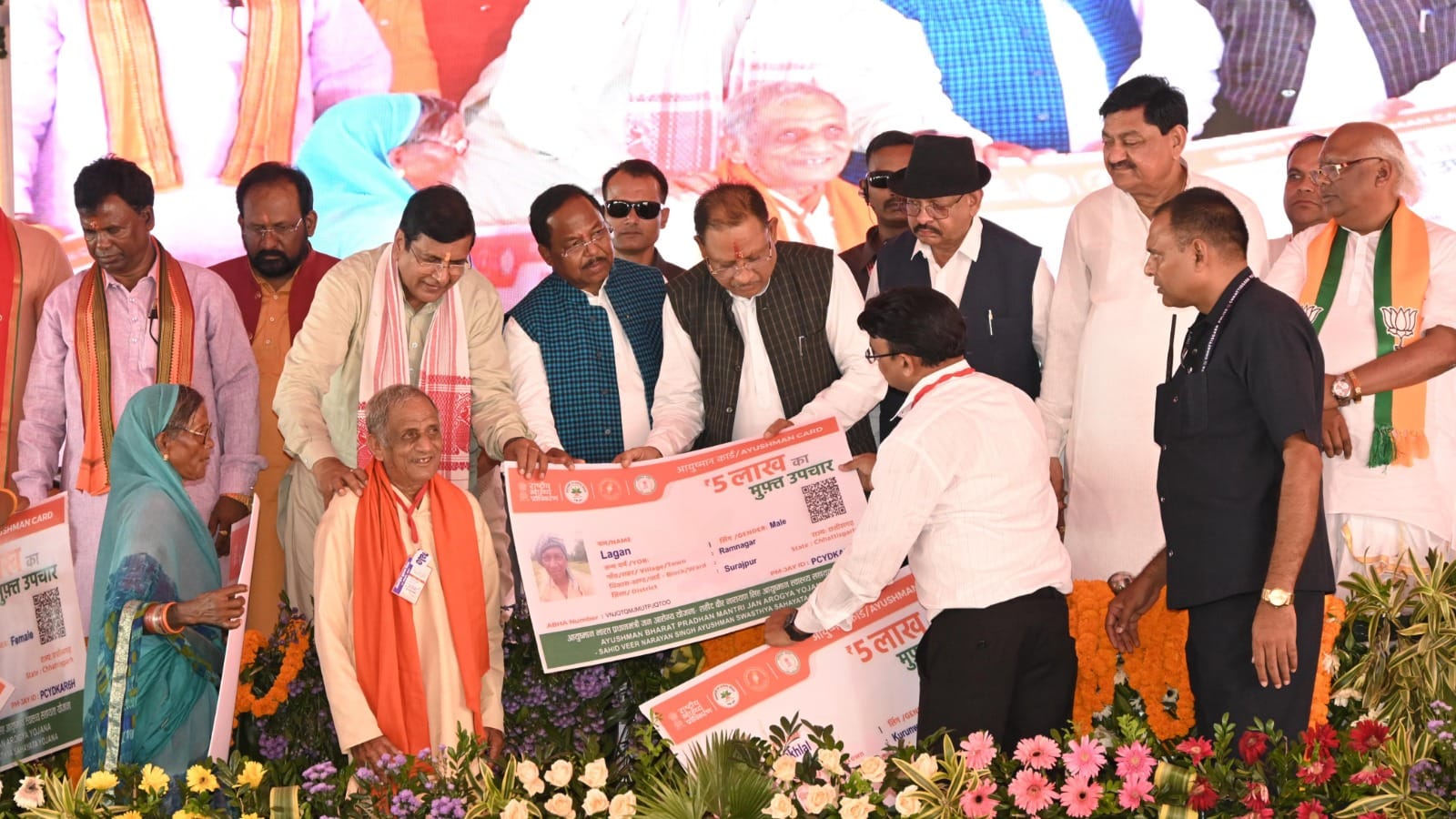
The government has redefined transparency by involving the common citizen in monitoring schemes. Toll-free helplines, QR codes at the Panchayat level, and digital platforms allow anyone to access information on development projects directly. Beneficiaries of the Pradhan Mantri Awas Yojana have been linked through convergence with schemes such as MNREGA, Ujjwala, Swachh Bharat Mission, Jal Jeevan Mission, and PM Surya Ghar, ensuring holistic benefits.
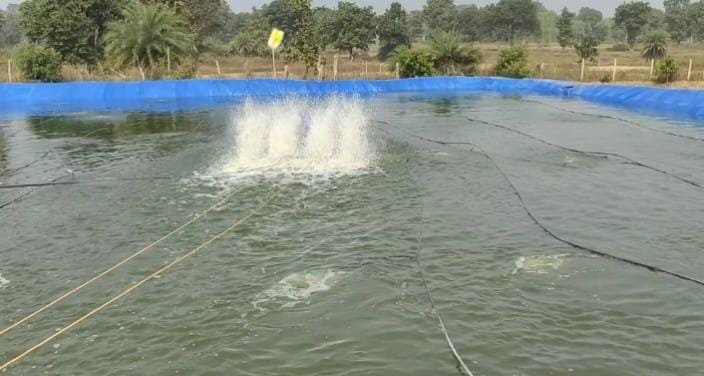
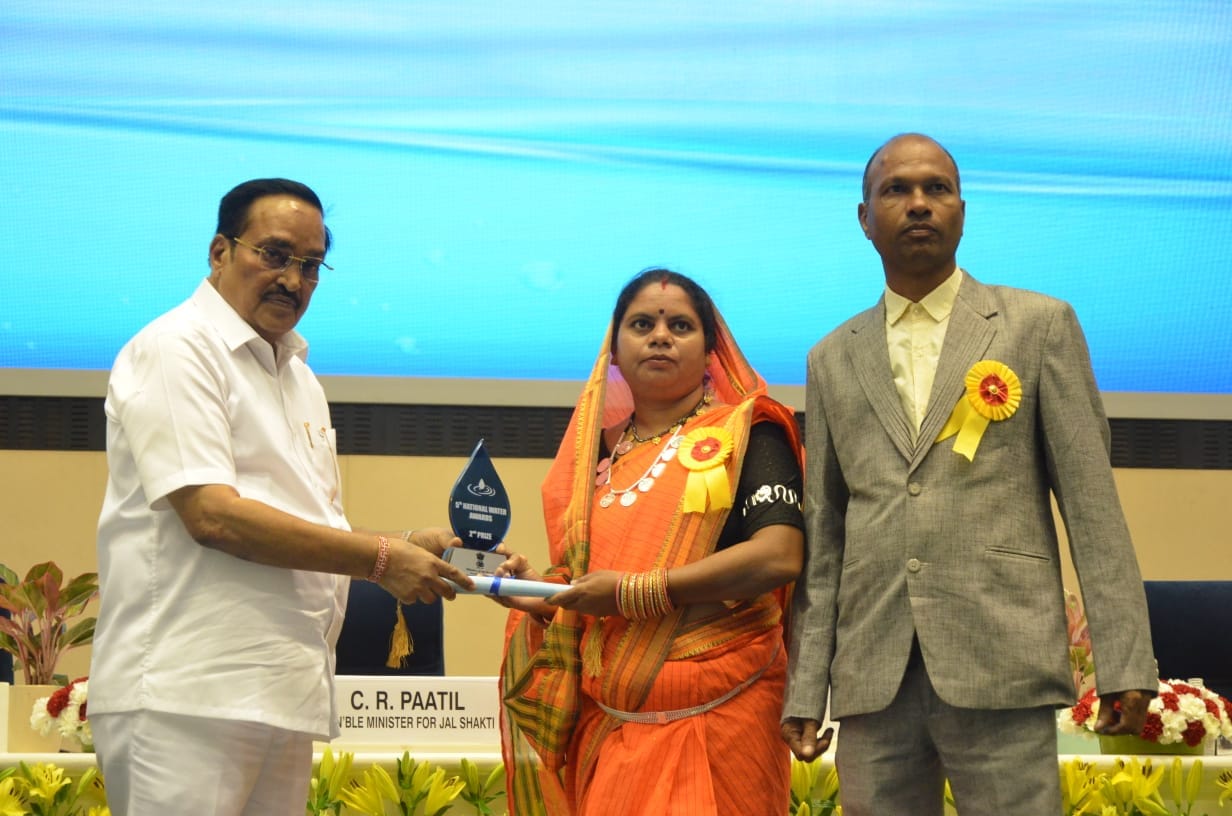
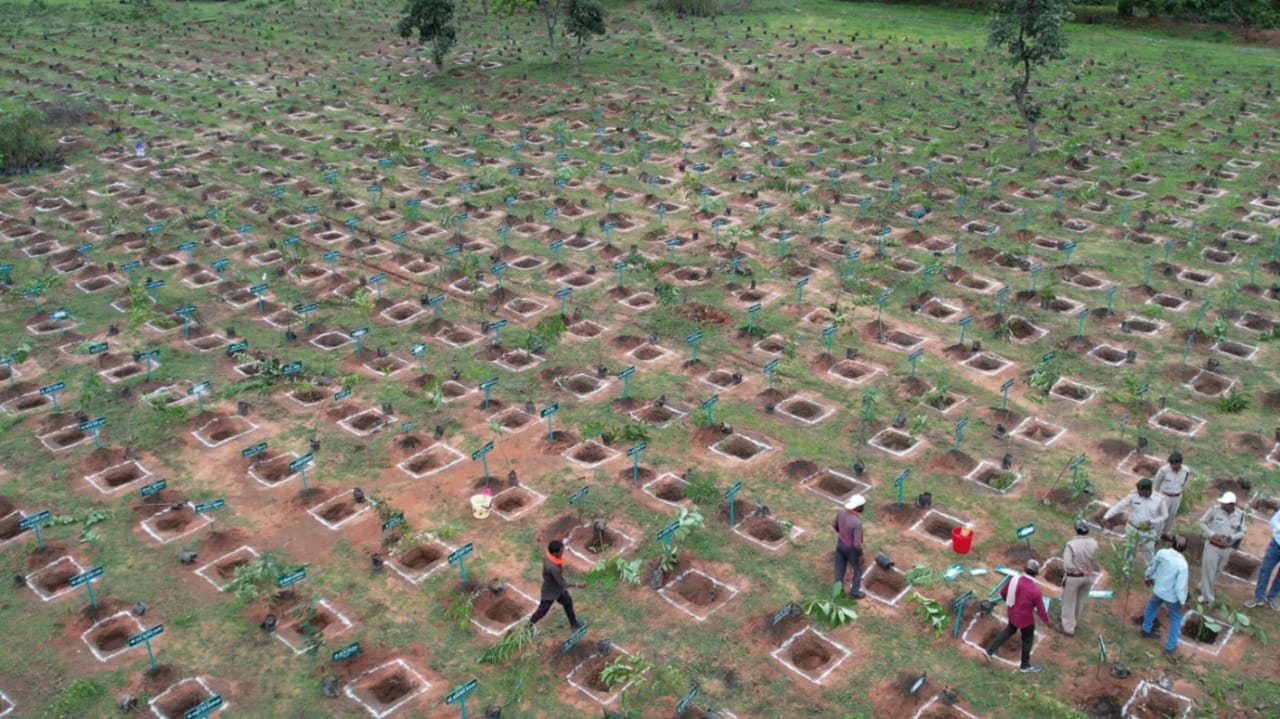
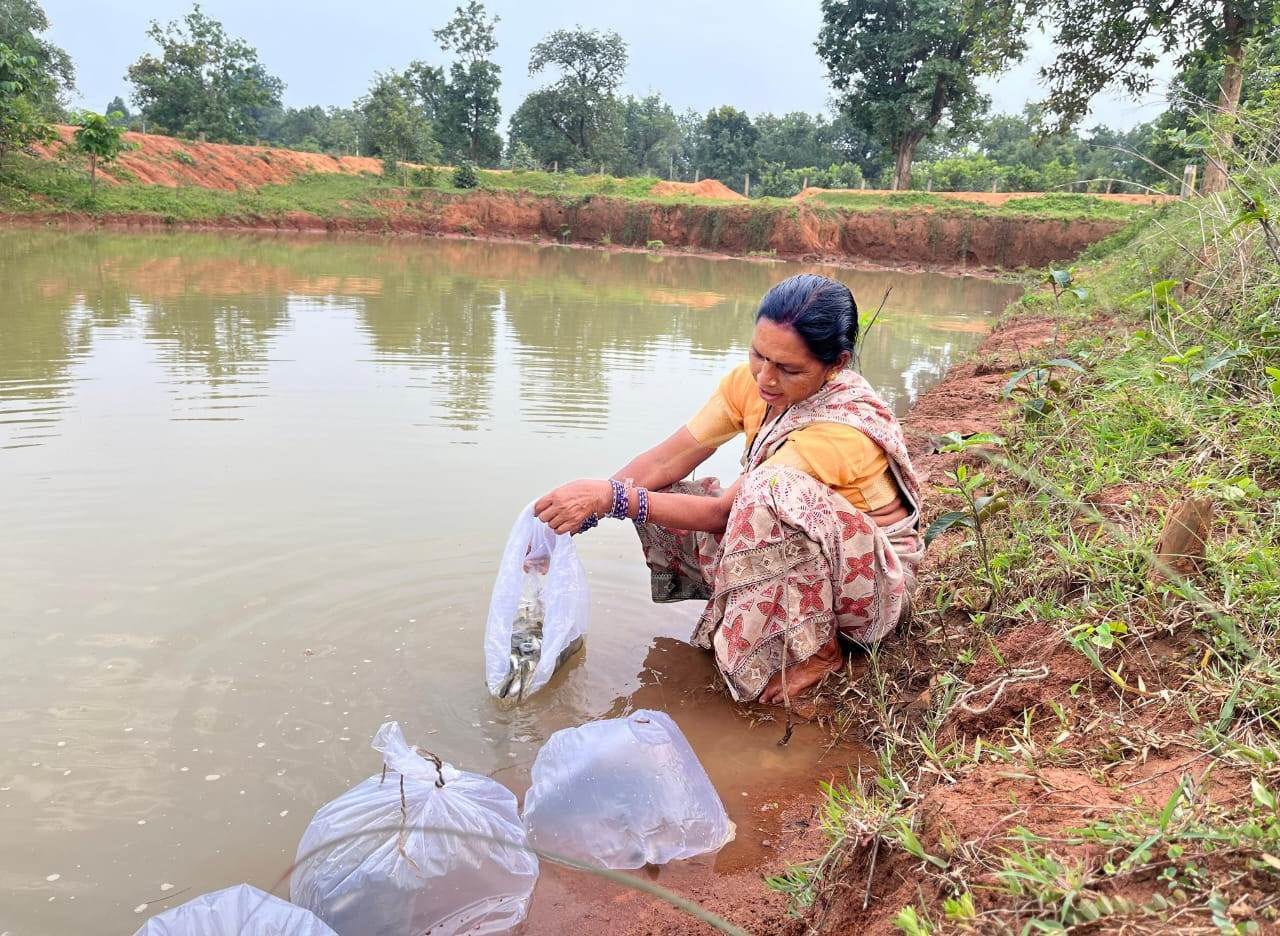
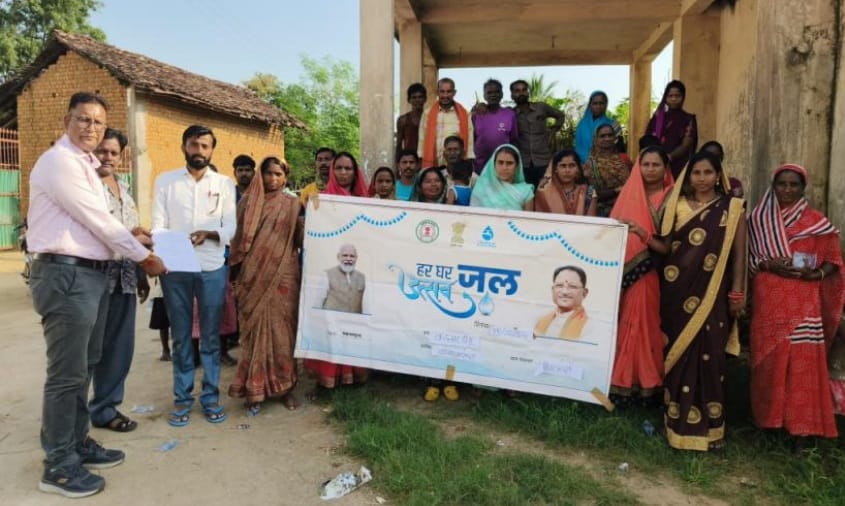
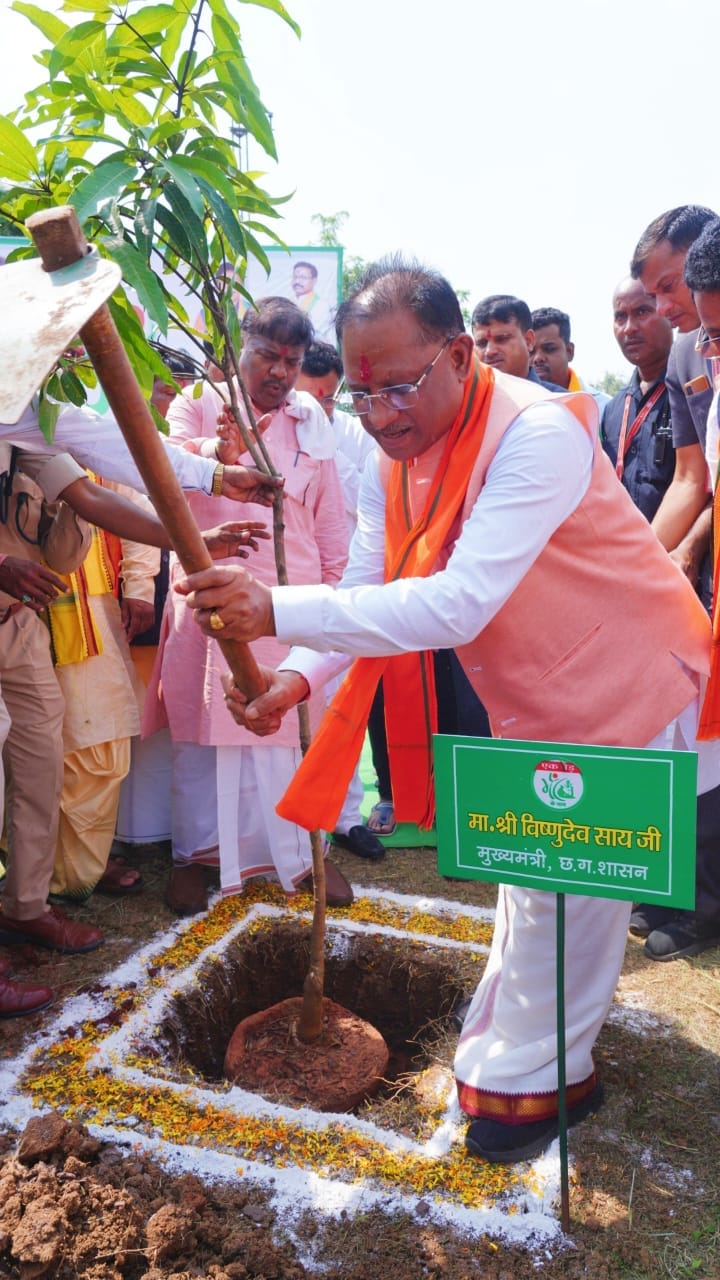
The “More Village, More Water” campaign has emerged as a symbol of Chhattisgarh’s water conservation policy. Over 200 million man-days have been created under NREGA in two years. The approval of over 35,000 water conservation projects and more than 10,000 livelihood ponds has strengthened the rural economy. Chhattisgarh has become one of the leading states in the country in GIS-based planning through the Yuktdhara portal.
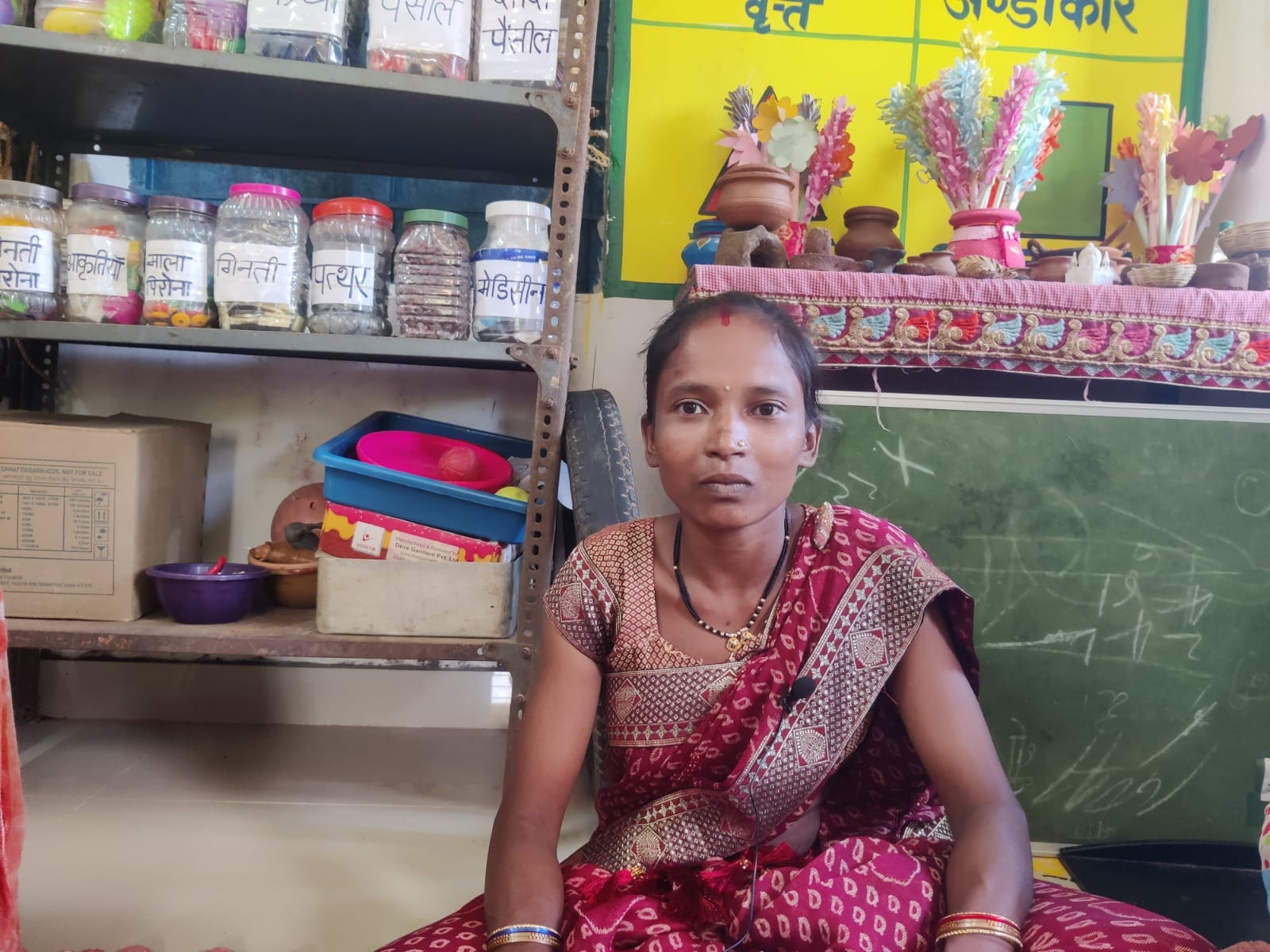
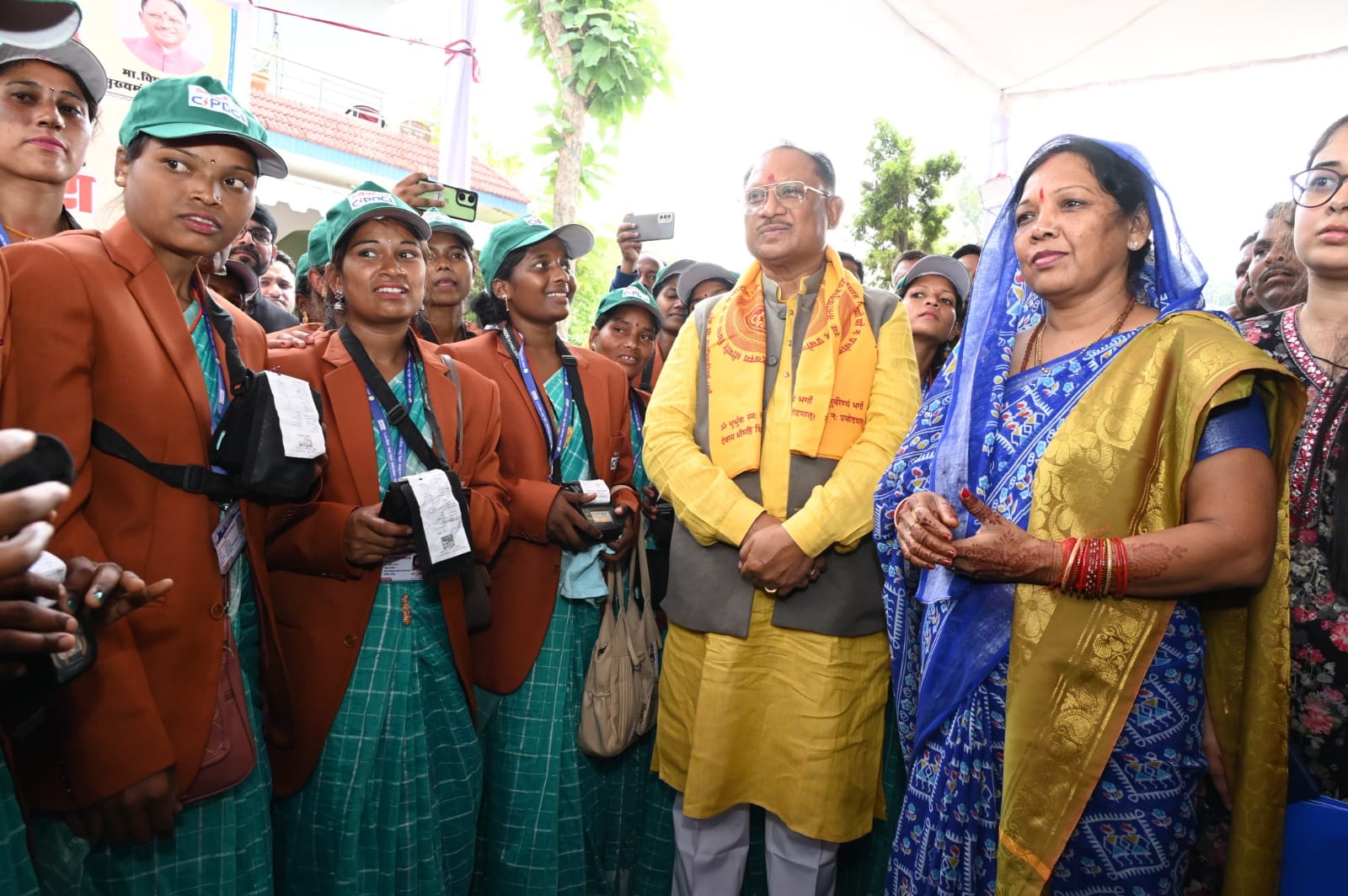
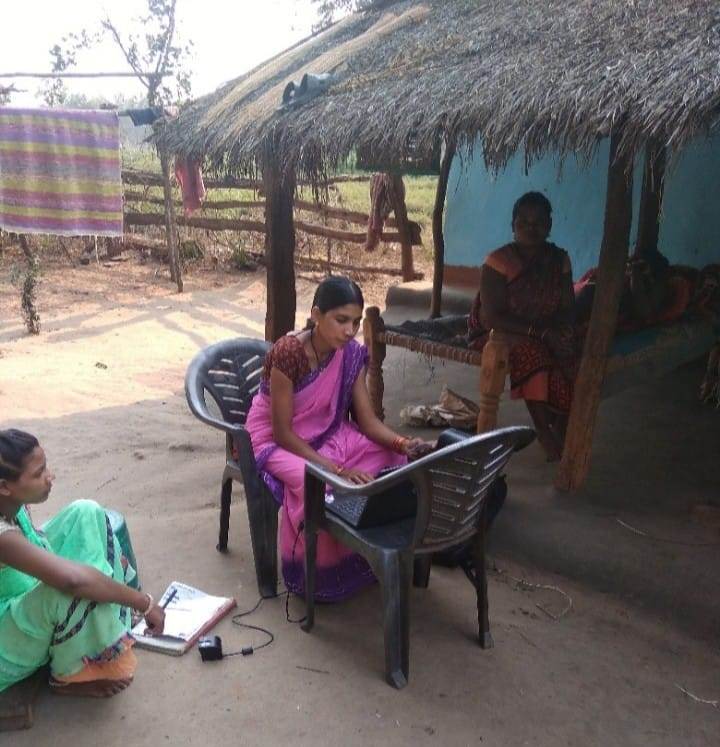
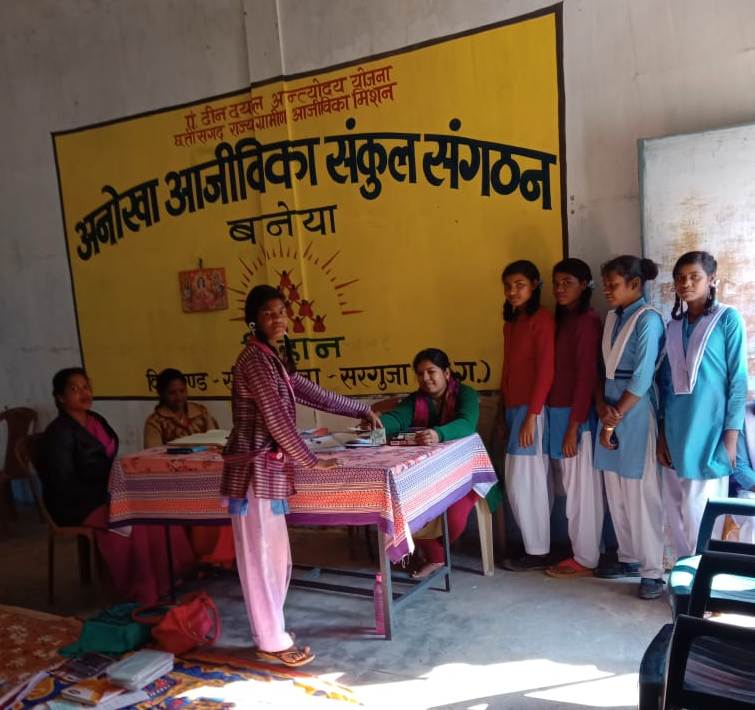
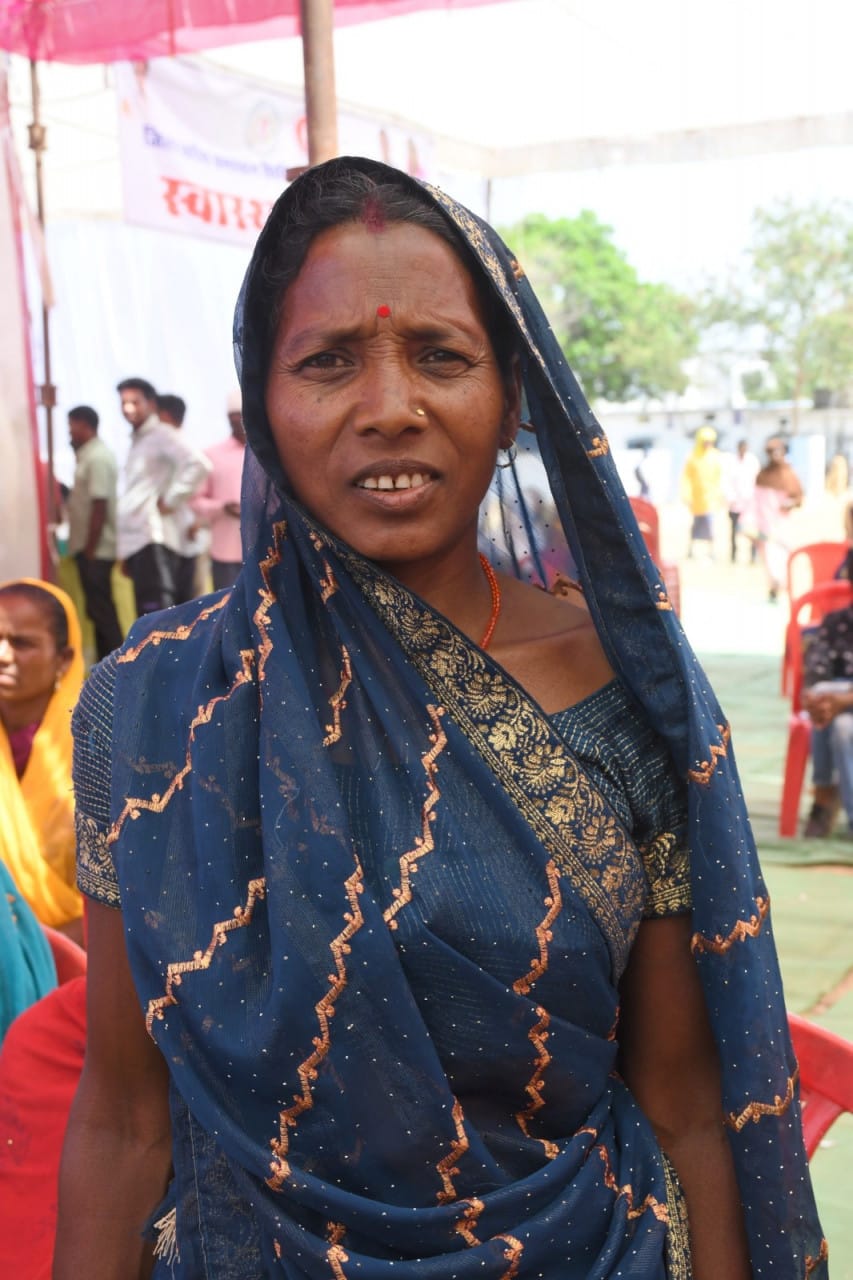
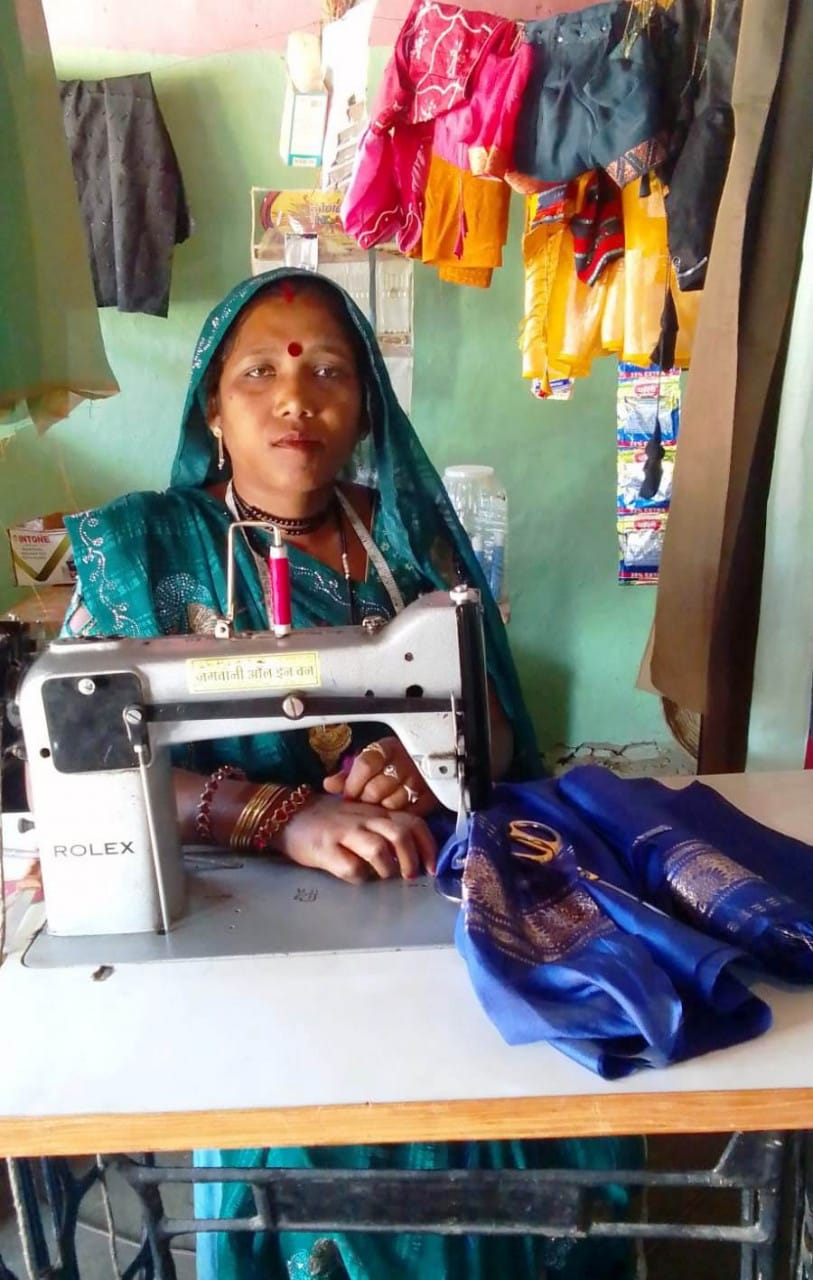
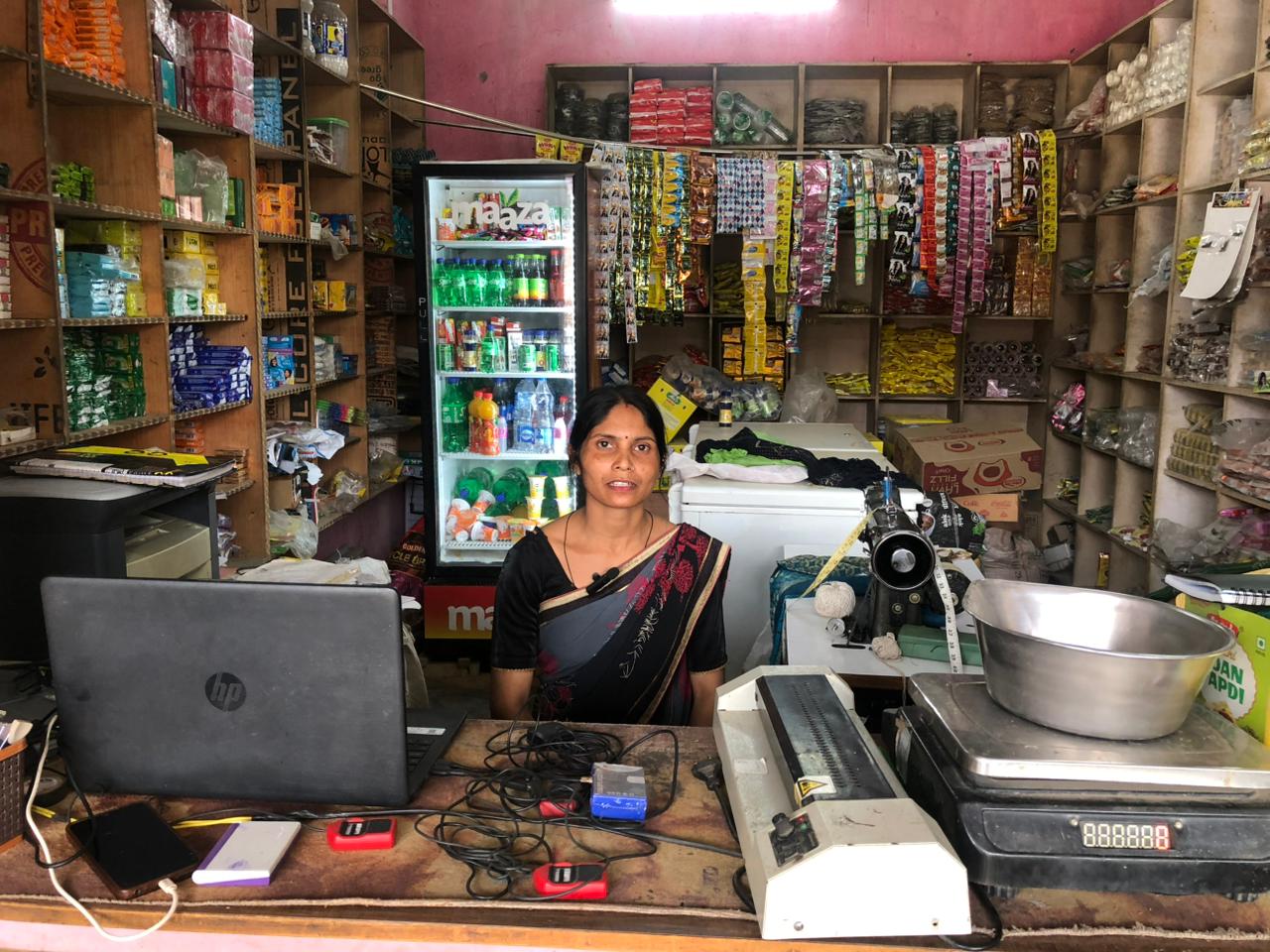
Nearly 3 million women are associated with more than 2.82 lakh self-help groups under the National Rural Livelihood Mission. Through the “Lakhpati Didi” campaign, 4.94 lakh women have become economically self-reliant so far. The “Didi Ke Goth” radio program, which gives women a platform to voice their voices, and the “Chhattiskala” brand for marketing their products are testaments to the state government’s innovations.
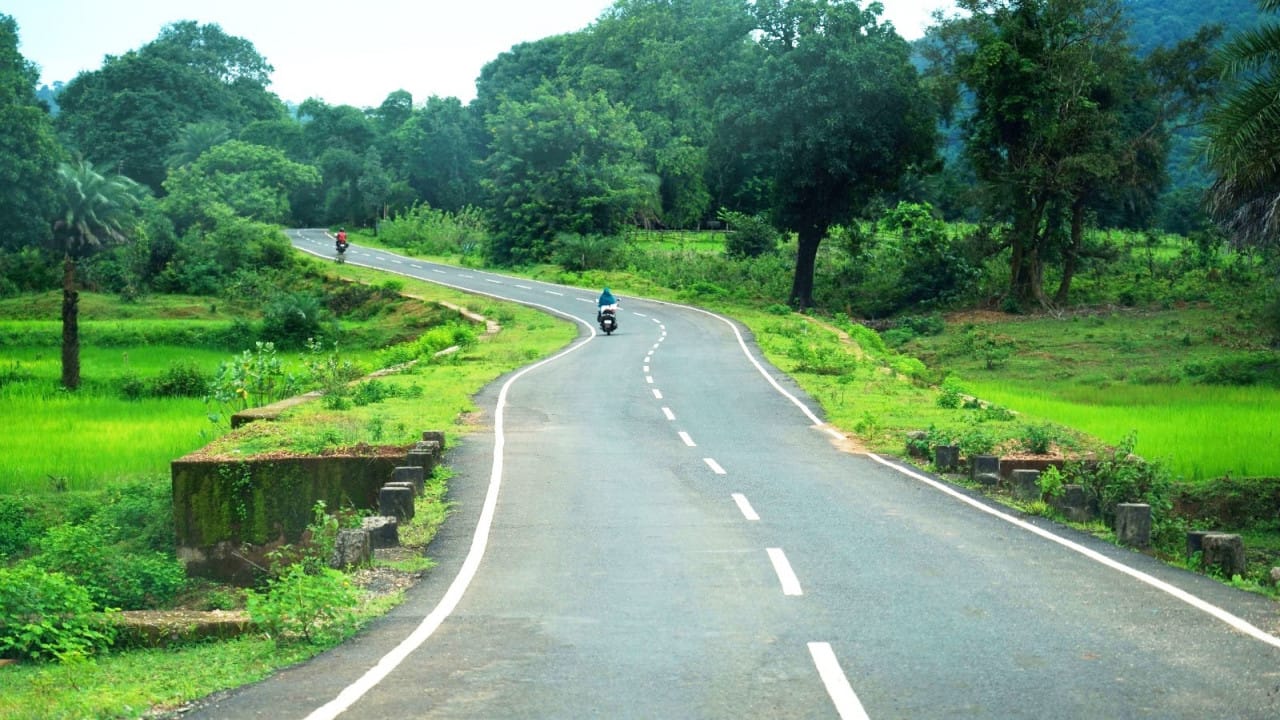
The approval of 2,902 kilometers of roads and the completion of 1,064 kilometers of roads under the Pradhan Mantri Janman Yojana (PMJAY) is a major step towards connecting remote and tribal areas with the mainstream of development. Chhattisgarh is the leading state in the country in terms of approved road construction under the Pradhan Mantri Janman Yojana (PMJAY). By completing 43 roads in Naxal-affected areas that had been incomplete for decades under various phases of the Pradhan Mantri Gram Sadak Yojana (PMGSY), the government has made it clear that development will no longer be limited to any region or class.
Chief Minister Shri Vishnu Dev Sai says that the true objective of governance is to bring positive change in the lives of ordinary citizens. Through coordinated efforts in housing, employment, women’s empowerment, water conservation, and infrastructure, Chhattisgarh is rapidly moving towards inclusive and self-reliant development. With a transparent, innovative, and people-oriented approach, Chhattisgarh is no longer just a state, but a national model for rural development.