





















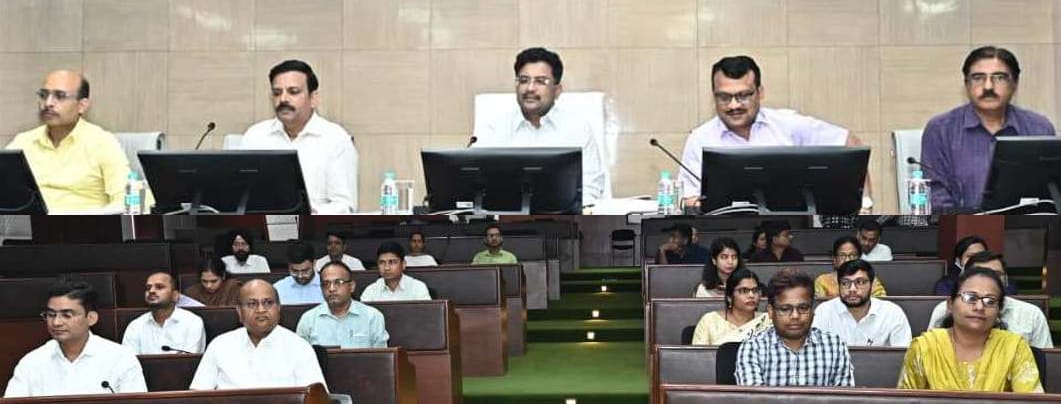

- Experts emphasize community governance at Commons Dialogue Conference
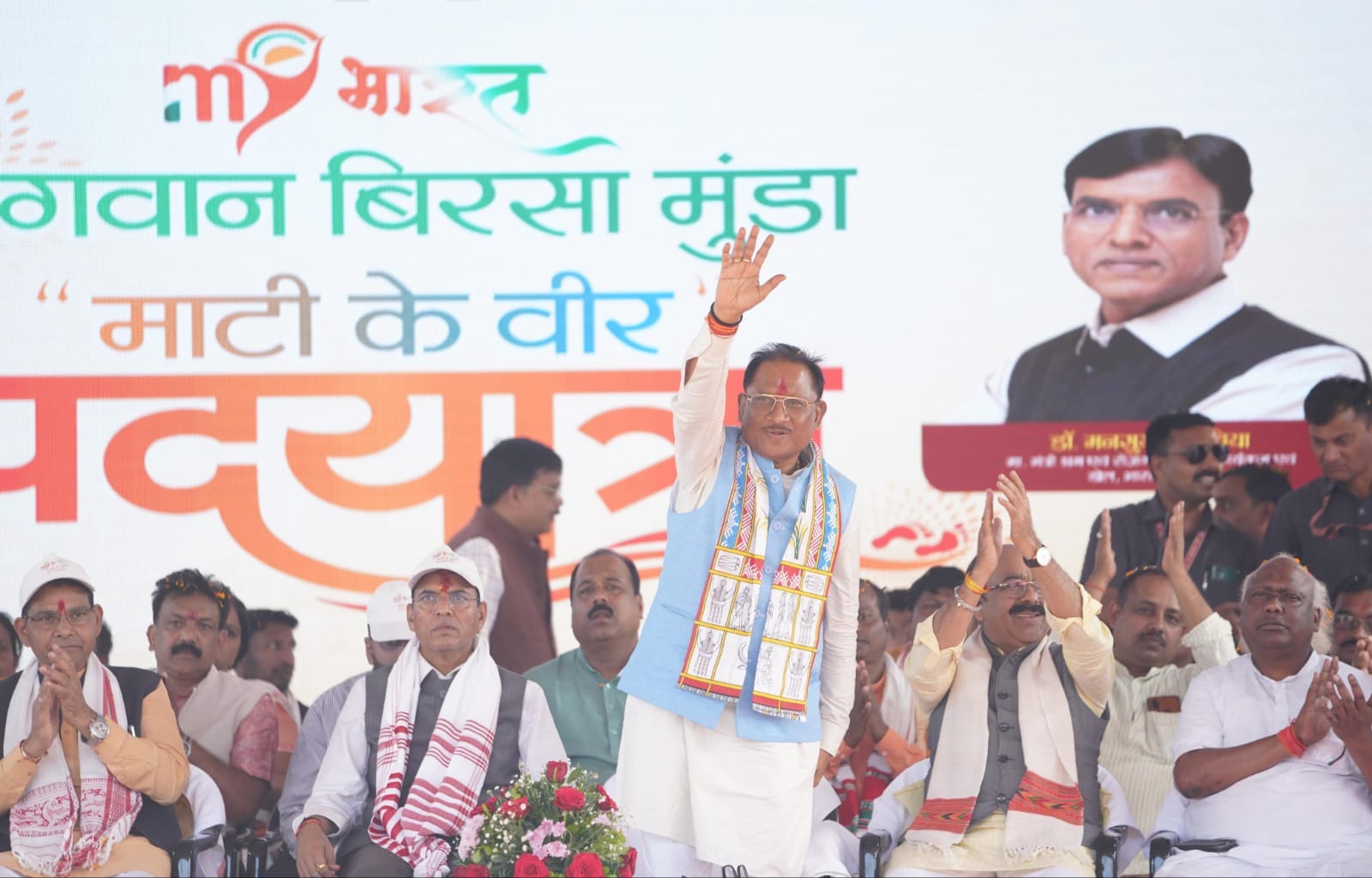
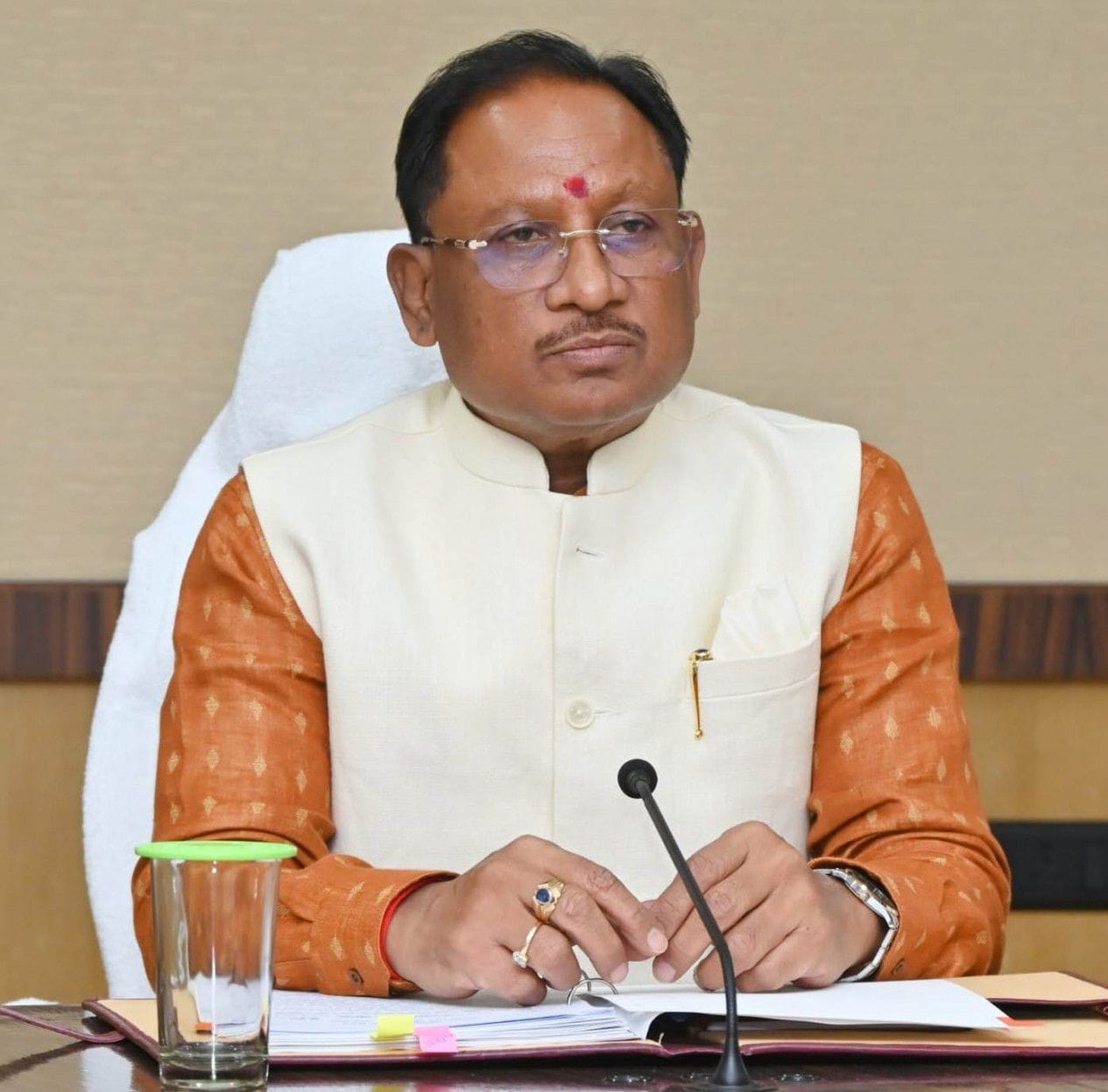
- Minister Shri Netam attended the closing ceremony of ‘Chhattisgarh Commons Queening’
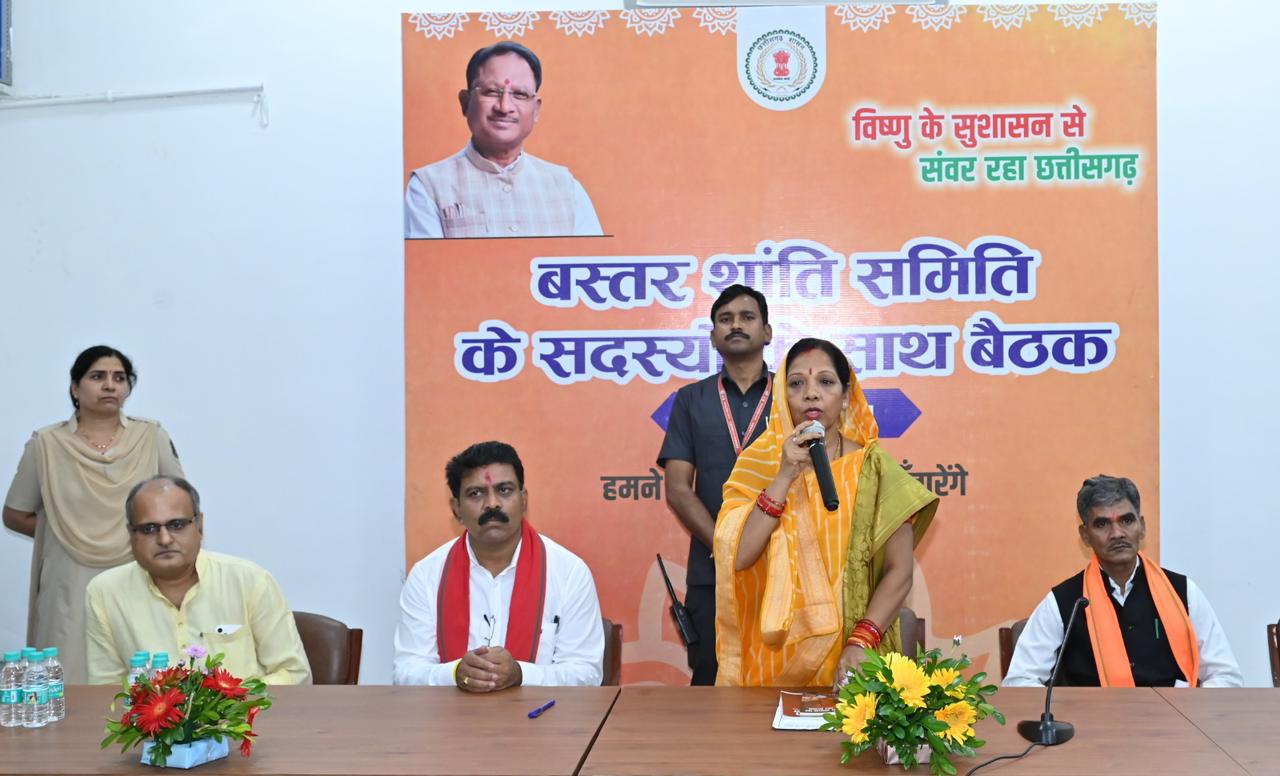
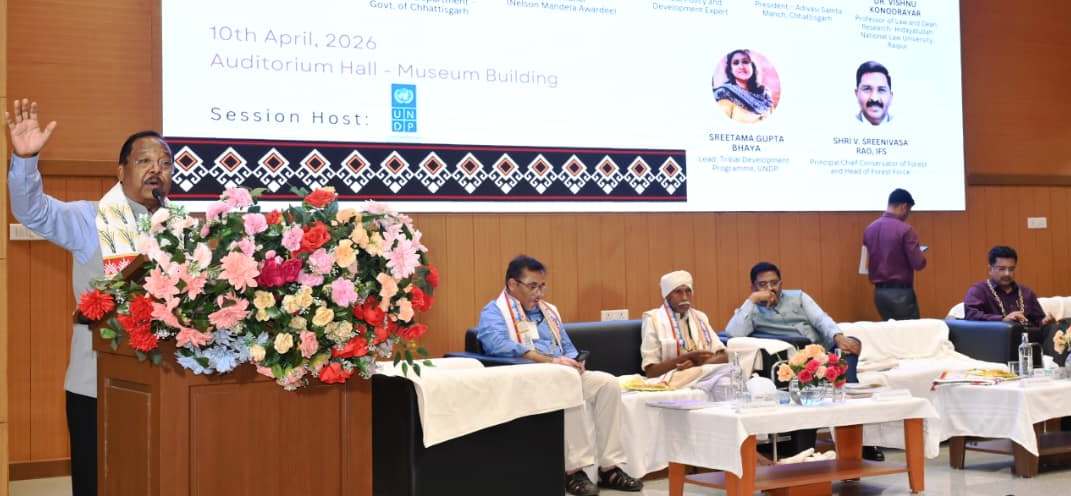
Tribal Development Minister Shri Ramvichar Netam said that tribal communities reside in almost all states of the country. He said that according to the 2011 census, there are more than 10 crore tribal communities in the country. He said that tribal people have unwavering faith in water, forests, land, rivers, streams and mountains. Tribal communities believe that gods and goddesses reside in trees, plants, rivers and streams. Due to this culture and traditions, tribal communities are at the forefront in the conservation and promotion of nature.
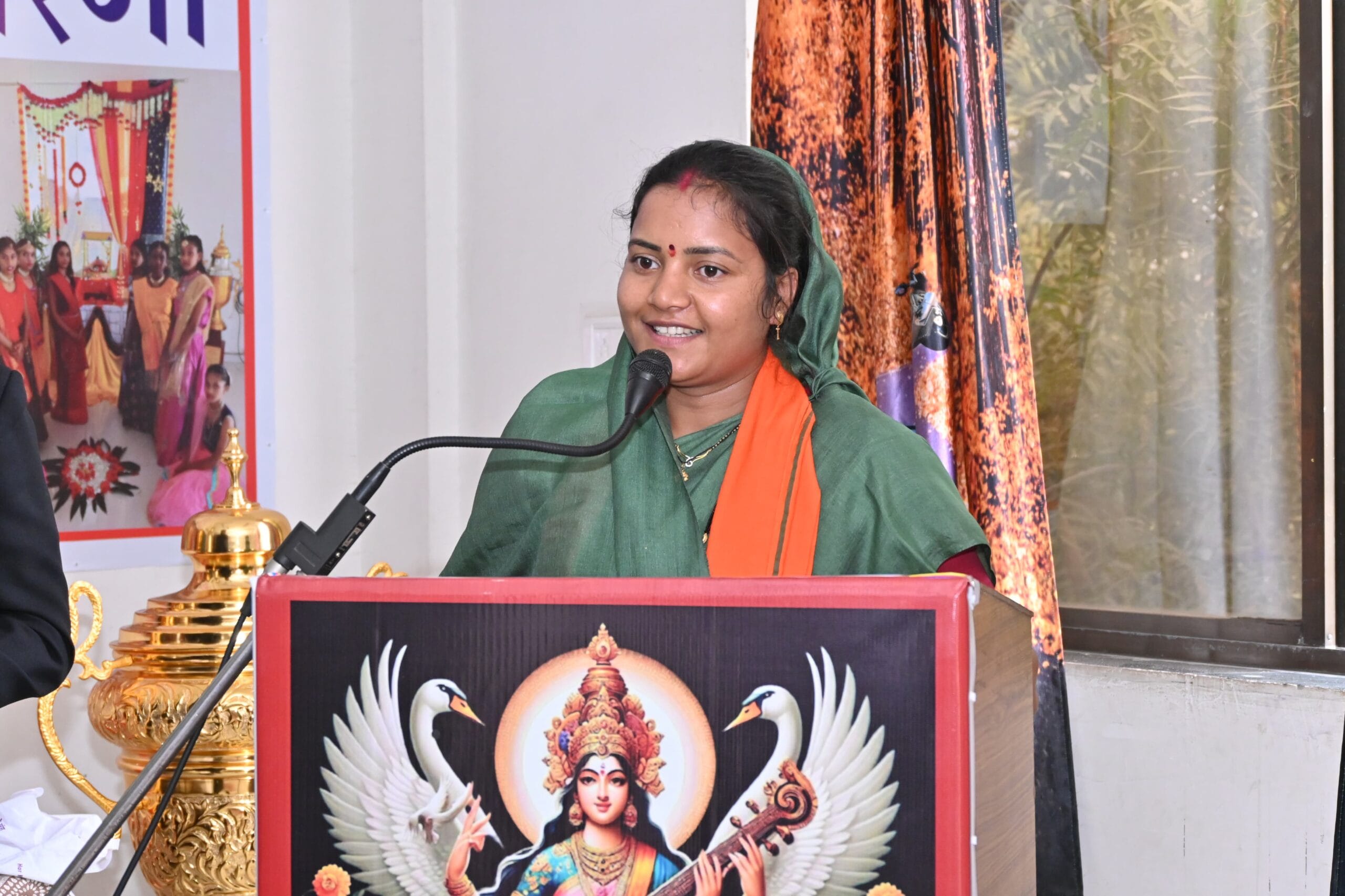
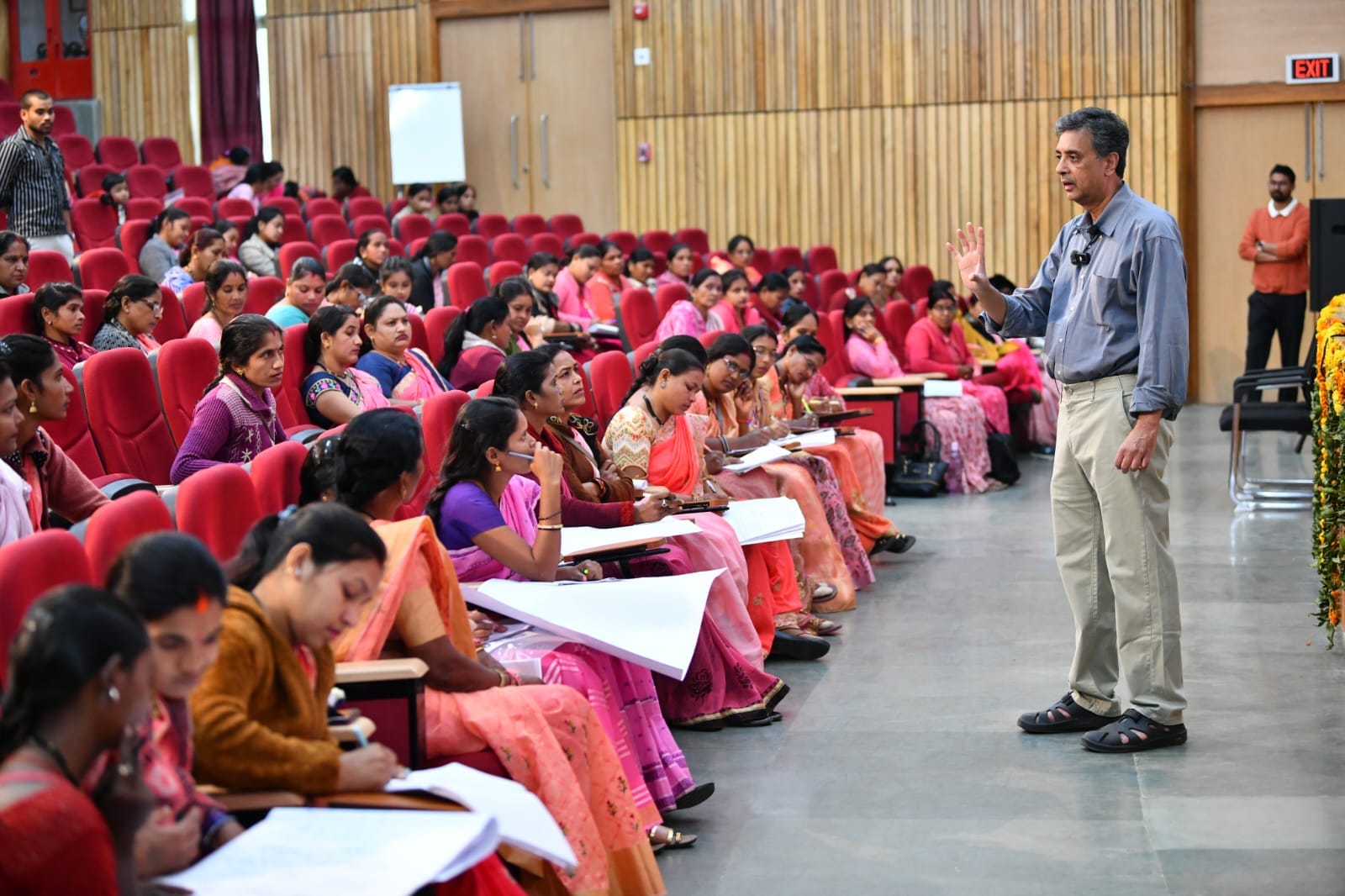
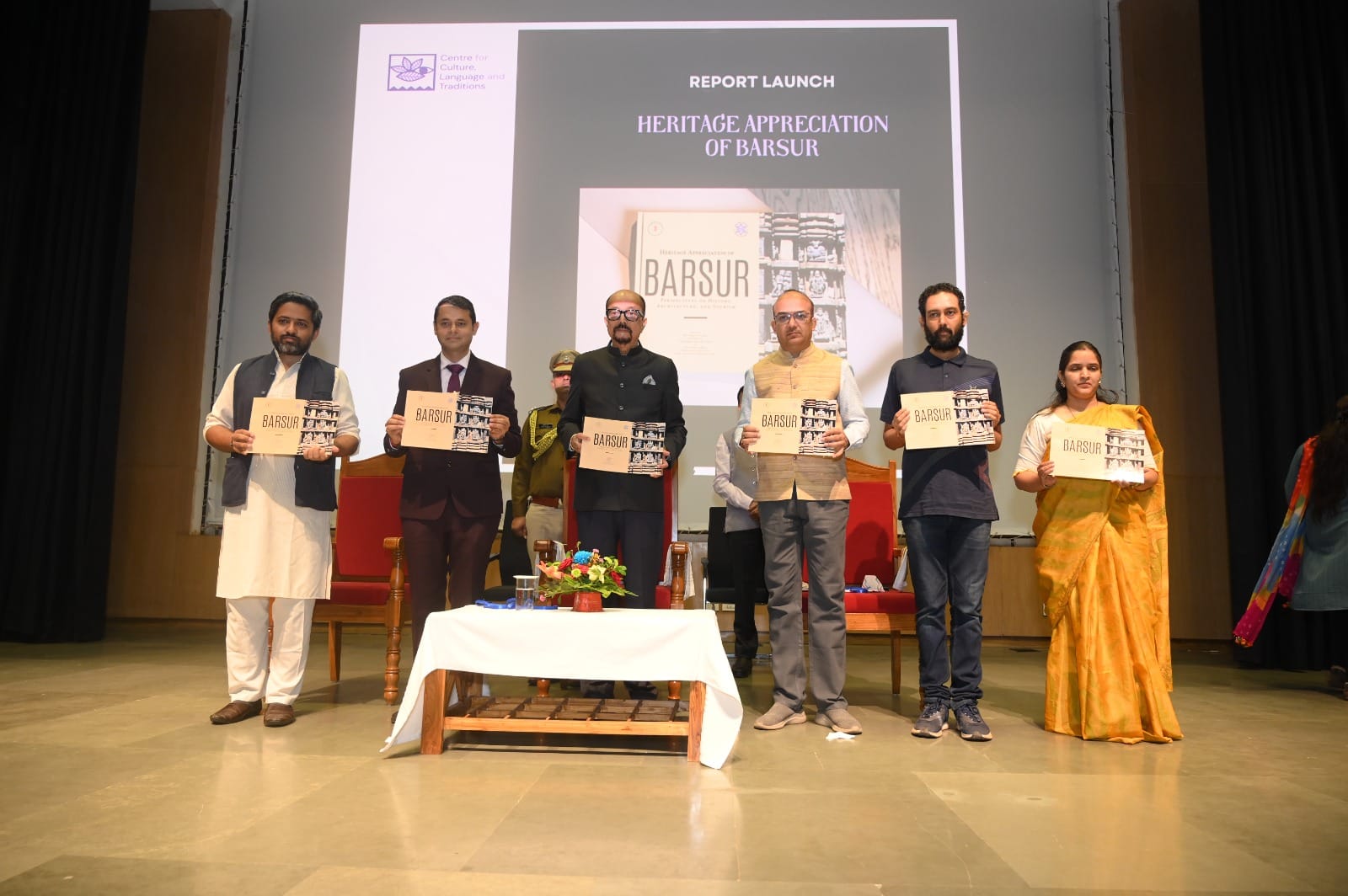
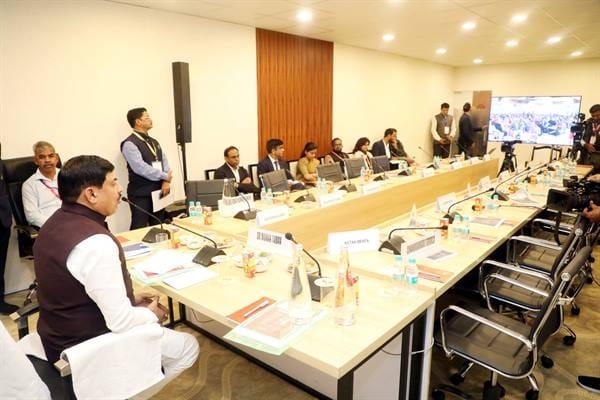
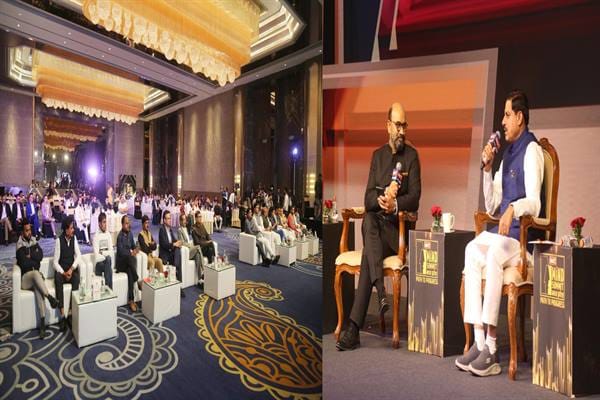
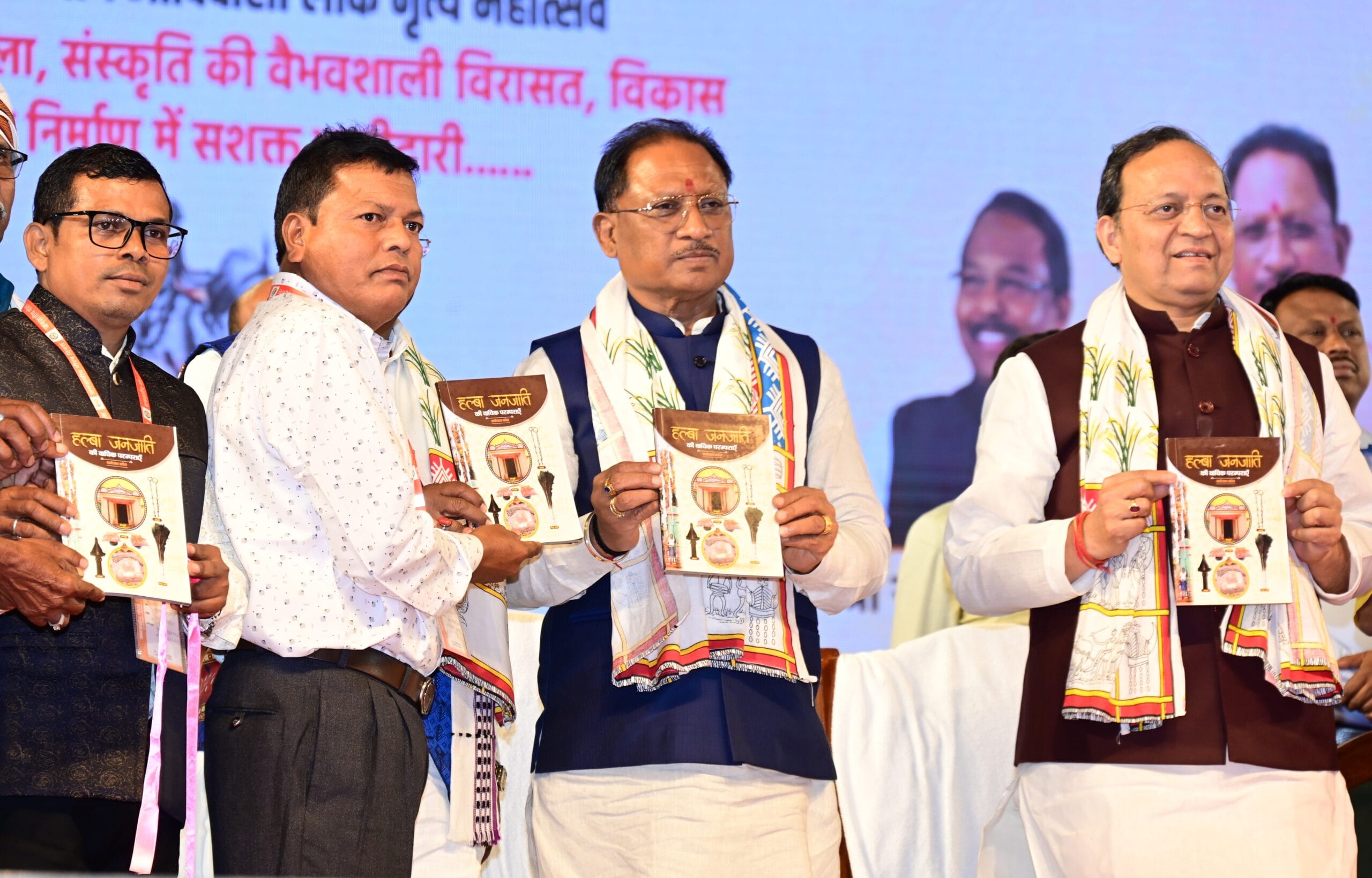
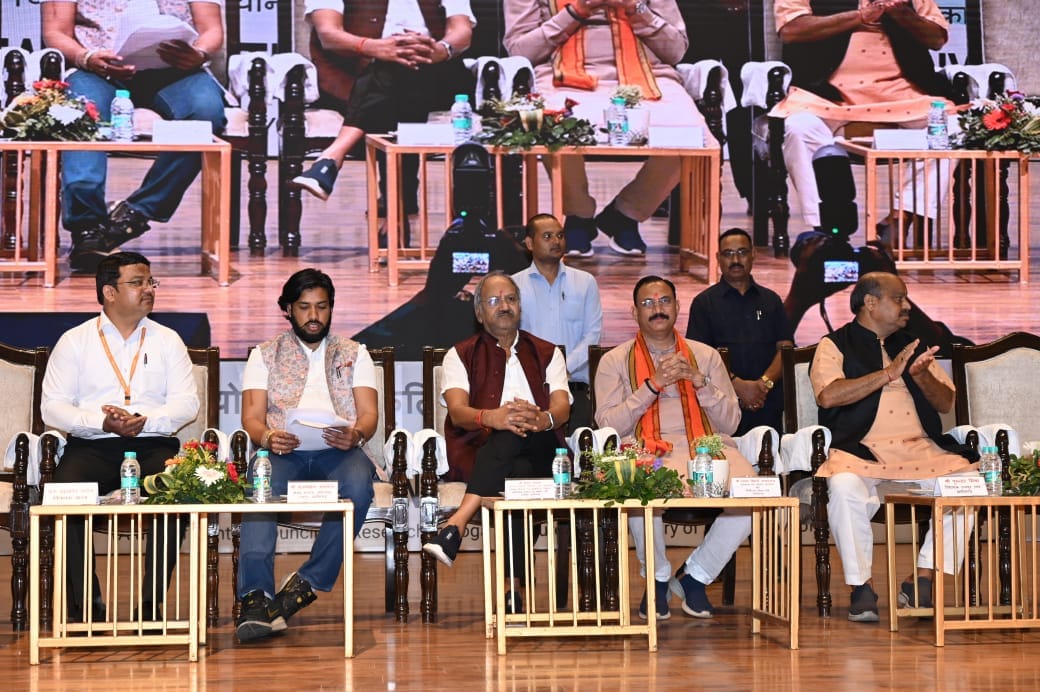
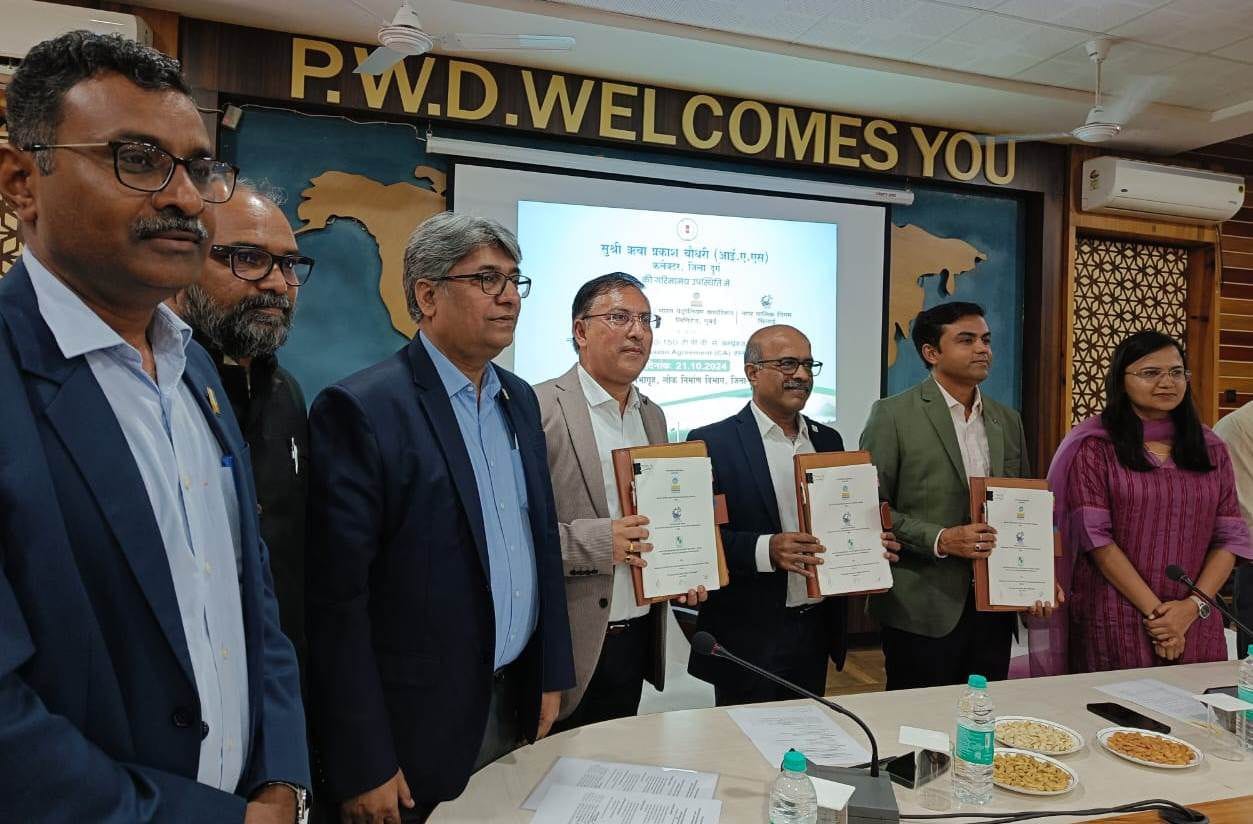
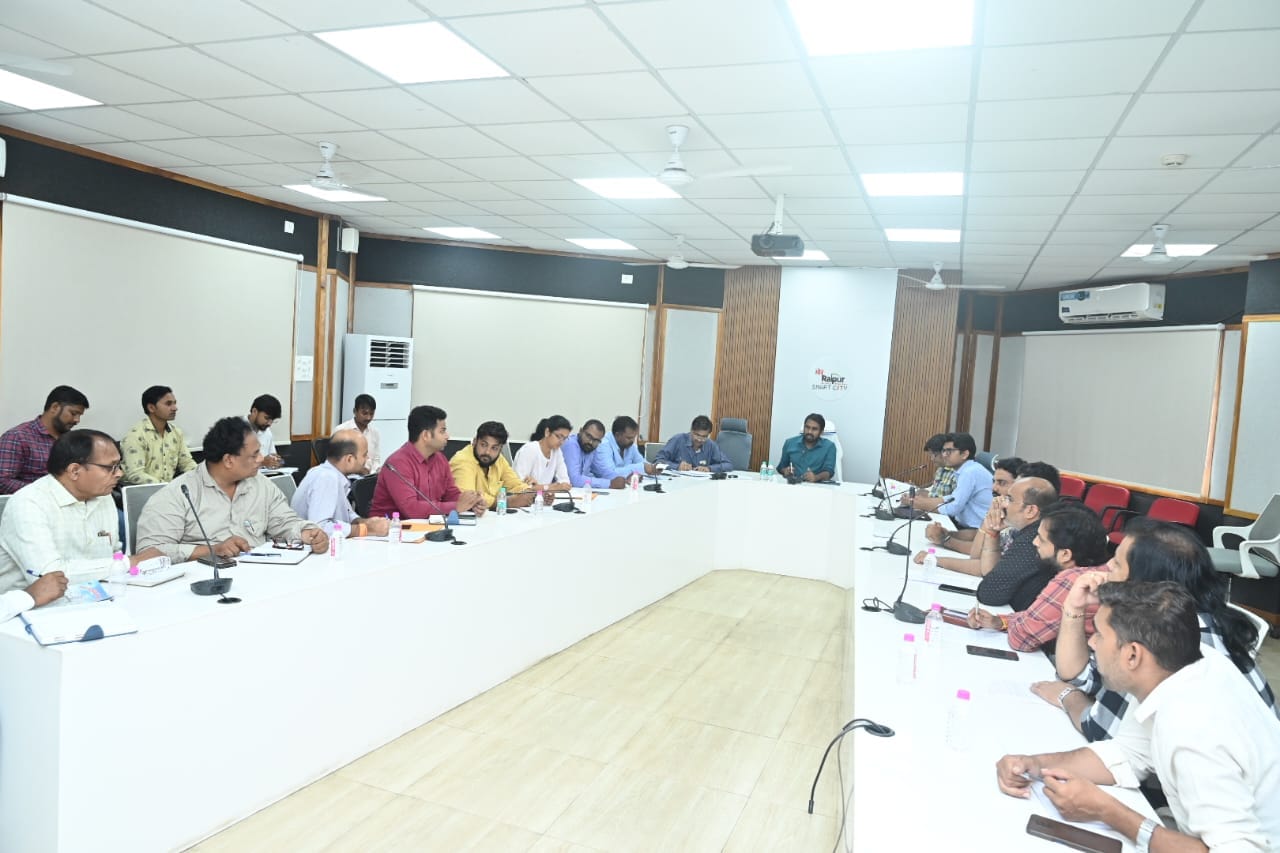
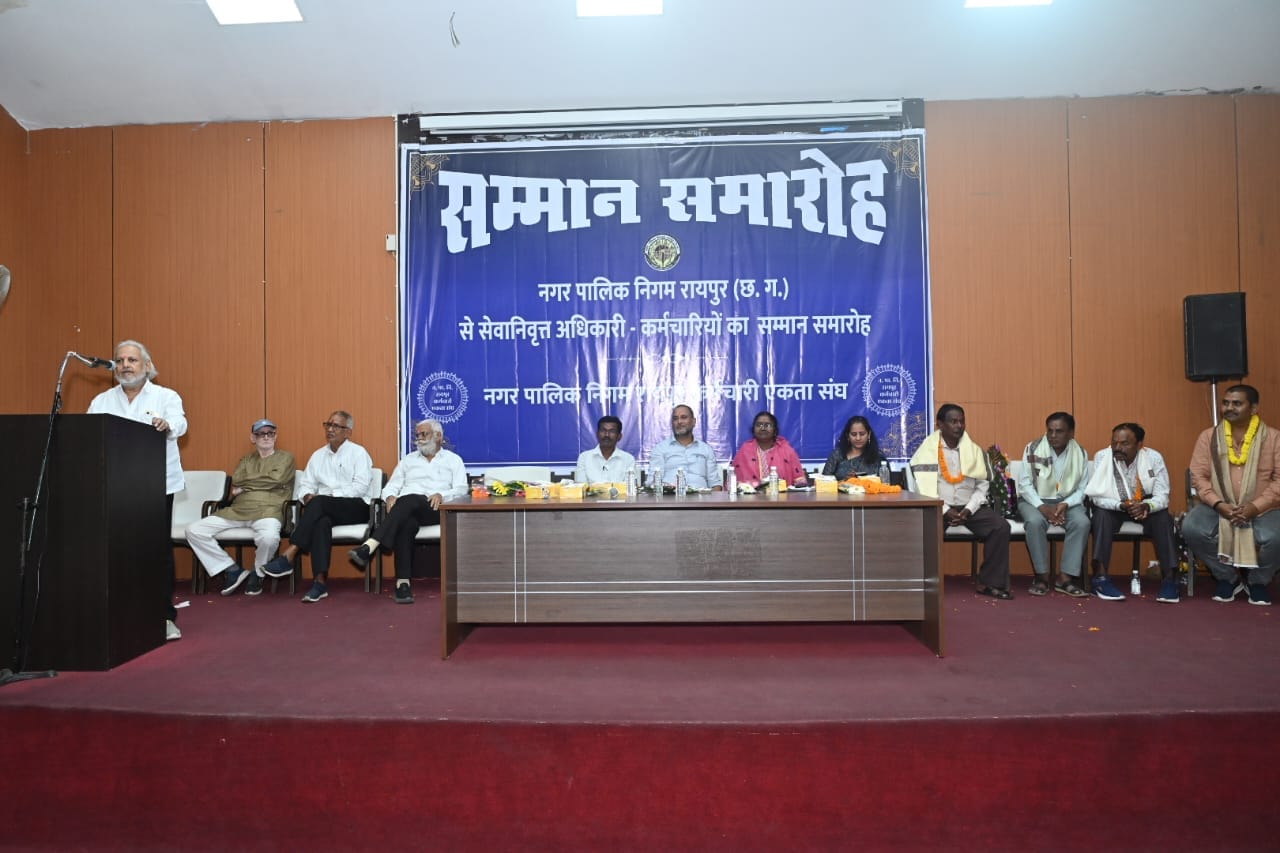
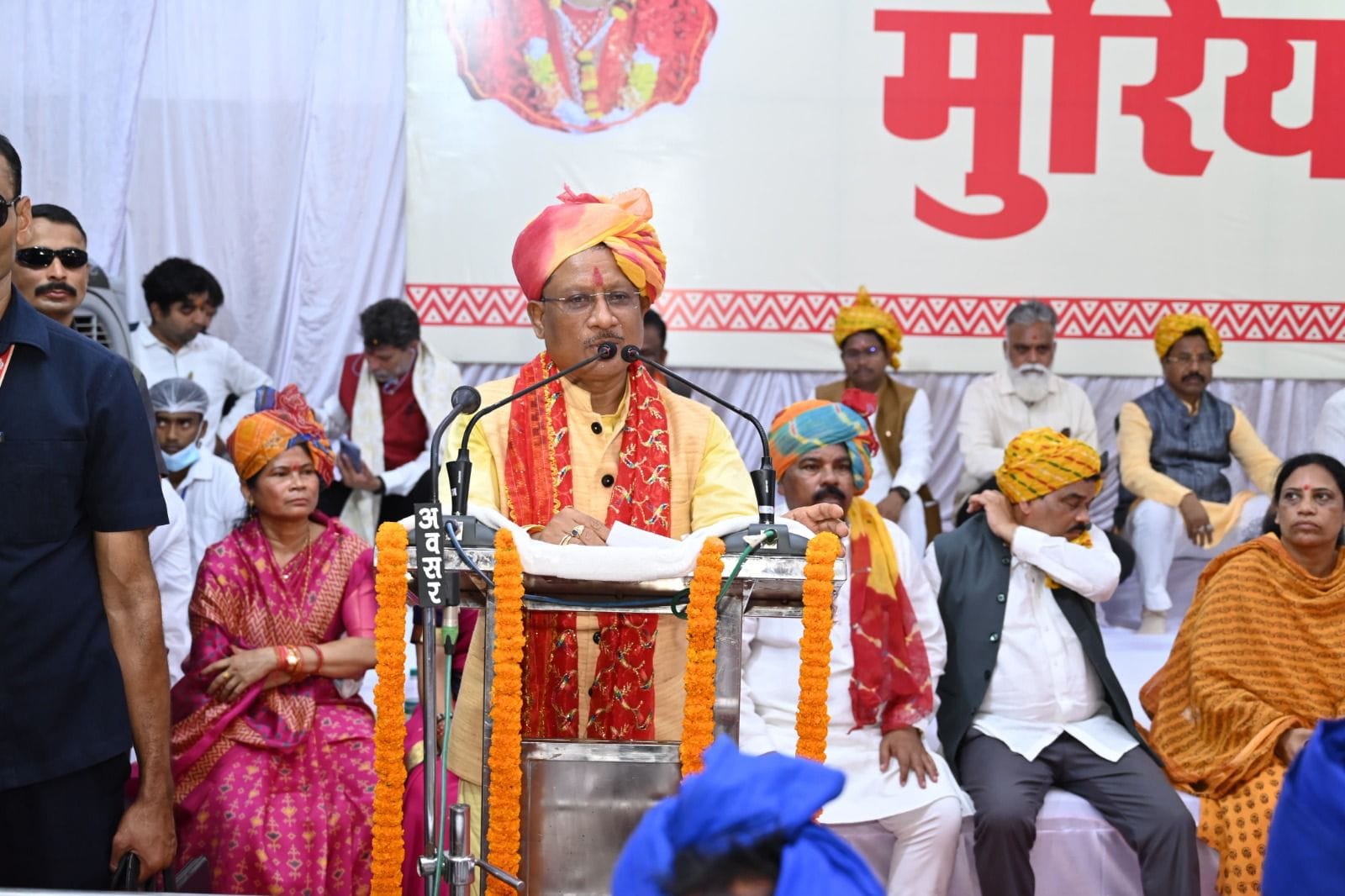
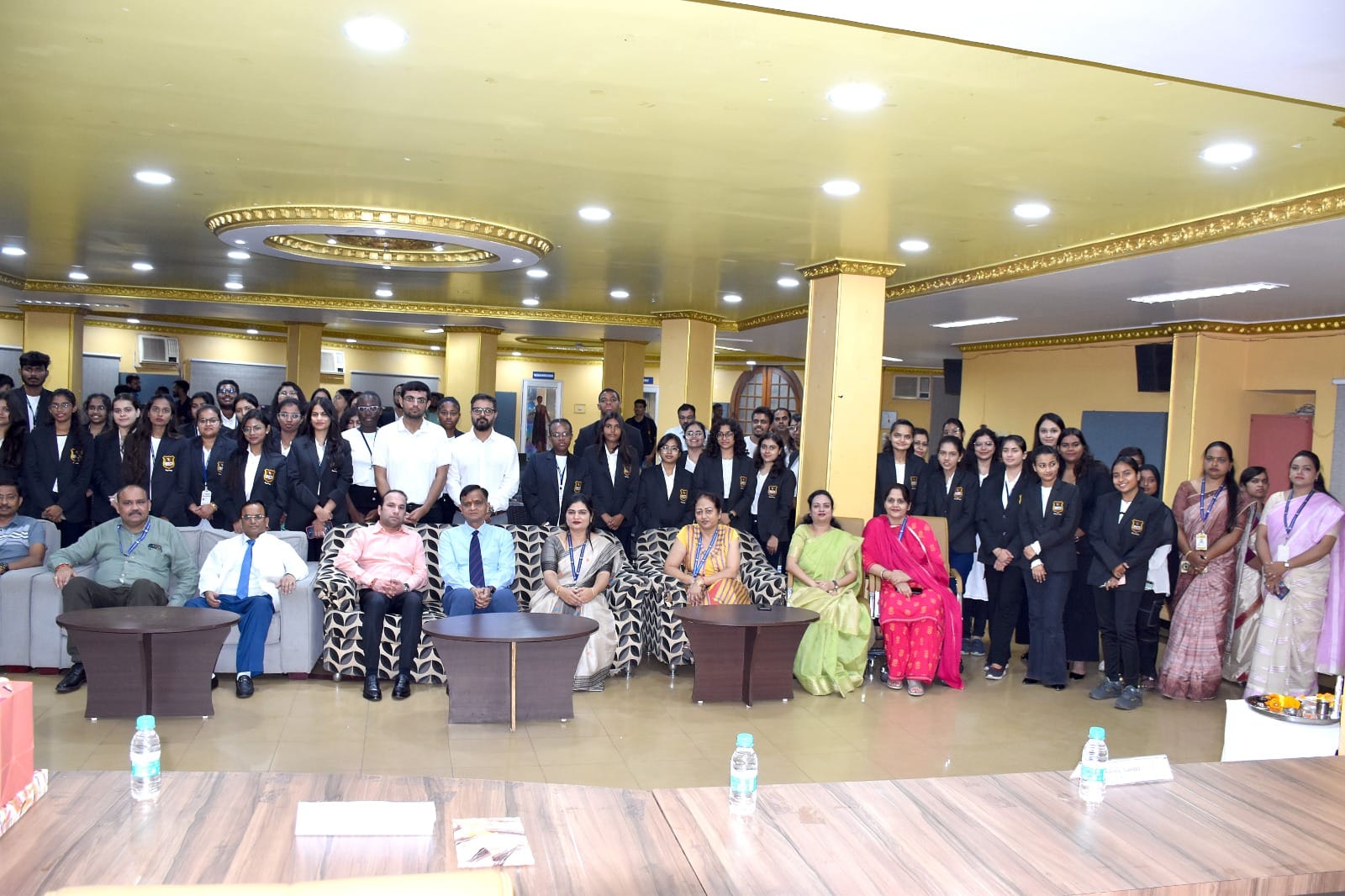
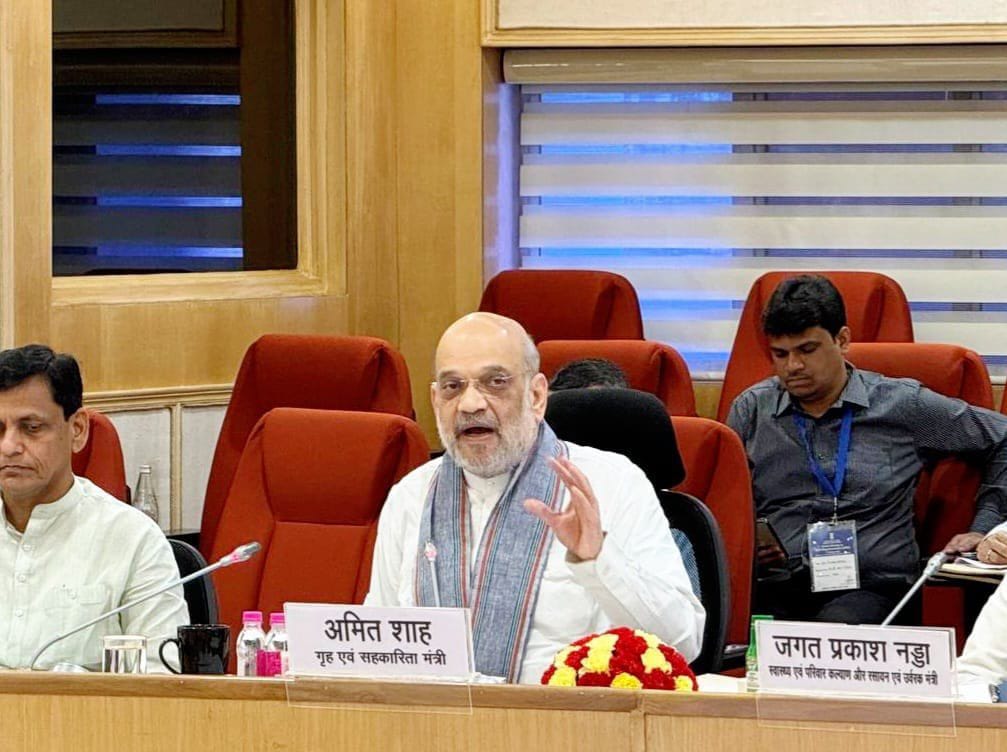
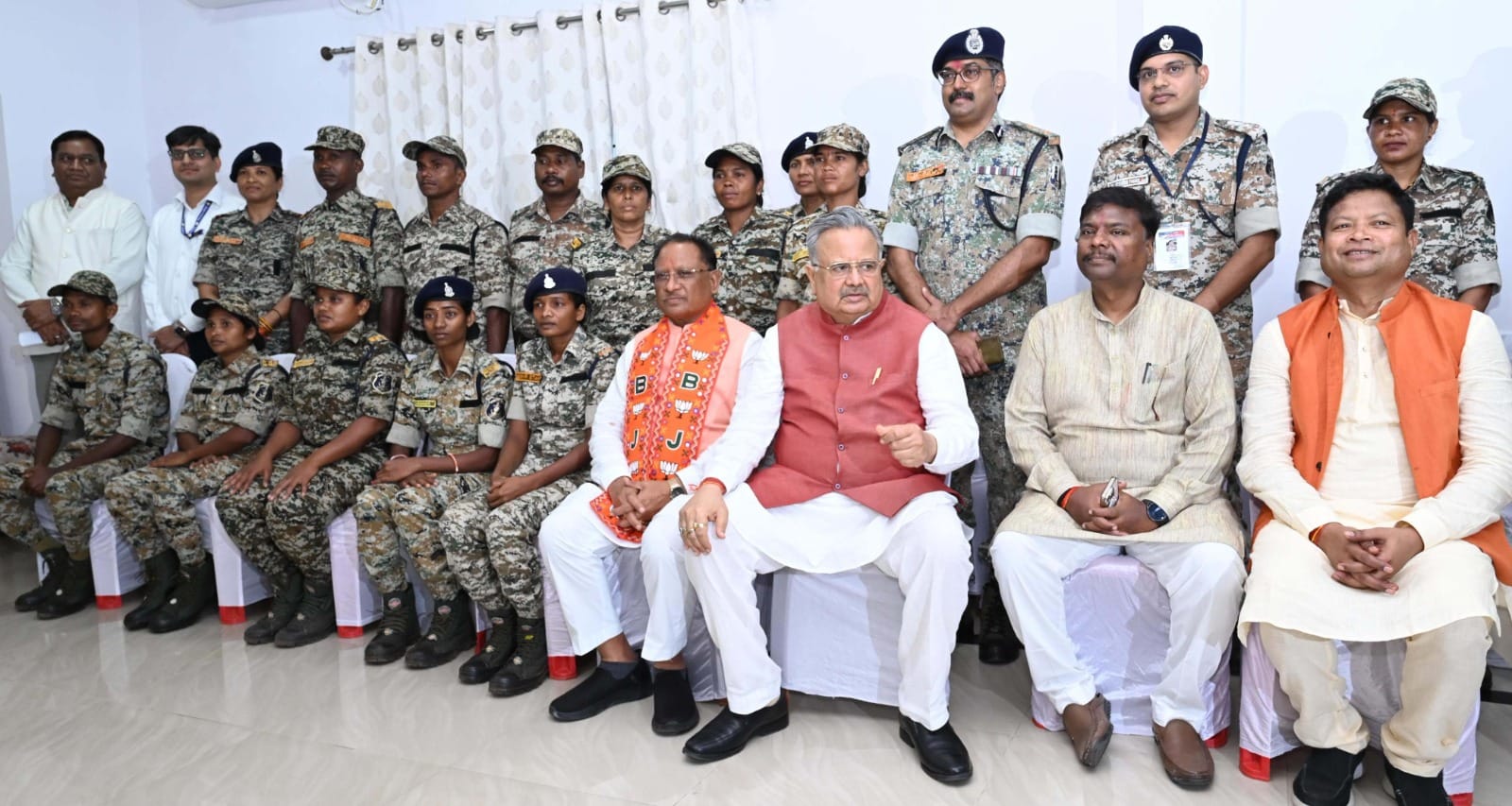
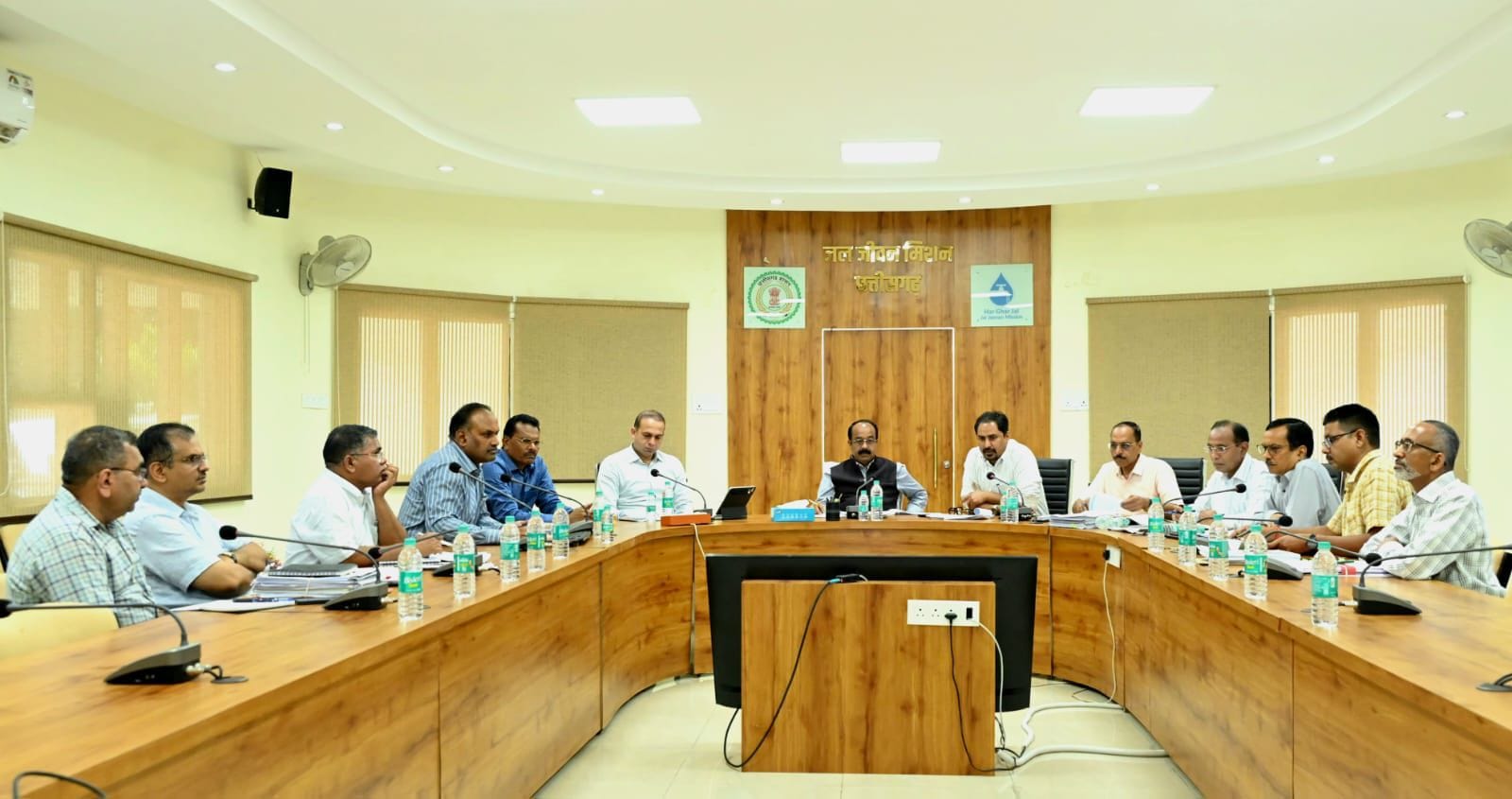
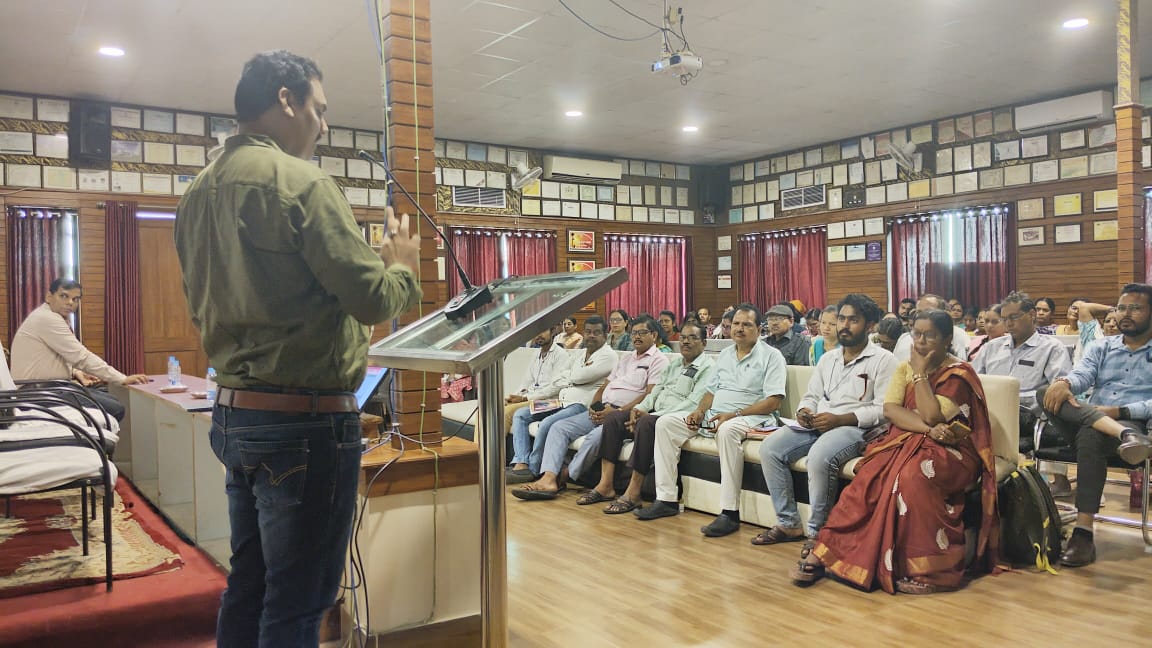
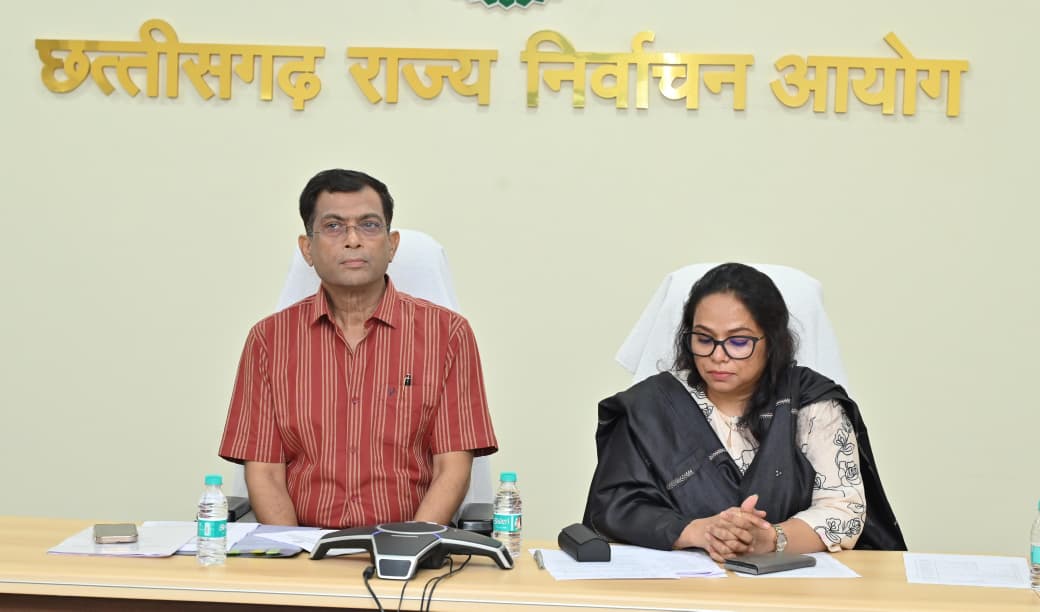
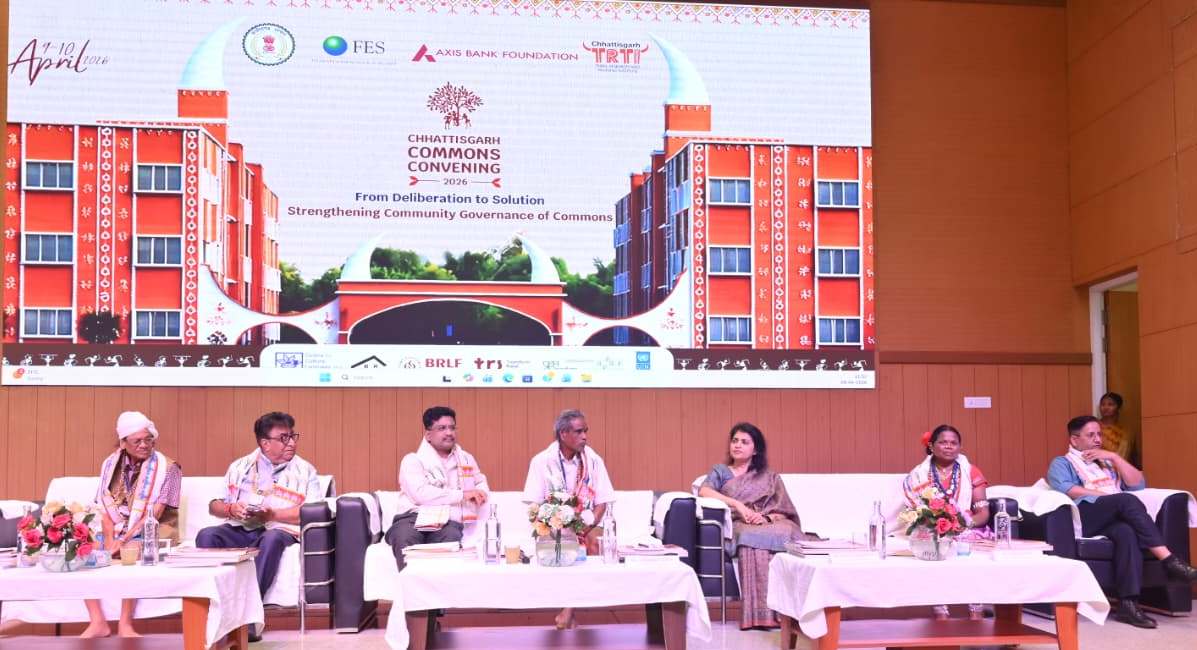
Addressing the closing ceremony of the two-day state-level dialogue conference “Chhattisgarh Commons Quining” held at the Tribal Research and Training Institute in Nava Raipur today, Minister Netam said that extensive brainstorming has taken place to conserve and enhance community resources. Our government will work diligently to determine the usefulness of any findings from this brainstorming for policymaking and public welfare.
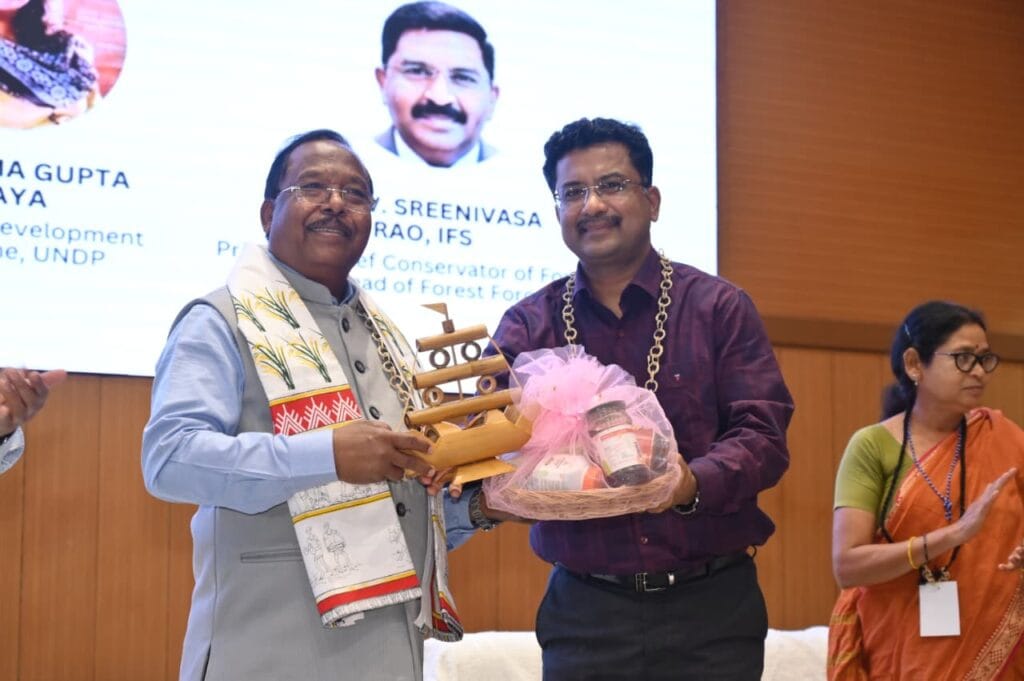
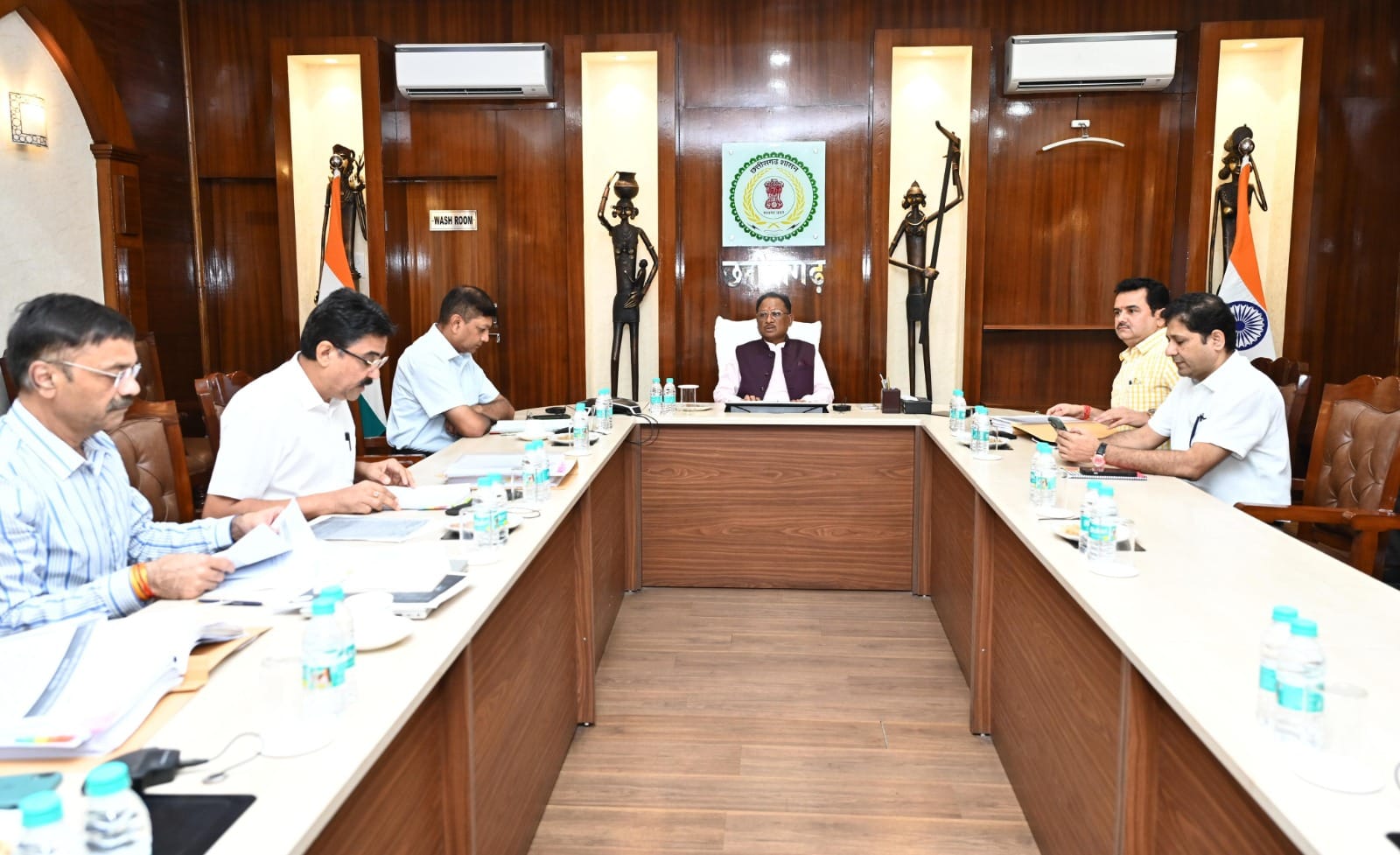
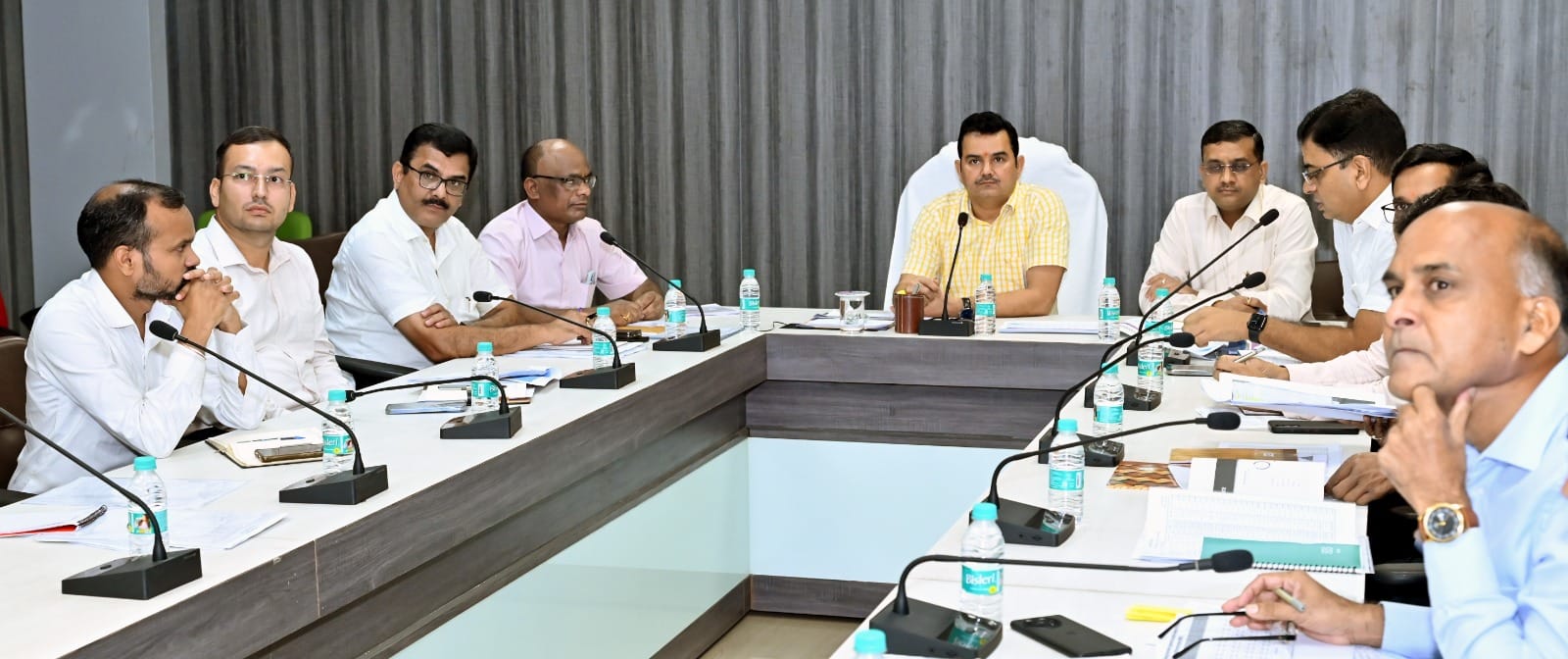
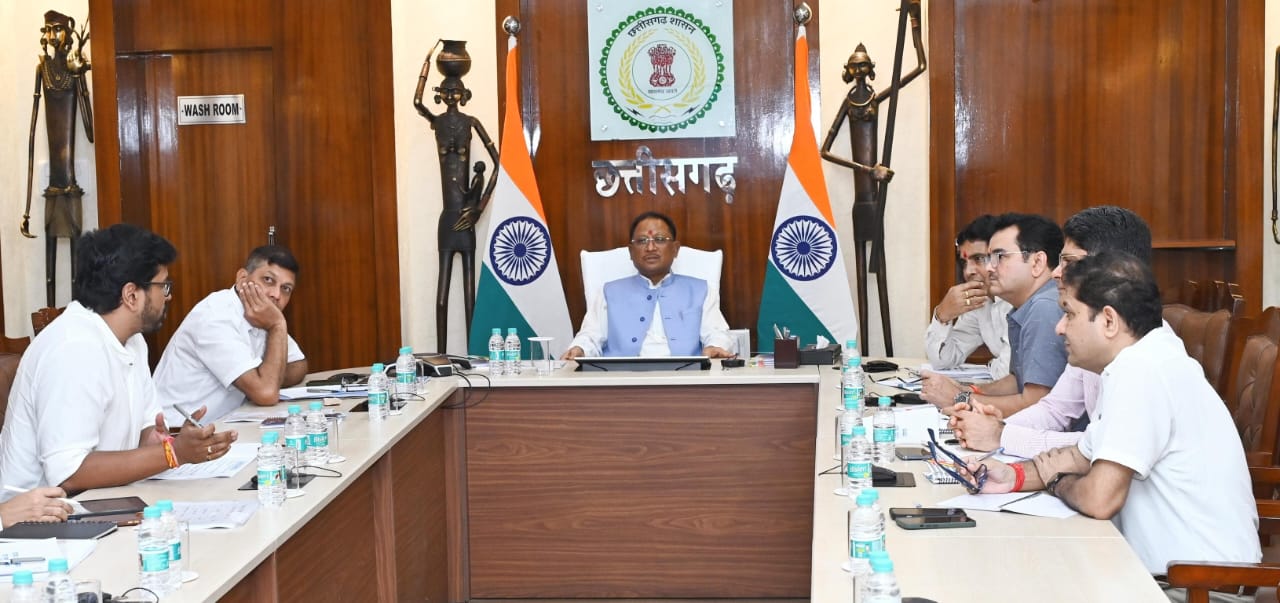
Minister Netam said that the state government is establishing a high-level task force to address various issues facing tribal communities and manage natural resources. Given the task force’s sensitivity and importance, it will be headed by the Chief Minister himself, who will serve as its chairperson. A special implementation committee, comprising senior officials from various departments, will also be formed to ensure effective and timely implementation of policy decisions on the ground, ensuring better coordination.
Mr. Netam stated that practical challenges faced during the implementation of PESA (Panchayat Provisions Act) and FRA (Forest Rights Act), especially those related to demarcation of boundaries, should be addressed on a priority basis. He instilled a sense of responsibility towards natural resources, stating, “We are not only users of these shared resources, but also their protectors, and our consumption should be limited to meeting our actual needs.” The primary objective of this task force is to remove obstacles in the implementation of tribal welfare policies across the state and ensure communities receive their rights.
Principal Secretary of the Tribal Development Department, Mr. Sonmani Bora, stated that this task force will establish better coordination, especially between PESA and the Forest Rights Act. He stated that our heritage is rich in tribal dialects, languages, and community leadership. These tribal people have made significant contributions to the conservation and development of water, forests, and land. He stated that their knowledge of nature, their purpose, and their connection to water and forests are intertwined. They share a relationship with nature. They worship nature as a mother and as a deity. From their daily activities to their death celebrations, they contribute to the conservation of nature.
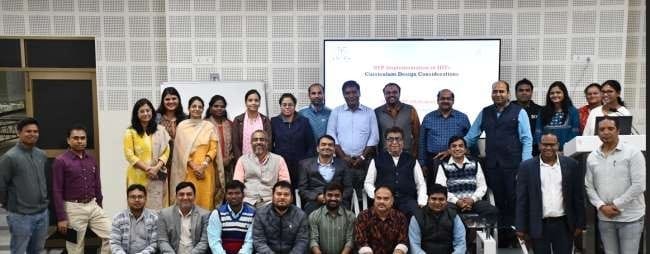
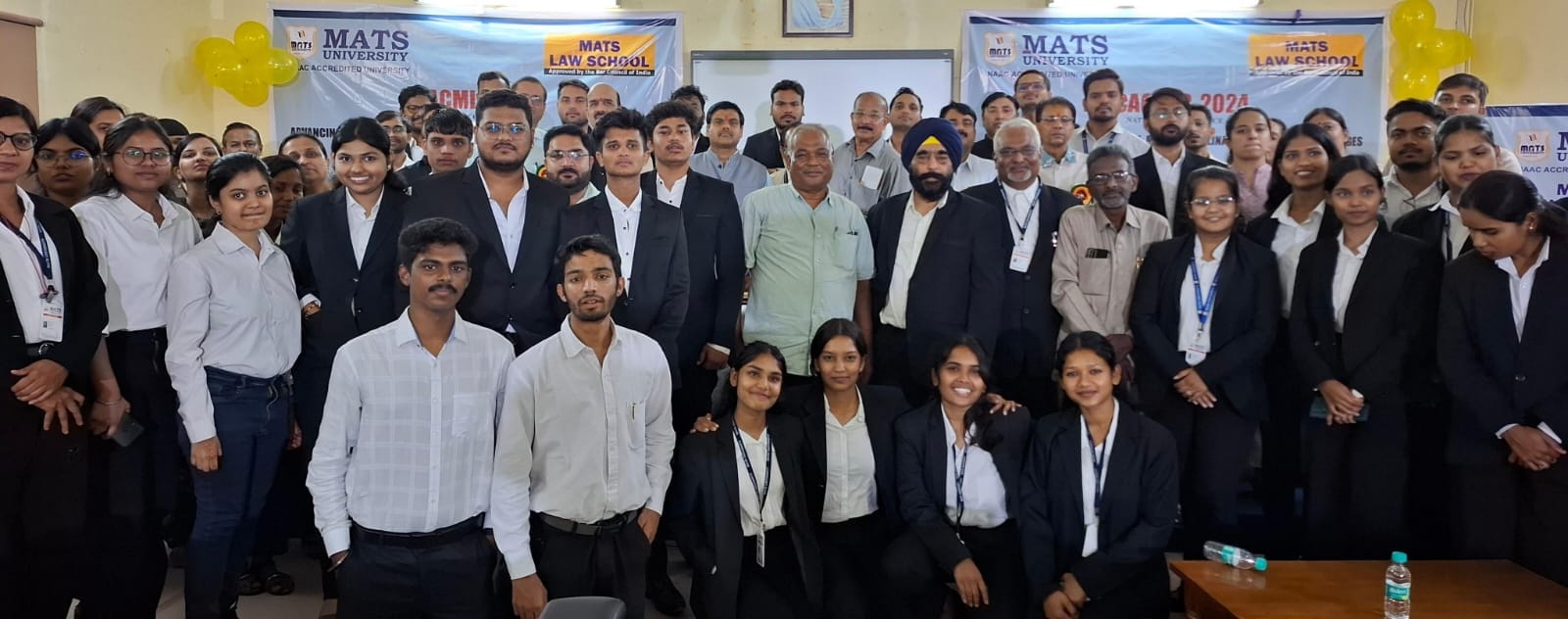
Principal Secretary Mr. Bora stated that over 300 participants, including policy experts, researchers, and village heads from Chhattisgarh and other states, attended the two-day convention. The focus of the discussion was the state’s 7 million acres of commons land (forests, pastures, and water bodies), which are the lifeline of the rural and tribal population. He stated that through various schemes such as the PM Janman Yojana, DhartiAaba Gram Utkarsh Abhiyan, and Niyyad Nella Nar, efforts are being made to promote the overall development of tribal areas and tribal communities, as well as to conserve and enhance nature. Further efforts will be made in this direction with community cooperation.
Principal Chief Conservator of Forests, Mr. V. Srinivasa Rao, emphasized that protecting vast forests and biodiversity is impossible without community cooperation. He stated that the state’s forest policies are regulatory, not restrictive.
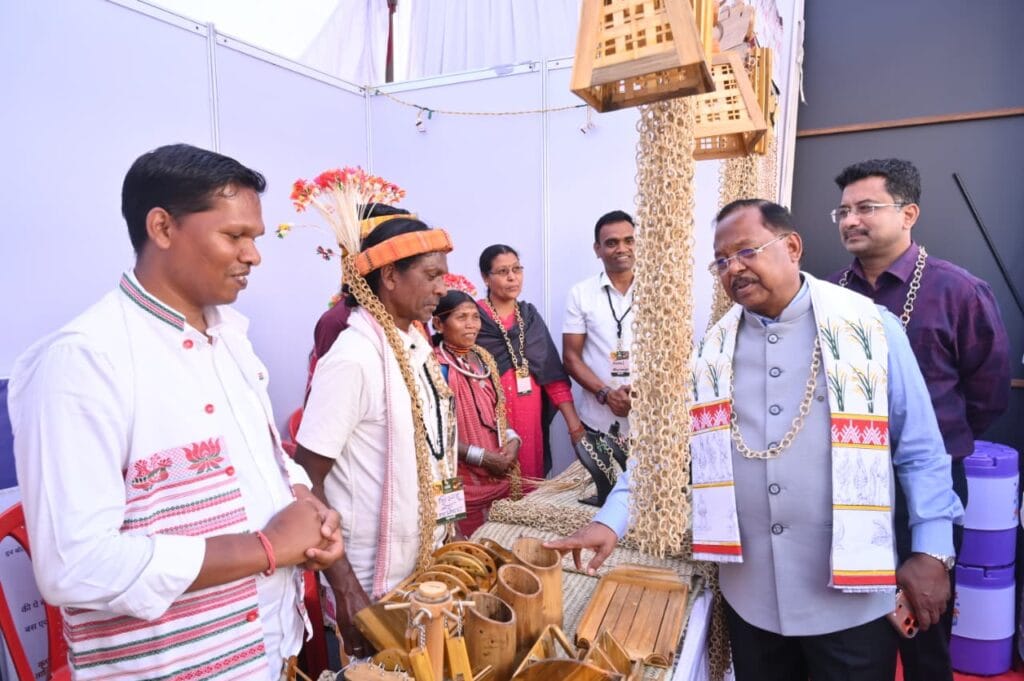
MNREGA Commissioner Mr. Taran Prakash Sinha said that water conservation is an integral part of tribal culture. He emphasized the need to involve disadvantaged communities in water management through MNREGA. Raipur Collector Mr. Gaurav Singh underlined that water conservation is not rocket science, but rather community wisdom derived from centuries of experience.
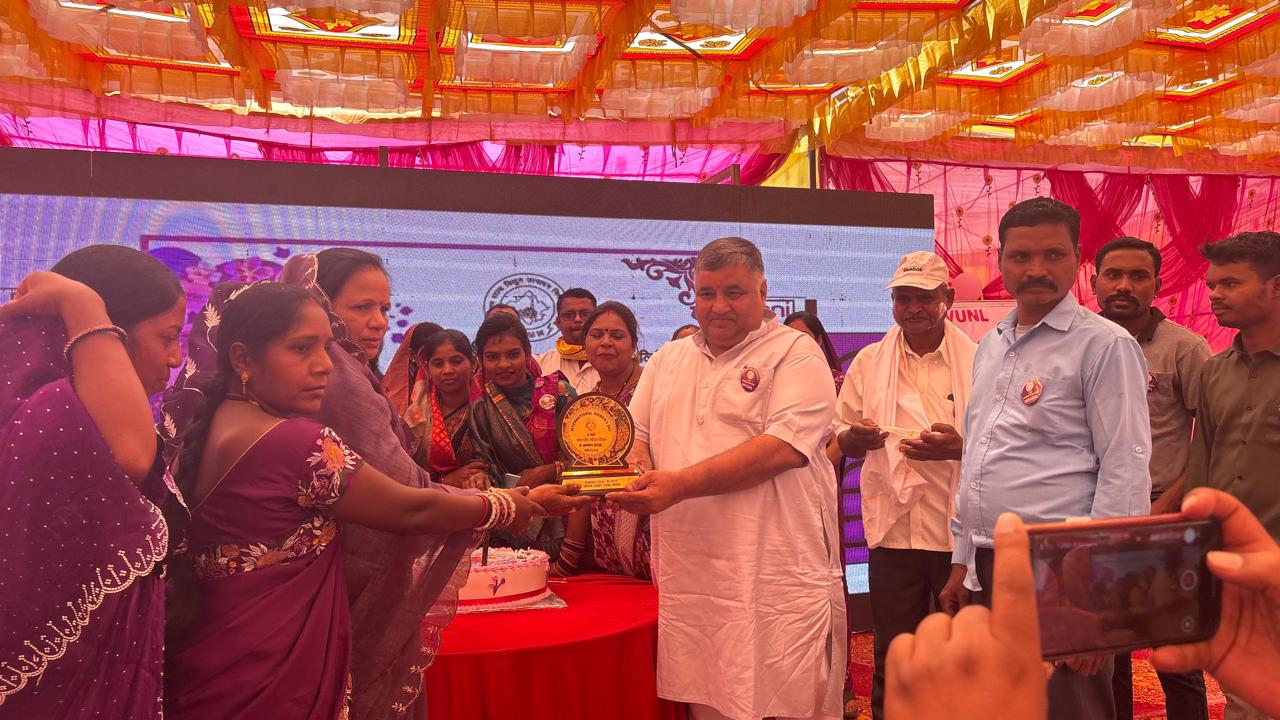
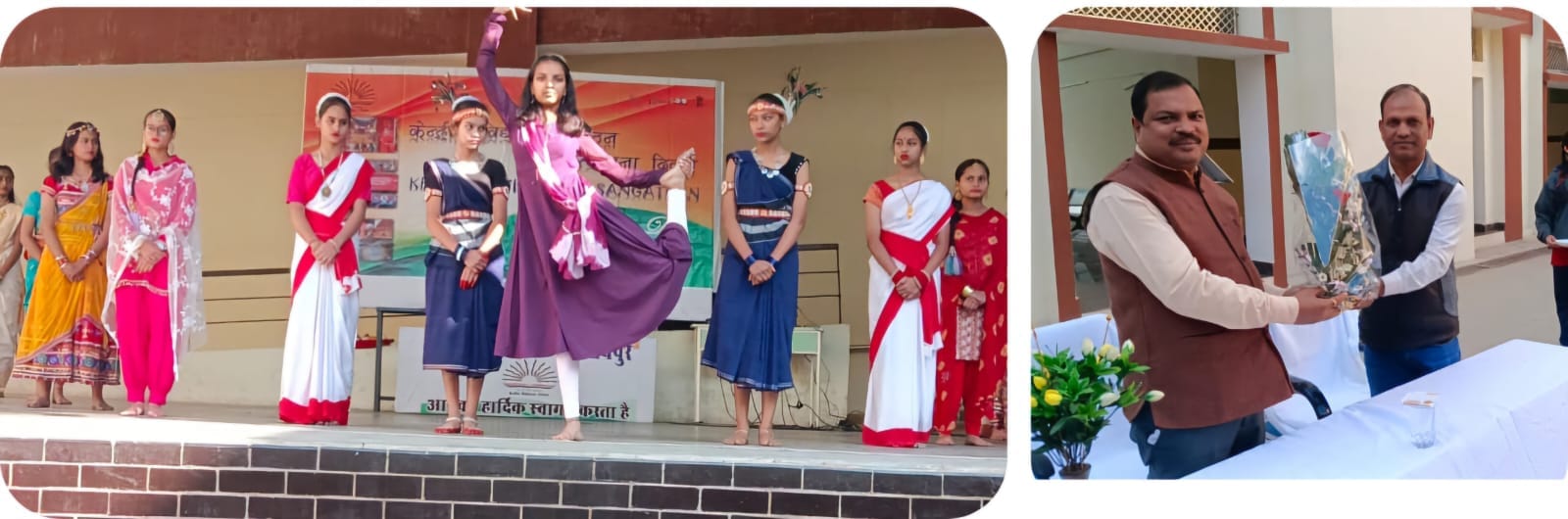
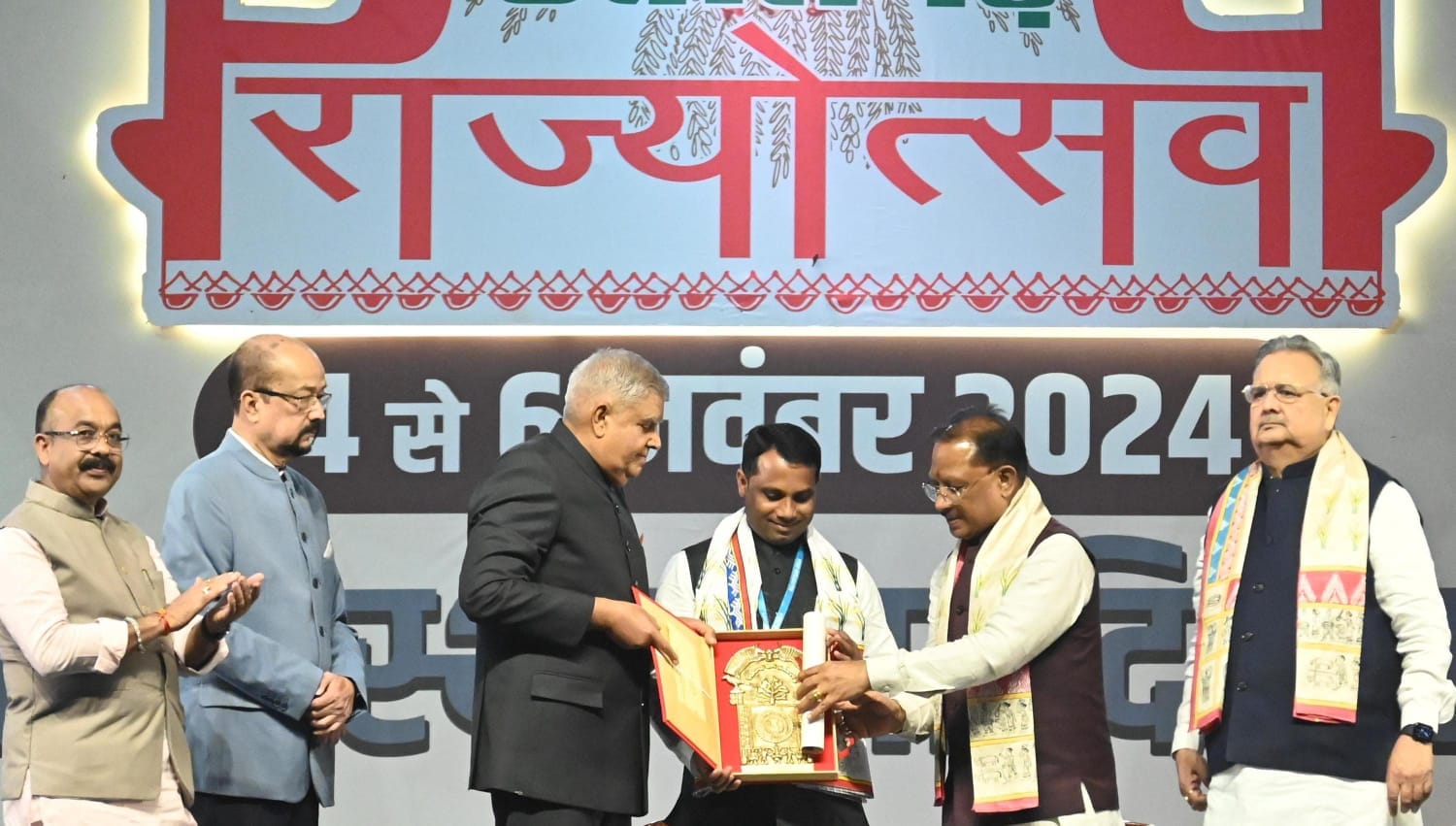
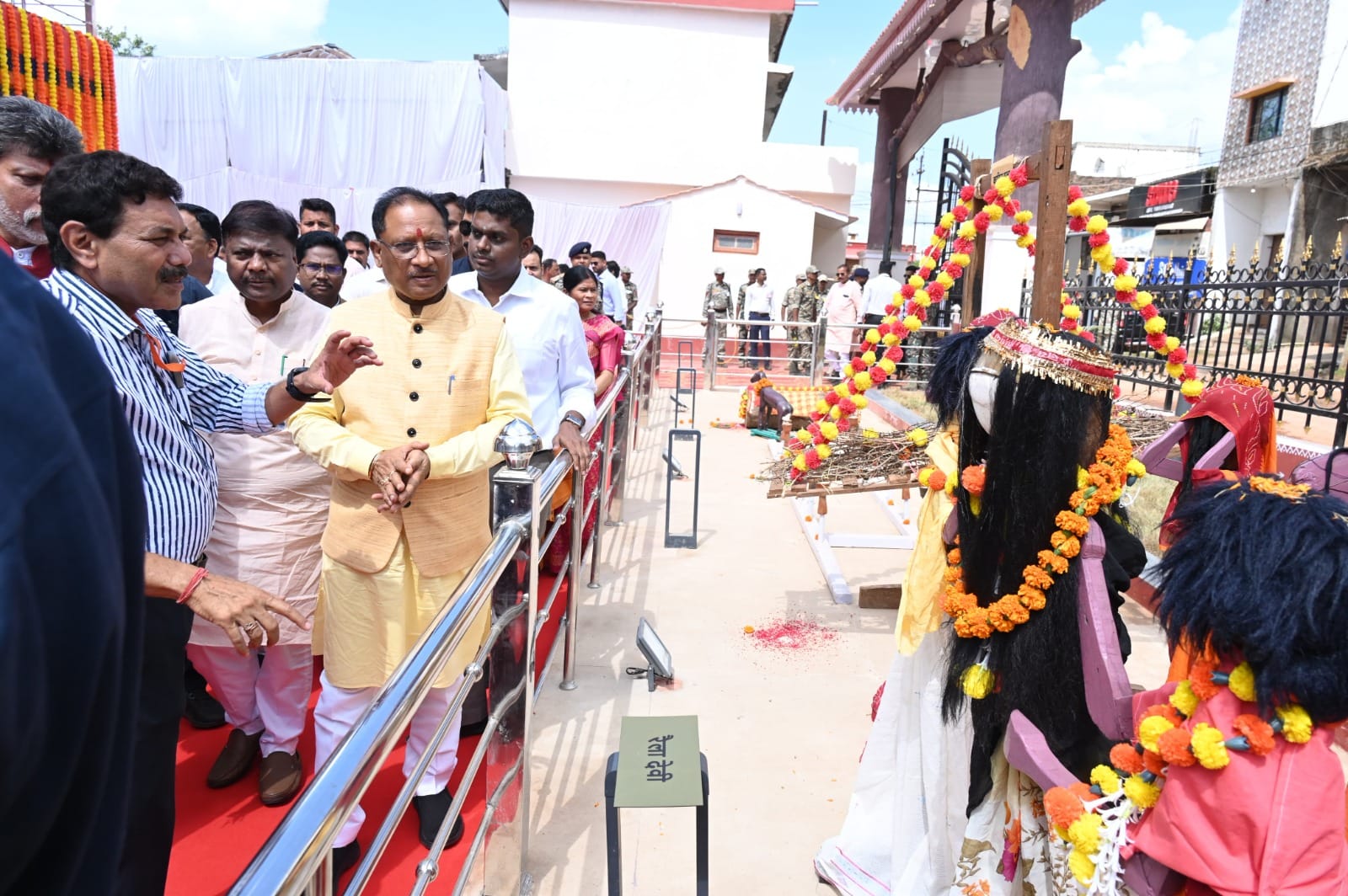
The dialogue conference highlighted that the commons are not just economic resources, but also cultural foundations. On this occasion, Mr. Sonmani Bora shared his plan to set up a dedicated studio for the documentation and copyright protection of tribal folk songs and traditional instruments. Nelson Mandela Award winner Mr. Sher Singh Anchla, Padma Shri Mr. Pandi Ram Mandavi, Padma Shri Mr. Jageshwar Yadav, and Gaur Maria artists Ms. Laxmi Sori and Indu Netam also shared their experiences and appealed for the conservation of resources.
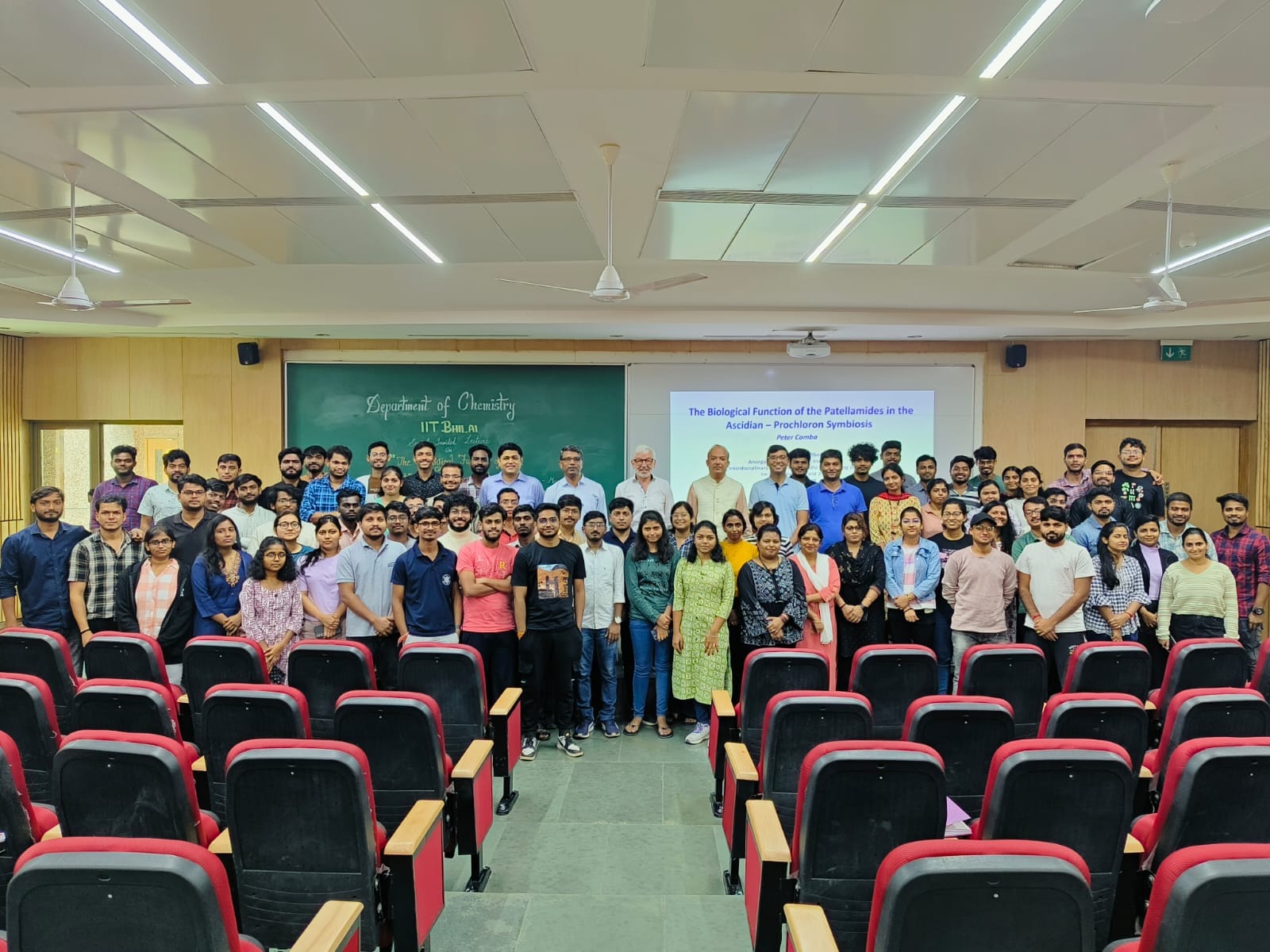
Mr. Sanjay Gaur, Additional Director, and Mrs. Gayatri Netam, Joint Director, TRTI, made significant contributions to the success of the program. The program was jointly organized by the Tribal Welfare Department, TRTI, and the Foundation for Ecological Security under the Promise of the Commons initiative. UNDPA, IIT-Bhilai, BRLF, Axis Bank Foundation, and other leading institutions were partners.