















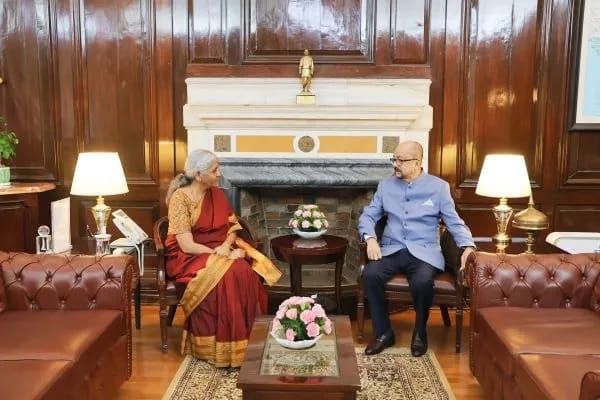
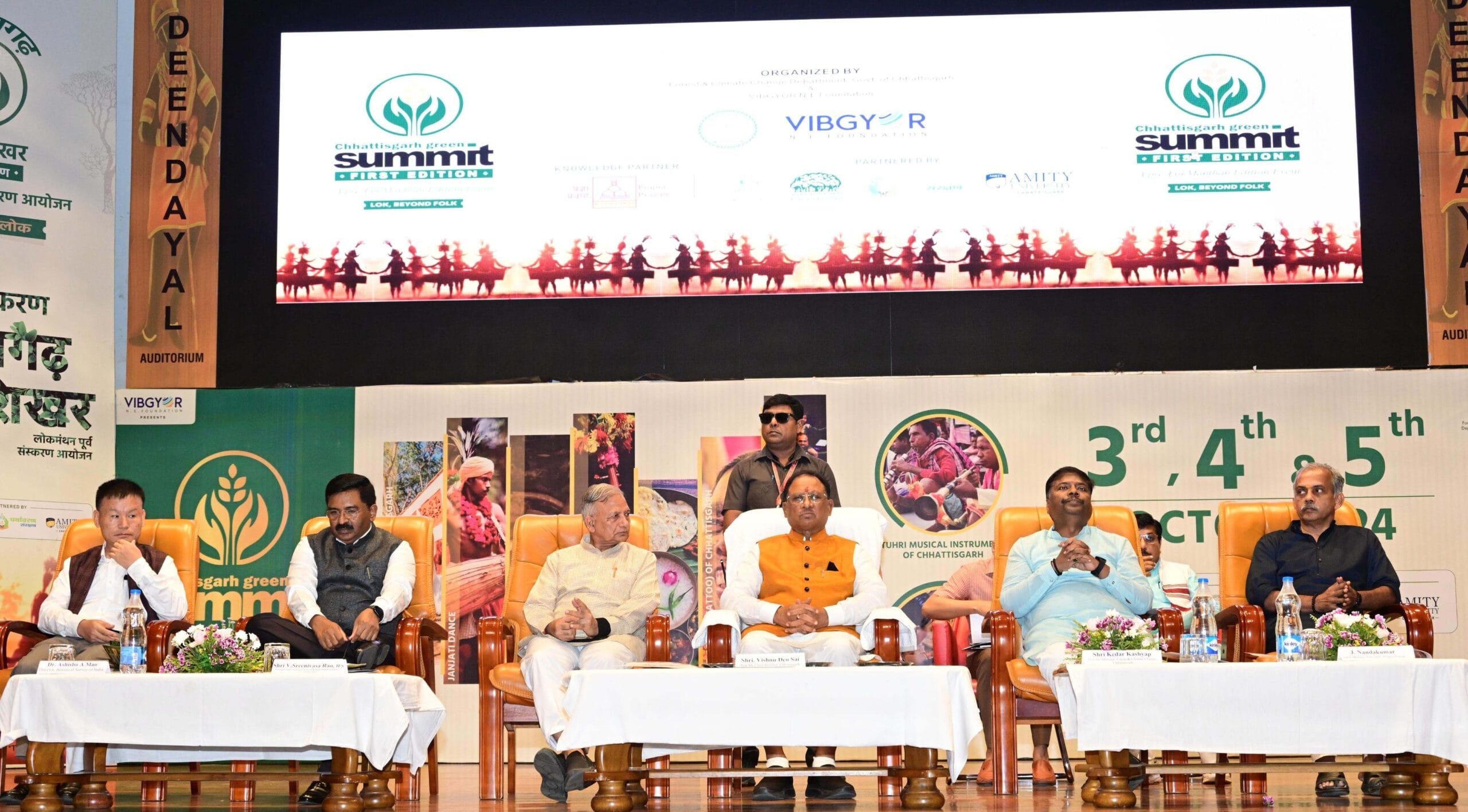

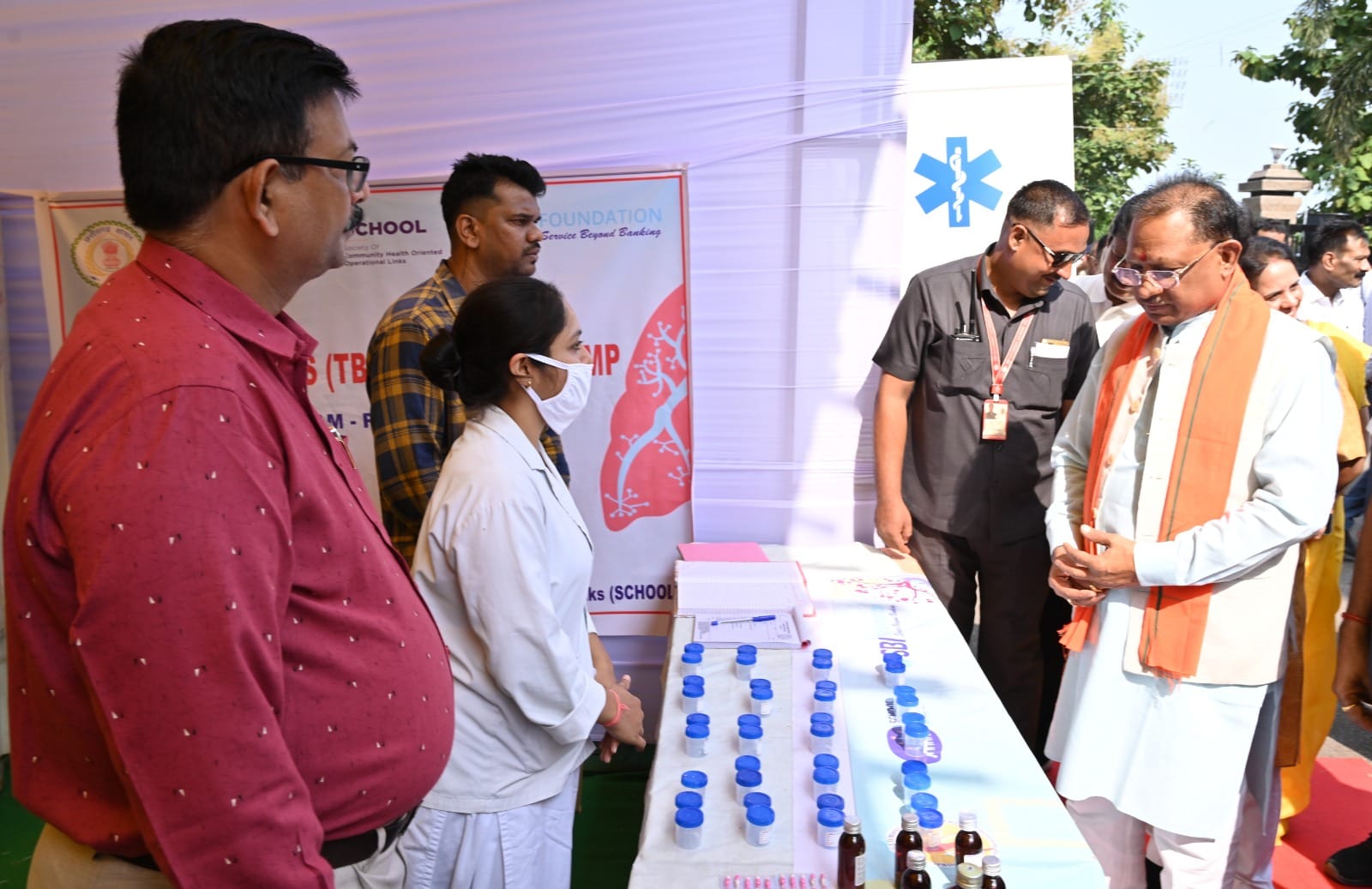



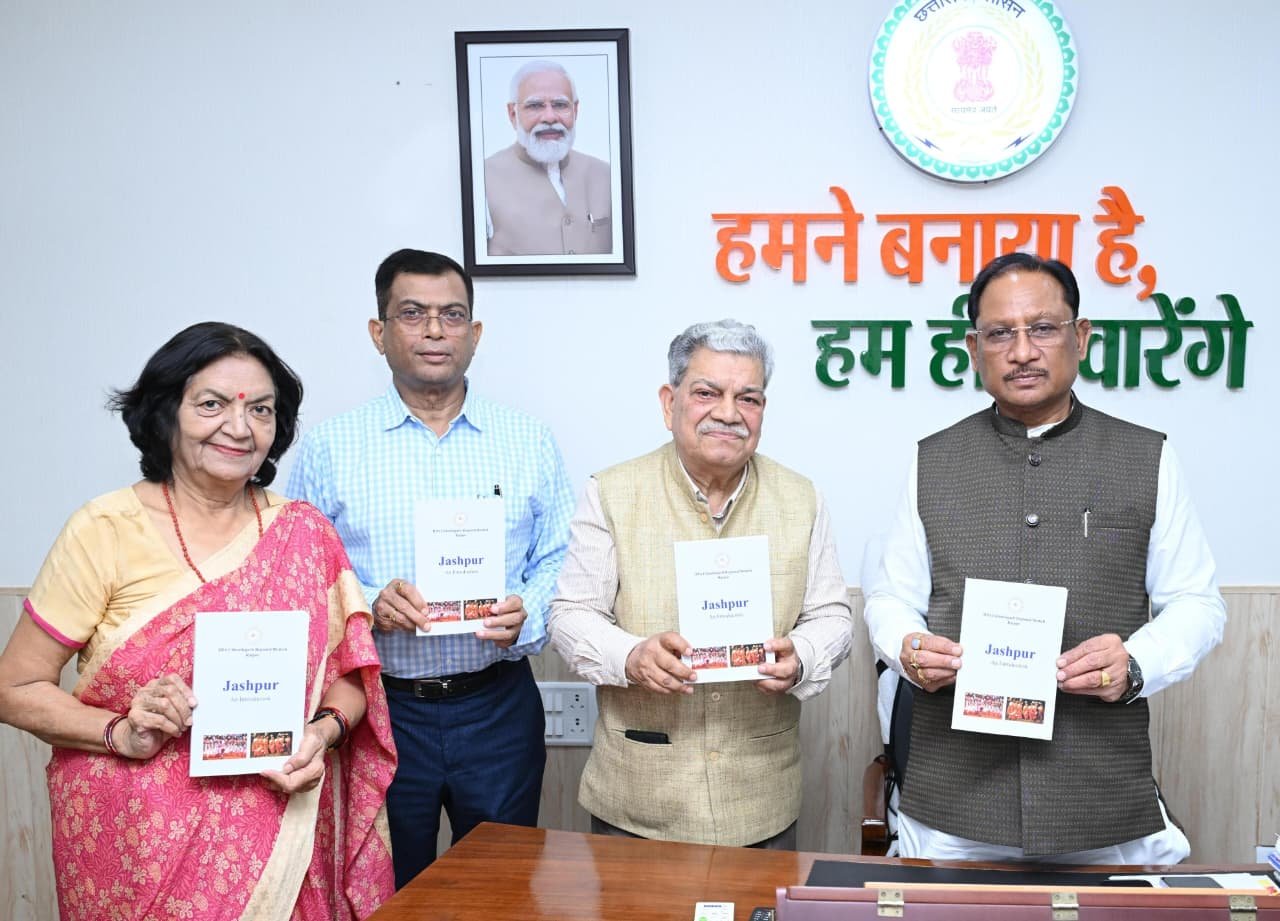
- The publication will prove useful in bringing Jashpur’s unique identity and development possibilities to the nation and the world: Chief Minister Shri Vishnudev Sai
- Indian Institute of Public Administration conducted a comprehensive study on the administration, good governance, development, culture and natural beauty of Jashpur.
- The book documents the administrative changes after independence and the current development journey.
- The book will become an important reference text for administrators, policy makers, researchers and students.
- Important dimensions have also been presented for better administration and future development in the district.
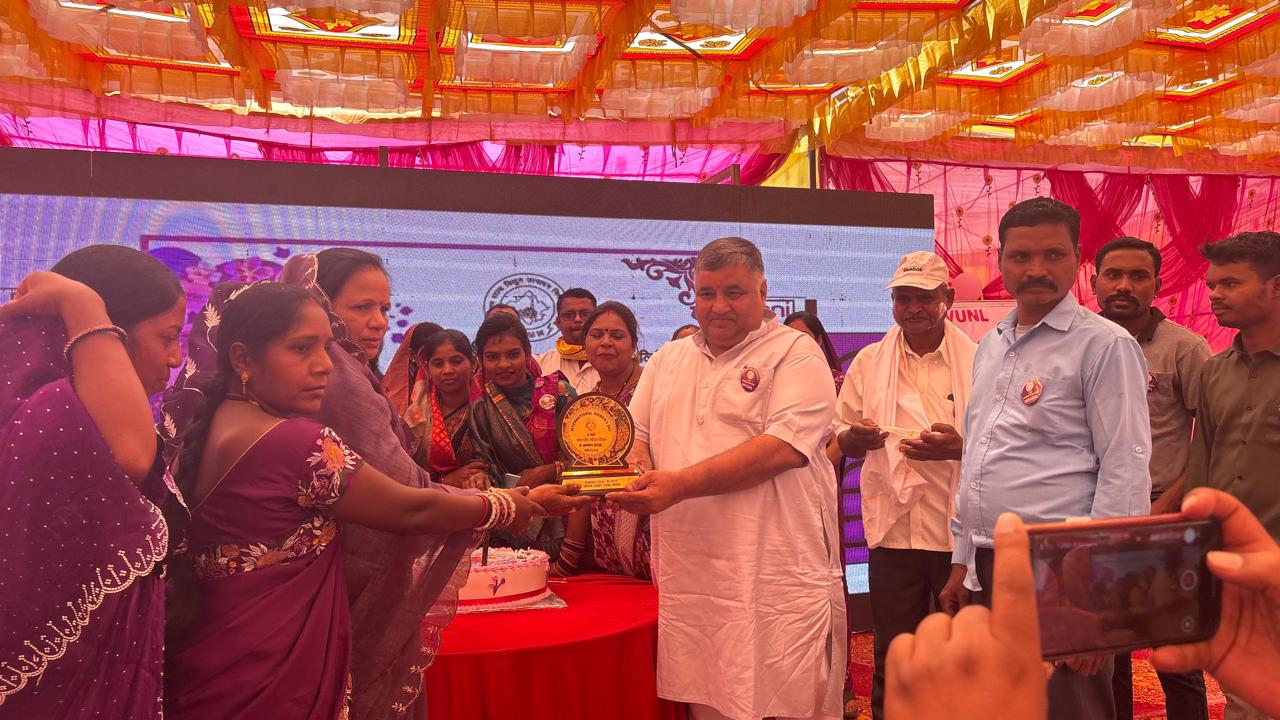
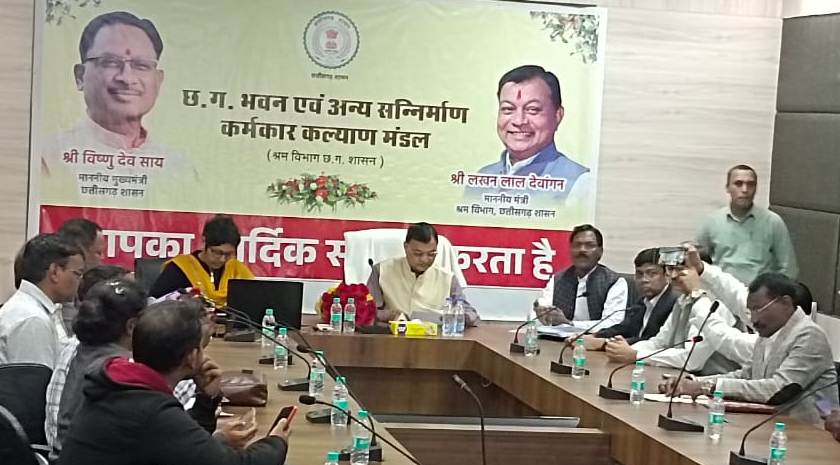
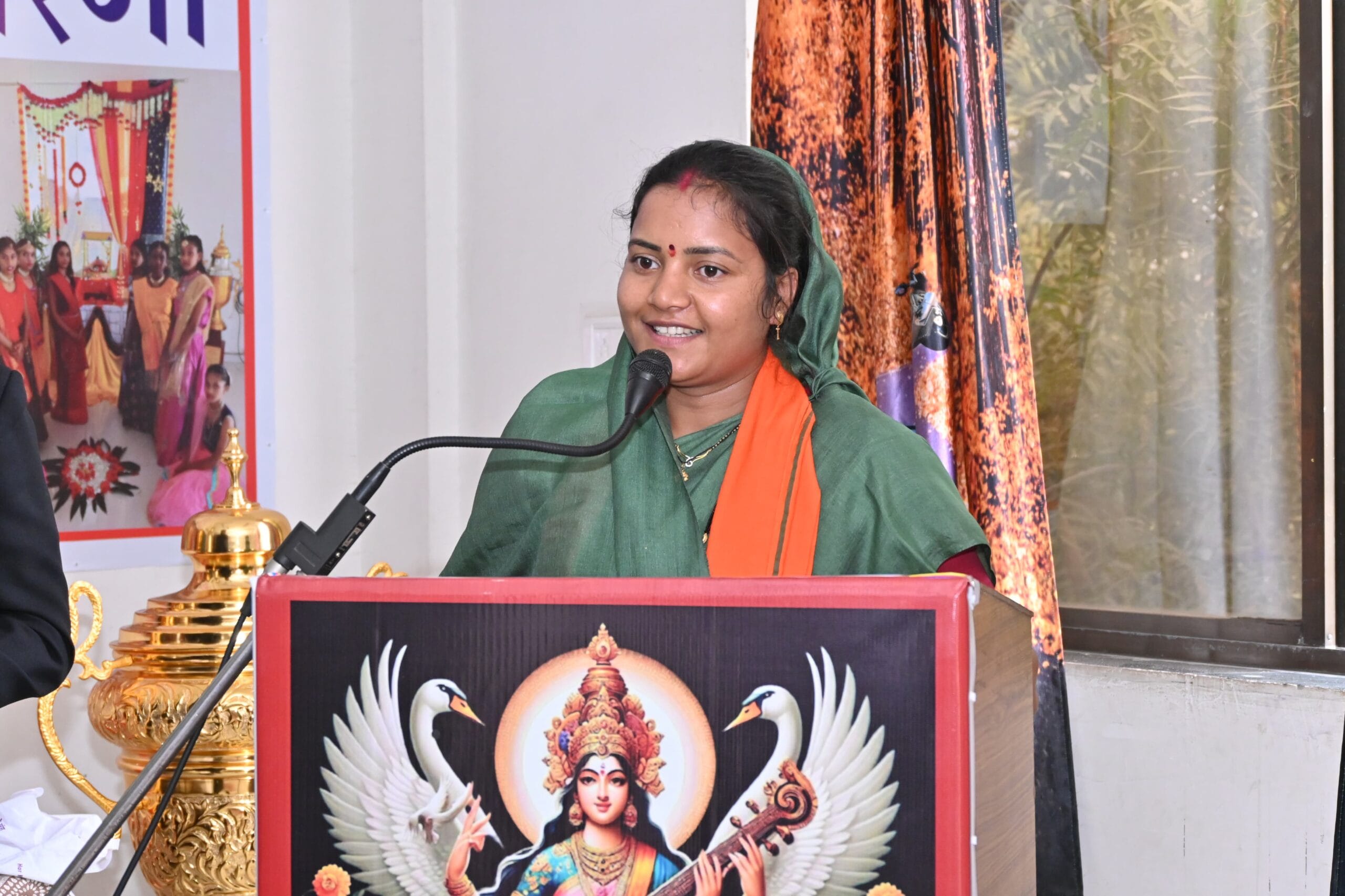
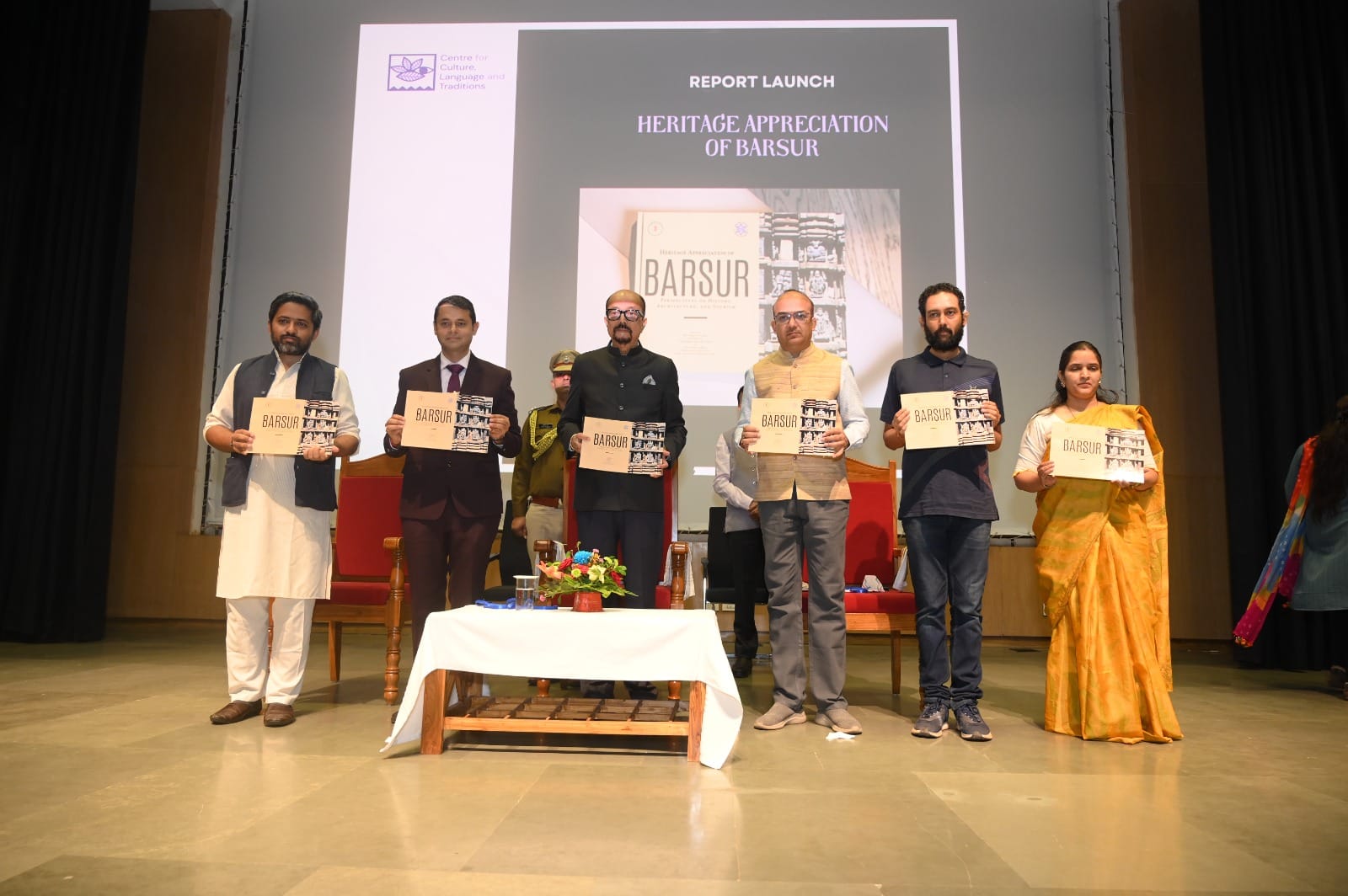
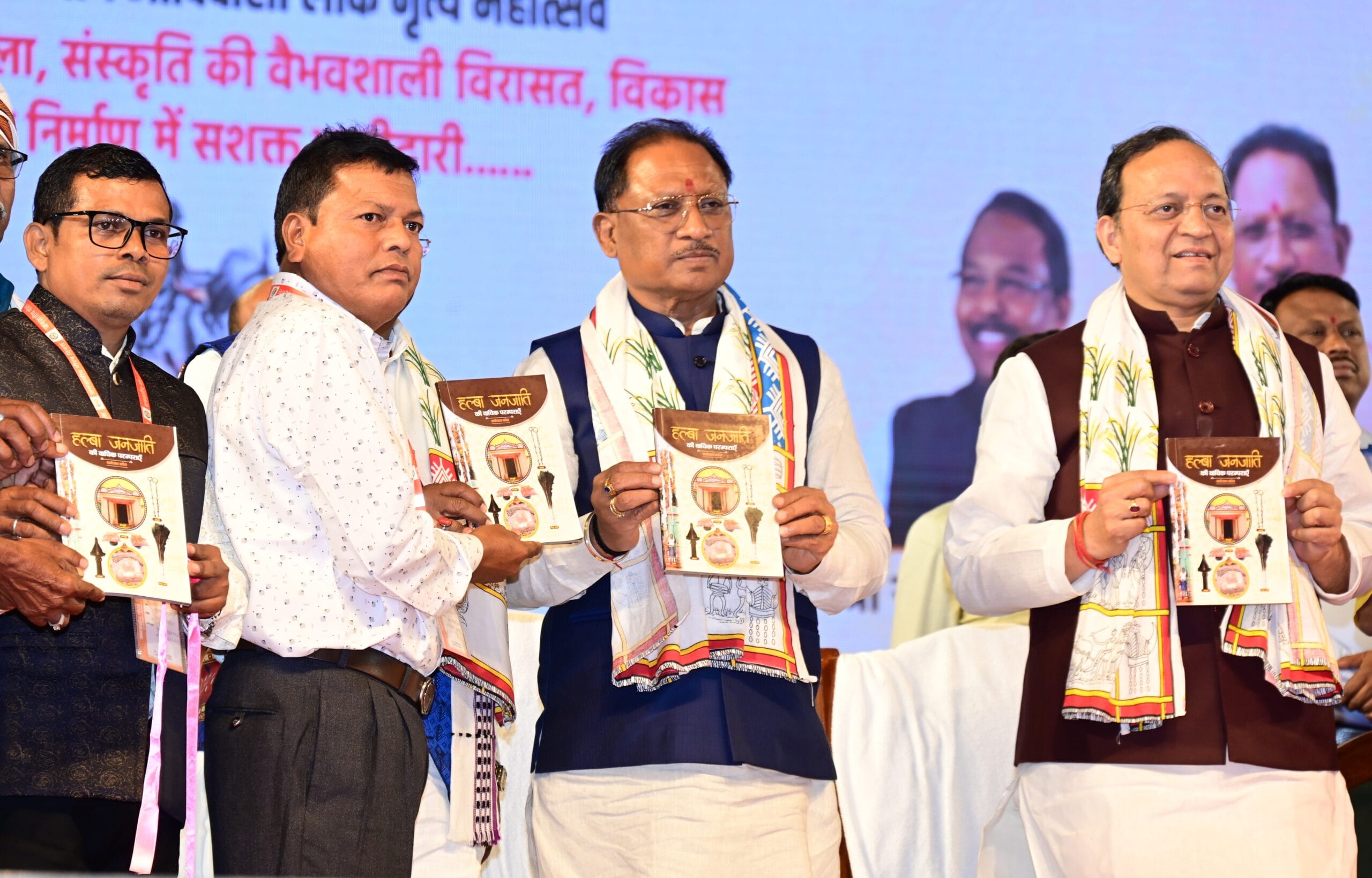
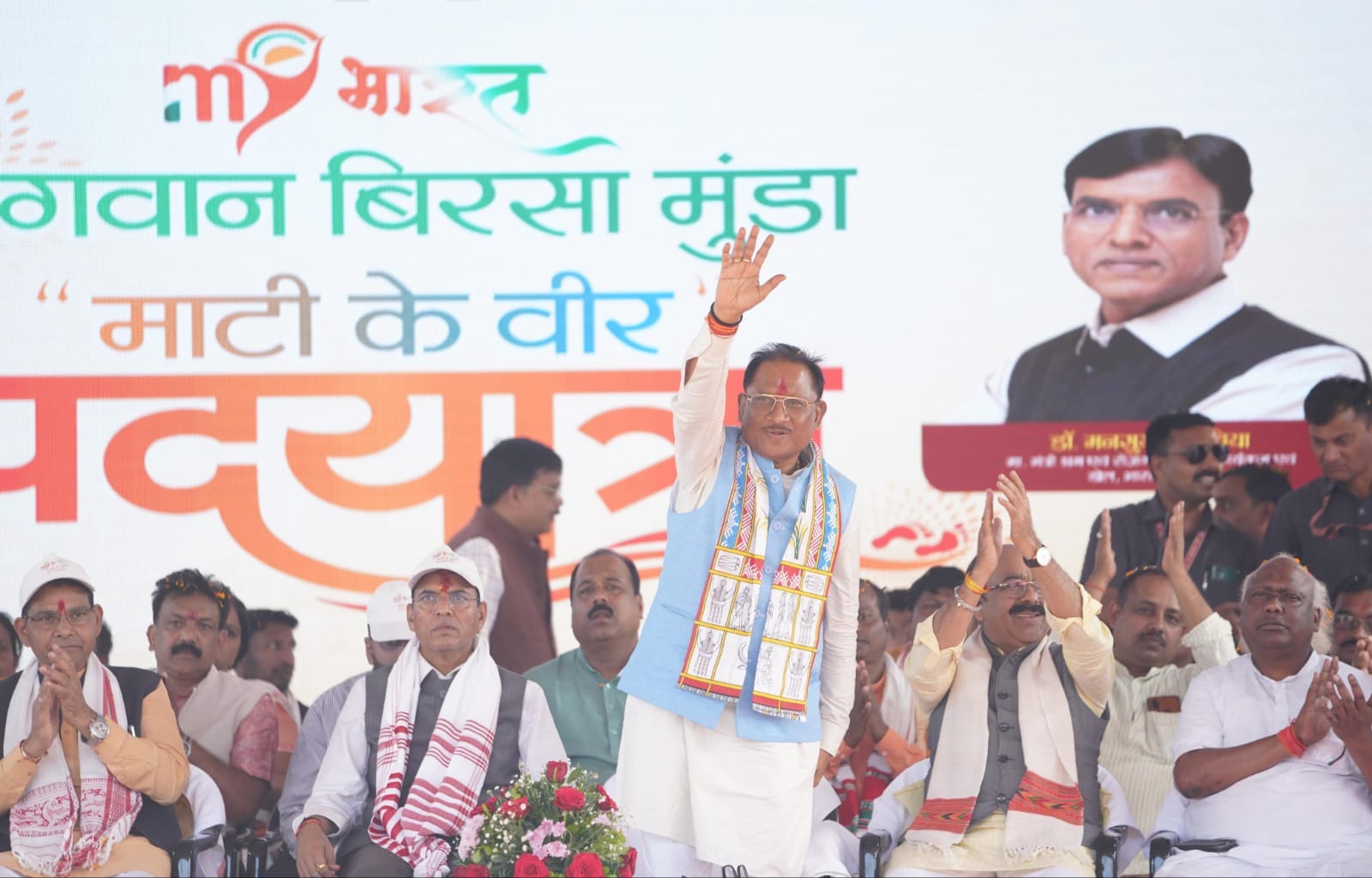
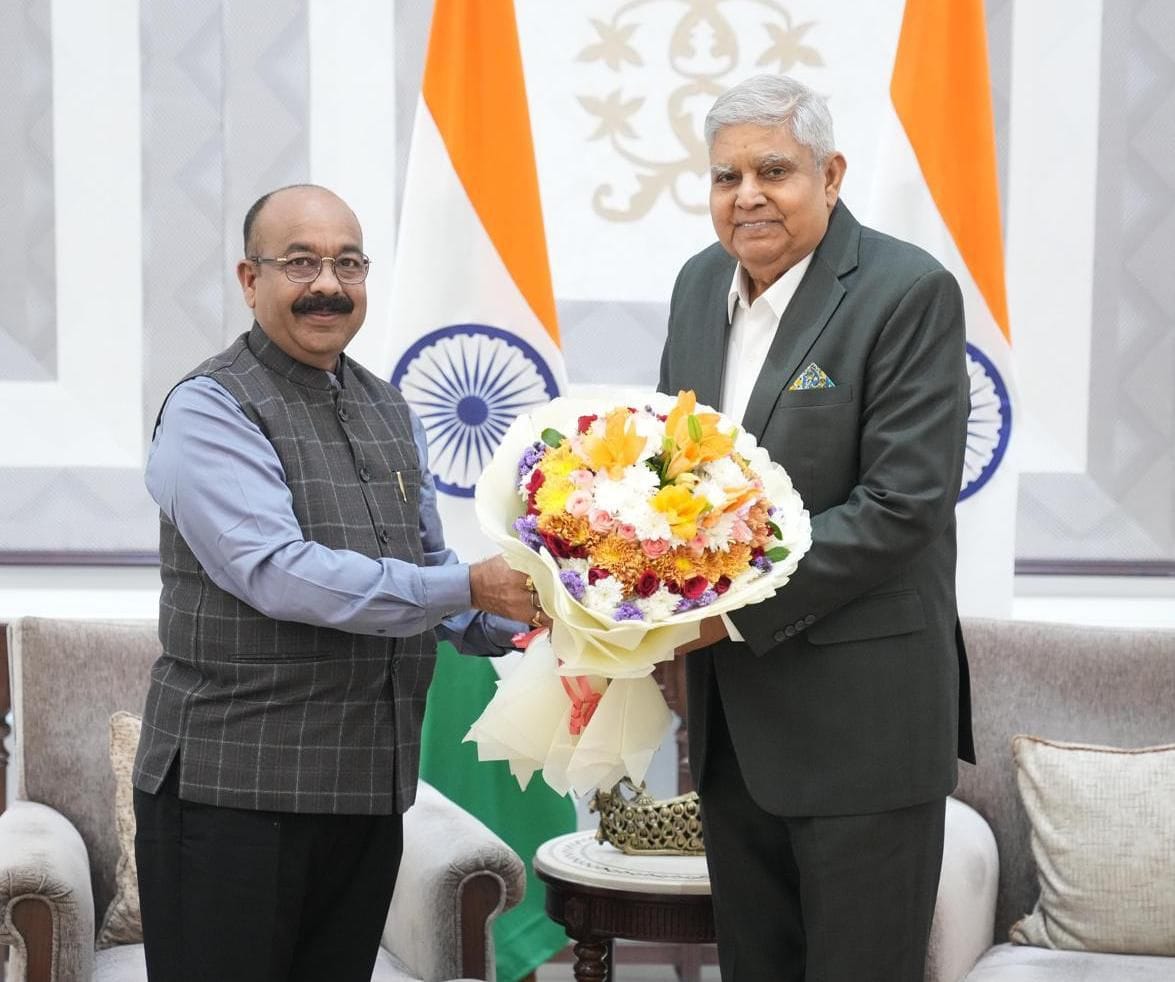
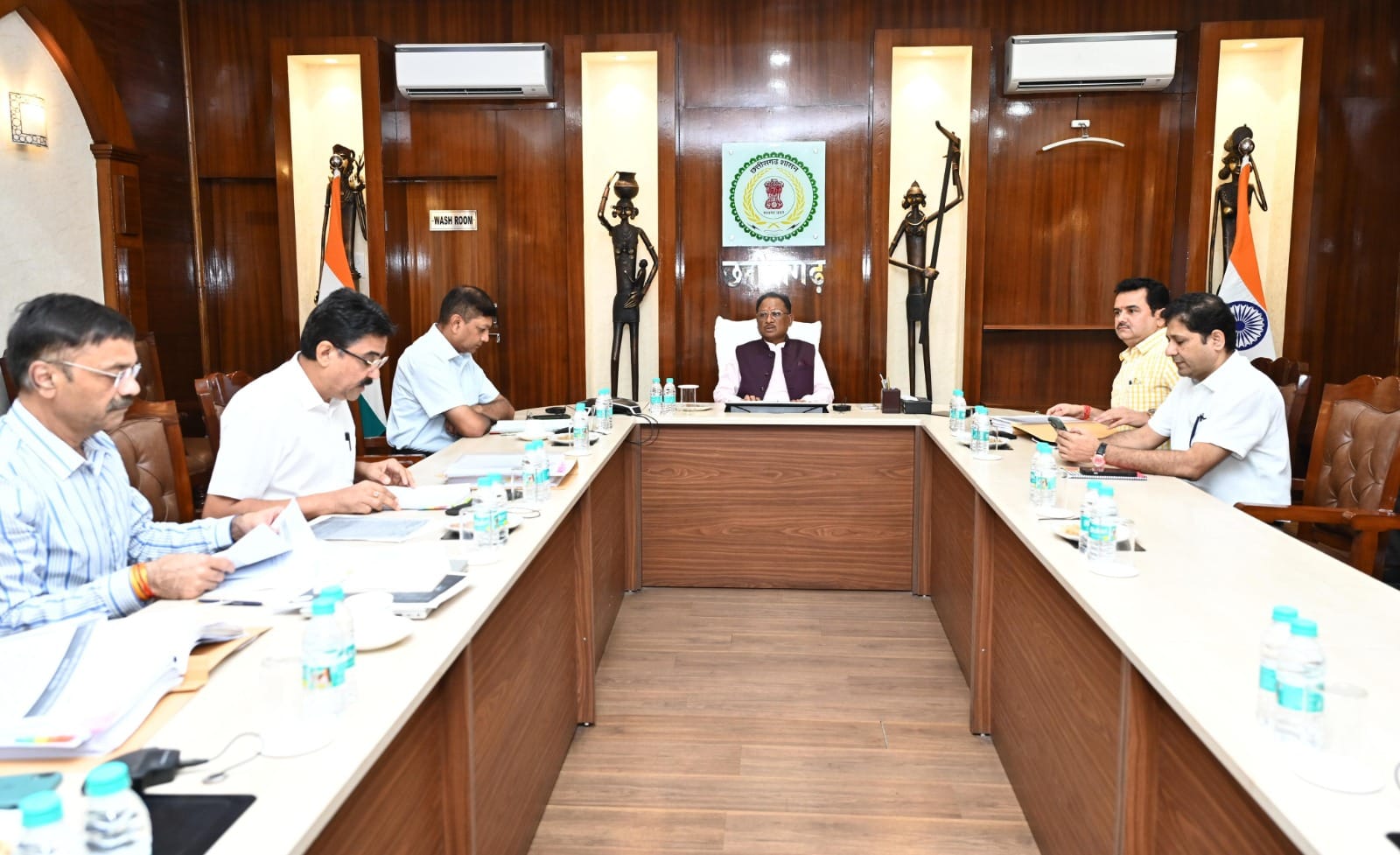
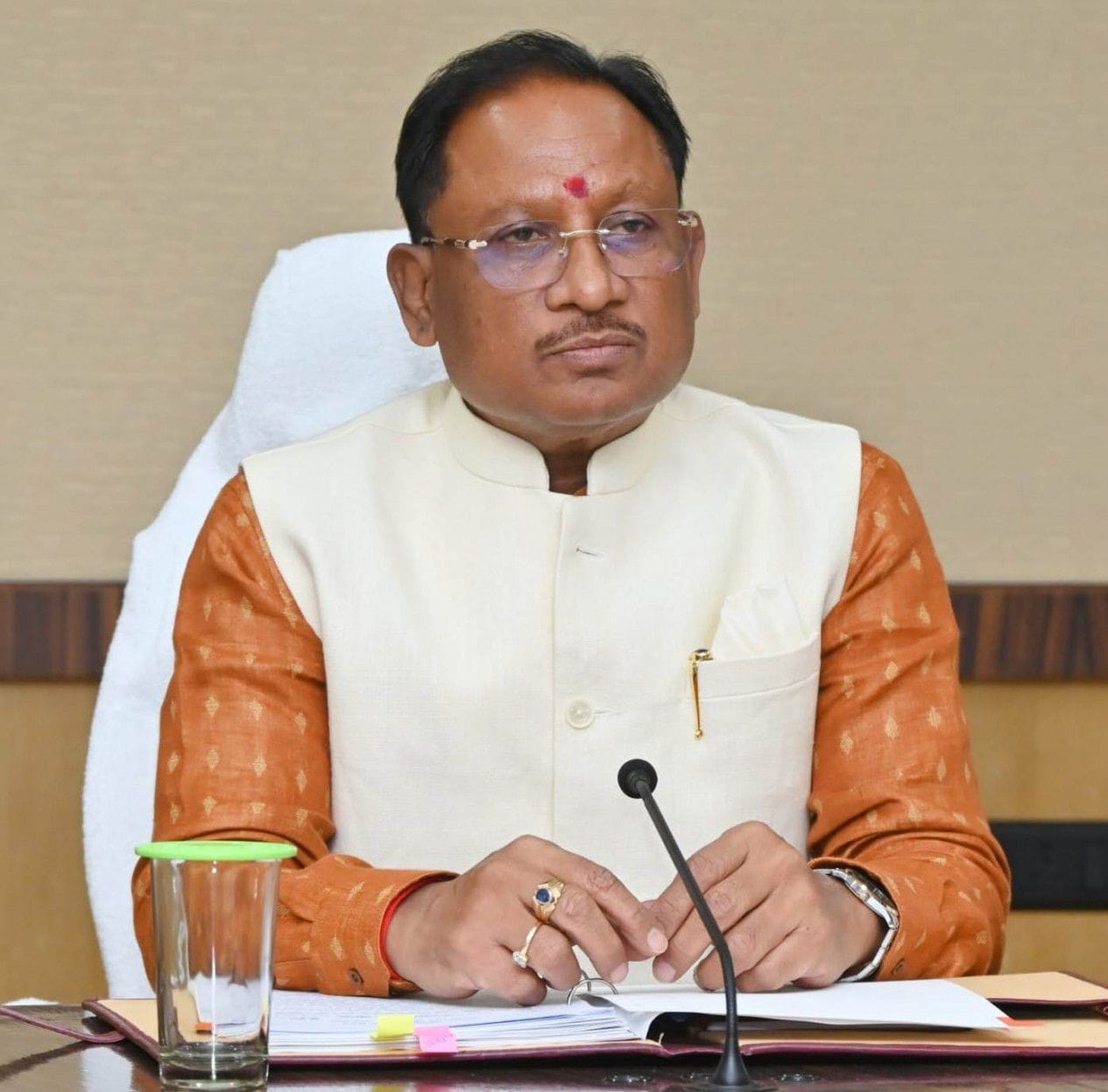
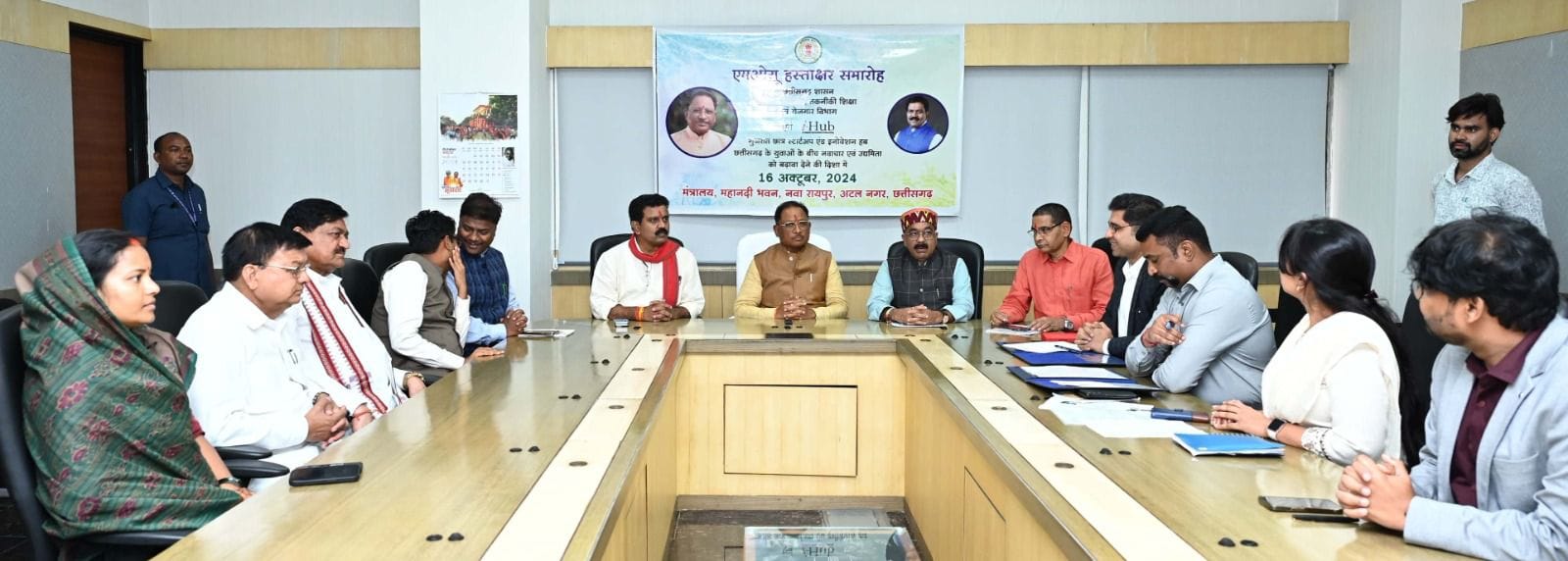
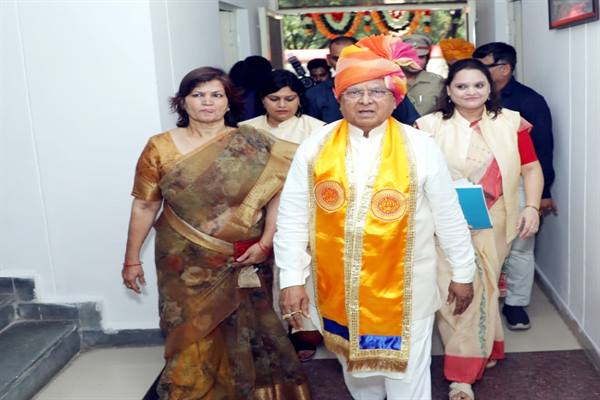
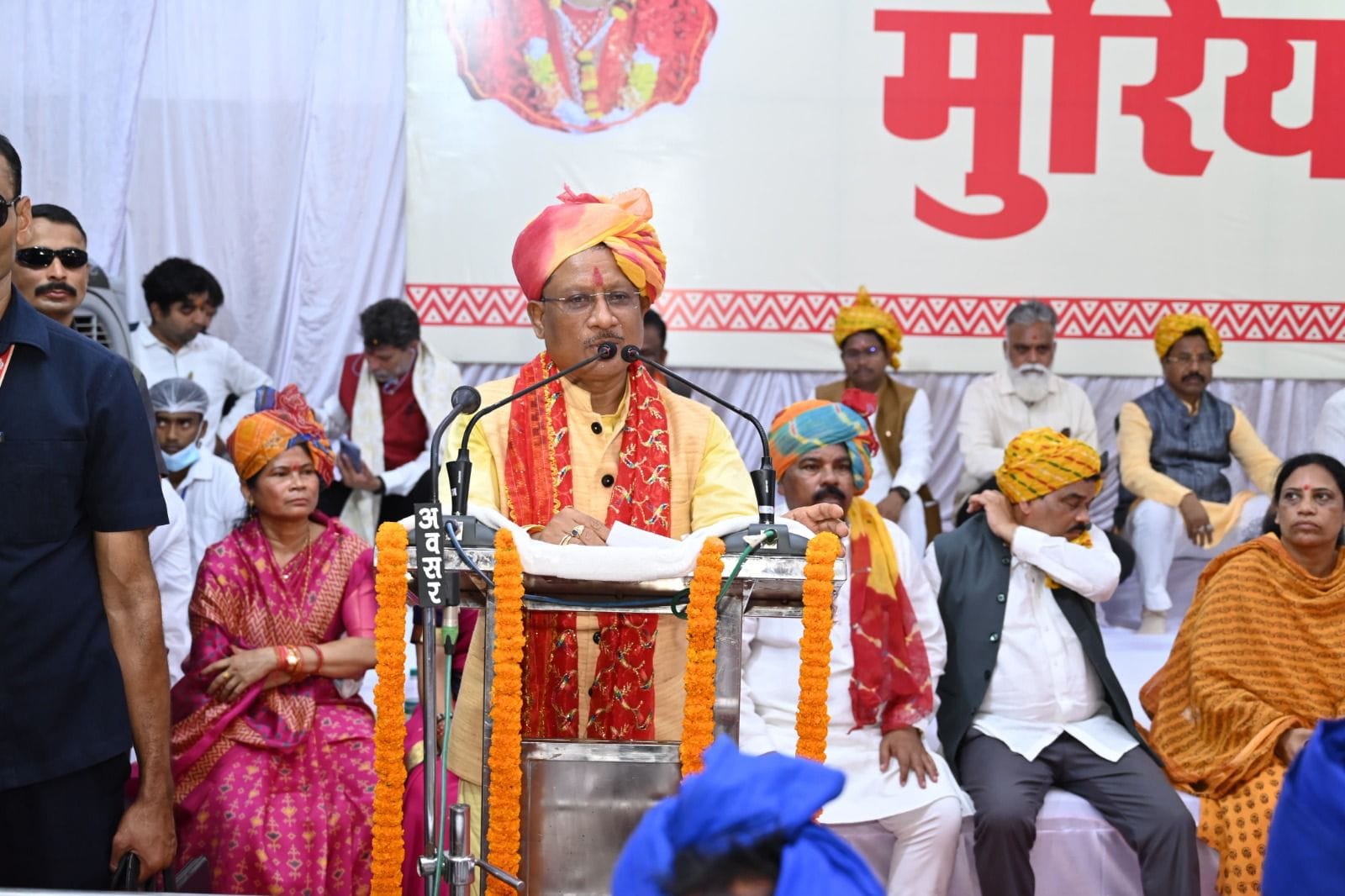
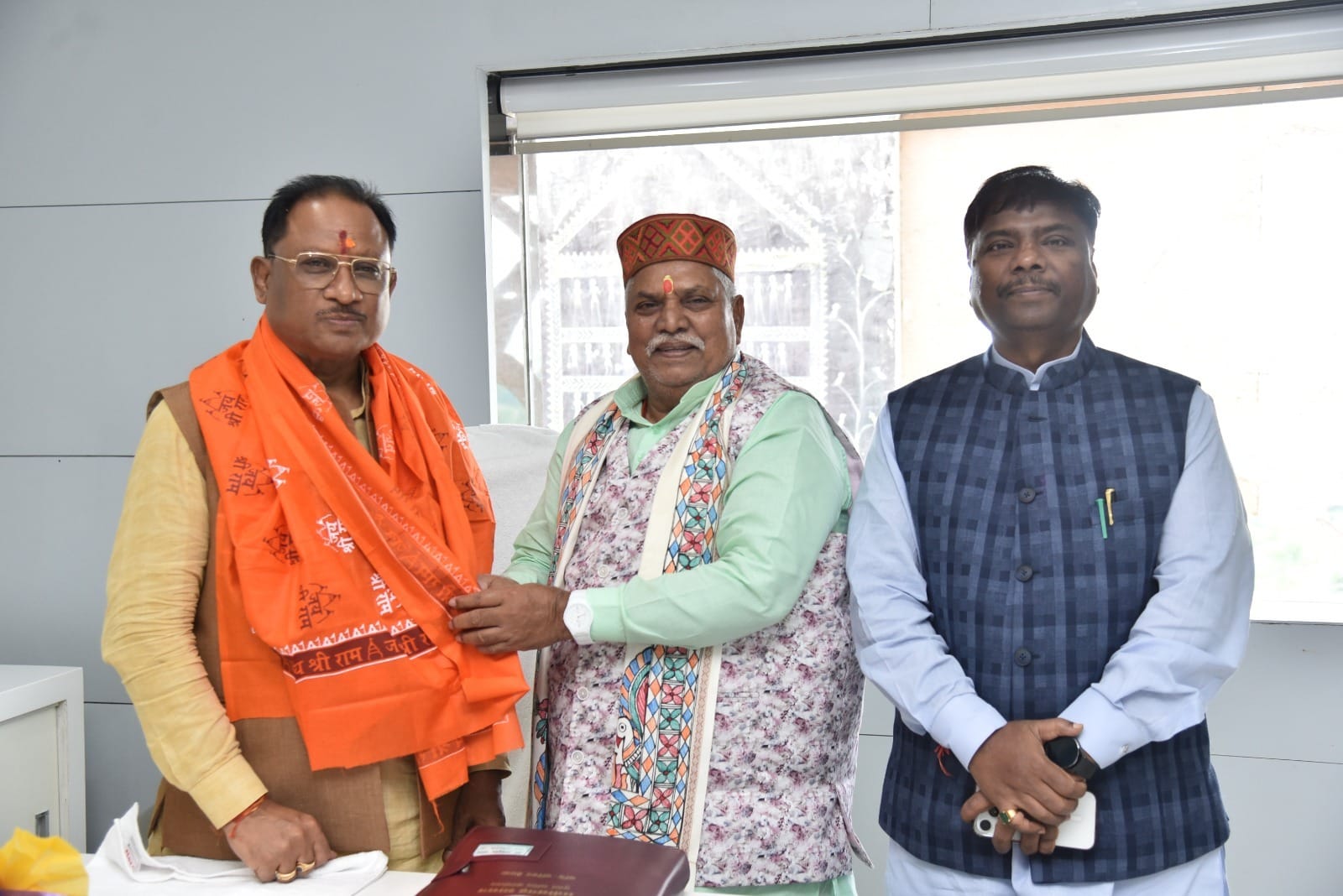
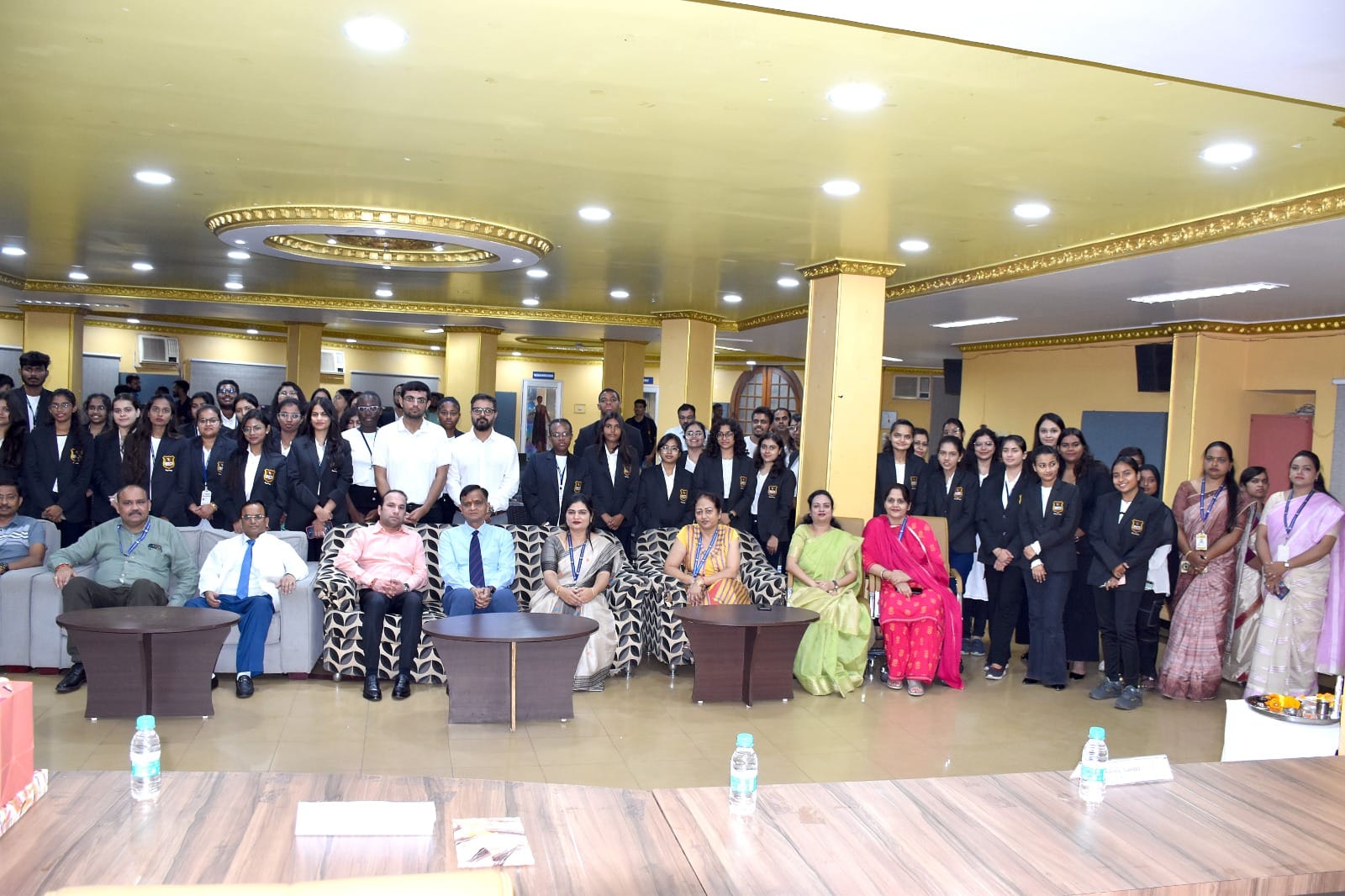
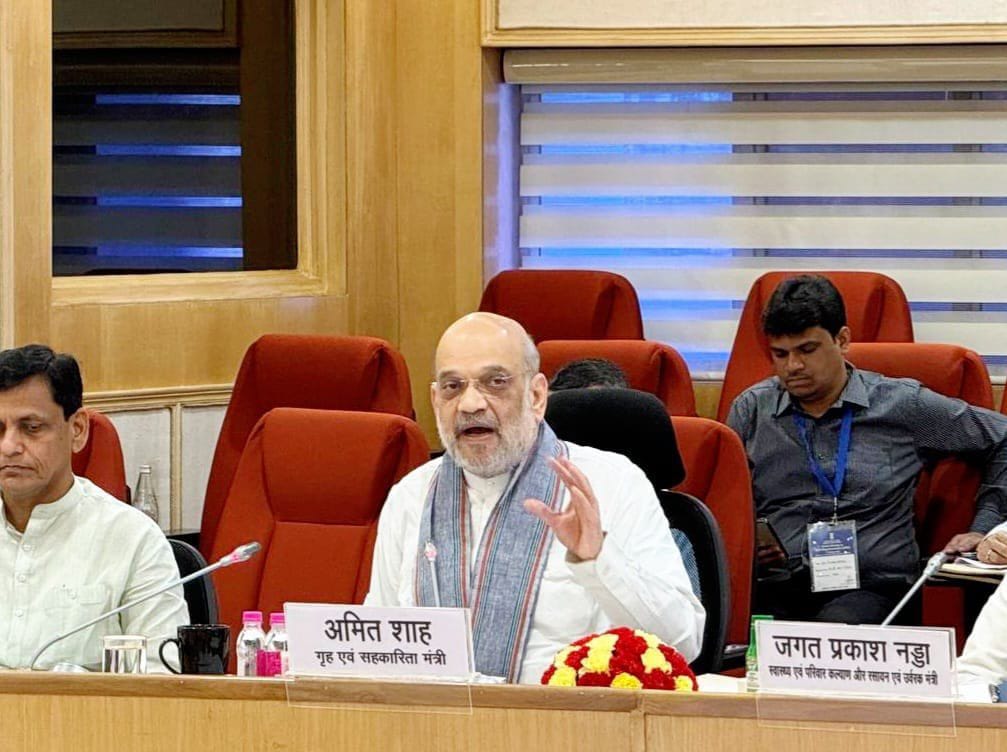
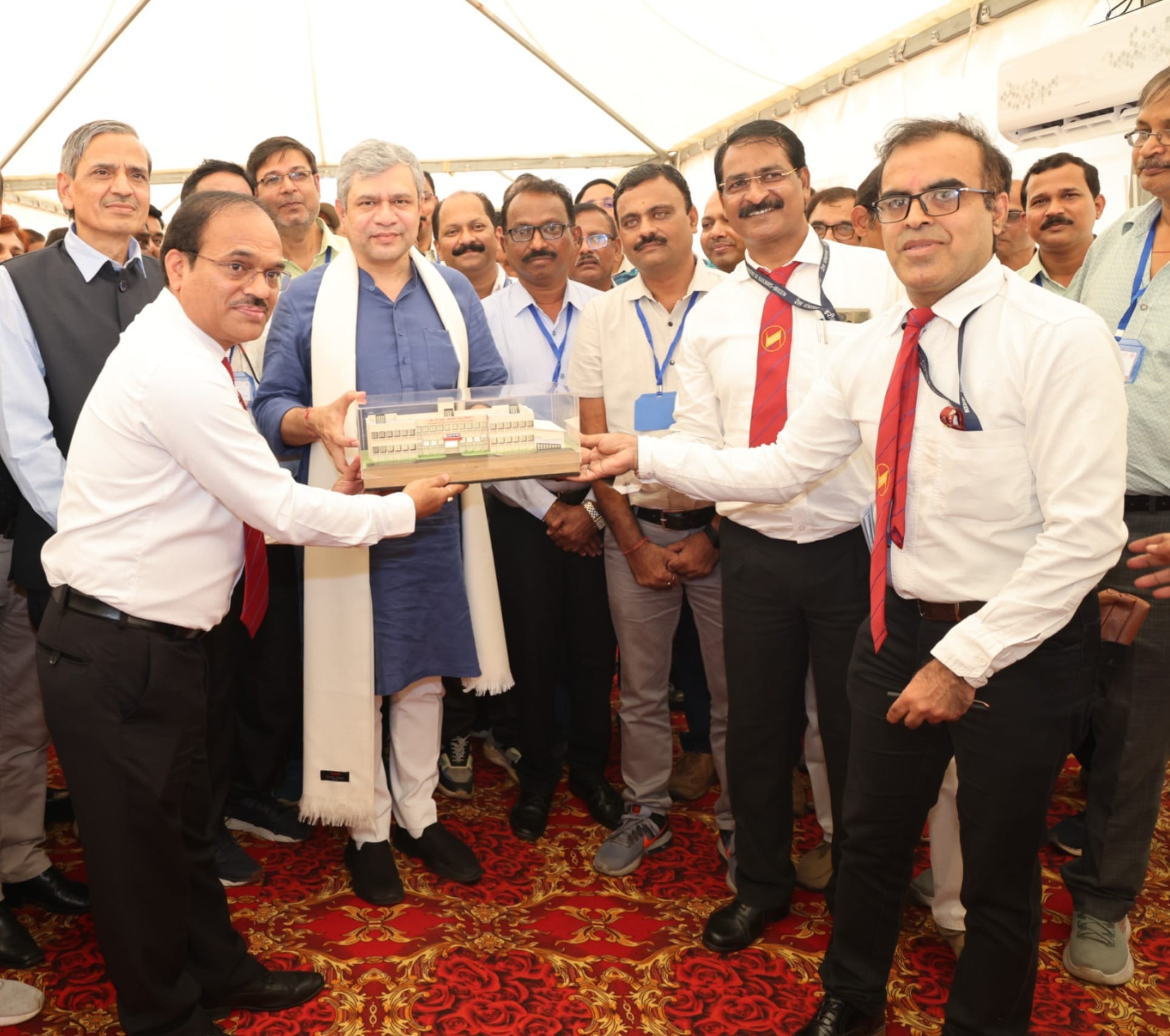
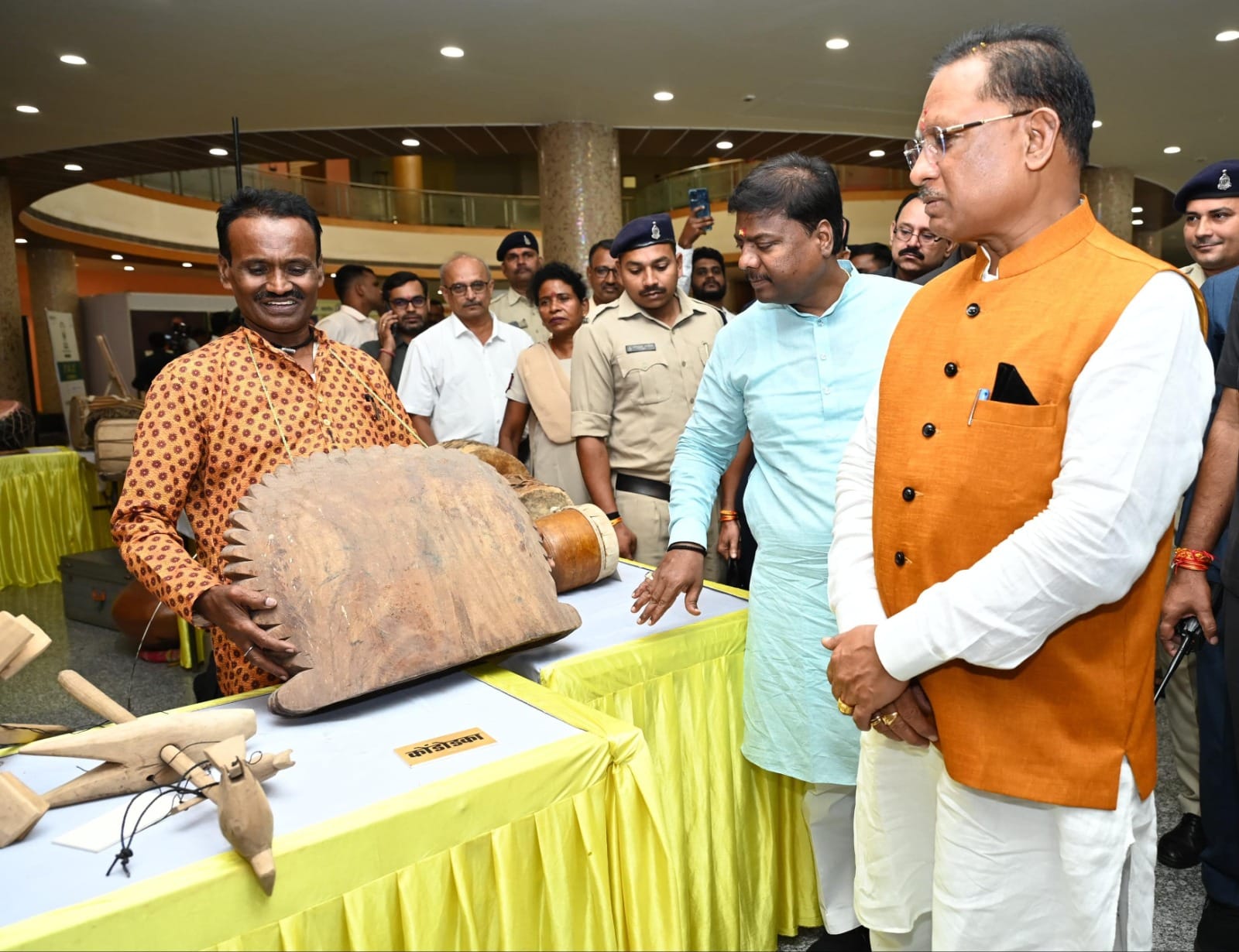
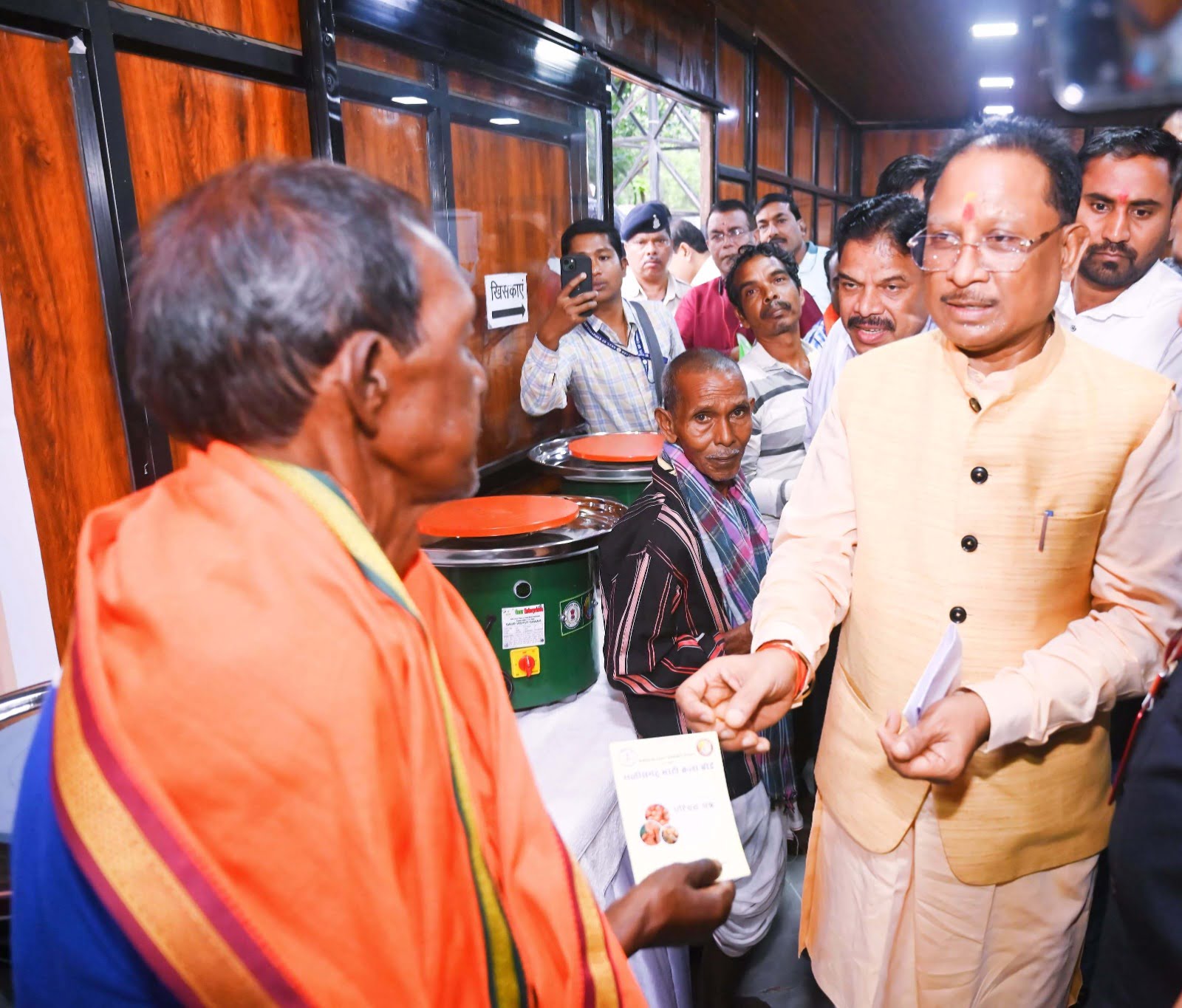
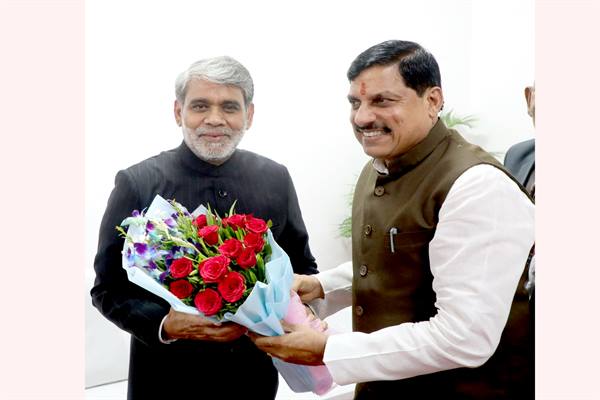
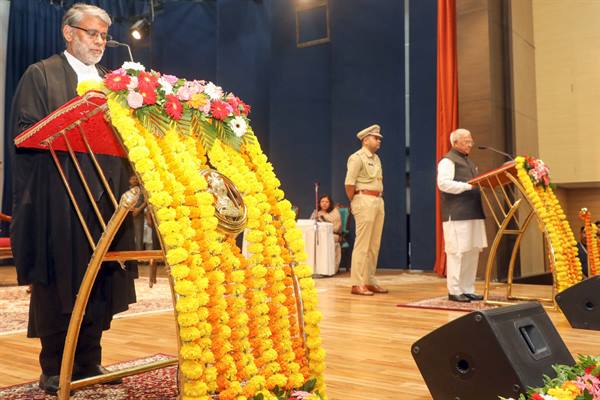
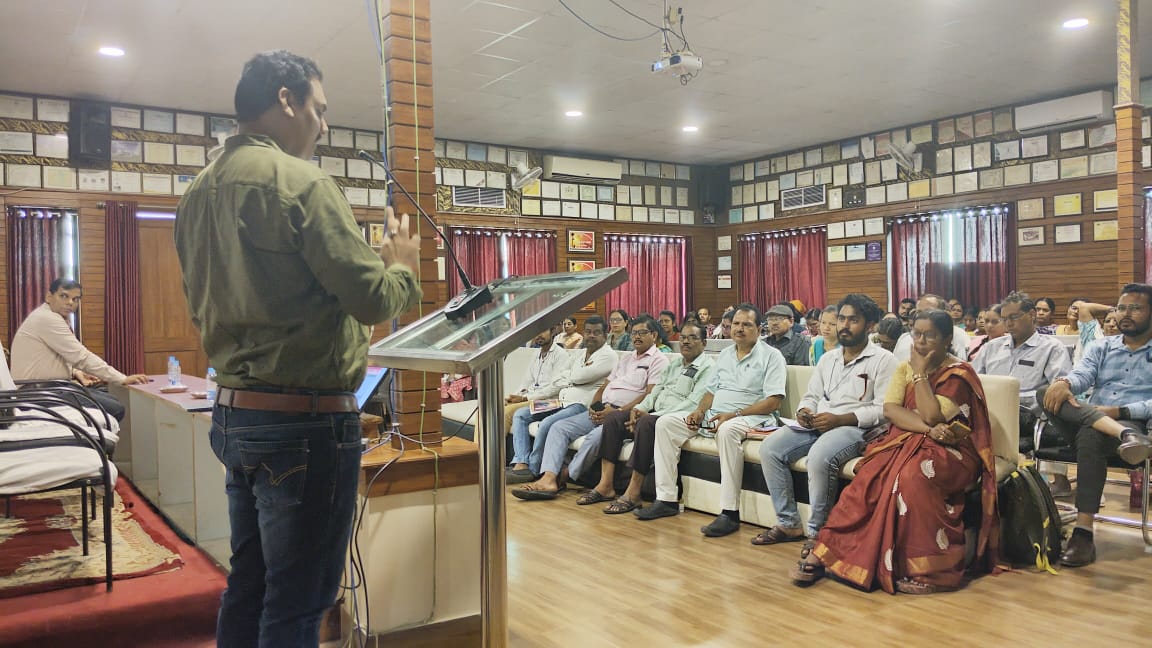
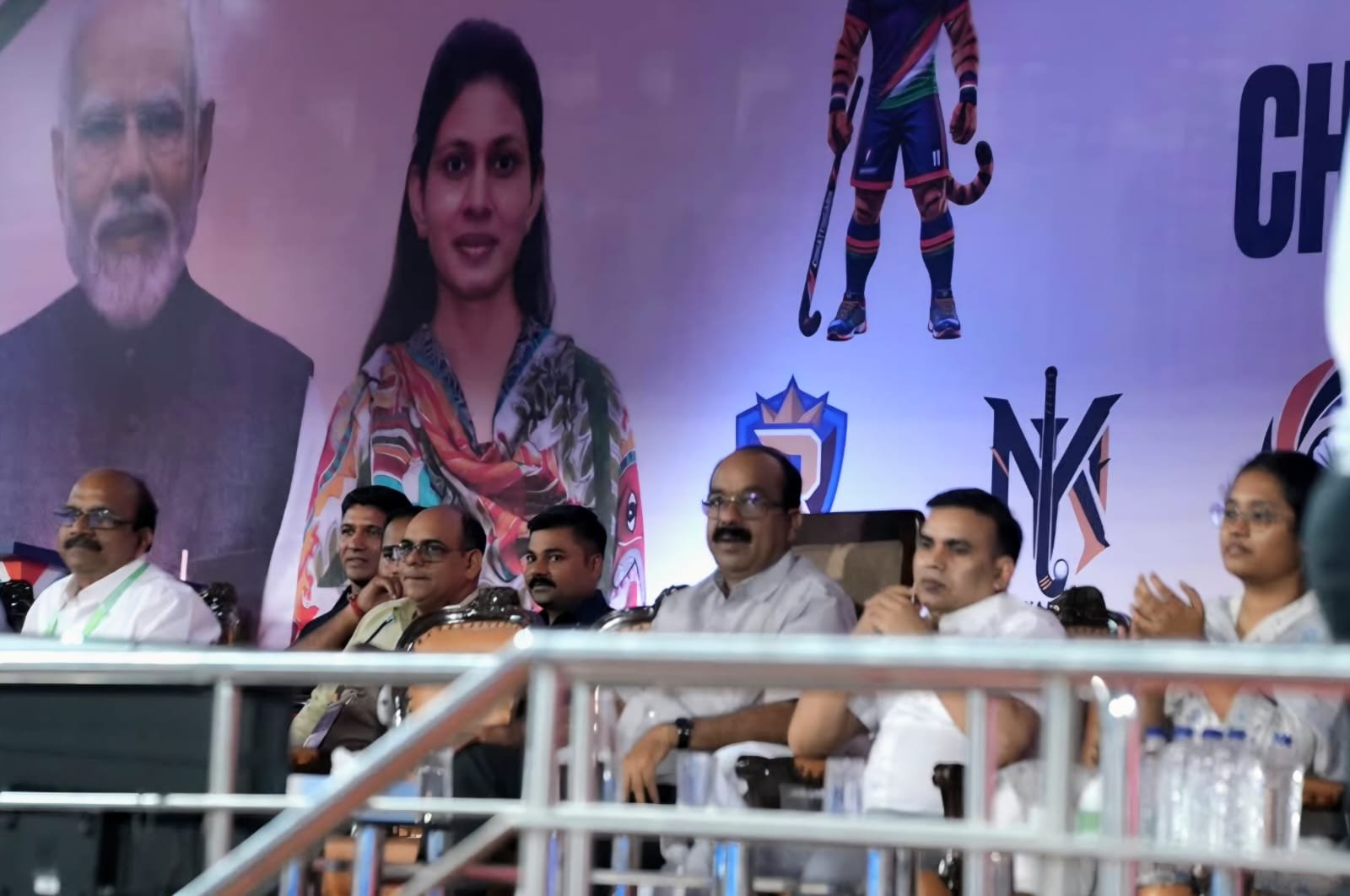
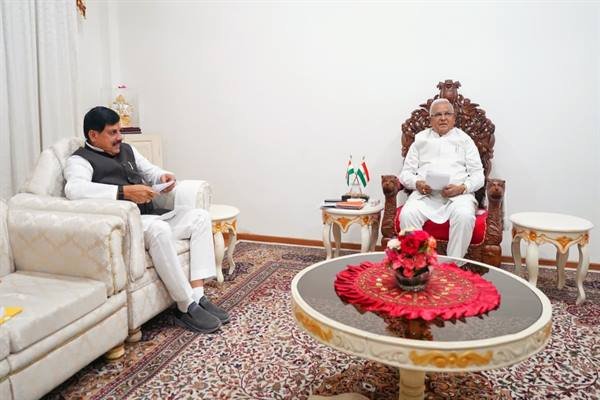
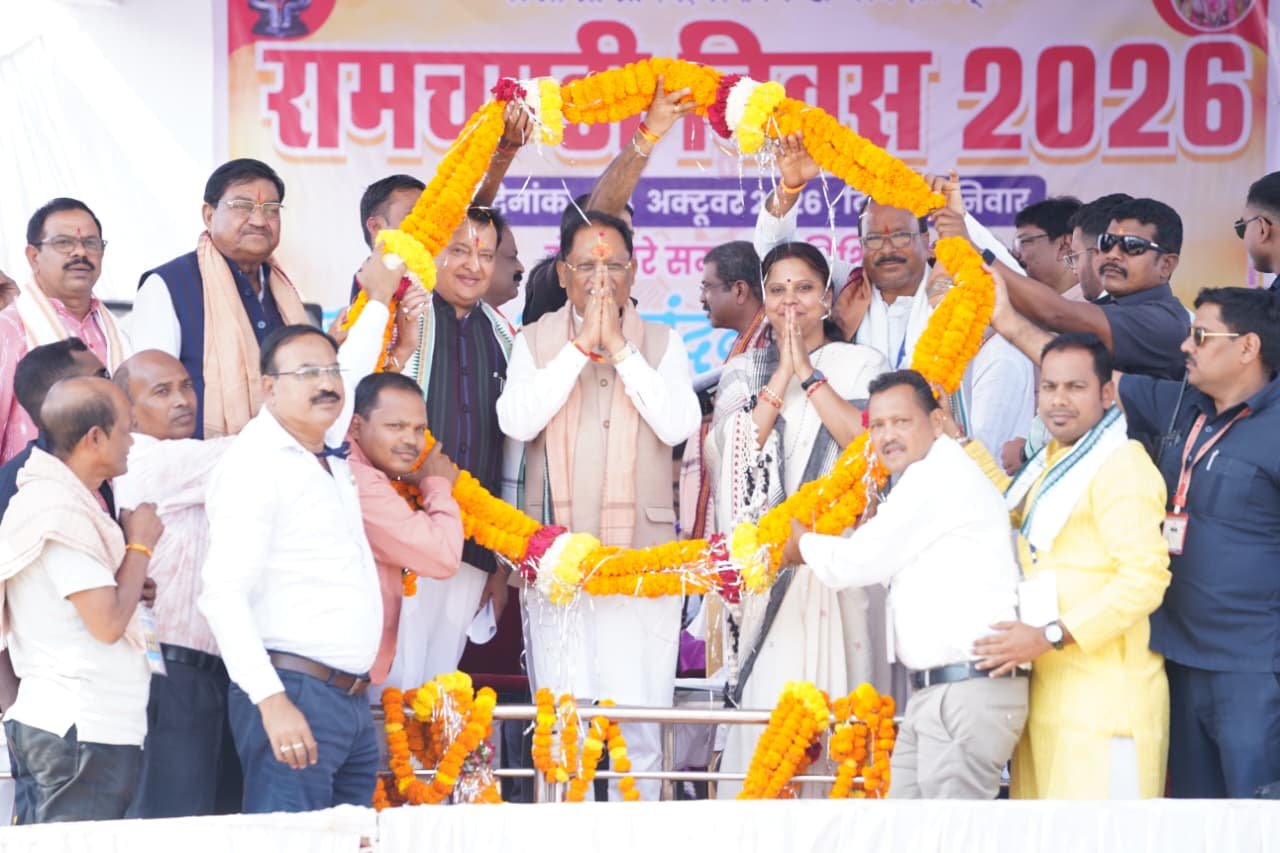
Chief Minister Shri Vishnu Dev Sai released the book “Jashpur: An Introduction,” published by the Indian Institute of Public Administration, Delhi. This book is a comprehensive study focusing on the history, administrative development, good governance systems, socio-economic changes, tribal culture, natural resources, and development potential of Jashpur district. The book examines the changes in Jashpur’s administrative system since independence, along with the current administrative institutions and systems. Present on the occasion were the Chairman of the Chhattisgarh Regional Branch of the Indian Institute of Public Administration, Raipur, former Chief Secretary Shri Suyogya Kumar Mishra, Vice Chairman, former Additional Chief Secretary Dr. Indira Mishra, and Vice Chairman, former Chief Secretary and current Chhattisgarh State Election Commissioner Shri Ajay Singh.
Chief Minister Shri Vishnudev Sai, while congratulating the Chhattisgarh Regional Branch of the Indian Institute of Public Administration for this important publication, said that Jashpur is one of those unique regions of Chhattisgarh, which has a rich heritage of nature, culture and traditions along with immense potential for development. Jashpur is known for its beautiful mountains, valleys, rivers, waterfalls and dense forests, but its rich tribal culture and traditions make it unique. He said that compiling these characteristics of Jashpur along with the district’s development journey and administrative experiences in the form of a book is a commendable effort.
The Chief Minister said that to understand the development journey of any region, a comprehensive study of its history, society, culture, natural resources, and administrative systems is essential. “Jashpur: An Introduction” is an important document in this regard. This book not only presents the current picture of Jashpur, but also provides an opportunity to understand the changes in the district’s administrative structure and development process over time.

Mr. Sai stated that Jashpur’s cultural and ecological character is distinct from the plains and industrial areas of Chhattisgarh. Being part of the extended Chotanagpur Plateau, the region’s topography, climate, forest wealth, and livelihood patterns have their own unique characteristics. For generations, the tribal communities residing here have preserved their traditions, lifestyles, and culture of coexistence with nature. This diversity makes Jashpur important for both study and development.
Chief Minister Shri Sai said that over the years, Jashpur has made steady progress in the areas of infrastructure, rural development, education, health, livelihood promotion, and administrative reforms. In this journey of development, it is essential to formulate future plans keeping local characteristics and needs at the center. Such studies provide the administration with a useful basis for understanding the real conditions of the region and setting future development priorities.
He said that the true objective of government schemes is to bring positive change to the lives of the last person. While expanding education, health, roads, communication, employment, and livelihood opportunities in remote and tribal areas, preserving local culture and natural resources is equally important. Jashpur has great potential for balancing development and nature. The district’s economy can be further strengthened by promoting agriculture, forest produce, tourism, local products, and women and youth entrepreneurship.
The Chief Minister stated that Jashpur is one of Chhattisgarh’s richest natural tourism regions. Its mountains, forests, rivers, waterfalls, and picturesque valleys hold immense potential to attract tourists. Furthermore, tribal life, folk culture, traditional arts, and local cuisine have the potential to establish Jashpur as a unique tourist destination. Systematic documentation of these district’s strengths will also help Jashpur gain widespread recognition.
Mr. Sai stated that the Indian Institute of Public Administration has played a significant role in enhancing the study and quality of public administration in the country. Through research, training, publications, and policy discussions, the Institute has consistently contributed to making administrative systems more effective and people-oriented. This initiative to study administration and development at the district level is also important because understanding the experiences of districts and local administrations is essential to truly understand India’s development journey.
He said that the district administration is the most important link between the government and citizens. From implementing schemes to providing services and resolving local problems, the district-level administrative system plays a central role. Therefore, documenting a district’s administrative journey, successful experiments, and challenges can serve as a basis for learning and innovation for other sectors.
Chief Minister Shri Sai expressed confidence that “Jashpur: An Introduction” will prove to be an important reference material for administrators, policymakers, researchers, students, and those interested in understanding the socio-economic and cultural landscape of Jashpur. This book will not only highlight Jashpur’s uniqueness on a wider platform but will also inspire further research and development studies on the district.
- Jashpur study conducted under the National Mission of Indian Institute of Public Administration
It is noteworthy that the Indian Institute of Public Administration, New Delhi, has assigned its regional branches the project of conducting a comprehensive study of at least one district in each respective state. The objective is to study and document the development journey of districts since independence, including the changes in their administrative system, governance, and functioning.
This study, which assesses current administrative institutions and processes, also focuses on identifying potential directions for improved governance and development in the future. In this context, the Chhattisgarh Regional Branch of the Indian Institute of Public Management, Raipur, selected Jashpur from among the state’s 33 districts.
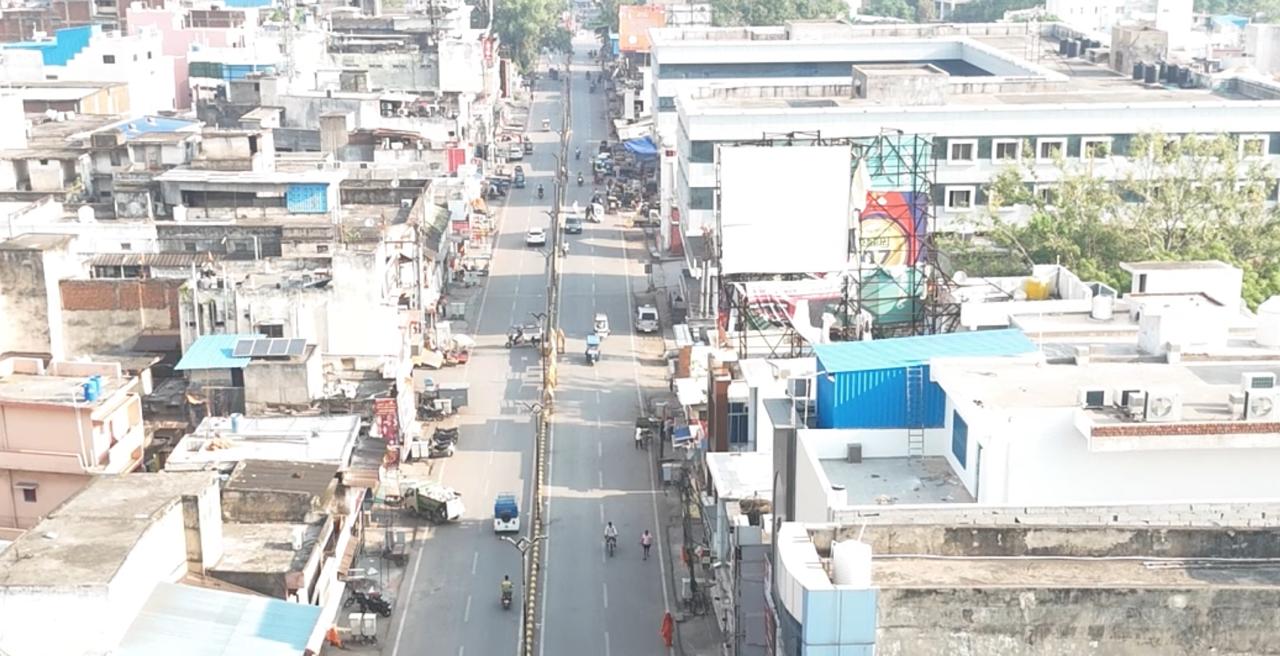
The selection of Jashpur for the study was based on the district’s unique geographical, social, and cultural conditions. Located on the northeastern edge of Chhattisgarh, Jashpur is a predominantly tribal district. Its cultural and ecological structure is significantly different from the agricultural and industrial plains of the state. Being part of the extended Chotanagpur Plateau, Jashpur represents a unique confluence of high terrain, forest-based livelihoods, and rich tribal traditions.
- An important comprehensive study of its kind on Jashpur
The book states that this is not a traditional district gazetteer, but a concise, comprehensive document covering various aspects of Jashpur. Before becoming a separate district in 1998, Jashpur was a tehsil of Raigarh district. Since a separate district gazetteer for Jashpur is not available, the study utilizes the Raigarh District Gazetteer, various central and state government publications, the 2011 Census, reports from government departments, and other published materials related to the district.
A distinctive feature of this study is that it wasn’t prepared by a single individual, but rather by collective collaboration and information gathered from various departments within the Jashpur district administration. An attempt has been made to present a comprehensive picture of Jashpur by compiling data and information available from various government offices in the district.
The book traces the journey of administration and development of Jashpur along with its natural and cultural peculiarities. The Chhattisgarh Regional Branch of the Indian Institute of Public Administration has expressed confidence that this initial comprehensive study focusing on various aspects of Jashpur will form the basis for more detailed research on the history, administration, society, economy, culture and development prospects of the district in future.
Congratulating all those associated with the publication of ‘Jashpur: An Introduction’, Chief Minister Shri Sai expressed hope that this study will prove useful in understanding the past and present of Jashpur as well as in giving a new direction to the possibilities of its bright future.