












- Directives issued to formulate public-convenience-oriented e-bus routes, complete housing units currently under construction by September 30, develop a viable financial model for waste-to-energy projects, and improve planning for 15th Finance Commission works.
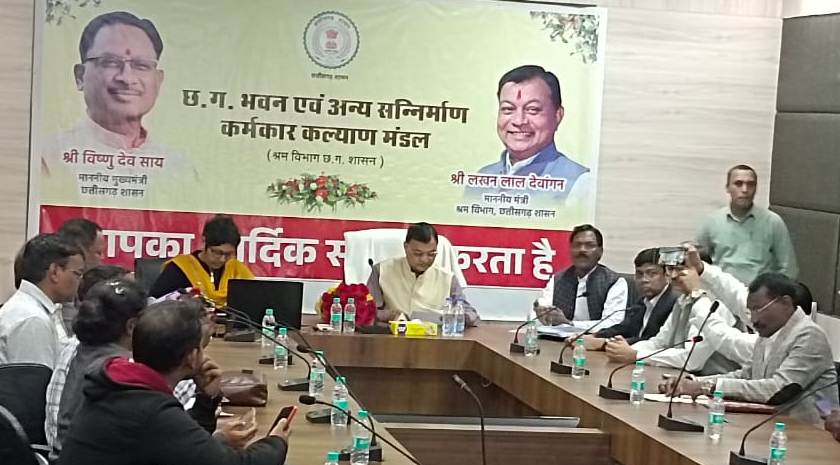
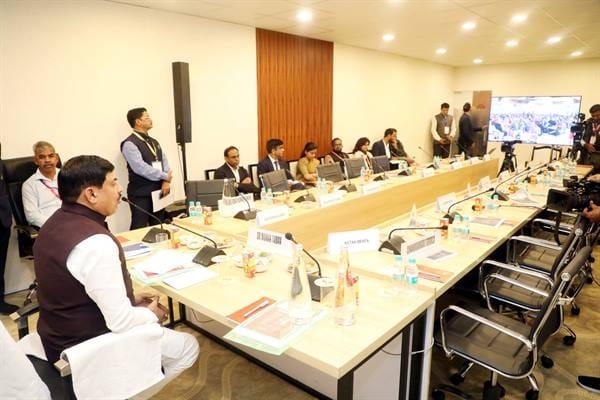
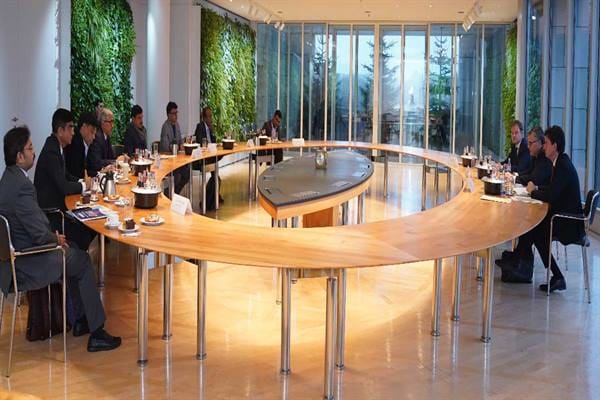
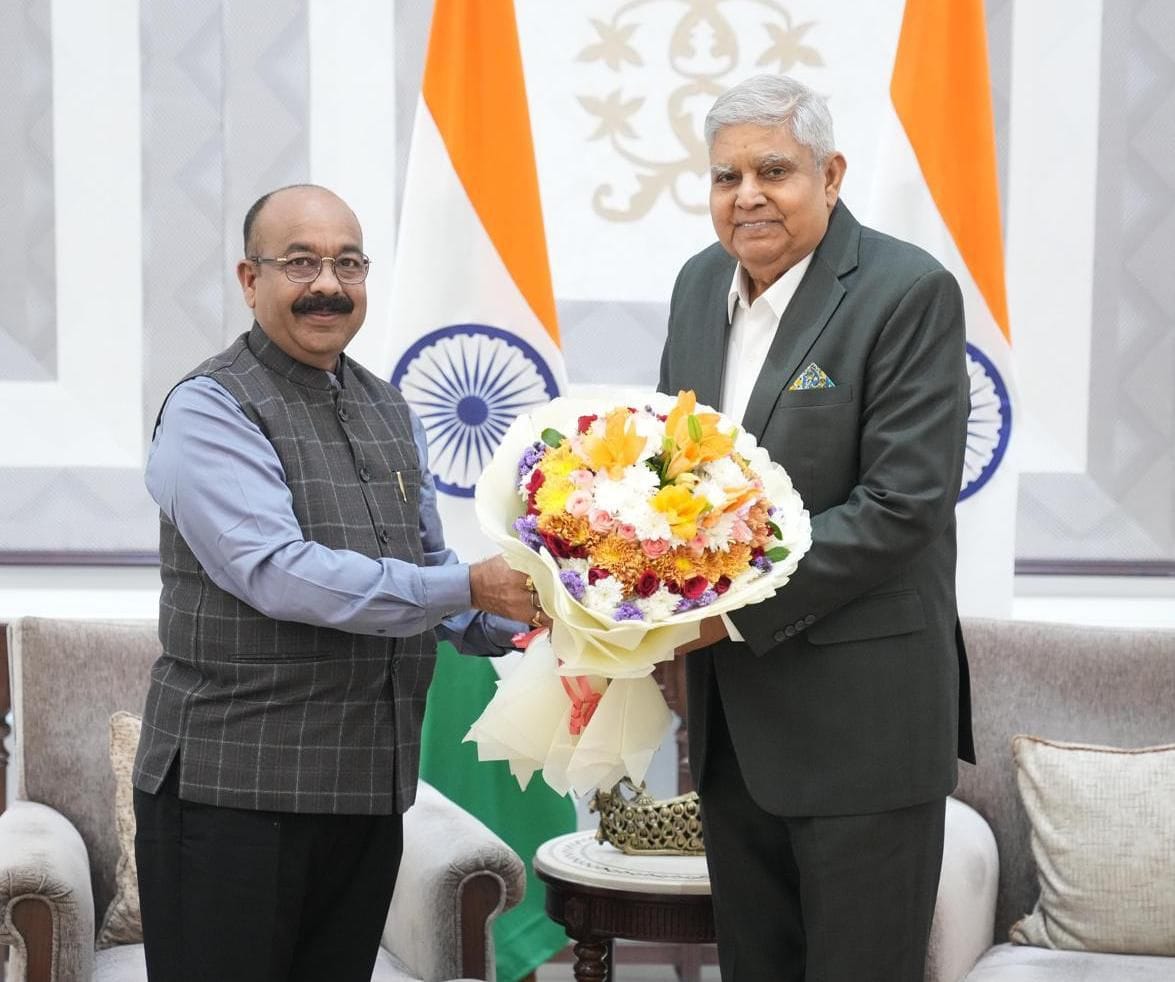
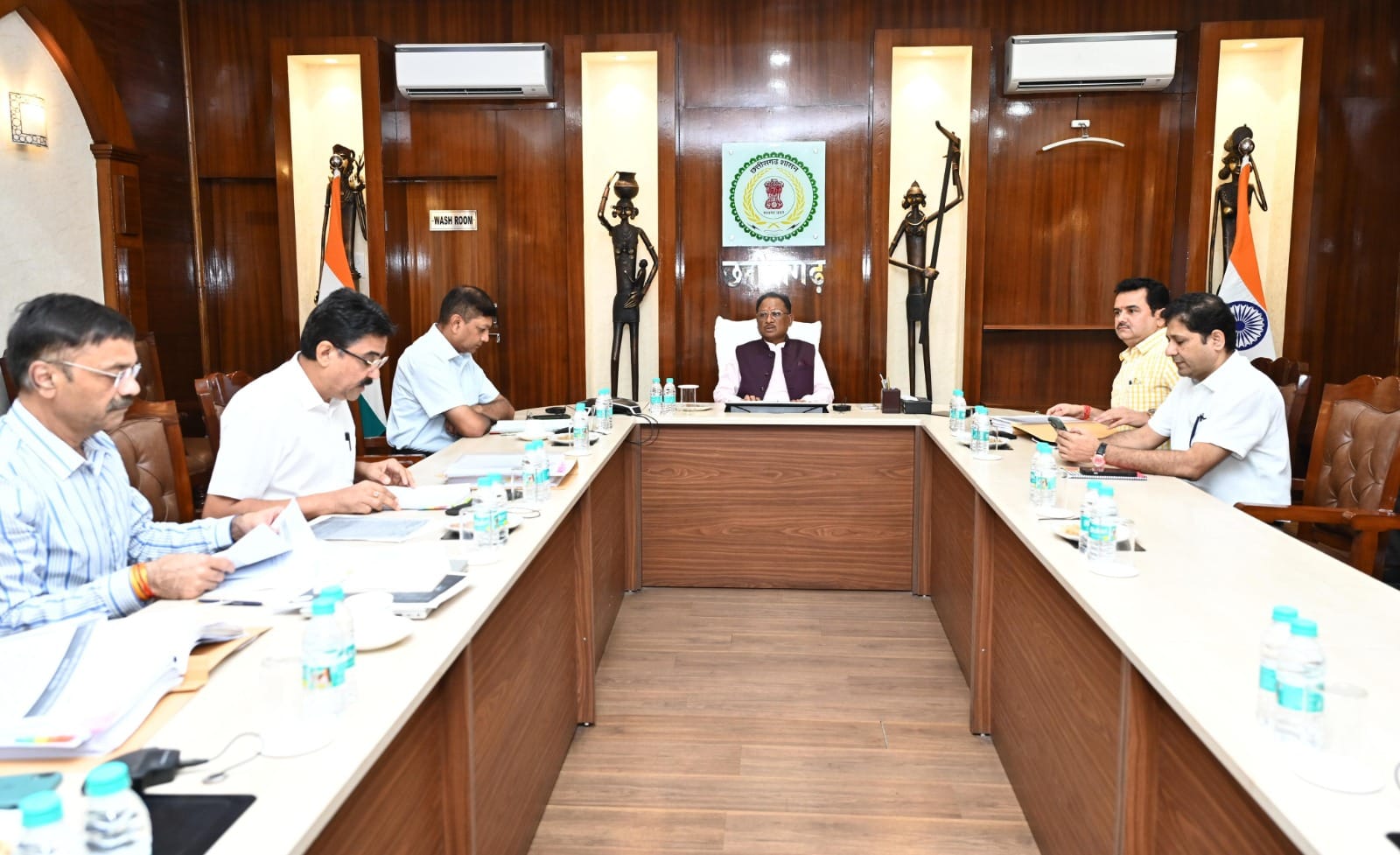
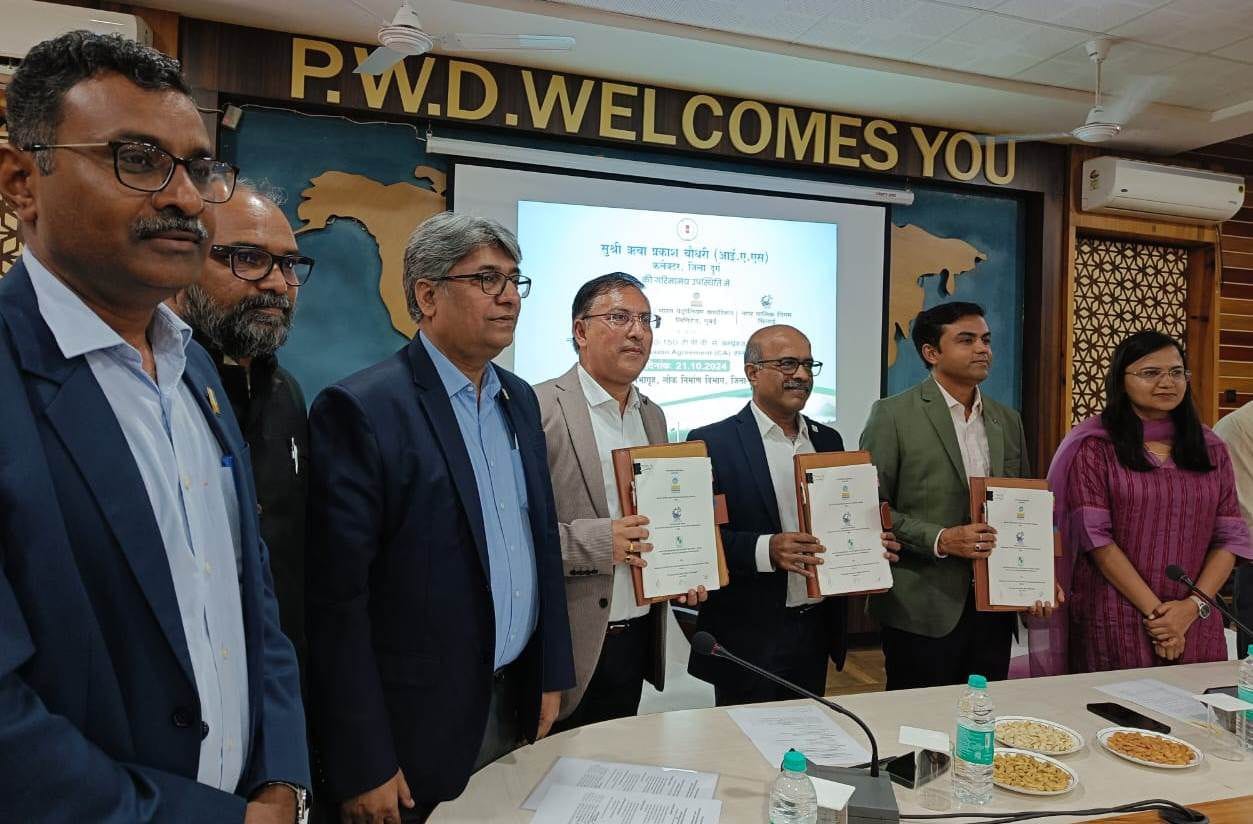
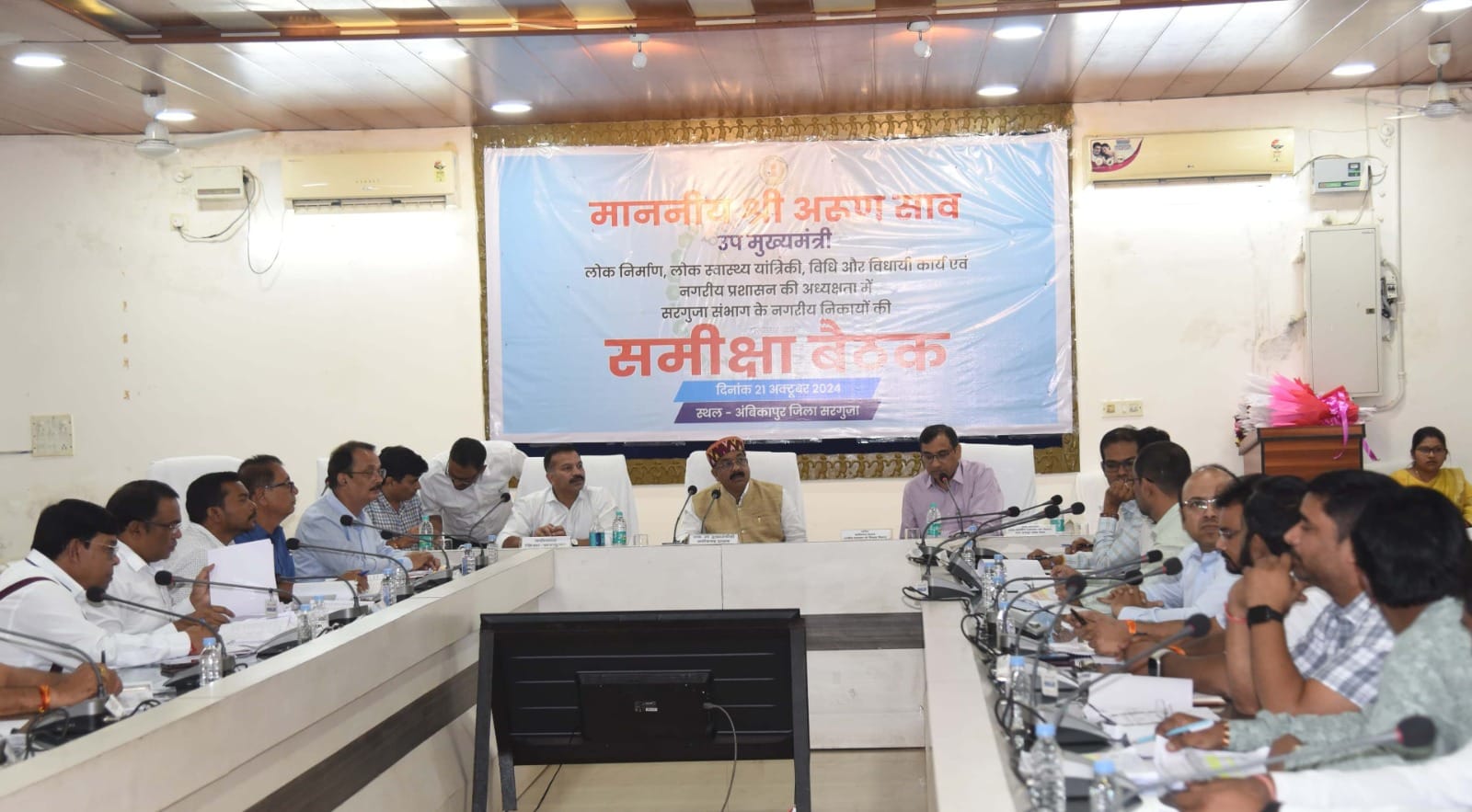
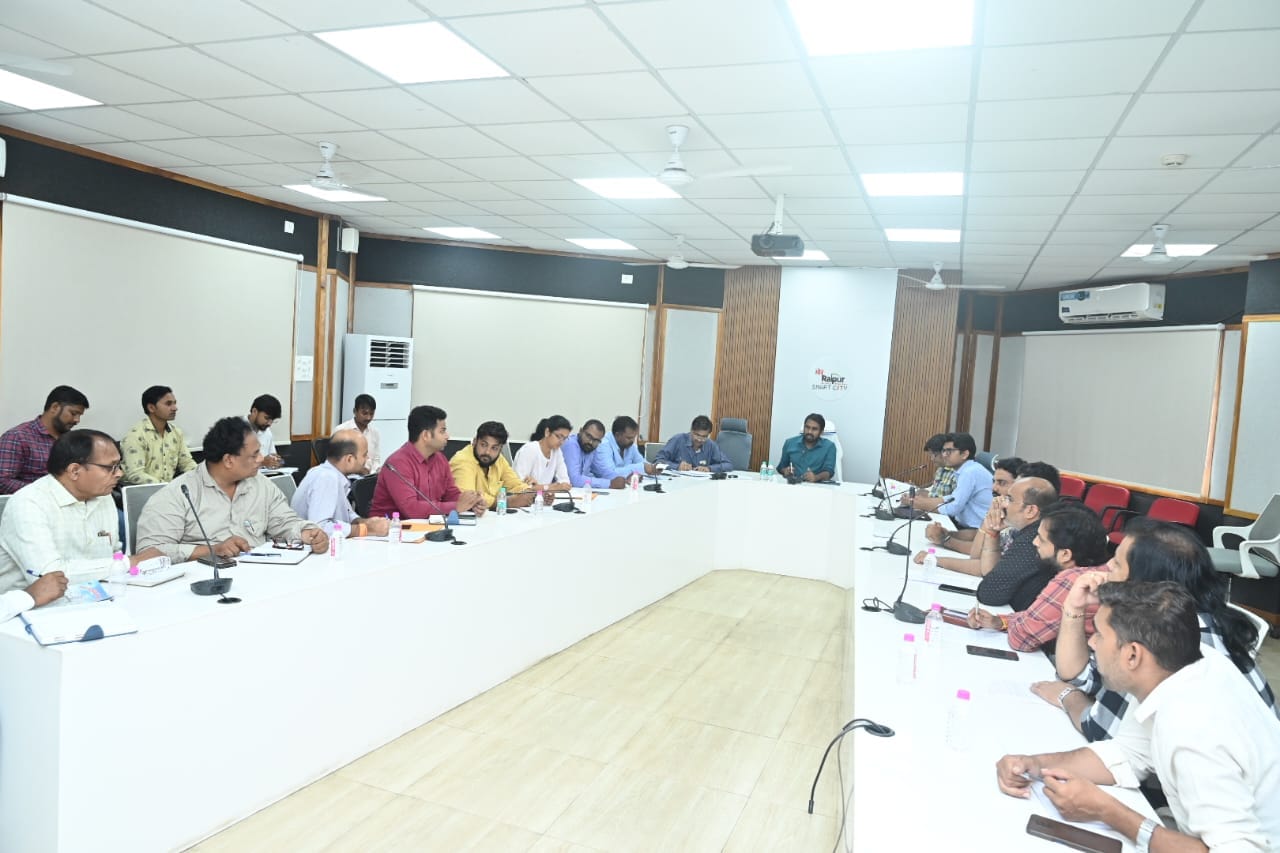
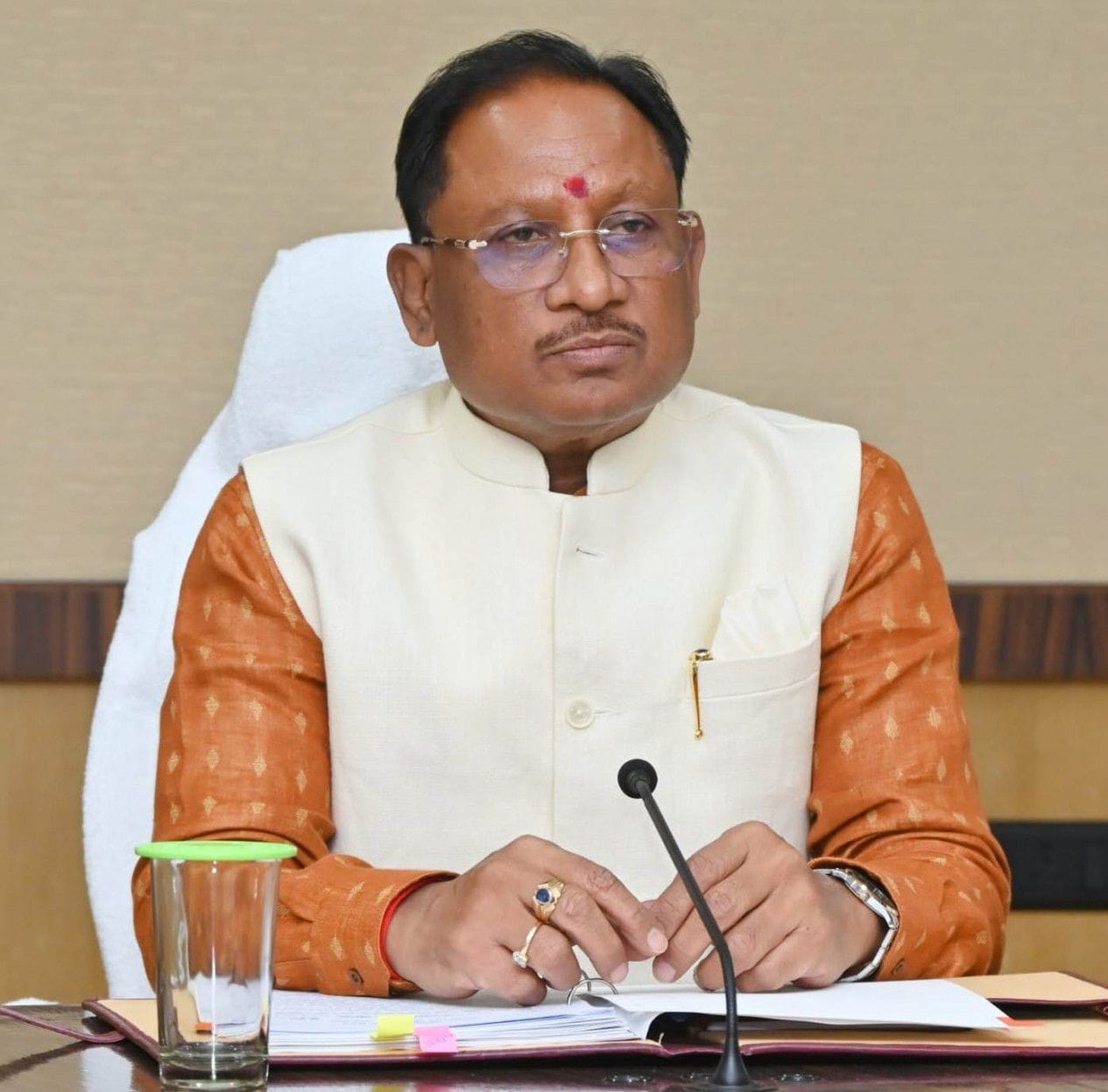
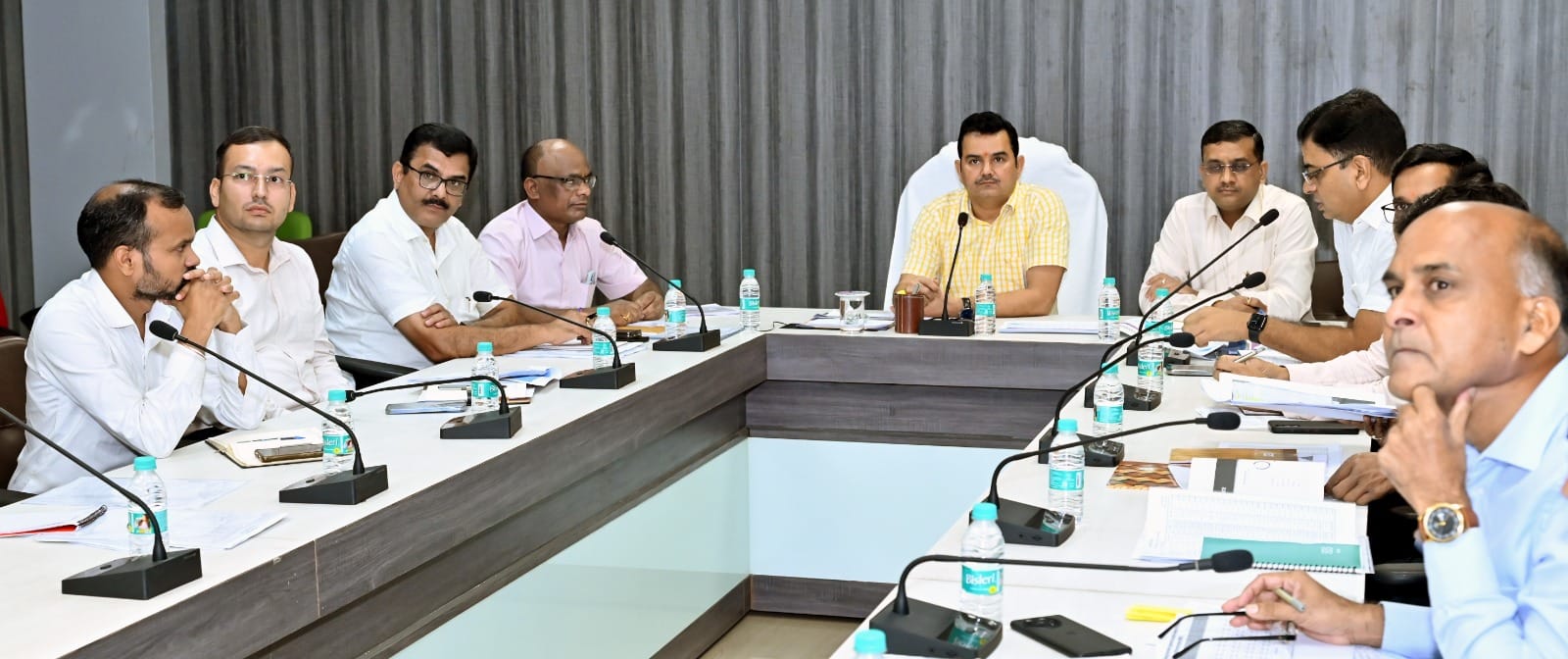
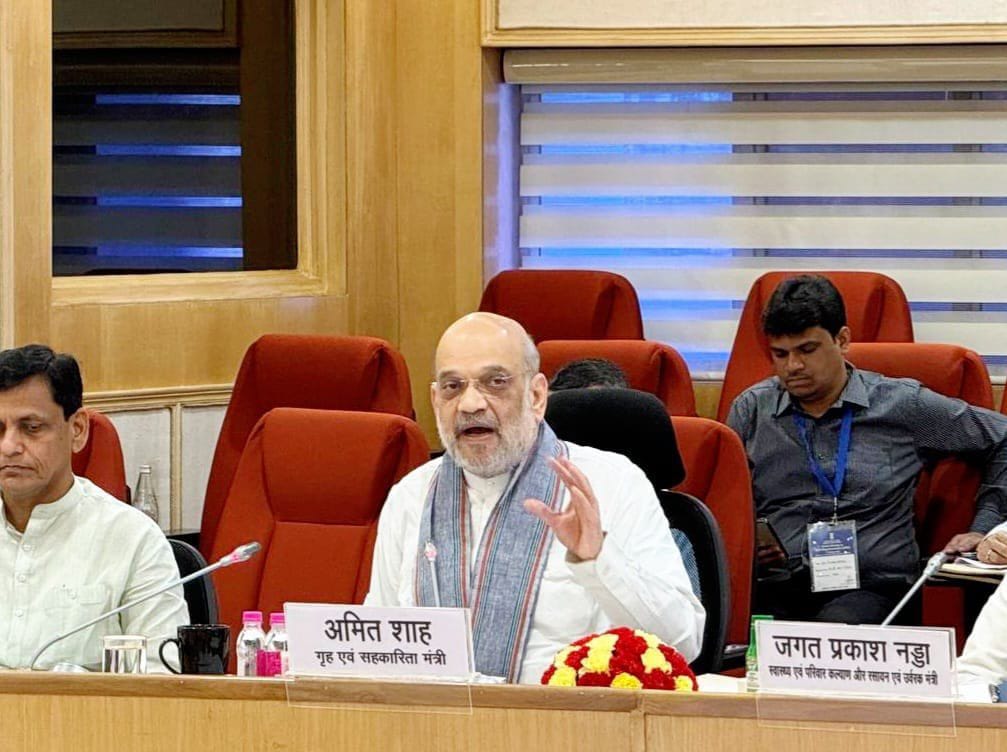
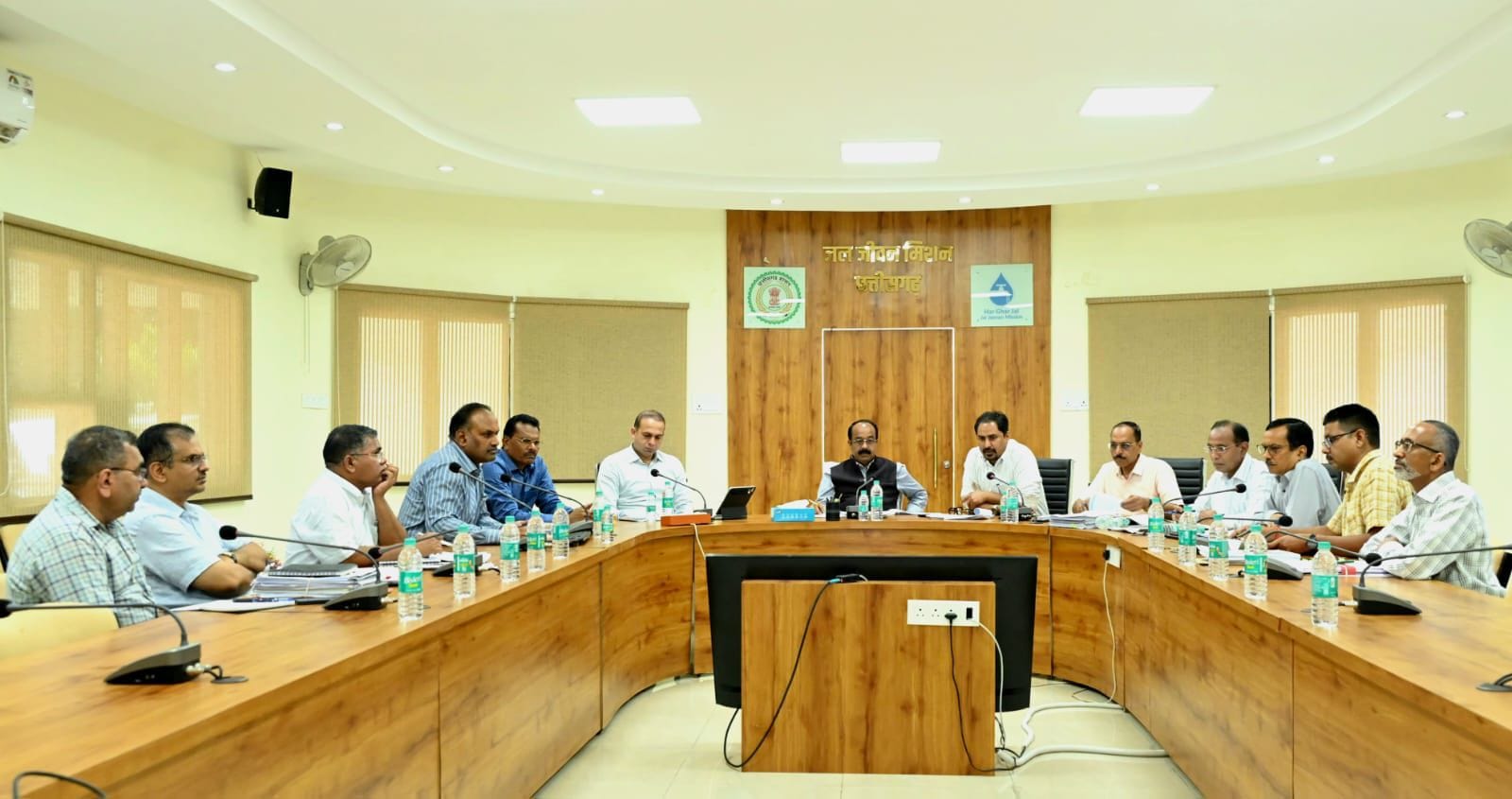
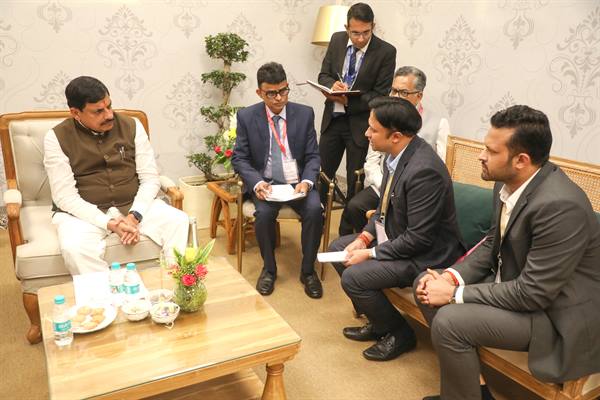
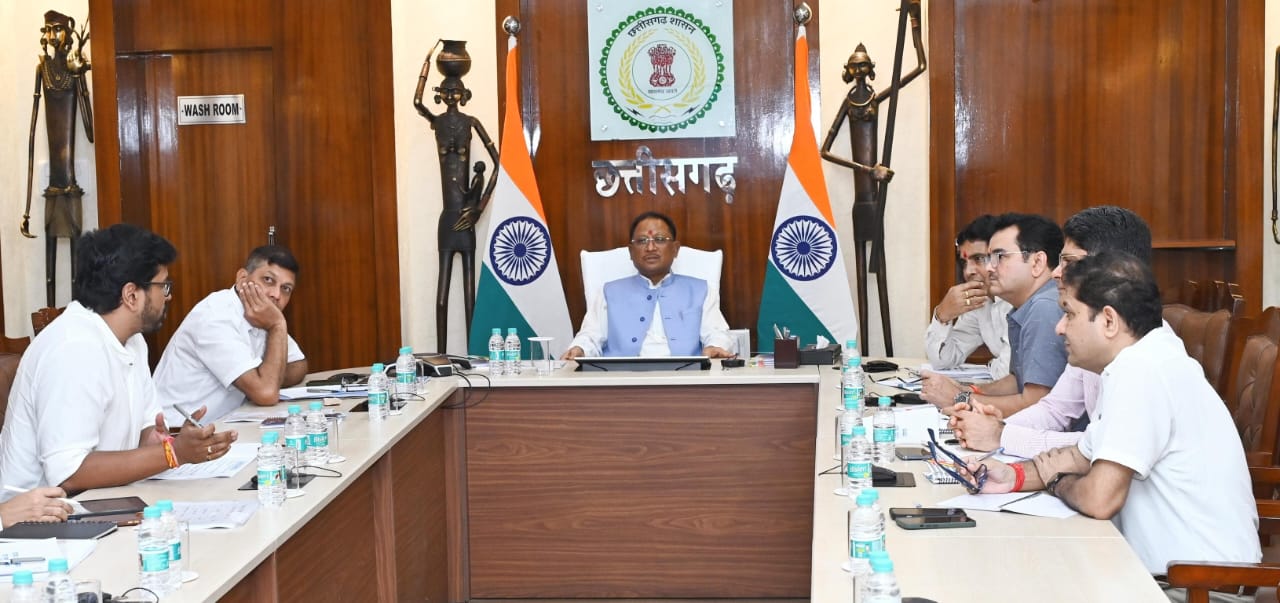
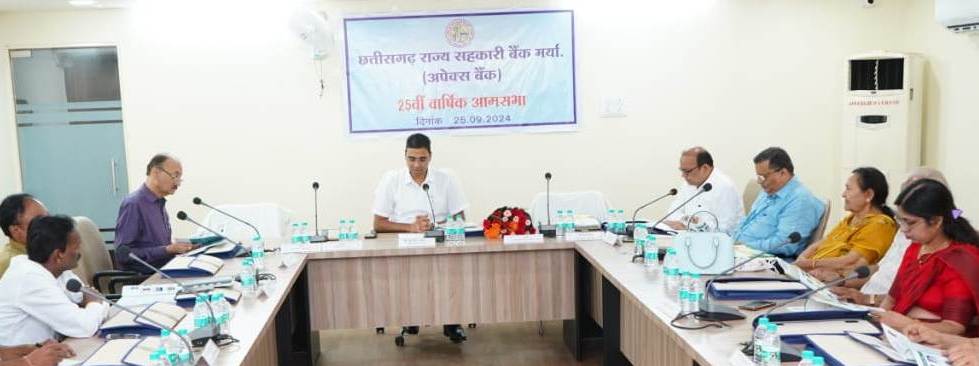
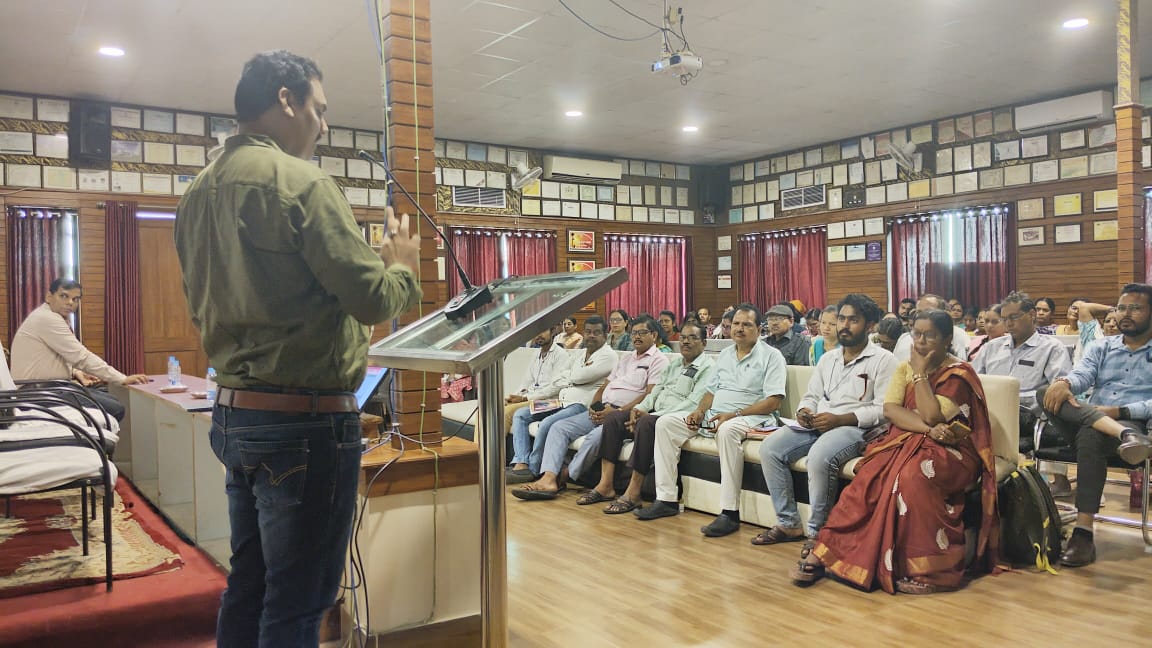
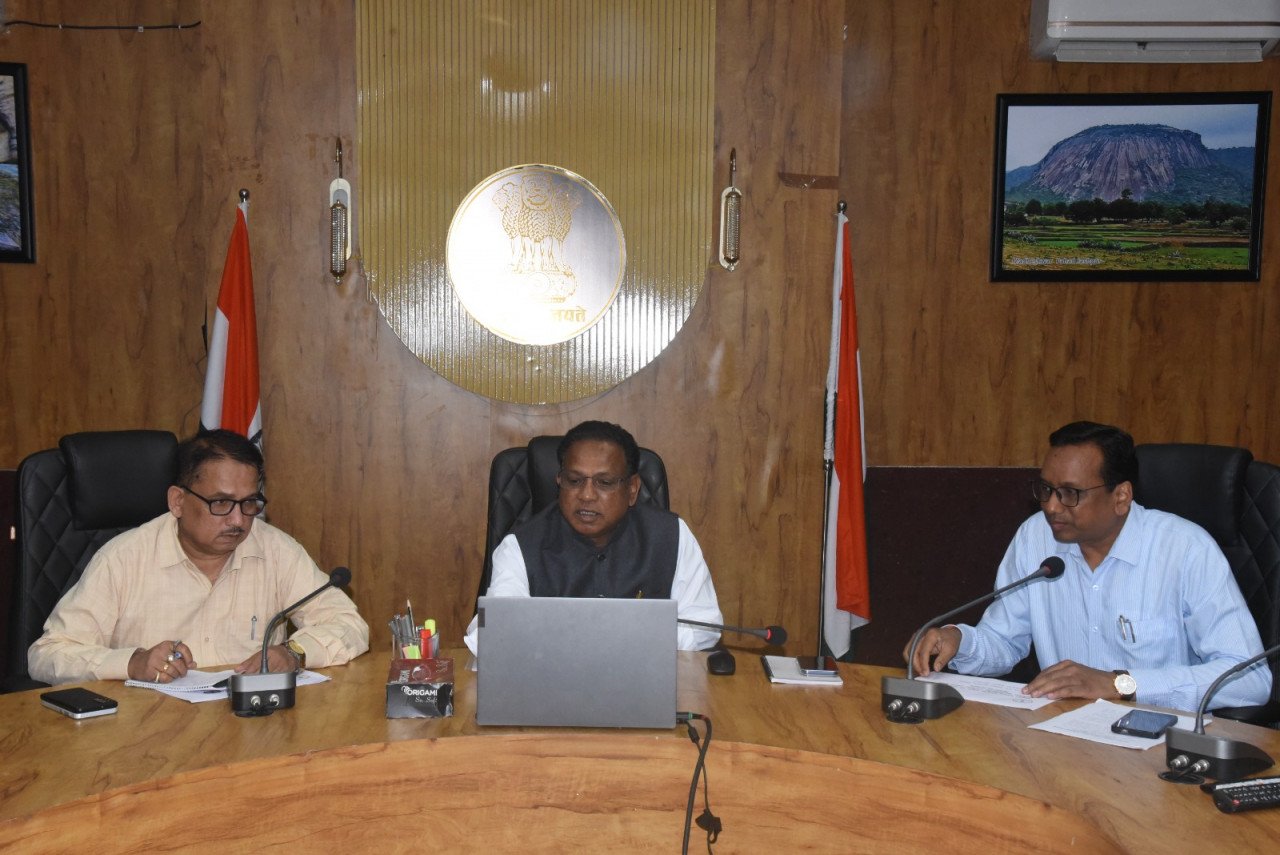
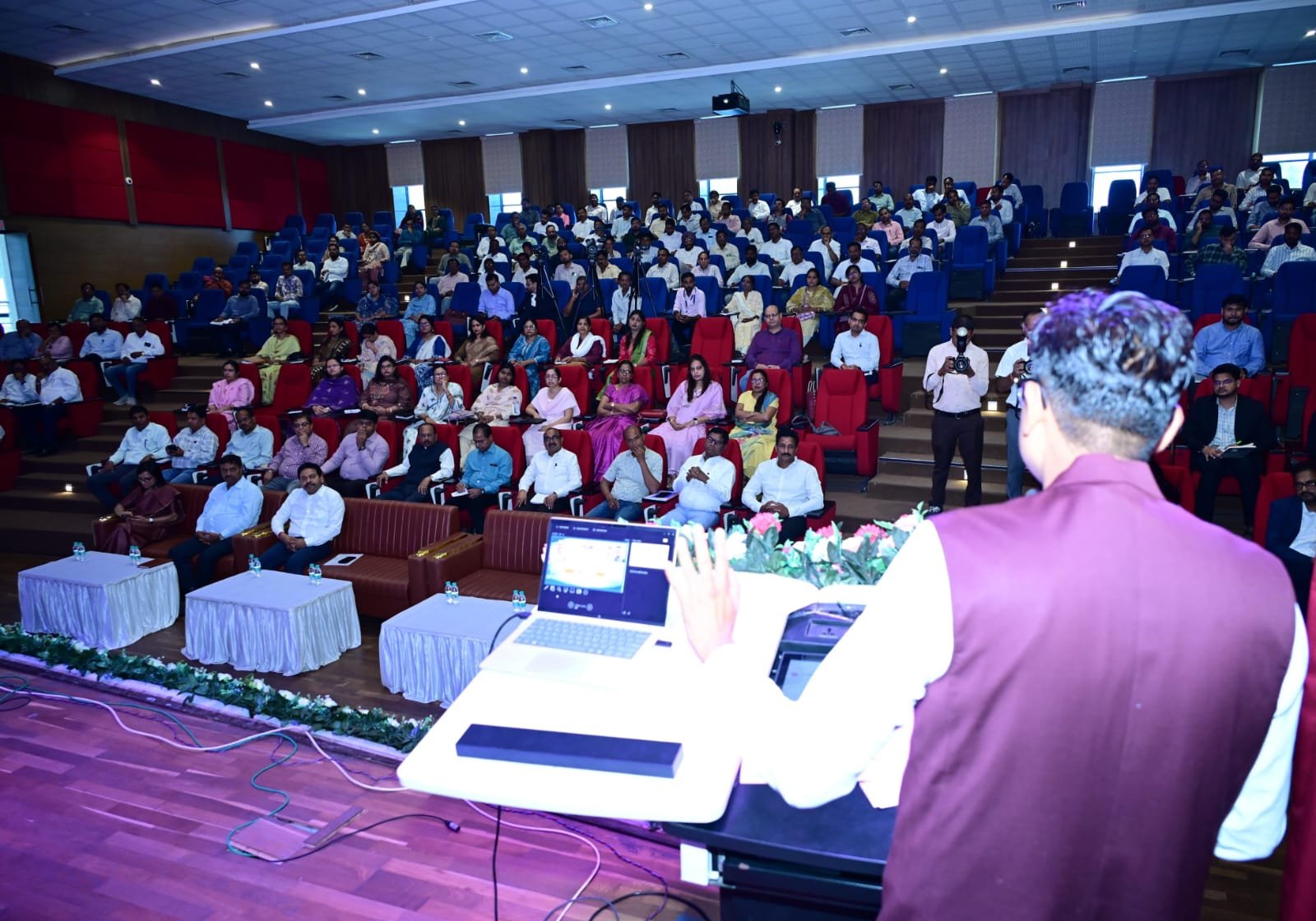
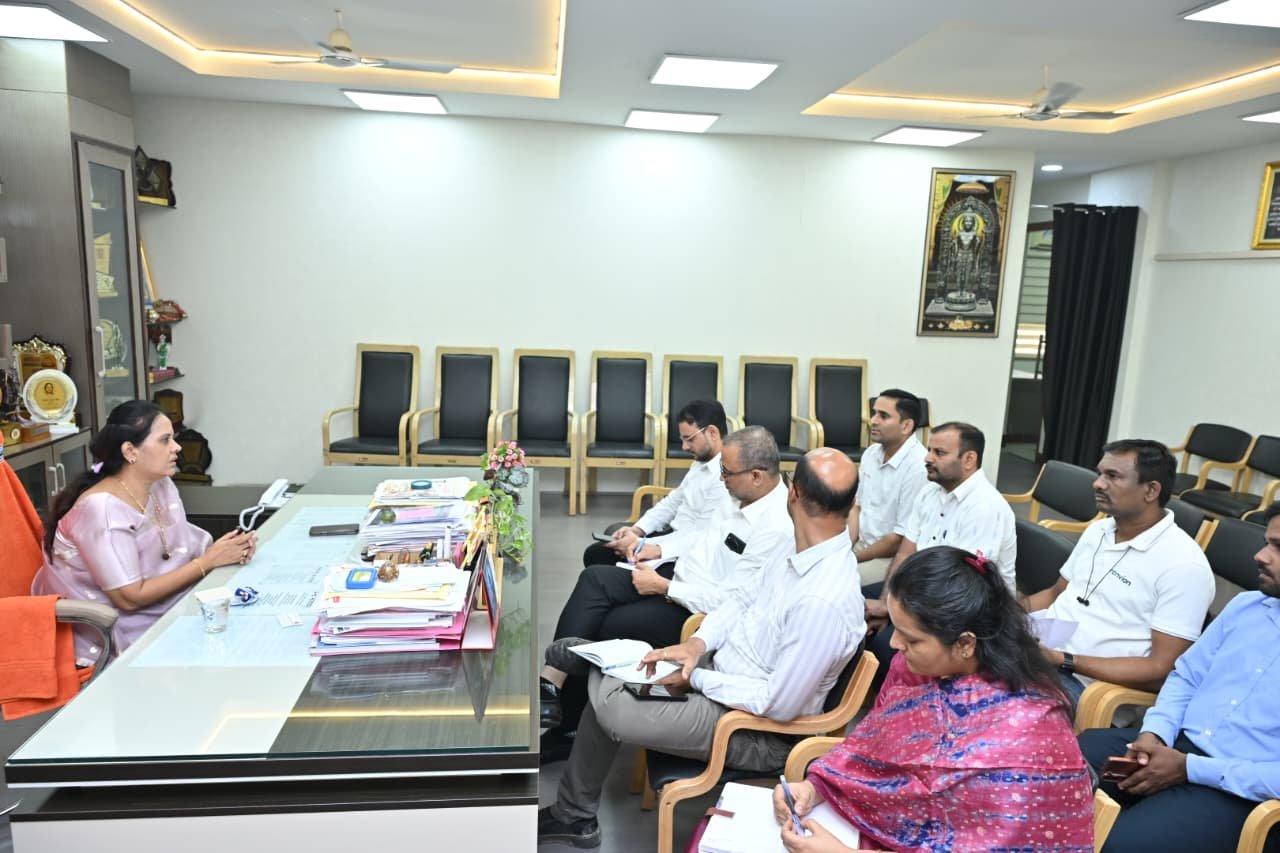
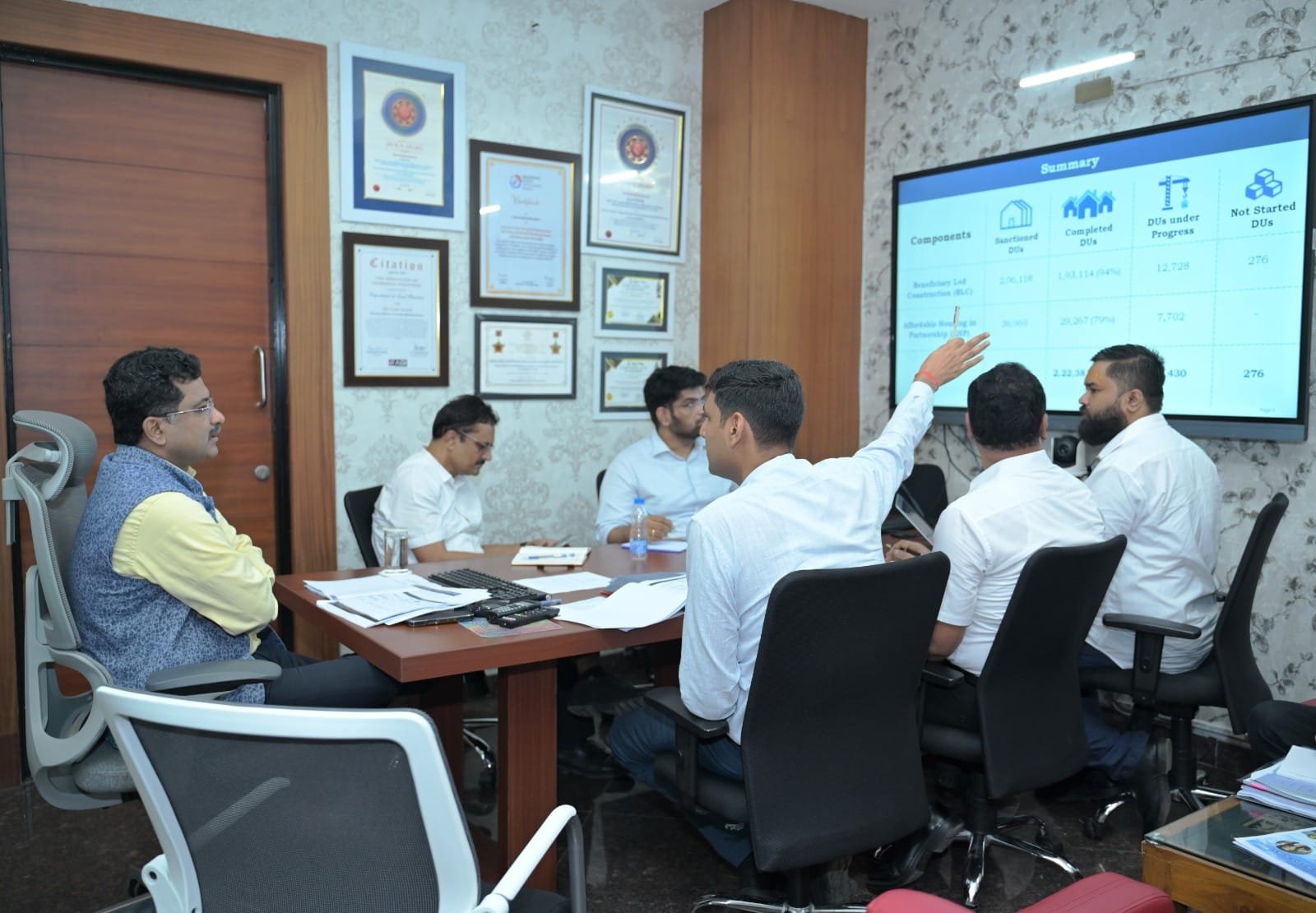
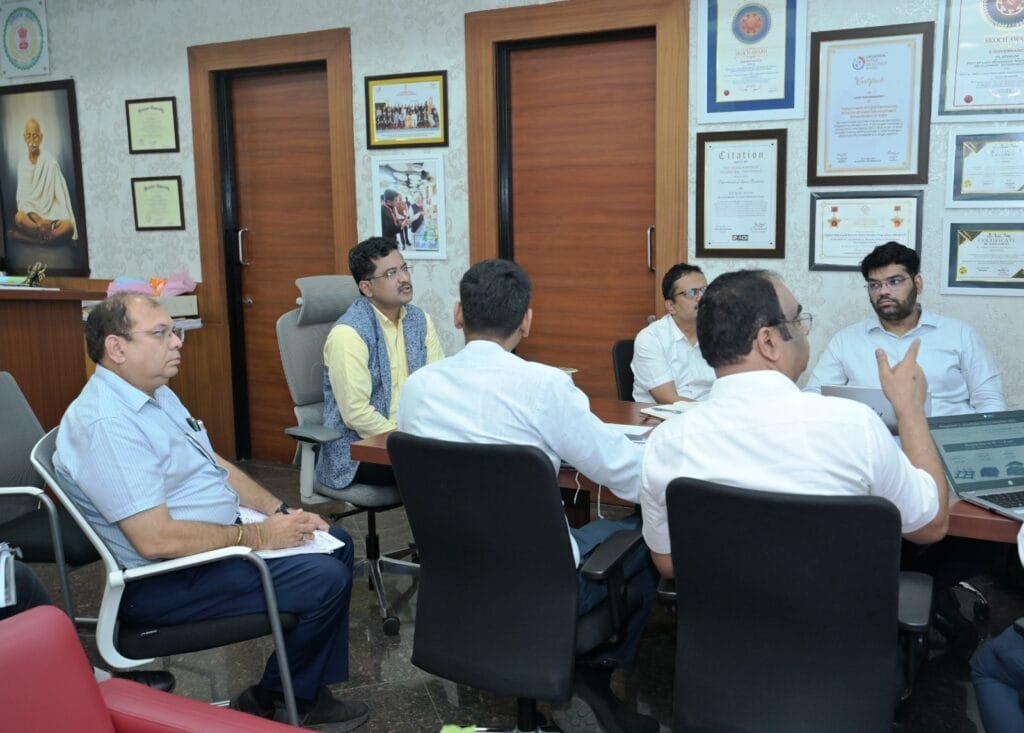
Mr. Sonmoni Borah, Principal Secretary of the Urban Administration and Development Department, reviewed departmental schemes today during a meeting with senior officials at the Mantralaya. He conducted a detailed review of the PM e-Bus Scheme, Pradhan Mantri Awas Yojana (Urban) 1.0, the proposed waste-to-energy project under Swachh Bharat Mission (Urban) 2.0, and works being undertaken under the 15th Finance Commission. While assessing the feasibility, financial aspects, time-bound implementation, and citizen benefits of these schemes, he issued necessary directives to the officials. He emphasized prioritizing public convenience, comprehensive planning, timeliness, financial viability, and long-term sustainability in the implementation of these schemes. He instructed officials to ensure the achievement of set targets within the stipulated timeframes through regular monitoring. SUDA CEO Mr. Sumit Agrawal was also present at the meeting.
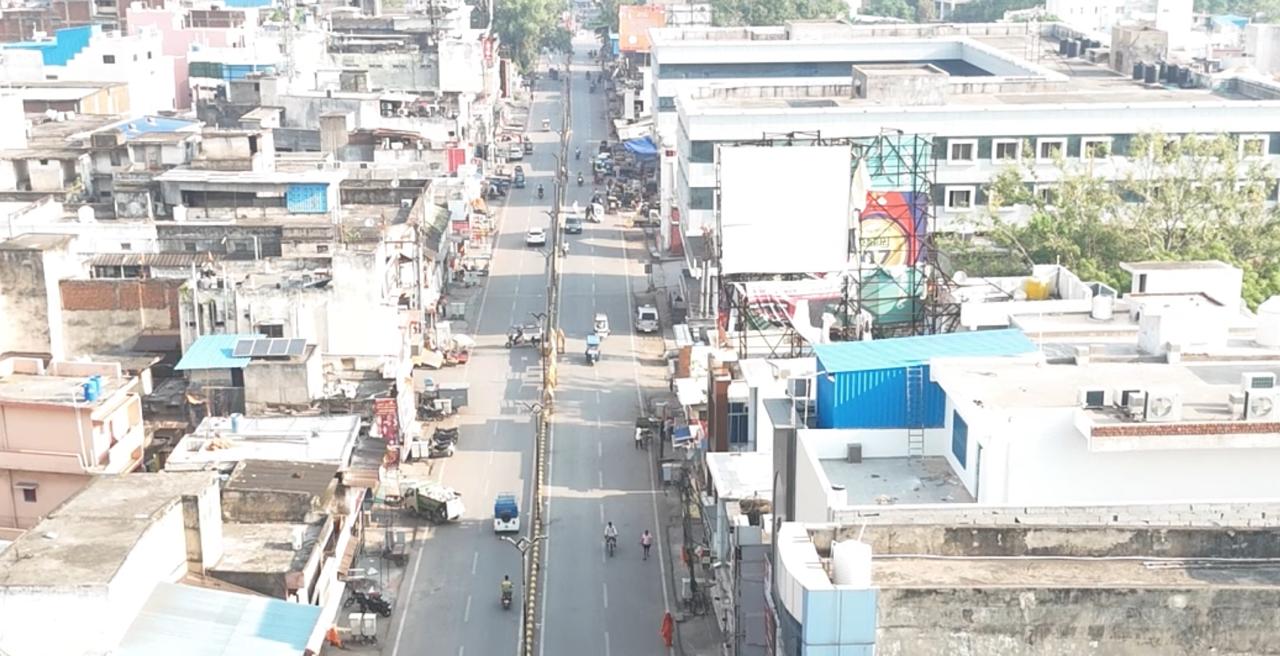
During the meeting, Principal Secretary Mr. Sonmoni Borah directed that a comprehensive route plan be prepared to make the operation of e-buses in Raipur organized, convenient, and highly beneficial to the public. He stated that while determining e-bus routes, key tourist attractions, schools, colleges, hospitals, and other important locations in Raipur should be included to ensure better connectivity across various parts of the city and enable the maximum number of citizens to benefit from public transport. He instructed that a detailed survey plan be prepared to assess the feasibility, passenger movement, and connectivity of the proposed bus routes. Additionally, he directed the preparation of a list of bus stops based on the PPP model and emphasized that the location of these stops should be determined according to passenger convenience and requirements. The Principal Secretary directed officials to initiate the process of fixing reasonable and convenient fares, keeping in mind passenger convenience and the paying capacity of the general public. He emphasized the effective use of innovative technologies to make the e-bus scheme modern and citizen-centric. He instructed that an action plan be prepared—leveraging technology for bus routes, stops, fleet availability, and passenger amenities—to ensure the provision of smooth, safe, and superior public transport services.
Mr. Bora directed that housing units under construction as part of the Pradhan Mantri Awas Yojana (Urban) 1.0 be completed by the mission’s final deadline of September 30, 2026. He called for the launch of a special drive with weekly targets based on the number of remaining and under-construction houses in urban local bodies, urging that construction be completed in “mission mode.” He also instructed officials to regularly review housing progress at the urban local body level and to accelerate work through necessary coordination in areas where construction is proceeding slowly.

The Principal Secretary directed District Collectors to set clear targets for completing the remaining housing units in their districts and to ensure continuous monitoring. He emphasized completing pending housing projects within the stipulated timeframe through better coordination between the district administration and urban local bodies. He directed that any technical, administrative, or other issues hindering construction be identified and resolved in a timely manner. Furthermore, he instructed that installment payments be made on time—in accordance with scheme provisions and based on the actual construction progress—to ensure beneficiaries receive necessary financial assistance and construction momentum is maintained.
During the meeting, Mr. Bora conducted a detailed review of the clusters identified, their feasibility, and the financial aspects of the ‘Waste-to-Energy’ projects under Swachh Bharat Mission (Urban) 2.0. He noted that Waste-to-Energy projects represent a significant initiative toward the scientific and effective management of solid waste. He stated that their implementation requires a clear assessment of long-term financial sustainability alongside technical feasibility. He directed that a comprehensive assessment be conducted regarding the potential financial liabilities that would fall upon the state government and urban local bodies in relation to waste-to-energy projects. He emphasized the need to prepare realistic estimates of the financial resources required for the future operation and other needs of these projects. He stated that while advancing these proposals, a clear assessment of the potential long-term financial burden on the state government must be made to ensure that the financial structure of the projects is viable and sustainable.
The meeting also included a detailed discussion on the potential participation of the private sector under the Public-Private Partnership (PPP) model. Principal Secretary Shri Sonmani Borah directed that a detailed assessment be carried out regarding the availability of capable and experienced private partners, their interest in investing in the project, and their expectations. He also emphasized ensuring a balanced determination of responsibilities and financial participation among the state government, urban local bodies, and the private sector, so that project implementation remains practical and long-term.so that they could be made sustainable in the long run. He directed that the proposal be finalized as soon as possible to ensure further action.
- Emphasis on Better Planning and Gap Analysis for 15th Finance Commission Works
During the meeting, Principal Secretary Shri Bora instructed officials to utilize funds received from the 15th Finance Commission based on appropriate and long-term plans. He stated that work plans should be prepared on a priority basis after assessing the resources available in urban bodies and local requirements, thereby ensuring the most effective use of limited resources.
Placing special emphasis on road planning, he stated that road construction and upgradation works should be carried out systematically—keeping the city’s overall infrastructure and future needs in mind—rather than in a fragmented or scattered manner. He directed that priorities for road-related projects be determined by assessing requirements, traffic load, connectivity, and the current status of the area.
The Principal Secretary also discussed saturation-based development in urban bodies. He stated that the status of basic amenities in every area should be assessed to ensure the full availability of essential civic facilities. To this end, he directed that a ‘gap analysis’ be prepared to identify deficiencies regarding roads, drainage, drinking water, street lighting, and other essential urban infrastructure, enabling the formulation of an action plan based on priorities. Selecting projects based on gap analysis would make development work more targeted, effective, and result-oriented.