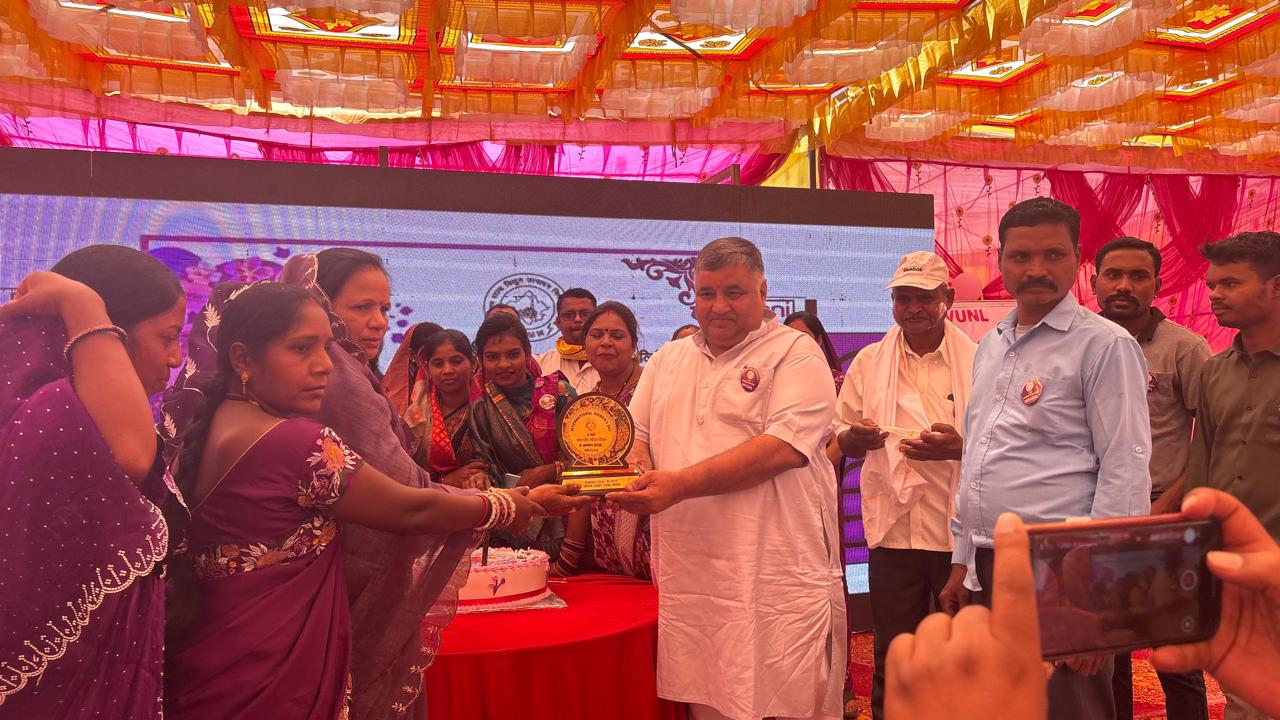








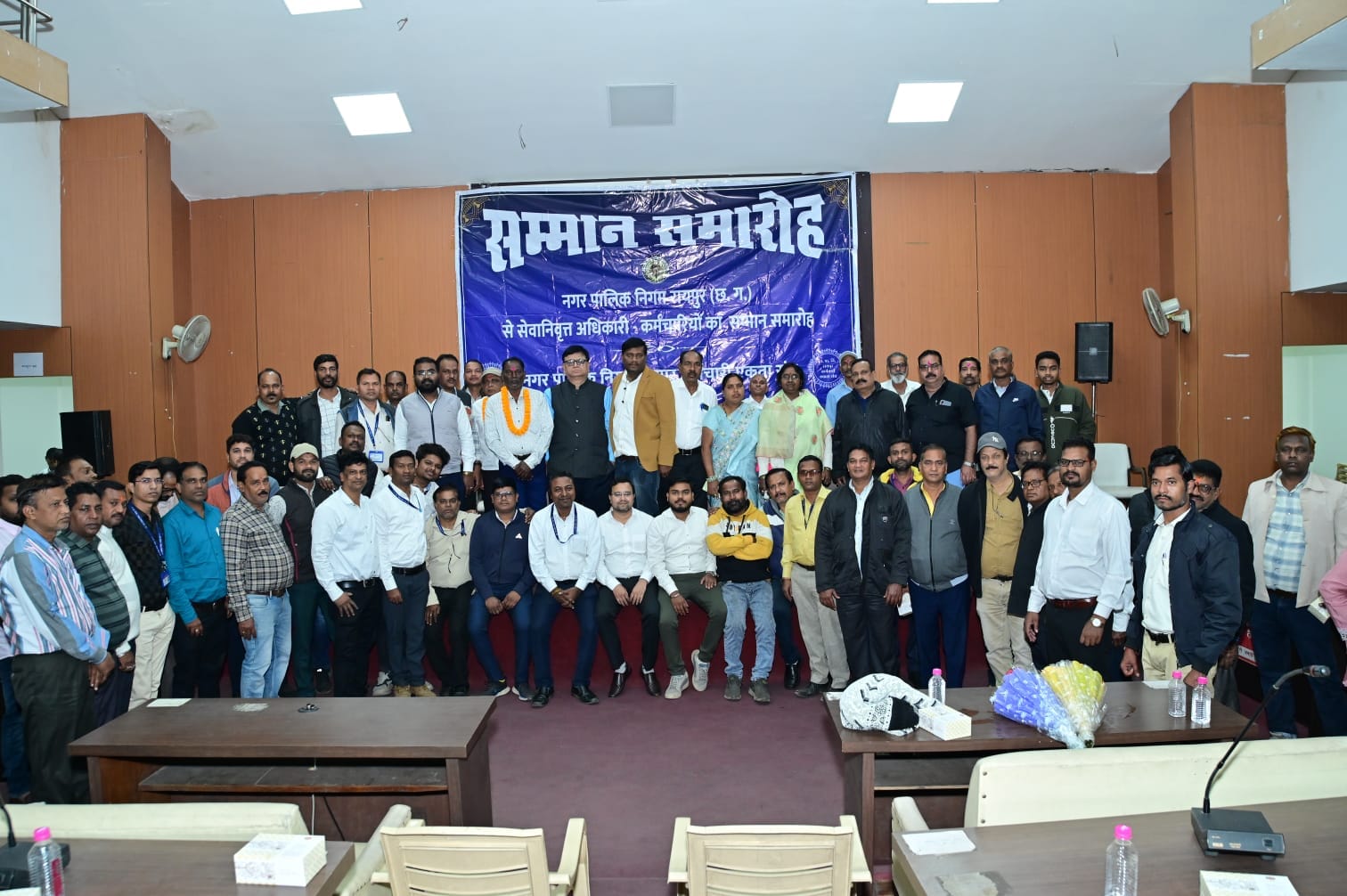




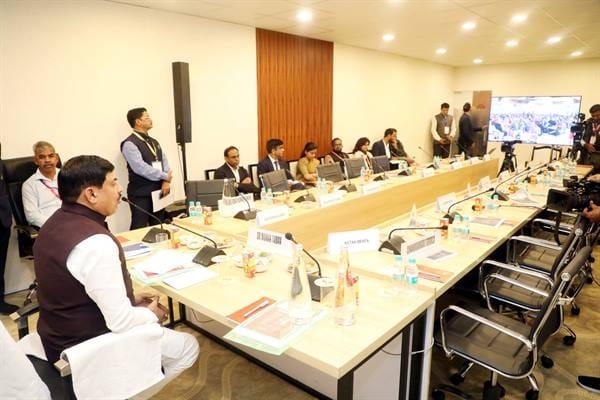















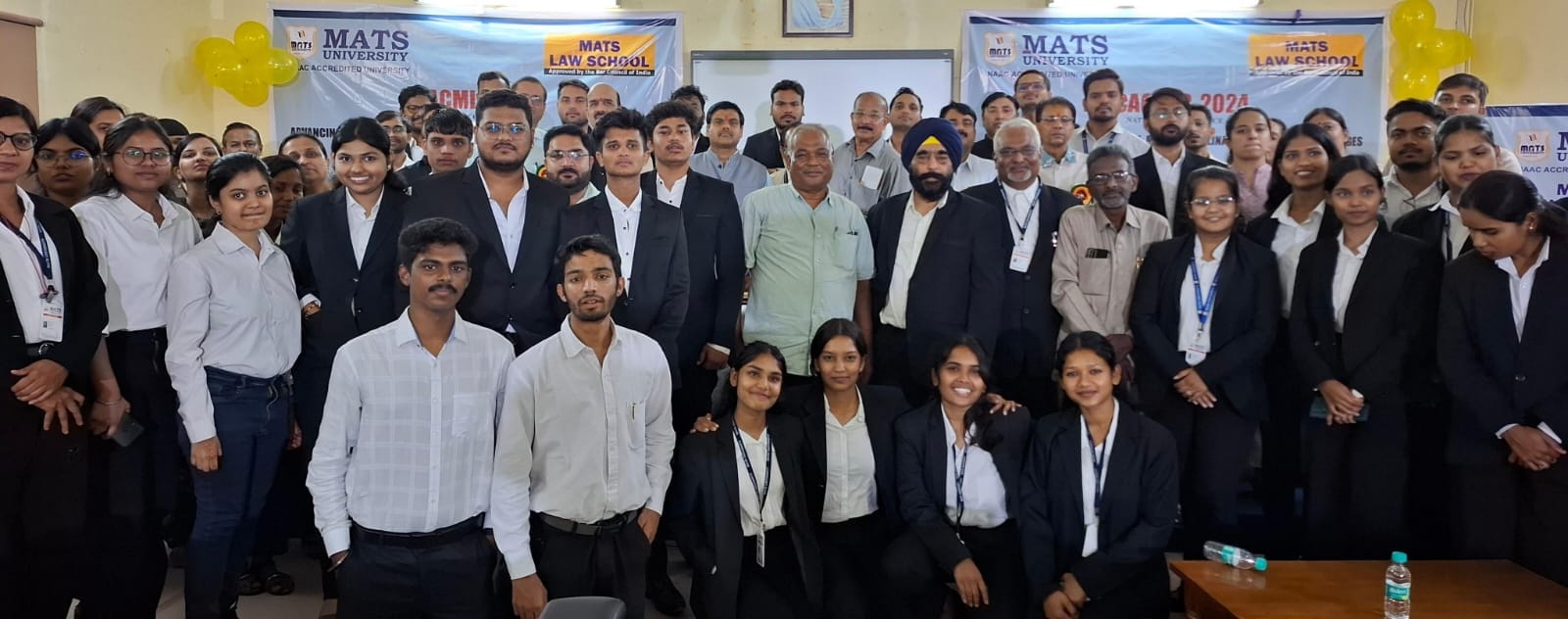


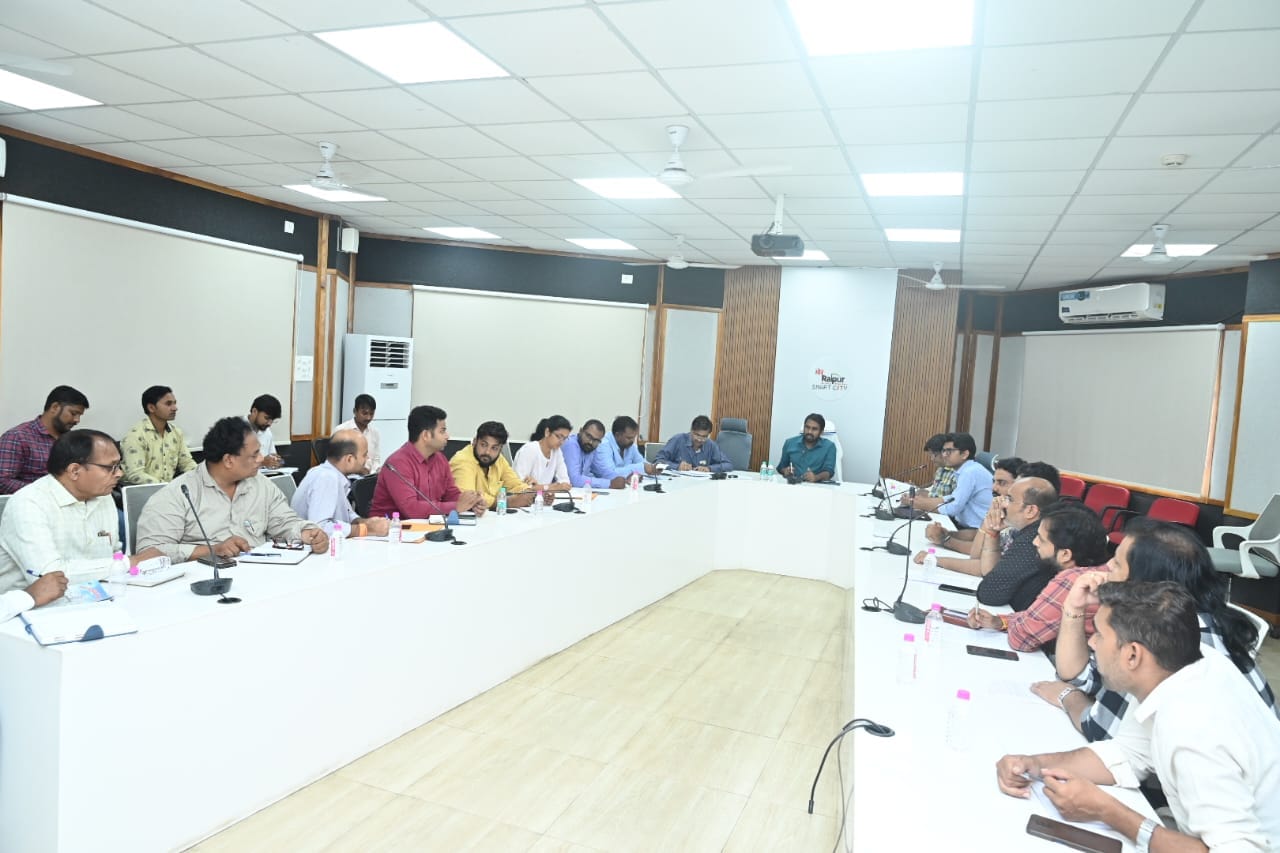


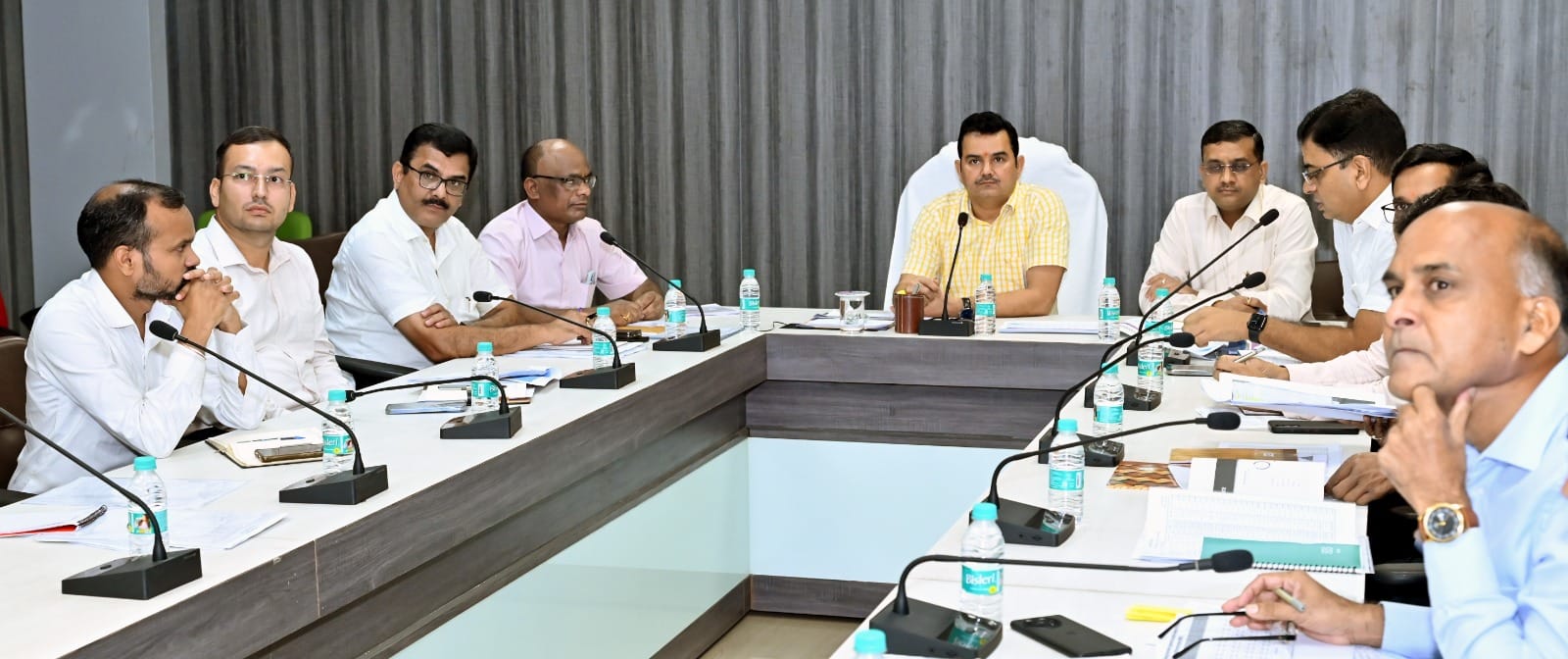
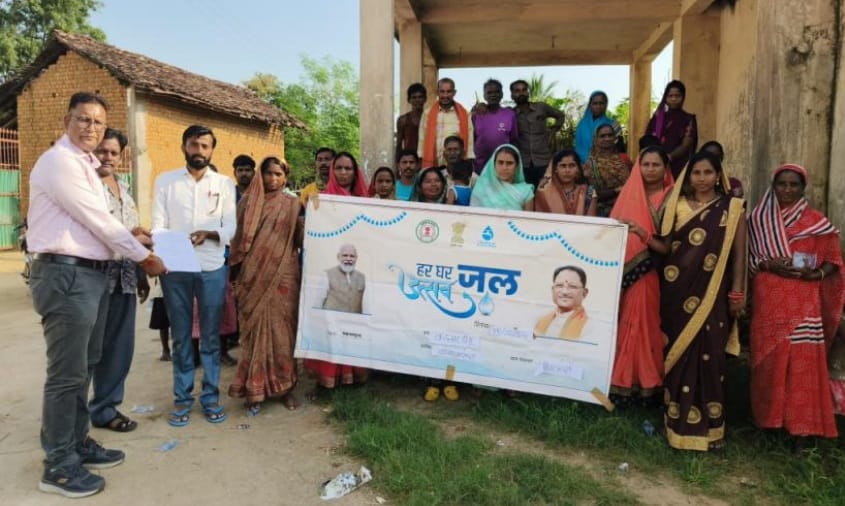
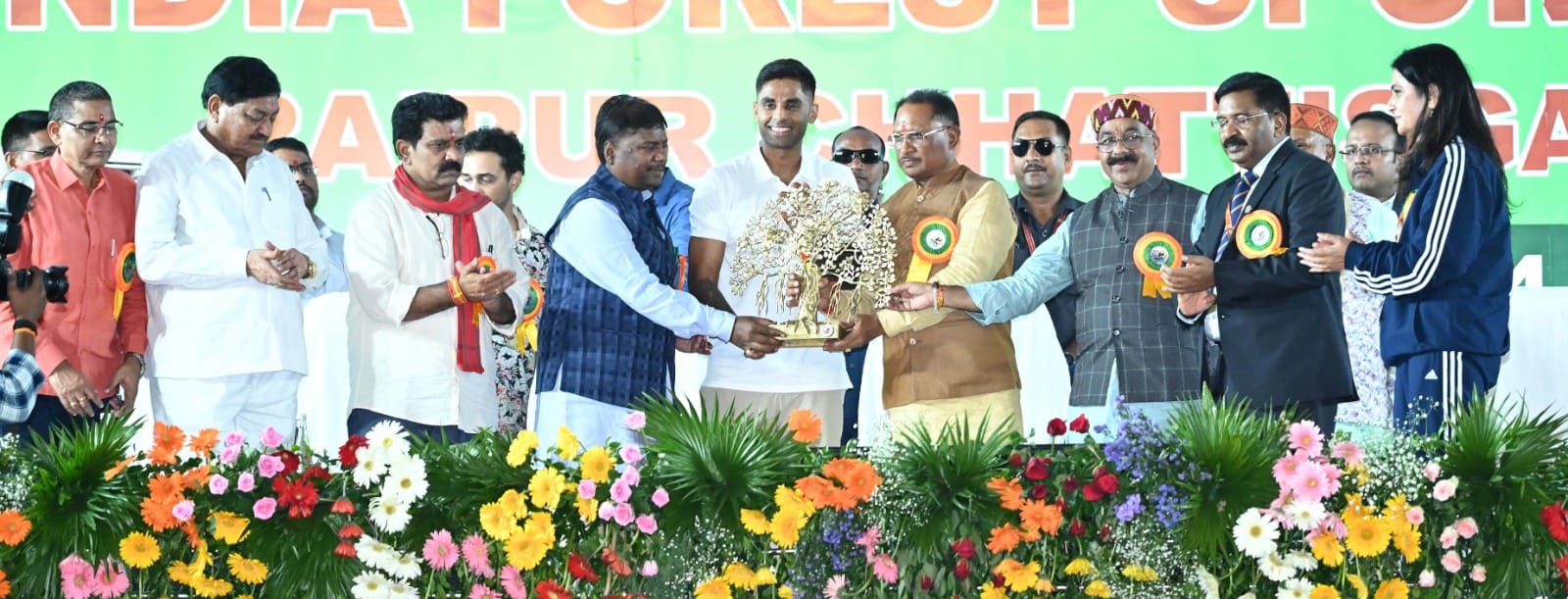
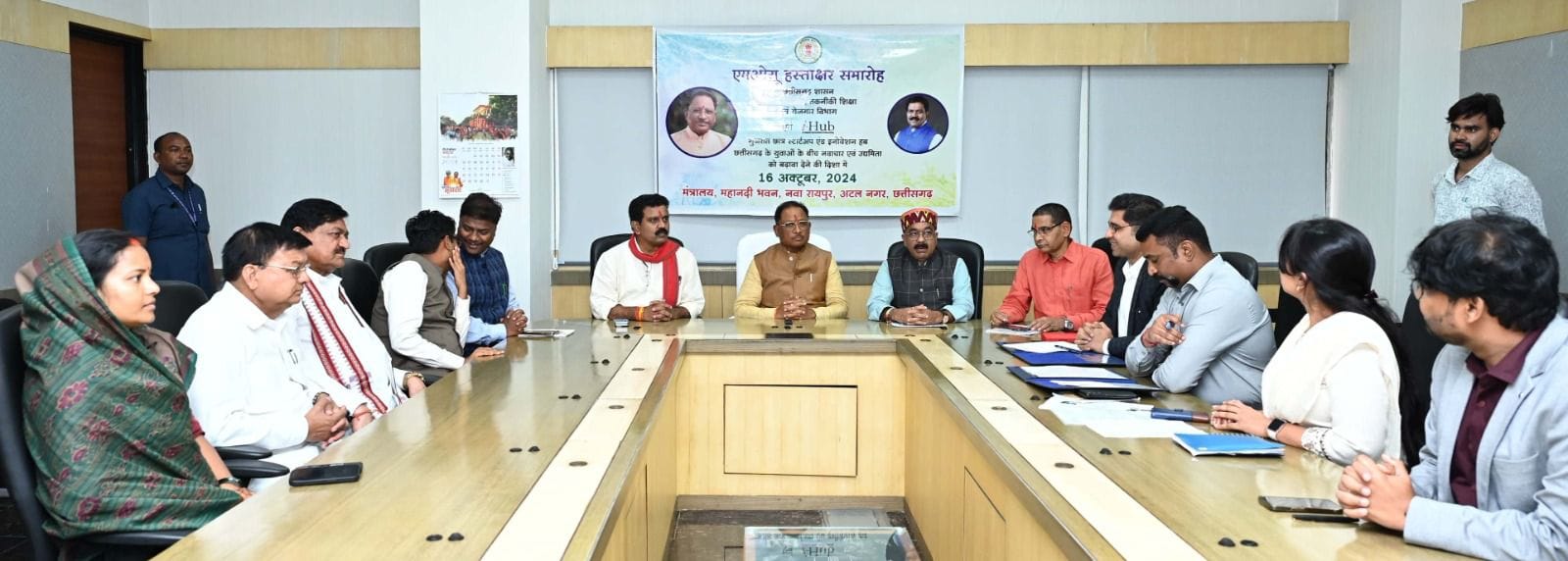
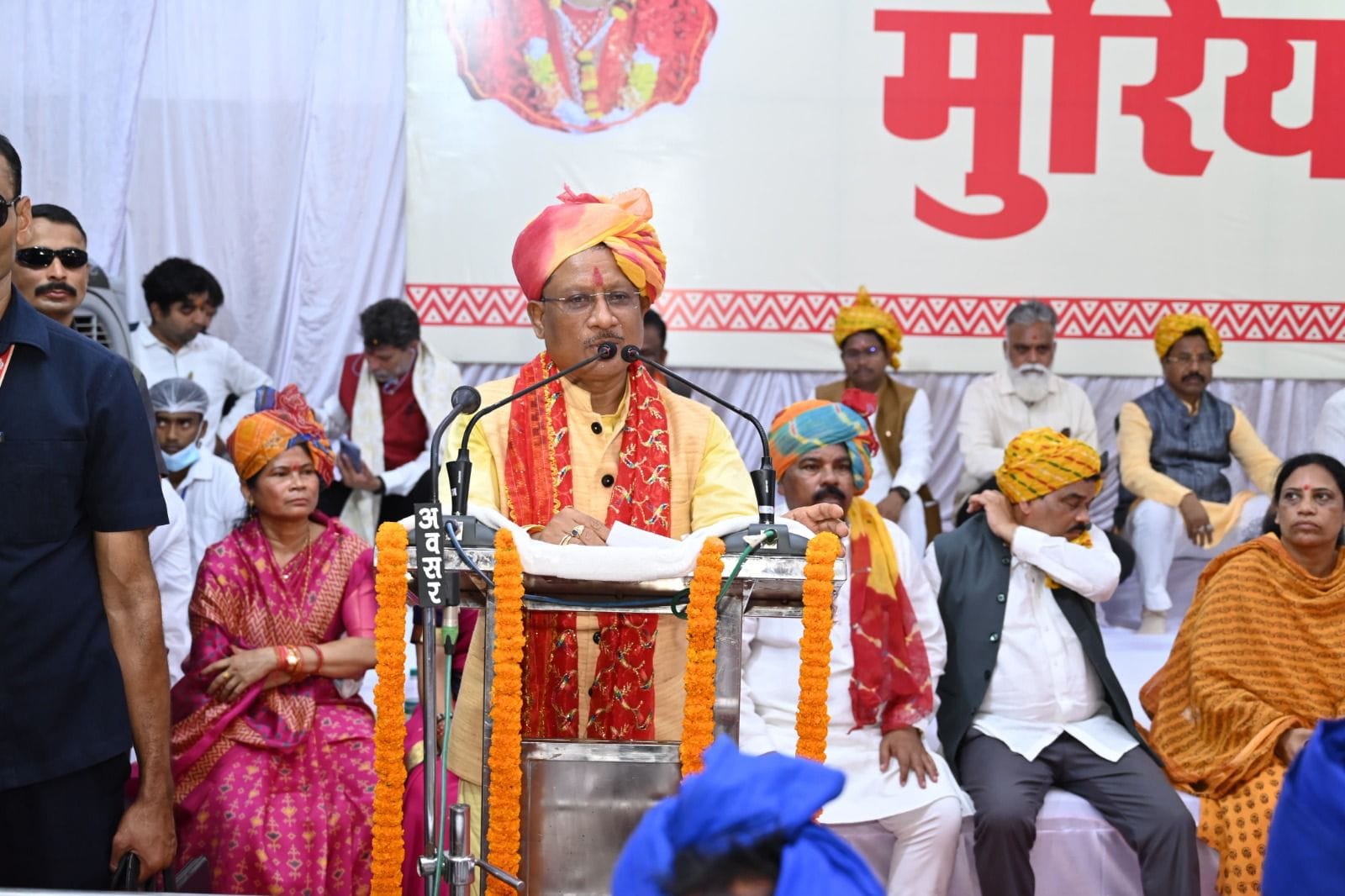

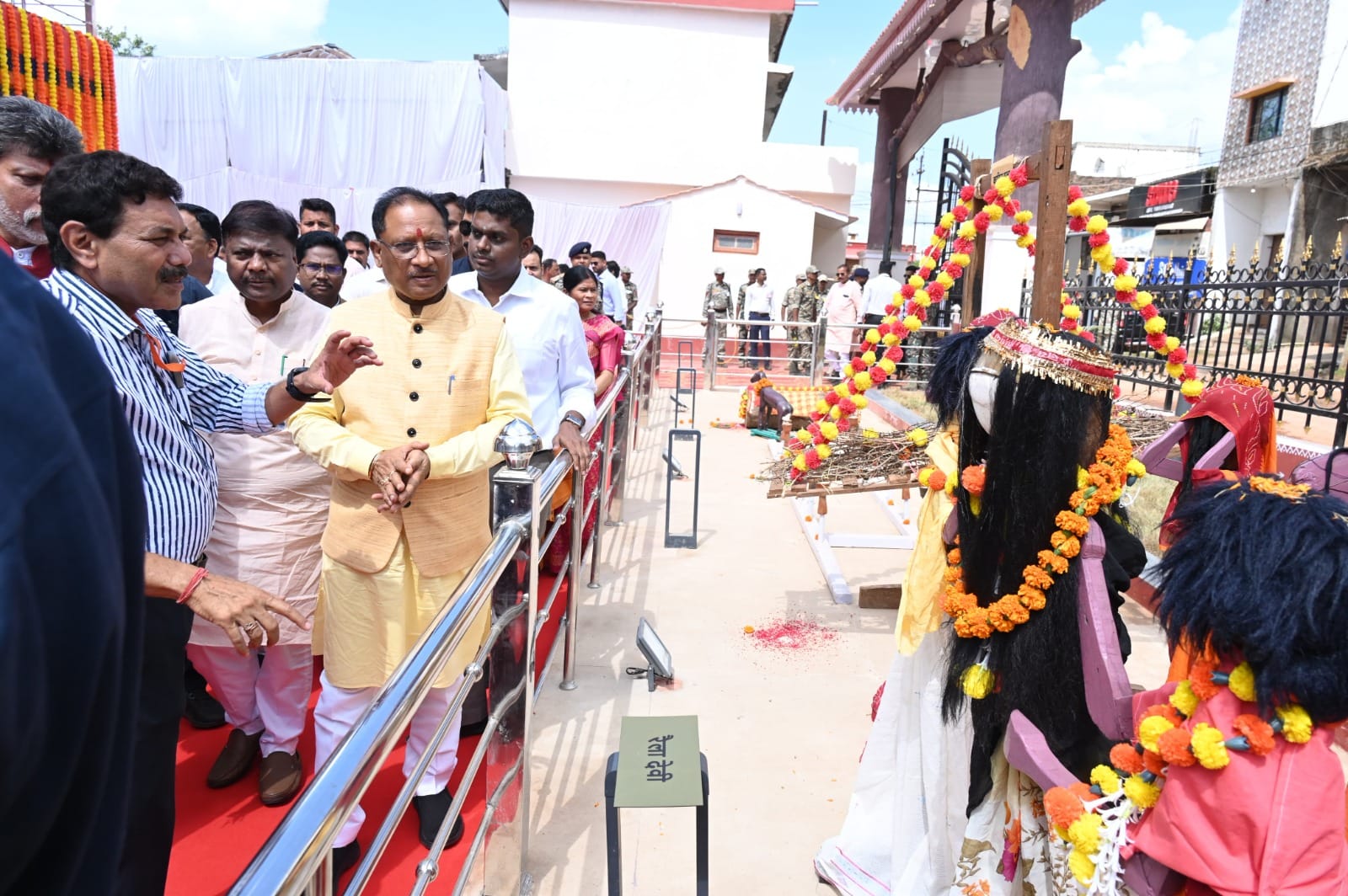

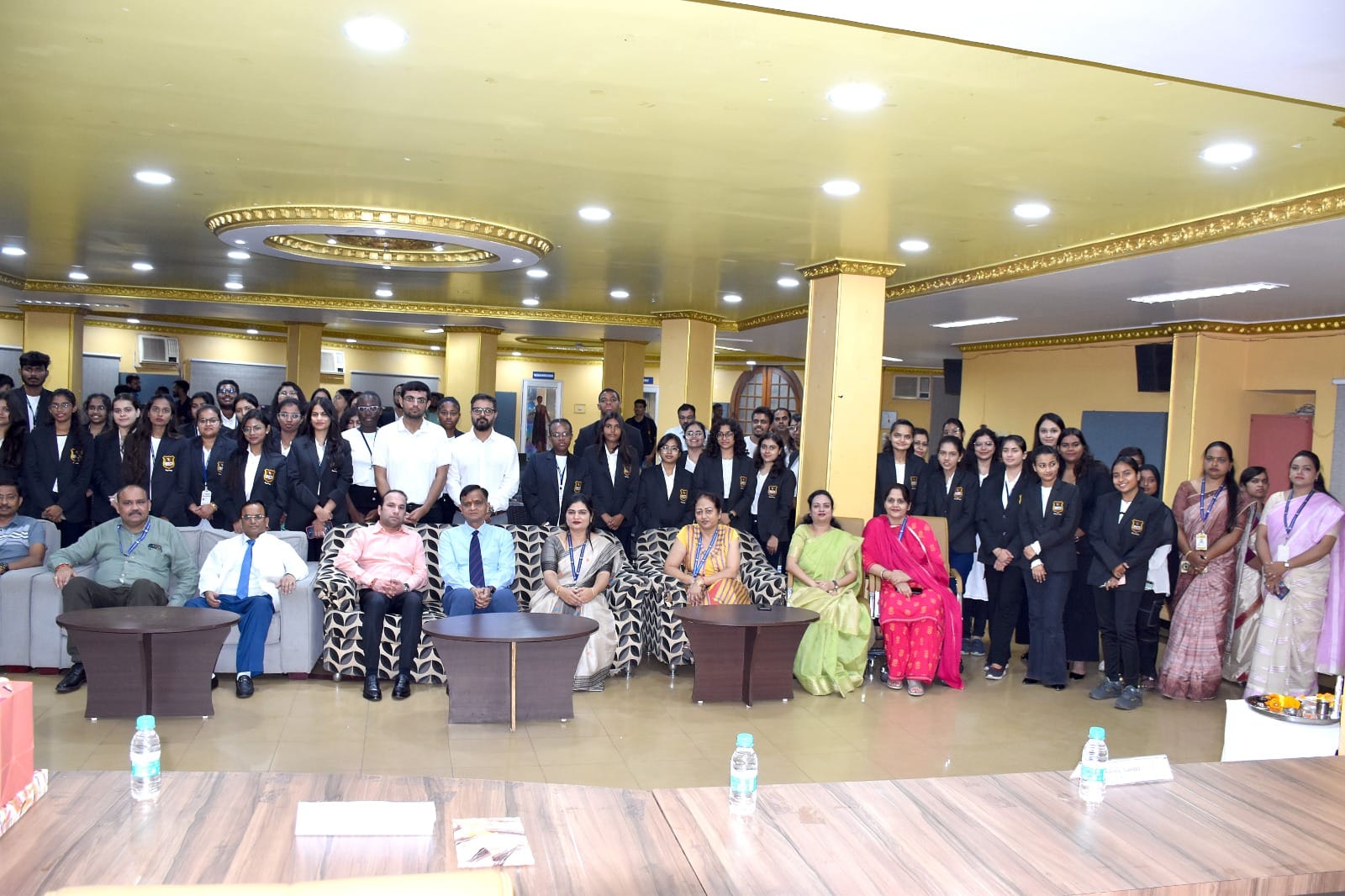









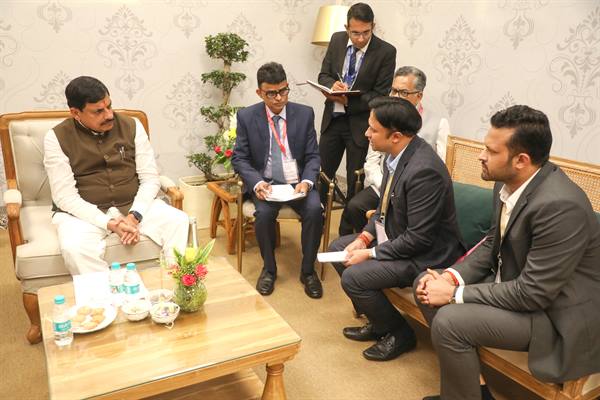




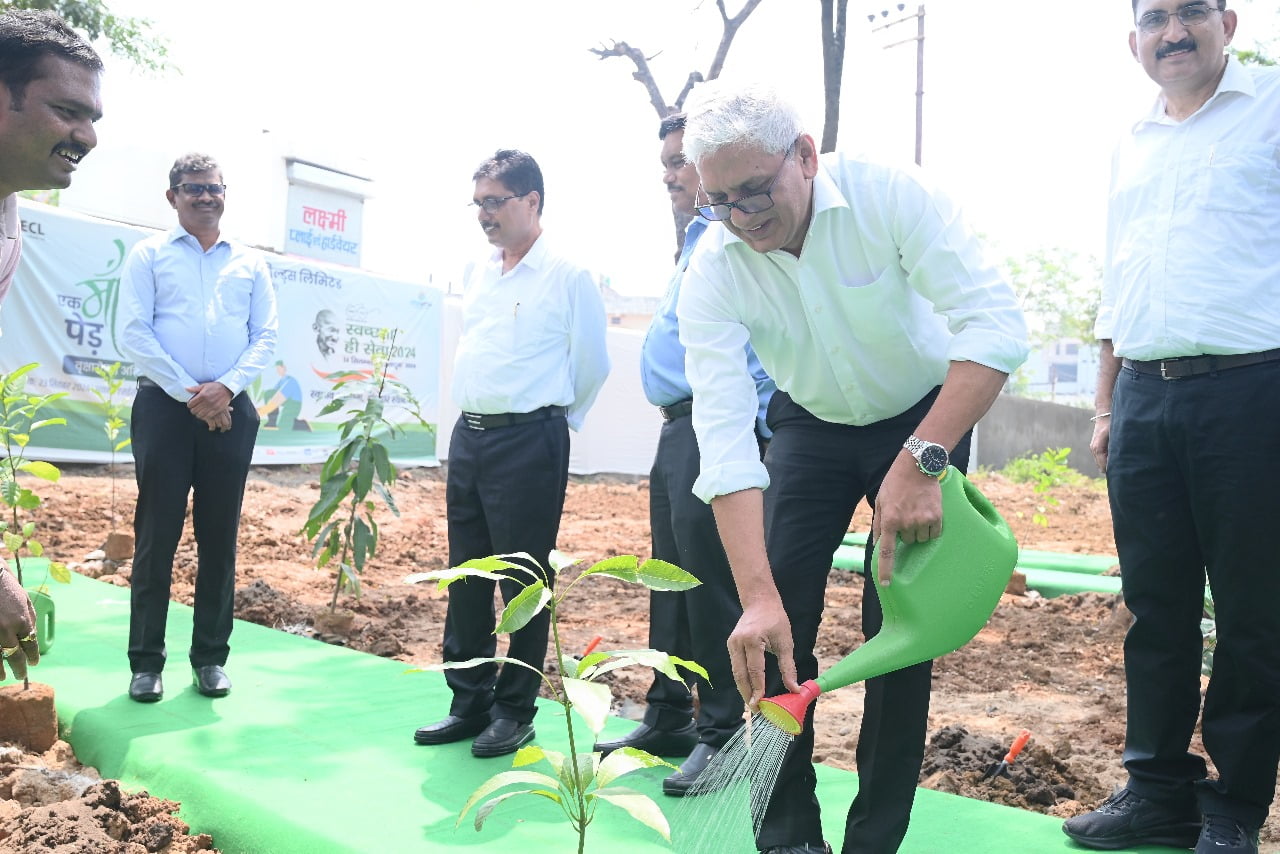
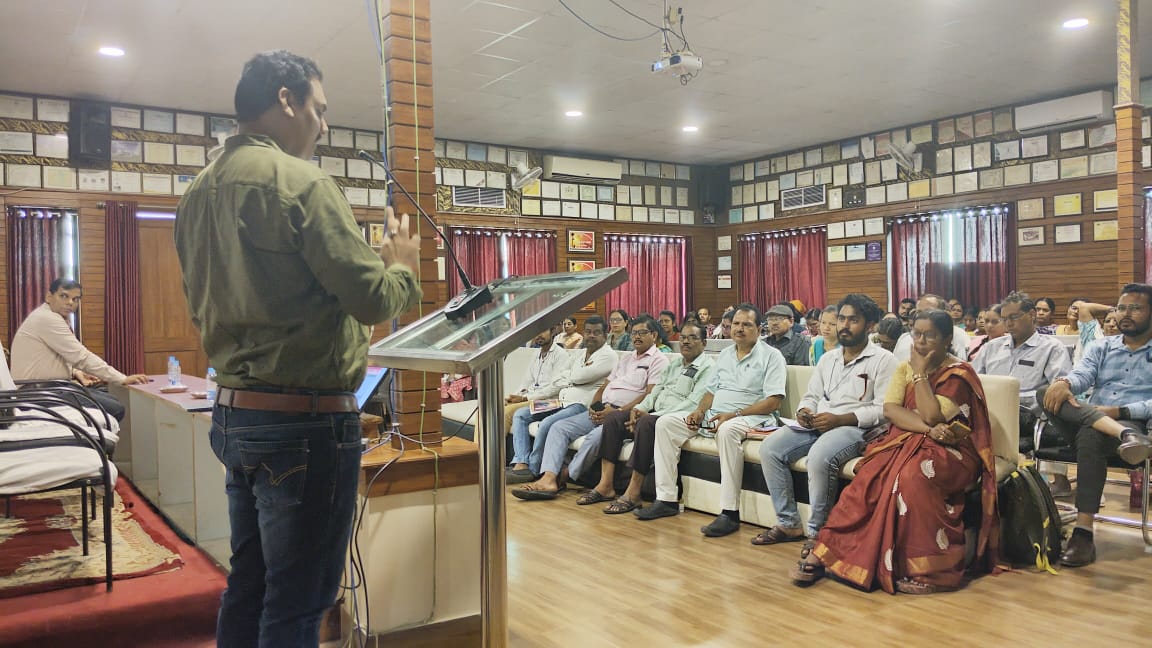






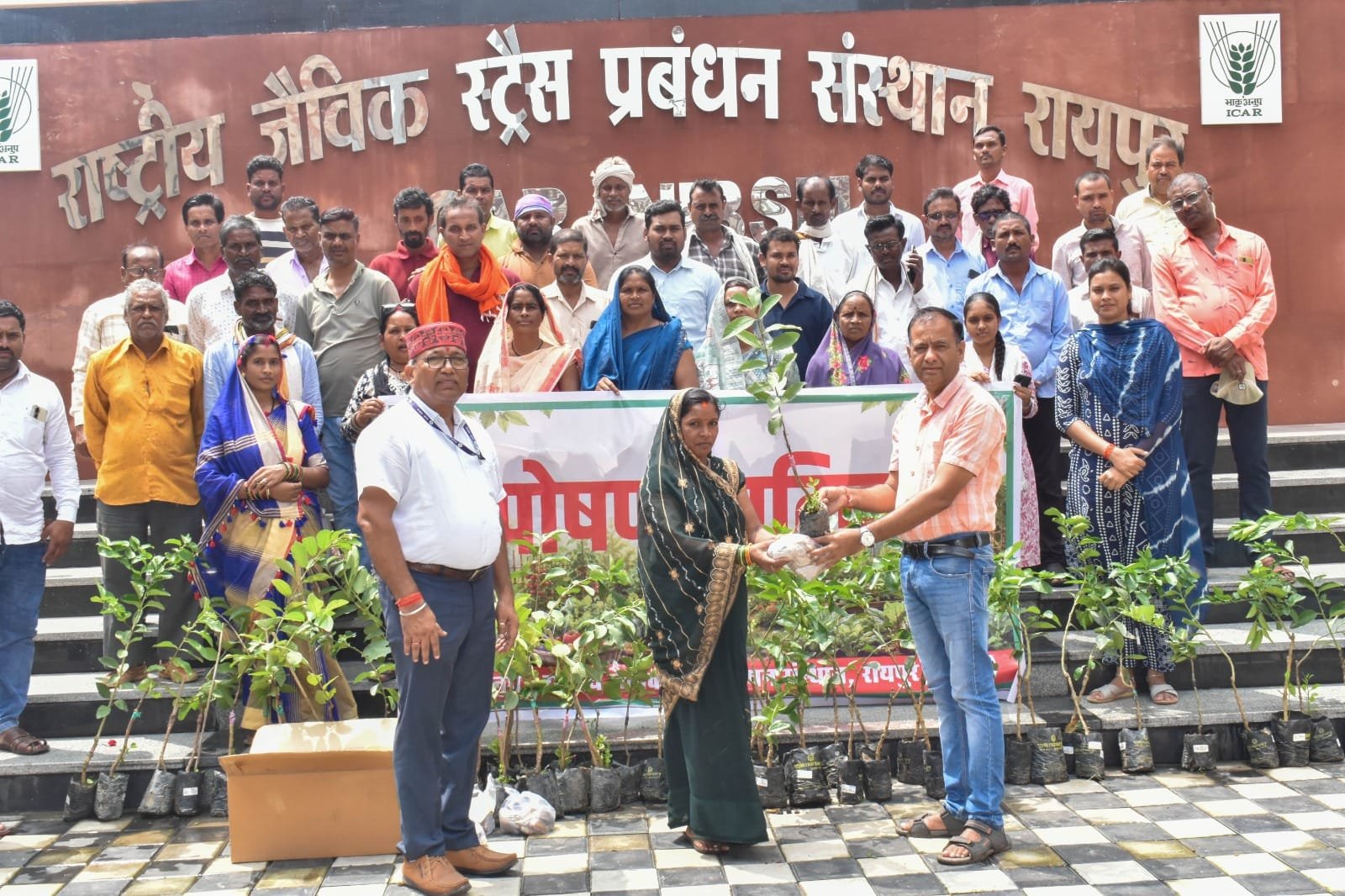
The ICAR-National Institute for Biotic Stress Management (ICAR-NIBSM), Raipur, organized a capacity building and training program on “Nutrition Garden” to promote household nutritional security, dietary diversity, and safe food production among farmers. Approximately 62 farmers, including 10 women farmers, from Baronda, Murra, Beltukri, Devgaon, Kurra, and Kathurd villages participated in the program.
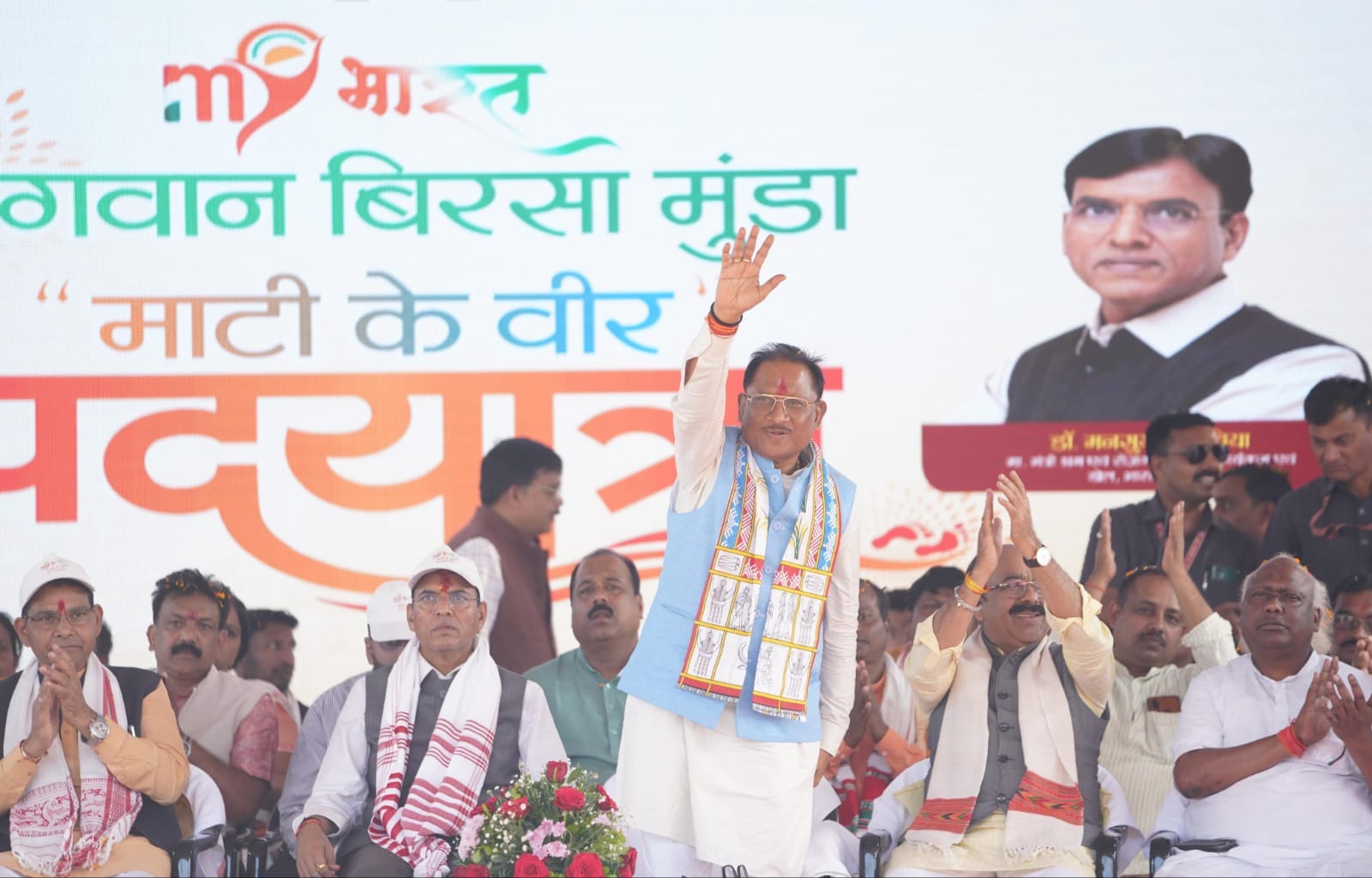
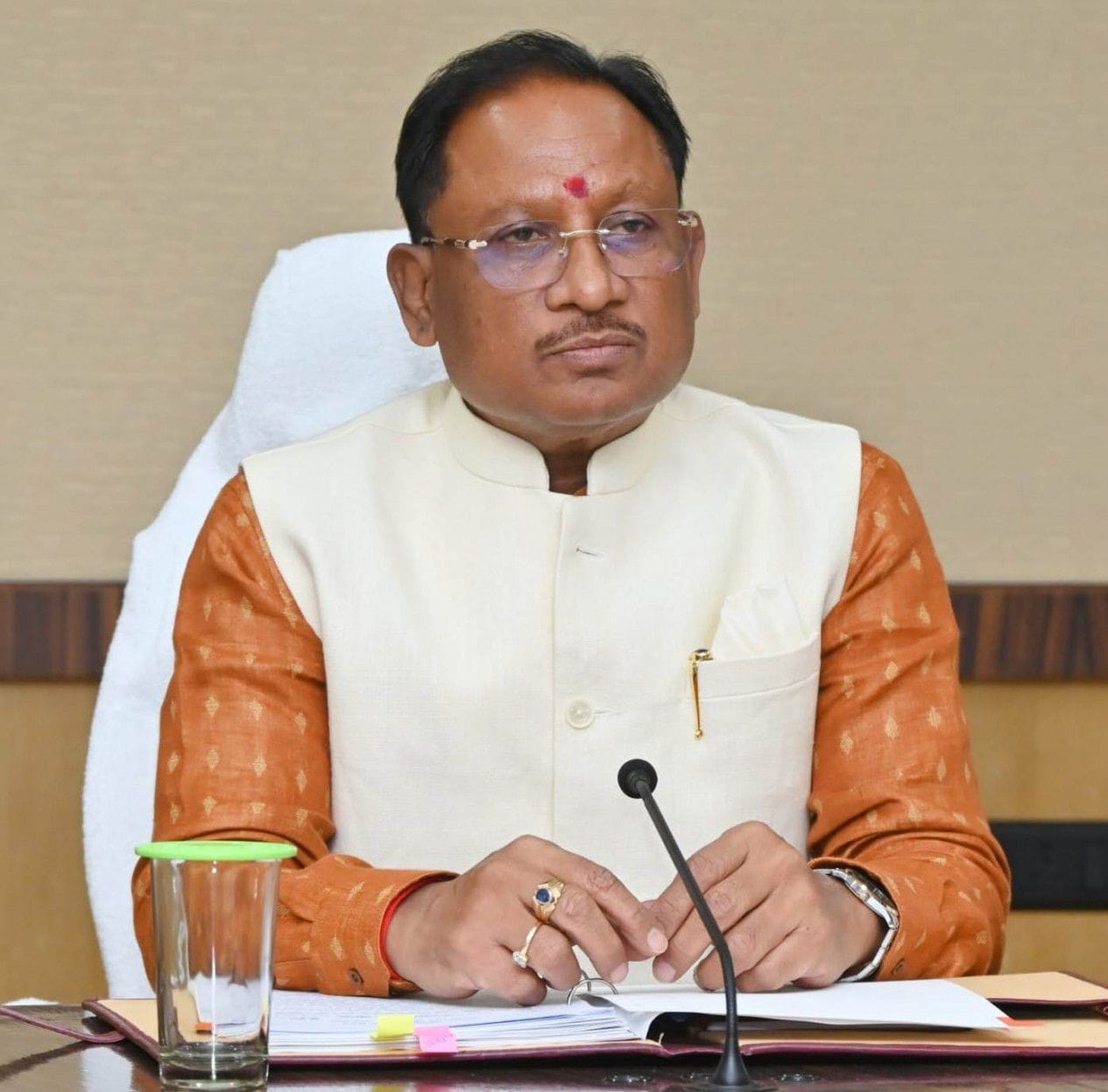
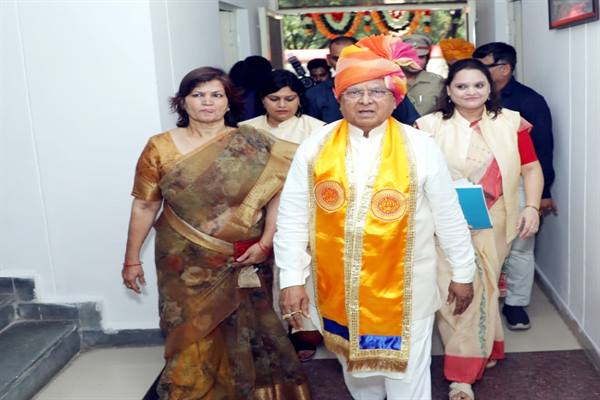
The program was inaugurated by Dr. P.K. Rai, Director, ICAR-NIBSM. Highlighting the importance of nutrition gardens, he said that the availability of fresh, nutritious, and safe vegetables and fruits at home plays a vital role in family health and nutritional security. He emphasized that unbalanced and inadequate nutrition can lead to various health problems, and therefore, a balanced and varied diet is essential for a healthy life. He urged farmers to develop nutrition gardens in their homes and added that for families lacking adequate space, nutrition gardens can also be developed through Anganwadi centers. This will help strengthen nutritional security at the community level.
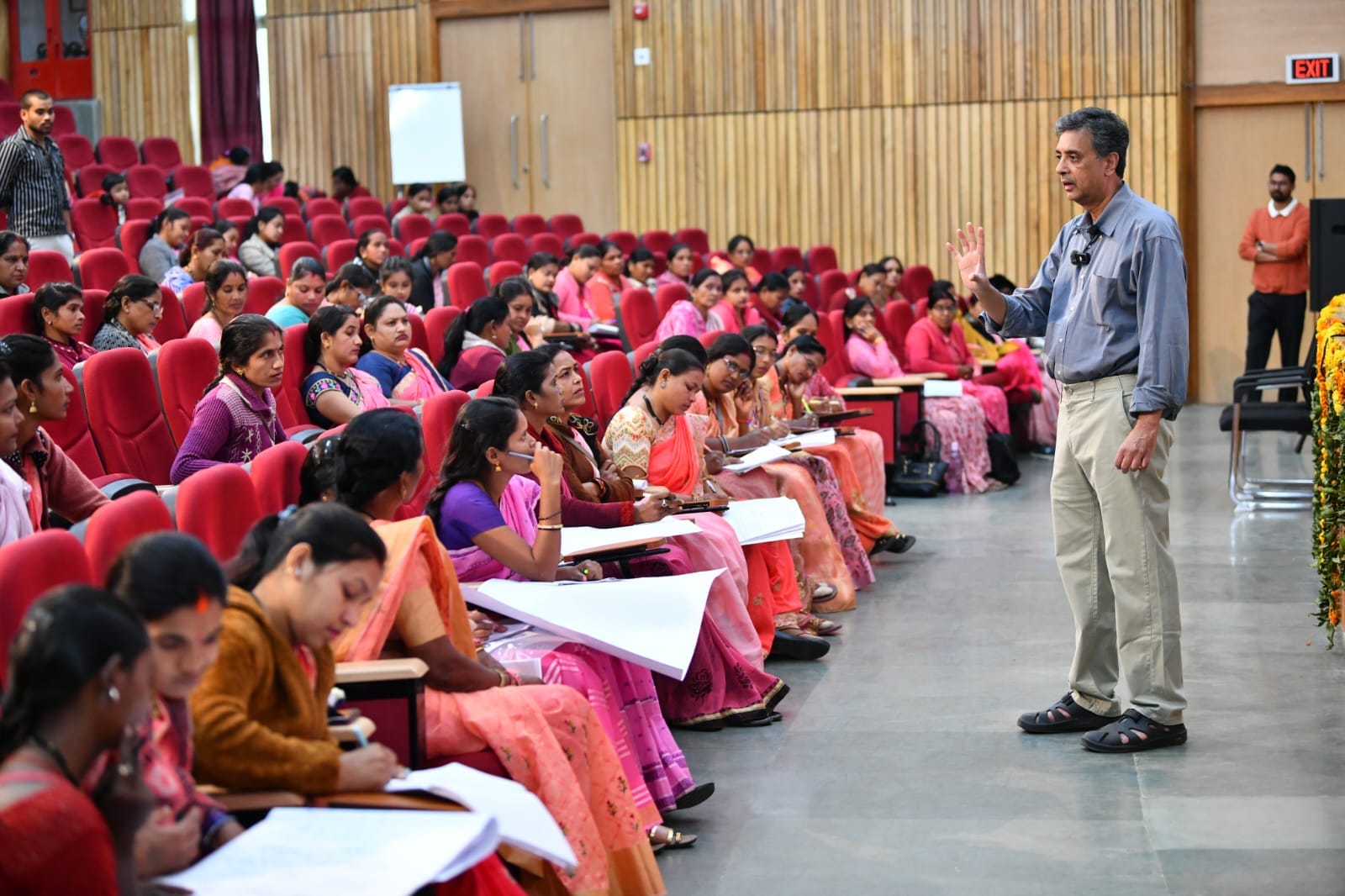
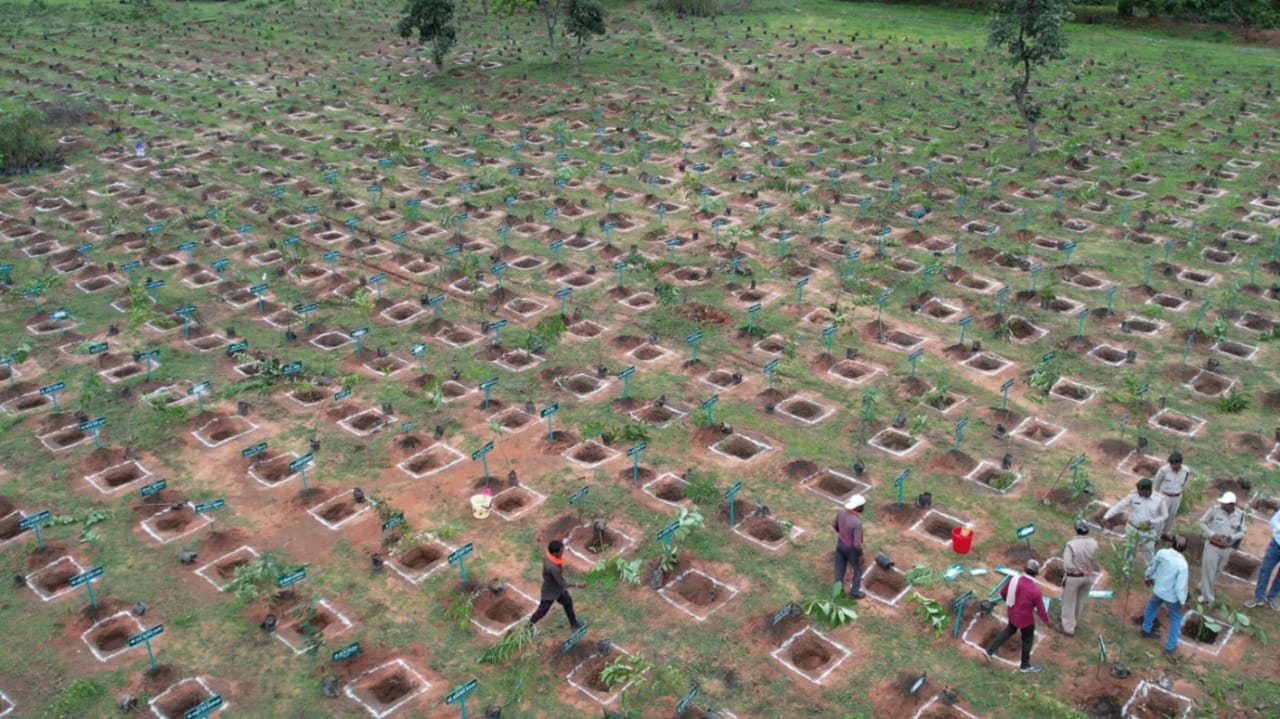
Addressing the farmers, Dr. Pankaj Sharma, Joint Director and Program Coordinator, explained the practical aspects of establishing and managing a nutrition garden, taking into account local agro-climatic conditions. He advised that appropriately sized pits be prepared for planting fruit trees after the rainfall intensity subsides, and well-rotted cow dung manure should be added to the pits for planting. He placed special emphasis on preventing waterlogging and ensuring proper drainage.
He advised the development of raised beds for vegetable cultivation in high-moisture conditions, and proper nursery care, nutrition, and irrigation management of plants in the early stages. He emphasized the need to adopt local and traditional, environmentally friendly methods for pest and disease management in vegetables, saying this could reduce the use of unnecessary chemical pesticides and produce safe and quality vegetables.

During the program, farmers were briefed on the key objectives of the Nutrition Garden, which include providing fresh, nutritious, and safe food, promoting dietary diversity, reducing nutrient deficiencies, composting kitchen waste, and ensuring household food and nutrition security at a low cost.
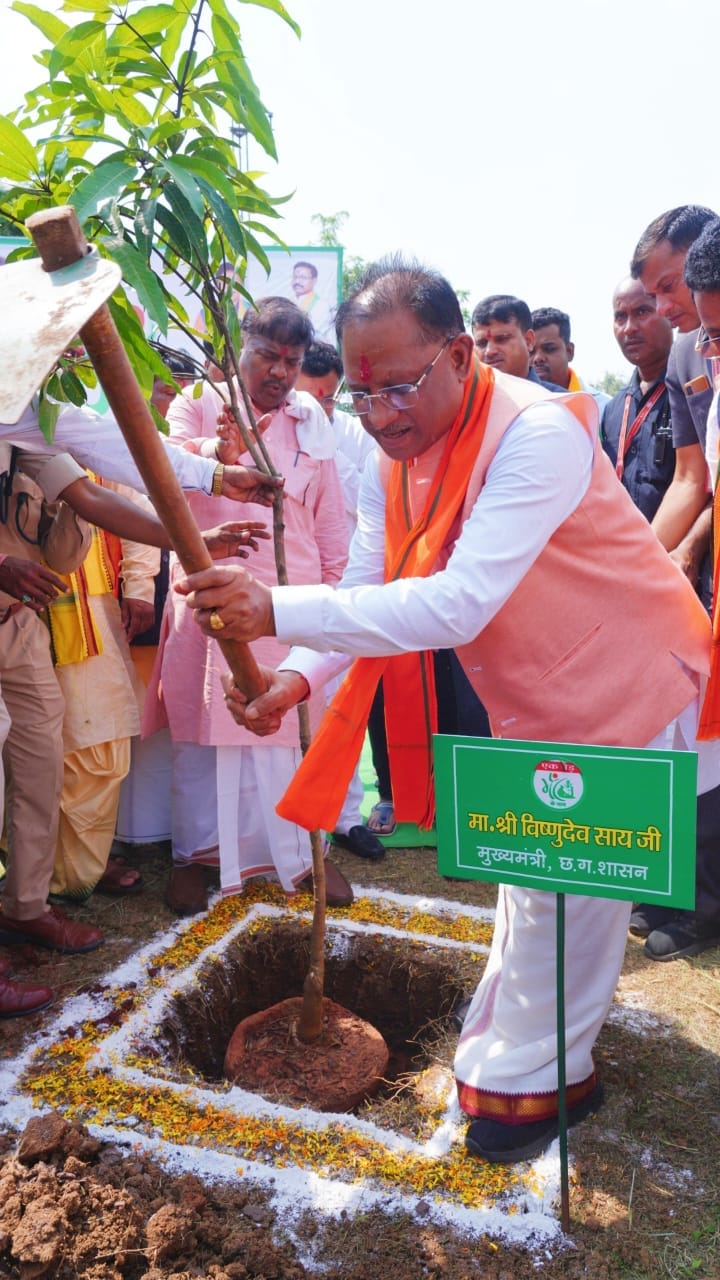
Under the program, improved varieties of guava and lemon plants and seeds of approximately 18 types of vegetables were distributed to farmers. These included seeds of spinach, coriander, fenugreek, amaranth, okra, cowpea, zucchini, bottle gourd, cucumber, beans, and radish, among others. Farmers were encouraged to use these seeds to establish nutrition gardens in their homes.
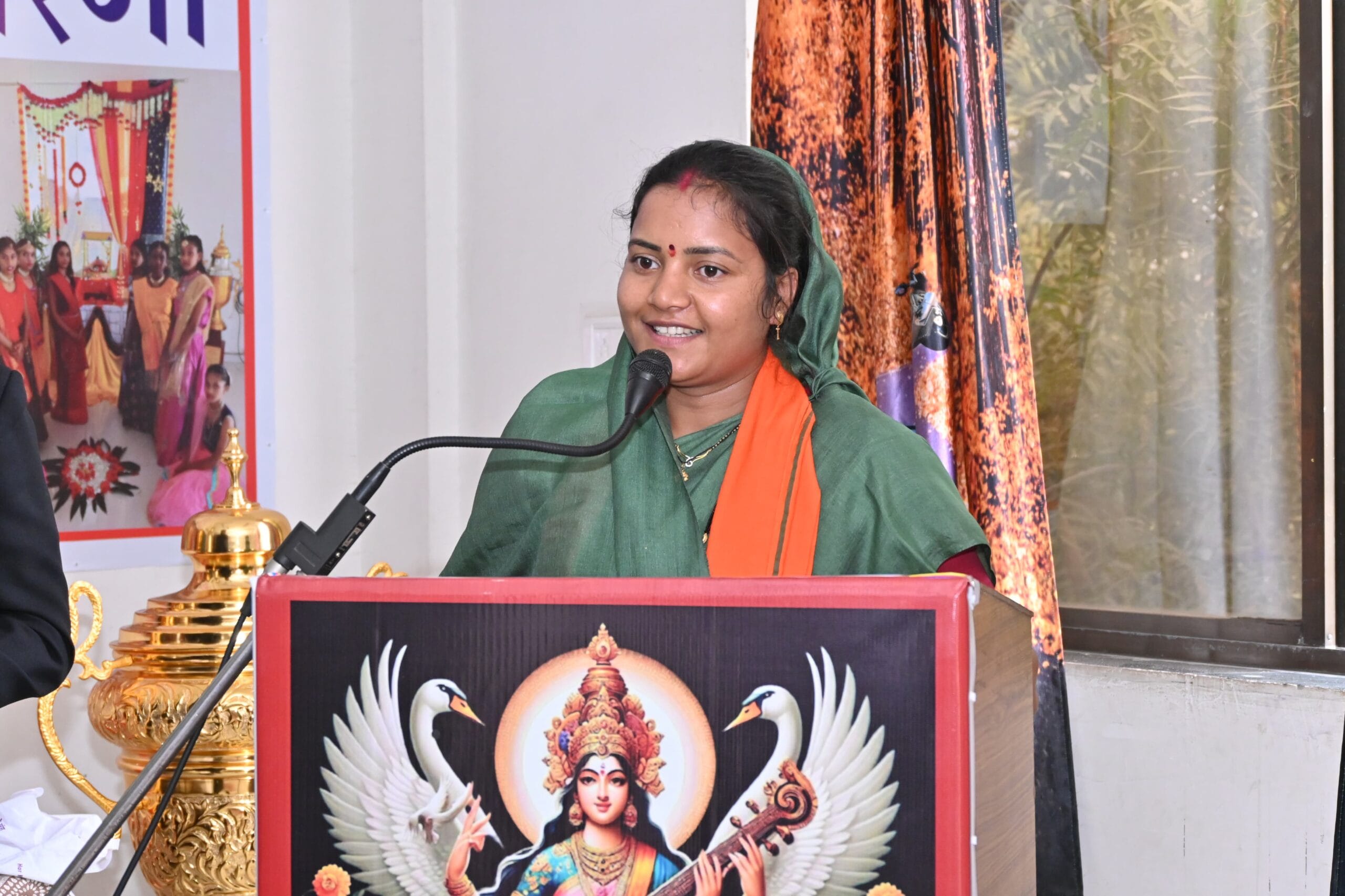
Sarpanch Smt. Kanchan Gaikwad and Mr. Santosh Kurre were also present on the occasion. The program was coordinated by Dr. K.C. Sharma, Principal Scientist. This initiative is part of ICAR-NIBSM’s efforts to build farmer capacity and promote safe food production, dietary diversity, and household nutritional security.