
















- Chief Minister announces a grant of ₹50 lakh for the construction of a ‘Sarv Samaj Bhavan’ (community center for all communities) in Kabir Naga
- Chief Minister Sai attends the Tija-Pora festival program organized by the ‘Mor Mati’ Cultural Organization
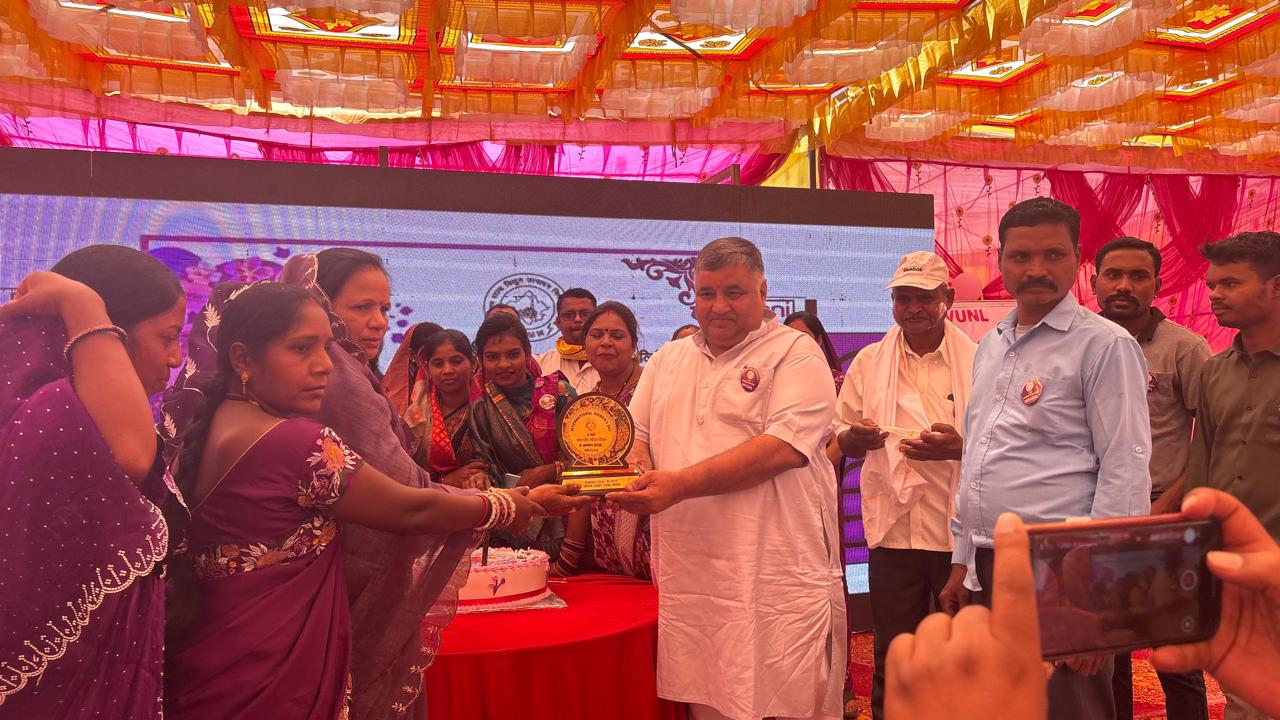
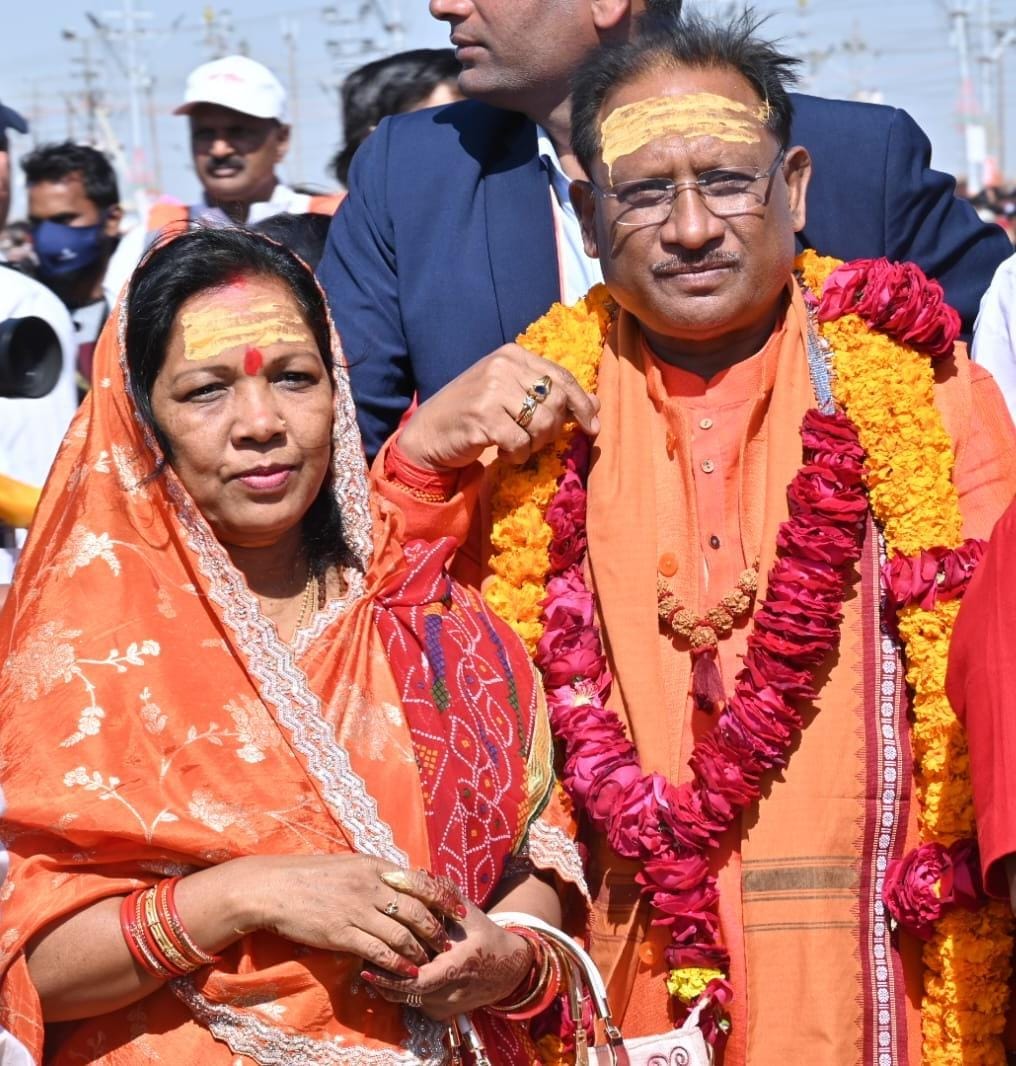
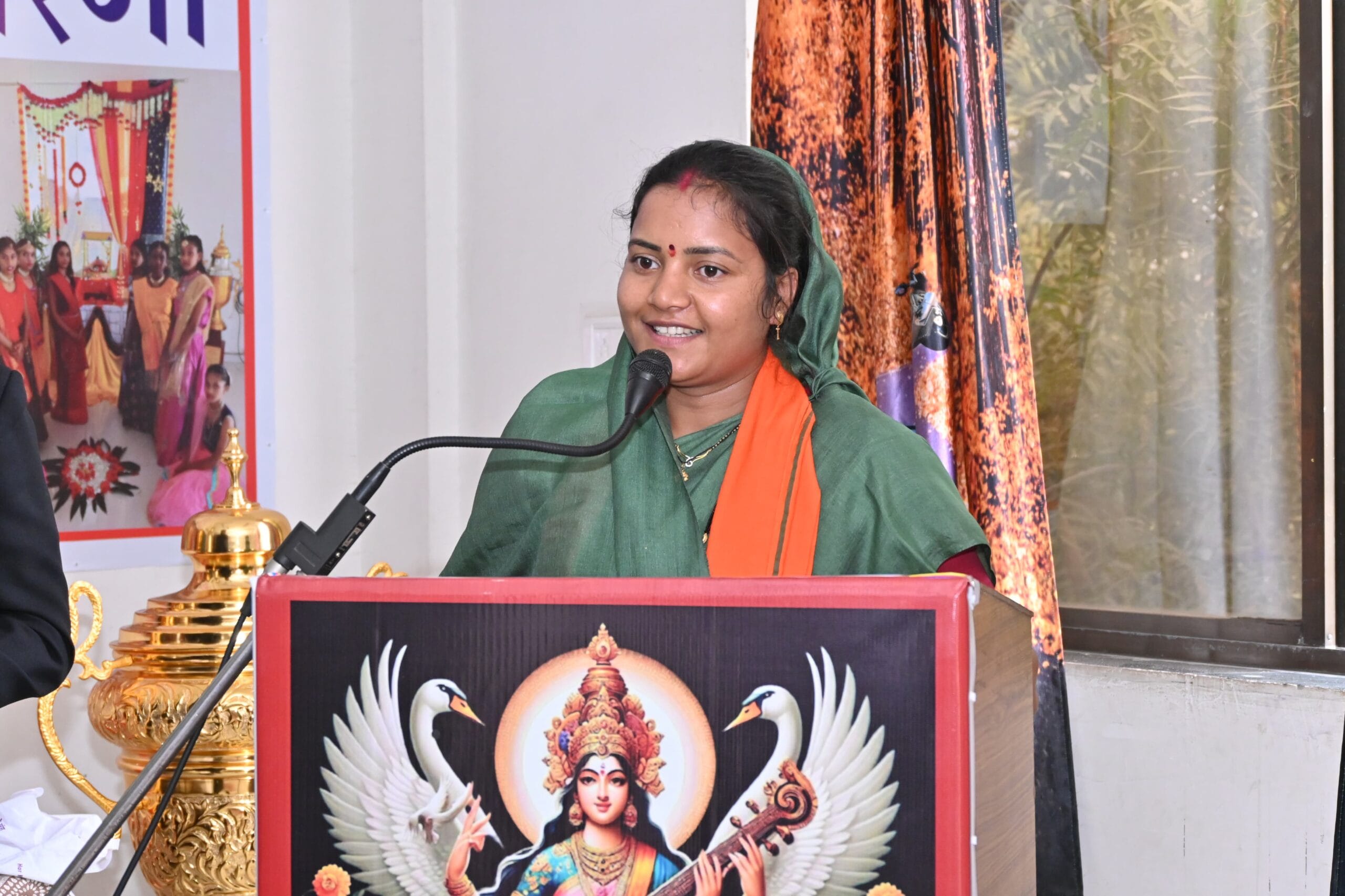
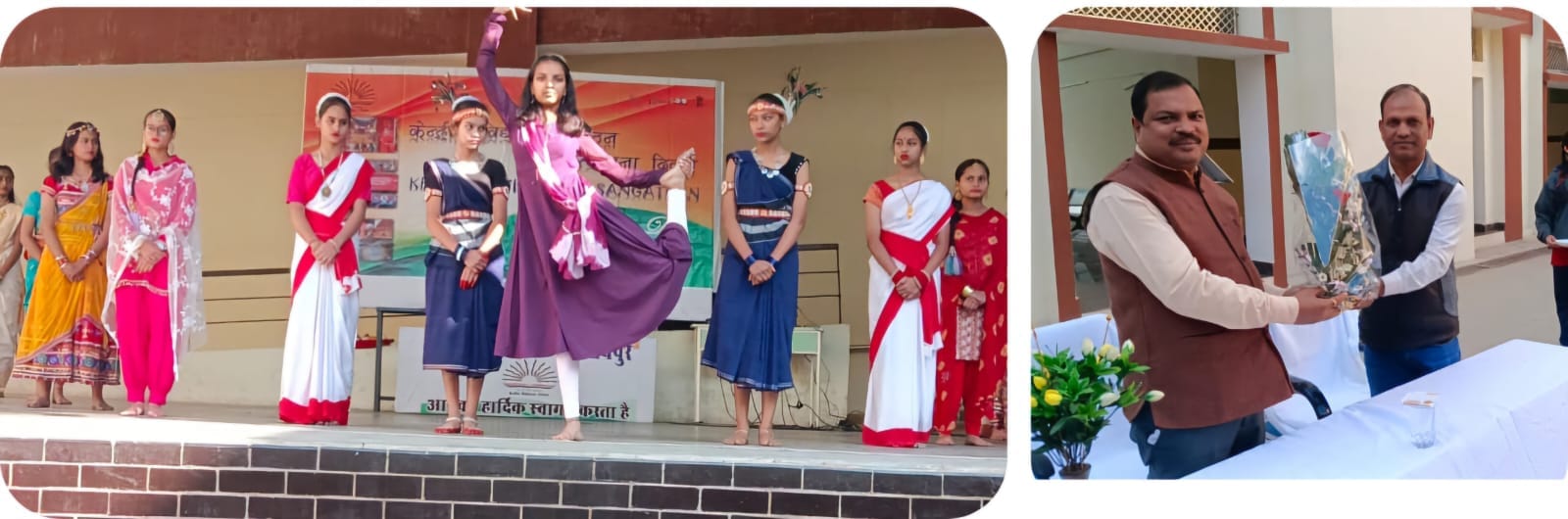
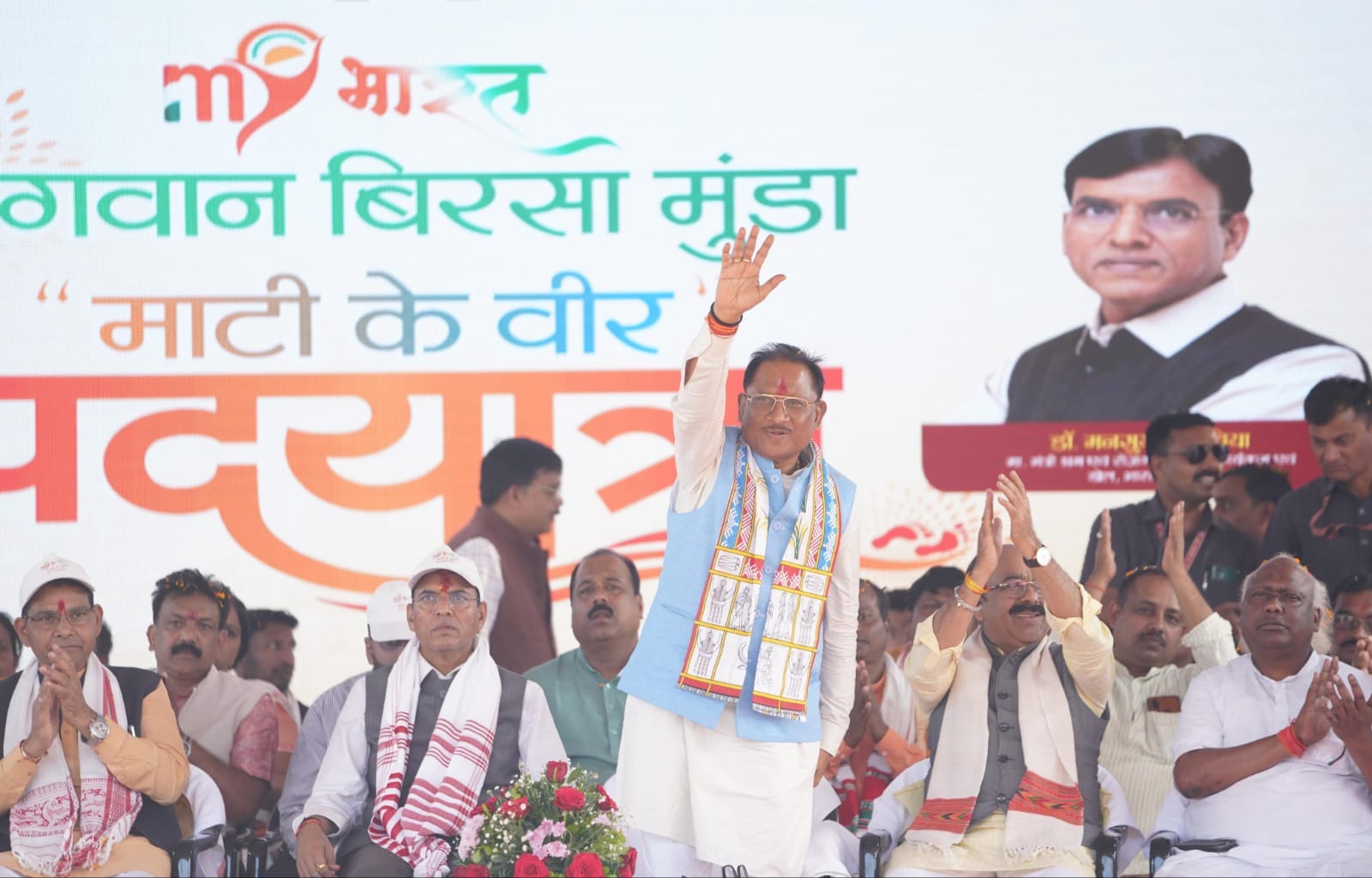
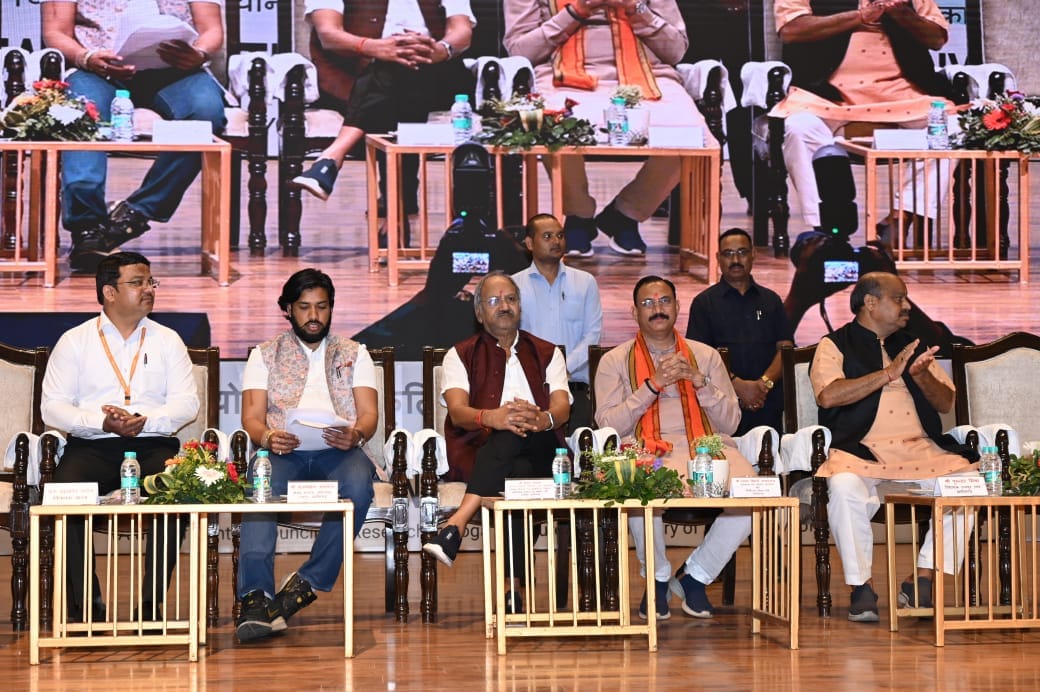
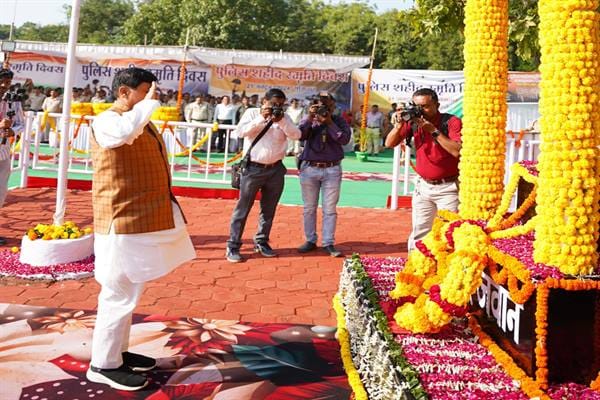
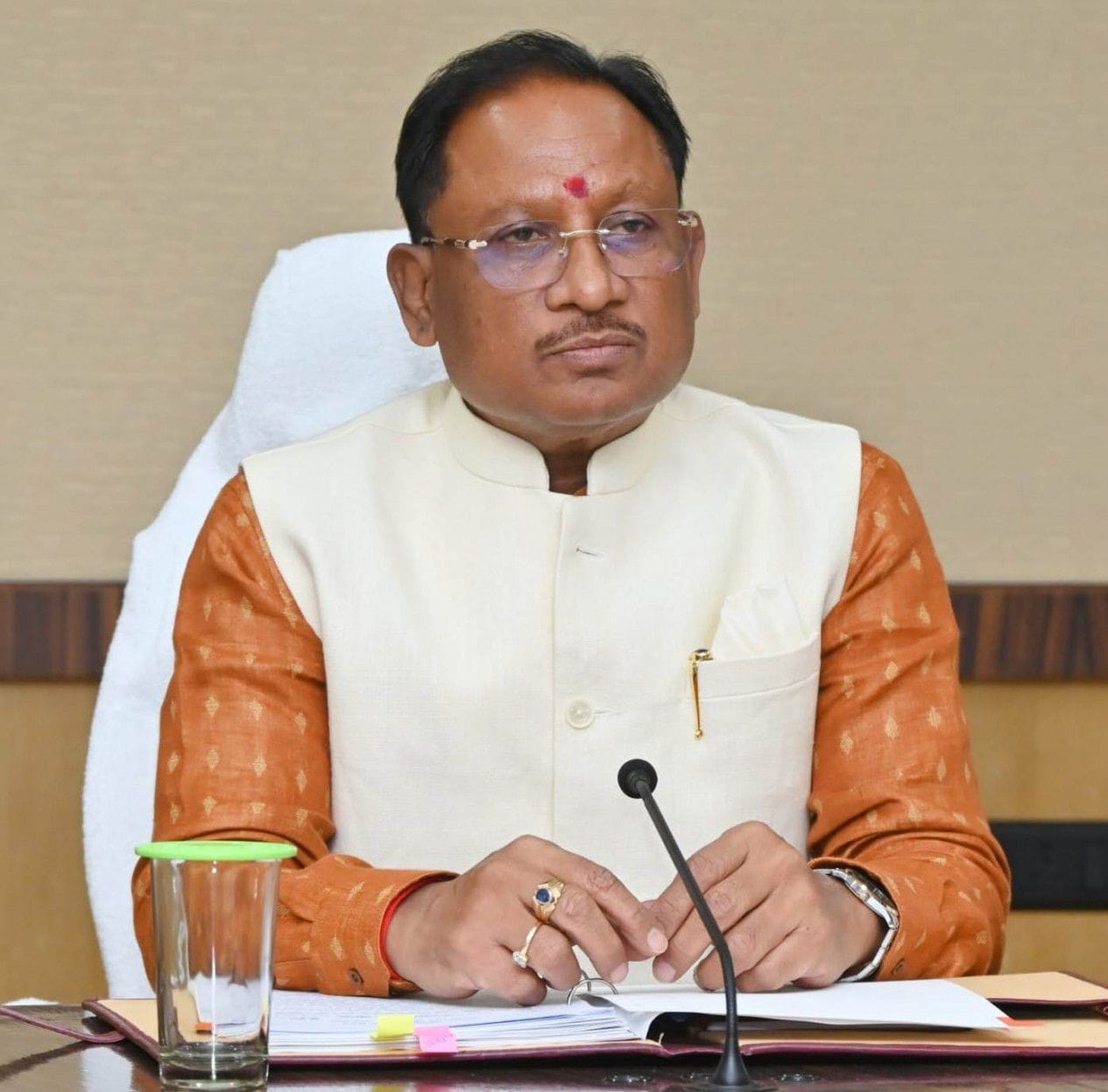
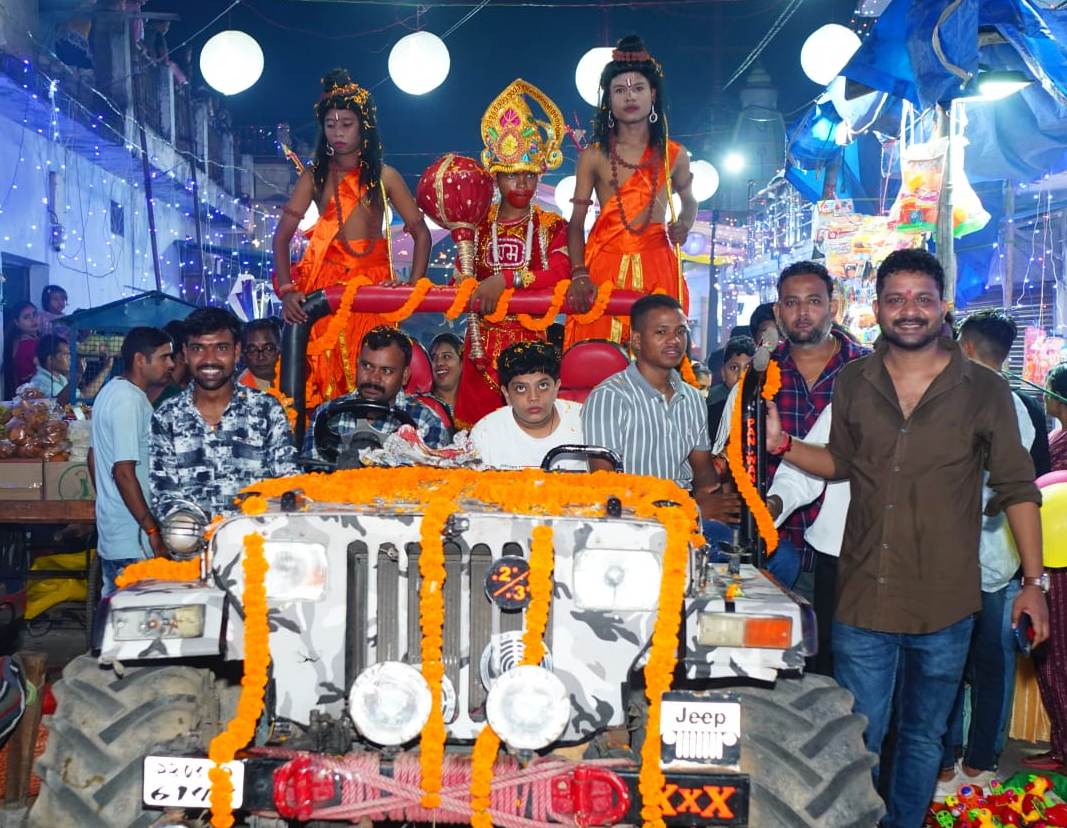
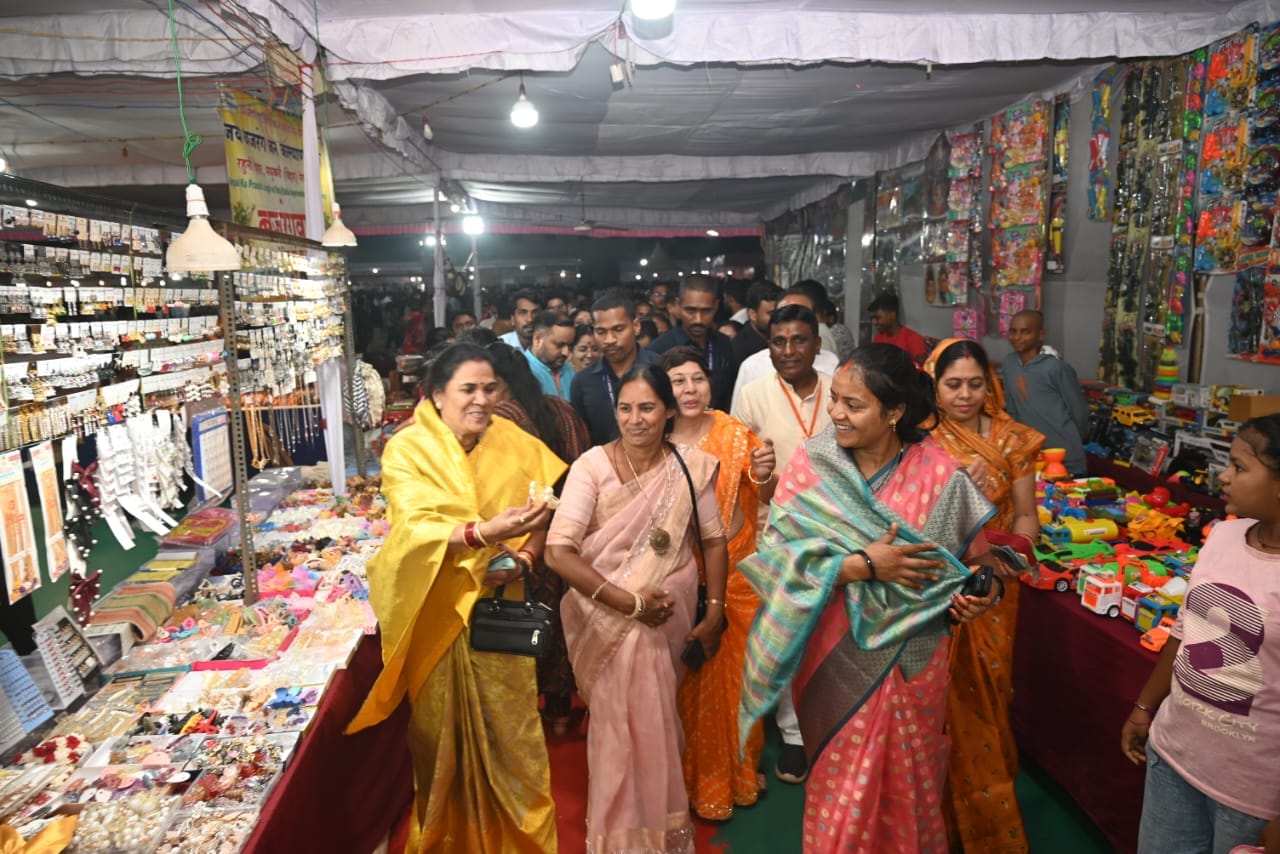
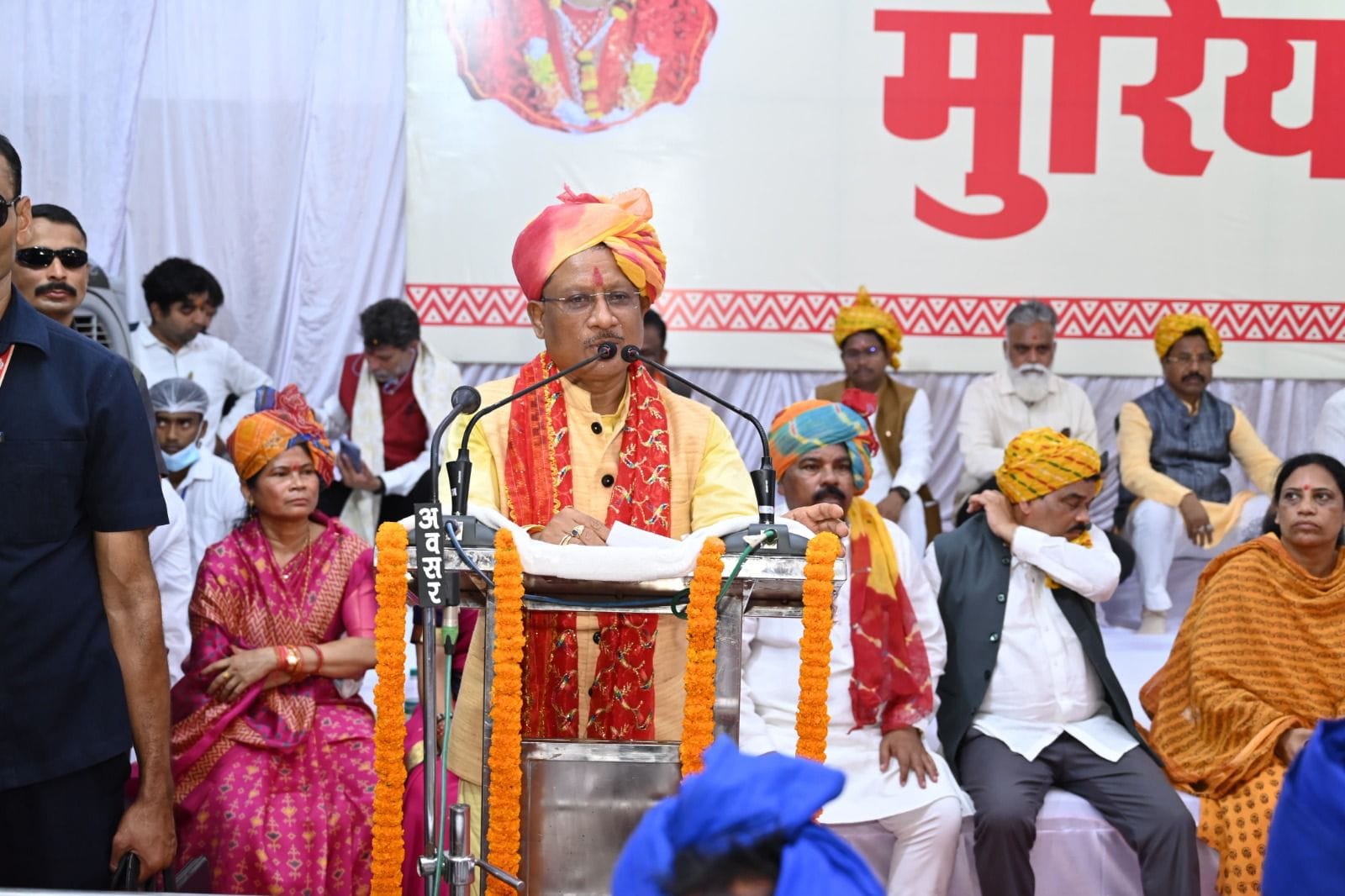
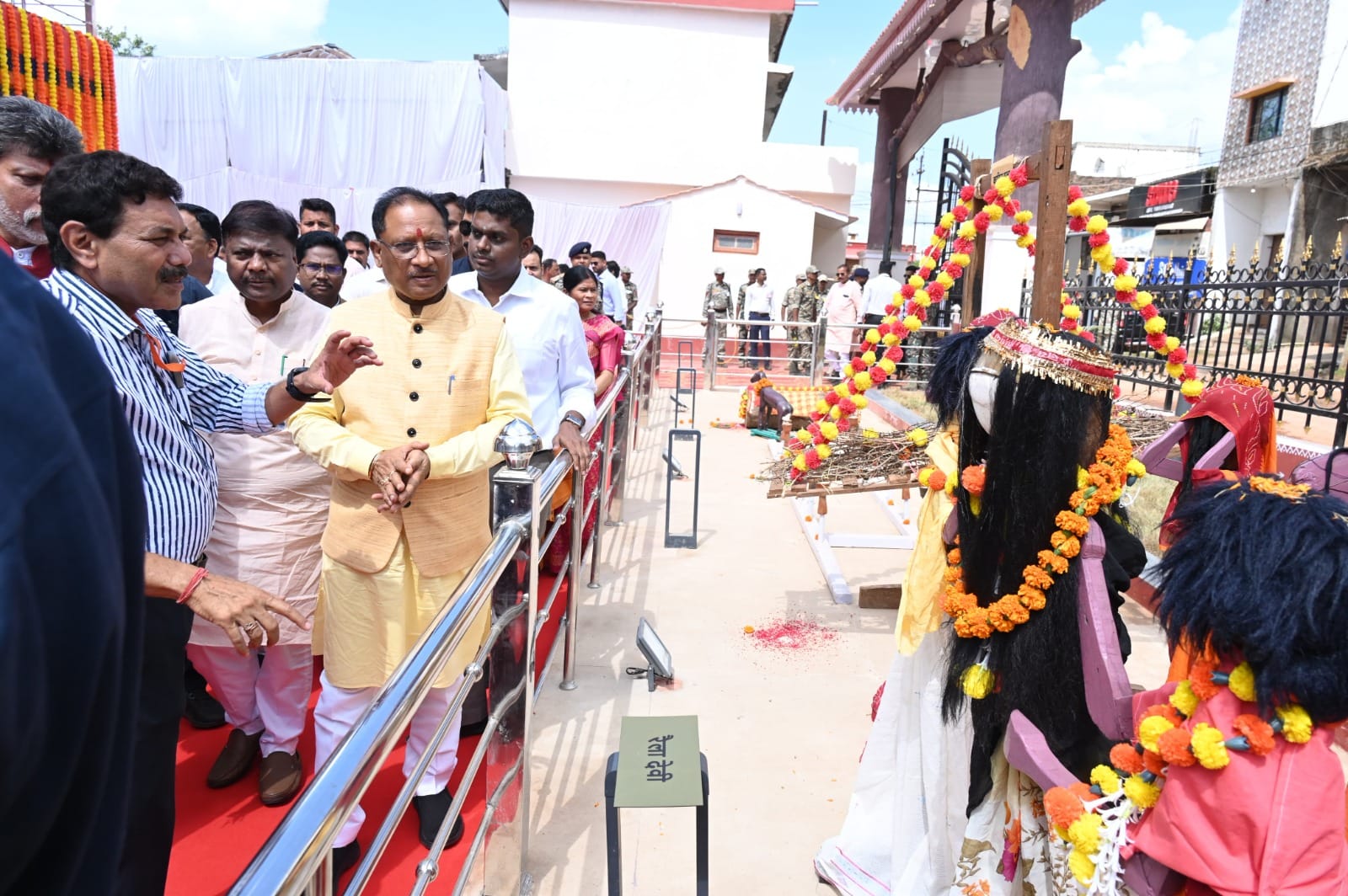
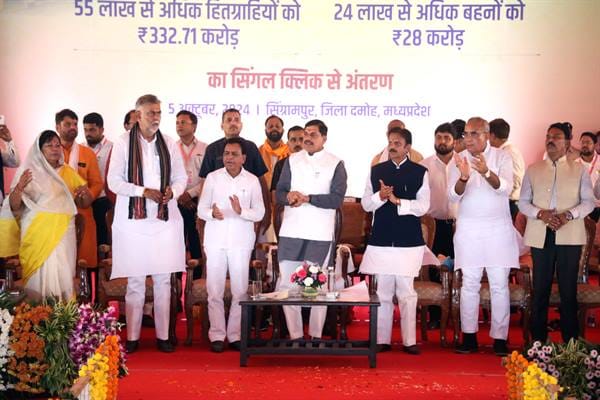
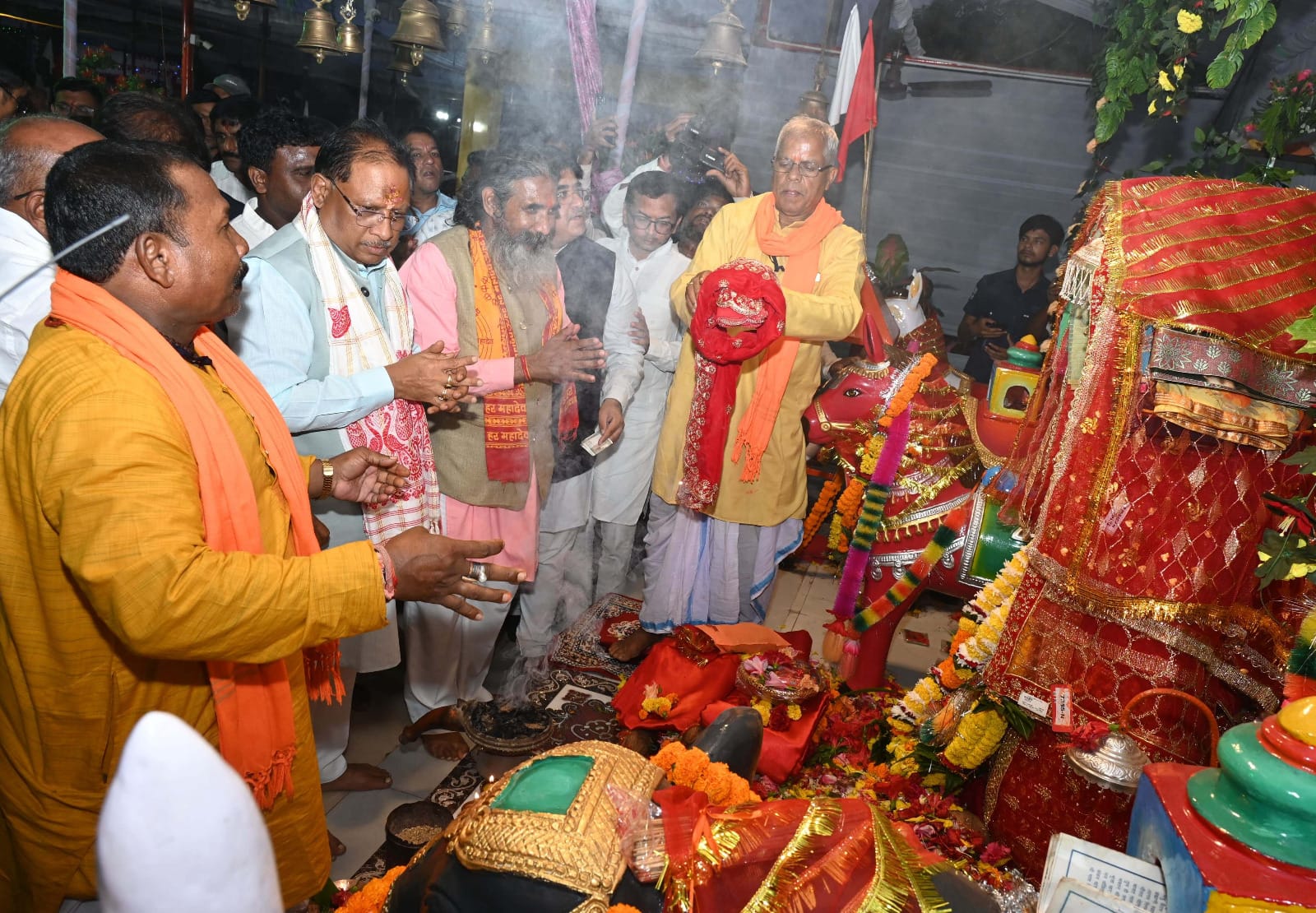
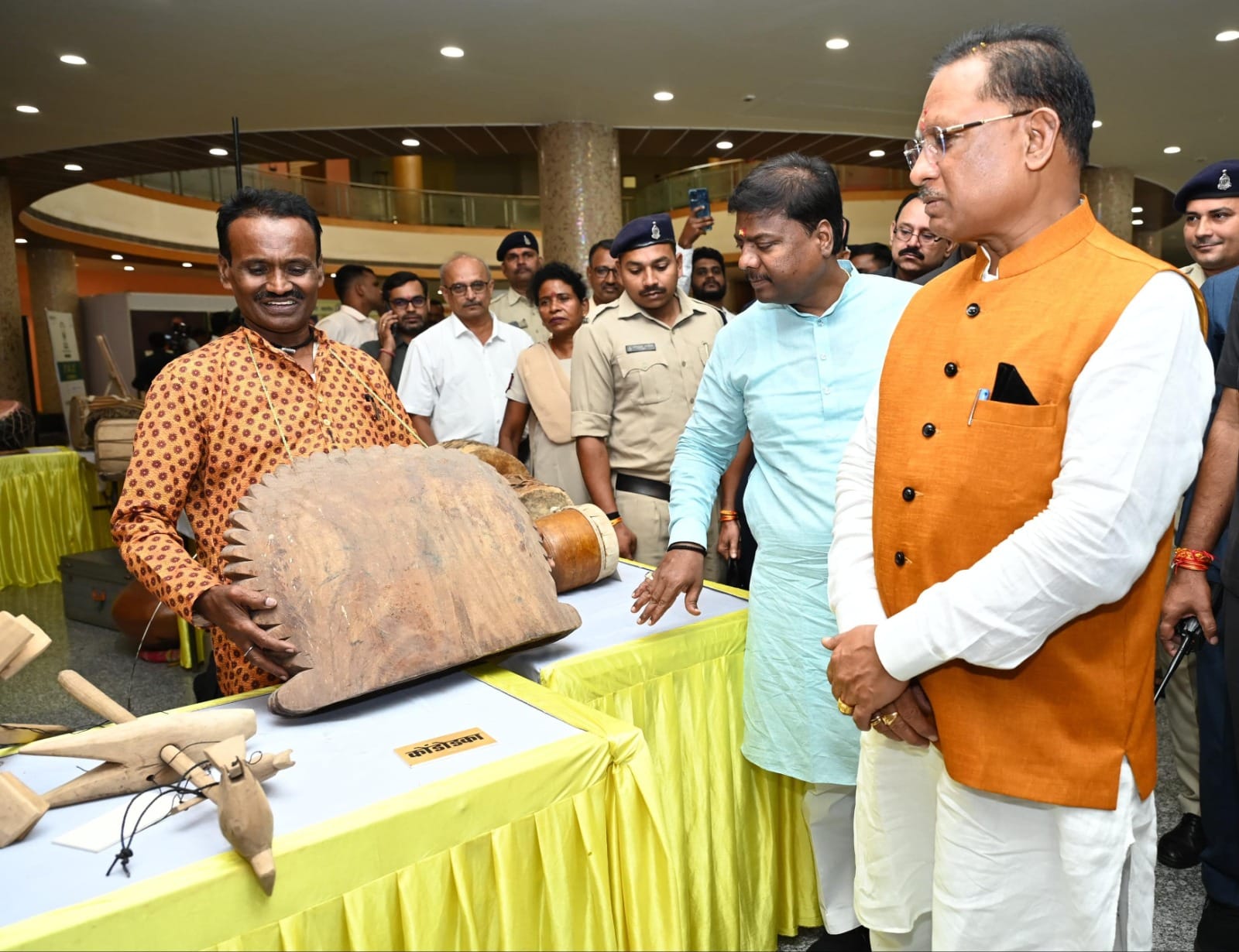
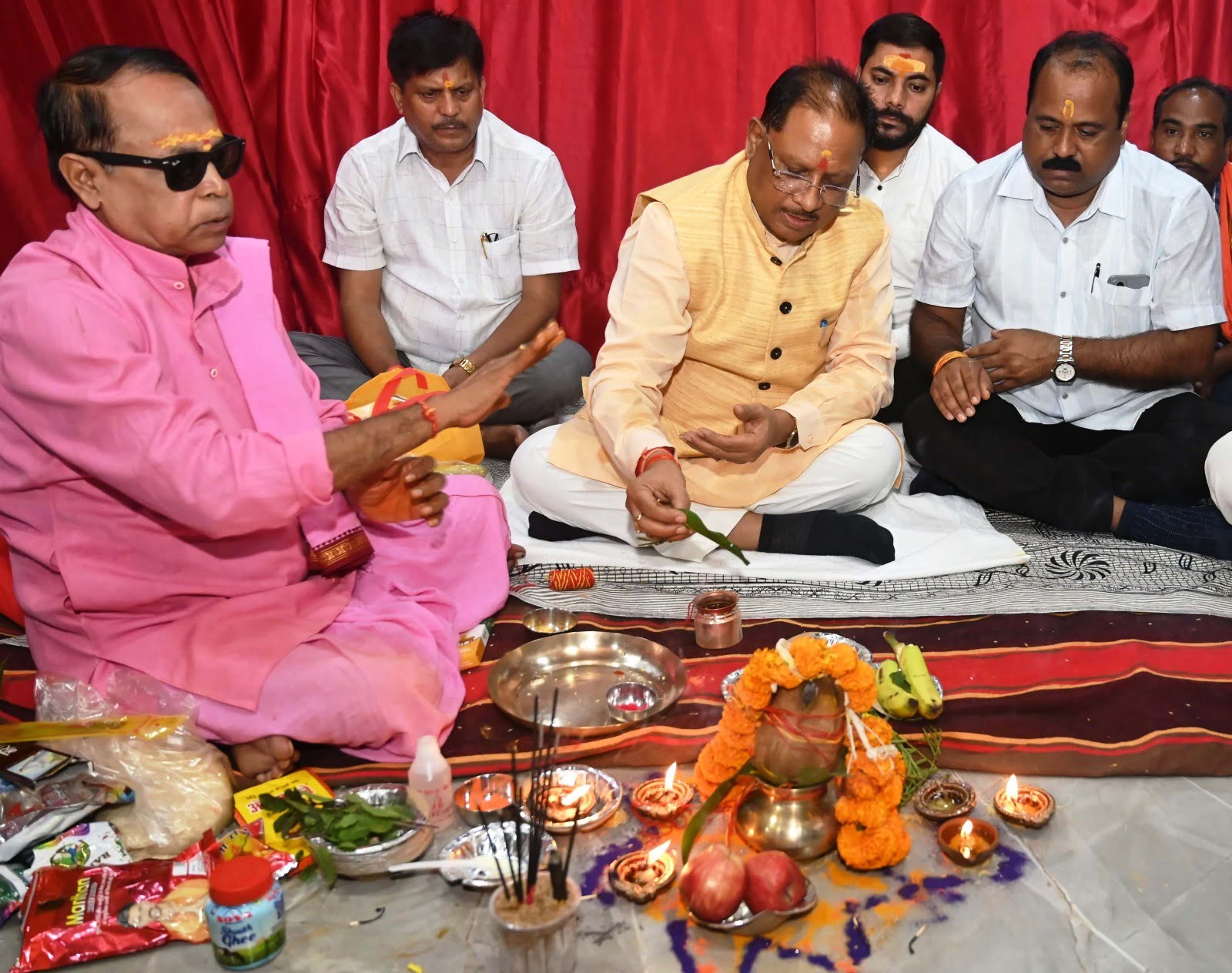
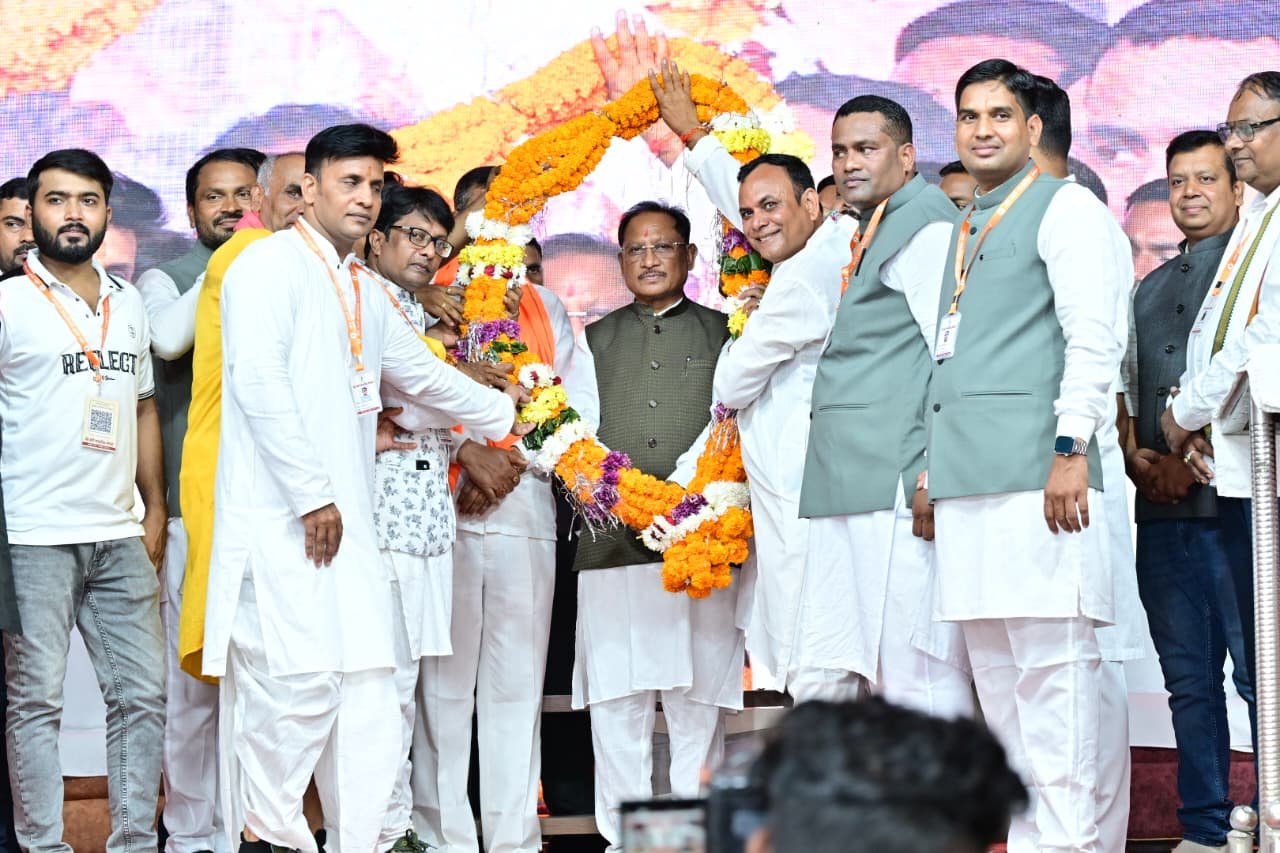
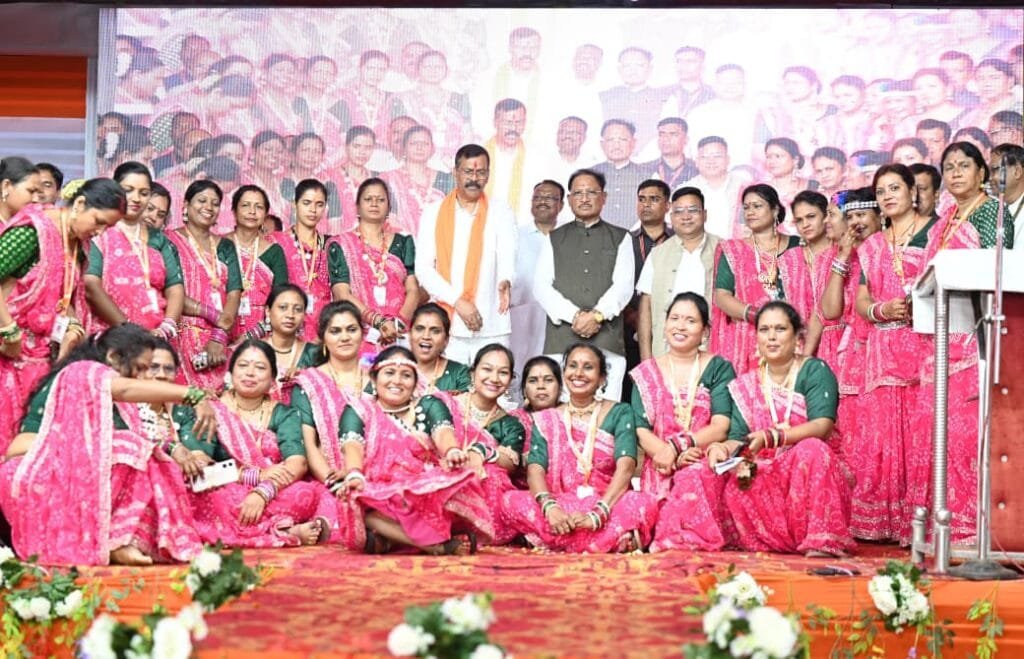
Chief Minister Vishnu Deo Sai attended the Tija-Pora festival program organized by the ‘Mor Mati’ Cultural Organization at the Dussehra Ground in Kabir Nagar, Raipur, today. Speaking on the occasion, he remarked that the Tija and Pora festivals are symbols of Chhattisgarh’s rich culture and traditions. While Tija is a festival deeply connected to our mothers, sisters, families, and relationships, Pora is a celebration honoring our farmers—the providers of food—as well as agriculture and livestock. Such folk festivals not only keep our culture alive across generations but also strengthen the bonds of camaraderie and harmony within society.
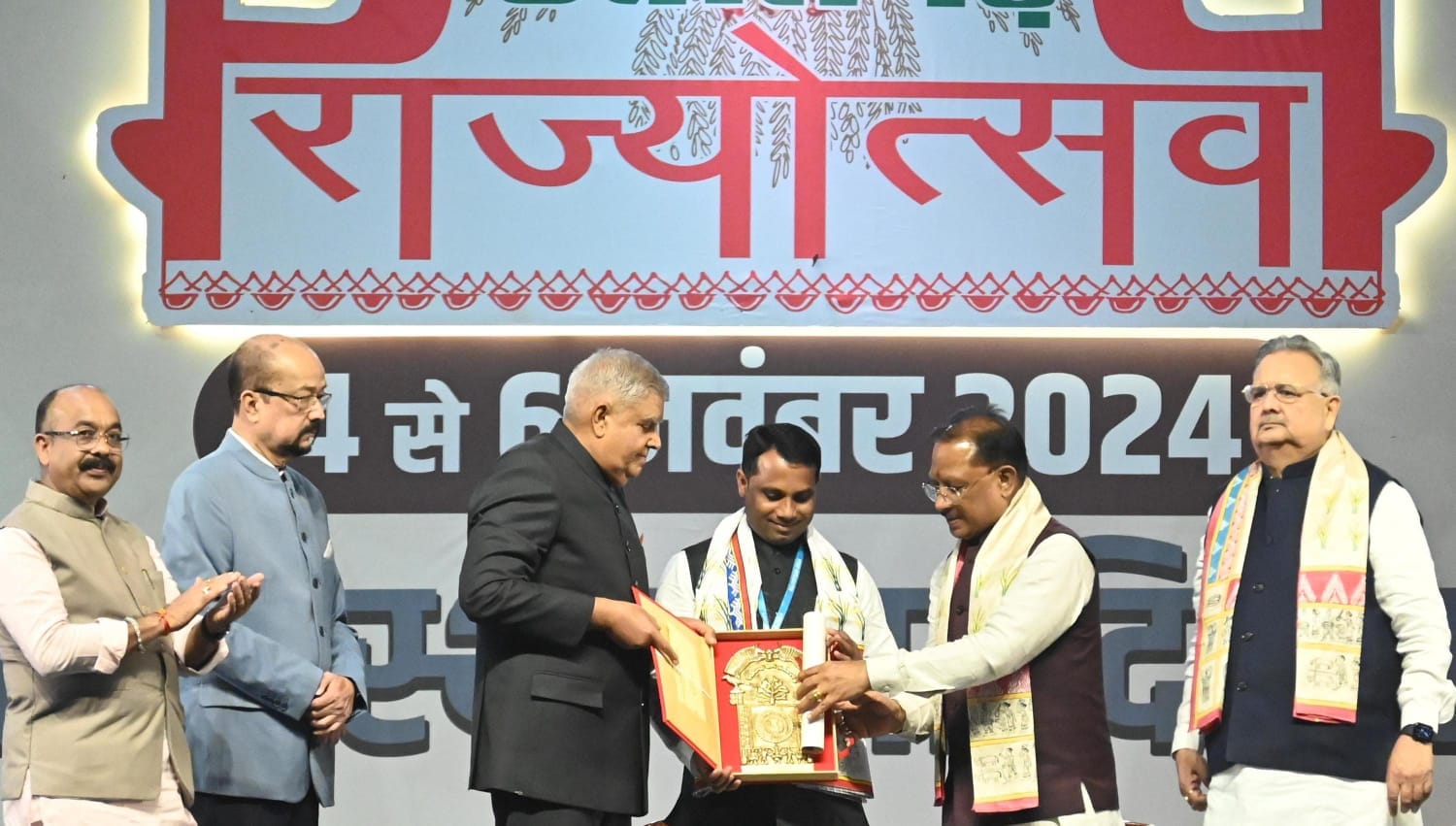
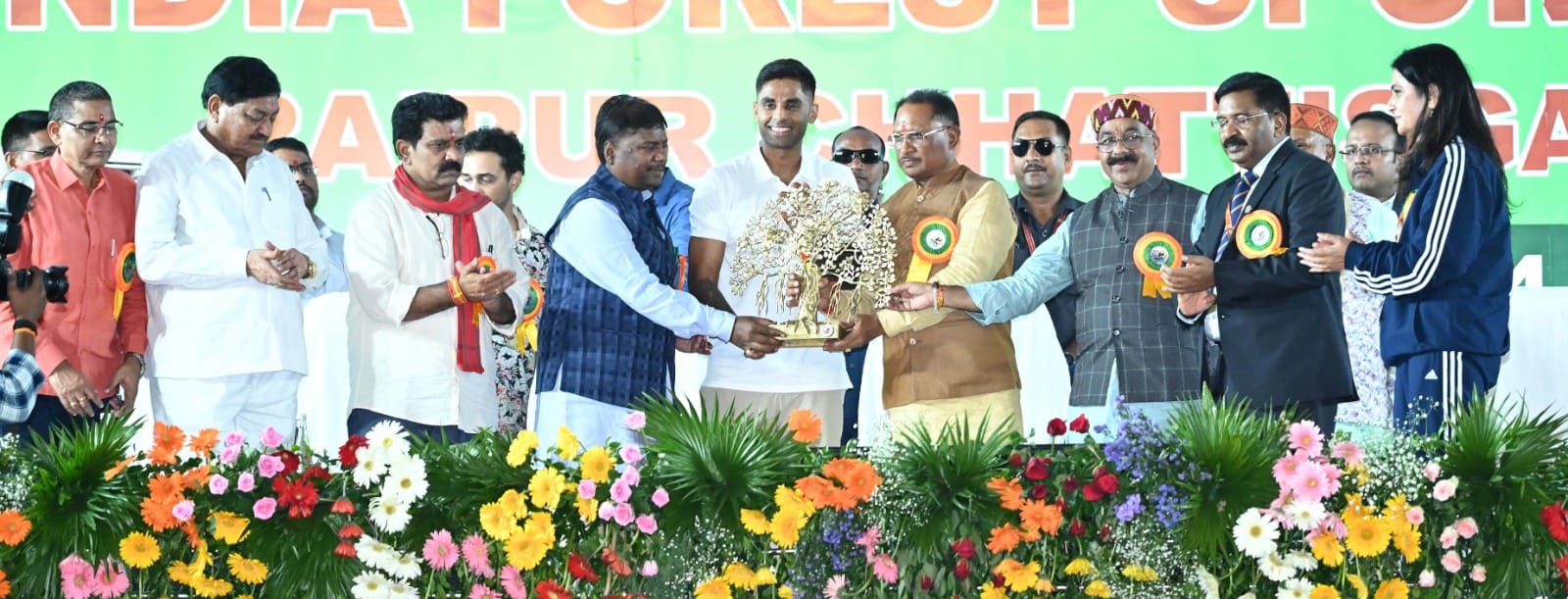
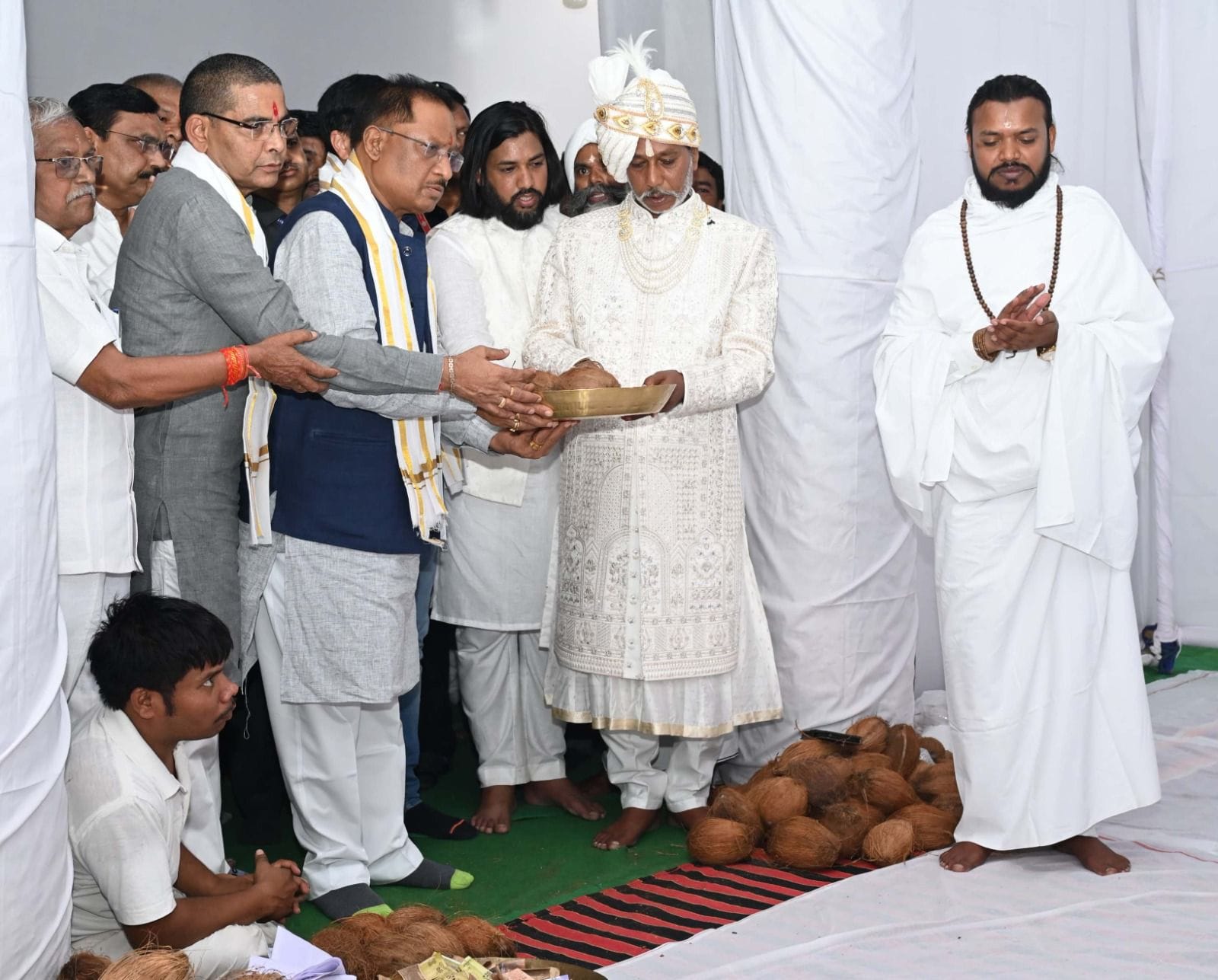
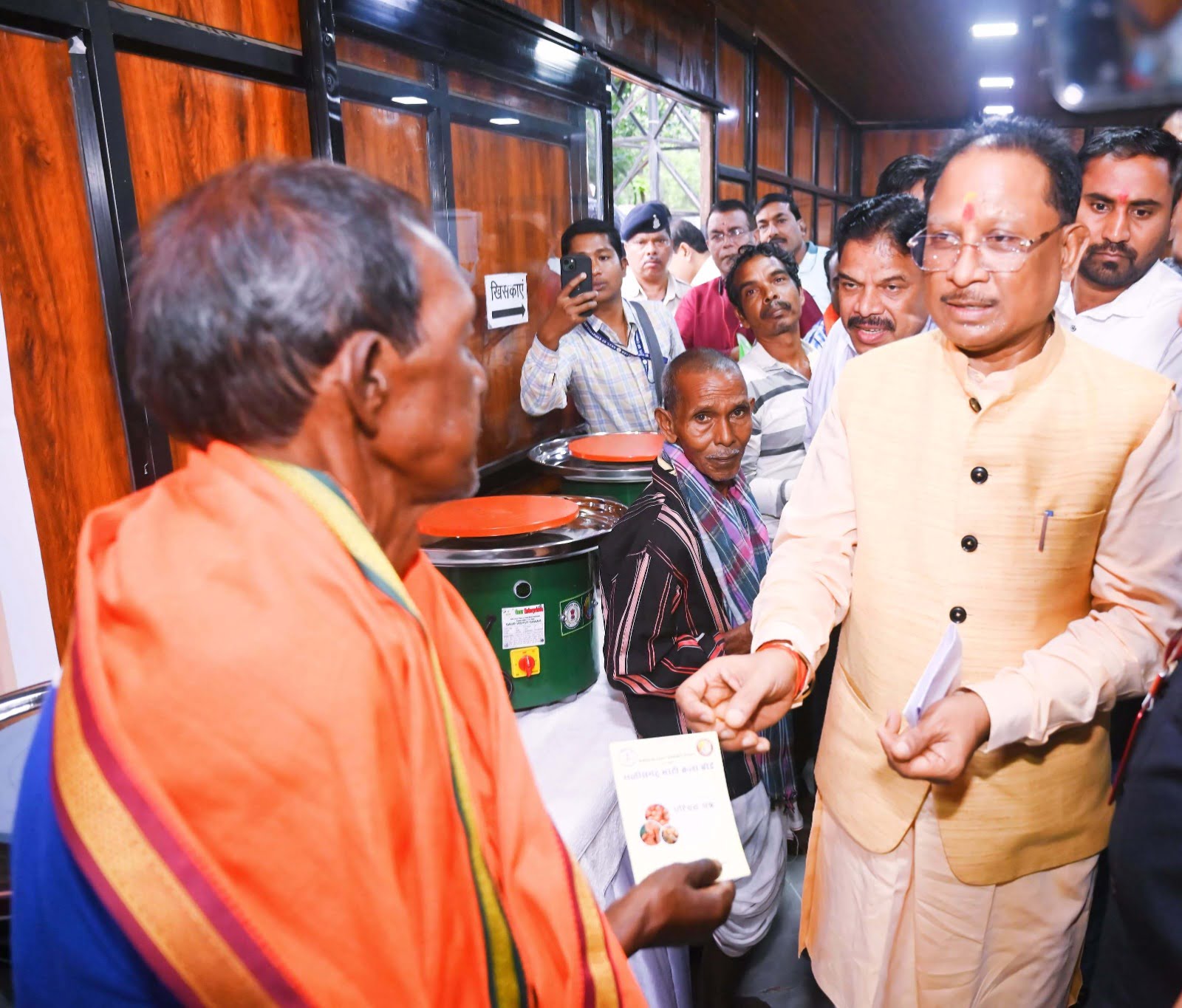
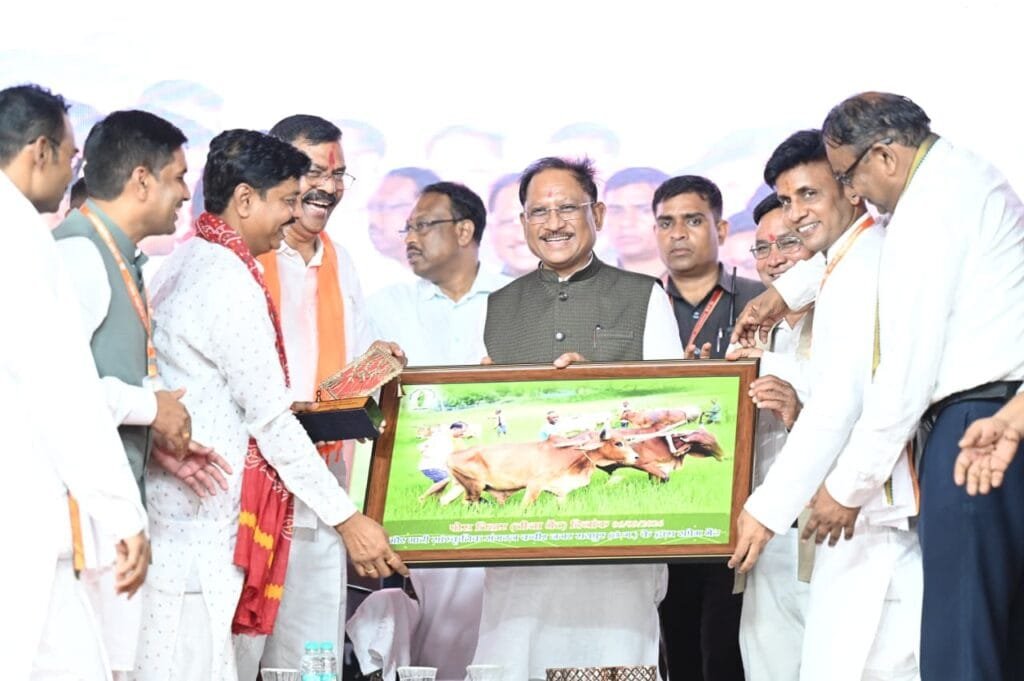
Acceding to a request from the ‘Mor Mati’ Cultural Organization, Chief Minister Sai announced a grant of ₹50 lakh for the construction of a community center (Sarv Samaj Bhavan) in Kabir Nagar. He honored children who had excelled in various fields and presented sarees to mothers and sisters on the occasion of the Tija festival.
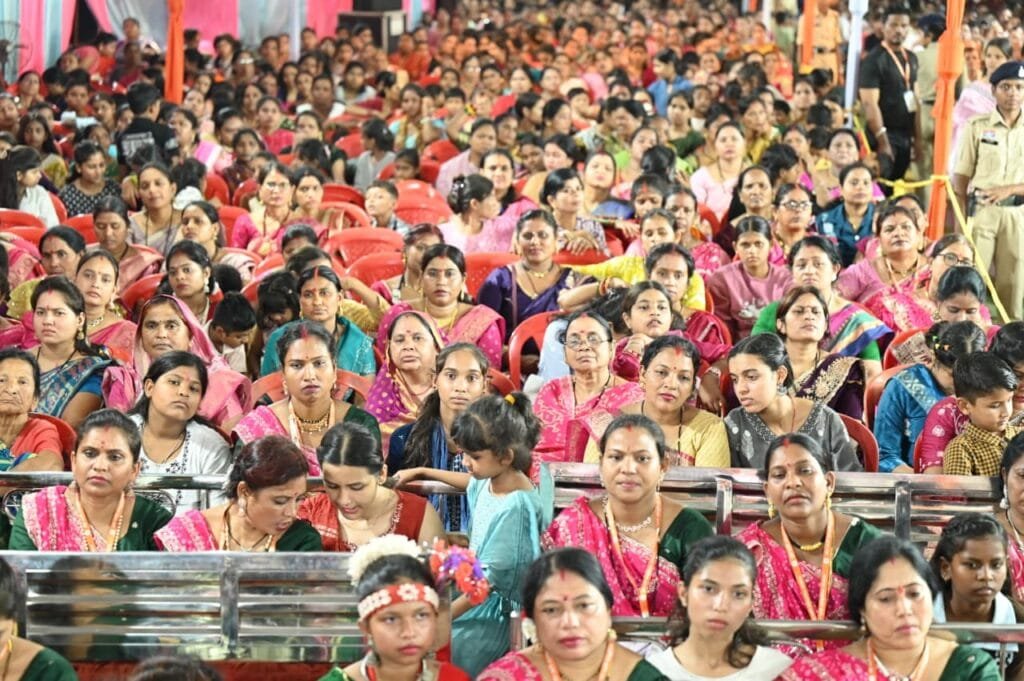
Extending his advance greetings and best wishes to everyone for the Tija-Pora festivals, Chief Minister Sai expressed happiness that the ‘Mor Mati’ Cultural Organization celebrates these festivals with grandeur and enthusiasm every year. He noted that the most significant feature of this event is the participation of all communities and the spirit of harmony it fosters. Our festivals not only connect us to our roots but also bring us closer to one another.

Chief Minister Sai stated that women are accorded the highest respect in our culture. Our scriptures declare—Yatra Naryastu Pujyante Ramante Tatra Devatah (Where women are honored, the gods reside). The Tija festival celebrates the sacrifice, penance, and dedication of mothers and sisters towards their families. On this day, women observe a fast, worship Lord Shiva and Goddess Parvati, and pray for the well-being and prosperity of their families and the longevity of their husbands; they also listen to the traditional narrative and keep a night-long vigil.
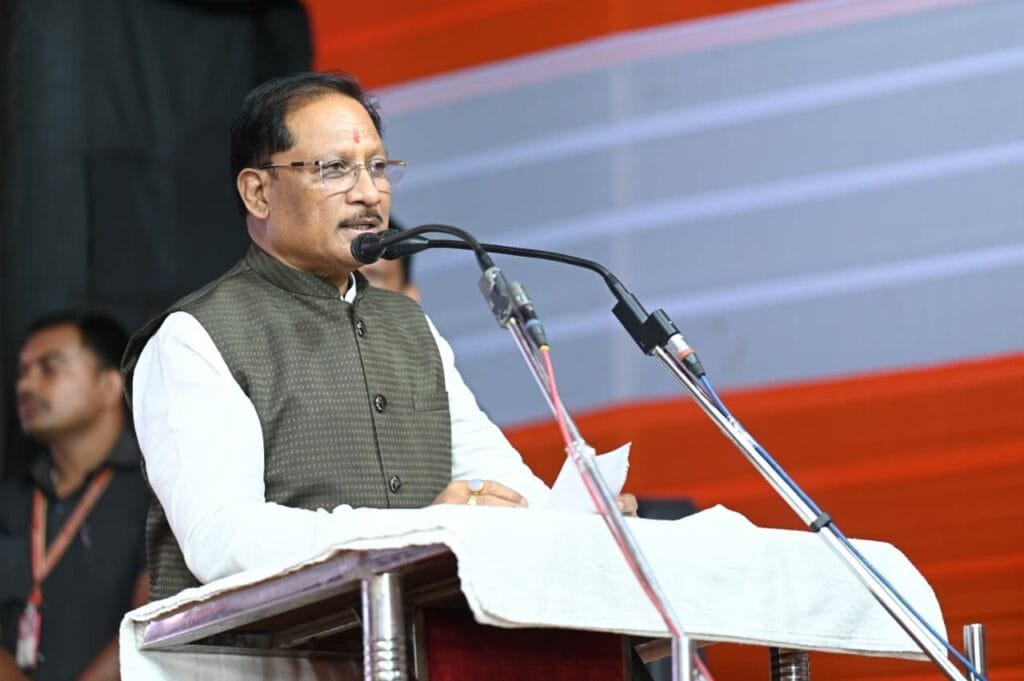
He remarked that India is a land of festivals, and these celebrations hold special significance in the culture of Chhattisgarh. Many of our festivals—including Ekadashi and Karma Tihar—carry underlying social and cultural messages. These traditions are an invaluable legacy left by our ancestors. It is the responsibility of us all to preserve and carry them forward so that future generations may also understand the importance of their culture and traditions and remain connected to them.
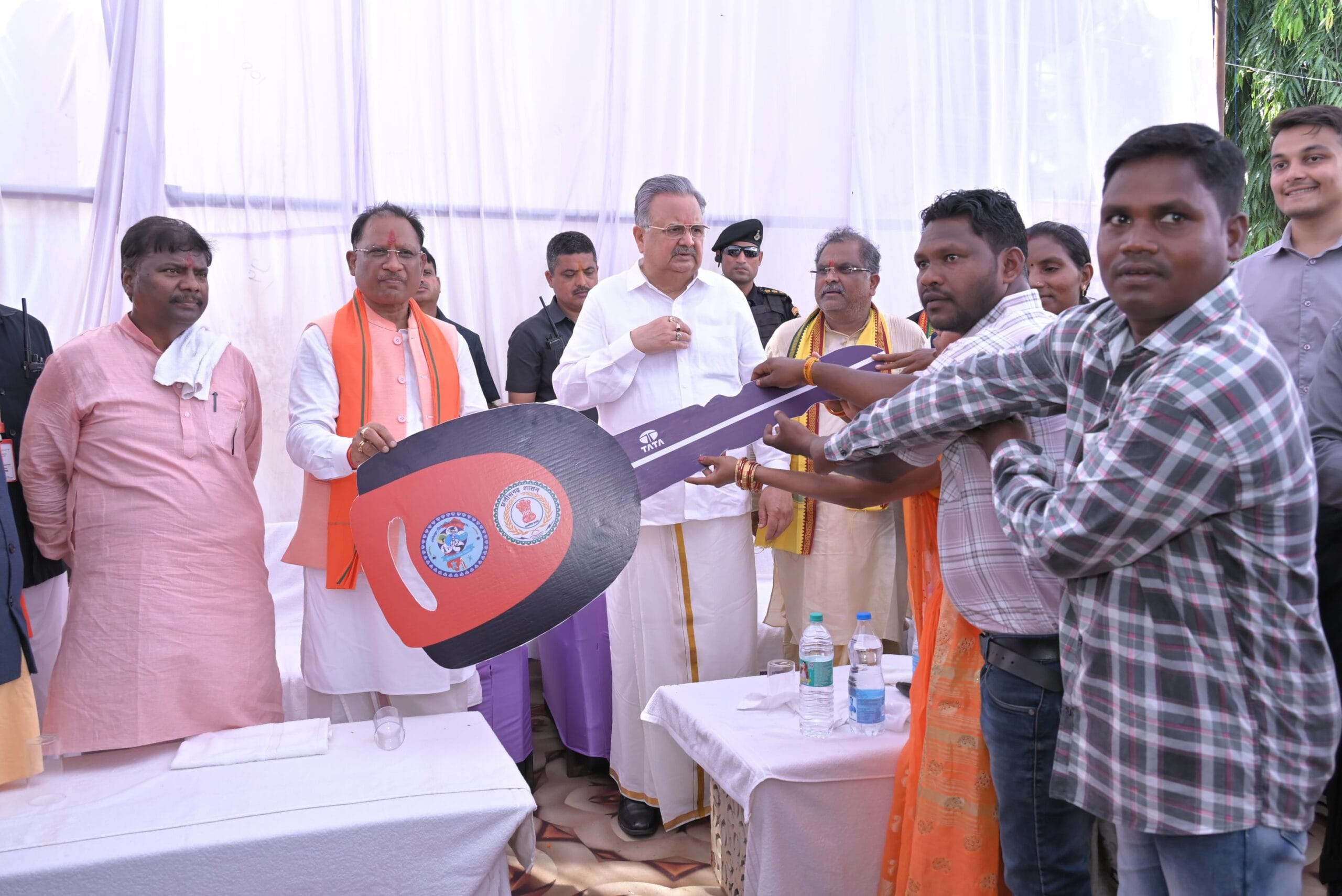
Chief Minister Shri Sai stated that the state government is continuously working to bring prosperity to the lives of villagers, the poor, farmers, and mothers and sisters. Immediately after the government was formed, the very first cabinet meeting approved the construction of 18 lakh houses under the Pradhan Mantri Awas Yojana. Over the past two years, more than 11 lakh houses have been built, and construction is proceeding at a rate of approximately 1,600 houses per day. He noted that Chhattisgarh is an agrarian state; paddy is being procured from farmers at a rate of ₹3,100 per quintal, with a procurement limit of 21 quintals per acre.
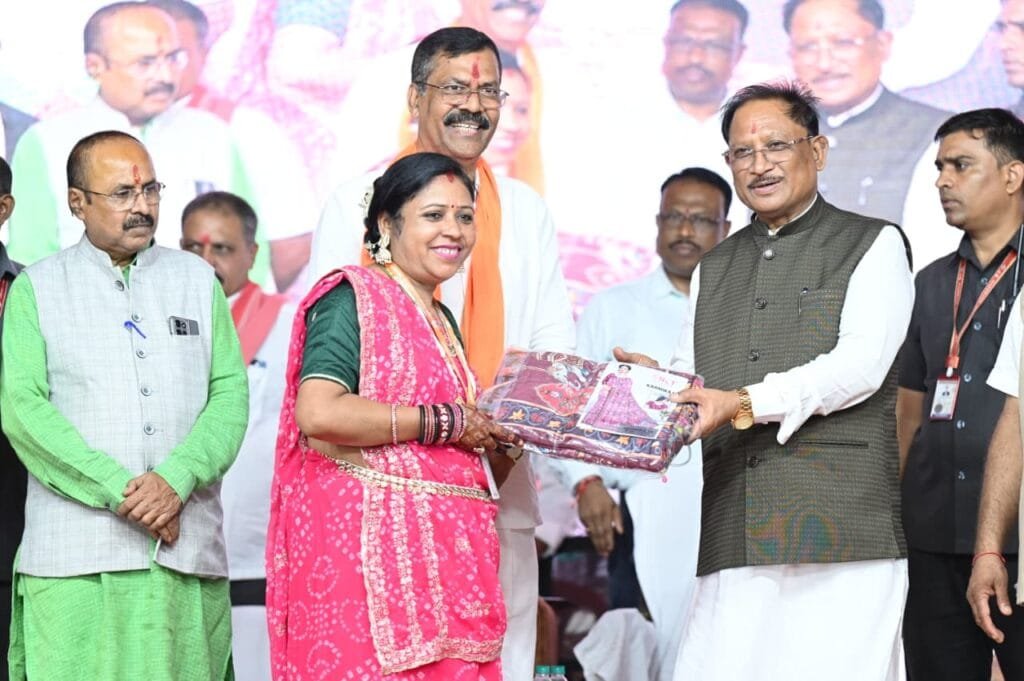
The Chief Minister mentioned that, to foster the economic empowerment of mothers and sisters, financial assistance of ₹1,000 per month is being provided through the Mahtari Vandan Yojana, with 31 installments already disbursed. He observed that this amount has become a vital source of economic support for rural women. Women are utilizing these funds for activities such as starting small businesses—like grocery or vegetable shops—purchasing sewing machines, and saving for their daughters’ futures through the Sukanya Samriddhi Yojana.
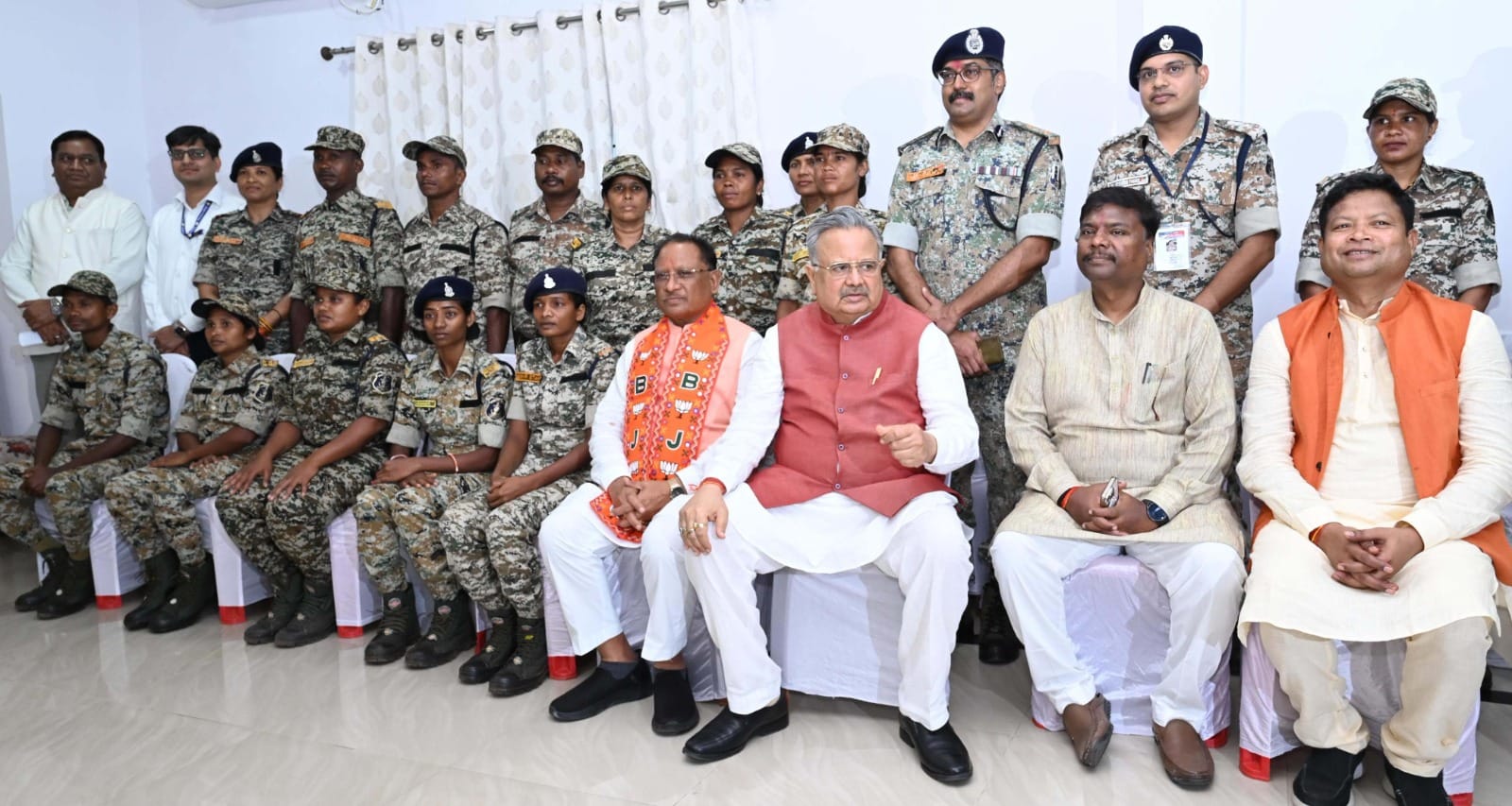
Chief Minister Shri Sai stated that Naxalism had long been a major obstacle to Chhattisgarh’s development. Today, thanks to the effective strategy formulated under the leadership of Prime Minister Shri Narendra Modi and Union Home Minister Shri Amit Shah, combined with the indomitable courage of our security forces, Chhattisgarh has become Naxal-free. He stated that the Central Government has sanctioned separate housing for 15,000 surrendered Naxalites, enabling them to join the mainstream of society and embark on a new, dignified life.
Chief Minister Shri Sai noted that Chhattisgarh is the first state in the country to establish a Department of Good Governance and Convergence. An e-file system has been implemented to ensure transparent and accountable administration, and government processes are rapidly being digitized and moved online. Citizens can register their grievances around the clock via the Chief Minister’s Helpline (1076). Approximately 8,000 employees across four levels have been engaged to ensure the timely resolution of complaints. Through the ‘Seva Setu’ portal, over 700 services from 36 departments are being made available to citizens on their mobile phones.
The Chief Minister highlighted that Chhattisgarh is the maternal ancestral home of Lord Shri Ram and the maternal home of Mother Kaushalya. Under the ‘Ram Lalla Darshan Yojana,’ devotees from the state are being facilitated to visit Ayodhya Dham for a darshan (viewing) of Lord Shri Ram; so far, more than 50,000 devotees have availed themselves of this opportunity. Similarly, under the ‘Chief Minister’s Tirth Darshan Yojana,’ the state’s elderly citizens are being taken on pilgrimages to 31 selected holy sites across the country.
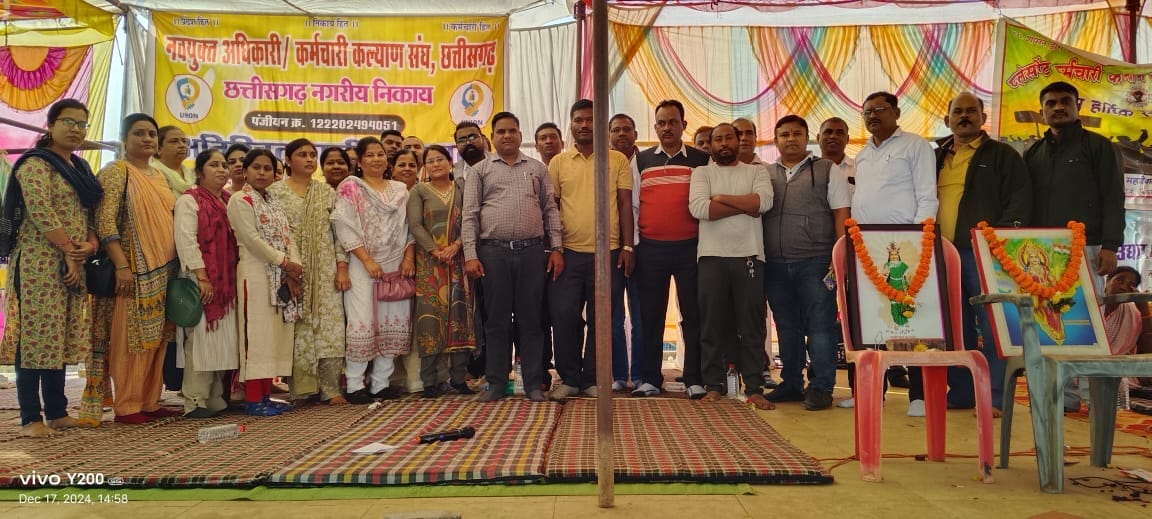
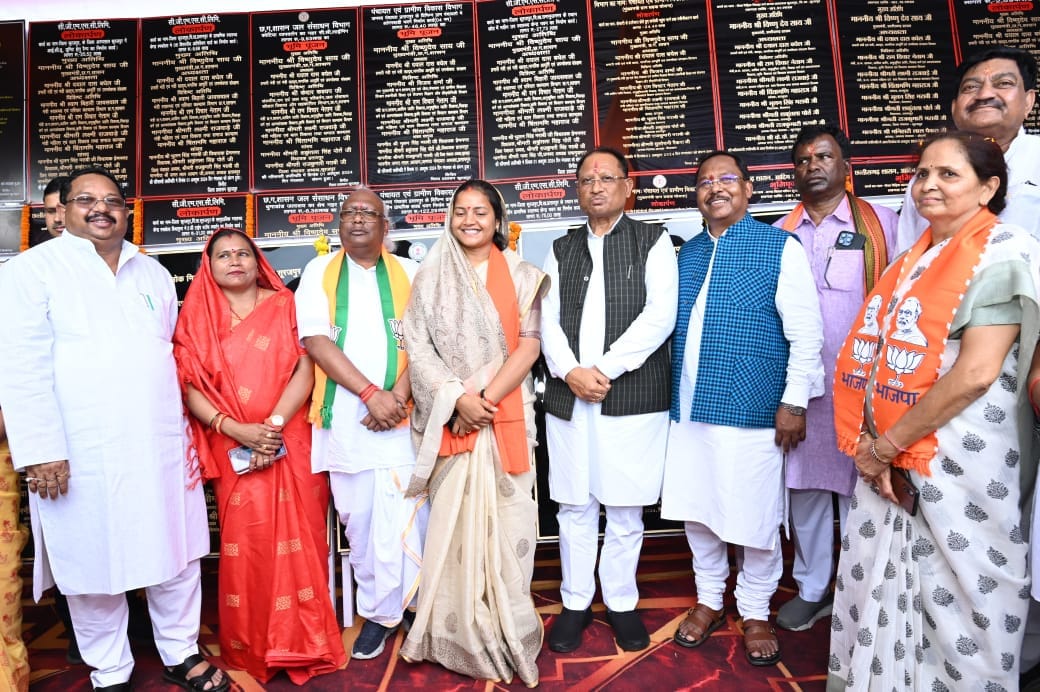
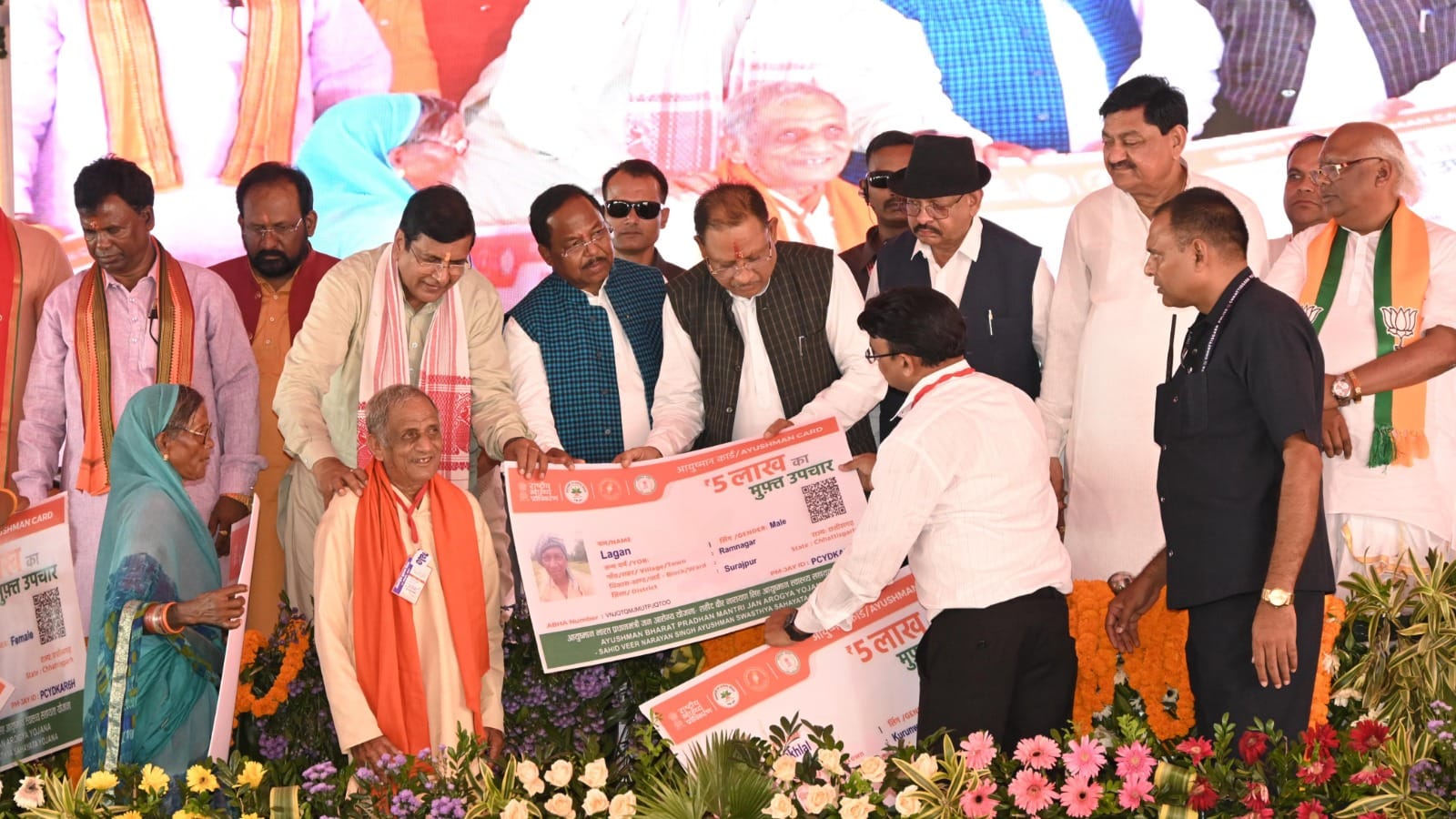
On this occasion, MLA Shri Motilal Sahu, along with Shri Ramesh Singh Thakur, Shri Bhagatram Harbans, Shri Chandrashekhar Shukla, Shri Tekeshwar Chandra, Shri Dhirendra Parganiha, Shri Deva Sahu, Shri Omprakash Maravi, Shri Manoj Joshi, Shri Mac Milan Sahu, office-bearers of the ‘Mor Mati’ cultural organization, and a large number of prominent citizens were present.