























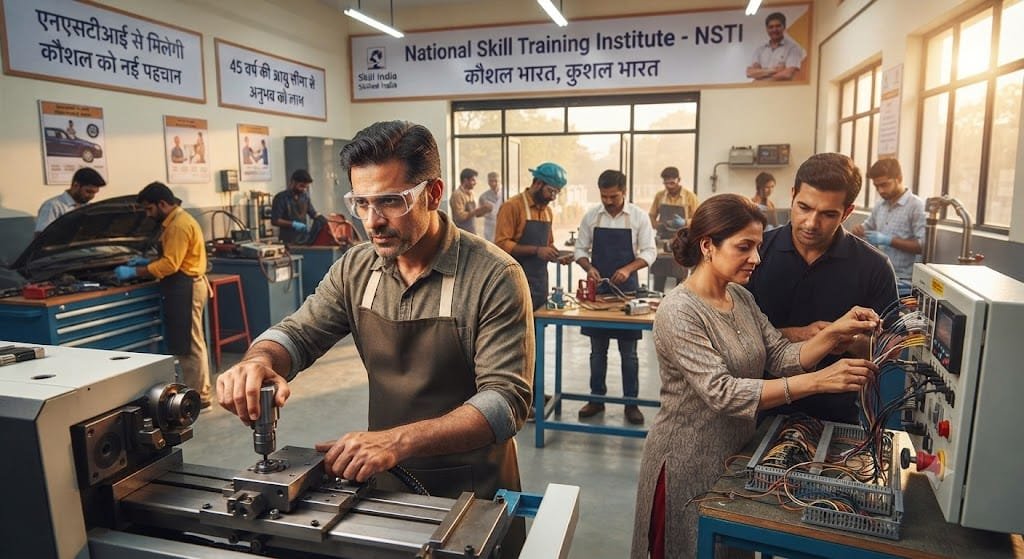
- NSTI to give new recognition to skills; raising the age limit to 45 benefits experienced professionals—opportunities expand under the leadership of Chief Minister Shri Vishnu Deo Sai.
- (L.D. Manikpuri, Assistant Public Relations Officer)
For a long time, Chhattisgarh has been known as the ‘Rice Bowl’ of the country. While the lush crops in the fields tell the story of the state’s prosperity, Chhattisgarh has added new dimensions to its development journey amidst changing times. Alongside agriculture, sectors such as industry, technology-integrated skills, and entrepreneurship are now becoming the state’s new identity. The greatest strength behind this transformation lies in the state’s youth and its experienced human resources.
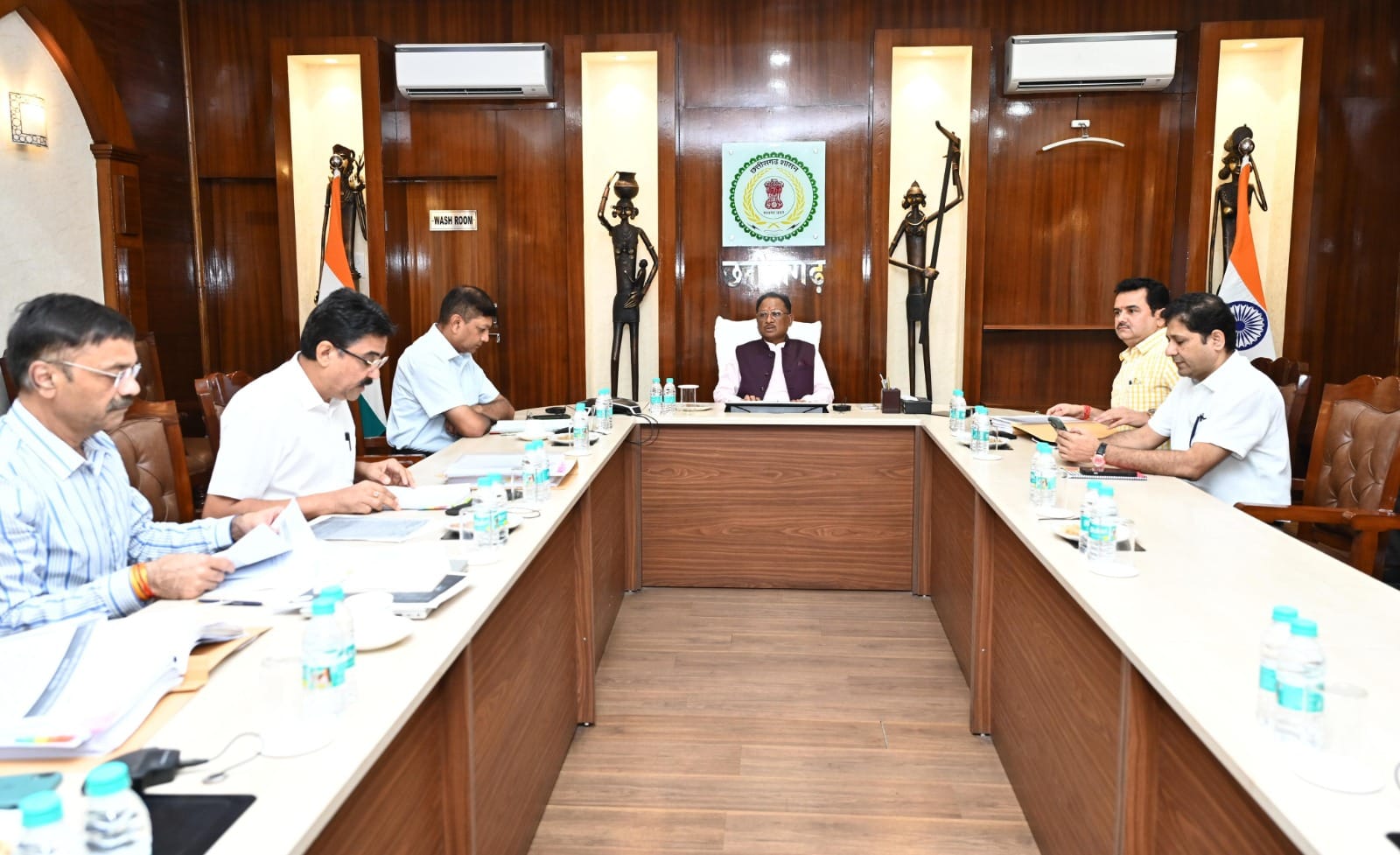
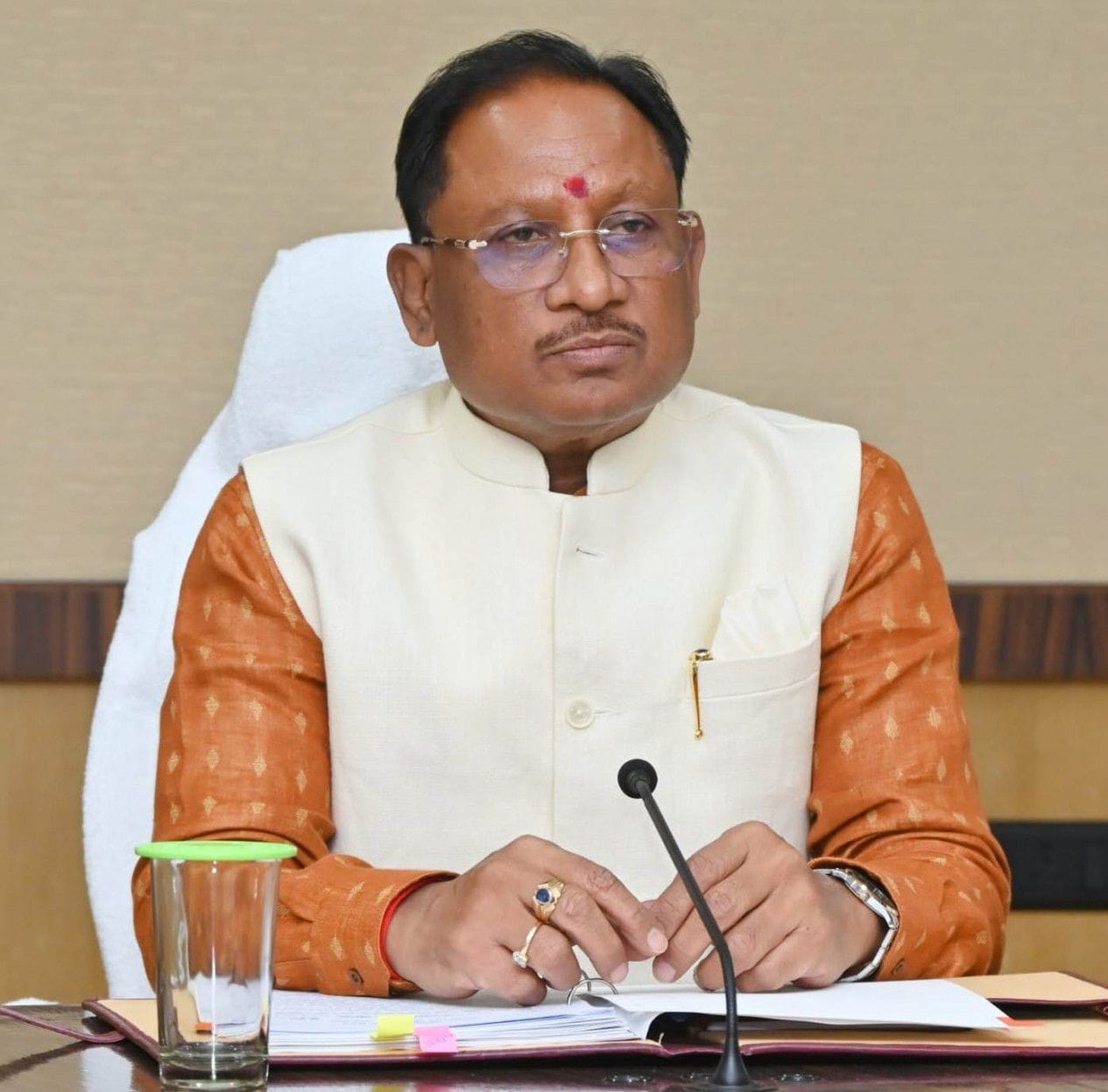
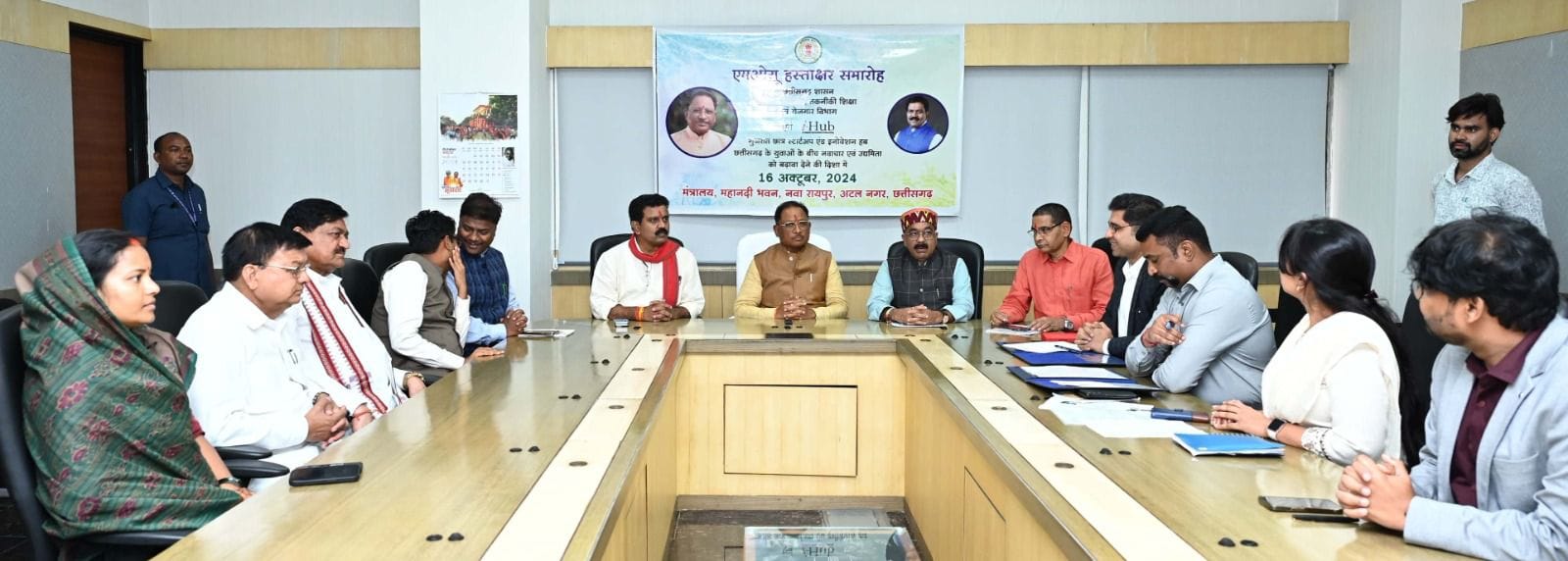
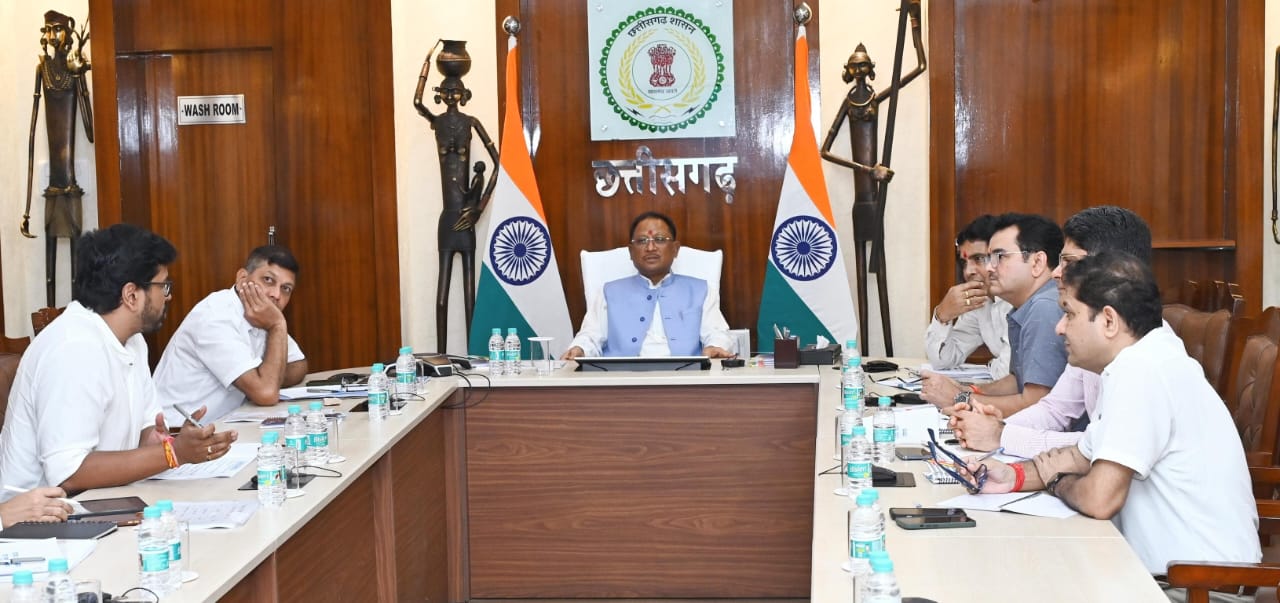
Recent decisions taken by the Council of Ministers under the leadership of Chief Minister Shri Vishnu Deo Sai reflect this vision. On one hand, the establishment of the National Skill Training Institute (NSTI) in Naya Raipur Atal Nagar will provide a platform for youth to acquire modern skills; on the other, raising the maximum age limit from 38 to 45 years for personnel working in various government and allied institutions is a significant step toward offering new opportunities to experienced and capable individuals.
- Dreams require skills alongside degrees.
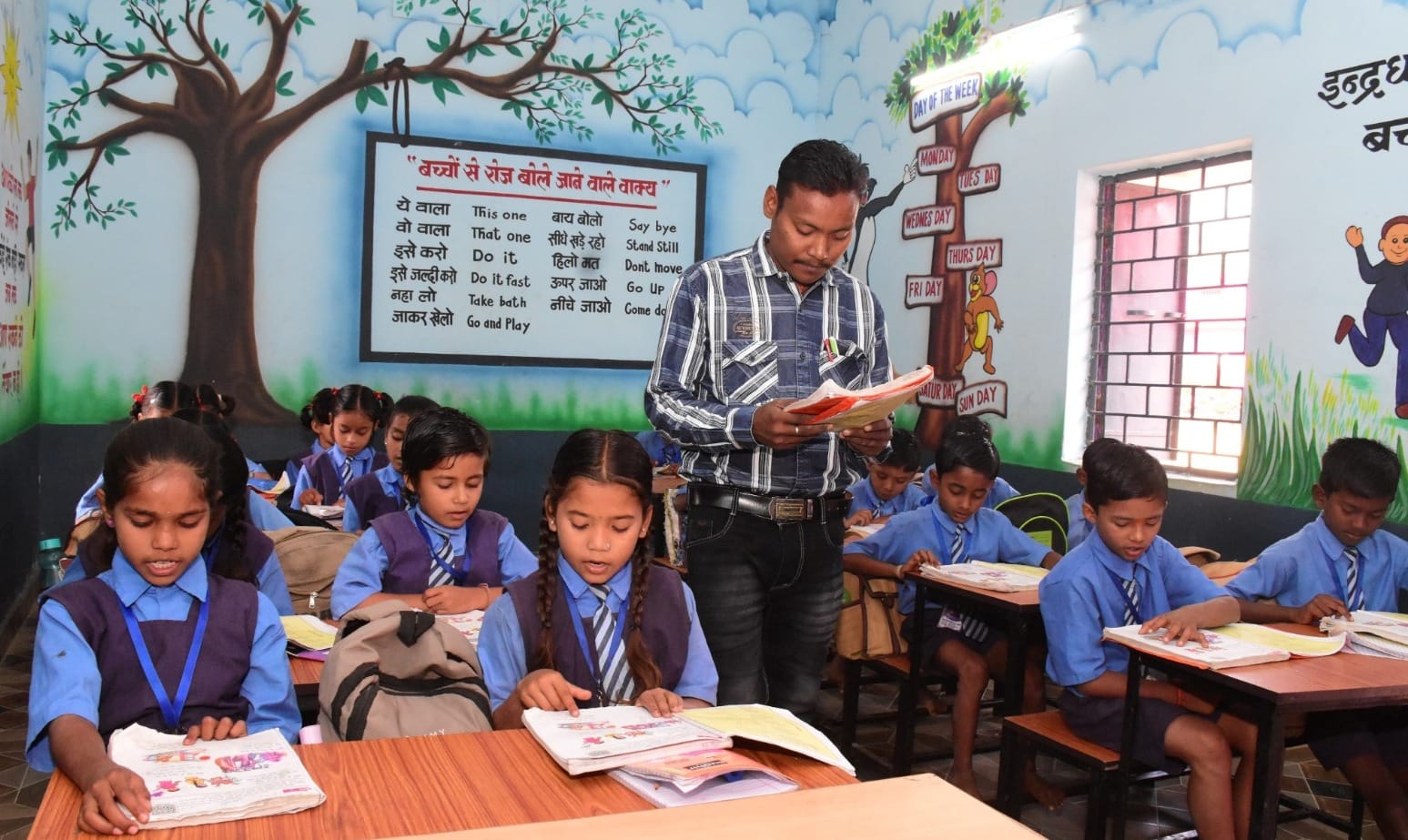
Today’s youth seek employment-oriented skills, not just formal education. Amidst the evolving needs of industries, the importance of practical training alongside theoretical knowledge has grown. Keeping this need in mind, a proposal has been approved to allocate 10 acres of land free of cost to the Government of India’s Directorate General of Training (under the Ministry of Skill Development and Entrepreneurship) for establishing the NSTI in village Tendua.

To be developed at a cost of approximately ₹200 crore, this institute will feature modern academic, administrative, and hostel facilities. It will have the capacity to train around 1,000 trainees annually in long-term courses and approximately 3,000 trainees in short-term programs. This opportunity is linked to the aspirations of thousands of young people; through it, some will acquire technical skills, others will join the industrial workforce, and some will launch their own enterprises, thereby creating employment opportunities for others as well.
- The Path from Skills to Employment and Self-Reliance
The establishment of the NSTI marks a significant initiative towards connecting youth with training while aligning them with evolving technologies and industry needs. Today, skill development is not merely a means to secure a job but a pathway to self-reliance. It offers youth from villages and small towns the opportunity to become entrepreneurs. A trained young person can transition from being a job seeker to a job creator. This embodies the journey from skills to entrepreneurship and from employment to self-reliance. Prime Minister Shri Narendra Modi often urges the nation’s youth to engage in work that creates employment for others, thereby forging a new identity for themselves.
- Expanded Age Limit, Expanded Opportunities
The decision to raise the maximum age limit from 38 to 45 years opens up new possibilities for individuals who possess experience, professional competence, and a practical understanding of responsibilities. Experience grows with age, and it serves as a vital asset for any system. Those who have worked for years have gained an intimate understanding of the system and have successfully navigated various challenges. Effectively leveraging this experience in new roles can significantly enhance the capability of institutions.
- Synergy Between Youthful Energy and Experienced Hands
A robust vision of development emerges when youthful energy and experienced insight come together. While the youth bring new technologies and fresh ideas, the experienced demographic contributes practical understanding and the wisdom to handle complex situations. Just as the NSTI provides a platform for the skills of the youth, the relaxation of the age limit offers opportunities for the experienced workforce. Together, these decisions pave the way for strengthening the state’s human capital.
Chhattisgarh’s future will be defined not merely by its natural resources but by the potential of its people. When skills find a platform, experience gains opportunity, and dreams are given the right direction, development will transcend mere statistics and become visible in the lives of the people. This is the vision of a ‘New Chhattisgarh’—a state where the path from skills to employment, experience to opportunity, and opportunity to self-reliance is being actively paved. Through such decisions, the Government of Chhattisgarh remains steadfast in its commitment to public service.