

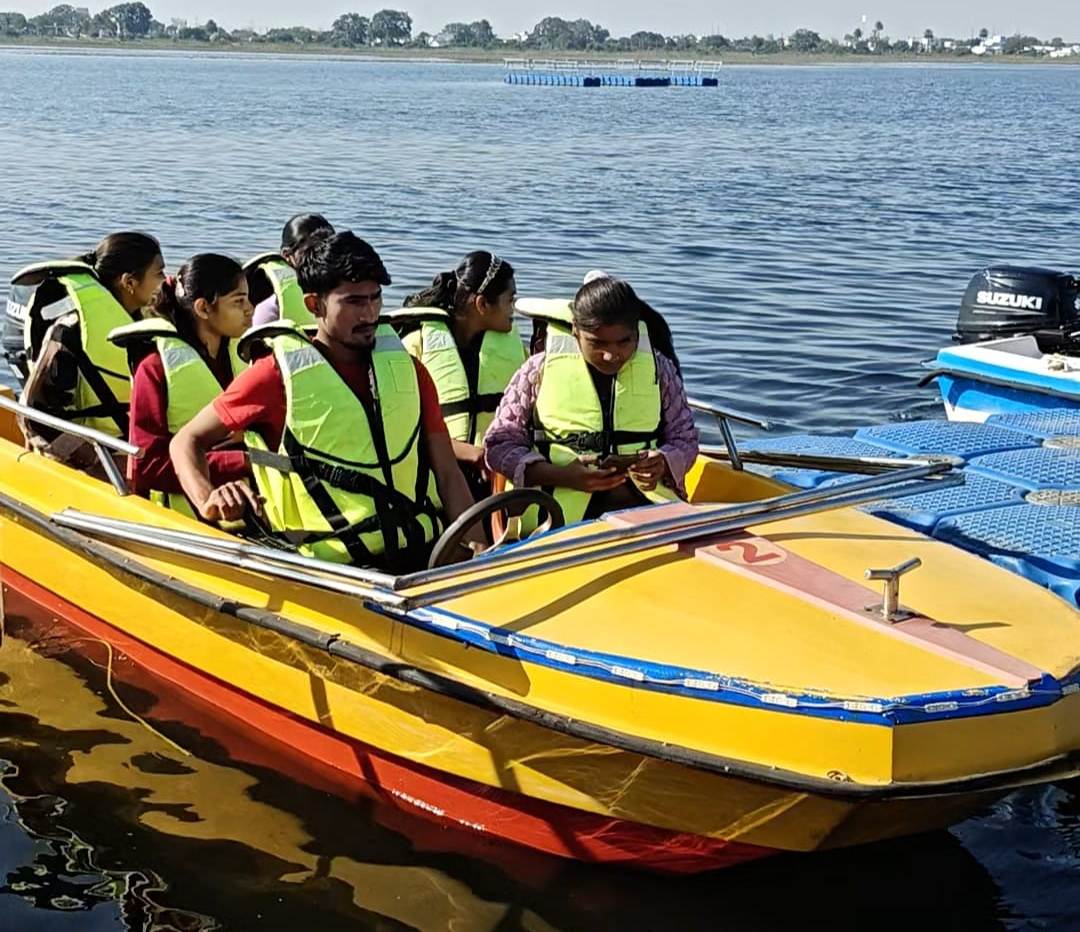
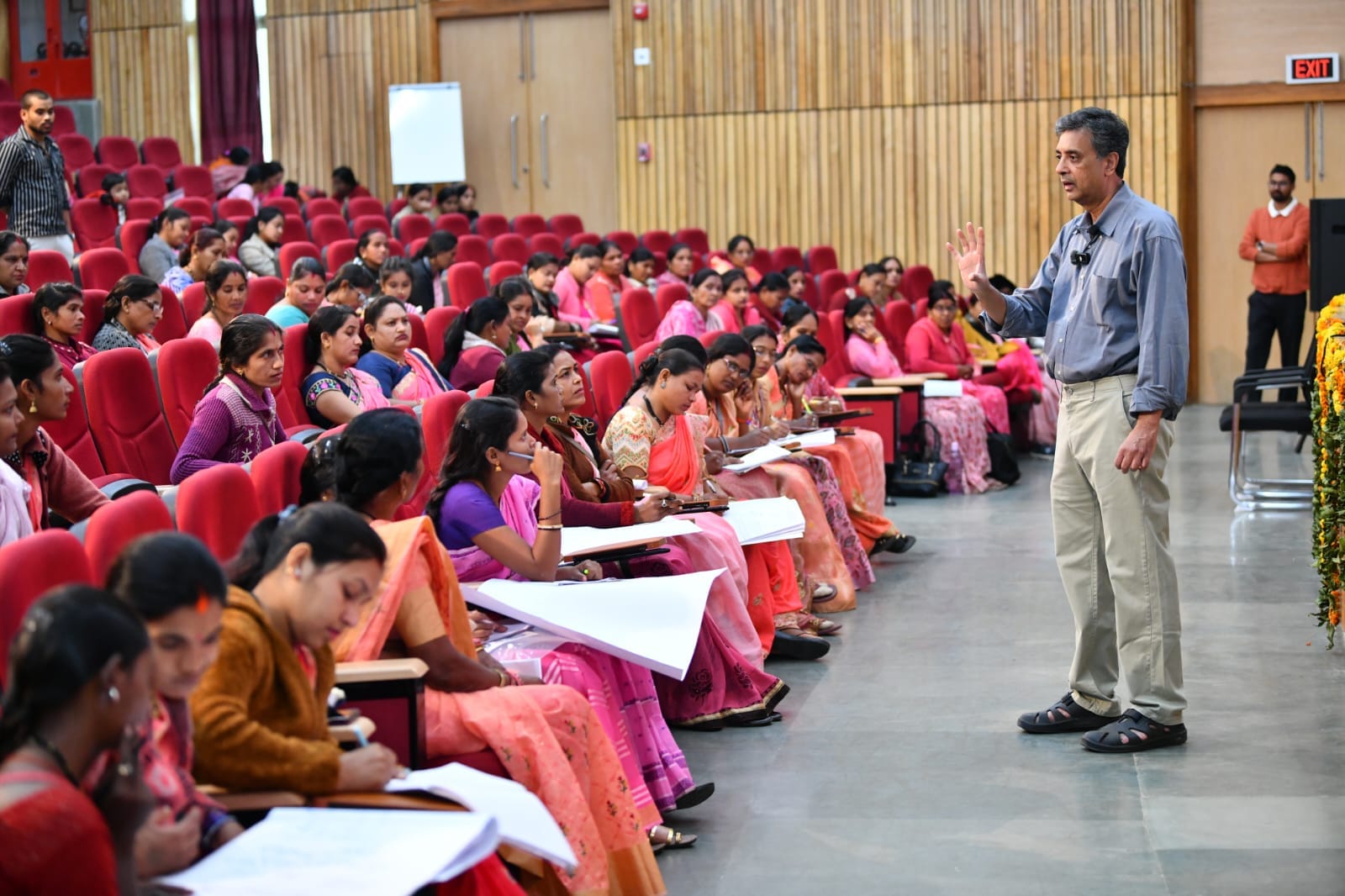

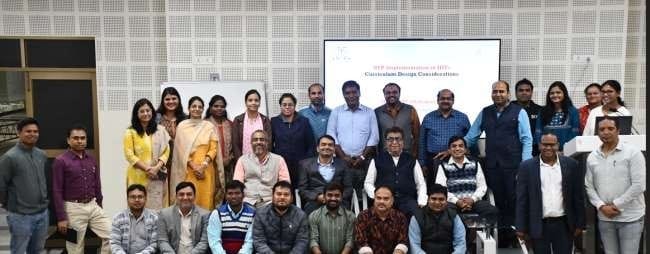
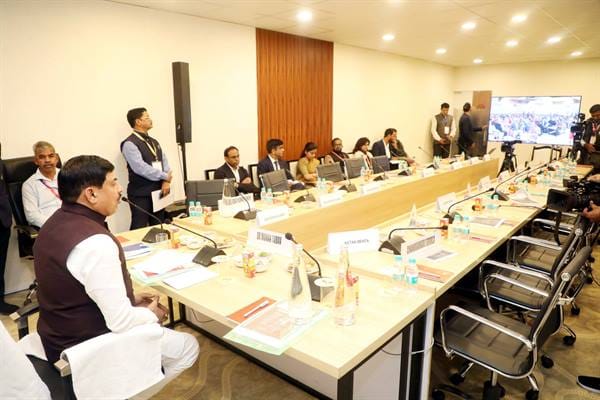

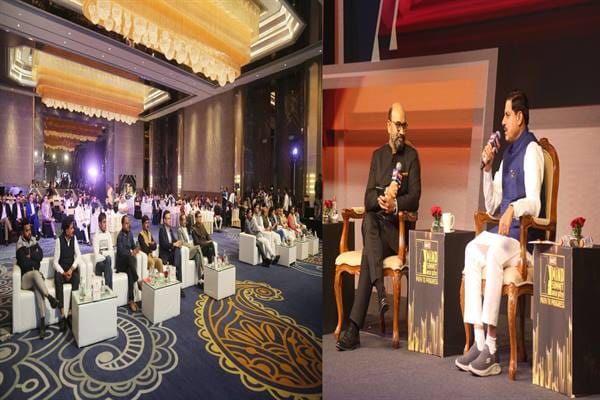

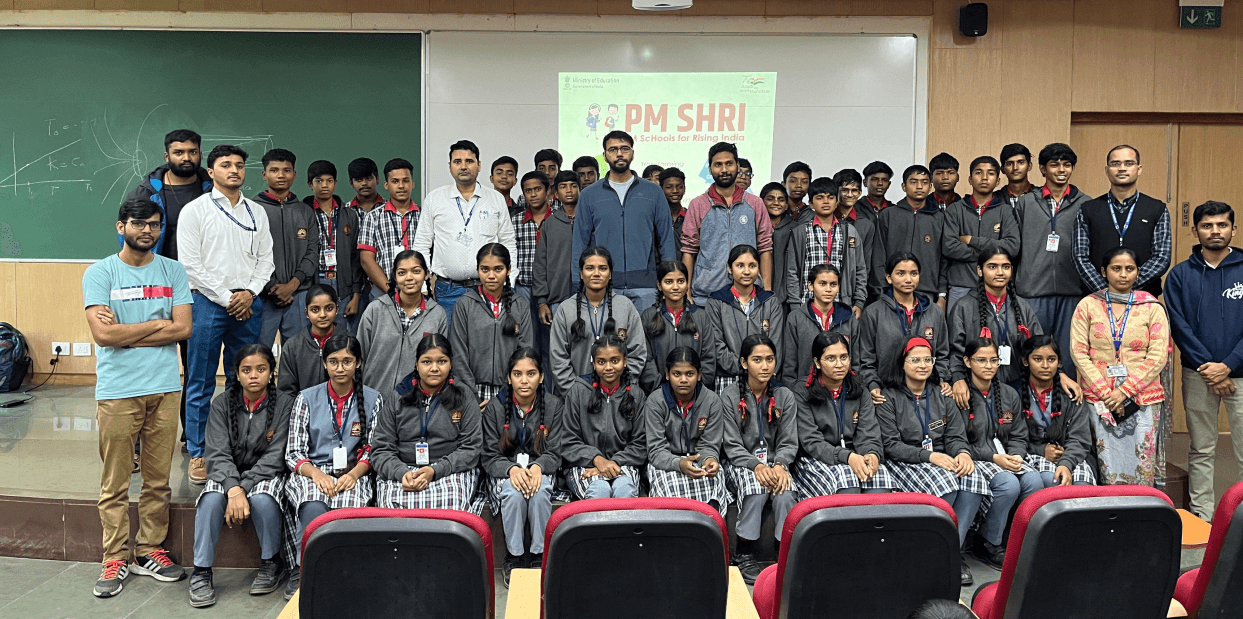
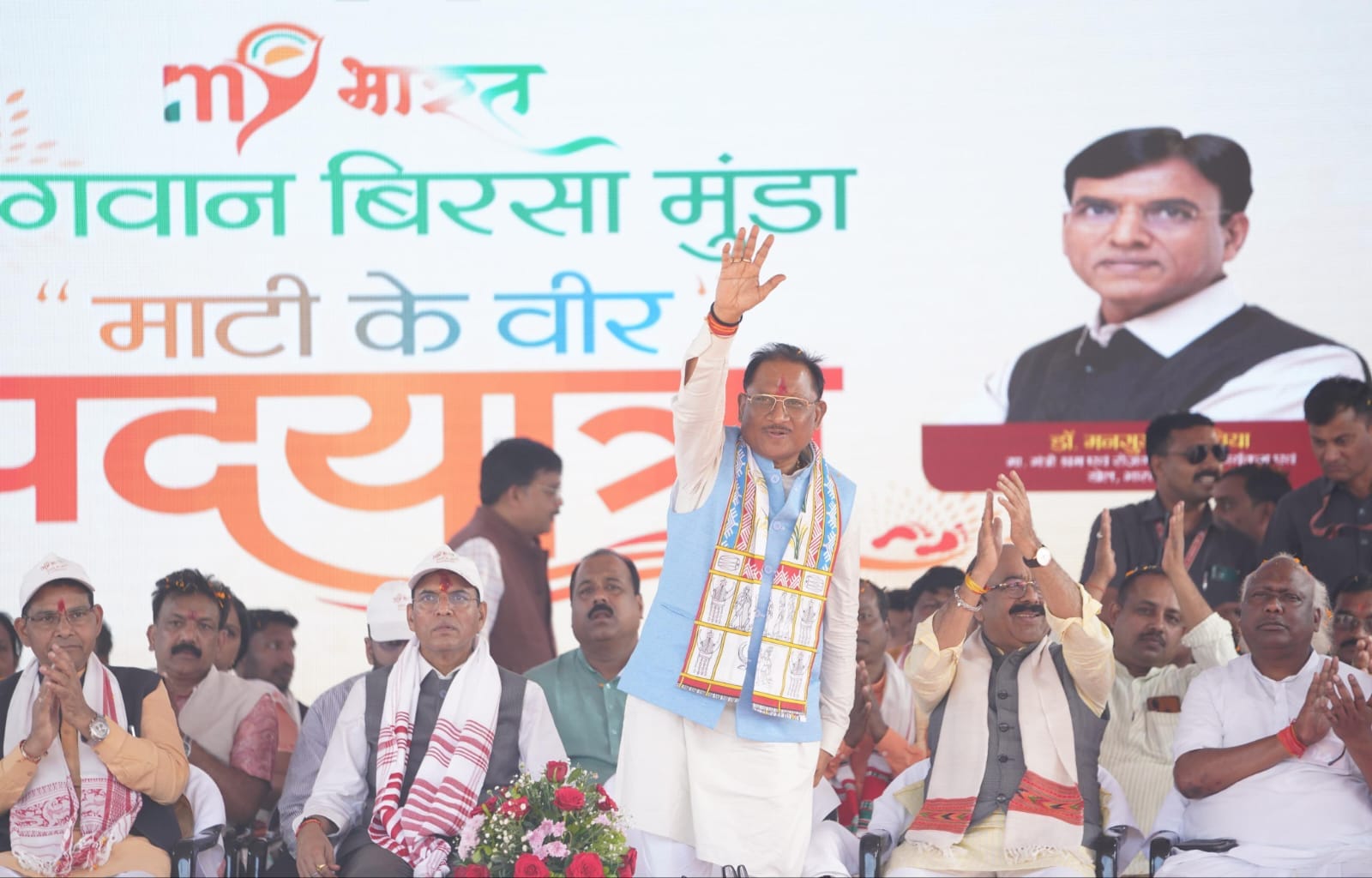

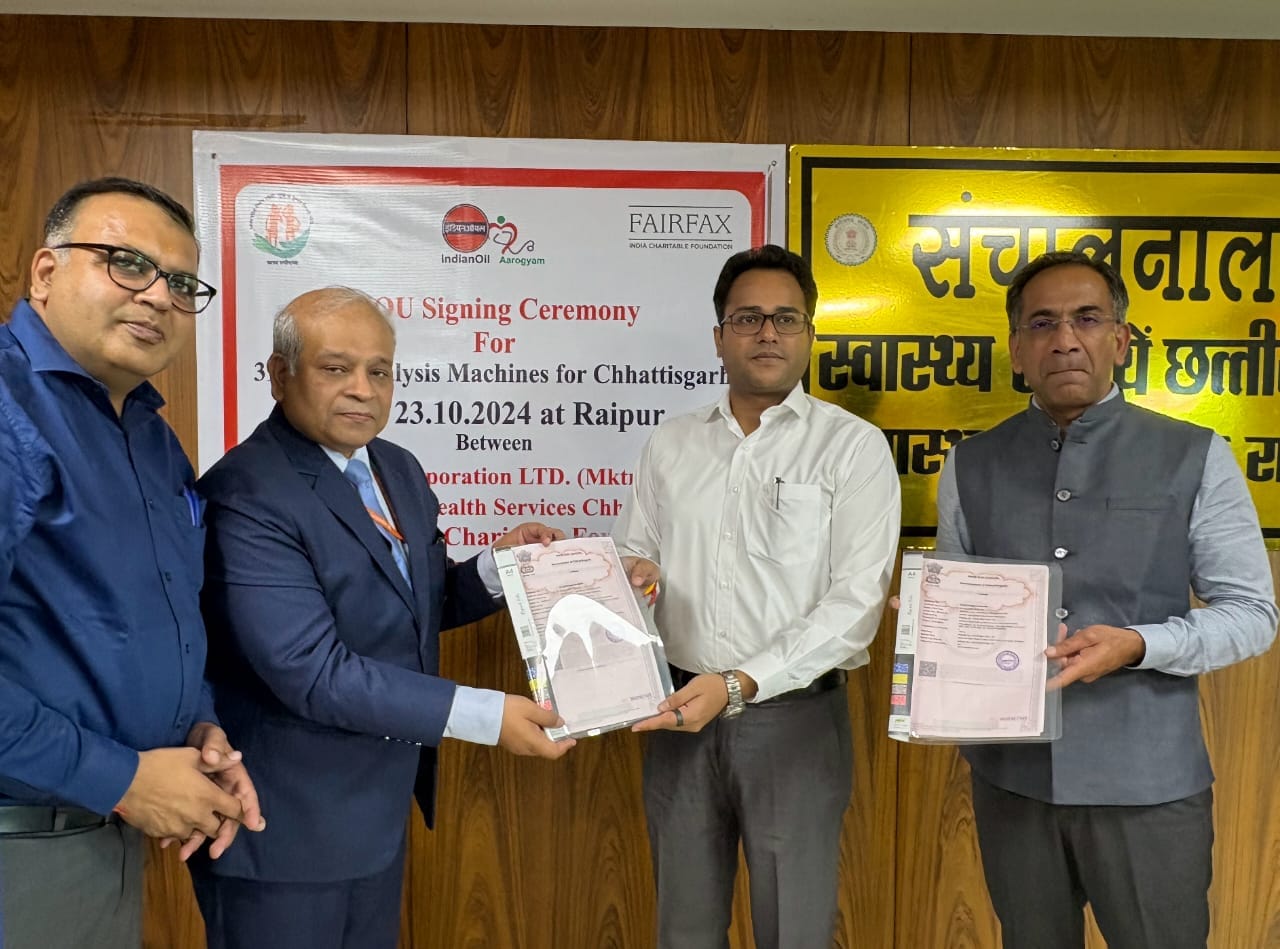
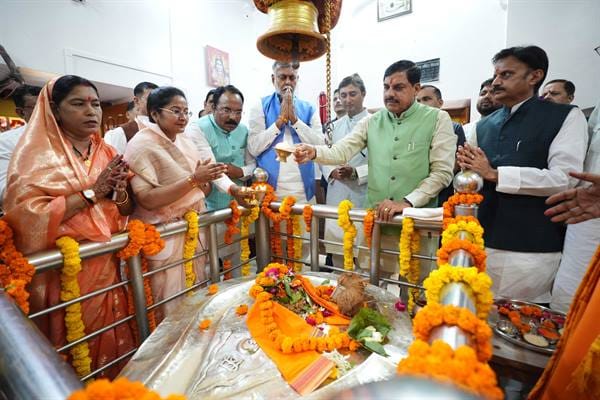
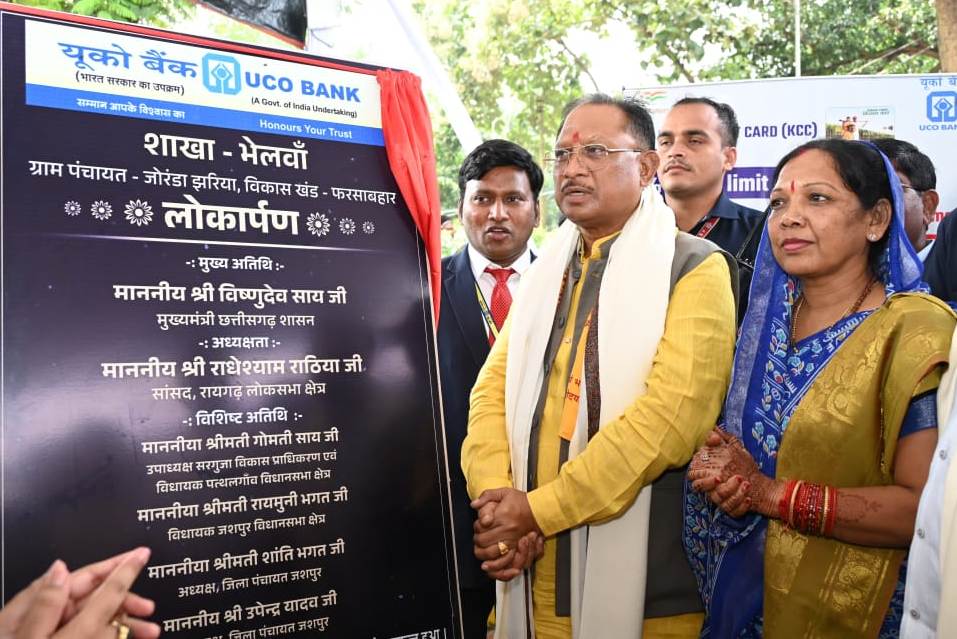
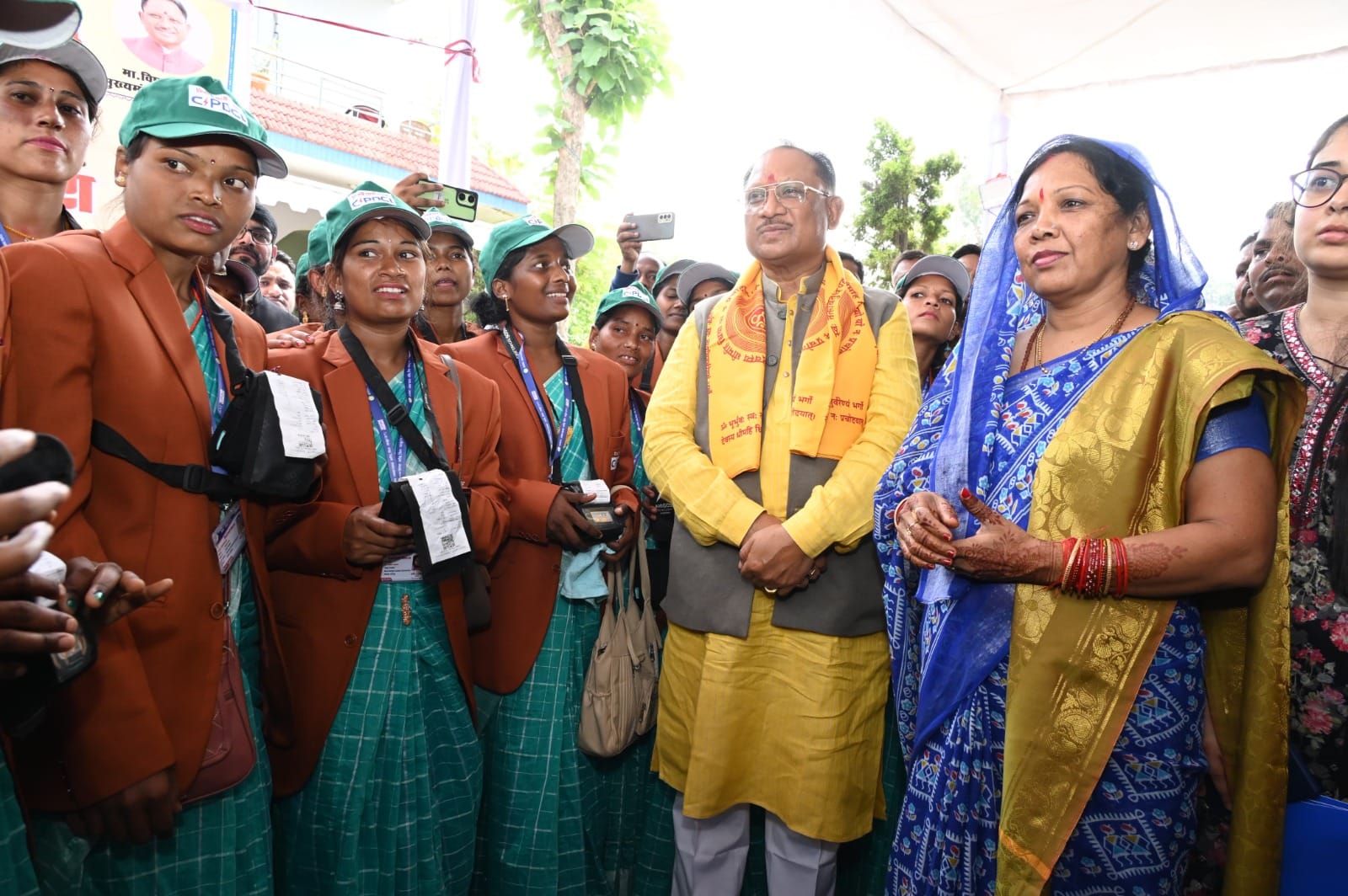

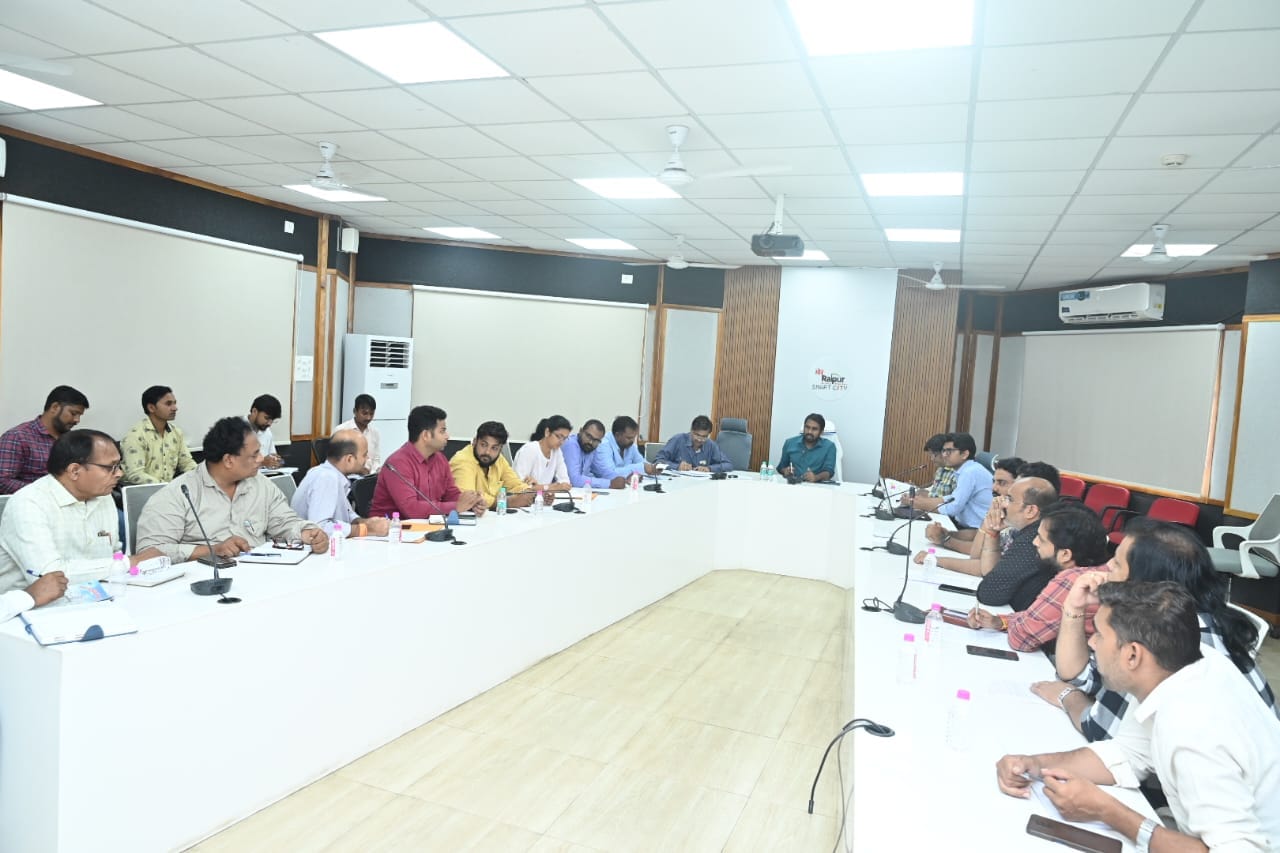
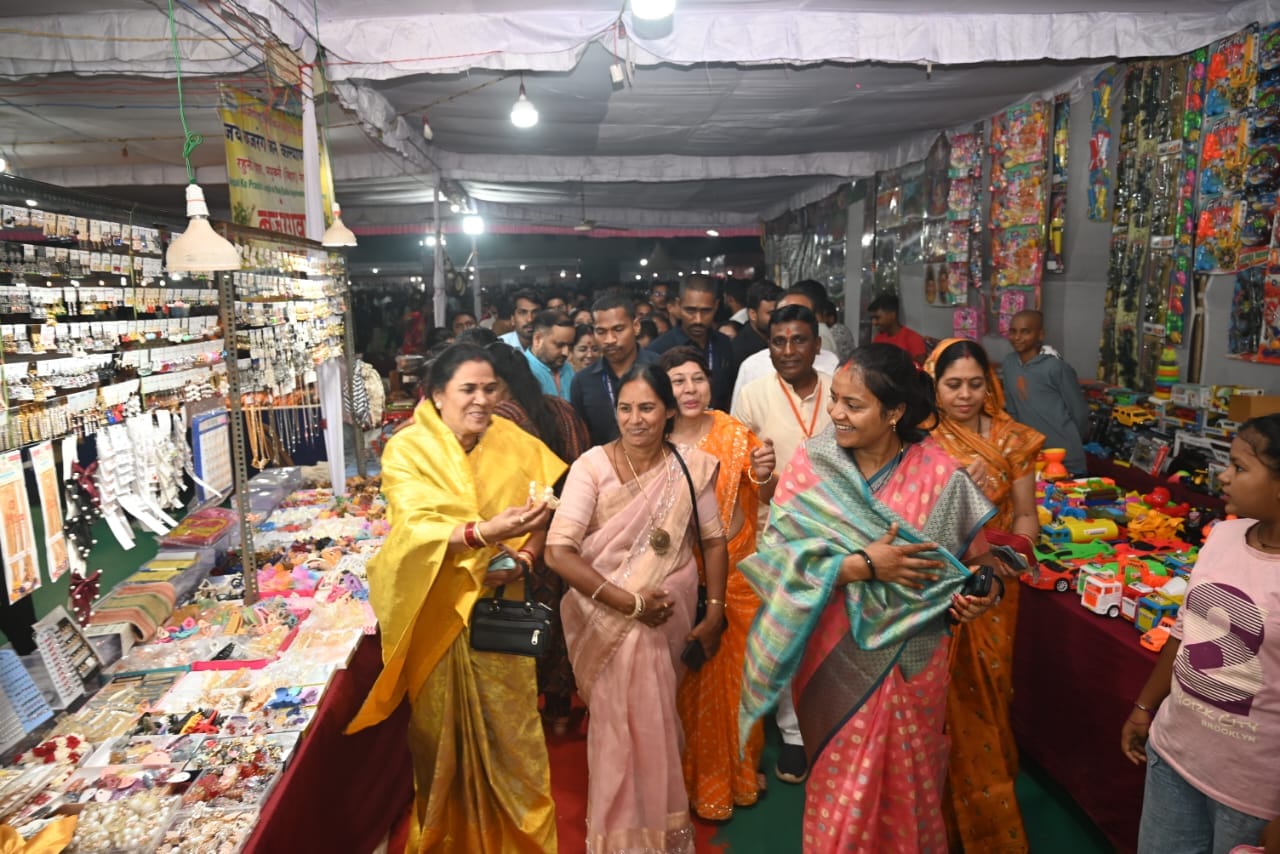
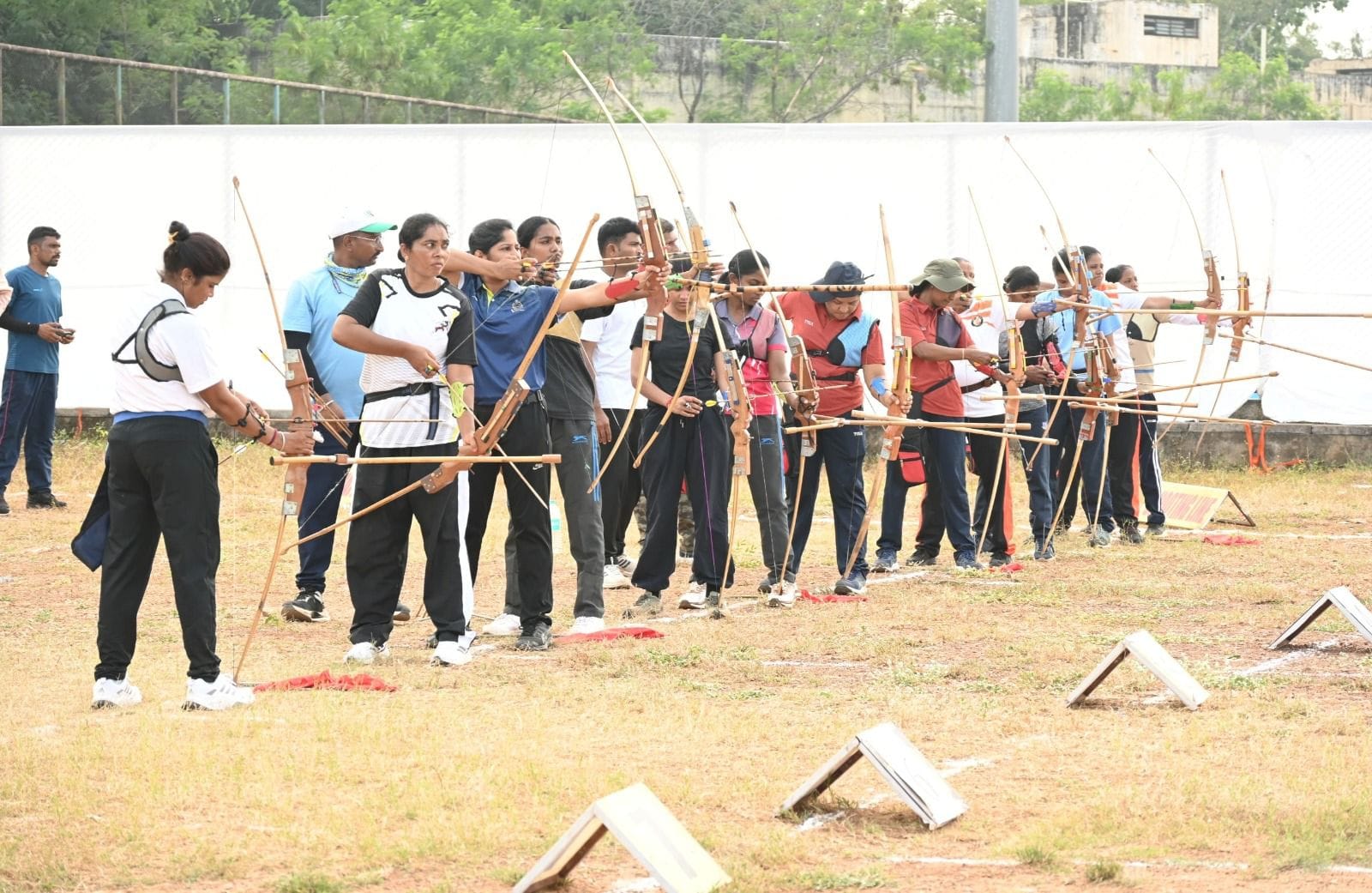
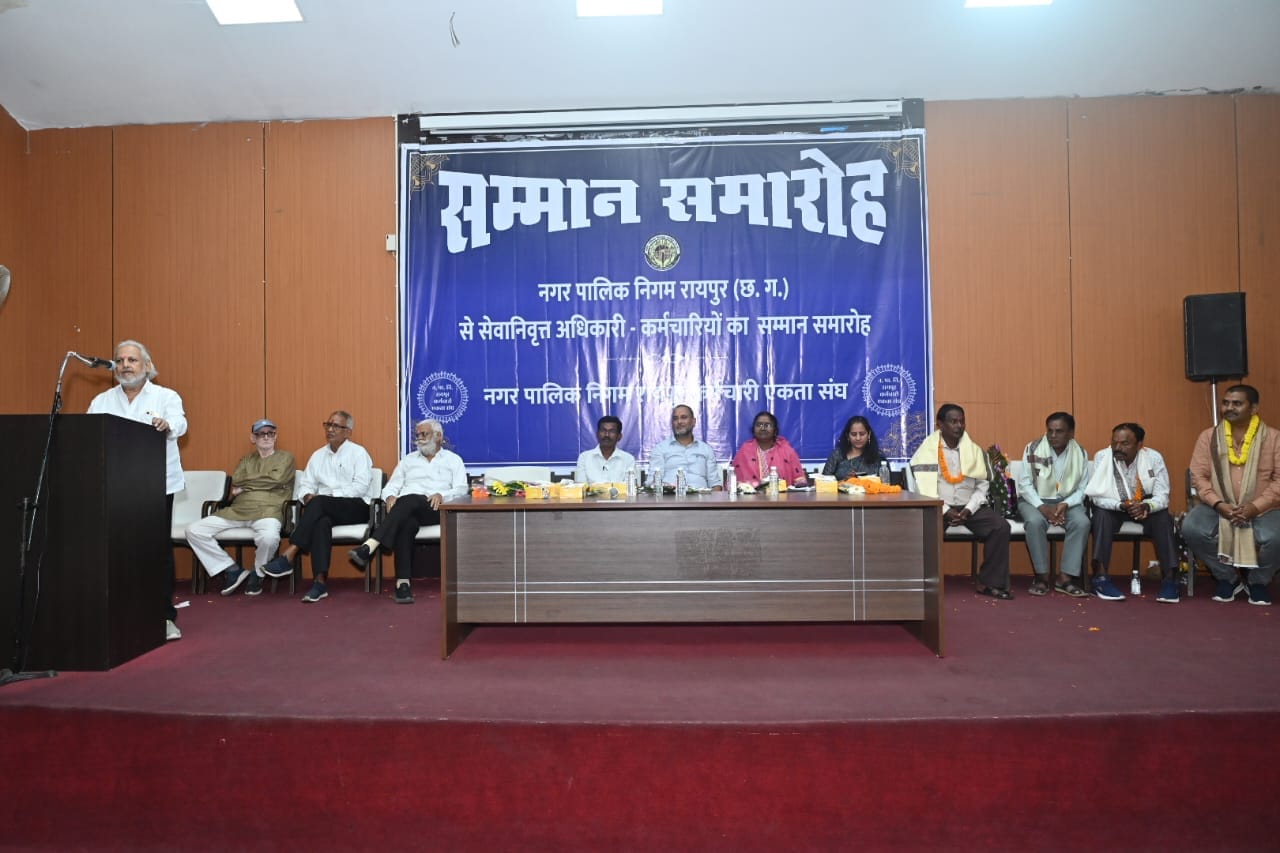
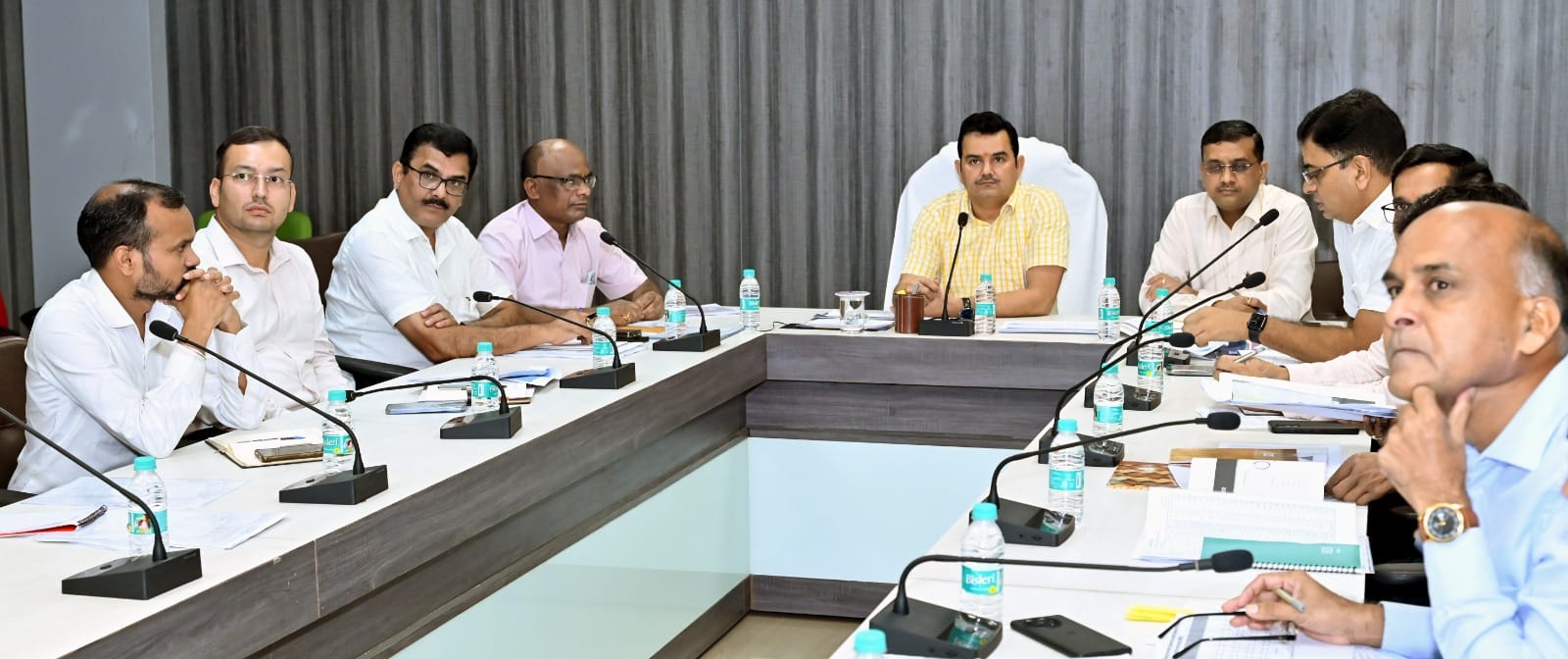
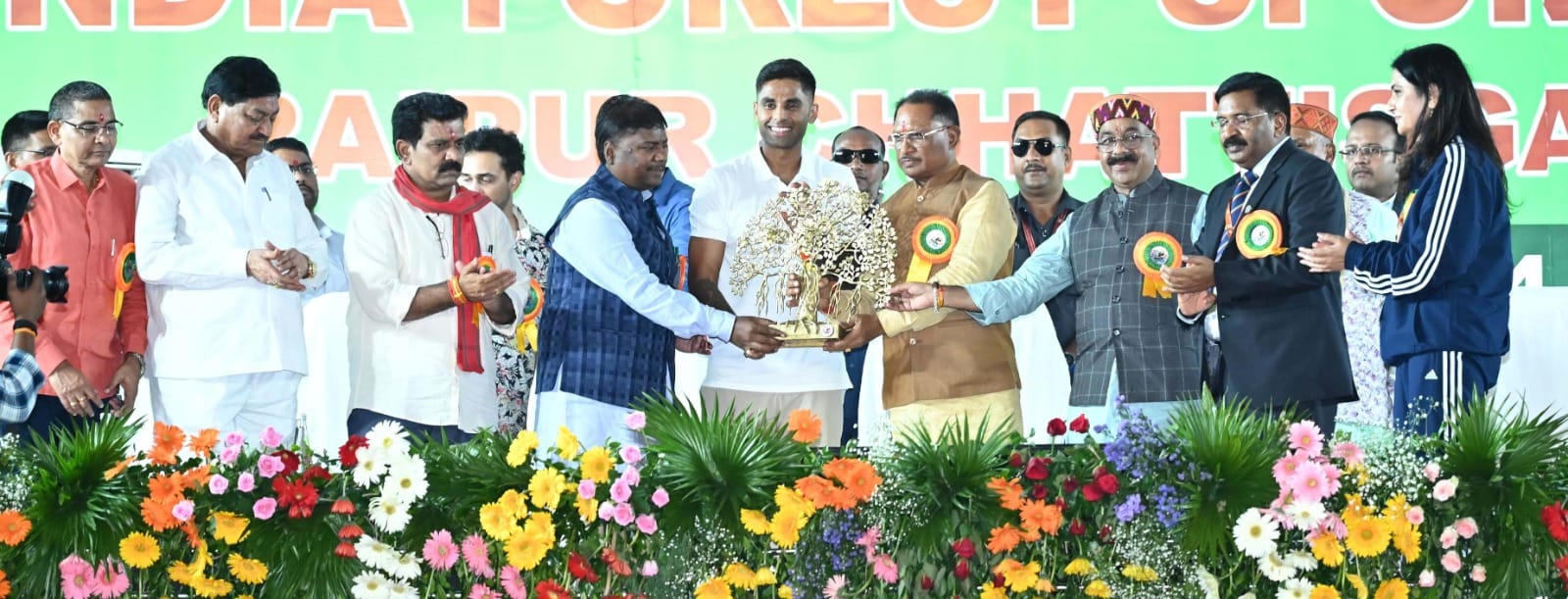
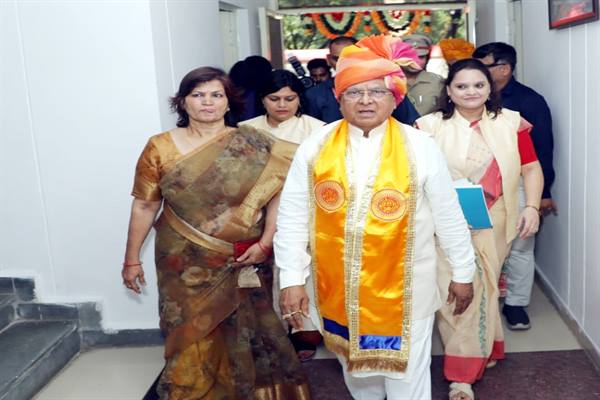
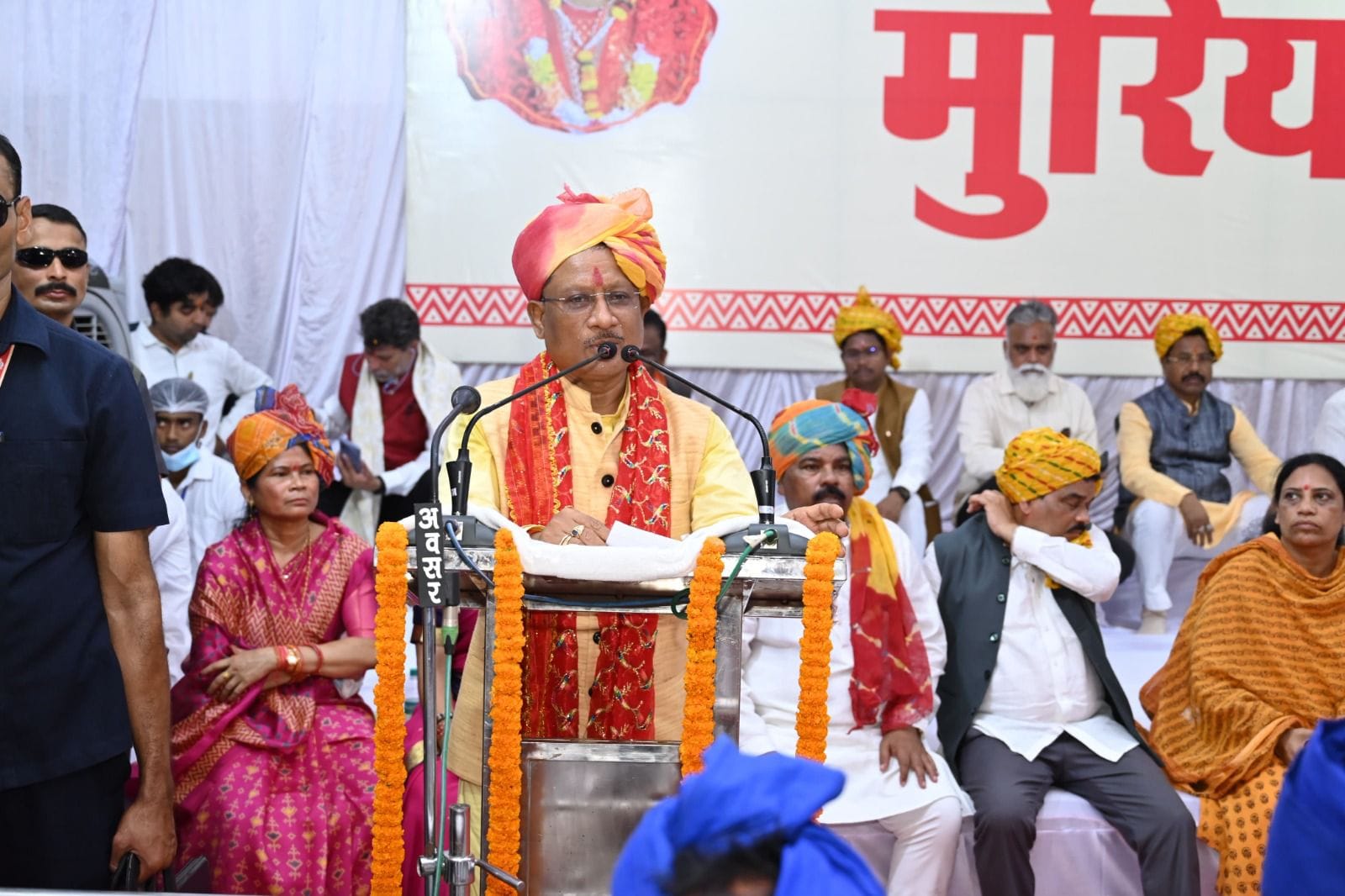
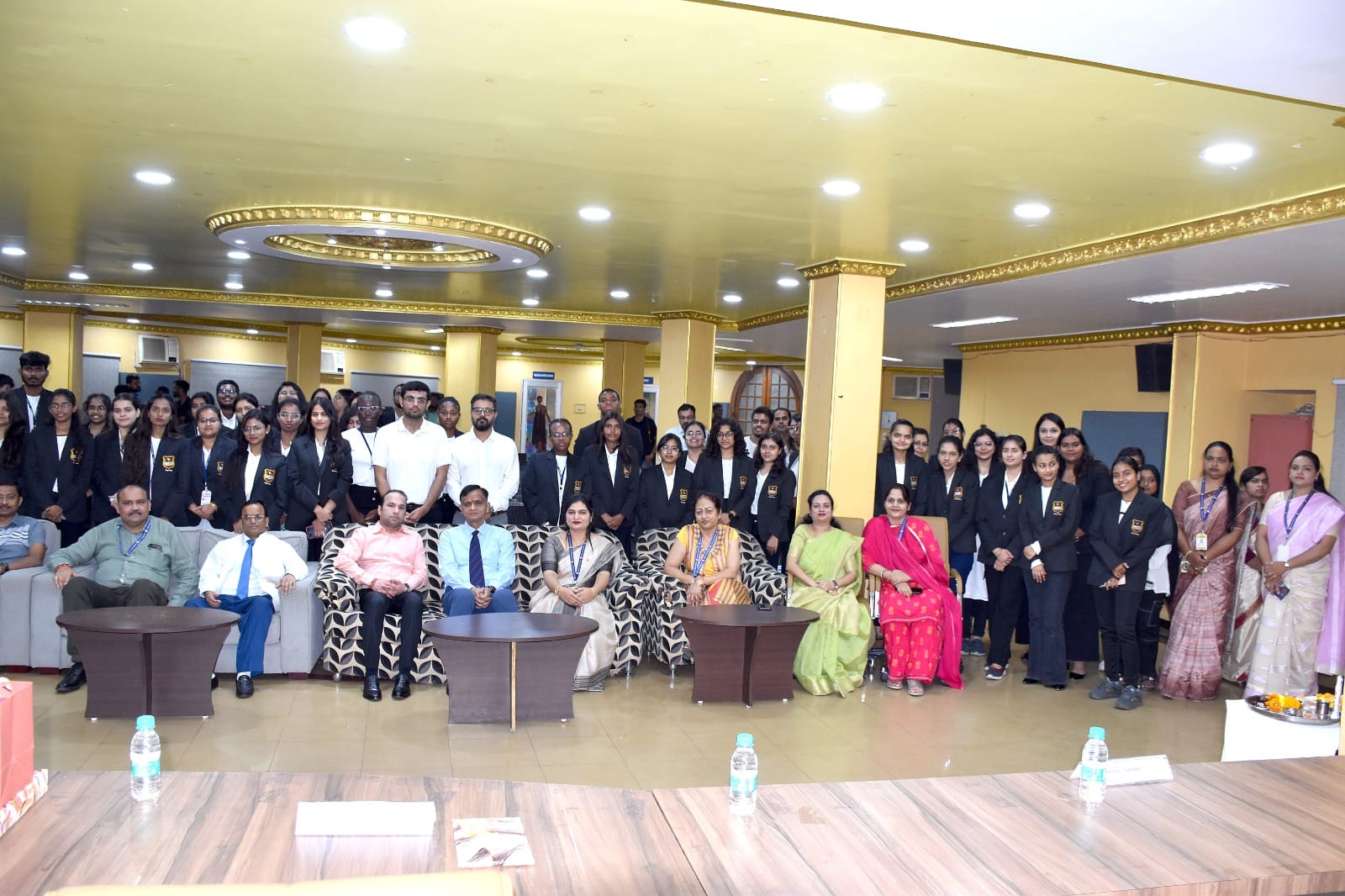

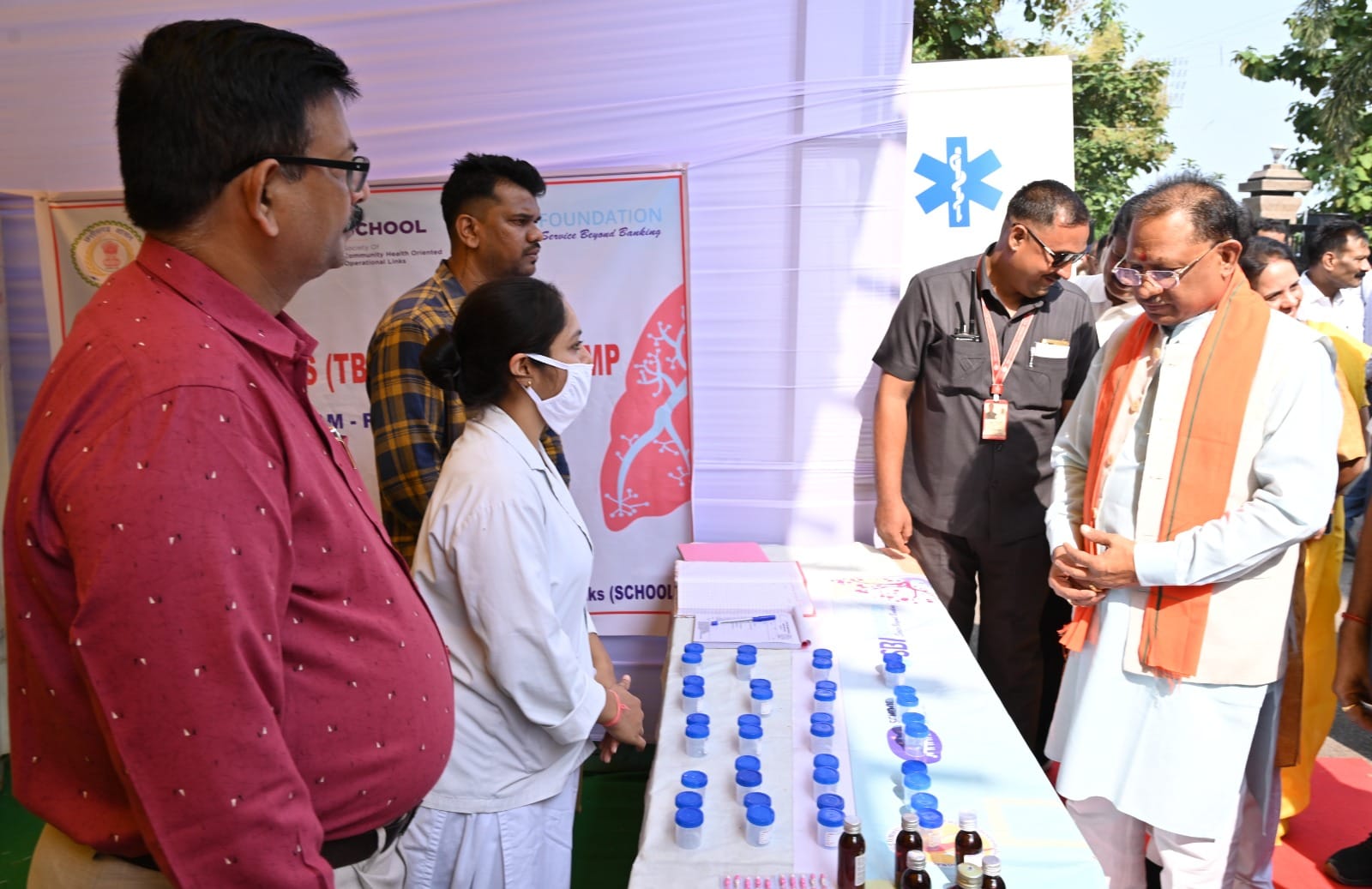
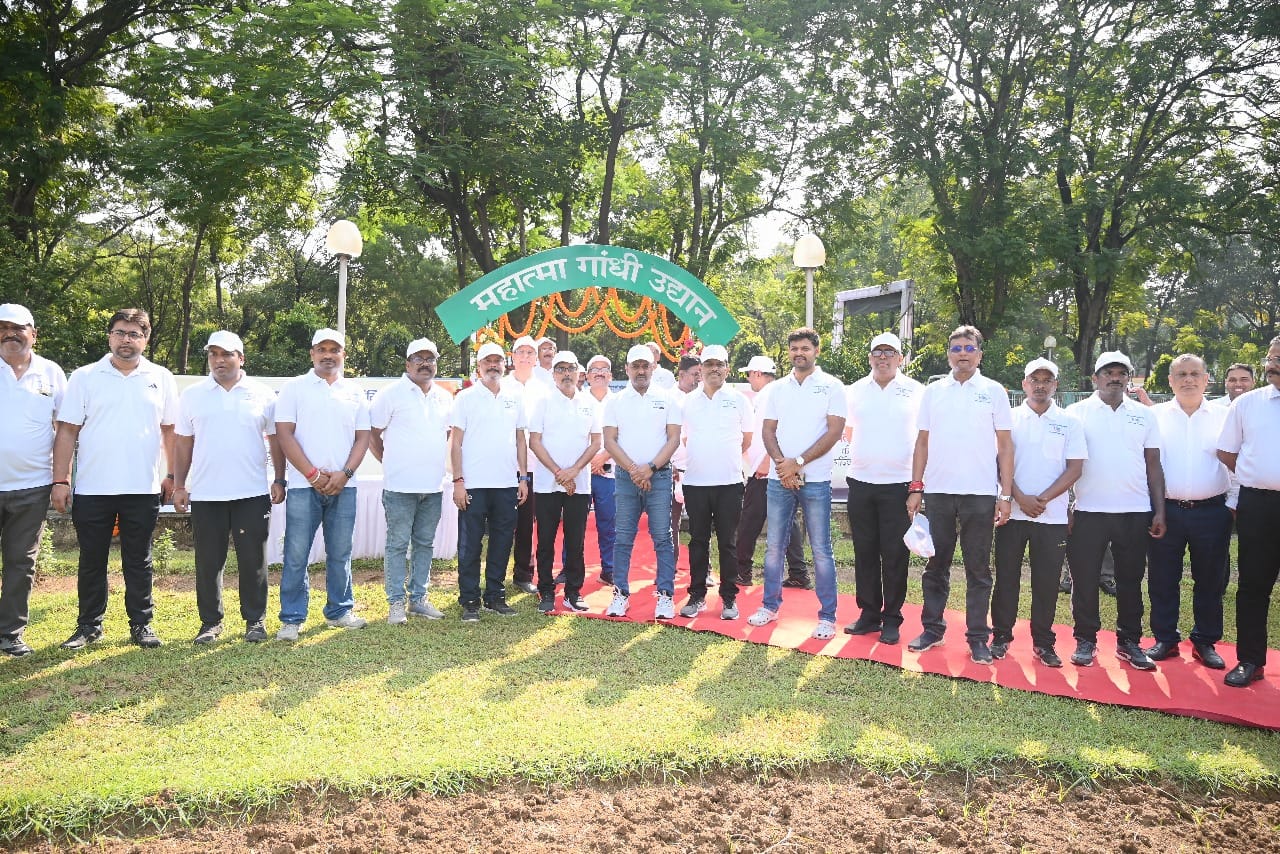
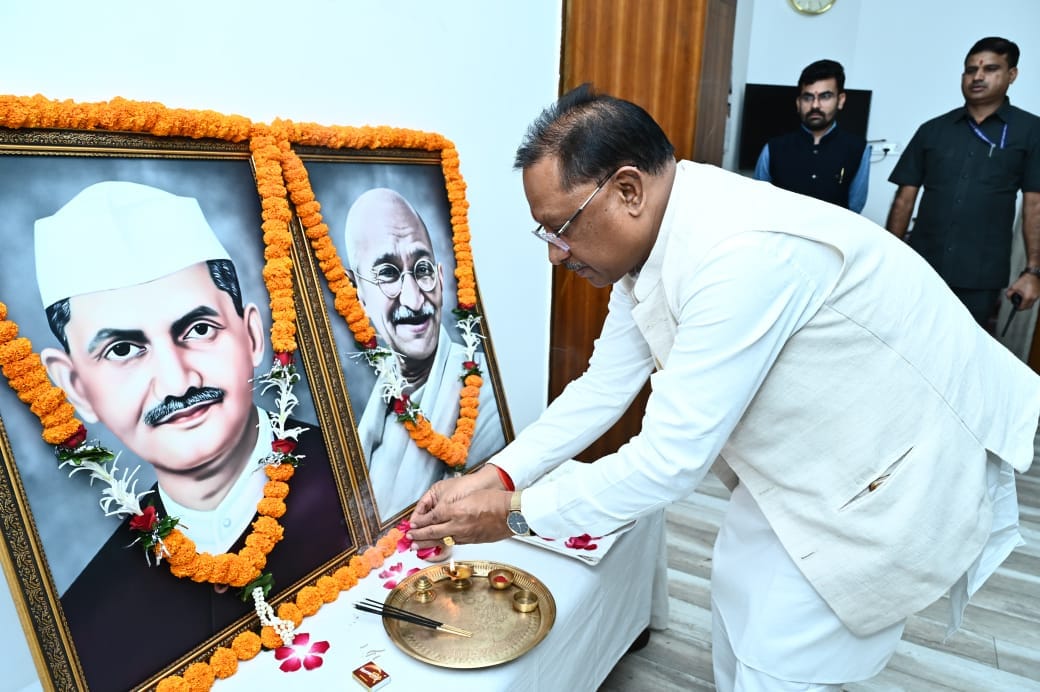
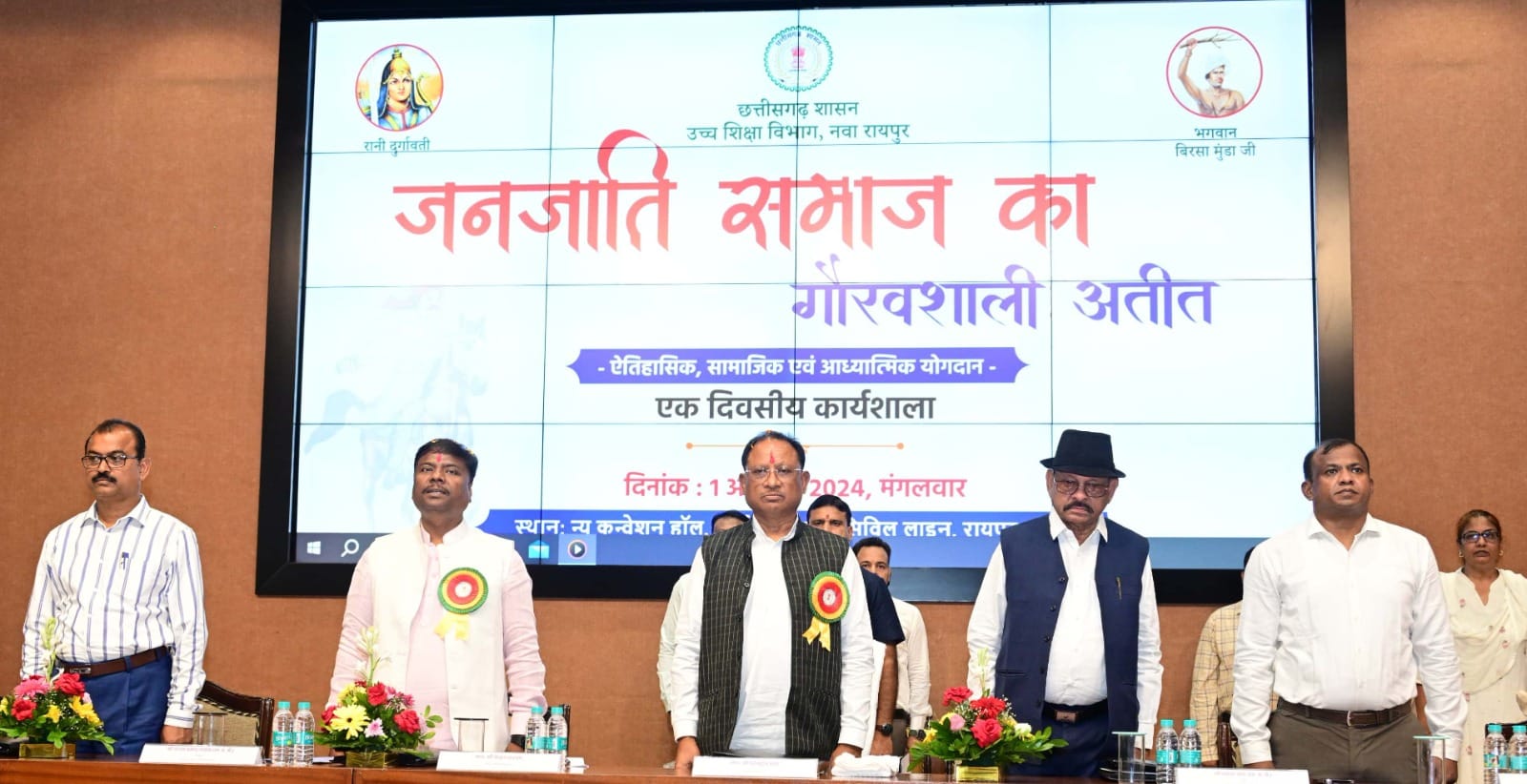
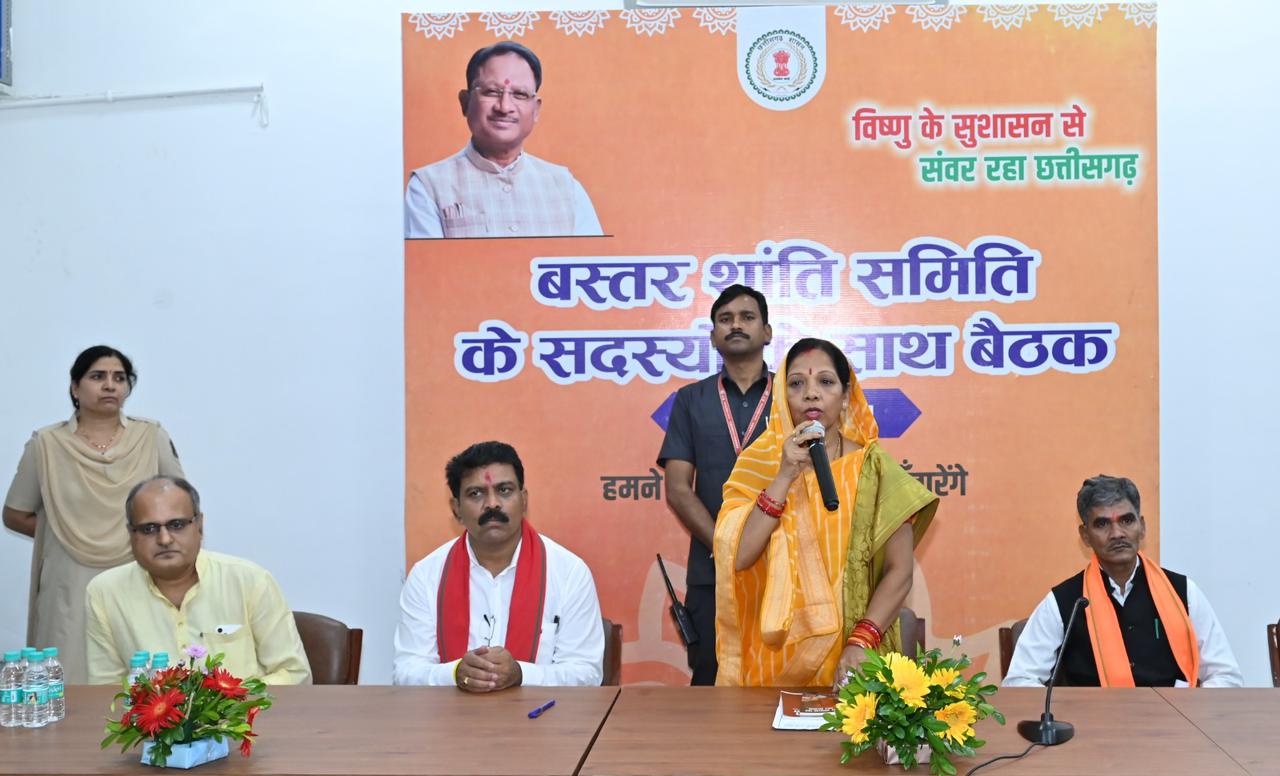


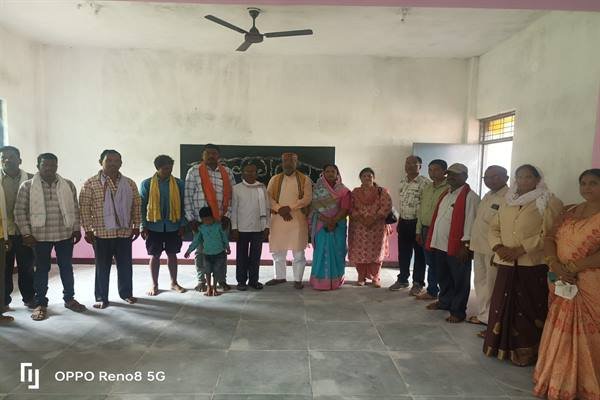

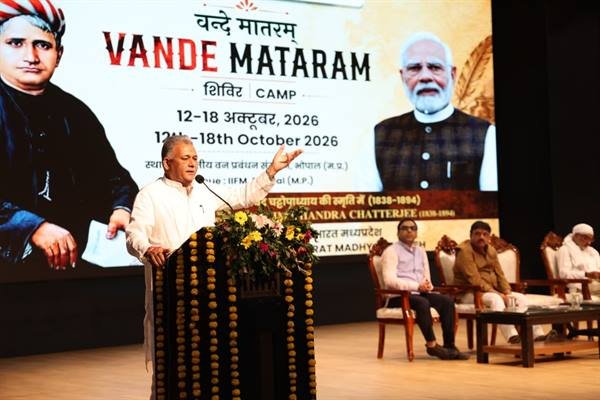
- Seven-day ‘Vande Mataram’ camp concluded at the Indian Institute of Forest Management.
Dialogue with youth on patriotism, Indian knowledge tradition and self-reliance was held.
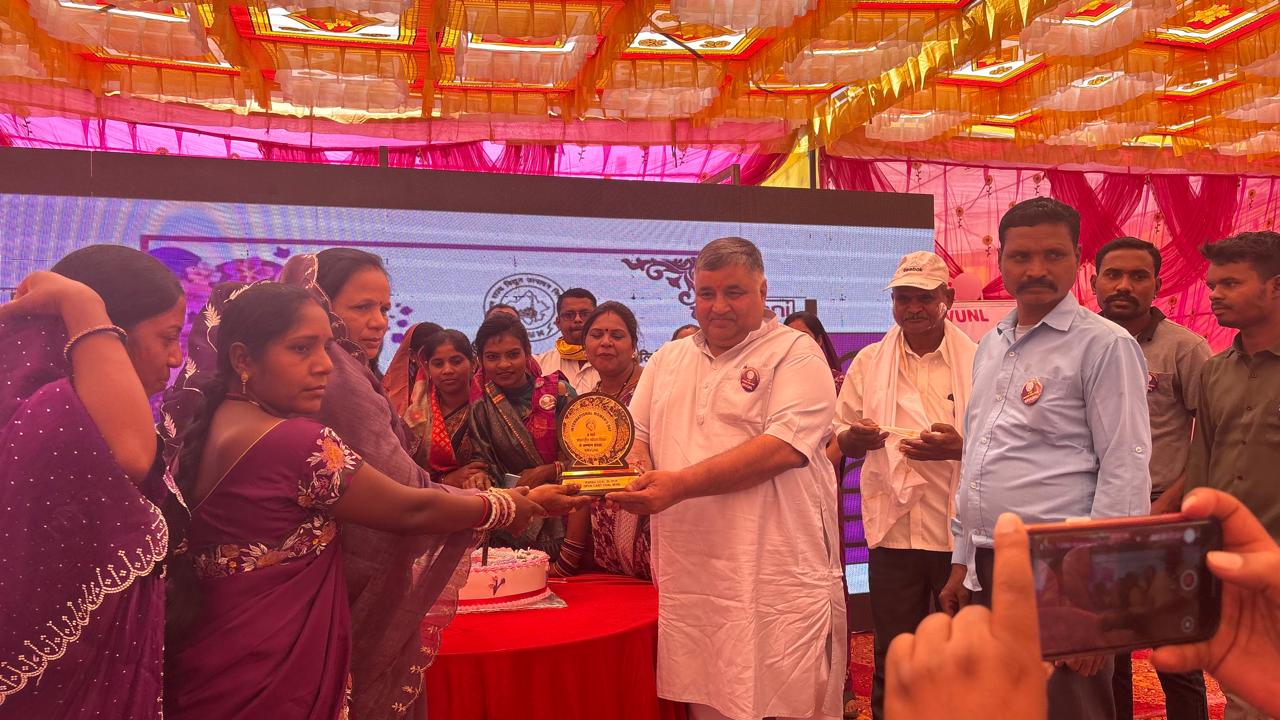
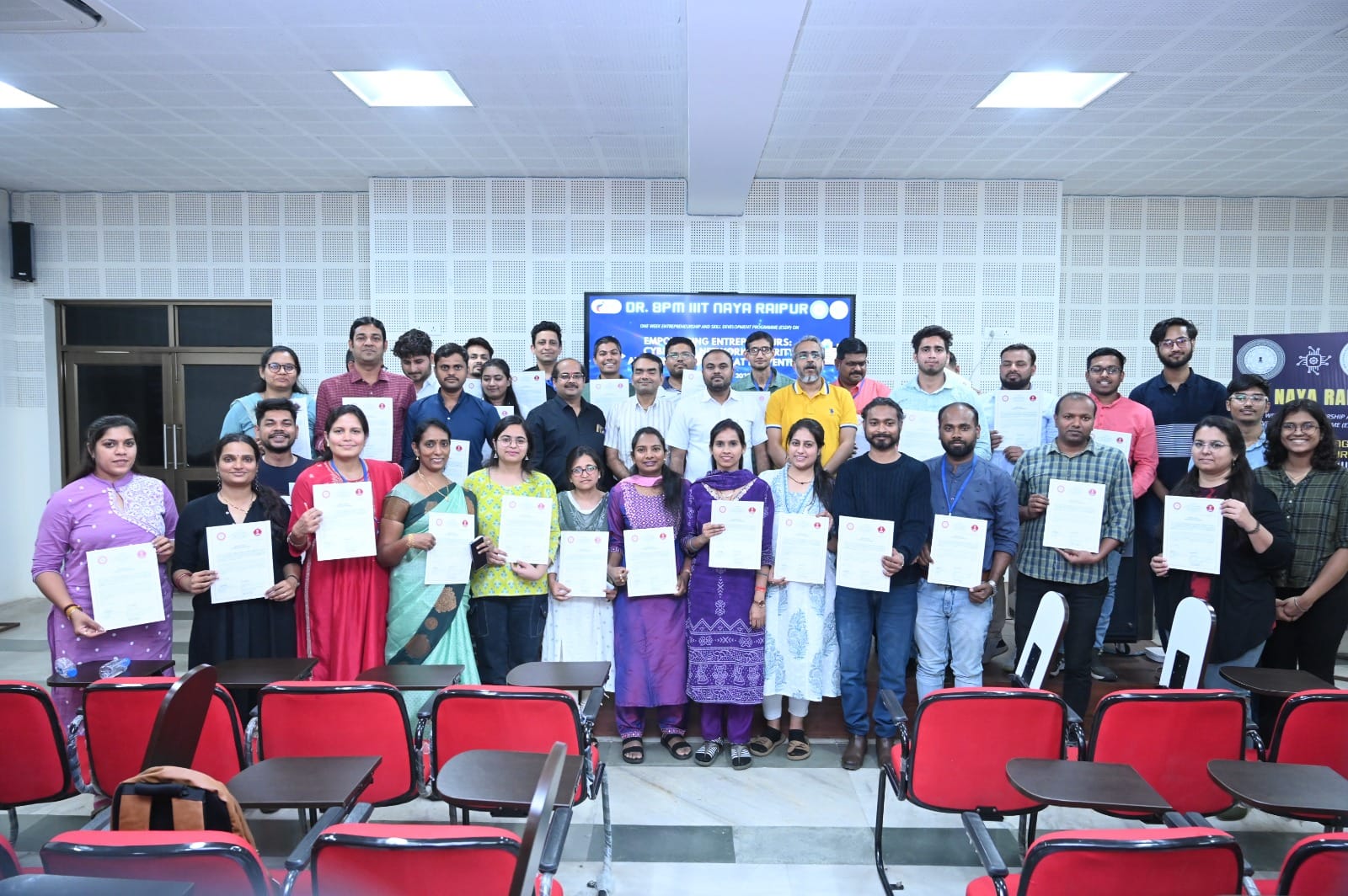
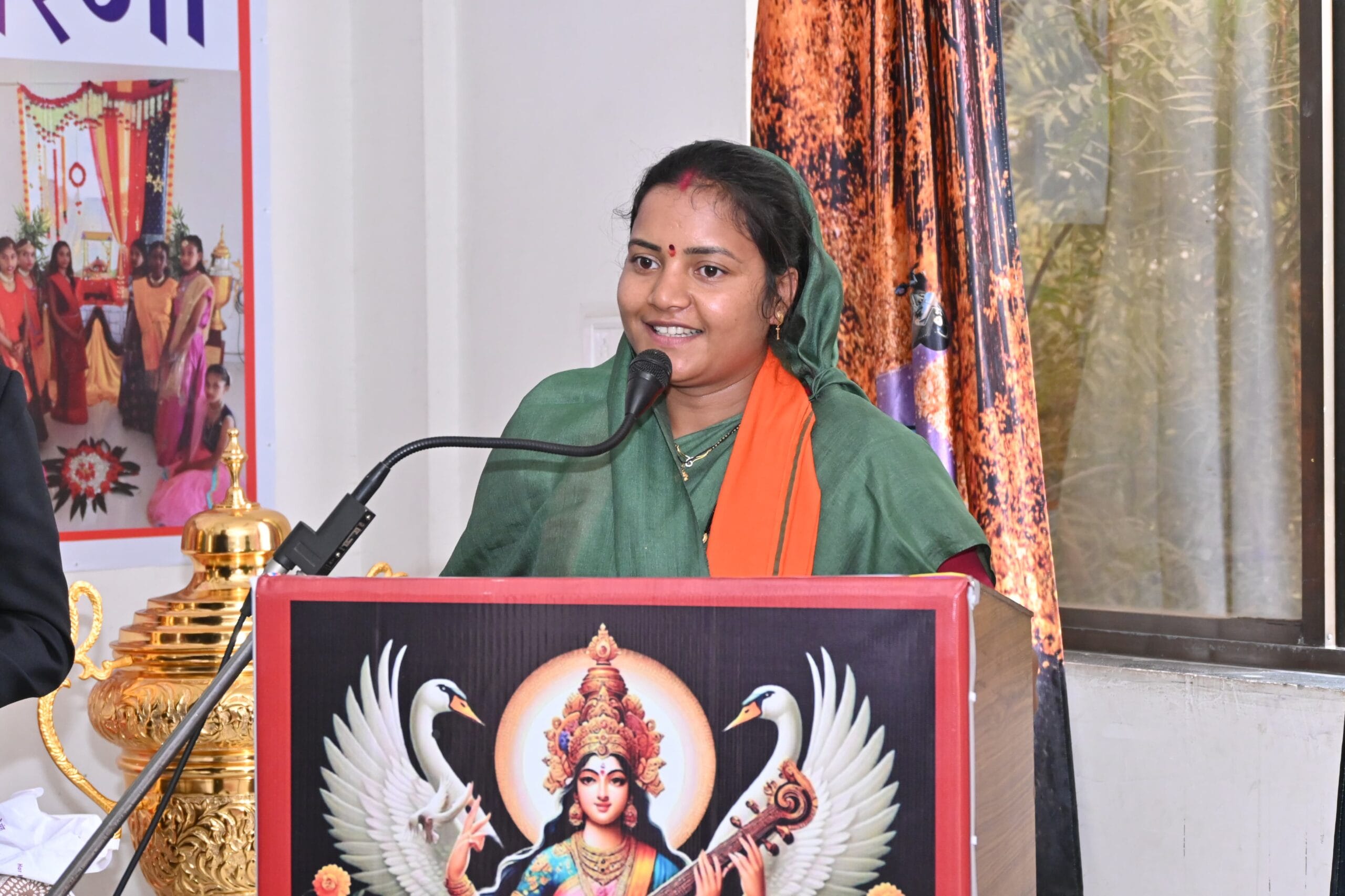
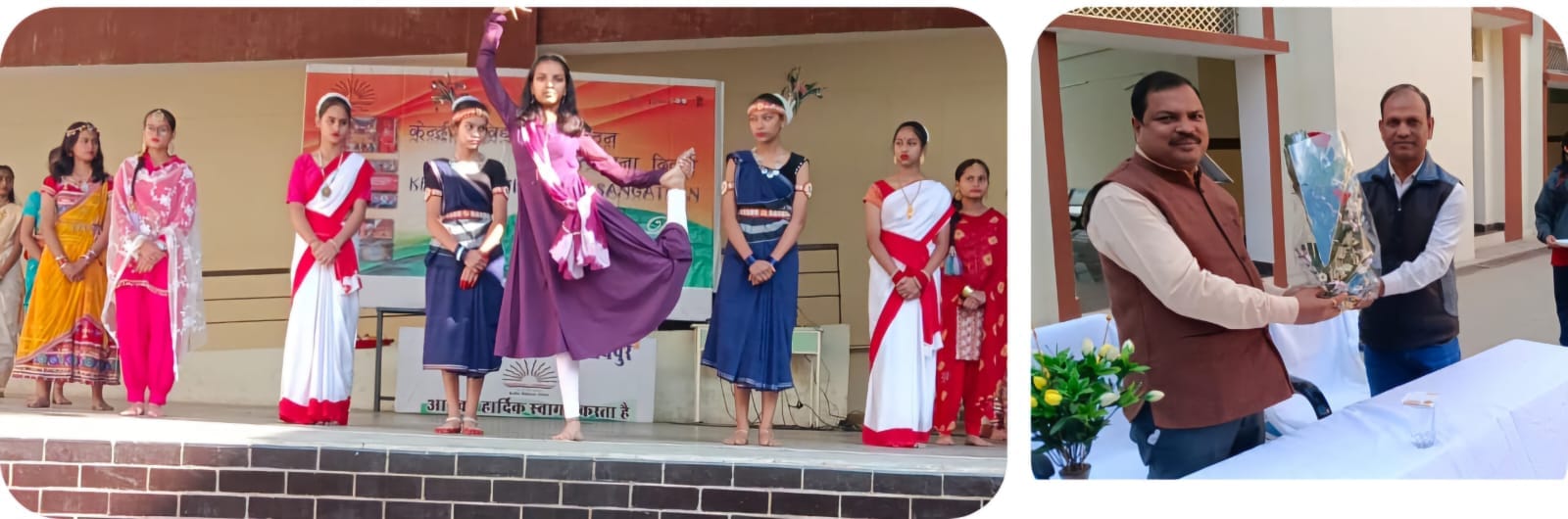
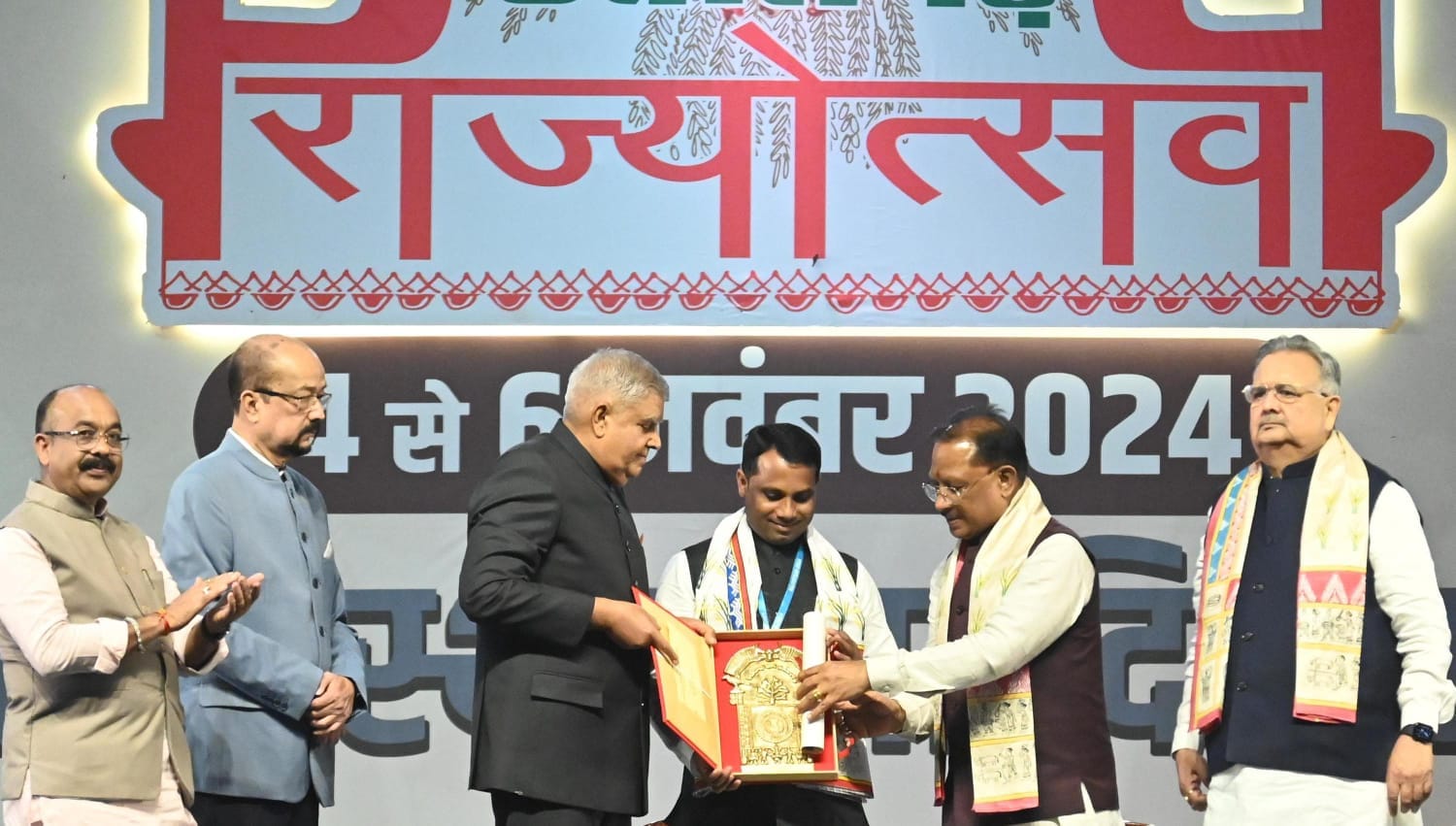
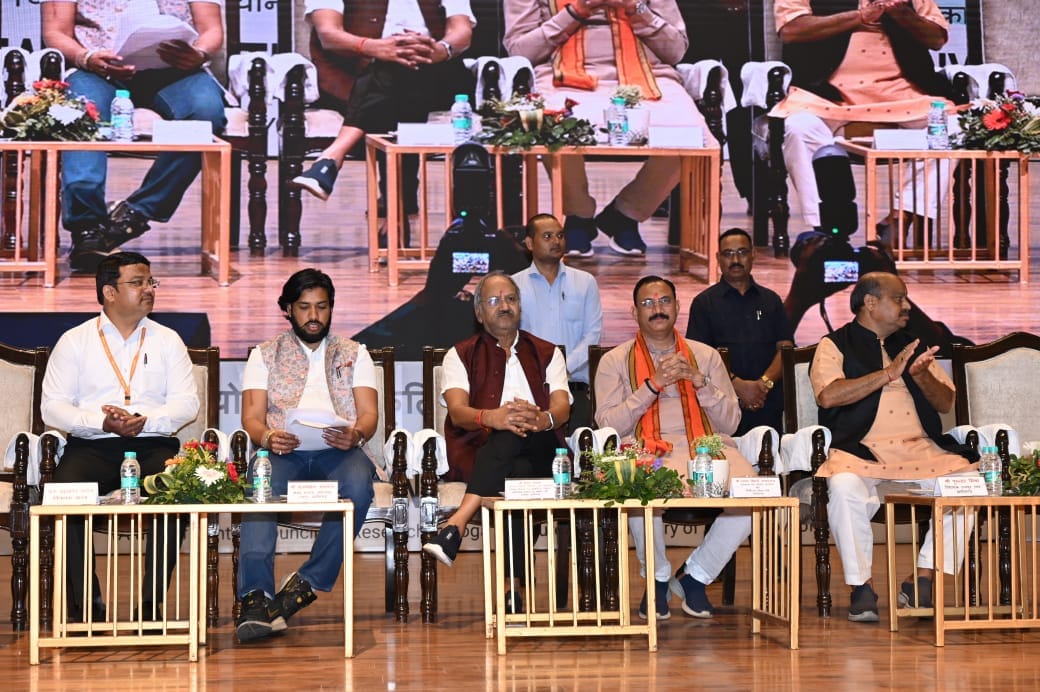
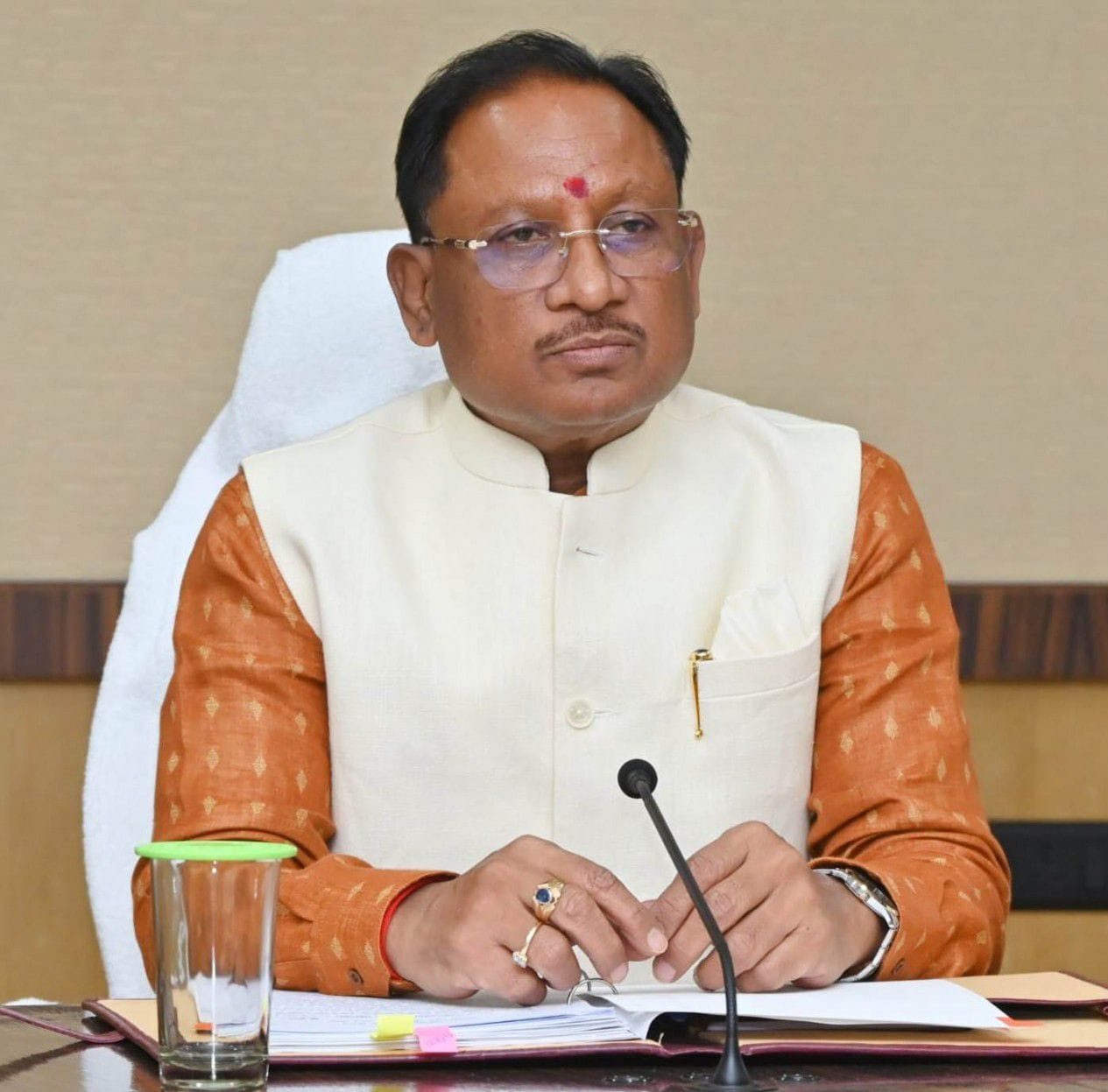
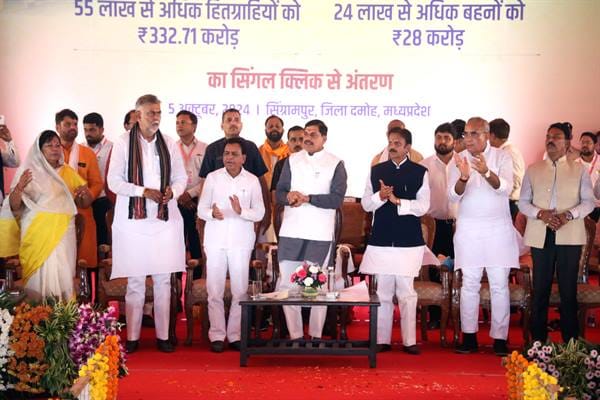
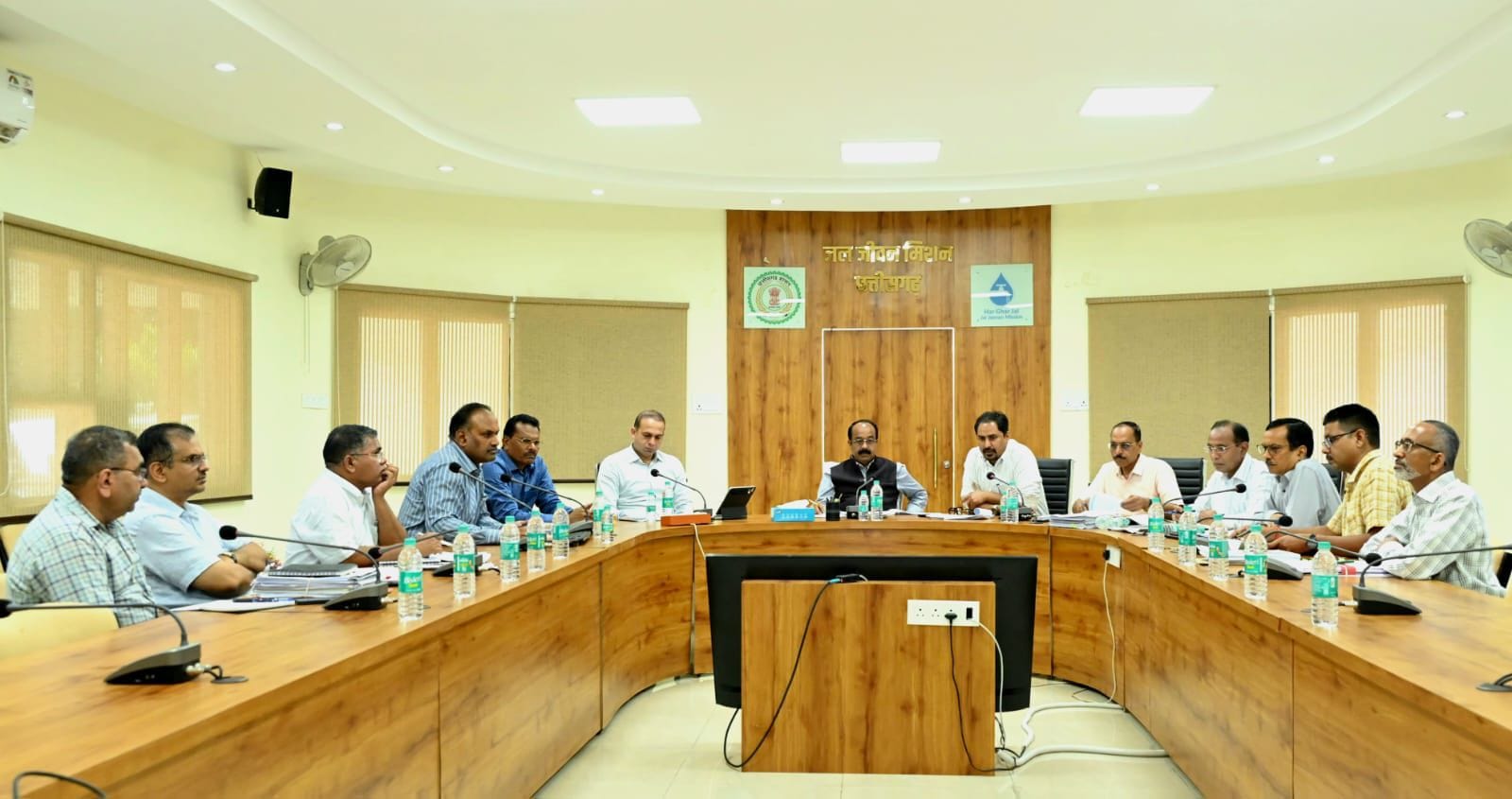
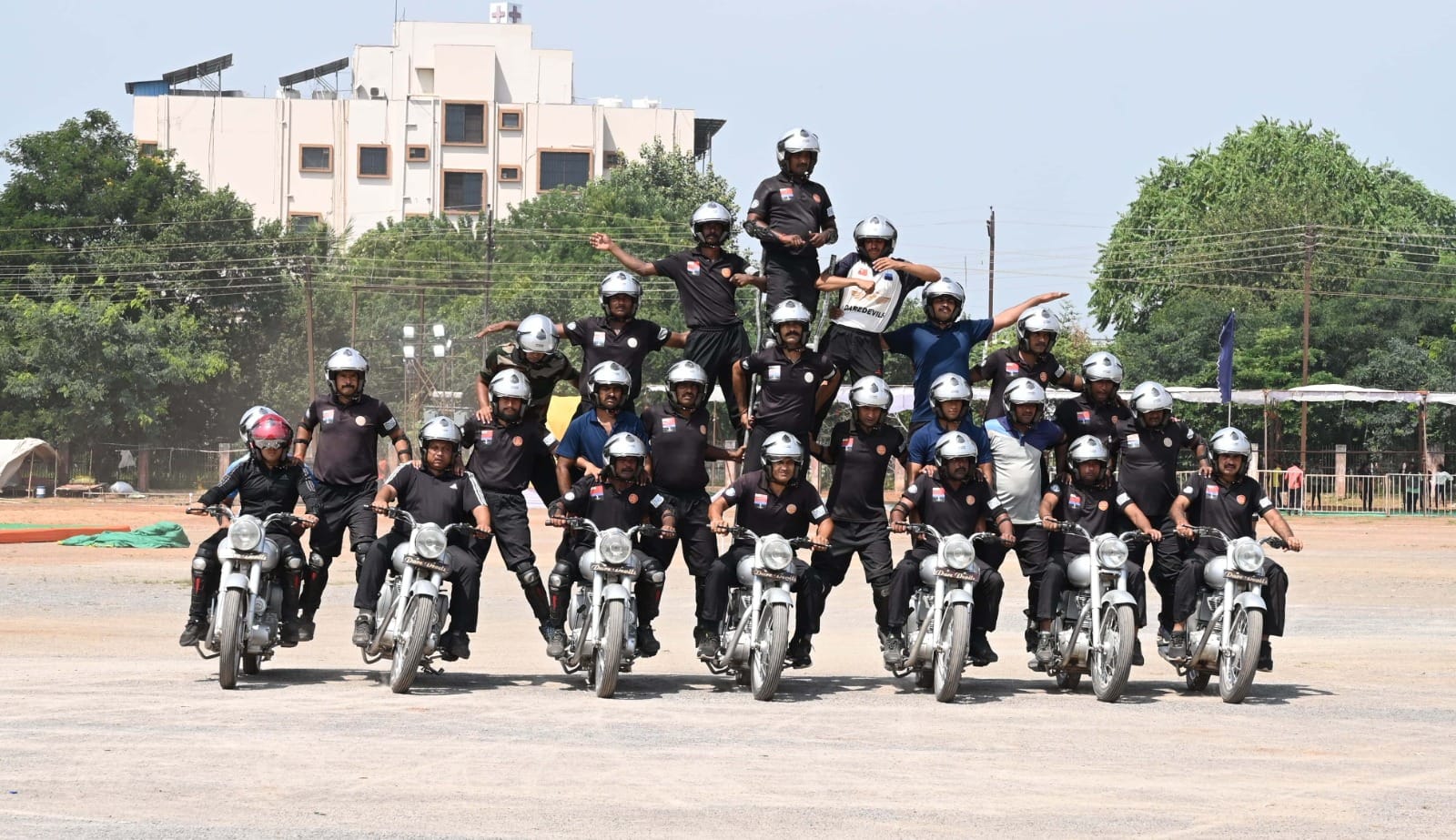
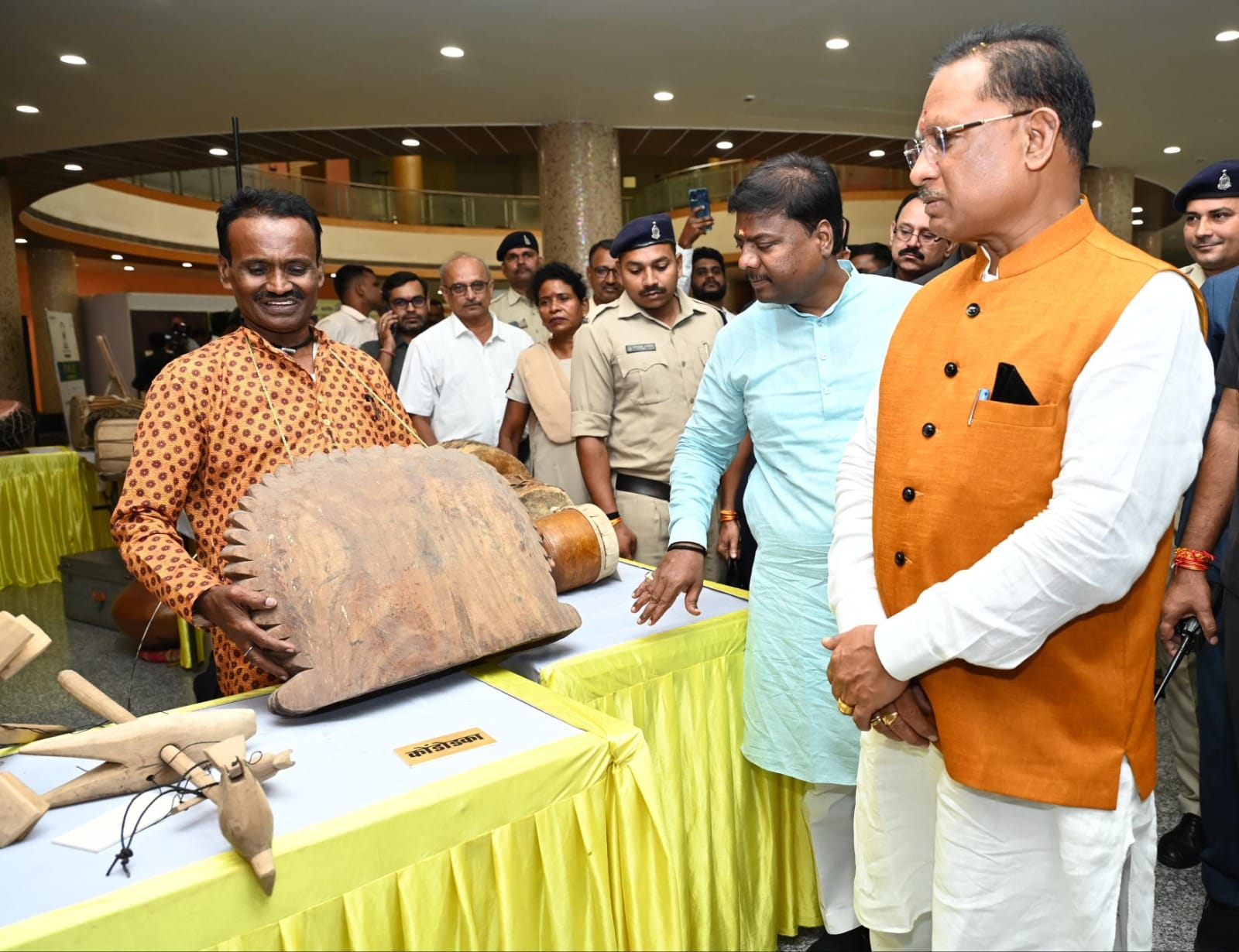
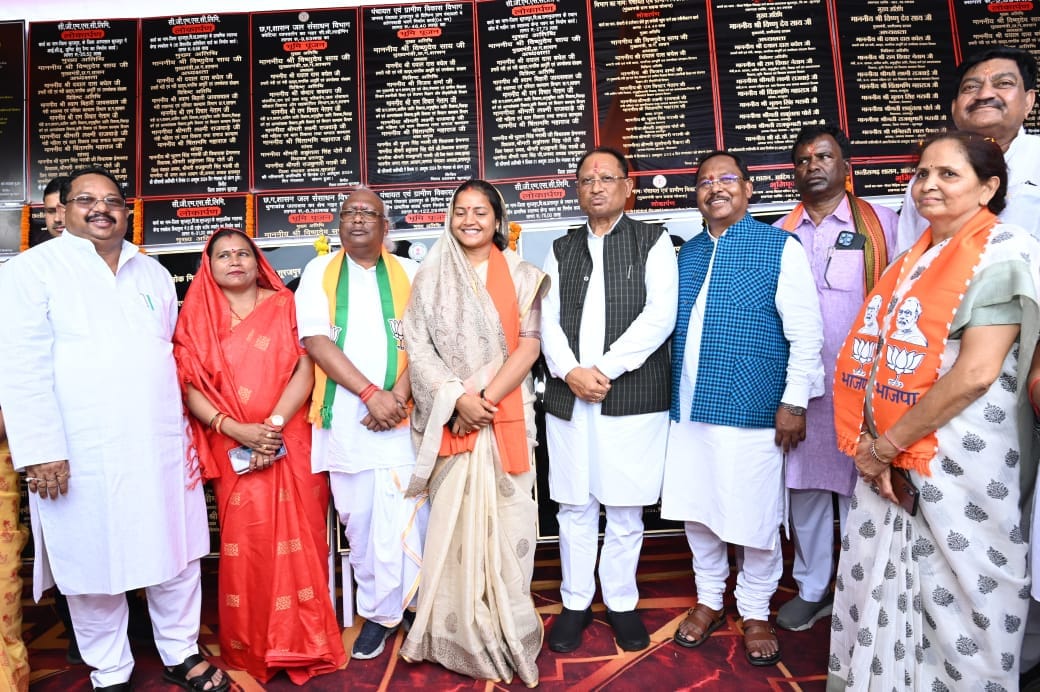
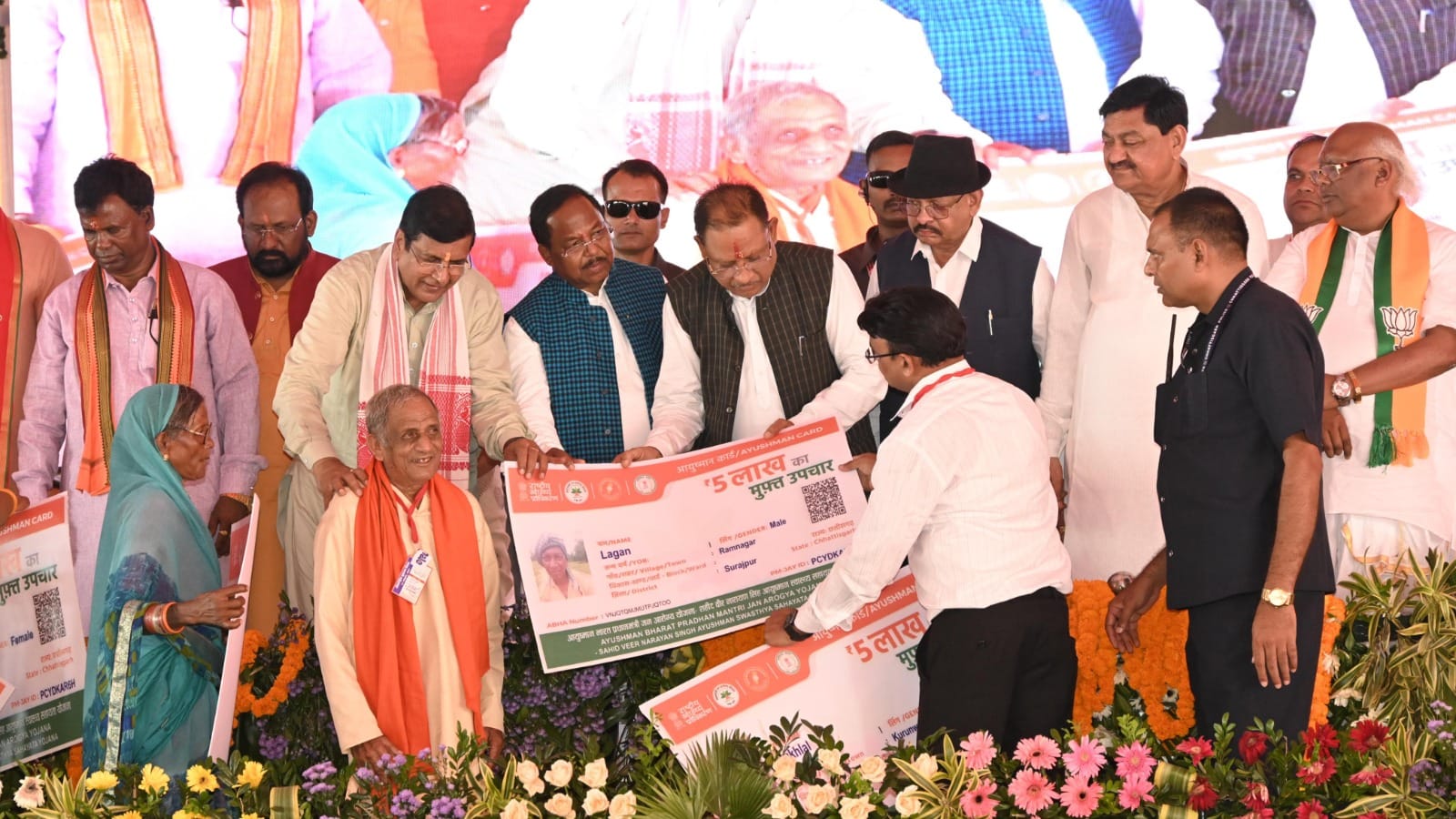
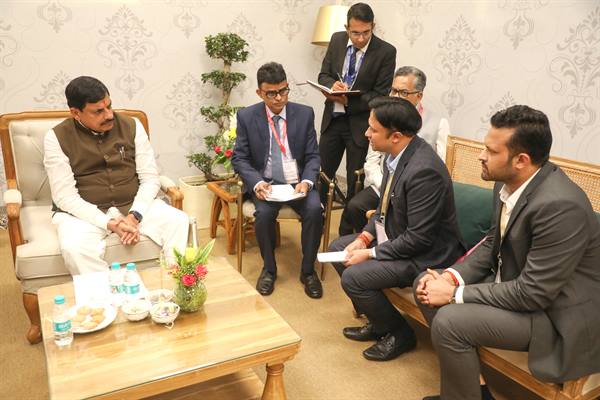
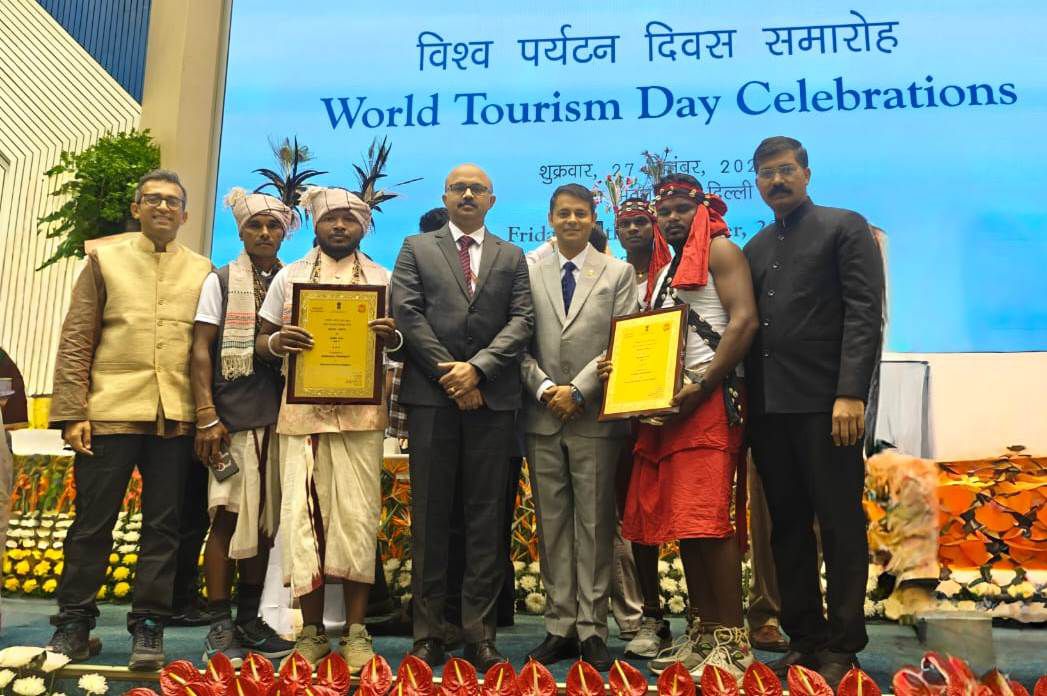
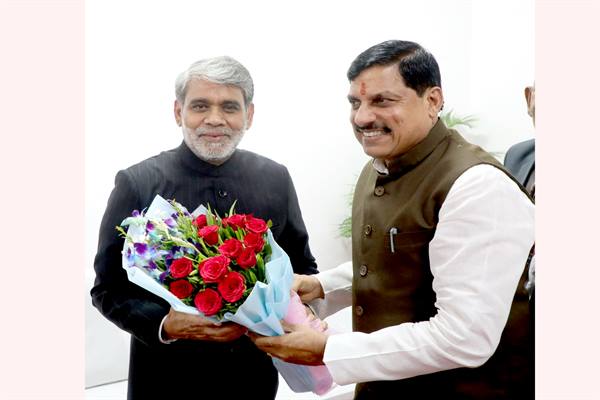
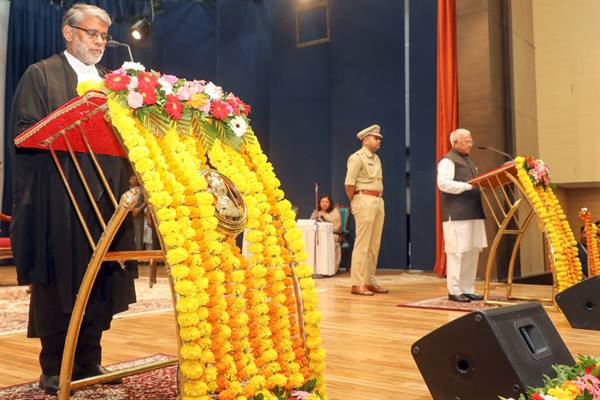
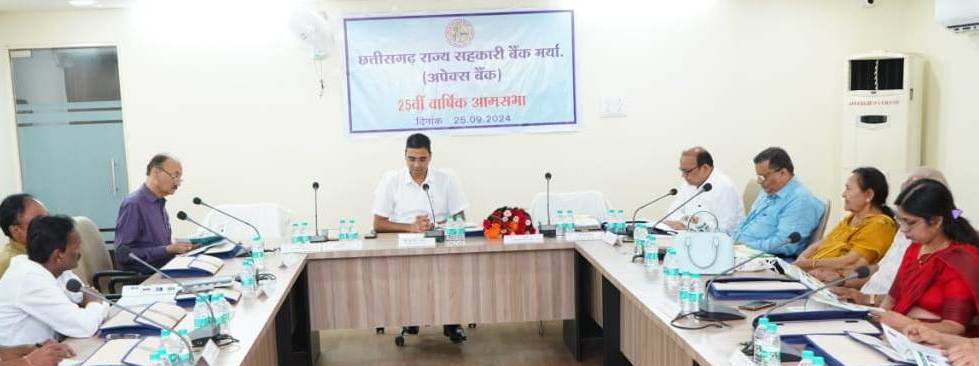
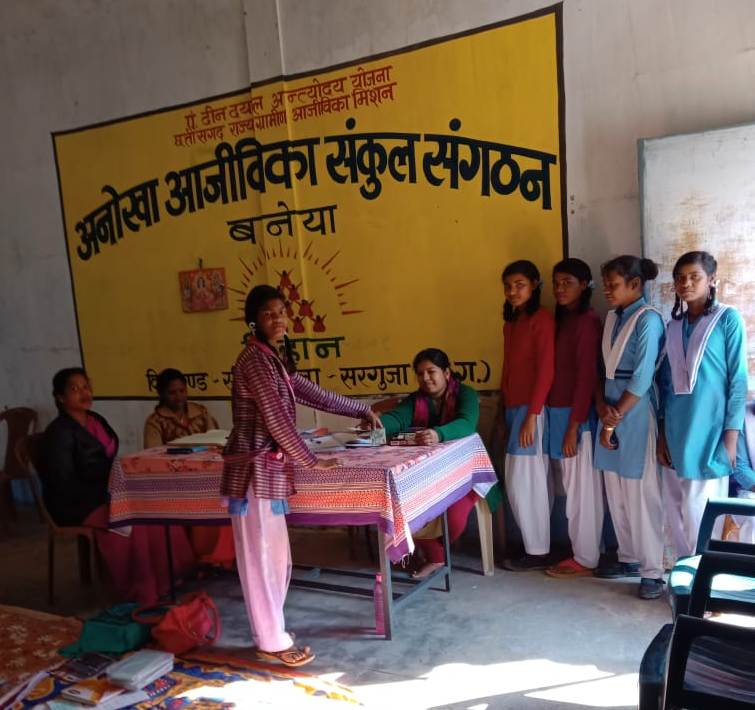
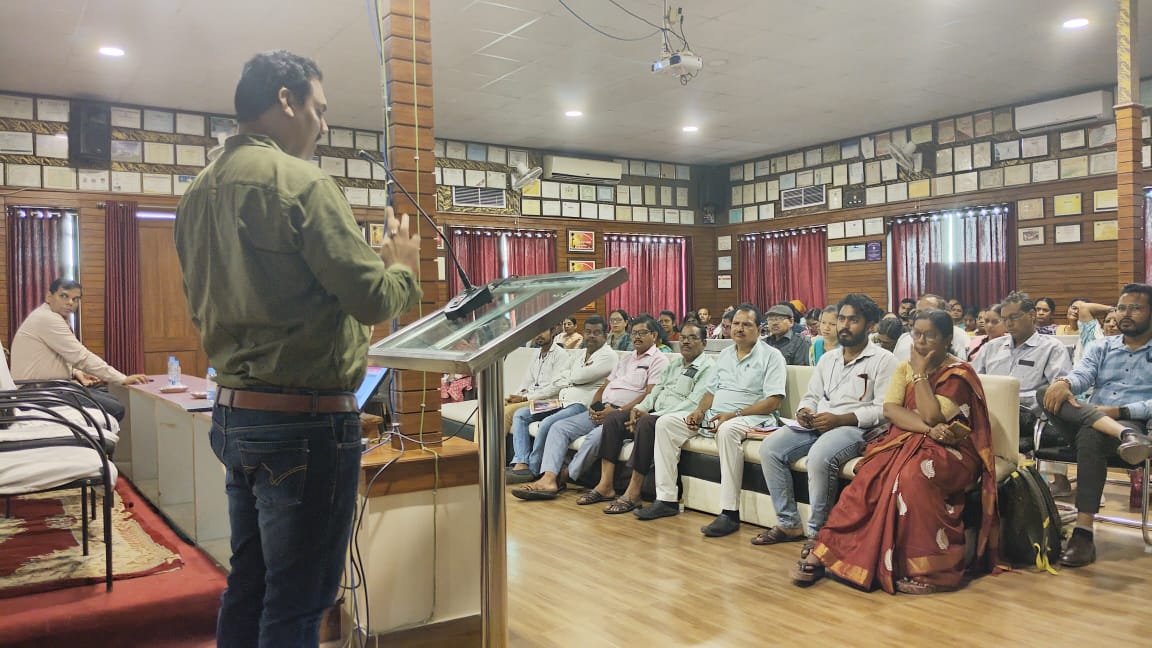
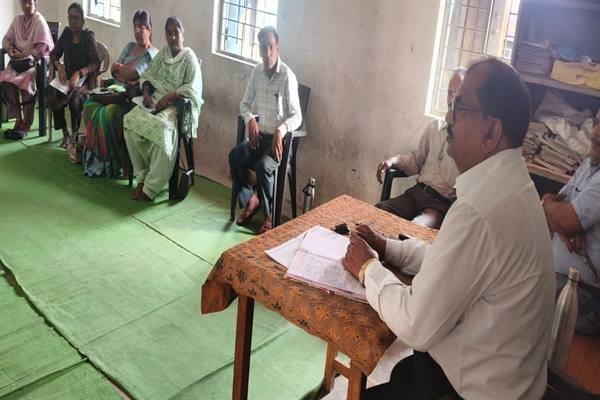
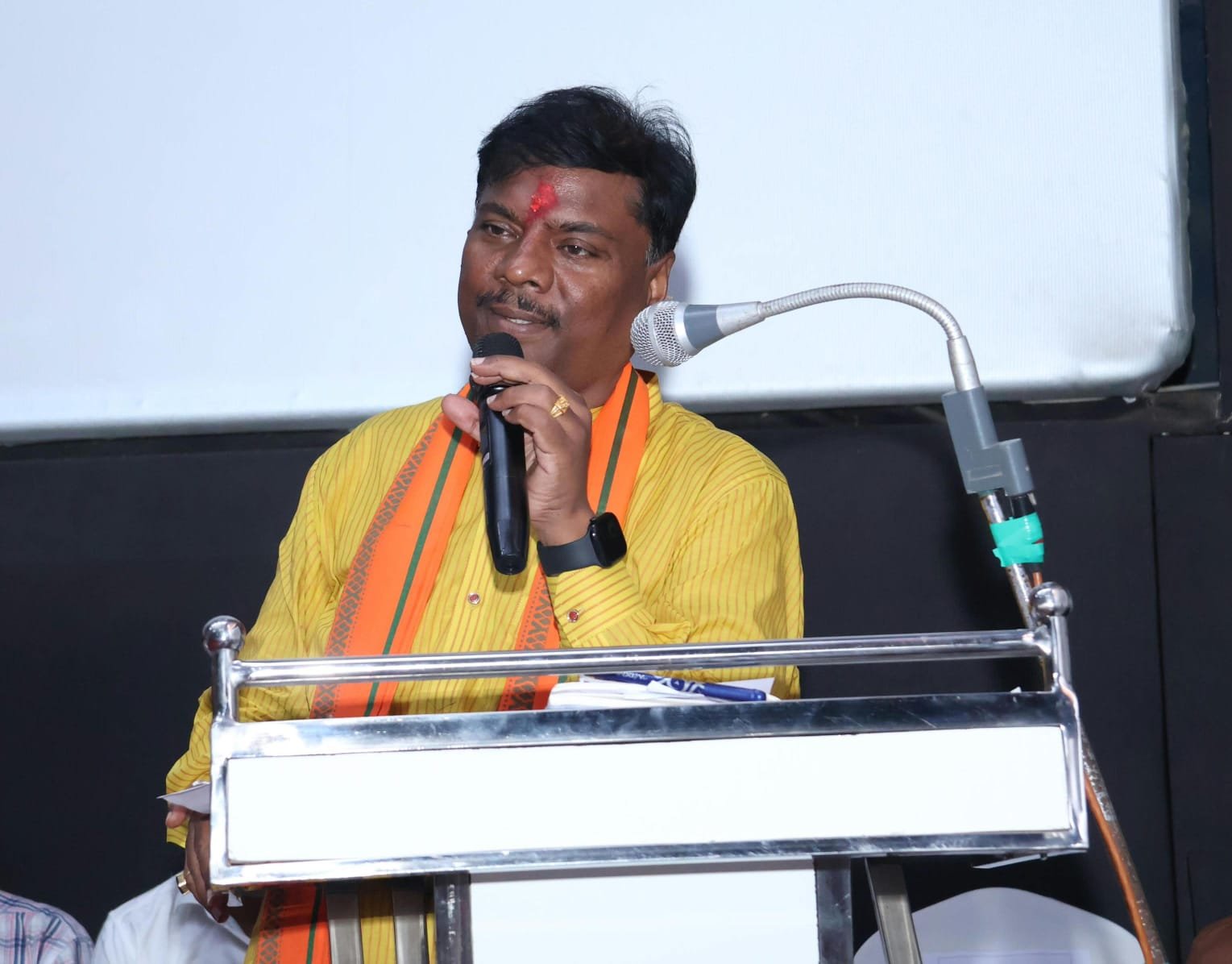
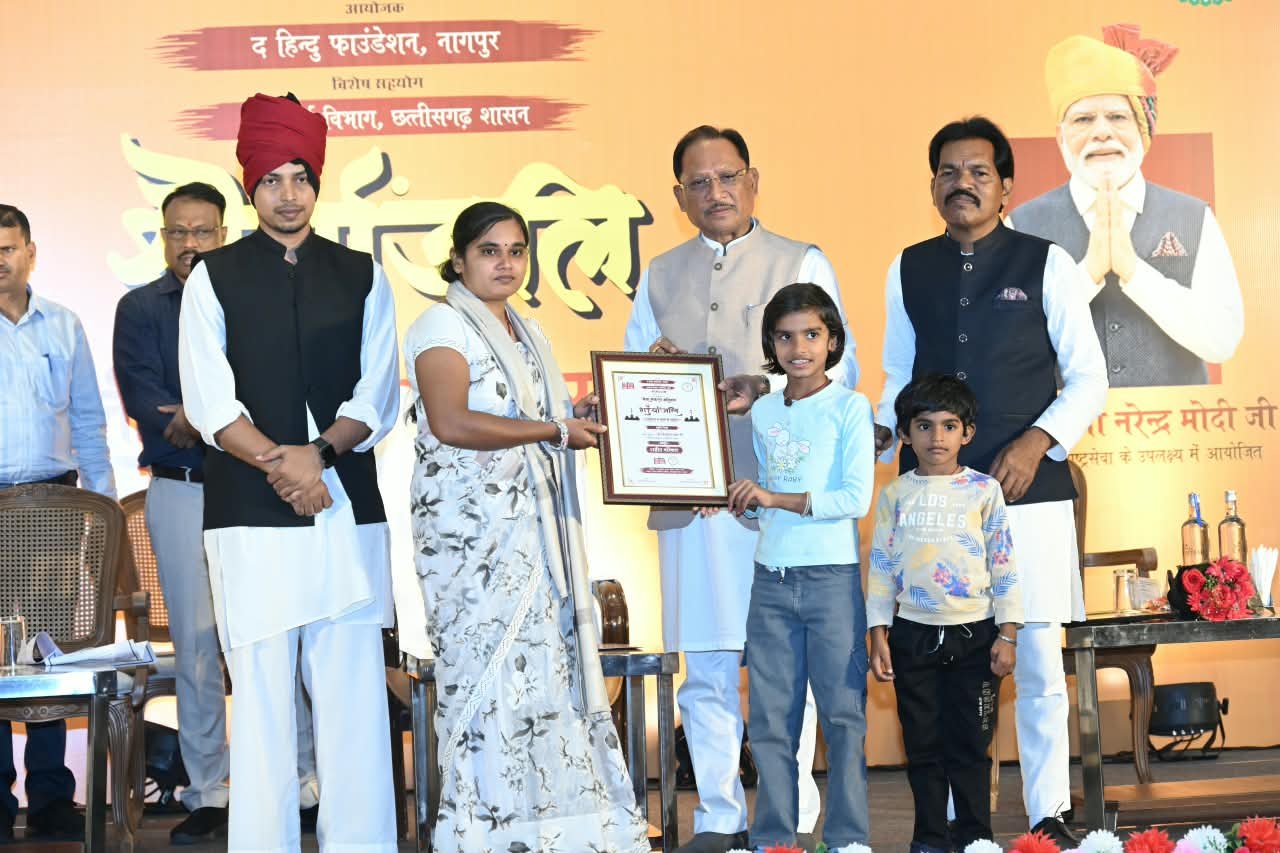
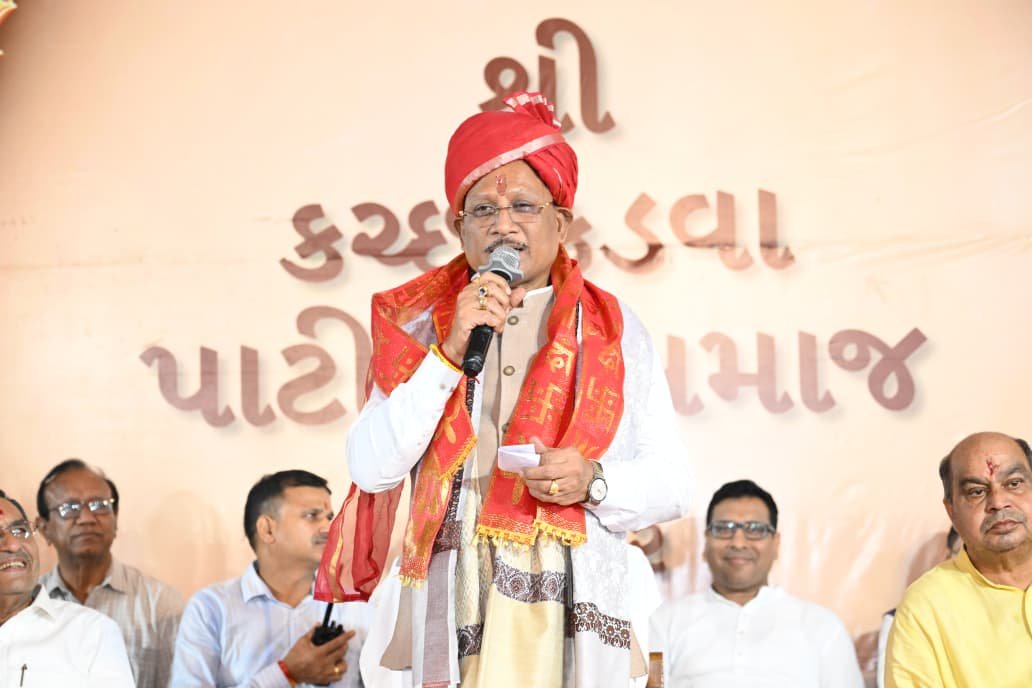
Minister of Higher Education, Technical Education, and AYUSH, Shri Inder Singh Parmar, said that “Vande Mataram” is not just the national anthem, but also an eternal inspiration for patriotism, sacrifice, dedication, self-respect, and national unity. The role of youth is crucial in achieving the goal of a developed India by 2047. Only youth power, imbued with patriotism, positive thoughts, and a sense of duty, will take India to new heights of development. Minister Shri Parmar was addressing the closing ceremony of the seven-day “Vande Mataram” camp, organized under the aegis of “Mera Yuva Bharat (My India), an initiative of the Union Ministry of Youth Affairs and Sports, at the Indian Institute of Forest Management in Bhopal on Sunday. Minister Shri Parmar honored youth representatives from six states by presenting them with certificates. He encouraged the youth’s cultural performances and administered a pledge to abstain from drugs to those present.
- ‘Vande Mataram’ awakened national dignity
Minister Shri Parmar said that during the freedom movement, when the country was filled with despair, ‘Vande Mataram’, composed by Bankim Chandra Chatterjee, awakened a sense of patriotism and self-respect in the public. This song, presented in ‘Anandamath,’ gave new impetus to the freedom struggle and was adopted as the national anthem after independence. On the occasion of the 150th anniversary of ‘Vande Mataram,’ its relevance increases even more. Its inspiration is crucial in preserving the independence achieved through the sacrifice of countless martyrs and in building the India of their dreams.
Minister Shri Parmar said that to once again make India a leader on the world stage, it is essential to create collective strength and a sense of national unity. We must resolve to build a better society with a positive outlook. In this direction, the role of educational institutions is crucial, as education alone guides a nation’s thoughts, values, and future.

- The path to world welfare lies in the Indian knowledge tradition
Minister Shri Parmar said that the Indian vision of “the world is one family, not a market” is the essence of the principle of “Vasudhaiva Kutumbakam,” rooted in the wisdom of our ancestors. During the COVID-19 pandemic, India demonstrated the relevance of this idea through global cooperation and human welfare. He said that the sentiment “Earth is our mother” is a unique identity of Indian culture. We should take only as much from nature as is necessary and continuously contribute to its conservation and enrichment.
- National Education Policy is an opportunity to assimilate the Indian knowledge tradition
Minister Shri Parmar said that the National Education Policy-2020 has provided an important opportunity to integrate the India-centric, country-specific, and Panchkoshi education system into the contemporary education system. The knowledge and practical experience of our ancestors have been extremely rich. It is our collective responsibility to assimilate this knowledge into contemporary contexts through research and investigation and to elevate India to its ultimate glory.
Minister Shri Parmar said that India is steadily moving towards self-reliance in the fields of energy and food grains. By the year 2047, India aims to become a powerful nation that can not only meet its own needs but also contribute to the needs of other countries around the world.
- Language is a medium of unity, not division.
Minister Shri Parmar informed the youth representatives that an initiative is underway to teach non-Hindi Indian languages with credit at various universities in Madhya Pradesh. He said that language unites, not divides. Indian languages are the vehicles of our cultural diversity and national unity. This message of linguistic unity from the land of Madhya Pradesh should spread across the country.
Minister Shri Parmar called on the youth to prioritize national interest and use their energy, talent, and capabilities to build a developed India. The goal of 2047 can only be realized through collective resolve, the Indian knowledge tradition, and a sense of duty.
In the programme, Bhopal Lok Sabha constituency MP Shri Alok Sharma and Narmadapuram-Narsinghpur Lok Sabha constituency MP Shri Darshan Singh Chaudhary also expressed their views on the importance and relevance of ‘Vande Mataram’.
State Director of My Bharat, Mr. Mangal Ram Jakhar, Deputy Director Ms. Nikki Rathore and Ms. Monica Chaudhary along with various officials and young participants from six states of the country were present.