




























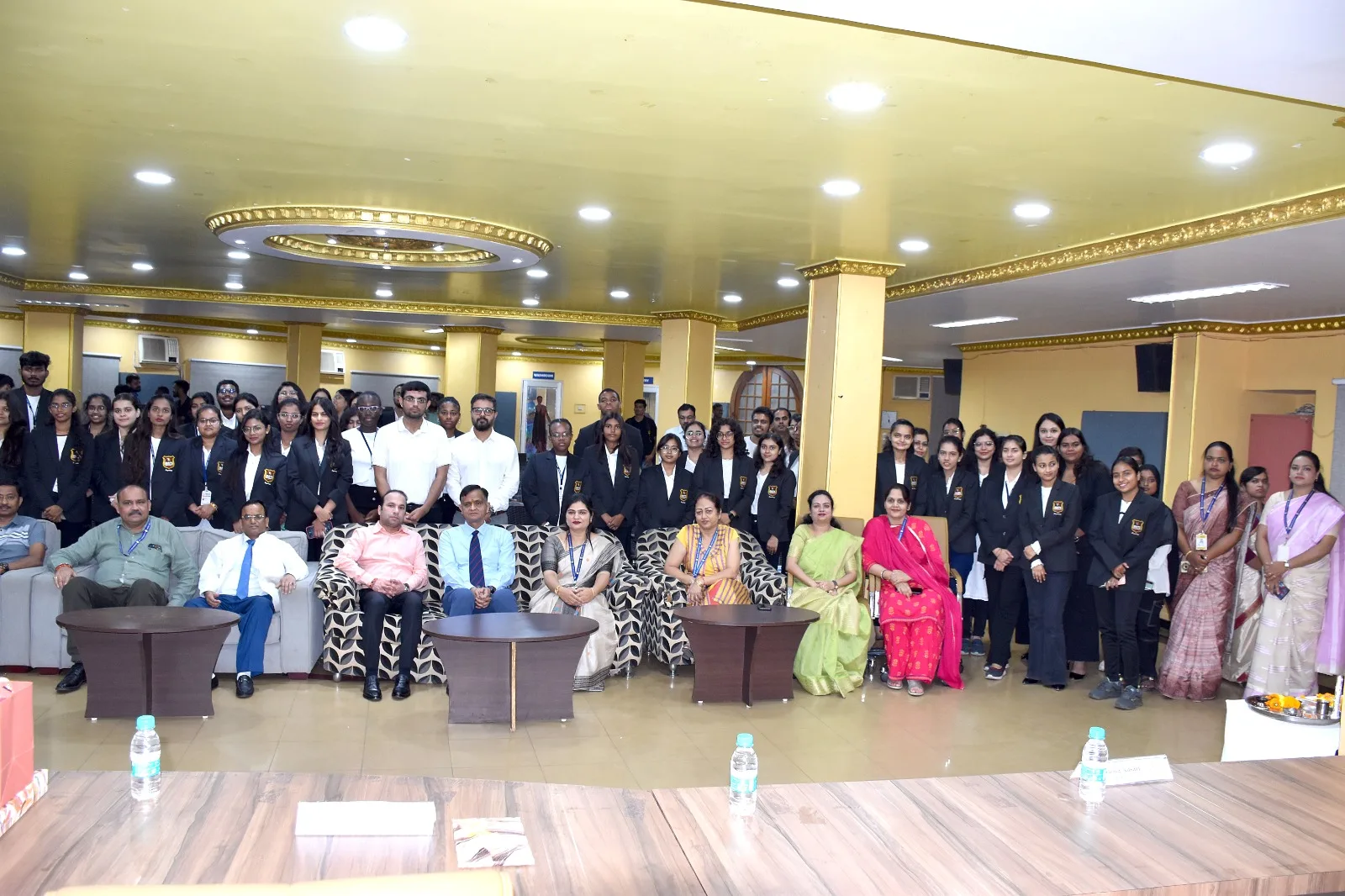














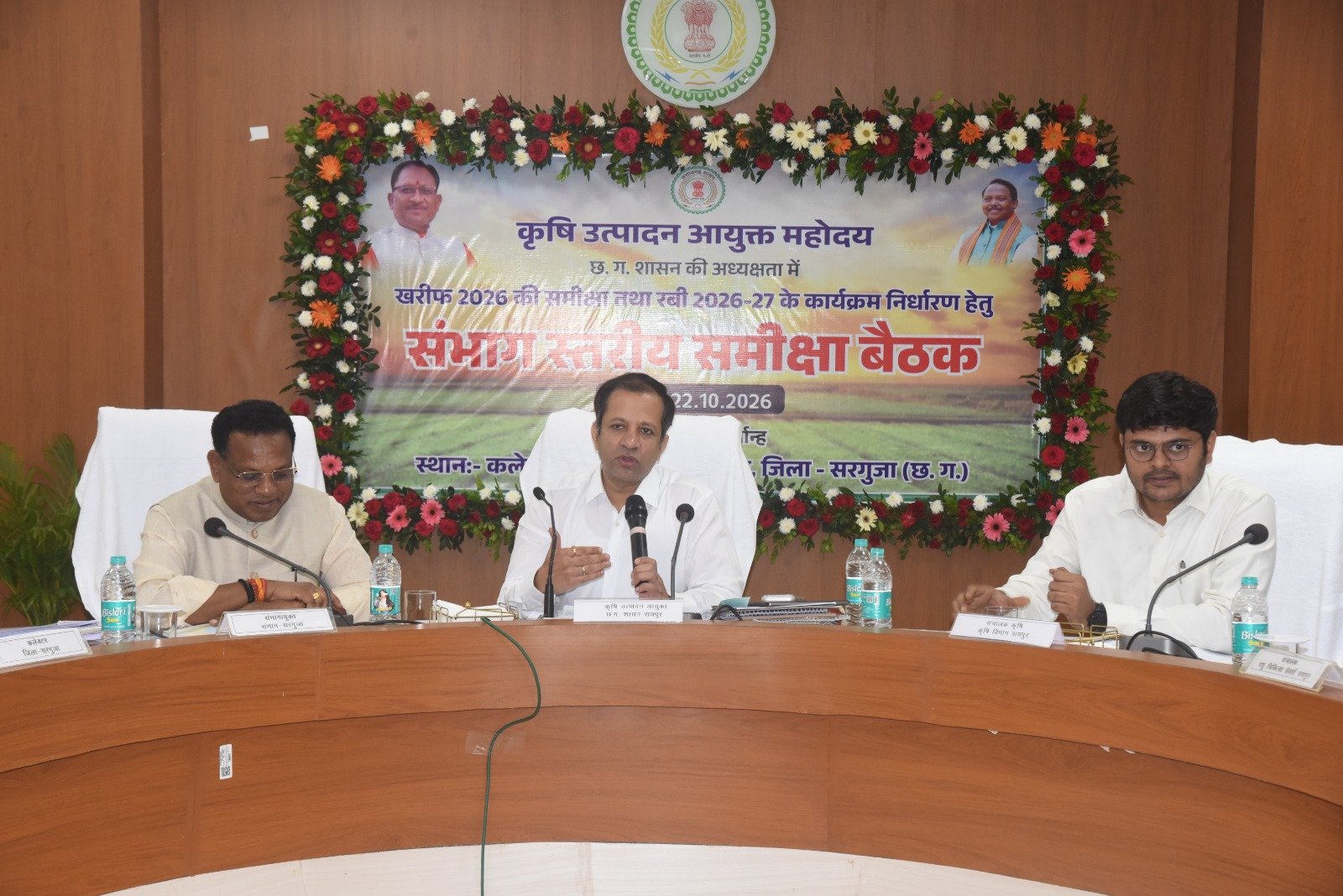
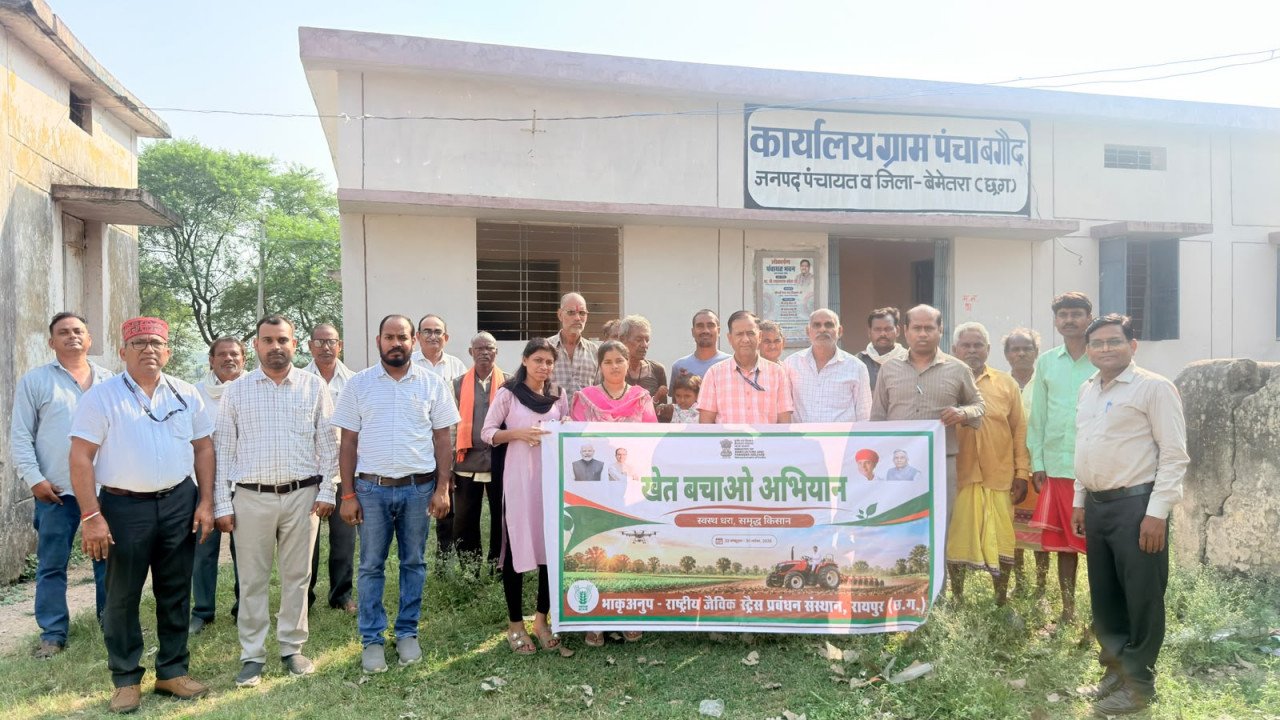



The ICAR-National Institute of Biotic Stress Management, in collaboration with the Krishi Vigyan Kendra, Bemetara, will promote sustainable agricultural practices among farmers under the nationwide Khet Bachao Abhiyan ( KBA & Rabi 2026
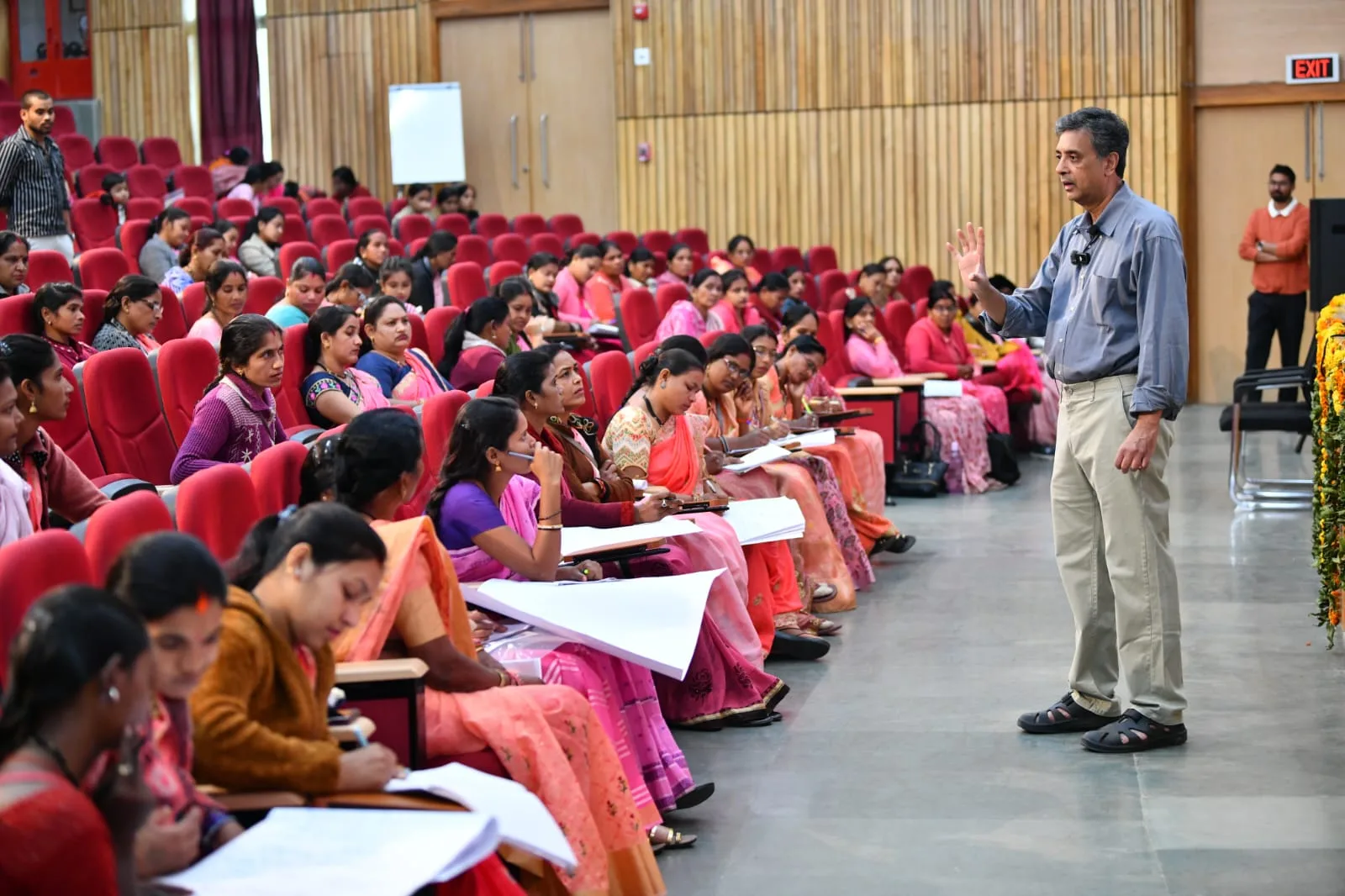
). The campaign will run from today, October 22nd, to November 30th, 2026. Its objective is to improve soil health during the Rabi season, promote balanced use of fertilizers, conserve natural resources, and promote climate-resilient agriculture . Dr. P.K. Rai, Director of NIBSM, emphasized the need to adopt scientific and sustainable agricultural practices to maintain soil fertility, ensure efficient use of resources, and ensure long-term agricultural sustainability. He stressed the need to increase farmer awareness and adapt agricultural techniques to local conditions, thereby enhancing crop production and strengthening farmers’ livelihoods.
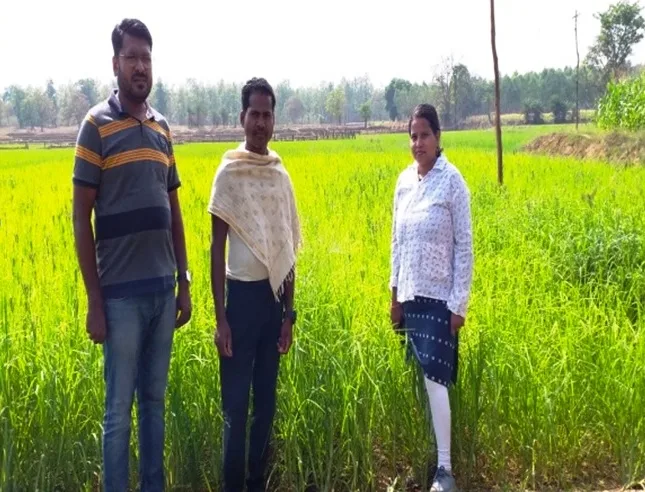
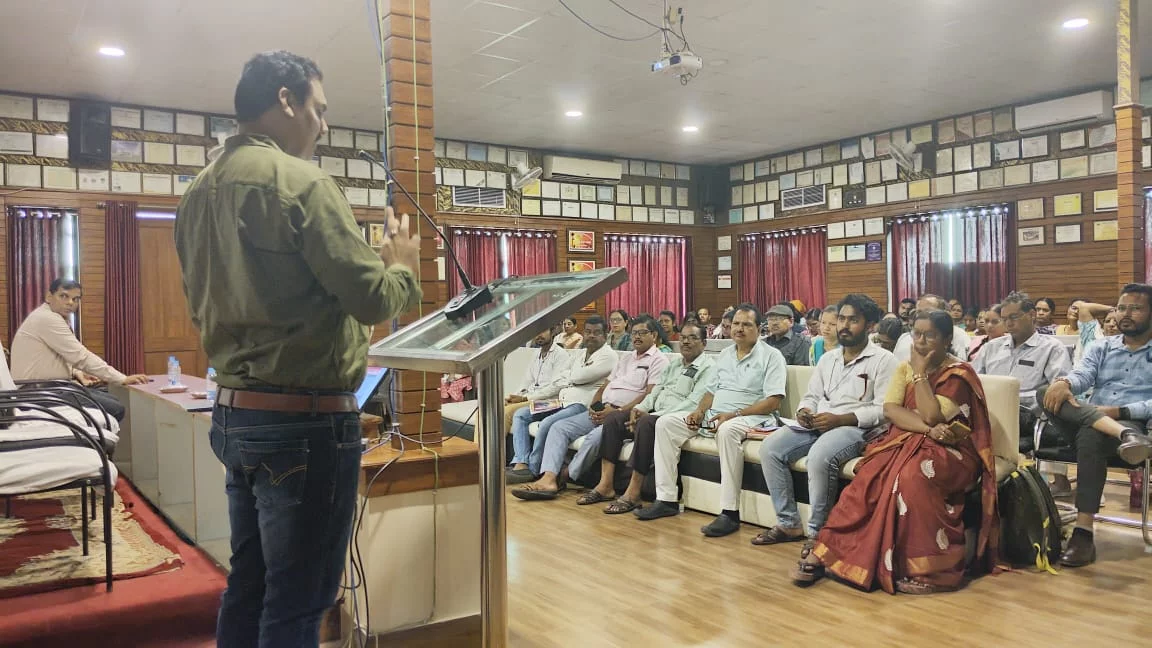
Dr. Pankaj Sharma, Joint Director and Nodal Officer of the Khet Bachao Abhiyan, stated that the institute’s team of scientists, along with KVK Bemetara, will provide scientific information, technical guidance, and training to farmers, as well as contribute to awareness programs and capacity building activities.
The campaign will focus on balanced and judicious use of fertilizers based on crop requirements, General Fertilizer Recommendations ( GFR ), Integrated Nutrient Management ( INM ), and the appropriate use of organic and biofertilizers. Awareness and demonstration activities will also be organized on natural farming, proper management of crop residues without burning, and conservation of soil moisture and other natural resources.
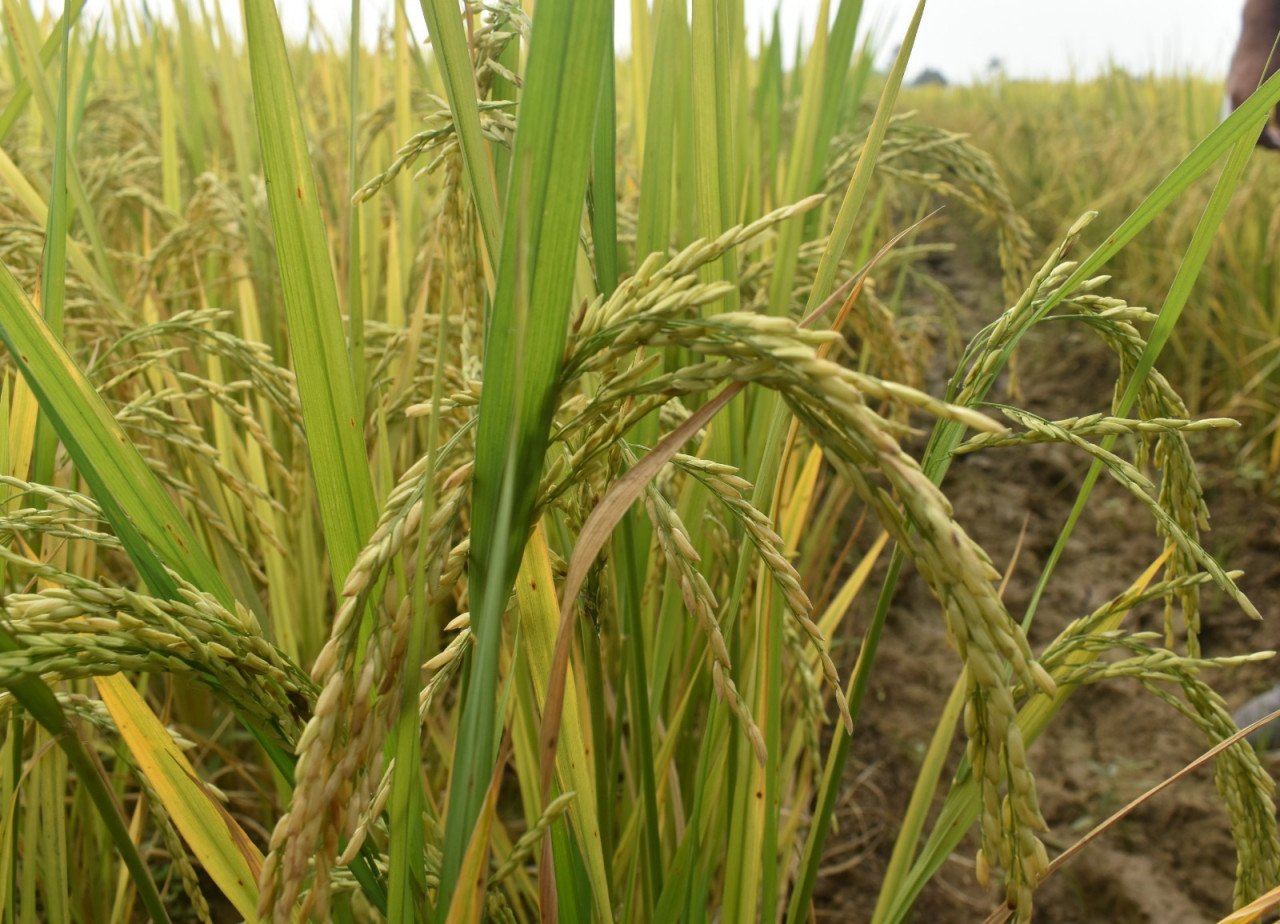
Special emphasis will also be placed on promoting the production of pulses and oilseeds, encouraging crop diversification, and ensuring productive use of fields left vacant after paddy harvesting. Farmers will also be informed about various government agricultural schemes and sustainable technologies suited to local agricultural conditions. This joint initiative aims to strengthen coordination between agricultural research and field-level extension activities. This will enable farmers to make better decisions based on scientific information, reduce unnecessary agricultural costs, and adopt resource-efficient agricultural practices. This initiative will contribute to improved soil health, sustainable crop production, and make the region’s agricultural systems more resilient to climate and other challenges.