









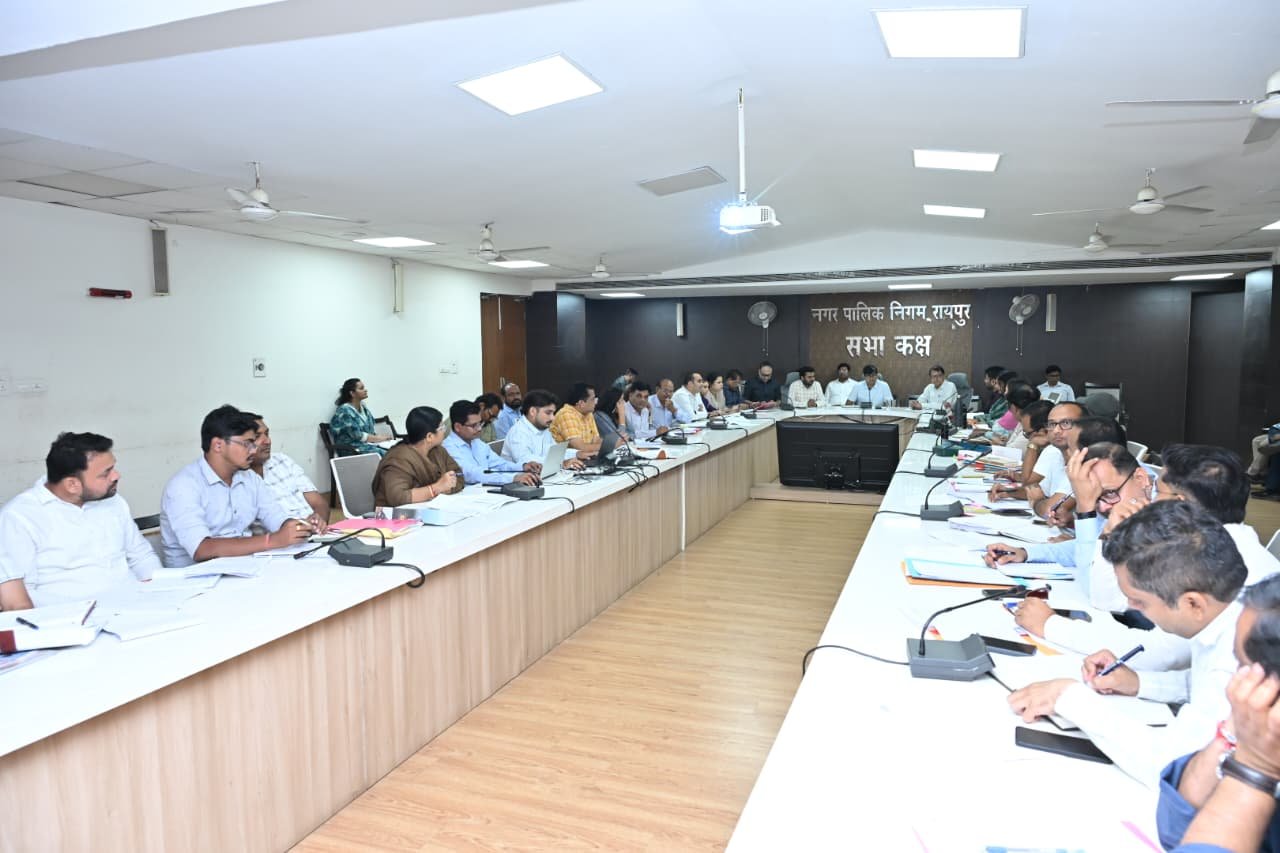

- Bastar Dussehra is a vibrant symbol of social harmony, collective faith, and democratic values – President Smt. Droupadi Murmu
- Now is the time for reconstruction and development in a Maoism-free Bastar – Chief Minister Shri Vishnu Deo Sai
- ‘Manjhis’ (community heads) will now receive a monthly honorarium of Rs 5,000, and ‘Chalkis’ (assistants/functionaries) will receive Rs 3,500
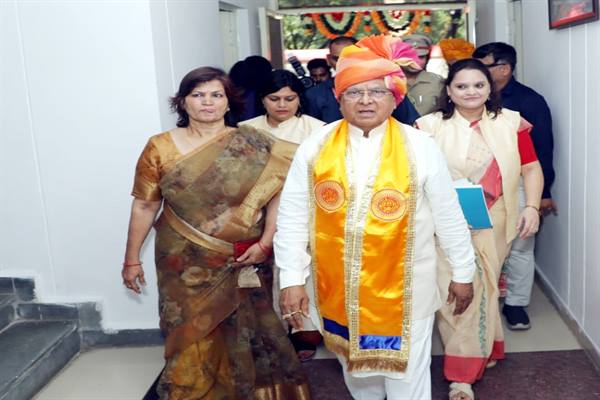
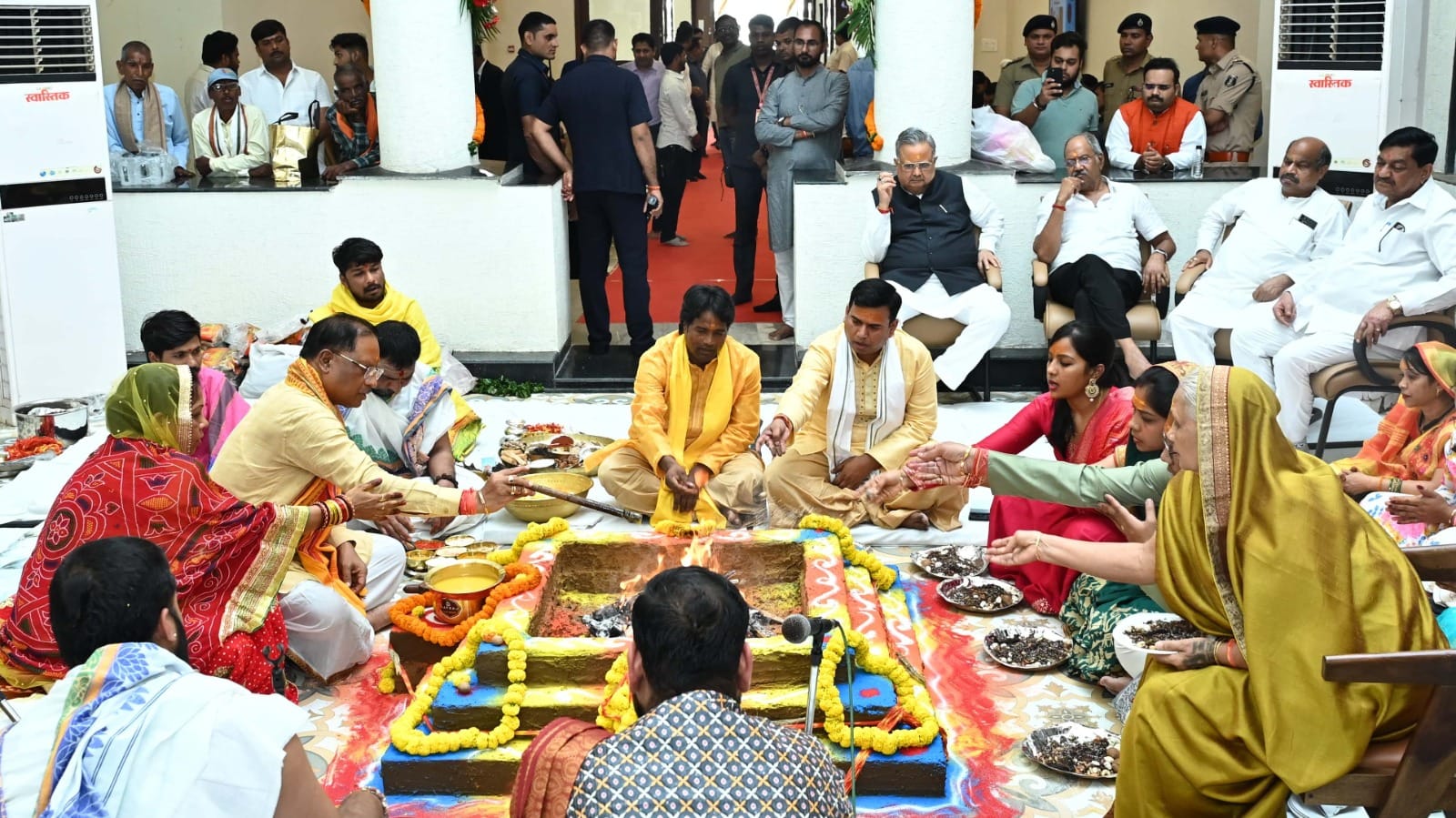
President Smt. Droupadi Murmu participated today in the world-renowned Bastar Dussehra festival, held in Jagdalpur—the sacred land of Goddess Maa Danteshwari, the presiding deity of Bastar. On this occasion, she praised the distinct religious and cultural traditions of Bastar Dussehra, describing it as a vibrant symbol of Chhattisgarh’s cultural pride, collective faith, social harmony, and tribal heritage. She noted that this unique festival, which spans approximately 75 days, serves as an excellent example of uniting diverse communities and preserving traditions passed down through generations.
Paying obeisance to Maa Danteshwari, the President expressed her immense pleasure in being part of such a globally acclaimed festival. A key feature of this celebration is the active participation of various clans, communities, and all sections of society. From the construction and pulling of the chariot to the performance of prayers and various rituals, every community fulfills its traditional responsibilities. This collective involvement stands as an extraordinary example of social unity, mutual cooperation, and cultural continuity.
- ‘Muria Darbar’ is an excellent example of democratic traditions – President
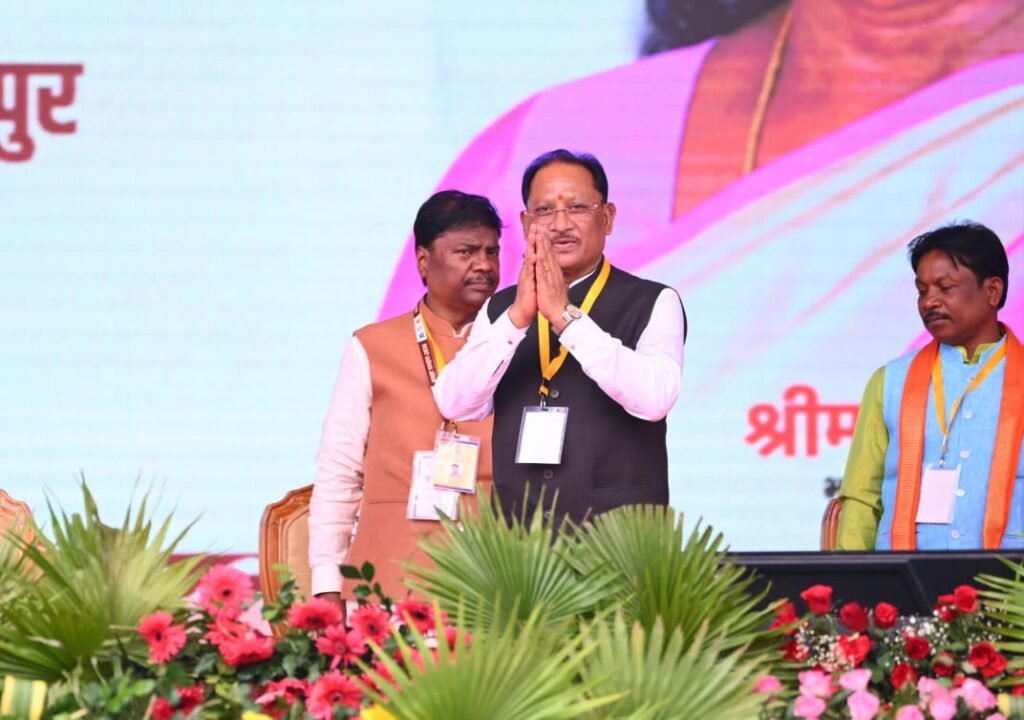
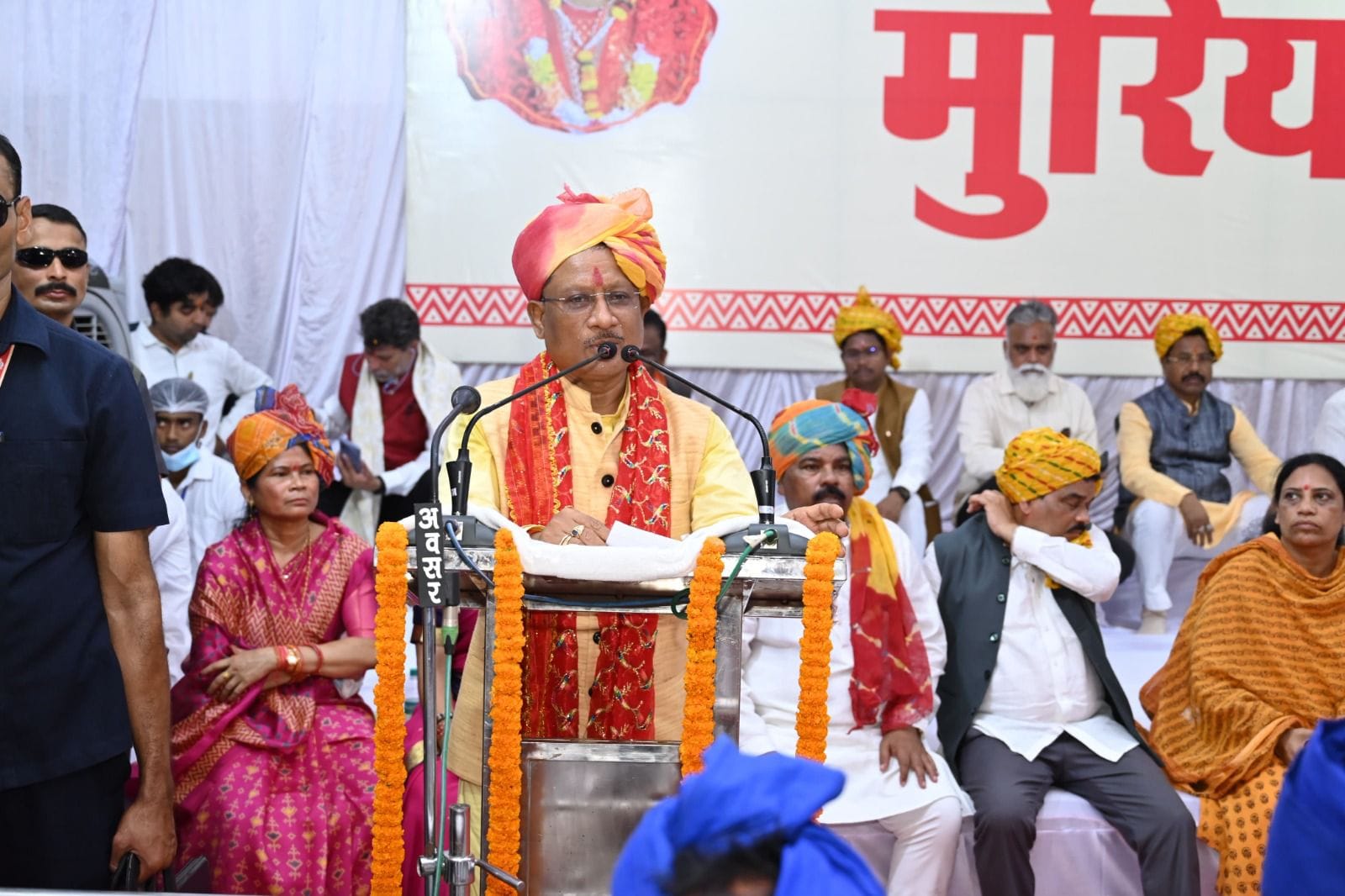
President Smt. Murmu highlighted the ‘Muria Darbar’—a tradition held during Bastar Dussehra—as an exemplary model of democratic systems at the grassroots level. She observed that in this tradition, representatives from various segments of society come together to deliberate on public issues, needs, and social matters. Solutions arrived at through collective dialogue pave the way for societal well-being and mutual cooperation. Such traditions strengthen the roots of Indian democracy and lend new prestige to democratic values.

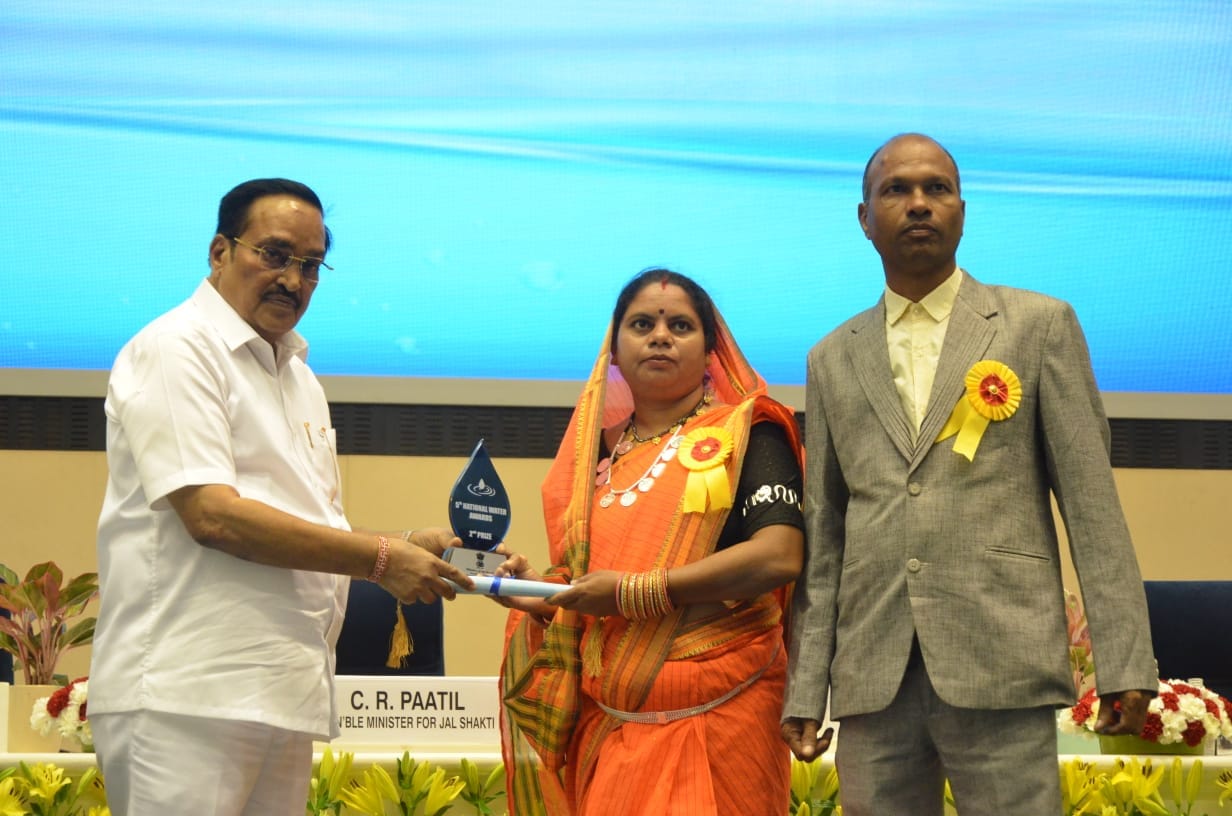
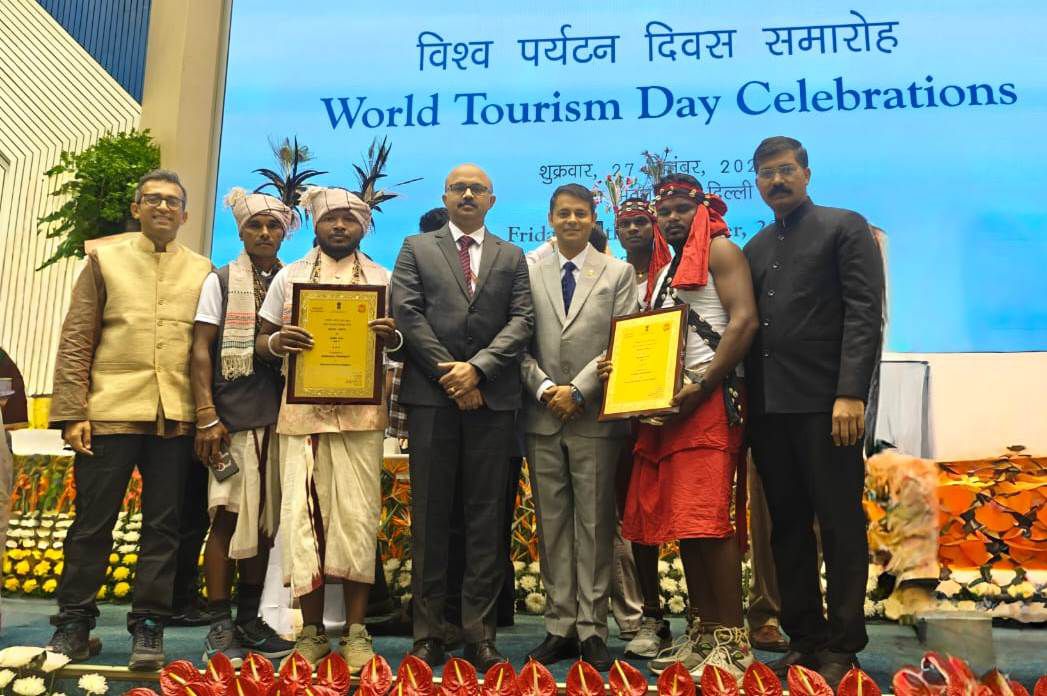
She mentioned that about two months ago, she met with a delegation from Bastar at Rashtrapati Bhavan. The delegation included winners of the ‘Bastar Pandum’ (a local festival/event), as well as ‘Pargana Manjhis’ and ‘Chalkis’ (traditional tribal community leaders) from Bastar. Events like ‘Bastar Pandum’ play a crucial role in connecting tribal youth with their culture, customs, and traditions.
- Providing opportunities to the talent within tribal society is essential.
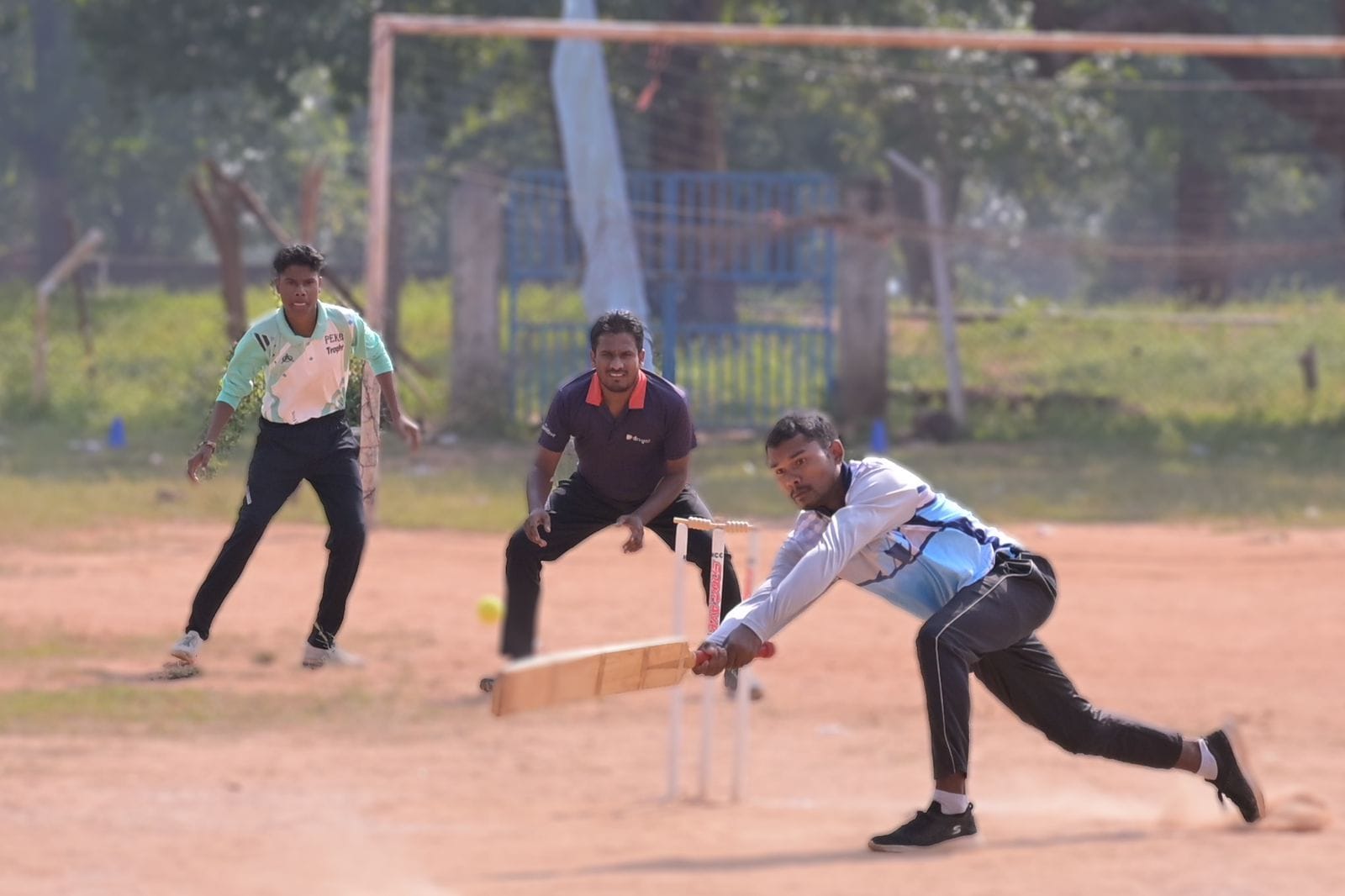
The President stated that tribal society possesses immense talent and potential. Given the right opportunities, encouragement, and resources, the sons and daughters of tribal communities can bring pride to the nation in every sphere of life. Praising the enthusiastic participation of tribal youth in the ‘Bastar Olympics,’ she noted that by having access to a proper platform, the youth of Bastar could make a mark on the international stage and bring glory to the country by winning medals at prestigious events like the Olympics.
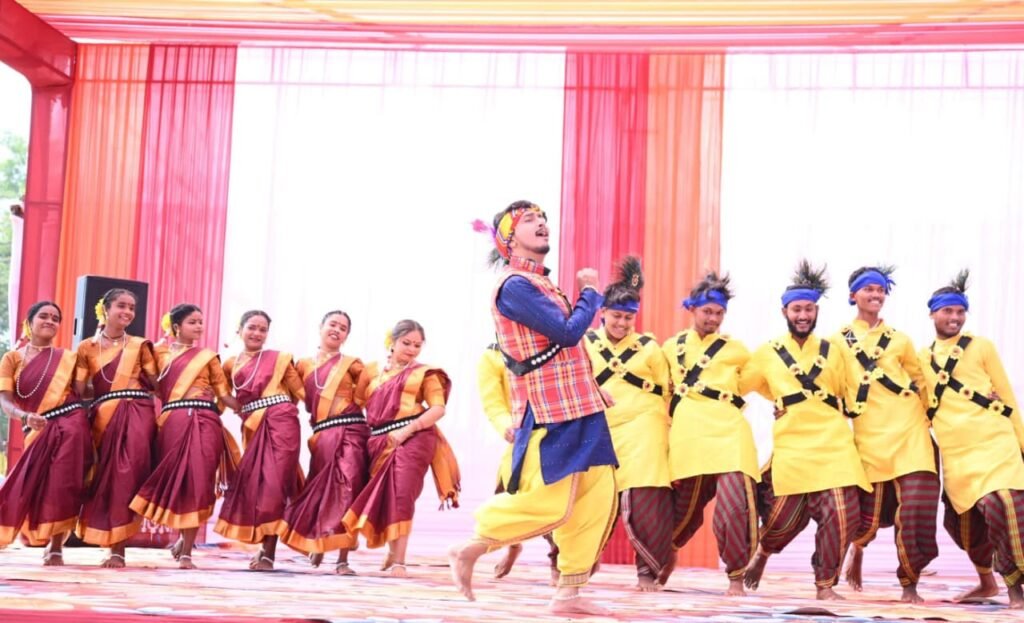
Highlighting the positive changes in Chhattisgarh—specifically the progress toward overcoming the issue of Naxalism, alongside advancements in security and development—the President commended the coordinated efforts of the central and state governments. She remarked that, having been freed from the suffering caused by Naxalism, the region is now moving forward on the path of progress. She expressed confidence that the youth and tribal communities of Bastar would make significant contributions to the nation’s development journey through their talent, hard work, and active participation.
- Bastar’s heritage is deeply embedded in the cultural memories of Dandakaranya.
Referring to the historical and religious significance of the Bastar region, President Smt. Murmu noted that, according to the Ramayana, this area is associated with ‘Dandakaranya.’ Many episodes linked to the period of Lord Shri Ram’s exile remain preserved within the cultural memory of this region. Referring to the episode of Mata Shabari, she stated that the cultural heritage of the tribal community is an integral part of Indian tradition.
She emphasized that by drawing inspiration from the ideals of Lord Shri Ram, the purity of Mata Sita, and the devotion of Mata Shabari, society should incorporate morality, decorum, and human values into daily life. Preserving the cultural heritage of Bastar is the responsibility of every citizen.
- Nature conservation is an integral part of the tribal philosophy of life.
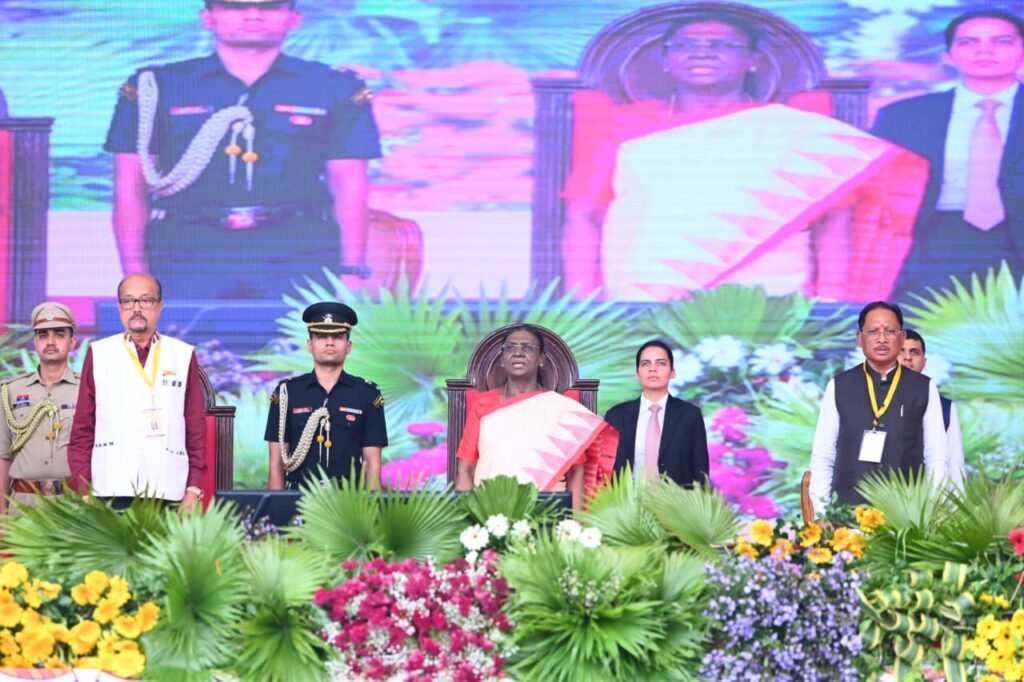
Appreciating the tribal tradition of nature worship, the President noted that respect for trees, plants, forests, and natural resources is a distinct hallmark of this community. In tribal traditions, trees and plants are not viewed merely as resources, but as givers of life. Nature provides us with oxygen, water, fruits, flowers, food, and medicines; therefore, alongside worshipping nature, it is essential to conserve and nurture it.
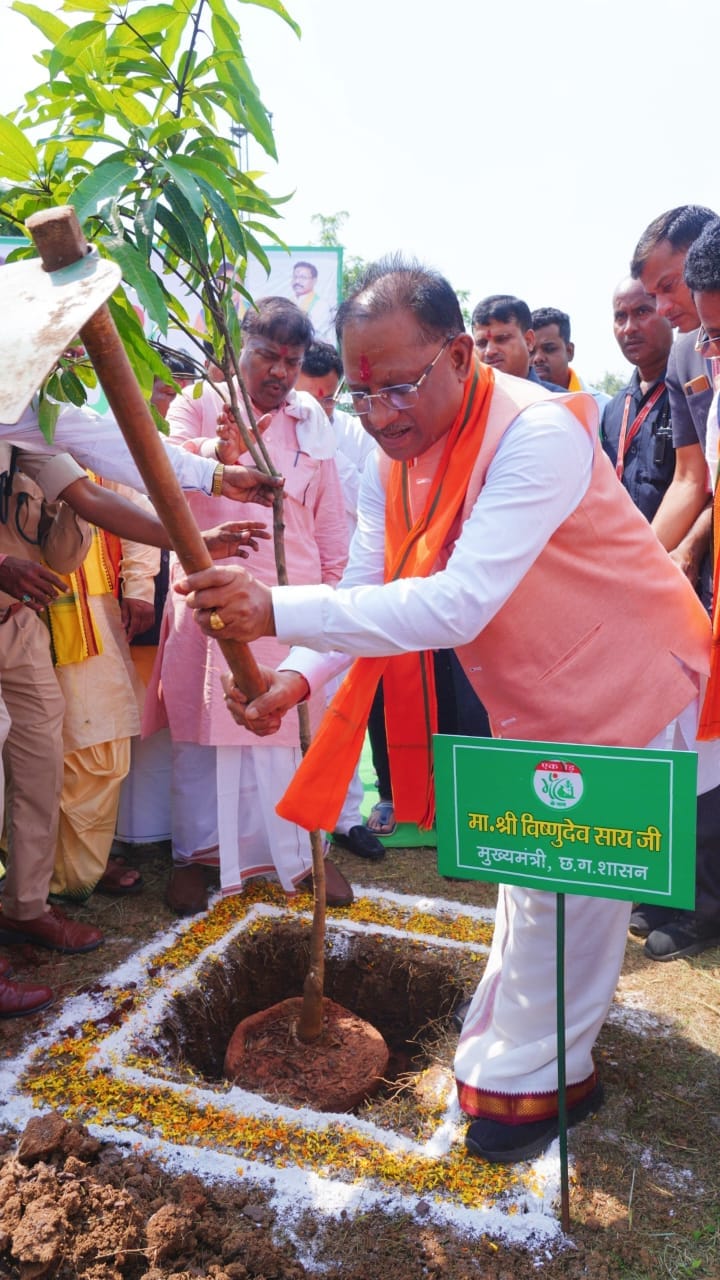
She remarked that forests, mountains, and natural resources are invaluable treasures. While utilizing them according to our needs, we must also fulfill the responsibility of conserving them and compensating for any loss. Since it takes several decades for a tree to mature, protecting forests and undertaking extensive plantation drives is vital for future generations. She urged all citizens—especially members of the tribal community—to plant as many trees as possible and to keep the forests lush and green.
The President observed that new avenues for development are opening up in Chhattisgarh. Efforts to connect tribal entrepreneurs with financial facilities and markets are significant steps toward inclusive development. She expressed confidence…She noted that by providing equal opportunities to every section of society, the participation of the tribal community in achieving the goal of a ‘Viksit Bharat’ (Developed India) by 2047 will be further strengthened.
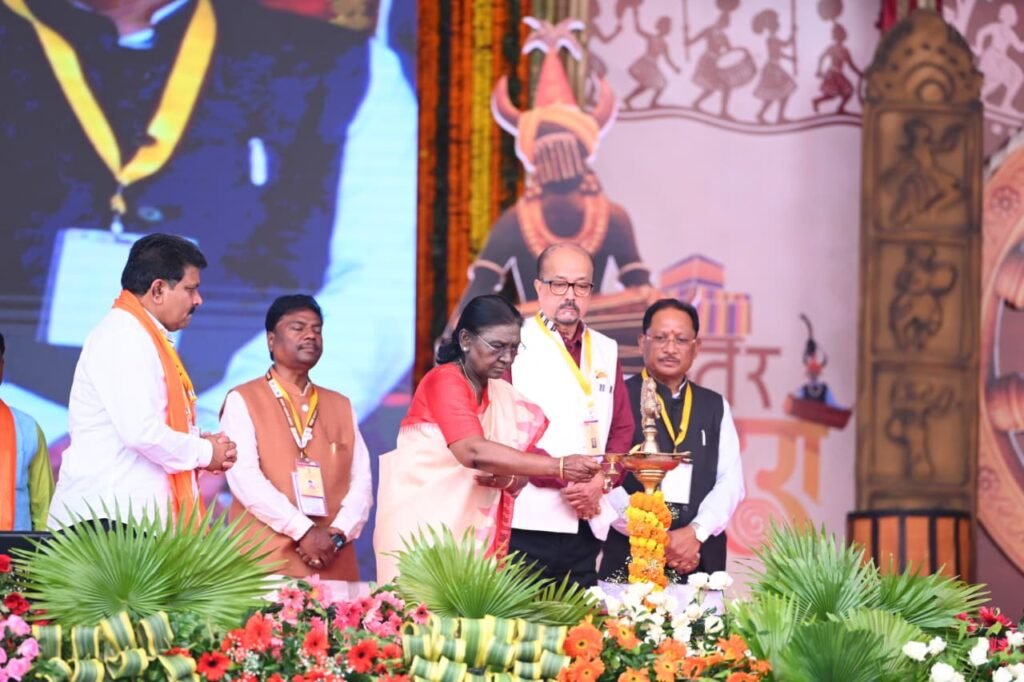
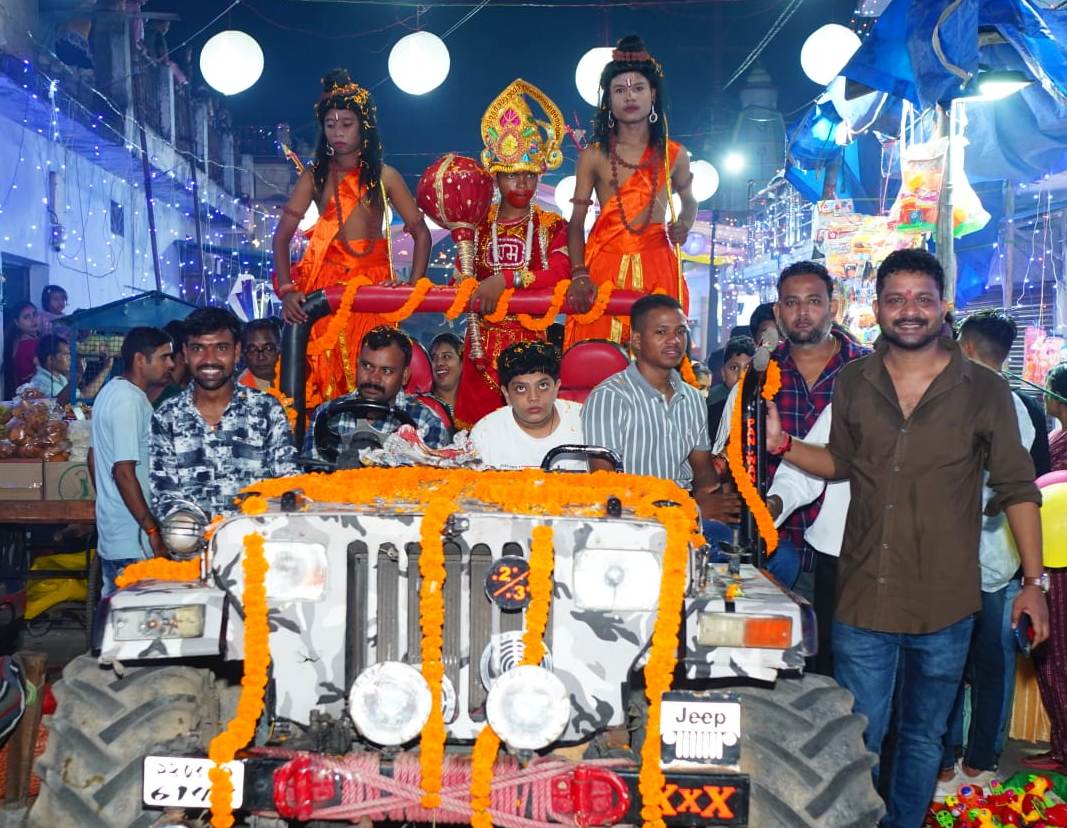
Referring to the traditional rituals of Bastar Dussehra—such as the farewell to village deities through ‘Kutumb Jatra’ and the ceremonial send-off of the palanquins (dolis) of Goddess Danteshwari and Goddess Mavli on October 27—the President highlighted these events as emblematic of the festival’s unique religious and cultural traditions. She prayed to Goddess Danteshwari for a bright future for the people of Bastar, as well as for the progress and holistic development of Chhattisgarh.
Governor Shri Ramen Deka, while extending his greetings for Bastar Dussehra and Vijayadashami, remarked that India is the world’s largest democracy, and democratic values are deeply embedded in our civilization and cultural ethos. He noted that collectivism is an integral part of the tribal way of life; in their villages, social decisions are reached through collective deliberation. Listening to elders and respecting every individual’s voice has long been a natural tradition within tribal society.
The Governor observed that, beyond its grandeur, Bastar Dussehra teaches the importance of inclusivity—of moving forward together as a society. From sourcing the wood for the chariot to its construction and operation, people from various villages and communities fulfill their assigned responsibilities. Even after the end of the princely era, this tradition has endured, evolving into a robust platform for democratic dialogue.
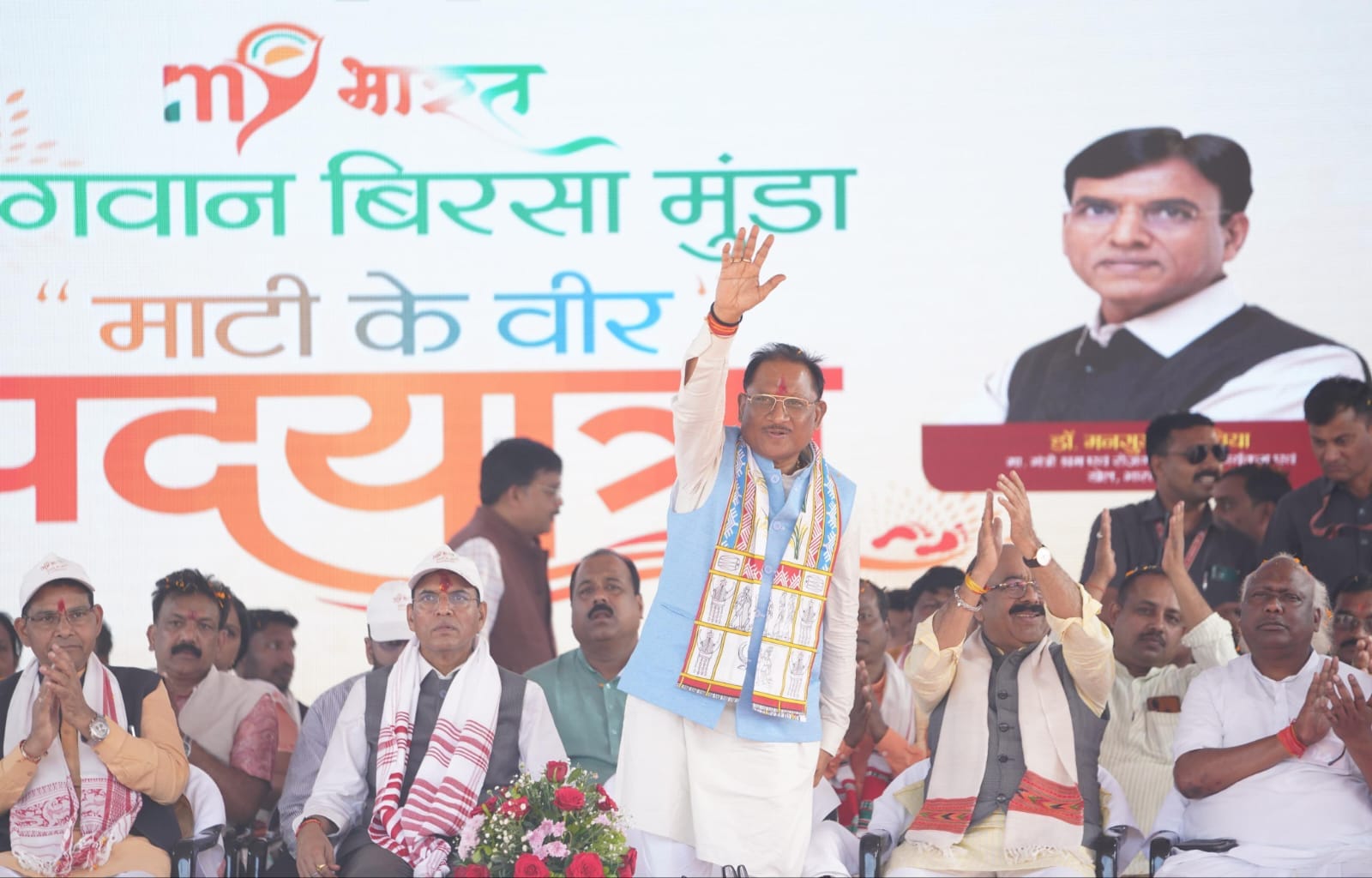
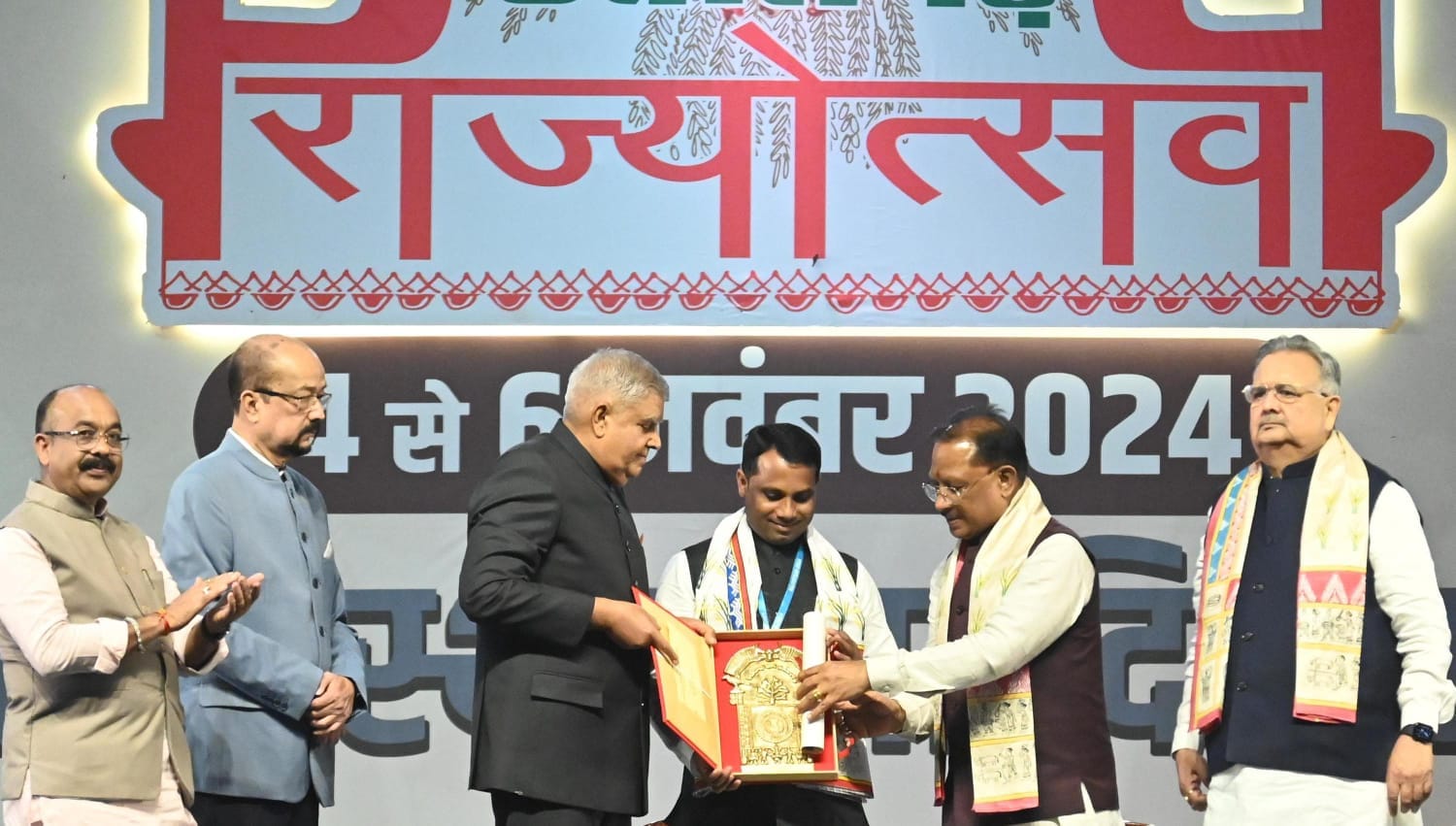
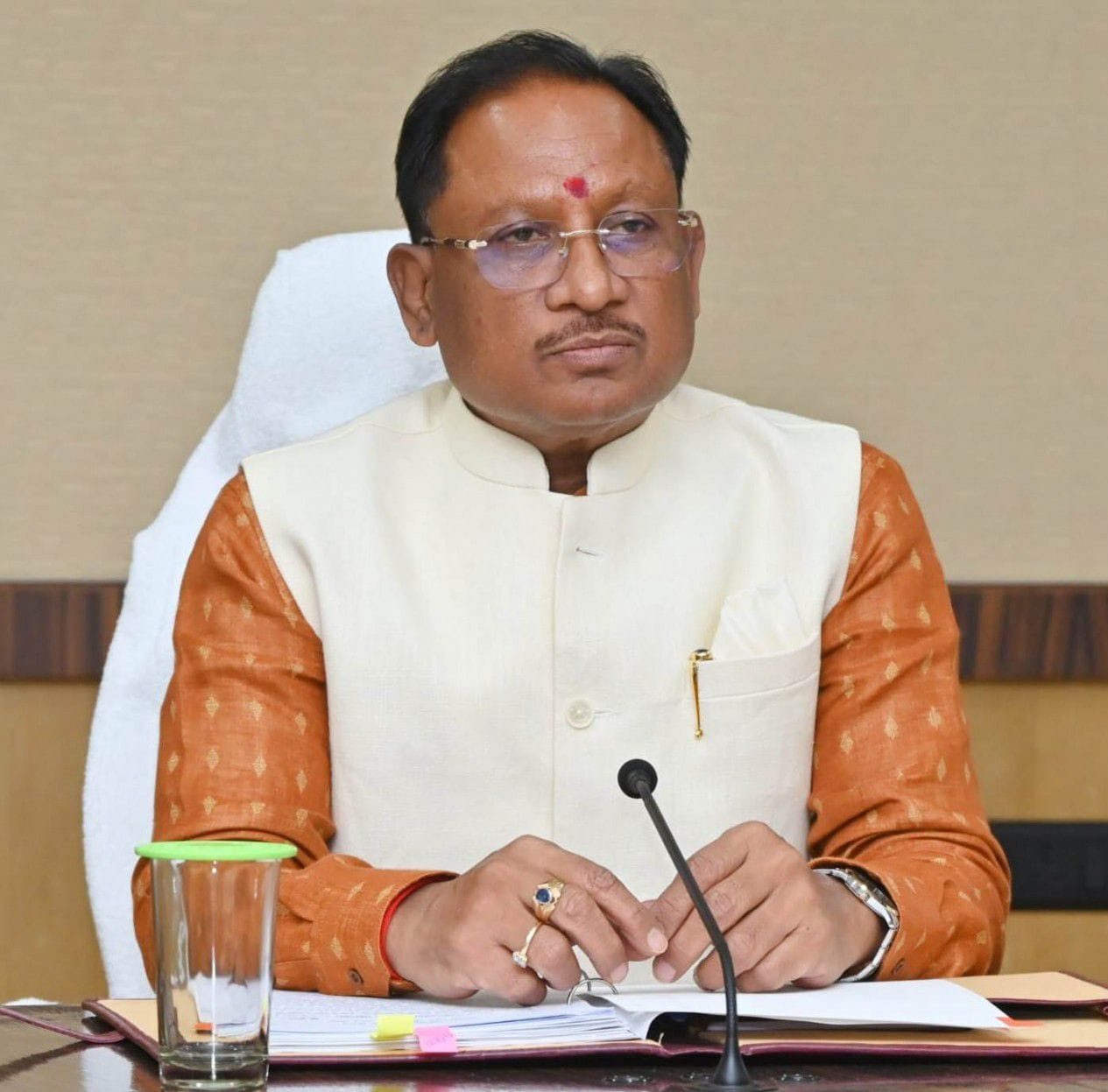
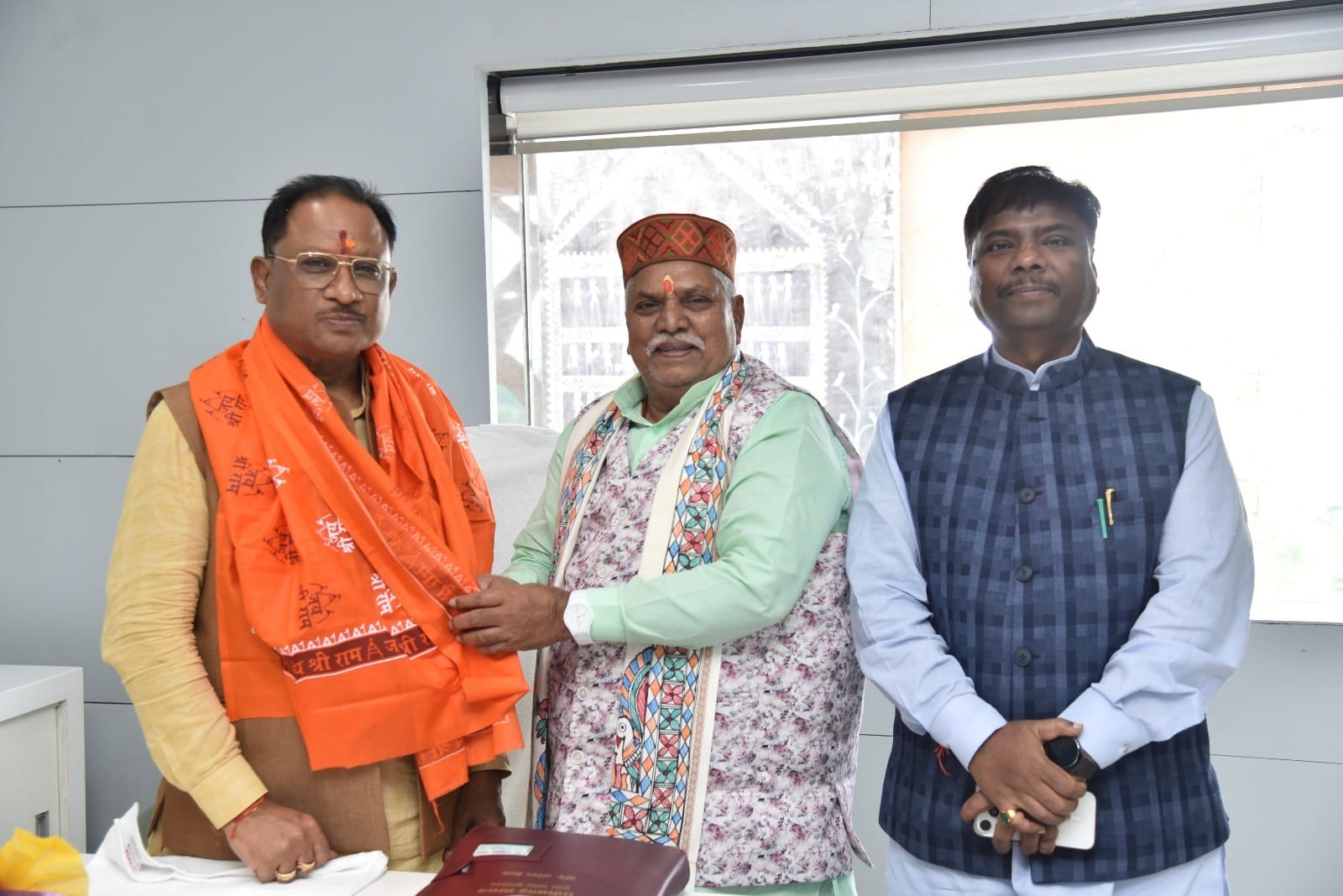
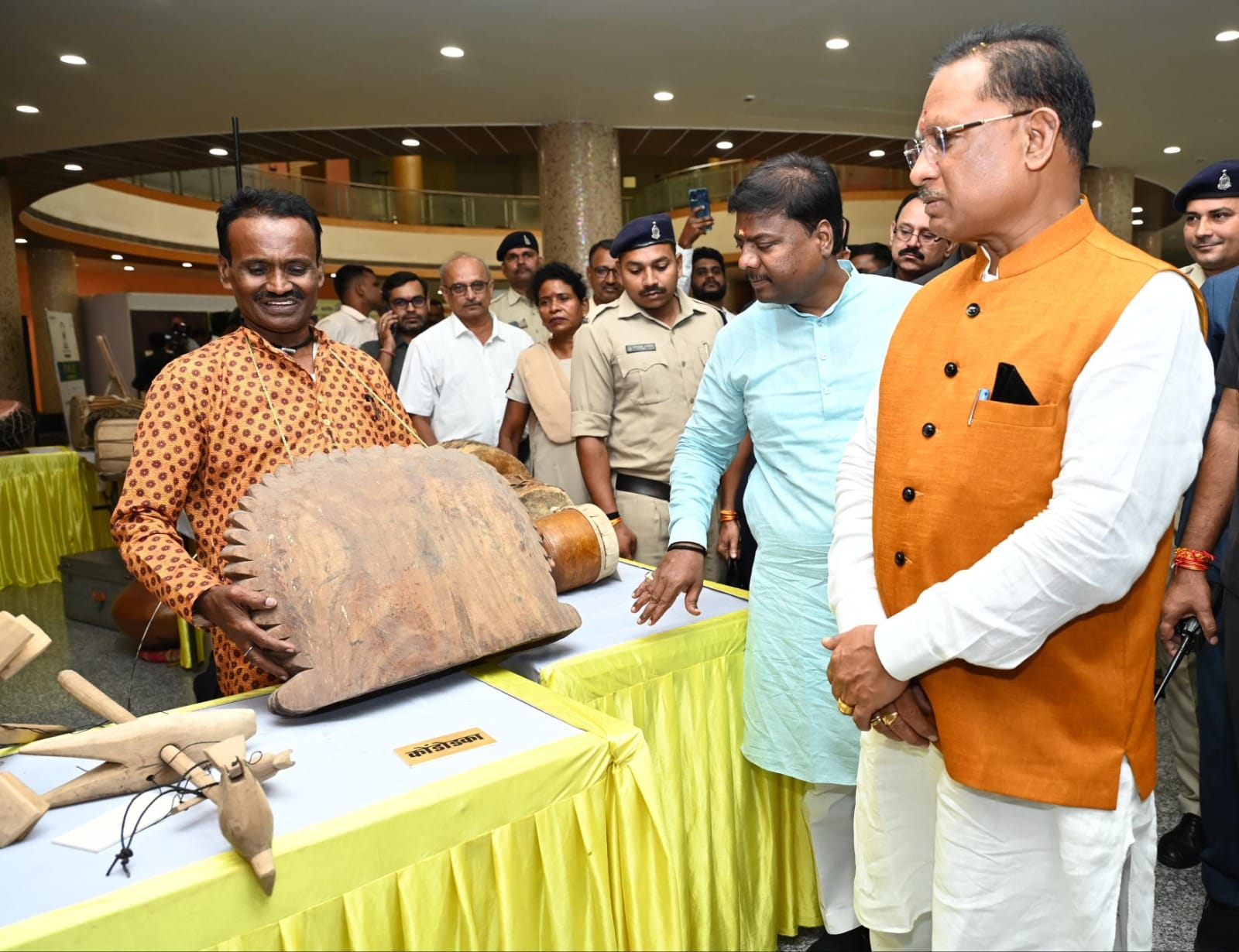
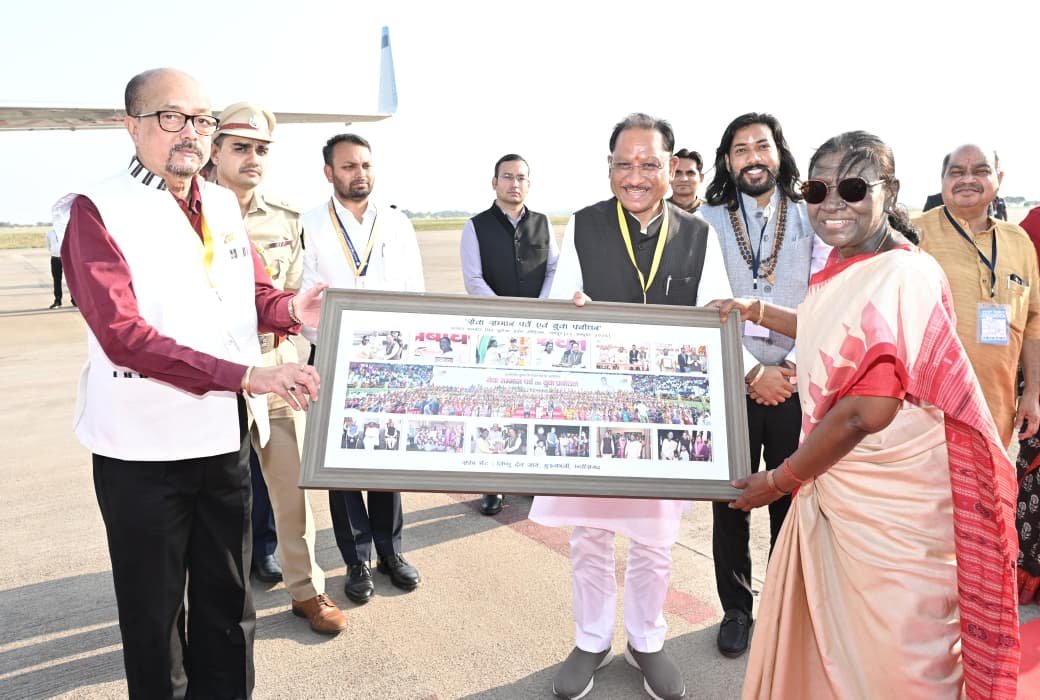
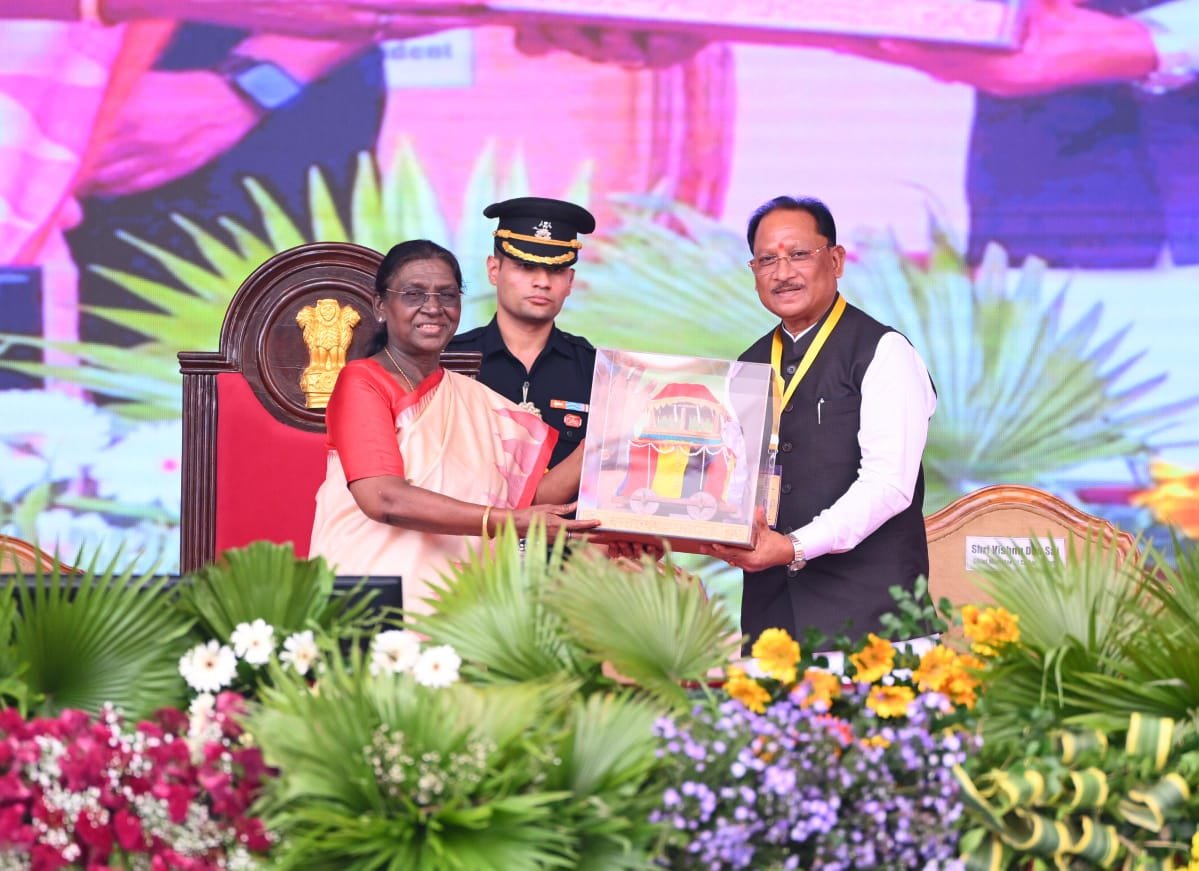
He emphasized that Bastar Dussehra and the ‘Muria Darbar’ convey the message that dialogue is the path to resolution. When the administration and society sit down for face-to-face discussions, even the most complex problems can be solved. He commended the contributions of all those involved—including the Manjhis, Mukhiyas, priests, artisans, chariot builders, artists, and the local administration—whose collective hard work and devotion have kept this world-renowned tradition alive through generations. Chief Minister Shri Vishnu Deo Sai welcomed and felicitated President Smt. Droupadi Murmu at the Bastar Dussehra festival, held in Jagdalpur—the sacred land of Goddess Danteshwari. He noted that President Smt. Droupadi Murmu shares a deep connection with the land of Bastar. In February of this year, she inaugurated the ‘Bastar Pandum’ (a festival/event celebrating Bastar’s culture). Furthermore, she honored the winners of the Bastar Pandum and invited them to Rashtrapati Bhavan, a gesture that greatly encouraged them. Her presence at the Bastar Dussehra today has further uplifted the spirits of all the people of Bastar.
The Chief Minister remarked that the ‘Muria Darbar’ serves as a beautiful expression of tribal culture and democratic traditions. The Bastar Dussehra, which spans approximately 75 days, acts as a mirror to the folk culture of the region. Its rituals reflect the egalitarian values, collective participation, and mutual trust inherent within tribal society.
He highlighted that this year’s Bastar Dussehra holds special significance; not only has the President’s dignified presence enhanced the prestige of the festival, but Bastar itself is also moving toward a new era of development, having freed itself from the grip of violent Maoism. Initiatives like ‘Bastar Pandum’ and the ‘Bastar Olympics’ are playing a pivotal role in accelerating this transformation. Through ‘Bastar Pandum,’ the region’s rich tribal art, culture, and traditions are being showcased both nationally and internationally.
The Chief Minister stated that the state government has formulated a clear roadmap for the prosperity and development of Bastar. Through the ‘Niyad Nellanar’ scheme, the benefits of government programs are being extended to even the most remote areas. Under the ‘Pradhan Mantri Gram Sadak Yojana’ and the ‘PM-JANMAN’ scheme, efforts are underway to connect interior settlements via road networks. In areas where roads have already been constructed, the ‘Mukhyamantri Gramin Bus Yojana’ is being utilized to expand transport facilities.
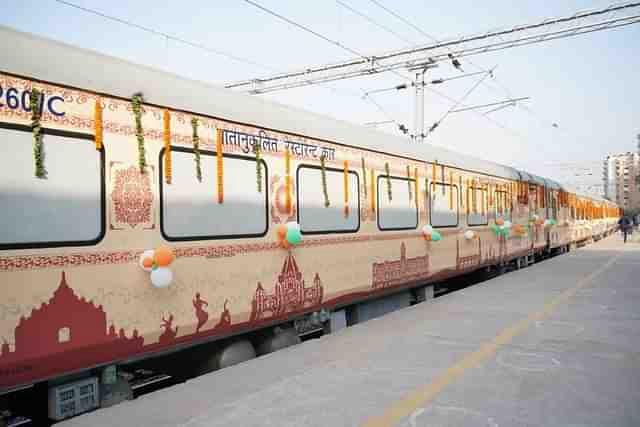
He further mentioned that a new rail service has been launched between Raipur and Raoghat, and work is currently in progress on the Raoghat-Jagdalpur rail line. A significant portion of the Raipur-Visakhapatnam Expressway passes through the Bastar region. Special provisions have been made for ‘home-stay’ facilities to promote tourism. Efforts are underway to ensure that collectors of forest produce receive fair value for their goods through ‘Van Dhan Kendras’ (Forest Wealth Centres).
The Chief Minister stated that a super-specialty hospital has been established in Jagdalpur, and a medical college in Geedam has commenced operations from the current academic session. Work is also underway to develop ‘Education Cities’ in Orchha and Jagargunda. He expressed confidence that, with the guidance and blessings of the President, efforts to transform Bastar into a leading division in the country—and to fulfill the vision of a developed Chhattisgarh—will gain renewed strength.
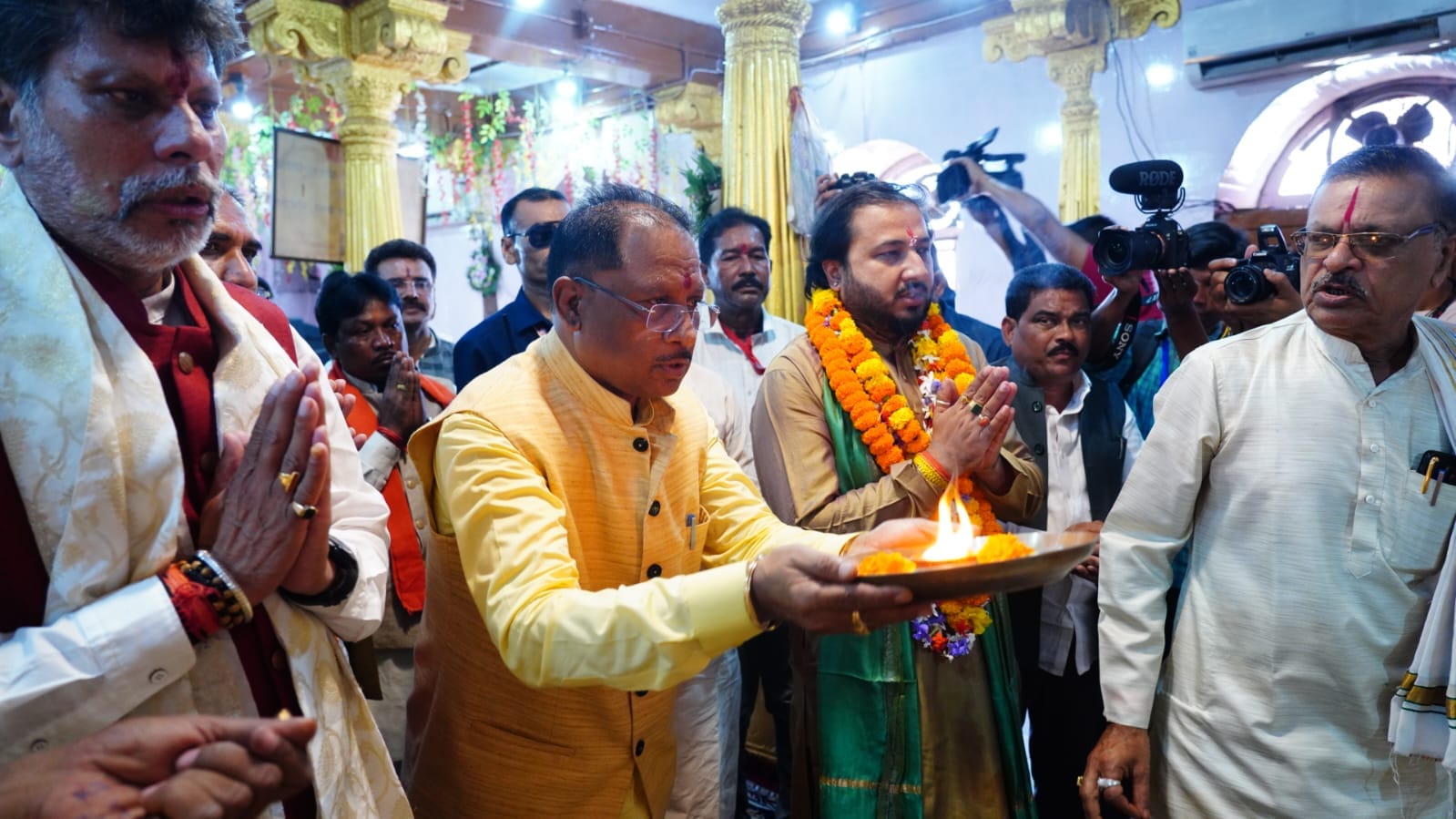
Culture Minister Shri Rajesh Agrawal welcomed and honored President Smt. Droupadi Murmu, while paying obeisance to Goddess Danteshwari, Goddess Mawali, and all the village deities of the Bastar region. He noted that the ‘Bastar Dussehra’ stands out from other festivals in the country due to its duration, unique traditions, deep-rooted faith, and extensive public participation. Spanning approximately 75 days, this festival is not merely a religious event but a vibrant expression of Bastar’s cultural identity.
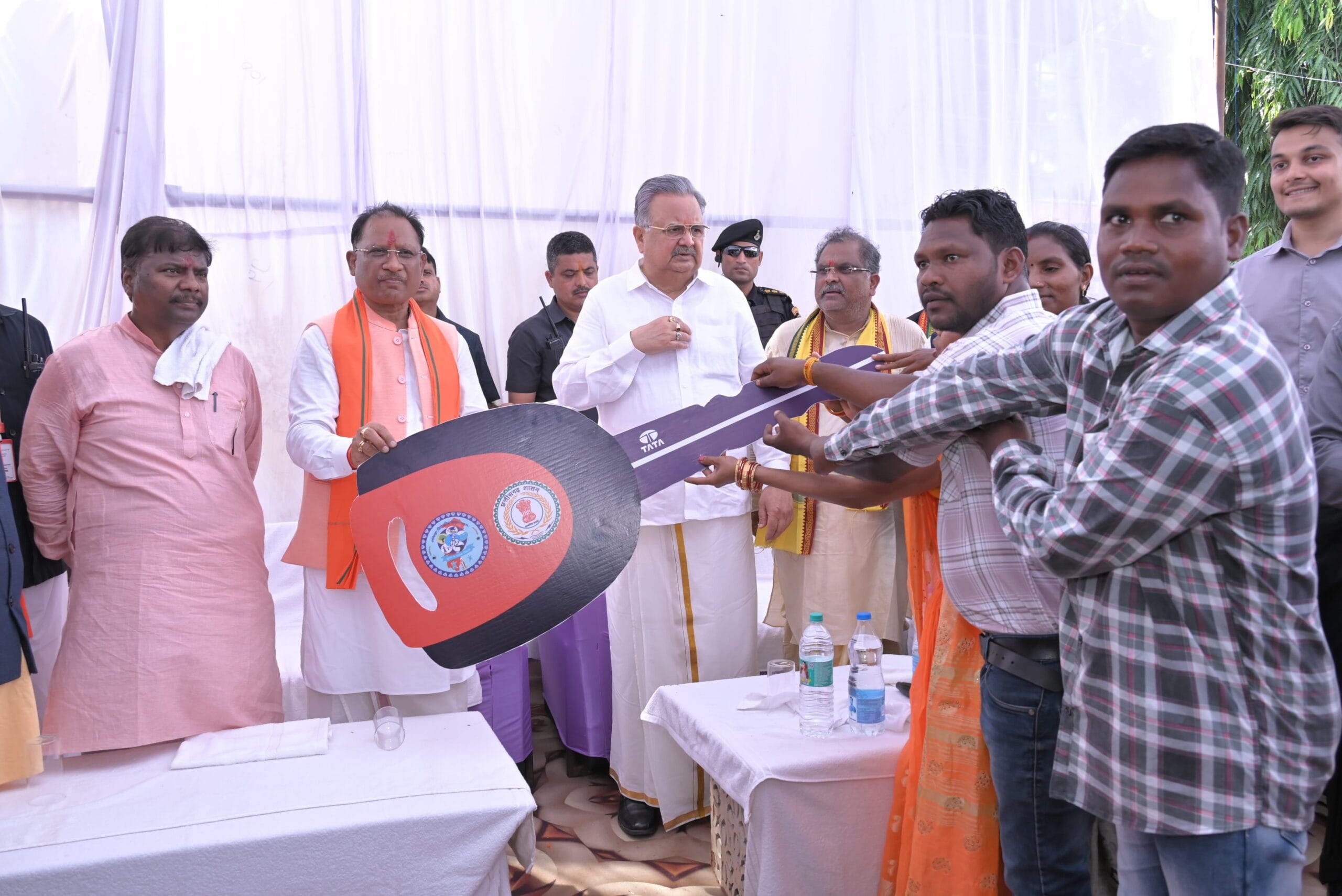
He further mentioned that, under the leadership of Chief Minister Shri Vishnu Deo Sai, the government has taken significant steps toward honoring and economically empowering traditional community representatives. The monthly honorarium for ‘Manjhis’ has been increased from ₹2,000 to ₹5,000, and for ‘Chalkis’ from ₹1,500 to ₹3,500. This decision reflects both respect and gratitude for the contributions of these traditional representatives, who play a vital role in preserving Bastar’s cultural heritage.
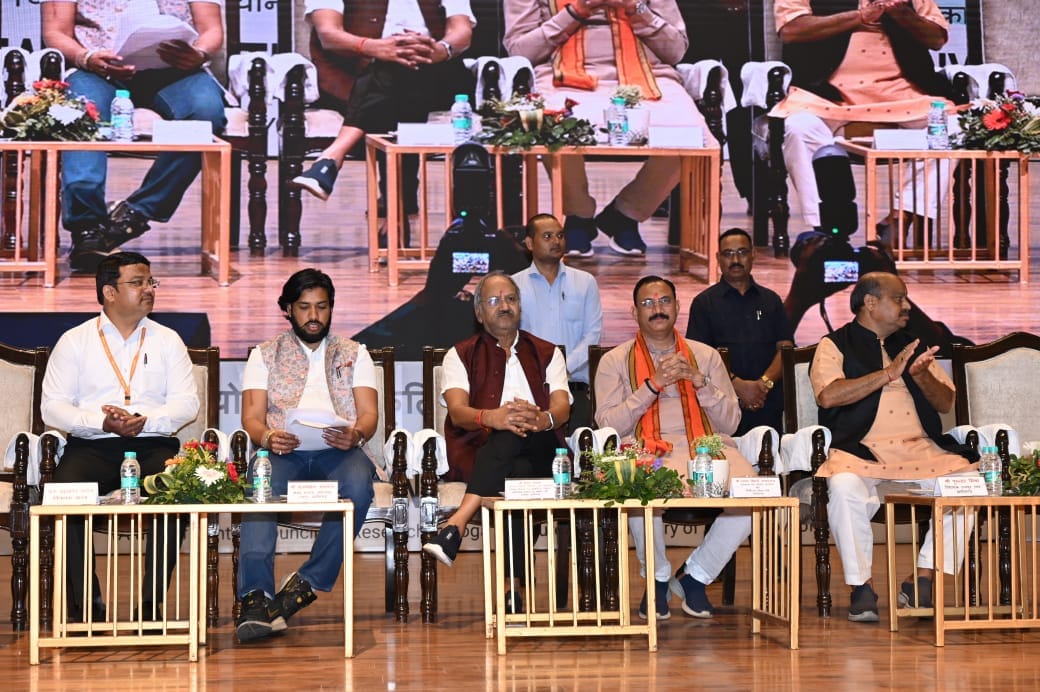
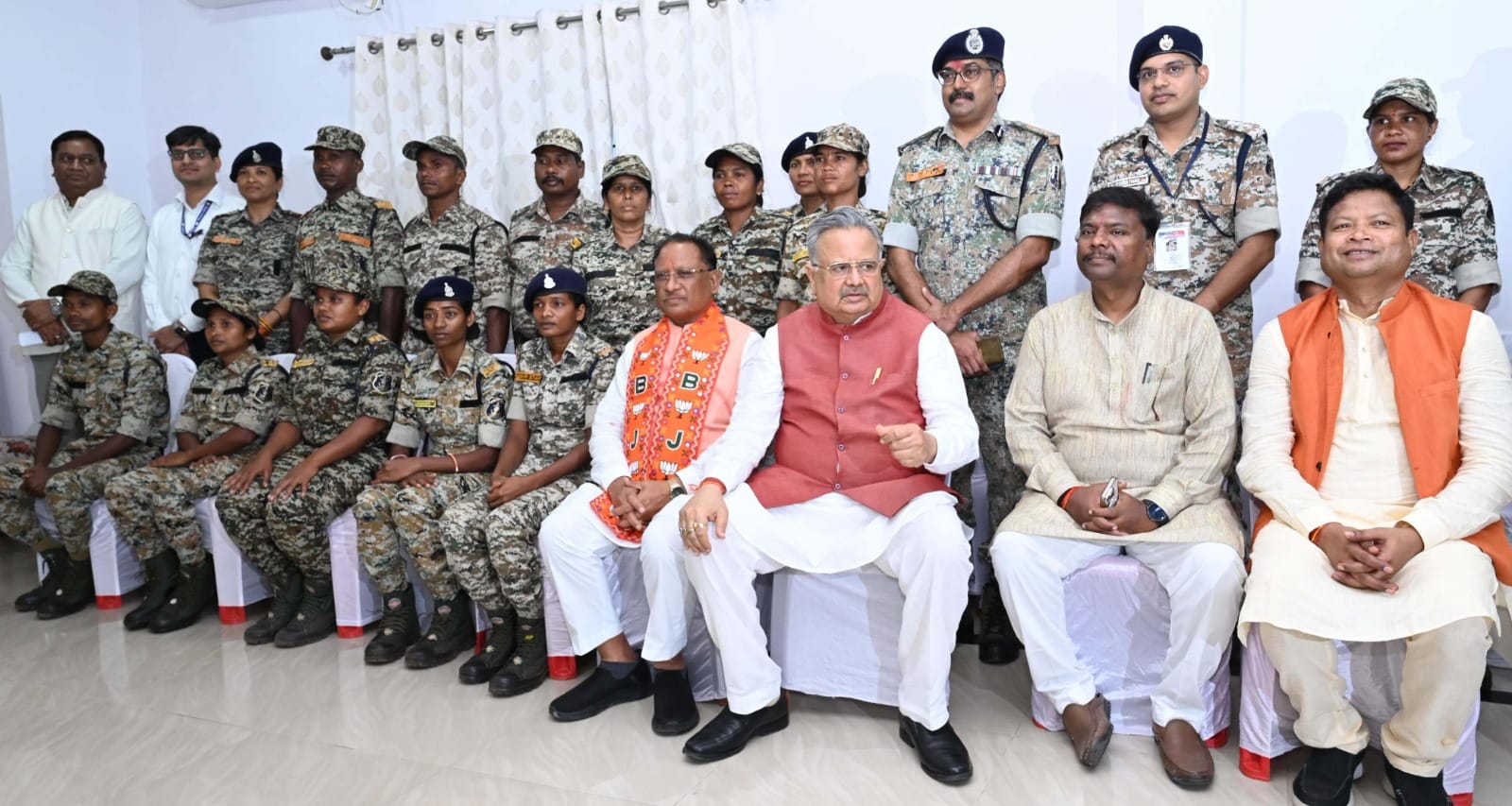
On this occasion, Deputy Chief Minister Shri Vij…Several public representatives were present, including Forest Minister Shri Kedar Kashyap, Agriculture Minister Shri Ram Vichar Netam, Education Minister Shri Gajendra Yadav, Minister for Women and Child Development Smt. Lakshmi Rajwade, Bastar MP and President of the Bastar Dussehra Committee Shri Mahesh Kashyap, Kanker MP Shri Bhojraj Nag, Jagdalpur MLA Shri Kiran Singh Deo, Kondagaon MLA Ms. Lata Usendi, and Mayor Shri Sanjay Pandey. Also in attendance were the Chief Minister’s Secretary Shri Rahul Bhagat, Commissioner Shri Doman Singh, IG Shri B.N. Meena, Collector Shri Akash Chhikara, and SP Shri Shalabh Sinha, alongside traditional community leaders—such as the Manjhi-Chalki, Member-Memberin, and Naik-Paik—as well as members of the Bastar Dussehra Committee and a large number of prominent citizens.