



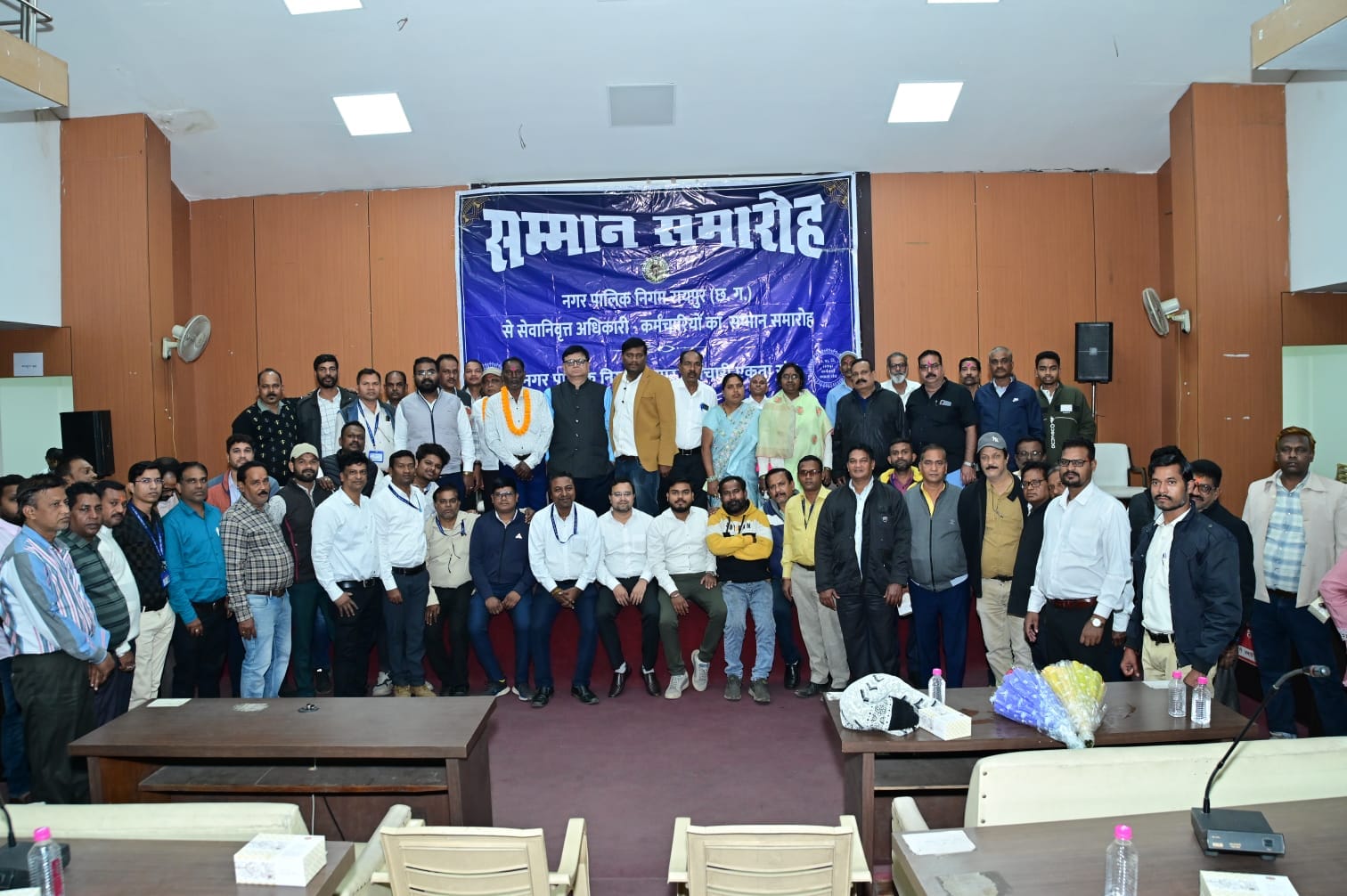
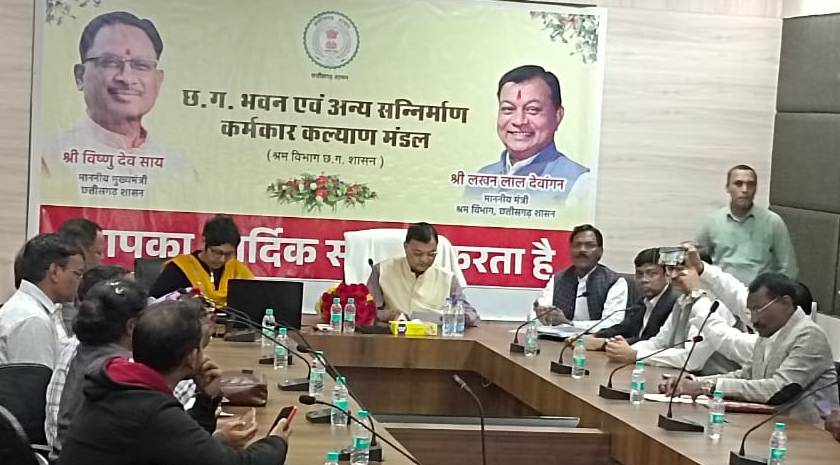


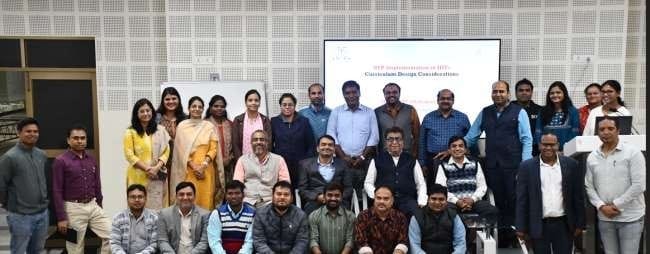
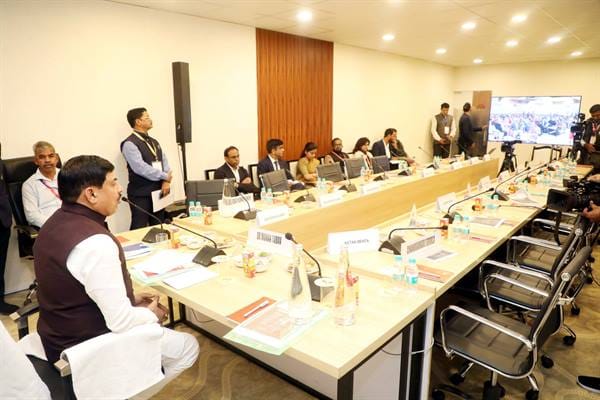

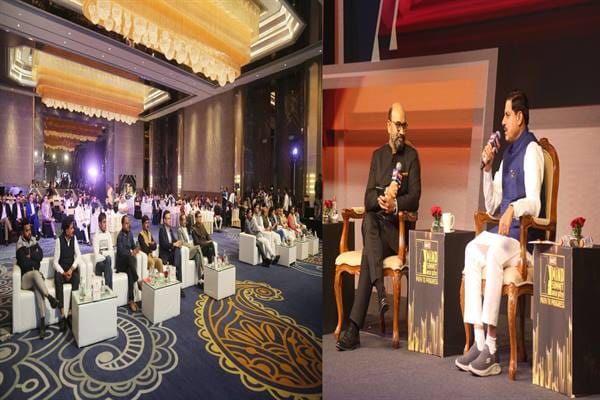







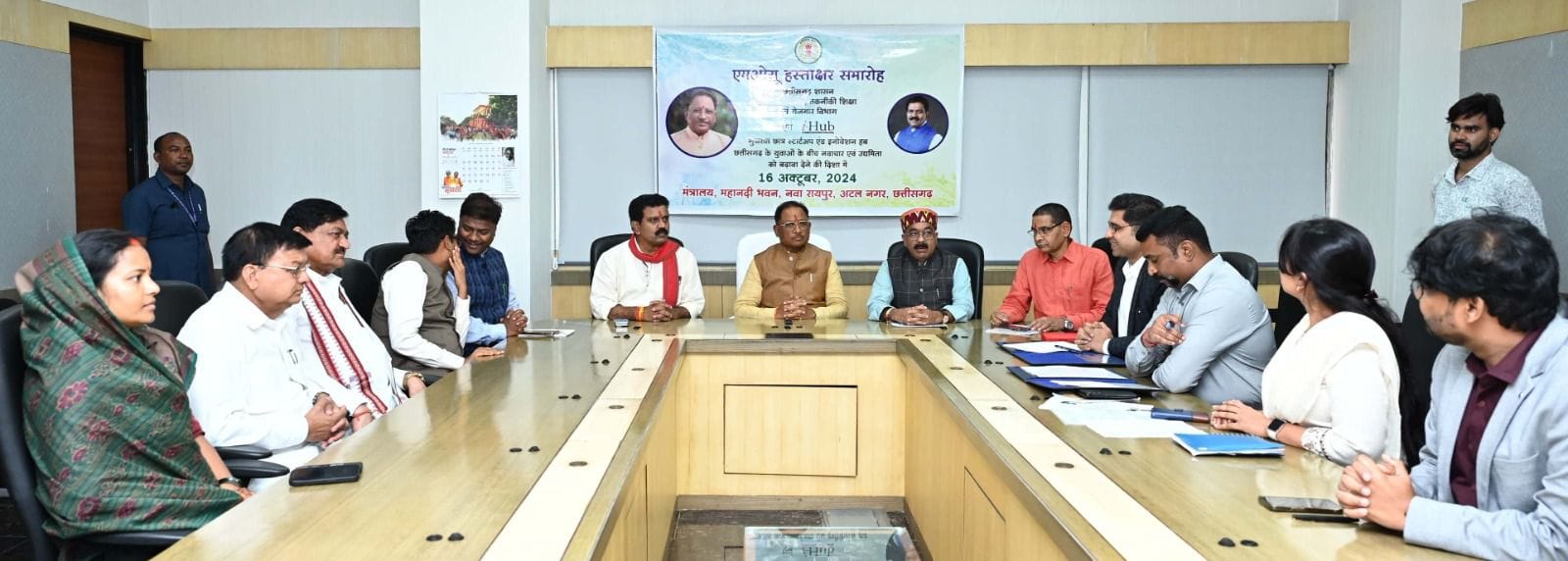
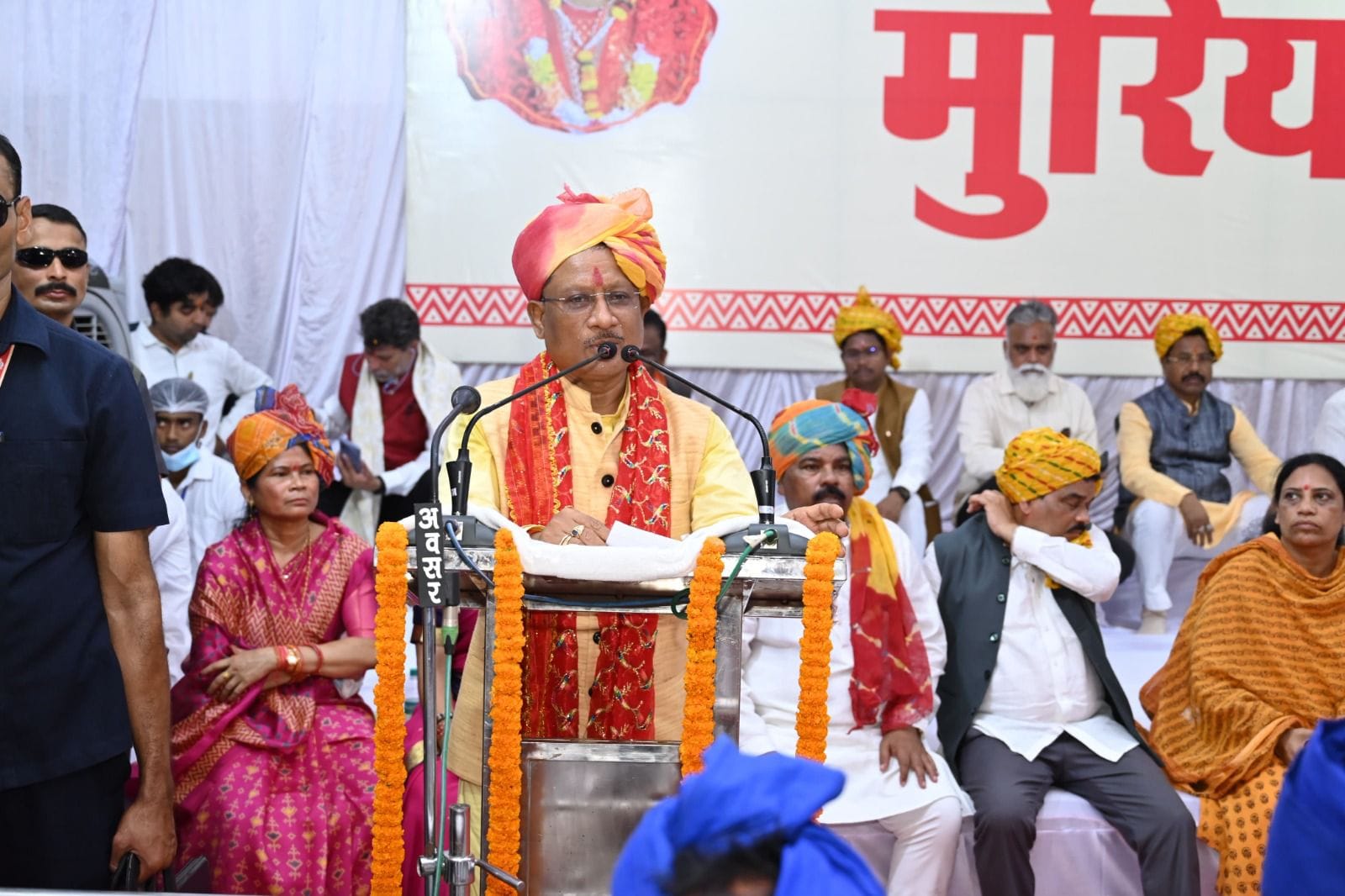




- State-level technical training workshop for the Chhattisgarh Housing and Infrastructure Development Board held in Naya Raipur
- Significant initiatives taken under the leadership of Chief Minister Mr. Vishnu Deo Sai to transform the Board into a financially robust and multi-dimensional infrastructure development organization
- The Board has been strengthened by clearing debt liabilities of approximately ₹700 crore, while the ‘One-Time Settlement’ (OTS) scheme has accelerated the sale of vacant properties
- The Housing Board will no longer be limited to housing construction; its involvement will expand to include roads, bridges, sports infrastructure, and urban redevelopment projects
- Development projects will gain momentum through TPS (Town Planning Scheme), PPP (Public-Private Partnership), and redevelopment models, without placing an additional burden on the government budget
- The Finance Minister urged officials and staff to embrace innovation, modern technology, professional efficiency, and a result-oriented work culture
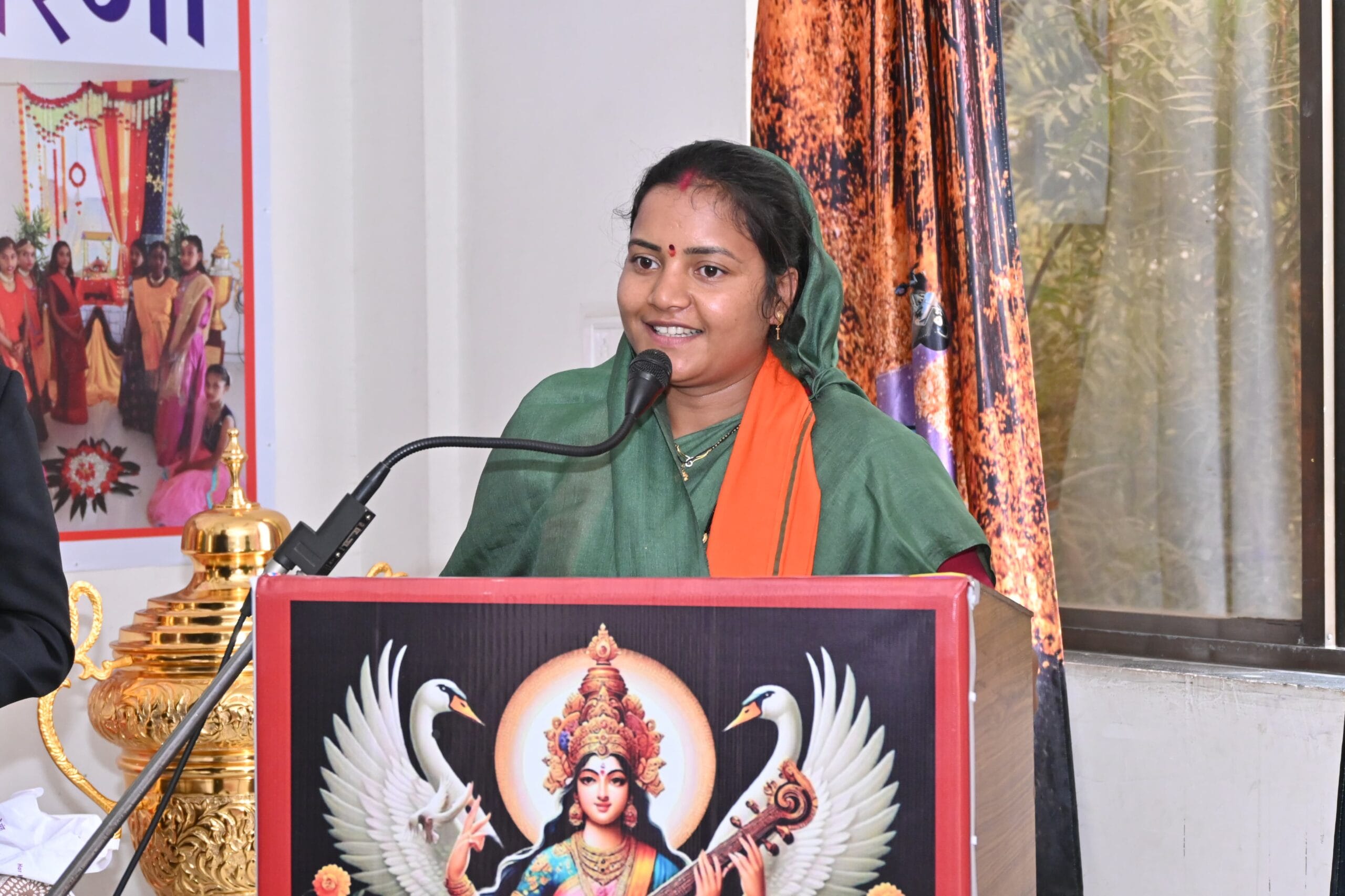
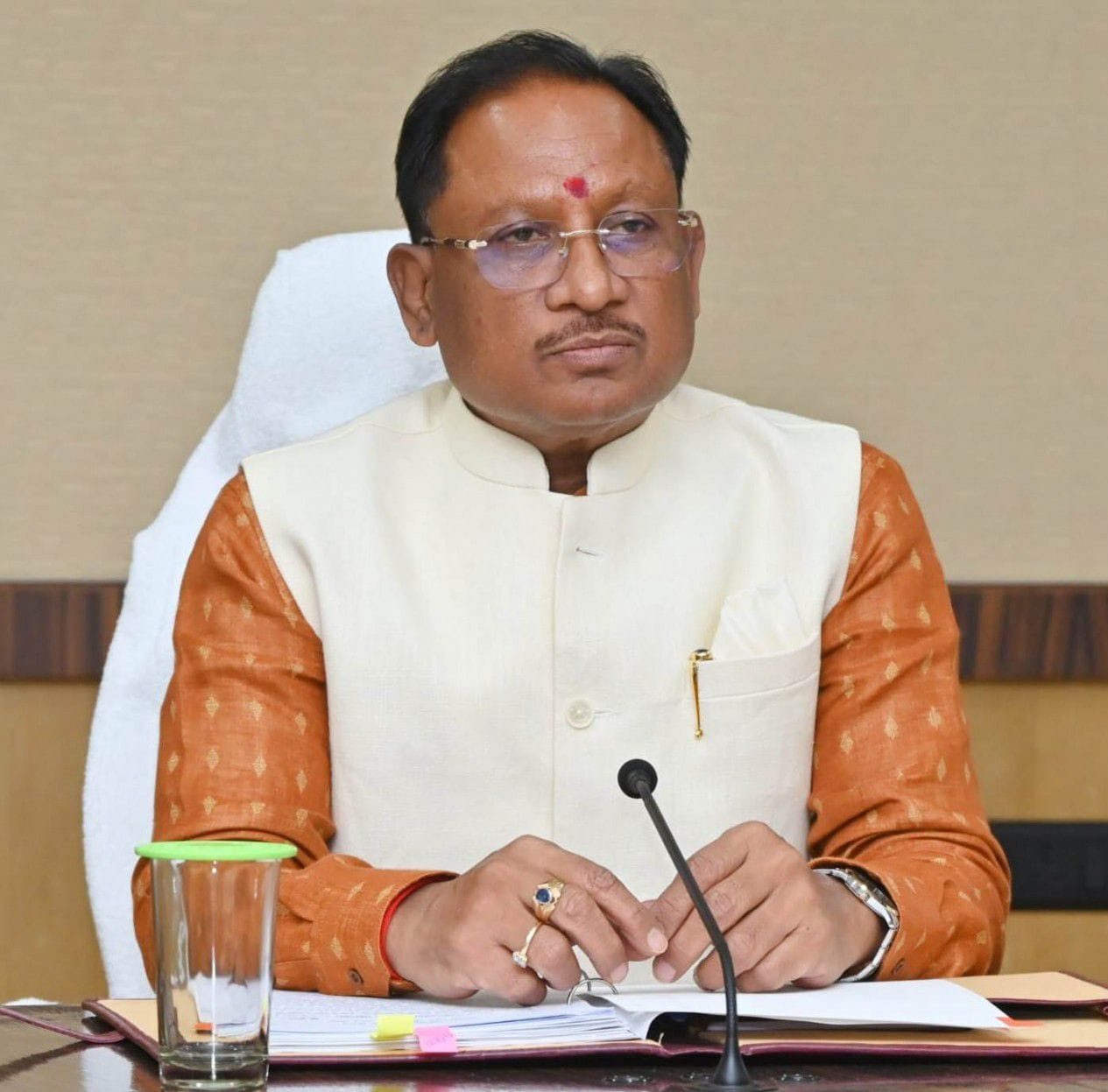
Finance, Housing, and Environment Minister Mr. O.P. Choudhary stated that the Chhattisgarh Housing and Infrastructure Development Board will serve as a primary engine for the state’s economic and infrastructural growth in the coming years. The Board’s scope will extend beyond mere housing construction to include key projects such as roads, bridges, sports infrastructure, public buildings, town planning, and urban redevelopment. He emphasized that to realize the vision of a ‘Developed Chhattisgarh 2047’ (Viksit Chhattisgarh 2047), the Board must move beyond traditional operational methods and adopt innovation, modern technology, sound financial management, and a result-oriented work culture.
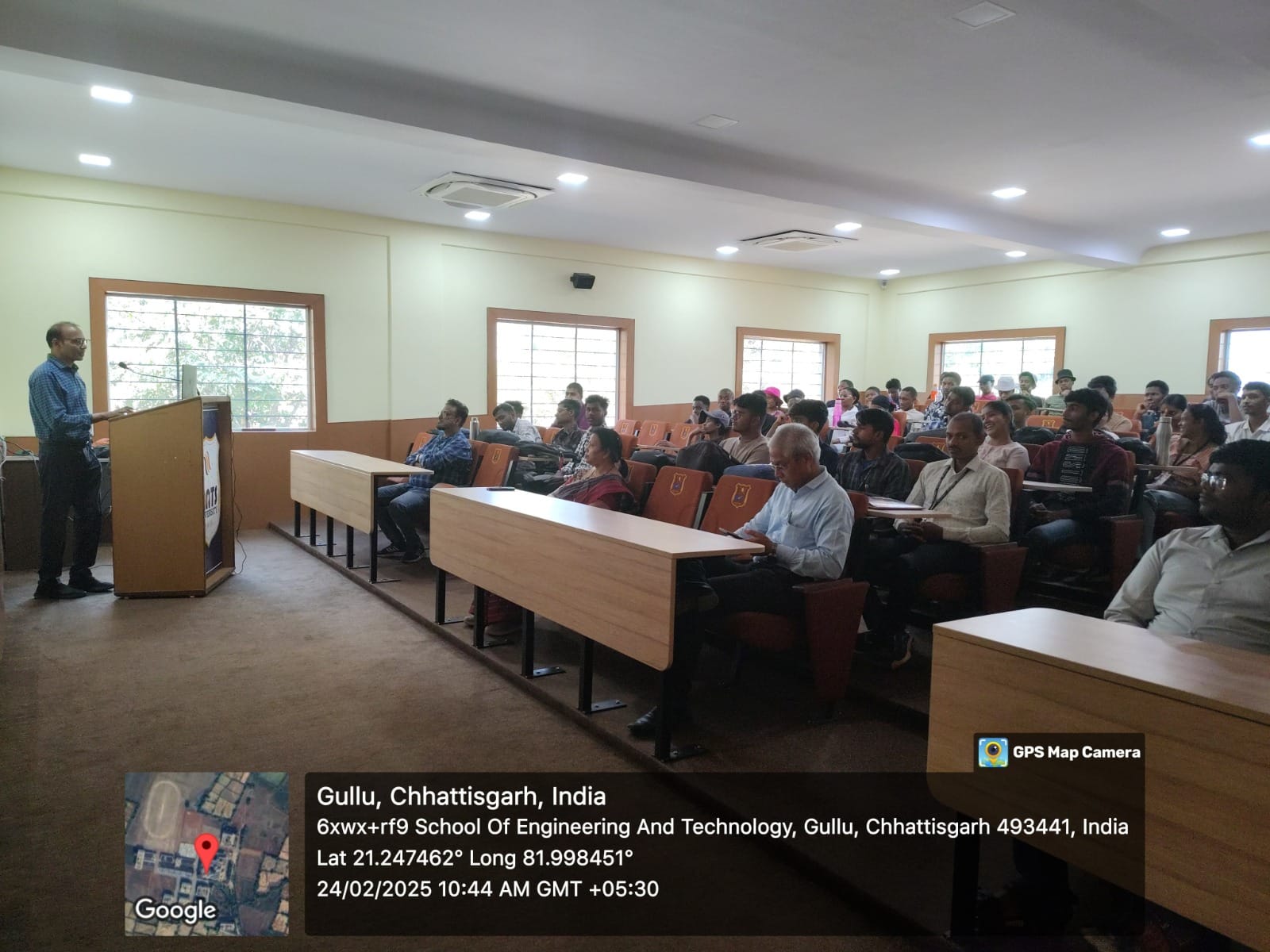
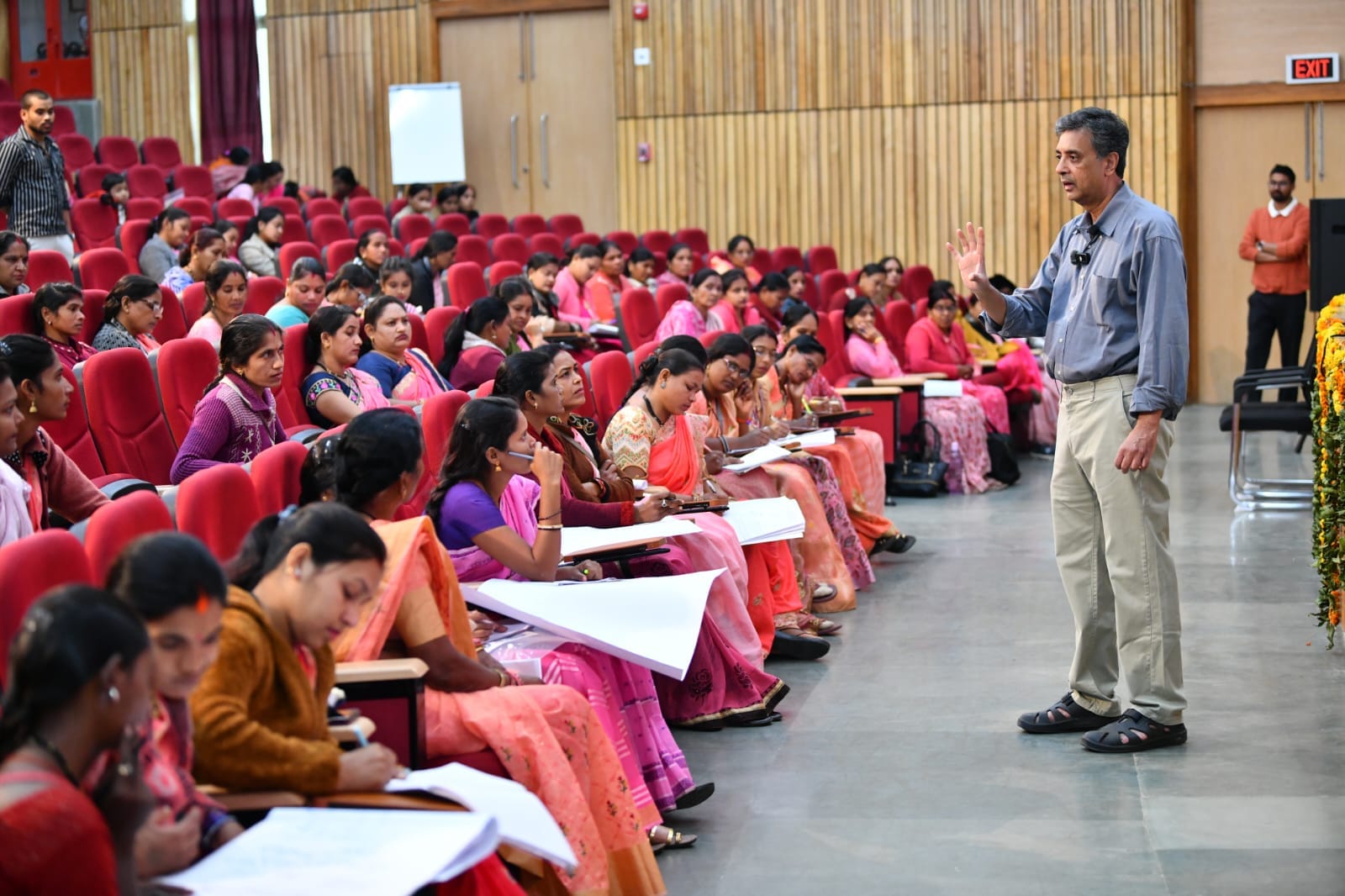
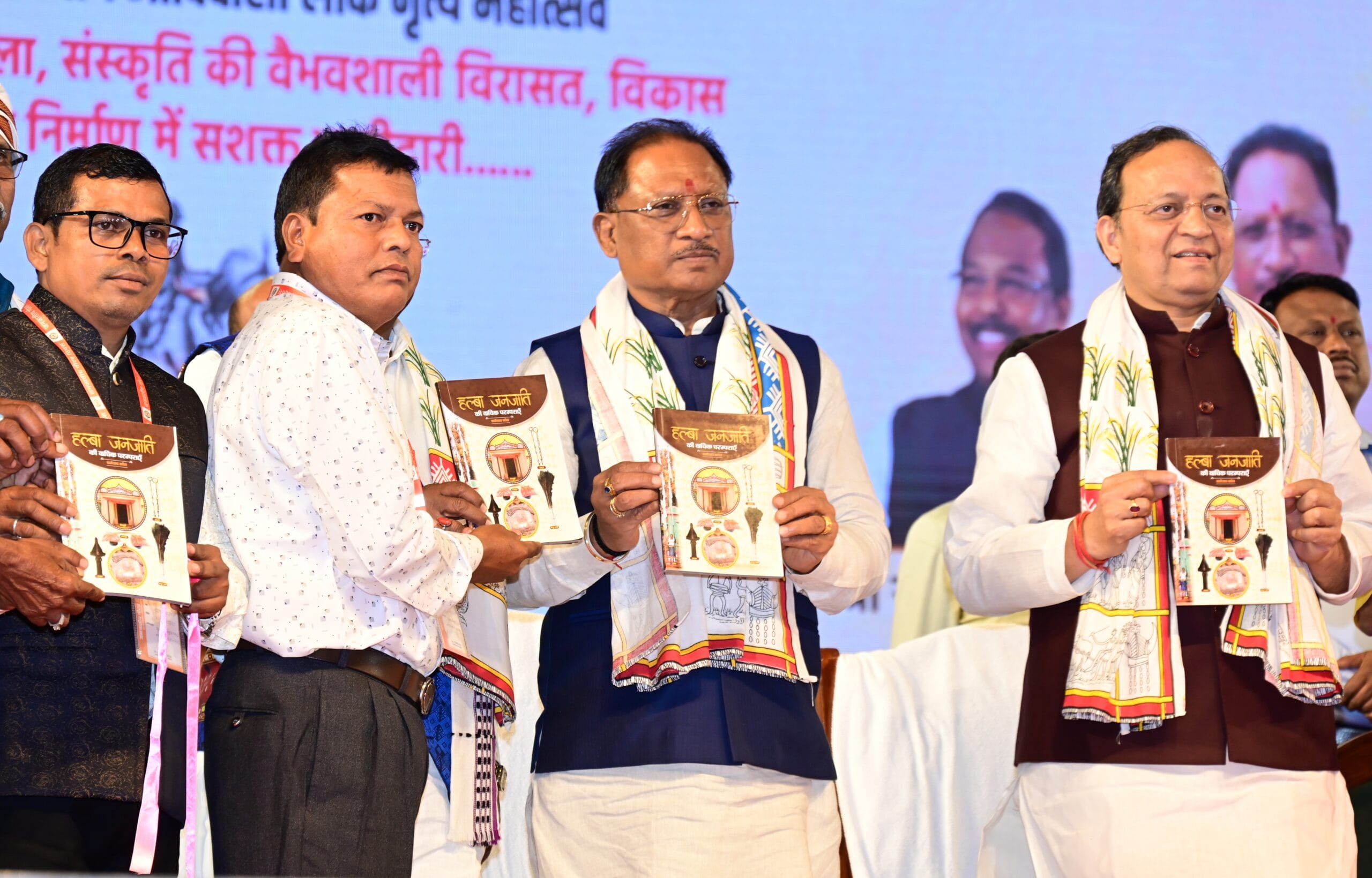
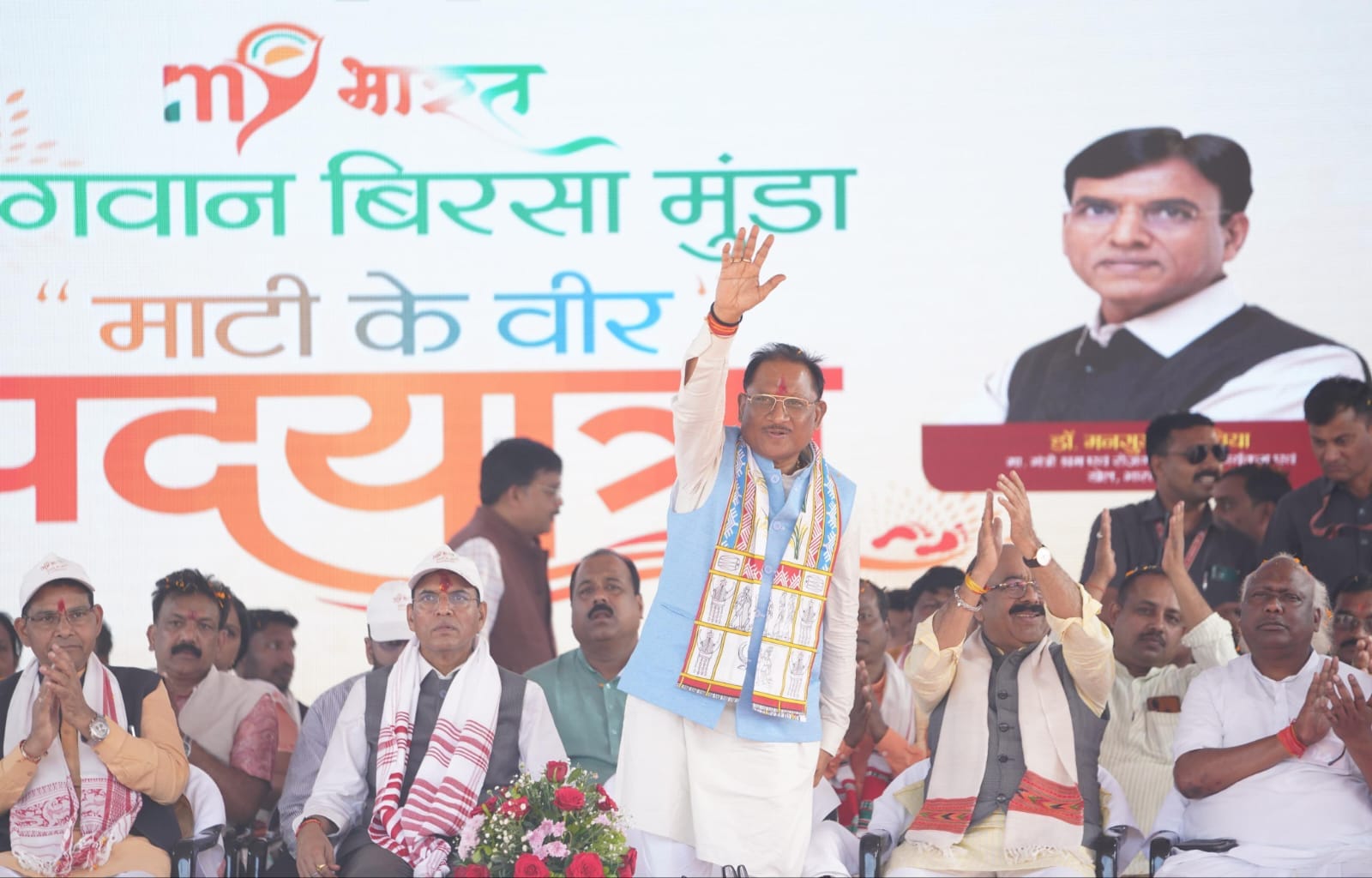
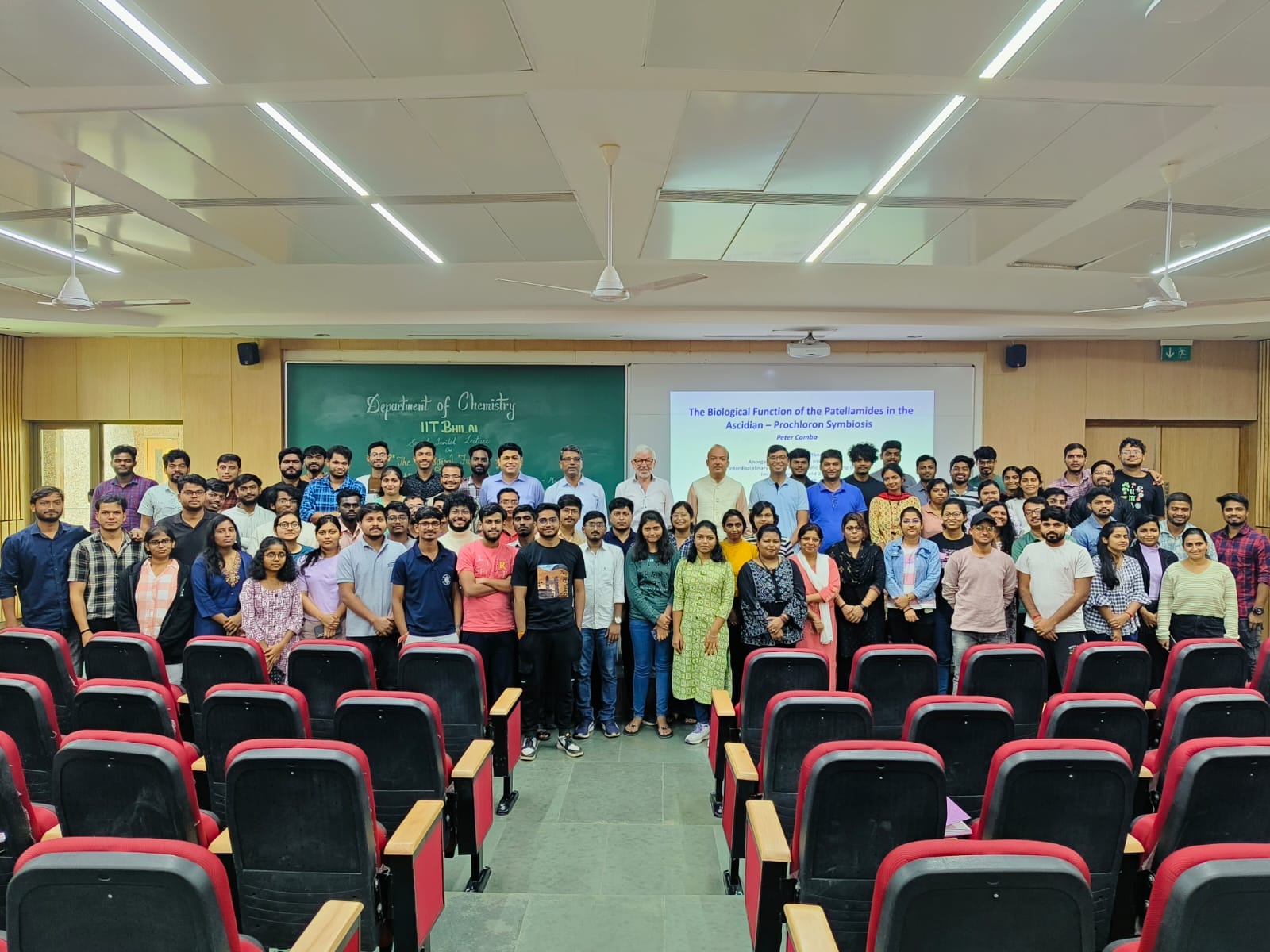
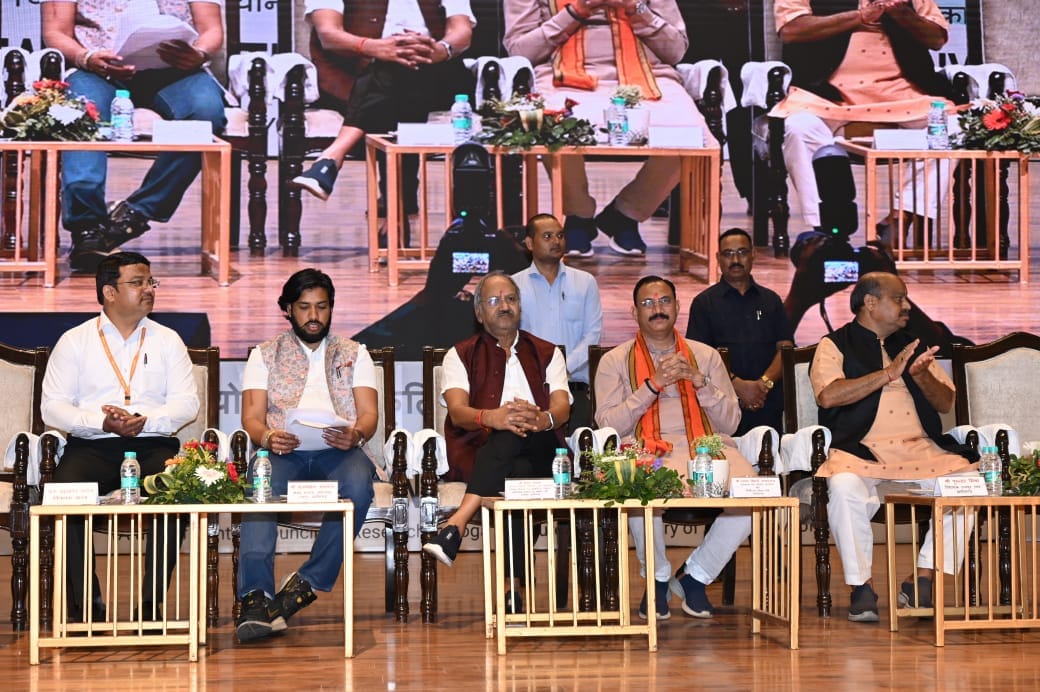
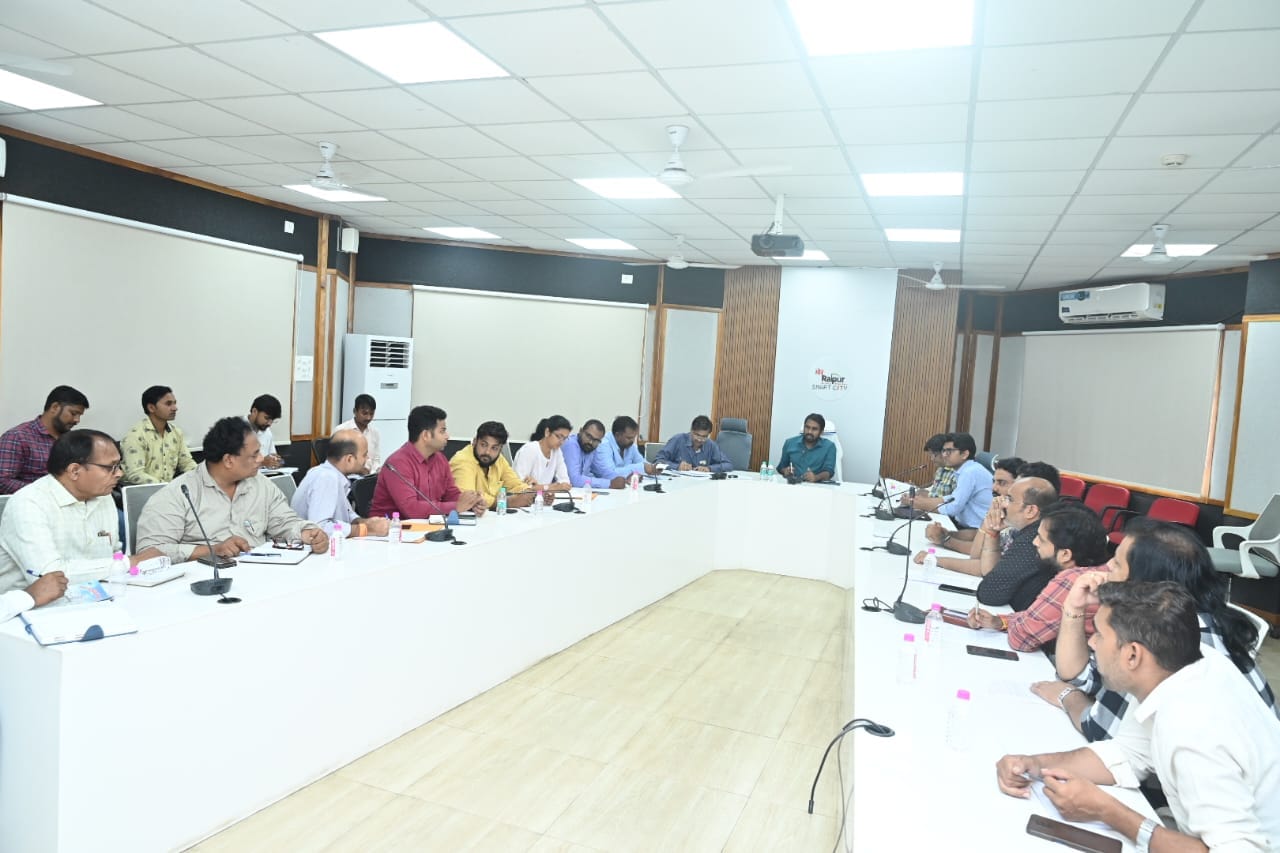
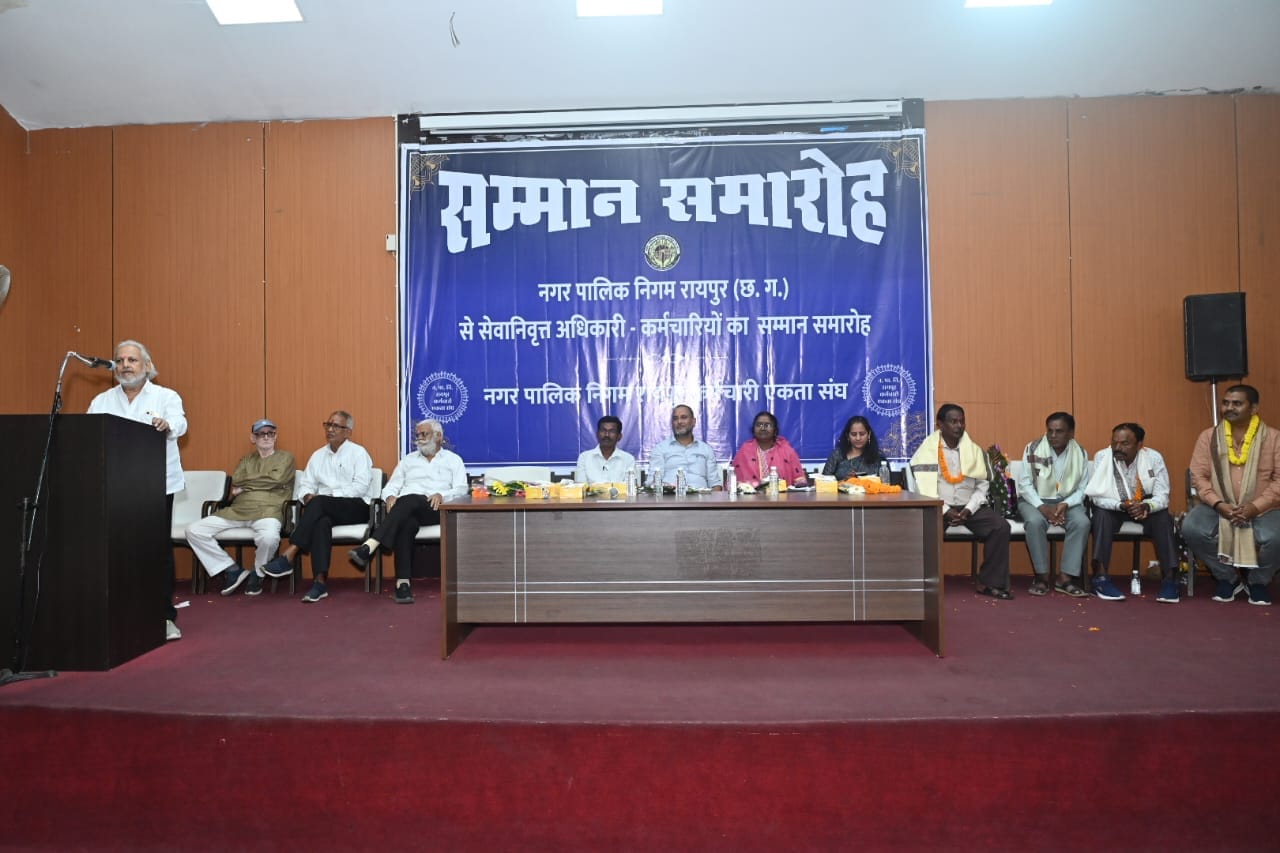
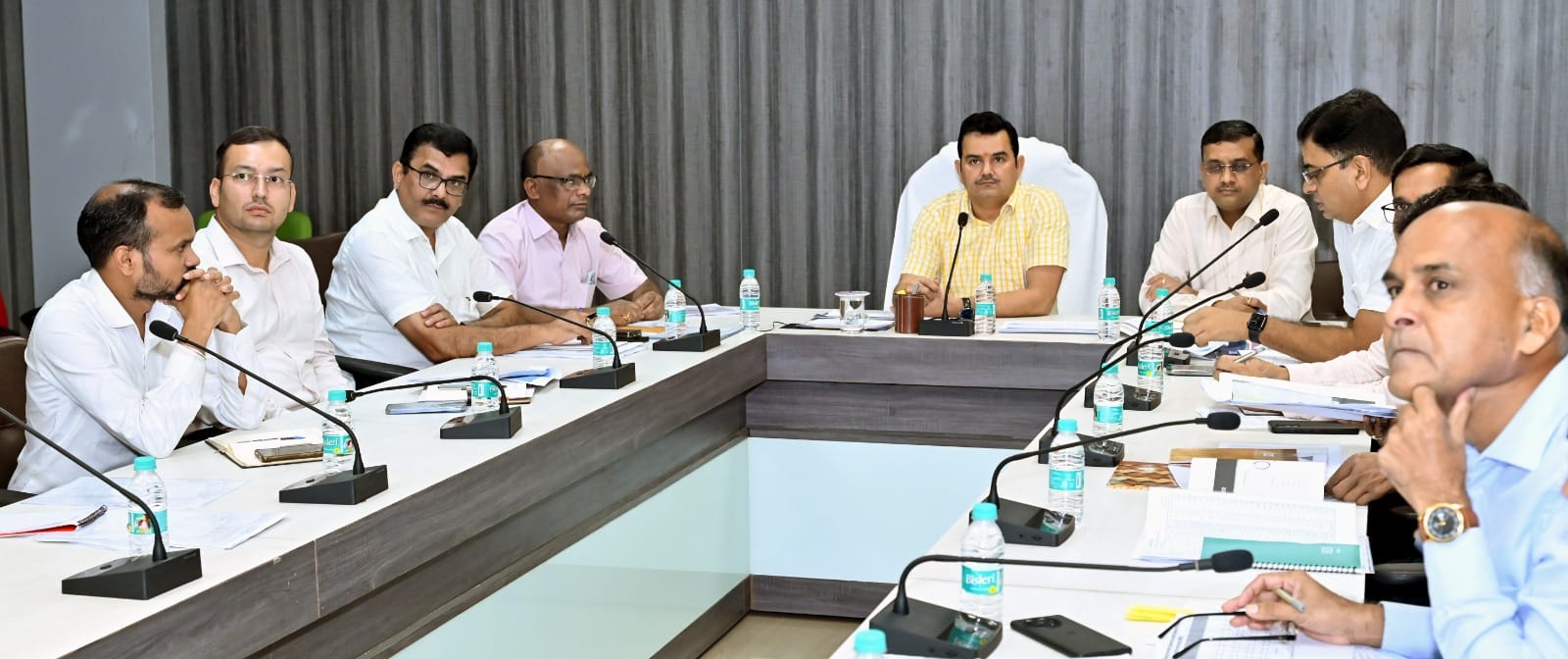
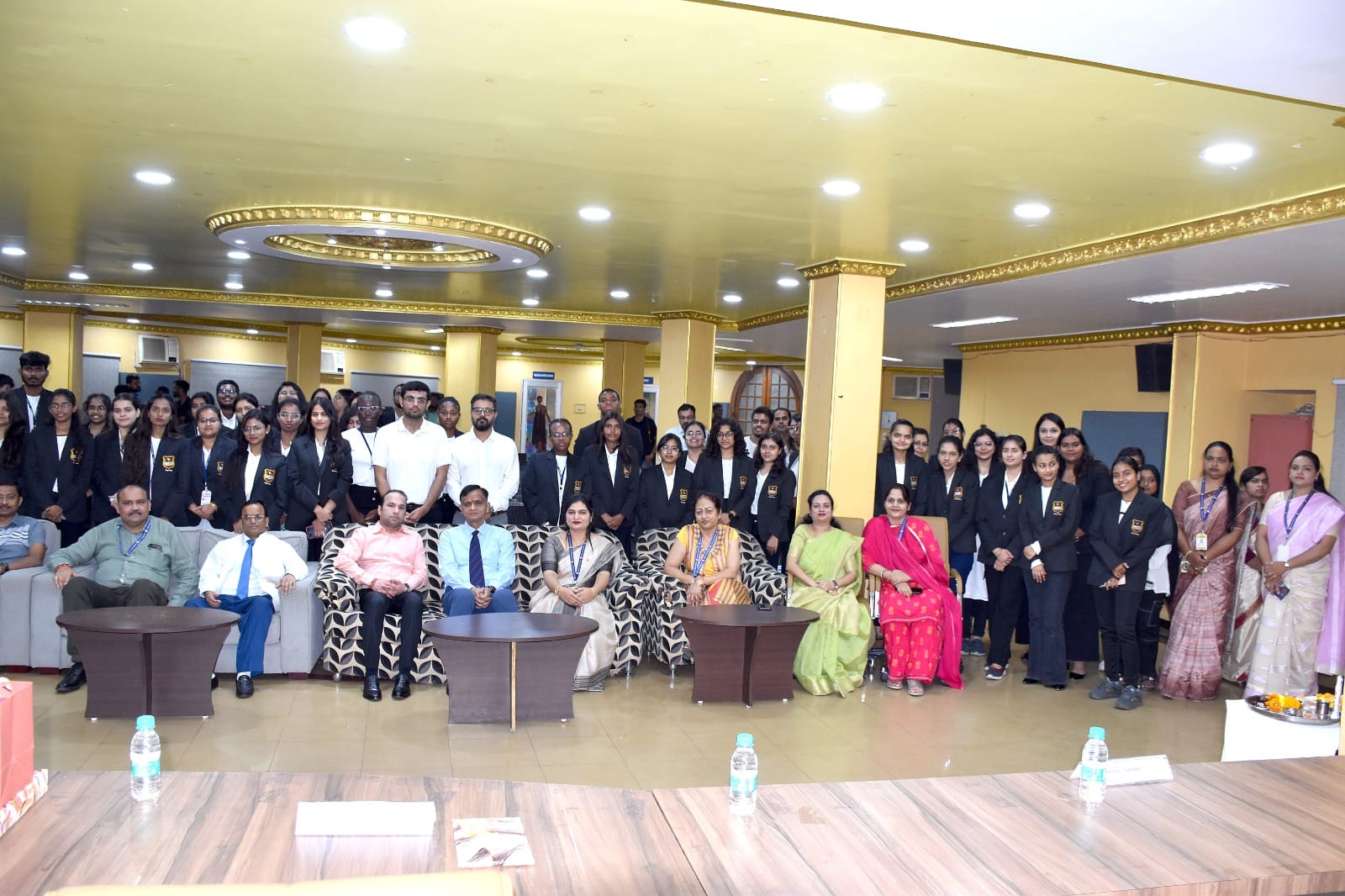
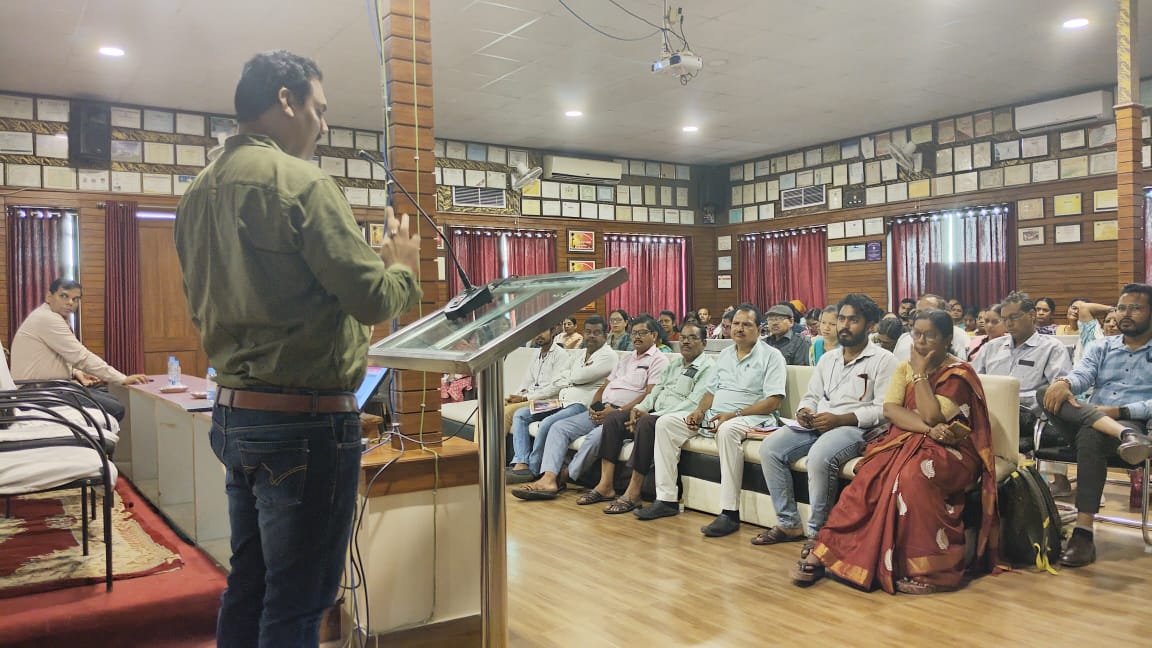
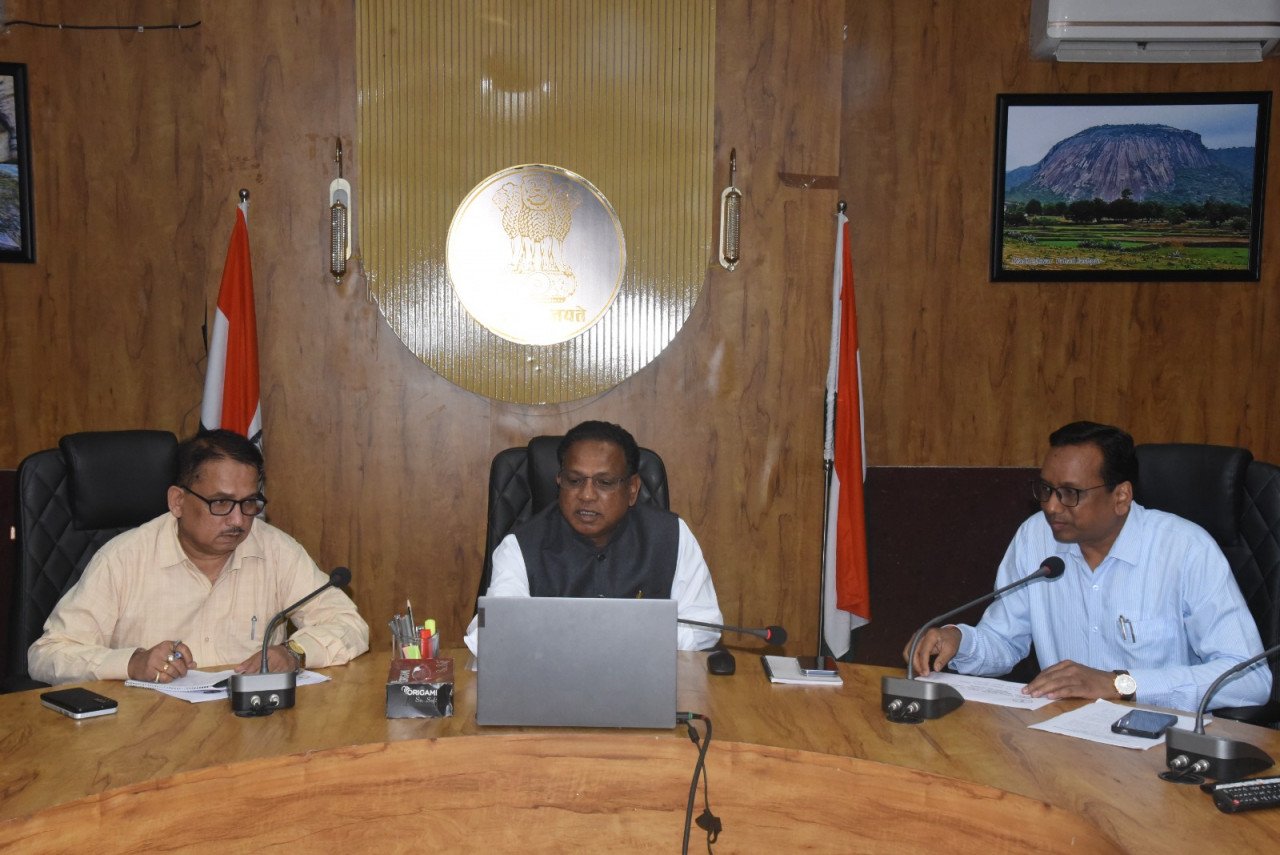
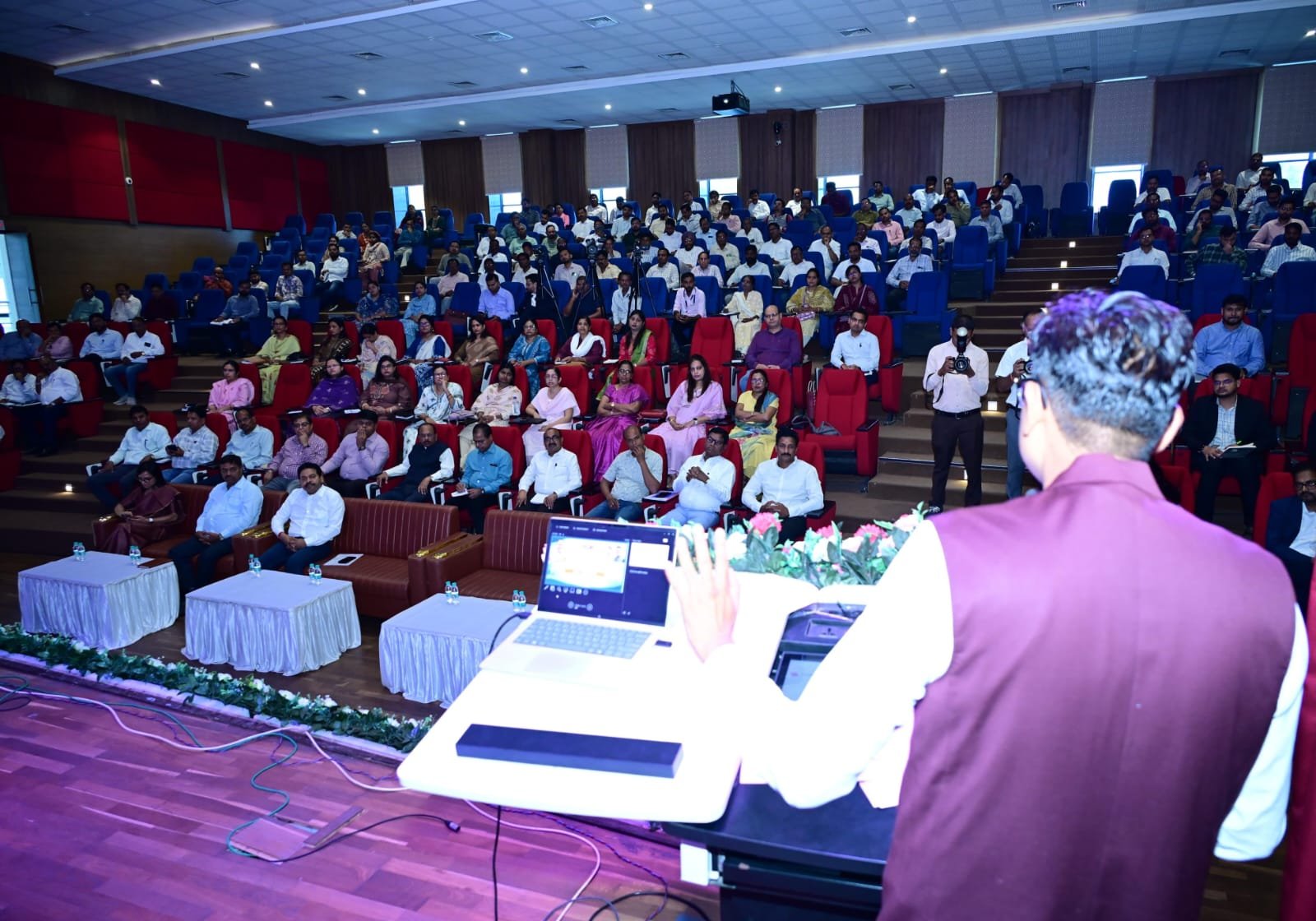
Minister Mr. O.P. Choudhary was addressing a state-level technical training workshop organized by the Chhattisgarh Housing and Infrastructure Development Board at the ‘Chhattisgarh Samvad’ auditorium in Naya Raipur today. The objective of the workshop was to enhance the technical proficiency, administrative capability, financial management, and operational efficiency of the Board’s officers and staff, while also familiarizing them with modern construction techniques, innovative financial models, and new possibilities in infrastructure development.
Minister Mr. Choudhary stated that, under the leadership of Chief Minister Mr. Vishnu Deo Sai, the state government is committed to transforming the Housing and Infrastructure Development Board into a financially robust, self-reliant, and multi-dimensional infrastructure development organization. To this end, comprehensive improvements are being implemented, including strengthening the Board’s financial position, selling vacant properties, selecting new projects, and refining operational processes.

- Board gains new financial strength following the clearance of approximately ₹700 crore in debt liabilities
Minister for Housing and Environment, Mr. Choudhary, noted that a few years ago, the Housing Board faced severe financial challenges. Its economic stability had been compromised by substantial debt, a limited number of projects, and a large inventory of long-vacant properties. He emphasized that the Housing Board does not operate on a budget-dependent model; rather, it must achieve financial self-reliance by generating revenue through its own projects, services, and resources.
He explained that the state government, in collaboration with the Finance Department, took a significant decision to clear outstanding debt liabilities amounting to approximately ₹700 crore. This relieved the Board of immense financial pressure and paved the way for the pursuit of new projects.
Mr. Choudhary mentioned that a ‘One-Time Settlement’ (OTS) scheme was introduced to facilitate the sale of long-vacant properties. Through attractive discounts, effective marketing, and continuous monitoring, the sale of a large number of these properties was made possible. This not only improved the Board’s financial health but also ensured better utilization of available resources. He commended the efforts of the Board’s Chairman, Mr. Anurag Singh Deo, along with all officers and staff, for this achievement.
- New residential projects to be launched based on sufficient demand and bookings
The Minister pointed out that, in the past, many residential projects were initiated without first assessing whether there was sufficient demand. As a result, a large number of housing units would remain vacant, and the organization’s capital would stay tied up for long periods. To prevent such situations from recurring, significant improvements have been made to the processes for project selection and implementation.
He explained that the new system incorporates a condition into the tendering process: either 30 percent of the units must be booked within the first three months, or a total of 60 percent must be booked overall. The objective is to ensure that housing projects are developed in alignment with actual demand and to mitigate unnecessary financial risk.
He instructed officials that the Board must place special emphasis on the quality of its projects, site selection, cost management, civic amenities, and marketing strategies. Providing high-quality housing that meets the needs and purchasing power of the general public should be the Board’s top priority.
- The Housing Board will also develop expertise in the construction of roads, bridges, sports complexes, and public buildings.
Minister Mr. Chaudhary noted that the Housing Board possesses a substantial human resource base, including experienced engineers, technical officers, and staff. This capacity should not be limited solely to housing construction. The Board must also establish itself as an expert organization in the construction of roads, bridges, culverts, sports complexes, stadiums, public buildings, and other infrastructure projects.
He encouraged the officials to participate in tenders from other states and to develop the necessary competitive capabilities.He stated that the Housing Board should set a goal to secure projects outside of Chhattisgarh over the next two years. This would not only increase the Board’s revenue but also earn national-level recognition for its technical capabilities and operational efficiency.
- New Avenues for Infrastructure Development through TPS and PPP Models
Mr. Choudhary noted that in a rapidly growing economy, relying solely on the government budget for infrastructure development is insufficient. It is essential to adopt Public-Private Partnership (PPP) models, Town Planning Schemes (TPS), redevelopment initiatives, and other innovative financial models.
He explained that the state government has expanded the authority regarding the implementation of Town Planning Schemes, thereby enabling the Housing Board, CSIDC, and urban local bodies to undertake work in this domain.
He further explained that the TPS model allows for the planned development of private land, facilitating the construction of roads, water supply systems, public amenities, and other vital infrastructure. After accounting for development costs and the land required for infrastructure, developed plots are returned to the original landowners. This approach promotes organized urban development while mitigating the challenges typically associated with land acquisition.
- Example of Land Savings through the PPP Model in the Serikhedi Project
Citing the Town Planning project in the Serikhedi area, Minister Mr. Choudhary mentioned that an initiative has been launched to execute a project—with an infrastructure development cost of approximately ₹800 crore—using the PPP model.
He noted that, based on initial calculations, the project required about 218 acres of land to cover development costs. Following a competitive bidding process, this requirement was reduced to approximately 124 acres. Consequently, about 94 acres of land were saved, which can now be utilized for other public needs. He emphasized that such models help alleviate direct financial pressure on the government budget while ensuring that citizens have access to better infrastructure. Modern Public Amenities to be Developed Through Redevelopment of Government Land
Minister Shri Chaudhary stated that there is significant potential for the better utilization of government-owned land located in prime areas across various cities in the state. By adopting a redevelopment model, such land can be transformed to expand public amenities.
He explained that a portion of government land could be utilized for commercial purposes, and the resources generated from this could be used to construct modern collectorate buildings, government offices, libraries, parks, stadiums, indoor sports complexes, and other public facilities. This would create opportunities to develop modern urban infrastructure without placing an additional burden on the government budget.
- He urged the board officials to identify such opportunities and formulate projects that are both practical and economically viable.
- Focus Must Extend Beyond Construction to the Operation and Maintenance of Sports Infrastructure
Minister Shri Chaudhary emphasized that merely constructing sports infrastructure is not enough; it is equally essential to ensure regular maintenance, efficient operation, and optimal utilization. This requires the involvement of specialized organizations and the implementation of modern management systems. Citing the example of the International Cricket Stadium in Raipur, he noted that the effective operation of sports facilities enhances the prospects for hosting national and international competitions. Such events also provide a boost to economic activities across sectors like hospitality, transport, tourism, trade, and services.
He also highlighted an initiative in Naya Raipur to develop training facilities for sports such as badminton, swimming, squash, and cricket, in collaboration with renowned athletes and specialized institutions.
- Training Workshop Focused on Modern Technology, AI, and Improved Management
During a special training workshop held in Naya Raipur, experts provided guidance to the board’s officials and staff on key topics, including administrative efficiency, modern technology, financial management, estate management, and ensuring the quality of construction projects. The workshop featured technical sessions on topics such as integrated leadership, administration, marketing, and good governance; the institutional evolution of the Chhattisgarh Housing Board into an Infrastructure Development Board, including relevant legislative amendments; town development and town planning schemes; and billing compliance and financial risk management.
Additionally, experts provided insights on subjects including artificial intelligence, online housing management, key provisions related to estate management, the Right to Information (RTI) Act, the handover process to Resident Welfare Associations (RWAs), the structural integrity of RCC (reinforced cement concrete) constructions, and modern project marketing strategies.
- Investment in infrastructure will boost employment, commerce, and economic activity.
Minister Shri Choudhary stated that capital expenditure plays a crucial role in the economic development of any state. Investments in roads, bridges, industrial zones, residential complexes, and public amenities foster growth in employment, trade, transportation, and other economic activities.
Citing the development trajectories of countries like South Korea, Singapore, and China, he noted that long-term vision, modern infrastructure, and investment-driven development strategies can drive significant transformation. Chhattisgarh, too, holds immense potential for development. To harness this, it is essential to promote private investment and alternative financial models alongside government resources.
- The Board will play a pivotal role in achieving the goal of a ‘Developed Chhattisgarh 2047’ (Viksit Chhattisgarh 2047).
Minister Shri ChoudharyHe urged the officers and staff not to limit their roles merely to routine office tasks. Every officer and employee should strive to make a maximum contribution toward the state’s development by leveraging their technical expertise, experience, and professional capabilities.
He stated that the Housing Board must not only increase the number of its projects but also place special emphasis on their quality, economic viability, timely execution, and public utility. It is essential to make the Board financially self-reliant through the adoption of new technologies, improved management, a professional approach, and effective teamwork.
Shri Chaudhary expressed confidence that, under the leadership of Chief Minister Shri Vishnu Deo Sai, the Housing Board would play a pivotal role in realizing the vision of a ‘Developed Chhattisgarh 2047.’ To achieve this, the Board must deliver tangible results in areas such as town planning, urban redevelopment, sports infrastructure, and projects based on public-private partnerships (PPP).
- Beyond legislative changes, a shift in mindset and work culture is essential: Board Chairman Shri Anurag Singh Deo
Shri Anurag Singh Deo, Chairman of the Chhattisgarh Housing and Infrastructure Development Board, remarked that the Board’s expansion—redefined to include ‘Infrastructure Development’—is not merely a change in name or legislation; rather, it represents an opportunity for a comprehensive transformation in the institution’s mindset, operational style, and responsibilities. He emphasized that meaningful change can only be realized when every officer and employee embraces innovation, technical proficiency, and a result-oriented approach. To this end, a training workshop is being conducted, featuring experts from prestigious institutions—including IIM Raipur—who are providing guidance on subjects such as management, artificial intelligence, technical infrastructure, and financial management. Expressing his gratitude to the experts, he noted that this training would prove instrumental in developing the capabilities of the officers and staff to meet the Board’s future requirements.
Board Chairman Shri Singh Deo highlighted that, over the past 18 months, the Board has made significant progress in areas such as property sales, revenue generation, and the initiation of new projects. Highlighting the sale of approximately 8,000 properties and the generation of ₹1,800 crore in revenue, he noted that the One-Time Settlement (OTS) scheme and effective marketing efforts have accelerated the sale of properties that had remained vacant for a long time. He mentioned that new projects worth over ₹2,000 crore have been initiated, with further projects planned for launch this coming December. He urged officials to focus specifically on the recovery of outstanding dues, the sale of properties, and the timely execution of projects. Furthermore, he emphasized the need for the Board to increase its participation in Public-Private Partnership (PPP) models, redevelopment initiatives, and other infrastructure projects, while also ensuring it becomes competitive enough to bid for projects in other states.
Shri Anurag Singh Deo stated that the Board’s objective extends beyond merely constructing and selling houses; it aims to provide citizens across all 33 districts of the state with well-planned, modern townships equipped with superior amenities. He stressed that residential colonies should incorporate modern features—such as parks, markets, community facilities, environmental conservation measures, and EV charging stations—while also fostering a sense of social responsibility and national spirit. Referring to Prime Minister Shri Narendra Modi’s vision of a ‘Viksit Bharat 2047’ (Developed India 2047), he noted that the Board’s role in infrastructure development will continue to grow. To achieve this, officials and staff must enhance their operational efficiency by leveraging modern technology. He urged them not to wait for tomorrow to bring about change, but to begin today with a fresh mindset and a new work culture.
Dr. Sanjeev Parashar, Director of IIM Raipur, shared his insights during the workshop. Additionally, technical sessions were organized featuring experts from various institutions—including Dr. Srinivas K.G. from IIIT Naya Raipur and Dr. G.D. Ramteke from NIT Raipur—alongside senior officials from the Board. Present on this occasion were Housing and Environment Secretary Mr. Ankit Anand, Divisional Commissioner Mr. Avnish Sharan, Additional Commissioners Mr. Harsh Kumar Joshi, Mr. Ajit Kumar Patel, Mr. M. D. Panariya, and Mr. Sunil Bhagat, along with senior divisional officials, engineers, technical experts, and various officers and staff members who had arrived from different regions of the state. Housing and Environment Minister Mr. Chaudhary commended the organization of the training workshop and the ongoing efforts to elevate the institution to new heights, while extending his congratulations and best wishes to all those present.