































- Swayamprabha Foundation and Amrapali Housing Society Submit Key Suggestions to the Uniform Civil Code Committee
- Special Emphasis Placed on Preserving Tribal Traditions, Ensuring Equal Rights for Women, and Safeguarding the Future of Children in Live-in Relationships
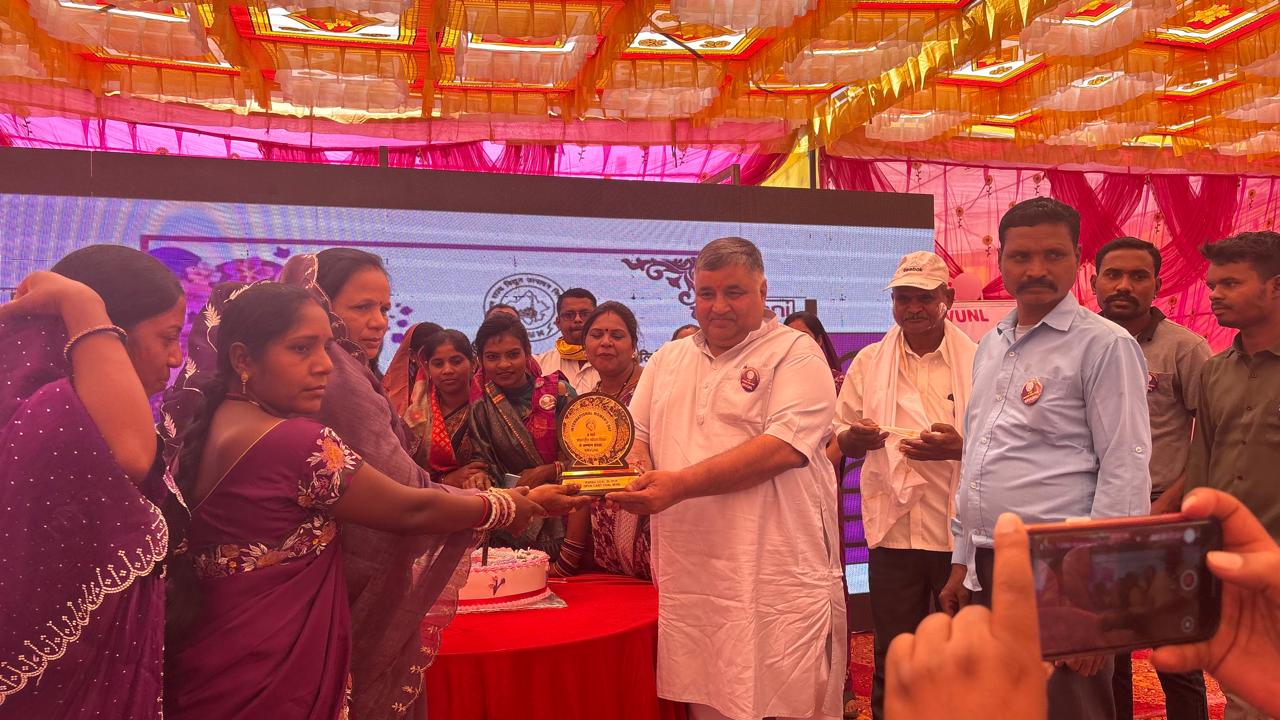
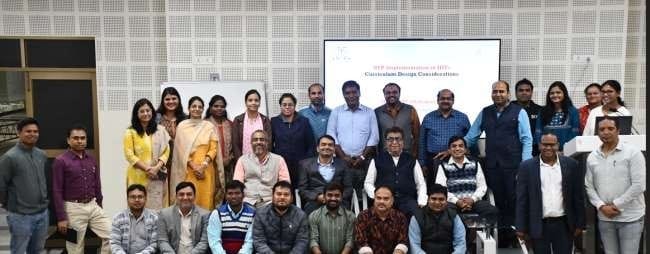
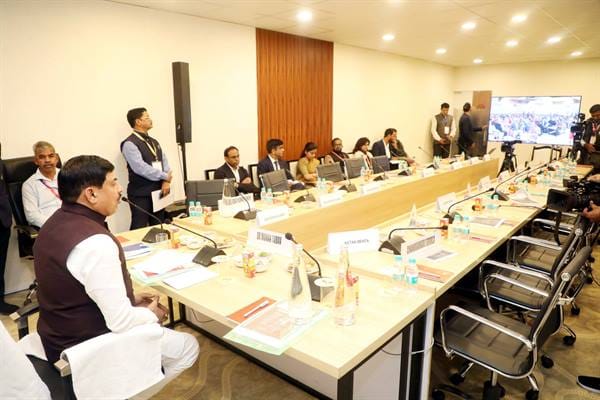
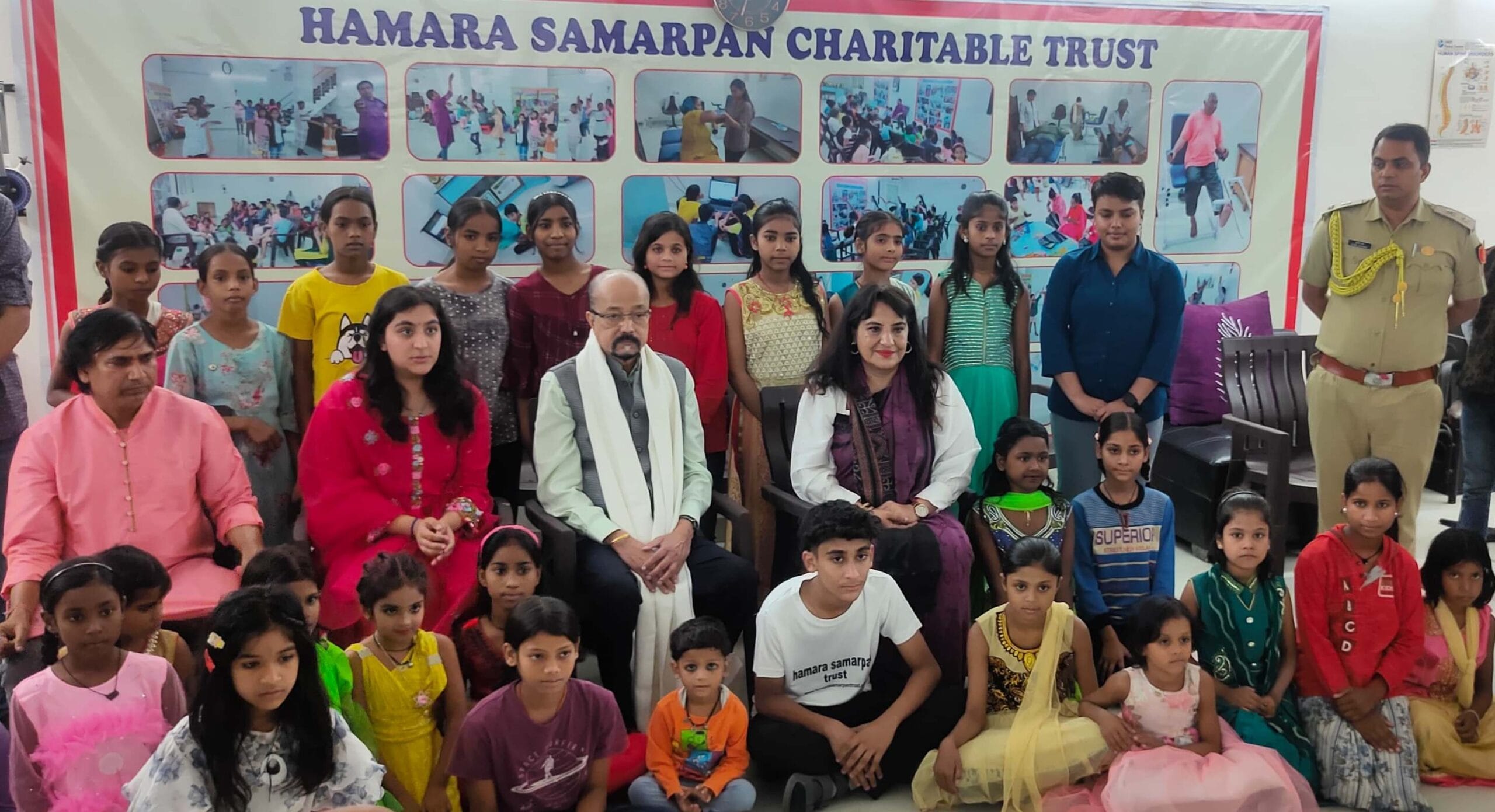
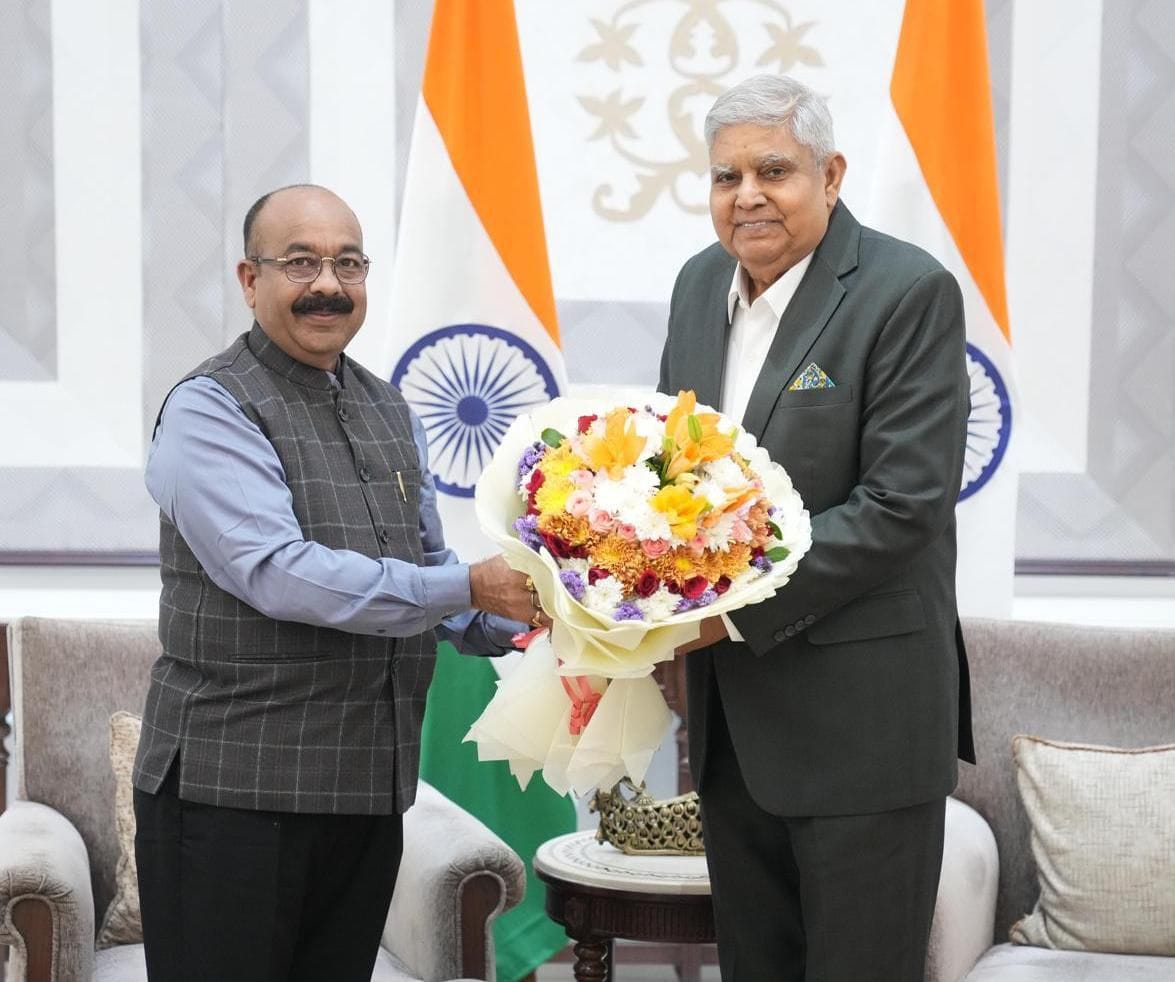
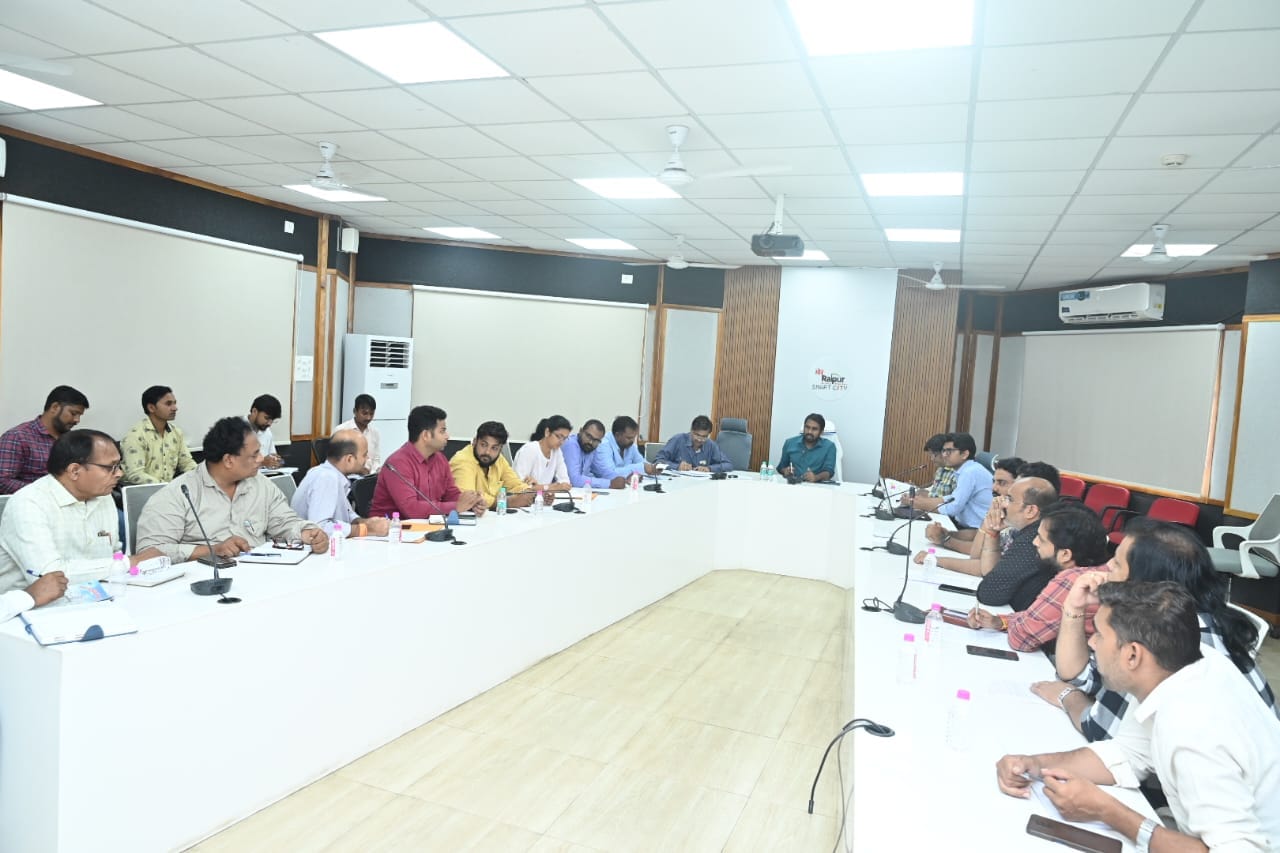
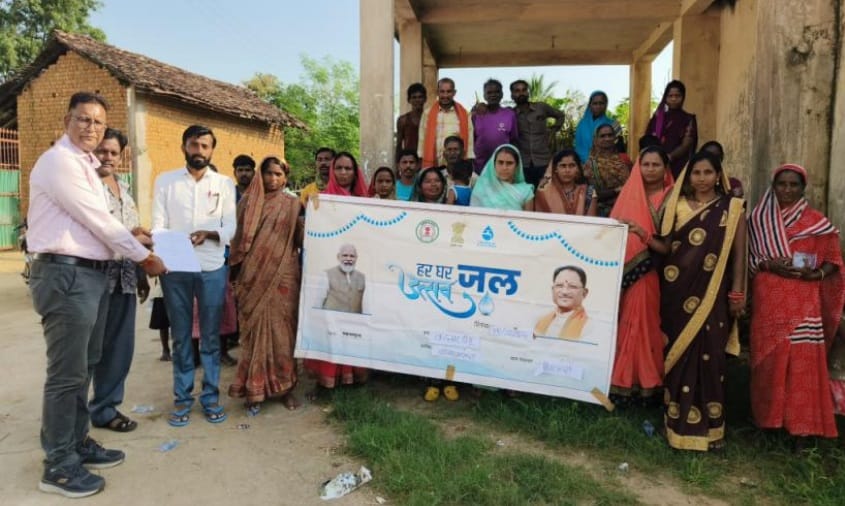
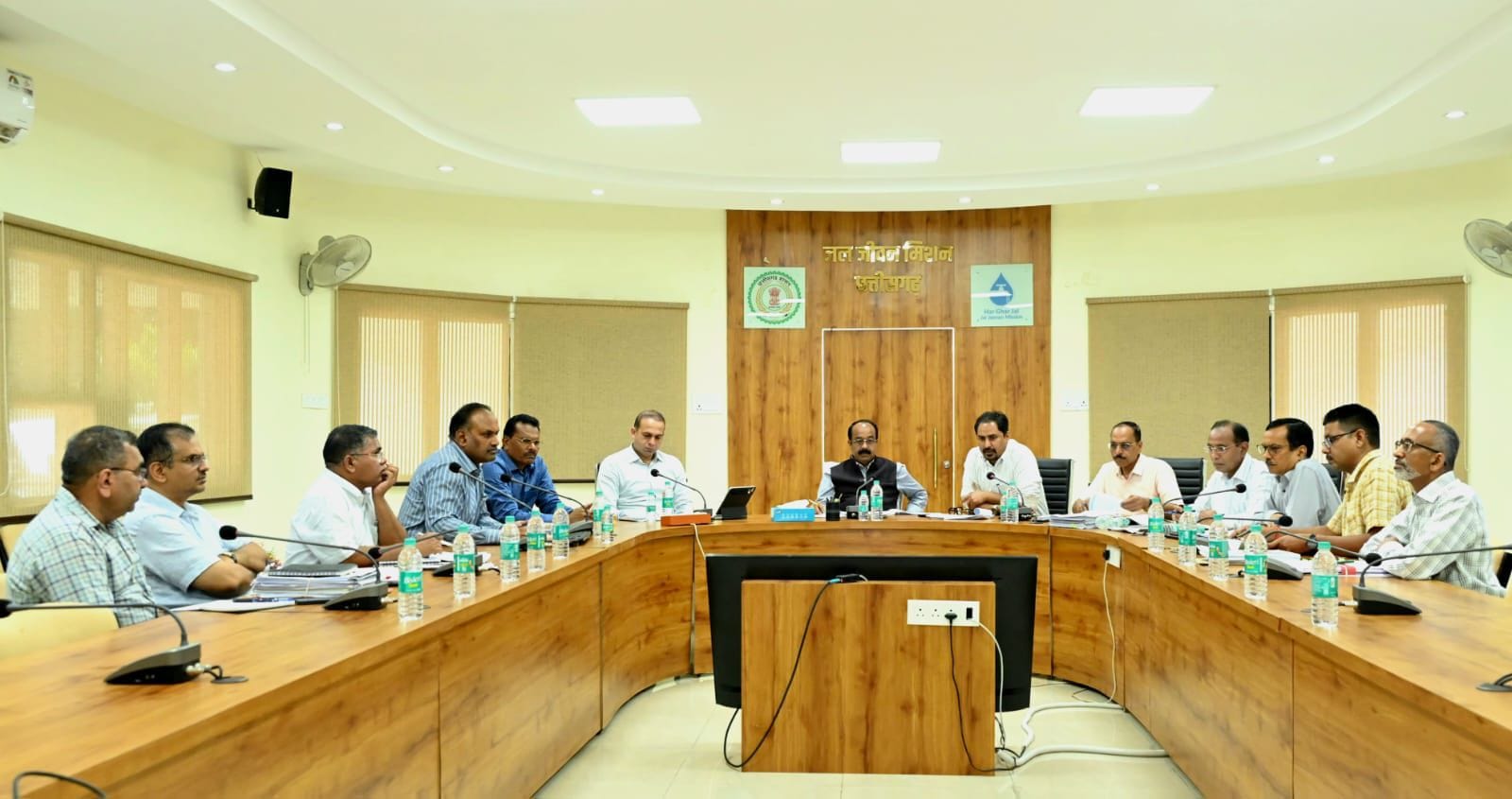
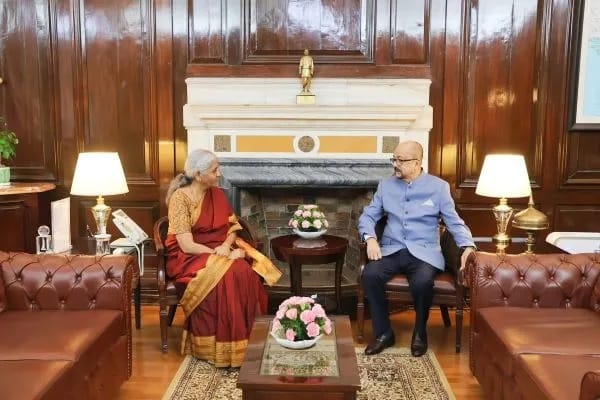
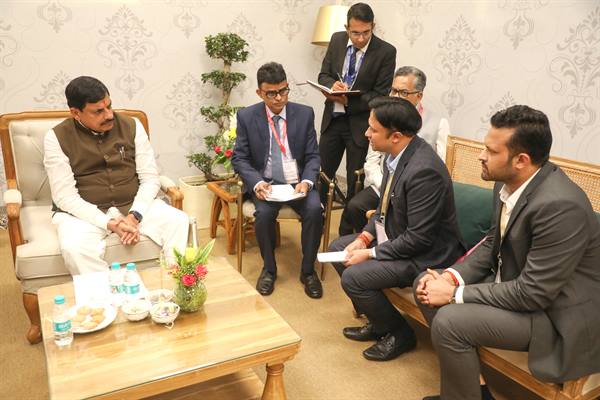
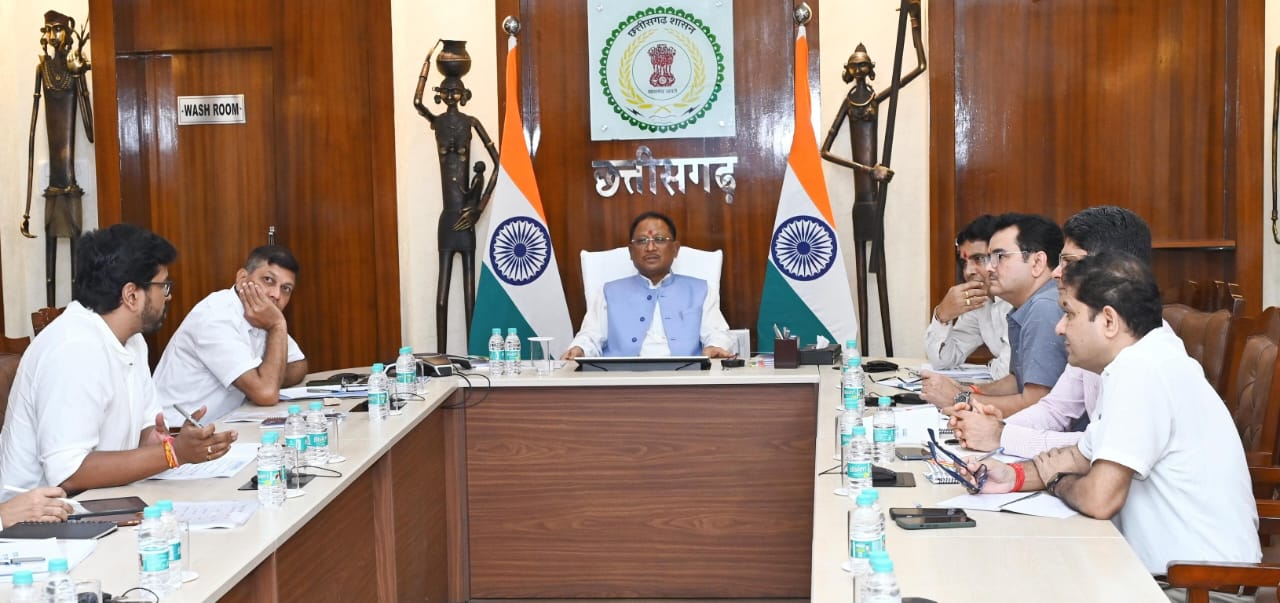
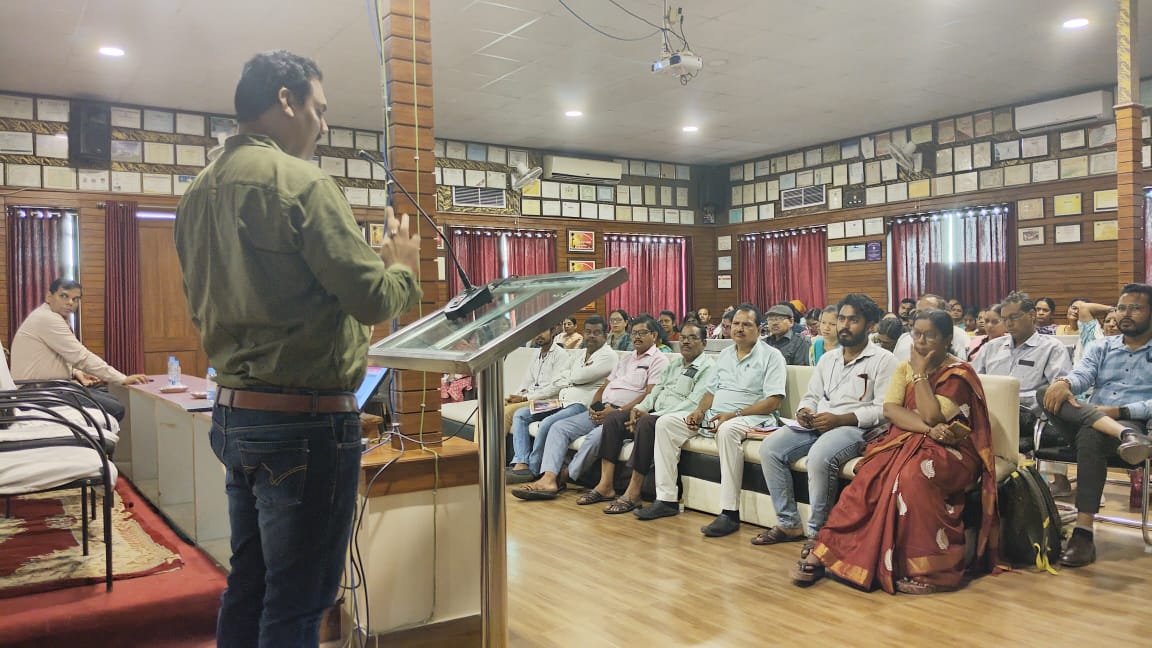
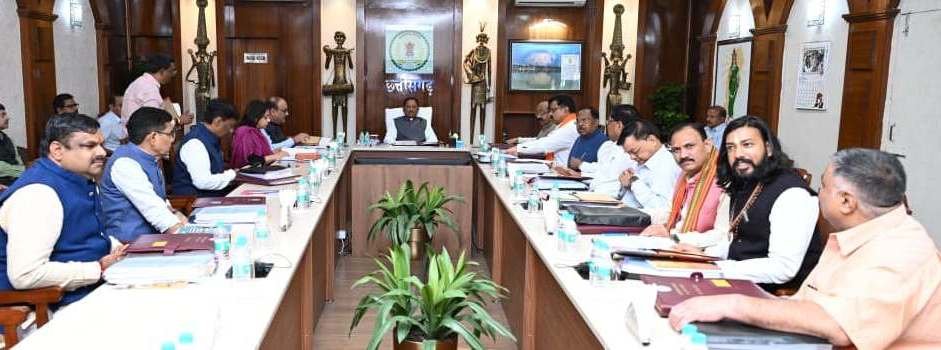
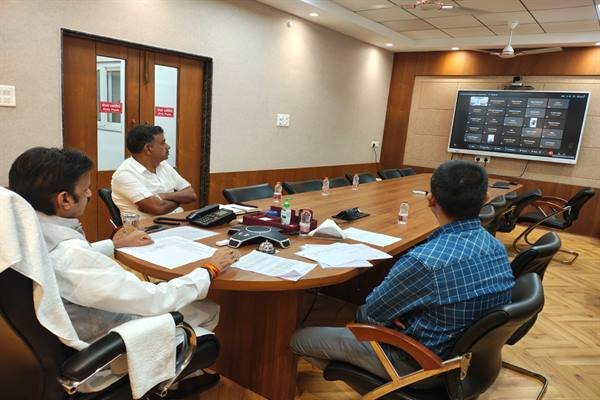
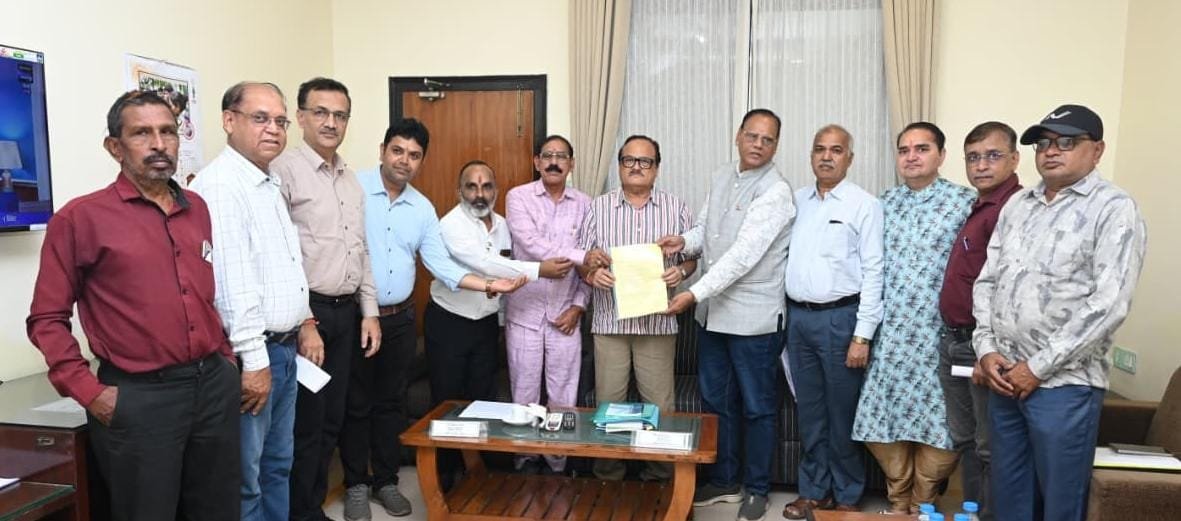
The process of public dialogue and engagement with various social organizations regarding the Uniform Civil Code (UCC) continues in Chhattisgarh. In this context, representatives from the Swayamprabha Foundation and the Amrapali Cooperative Housing Society (Amrapali Sahakari Grih Nirman Sanstha Maryadit), Raipur, presented significant suggestions to the Uniform Civil Code Committee. Committee members—retired IAS officer Mr. M.K. Raut and senior advocate Mr. Mohan Pawar—listened attentively to the proposals put forward by the delegation. The Committee assured that these suggestions would be duly examined and considered during their deliberations. The representatives expressed confidence that a Uniform Civil Code, formulated through broad public participation and by incorporating the perspectives of diverse communities, could serve as a vital step toward strengthening social justice, empowering women, protecting civil rights, and fostering social harmony.
The representatives suggested that the objective of the Uniform Civil Code should be to provide equal legal rights to all citizens, ensure fair protection for women, and promote equality and harmony within society. Furthermore, they emphasized the necessity of safeguarding the unique tribal culture, traditions, and constitutional rights specific to Chhattisgarh. Mr. Shiv Narayan Mundra (President, Swayamprabha Foundation), Dr. Mukesh Shah, and Mr. Indranath Singh (President, Amrapali Cooperative Housing Society) presented their respective recommendations. They noted that establishing uniformity in laws concerning marriage, divorce, inheritance, property, and family rights would facilitate access to justice for citizens, help simplify legal procedures, and contribute to the development of an equitable legal framework for all. The representatives placed special emphasis on women’s rights, stating that effective provisions should be introduced to address harmful social practices—such as polygamy—as well as inequalities regarding maintenance and discrimination in property rights. In particular, it is essential to ensure equal rights for daughters in ancestral property, and to provide women with fair legal protection in matters concerning marriage and divorce.
Referring to the tribal population of Chhattisgarh—which constitutes approximately 32 percent of the state’s total population—the delegation noted that these communities possess distinct social structures, cultural identities, and centuries-old traditions. Therefore, before implementing a Uniform Civil Code, careful consideration must be given to their traditions, social interests, and existing constitutional protections, ensuring that the rights of any community are not adversely affected.

Suggestions were also offered regarding the social and legal aspects of live-in relationships. The representatives proposed that a suitable legal framework for the registration of such relationships should be considered. Furthermore, they emphasized the need for clear and equitable provisions to safeguard the inheritance rights, property entitlements, and future security of children born from such unions.