



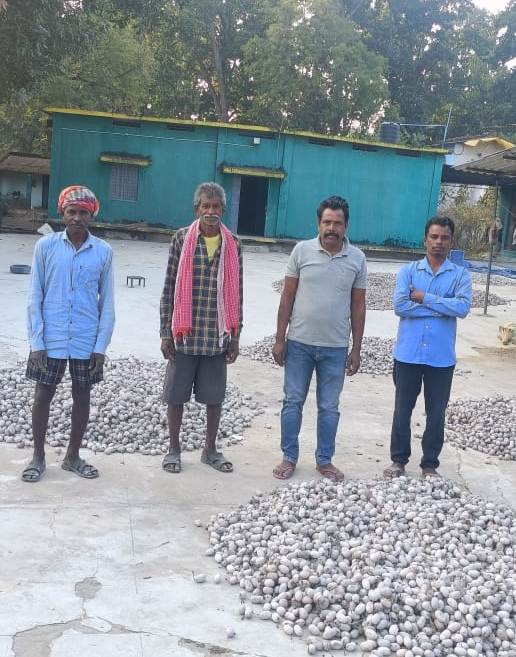
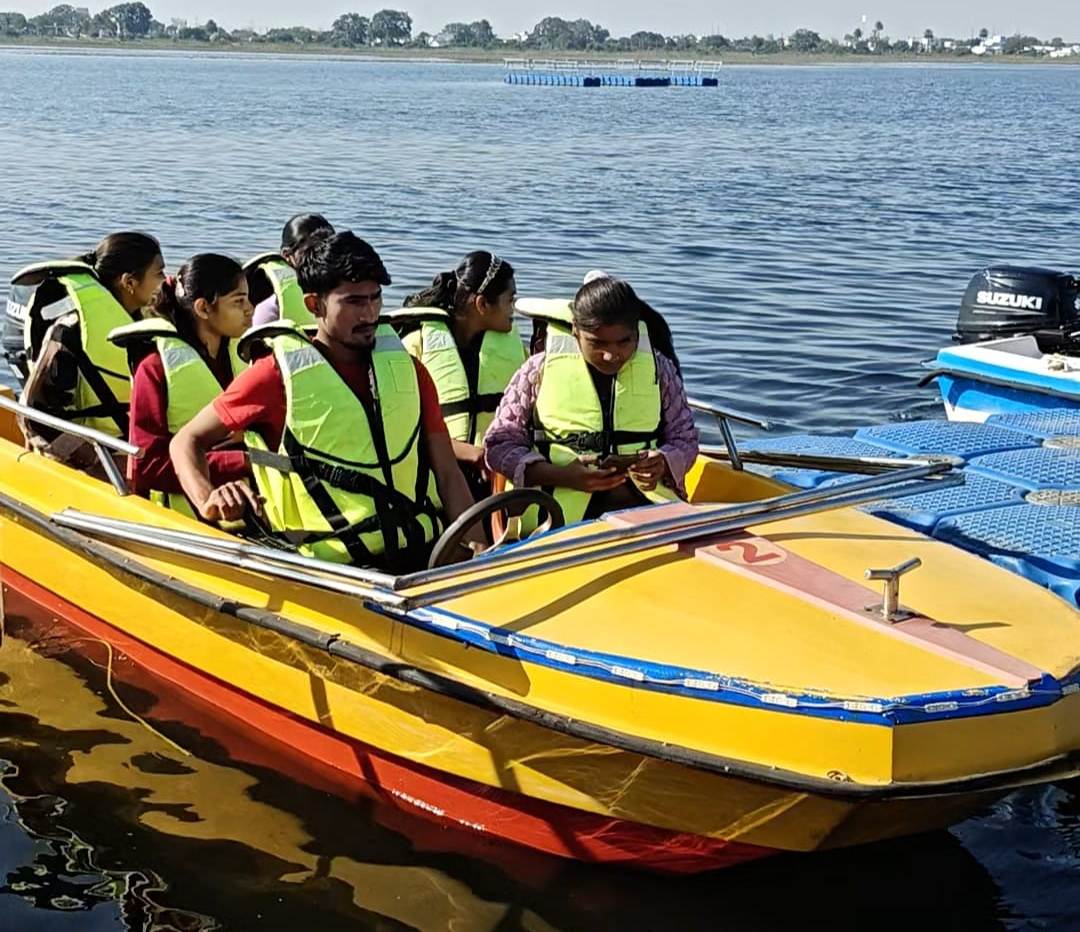
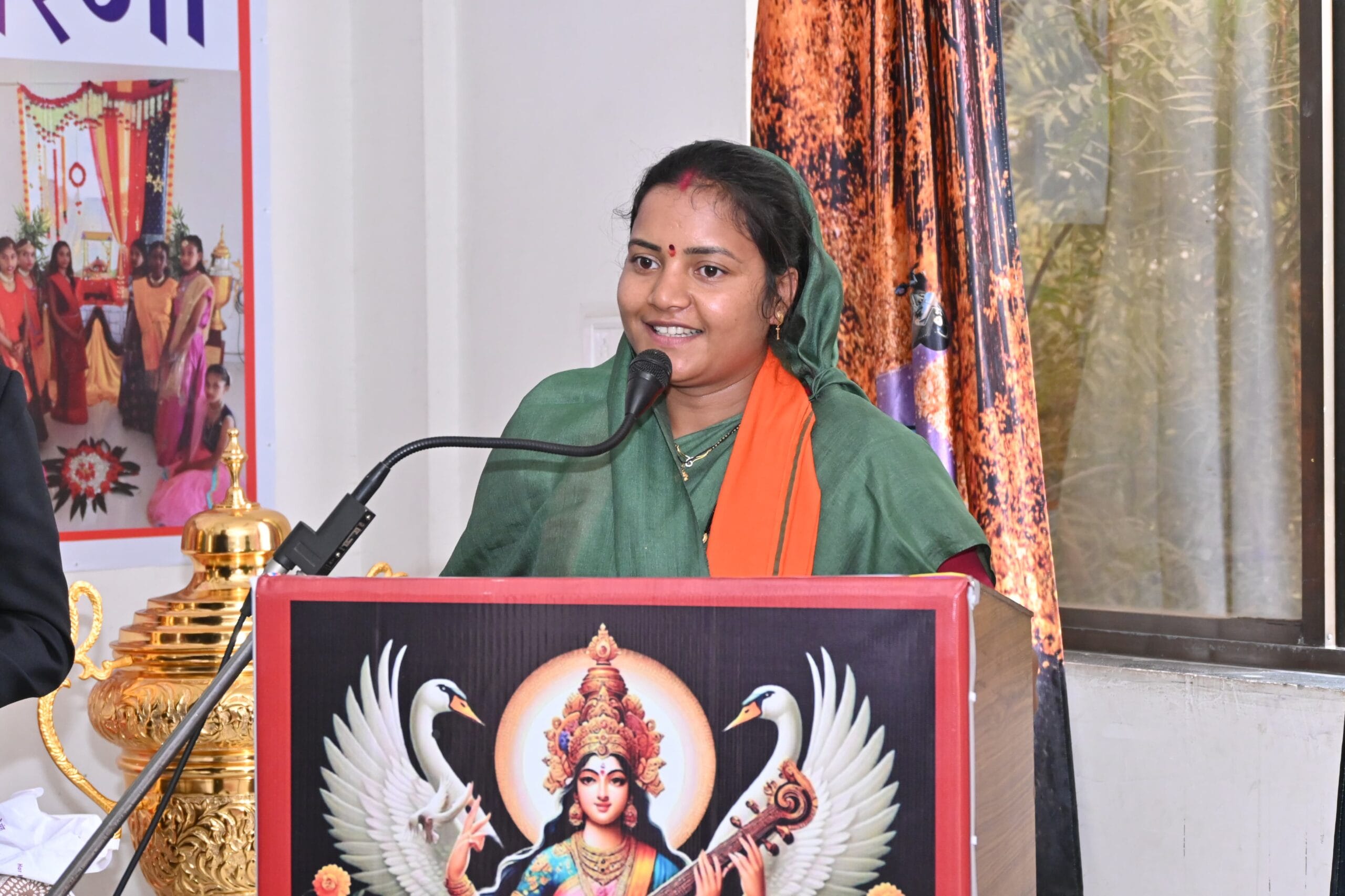










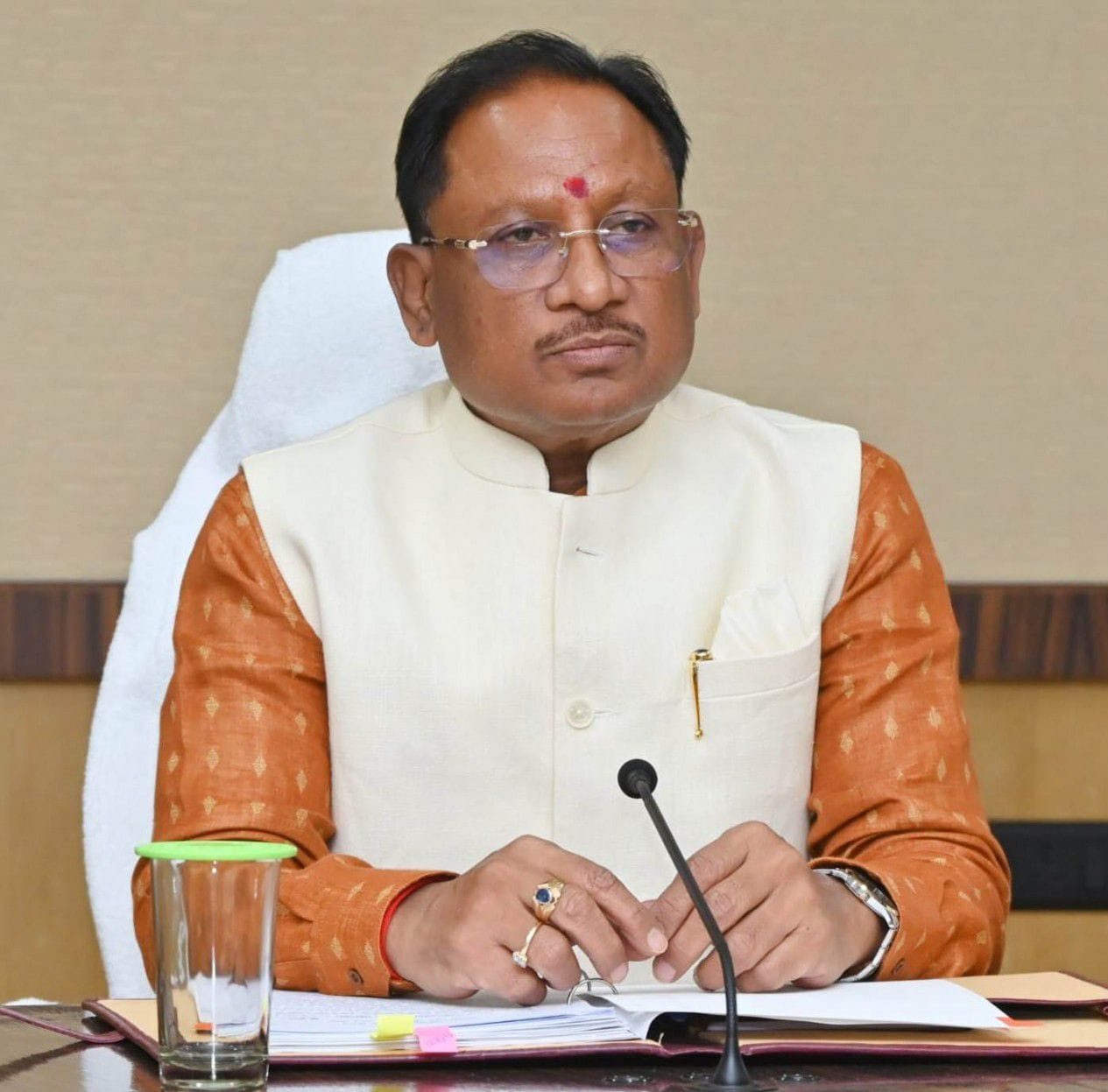


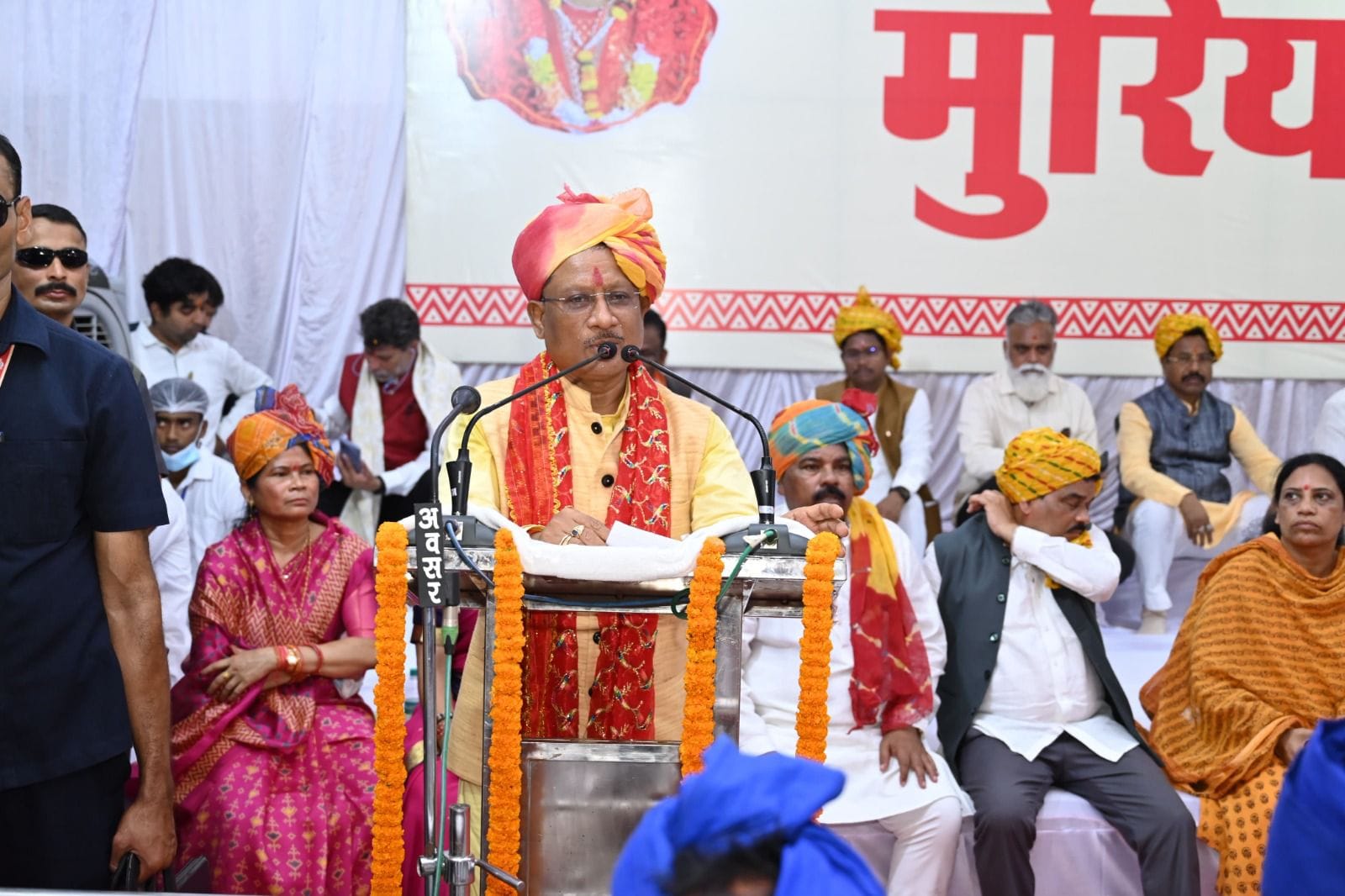
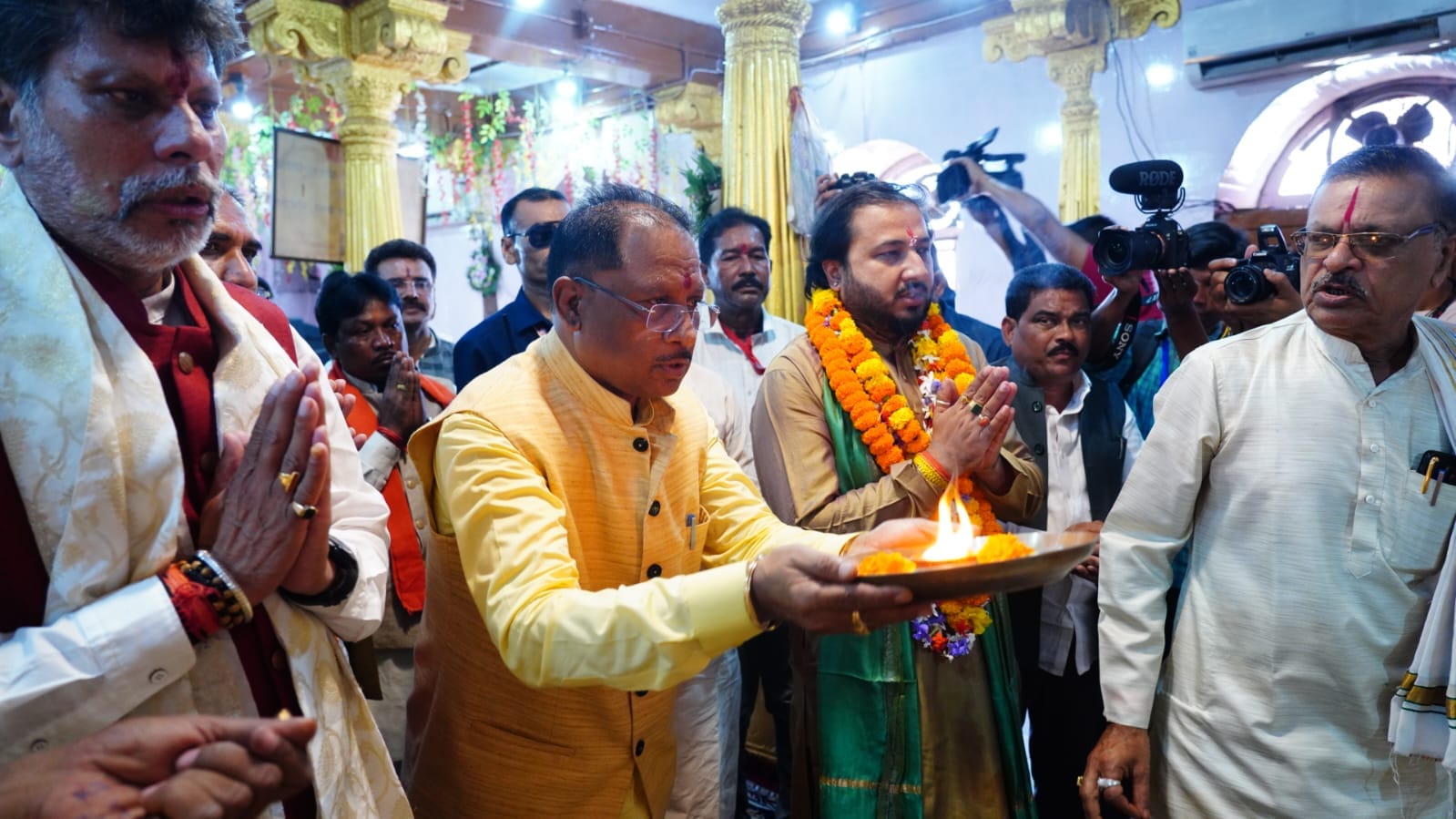
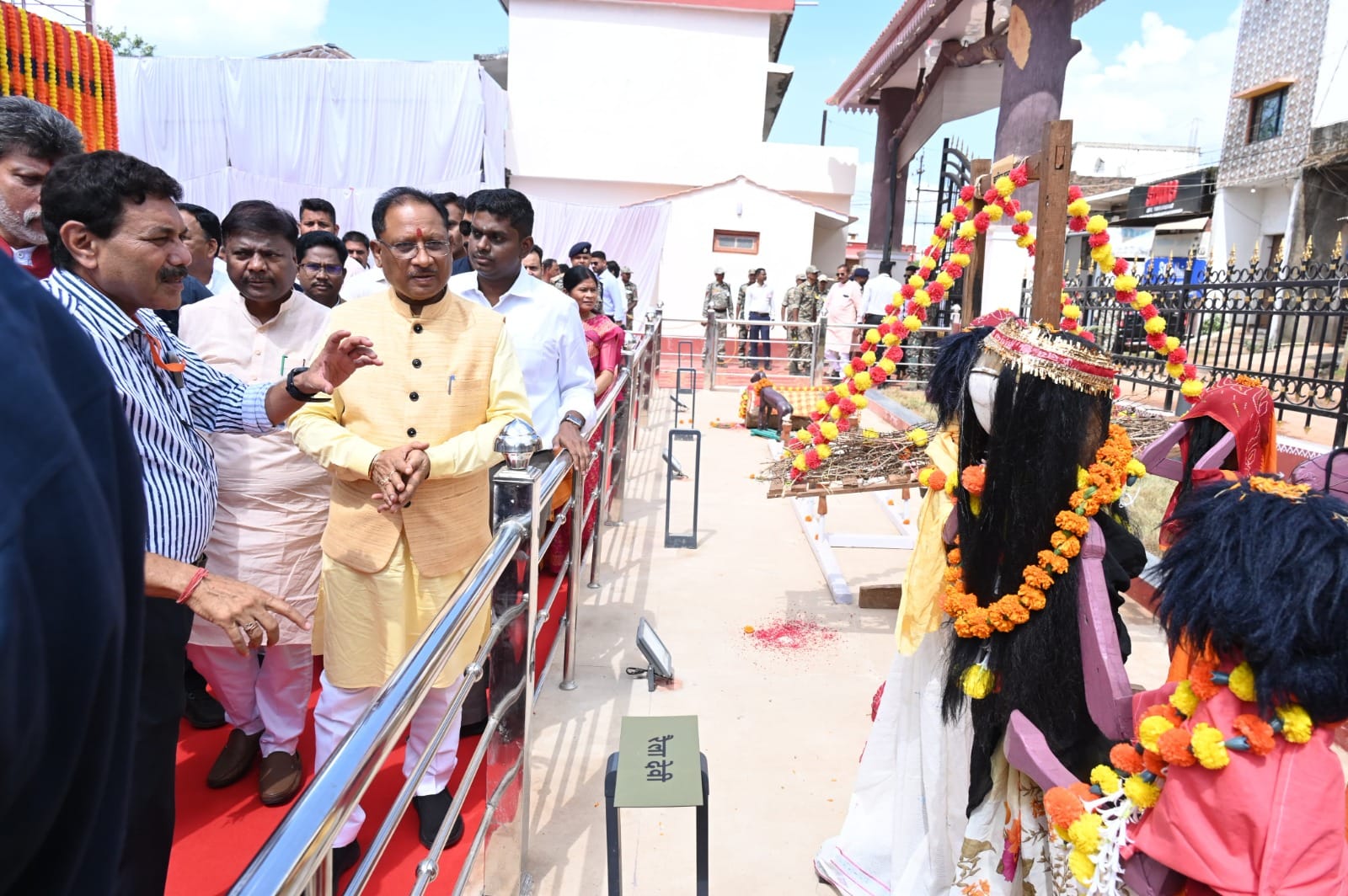

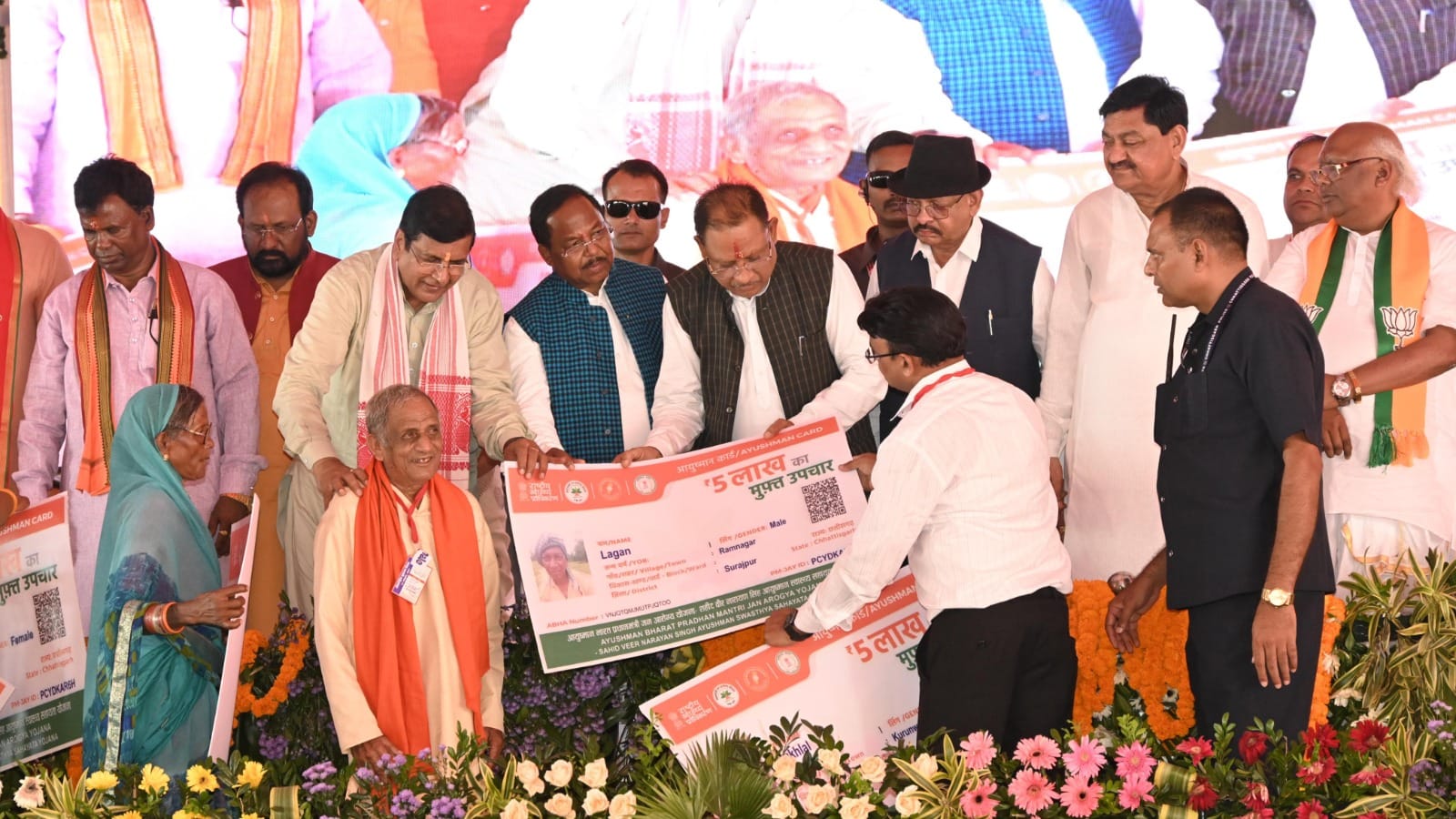
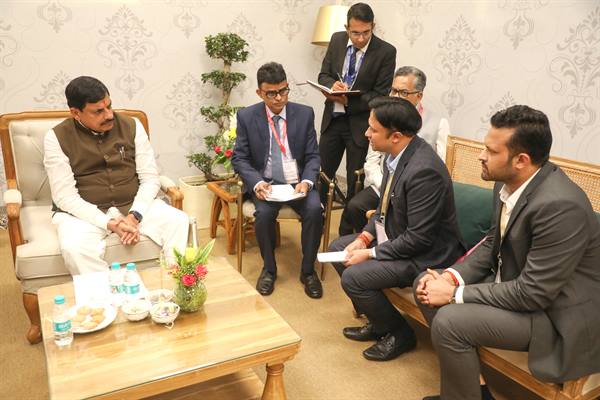
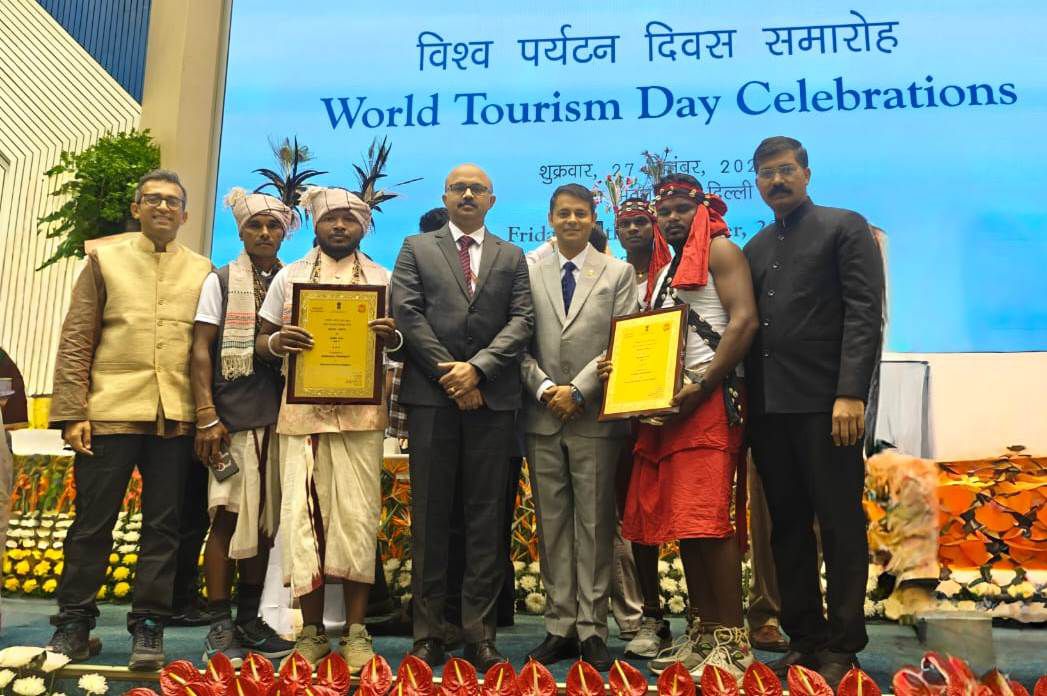
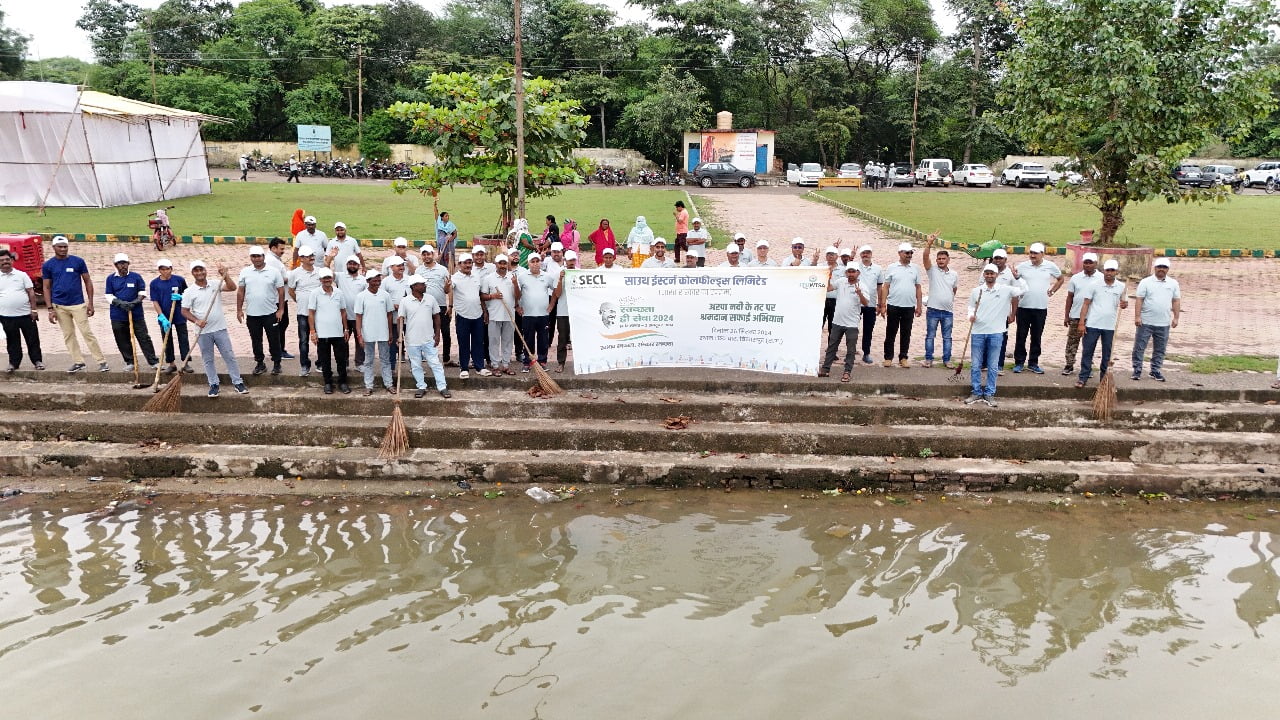
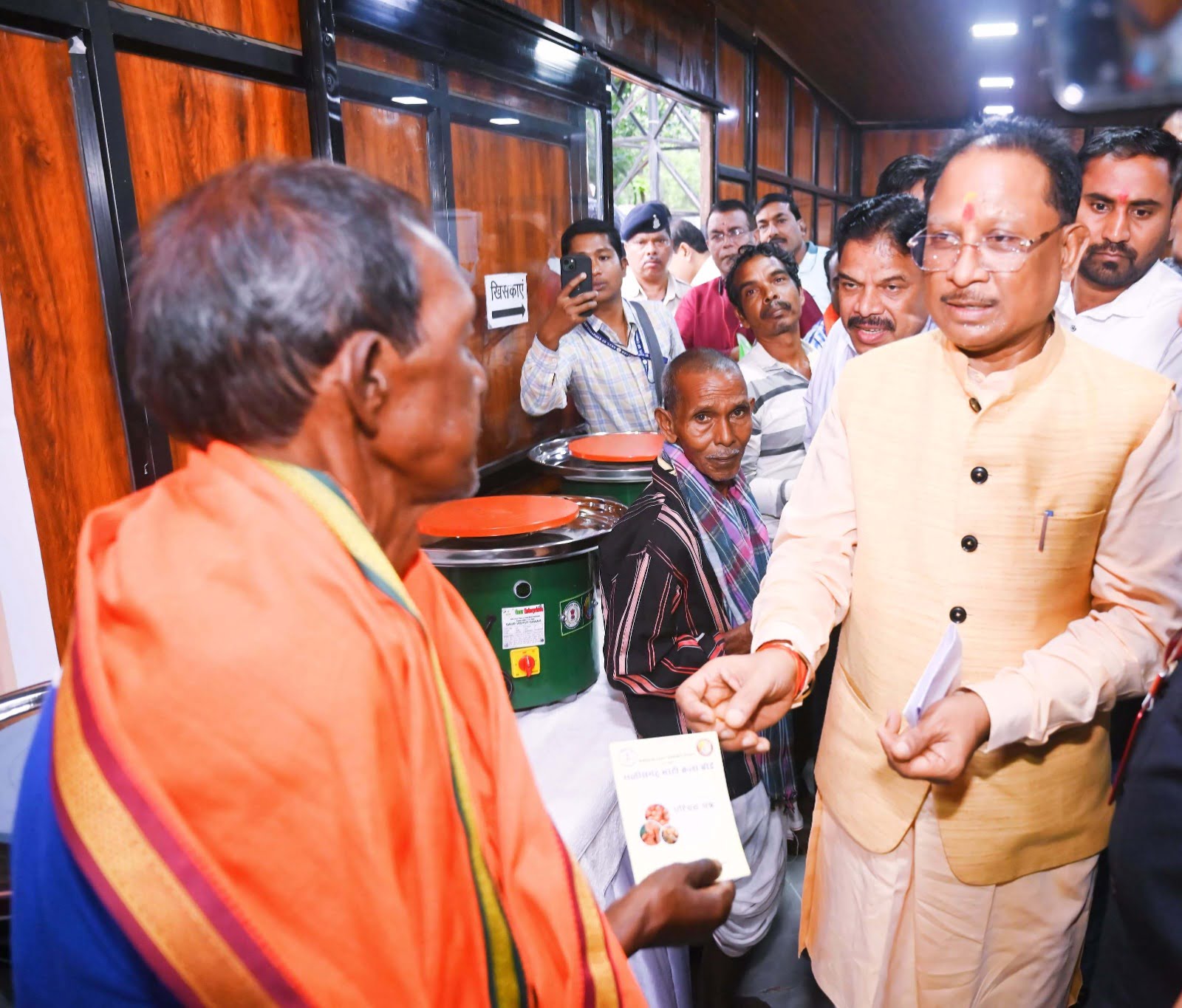


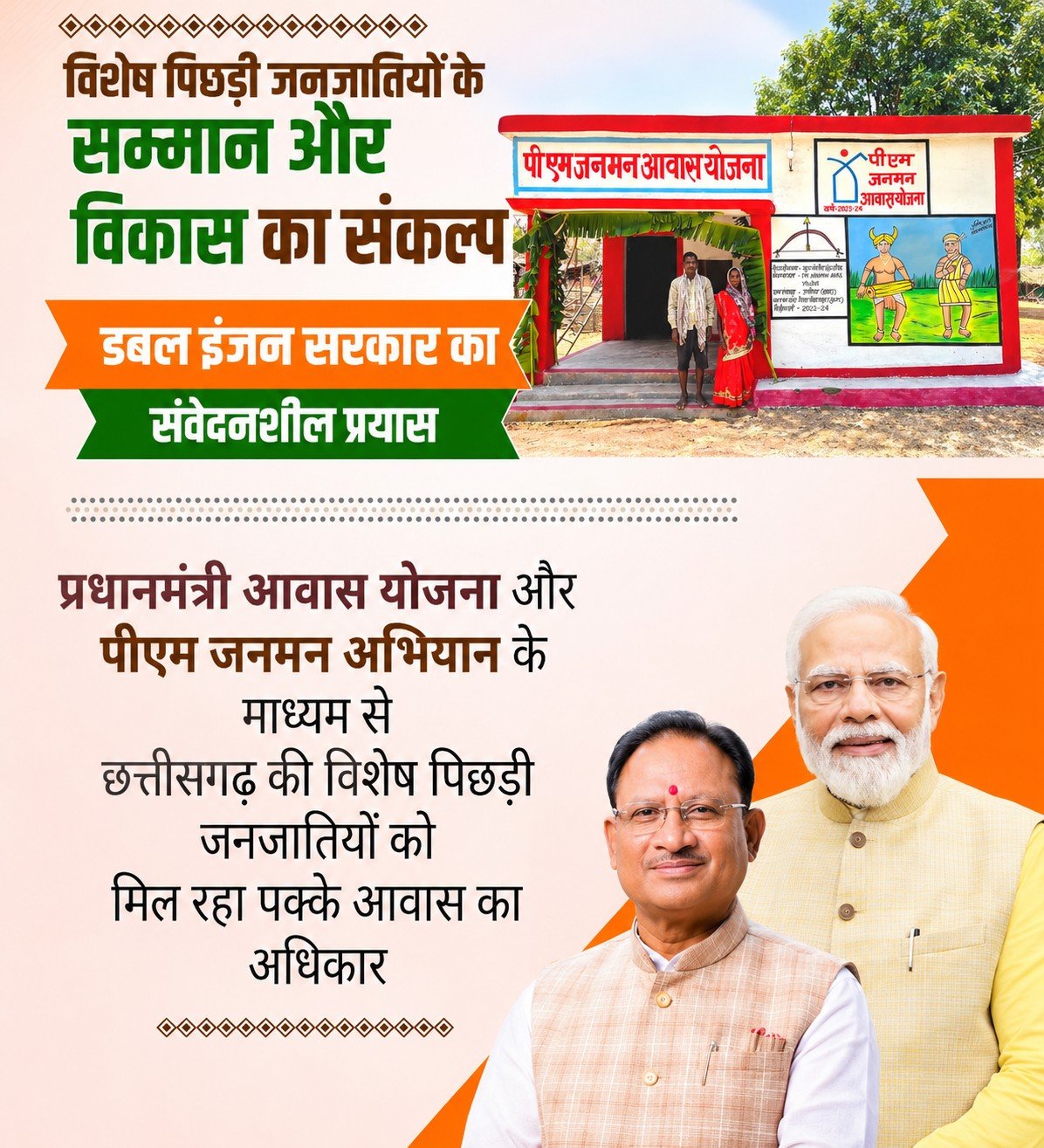

- Under the leadership of Chief Minister Shri Vishnu Deo Sai, priority is being given to the dignity, participation, and development of the tribal community.
- Remote areas are being empowered through budgetary allocations, housing, accessible registration processes, simplified tax systems, and banking facilities.
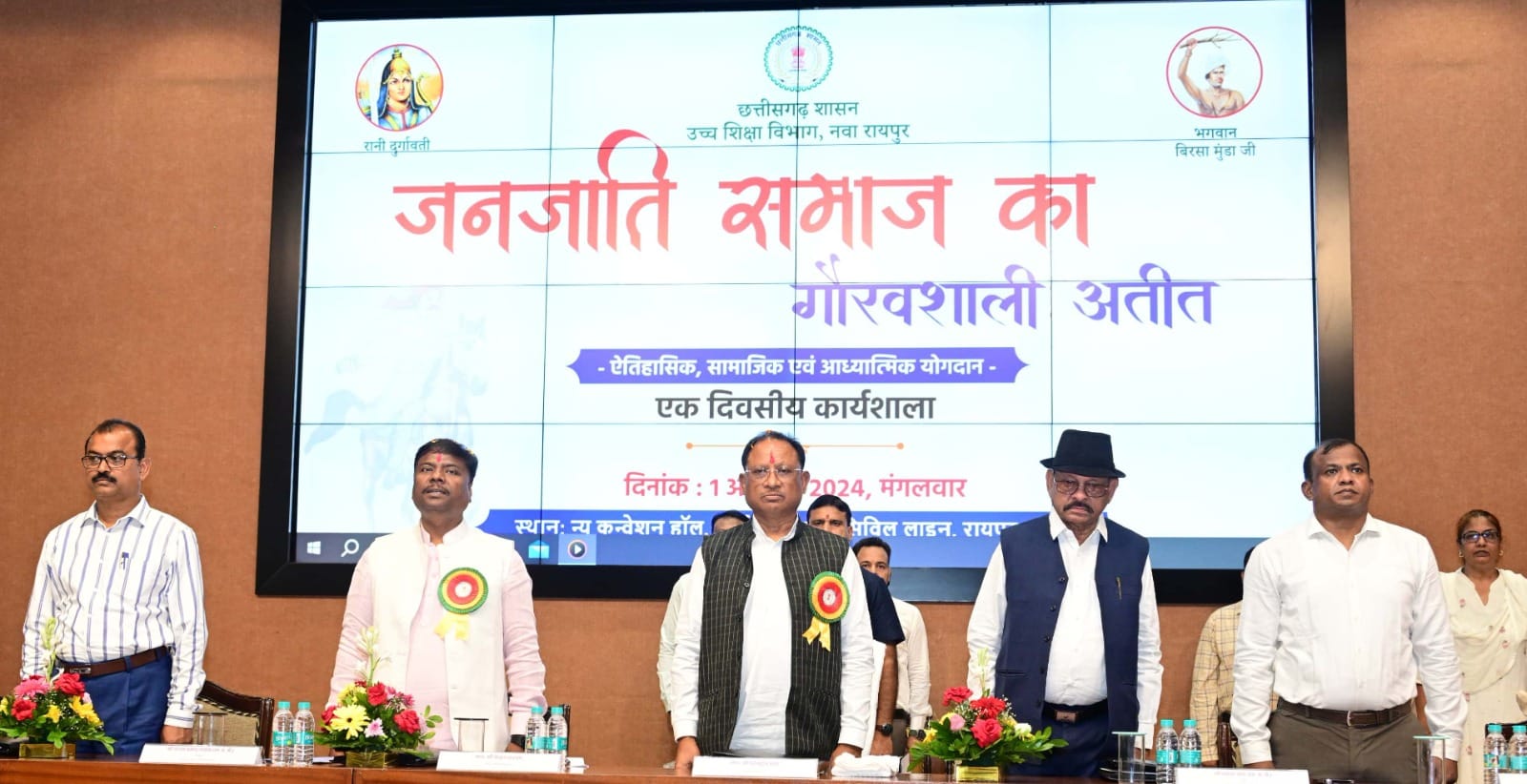
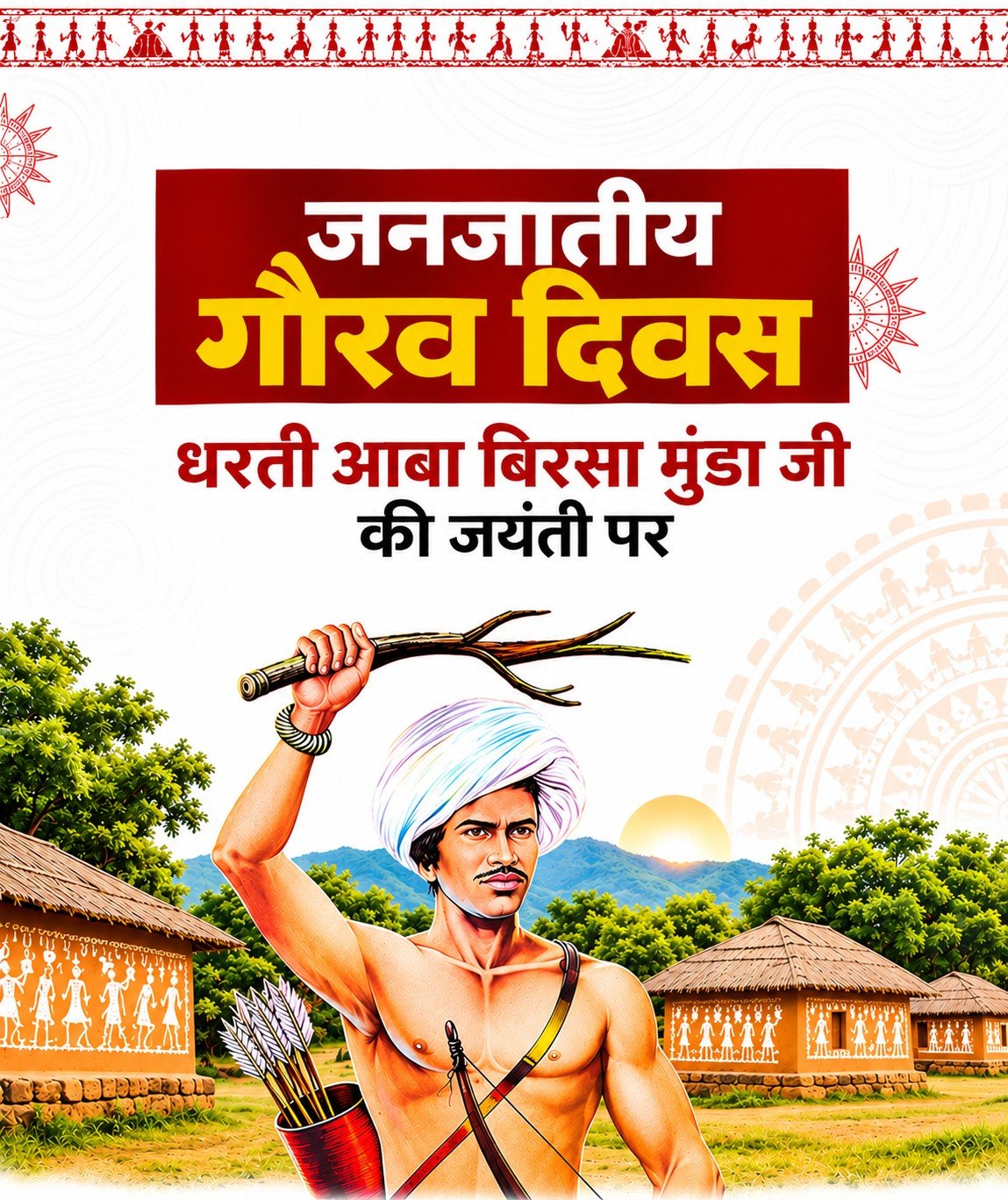
‘Janjatiya Gaurav Diwas’ (Tribal Pride Day) is an occasion to commemorate the struggle, courage, and self-respect of great tribal leaders—including Bhagwan Birsa Munda—who dedicated everything they had to the nation’s freedom, culture, and the protection of nature. Their lives inspire us to stand against injustice, take pride in our traditions, and work continuously for the welfare of society. This day serves as both a tribute to the contributions of the tribal community and a reaffirmation of our commitment to their dignity, rights, and development.
Chhattisgarh is defined by its rich tribal culture, traditions, and deep connection with nature. The tribal regions, stretching from Bastar to Sarguja, are the very soul of the state. Development in these areas is not merely about providing amenities; it is about crafting development plans tailored to local needs, ensuring the active participation of the tribal community, and creating opportunities for every family to progress—all while safeguarding their unique culture and identity. This is the path toward a developed Chhattisgarh.
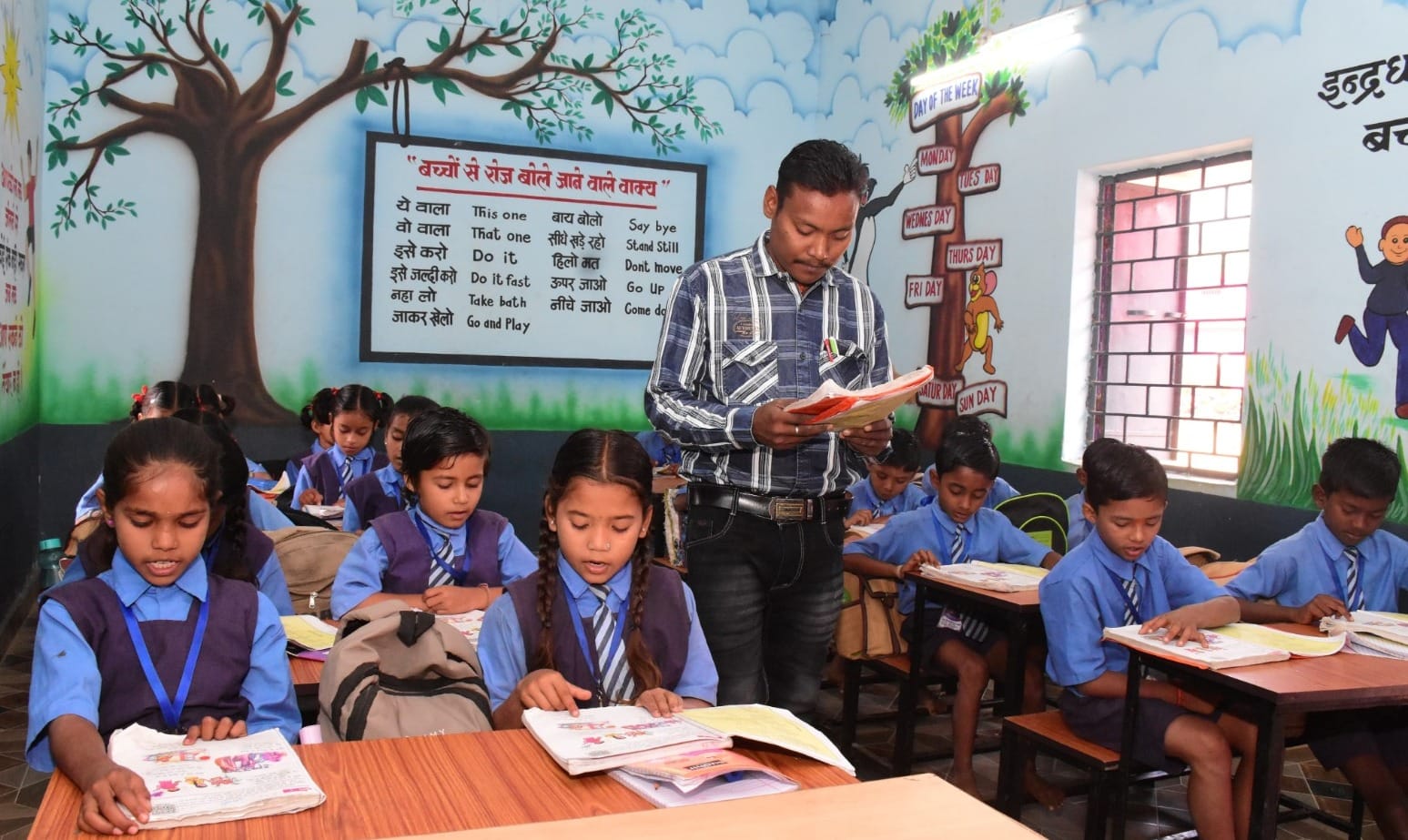
Under the leadership of Chief Minister Shri Vishnu Deo Sai, the state government is prioritizing the dignity, welfare, and empowerment of the tribal community. Special emphasis is being placed on extending government schemes and basic infrastructure to remote areas, integrating villages into the mainstream of development, and creating new opportunities for the youth. Under the Chief Minister’s guidance, the needs and aspirations of the tribal community are being integrated into the formulation and implementation of government schemes.

- Driving Development through the Budget
In the budget for the year 2026–27, 34 percent of the total allocation has been earmarked under the ‘Tribal Sub-Plan’ (Adivasi Up-yojana) specifically for the development of the Scheduled Tribe (ST) community. This is a significant step toward accelerating schemes related to education, health, drinking water, roads, electricity, irrigation, livelihoods, and employment in tribal regions.

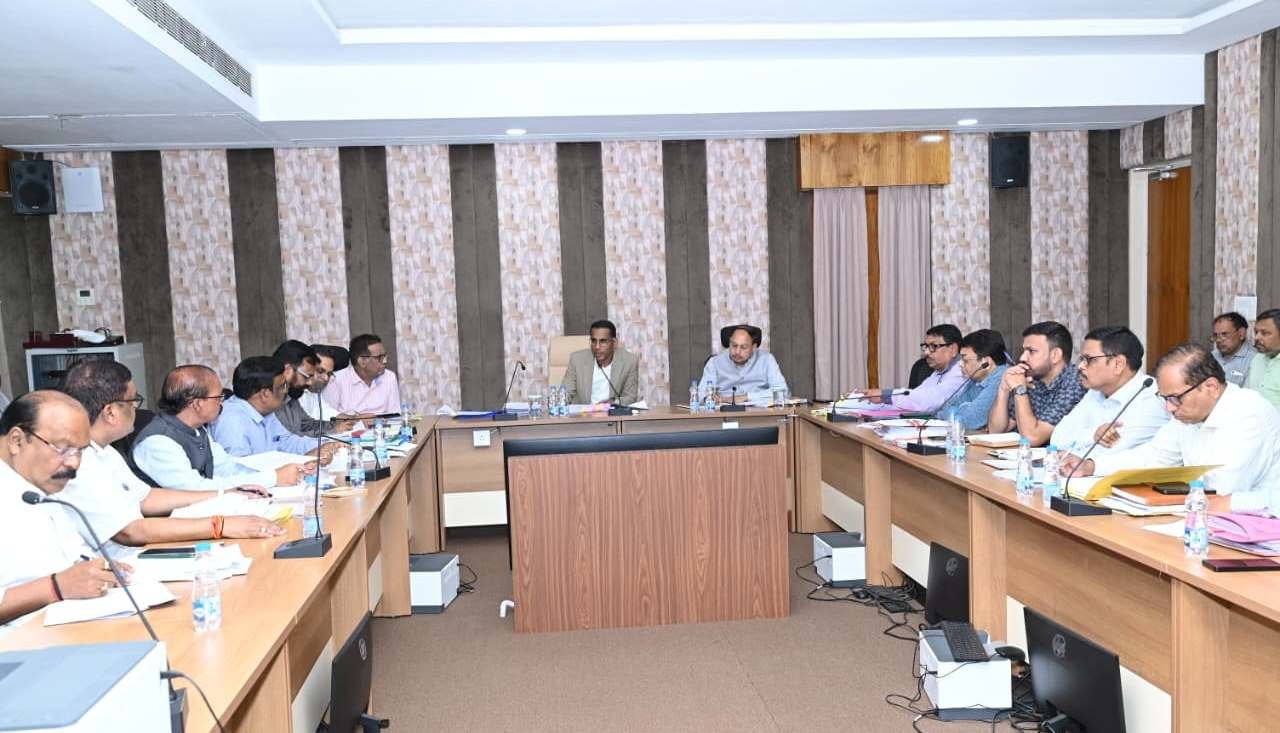
Under the leadership of Finance Minister Shri O.P. Chaudhary, the focus is on aligning budgetary resources with development priorities and ensuring that the benefits of various schemes reach individual villages and families. Expanding road and communication infrastructure in remote areas connects villages to markets, educational institutions, and healthcare services. Irrigation and access to drinking water make daily life easier, while opportunities in skill development, agriculture, forest produce, and local enterprises can boost household incomes. The government’s priority is to select schemes based on the specific needs of each region and to ensure that their benefits reach the last person in a transparent manner.
- A Secure and Dignified Life Through Housing
Having a secure home is the foundation of a dignified life for every family. The Chhattisgarh Housing Board plays a crucial role in providing affordable housing and advancing residential projects in tribal areas. Under the leadership of the Minister for Housing and Environment, Shri O.P. Chaudhary, the focus extends beyond housing to the development of essential infrastructure, including roads, electricity, water, and other necessary amenities.
Tribal regions possess unique geographical conditions and local requirements; therefore, it is essential to tailor housing schemes to these specific circumstances. A permanent, well-constructed house provides a better environment for children’s education, ensures safety for women and the elderly, and offers families a sense of stability. Extending housing and basic infrastructure to remote areas is a vital component of the vision for a developed Chhattisgarh.
- Simplified Registration Processes for Citizens and Entrepreneurs
Incorporating transparency, simplicity, and technology into the registration system saves time and resources for citizens. Under the leadership of the Minister for Registration, Shri O.P. Chaudhary, reforms are being implemented to streamline land and property-related transactions, ensure clear and straightforward procedures, and provide better services to the public. Decisions such as the reduction of registration fees for female buyers have made purchasing property more affordable. It is also essential to ensure that registration-related services are easily accessible to citizens in tribal areas.
When local enterprises, women’s groups, and small businesses can navigate processes related to property and commercial activities with ease, their economic participation is strengthened. A simple and reliable system fosters public trust in governance and facilitates access to development opportunities.
- GST and Local Economic Activities
The GST regime serves as a means to make the tax system more transparent and integrated. In tribal regions, small traders, artisans, micro-enterprises, and those involved in the trade of forest produce should receive support in understanding regulations and procedures. Under the leadership of Finance Minister Shri O.P. Choudhary, the focus is on making tax administration simpler, more transparent, and technology-driven. Through guidance and technical assistance, small-scale entrepreneurs can integrate into the formal economy and expand their businesses.
Value addition to local products, handicrafts, agricultural produce, and forest produce—combined with better market access—can increase the income of tribal families. Simplifying tax-related procedures for small business owners and providing them with a supportive ecosystem is crucial in this regard.
- Identifying Needs through Planning and Data
The Department of Planning, Economics, and Statistics plays a vital role in understanding development needs and formulating schemes…..plays a crucial role in providing the right direction. Under the departmental responsibilities of Minister Shri O.P. Chaudhary, the focus is on identifying—based on reliable data and field-level insights—which villages have the greatest need for roads, healthcare, education, drinking water, banking, or employment opportunities. Planning grounded in accurate information ensures the effective use of resources, allowing the benefits of development to reach the areas where they are needed most.
When planning for the development of tribal regions, it is essential to value the experiences and priorities of local communities. While data provides direction, local participation ensures that solutions are aligned with the actual needs of the people.
- Banking Facilities Close to Villages
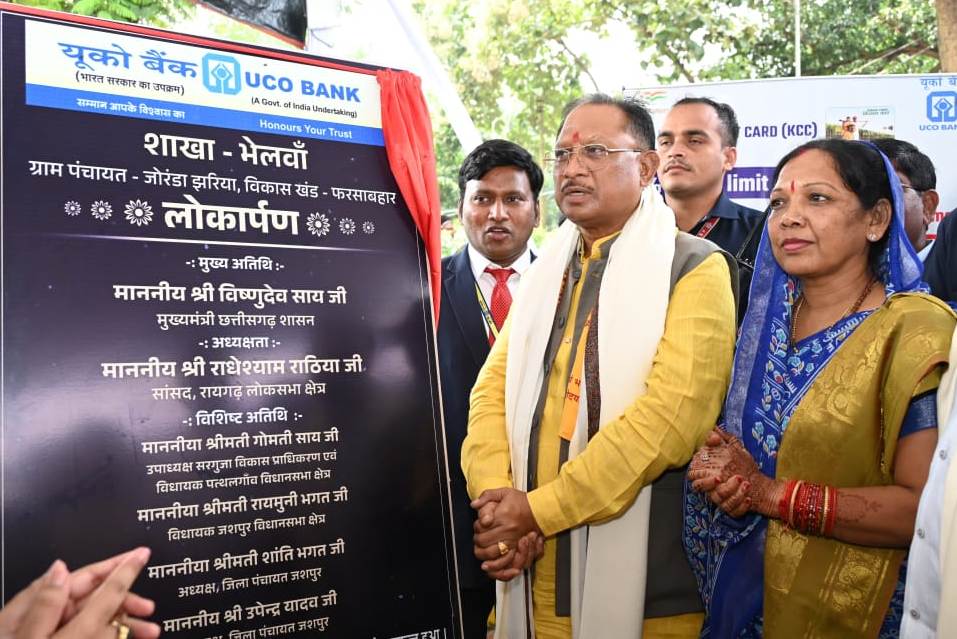
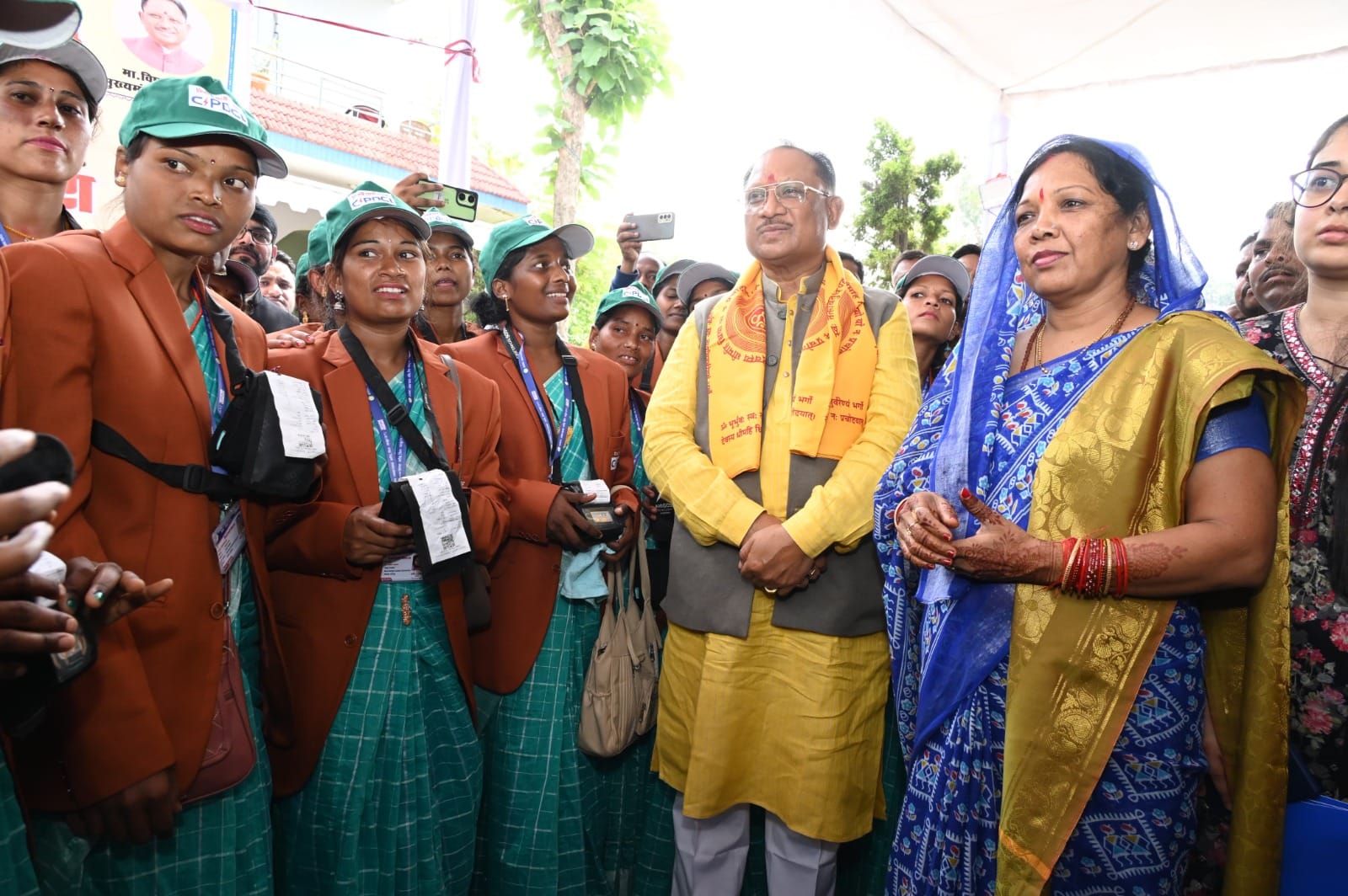
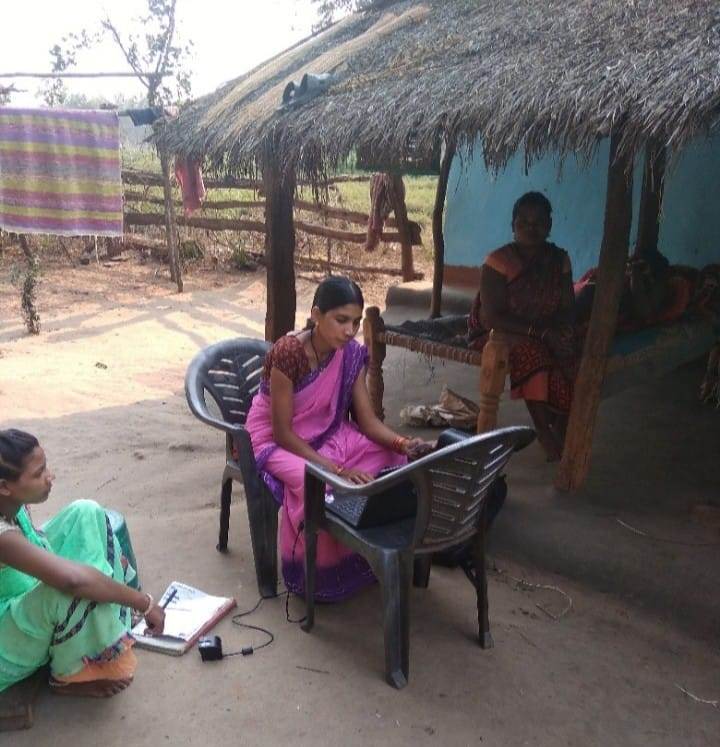
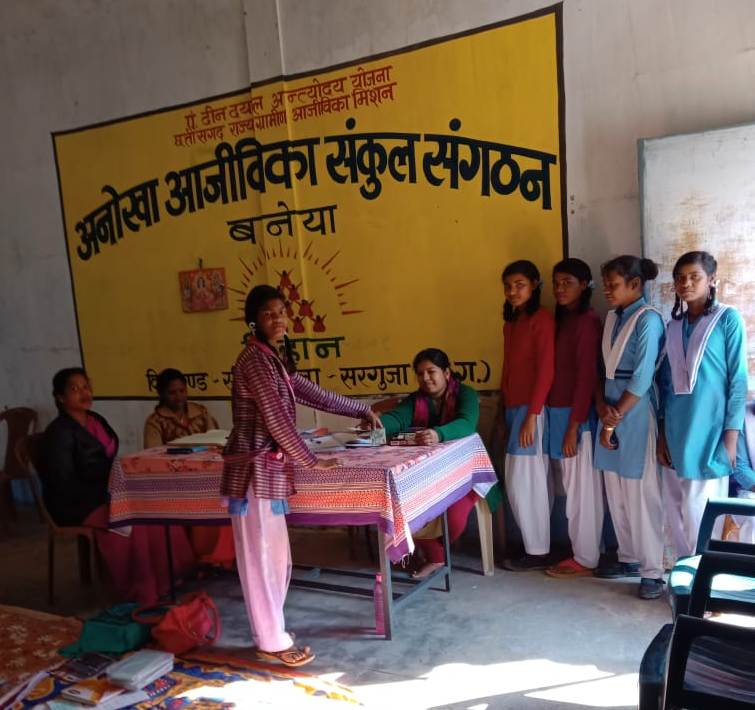
Development is incomplete without economic inclusion. Every citizen requires easy access to bank accounts, savings, credit, insurance, pensions, and government assistance. In remote areas, the expansion of bank branches, alongside the presence of banking correspondents, ‘Bank Sakhis’ (women banking facilitators), and digital services, helps bring banking facilities closer to the villages. This reduces the need for people to travel long distances for various requirements and ensures that funds from government schemes are credited directly into their accounts.
Beyond providing financial services at the local level, the ‘Bank Sakhi’ initiative also creates opportunities for employment and self-reliance among women. The government is continuously working to ensure that technology and banking services are simple, accessible, and reliable for tribal communities.
- Environmental Conservation and Tribal Life
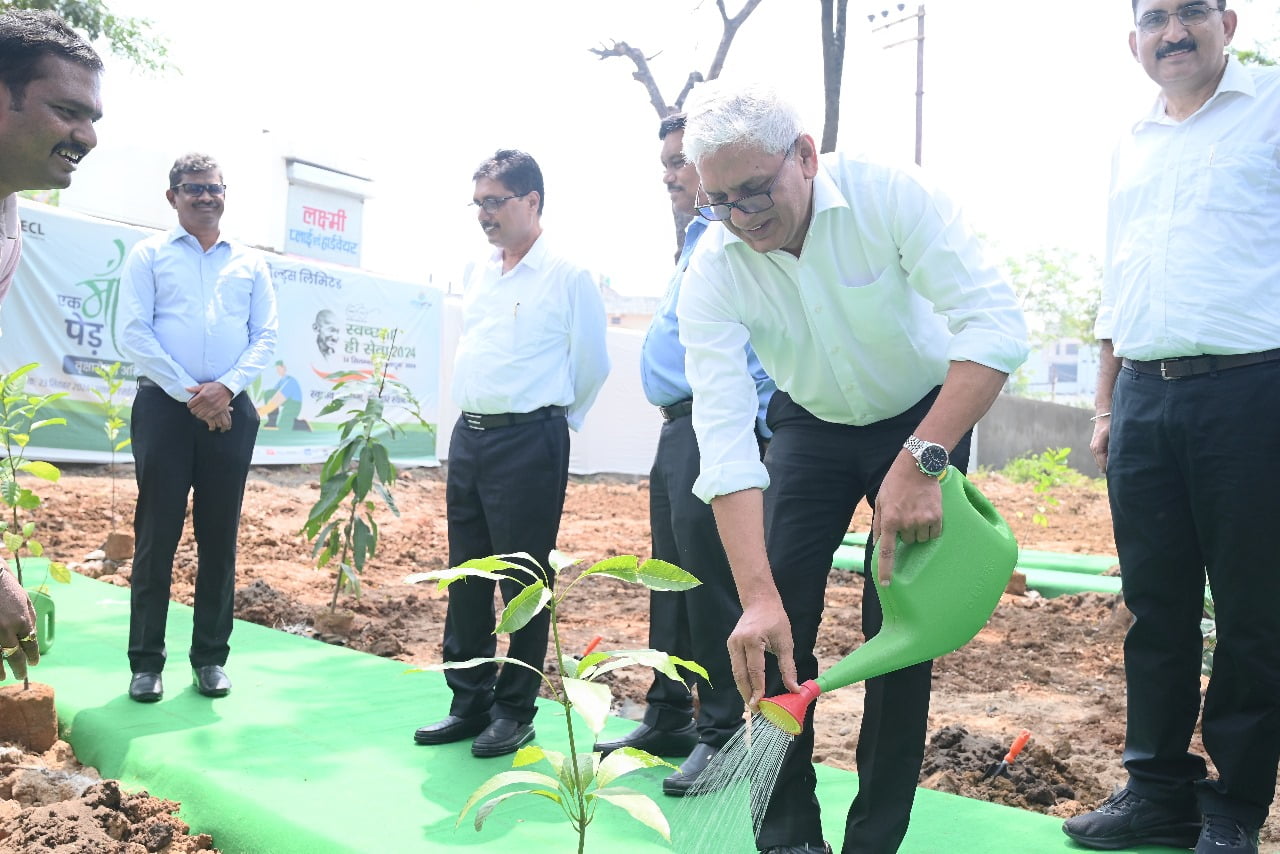
Forests, water sources, and biodiversity are deeply intertwined with the lives, livelihoods, and culture of tribal communities. Therefore, it is essential to prioritize environmental conservation, water harvesting, and the prudent use of local resources within development plans. A key aspect of Minister Shri O.P. Chaudhary’s departmental mandate—covering Housing and Environment—is maintaining an ecological balance alongside development.
The wisdom inherent in the tribal way of coexisting with nature is invaluable to the entire state. By integrating this traditional knowledge with modern development schemes, progress can be made sustainable. A Developed Chhattisgarh within a Developed India
Under the leadership of Prime Minister Shri Narendra Modi, the nation is moving forward with the resolve of a ‘Developed India’ (Viksit Bharat). Under the leadership of Chief Minister Shri Vishnu Deo Sai, the Government of Chhattisgarh is committed to ensuring that every region and every section of society in the state participates in this journey of development. Special budgetary provisions, housing, streamlined registration processes, a simplified tax system, improved policy planning, access to banking, environmental conservation, and the creation of local employment opportunities—all these are interconnected efforts aimed at empowering tribal regions.
Through his oversight of the Finance, Housing and Environment, Registration, and Planning, Economics and Statistics departments, Minister Shri O.P. Choudhary has contributed by facilitating the provision of resources, amenities, and enhanced administrative processes for the development of tribal areas. Under the leadership of Chief Minister Shri Vishnu Deo Sai, the government’s overarching goal is to foster opportunities in education, healthcare, skill development, livelihoods, and modern infrastructure—all while respecting the language, culture, traditions, and deep-rooted ecological wisdom of the tribal communities.
Heartfelt greetings to all our brothers and sisters from the tribal communities on the occasion of ‘Tribal Pride Day’ (Janjatiya Gaurav Diwas). We pay tribute to the great tribal icons—including Bhagwan Birsa Munda—whose sacrifices and struggles continue to inspire us today. Let us work together to build a Chhattisgarh where the benefits of development reach every village and every family; where tribal communities progress while upholding their glorious identity; and where the vision of a ‘Developed Chhattisgarh’—as part of a ‘Developed India’—becomes a reality.