













- The Light of Development Reaches Villages of Particularly Vulnerable Tribal Groups (PVTGs)
Driven by the Chhattisgarh government’s policy of ‘Development, Trust, and Security,’ a wave of change is sweeping through the forest regions of the state. Positive shifts are becoming evident in the local environment and the daily lives of the people. The participation of the general public, alongside government machinery, in development and construction initiatives has increased. As a result, every region in Chhattisgarh is rapidly integrating into the mainstream of development and advancing along a path of progress. Projects related to healthcare, roads, education, drinking water, and electricity are being implemented at an accelerated pace. Areas previously lacking road access are now being connected to main thoroughfares, making it easier for the benefits of government schemes and programs to reach the common people.
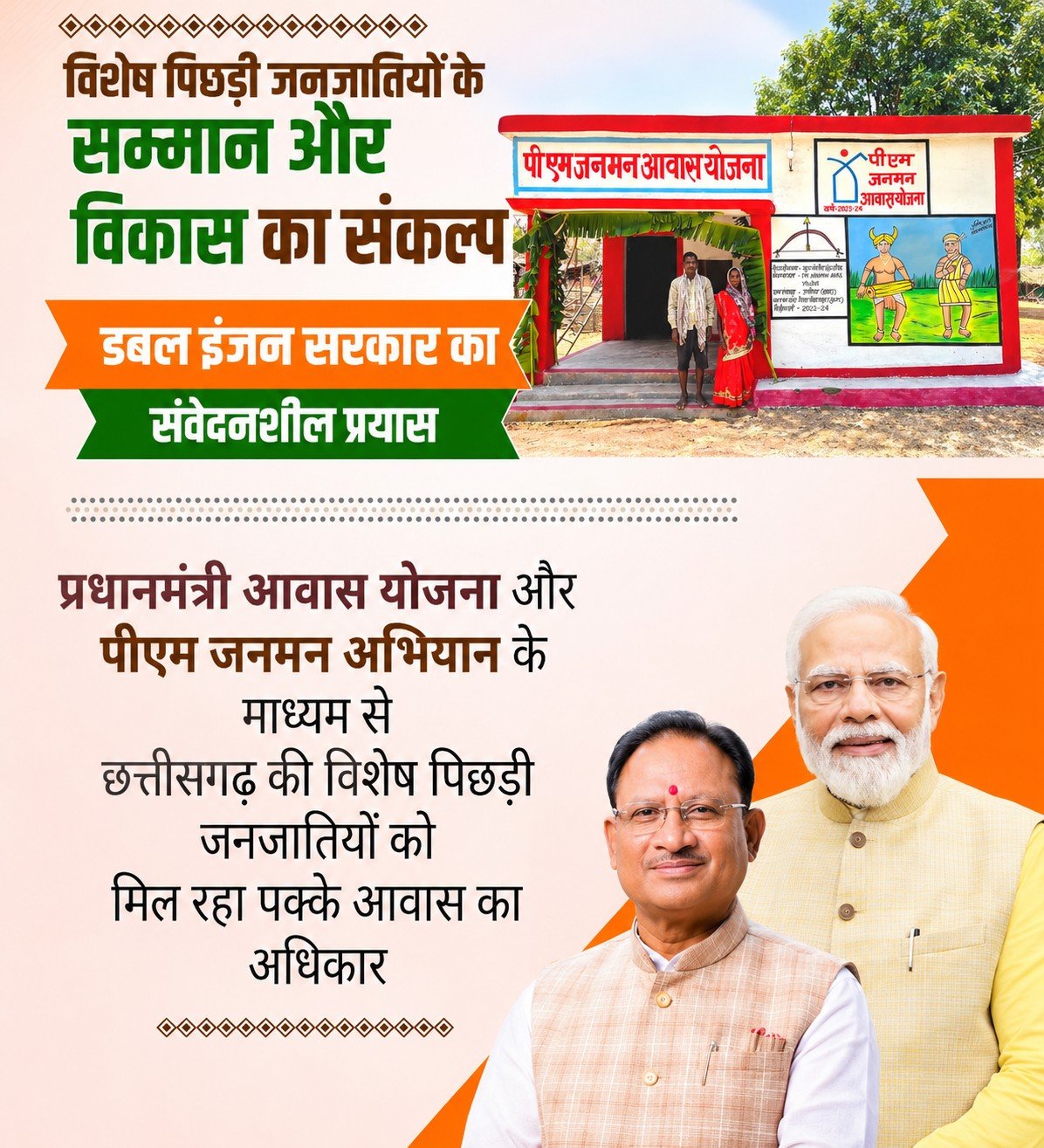
PM-JANMAN (Pradhan Mantri Janjati Adivasi Nyaya Maha Abhiyaan) is a special initiative by the Government of India. Its objective is to foster the socio-economic development of the country’s most marginalized and vulnerable tribal groups—specifically the Particularly Vulnerable Tribal Groups (PVTGs)—and integrate them into the national mainstream. The scheme aims to provide secure, permanent housing (under the Pradhan Mantri Awas Yojana), access to clean drinking water and sanitation, improved educational facilities (including schools and hostels), healthcare services (supported by mobile medical units), better nutrition (via Anganwadi centers), robust road and telecommunication connectivity, electrification of households, and opportunities for sustainable livelihoods and skill development (such as through ‘Van Dhan Kendras’).
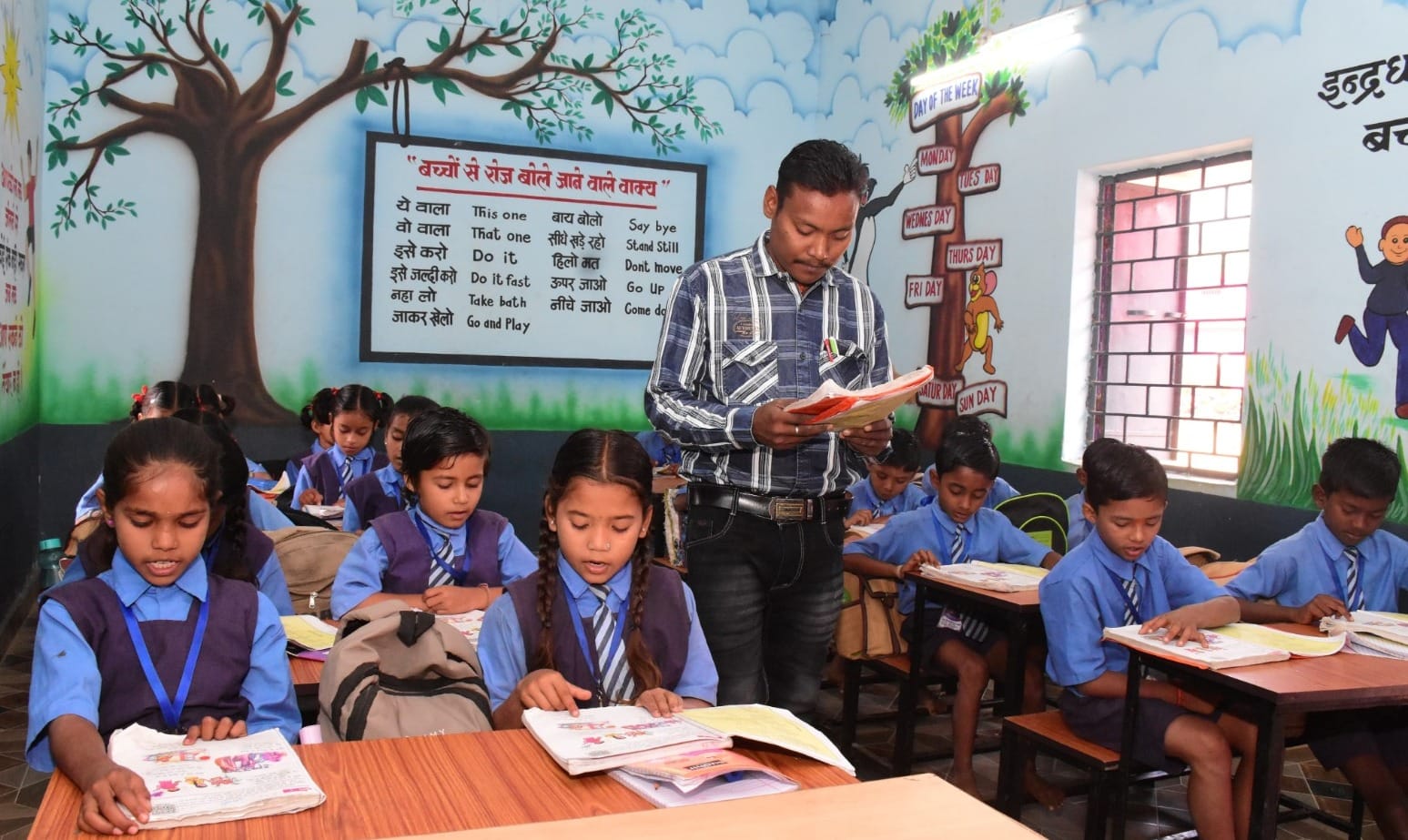
For those living in the dense forests and remote, isolated villages of Chhattisgarh, having a paved road and a solid roof over their heads was once an unimaginable dream. In the past, reaching a hospital during an illness often meant walking for miles—a daunting challenge—while basic amenities like electricity, clean water, and quality education remained completely out of reach for many families. Today, however, the landscape of these regions is undergoing a rapid transformation through the Pradhan Mantri Janjati Adivasi Nyaya Maha Abhiyan (PM-JANMAN) scheme. In the state of Chhattisgarh, which is home to various tribal groups—including the Gond, Muria, Maria, Dhurwa, Halba, Bhatra, Dorla, Dandami Maria, Korwa, Oraon, Kanwar, Binjhwar, and Manjhi—the winds of development and dignity are now reaching the households of Particularly Vulnerable Tribal Groups (PVTGs) such as the Baiga, Pahadi Korwa, Birhor, Kamar, and Abujhmaria. Under the PM-JANMAN scheme, priority is being given to ensuring that members of these PVTG communities receive the benefits of government welfare programs. By identifying the settlements of these groups, the government is ensuring that all eligible individuals—who were previously deprived of such support—are now being reached and empowered.

- Direct Governance Access After Decades of Neglect
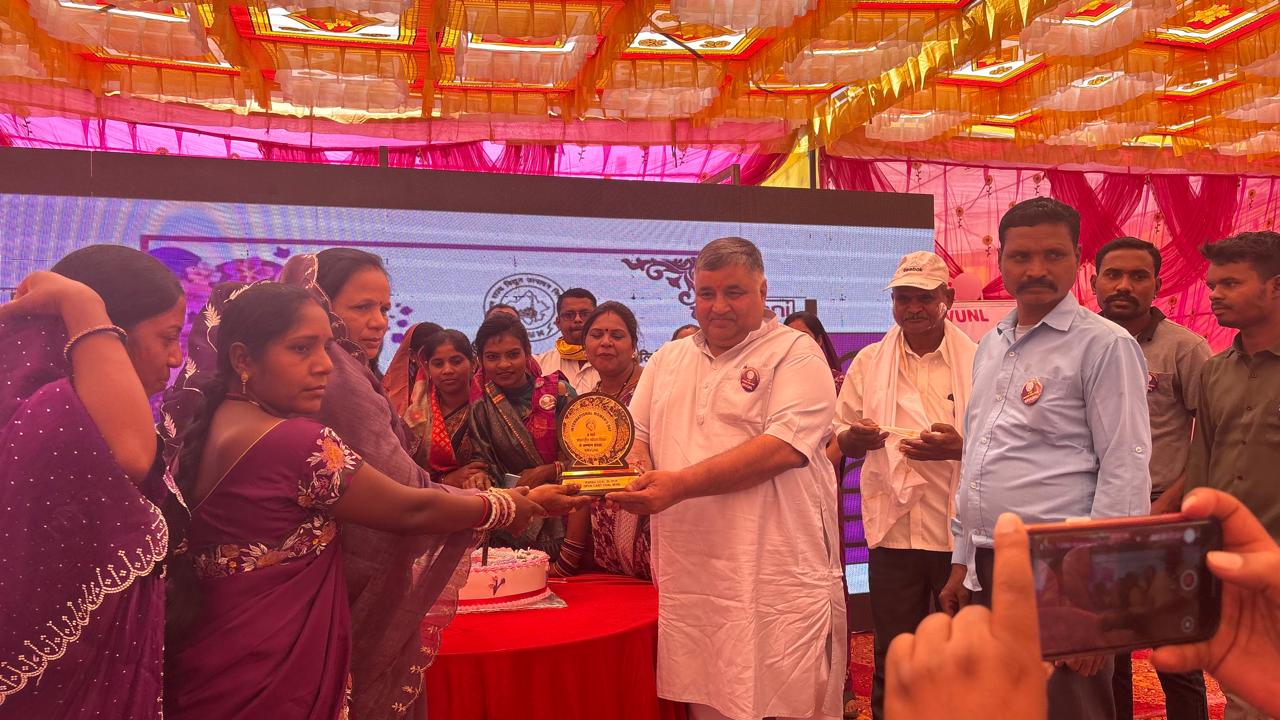
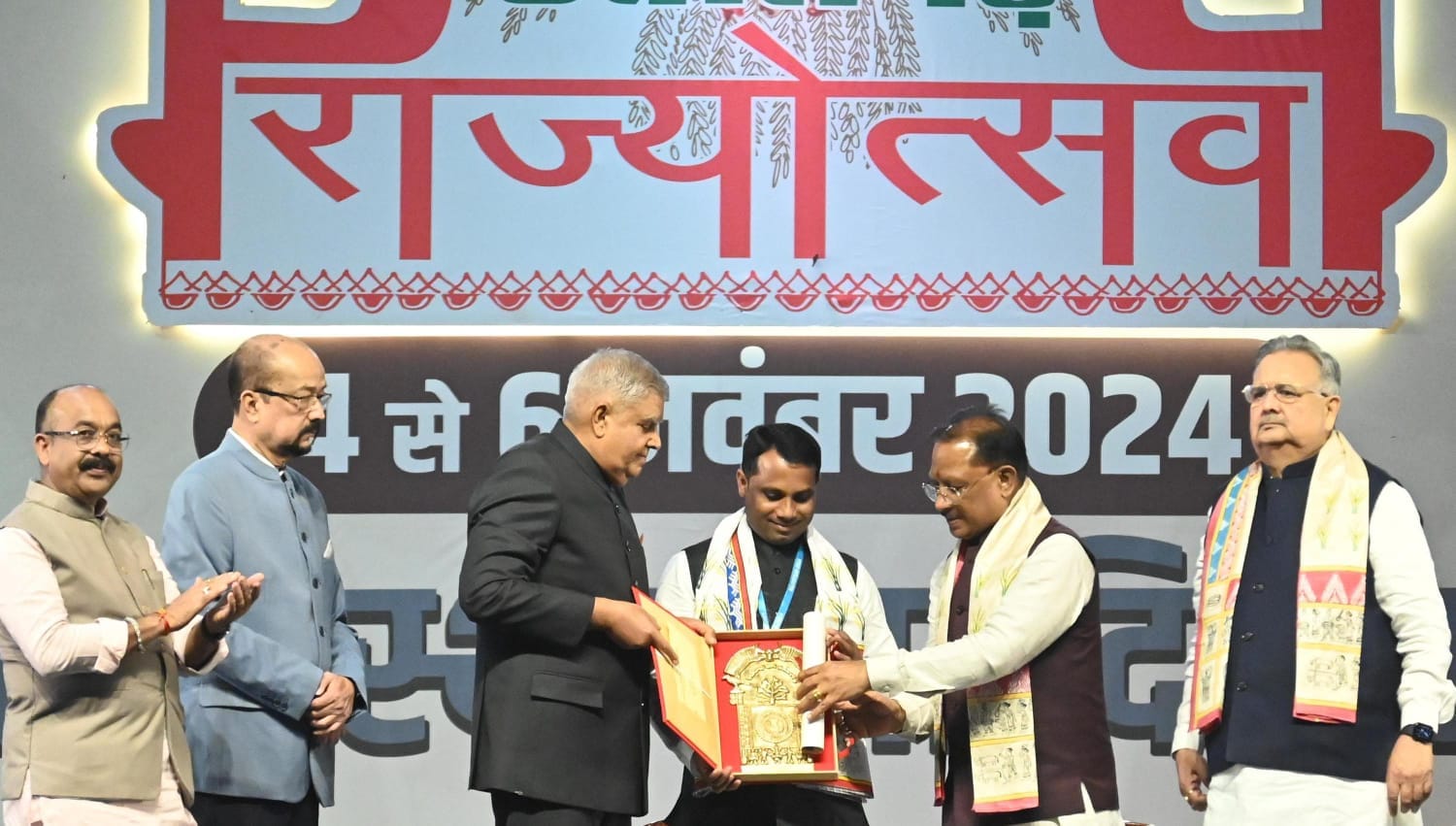
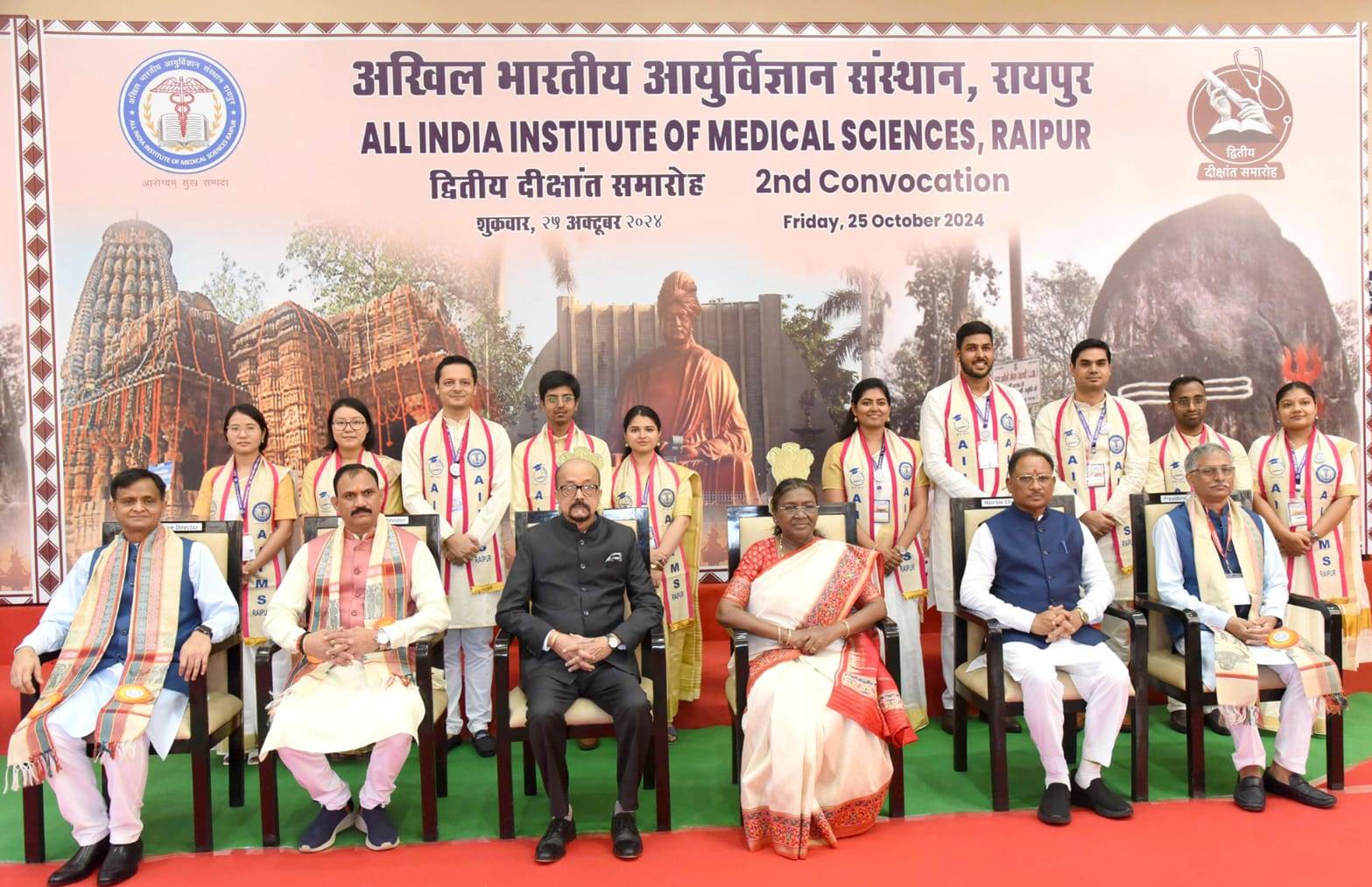
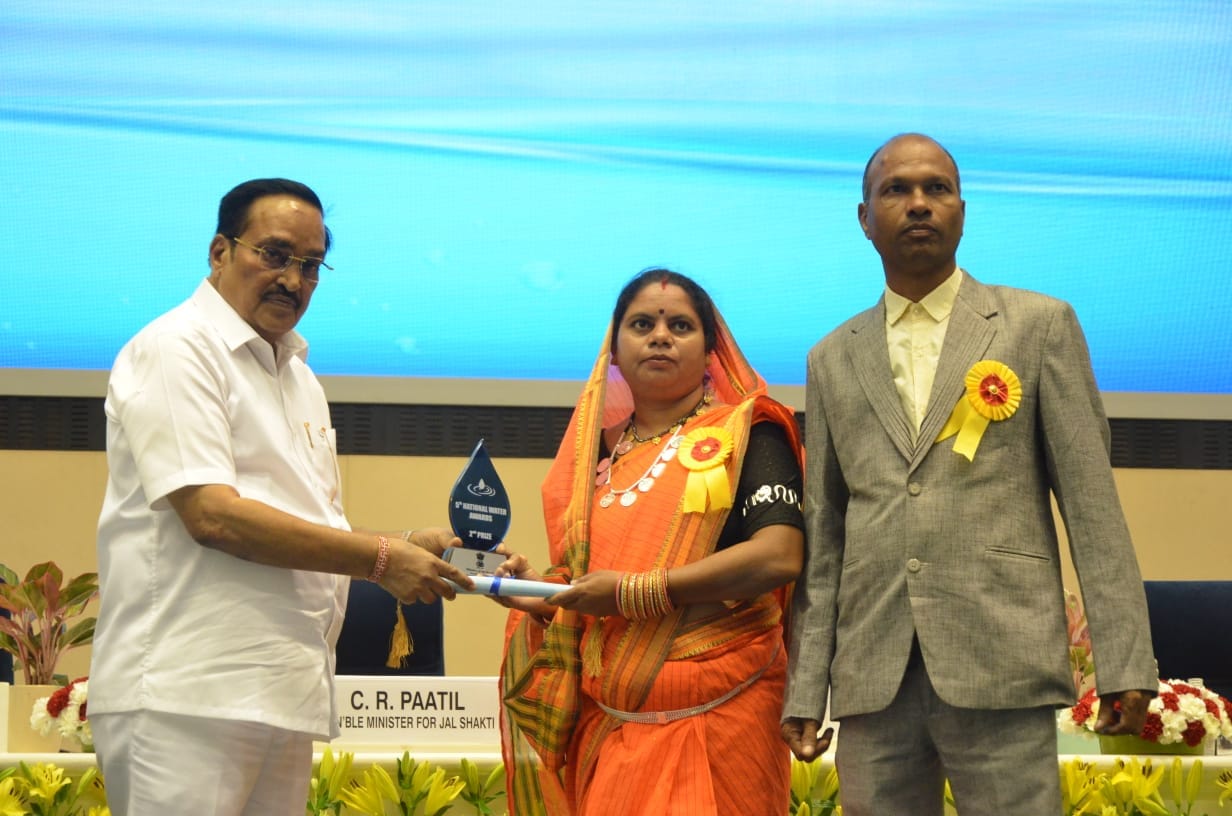
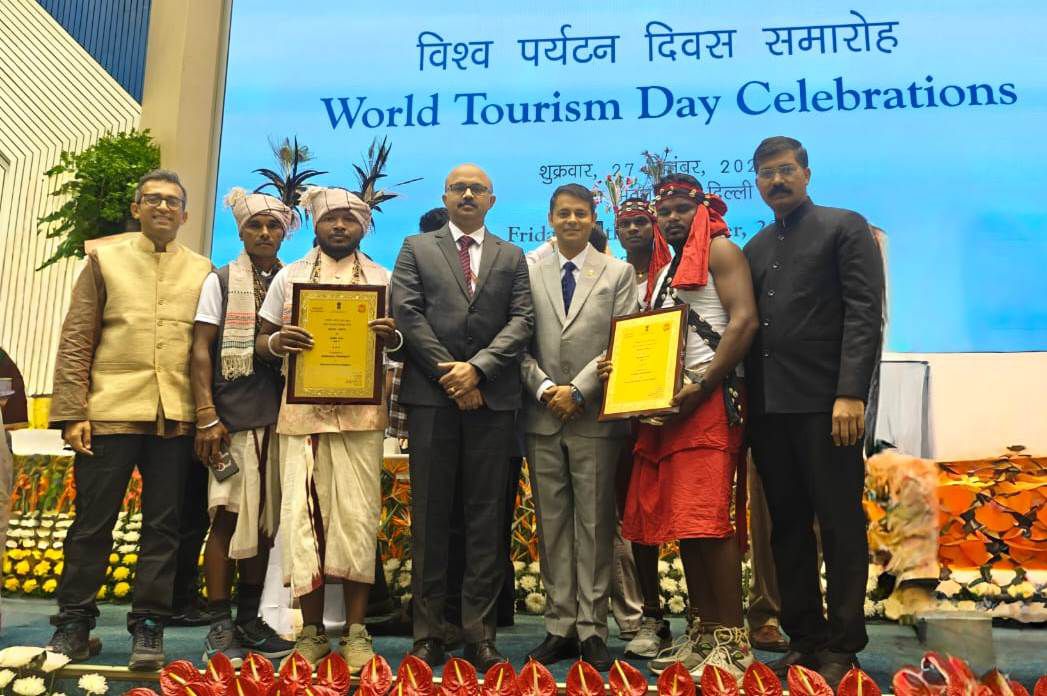
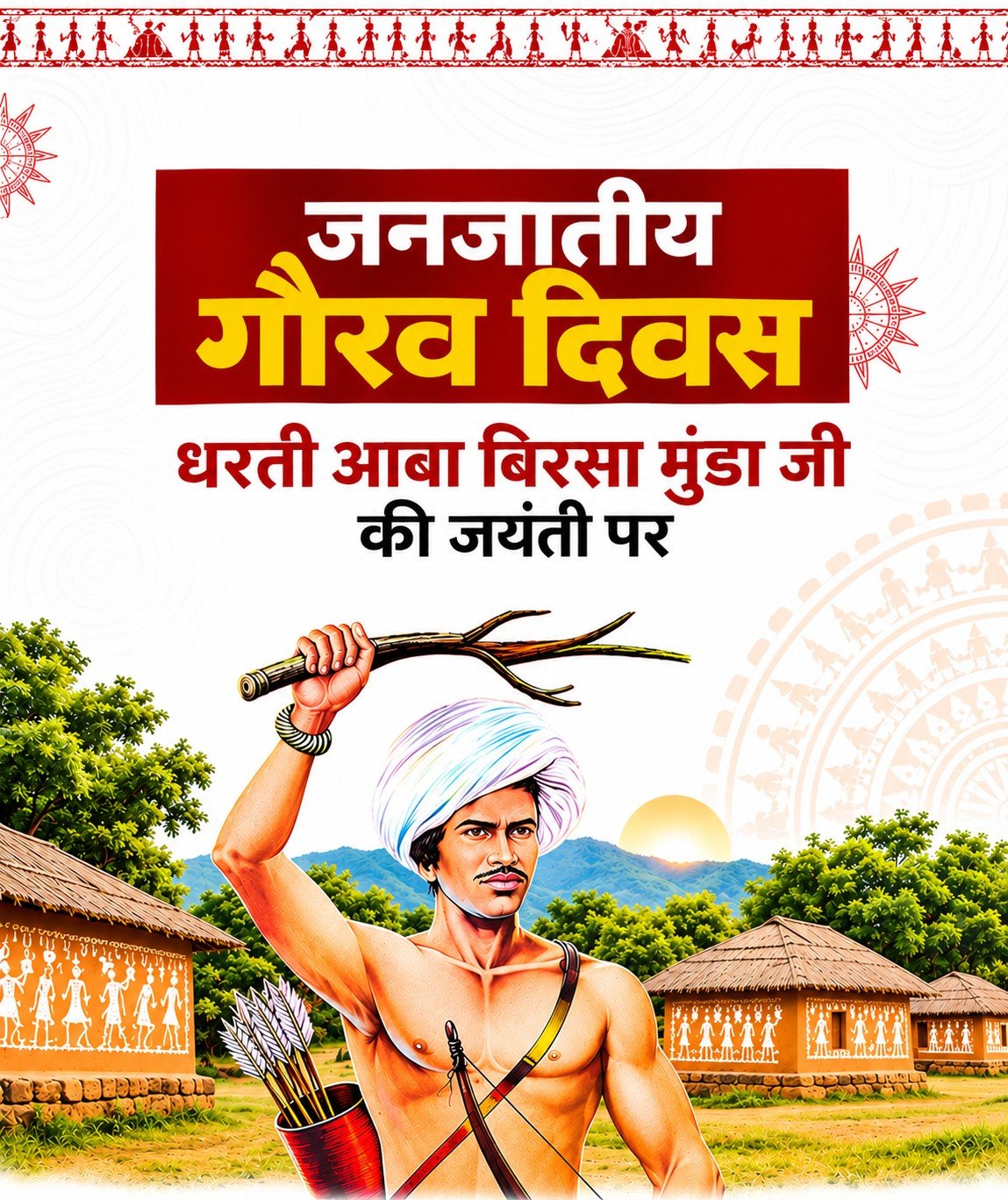
The central and state governments have taken several historic steps toward the holistic upliftment of Particularly Vulnerable Tribal Groups (PVTGs) and their integration into the mainstream of development. Following long periods of geographical and social neglect, the government is now ensuring direct access to remote forest regions and tribal villages. On the occasion of ‘Janjatiya Gaurav Divas’ (Tribal Pride Day), celebrated on November 15th, reflecting on these changes highlights how this initiative is providing tribal communities with a better quality of life and equal opportunities for development. The core objective of this scheme extends beyond merely building physical infrastructure; it is about bringing the government directly to the doorsteps of families who have remained cut off from the mainstream of development for decades. This ambitious scheme, launched by Prime Minister Shri Narendra Modi in November 2023 for the upliftment of Particularly Vulnerable Tribal Groups (PVTGs), was implemented on the ground in Chhattisgarh under the leadership of Chief Minister Shri Vishnu Deo Sai with such dedication that the state was awarded the first prize by the President of India, Smt. Droupadi Murmu, for its outstanding success.
- Strengthening Connectivity through Permanent Houses and Roads
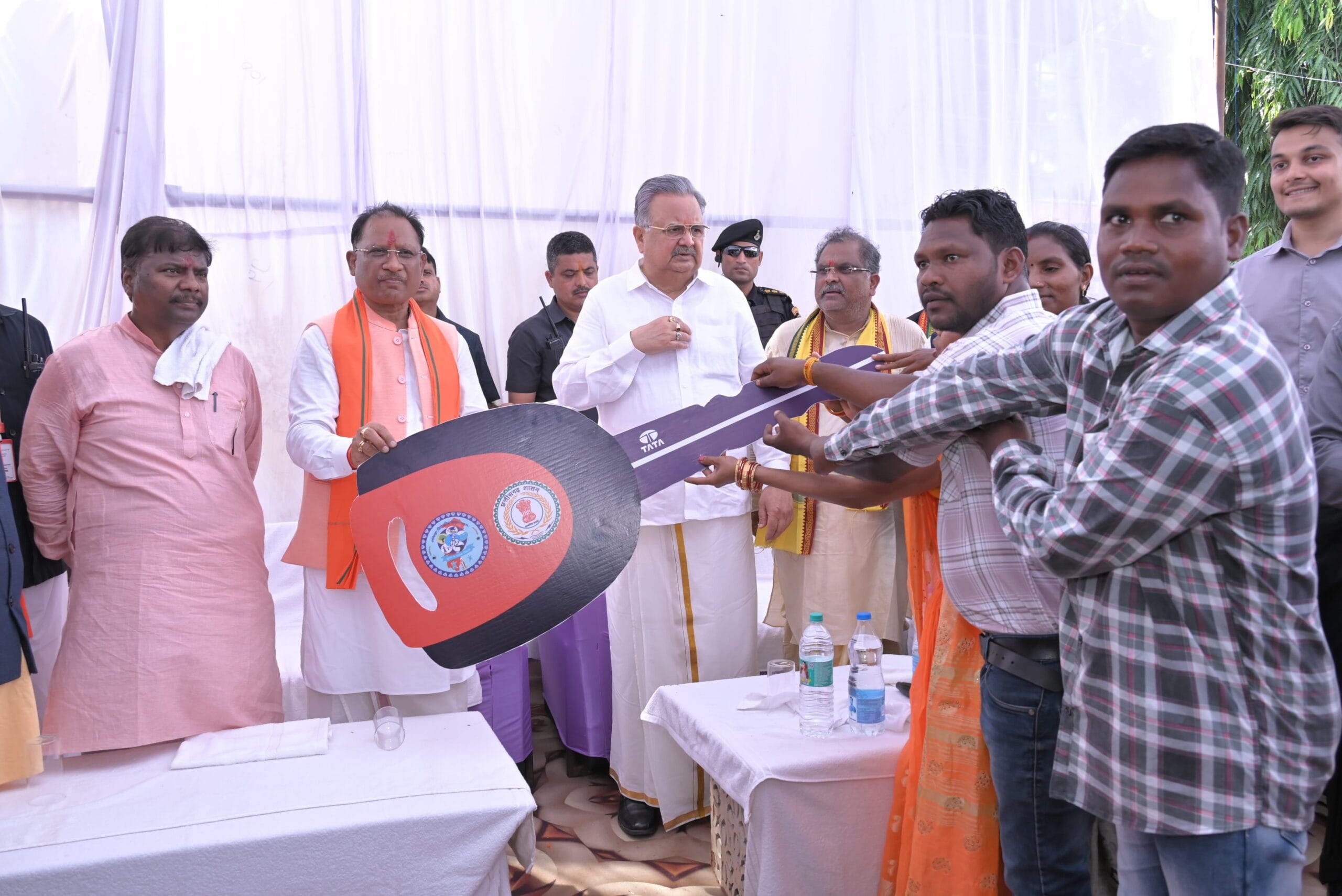
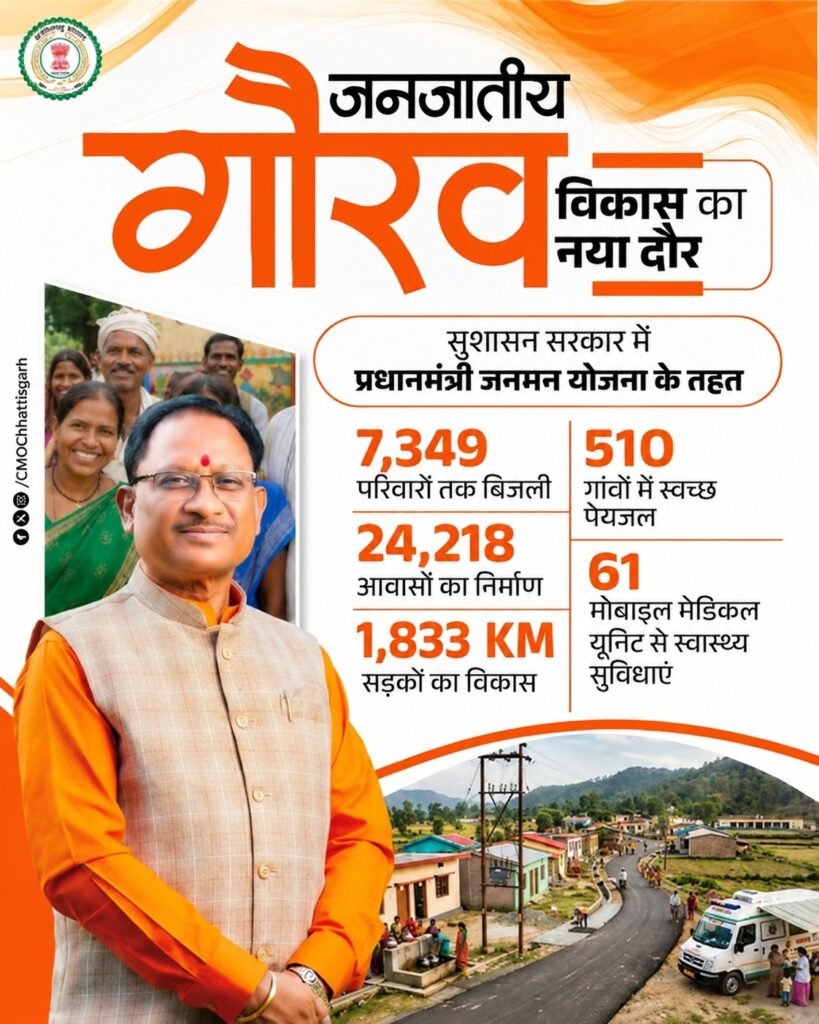
The government of Chhattisgarh, led by Shri Vishnu Deo Sai, is committed to the holistic development of Particularly Vulnerable Tribal Groups. Special focus is being placed on education, healthcare, employment, and basic infrastructure to uplift these communities. Various initiatives are underway in the districts to integrate these groups into the mainstream of development, strengthen their means of livelihood, and create local employment opportunities. The objective is to foster comprehensive development by providing members of these tribal communities with avenues for business and self-employment. The scheme has brought about a significant transformation for the residents of forest-dwelling areas in Chhattisgarh. A total of 34,691 permanent houses were sanctioned for these groups, of which 24,218 (approximately 69 percent) have already been successfully constructed. This has fulfilled the long-cherished dreams of families who were previously compelled to live in makeshift or hut-like dwellings.
To connect villages with main roads and markets, the construction of 2,901 kilometers of roads was sanctioned, with 1,833 kilometers already completed. This has improved access to education, healthcare, and local livelihood opportunities. Furthermore, skill training has opened up new avenues for employment and self-employment for tribal youth.
- Expansion of Electricity, Water, and Healthcare Services
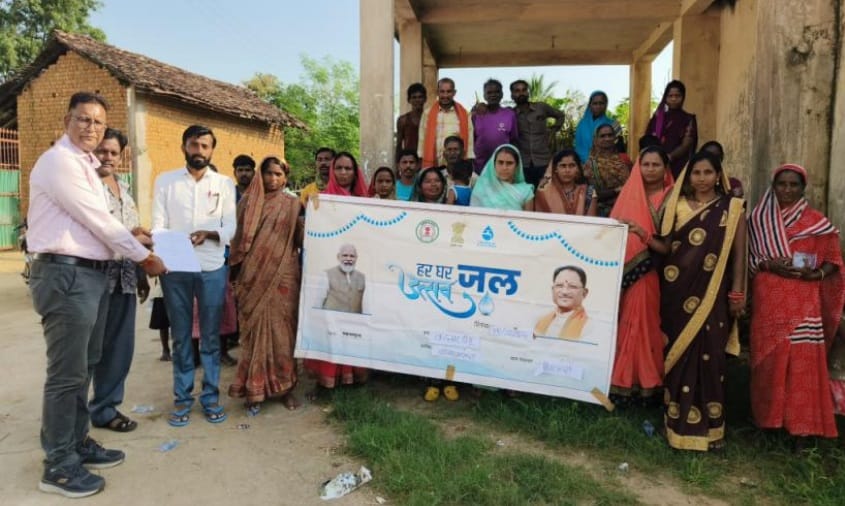
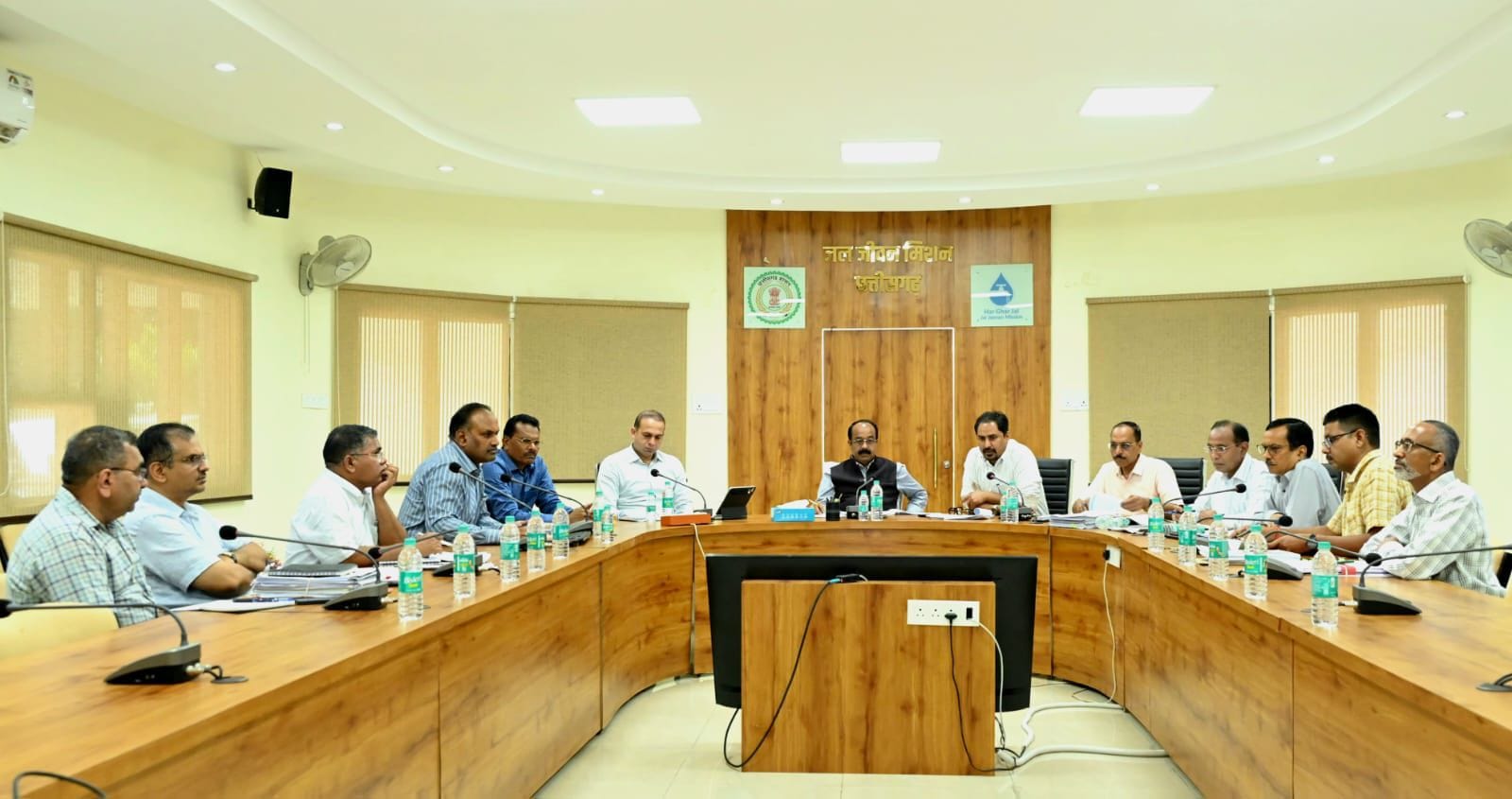
In remote forest regions and settlements of Particularly Vulnerable Tribal Groups, access to electricity is being provided through both solar energy and on-grid power systems. Various [states], including ChhattisgarhBy installing towers, feeders, and transformers, thousands of families have been provided with 100% electricity connectivity. Under the ‘Jal Jeevan Mission’, clean and safe drinking water is being supplied via pipelines to thousands of households belonging to Particularly Vulnerable Tribal Groups (PVTGs). This has liberated them from the burden of fetching water from distant sources or the necessity of consuming unsafe water from natural springs (jhiriyas). Unprecedented progress has also been made in providing basic infrastructure in remote forest regions. Off-grid electrification for 7,349 families in the state has been fully completed. Furthermore, 100% coverage has been achieved in 940 out of 1,490 targeted villages for electricity, and in 510 out of 1,425 targeted villages for drinking water.
- Health and Nutrition
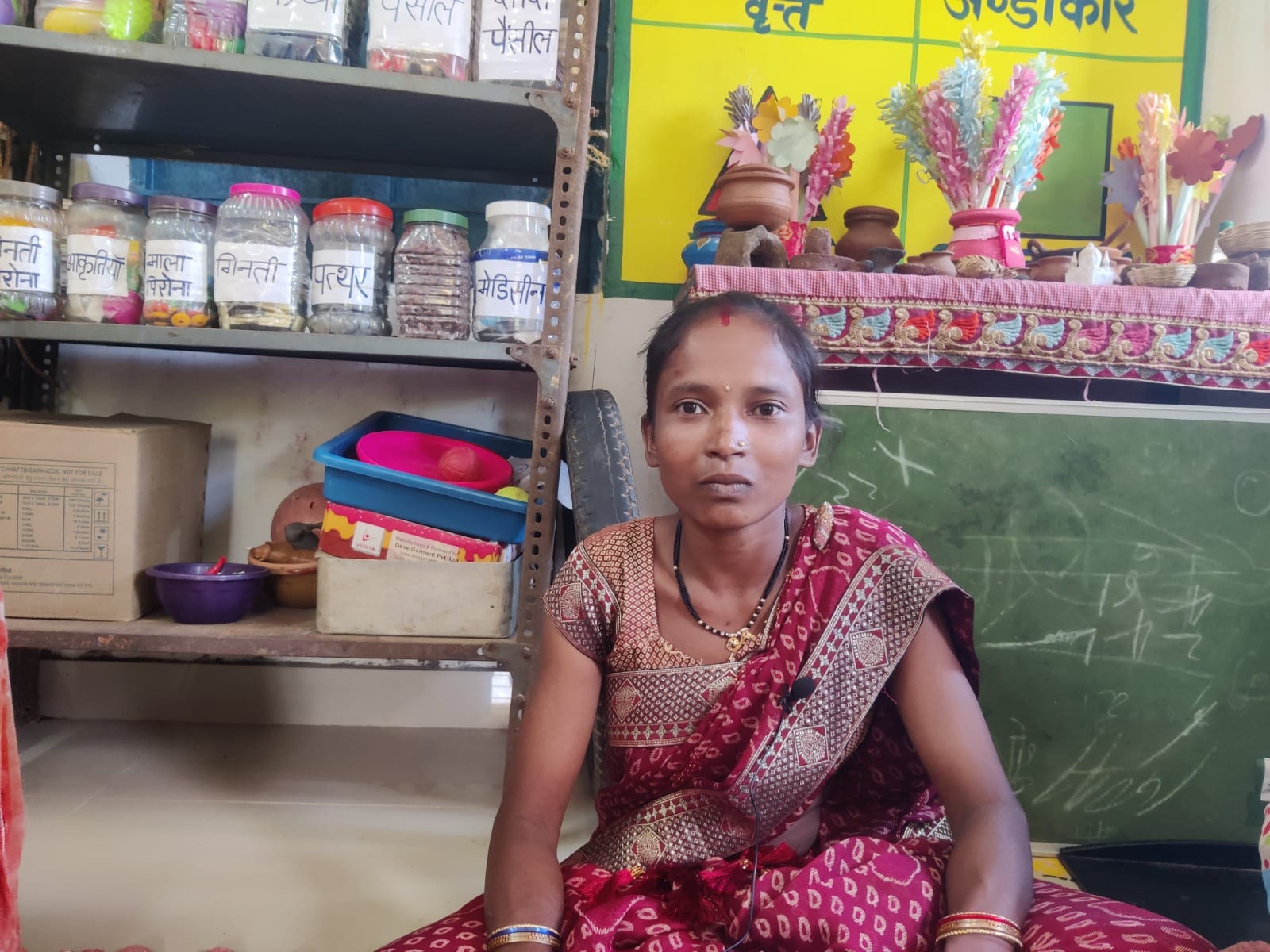
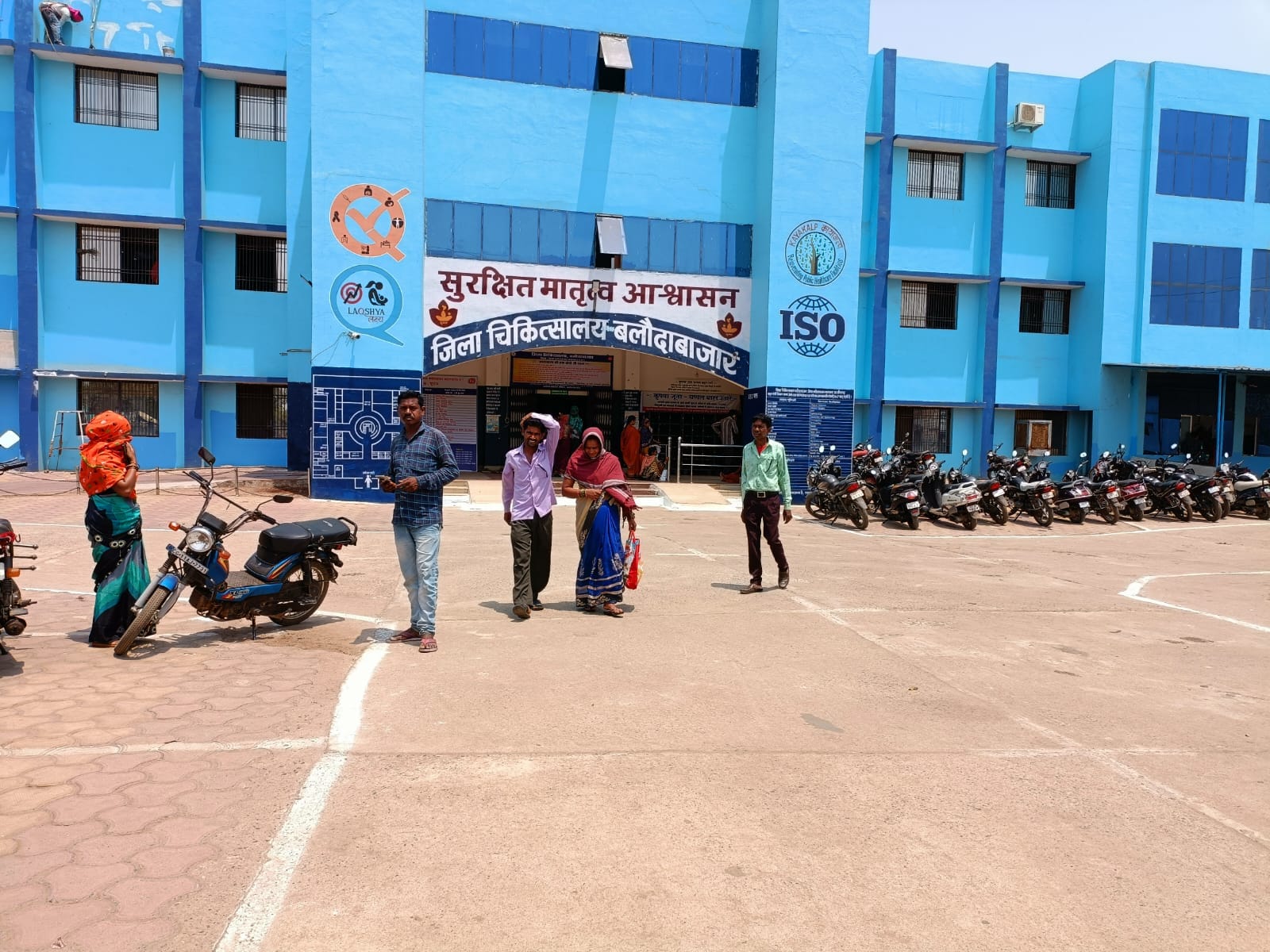
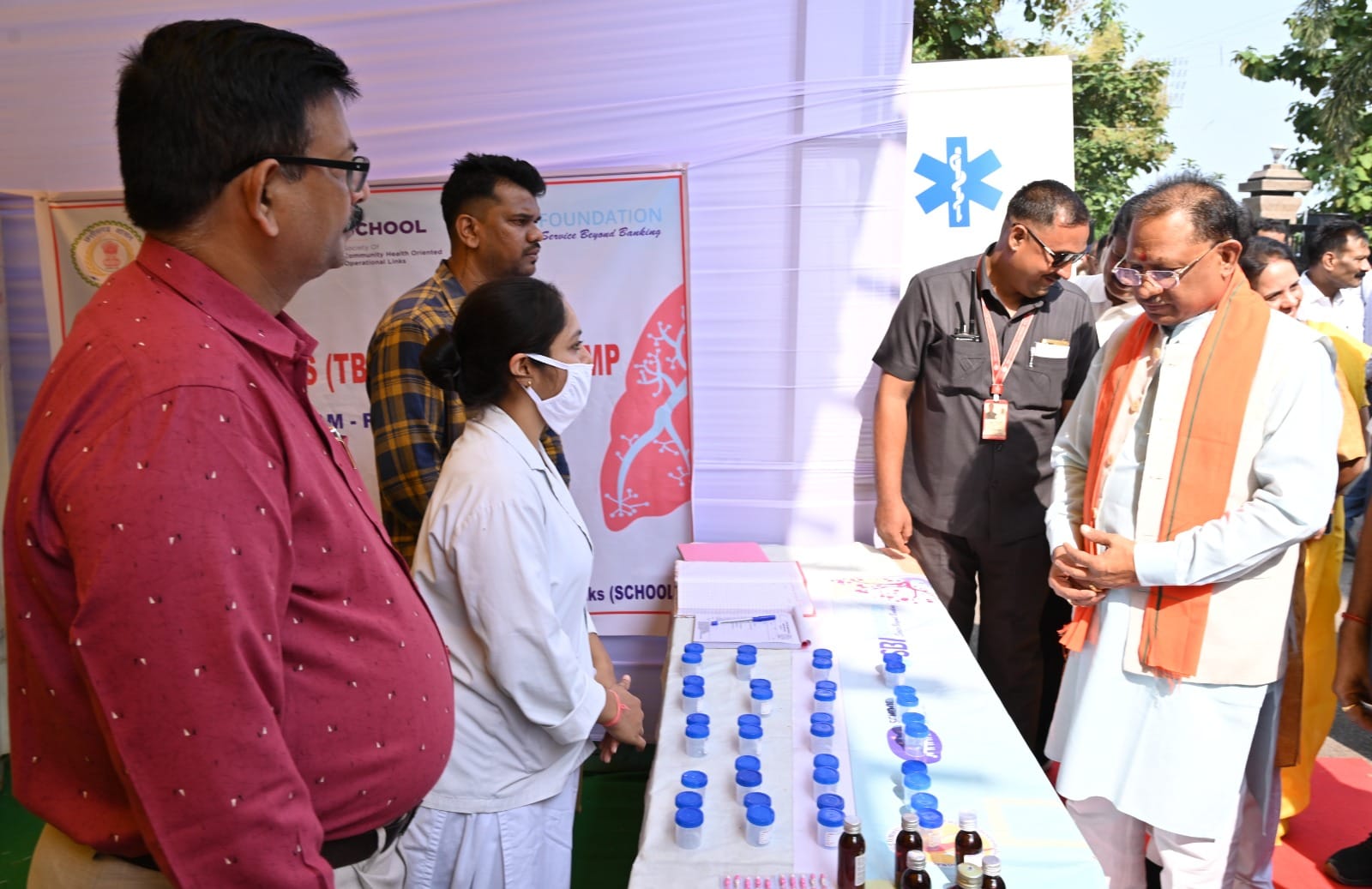
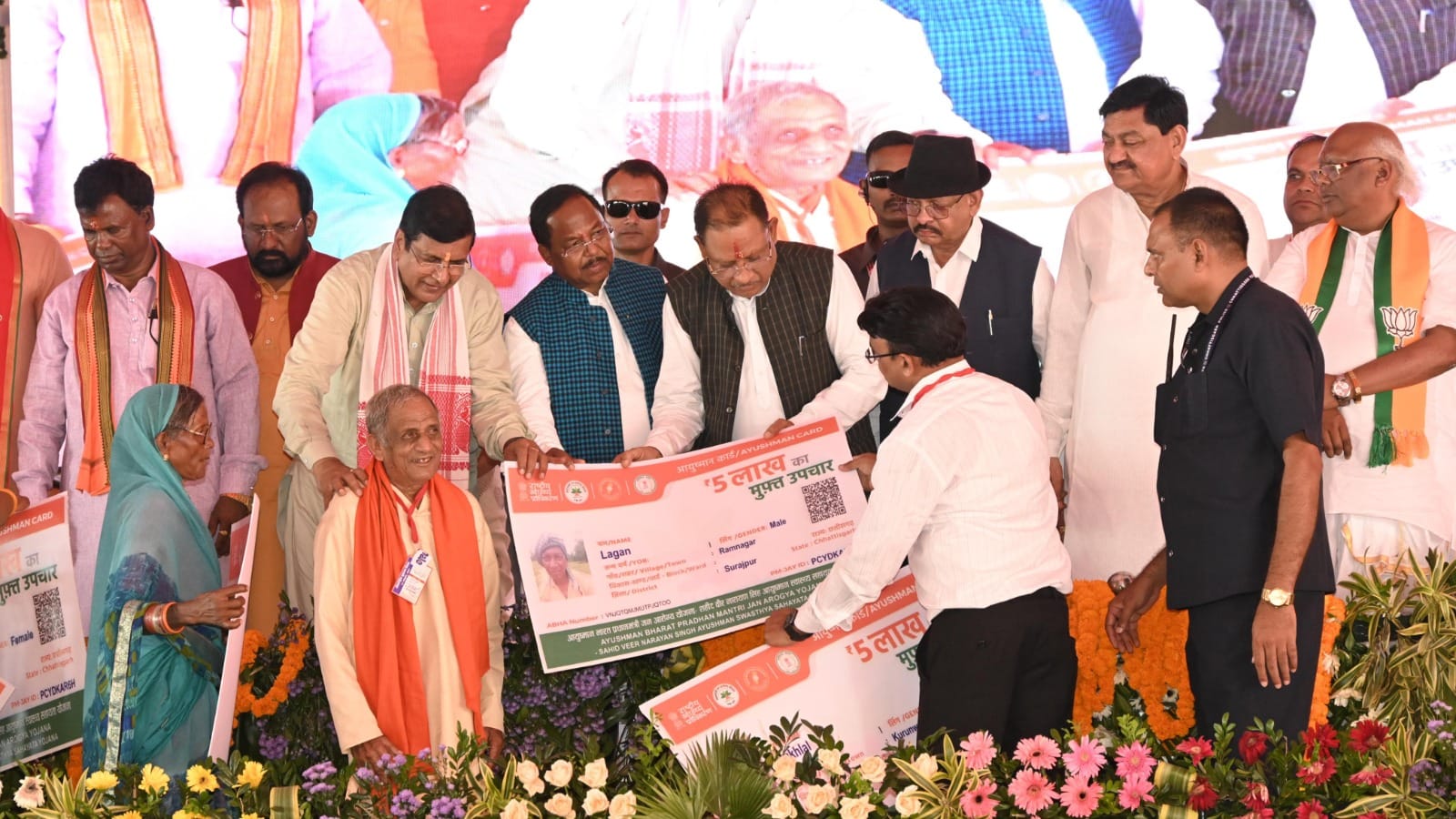
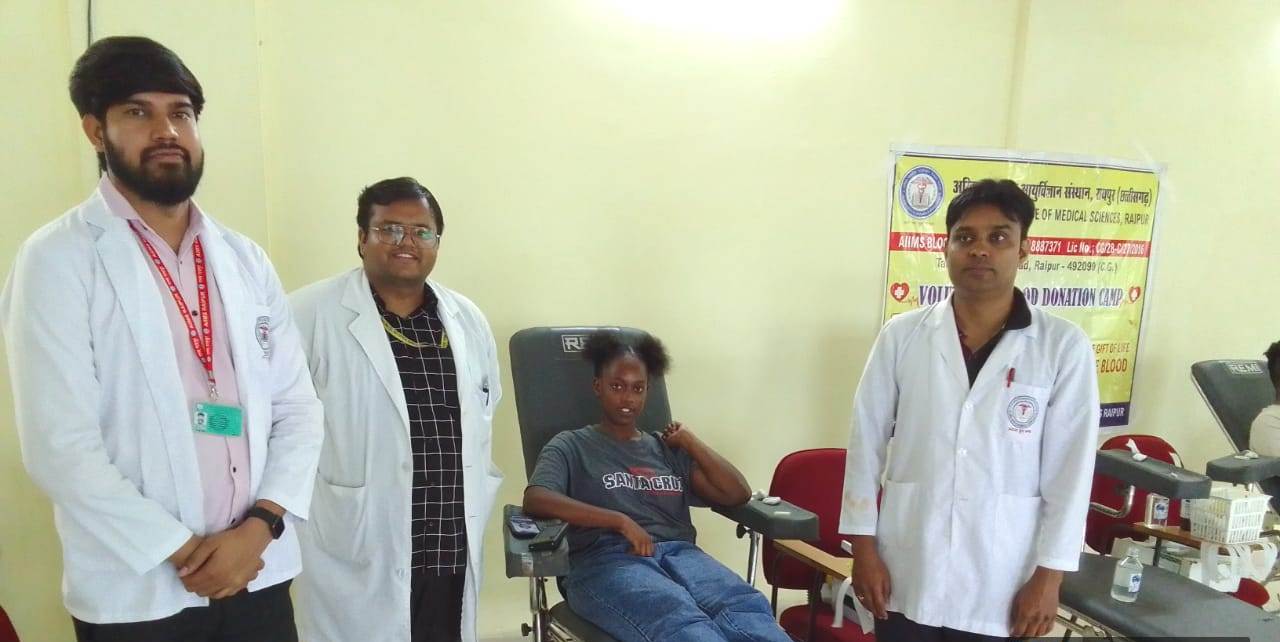
Special campaigns are conducted for the screening and prevention of sickle cell disease—a genetic disorder—among Particularly Vulnerable Tribal Groups (PVTGs). To address hemoglobin deficiency, iron-folic acid supplements are provided to individuals across various age groups, including pregnant women. Key priorities include promoting ‘nutrition gardens’ (poshan vatikas) and awareness regarding a balanced diet, as well as disseminating information on health and nutrition to families within these tribal groups. To prevent malnutrition, children undergo regular health check-ups, while pregnant and nursing mothers receive proper care and balanced supplementary nutrition. To ensure healthcare access in remote areas, Mobile Medical Units (MMUs) are in operation, delivering medical services and medicines directly to the settlements. Additionally, the ‘Ayushman Bharat’ scheme is being implemented, and Anganwadi centers are being strengthened. Currently, 61 Mobile Medical Units are fully operational, bringing healthcare services directly to people’s doorsteps. Furthermore, all 191 sanctioned Anganwadi centers are functioning effectively. Livelihoods and Digital Access
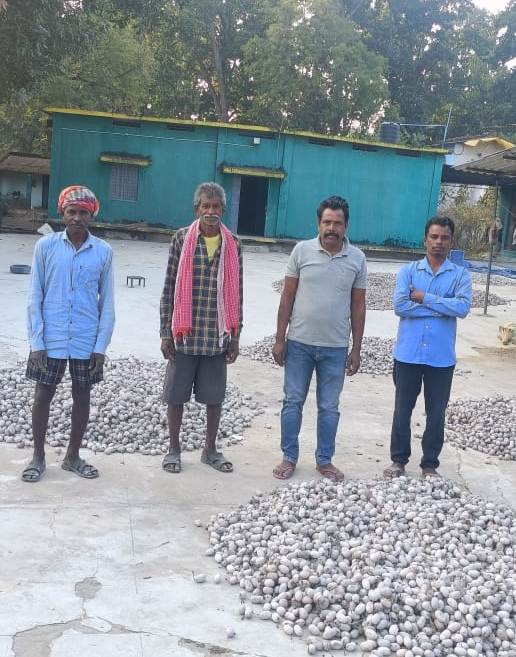
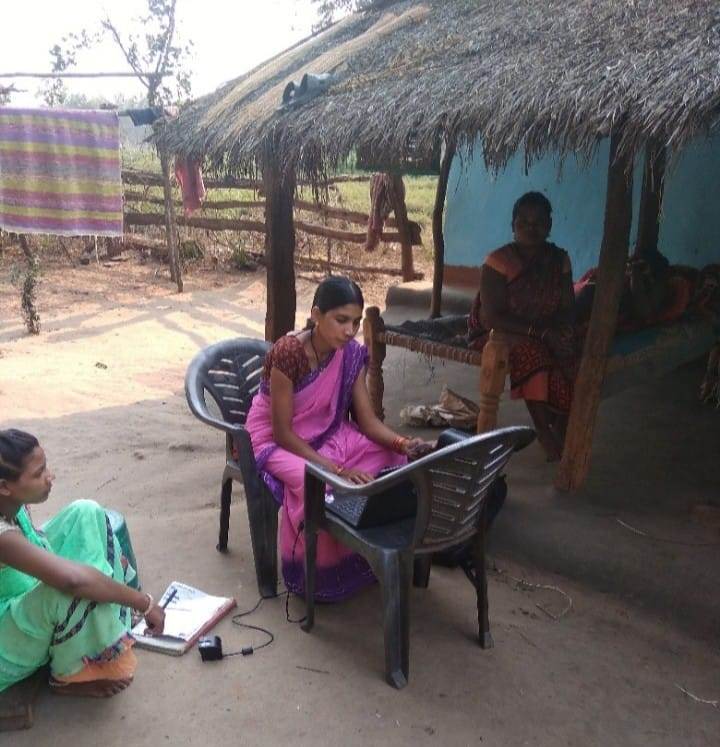
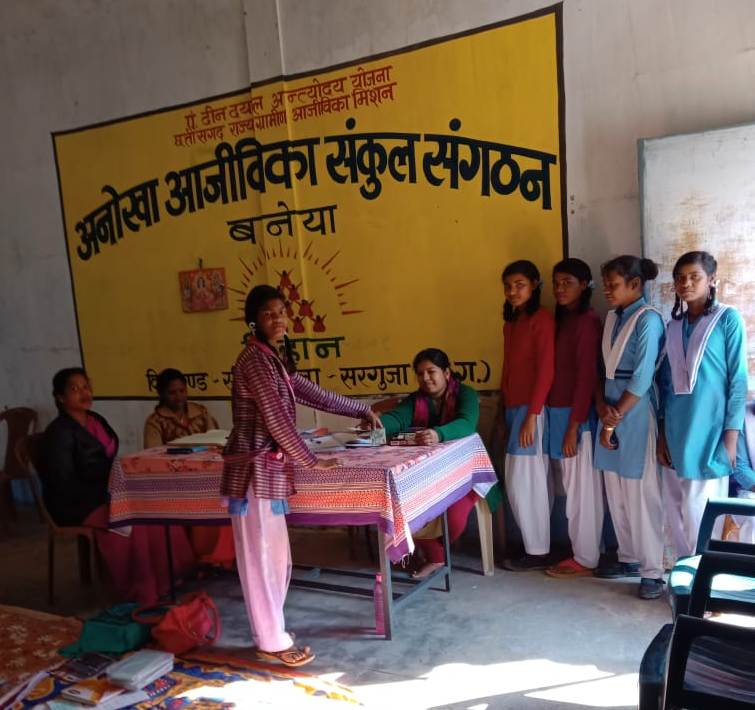
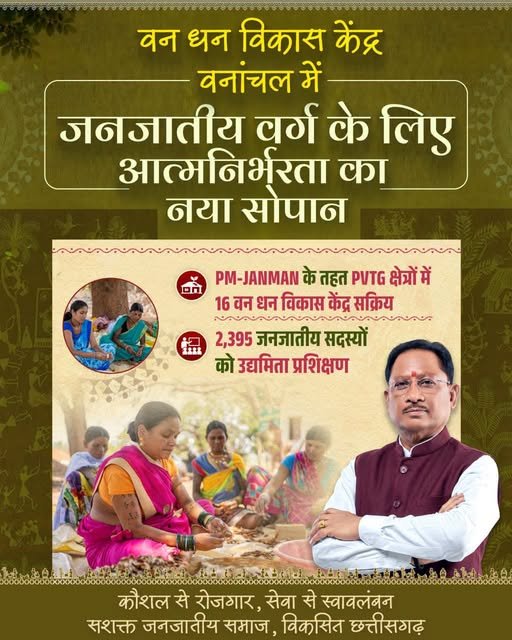
In regions inhabited by Particularly Vulnerable Tribal Groups (PVTGs), significant socio-economic improvements are being driven by integrating traditional livelihood practices with modern digital connectivity. ‘Digital inclusion’ is creating new opportunities in these remote and geographically isolated areas. Traditionally, the livelihoods of these tribes have relied primarily on agriculture and the collection of Minor Forest Produce (MFP)—such as honey, mahua, tendu leaves, and medicinal herbs. The government is now taking concrete steps to connect these communities with mainstream markets. Under the Pradhan Mantri Janjati Adivasi Nyaya Maha Abhiyan (PM-JANMAN) scheme, hundreds of ‘Van Dhan Vikas Kendras’ (Forest Wealth Development Centers) have been made operational in areas inhabited by PVTGs. For instance, in the tribal regions of Chhattisgarh, these centers are providing training in entrepreneurship and value addition to thousands of community members. Furthermore, under the Pradhan Mantri Janjatiya Vikas Mission (PMJVM), the government is ensuring the procurement of forest produce at notified Minimum Support Prices (MSP), thereby reducing dependence on intermediaries.
Mobile towers are being specifically installed in inaccessible and remote villages, connecting these areas—for the first time—to digital services and emergency communication facilities. Enhanced internet connectivity has brought initiatives like ‘Digital India,’ Direct Benefit Transfer (DBT), and digital banking directly to these communities. Through digital literacy and modern communication tools, tribal artisans and forest produce collectors are now able to showcase their value-added products to a wider domestic audience via digital marketplaces (e-commerce platforms). To further promote livelihoods based on local resources, 16 ‘Van Dhan Vikas Kendras’ have already been established. For digital connectivity, 135 mobile tower sites have been approved (with work already underway at 37 of them), and 51 multi-purpose centers along with 40 hostels are also being developed.
The PM-JANMAN scheme has provided more than just brick-and-mortar houses or paved roads for the Particularly Vulnerable Tribal Groups (PVTGs) in Chhattisgarh; it has granted these communities a new identity and the self-confidence to keep pace with the nation’s mainstream. On the occasion of ‘Janjatiya Gaurav Divas’ (Tribal Pride Day), this achievement serves as proof that the vision of a strong, inclusive, and developed Chhattisgarh is now becoming a reality.
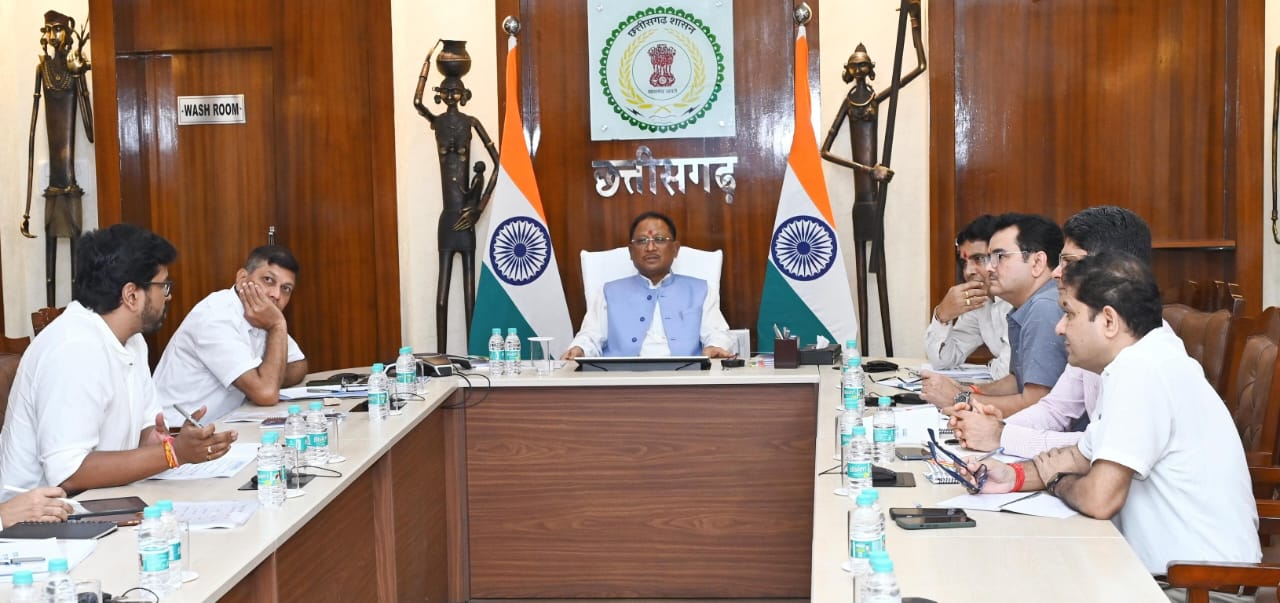
Chief Minister Shri Vishnu Deo Sai has stated that Chhattisgarh has emerged as the top-performing state in the country in the effective implementation of the PM-JANMAN scheme. Bringing a smile to the faces of the members of these particularly vulnerable tribal groups is the true victory of a government committed to good governance. With access to electricity, water, roads, and healthcare facilities, the tribal communities of Chhattisgarh are now reaching new heights of development.