



















- From 10 locomotives to a capacity for 250 electric locomotives: The three-decade journey of the Raipur Loco Shed.
- A new ₹175 crore project is set to transform this Chhattisgarh-based shed into a major maintenance hub for the electric era.
The Diesel Loco Shed in Raipur, under the South East Central Railway, is entering a new chapter in its history. In July 2026, the Ministry of Railways approved a ₹175 crore project to develop facilities for housing 250 additional three-phase electric locomotives at the shed. Established in May 1995 with just 10 locomotives, the shed now maintains over 284 engines and serves as the backbone for the transportation of coal, steel, and cement in Chhattisgarh.
- A Legacy of Narrow-Gauge Lines and Steam Locomotives
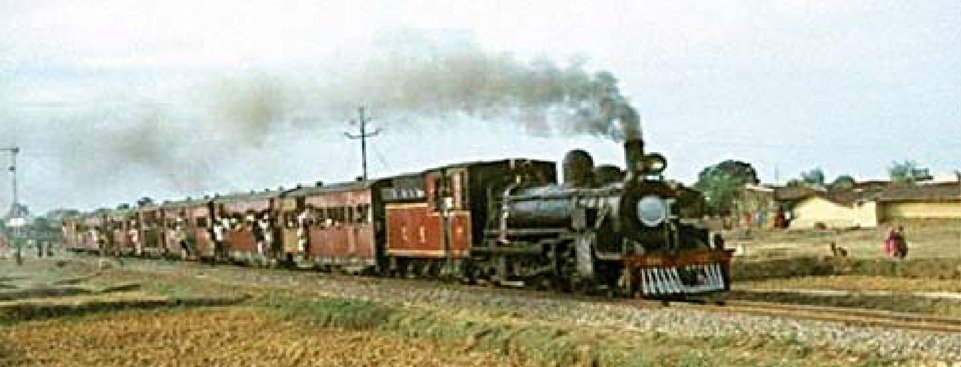
The tradition of locomotive maintenance in Raipur predates the current Diesel Loco Shed by nearly a century. In 1896, Raipur and the Chhattisgarh region were gripped by a severe famine. At the request of the Commissioner of Chhattisgarh, the Bengal Nagpur Railway initiated the construction of the Raipur-Dhamtari line as a famine-relief project, ensuring that wages reached the local villagers directly. A 2-foot 6-inch narrow-gauge line was opened—from Raipur to Kurud on September 10, 1900, and from Kurud to Dhamtari on December 17, 1900—with a branch line from Abhanpur to Rajim added in 1909.
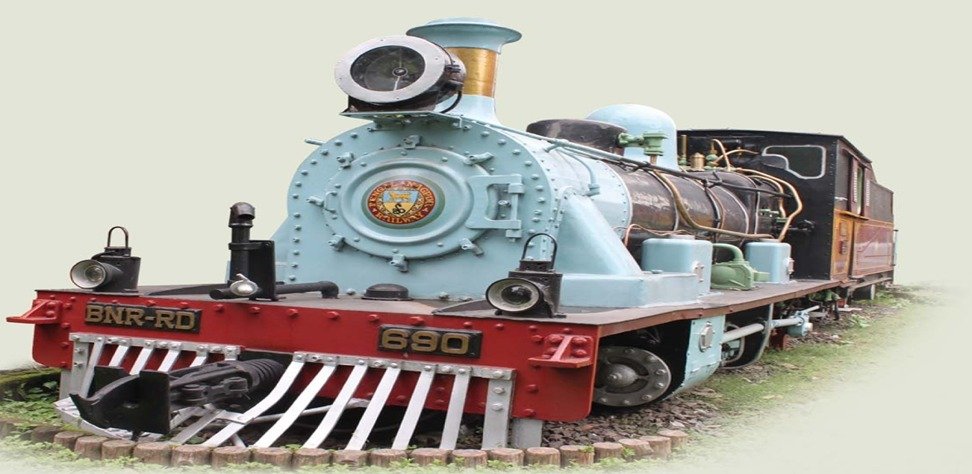
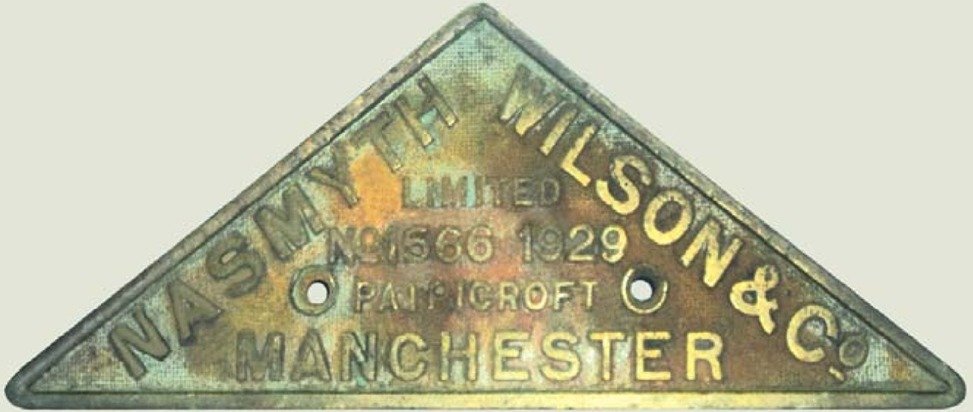
The first four locomotives to operate on this line were 2-6-2 tender engines, numbered 1 through 4, manufactured by the Manning Wardle company of Leeds, England. In 1926, the BNR (Bengal Nagpur Railway) acquired two more engines from the Hunslet company and six from the Nasmyth Wilson company; these were designated as the ‘RD’ class. As freight traffic increased, ‘CC’ class engines replaced them in Raipur; by the 1970s, there were 11 ‘CC’ class engines stationed there. A BNR ‘RD’ class engine—number 690, built by Nasmyth Wilson in 1929—is currently preserved at the South Eastern Railway headquarters in Garden Reach, Kolkata.

These engines were maintained at the Narrow Gauge Steam Loco Shed in Raipur. From October 1, 1987, all services on this section transitioned to diesel locomotives. Following the establishment of the Diesel Loco Shed (DLS) in Raipur, the narrow-gauge ZDM diesel locomotives continued to be maintained at a satellite unit of the shed. On April 30, 2017—117 years later—the final narrow-gauge train departed from Telibandha in Raipur, marking the commencement of the line’s conversion to broad gauge.
- From Foundation to Expansion
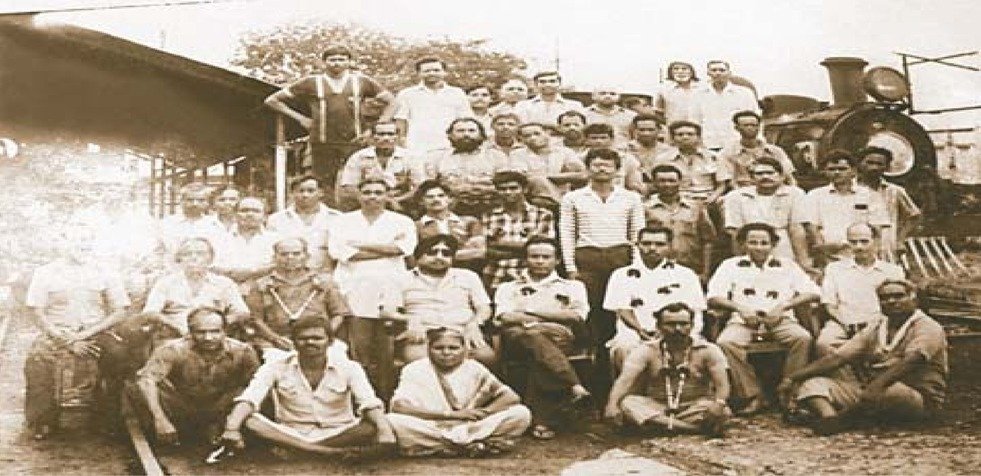
The foundation for the Raipur Diesel Loco Shed was laid in February 1993, under what was then the South Eastern Railway. The shed commenced operations in May 1995, initially handling 10 broad-gauge locomotives. Its primary objective was to provide reliable diesel locomotives for the heavy freight traffic within the Raipur-Bhilai industrial belt.
Following the reorganization of railway zones in 2003, the shed became part of the newly formed South East Central Railway (headquartered in Bilaspur). By March 2008, its holding capacity was increased to 100 locomotives. By 2014, the shed was maintaining approximately 149 locomotives—well beyond its original capacity. In May 2018, the number of locomotives maintained by the shed reached 200. In October 2020, the first electric locomotive was inducted here, and by 2021, the fleet had grown to over 240 locomotives.
Over the years, the shed has maintained locomotives from the ALCO family—such as the WDS-6 and WDG-3A—as well as high-horsepower WDG-4 diesel locomotives and WAG-7 electric locomotives. The ALCO locomotives based in Raipur have long been recognized for their distinctive blue-and-white livery.
- Towards the Electric Era
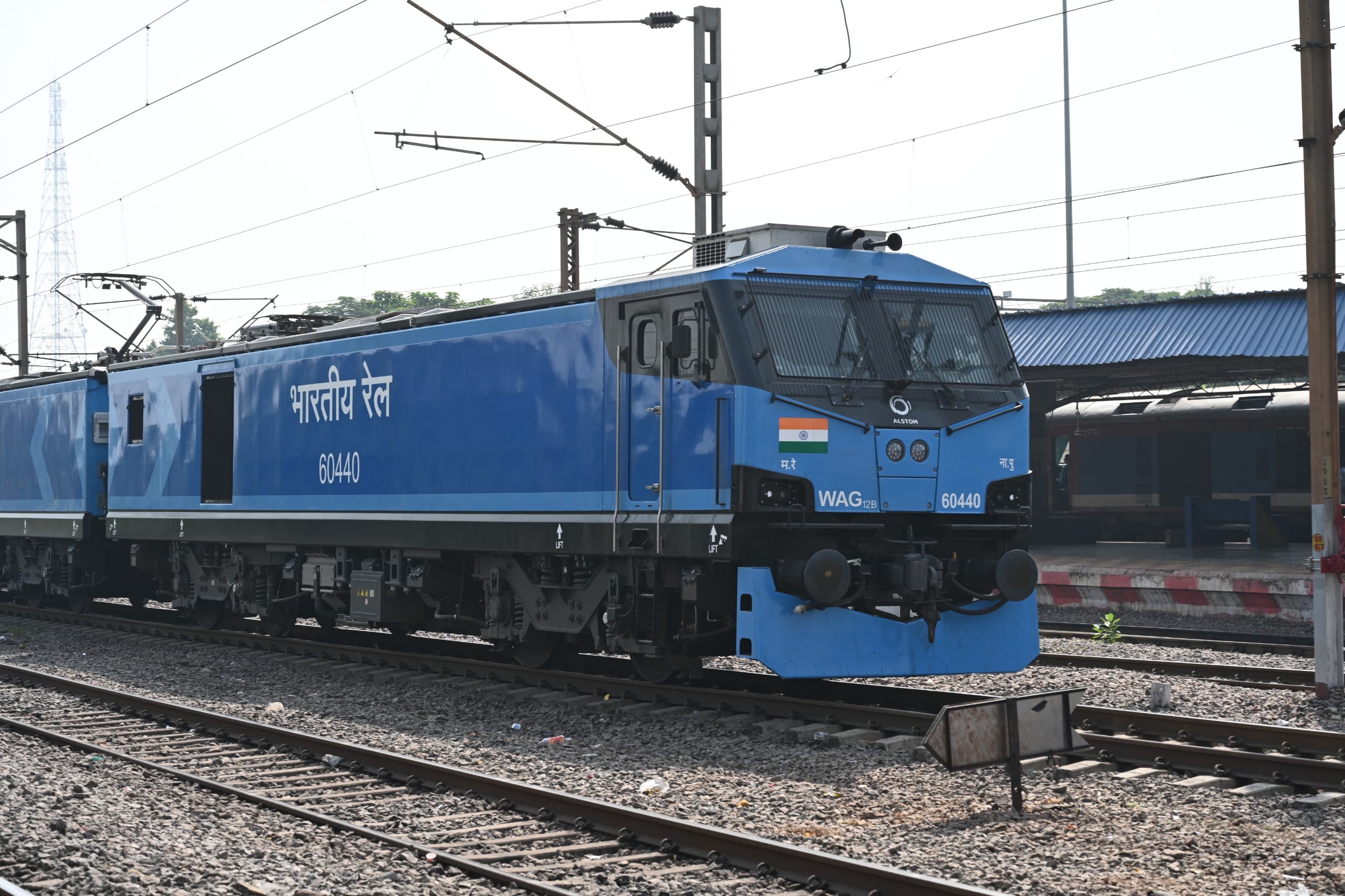
In line with Indian Railways’ goal of 100% electrification, the Raipur shed is also undergoing a transformation. As of February 2026, Indian Railways operated a fleet comprising 13,569 electric and 4,169 diesel locomotives. To support the maintenance of this expanding electric fleet, the Ministry of Railways approved a project worth ₹175 crore for the Raipur shed in July 2026.
This project will establish facilities to “home” an additional 250 three-phase electric locomotives at the shed. A “homing shed” serves as the base depot where a locomotive undergoes routine maintenance, safety inspections, and repairs. The project will optimize the use of existing yard infrastructure, improve locomotive availability, and reduce the time required for maintenance.
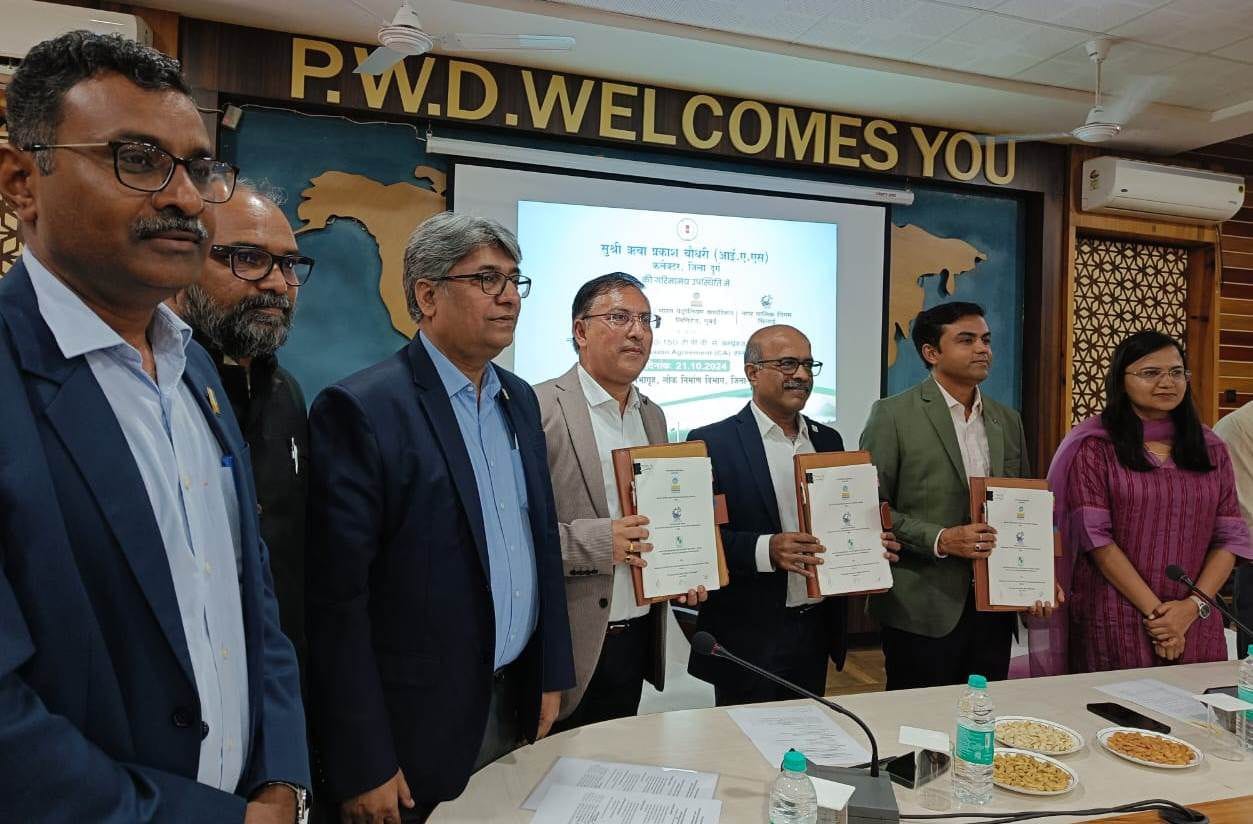
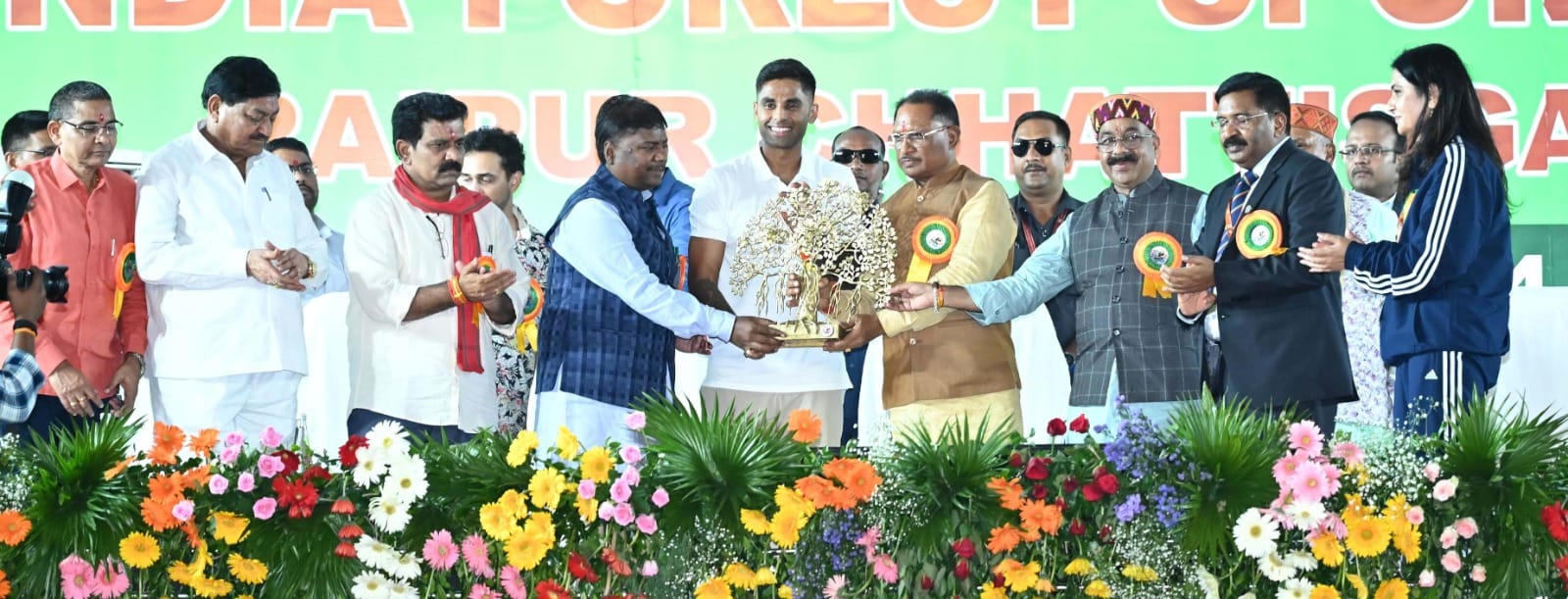
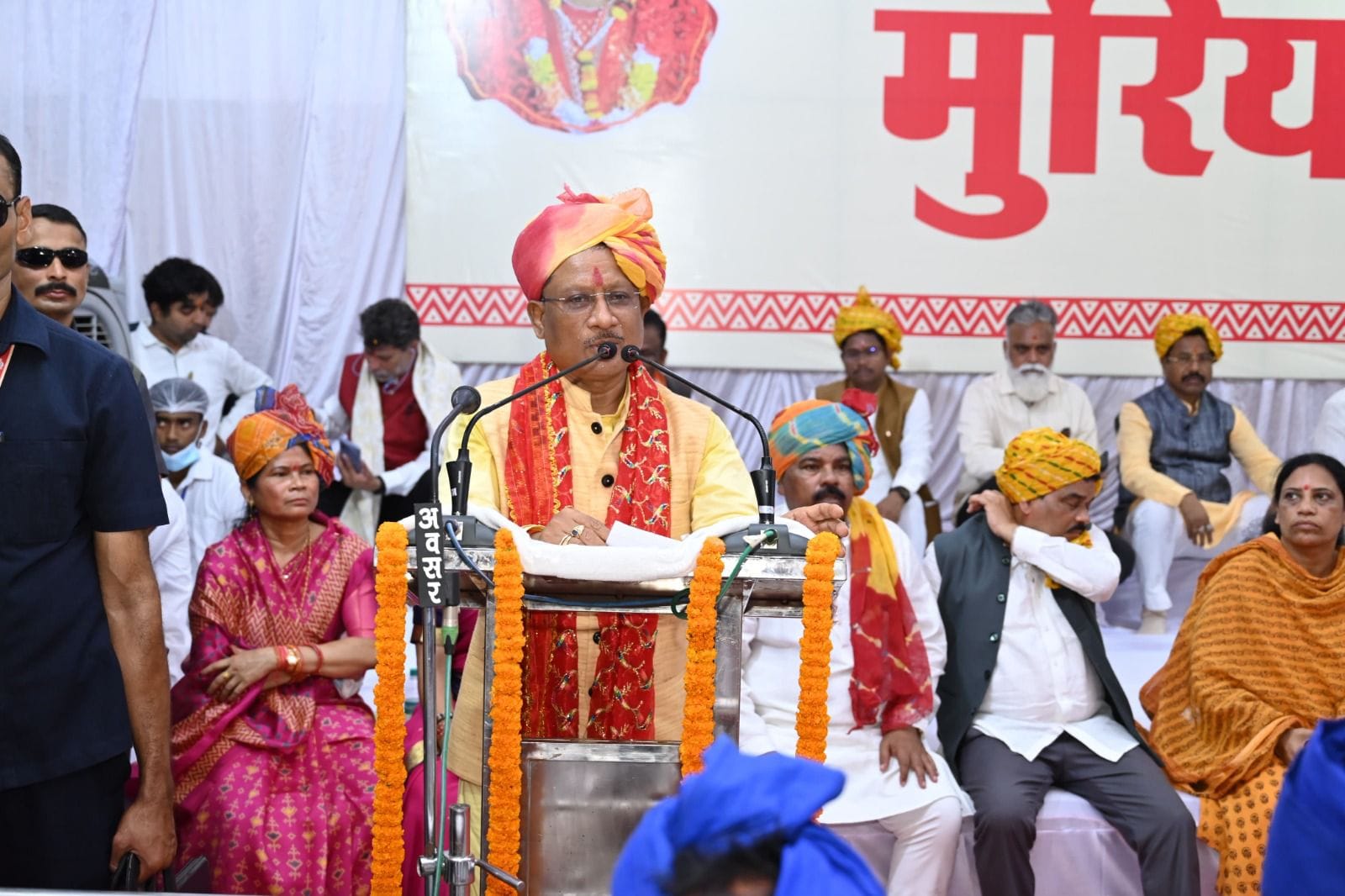
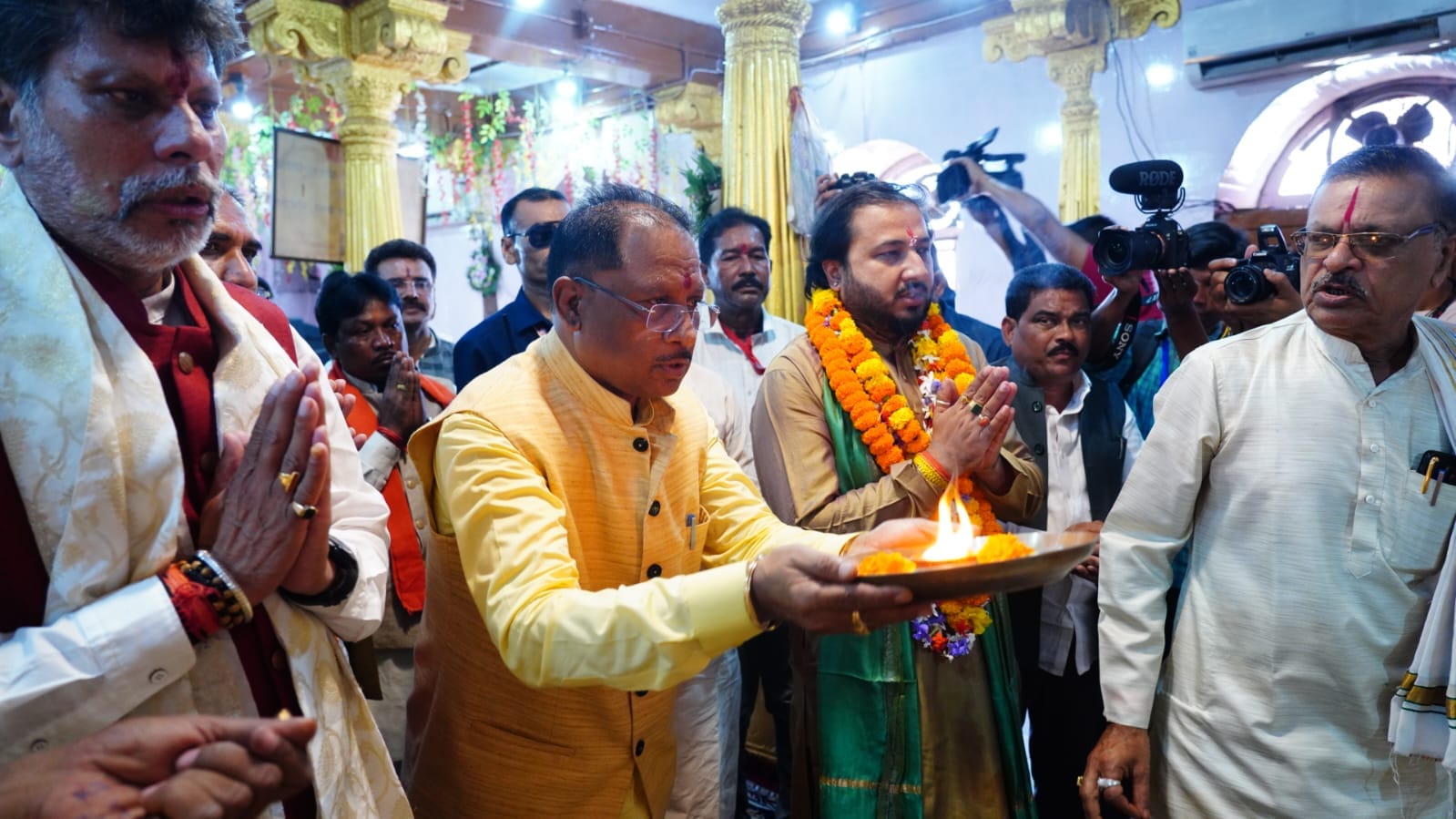
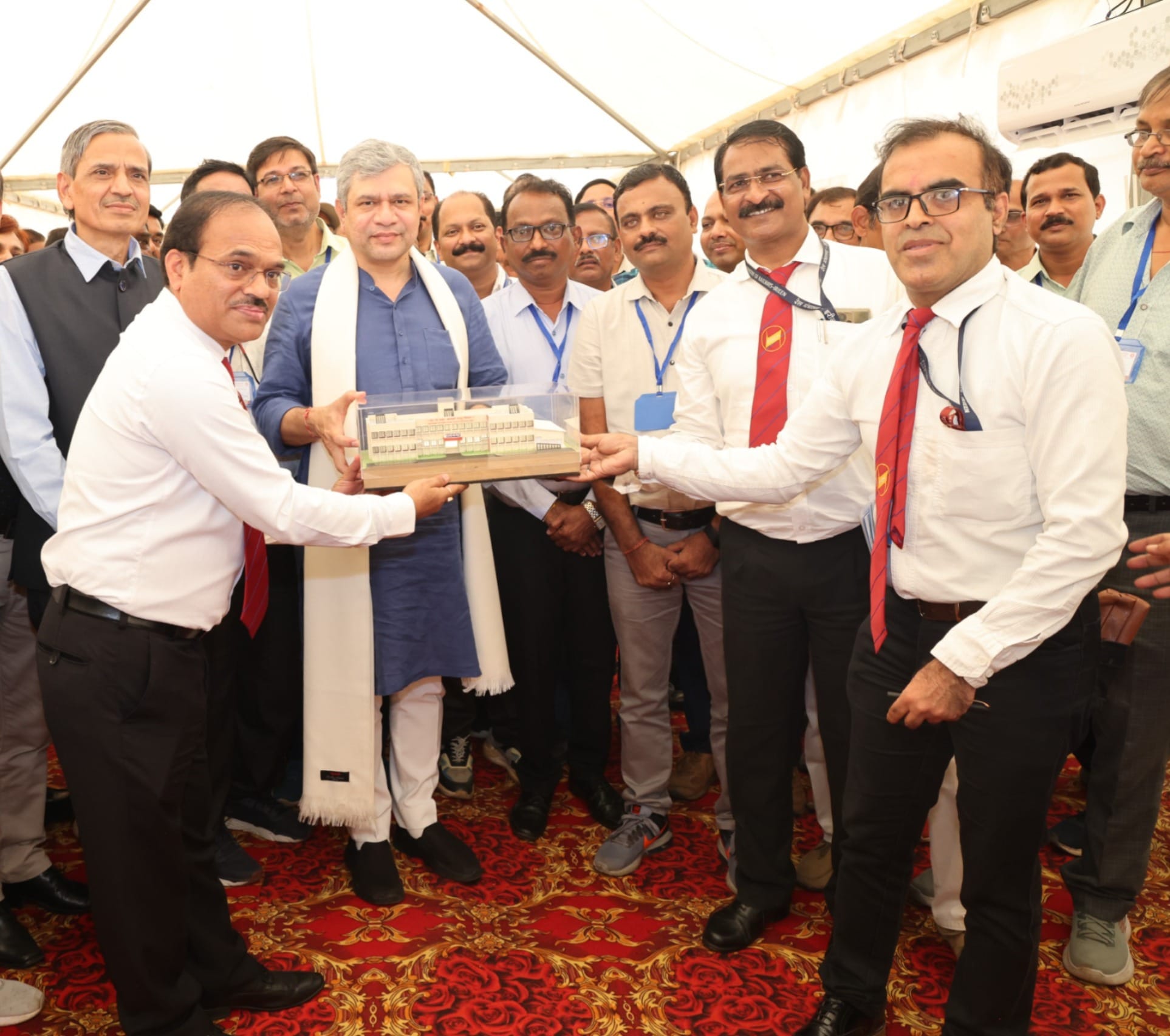
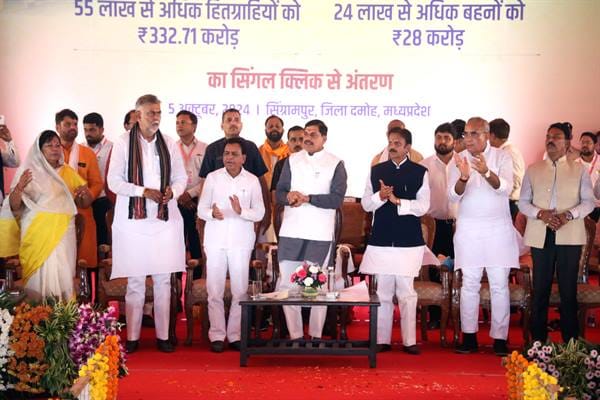
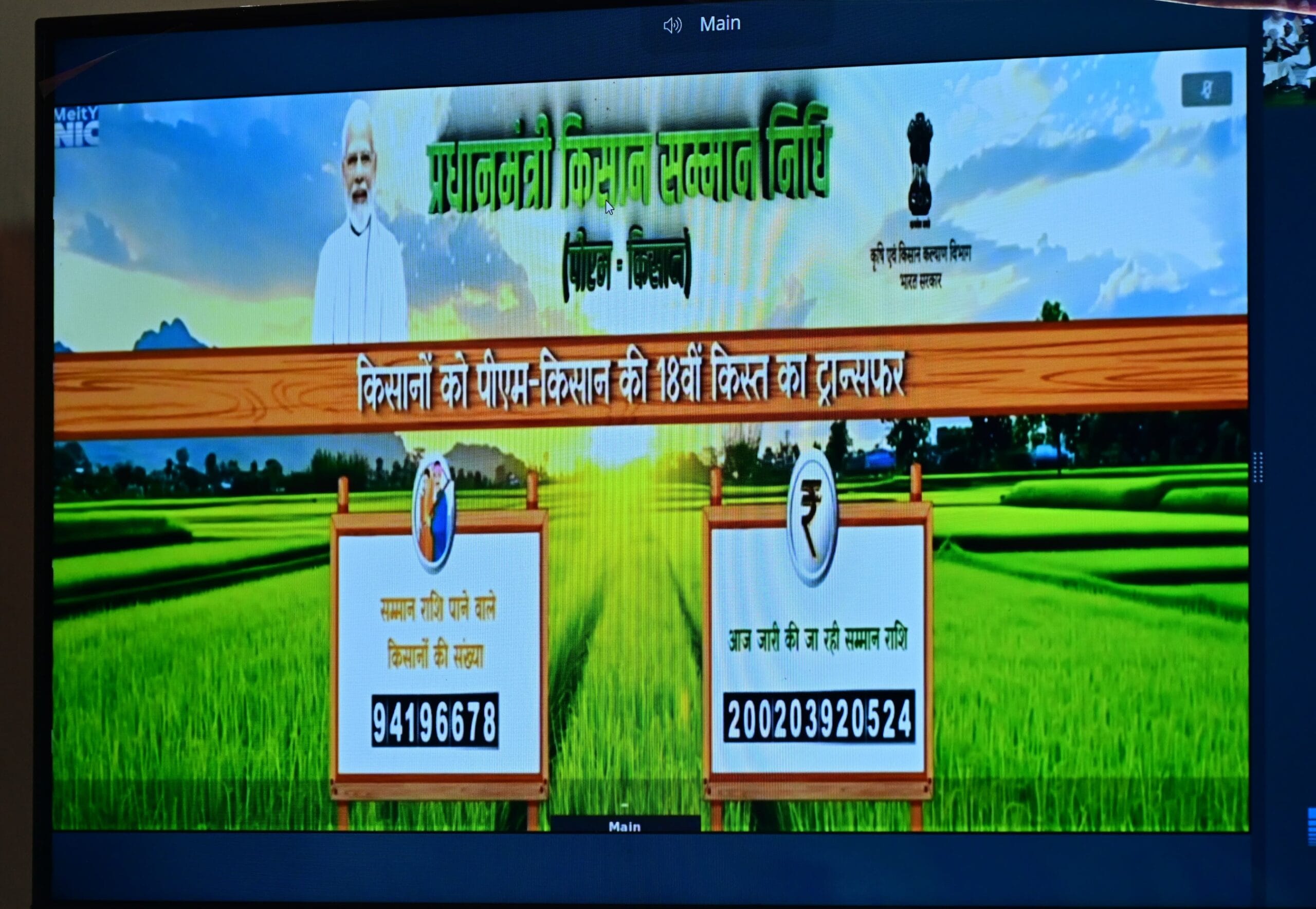
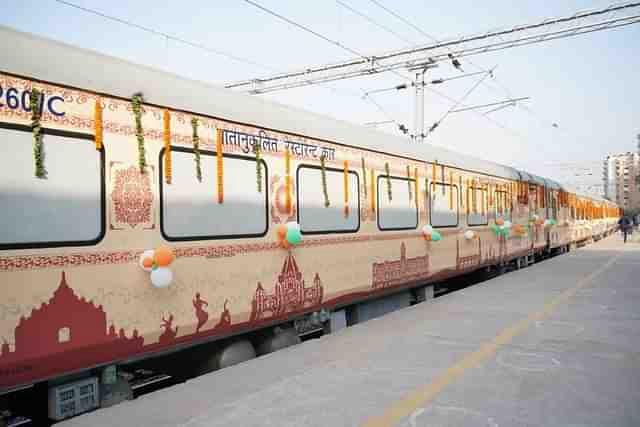
On October 20, 2026, at Raipur station, Chief Minister Shri Vishnu Deo Sai—joined via video conference by Railway Minister Shri Ashwini Vaishnaw—flagged off new train services from Raipur to Kurud and Rowghat. During the same event, the foundation stone was laid for an electric locomotive maintenance facility at DLS (Diesel Locomotive Shed) Raipur, valued at ₹133 crore. Once completed, this facility will be capable of maintaining 300 high-horsepower electric locomotives.
It is a fortunate coincidence. The Raipur-Kurud route, which saw its first narrow-gauge steam-powered train in 1900, is now traversed by broad-gauge trains; it was also on this route that the Raipur shed laid the foundation for an electric future. From steam to diesel, and from diesel to electric, Raipur has witnessed every generation of railway locomotives.
The operations of the shed are directly linked to the freight performance of the zone. In the year 2025-26, the South East Central Railway (SECR) handled 261 million tonnes of freight, generating a freight revenue of ₹30,410 crore. The Raipur shed is one of the zone’s three freight locomotive sheds; a ‘Centre of Excellence’—modeled after the one in Bhilai—is also being established here.
Having begun its journey in 1995 with just 10 locomotives, the shed now stands on the threshold of the electric era. A new project by the Ministry of Railways will facilitate the availability of safer and more reliable locomotives for freight transport in Chhattisgarh.
The Diesel Loco Shed in Raipur has been a constant companion through every generation of locomotives—from steam and diesel to electric—and is set to further strengthen its role as a key locomotive maintenance hub in Central India in the years to come.