


















































































- Experts and Stakeholders Provide Suggestions on the Draft State Biodiversity Rules, 2026
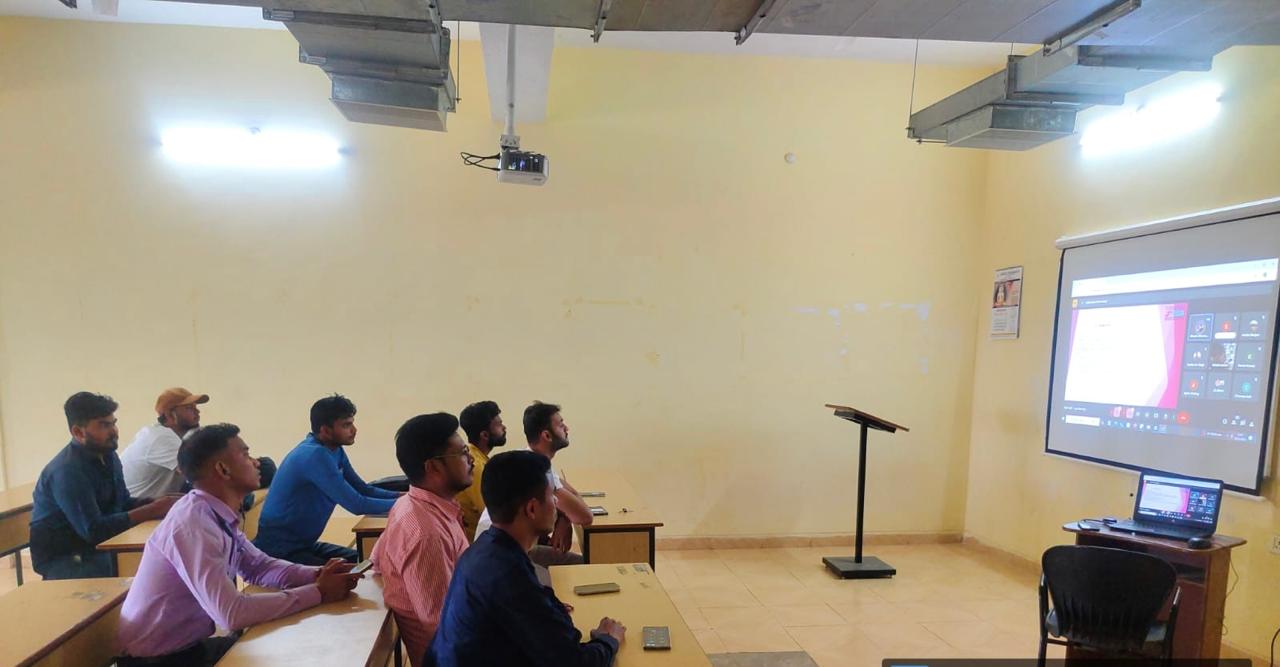
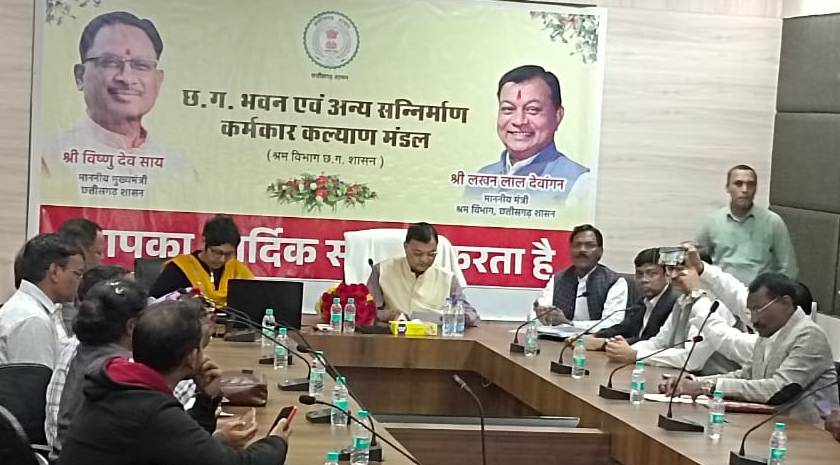
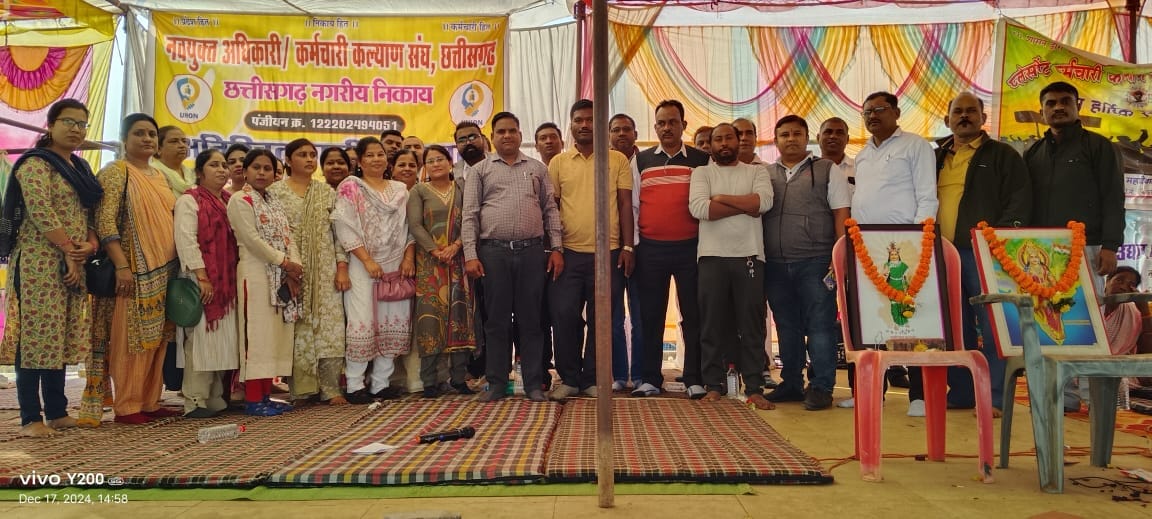
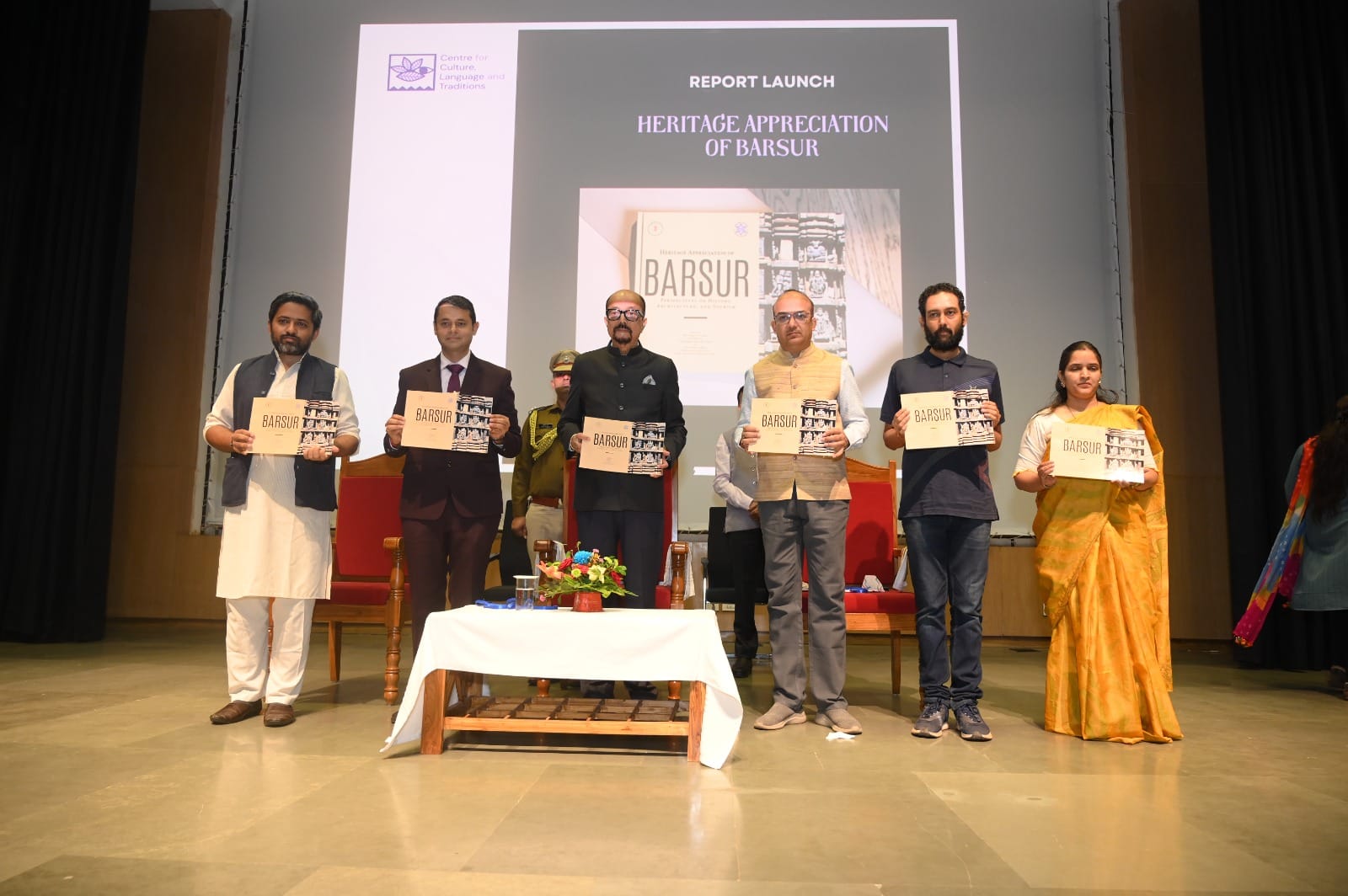
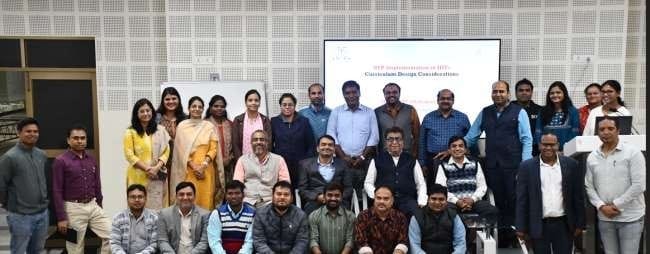
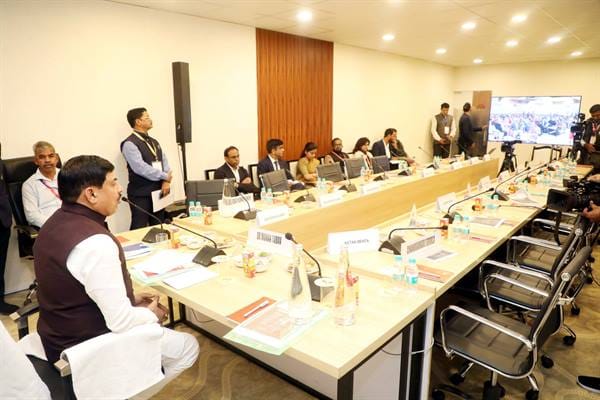
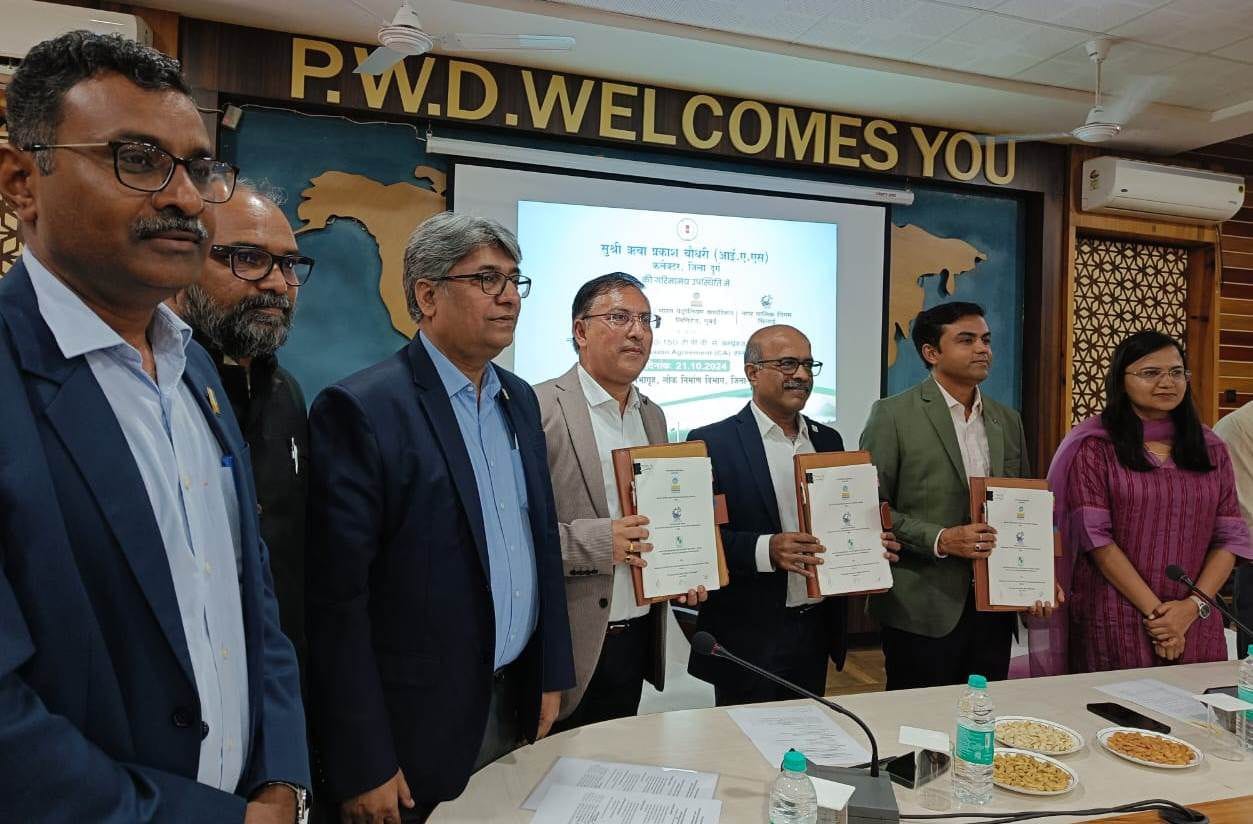
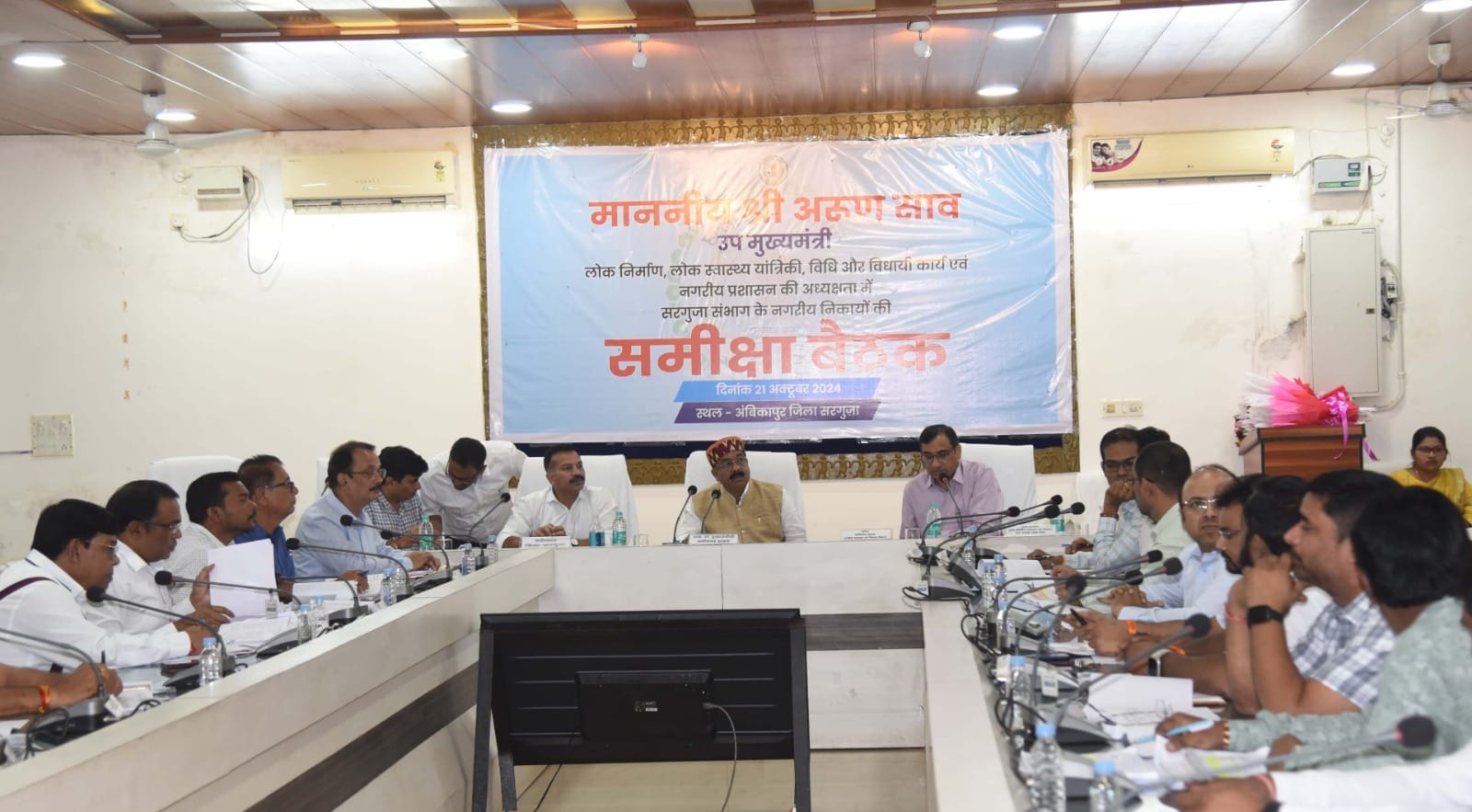
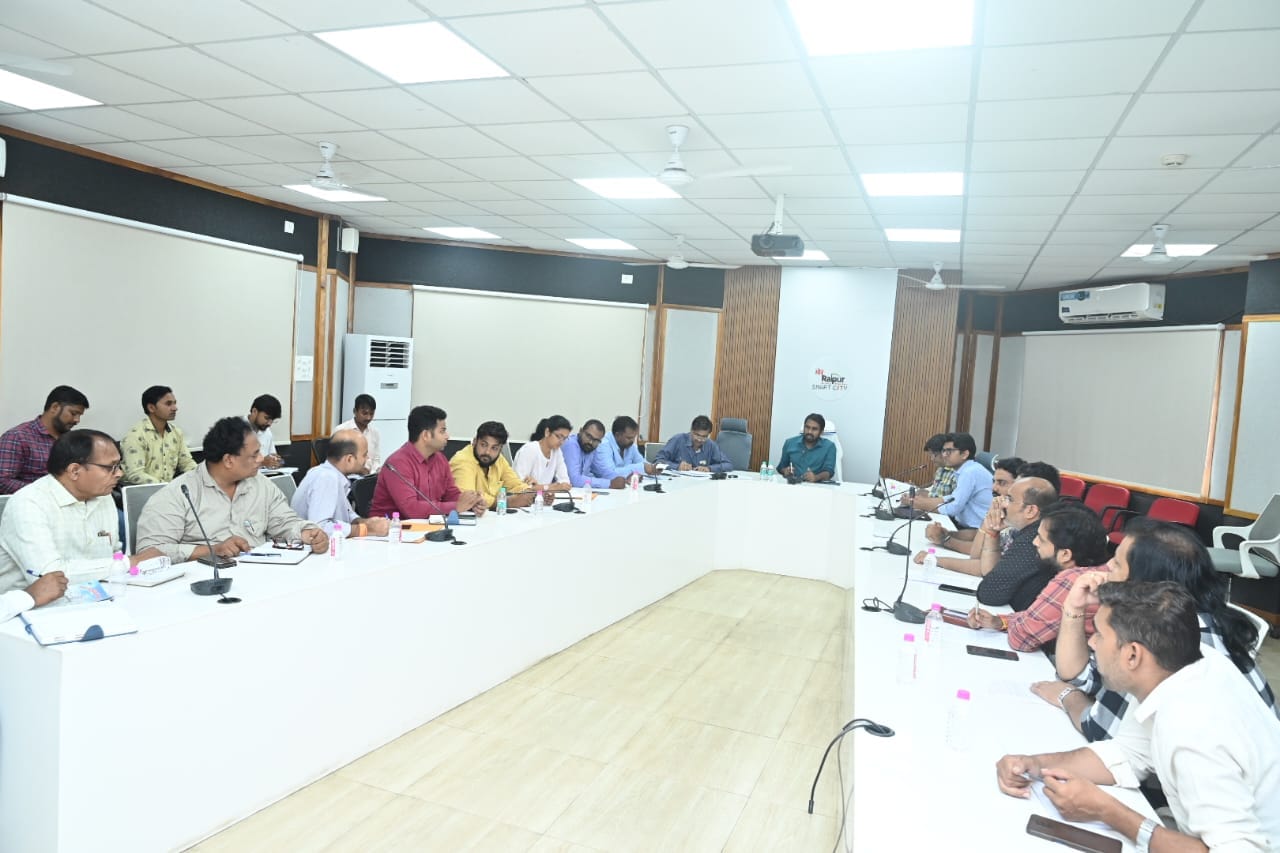
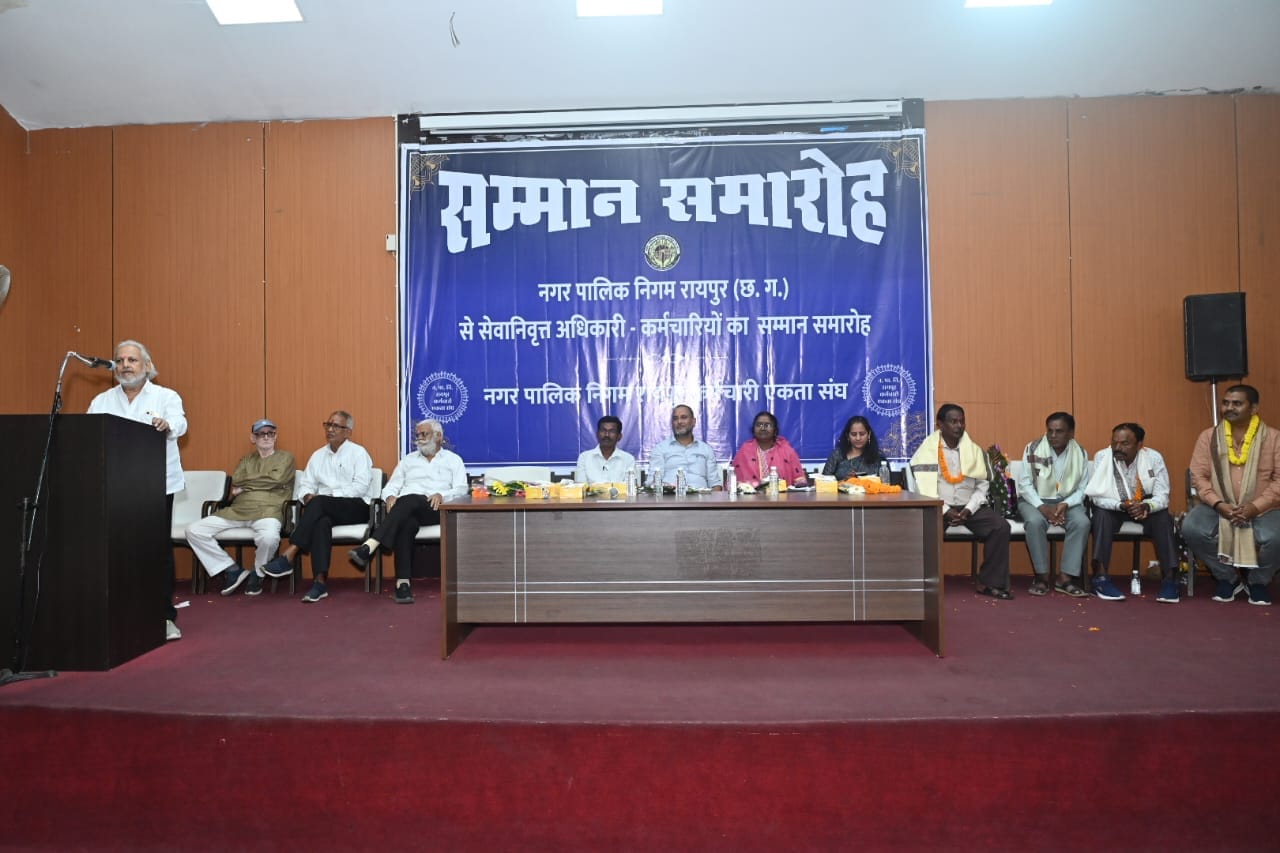
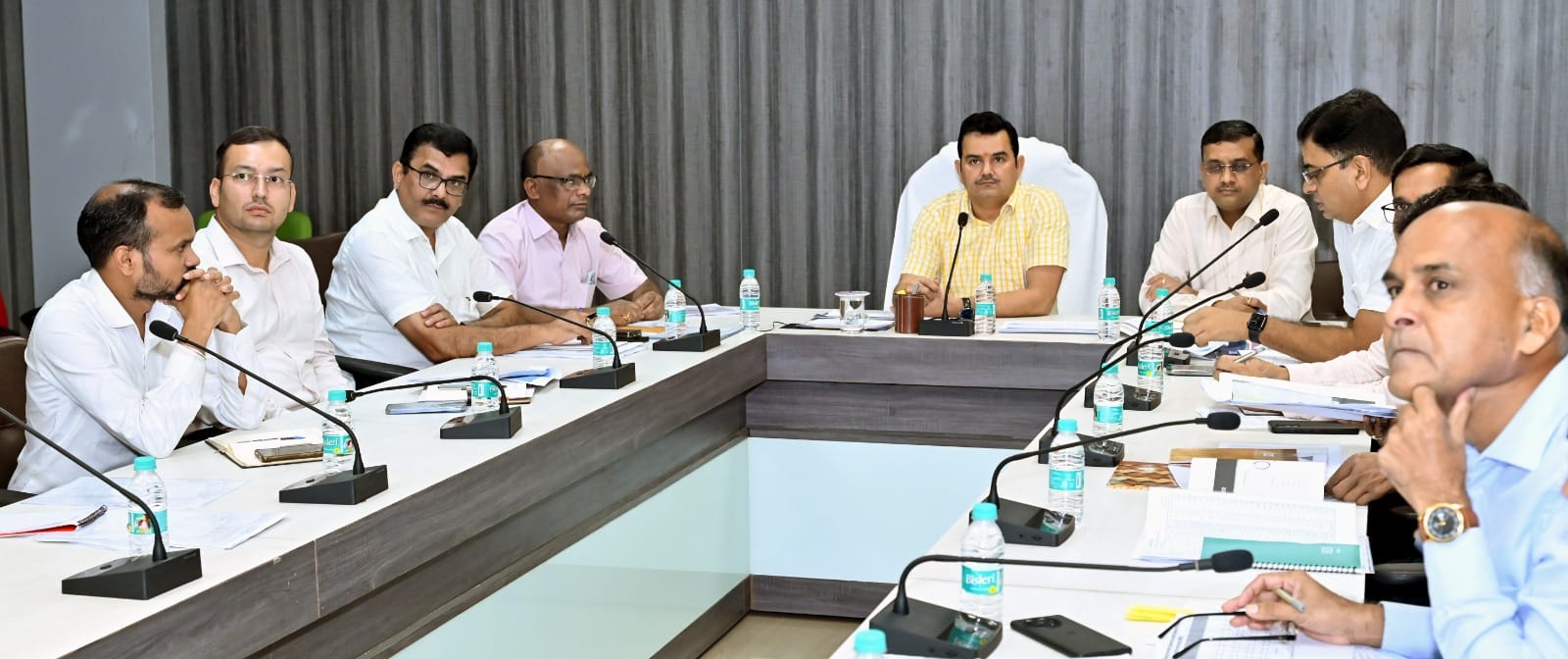
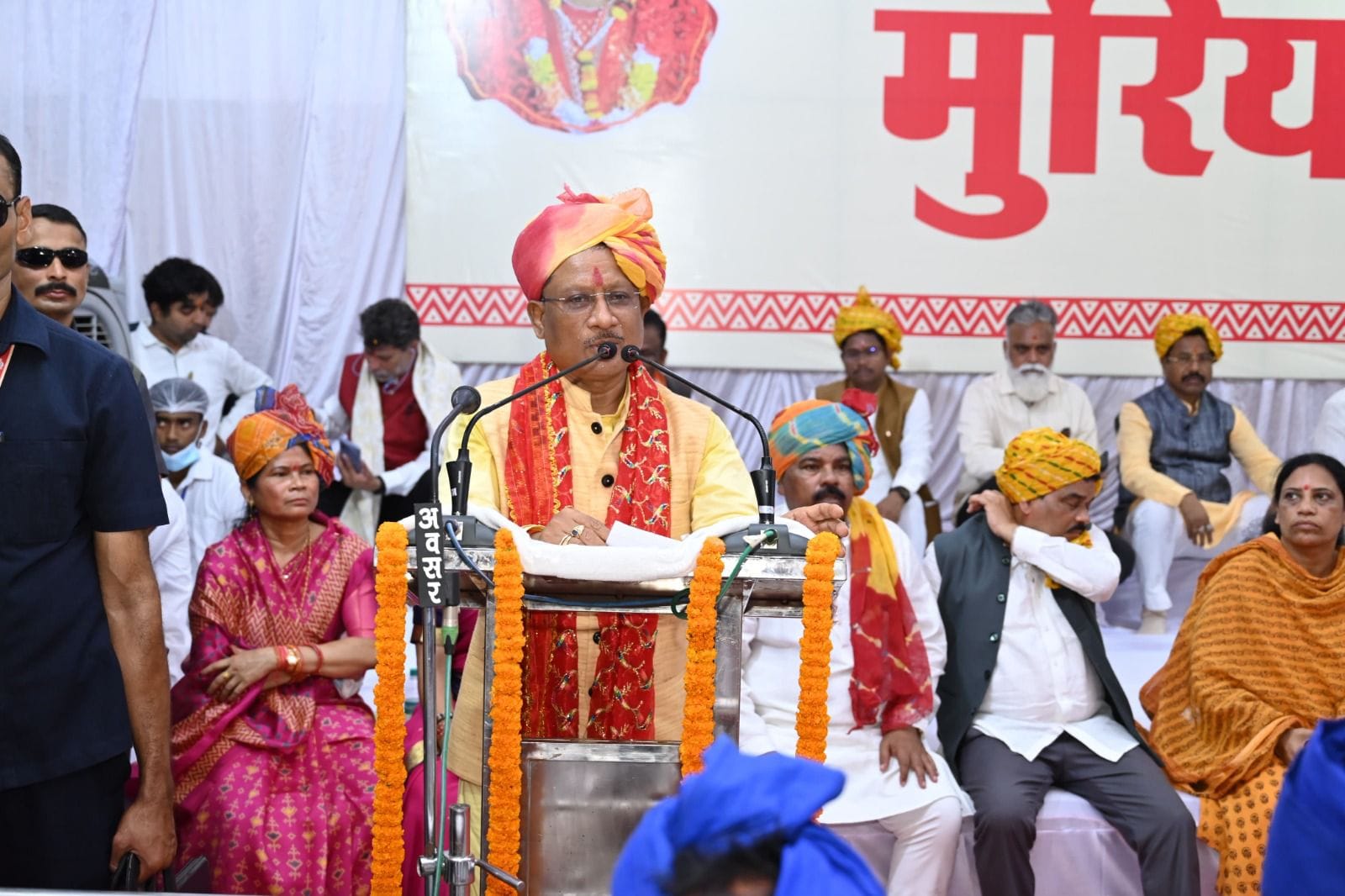
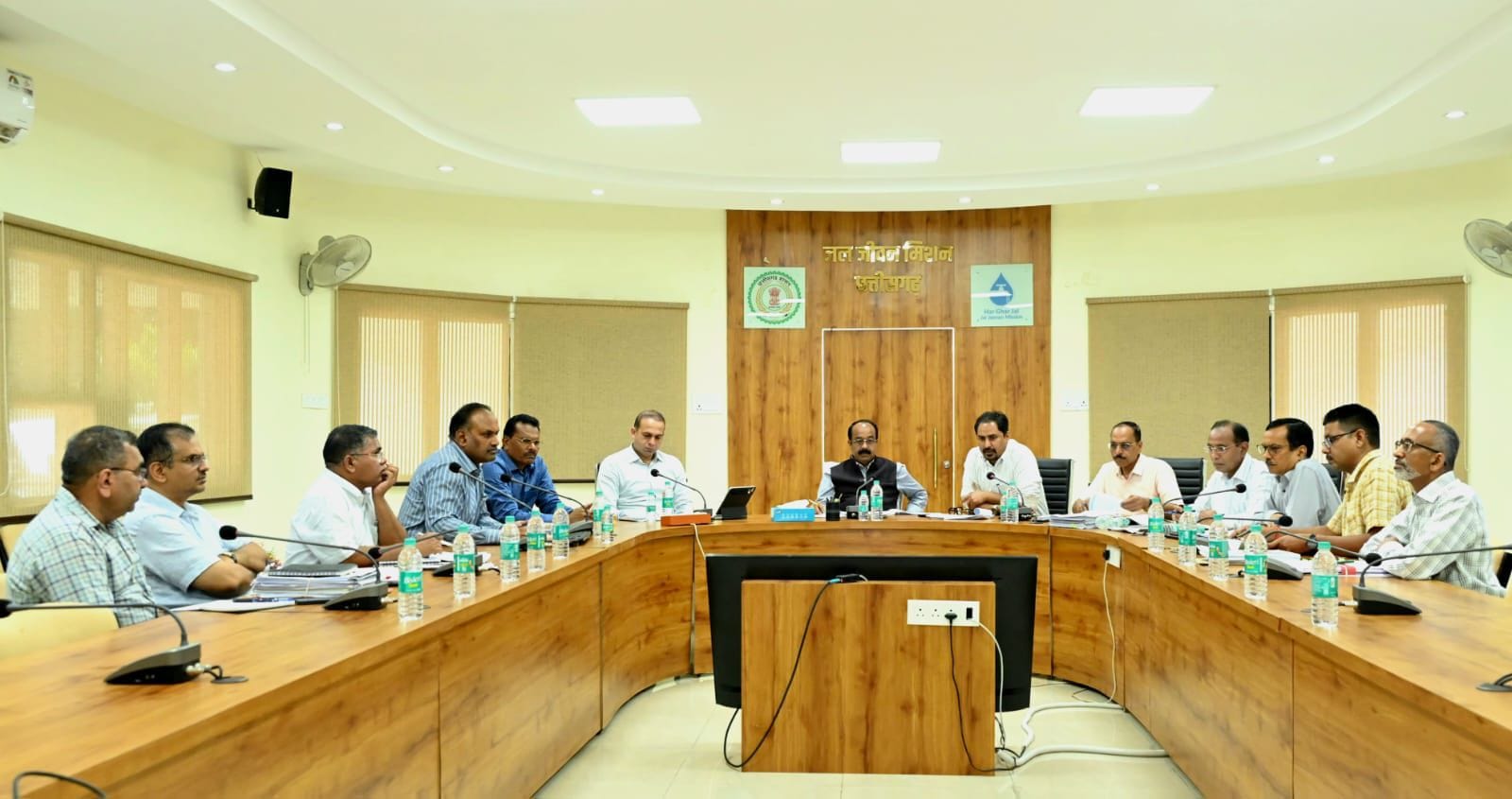
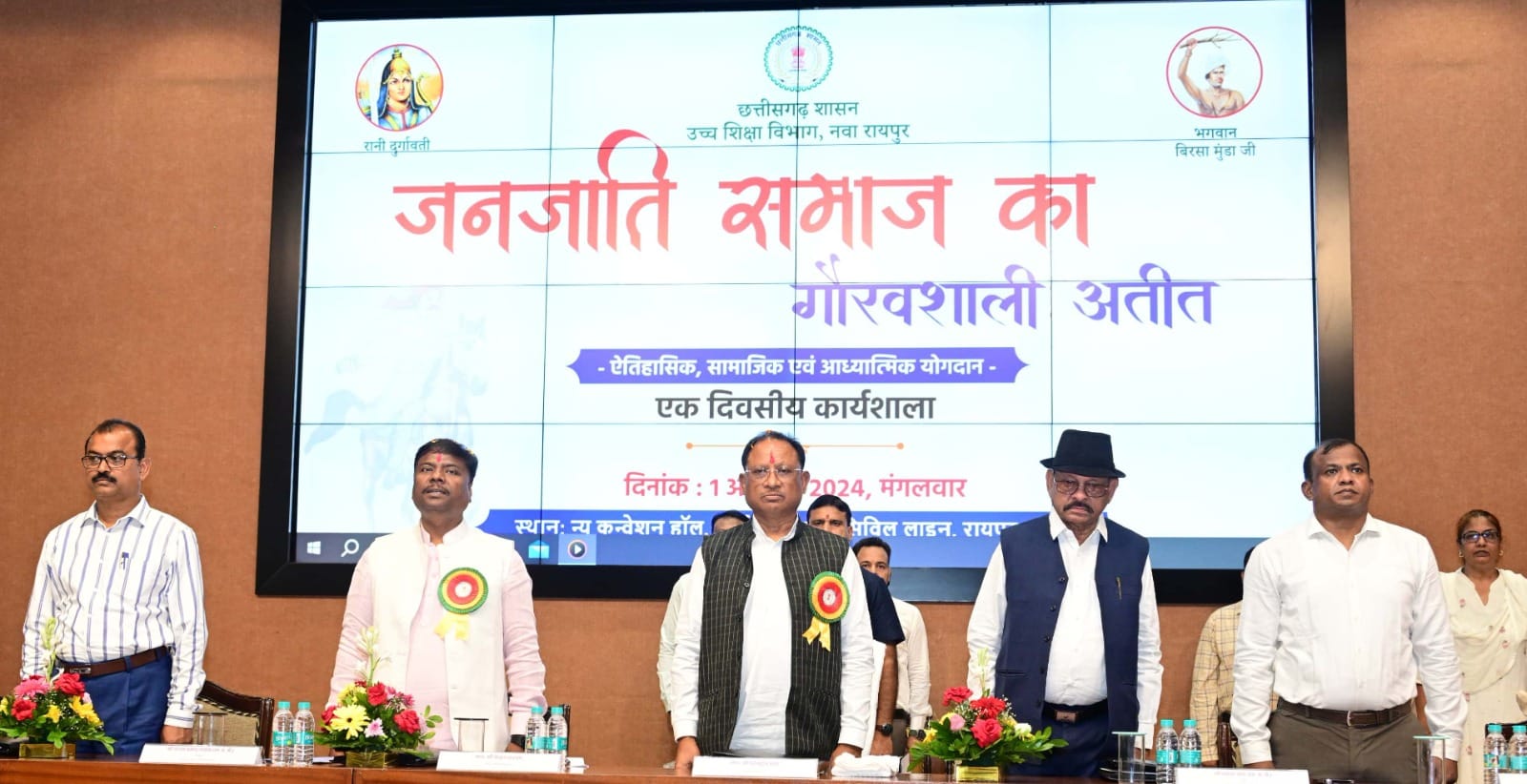
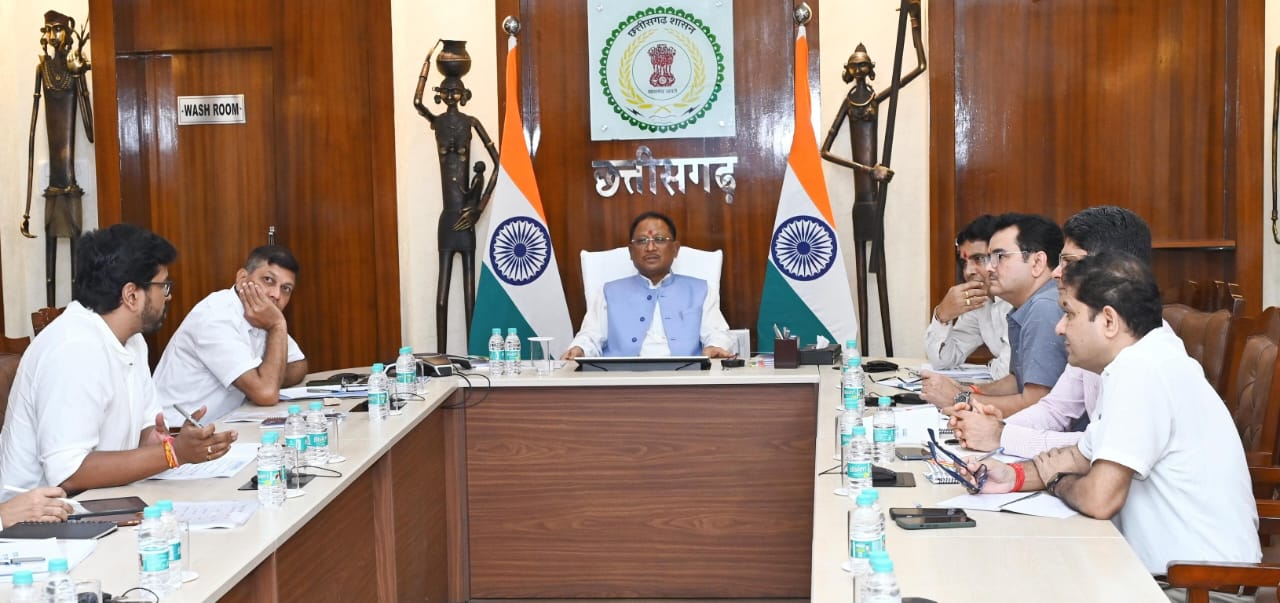
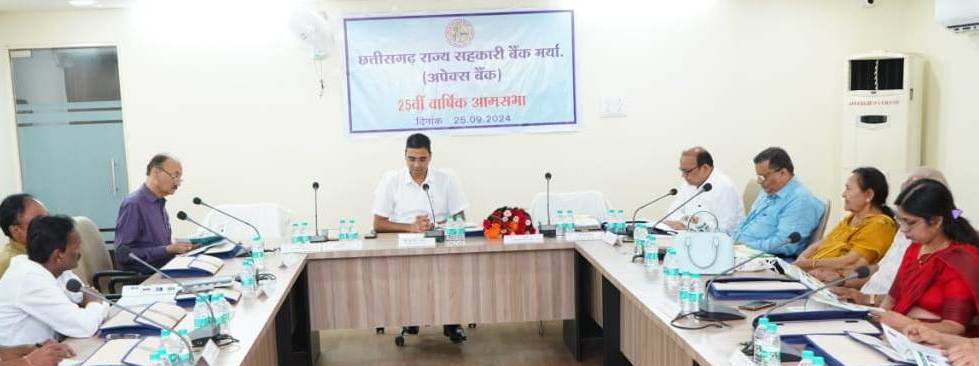
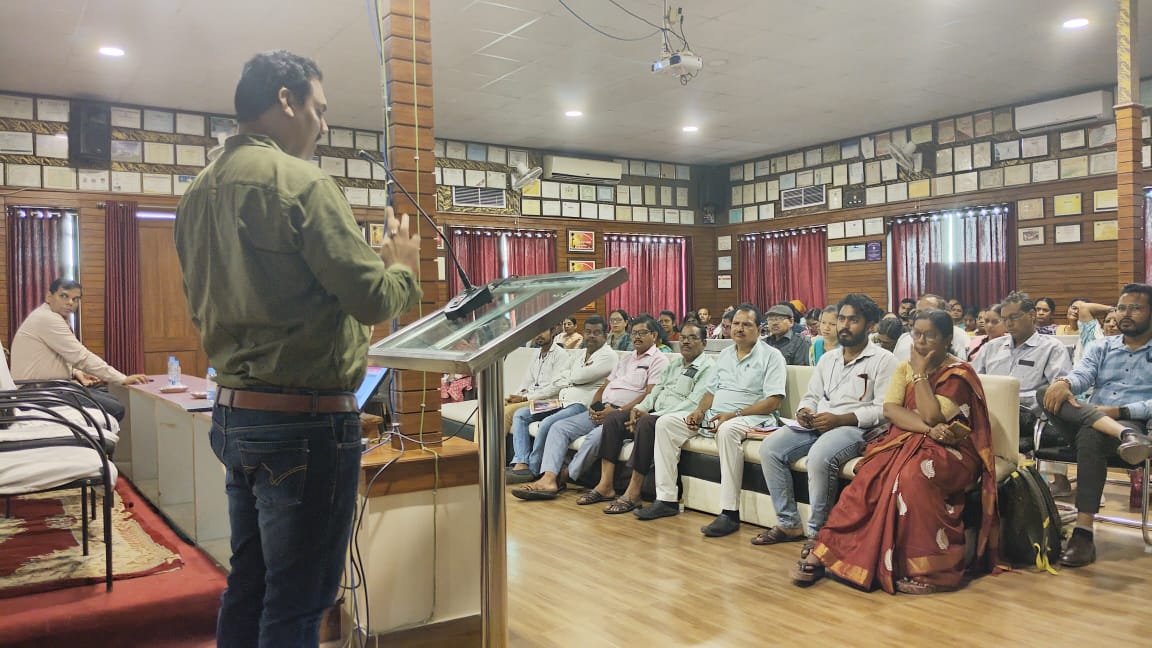
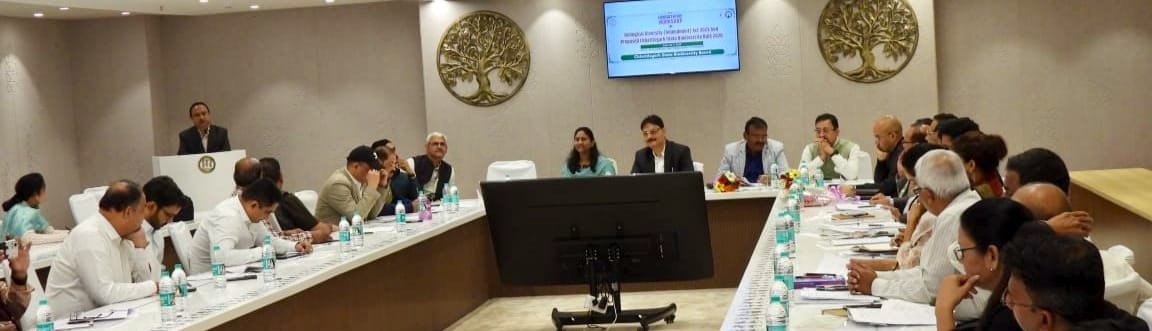
Under the guidance of the Minister for Forest and Climate Change, Shri Kedar Kashyap, the Chhattisgarh State Biodiversity Board organized a state-level consultation workshop in Raipur yesterday regarding the draft State Biodiversity Rules, 2026. The workshop focused on deliberations concerning biodiversity conservation, the sustainable use of biological resources, and the strengthening of management systems. Participants included members and the technical committee of the Chhattisgarh State Biodiversity Board, senior departmental officials, scientists, researchers, academicians, representatives from civil society organizations, and various stakeholders involved in biodiversity conservation and management.
Addressing the workshop, Shri Amitabh Bajpai, Member Secretary of the State Biodiversity Board, stated that it is essential to formulate effective state-level rules in alignment with the amendments to the Biological Diversity Act, 2002, and the changes in the national regulatory framework. He emphasized that the participation of all stakeholders is crucial to ensure that the new rules are inclusive and tailored to the specific needs of the state.
During the workshop, detailed information was presented regarding the key provisions, amendments, and the institutional and procedural frameworks of the proposed State Biodiversity Rules, 2026. Experts and stakeholders offered their suggestions on various provisions. Discussions also covered practical challenges in implementing the rules, the need for clarifications, and potential improvements. Experts underscored the importance of strengthening the institutional framework for biodiversity management, enhancing the functioning of Biodiversity Management Committees (BMCs), and ensuring the creation and regular updating of People’s Biodiversity Registers (PBRs). Furthermore, deliberations were held on making the system for access to biological resources and the sharing of benefits derived from them more effective and streamlined.

The workshop also addressed the role of traders and commercial entities involved in the trade of biological resources. The Board emphasized the need for active participation in the implementation of the revised rules and for raising awareness regarding statutory obligations. Furthermore, suggestions were invited to address practical challenges encountered in complying with the Act and its associated rules. At the conclusion of the workshop, the importance of involving all stakeholders to ensure the effective implementation of the revised framework for biodiversity conservation was underscored.
The Board indicated that it would endeavor to incorporate the suggestions received during the workshop into the proposed rules. This will help in resolving practical implementation issues, simplifying procedures, and ensuring a robust system for the conservation and sustainable use of biological resources within the state, as well as the equitable sharing of benefits derived from them.