


















- Innovative initiative of State NITI Aayog and UNICEF to realise the goal of Developed Chhattisgarh @2047
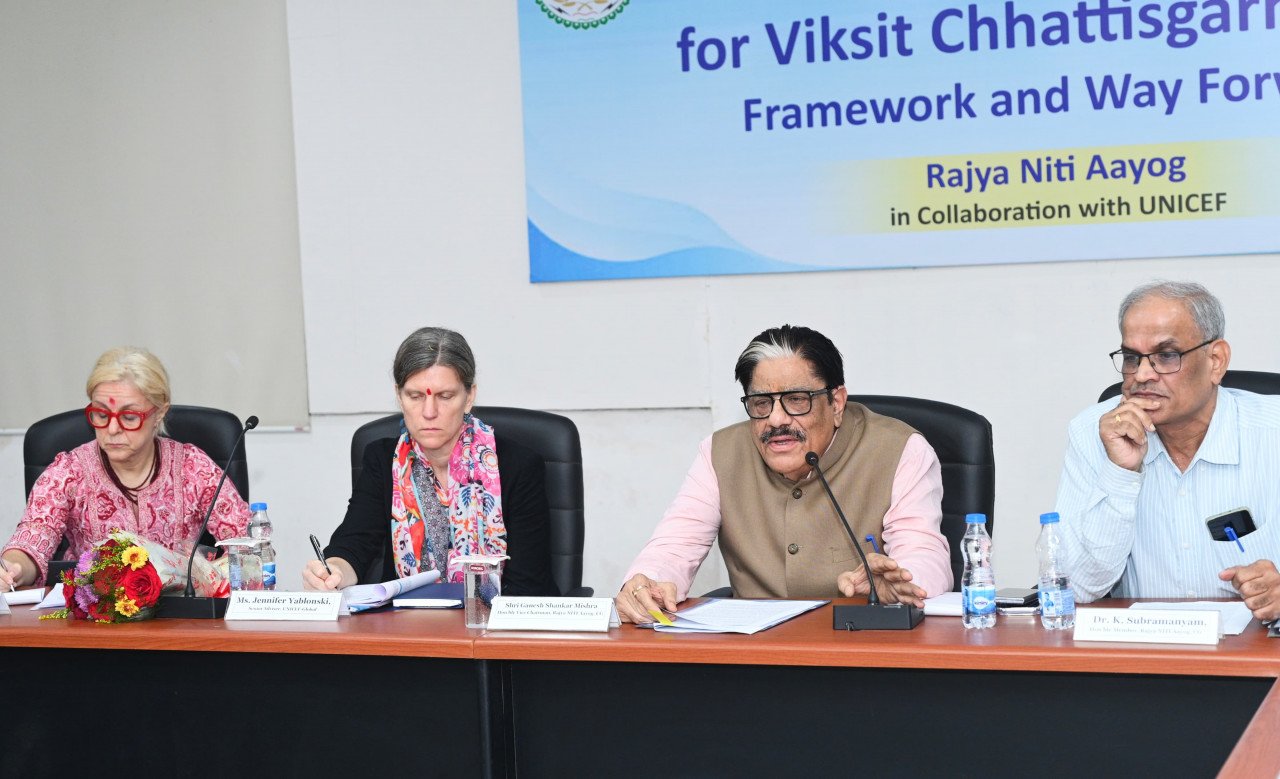
- High-level roundtable meeting with global and national experts from UNICEF chaired by Shri Ganesh Shankar Mishra, Vice Chairman, State NITI Aayog
- Special focus on Bastar and Surguja, evidence-based policy making, departmental coordination and targeted budget will give new direction to the development of children.
- The framework will be developed based on indicators related to children’s health, nutrition, education and safety, and will be piloted in one district.
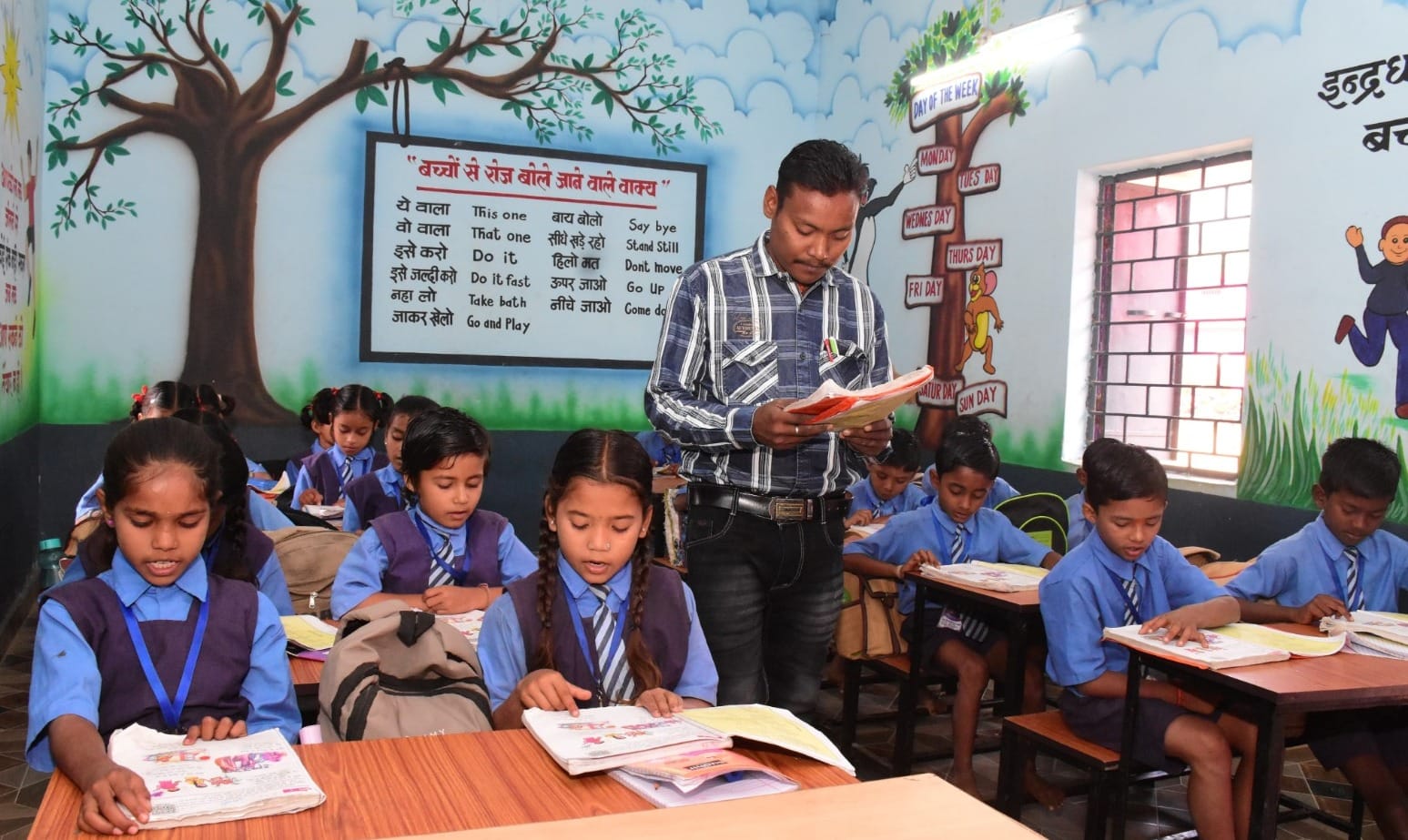
Under the leadership of Chief Minister Shri Vishnu Dev Sai and Minister of Finance, Planning, Economics and Statistics Shri OP Choudhary, the state of Chhattisgarh is taking an important and innovative initiative towards realizing the resolve of a developed Chhattisgarh @ 2047. A Child Wellbeing Framework is being developed through a joint effort by the State NITI Aayog and UNICEF to ensure a healthy, educated, safe, and prosperous future for children. This first-of-its-kind initiative in the country will make schemes for the holistic development of children more effective, result-oriented, and evidence-based. Particularly in areas like Bastar and Surguja, emphasis will be placed on identifying challenges related to child development and ensuring the availability of essential services and resources.
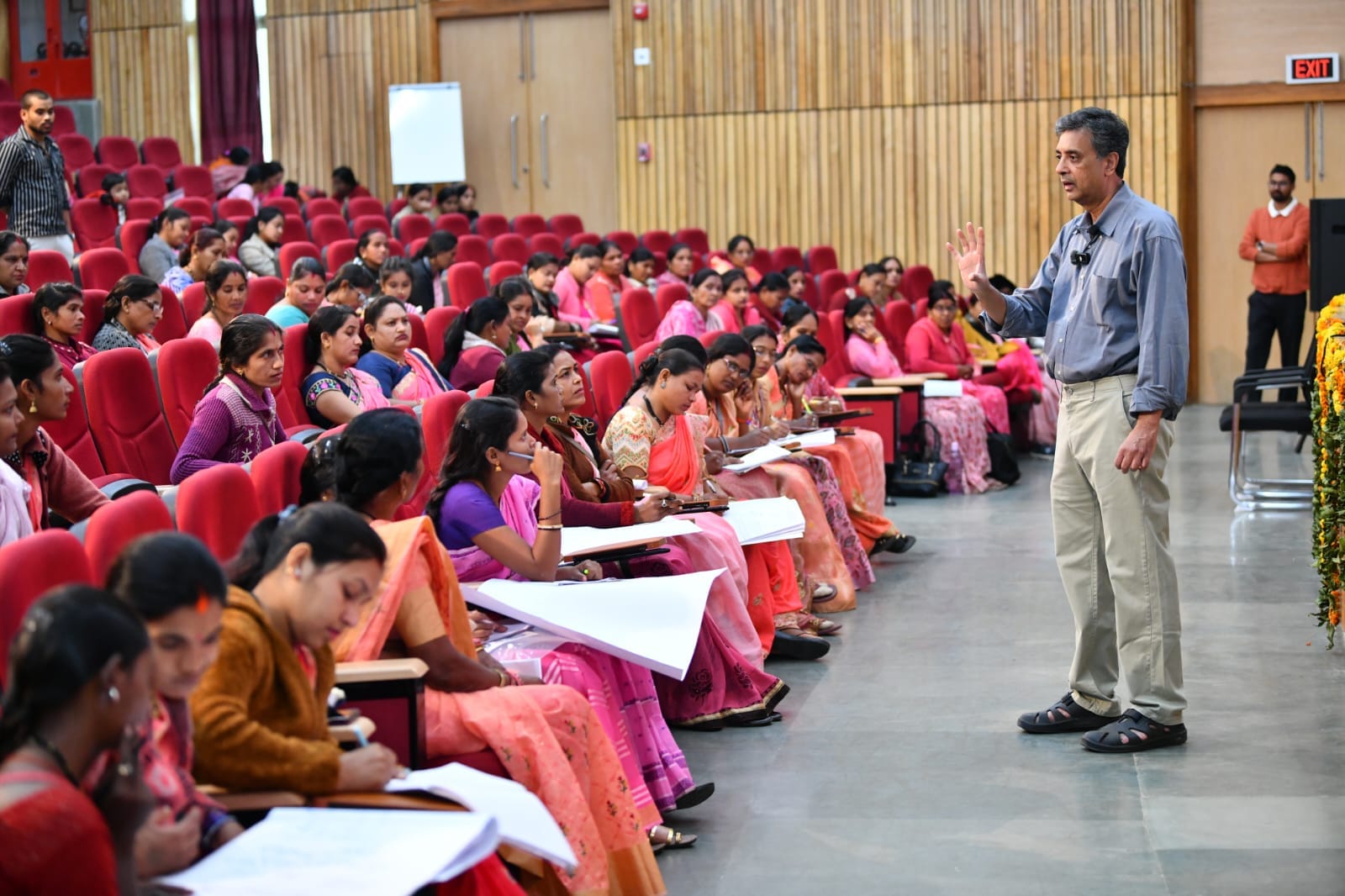
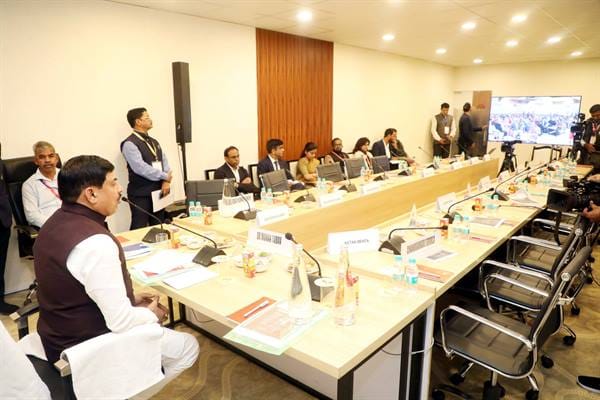
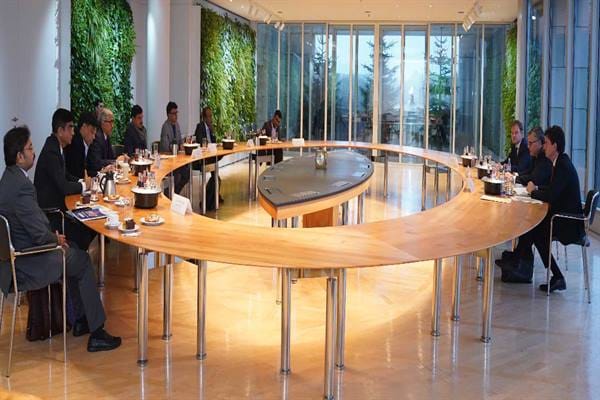
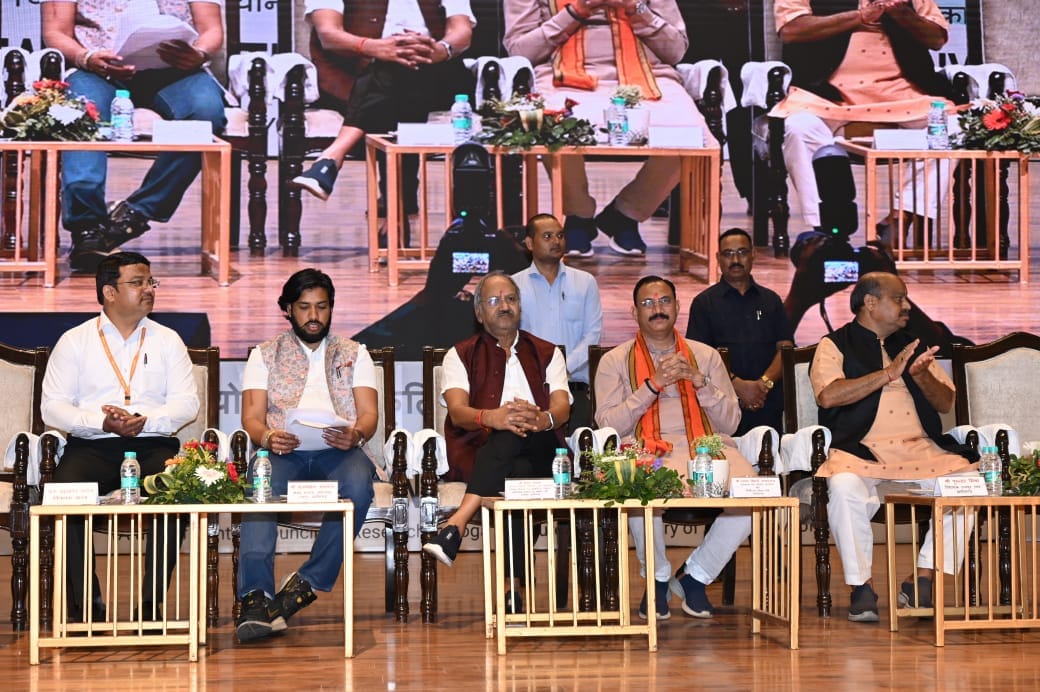
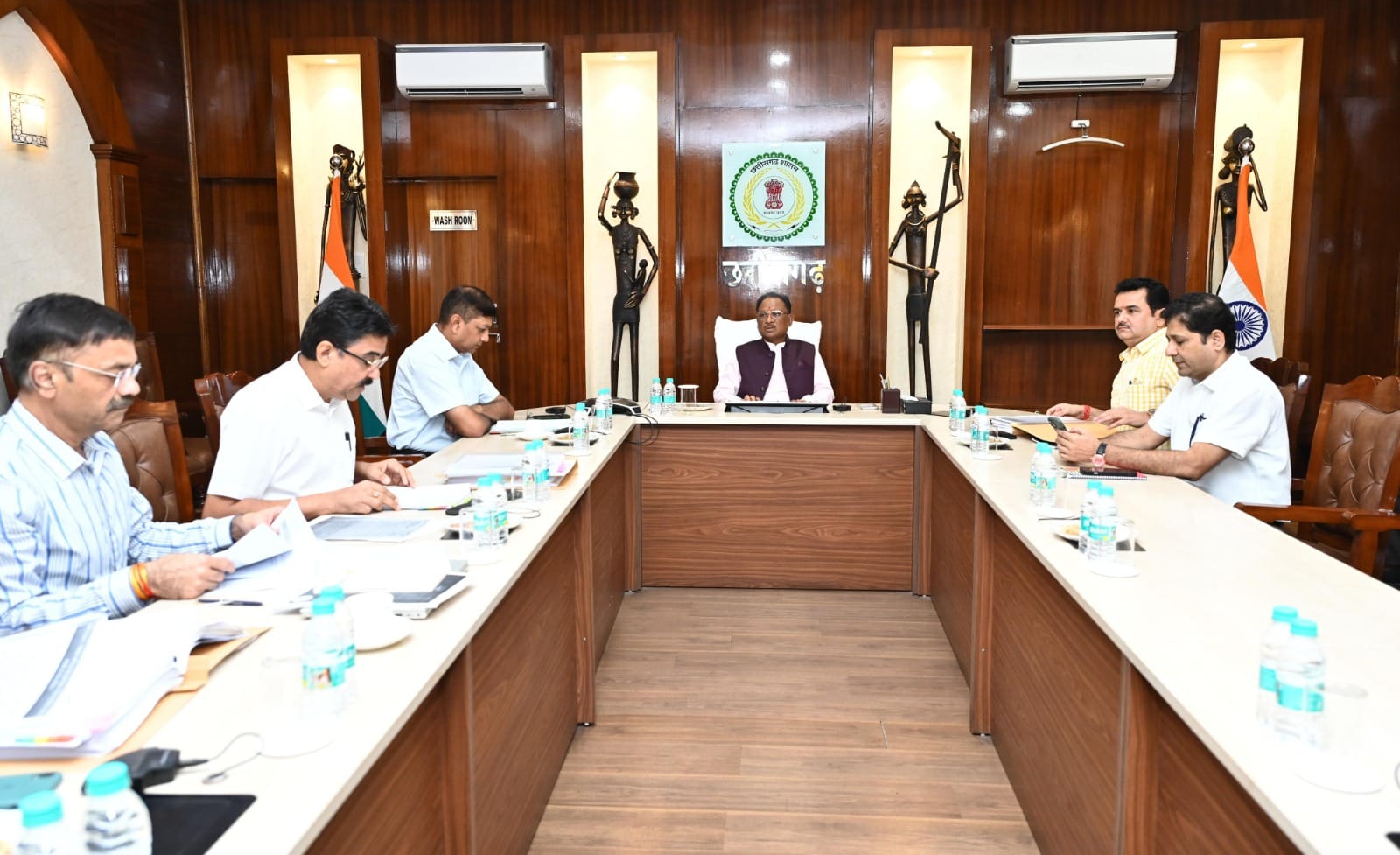
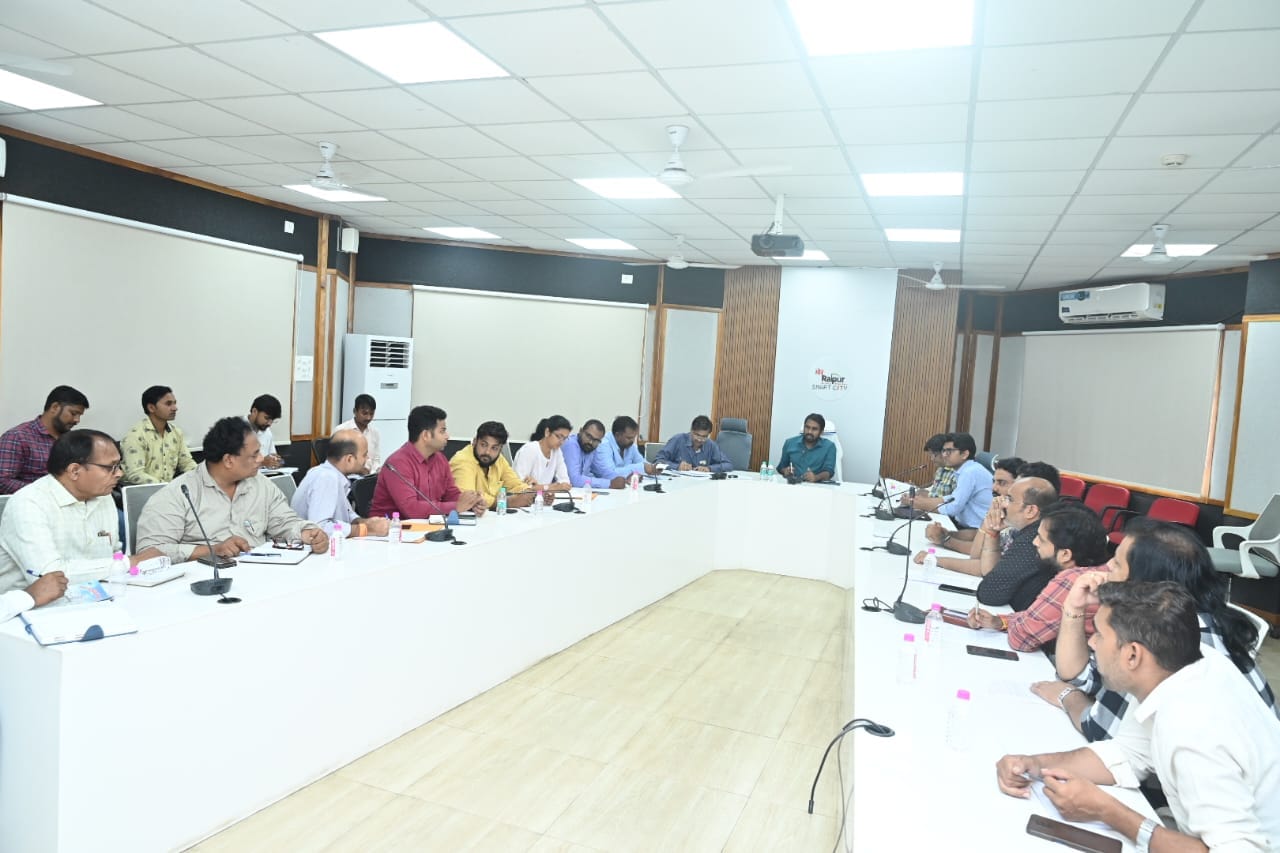
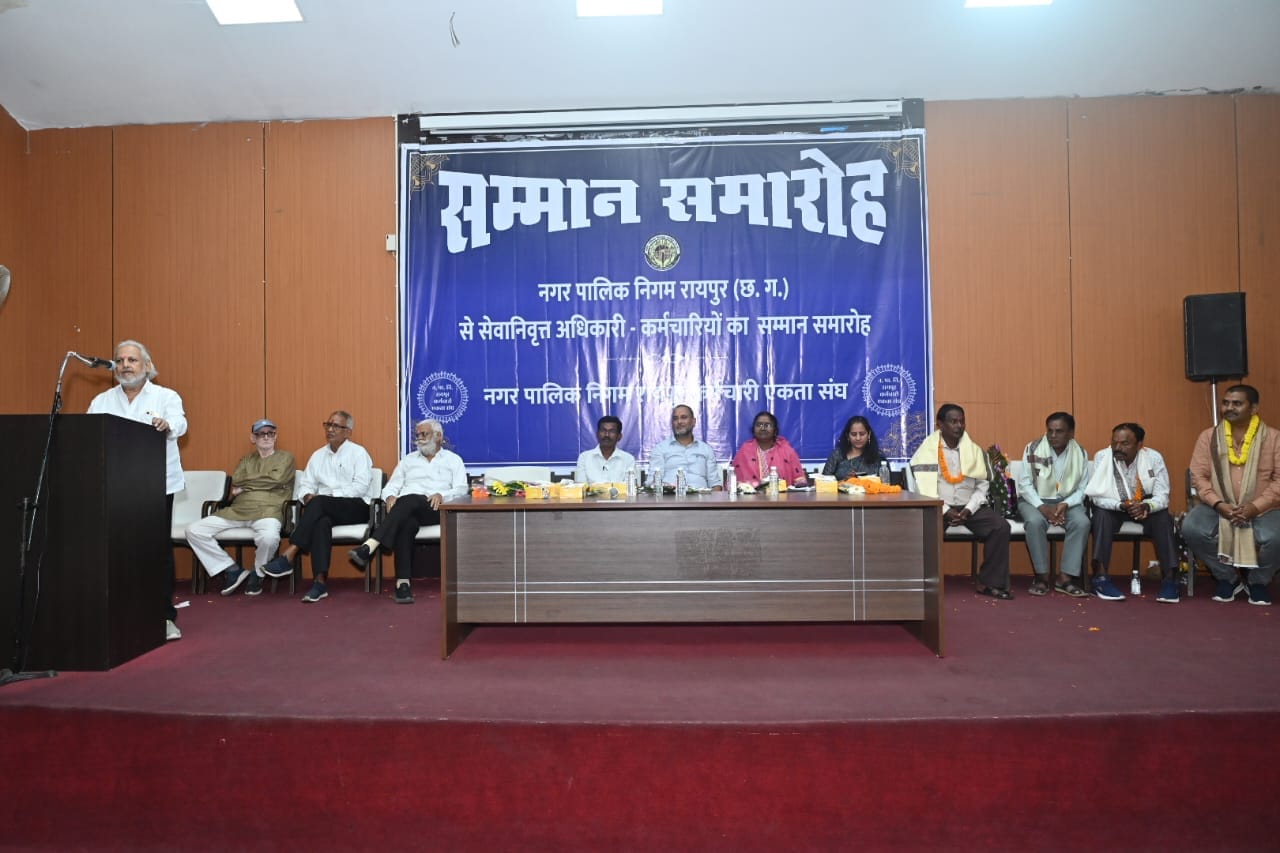
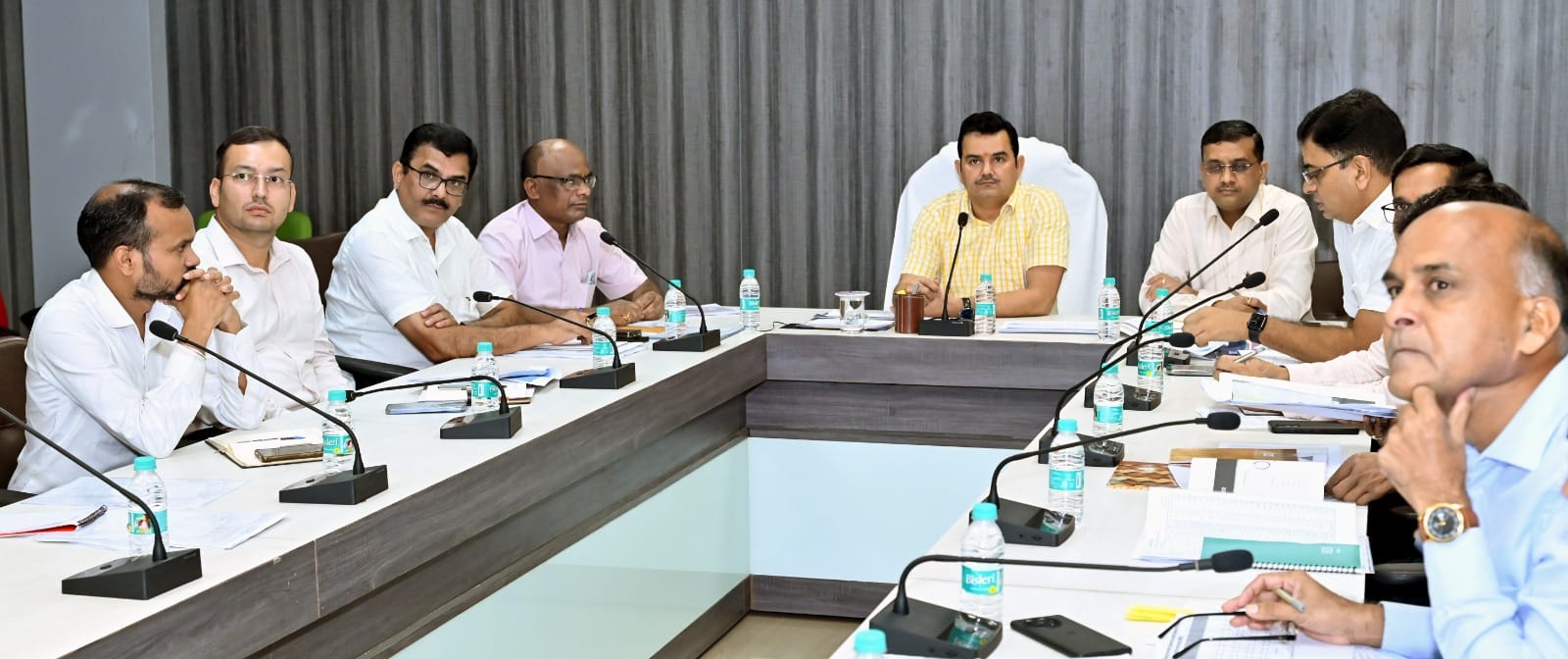
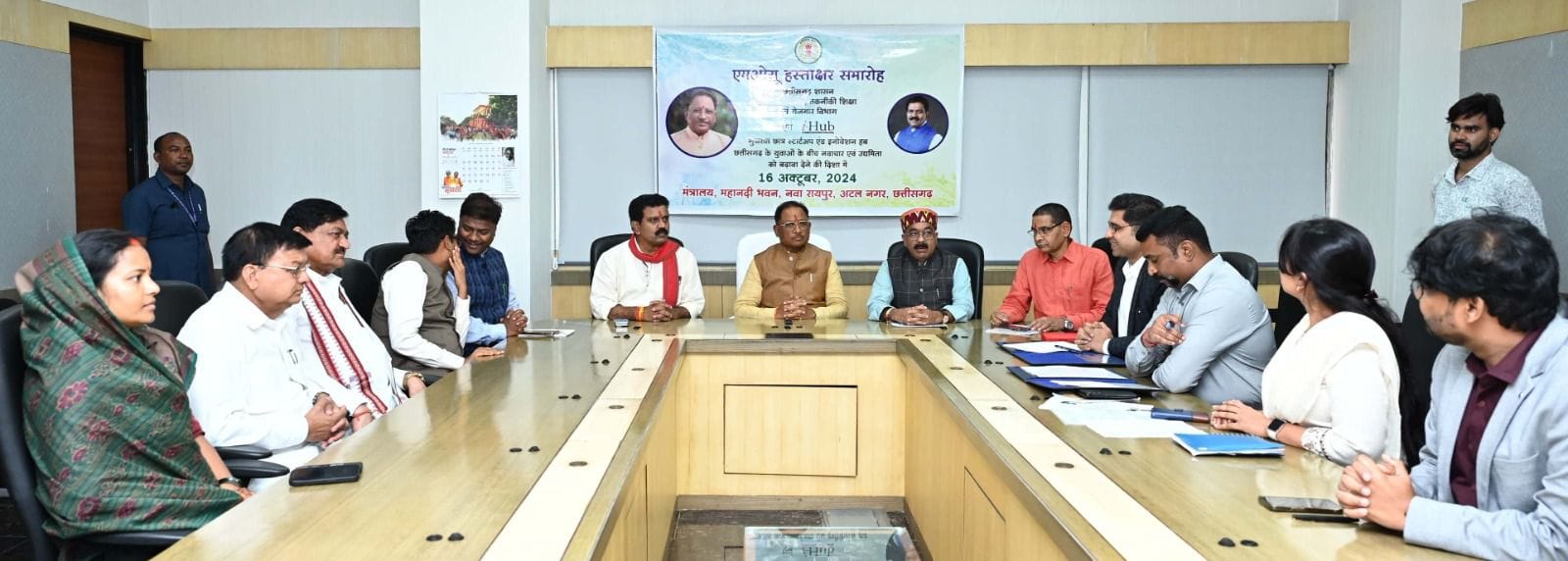
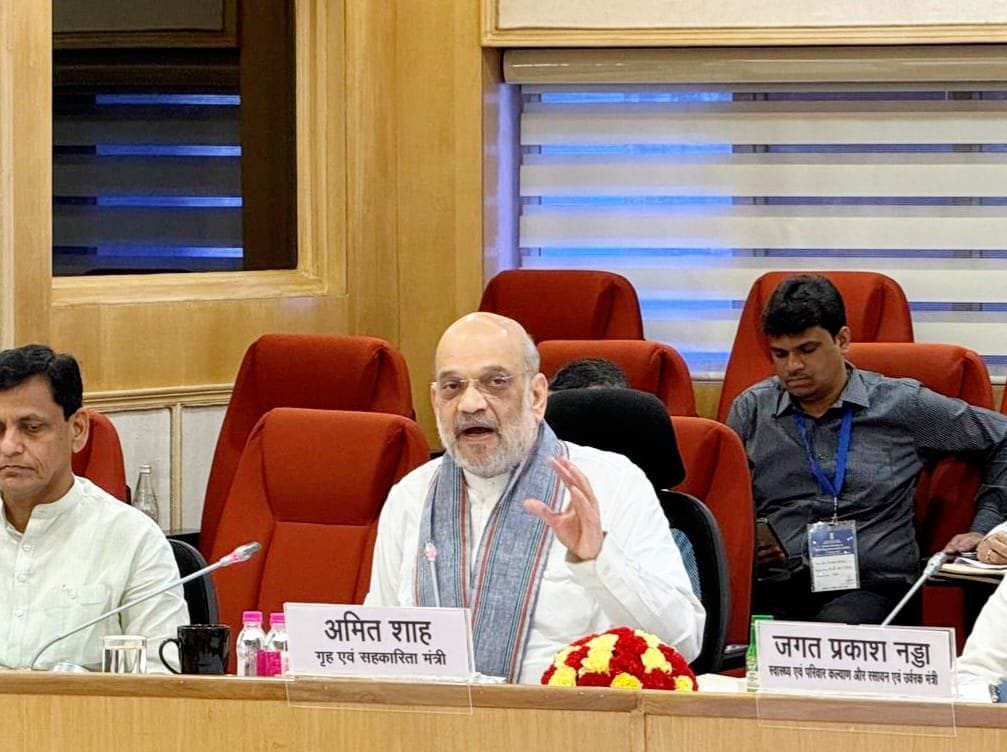
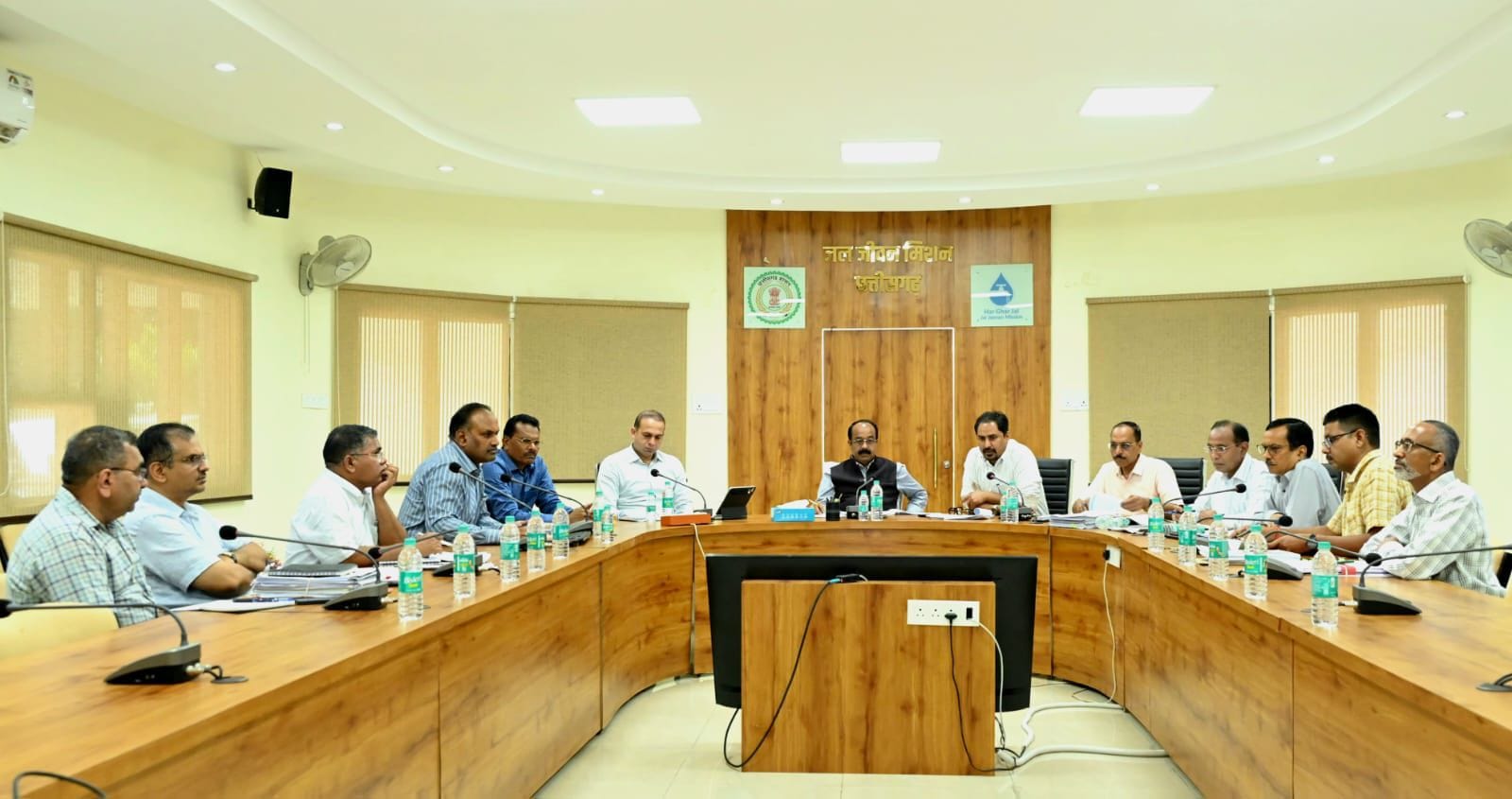
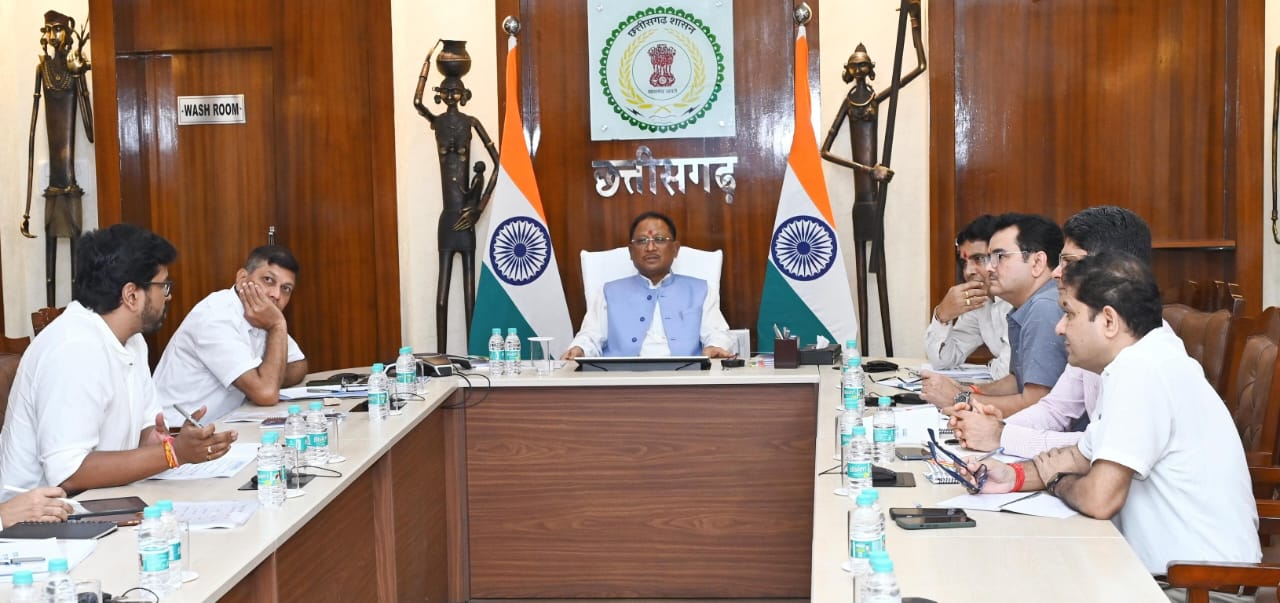
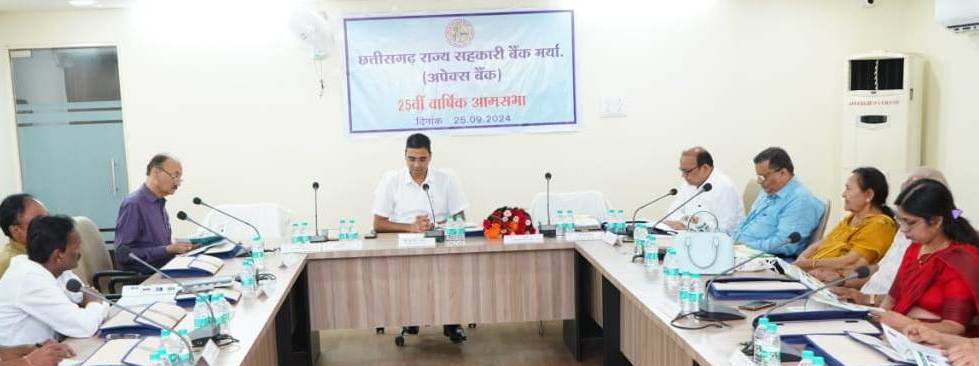
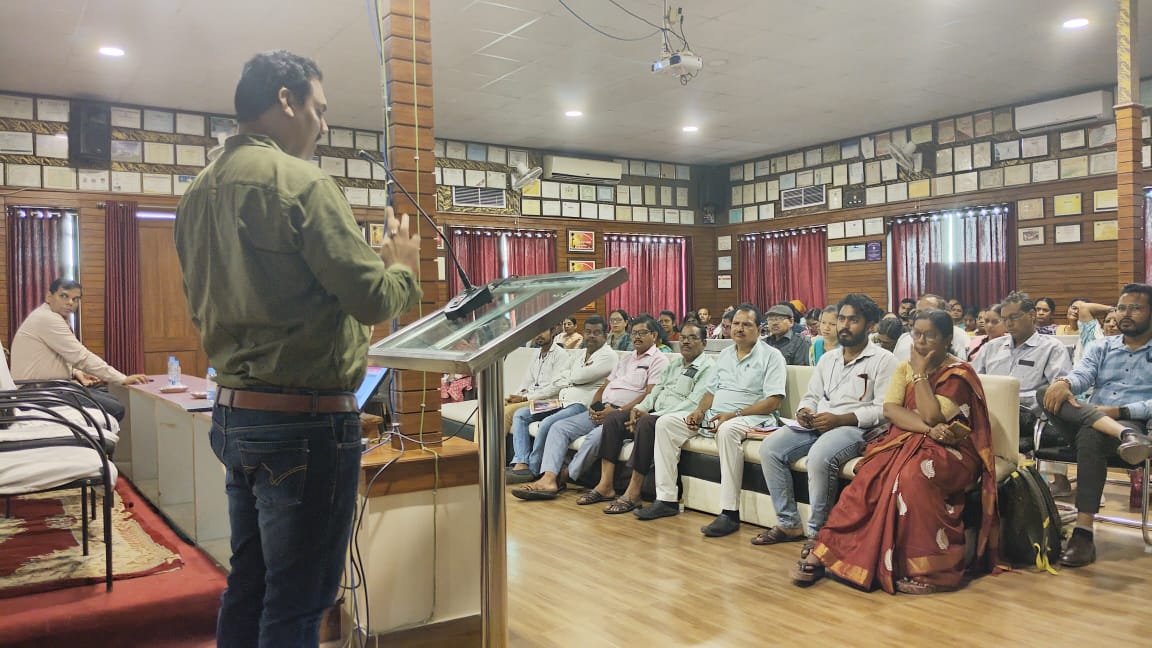
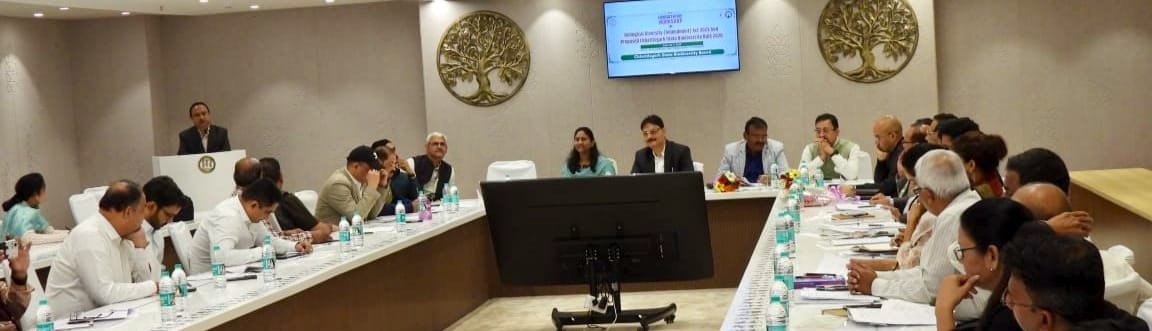
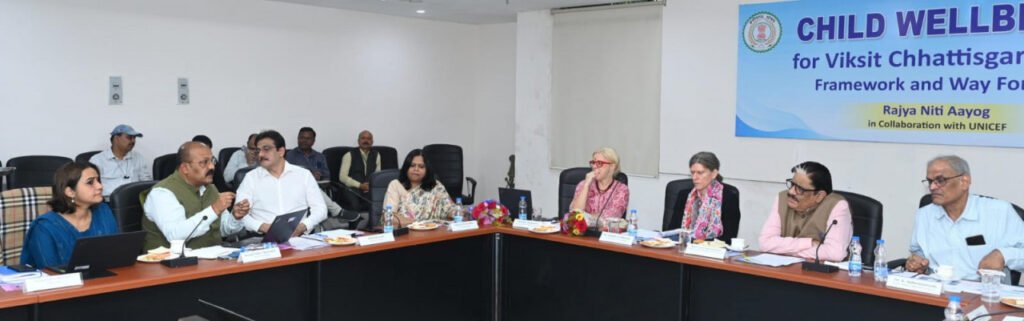
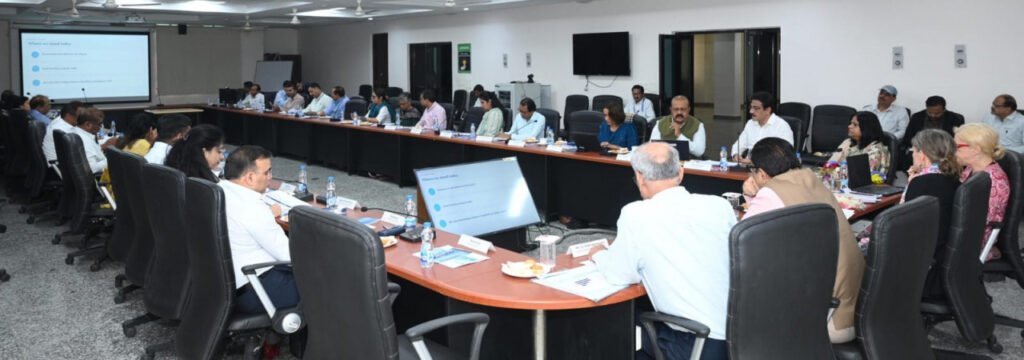
In this context, a high-level roundtable was held today at the State Policy Commission in Nava Raipur, chaired by the Commission’s Vice Chairman, Shri Ganesh Shankar Mishra. Global and national experts from UNICEF, secretaries, heads of departments, and senior officials from various state government departments participated in the meeting. Detailed discussions were held on the baseline report of the Child Welfare Framework, child development-related indicators, departmental convergence, targeted funding, and results-based budgeting.
- A better future for today’s children is the strong foundation of a developed Chhattisgarh: Shri Ganesh Shankar Mishra
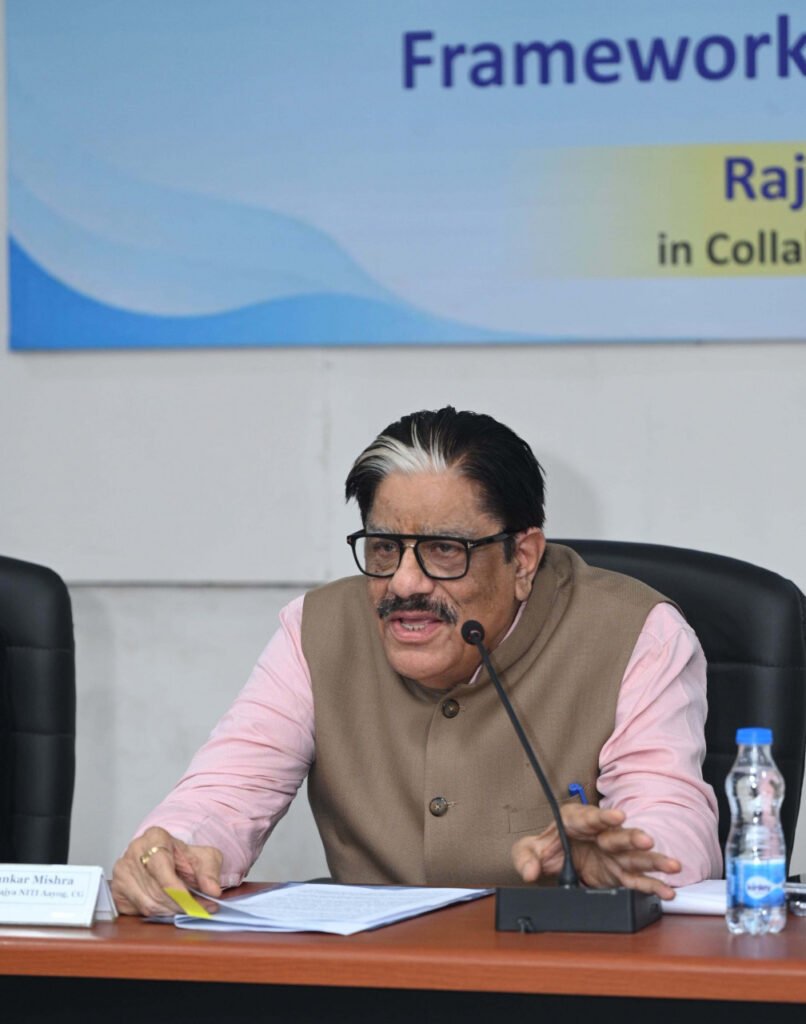
Addressing the meeting, State NITI Aayog Vice Chairman Shri Ganesh Shankar Mishra said that the dream of a developed Chhattisgarh @ 2047 will only be realized when today’s children have access to better health, quality education, adequate nutrition, a safe environment, and equal opportunities for development. He said that the state’s approximately 9.7 million children will become Chhattisgarh’s farmers, teachers, doctors, engineers, scientists, entrepreneurs, and skilled human resources in various fields in the year 2047. Therefore, investing in children’s development today is the strongest foundation for the state’s bright future.

Mr. Mishra stated that the state government, under the leadership of Chief Minister Mr. Vishnu Dev Sai, is committed to the welfare and all-round development of children. Extensive resources are being provided through various departments in the areas of children’s health, nutrition, education, and social security. The need is to integrate these efforts and ensure their real impact. He emphasized the need to focus on child development challenges, particularly in the Bastar and Surguja regions.
He stated that children’s needs are interconnected. Effective coordination of efforts across various departments is essential to improve nutrition, health, education, protection, and living standards. The proposed Child Welfare Framework will primarily address three critical questions: which children are falling behind in mainstream development, whether government schemes and services are reaching them effectively, and whether available resources are being utilized appropriately.
Mr. Mishra stated that the role of the State Policy Commission is to promote evidence-based policymaking, identify development gaps, and bring relevant departments together on a common platform. He urged all departments to ensure active participation in this important initiative.
- Child Wellbeing Index will ensure equitable and effective distribution of resources
Dr. K. Subramanian, Member of the State Policy Commission, emphasized the need for a Child Wellbeing Index, saying it would enable an objective assessment of the actual situation of children. Clear and reliable data would help determine which areas and groups of children need the most support. This would help ensure a rational, equitable, and evidence-based distribution of available resources.
- Inclusive development possible only with child-first policy: UNICEF expert
Ms. Jennifer Yablonsky, Senior Advisor on Child Poverty in UNICEF’s Global Practice on Economic and Social Policy, stated that a “Children First” policy, or one that prioritizes children, is essential for inclusive and sustainable development in any state or country. She described the child welfare framework being developed by Chhattisgarh as an important initiative, saying it will enable concrete efforts to identify and address challenges related to child development.
He shared the experiences of Mexico and Malaysia, explaining how results-based frameworks and well-planned investments have been successful in reducing social inequalities and improving child well-being outcomes.
Ms. Kristina Popivanova, Chief of Social Policy and Social Protection, UNICEF India, stated that the primary objective of the Child Welfare Framework is to establish effective convergence among all departments involved in child development. This will enable the budgeting process to be integrated with children’s actual needs, available services, and development outcomes. She also emphasized the importance of an appropriate legal framework to this end.
Citing examples from New Zealand, Scotland, Chile, Colombia, Ireland, Australia and the United States, he said that child welfare schemes in these countries have been made more effective through targeted funding and departmental coordination.
Yashwant Kumar, Secretary, Department of Sports and Youth Welfare, said that the involvement of youth through initiatives like the National Service Scheme (NSS) and My Bharat can make child welfare efforts more effective. Youth engagement can help expand access to maternal and child health services, raise public awareness, and improve child well-being indicators.
- Investing in children is an important foundation for social responsibility as well as economic development.
Ms. Sheetal Shashwat Verma, Special Secretary to the Chief Secretary and Finance Department, described the topic as extremely important and expressed hope for broad and meaningful discussions. Ms. Verma stated that the state government is continuously striving to link the budget to actual development outcomes. The Child Welfare Framework will prove useful in this direction. It will help ensure that the budget allocated for children is used at the right time, in the right place, and for the benefit of truly needy children. It will also further strengthen the results-based budgeting system.
He said that investments in children’s health, education, and nutrition boost a state’s productivity, human resource quality, and economic growth in the long run. Investing in children is not only a social responsibility but also crucial from an economic perspective. Prioritizing child-targeted funding is essential to achieving the goals of a developed Chhattisgarh and a developed India.
- Assessment of children’s development will be based on two major indices
At the meeting, UNICEF Chhattisgarh Chief Ms. Seema Kumar, Social Policy Specialist Dr. Bal Paritosh Dash, and Ms. Urvashi gave a detailed presentation on the Baseline Report of the Child Welfare Framework. They explained that the proposed framework will be based primarily on two indicators. The first is the Outcome Index, which will assess the actual status of children’s health, nutrition, education, and overall development. The second is the Attainment Index, which will determine whether children are receiving essential services appropriate to their age and needs.
He stated that the framework was developed by analyzing various state budget plans and expenditures on child welfare. This will identify development gaps and ensure optimal resource utilization as needed. A plan was also presented to implement the framework as a pilot project in one district before implementing it statewide.
Shri Tirthraj Agrawal, Director of the Directorate of Economics and Statistics, stated that efforts are underway to integrate data from various departments and develop a common unique identifier for their effective use. The Directorate is currently working to standardize and harmonize data. This will help provide reliable and integrated data for the child welfare framework.
- Special emphasis on improving nutrition and youth participation in Bastar
At the meeting, Ms. Renuka Srivastava, Director of the Women and Child Development Department, stated that the department is taking various initiatives to address nutritional challenges, particularly in the Bastar region. She offered important suggestions regarding improving children’s nutritional levels and effective access to services.
- A practical framework will be prepared in coordination with more than 12 departments.
The meeting was coordinated by Dr. Neetu Gordia, Joint Director of the State Policy Commission. She stated that today’s children will play a crucial role in achieving the goals of a developed Chhattisgarh and a developed India @ 2047. Children currently aged between zero and 17 will be young people aged 21 and 38 in 2047 and will contribute significantly to the state’s social and economic development.
He explained that more than 12 departments in the state are directly or indirectly working in the field of child development and welfare. The primary objective of this framework is to establish effective coordination among these departments, identify underdeveloped areas and groups, and ensure targeted funding commensurate with needs. It will be developed as a practical and useful tool to guide departments in policy formulation, implementation, monitoring, and evaluation.
At the meeting, heads of various departments and senior officials shared their experiences and offered important suggestions. After extensive deliberation, it was agreed to advance the child welfare framework. Experts expressed confidence that Chhattisgarh’s innovative initiative could emerge as an effective model for the holistic development of children and could serve as an example for other states to emulate in the future.