









- State Secures Second Prize in ‘Innovation and Best Practices’ at the SVANidhi Samman Awards
- Chhattisgarh’s Innovative Use of Mobile Medical Units (MMUs) for Street Vendor Healthcare Earns National Acclaim
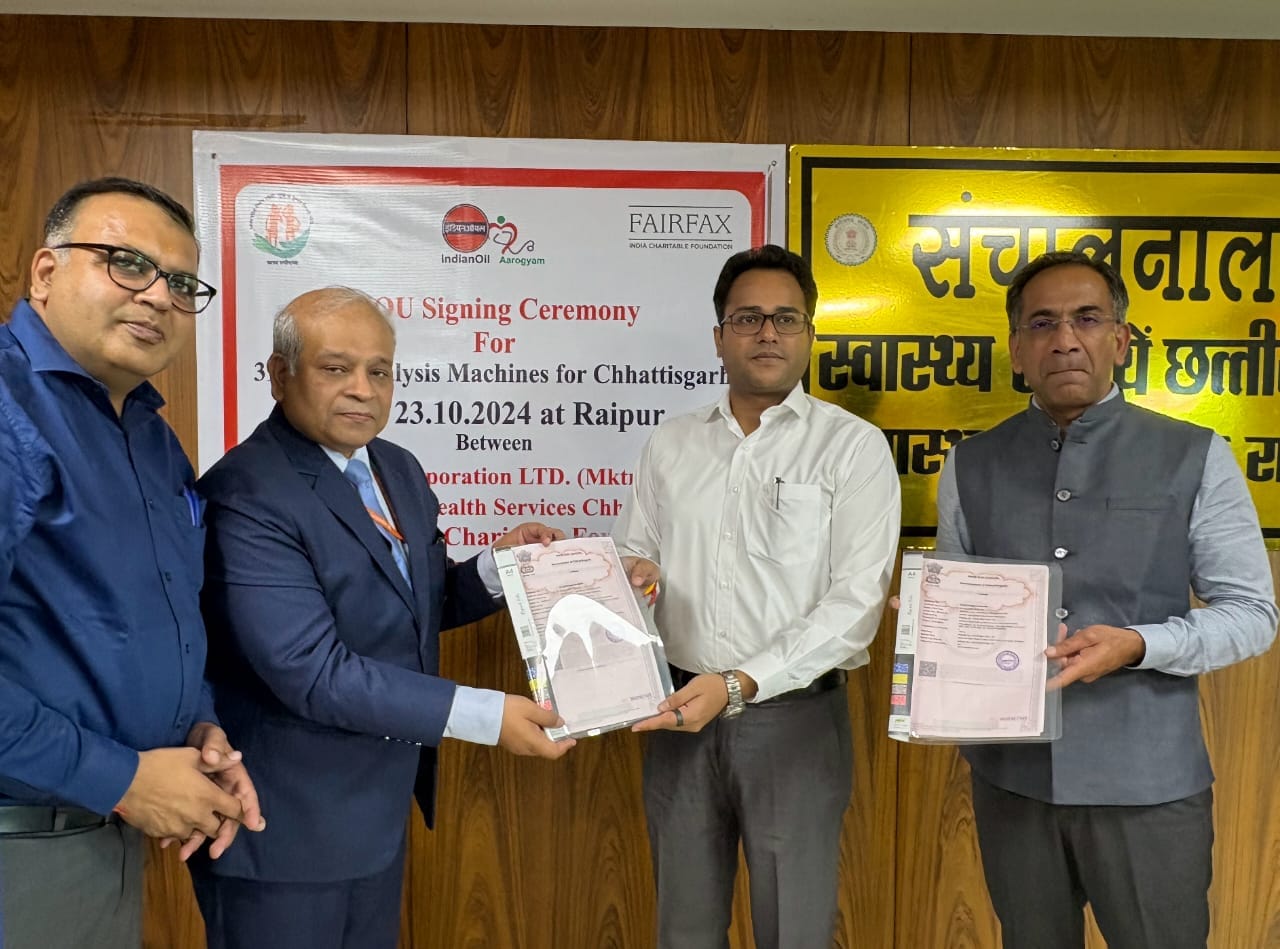
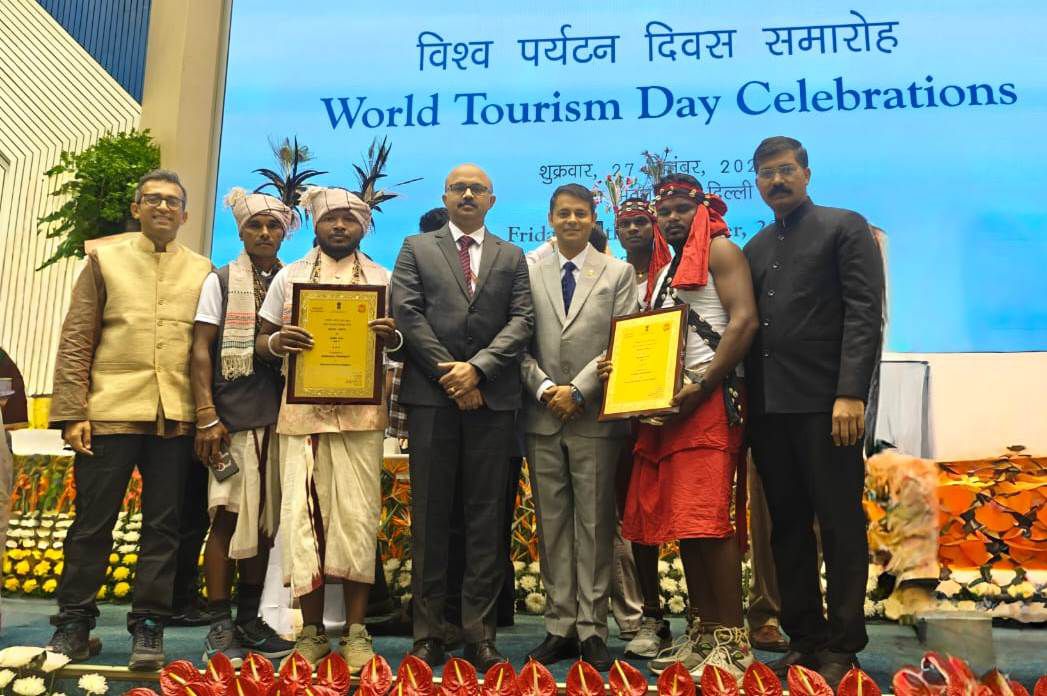
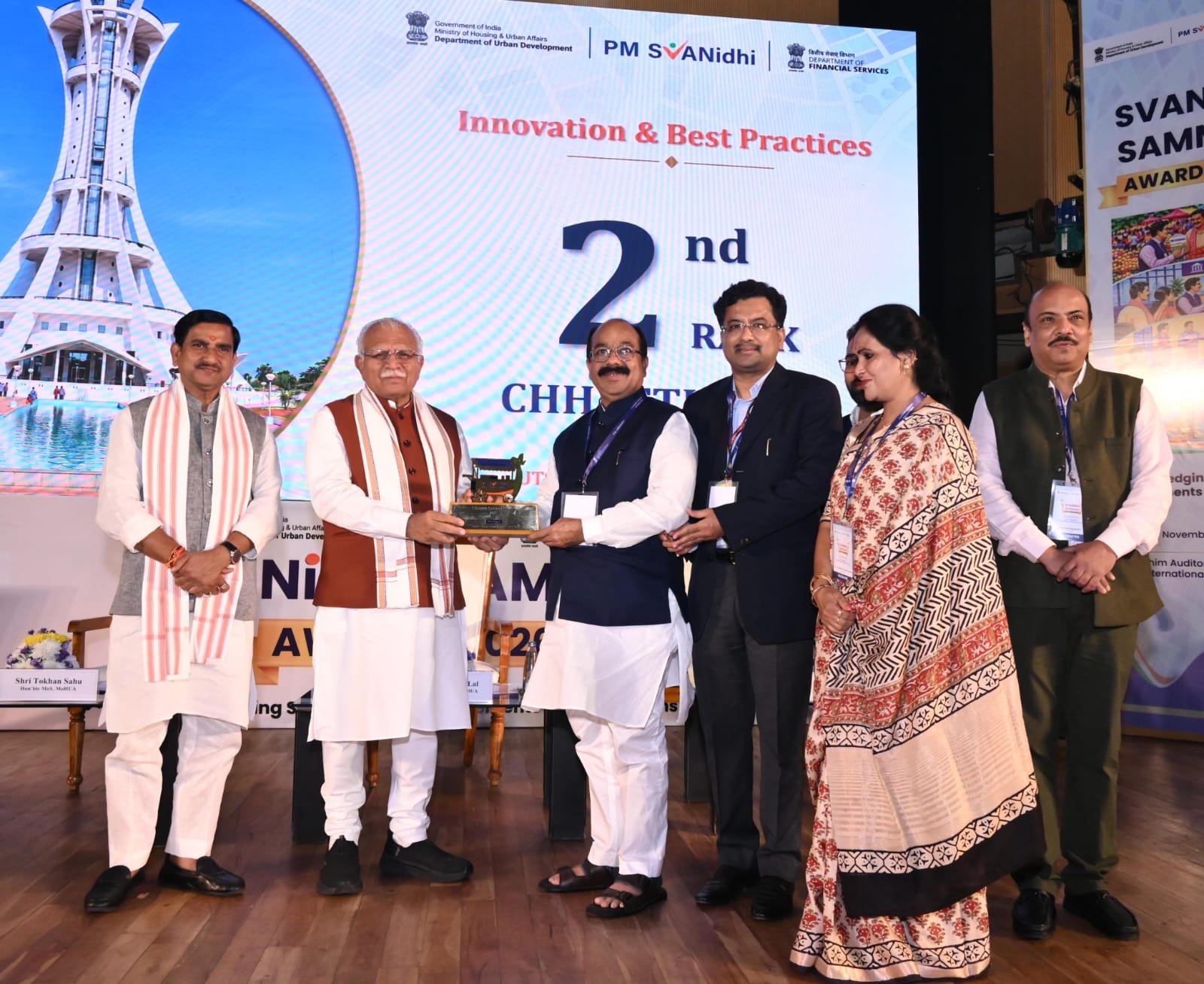
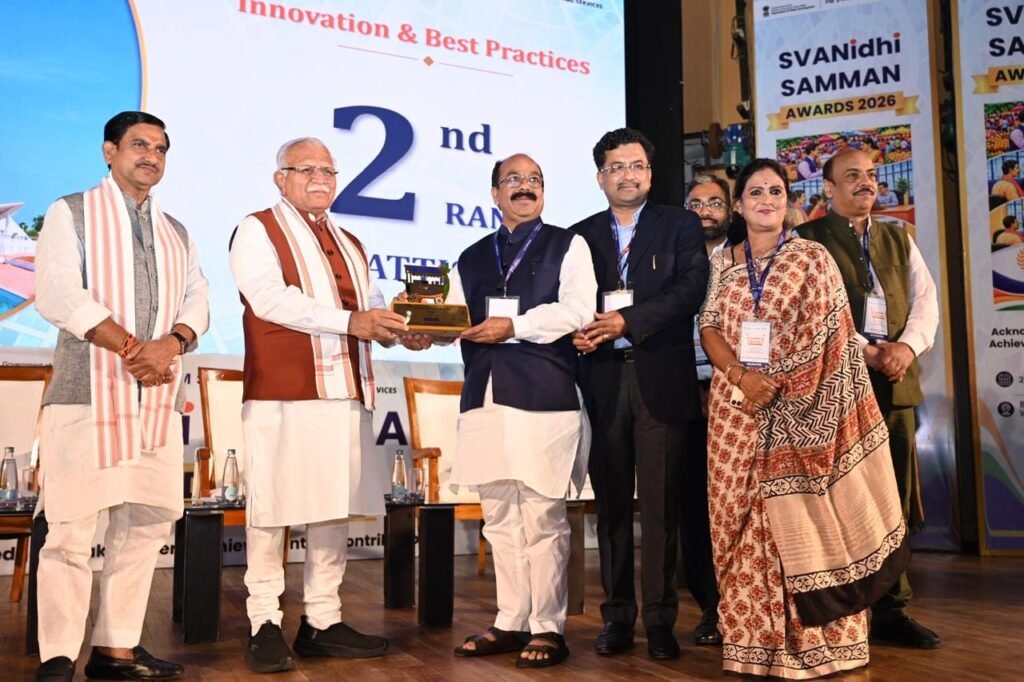
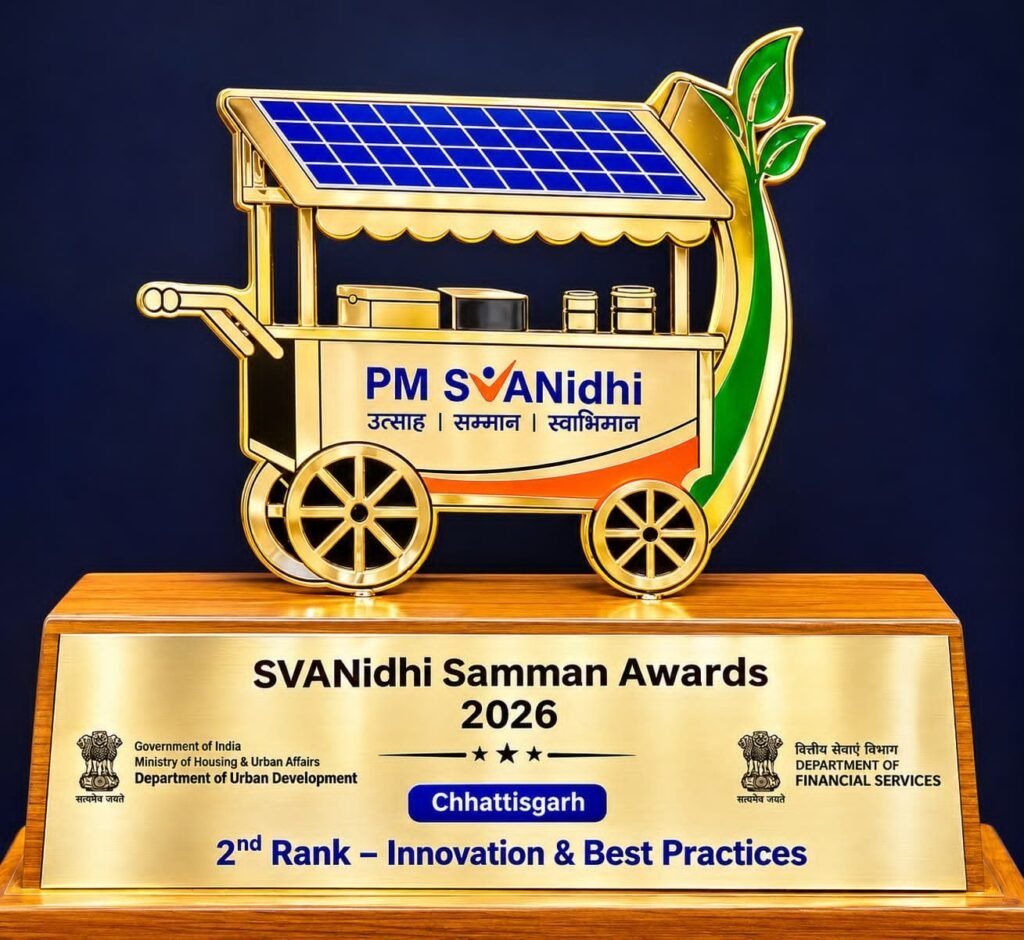
Chhattisgarh’s efforts to foster economic self-reliance among street vendors, while simultaneously strengthening their health and social security, have received significant national recognition. The state has been honored with five national awards across various categories for the effective implementation of the PM SVANidhi scheme. The ‘Aarogya se Atmanirbharta’ (Self-Reliance through Well-being) initiative—which integrates the Chief Minister’s Slum Health Scheme with the PM SVANidhi scheme—secured second place nationwide in the ‘Innovation and Best Practices’ category. Under this initiative, street vendors and their families are provided with free health check-ups, medicines, and access to credit facilities, all in one location.
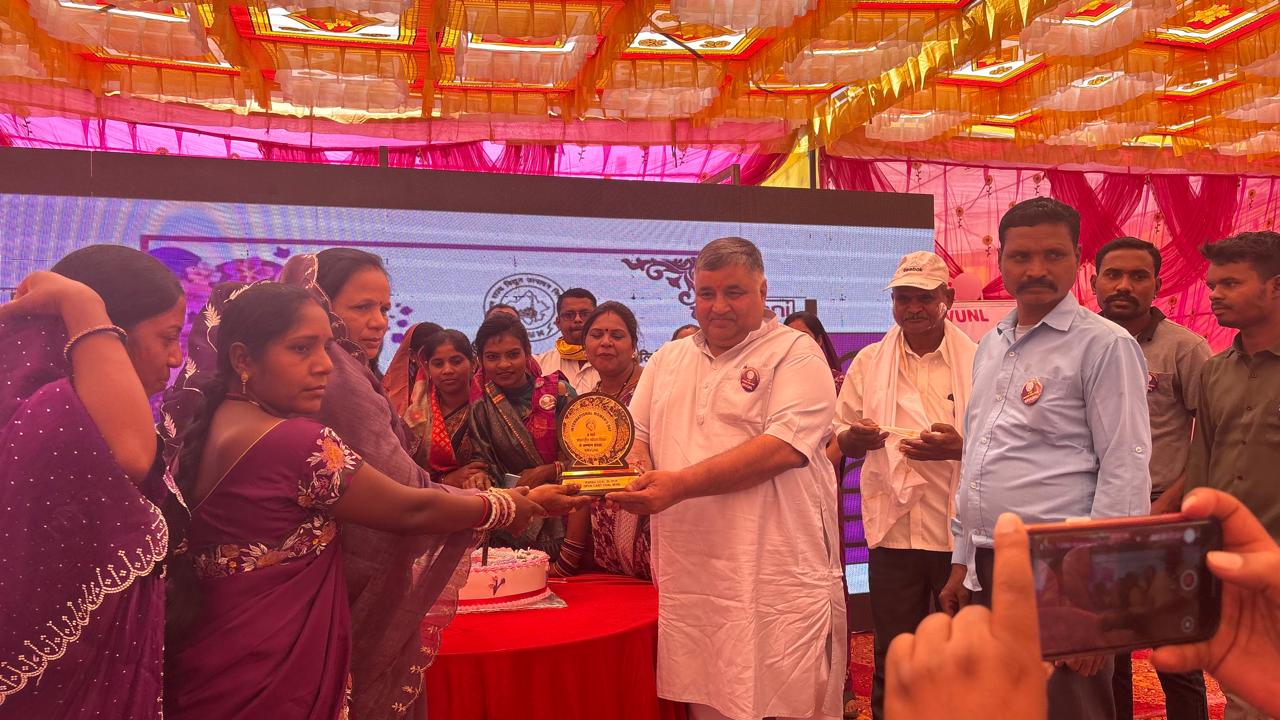
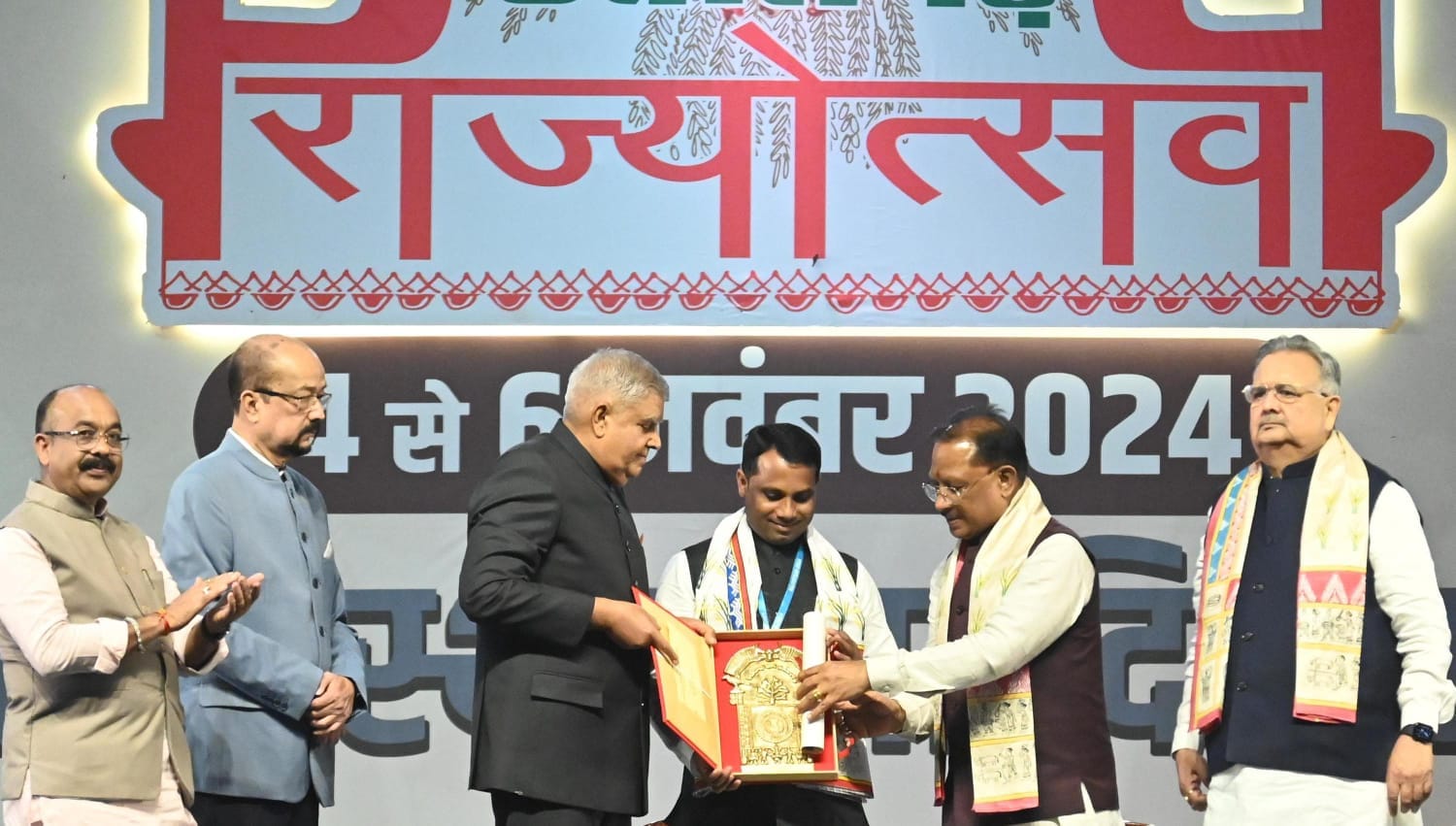
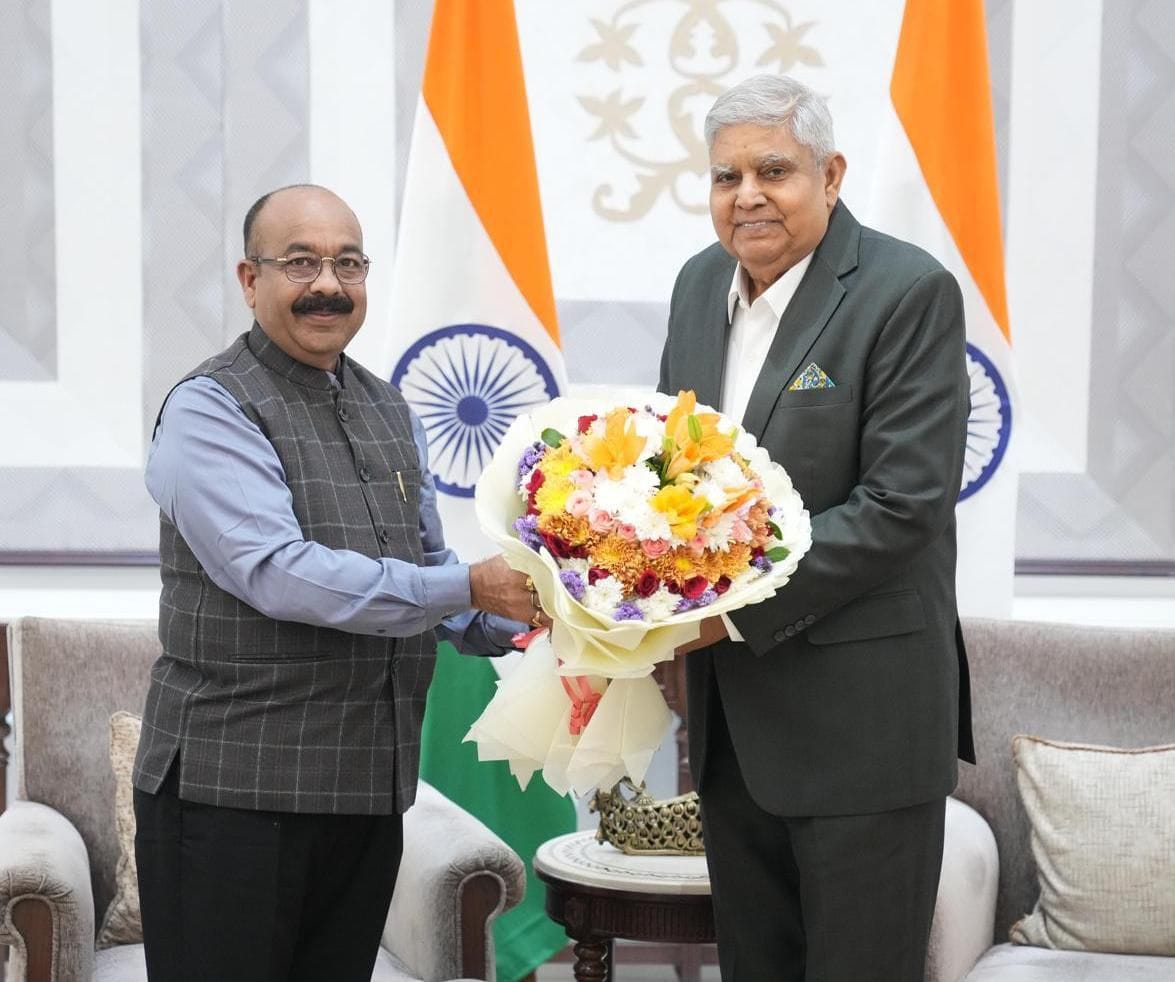
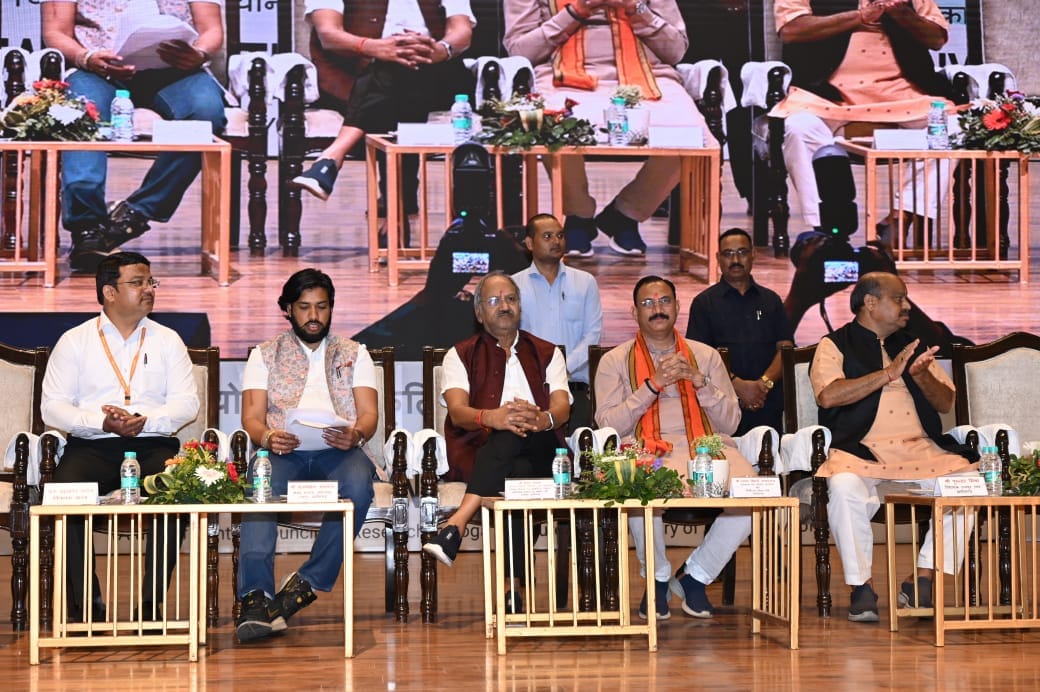
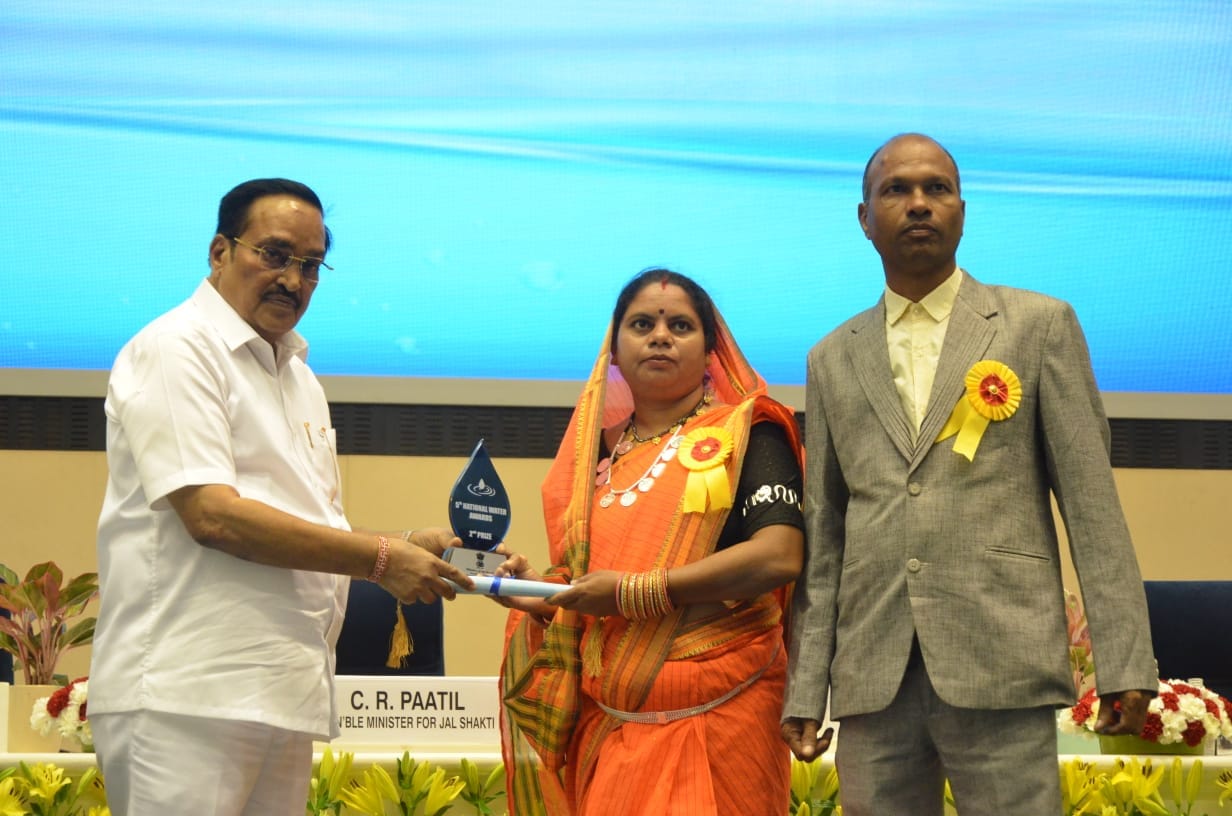
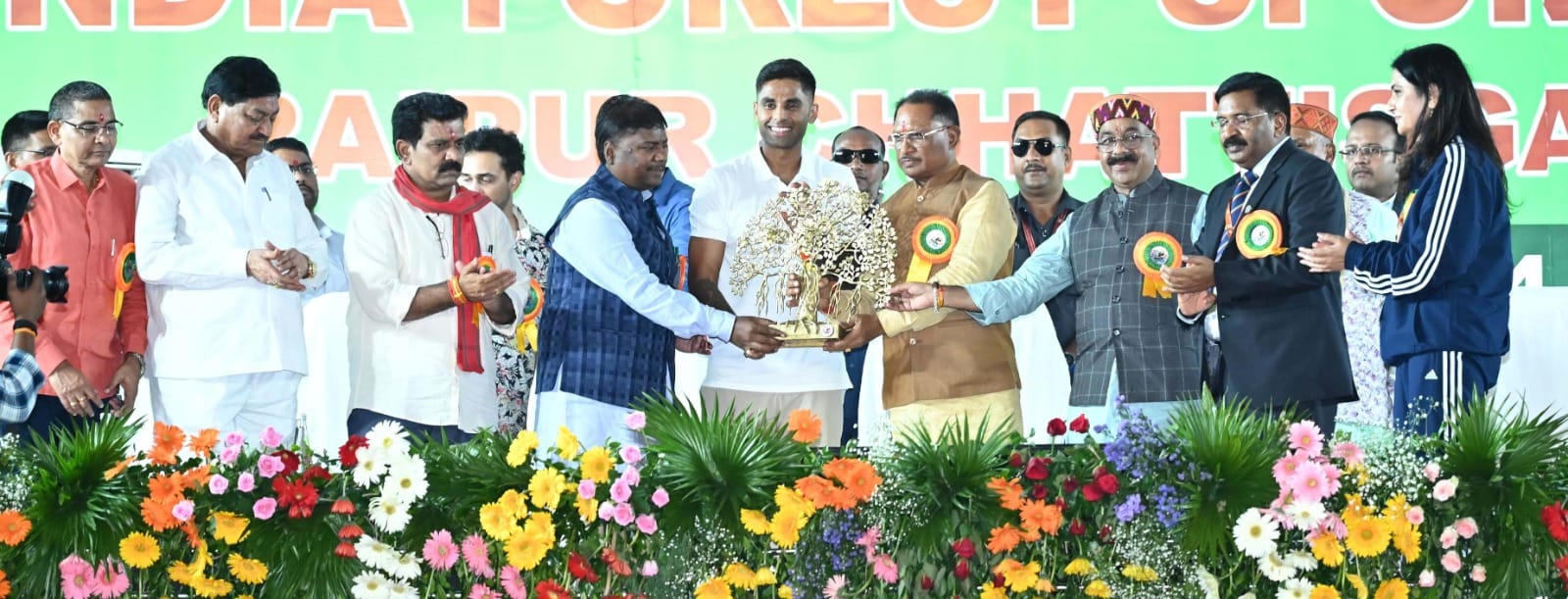
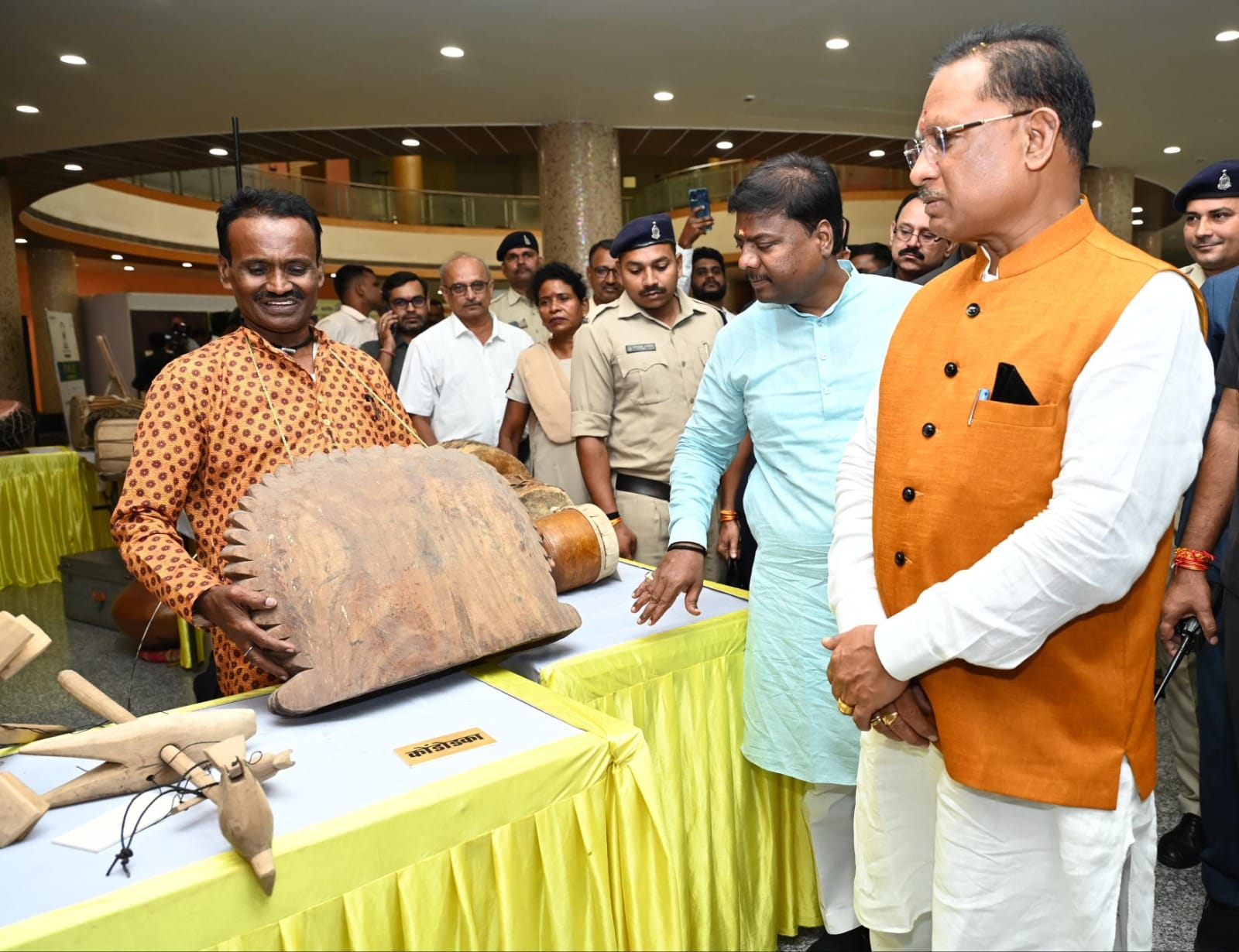
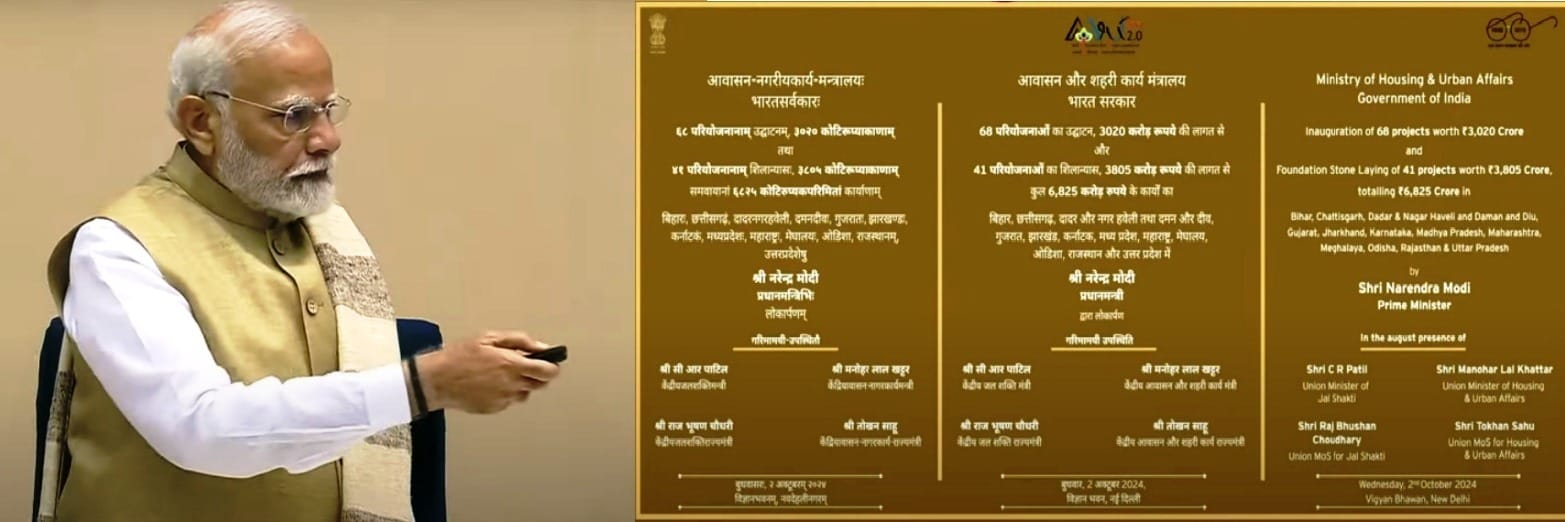
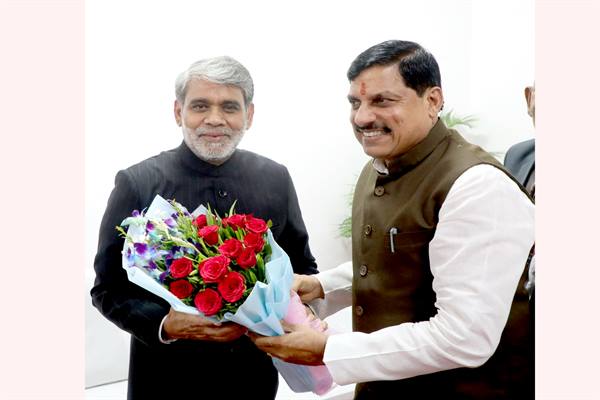
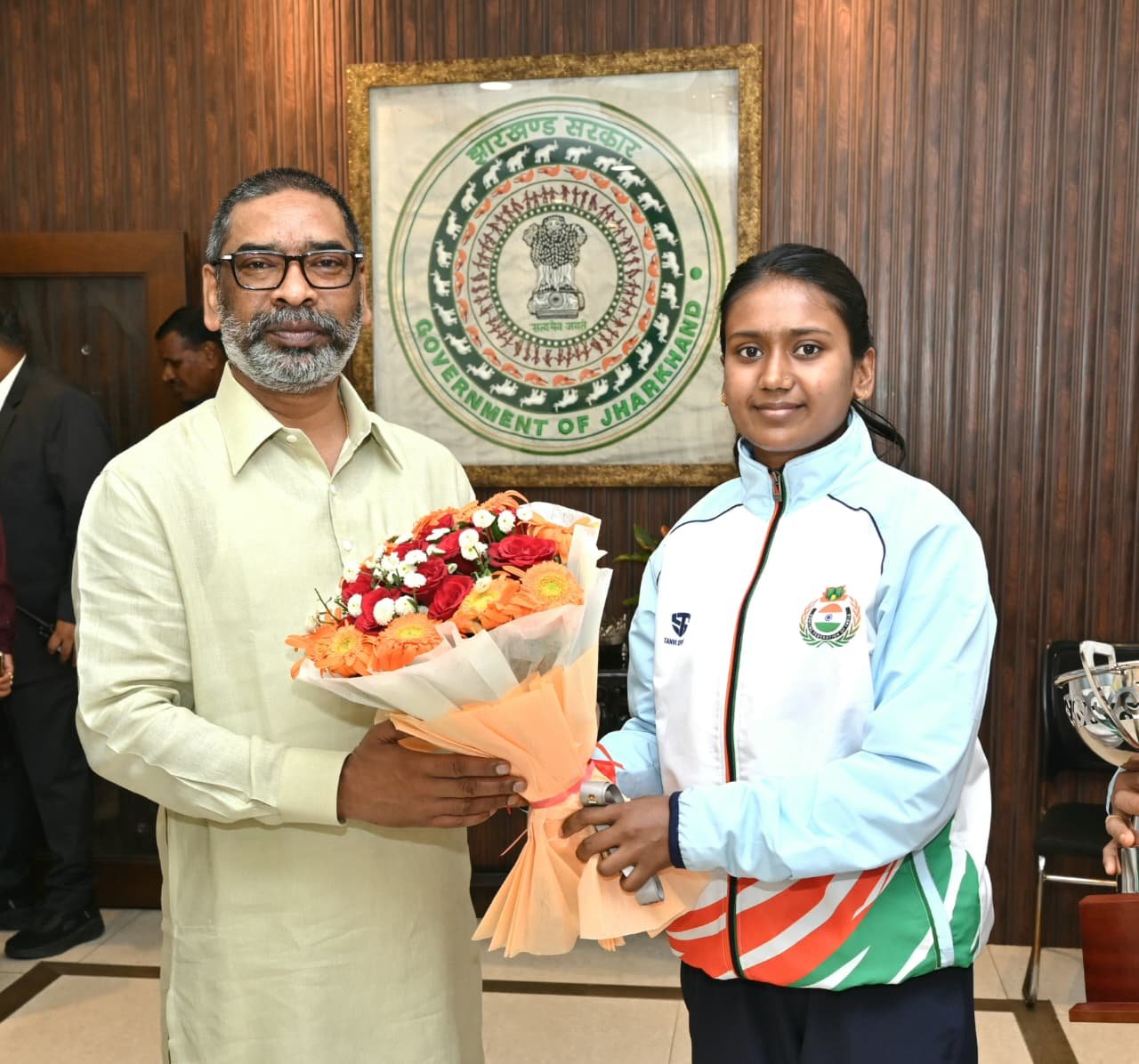
The awards were presented at the ‘SVANidhi Samman Awards 2026,’ organized by the Union Ministry of Housing and Urban Affairs at the Dr. Ambedkar International Centre in New Delhi. The awards were received on behalf of Chhattisgarh by Deputy Chief Minister and Minister for Urban Administration and Development, Arun Sao; Principal Secretary, Sonmoni Borah; Director, Nilesh Mahadev Kshirsagar; and Sunil Agrahari, Deputy CEO of the State Urban Development Agency (SUDA) and State Nodal Officer. The ceremony was held in the presence of Union Minister for Housing and Urban Affairs, Manohar Lal, and Minister of State, Tokhan Sahu.
- Integrating Health Services with Credit Camps Boosts Street Vendor Participation
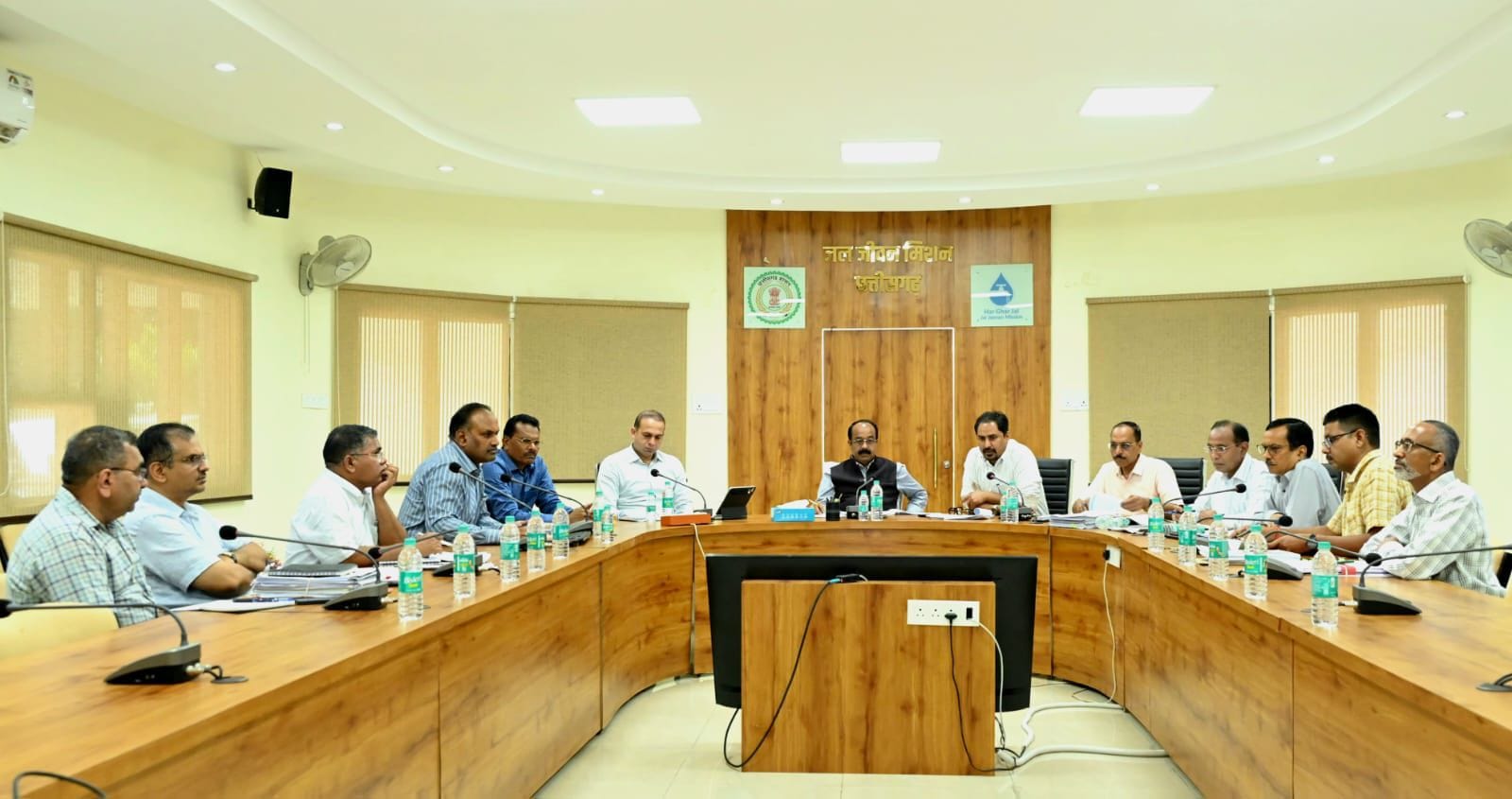
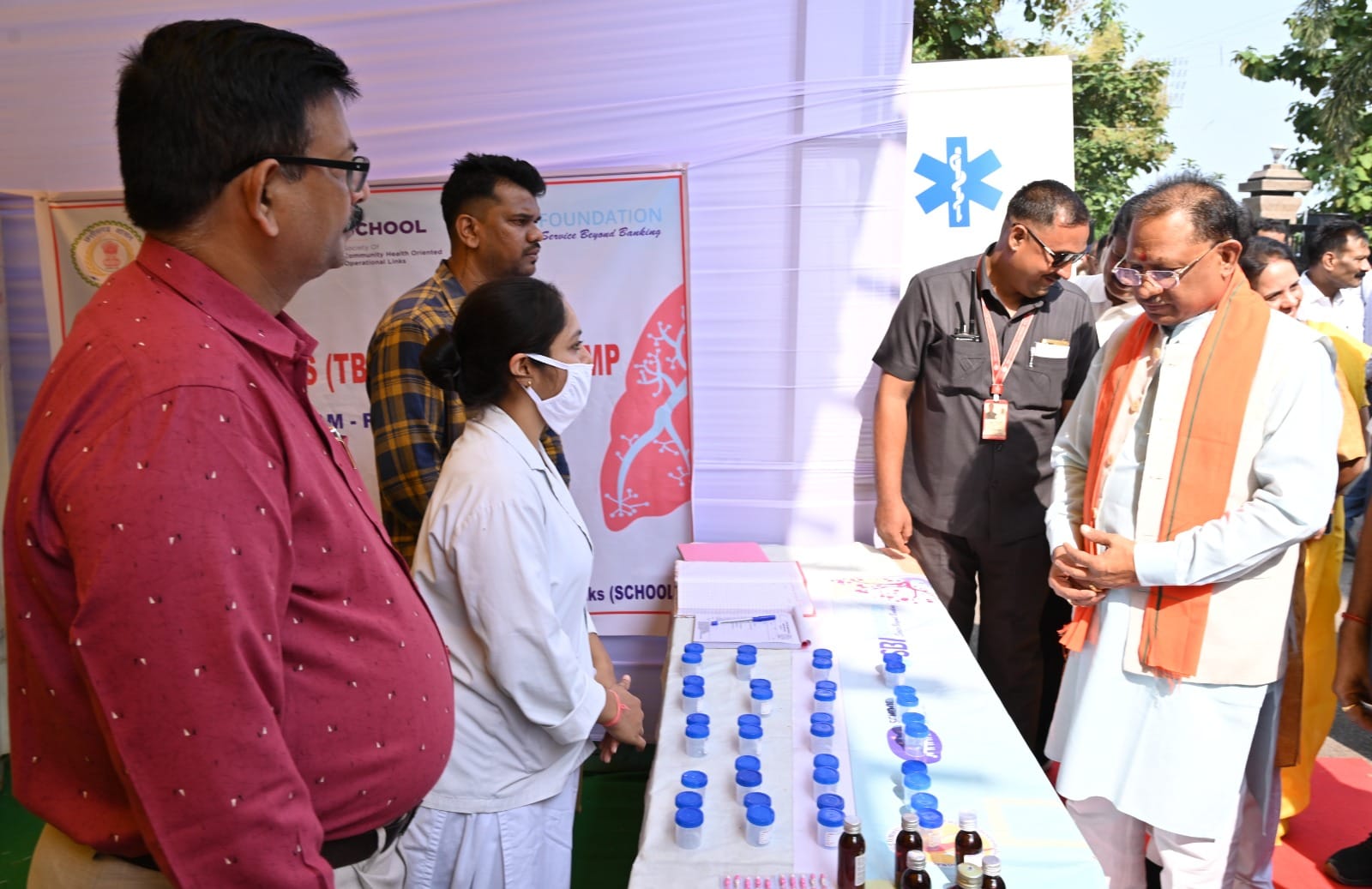
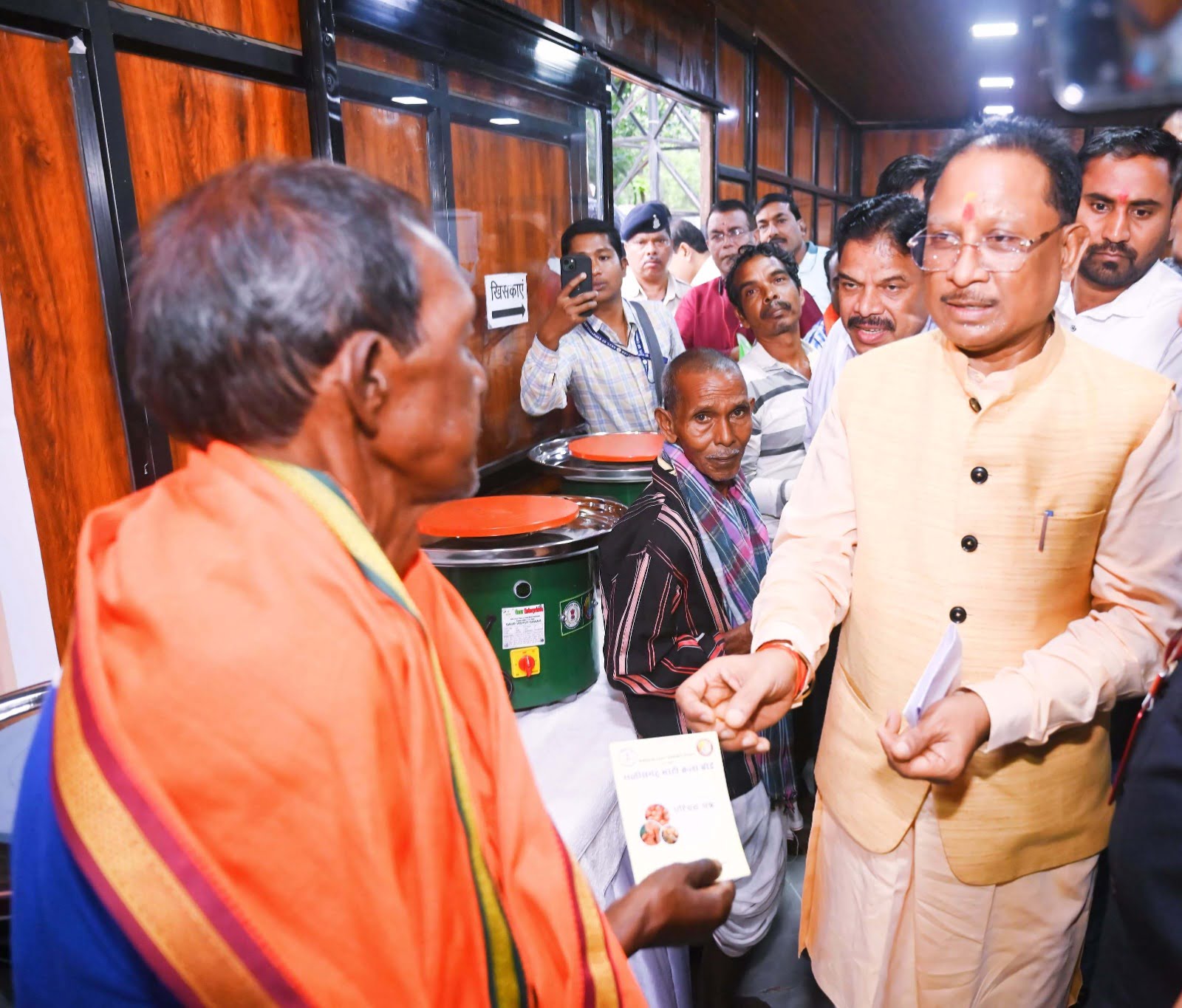
Sumeet Agrawal, CEO of the State Urban Development Agency (SUDA), noted that increasing the participation of street vendors in the credit camps organized under the PM SVANidhi scheme had been a challenge. Many street vendors previously perceived these camps as being limited solely to the submission of applications and documentation processes. To address this issue, Chhattisgarh integrated the mobile medical units of the ‘Mukhyamantri Slum Swasthya Yojana’ (Chief Minister’s Slum Health Scheme) with the loan camps organized under the ‘PM SVANidhi’ scheme. Consequently, ‘health-cum-loan’ camps began to be held.

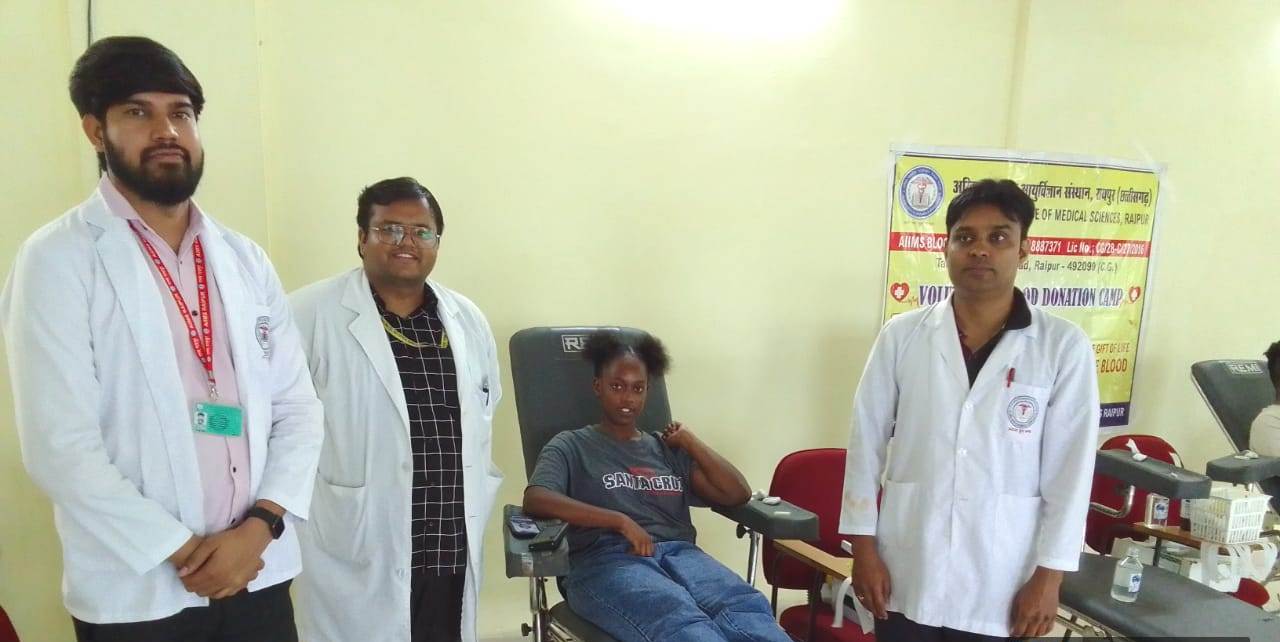
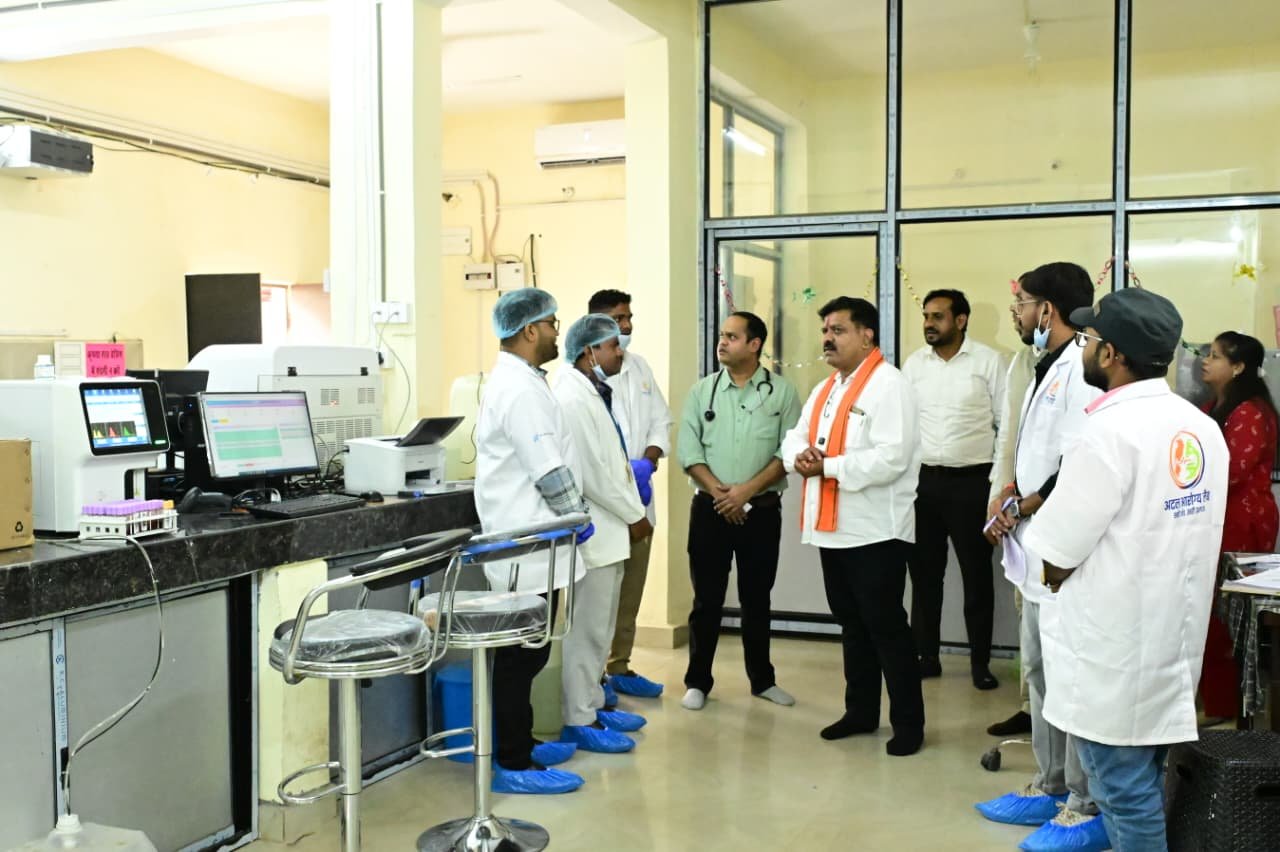
At these camps, street vendors and their families were provided with free health check-ups, 41 types of medical tests, and 170 varieties of generic medicines. Additionally, they received assistance with filling out loan applications, creating socio-economic profiles for their families, and accessing various welfare schemes.
- Nearly a threefold increase in loan applications due to the new initiative
Mr. Agrawal noted that the provision of health services led to a significant rise in the participation of street vendors at these camps. Previously, a typical camp would see 50–60 street vendors; with the presence of the mobile medical units, this number increased to 120–150. Similarly, the number of loan applications per camp rose from 20–25 to 60–70—a nearly threefold increase.
Between September 2025 and October 2026, 66,959 eligible loan applications were received through 31,056 mobile medical unit camps. Of these, 48,523 applications were approved, and loans totaling ₹92.93 crore were disbursed to 46,081 street vendors. This includes 32,478 first-tranche loans, 9,110 second-tranche loans, and 4,493 third-tranche loans.
- Health services provided via 150 mobile medical units across 172 urban local bodies
Under the ‘Mukhyamantri Slum Swasthya Yojana’, health services are being delivered across 172 urban local bodies in the state through 150 mobile medical units. Between November 2020 and October 2026, a total of 203,130 health camps were organized through these mobile medical units. During this period, 14.1 million (1.41 crore) patients received treatment, 3.737 million (37.37 lakh) laboratory tests were conducted, and 12.4 million (1.24 crore) doses of medicine were distributed.
Integrating the ‘Chief Minister’s Slum Health Scheme’ (Mukhyamantri Slum Swasthya Yojana) with the ‘PM SVANidhi’ scheme has increased the participation of female street vendors from 45% to 68%. Free health check-ups, laboratory tests, and medicines are enabling each family to save an estimated ₹5,000 to ₹7,000 annually. This reduces the financial burden of medical treatment on these families, allowing them to save money for other essential needs.
- An initiative transforming the lives of street vendors
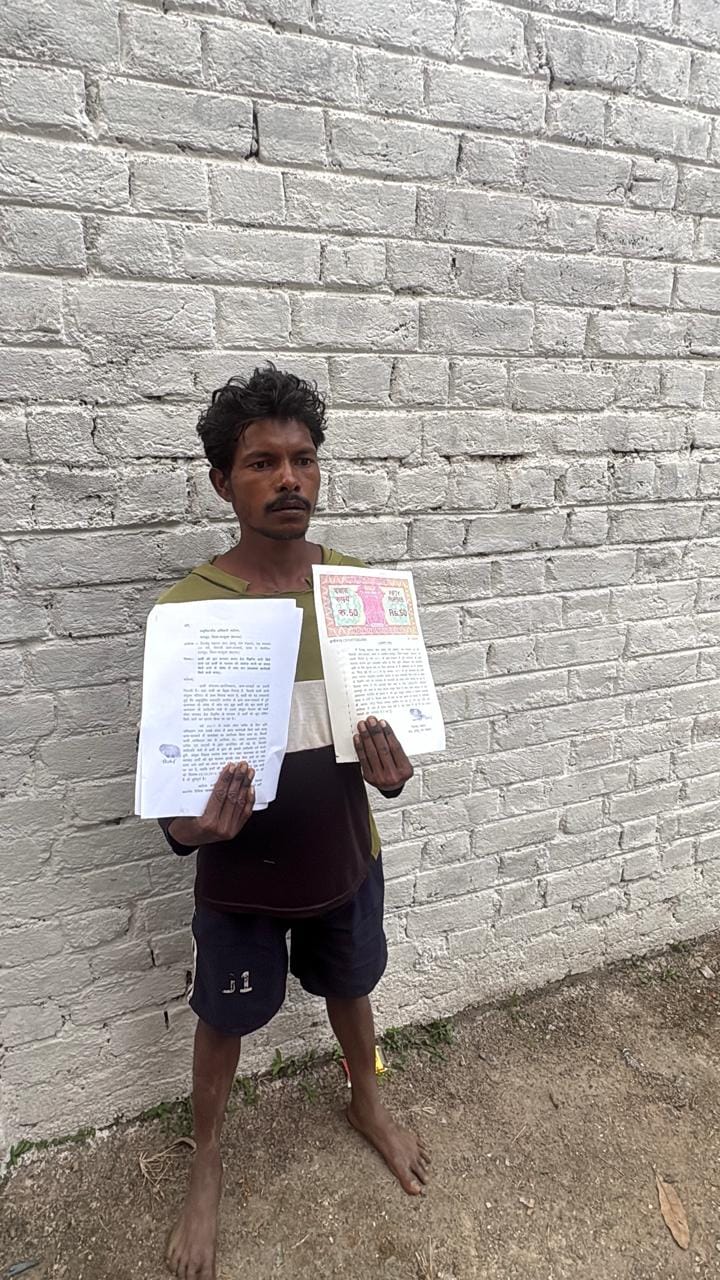
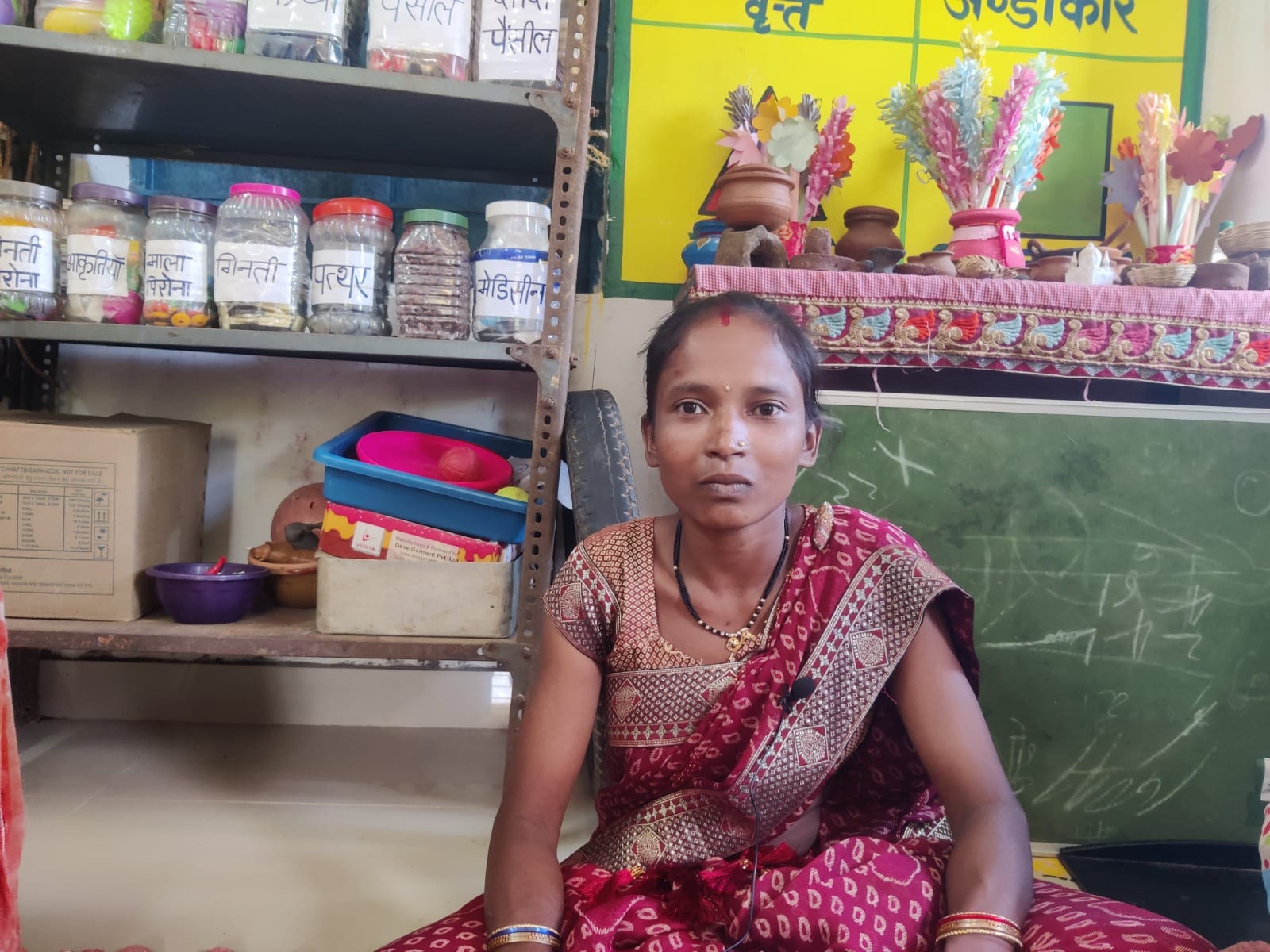
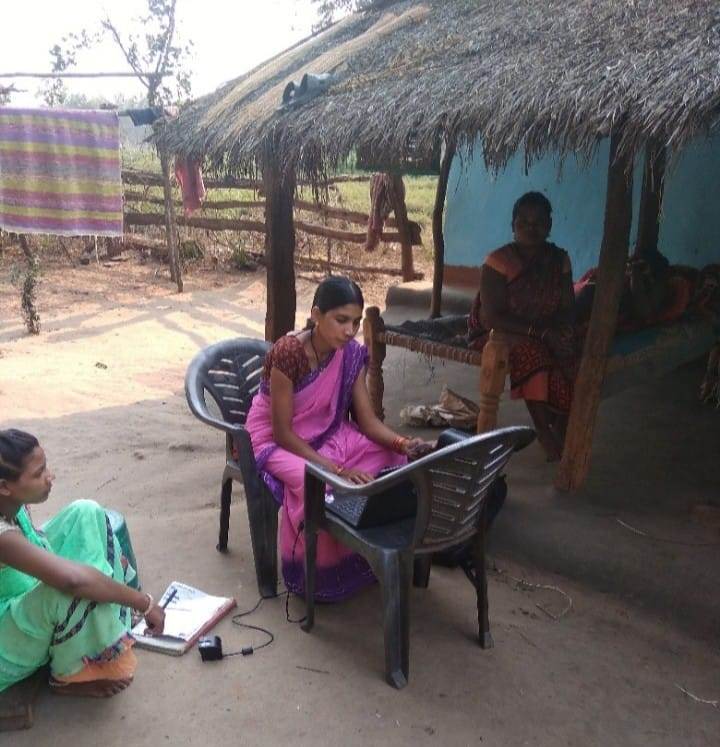
Shri Santosh Kumar, a street vendor from Jashpur, highlights the benefits of this initiative, stating, “The government is now coming to our doorstep, providing us with both medicines and financial assistance.”
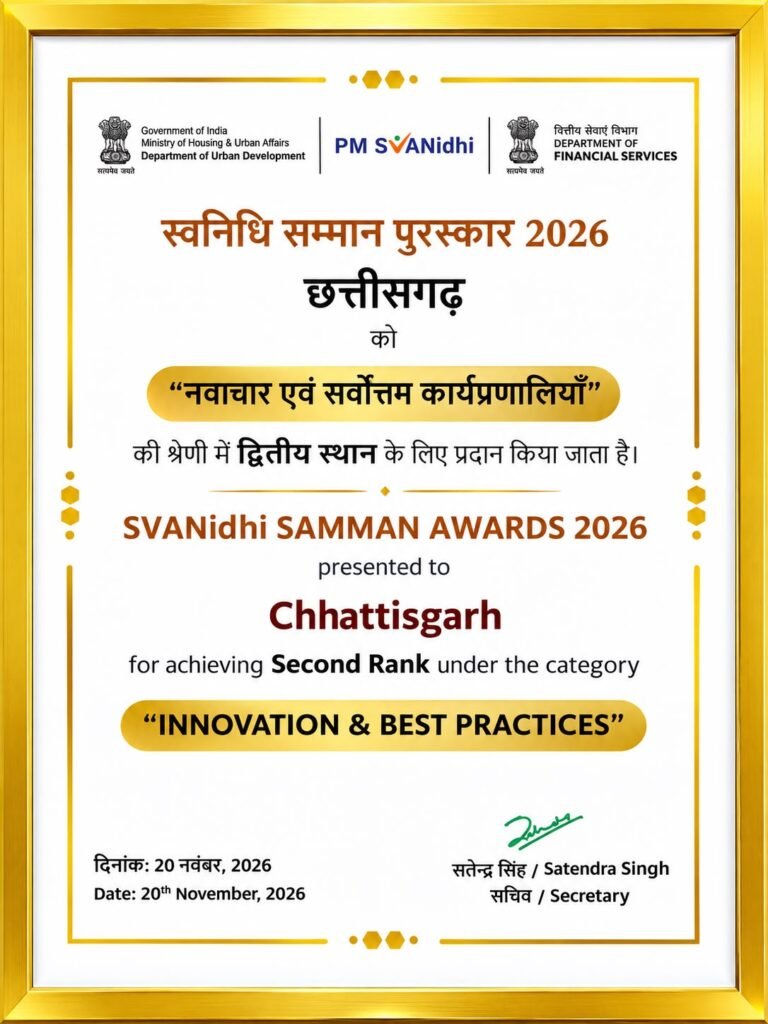
This initiative, which provides healthcare facilities alongside financial support, has proven highly beneficial for street vendors. Through the ‘Aarogya se Atmanirbharta’ (Health to Self-Reliance) model, the Urban Administration and Development Department, in collaboration with SUDA (State Urban Development Agency), has taken steps to connect street vendors with healthcare services, financial aid, and social security. This innovation has gained significant recognition, including a national award.
- Special focus on the actual health needs of street vendors
Health-related data collected through the mobile medical units indicates that the identification and regular screening of non-communicable diseases—such as hypertension and diabetes—among street vendors and other urban residents are crucial. The department’s initiative is not limited to treating common ailments; it also plays a vital role in preventing serious illnesses through regular health check-ups and timely diagnosis.
- Healthcare facilities fostering economic self-reliance
A key objective of this initiative is to provide street vendors with healthcareIt also aims to provide relief from unforeseen health-related expenses. According to reports, free health check-ups, laboratory tests, and medicines can result in annual savings of approximately ₹5,000 to ₹7,000 per family. This bolsters the family’s financial situation and assists in the timely repayment of loan installments.
- Extending Healthcare Services to Women and Specific Regions
Prioritizing women’s health, ‘Dai-Didi’ (midwife/sister) clinic mobile medical units are operational across 17 urban local bodies. Through these, 687,000 patients have received treatment across 11,170 camps, with 181,000 laboratory tests conducted and 624,000 courses of medicine distributed.
To ensure the effective implementation of the PM SVANidhi scheme—even in areas previously affected by Left-Wing Extremism—measures such as securing safe locations for health and credit camps, collaborating with local police, conducting door-to-door outreach, and communicating in local languages have been adopted. These efforts are designed to extend government services and facilities to street vendors and citizens living in these regions.