















- There will be a confluence of ancient scientific heritage and modern technology
- The park will be developed on 100 acres of land at a cost of Rs 237 crore
- Ujjain will be developed as a Science City, research and innovation will get a boost
- Luminescence Dating Laboratory established in Bhopal will give a new direction to the scientific investigation of ancient heritage
- Accurate scientific determination of the age of archaeological materials up to 10 lakh years old will be possible
- Chief Minister Dr. Yadav inaugurated Dr. Vishnu Shridhar Wakankar Luminescence Dating Laboratory and Gallery
- National Workshop on ‘Chronology using Scientific Methods from Ancient to Modern Times’ begins
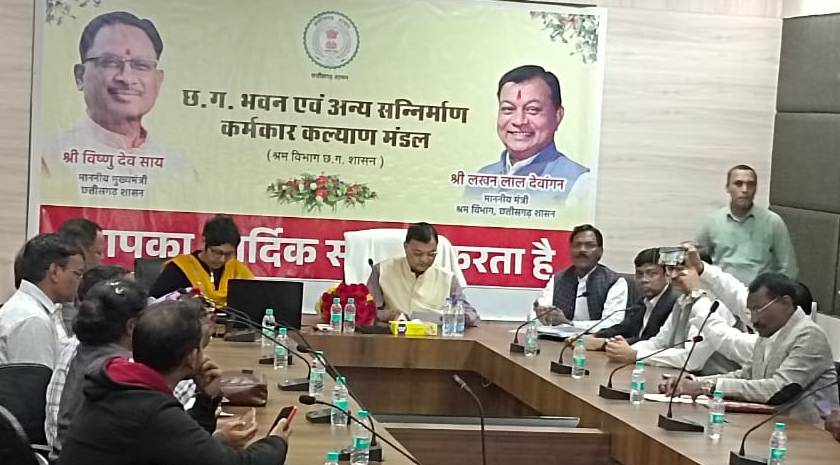
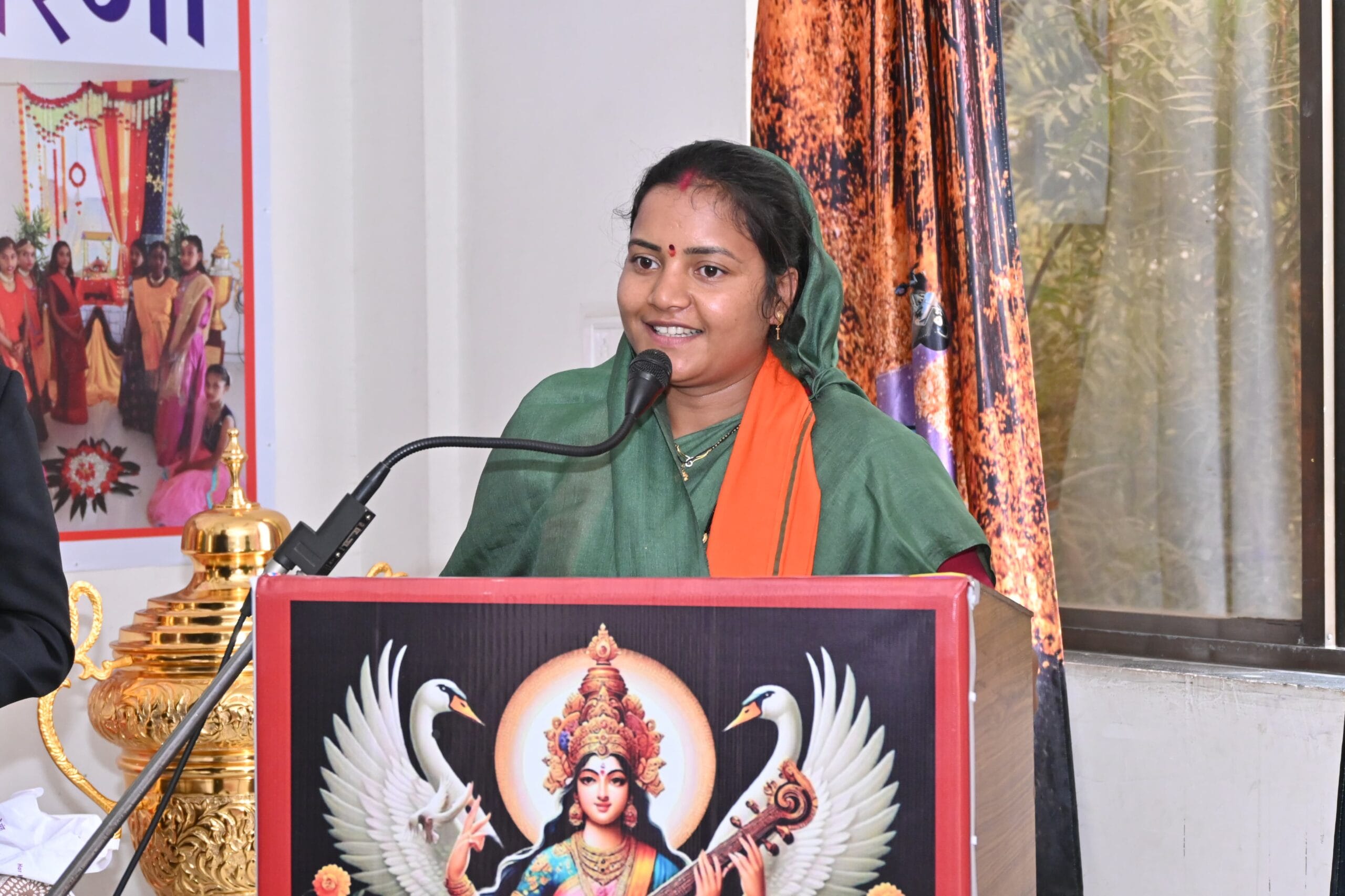
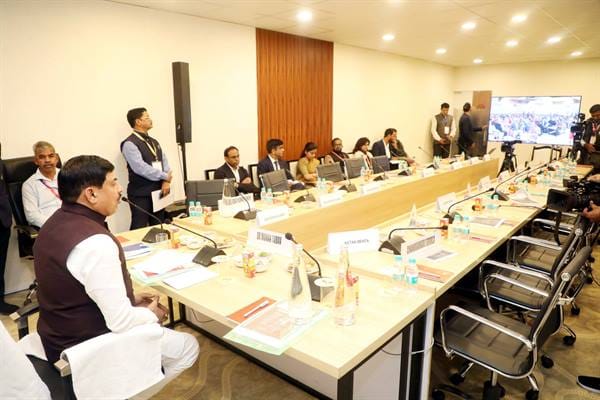
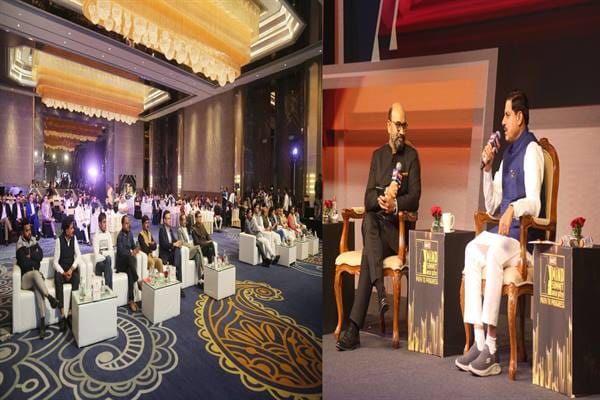
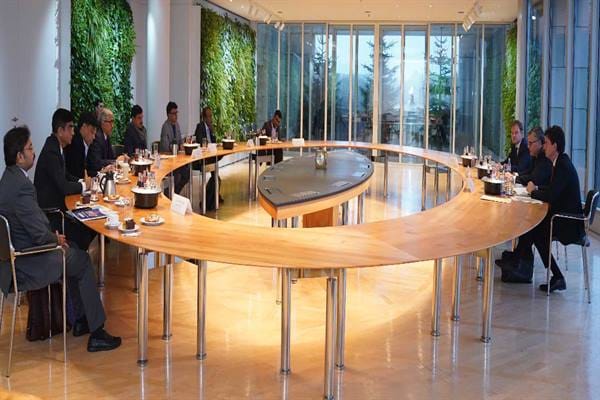
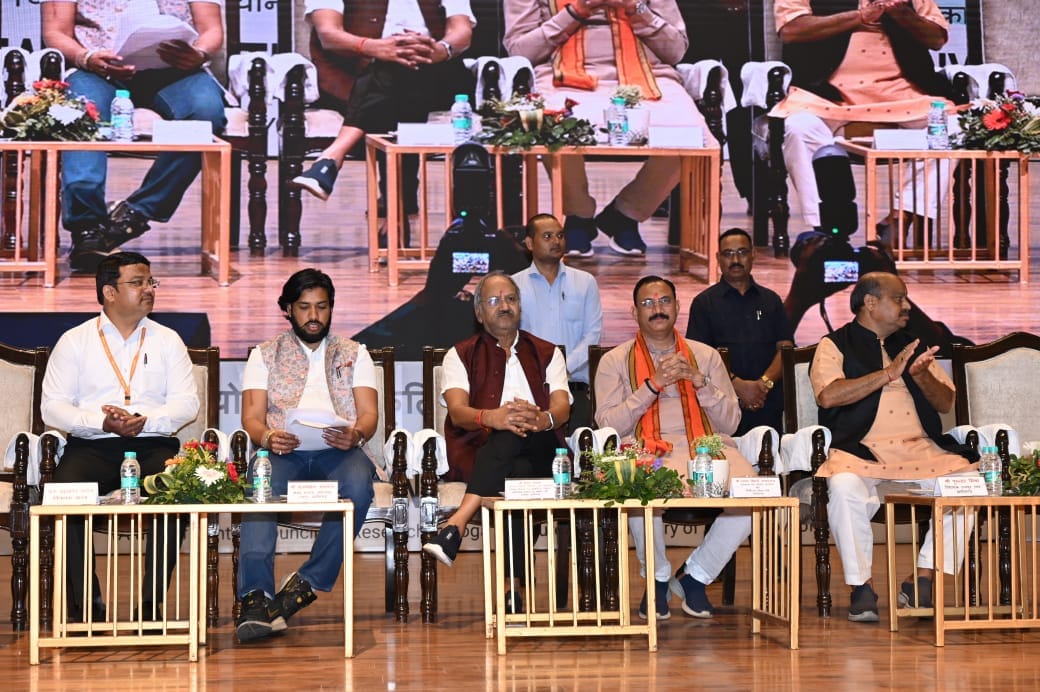
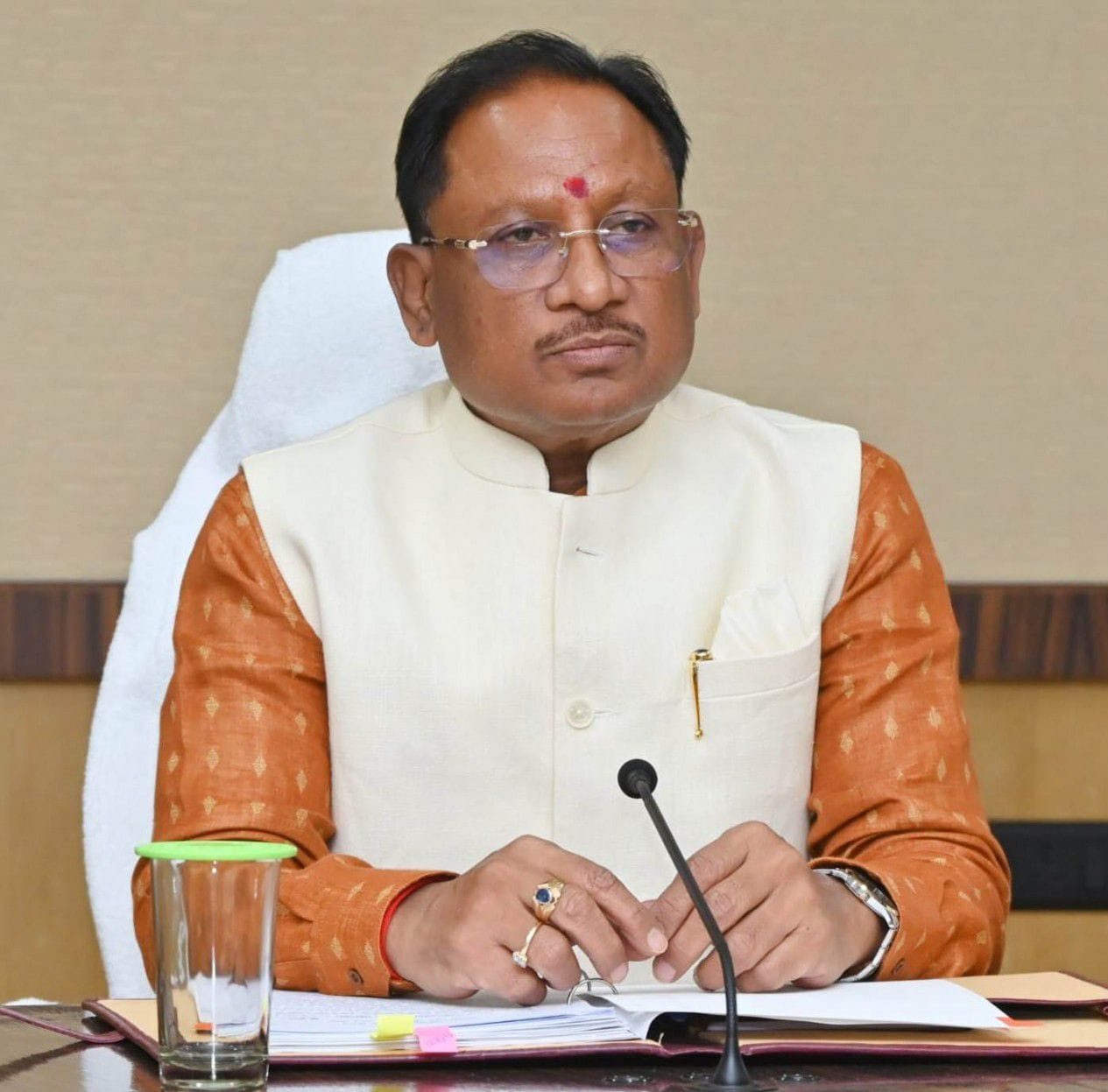
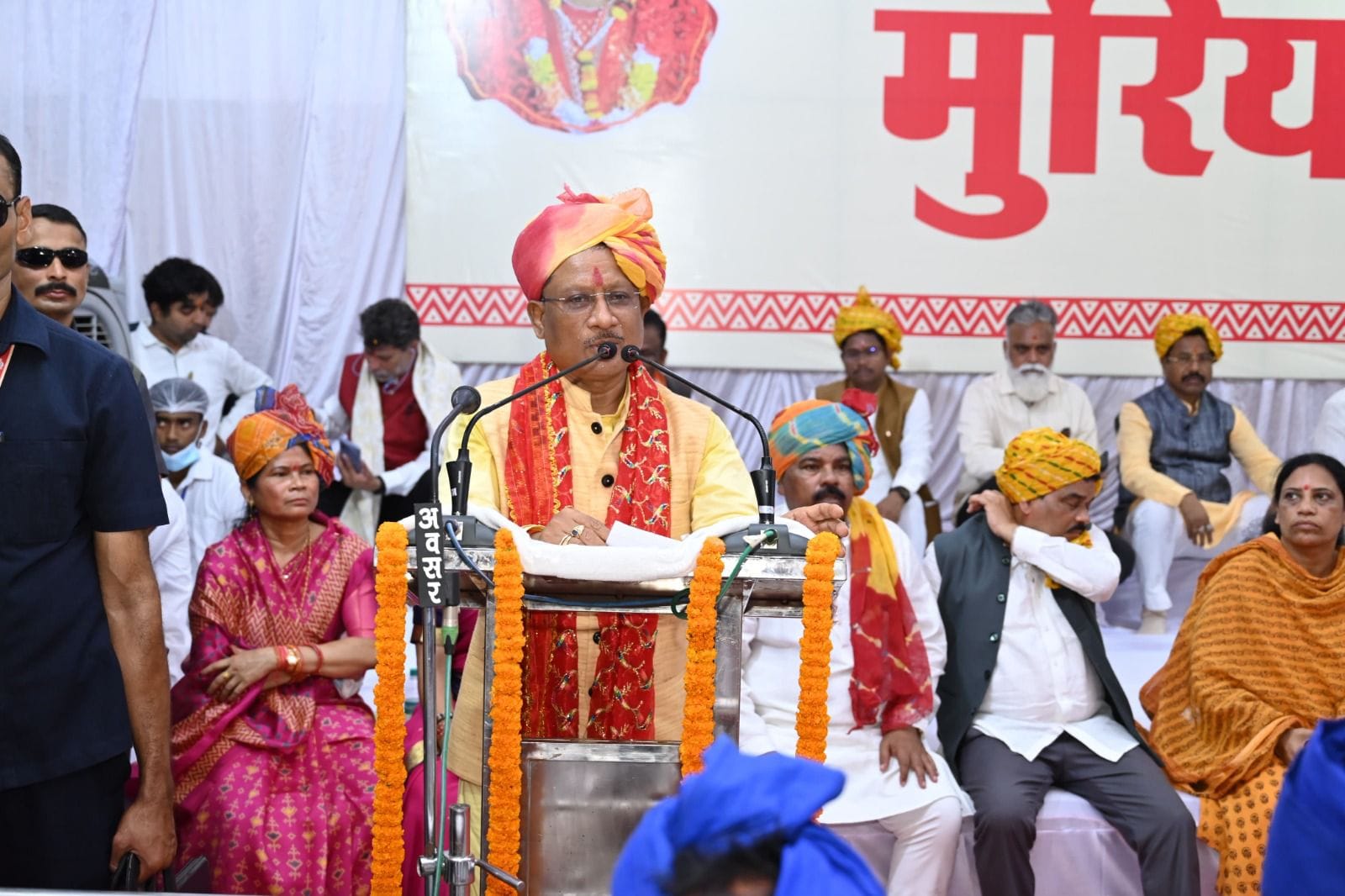
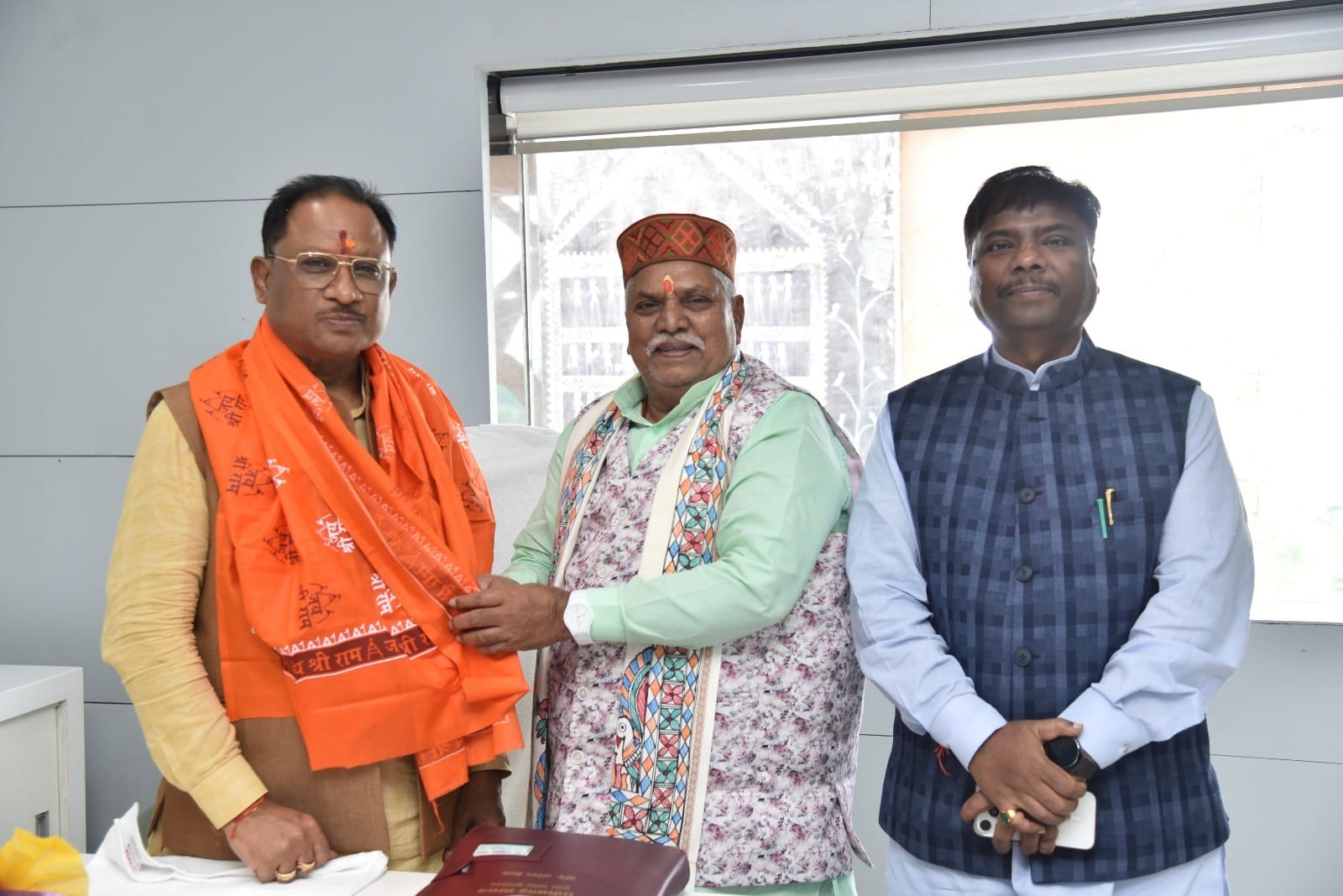
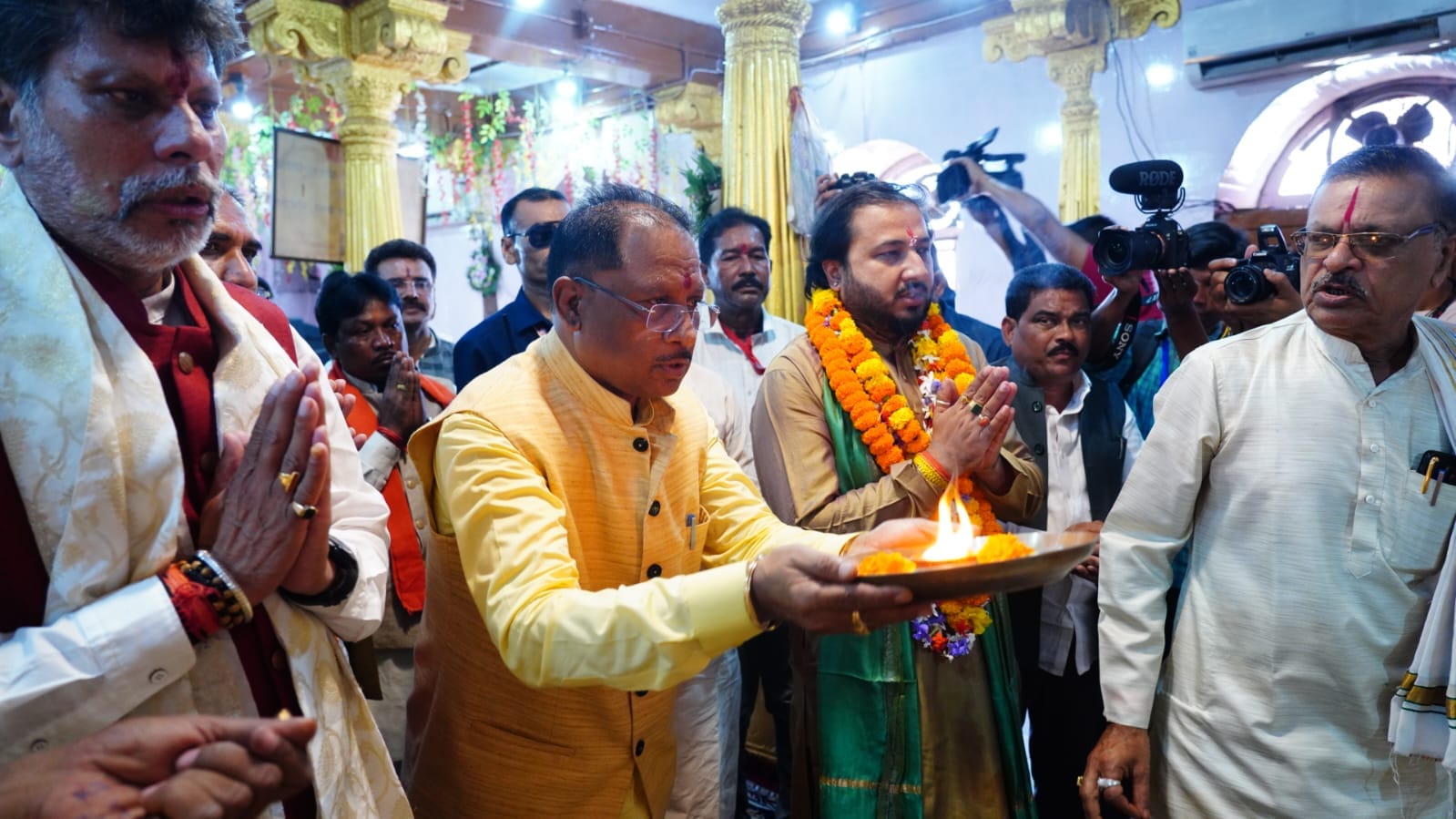
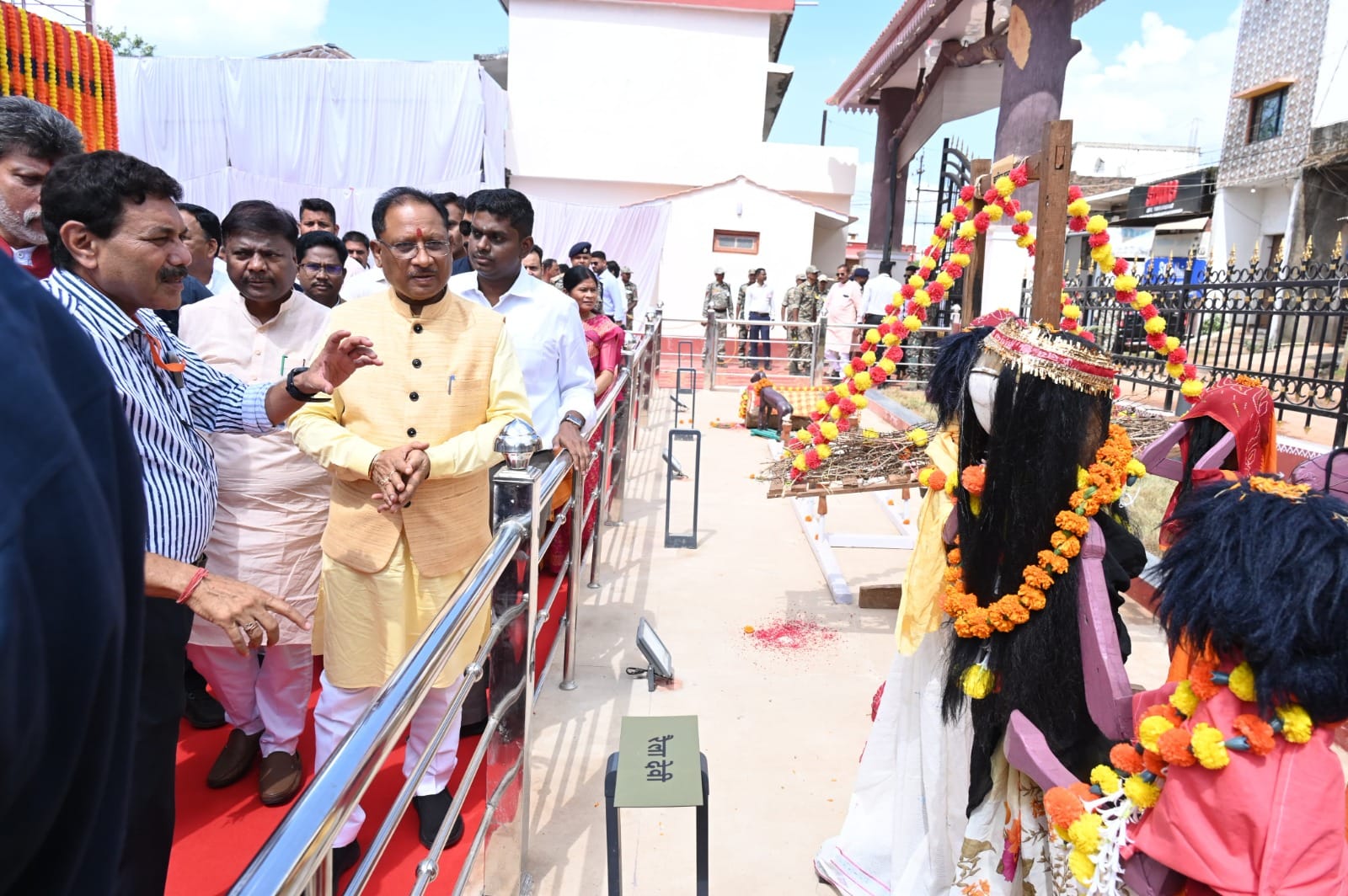
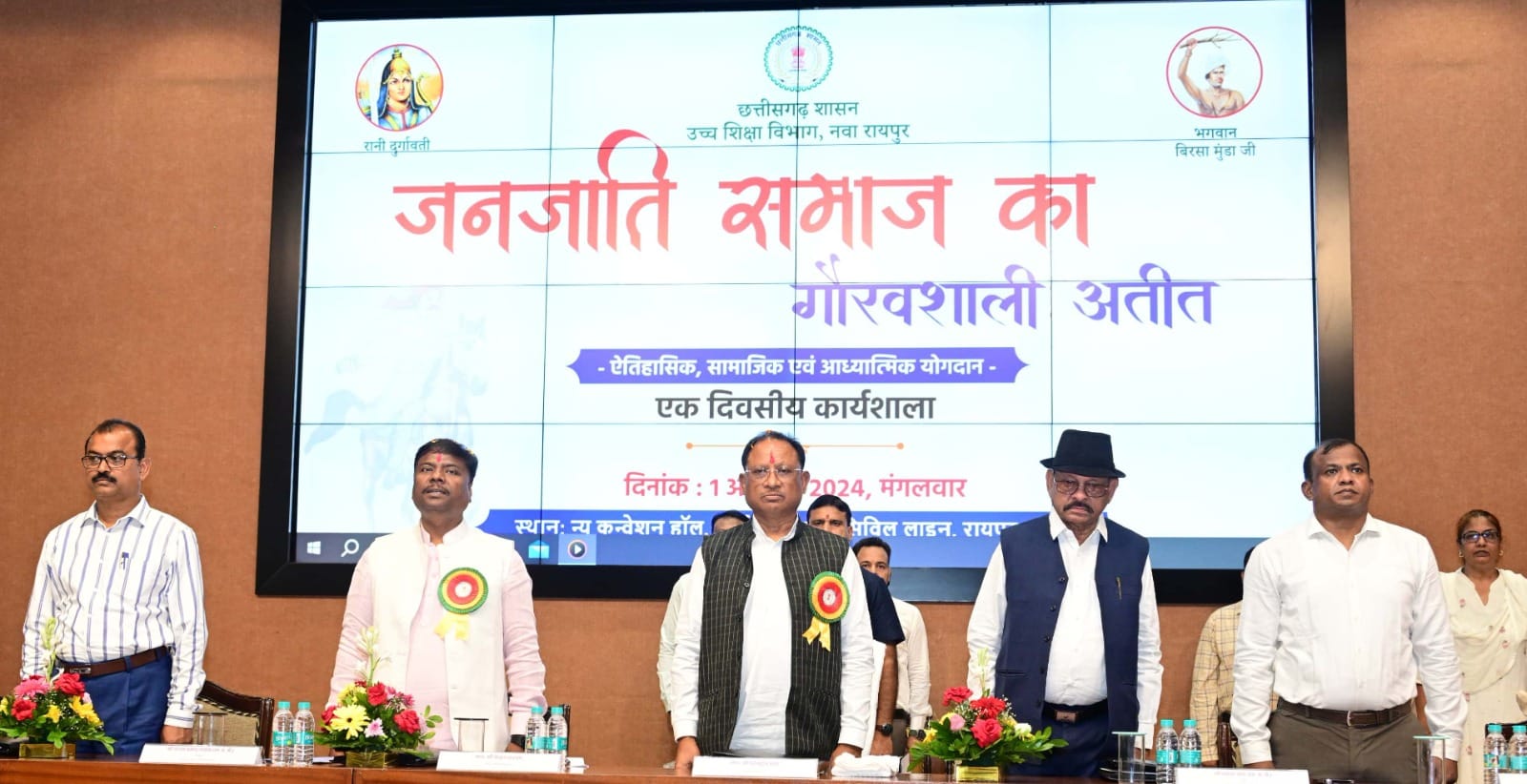
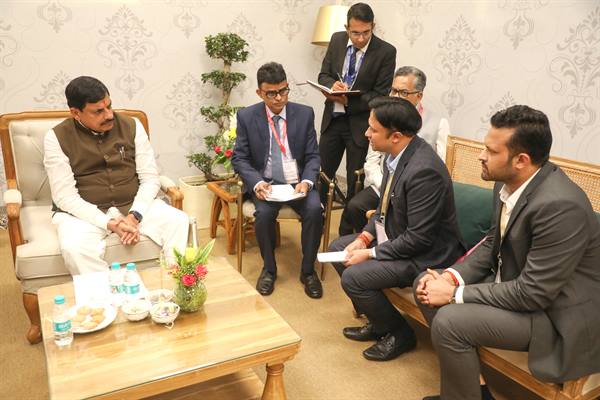
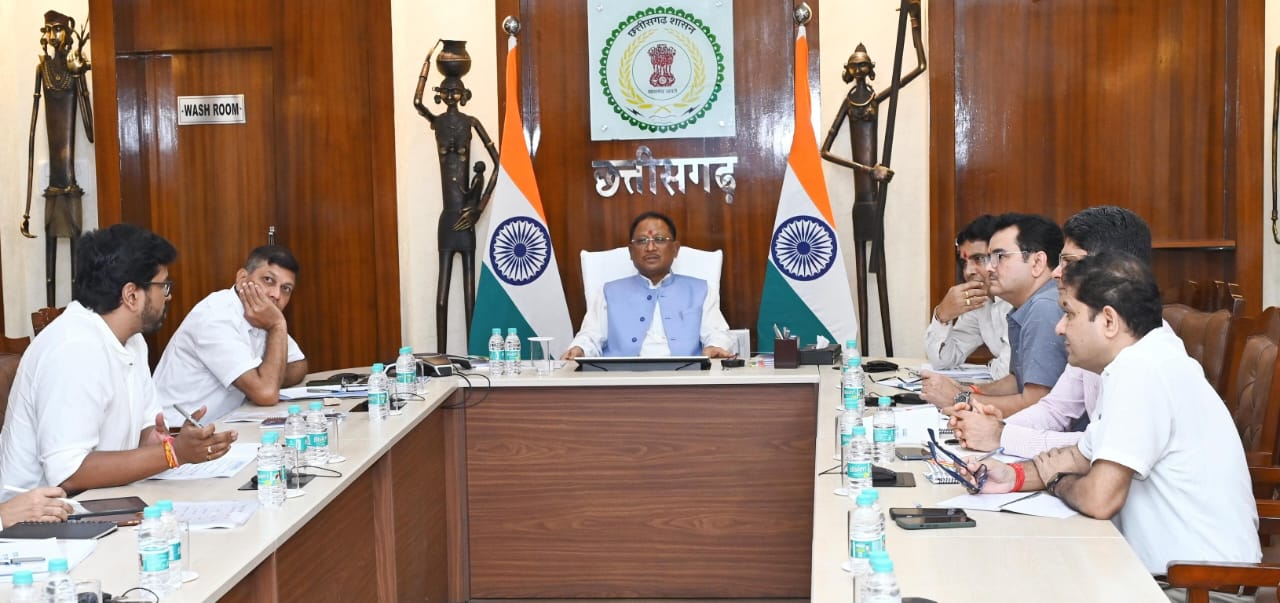
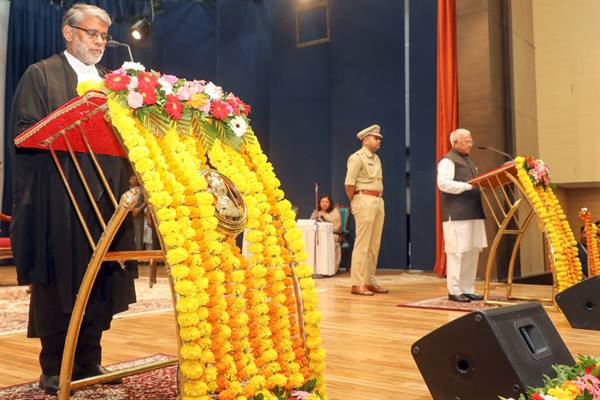
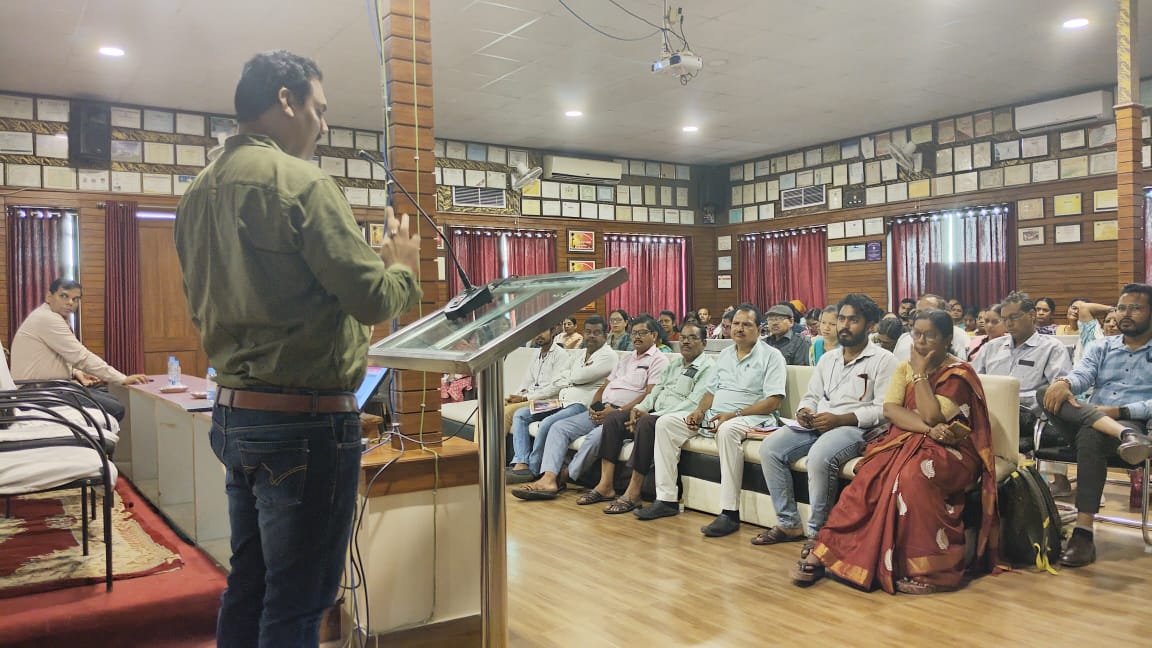
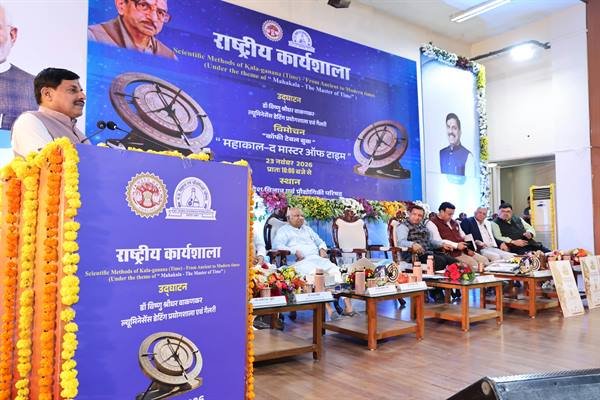
Chief Minister Dr. Mohan Yadav stated that Prime Minister Shri Narendra Modi has always championed the promotion of Indian knowledge traditions, the preservation of ancient heritage, scientific research, and innovation. Important initiatives have been taken in Madhya Pradesh to advance the scientific study of ancient civilizations and archaeological heritage. The Dr. Vishnu Shridhar Wakankar Luminescence Dating Laboratory, established in the capital, Bhopal, will now enable the scientific examination and age determination of archaeologically significant materials up to 1 million years old. He stated that a Deep Tech Research and Innovation Park will be developed on approximately 100 acres of land in Ujjain. This will create new possibilities in the fields of science, research, innovation, and emerging technologies. Ujjain is not only a religious city but also an important center of science, industry, art, culture, and civilization. Since ancient times, Ujjain holds a special place in the fields of chronology and astronomy. Connecting the state’s scientific heritage with modern science and technology, Ujjain is being developed as a Science City. Chief Minister Dr. Yadav inaugurated the Madhya Pradesh Science City on Monday. He was addressing the national workshop on the theme ‘Mahakal: The Master of Time’ under ‘Calculation of Time through Scientific Methods from Ancient to Modern Times’ at Vigyan Bhawan of Council of Science and Technology (MAPCAST).
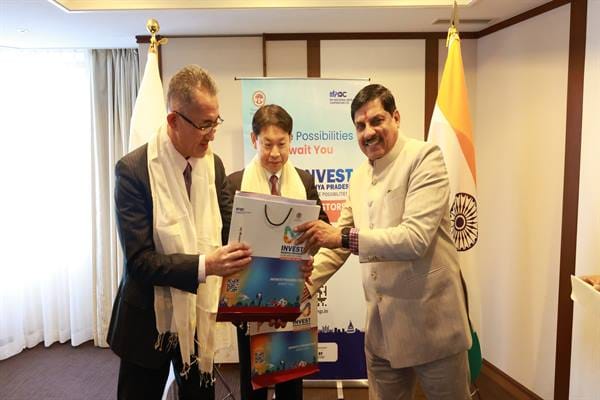
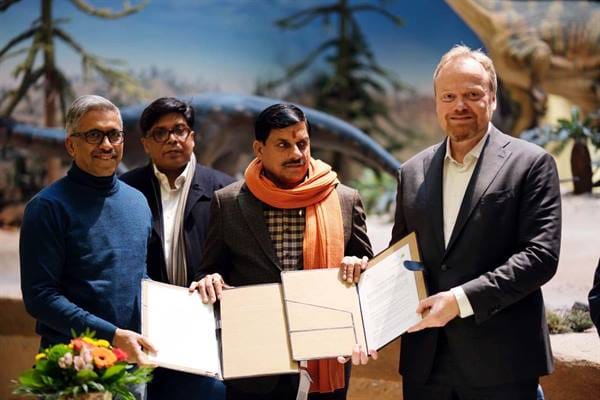
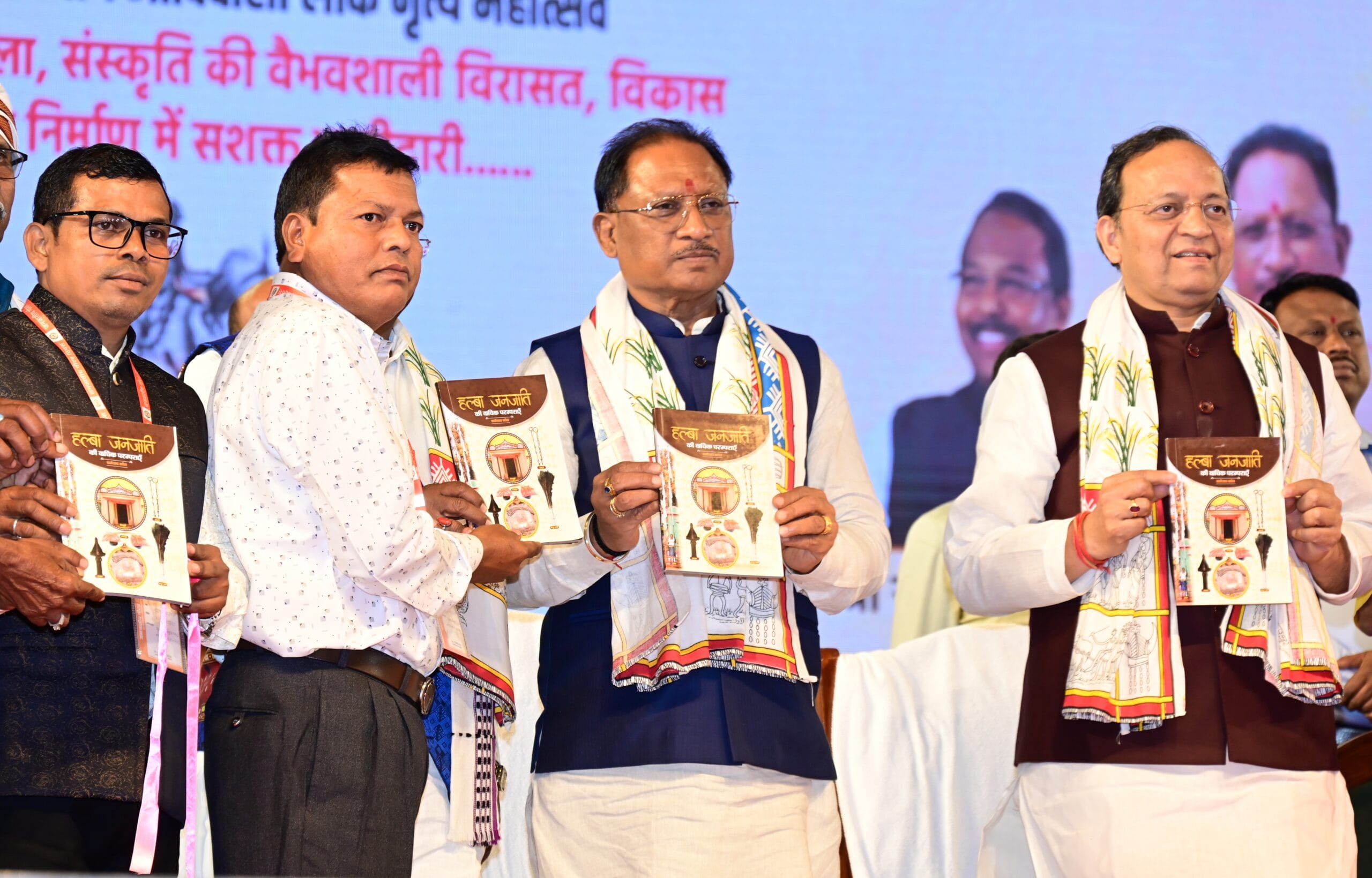
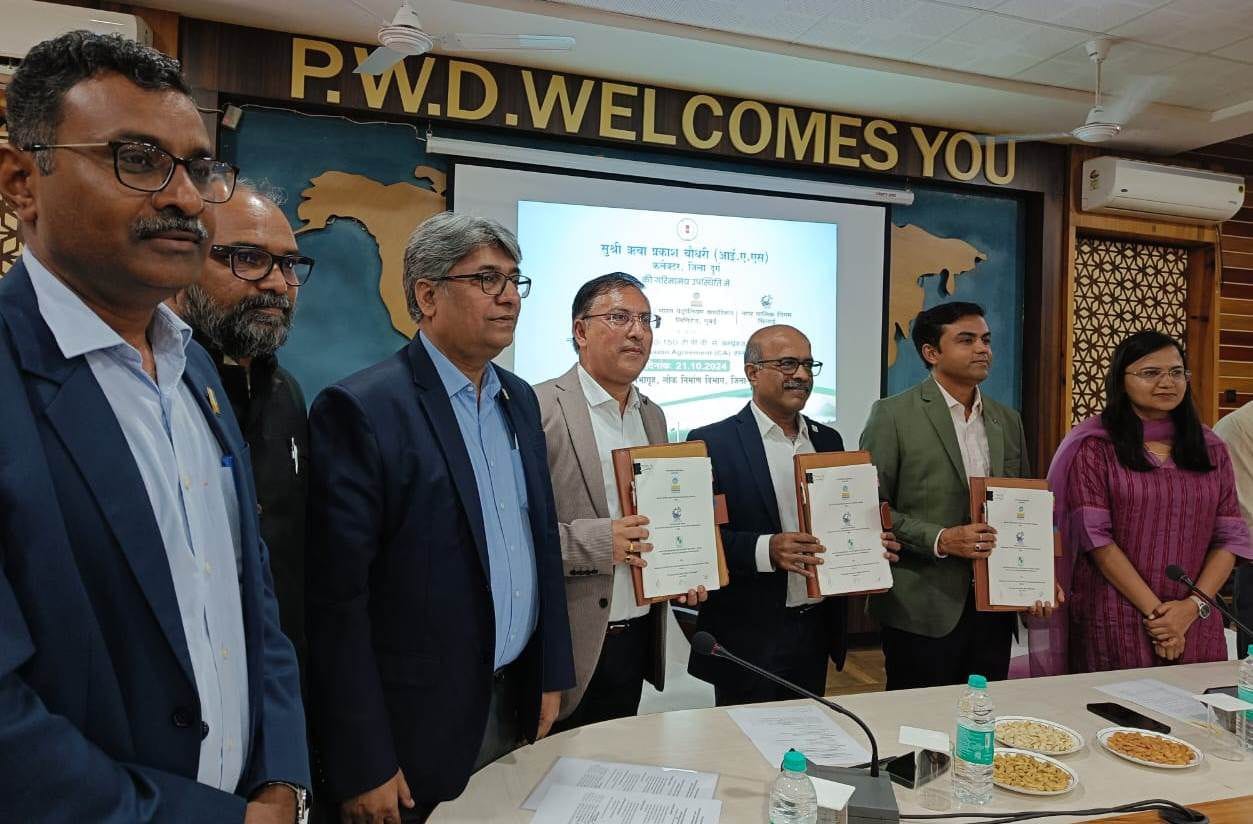
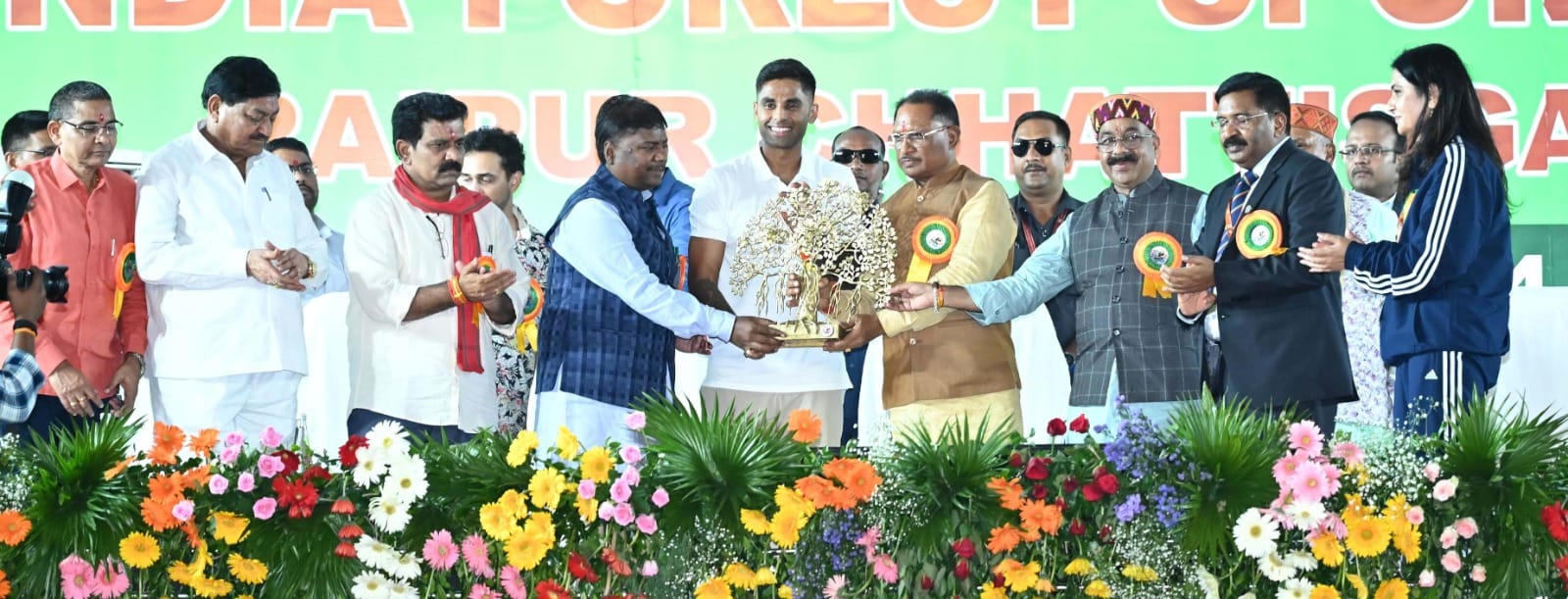
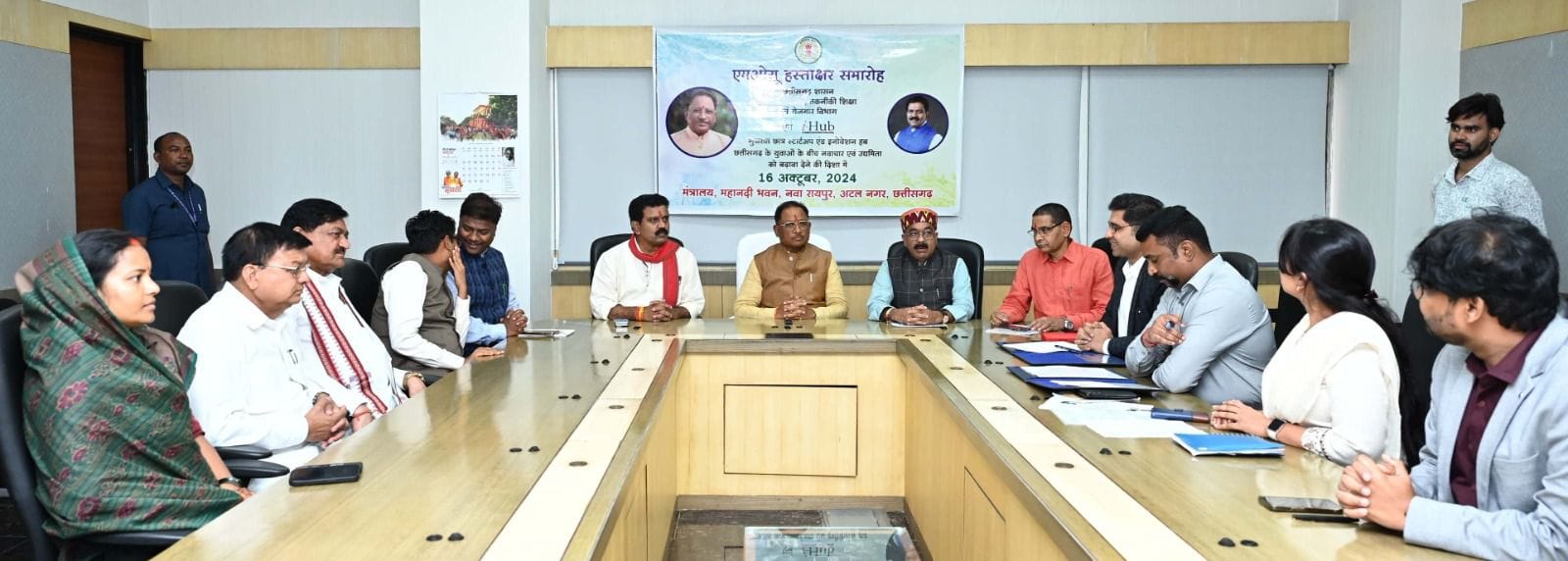
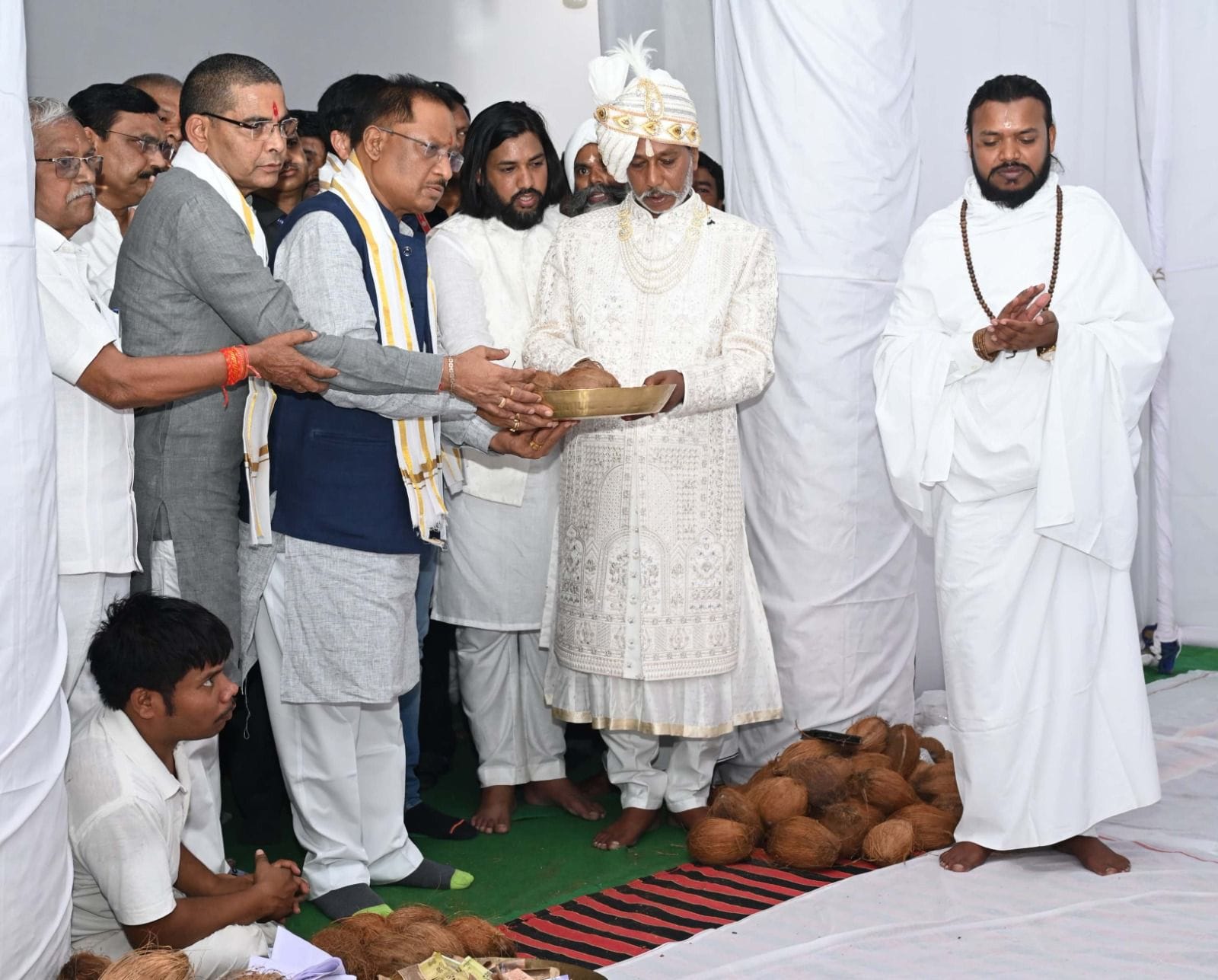
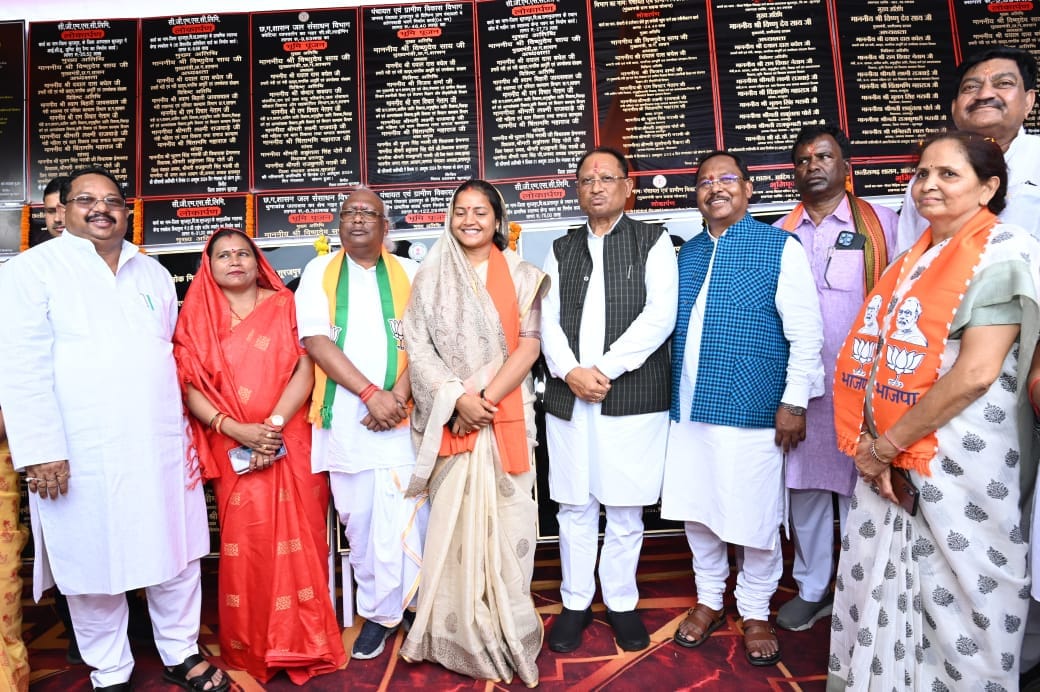
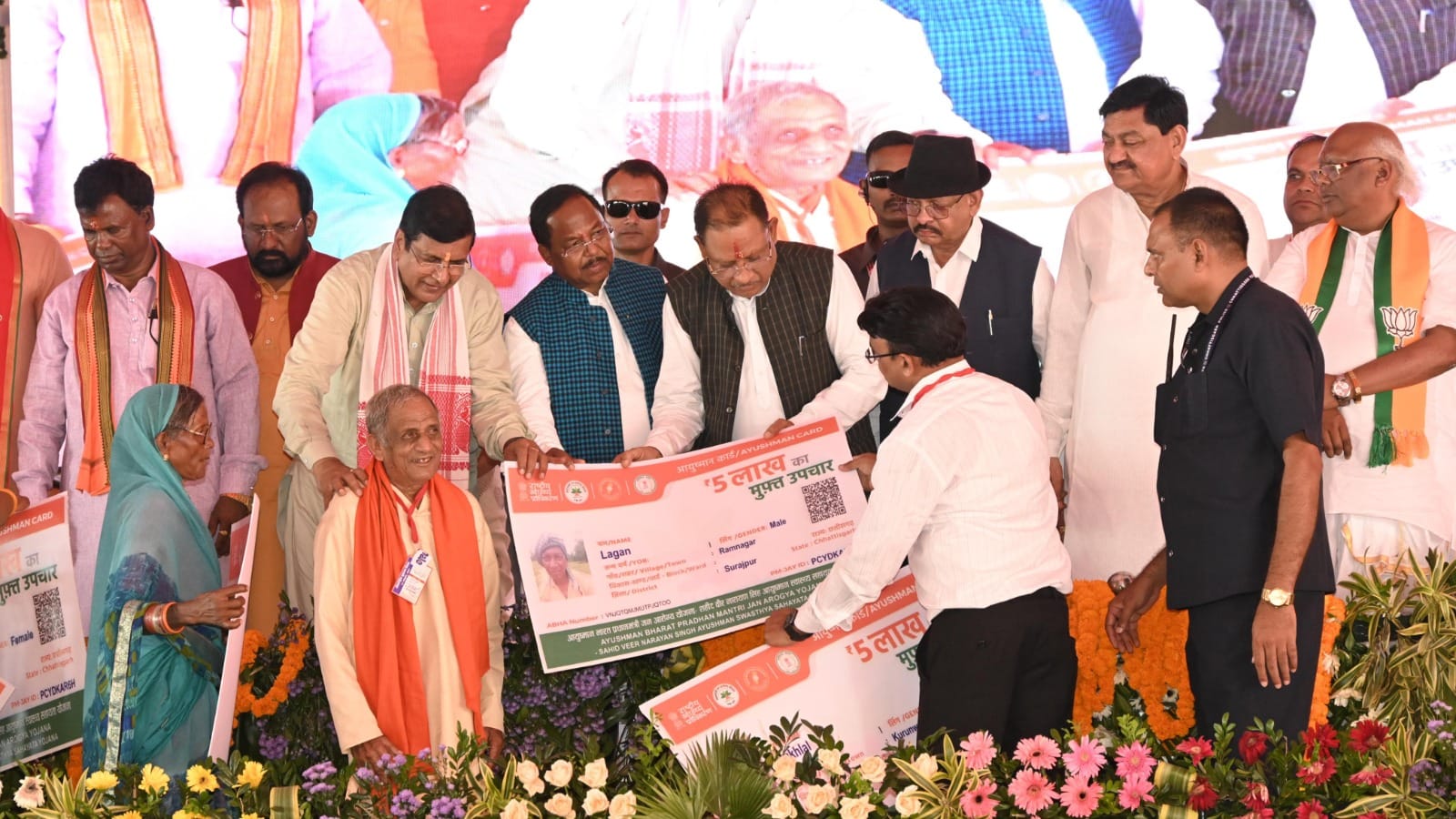
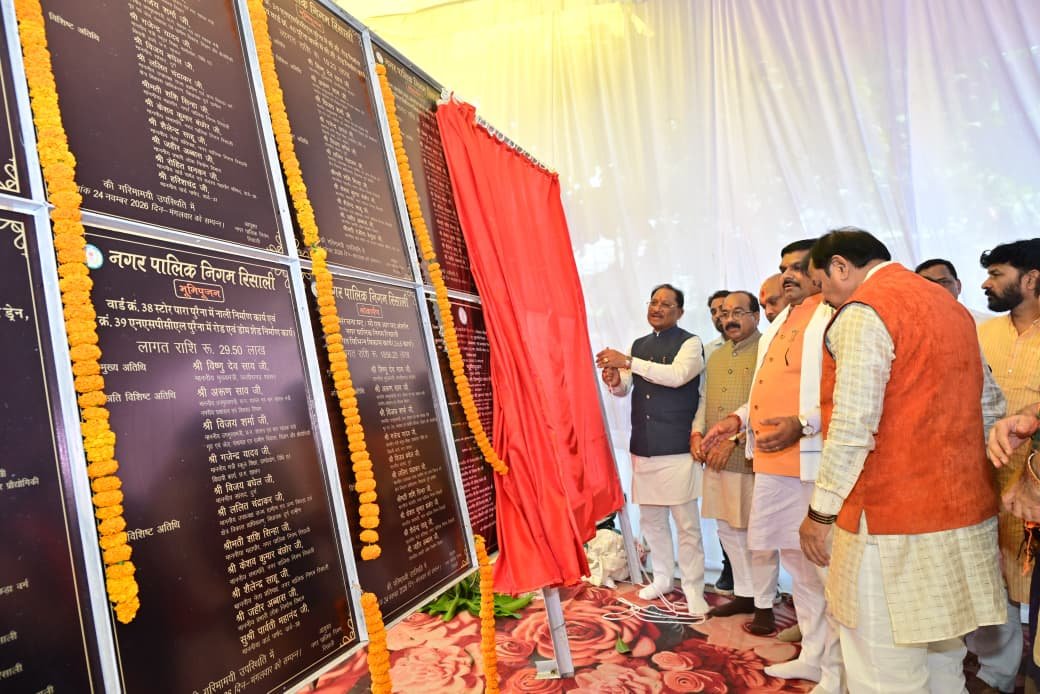
Chief Minister Dr. Yadav inaugurated the state’s first Dr. Vishnu Shridhar Wakankar Luminescence Dating Laboratory and Dr. Vishnu Shridhar Wakankar Gallery established in Mapcast. In the program, an MoU was exchanged between Mapcast and Dhanush Quantum Technology Limited to promote skill development and innovation. Chief Minister Dr. Yadav also released the coffee table based on the international conference organized on the topic ‘Mahakal: The Master of Time’ and the poster of the Research Scholars’ Meet of Dattopant Thengadi National Research Institute. On this occasion, a film based on Dr. Vishnu Shridhar Wakankar Luminescence Dating Laboratory and Gallery was screened.
- Padma Shri Dr. Wakankar gave a new direction to the study of Indian archaeology and civilizations.
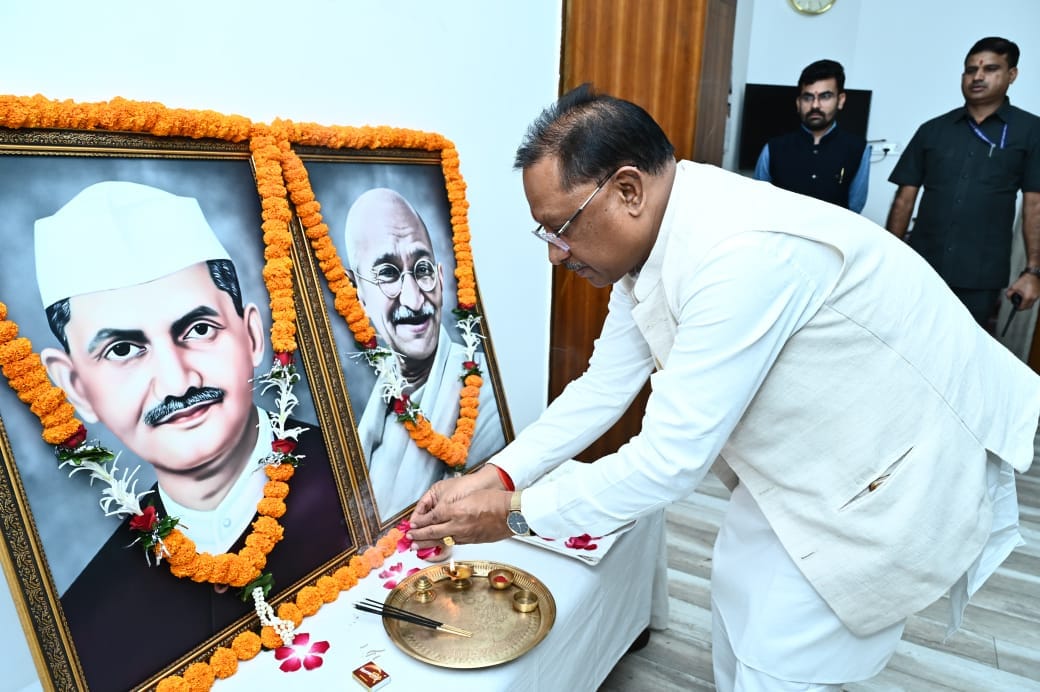
Chief Minister Dr. Yadav said that Padmashree Dr. Vishnu Shridhar Wakankar was a renowned archaeologist, painter, and historian. He advanced the study of Indian archaeology and ancient civilizations despite limited resources and adverse circumstances. His research and contributions brought global recognition to India’s ancient civilization. Chief Minister Dr. Yadav paid tribute to Dr. Wakankar and recalled his meetings with him during his student days and discussions on various topics. He said that along with archaeological and scientific discoveries, Dr. Wakankar also had a broad social and political vision. The state government has honored his contributions by renaming the Ratapani Sanctuary near Bhopal as Dr. Vishnu Shridhar Wakankar National Park.

- Efforts are being made to develop Bhopal as a knowledge city.
Chief Minister Dr. Yadav said that Ujjain has been a major center of chronology and astronomy since ancient times. Vikramaditya’s tradition, the Indian chronology system, and ancient knowledge are being furthered by integrating them with modern science. The Vikramaditya Research Centre is also being developed as an academic and research institute. The Deep Tech Research and Innovation Park will encourage research and innovation in emerging technologies. The broader the research, the greater the potential for development. The state government is committed to advancing scientific research, innovation, and the Indian knowledge tradition. Chief Minister Dr. Yadav said that the state government has also formulated a Space Tech Policy, which is encouraging research and innovation in the field of space science. Ujjain, along with being a religious and industrial city, is now also developing as a Science City. Efforts are underway to develop Bhopal as a Knowledge City.
- Ancient knowledge tradition will be carried forward with modern scientific approach
Chief Minister Dr. Yadav said that the Vedic clock has been developed through the Vikramaditya Research Centre. The Vikramaditya Mahanritya has also been staged across the country. Now, steps are underway to develop the Vikramaditya Research Centre into the Vikramaditya Academy. These efforts will advance the state’s ancient knowledge tradition with a modern scientific approach.
- Ujjain will be developed as a new centre of science and technology.
Mr. Neeraj Mandloi, Additional Chief Secretary for Industries, informed that a Deep Tech Research and Innovation Park will be developed in Ujjain on approximately 100 acres of land at a cost of ₹237 crore. IIT Indore will play a key role as the technical and research partner. The park will develop integrated facilities for research, technology development, patents, start-ups, incubation, and technology commercialization. This will provide opportunities for youth to transition from research to start-ups and entrepreneurship and market their innovations. The park will conduct research and development activities in four key areas: astronomy and space studies, Indian knowledge systems, agricultural technology and climate research, and artificial intelligence, machine learning, quantum computing, blockchain, and other emerging technologies. Research within the Indian knowledge tradition will be promoted through the study and digitization of manuscripts, chronology, traditional timekeeping, and the use of modern technology. Efforts will also be made to present ancient knowledge in new forms through technologies such as AI and virtual reality. Ujjain’s scientific and historical significance is linked to the Surya Siddhanta, the Tropic of Cancer, the observatories built by Maharaja Sawai Jai Singh, and the tradition of Vikramaditya. By combining this heritage with modern research and innovation, Ujjain will be developed as a new center of science and technology.
- In the Indian chronology tradition, time is not just a unit of measurement, but also a symbol of life,
- The subject has been related to nature and civilization: Shri Suresh Soni
Thinker and social activist Mr. Suresh Soni, while remembering Dr. Vishnu Shridhar Wakankar, said that he was a born archaeologist. He said that in the Indian chronology tradition, time is not just a unit of measurement, but a subject closely linked to life, nature, and civilization. Ancient Indian scholars developed concepts of time ranging from the smallest to the largest units. This tradition needs to be furthered based on modern scientific research and evidence. Describing the launch of the Dr. Vishnu Shridhar Wakankar Luminescence Dating Laboratory as an important initiative, he said that the Deep Tech Research and Innovation Park will be an important medium for connecting ancient and modern knowledge traditions. The vision to develop various fields named after Varahamihira, Sandipani, Balarama, and Aryabhata is important in connecting the Indian knowledge tradition with scientific research.
- To re-establish Ujjain as the world’s time-calculation centre, work should be done on the basis of evidence, experiment and research.
Mr. Soni stated that systems like the Shukla and Krishna Pakshas (waxing moon and dark fortnights), months, seasons, and extra months in the Indian calendar establish a balance between time and nature. To re-establish Ujjain as the world’s time-reckoning center, work should be done based on scientific logic, evidence, experimentation, and research. He stated that the cycle of time continues indefinitely. During this time, different civilizations emerge and disappear over the ages. Our religious scriptures provide a detailed explanation of time calculation, which has been accepted by many scientists worldwide. The hallmark of Indian time calculation is that it recognizes events that have occurred over time. In the Indian tradition, time calculation is not merely a mechanical process; we have also linked the pulse to time calculation. Currently, our connection with the passage of time is diminishing, and this needs to be redeveloped.
- MAPCAST awards 250 Young Scientist Fellowships: Dr. Kothari
Dr. Anil Kothari, Director General of MAPCAST, said that MAPCAST is continuously working to promote research, innovation, traditional knowledge, environmental protection and socio-economic development by linking science and technology with the needs of society. Our aim is to make Ujjain the center point of time calculation. He said that Madhya Pradesh ranks first in the country in the use of remote sensing technology under the PM Crop Insurance Scheme. In the last one year, MAPCAST has provided more than 128 research projects, more than 84 seminars, conferences and lectures, 12 international travel grants and 250 young scientist fellowships. Apart from this, more than 566 science dissemination programs have been organized.
- Chief Minister Dr. Yadav’s interest in science is helpful in promoting scientific outlook in the state.
Shri Shivkumar Sharma, National Organizing Secretary of Vigyan Bharati, said that Chief Minister Dr. Yadav’s interest in science and his dialogue on scientific topics are helpful in promoting a scientific outlook in the state. He mentioned the importance of the Dongla and Mahakal centers and latitude-longitude calculations. Shri Sharma said that ancient and modern science complement each other. The findings from this workshop will provide direction for future research and planning.
- There is a need for scientific study of Ramayana and Mahabharata.
CSIR Bhatnagar Fellow and former Vice Chancellor of Deccan College, Pune, Mr. Vasant Shinde stated that the establishment of the Luminescence Dating Laboratory is an important initiative for scientific research in Madhya Pradesh. Mr. Shinde emphasized the need for scientific study of historical and cultural topics such as the Ramayana and Mahabharata. He stated that dating results should be studied in conjunction with archaeological and cultural evidence. The continued operation and development of the laboratories will provide long-term benefits to research.
- Research, innovation and technical collaboration in quantum computing will be promoted
In the presence of Chief Minister Dr. Yadav, an MoU was signed between the Madhya Pradesh Council for Science and Technology (MAPCAST) and Dhanush Quantum Technologies Private Limited to promote deep-tech research, innovation, and advanced technologies in the field of quantum computing. This initiative is a significant step towards promoting research and development in quantum computing in the state and encouraging research, development, innovation, and commercialization of emerging cutting-edge technologies through the proposed Deep Tech Research and Innovation Park. This will facilitate research and development in quantum technology, exchange of technical expertise, capacity building, skill development, promotion of startups and innovation, and collaboration between academic and industrial institutions. This collaboration will develop a strong ecosystem for emerging deep-tech technologies in the state and establish the state as an important center for research and innovation in future cutting-edge technologies.
- Dr. Wakankar Luminescence Dating Laboratory is equipped with modern equipment and scientific techniques
A film screened at the launch event explained that Mapcast’s Dr. Vishnu Shridhar Wakankar Luminescence Dating Laboratory is equipped with modern instruments and scientific techniques. The laboratory’s modern scientific techniques will help determine the age of materials up to one million years old. Luminescence dating will help reconstruct the age of archaeological sites and remains, the formation period of ground layers, ancient climates, and the chronology of civilizations. This technique scientifically assesses the period of burial of quartz and other minerals after exposure to light or heat. It can be used to study a variety of samples, including sediments, feldspar, gypsum, carbonates, pottery, and fire-affected stones. The laboratory will conduct sample collection and research in collaboration with the Archaeological Survey of India, State Archaeology Departments, and other scientific institutions. This will provide a new scientific direction to the study of archaeology, geoarchaeology, earth sciences, and ancient civilizations.
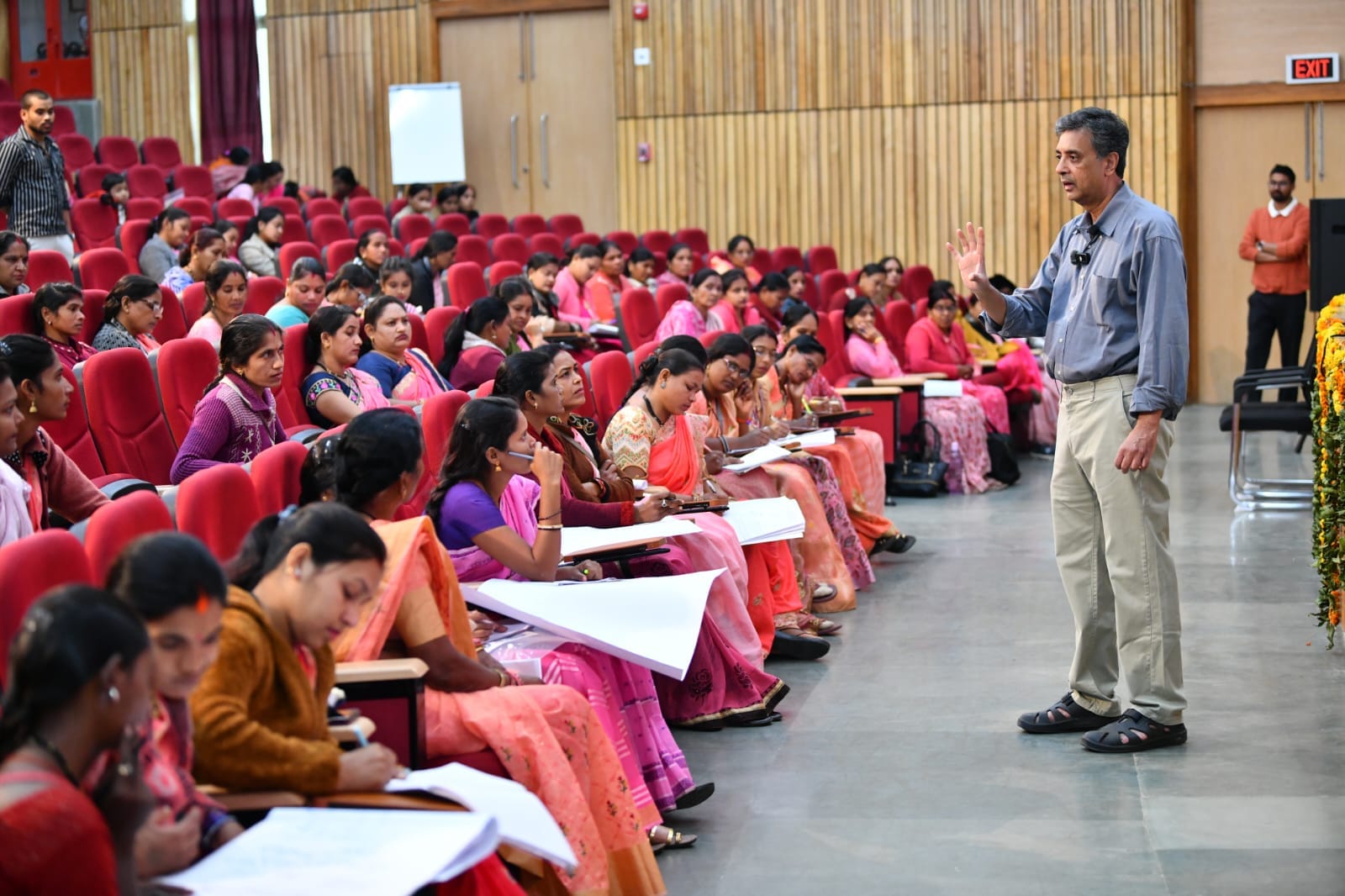
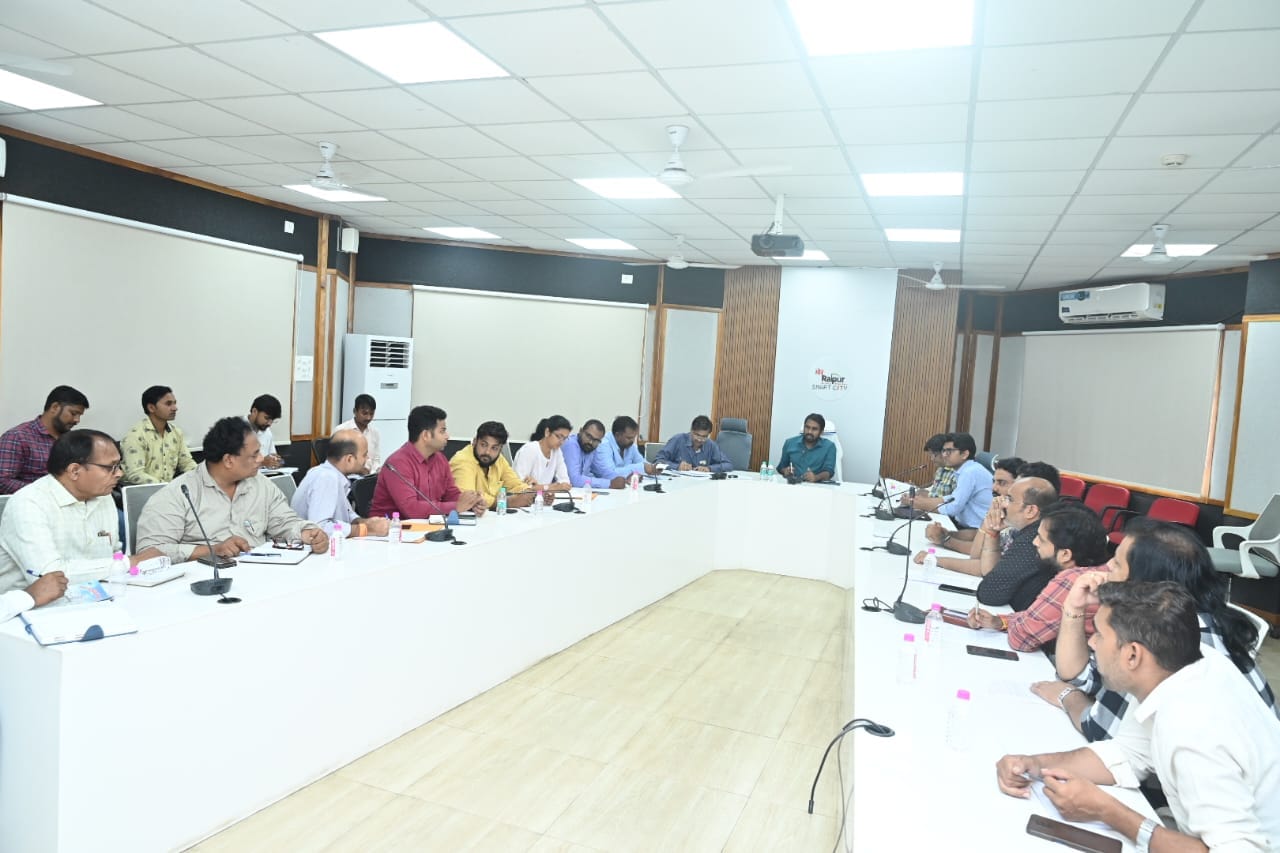
At the workshop, the country’s eminent scientists, archaeologists, and experts will discuss the integration of Indian chronology, ancient astronomical knowledge, and modern scientific techniques. Dr. Ganti S. Murthy, Advisor to the Government of India, Shriram Tiwari, Cultural Advisor and Director of the Veer Bharat Trust, and a large number of professors, researchers, and students were present at the inauguration.