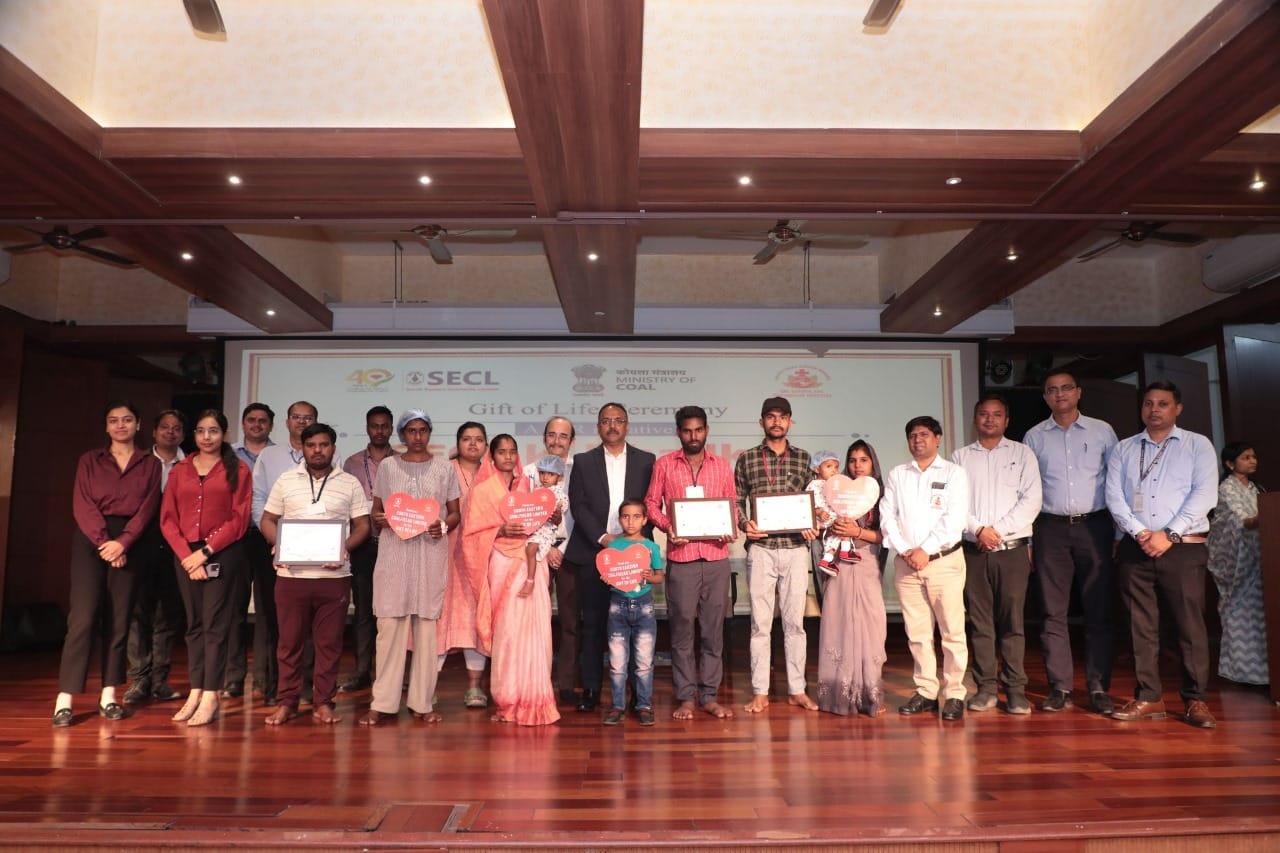

















The state government’s ambitious initiative to strengthen public health services and protect child health has once again yielded concrete results. Three children suffering from congenital deafness underwent successful cochlear implant operations at the All India Institute of Medical Sciences, Raipur. Timely identification and coordinated efforts by the Chirayu team of the Health Department enabled these children to receive free, advanced treatment. Currently, all three children are healthy and under medical supervision.
Strong health chain from Anganwadi to Super Speciality
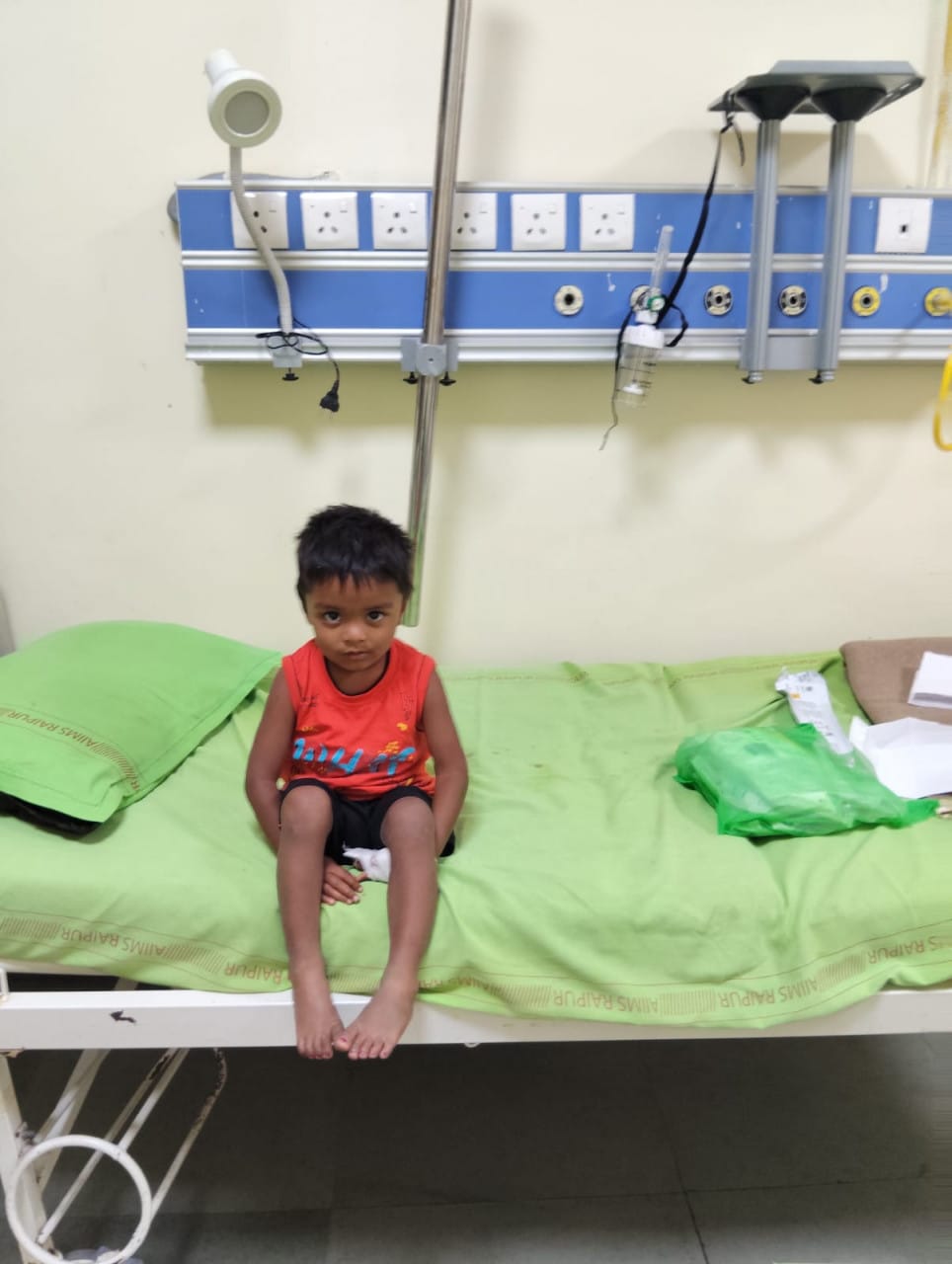
Dhairya Markam (father Shyamu Markam), a resident of Chilamkhodara village in the S/Lohara development block of Kabirdham district, suffered from hearing impairment since birth. The problem was identified early during a routine screening by the Chirayu Team ‘A’ S/Lohara. After the necessary medical tests and referral process, his cochlear implant was successfully performed at AIIMS Raipur on February 16, 2026. The child is currently under medical supervision.

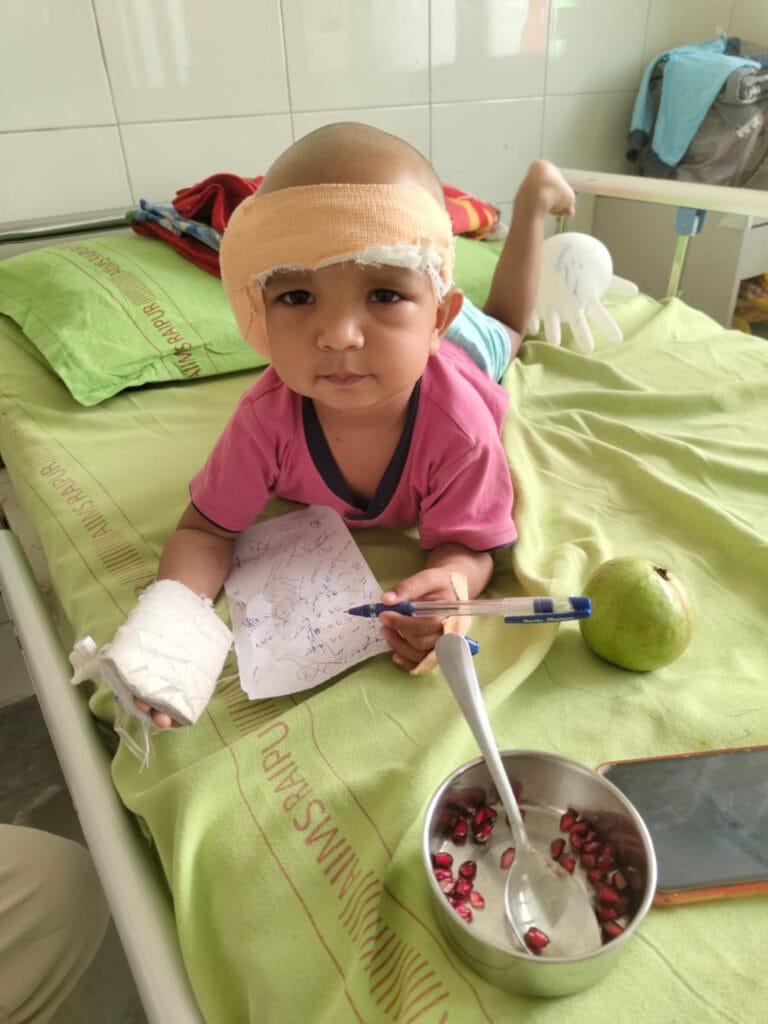
In the same sequence, two and a half year old Naksh Koshle, a resident of the Balco area of Korba district, was also diagnosed with hearing problems during a preliminary examination. After specialist consultation, surgery was performed at AIIMS Raipur on February 14, 2026. According to doctors, the child is healthy and regular follow-up is ongoing.
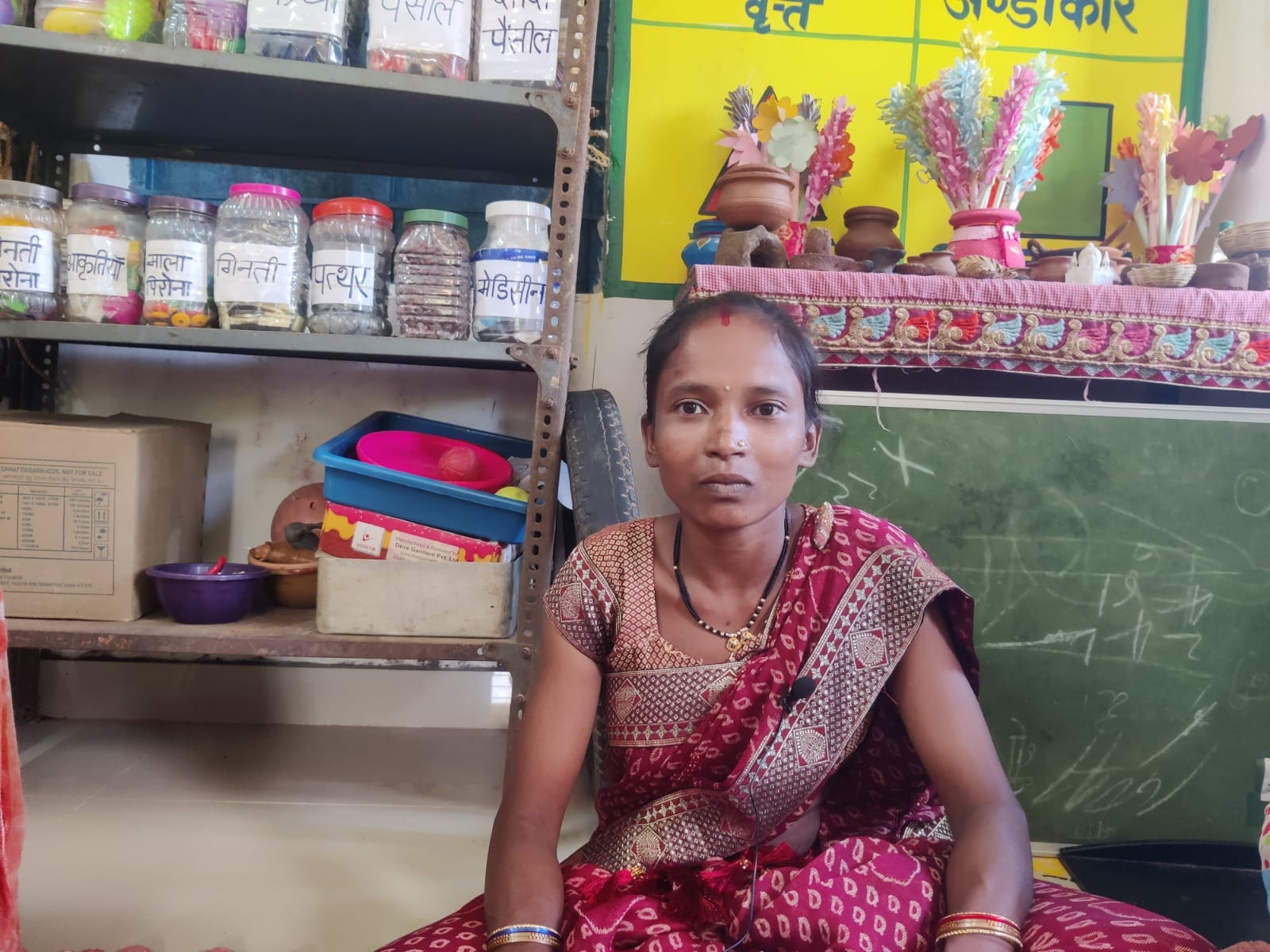
Teekshika Sahu of Hasaud village, under the Jaijaipur development block of Sakti district, was also confirmed to be congenitally deaf during an Anganwadi-level screening. The Chirayu team in Jaijaipur took prompt action and referred the case to a higher institution. Following a successful cochlear implant at AIIMS Raipur on February 17, 2026, Teekshika is now healthy and making steady progress in her hearing and language development through speech therapy.
- Sensitivity of the government and activeness of the health department
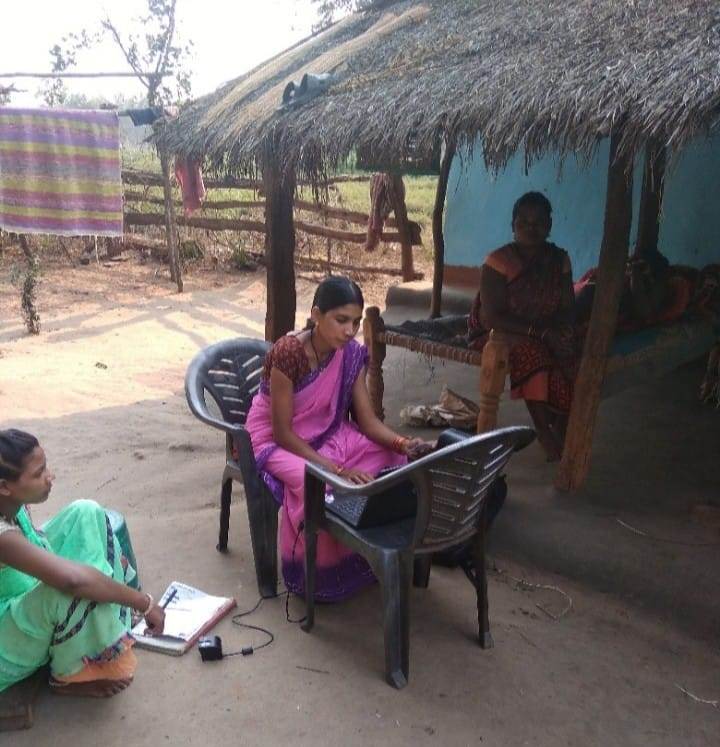
These three cases have made it clear that if timely testing, counseling, and treatment are available, even a serious problem like congenital hearing impairment can be effectively addressed. The Chirayu team’s continuous screening, identification at the Anganwadi level, and the provision of free treatment at a higher-level institution have given these families new hope.
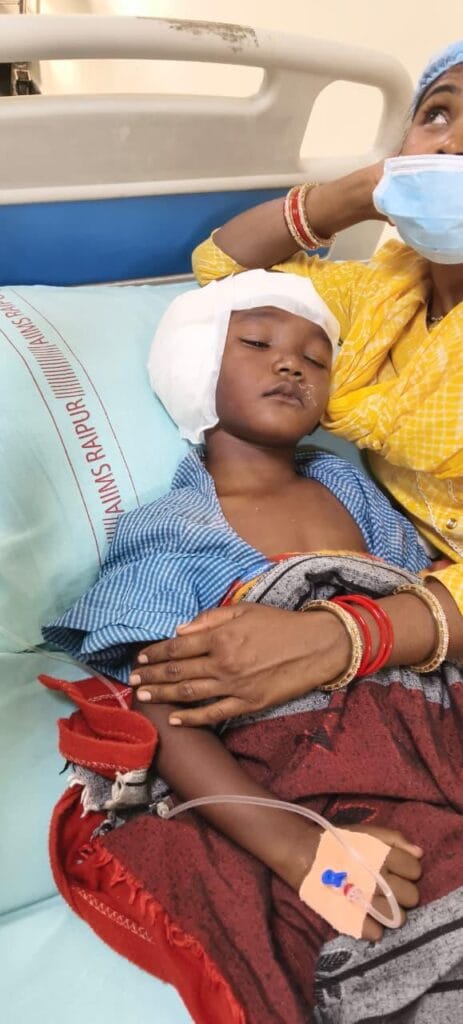
The family expressed their gratitude to the government and the health department and said that this support changed the future of their children.
Experts say that complex and expensive surgeries like cochlear implants are extremely difficult for ordinary families to afford. However, the government’s ambitious health plans have made this treatment available free of charge. This entire system, from Anganwadi-level screenings to district-level medical examinations and timely surgeries at super-specialty institutes, demonstrates the state’s commitment.