












































































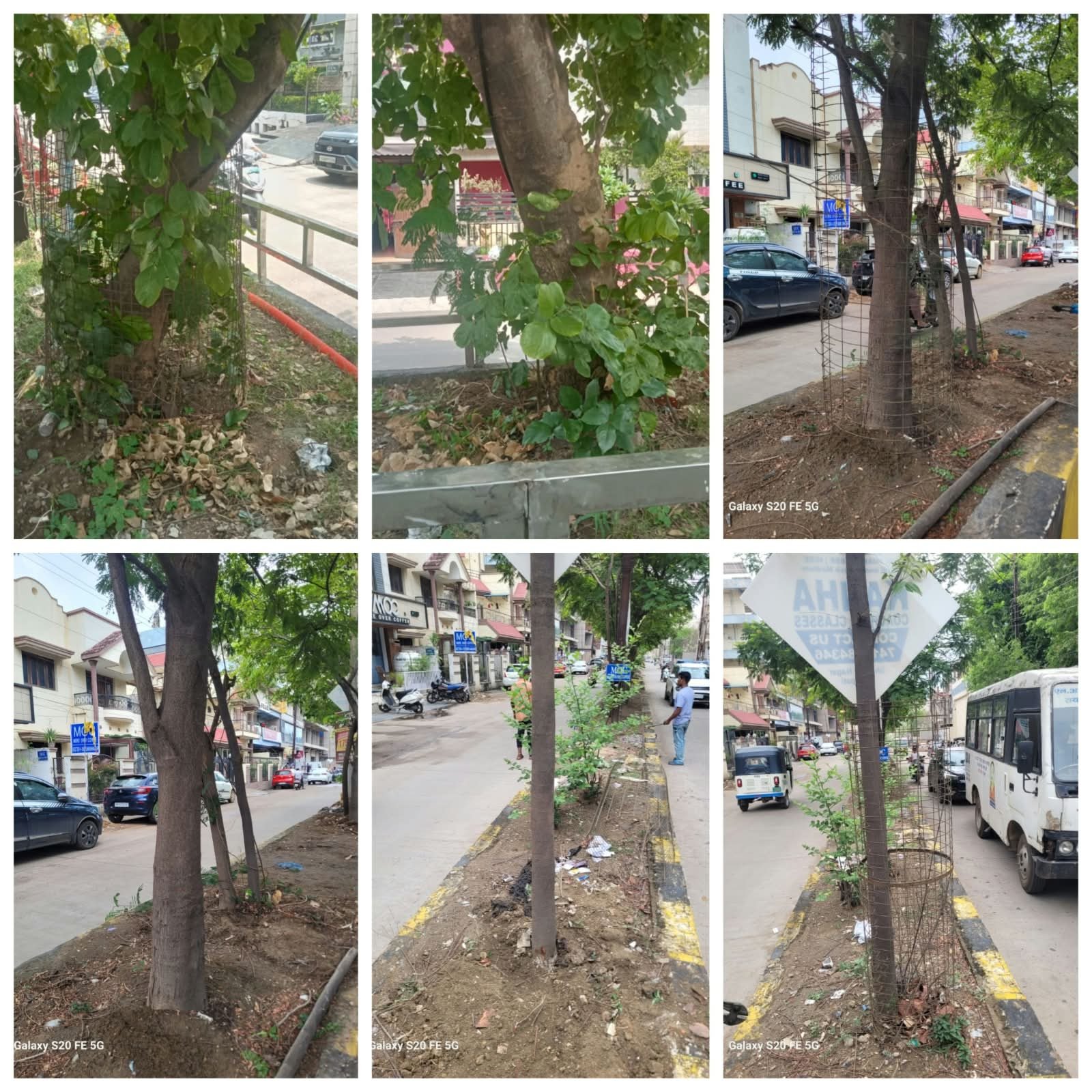
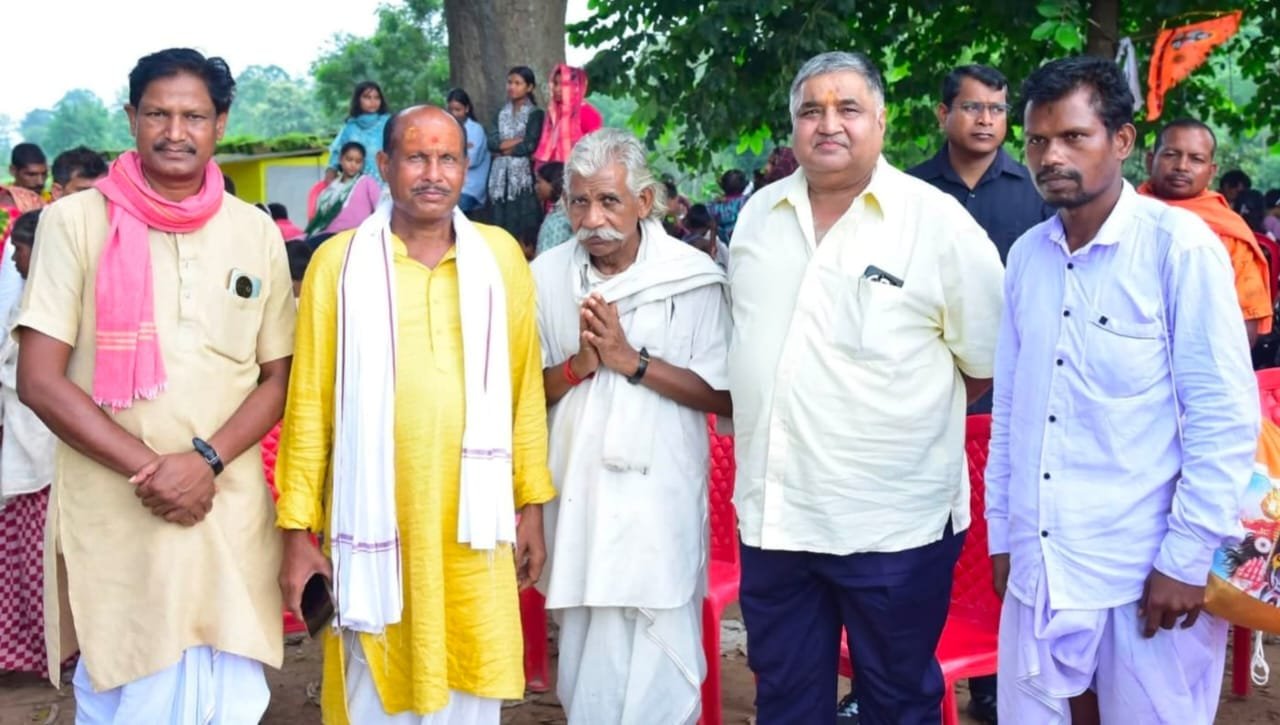

- Hornbill conservation will provide new employment opportunities to local youth.
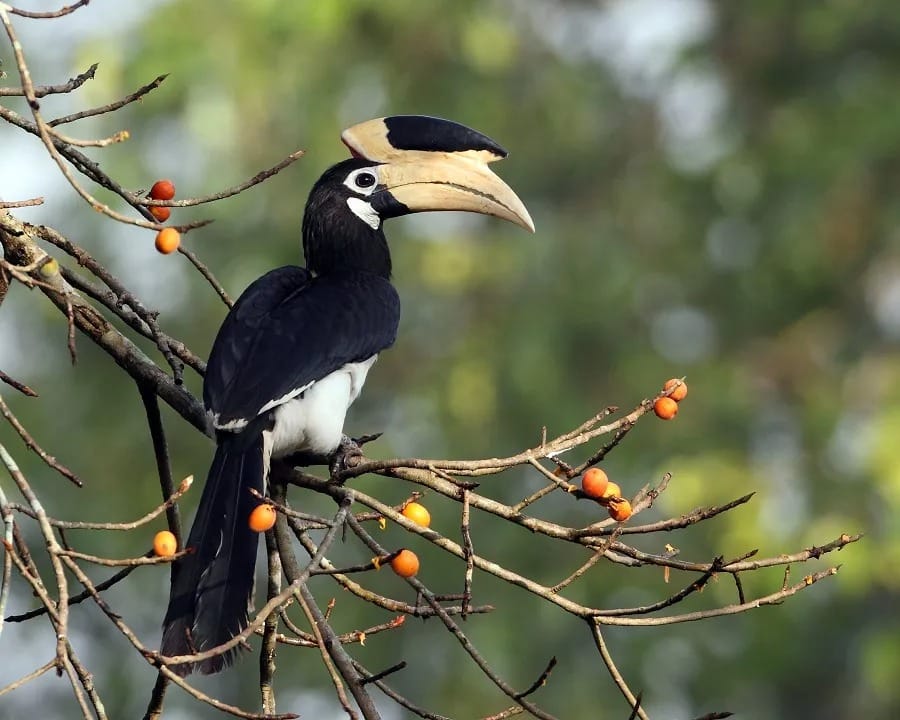
- ‘Malabar Pied Hornbill population increases in PVTG villages Odh, Amalor and Amamora’
“Hornbill Safari” refers to wildlife safaris undertaken to observe hornbills or to popular tourist destinations associated with hornbills. Hornbills primarily inhabit forests, particularly the moist deciduous and evergreen forests of the Western Ghats and Central India.
- Decision taken to start ‘Hornbill Safari’
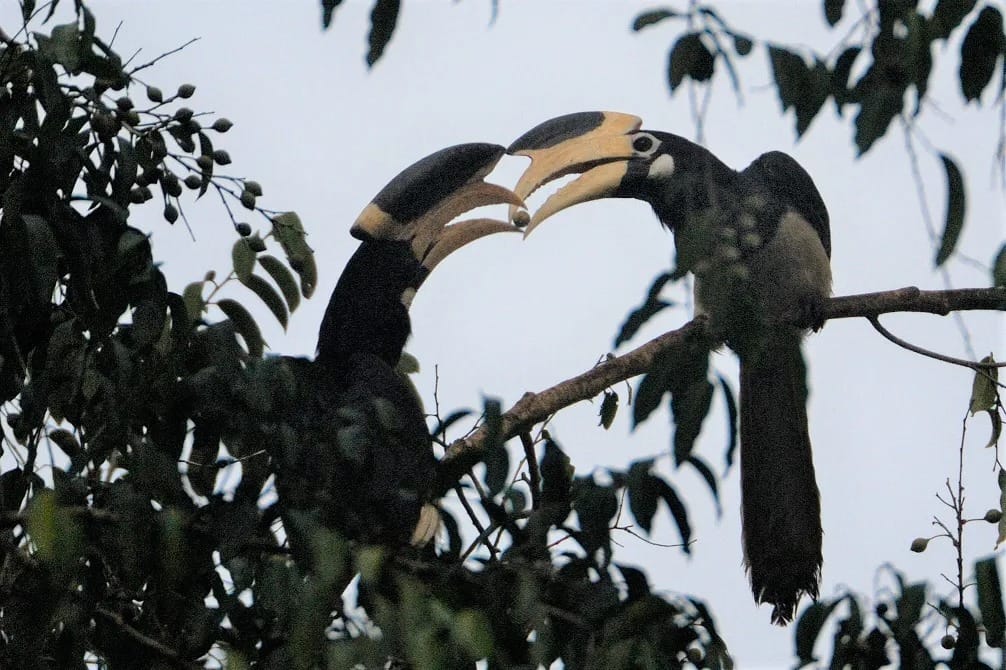
A significant initiative is underway in Chhattisgarh’s Udanti-Sitanadi Tiger Reserve, providing a new direction for wildlife conservation and community development. Following the initiative of Forest Minister Shri Kedar Kashyap, the reserve management has decided to launch a “Hornbill Safari” in the Particularly Vulnerable Tribal Group (PVTG) villages of Odh, Amalor, and Amamora. This initiative will strengthen the conservation of the rare Malabar Pied Hornbill and create new employment and income opportunities for local villagers.
- ‘Forest department moving forward with conservation and livelihood’
In line with the vision of Forest Minister Shri Kedar Kashyap, the Forest Department is continuously working towards linking forest and wildlife conservation efforts with the participation and livelihoods of local communities. Under the guidance of Principal Chief Conservator of Forests and Chief of Forest Force Shri Arun Kumar Pandey and Principal Chief Conservator of Forests (Wildlife) Shri O.P. Yadav, several innovations are being implemented in the Udanti-Sitanadi Tiger Reserve, which are simultaneously promoting wildlife conservation and rural development.

- ‘Hornbill population increased in four years’
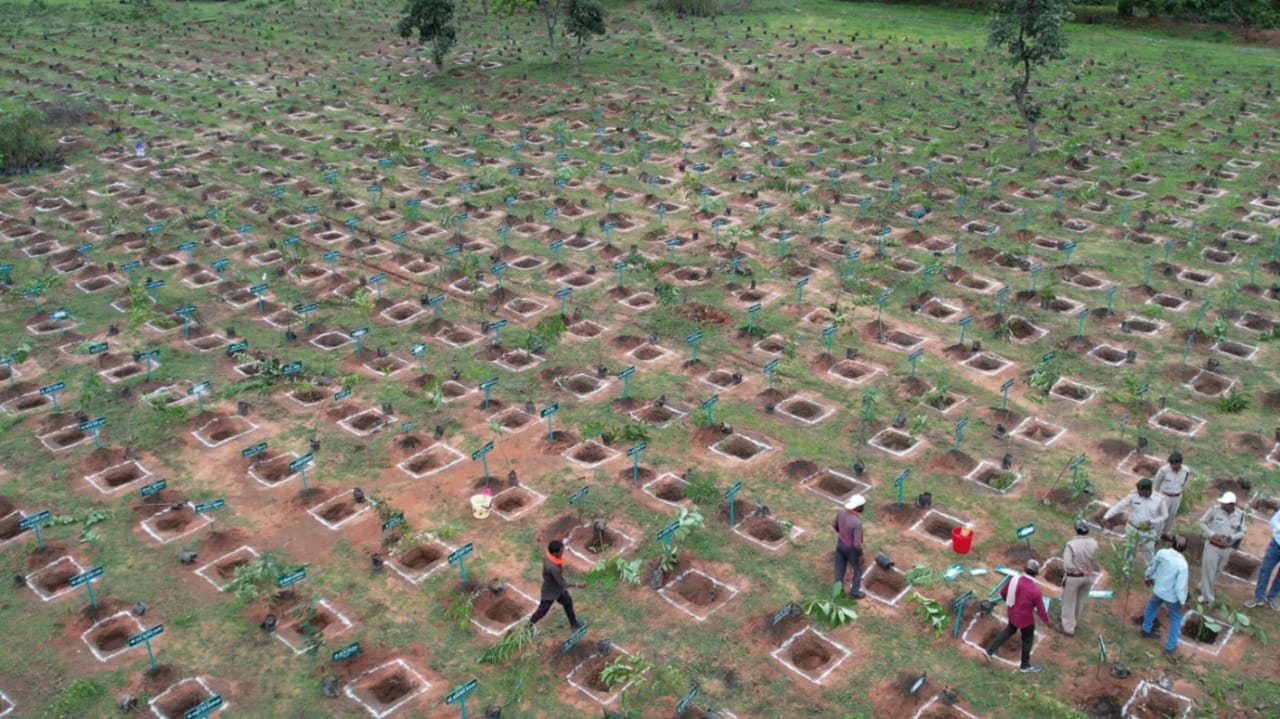
The Udanti-Sitanadi Tiger Reserve has seen a significant increase in Malabar Pied Hornbill numbers over the past four years. This success is the result of anti-poaching campaigns, encroachment removal actions, conservation and planting of fruit trees, and innovative initiatives such as the “Hornbill Restaurant.” The active participation of local communities has also played a key role in this achievement.
- ‘Hornbill tracking team playing an important role’
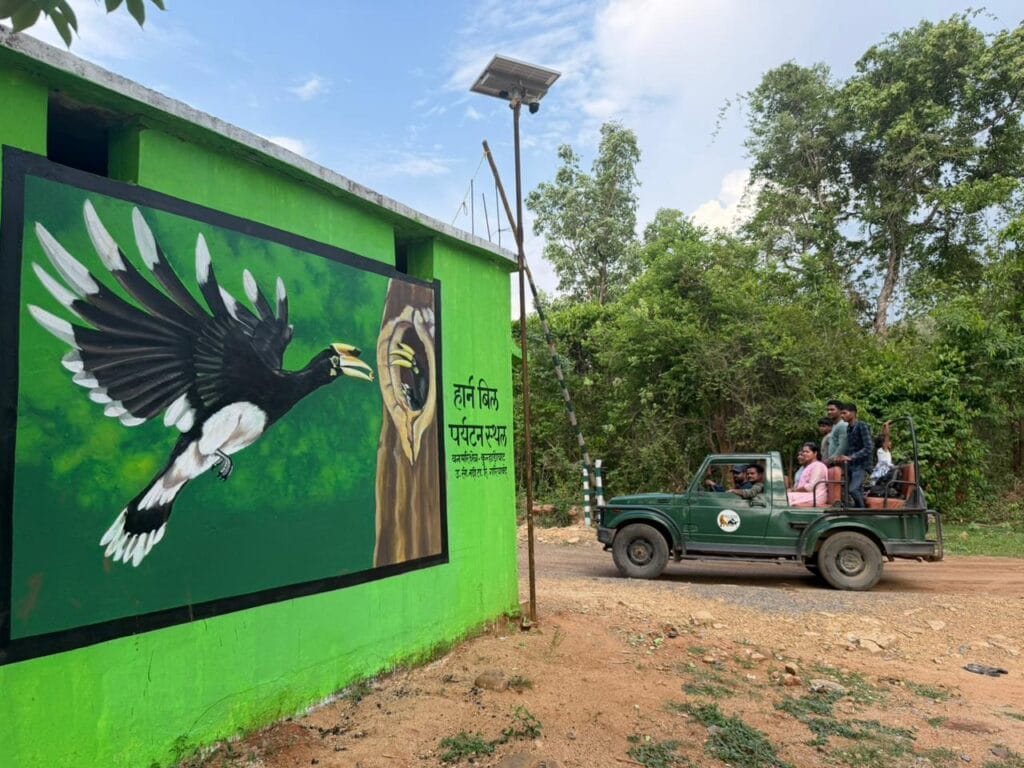
A special tracking team formed for hornbill conservation is continuously monitoring bird movements, nesting sites, and habitats. Forest department staff, along with local trackers, are involved in this campaign. Thanks to their continuous efforts, the forest areas around Odh, Amalor, and Amamora have now developed into a safe habitat for hornbills and an attractive birding destination.
- ‘A new attraction will be created for nature lovers and researchers’
The proposed Hornbill Safari will allow tourists, birdwatchers, wildlife photographers, and researchers to observe hornbills in their natural environment. Two gypsy vehicles have been arranged for the initial operation of the safari.
- ‘Local youth will get training and employment’
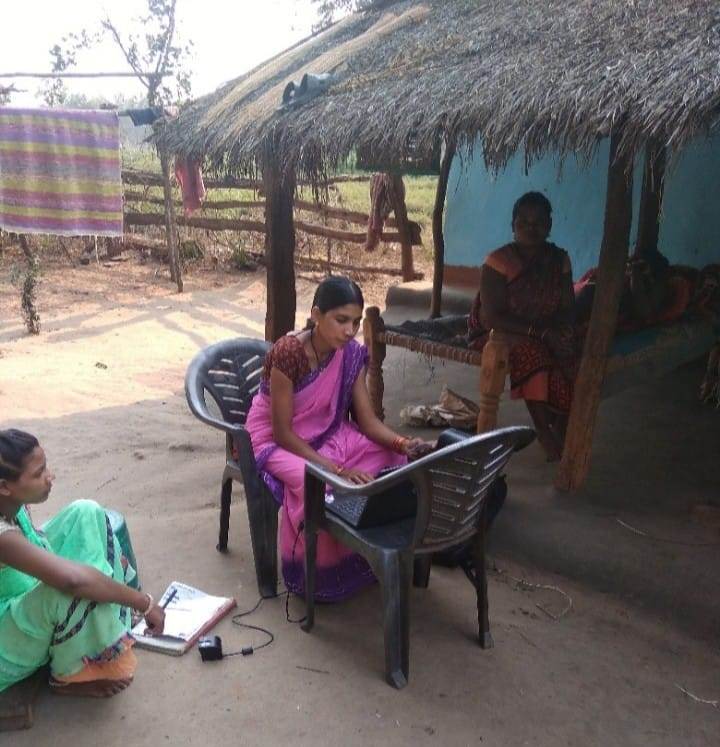
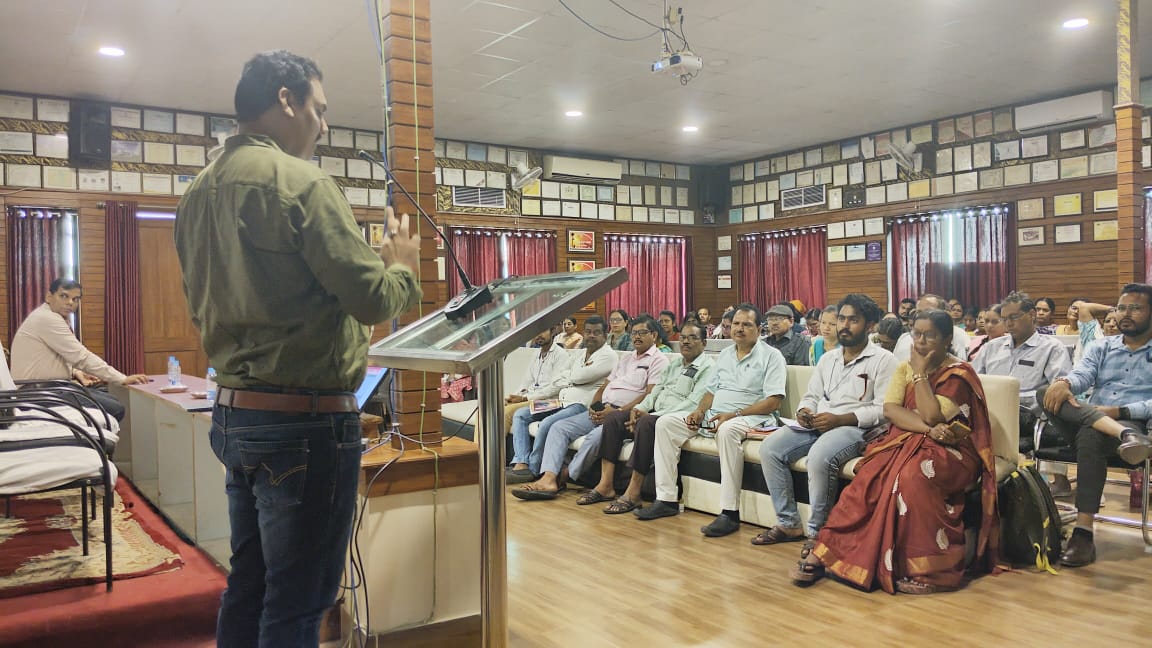
The Hornbill Safari’s most significant feature is the involvement of local communities. Youth and villagers from PVTG villages are being trained in bird watching and nature guiding. Upon completion, they will serve as nature guides and hornbill guides for tourists. This will provide them with sustainable income and employment opportunities, and promote community-based eco-tourism.
- ‘Emerging birding destination of Central India’
Located approximately 130 kilometers from Raipur, the Udanti-Sitanadi Tiger Reserve is rapidly developing as a major birding and nature tourism destination in central India. It is home to a diverse range of local and migratory birds, including the Malabar Pied Hornbill, the Shaheen Falcon, the Indian Pitta, the Brown Fish Owl, the Grey-headed Fish Eagle, various species of woodpeckers, barbets, and minivets.
- ‘Centre of rich biodiversity of wildlife’
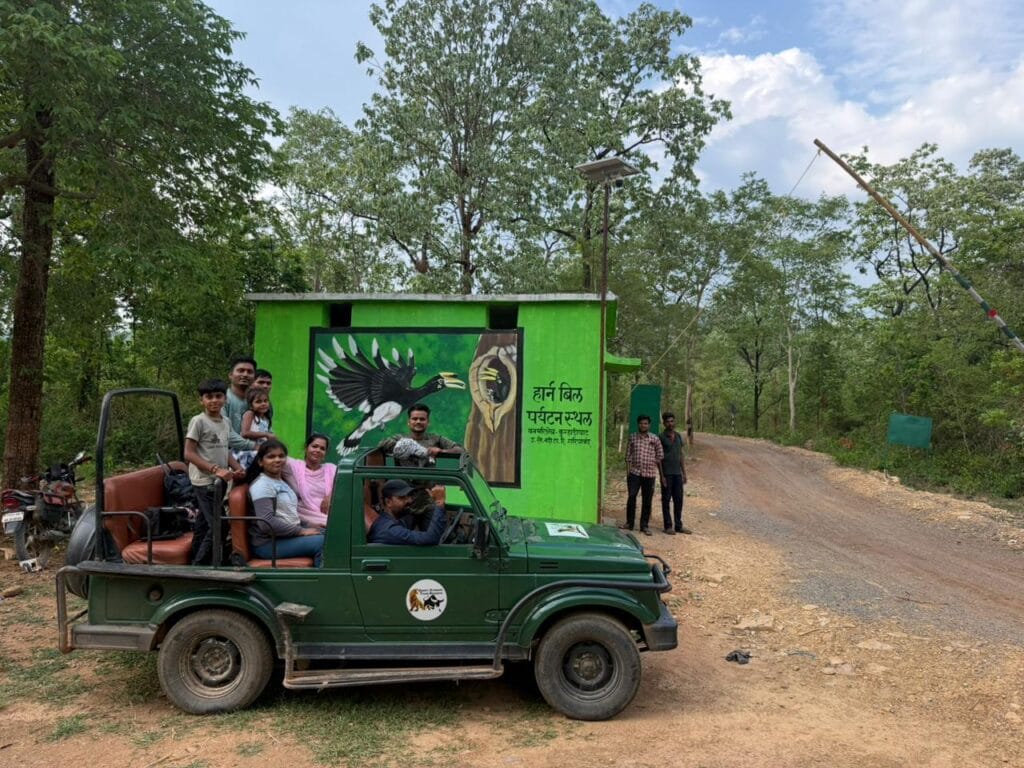
The area is renowned for its birdlife and rare wildlife, including the Indian giant squirrel and the Indian giant flying squirrel, making it a popular attraction for nature and wildlife lovers.
- A successful confluence of conservation, development and tourism
According to experts, this initiative in the Udanti-Sitanadi Tiger Reserve is an excellent example of how conservation-based livelihoods and sustainable tourism can be promoted through scientific forest management, wildlife conservation, and the participation of local communities. The launch of the Hornbill Safari will give Chhattisgarh a new identity in the field of nature tourism and will also accelerate rural development.