




































- Preparations for agricultural revolution in Bastar
- Officers will undergo training in Koraput, Odisha
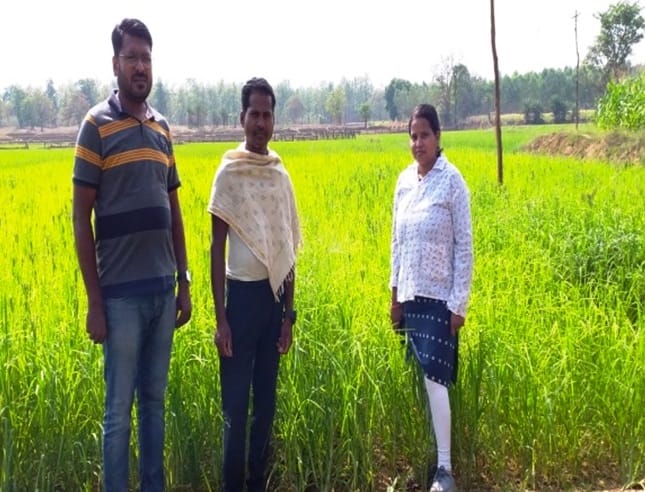
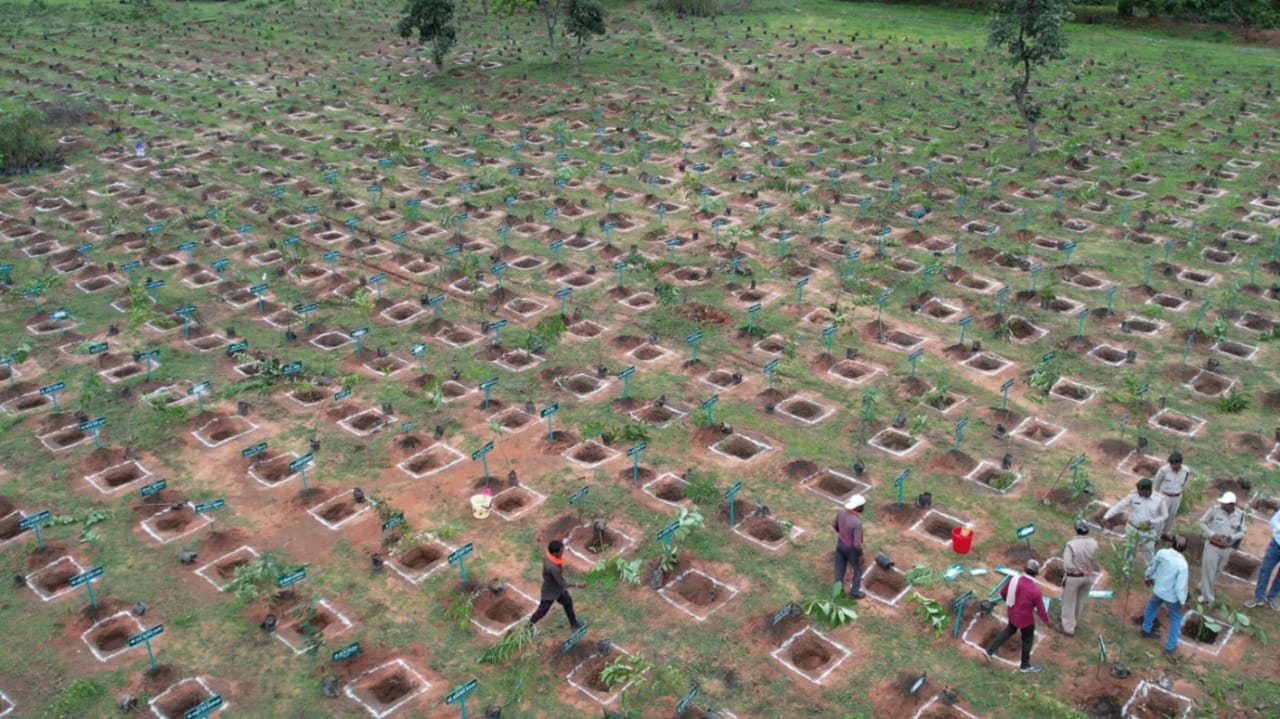
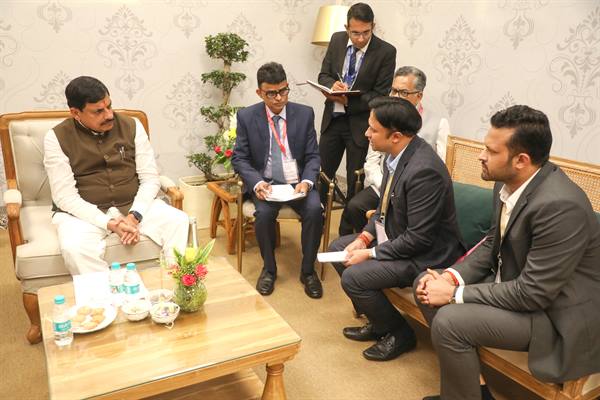
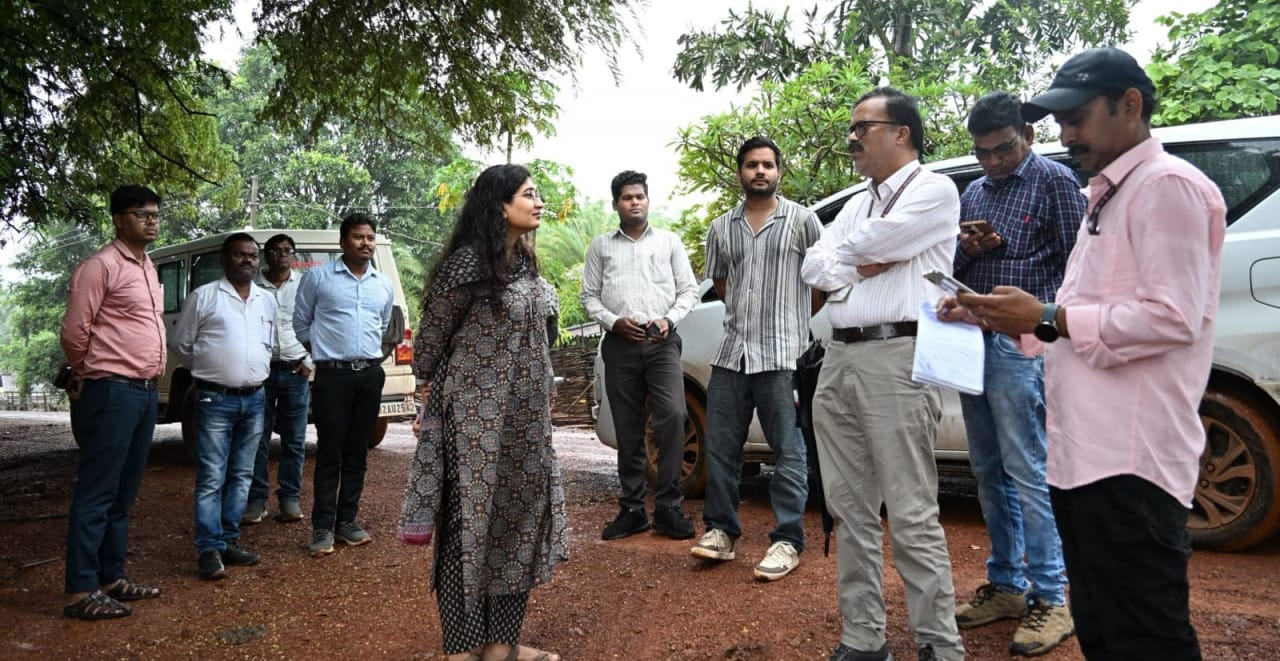
The district administration has launched a unique initiative to enhance livelihoods, protect the environment, and double farmers’ incomes in the Abujhmad forest areas of Chhattisgarh. Preparations are underway to begin large-scale coffee cultivation in this region of Bastar. In this regard, Narayanpur Collector, along with experts from the Coffee Board of the Government of India, conducted a detailed field inspection of the surrounding remote rural areas, including Kutul, Kachhapal, Kodliyar, Irkbhatti, and Toke.
- The climate and soil are very suitable for coffee.
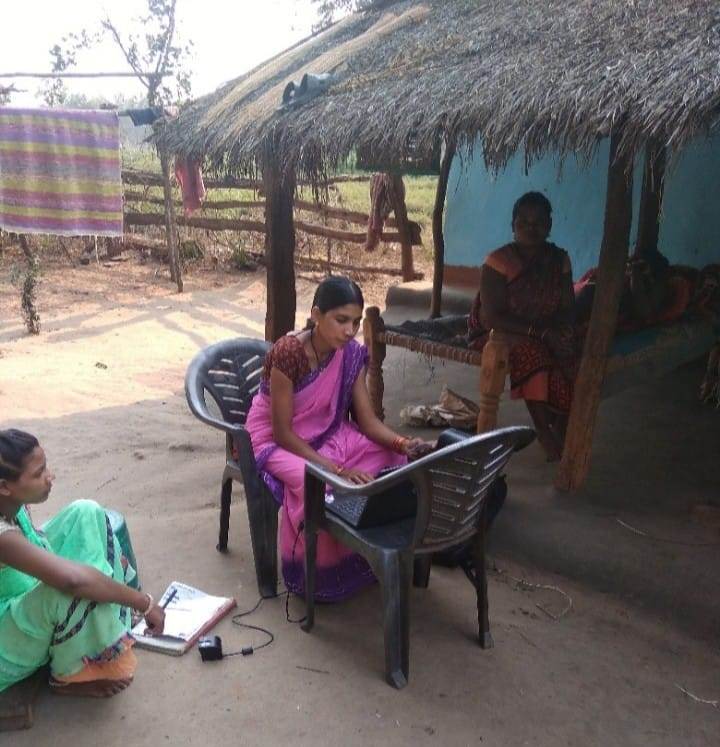
During the inspection, the Coffee Board’s expert team conducted a thorough scientific study of the region’s climate, annual rainfall, temperature, soil type, and altitude. Board officials confirmed that Abujhmad’s natural environment is ideally suited for coffee production. Developing a coffee-based agroforestry model could provide large-scale employment opportunities for local villagers.
- Production will start in four years, villagers will get permanent income
According to experts, commercial production begins after approximately four years of nurturing coffee plants. This will then provide a source of regular income for the villagers, generation after generation. The project will involve the direct participation of local self-help groups (SHGs) and villagers, ensuring direct or indirect employment for at least one member of every family. The project’s primary objective is to utilize the favorable natural environment of Abujhmad, conserve forests, and provide a sustainable and robust source of income for local villagers. In the initial phase, land is being selected for plantations and nurseries are being established locally.

- District officials will undergo training in Koraput, Odisha.
At the suggestion of Coffee Board officials, the Collector has directed that district agricultural officers and staff be sent to Koraput, Odisha, for technical training. There, the officers will learn the nuances of coffee production, plant management, environmental requirements, and technical aspects, so they can then guide local farmers.
- There is also a possibility of tea cultivation in the future
During discussions with the expert team, it also emerged that the valleys of Abujhmad are also suitable for tea cultivation. The Collector directed the preparation of a phase-wise action plan, considering future prospects.
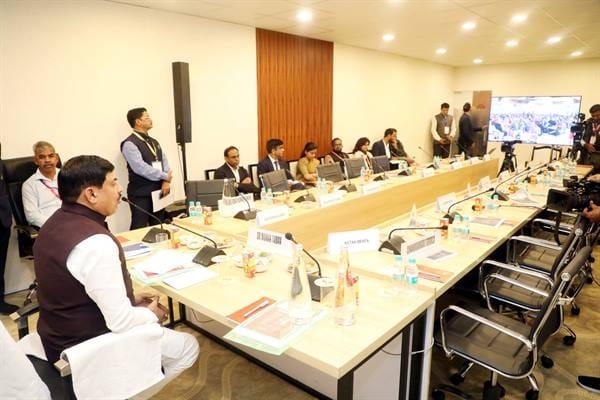
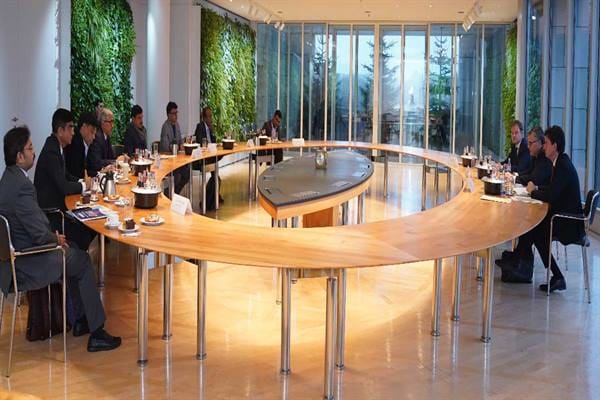
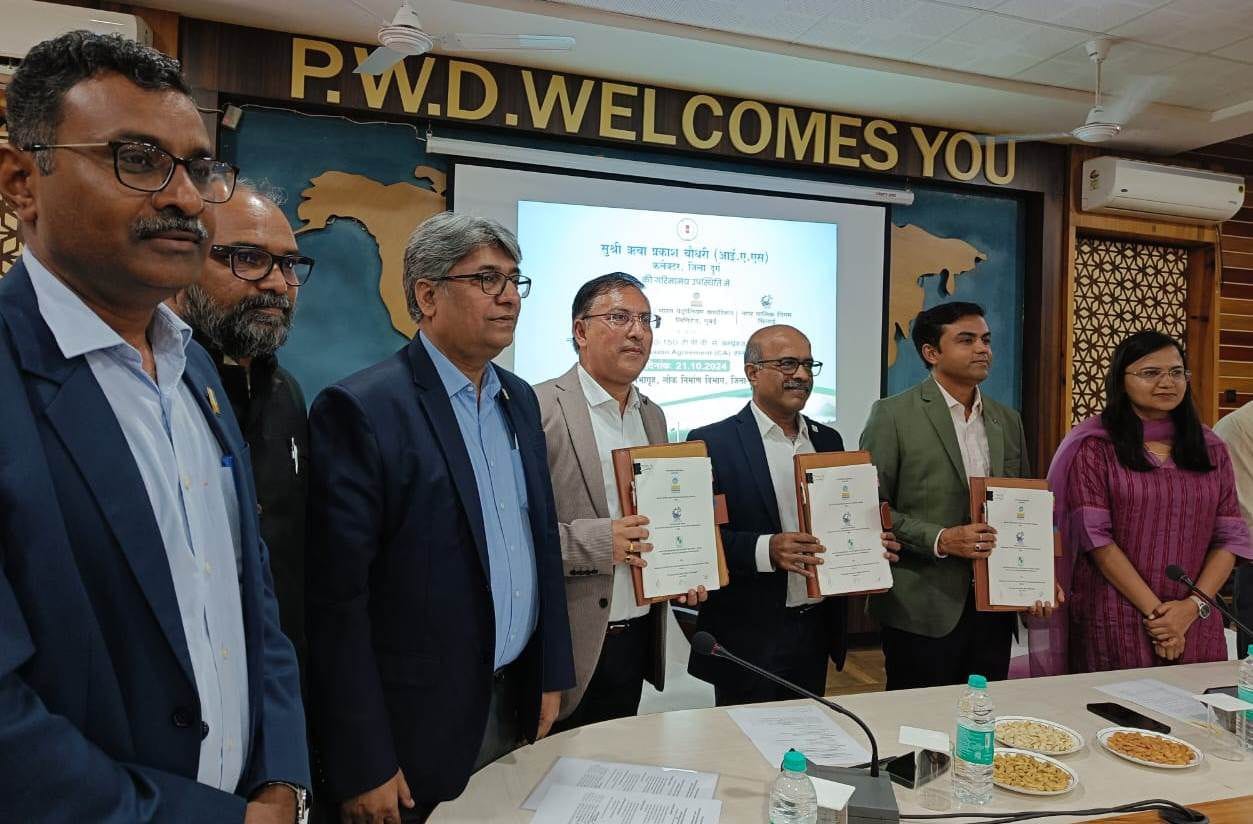
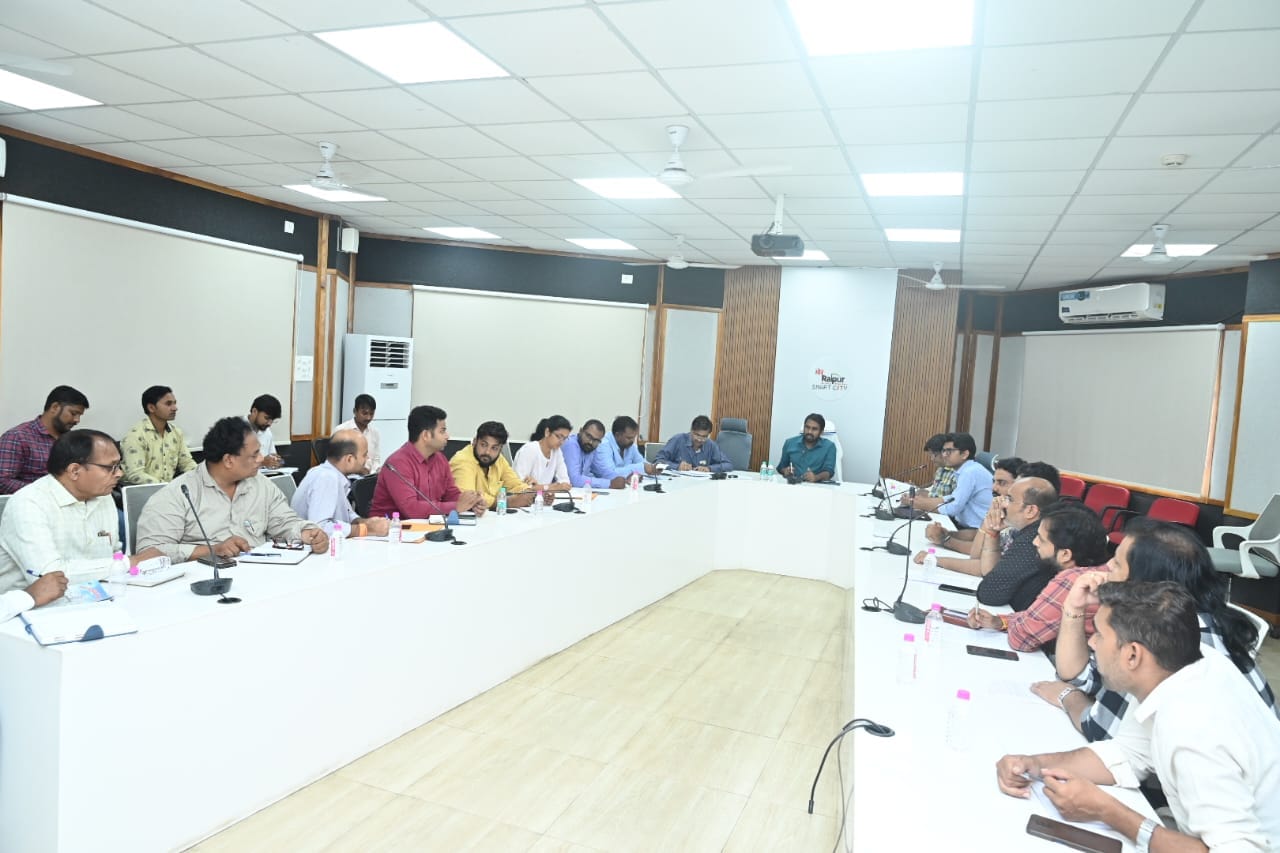
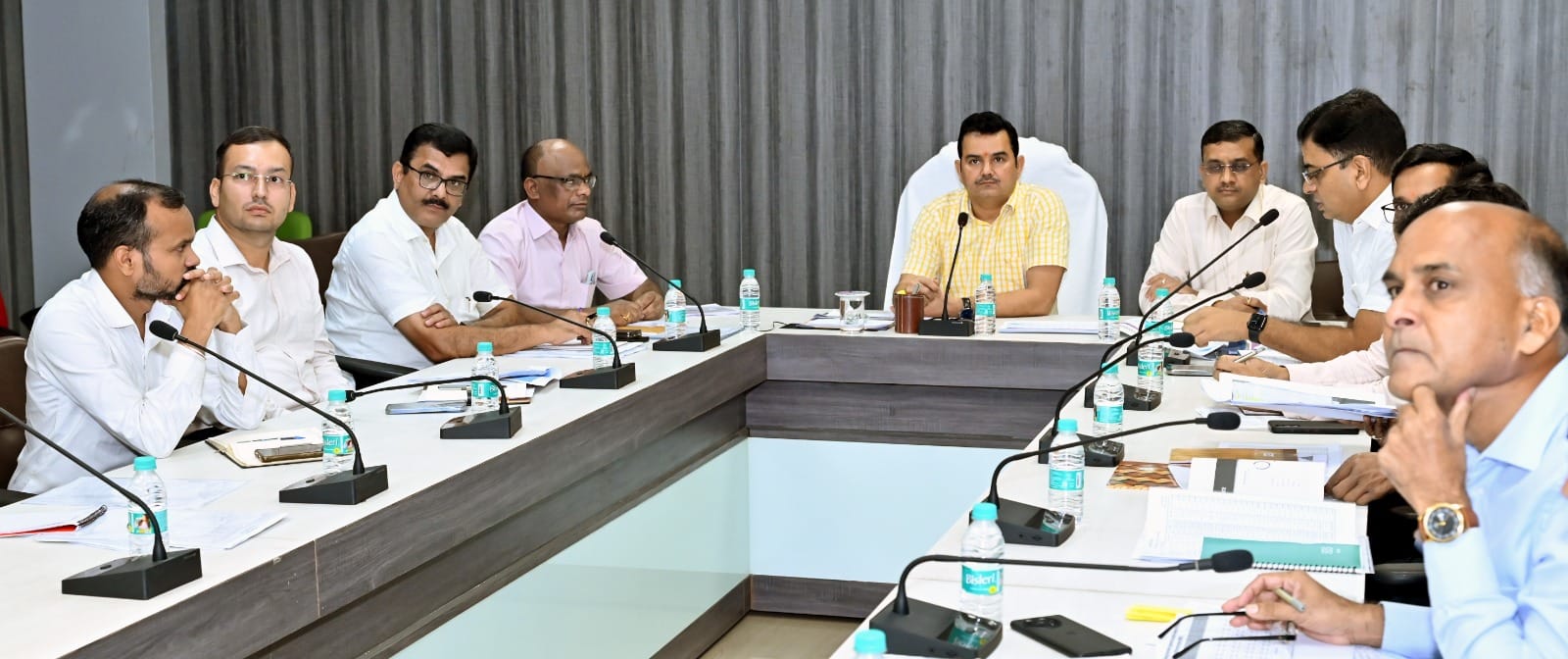
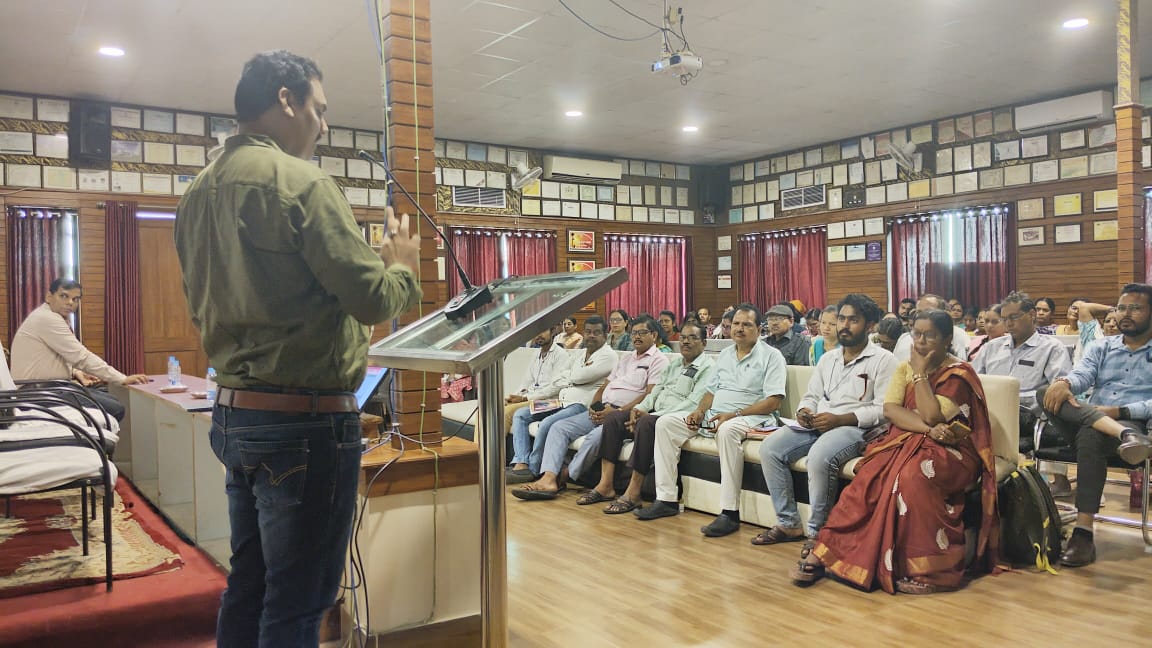
The important visit was attended by Deputy Director, Andhra Pradesh, Officer-in-Charge, Regional Coffee Research Station, Andhra Pradesh, Senior Liaison Officer, Koraput, District Deputy Director Agriculture and Executive Engineer, Water Resources Department along with other departmental officers from Coffee Board, Government of India.