


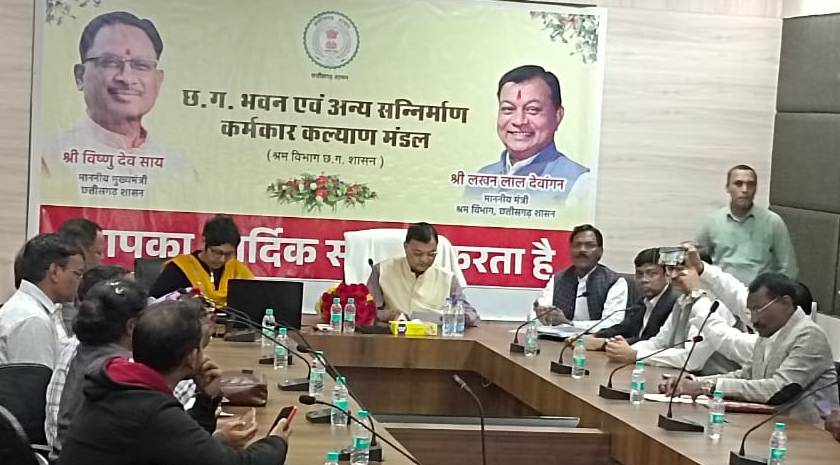

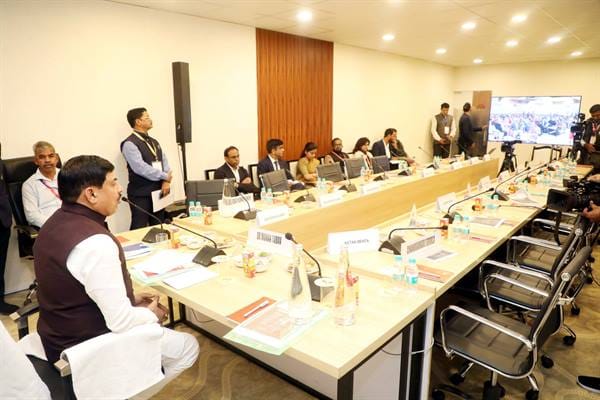


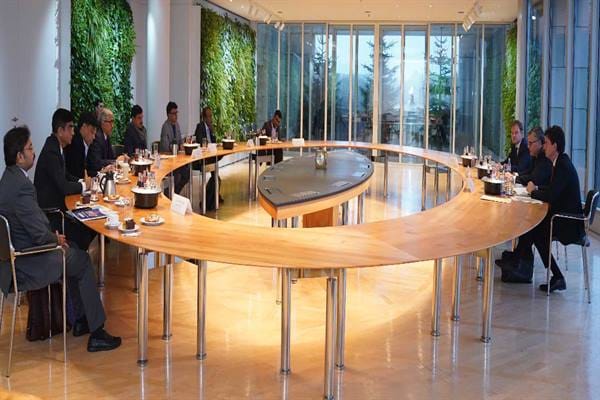

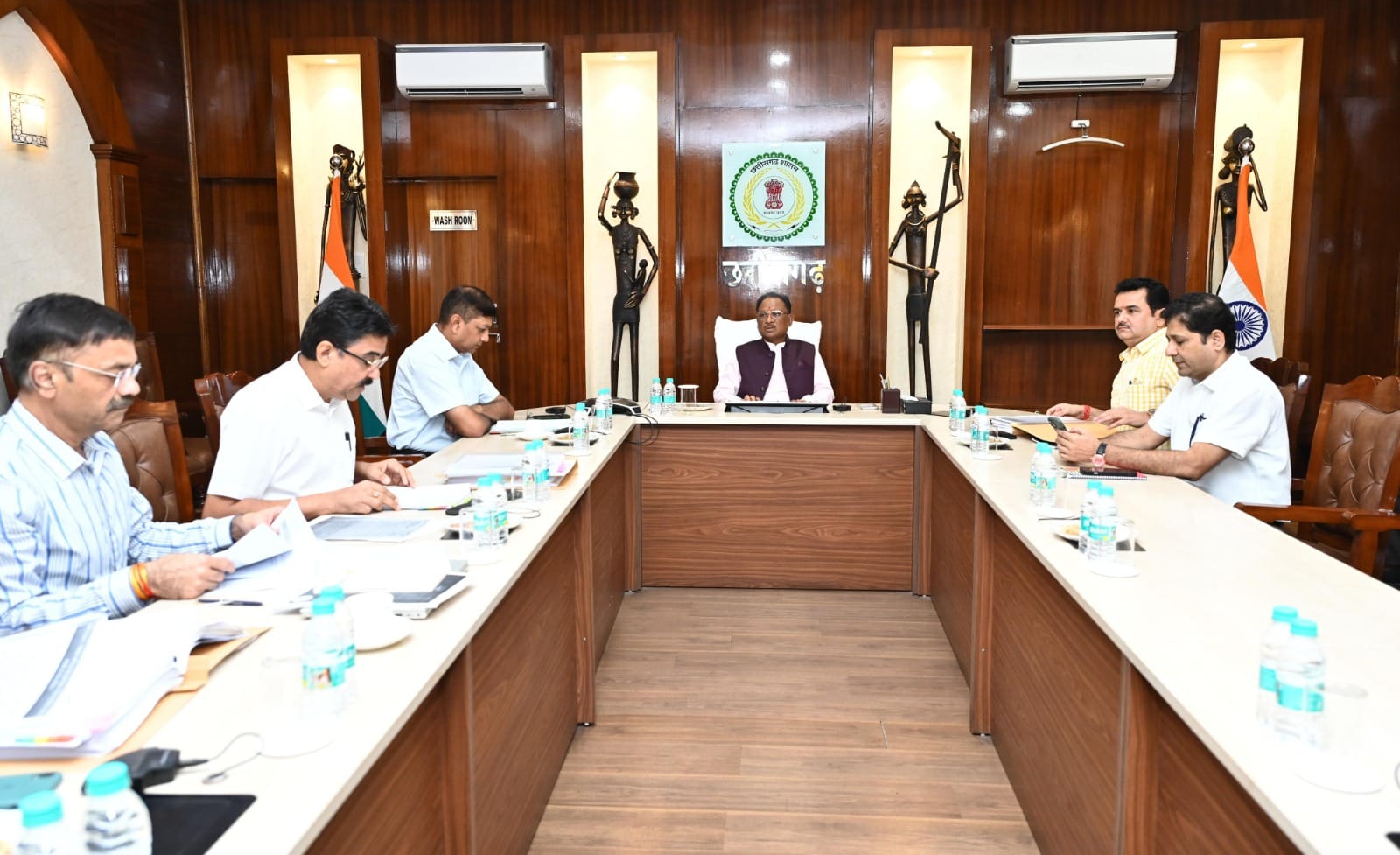
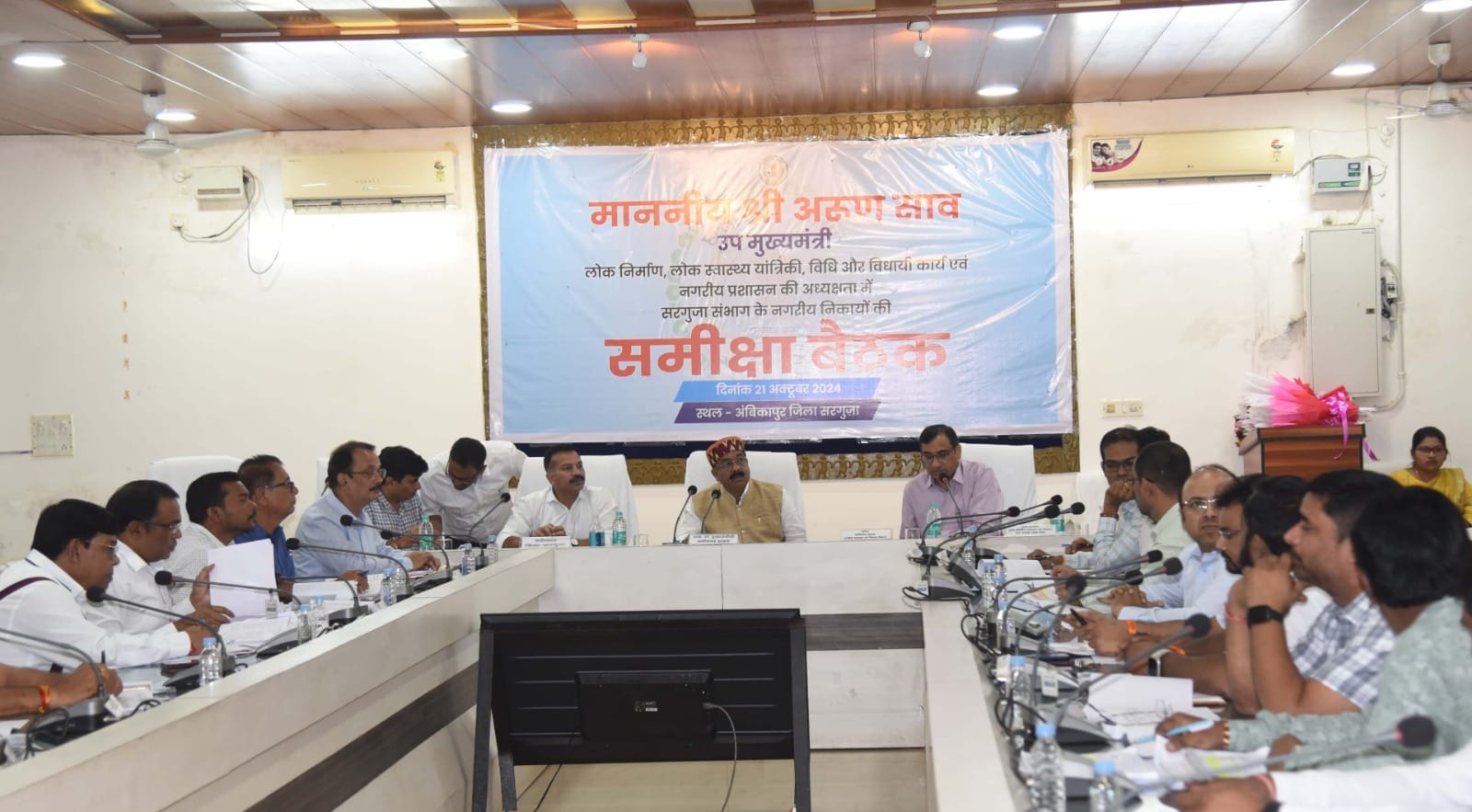

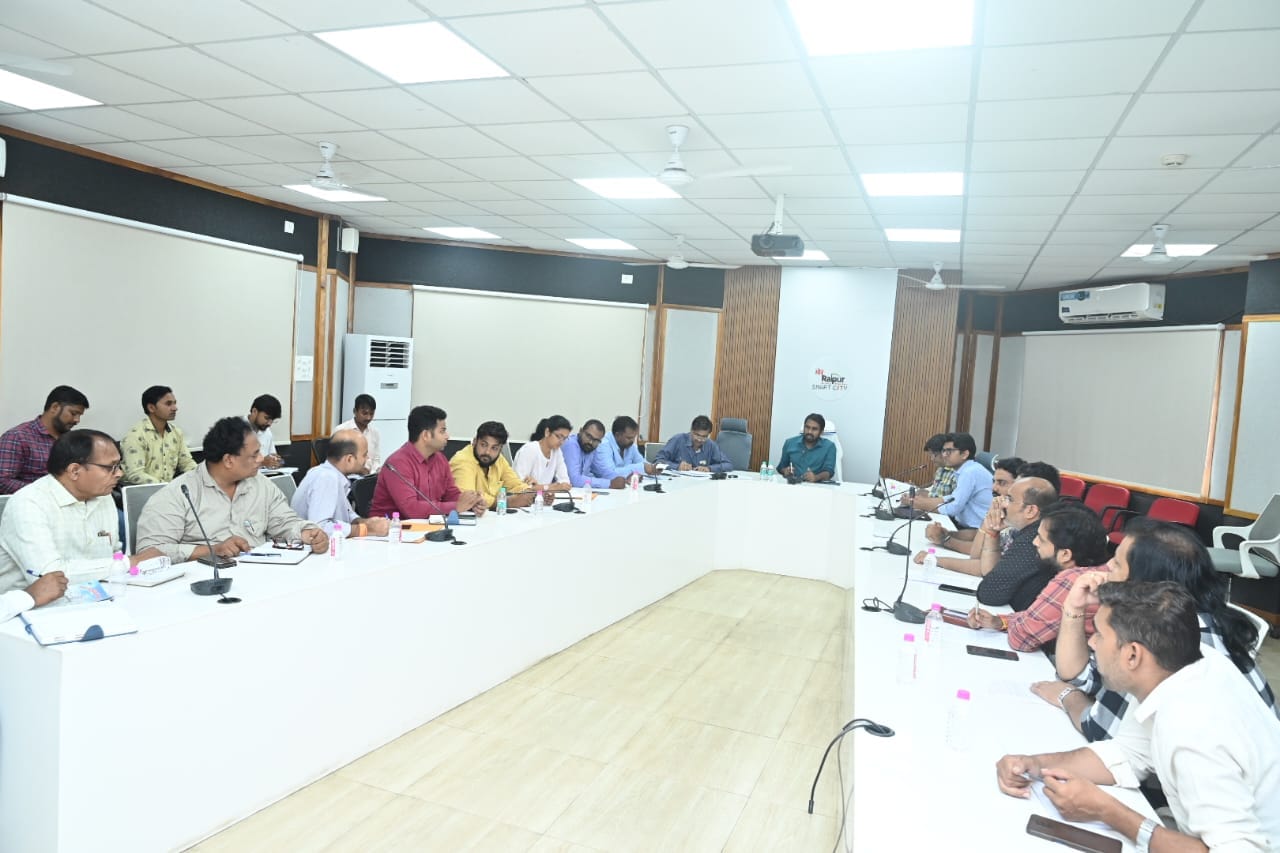
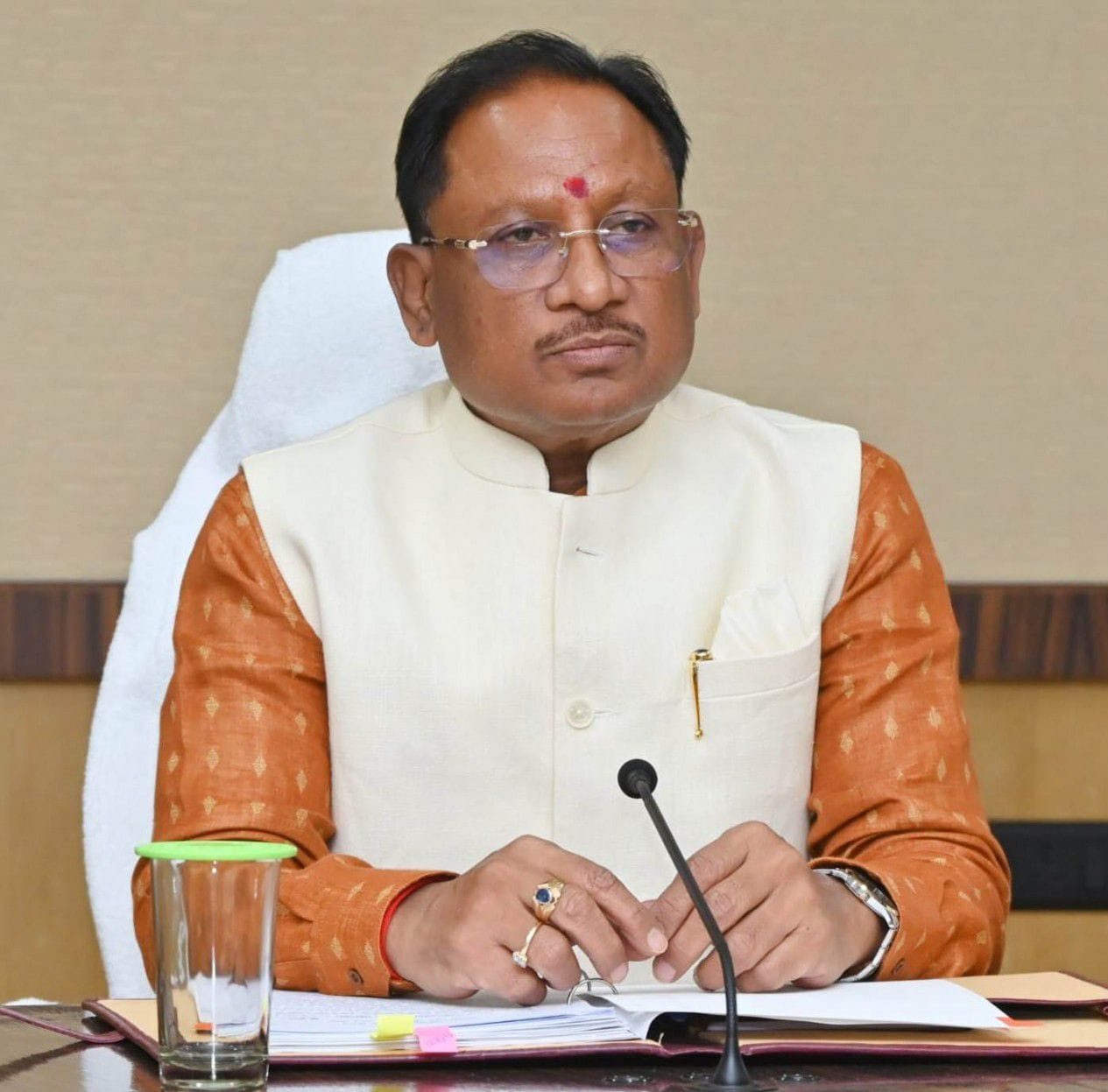
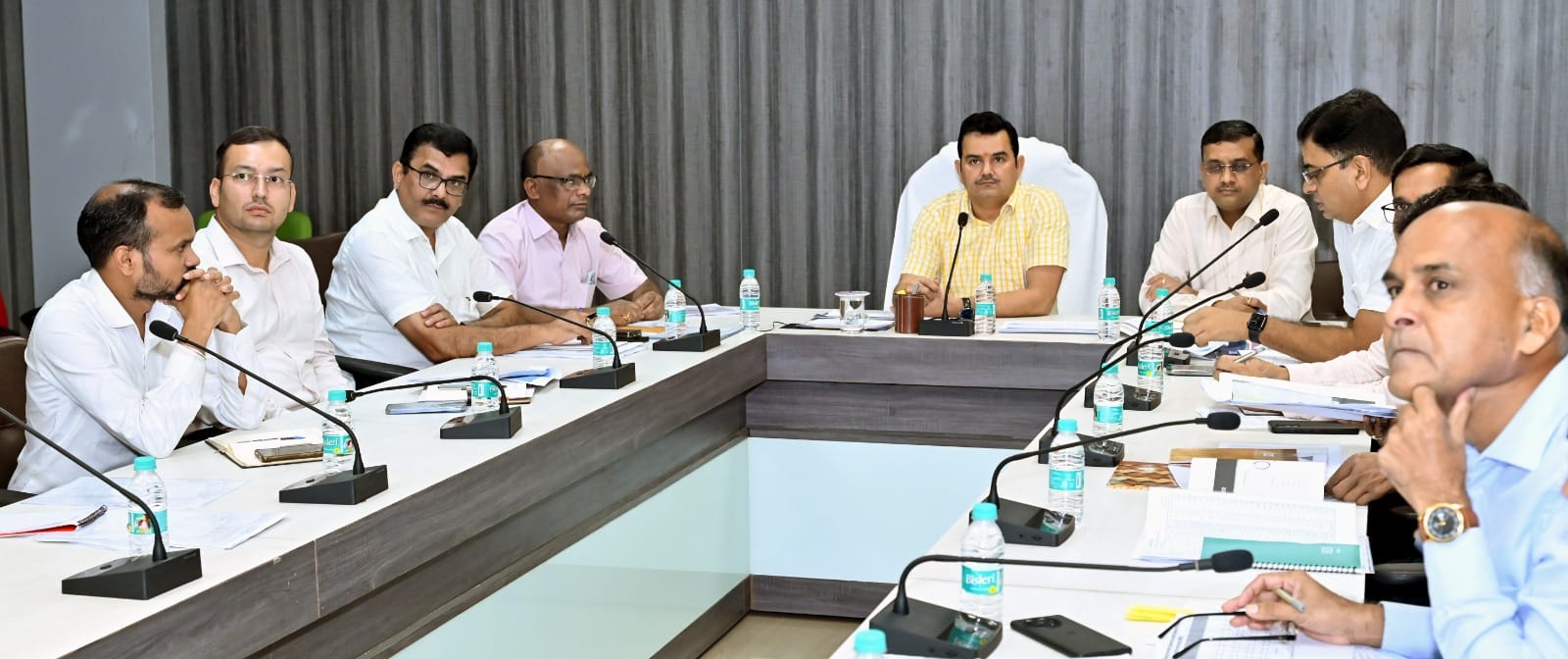
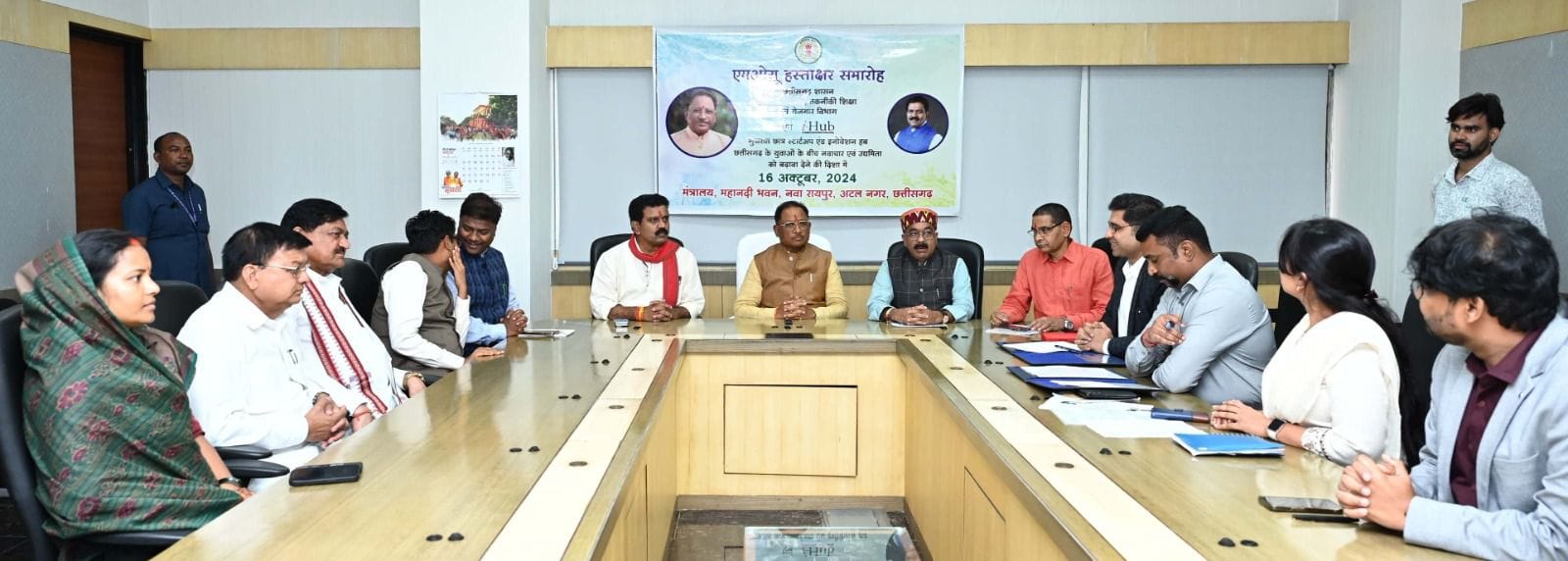
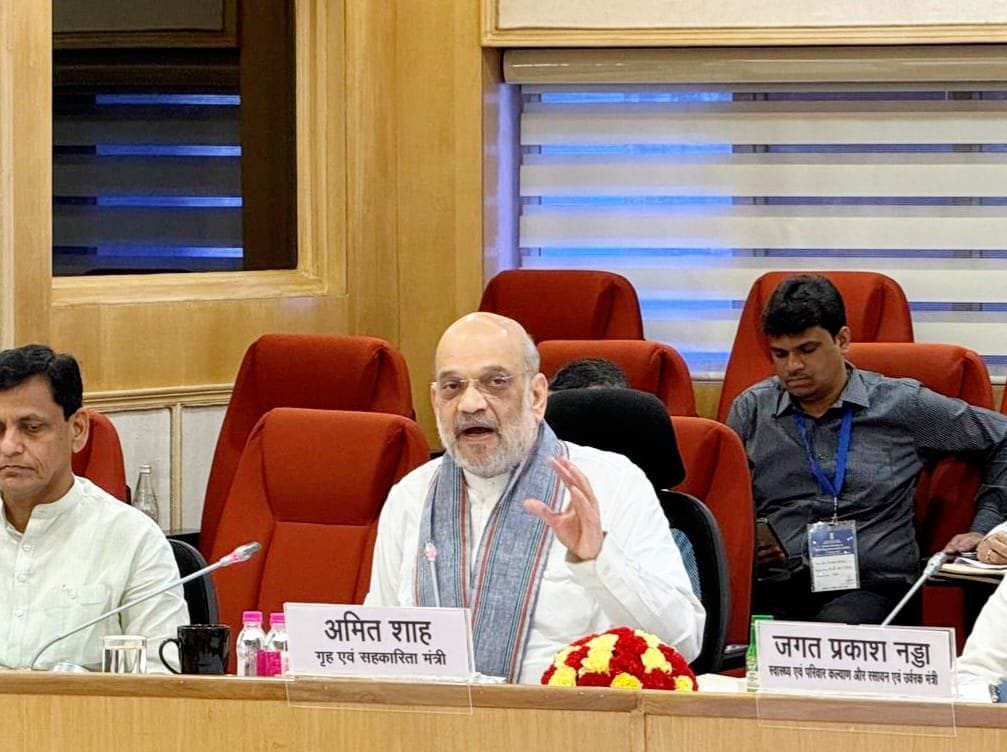
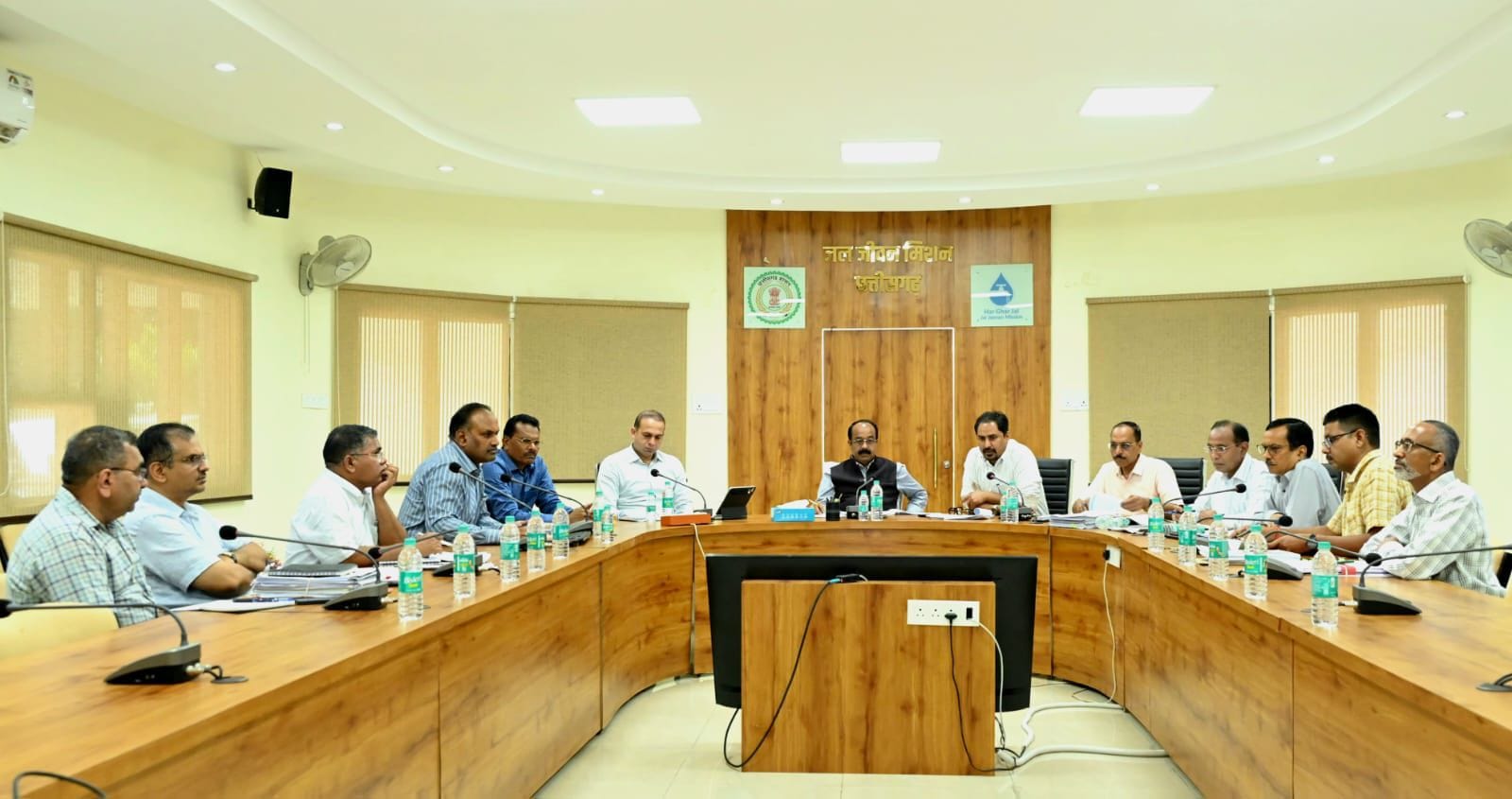

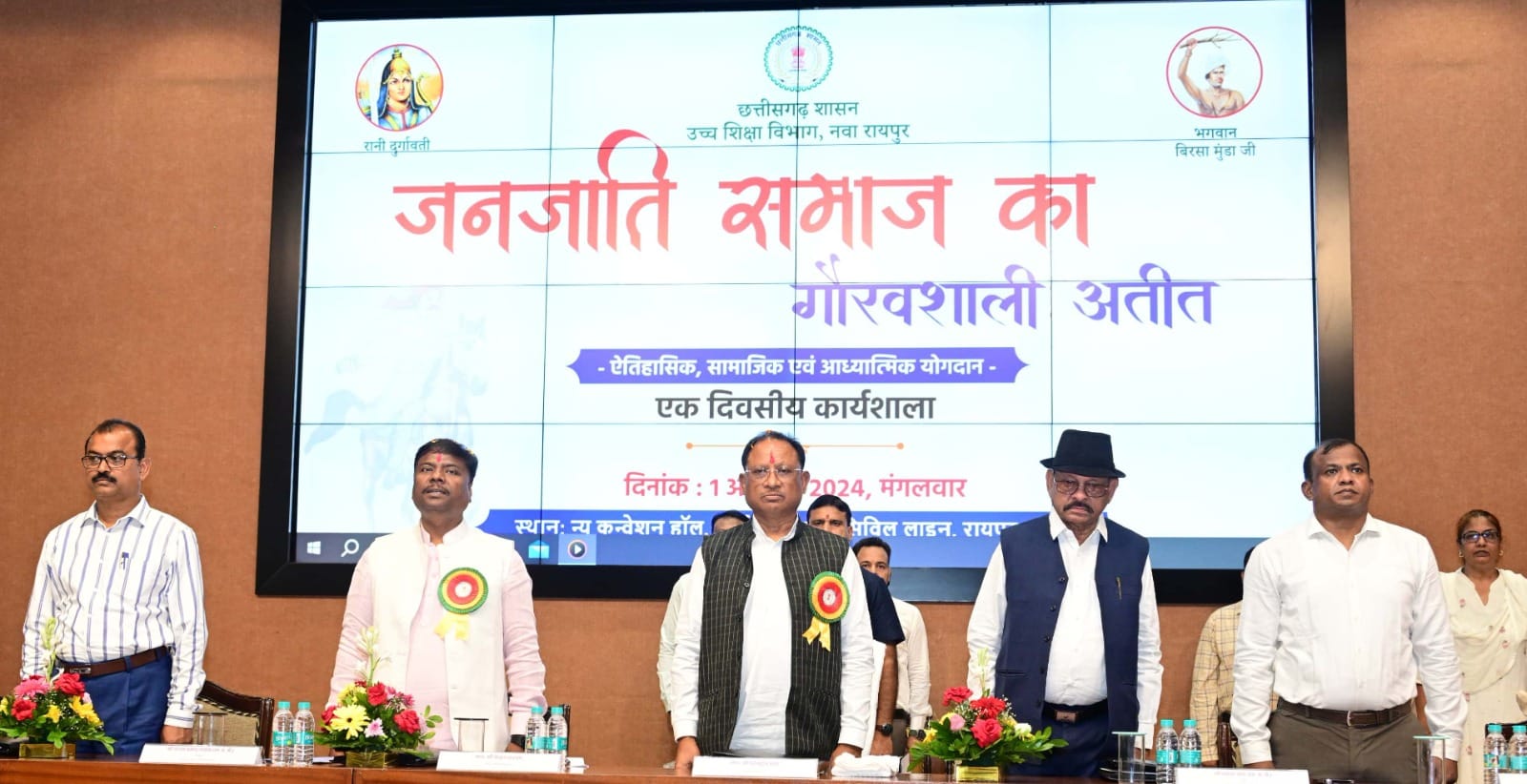
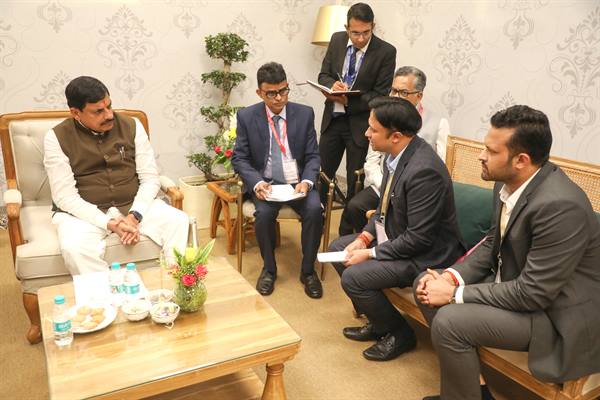
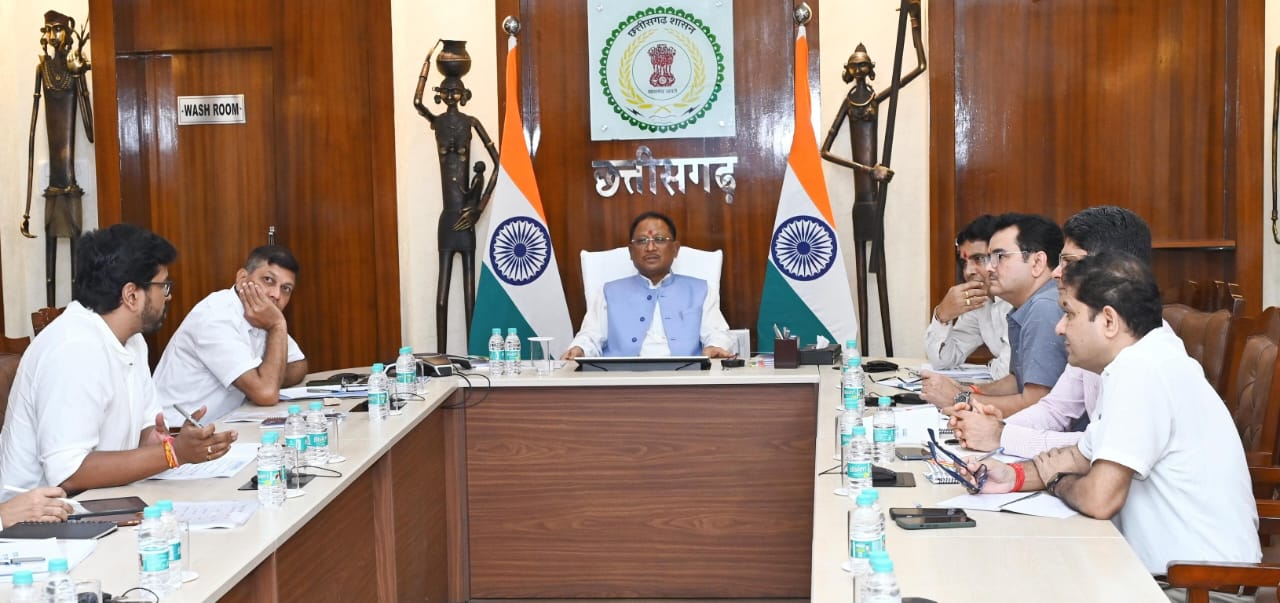

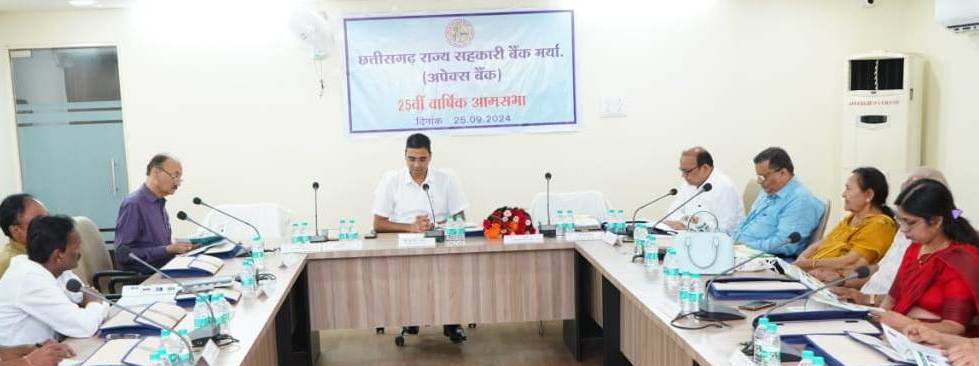

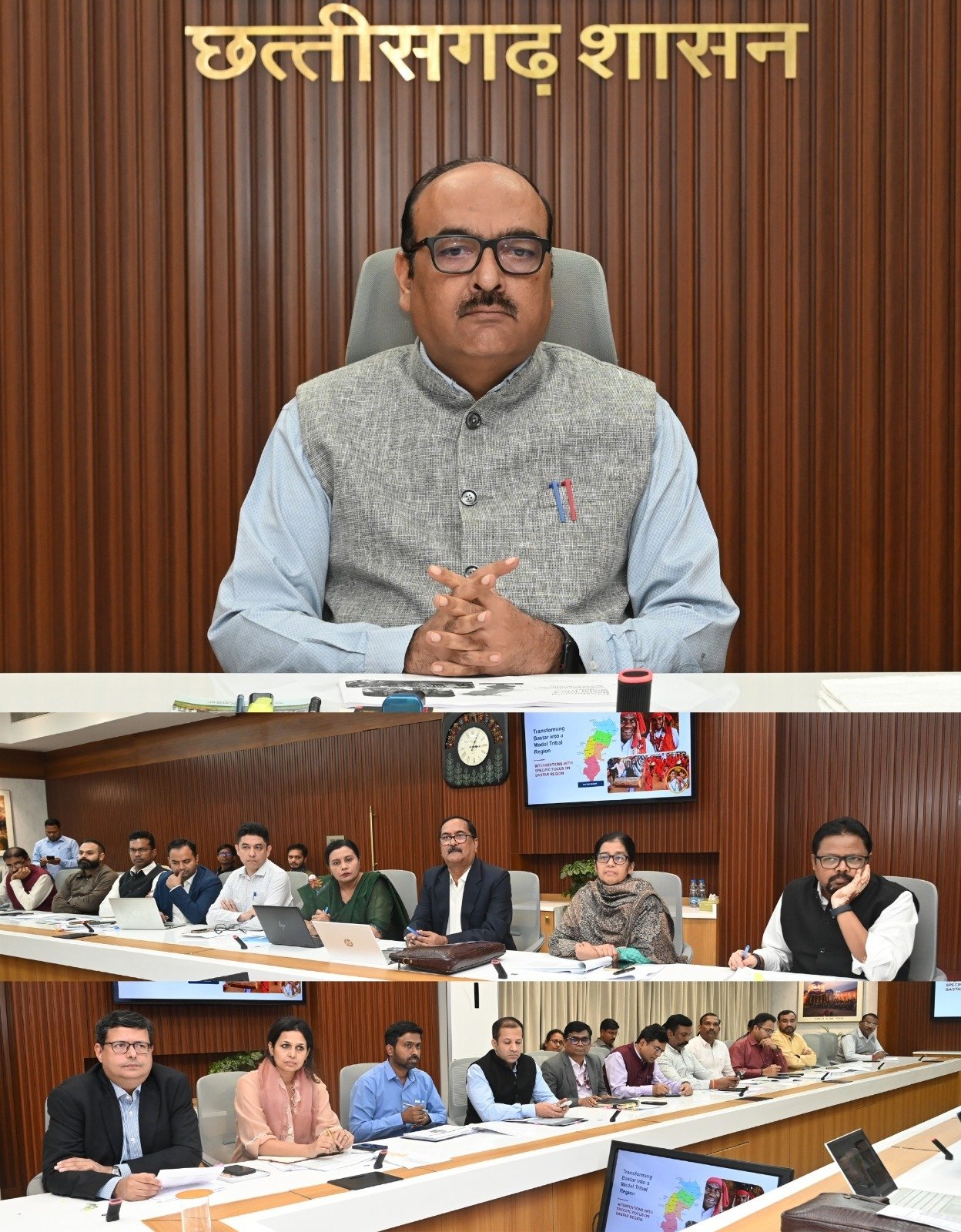
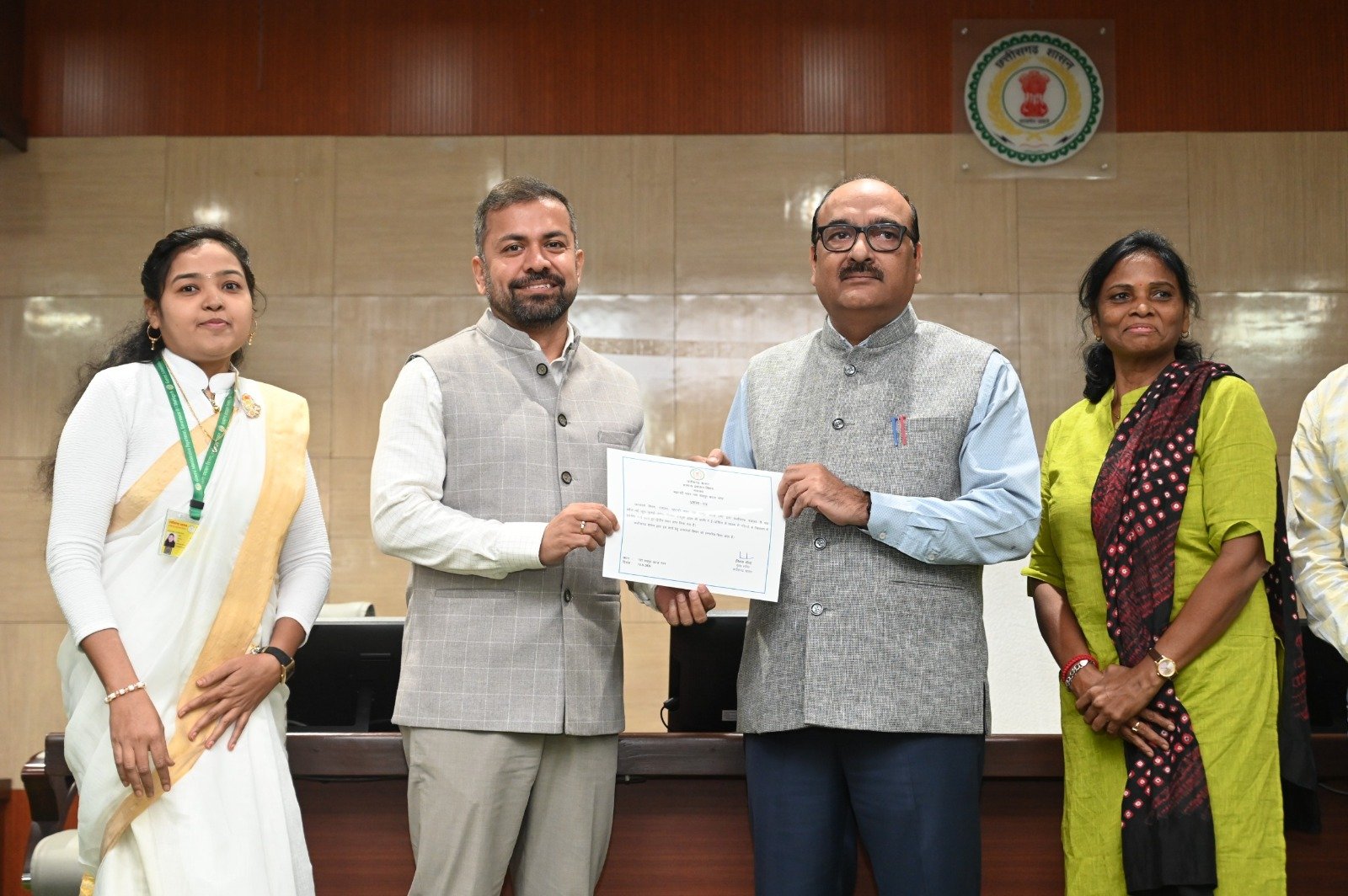

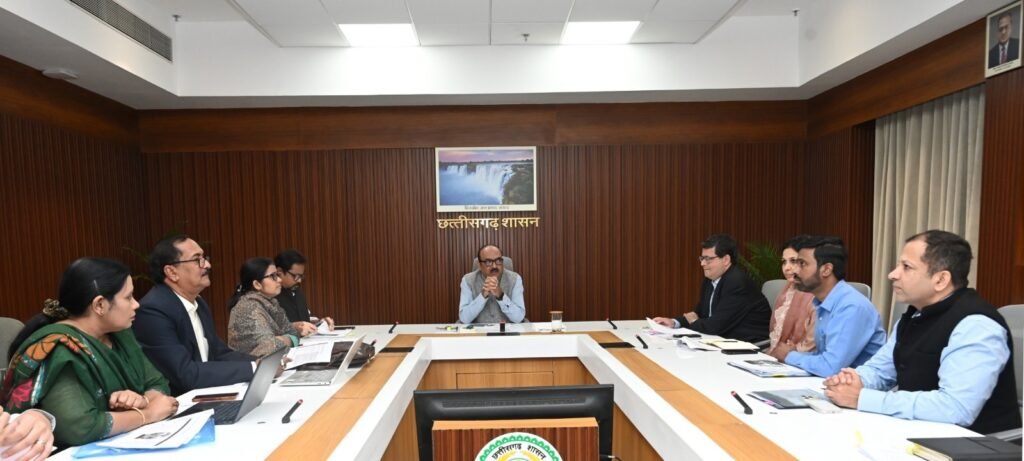
A review of various developmental initiatives and proposed budgetary allocations for the Bastar division was held today at Mantralaya Mahanadi Bhawan, chaired by Chief Secretary Shri Vikas Sheel. The meeting featured a detailed discussion on proposals and the progress made in areas such as education, health and nutrition, livelihoods, the preservation of tribal culture, forest rights, and the strengthening of infrastructure in the Bastar region. Shri Manish Thakur, Additional Secretary, and Director Samidha Singh, both from the Union Ministry of Tribal Affairs, participated in the meeting as special invitees.
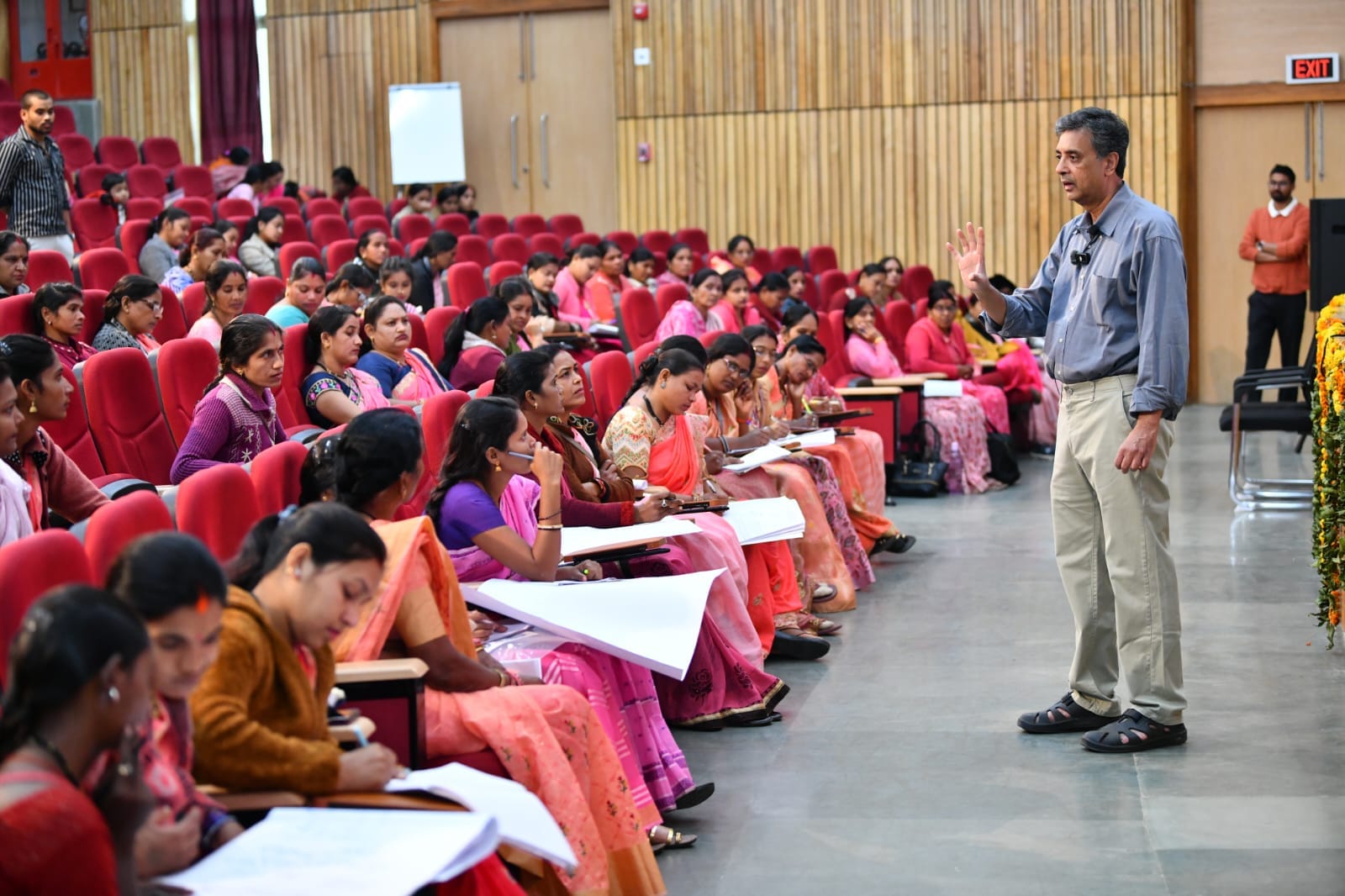
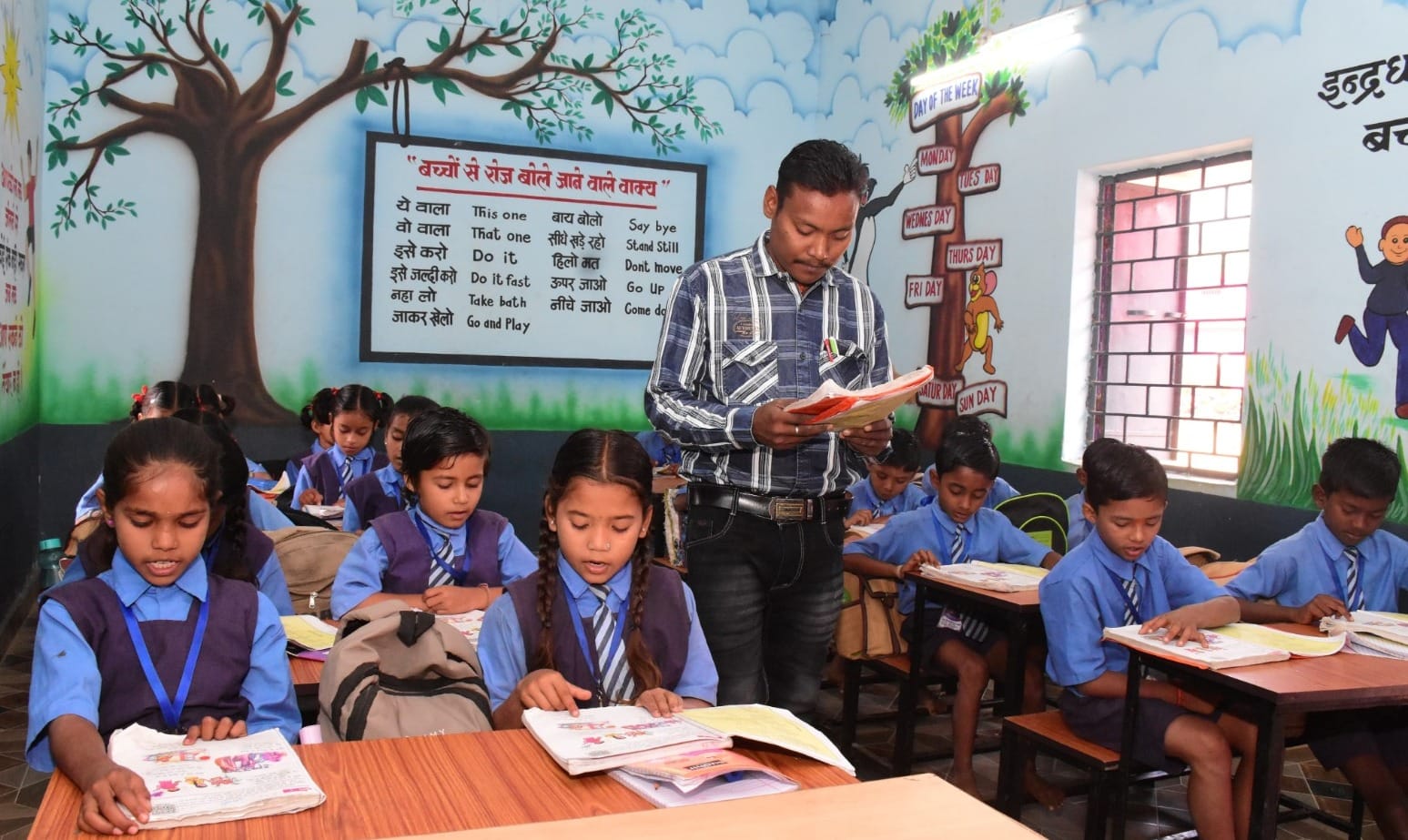
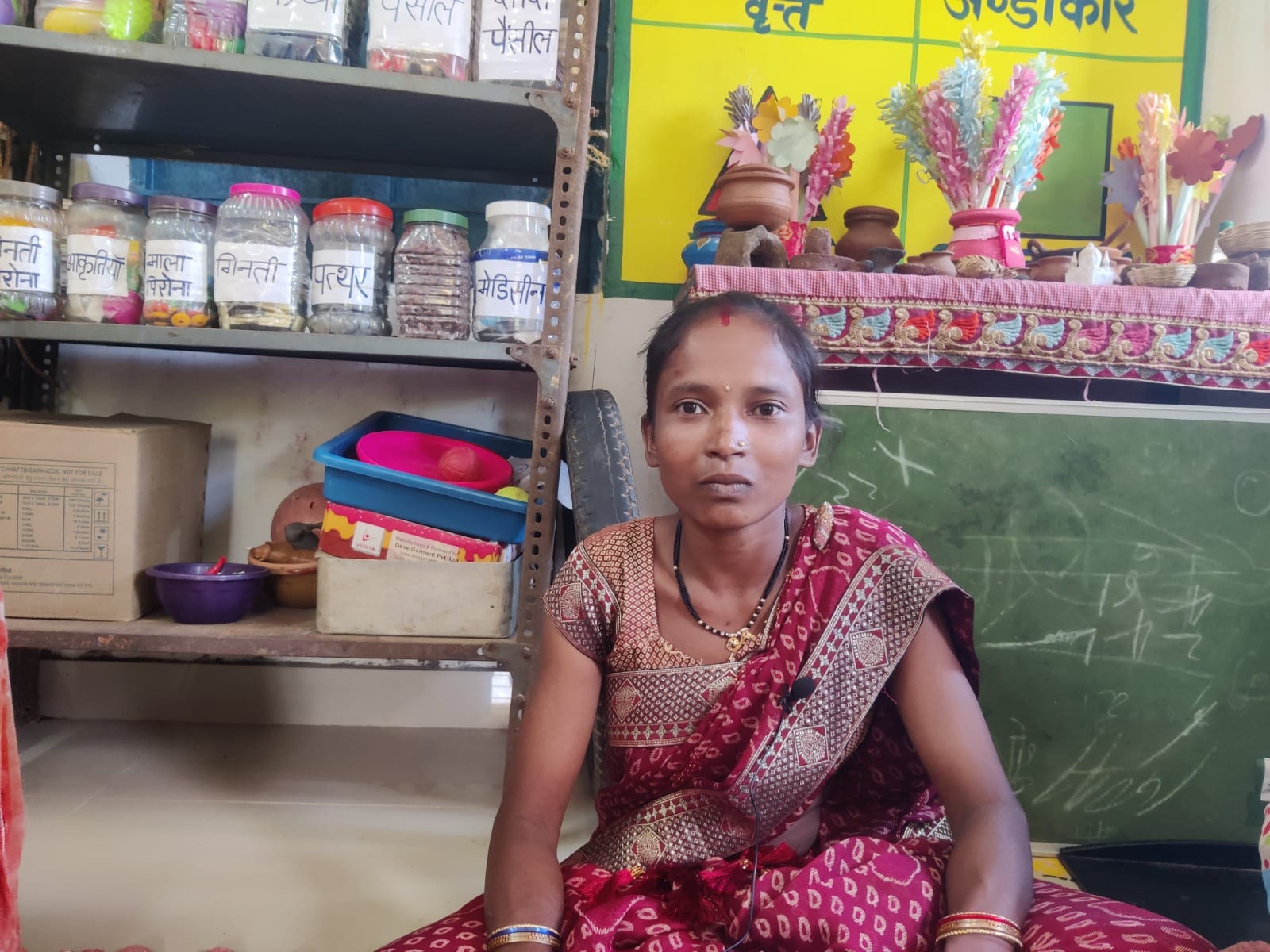
The Chief Secretary emphasized the promotion of multilingual education—based on tribal languages—in primary schools and balwadis (preschools) across the Bastar region. This includes the development of teaching materials, workbooks, picture books, and bilingual dictionaries in languages such as Halbi, Gondi, and Bhatri, alongside teacher training, all aimed at enhancing children’s comprehension, participation, and their seamless transition to the state’s medium of instruction.
The meeting also addressed district-wise and grade-wise details for the Bastar region, as well as the necessary follow-up actions for pilot initiatives in Bastar district. Discussions covered action plans for health, nutrition, and disease eradication—specifically the operation of community-run crèches in areas inhabited by Particularly Vulnerable Tribal Groups (PVTGs) affected by malnutrition, and the establishment of a ‘Centre of Competence’ for Sickle Cell Disease at the Jagdalpur Medical College, which will provide tribal communities with access to advanced diagnostics, treatment, and capacity-building.

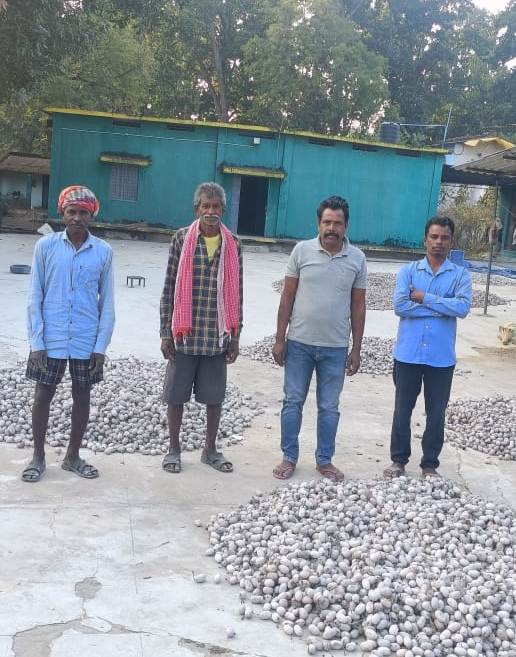
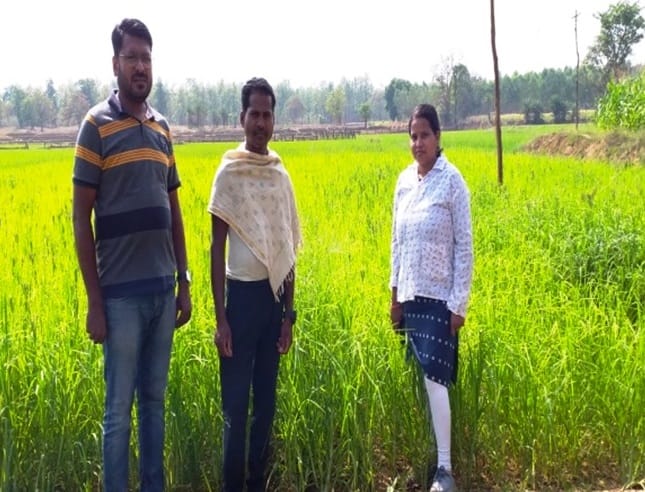
Furthermore, the meeting reviewed the progress made under the mission to eradicate malaria and tuberculosis in tribal areas, focusing on coordination with the ICMR-NIHR and the strengthening of institutional healthcare systems. Proposals were discussed under the framework of ‘cluster-based integrated agriculture and water resource development’—covering areas such as livelihoods, agriculture, water resources, and tribal culture—with a focus on promoting millets, pulses, indigenous rice varieties, soil health improvement, micro-irrigation, water conservation structures, and the strengthening of processing and marketing through Farmer Producer Organizations (FPOs).
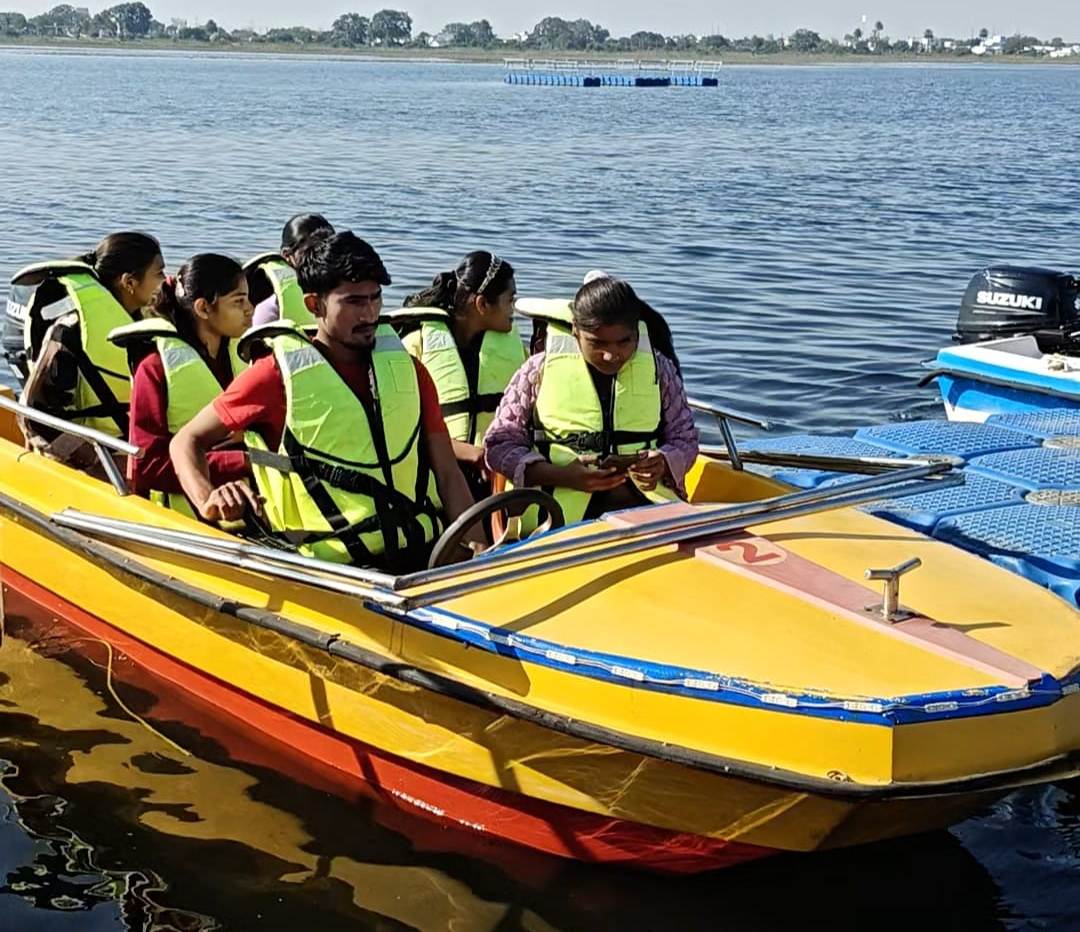
Additionally, proposals concerning minor forest produce, horticulture, animal husbandry, craft clusters, eco-tourism, tribal talent identification, the strengthening of the ‘Badal Academy’, and the preservation of sacred sites and cultural heritage were reviewed. Discussions also addressed the recognition of habitat rights for Particularly Vulnerable Tribal Groups (PVTGs)—including those in the Abujhmar region (Bastar-Narayanpur)—and the integration of community forest resource management plans into broader operational action plans. Furthermore, proposals for infrastructure development—including on-grid electrification across 461 villages in the seven districts of the Bastar division—along with their phased financial requirements, were examined.
The meeting was attended by senior officials, including Mr. Manoj Kumar Pingua (Additional Chief Secretary, Forest and Climate Change Department), Ms. Shahla Nigar (Principal Secretary, Women and Child Development Department), Mr. Siddharth Komal Pardeshi (Secretary, Agriculture Development and Farmers’ Welfare Department), Dr. S. Bharthidasan (Secretary, Tourism and Culture Department), Mr. Amit Kataria (Secretary, Health Department), Mr. Basavaraju S. (Secretary, Skill Development and Technical Education Department), and Dr. Saransh Mittar (Secretary, Energy Department), as well as senior officials from the Tribal Development Department.