













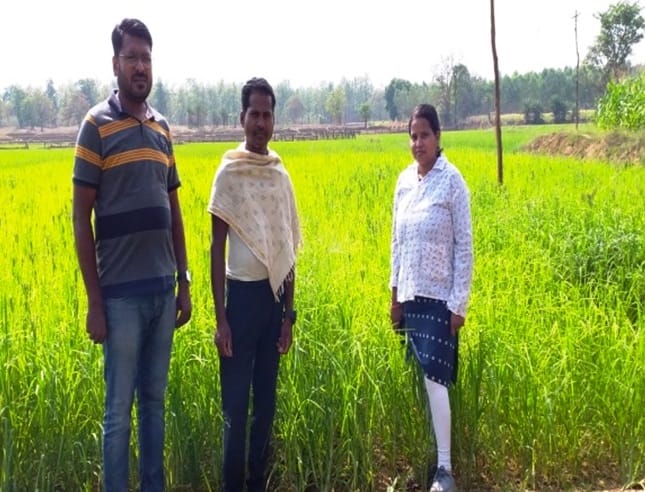






























































The paddy crop in Chhattisgarh is now approximately 45 days old. Farmers have completed weed control with herbicides, weeding, and other agricultural operations. Furthermore, the use of balanced fertilizers is contributing to good crop growth. In the coming days, weather conditions may gradually become favorable for various pest infestations. Currently, the leaf folder and the yellow stem borer are the most common pests in the upcoming crop. Keeping this in mind, farmers have been advised to regularly monitor their fields and adopt integrated pest management as needed.
Dr. P.K. Rai, Director of the ICAR-National Institute of Biotic Stress Management, urged farmers to regularly monitor their crops and identify pests at an early stage. He emphasized the need to avoid unnecessary and indiscriminate use of pesticides. “Regular monitoring of the rice crop is crucial during this stage. Implementing appropriate control measures only when pest numbers reach economic damage levels can reduce production costs while also protecting friendly insects and the environment.”
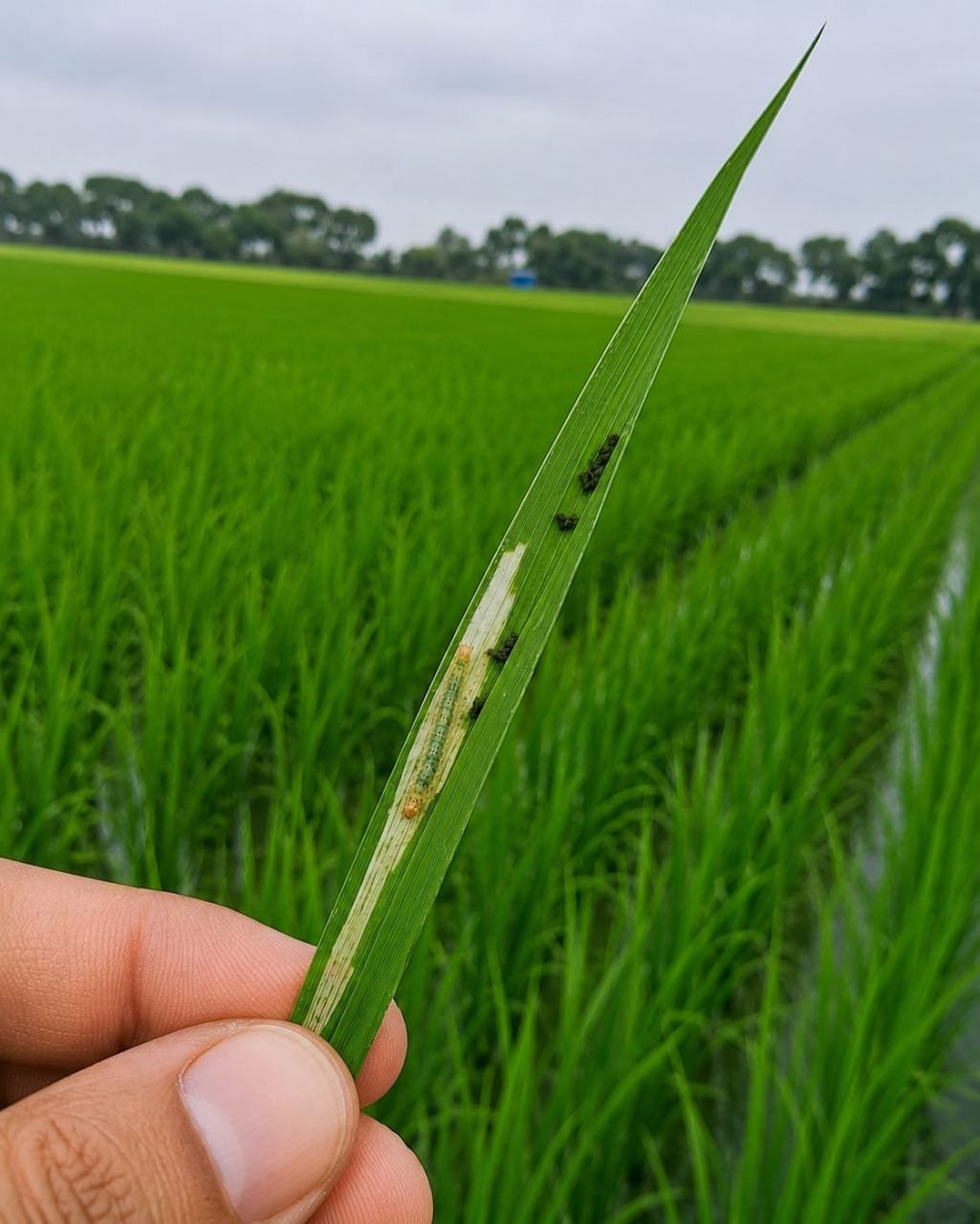
Dr. Pankaj Sharma, Joint Director, stated that the leaf folder is a major pest of rice. Its caterpillars fold the leaves lengthwise, live inside them, and scrape and eat the green tissue. This causes white streaks on the leaves and impairs photosynthesis. In severe infestations, crop growth and yield can be adversely affected. Farmers should regularly inspect fields for curled leaves, caterpillars, and specific leaf damage symptoms. Appropriate control measures should be implemented only when the pest infestation exceeds the recommended economic damage level.

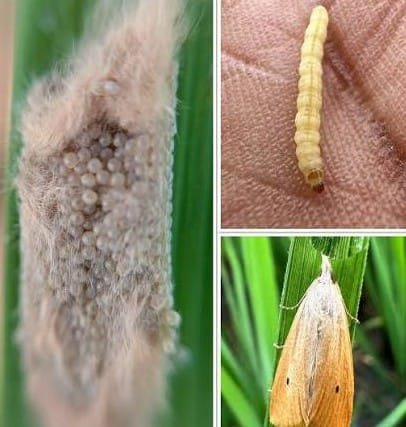
Dr. Sharma explained that the yellow stem borer can also become a significant problem as the crop progresses. This insect’s brown egg masses are often visible near the leaf tips. The larvae that hatch from the eggs enter the stem and damage the underlying tissues. This causes symptoms of “dead heart” in the vegetative stage and “white ear” in the later stages. Therefore, its identification and control at an early stage is crucial.
Farmers are advised to regularly monitor their fields, collect and destroy visible egg masses, and install pheromone traps to monitor adult insects. Tricho-cards can also be used as needed. Removing and destroying affected and severely damaged plants/shoots from the field can also reduce pest infestation. Insecticides should be used only when necessary, according to the recommended dosage, appropriate crop stage, label, and approved dosage.
Dr. P.K. Rai stated that integrated pest management, which includes regular monitoring and mechanical measures, biological control, conservation of natural enemy insects, and need-based insecticide use, is an effective and sustainable method for managing pests in rice. Farmers need to monitor their crops closely in the coming weeks and consult agricultural experts if they notice unusual pest infestations.