



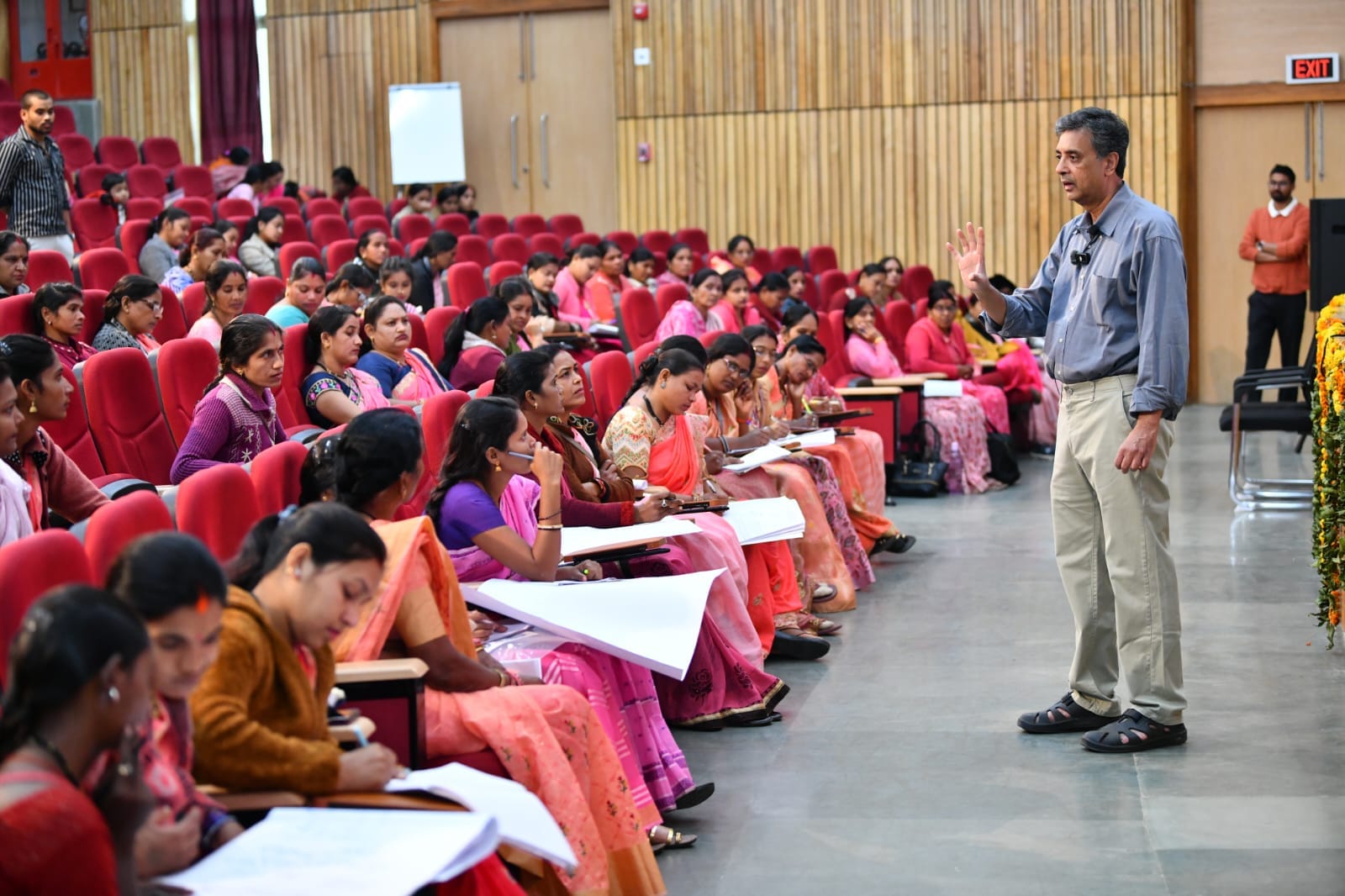
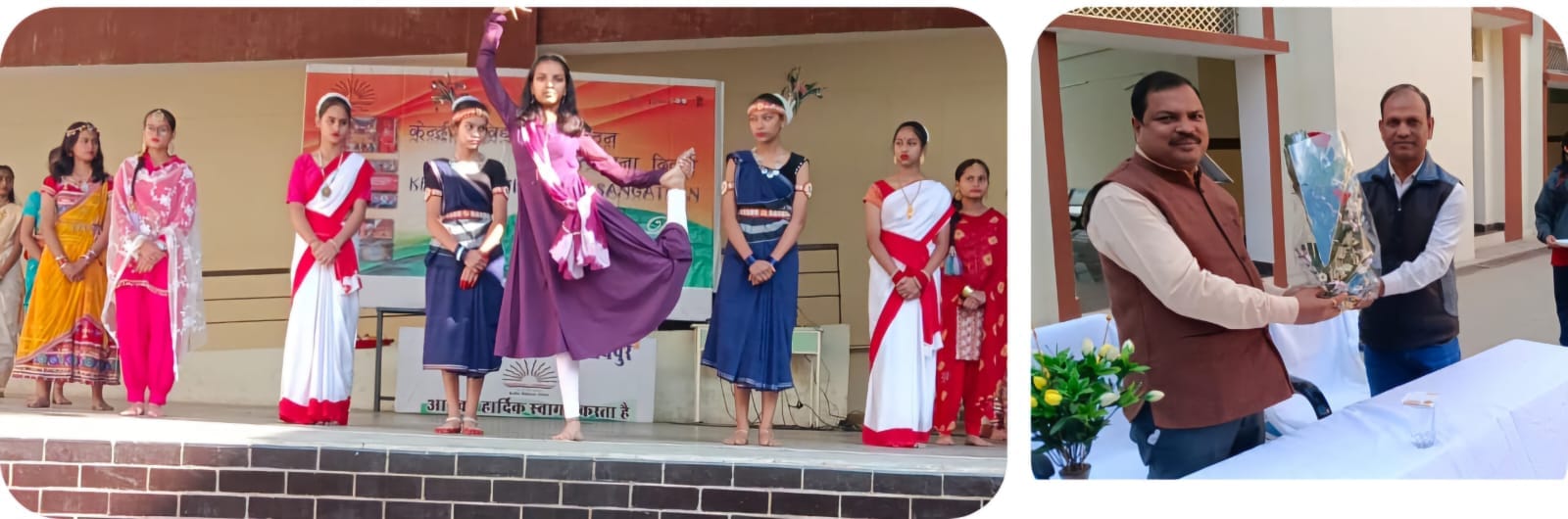
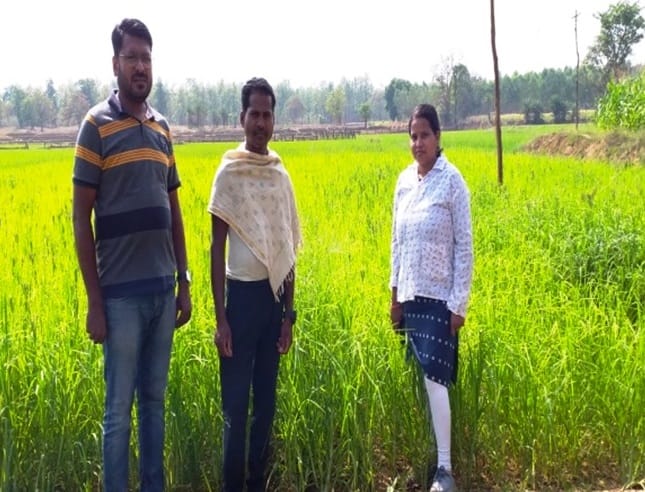



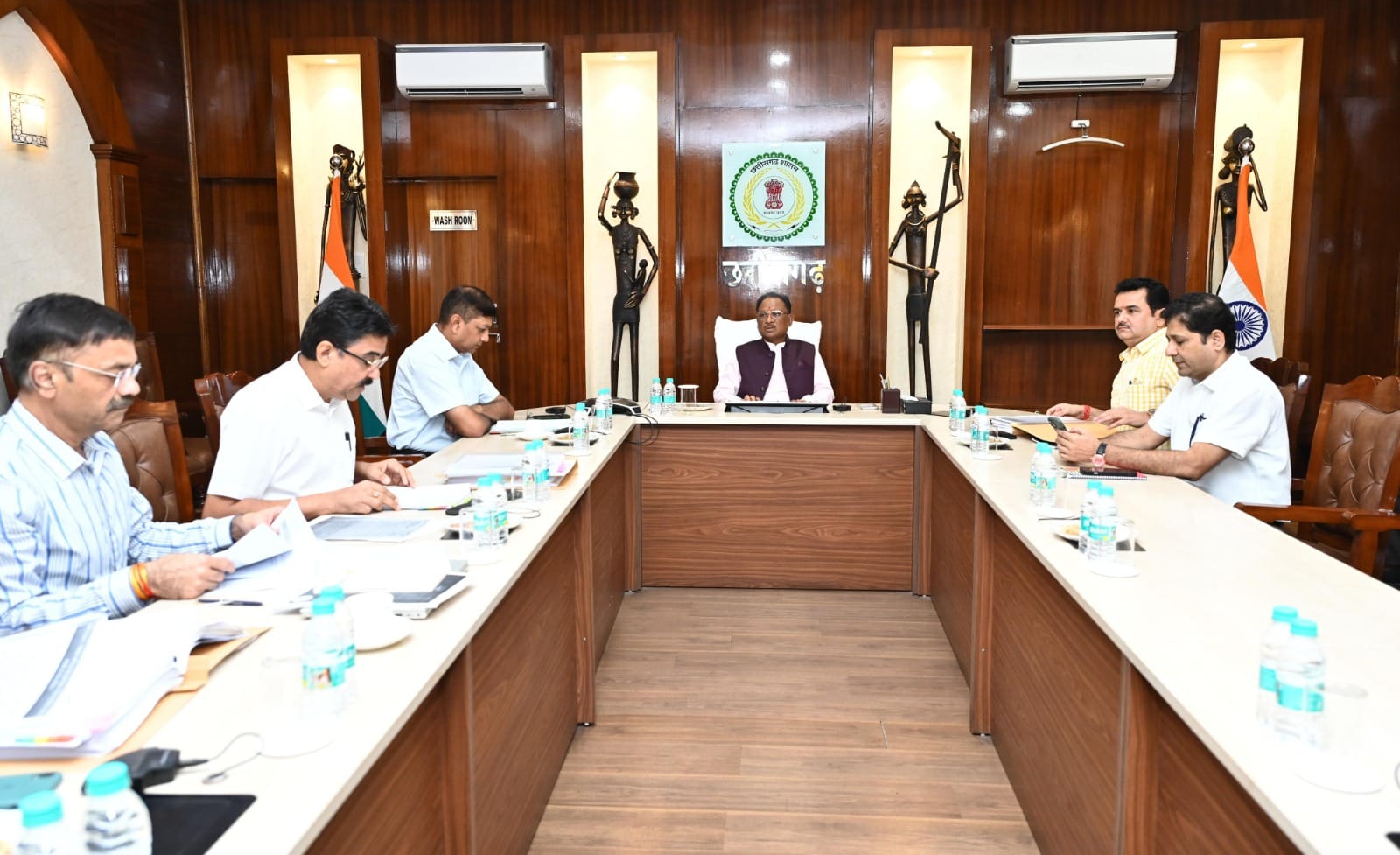
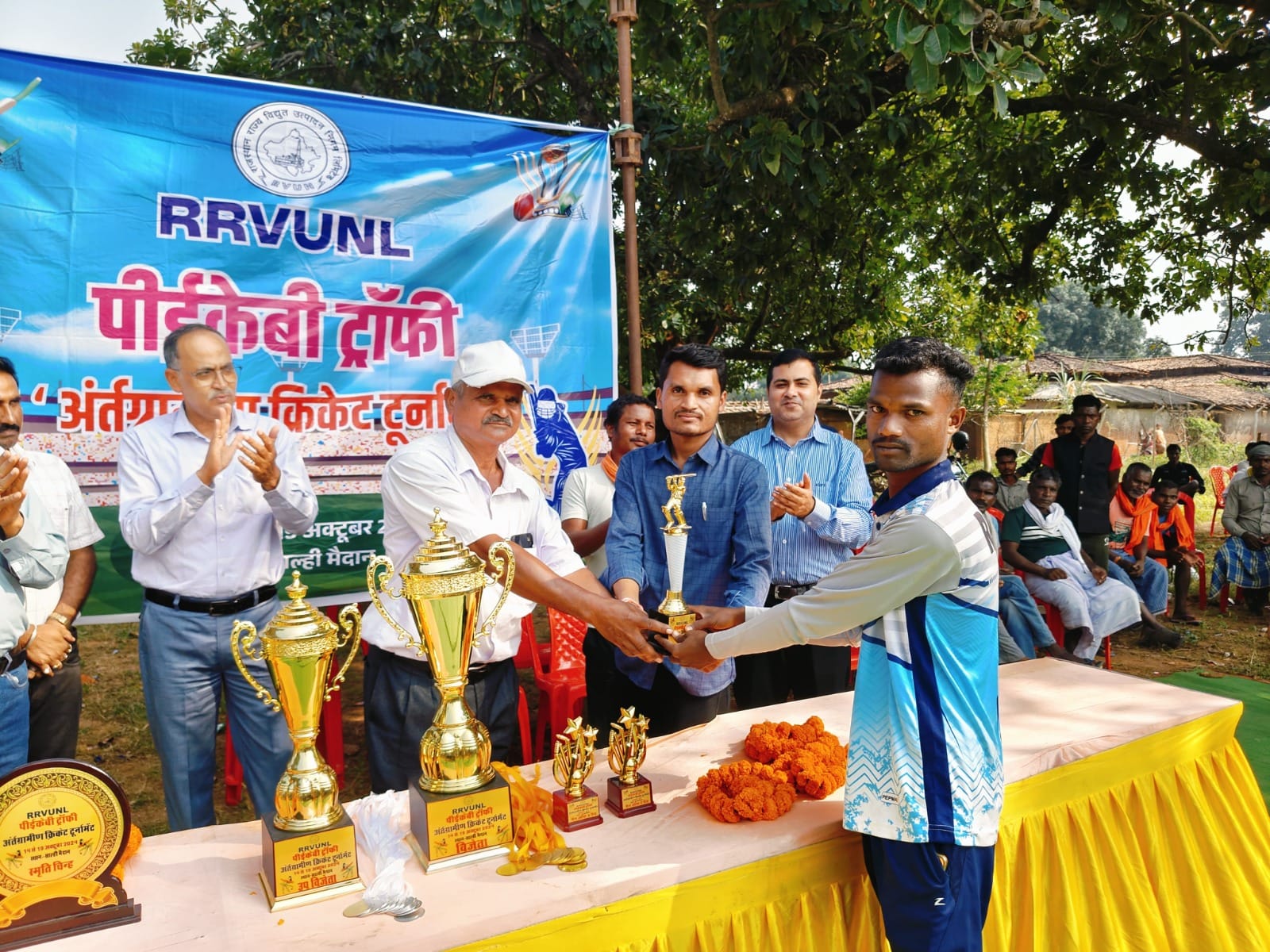

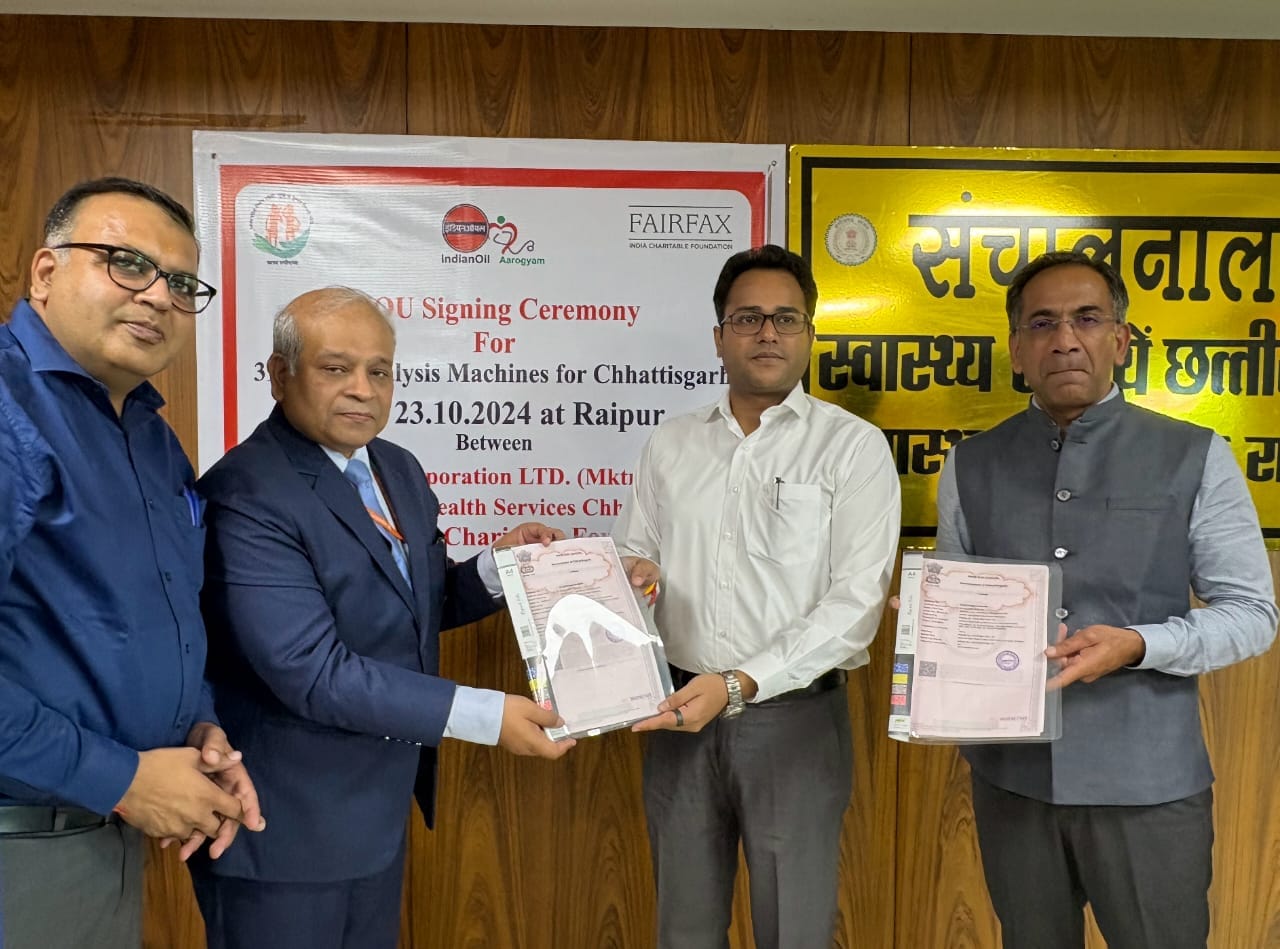
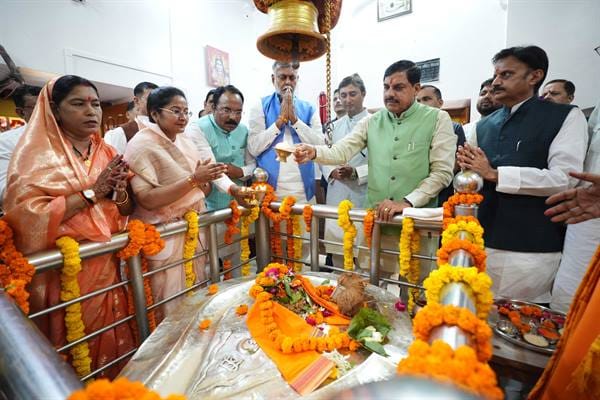
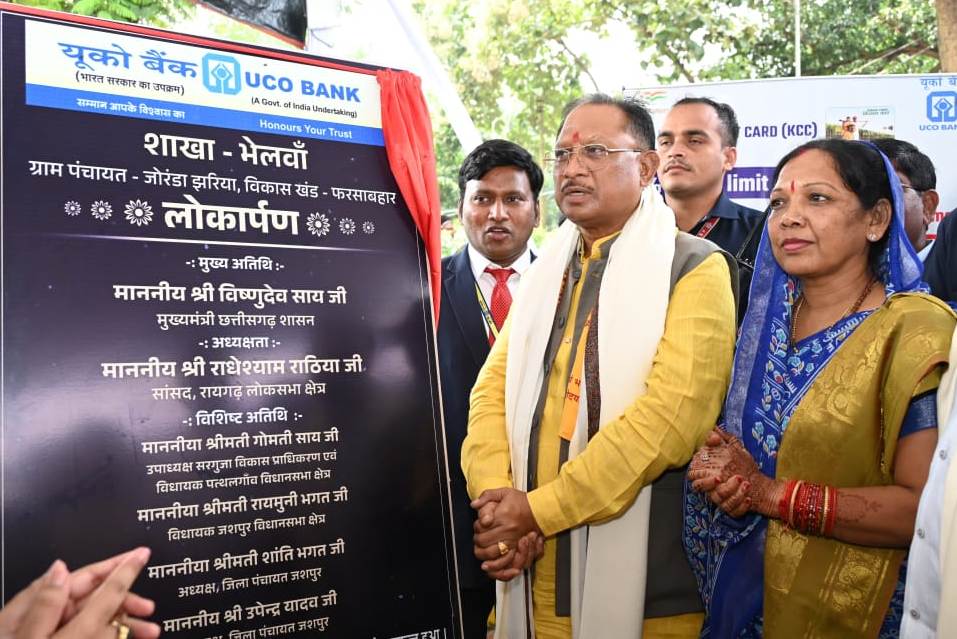
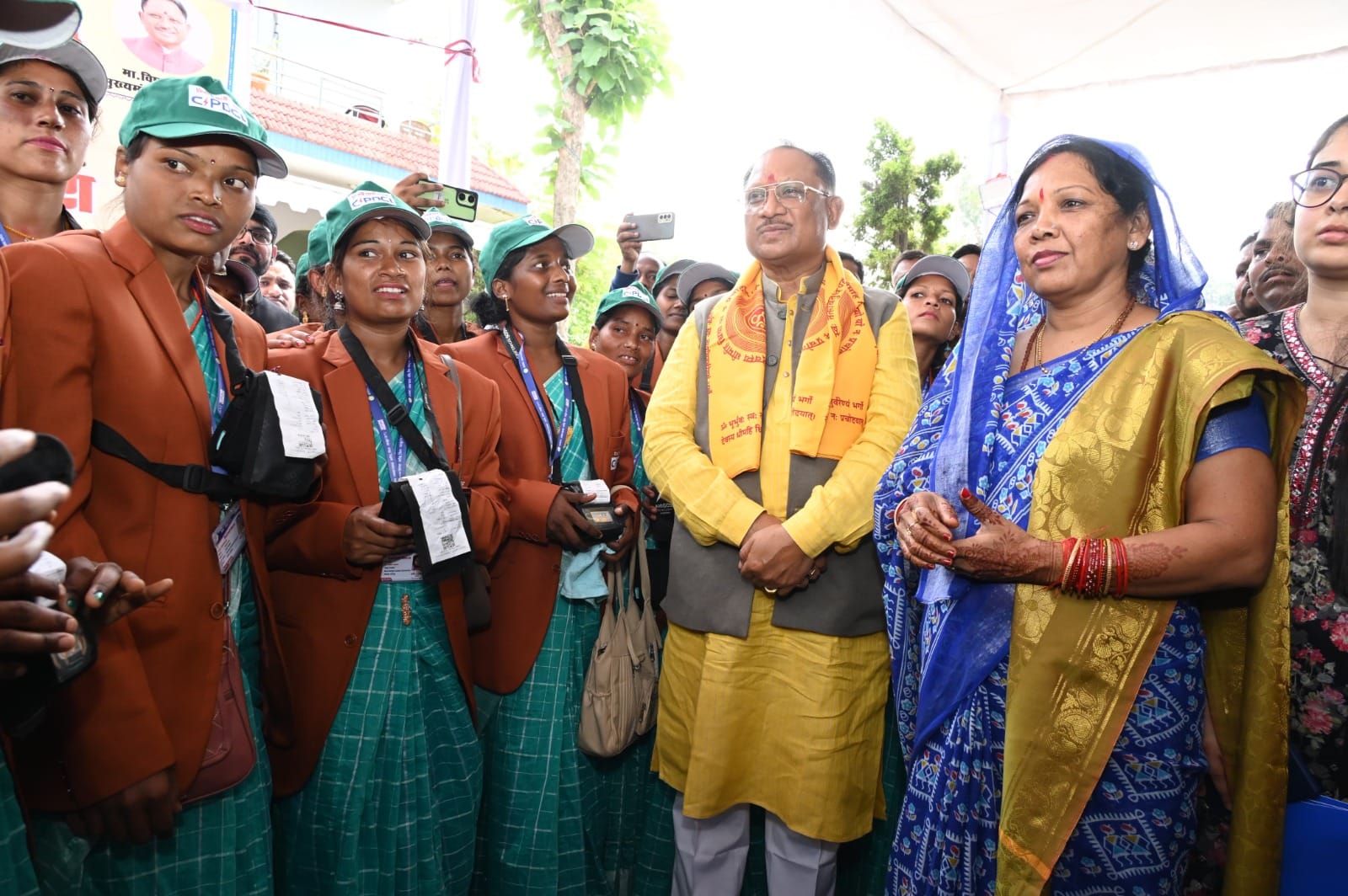
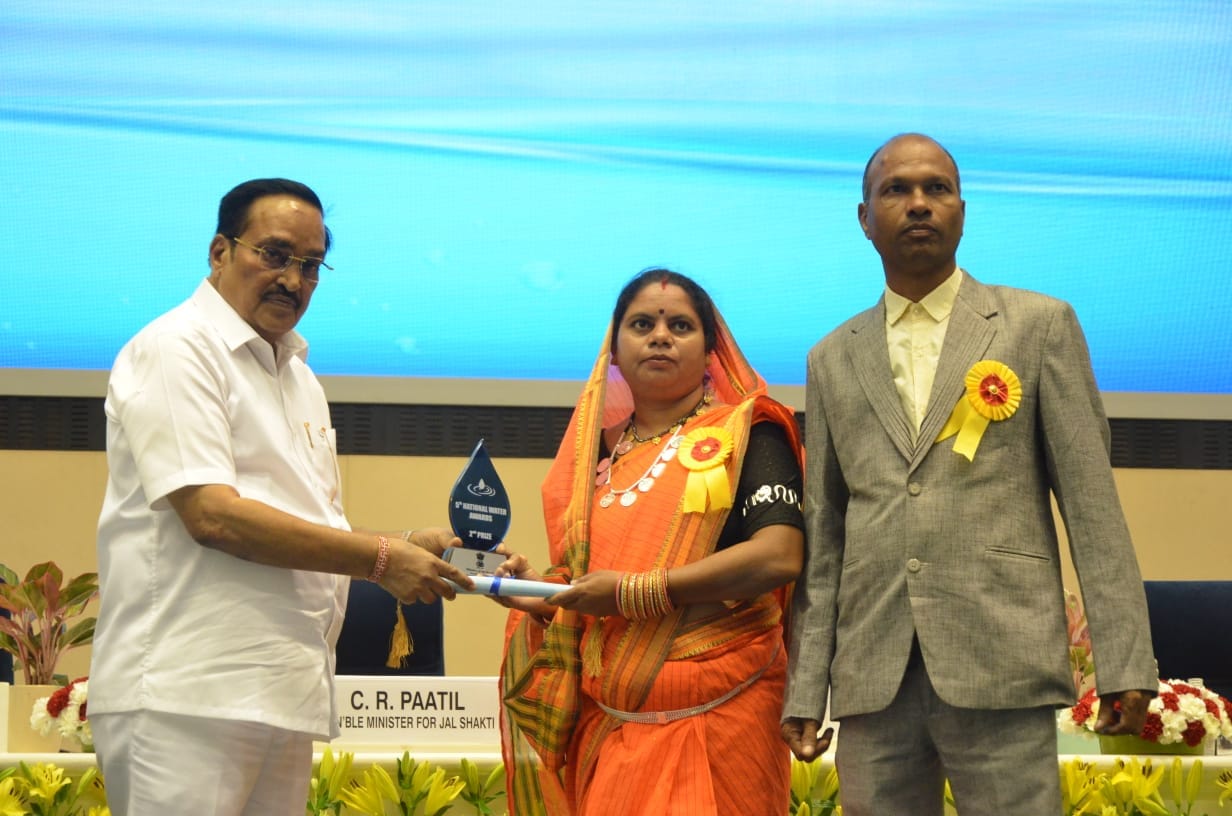


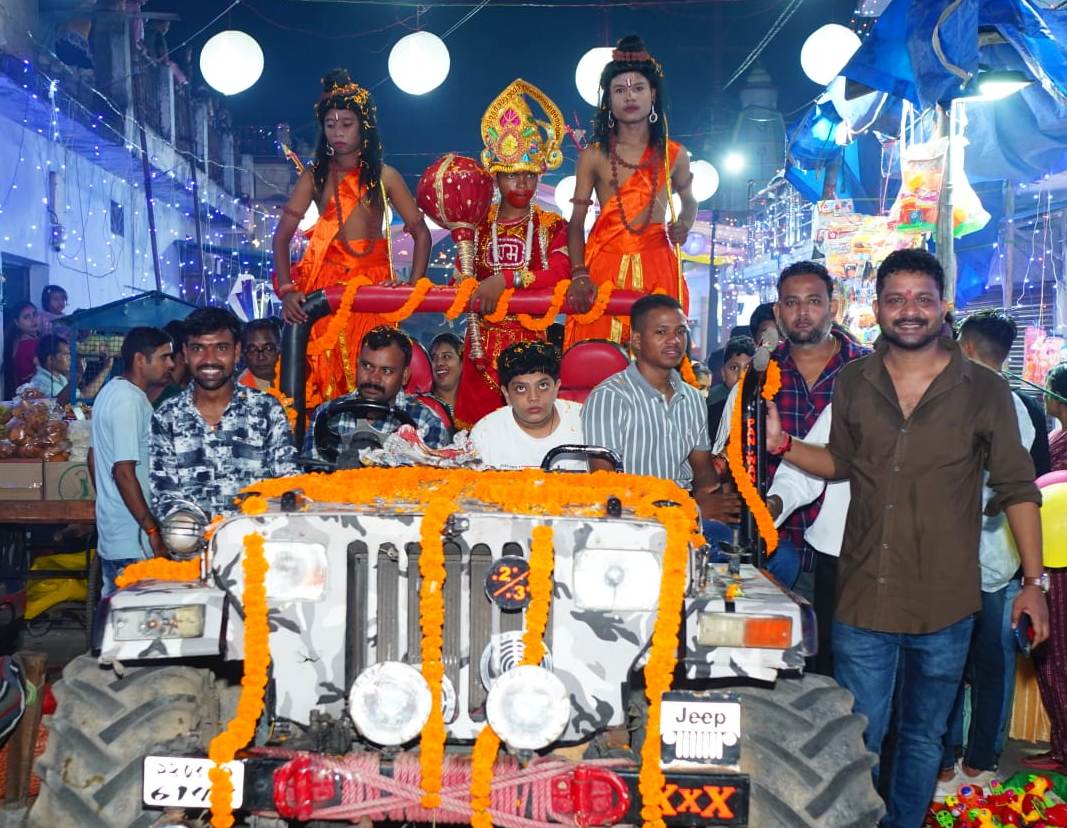
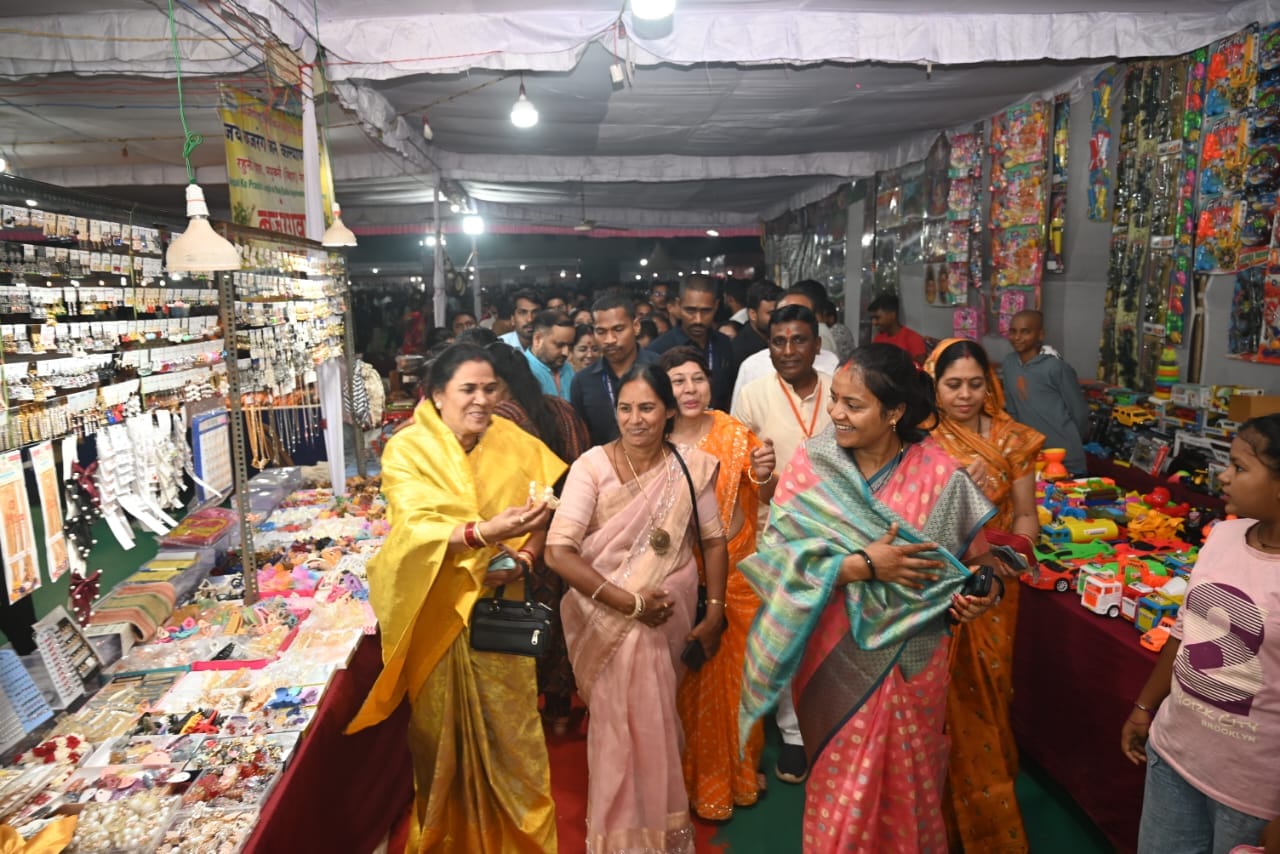
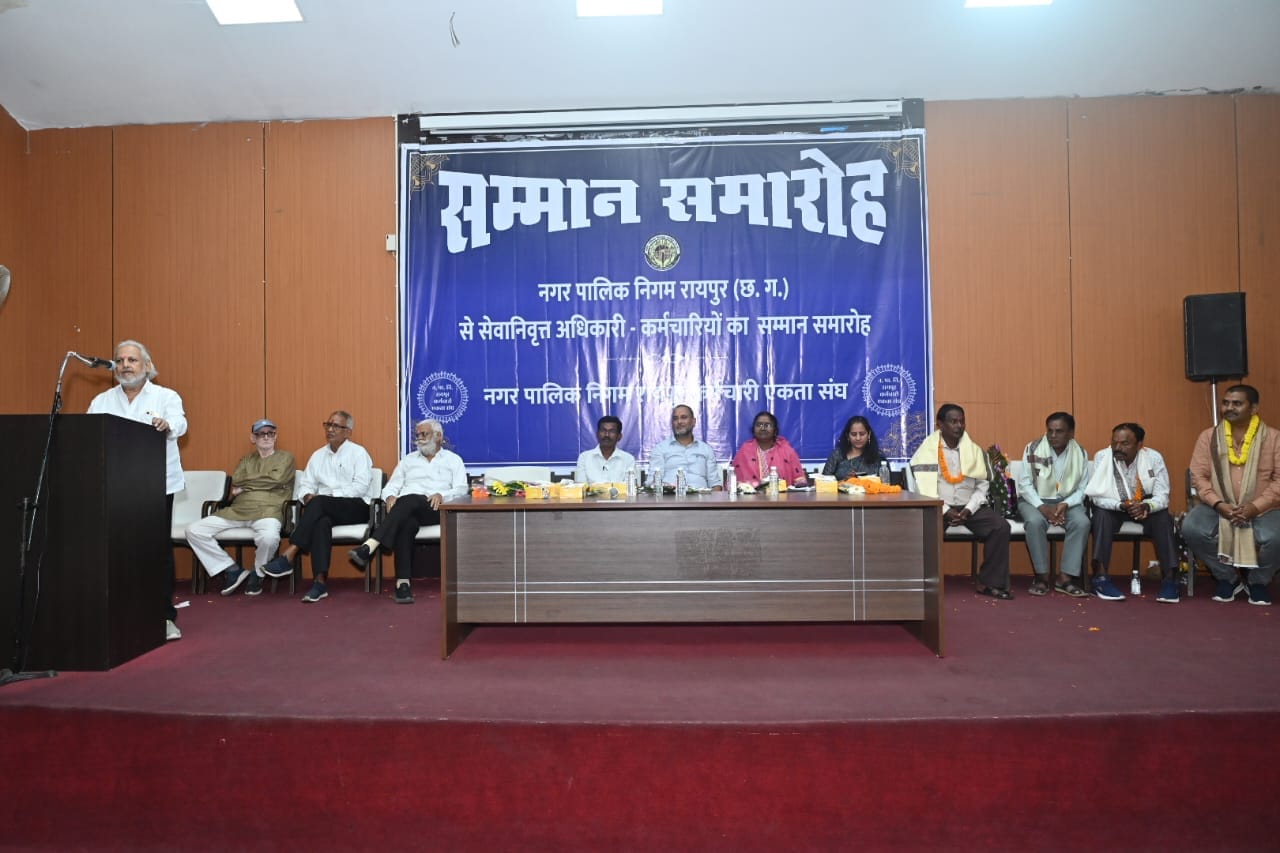
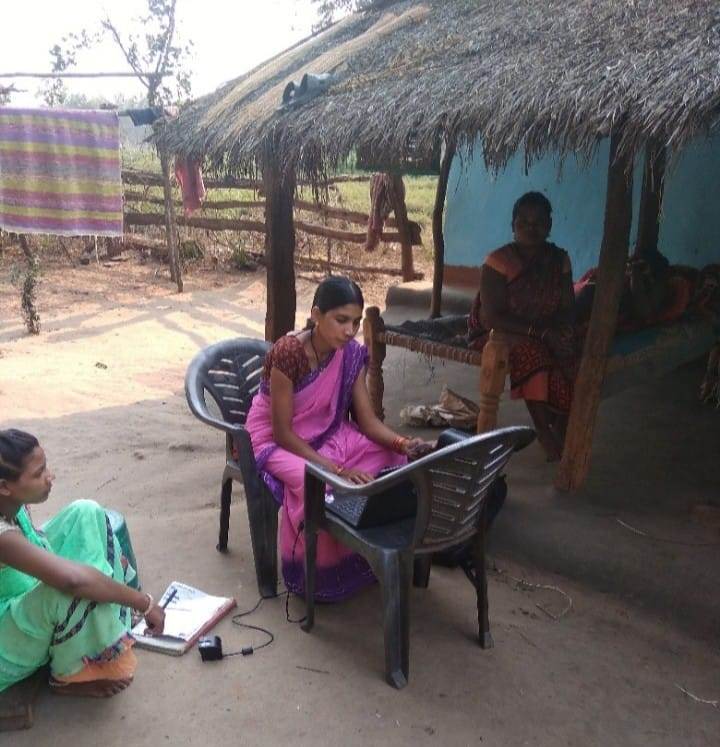
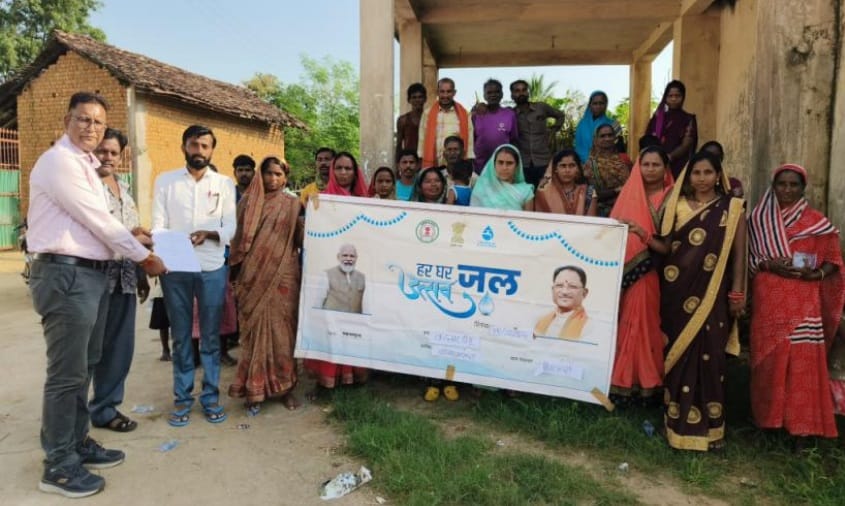
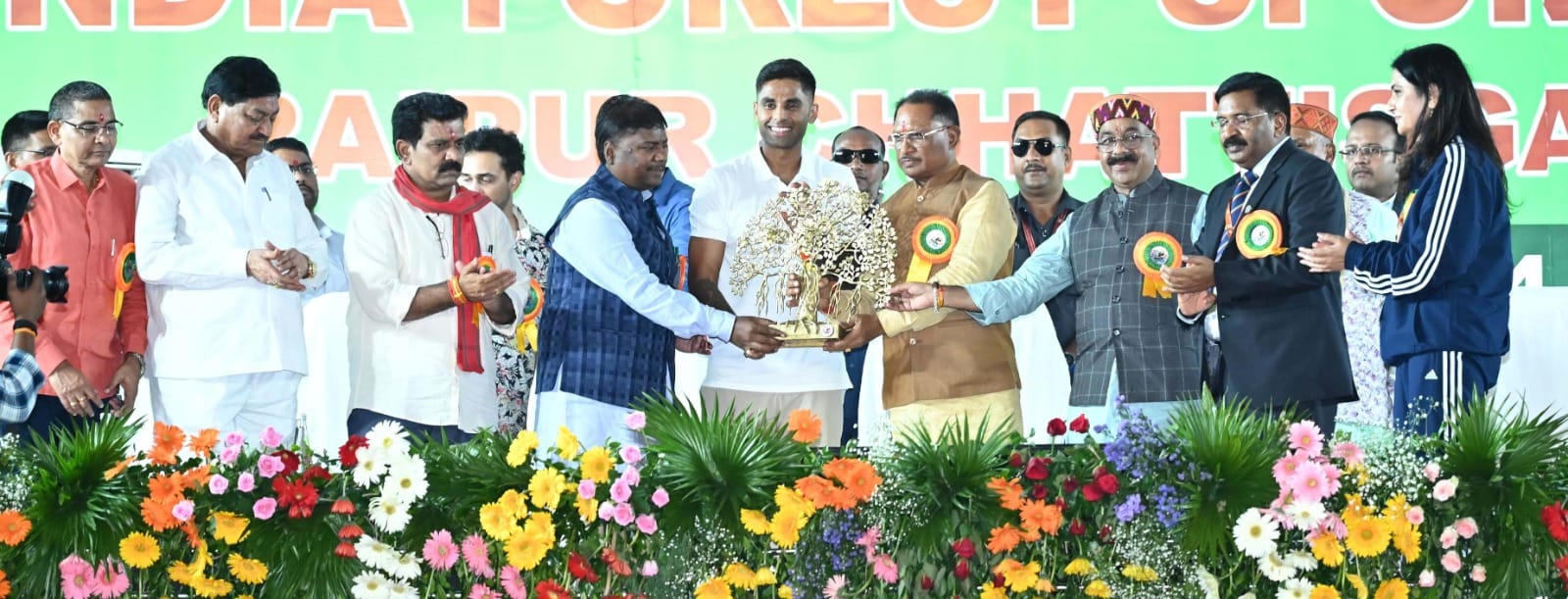

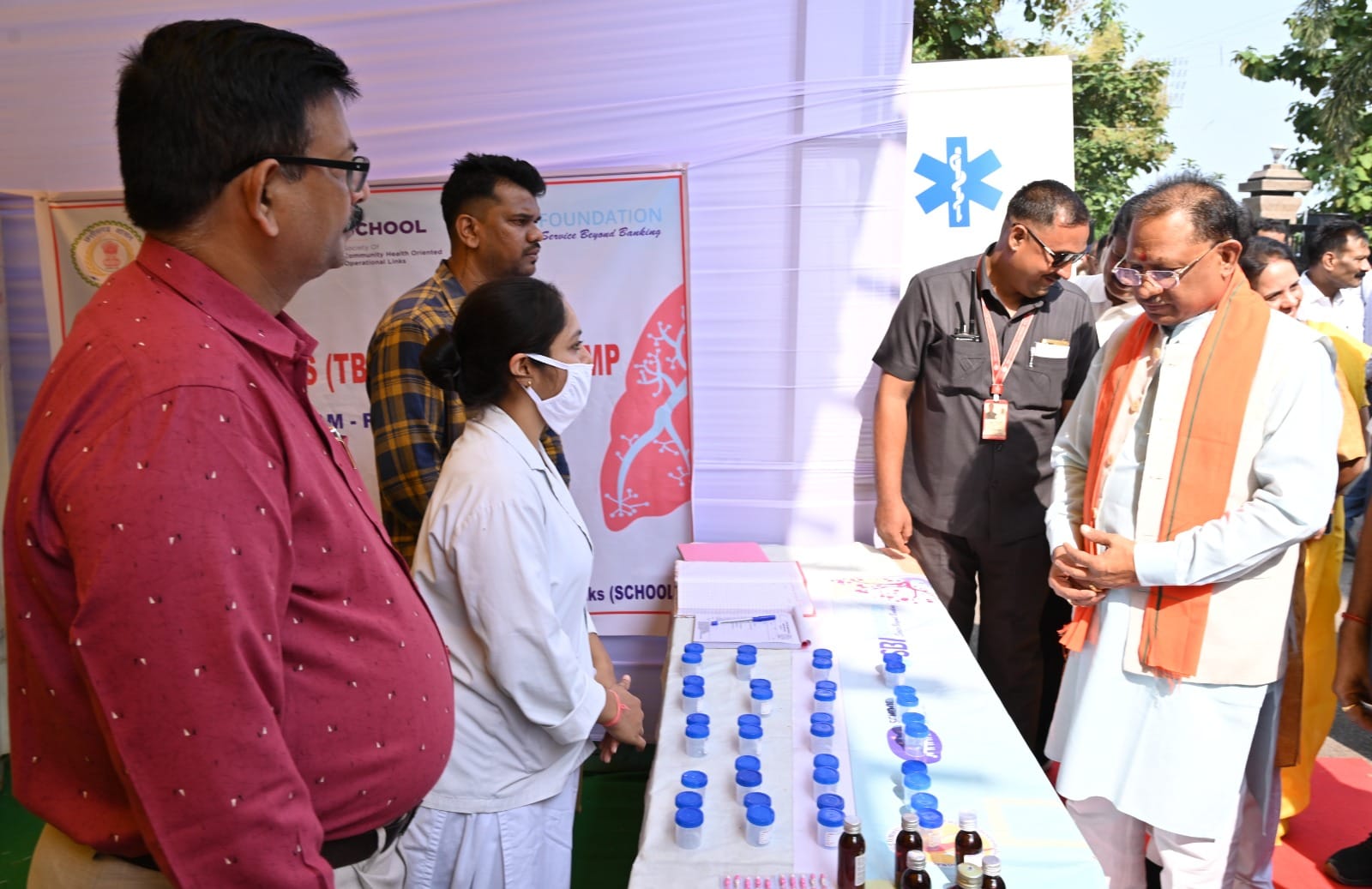
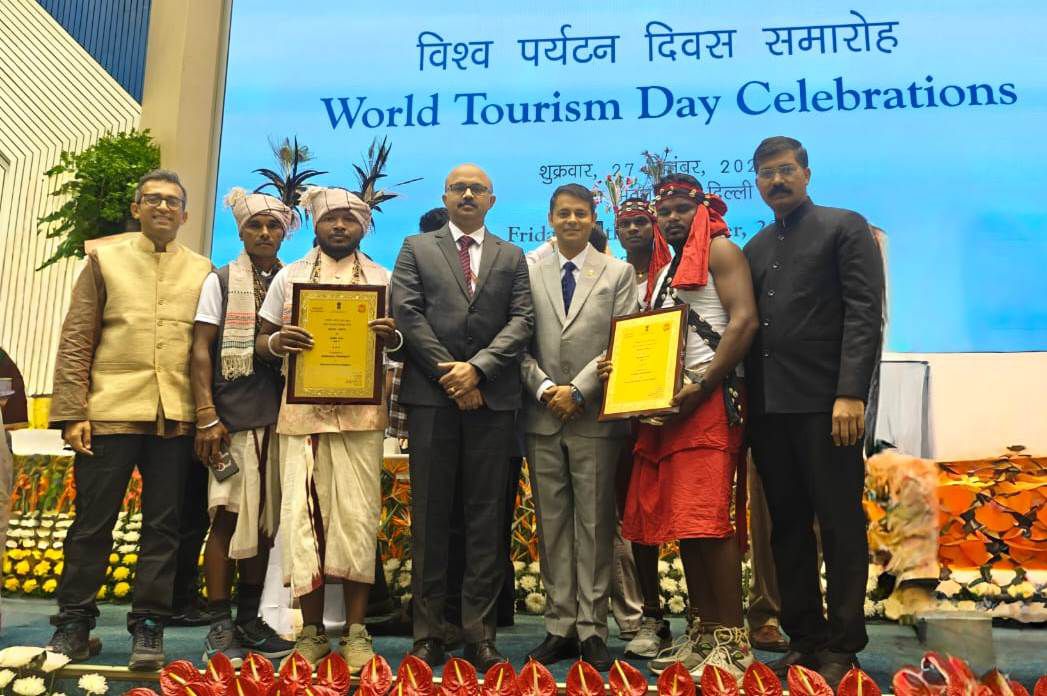
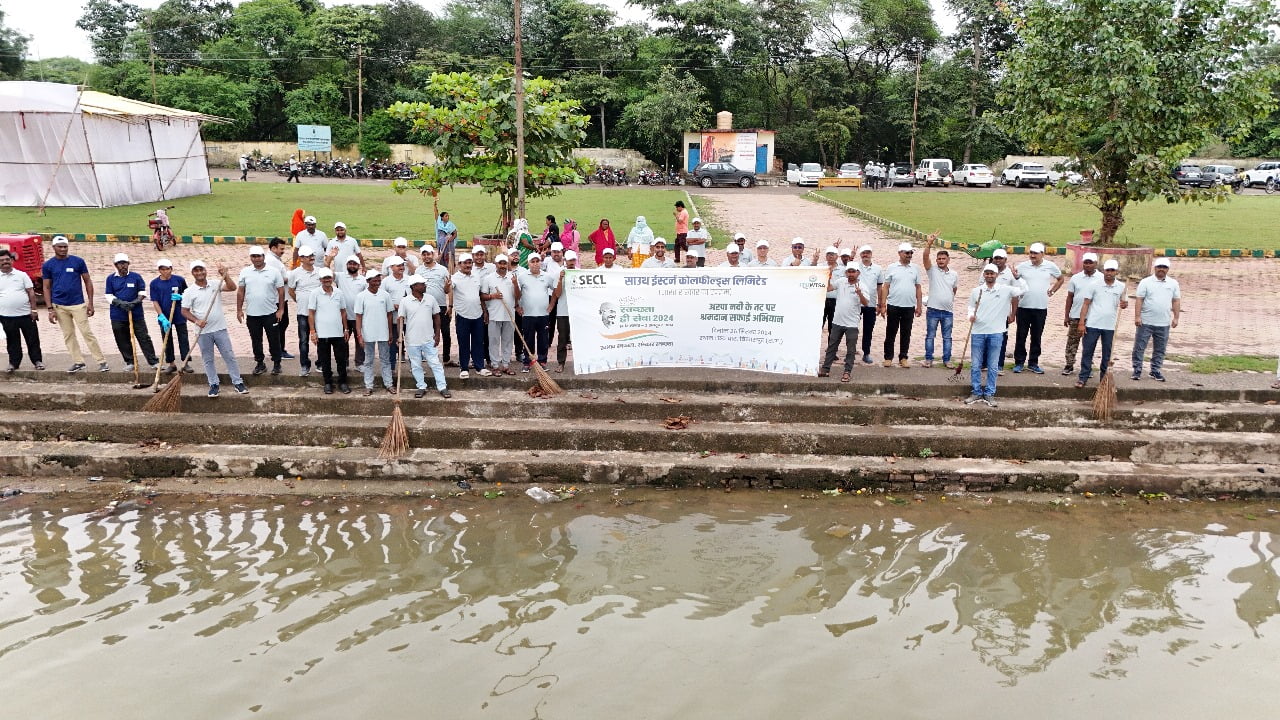


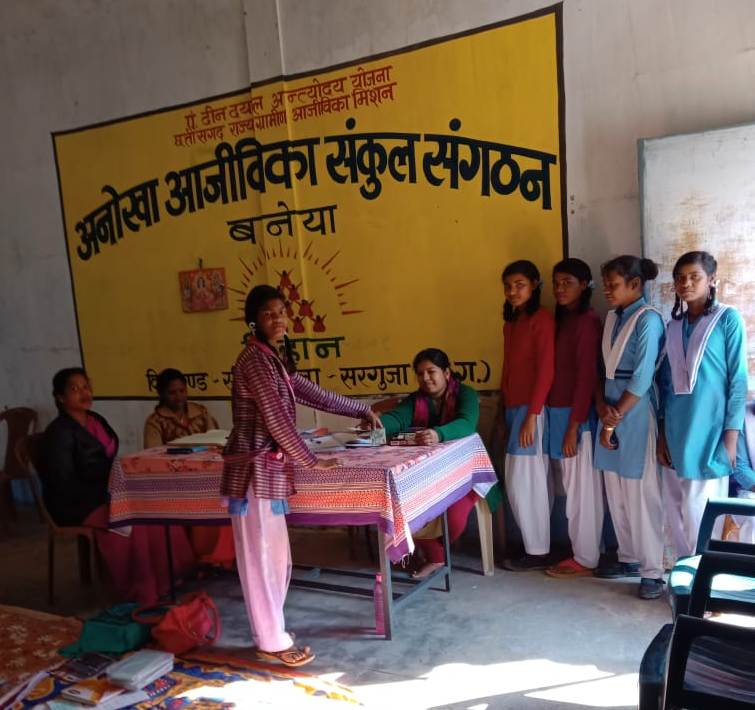
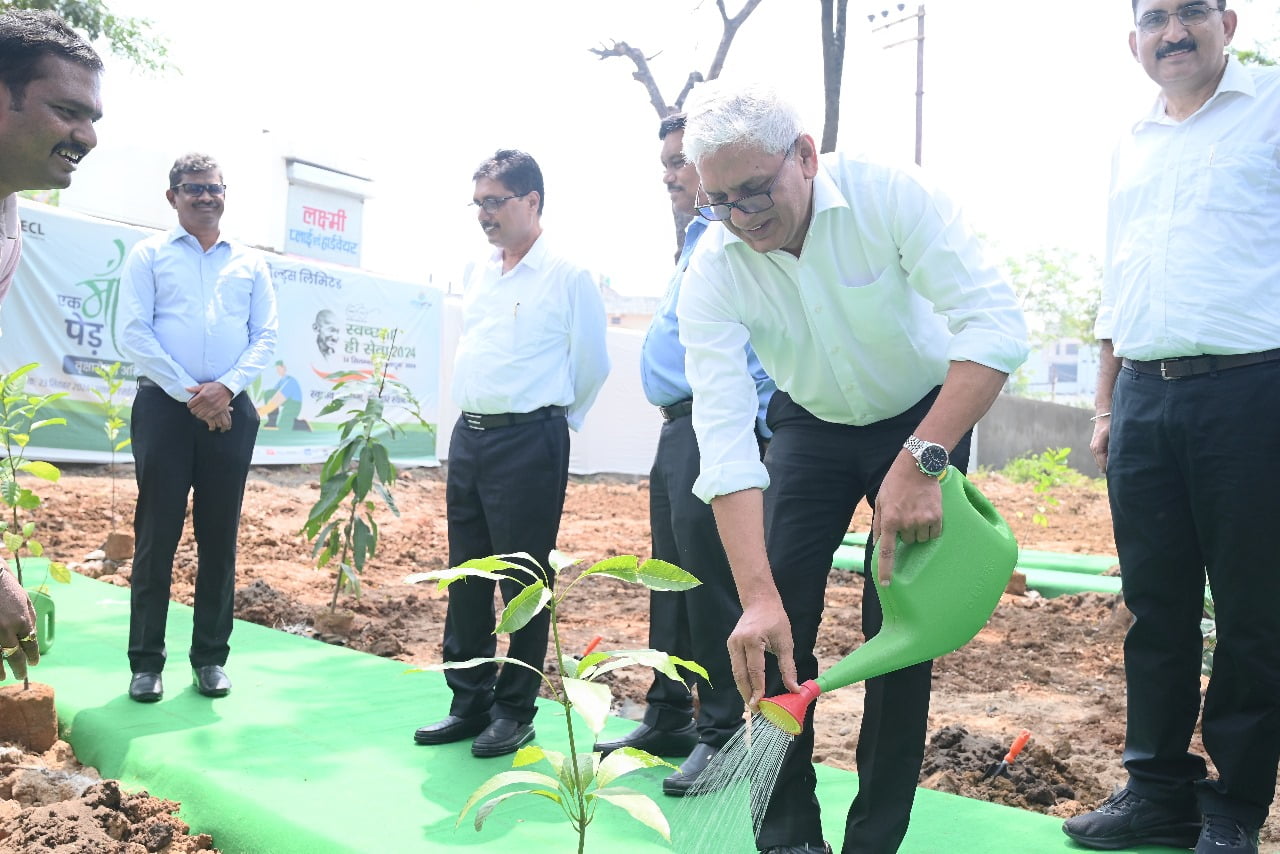
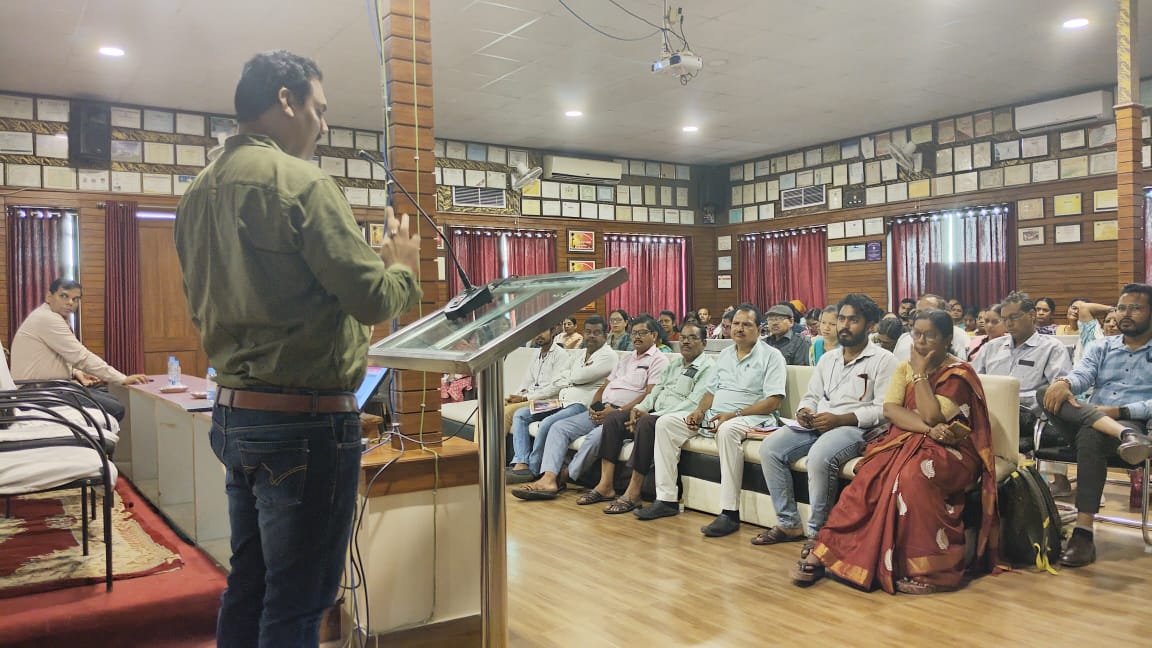
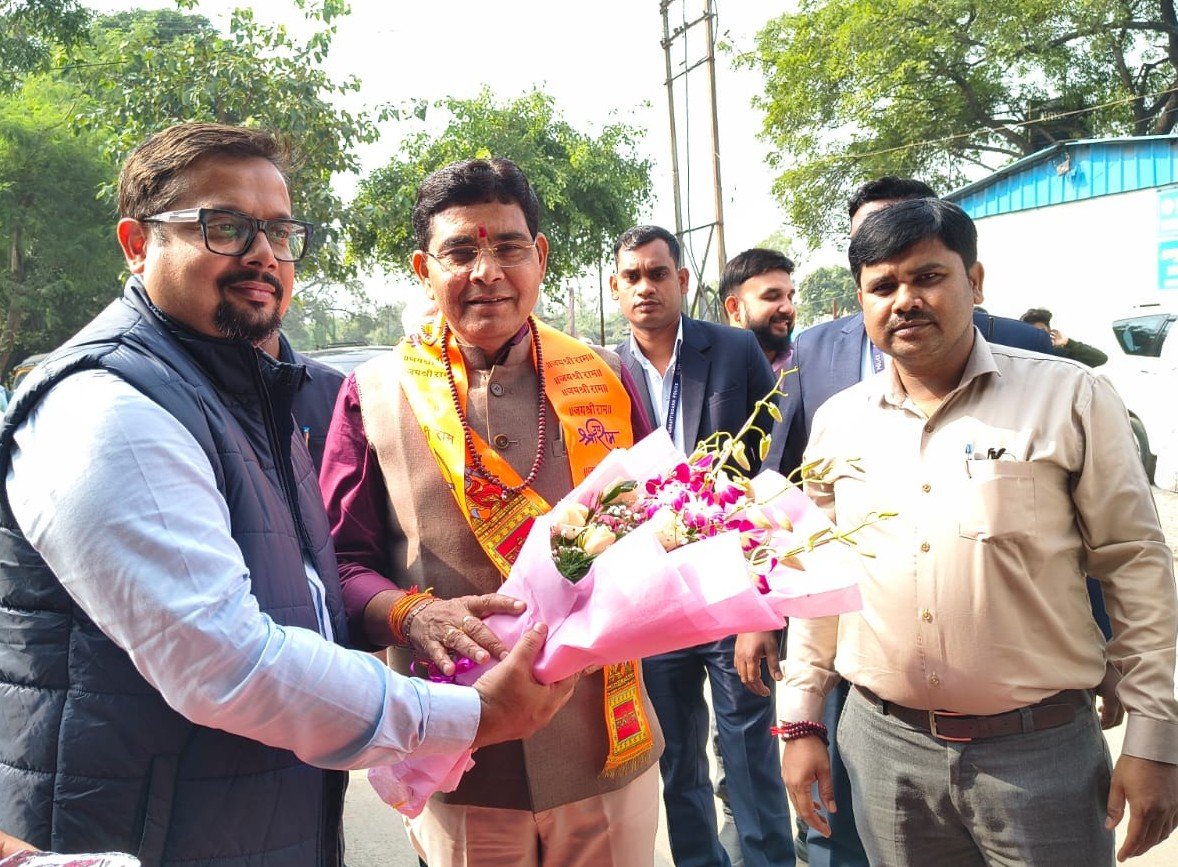
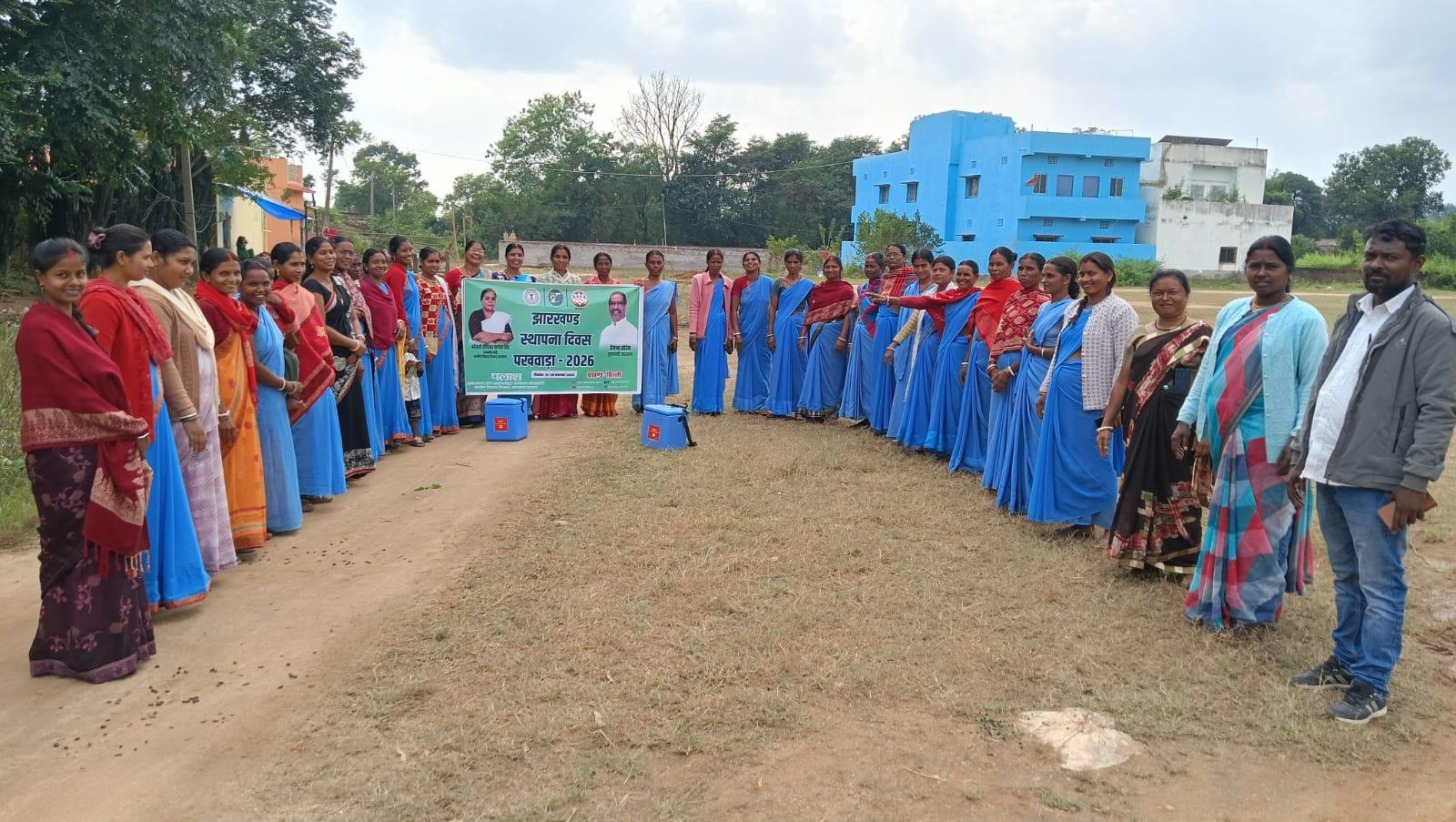

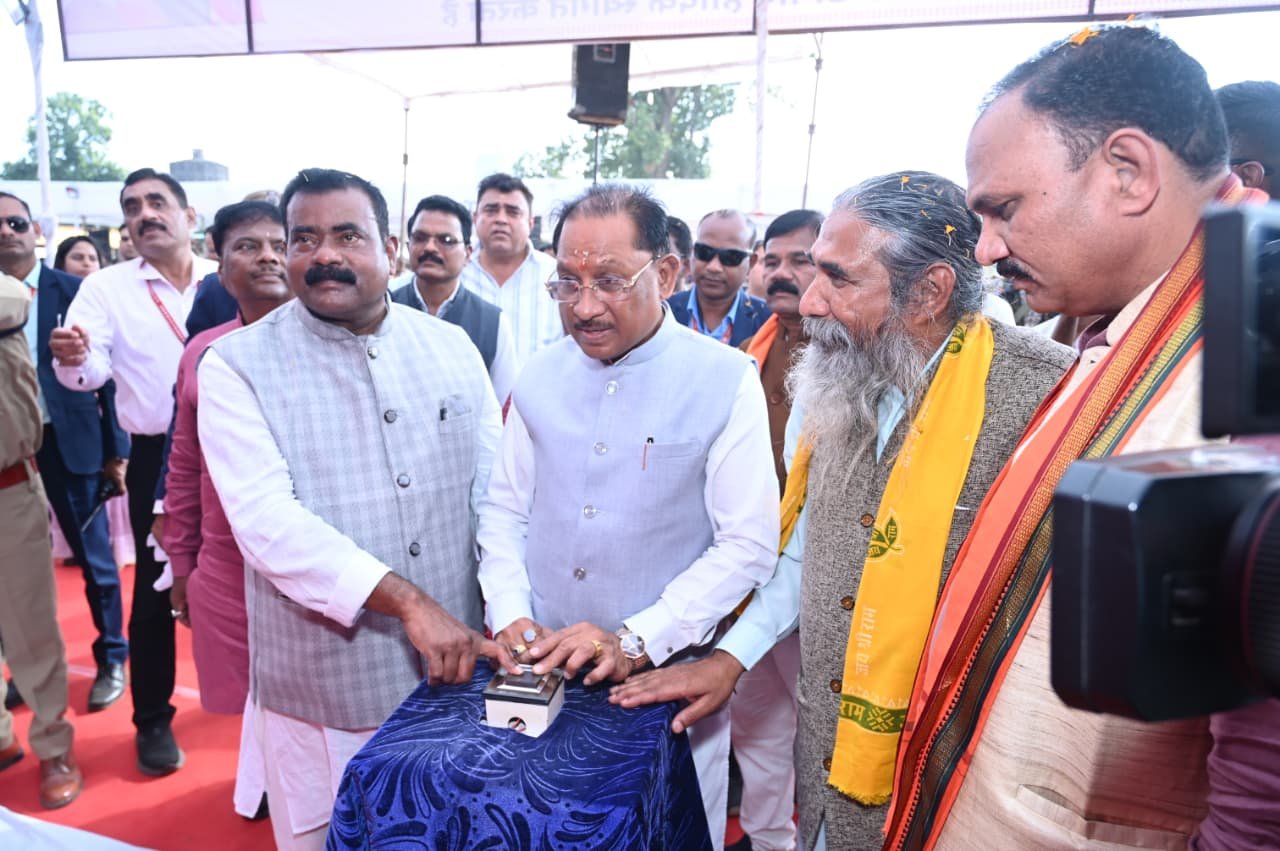

- Health camps, housewarming ceremonies (griha pravesh), agricultural fairs, sports competitions, women’s empowerment initiatives, and cleanliness drives organized across various districts of the state, including Ranchi.
beneficiaries of housing schemes received the gift of permanent homes; farmers were introduced to advanced agricultural techniques, and youth were sensitized on issues such as substance abuse prevention, road safety, and child rights.
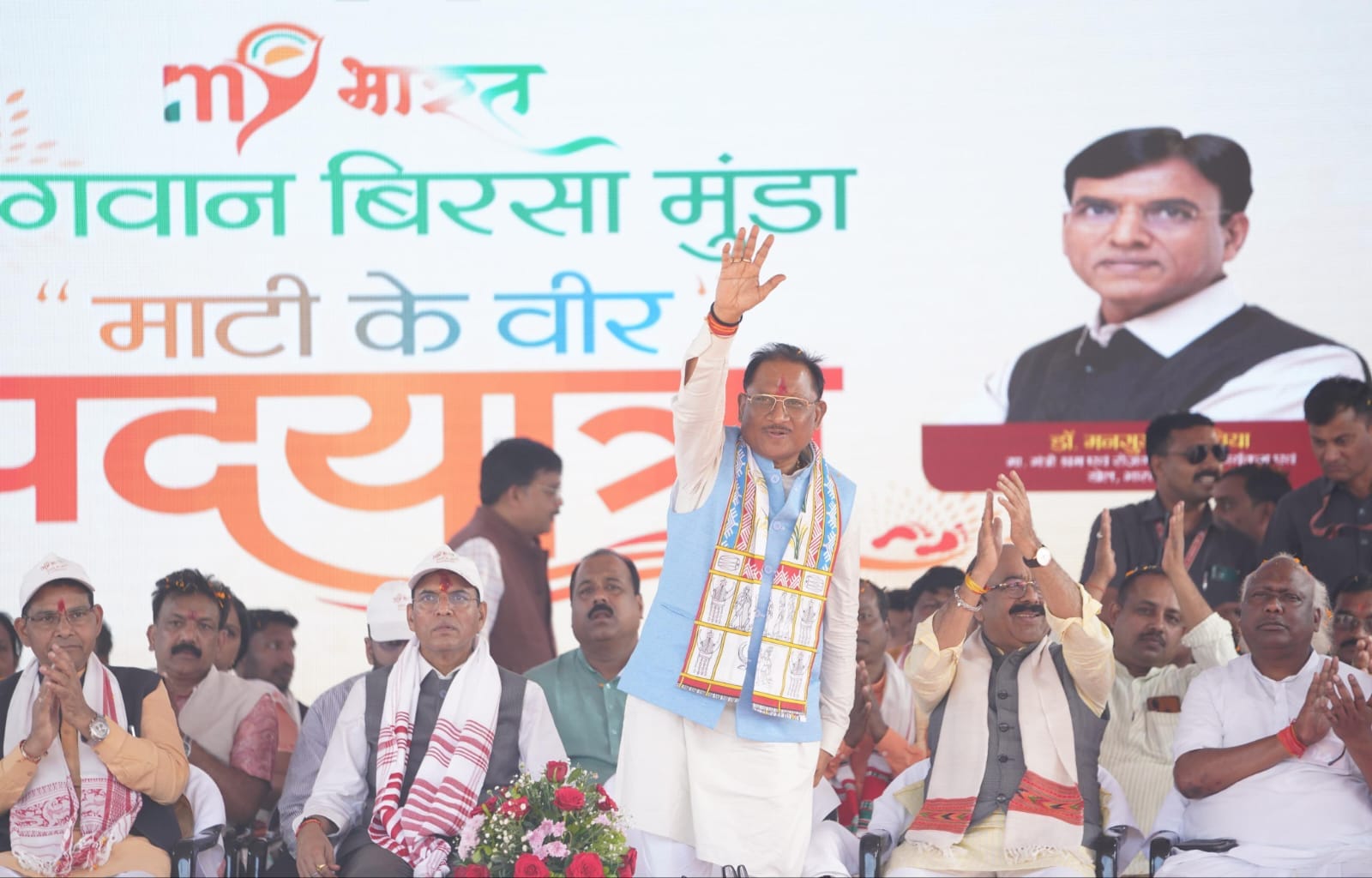
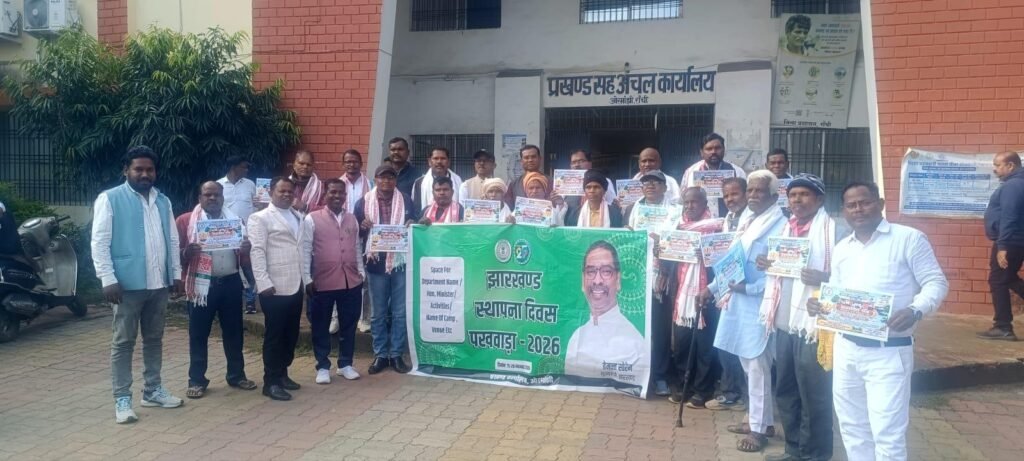
Ranchi, November 23. As part of the ‘Foundation Day Fortnight’—organized to mark the 26th anniversary of the state of Jharkhand—a wide range of activities focused on development, public welfare, cultural preservation, and social awareness were held across the state on Monday.
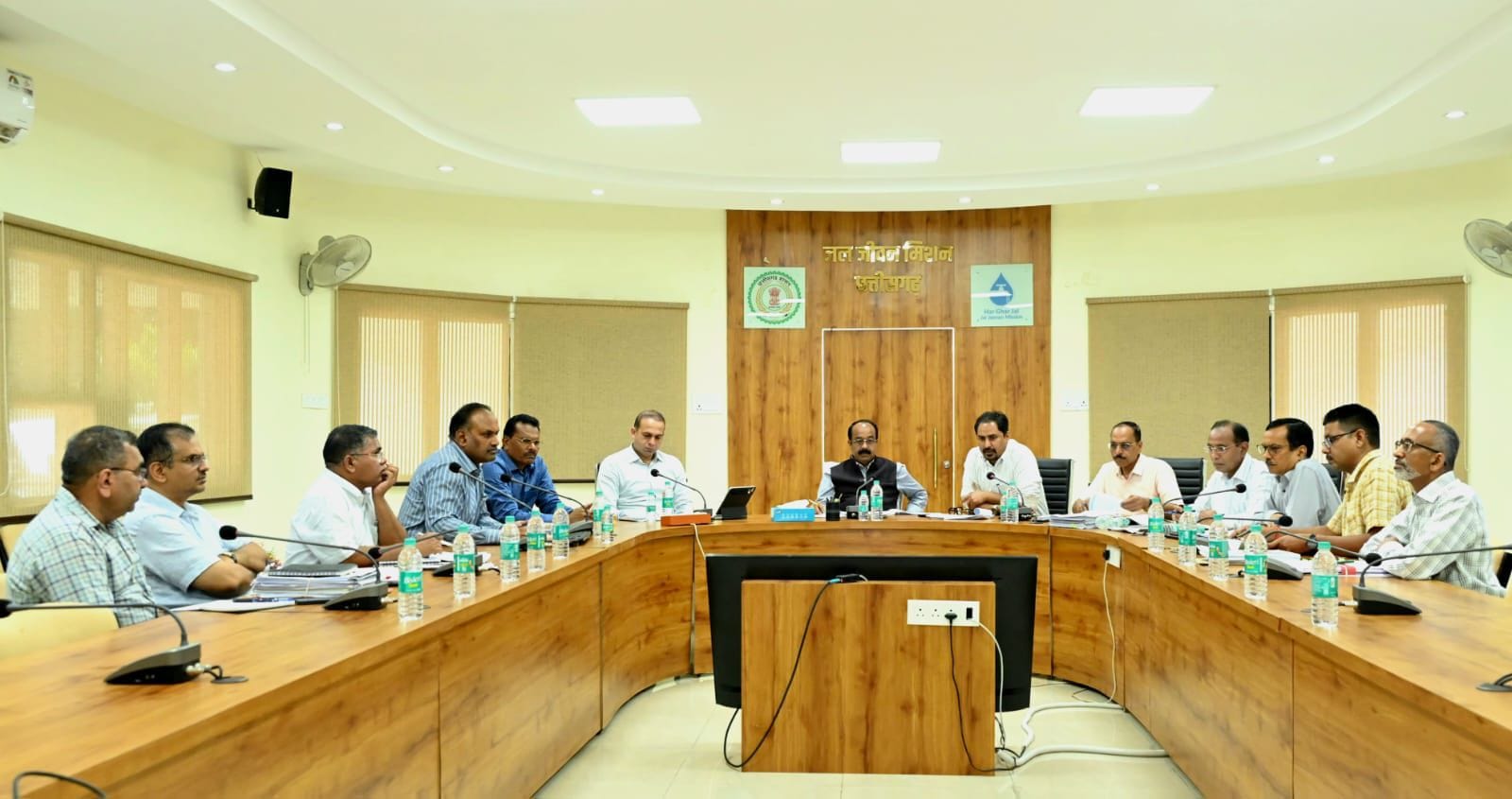
These events, spanning from the panchayat to the district level, prioritized sectors including rural development, agriculture, animal husbandry, health, education, women’s empowerment, sports, sanitation, and environmental conservation. The initiatives emphasized both the delivery of government scheme benefits to the last person in line and the strengthening of public participation.

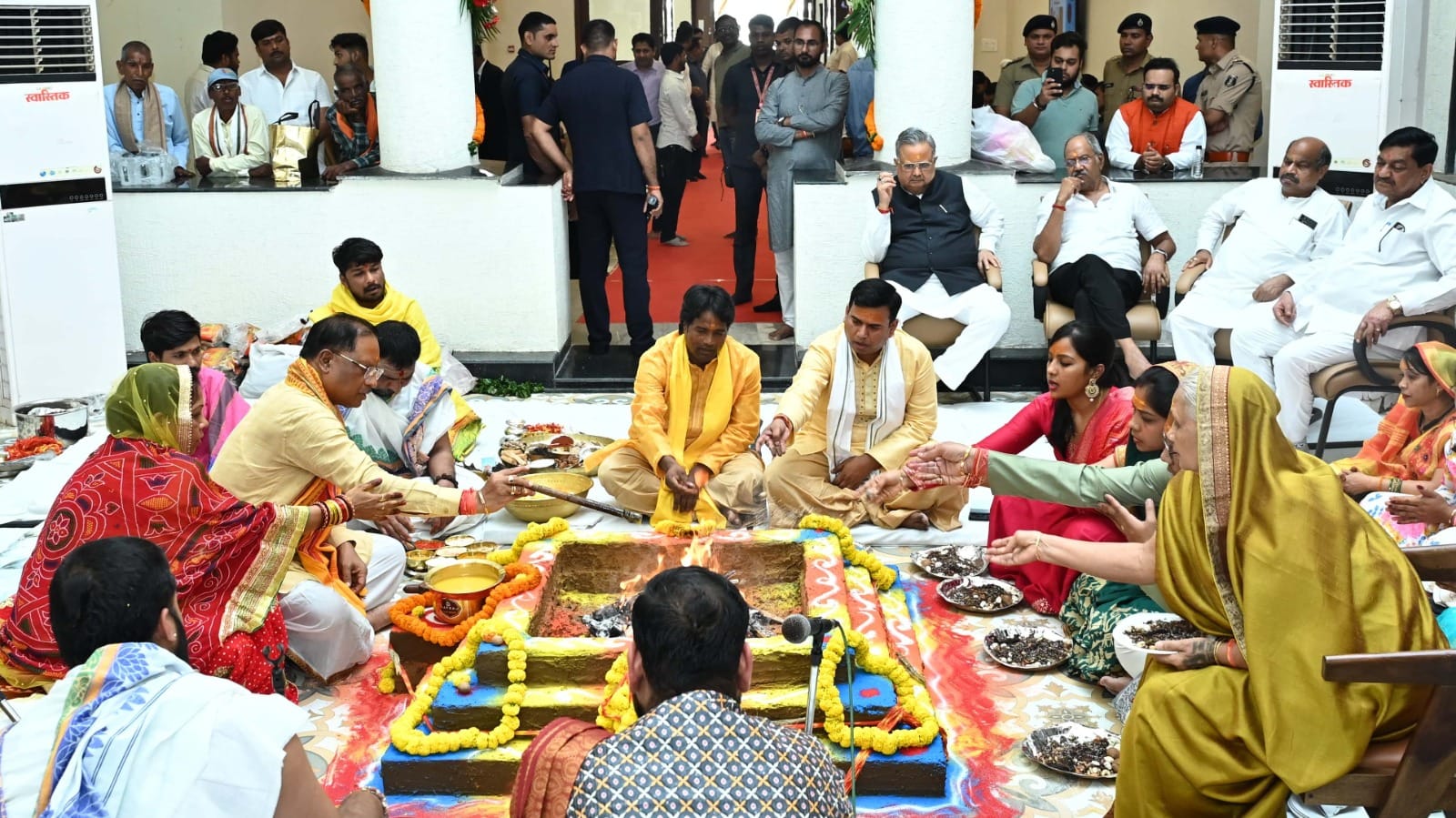
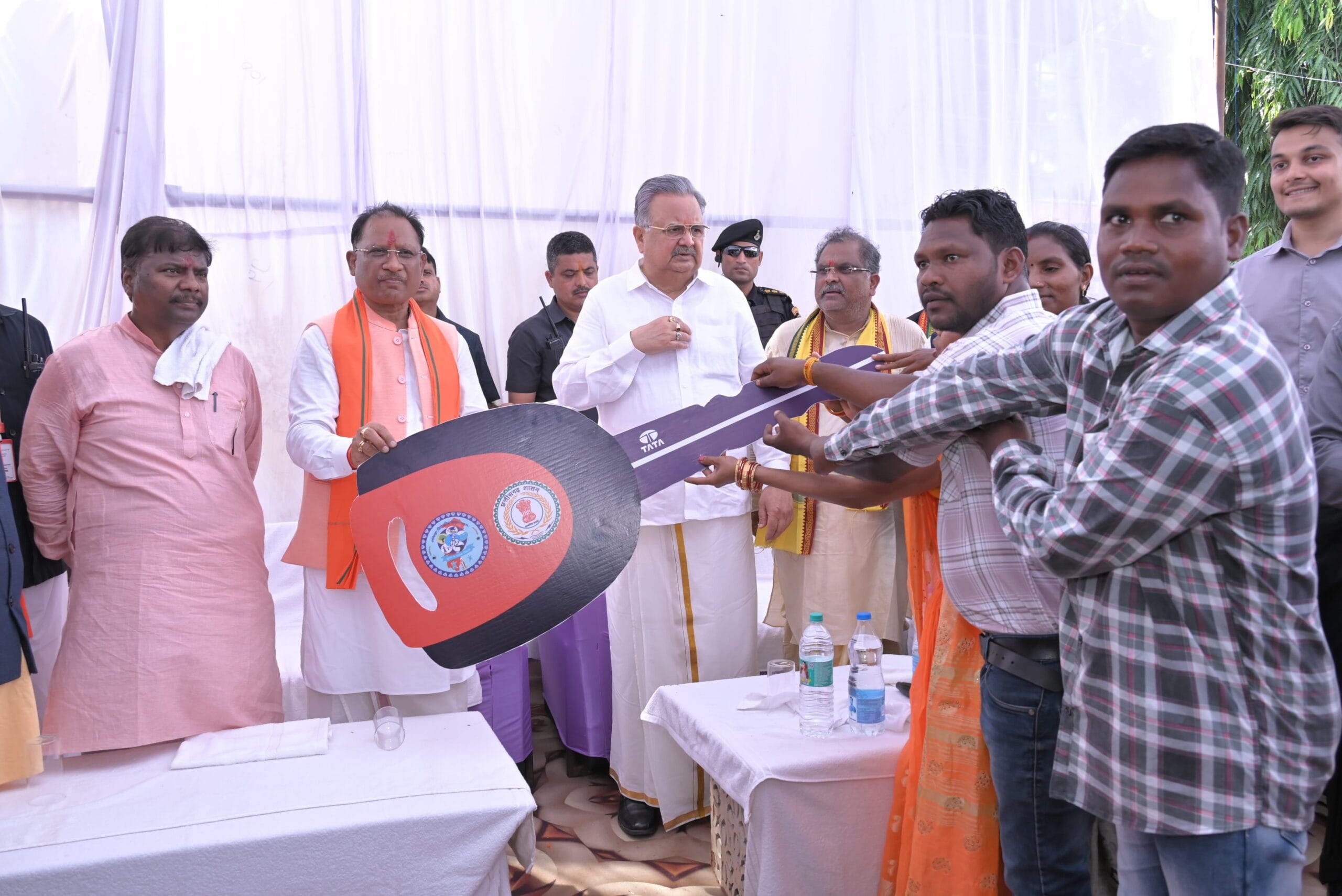
- Dreams of a Permanent Home Realized Through Griha Pravesh
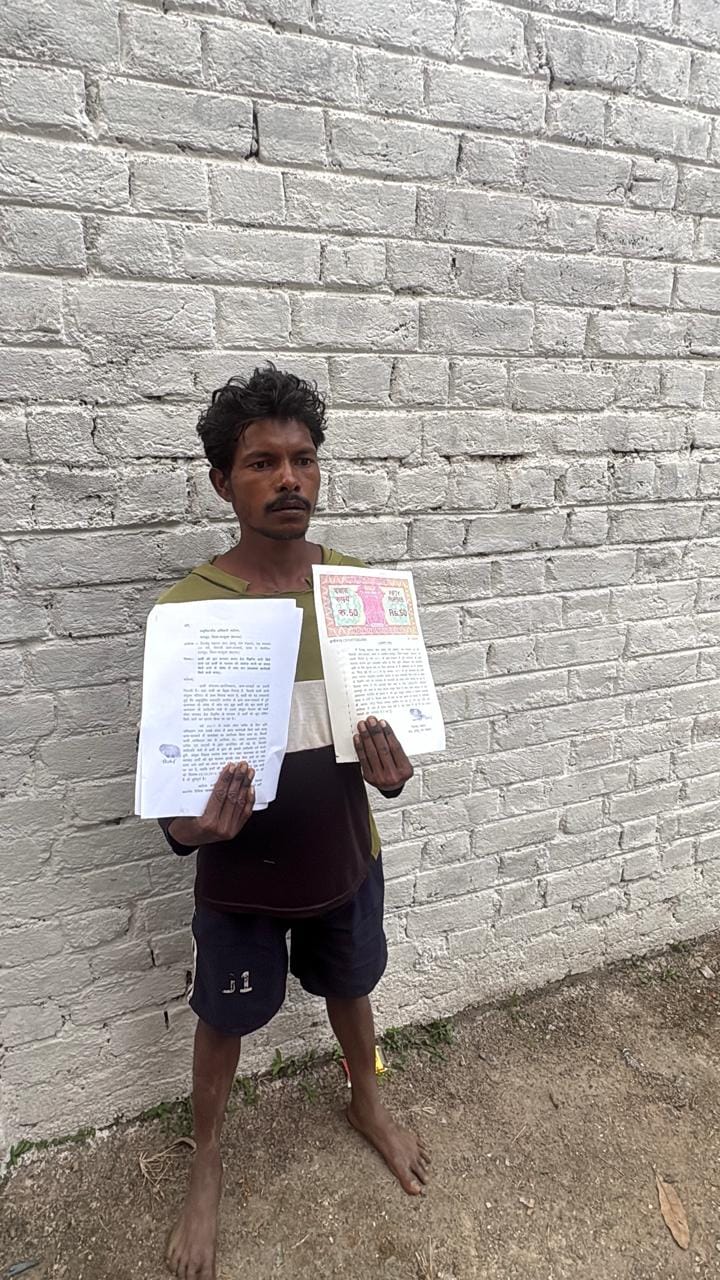
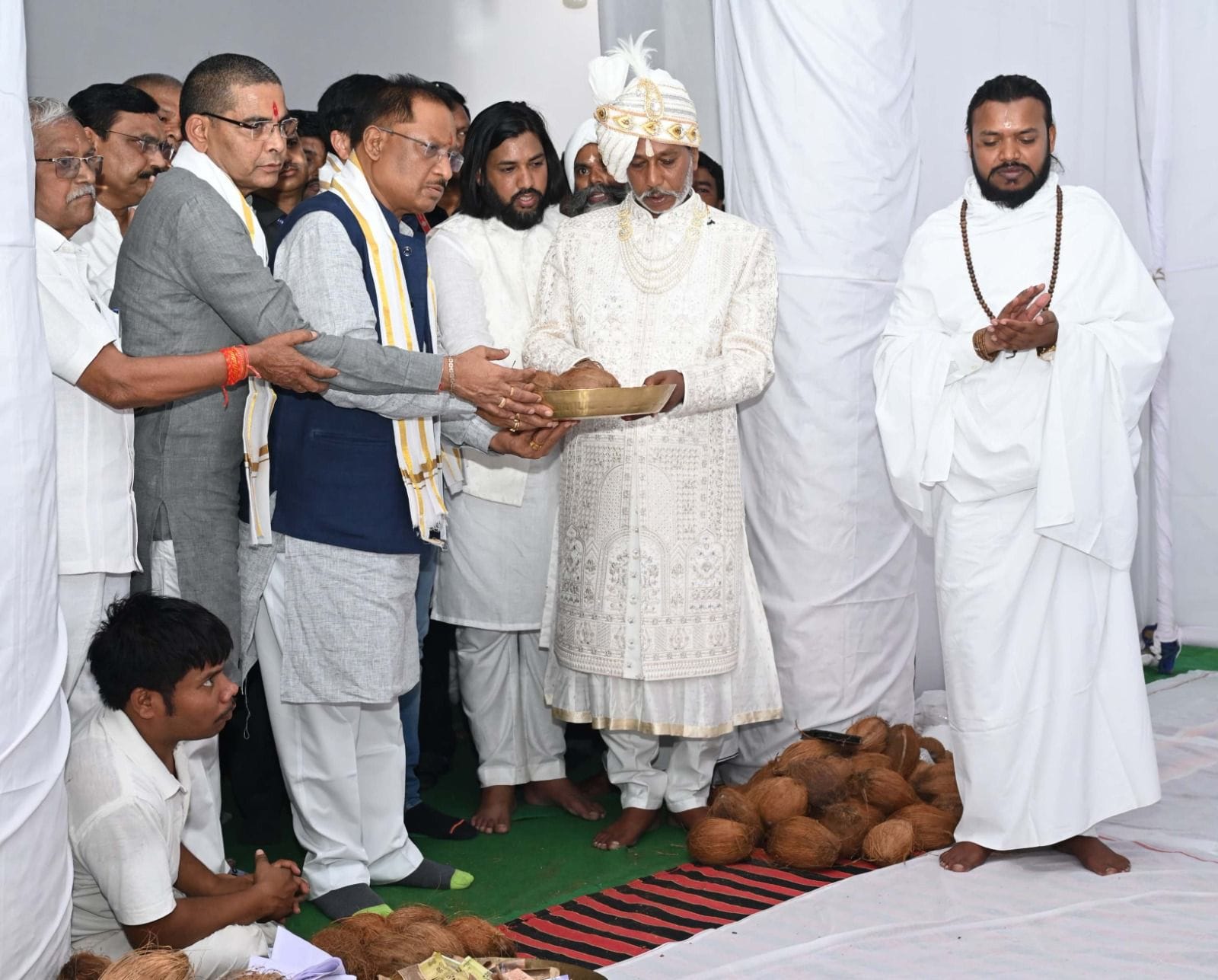
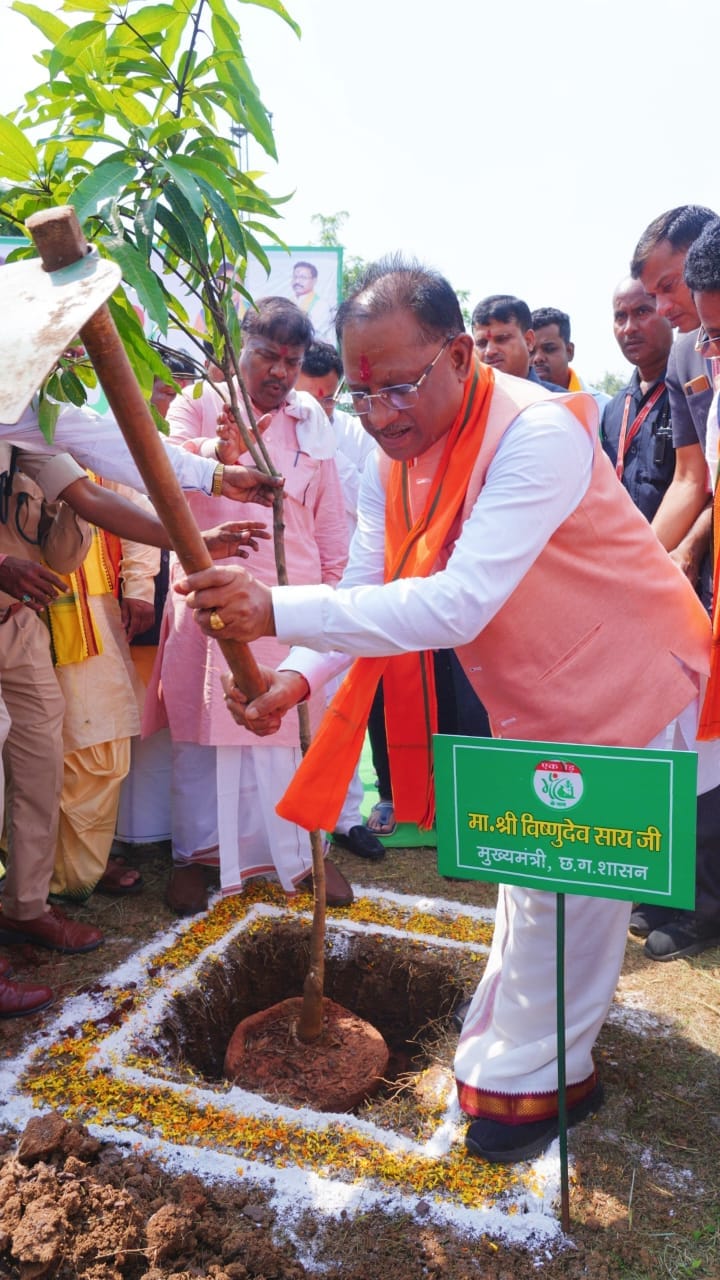
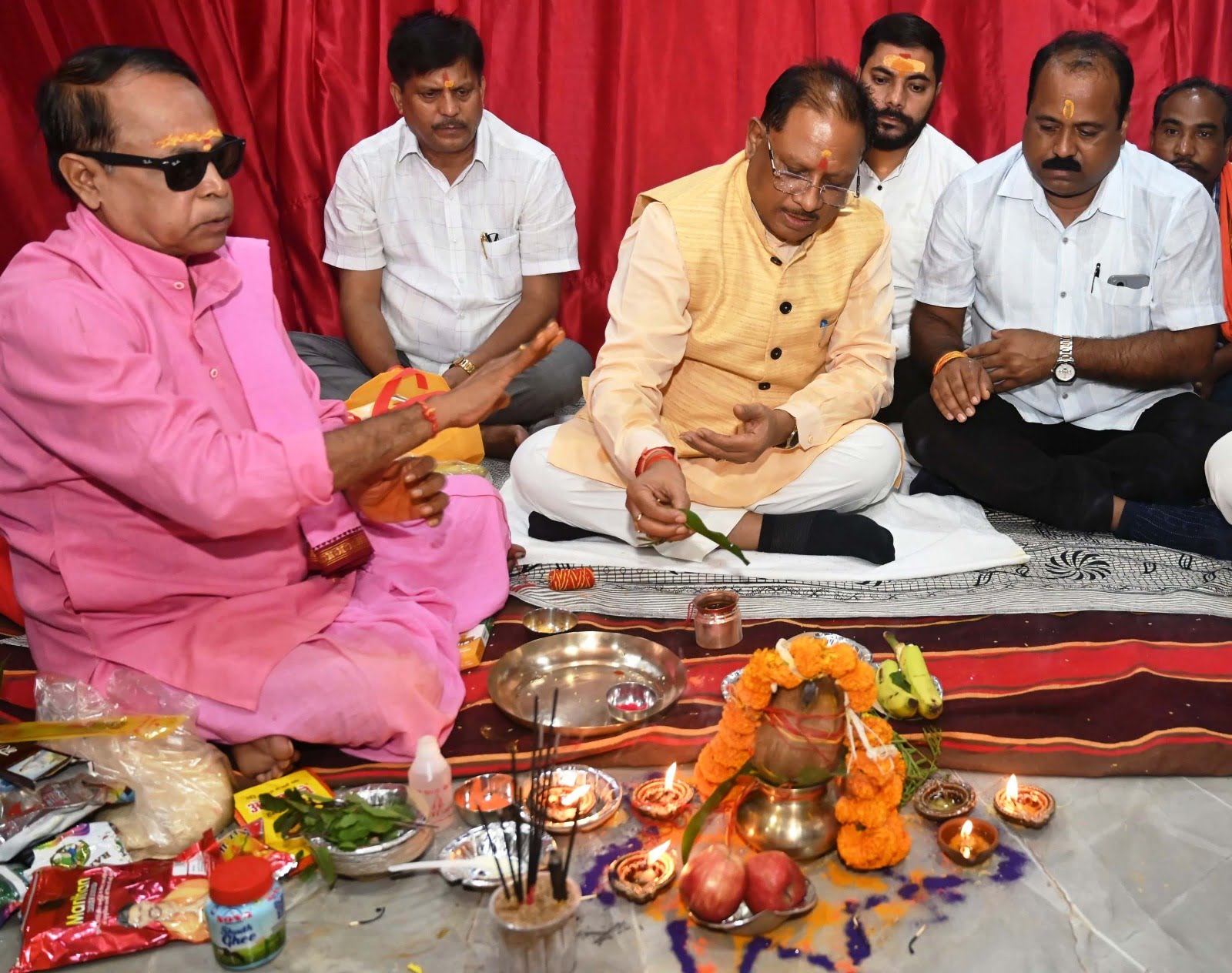
Under this fortnight-long celebration, beneficiaries of schemes such as the Pradhan Mantri Awas Yojana (Gramin), Abua Awas Yojana, PM-JANMAN, and the Baba Saheb Bhimrao Ambedkar Awas Yojana moved into their newly constructed homes. In Seraikela-Kharsawan, 76 families moved into their new homes on November 23; a total of 677 households in the district have held griha pravesh ceremonies between November 17 and 23. Beneficiaries in other districts—including 41 families in Koderma, residents in areas like Chakulia (Jamshedpur), and 29 families in Godda—also received the gift of a permanent home. In many locations, families were honored with saplings and congratulatory letters.
- Support and Encouragement for Farmers and Livestock Rearers
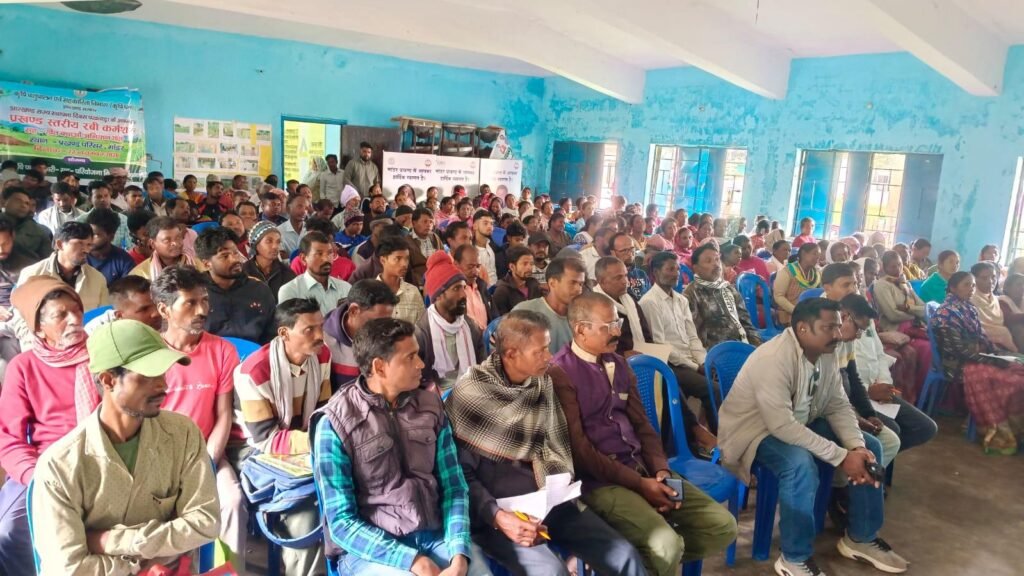
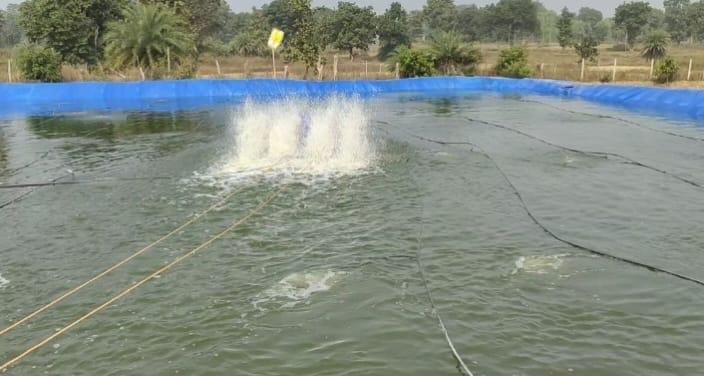
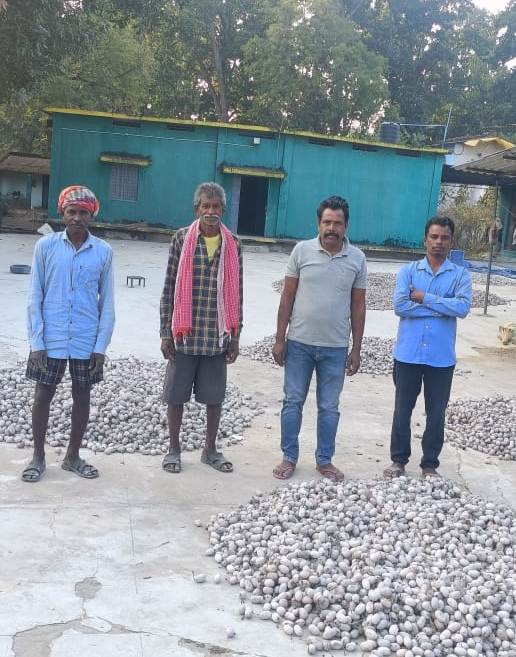
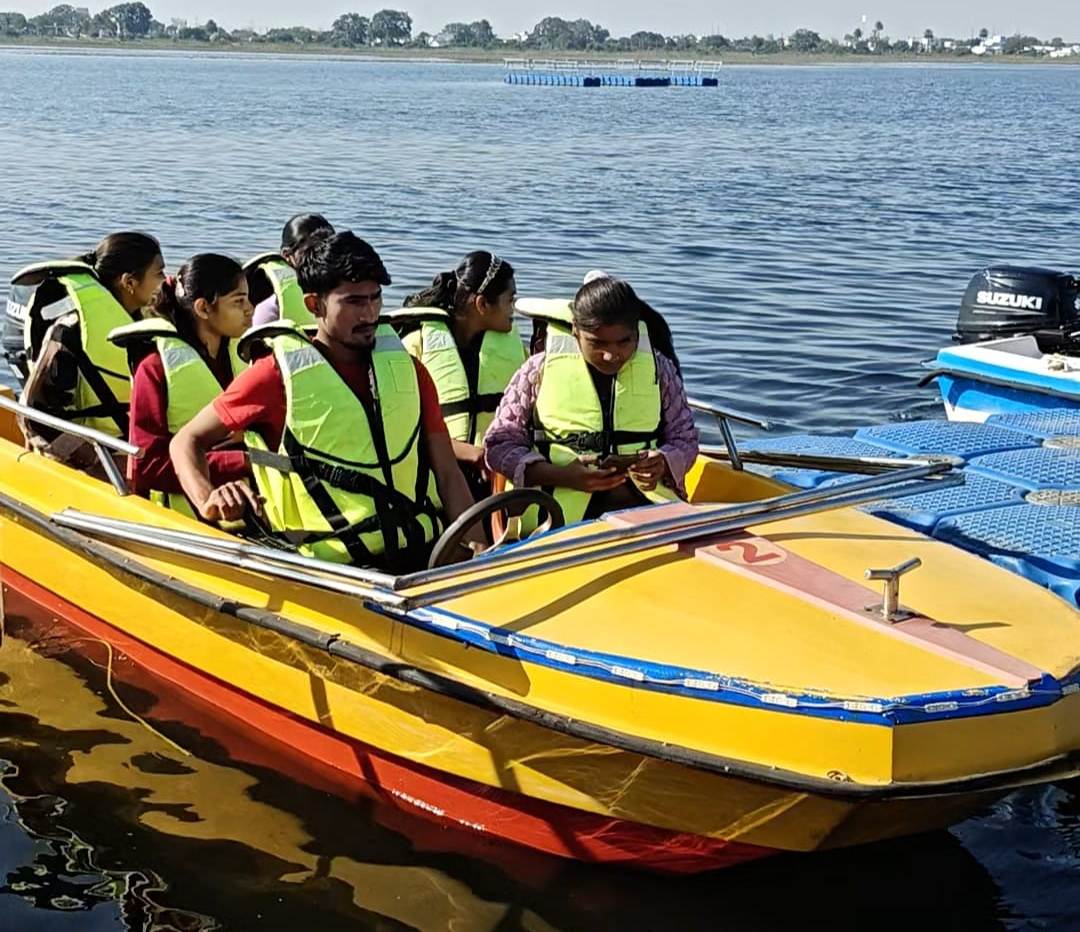
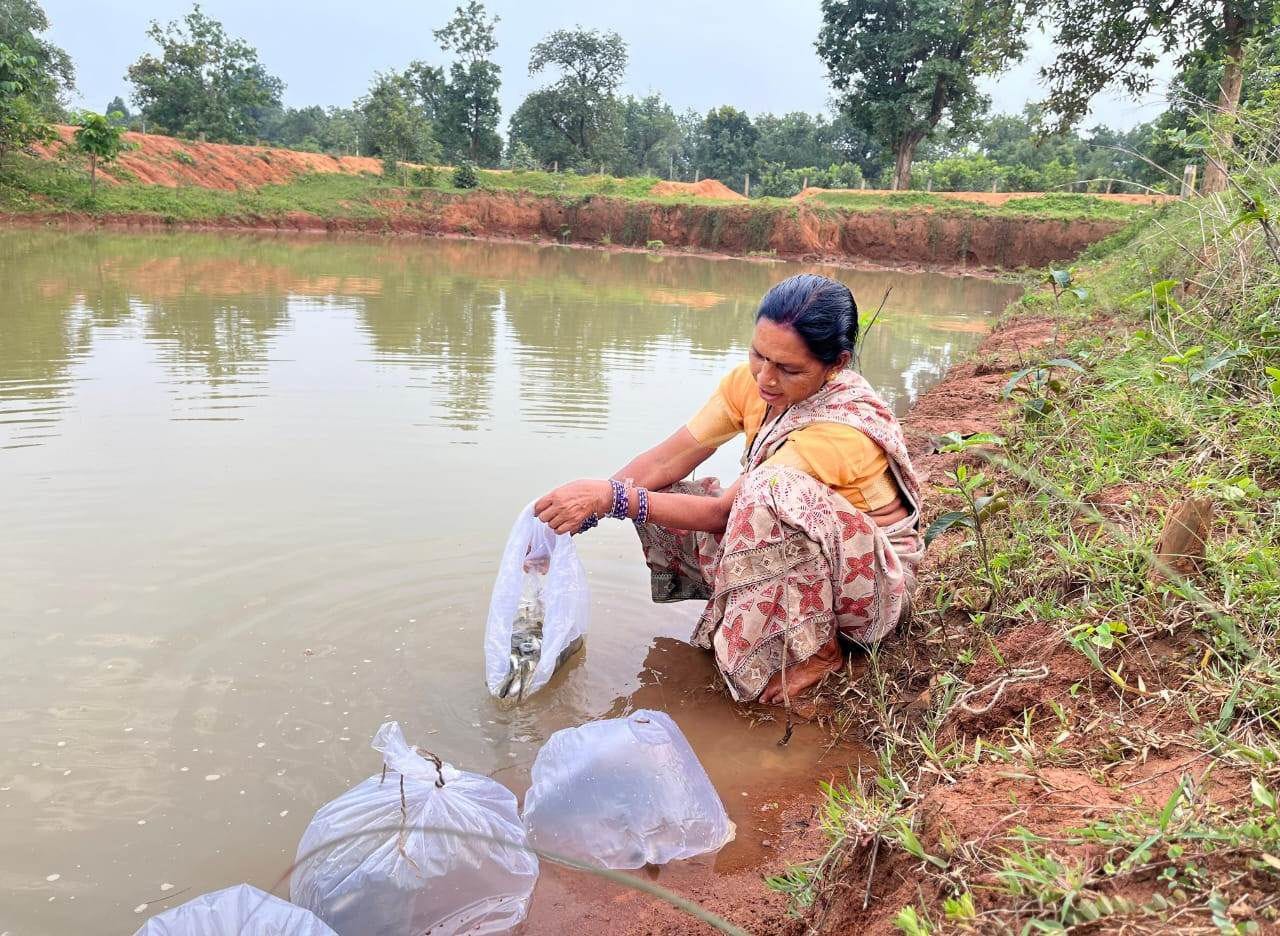
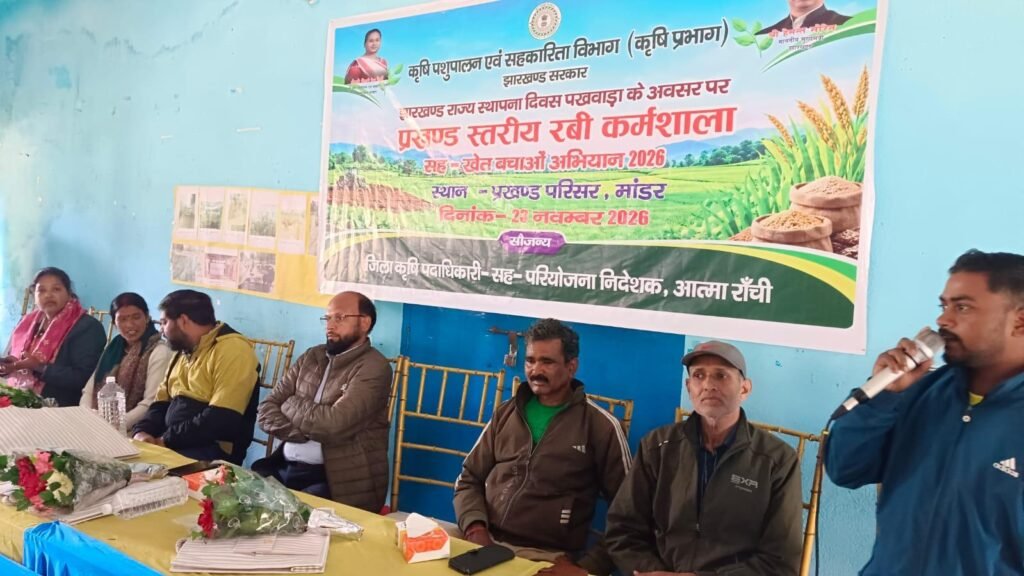
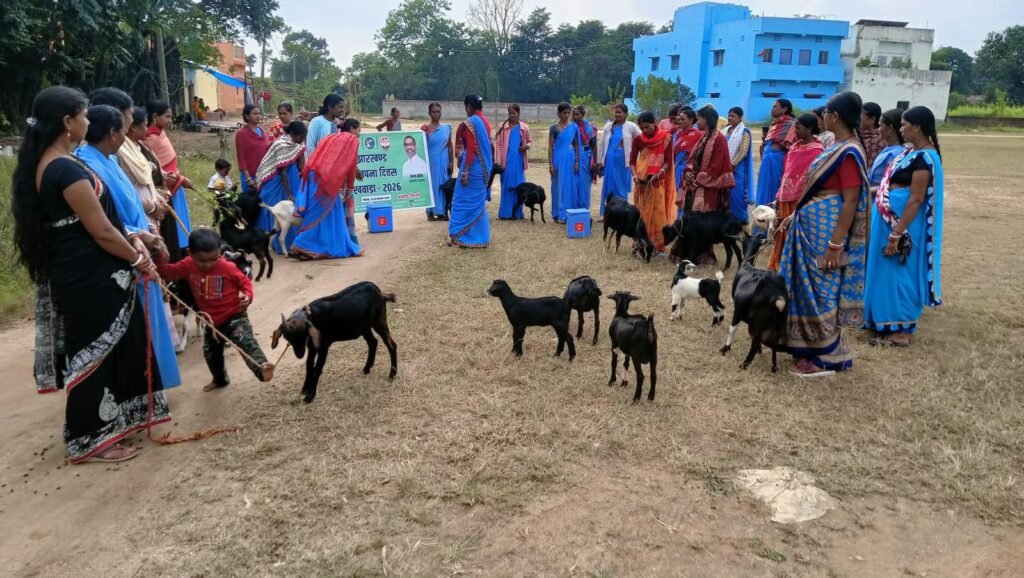
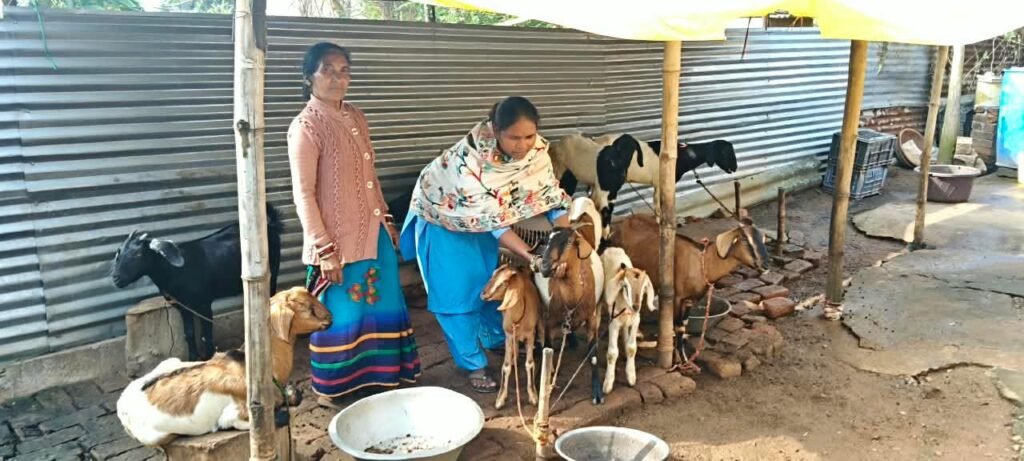
Agricultural fairs, Rabi (winter crop) workshops, seed distribution drives, and camps focused on animal husbandry were organized in districts including Ranchi, Koderma, Jamshedpur, and Pakur. Farmers were provided with information on improved seeds, soil health, organic farming, balanced fertilizer use, crop insurance, and modern agricultural techniques. In Ranchi, 1,023 goats were vaccinated across various blocks. At the Sundar Dam in Godda, 250,000 fish fingerlings were stocked, and assets and benefits under various schemes—valued at over ₹70.22 lakh—were distributed among fishers and beneficiaries.
- Promoting Women’s Empowerment and Livelihoods
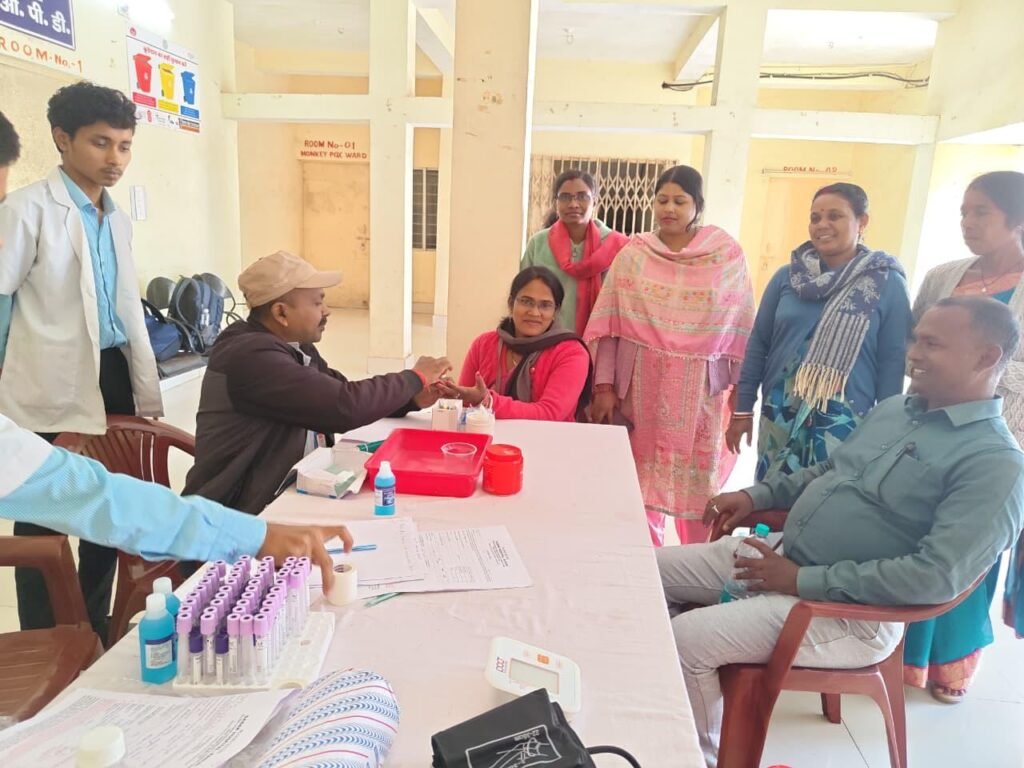
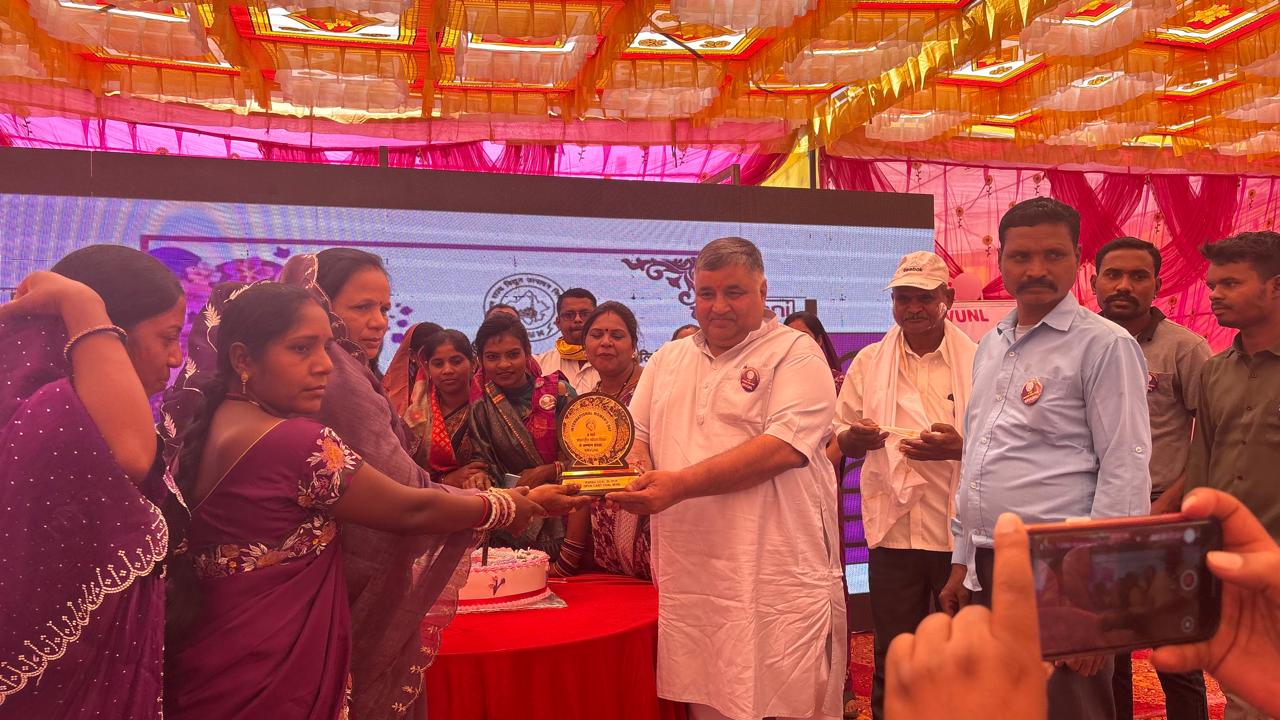
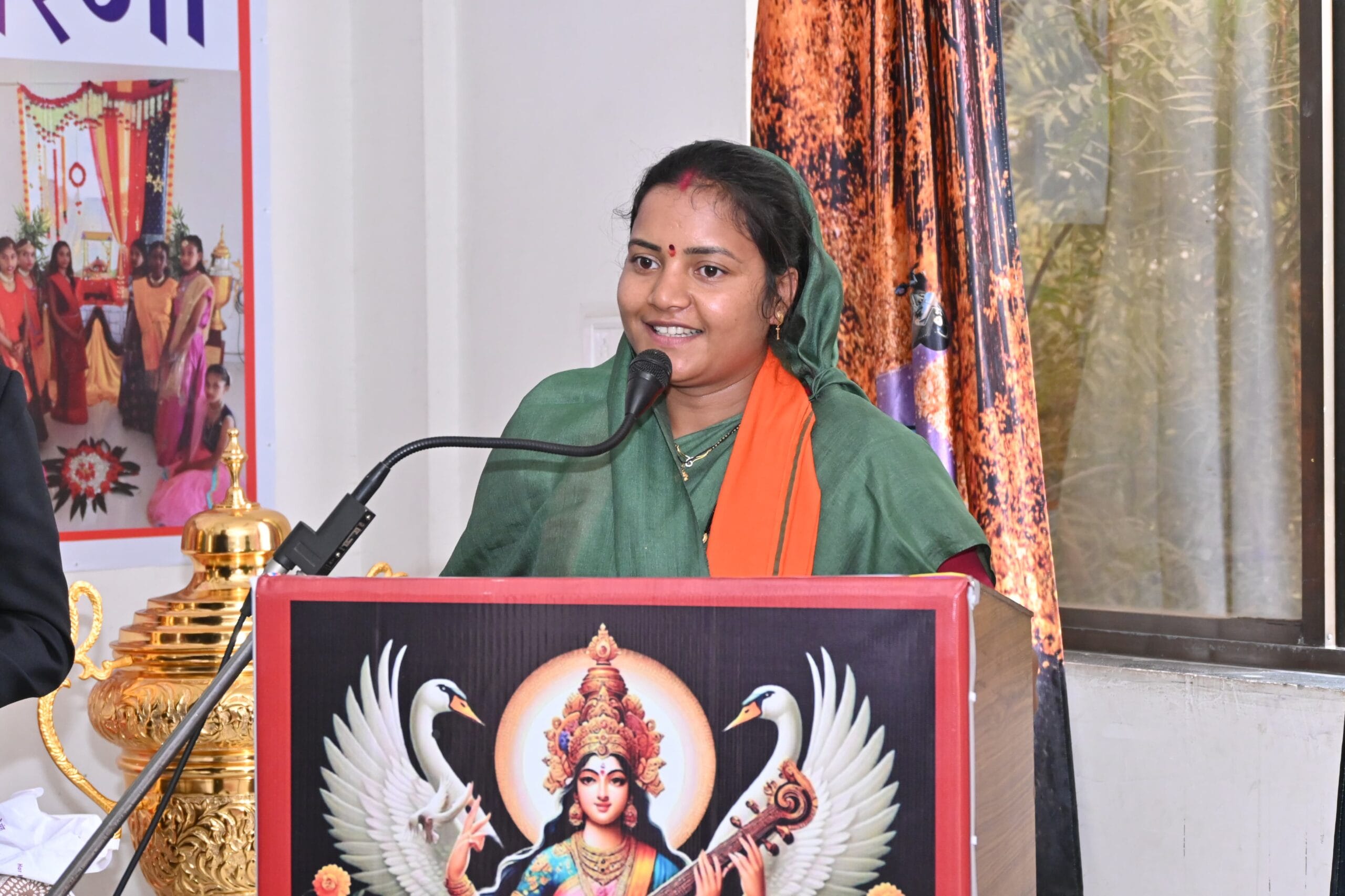
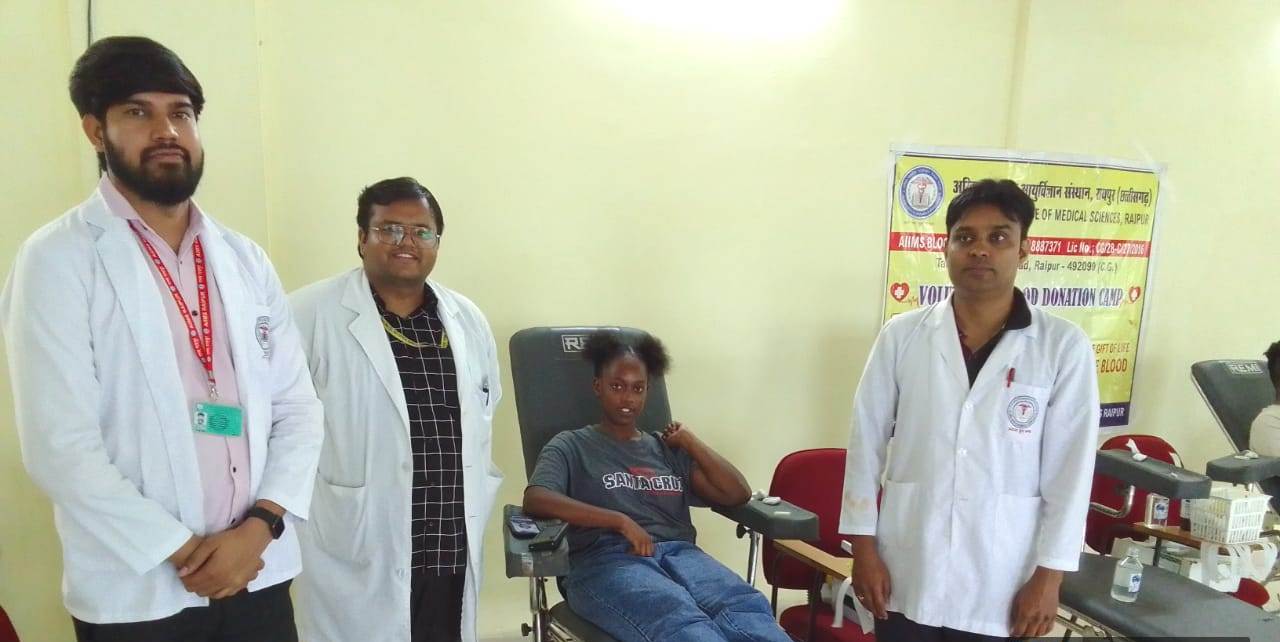
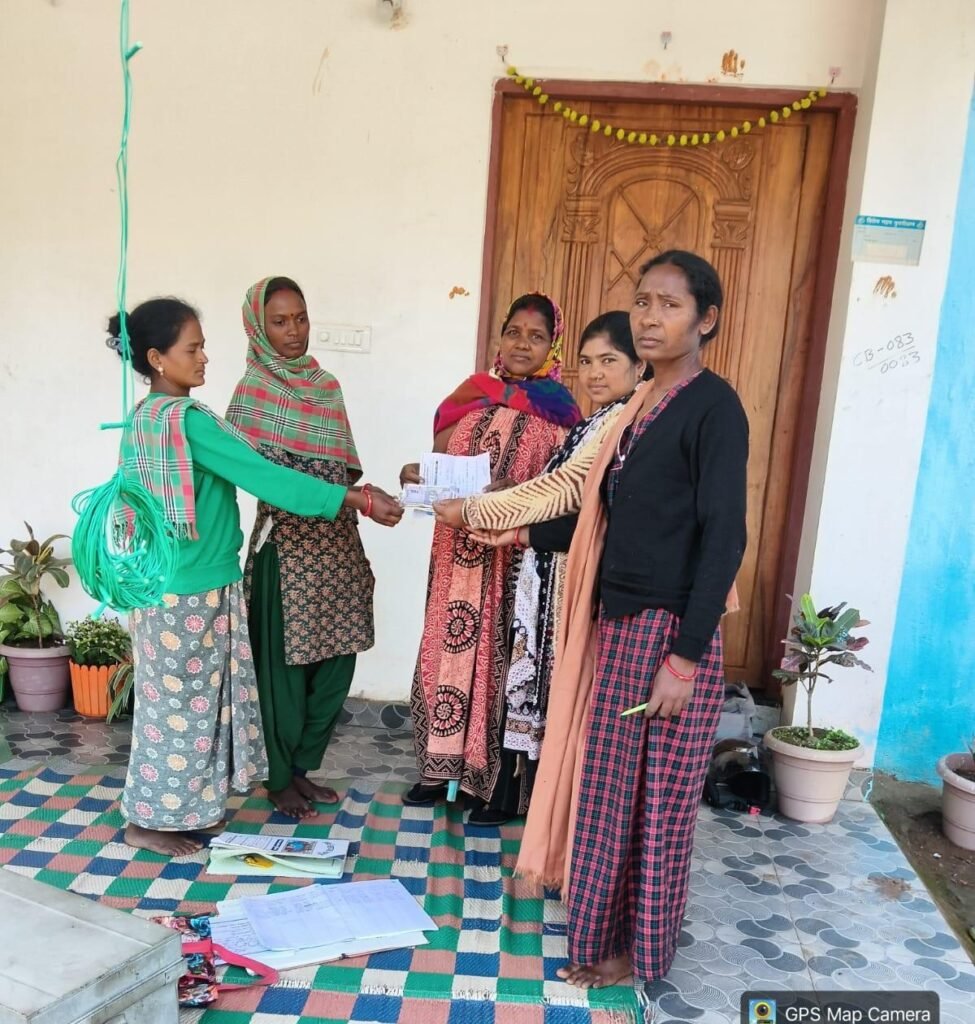
Through the Jharkhand State Livelihood Promotion Society (JSLPS), women in self-help groups (SHGs) were engaged in livelihood activities, financial management, and the creation of ‘nutrition gardens’ (poshan vatikas). In Chakulia, Jamshedpur, financial assistance amounting to ₹1.21 crore was provided to women for self-employment under the ‘Phulo-Jhano Ashirwad Yojana’. Additionally, blood donation camps, the distribution of kitchen garden kits, and felicitation ceremonies for women’s groups were organized across various districts.
- A Platform for Sports and Culture
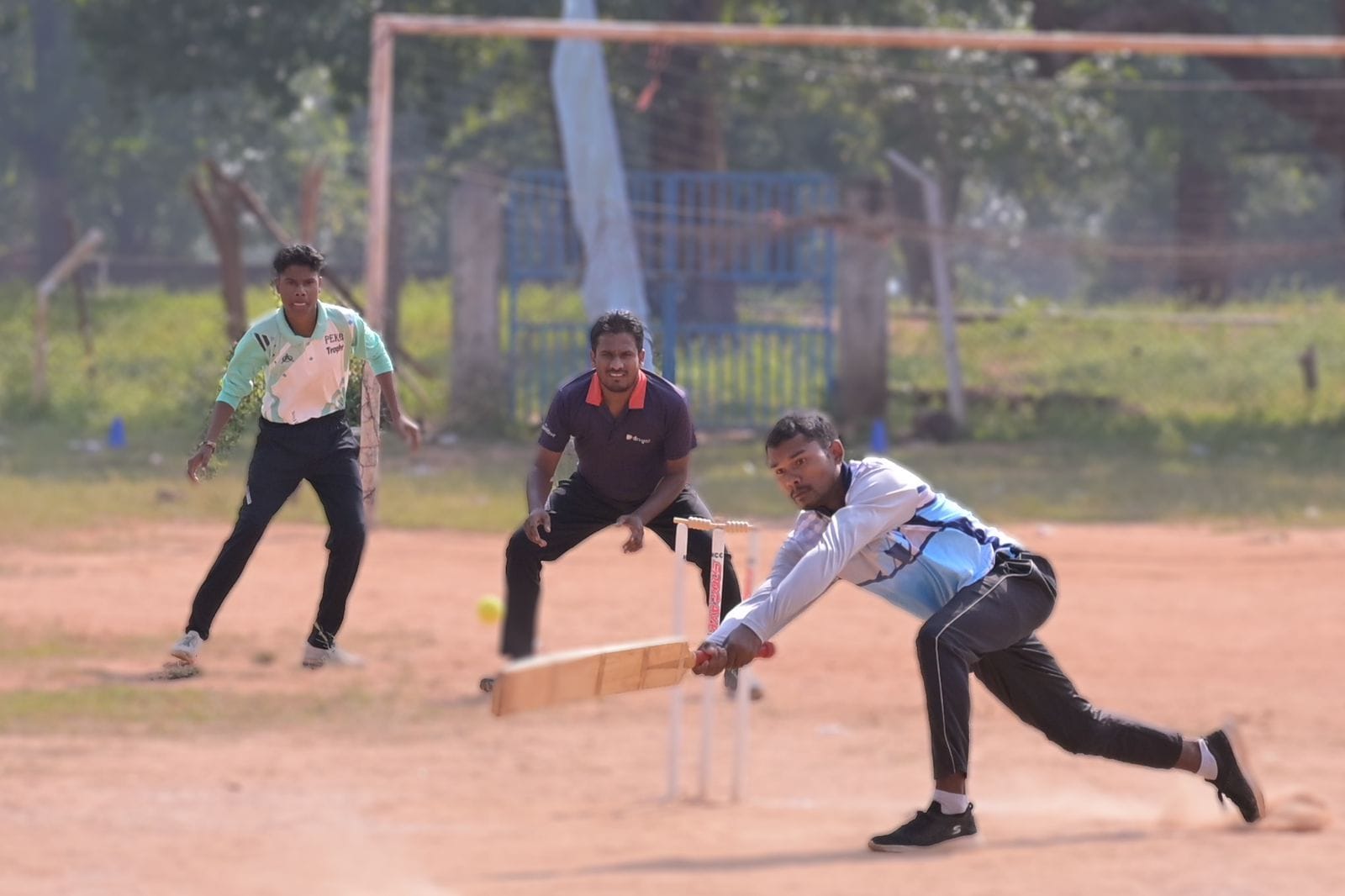
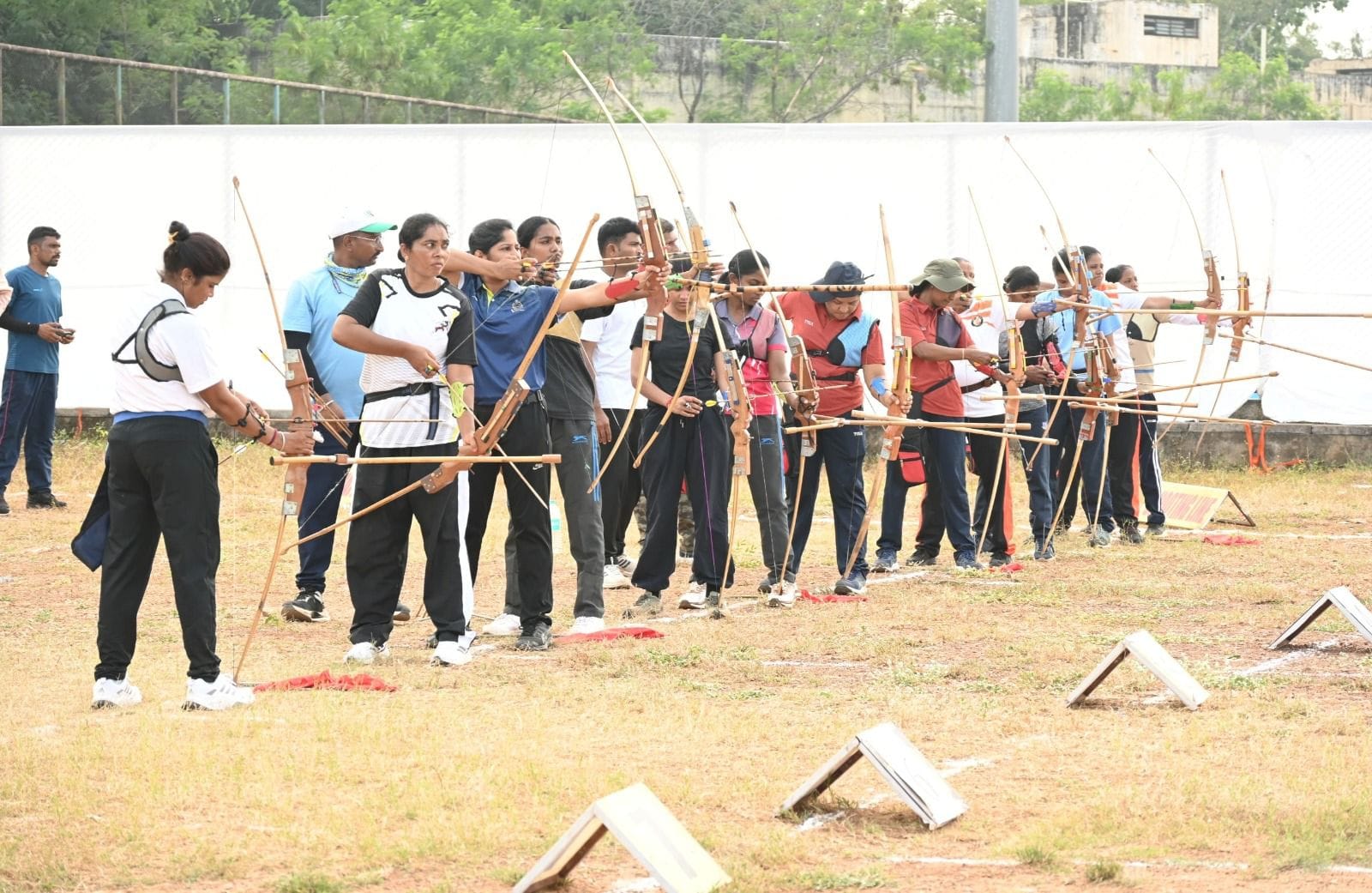
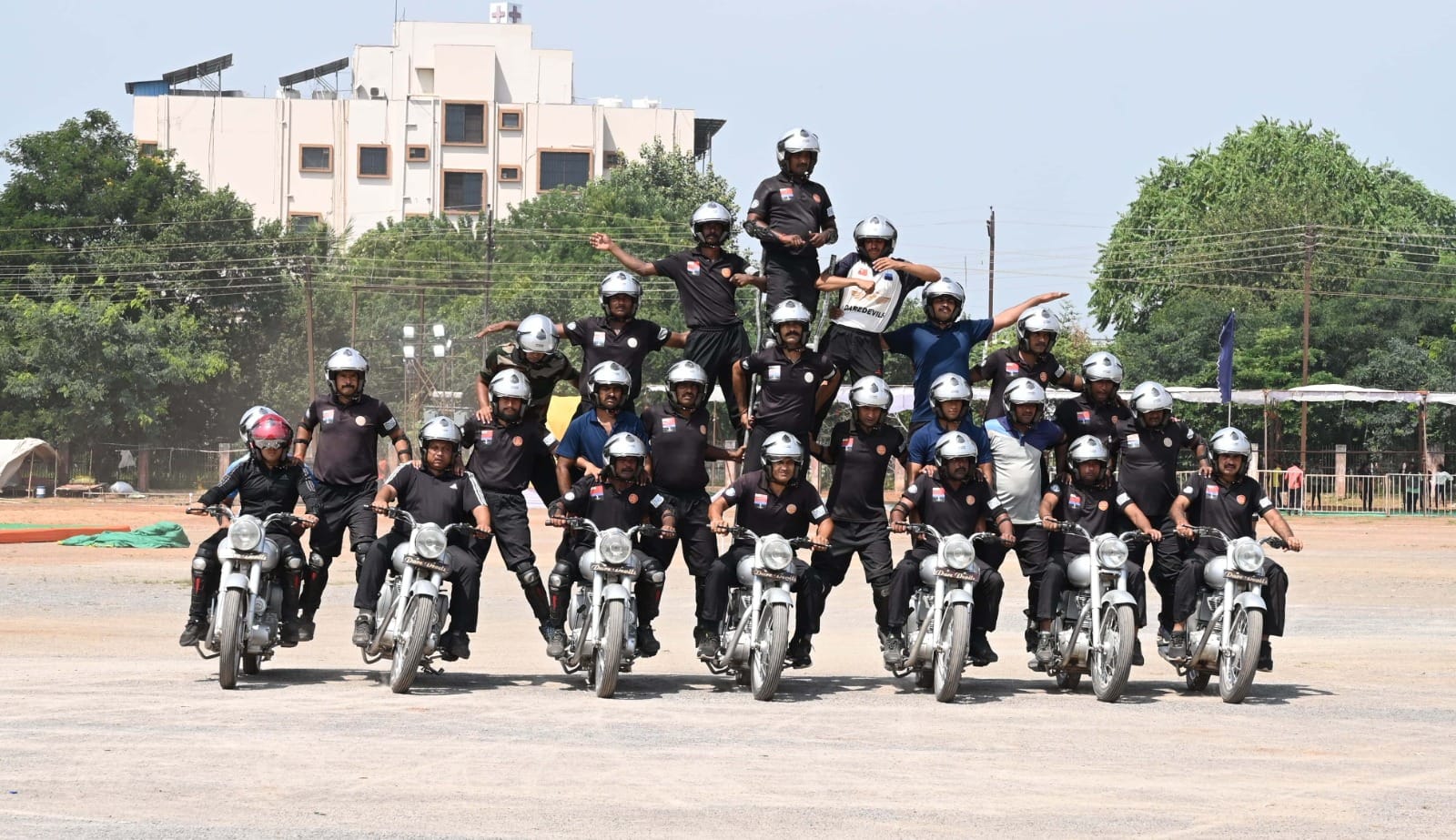
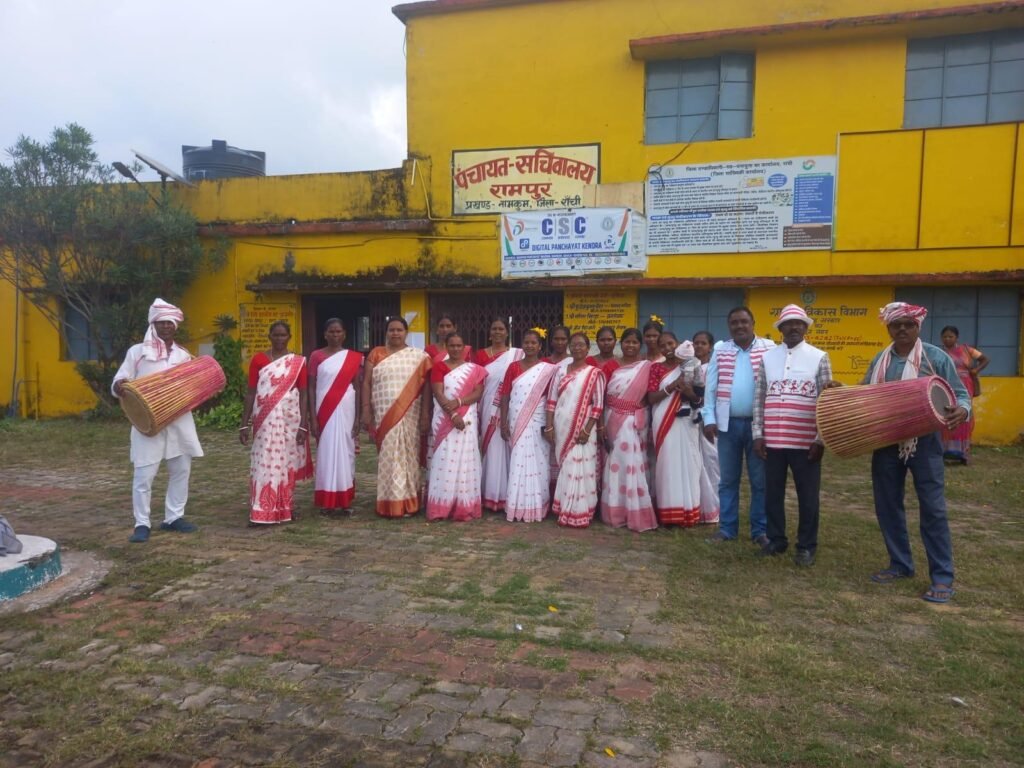
A traditional sports competition for the South Chotanagpur division was inaugurated at the Birsa Munda Football Stadium in Ranchi. Approximately 600 athletes from five districts participated in events including archery, slingshot, football, hockey, volleyball, and other traditional sports. Meanwhile, in Lalpania (Bokaro), Koderma, and Latehar, folk arts and tribal traditions were promoted through cultural music and singing competitions.
- Focus on Health, Hygiene, and Social Awareness
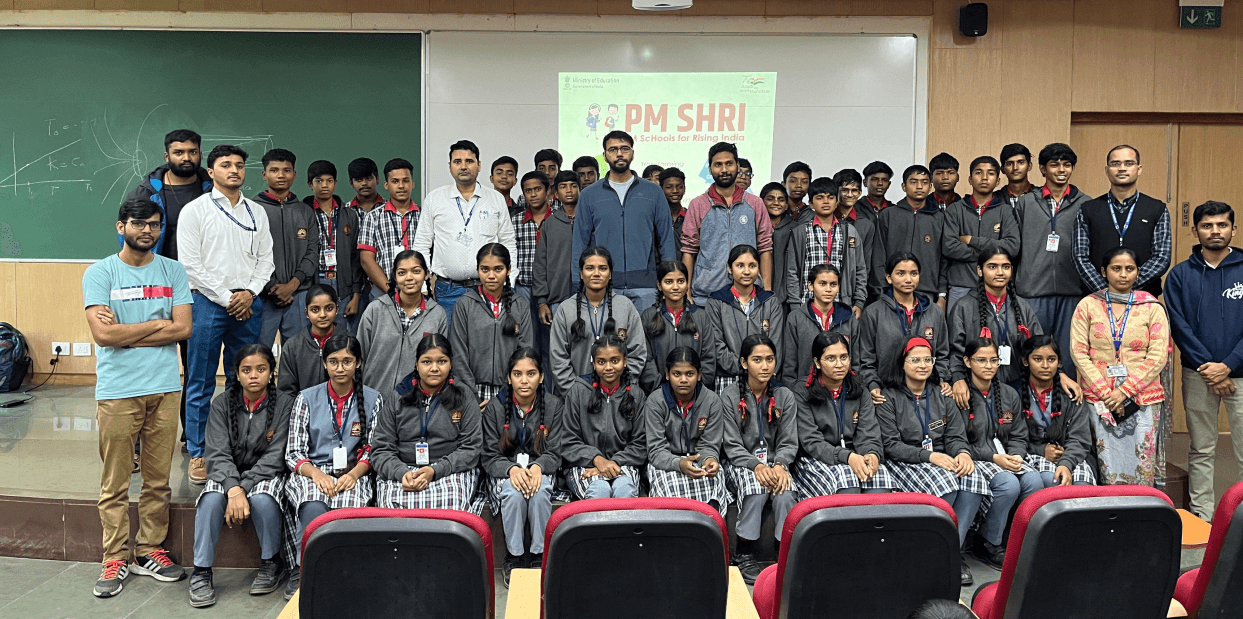
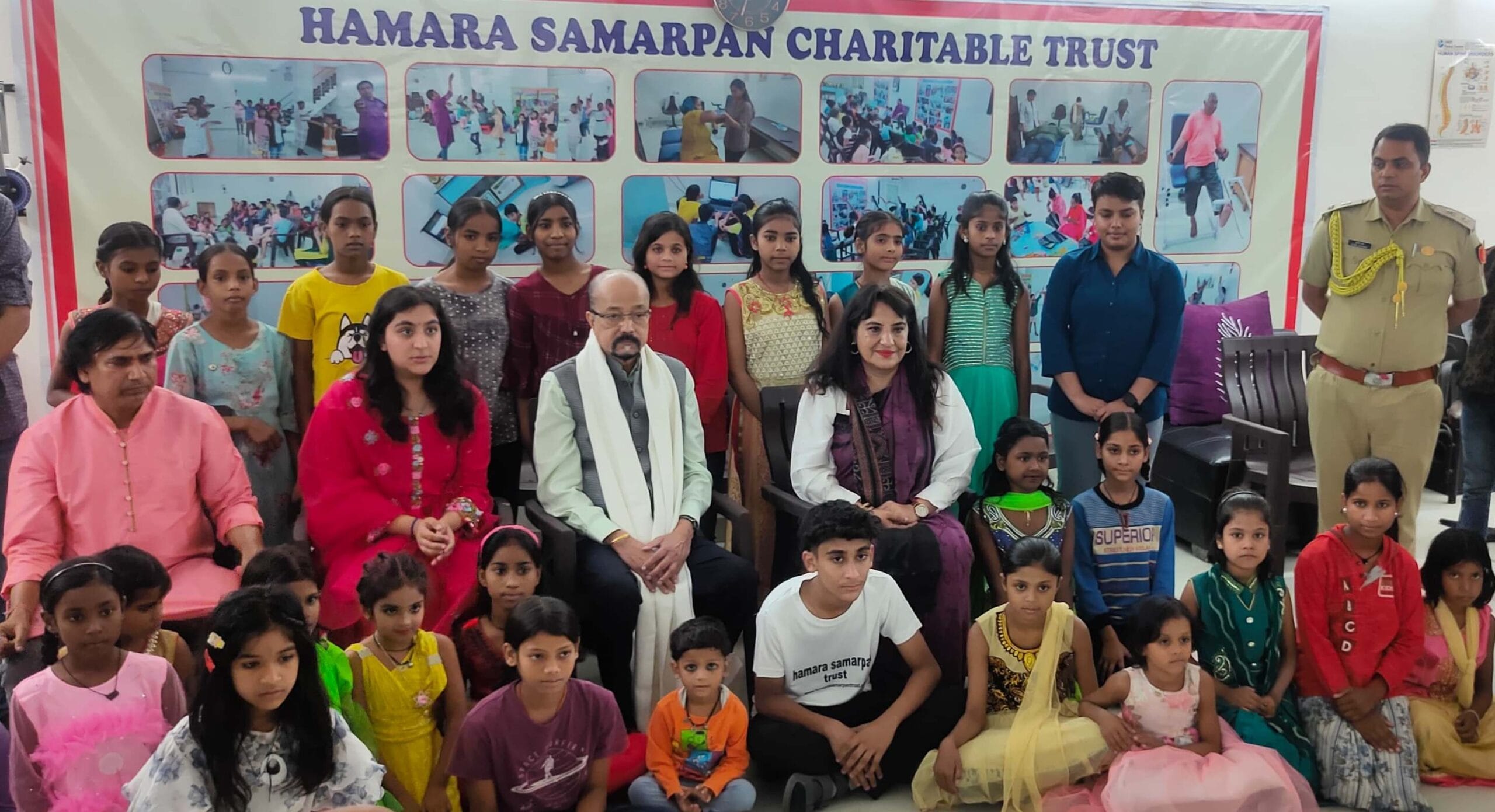
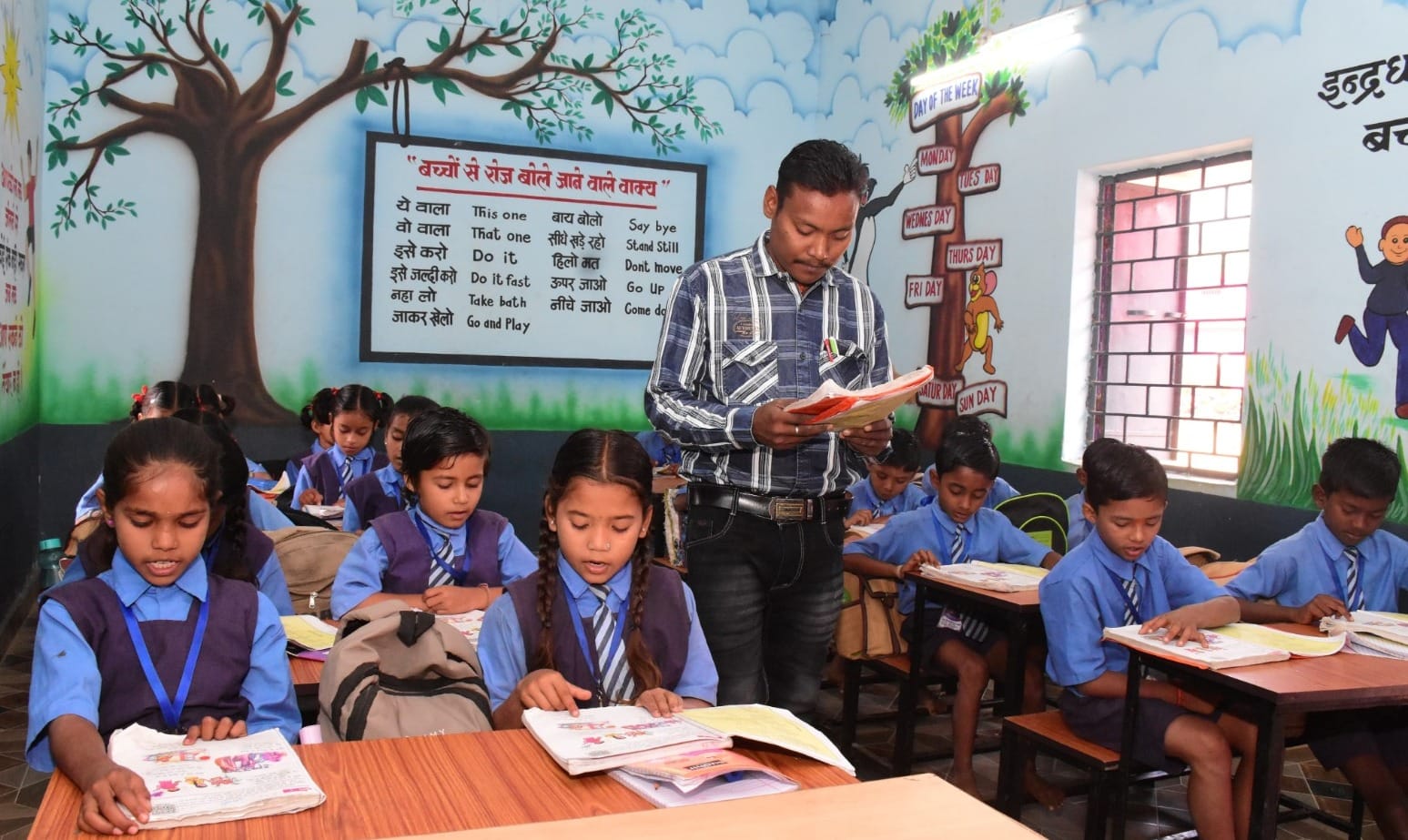
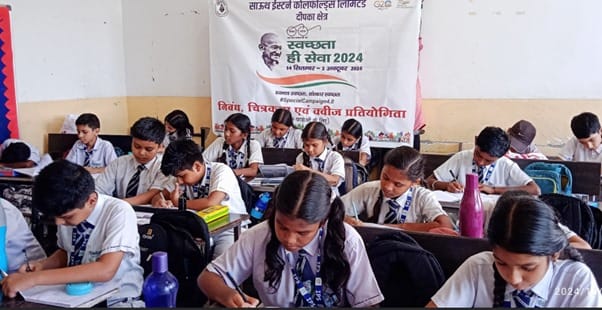
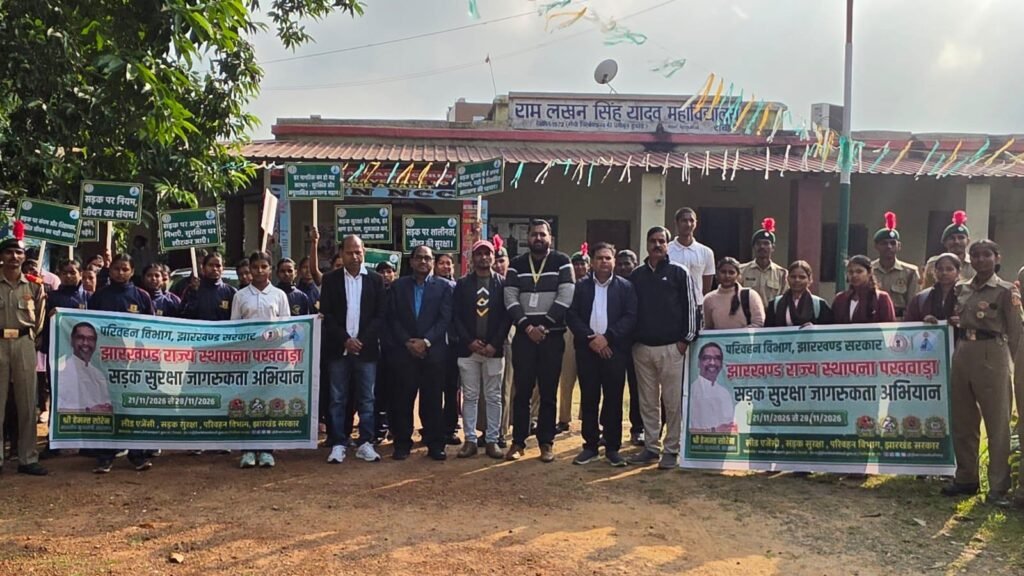
In Baharagora, Jamshedpur, an epilepsy screening camp provided consultation and medication to 30 new patients, while 61 existing patients underwent follow-up check-ups. In Seraikela-Kharsawan, 65 students received oral health screenings. In Lohardaga, 53 children were educated on child protection, the issue of child marriage, and the ‘Child Helpline 1098’ service. In districts such as Chatra, Dumka, Pakur, and Godda, programs were organized focusing on cleanliness drives, blood donation, de-addiction, the prevention of child marriage, road safety, and environmental conservation.
Through the ‘Foundation Day Fortnight’ (Sthapana Diwas Pakhwada), collective efforts are being made across the state to raise awareness about development schemes, encourage local talent, and ensure the participation of various sections of society.