








- 24,918,115 Ayushman Cards Have Been Issued
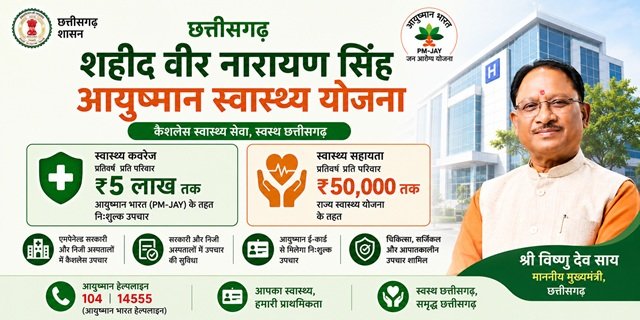
Health is the cornerstone of development for any society or state. ‘Ayushman Bharat – Pradhan Mantri Jan Arogya Yojana’ (AB-PMJAY)—the world’s largest health insurance scheme, launched by the Government of India—is transforming the landscape of healthcare services in the state of Chhattisgarh. In Chhattisgarh, this scheme has been integrated with existing state-level health initiatives and implemented highly effectively under the name ‘Shaheed Veer Narayan Singh Ayushman Swasthya Yojana.’ Its primary objective is to protect every eligible family in the state from the crushing financial burden that often accompanies the treatment of serious illnesses. The Ayushman Bharat scheme in Chhattisgarh represents a revolutionary step toward a healthy and empowered state.
The compassionate approach of Chief Minister Shri Vishnu Deo Sai has completely shifted the prevailing perspective. Driven by the Chief Minister’s firm resolve and the effective execution of these schemes, the Ayushman Bharat scheme has proven to be a protective shield for vulnerable and middle-class families in Chhattisgarh. Together, the Central Government’s ‘Ayushman Bharat’ scheme and the State Government’s ‘Mukhyamantri Vishesh Swasthya Sahayata Yojana’ (Chief Minister’s Special Health Assistance Scheme) have become a life-saving safeguard for every citizen in Chhattisgarh who is unable to afford the high costs of medical treatment.
- Structure and Key Benefits of the Scheme
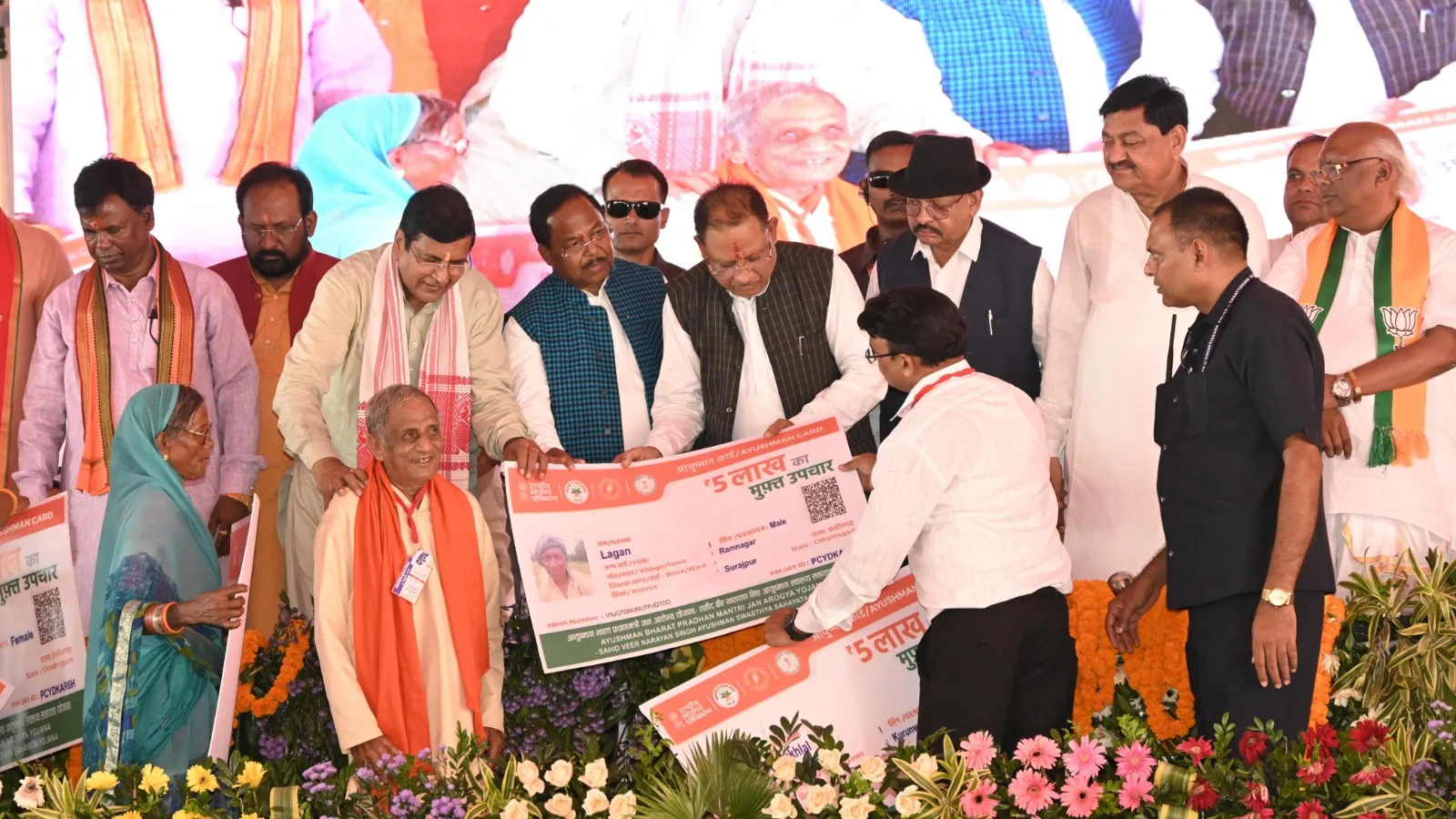
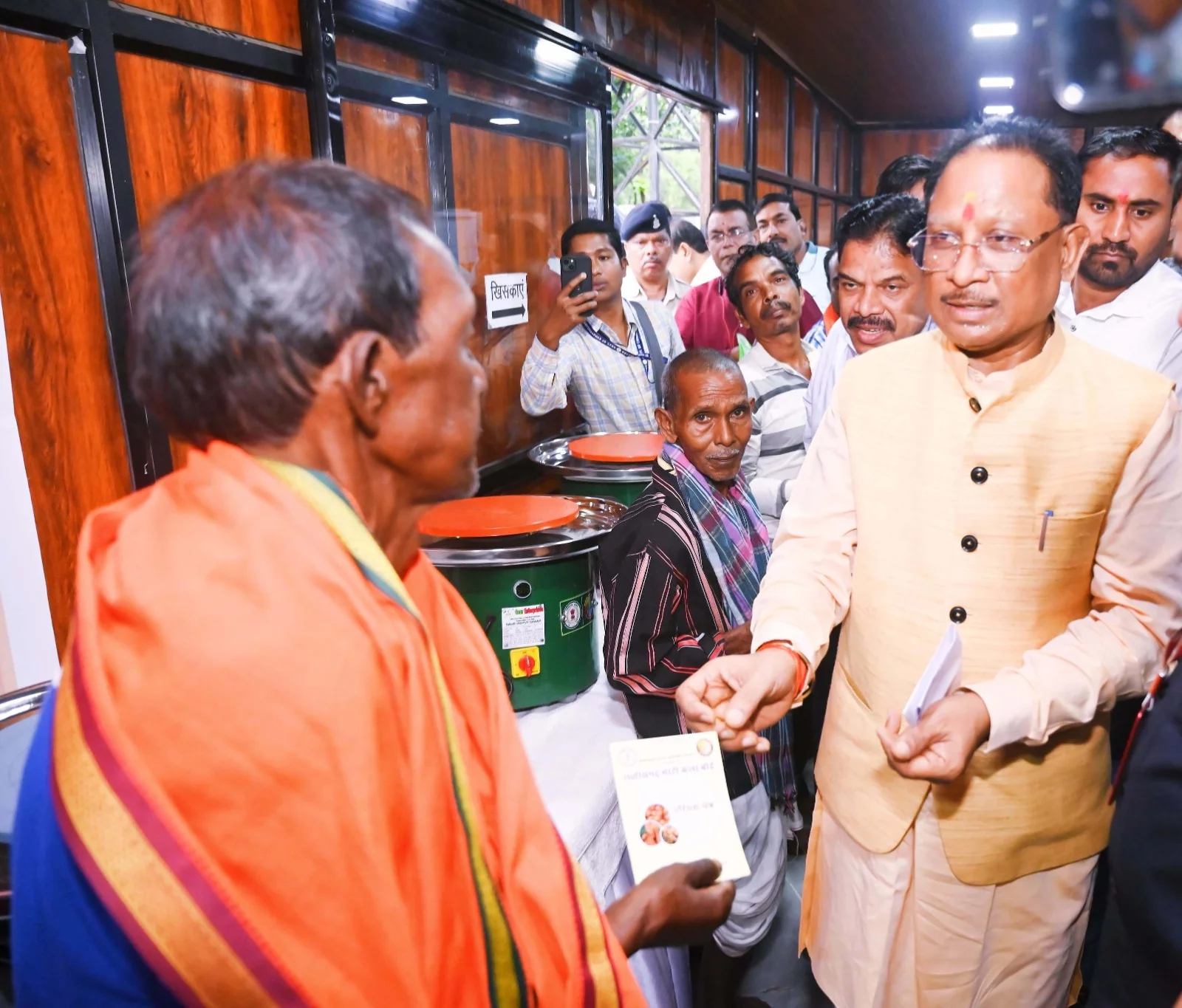
In Chhattisgarh, the scope of the Ayushman Bharat scheme is not limited solely to the central list; the State Government has made efforts to bring nearly all families—identified via their ration cards—under its ambit. Eligible families are entitled to completely free, cashless medical treatment at registered government and private hospitals, both within the state and across the country. Against a target of 27,111,762, a total of 24,918,115 Ayushman cards (under AB-PMJAY/SVSASY) have been issued. This represents 91.9 percent of the target. Surajpur district, having issued 2,193,647 Ayushman cards—achieving 97 percent of its target—ranks first in the state of Chhattisgarh.

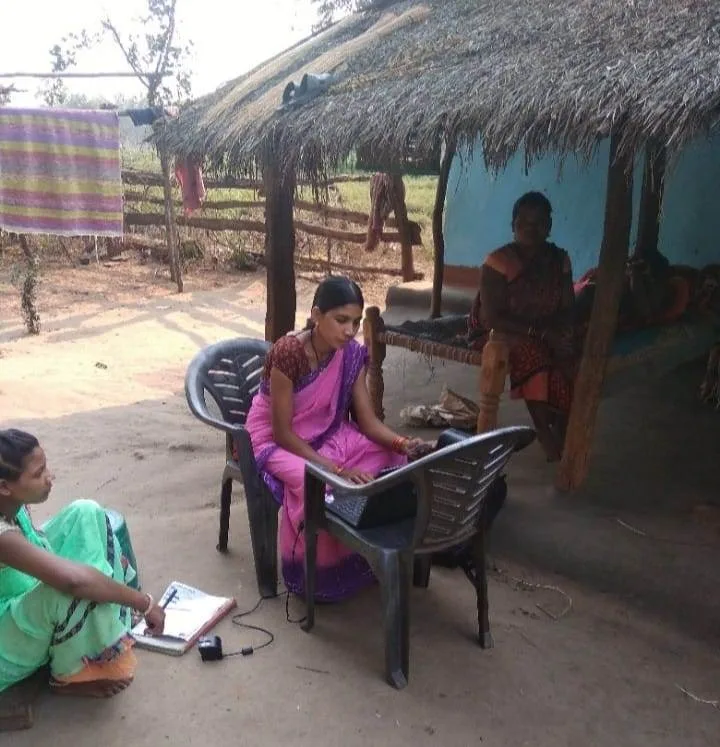
Under the ‘Niyad Nella-Nar 2.0’ initiative, Ayushman cards have been issued to 93 percent of ration card-holding beneficiaries in remote forest regions and 10 districts formerly affected by Naxalism: Bijapur, Sukma, Dantewada, Kanker, Narayanpur, Bastar, Kondagaon, Gariaband, Mohla-Manpur-Ambagarh Chowki, and Chhuikhadan. In 2021, the state received awards in four out of six categories for the effective implementation of the Ayushman scheme; three of these were for Ayushman card registration, and one was for gender equality.
Assistance for the treatment of serious and rare diseases under the ‘Chief Minister’s Special Health Assistance Scheme’ (Mukhyamantri Vishesh Swasthya Sahayata Yojana)
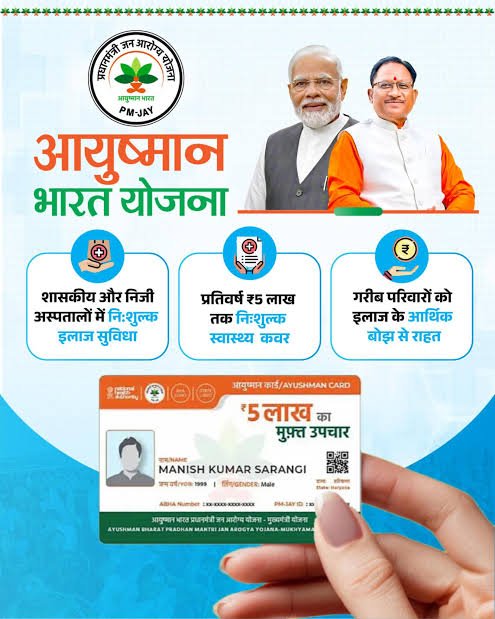
Families holding Antyodaya or priority ration cards, as well as those listed in the central database, are provided with free health insurance coverage of up to ₹5 lakh per family annually. Meanwhile, other eligible families holding general ration cards receive medical assistance of up to ₹50,000 under the state scheme. While the Ayushman scheme covers common and major illnesses, there are instances involving rare and extremely serious conditions that can incur costs running into lakhs. The Chhattisgarh government’s ‘Chief Minister’s Special Health Assistance Scheme’ provides for financial aid of up to ₹25 lakh for the treatment of such serious and rare diseases. Under this scheme, funds are released directly to hospitals for high-cost medical procedures, including liver and kidney transplants, heart disease treatments, cancer care, cochlear implants, and the management of rare genetic disorders.
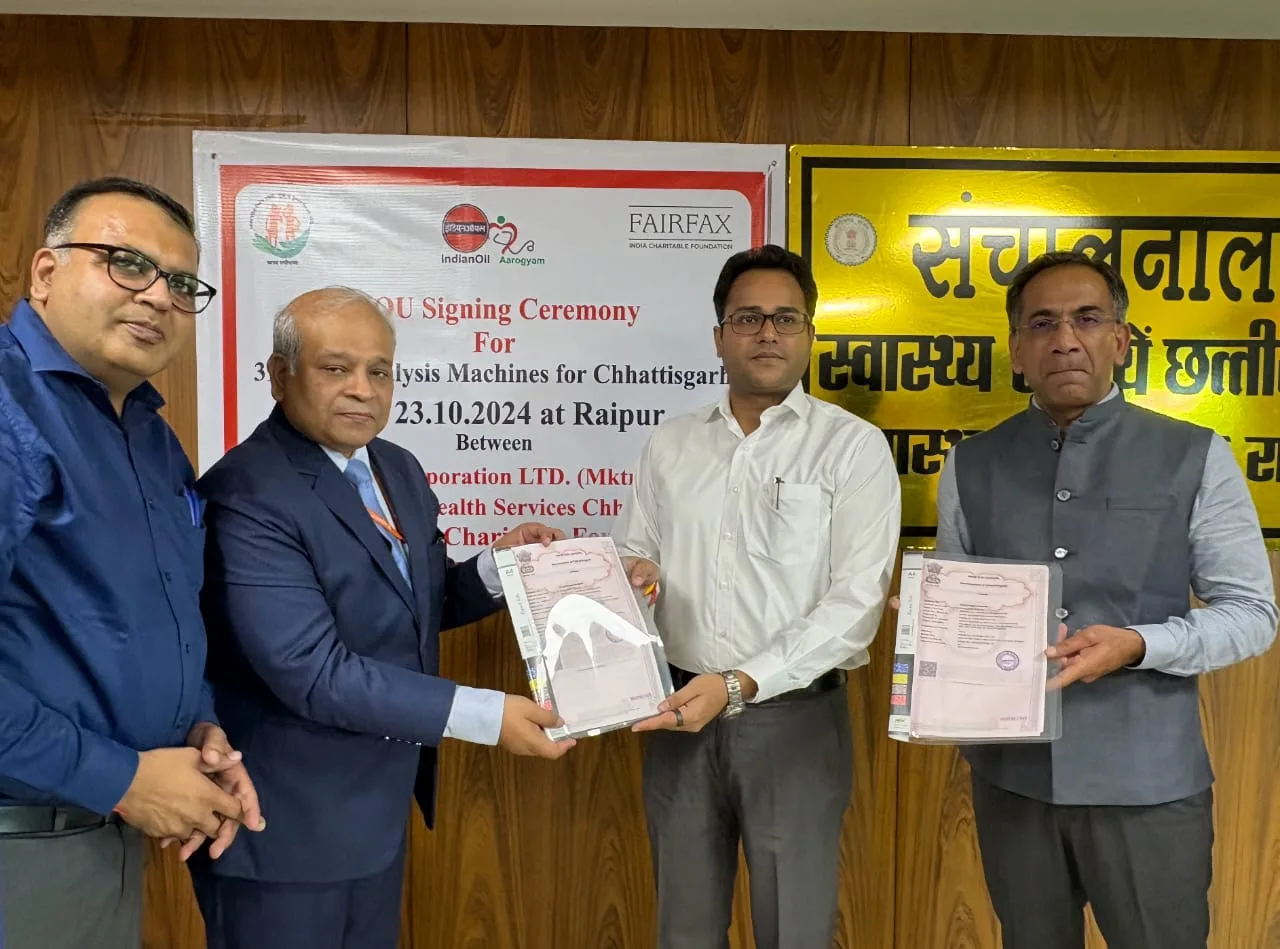
Since January 2024, financial assistance totaling ₹203.07 crore has been sanctioned under this scheme for 3,281 beneficiaries. Under the scheme, financial assistance has been approved as follows: ₹115.48 crore for 2,476 cancer treatment cases, ₹27.06 crore for 205 bone marrow transplant cases, ₹17.18 crore for 686 dialysis cases, and ₹17.08 crore for 371 heart-related treatment cases. Additionally, ₹5.41 crore has been provided for 144 kidney transplant cases, and ₹5.57 crore for 31 liver transplant cases. These schemes have given a new lease on life to many impoverished patients who had completely abandoned any hope of receiving expensive medical treatment.
- Free Health Cover of up to ₹5 Lakh
Under the ‘Ayushman Vay Vandana Card’, all senior citizens aged 70 years or older—regardless of their income or social status—are provided with free health coverage of up to ₹5 lakh. A key feature of this scheme is that it covers pre-existing medical conditions from the very first day the card is issued. The treatment package encompasses pre-hospitalization diagnostic tests, medications, and post-discharge follow-up care, effectively covering expenses incurred both before and after hospital admission. Against a target of 871,717, a total of 623,220 ‘Ayushman Vay Vandana Cards’ have been issued, representing 71.5% of the target. Bastar district leads the state of Chhattisgarh, having achieved 89.8% of its target by issuing 248,497 ‘Ayushman Vay Vandana Cards’.
- Impact and Achievements of the Scheme in Chhattisgarh
Chhattisgarh is a state with a predominantly tribal and rural population, where the cost of treatment in expensive private hospitals…For an average family, accessing medical treatment was once nearly impossible. The Ayushman card has helped bridge this gap. Citizens from the state’s remote, forest-covered regions—such as the Bastar and Surguja divisions—can now receive free treatment for complex medical conditions, including heart disease, cancer, kidney dialysis, knee replacement, and neurosurgery, at registered hospitals in Raipur, Bilaspur, Durg, or any other major city in the country. Furthermore, sub-health centers in rural areas have been transformed into ‘Ayushman Arogya Mandirs,’ offering primary care, maternal and child health services, regular screenings for conditions like diabetes and hypertension, and access to tele-consultations.
- A Simple Process for Obtaining the Card
The administration has made the process of obtaining an Ayushman card both simple and digital. Citizens can complete the e-KYC process from the comfort of their homes using their Aadhaar and ration cards—either by downloading the ‘Ayushman App’ on their smartphones or by visiting the official portal (beneficiary.nha.gov.in)—to generate and download their cards.
- Offline Centers and Helpline Numbers
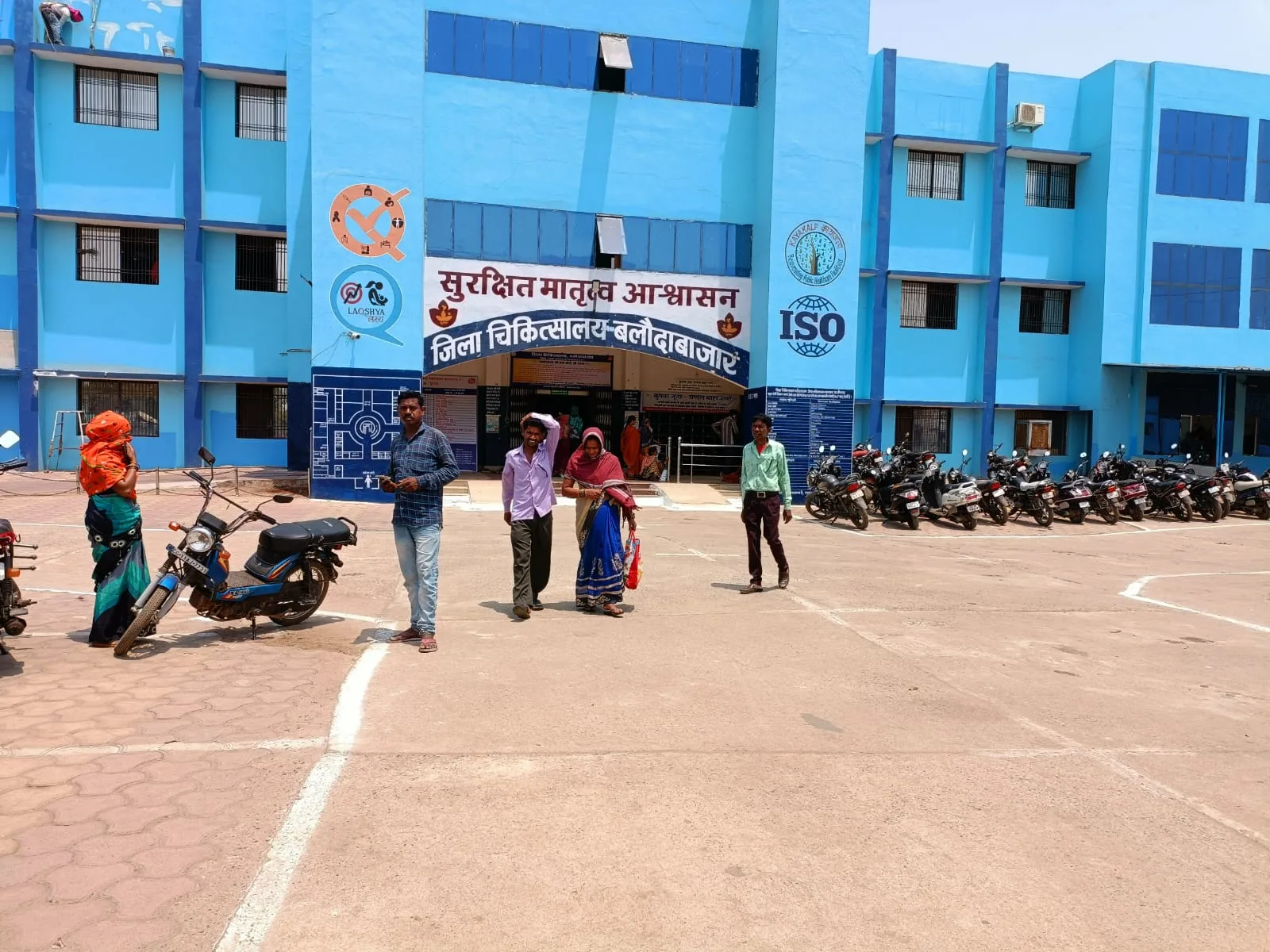
Cards can be obtained free of charge through the nearest Common Service Center (CSC), ‘Lok Seva Kendra’ (public service center), or with the assistance of an ‘Ayushman Mitra’ stationed at any registered government or private hospital. For any assistance or to lodge a complaint, individuals can contact the state helpline at 104 or the national toll-free number 14555.
- Millions Have Benefited in the State of Chhattisgarh
While millions of citizens in Chhattisgarh have obtained Ayushman cards and many have already availed themselves of the benefits, certain challenges remain. Continued efforts are required to raise further awareness about the utility of the card in rural areas, to expedite the claim settlement process for private hospitals, and to ensure the availability of specialist doctors in remote, hard-to-reach regions. The Path to a Healthy Chhattisgarh: Families Gain a Protective Shield through ‘Ayushman’
In Chhattisgarh, the Ayushman Bharat scheme is more than just a government program; it has become a protective shield for poor and middle-class families. It ensures that no citizen is denied medical treatment due to a lack of funds—a step that is helping to realize the vision of a healthy and prosperous Chhattisgarh.