








- Deliberations held on making local body elections easier, transparent, and technology-enabled
- Consensus reached on EVM management, sharing electoral databases, and conducting timely elections
- Visit undertaken to the new Legislative Assembly, Naya Raipur, and the country’s first Digital Tribal Museum
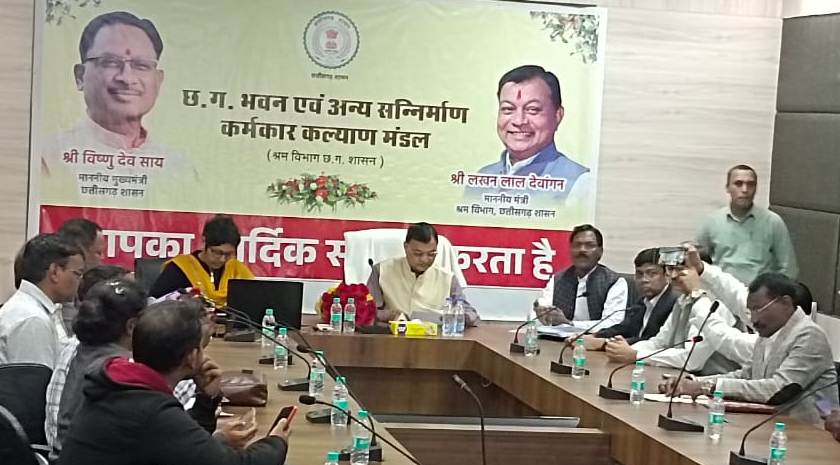
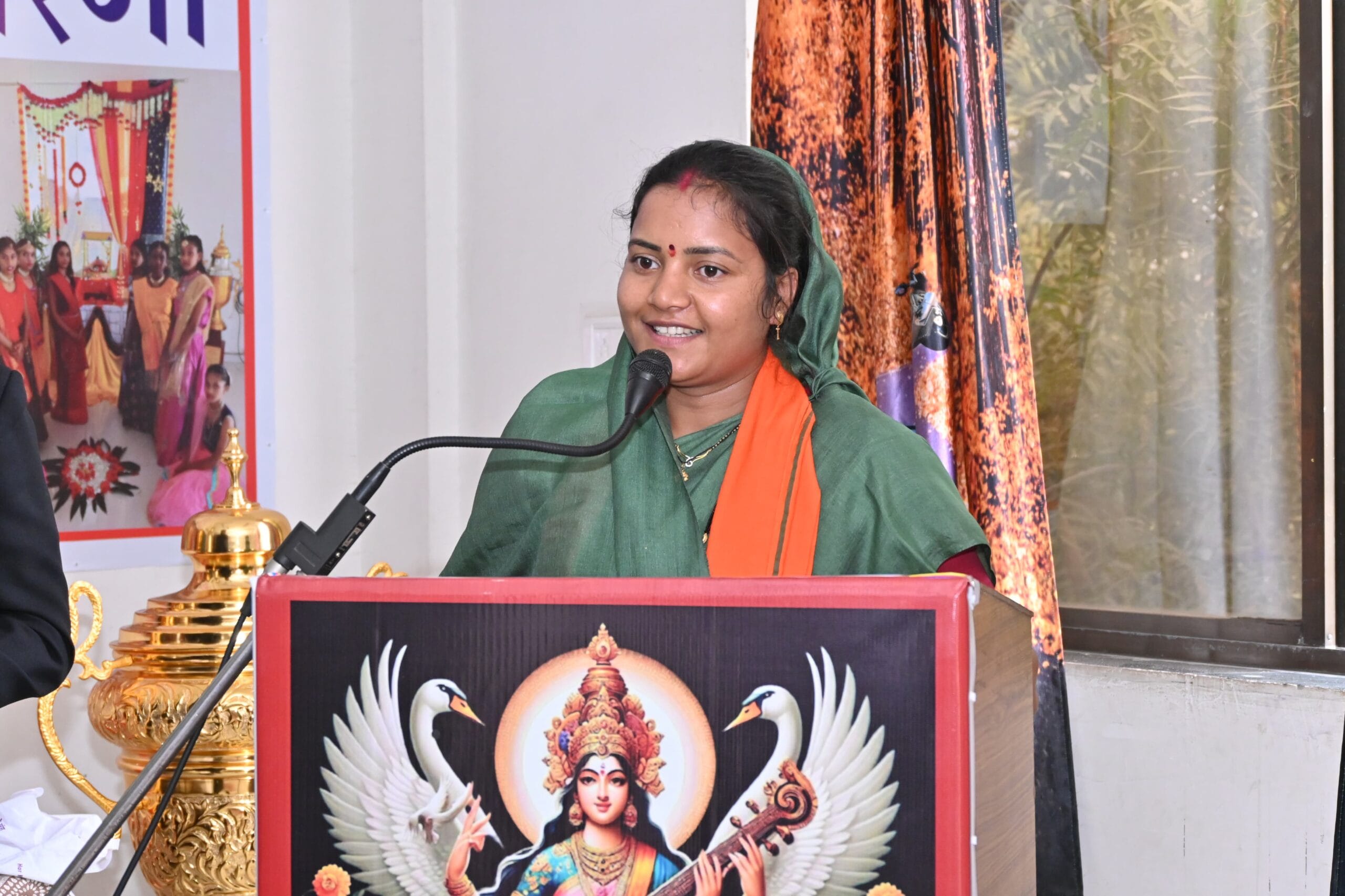
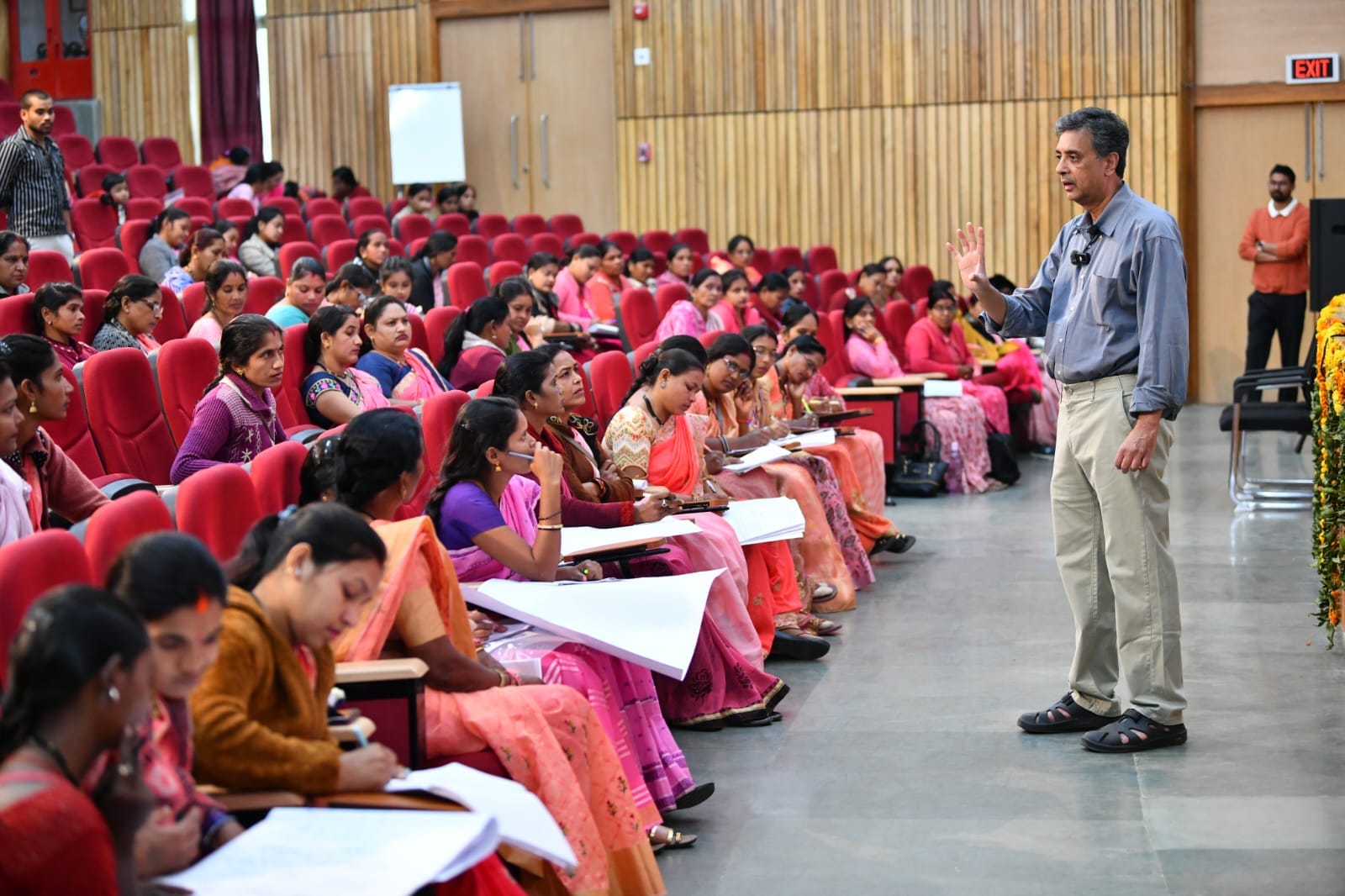
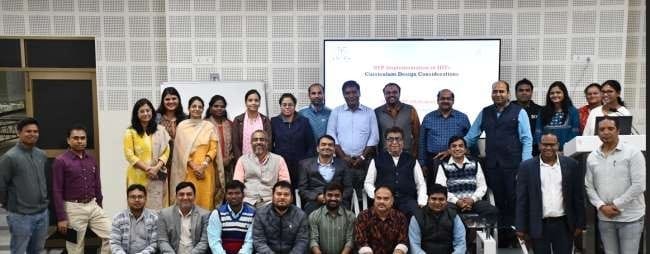
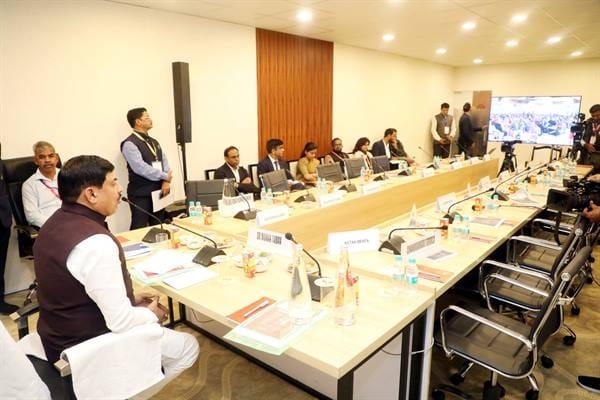
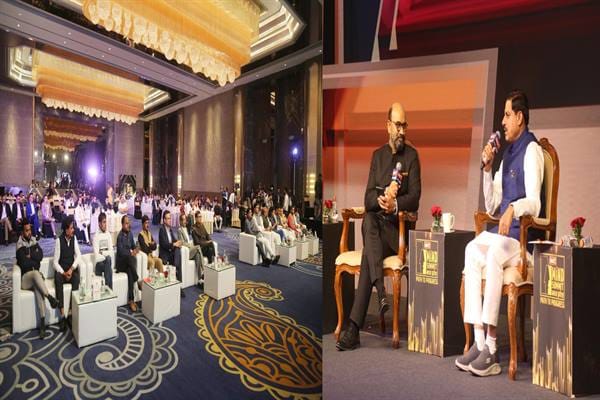
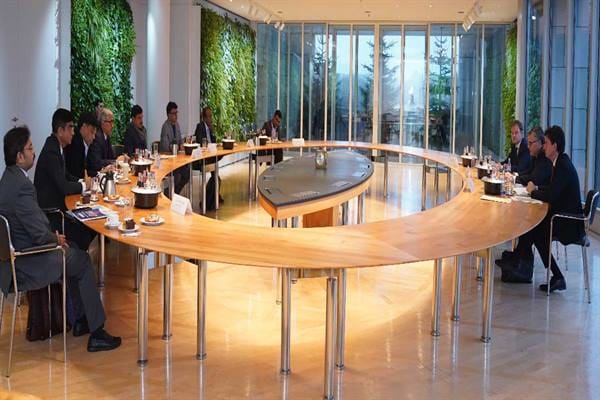
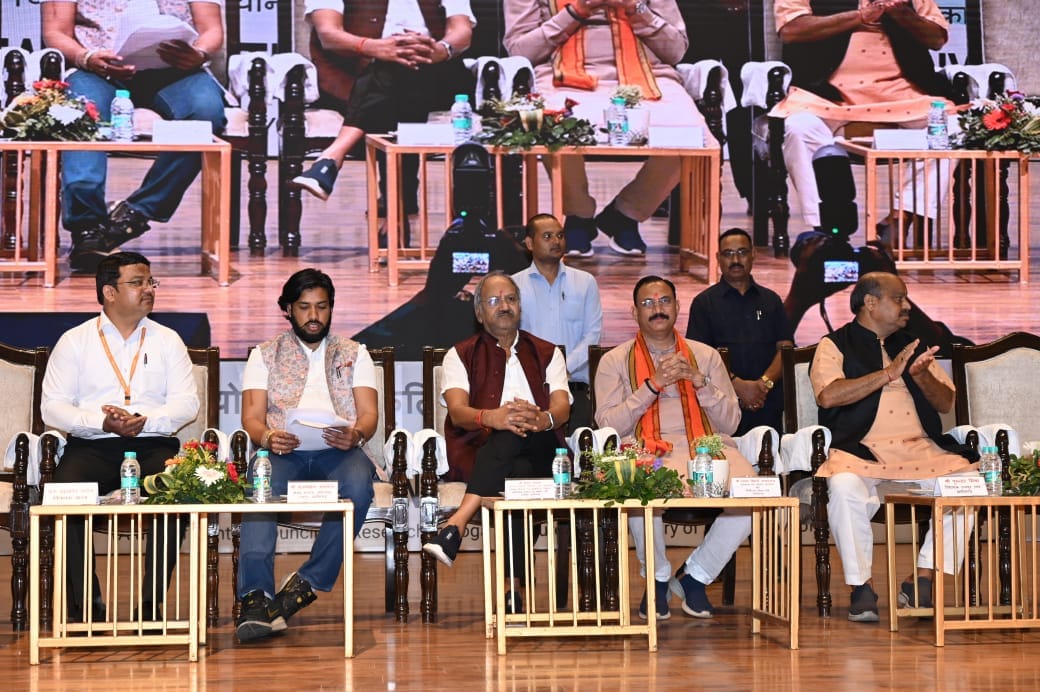
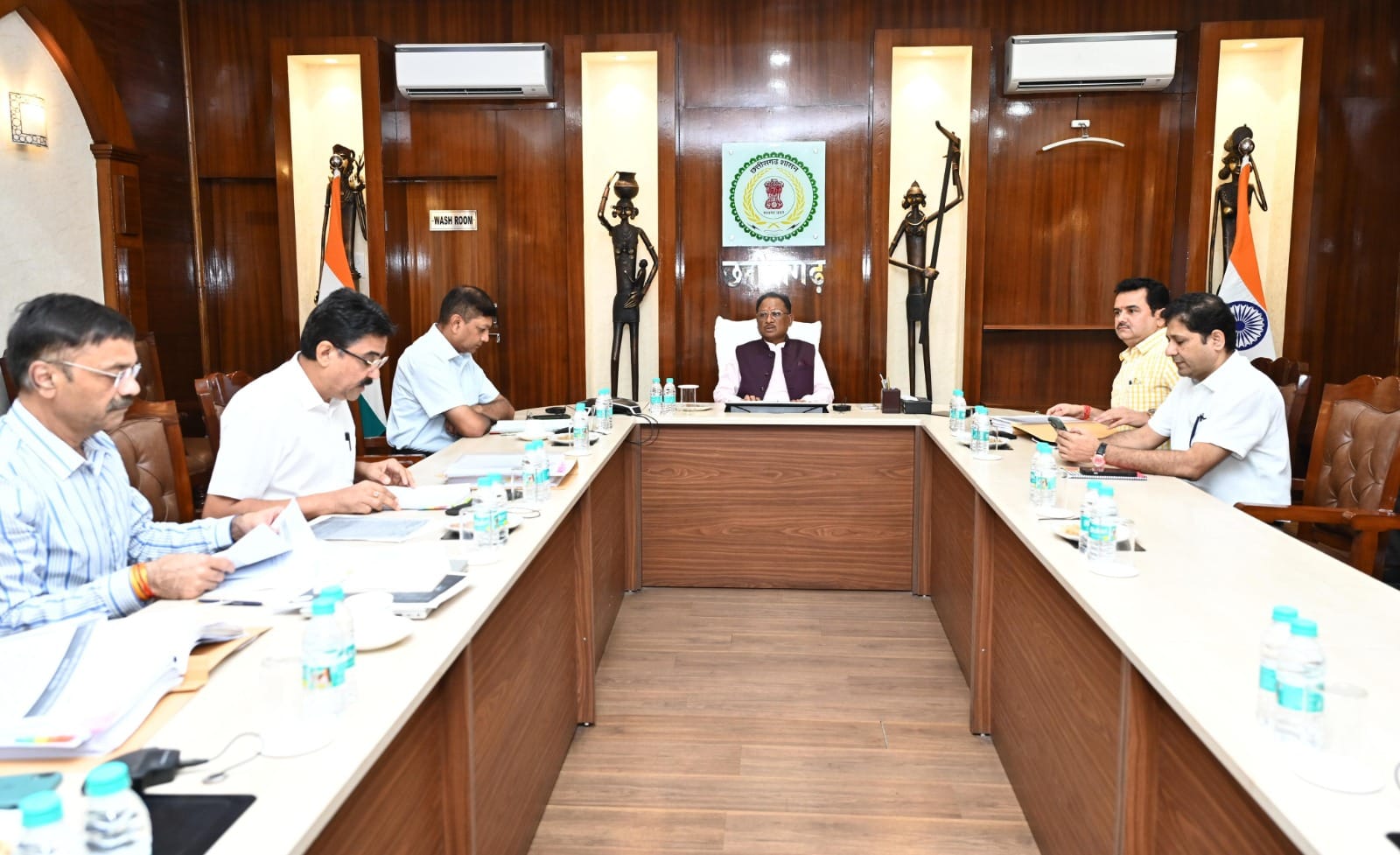
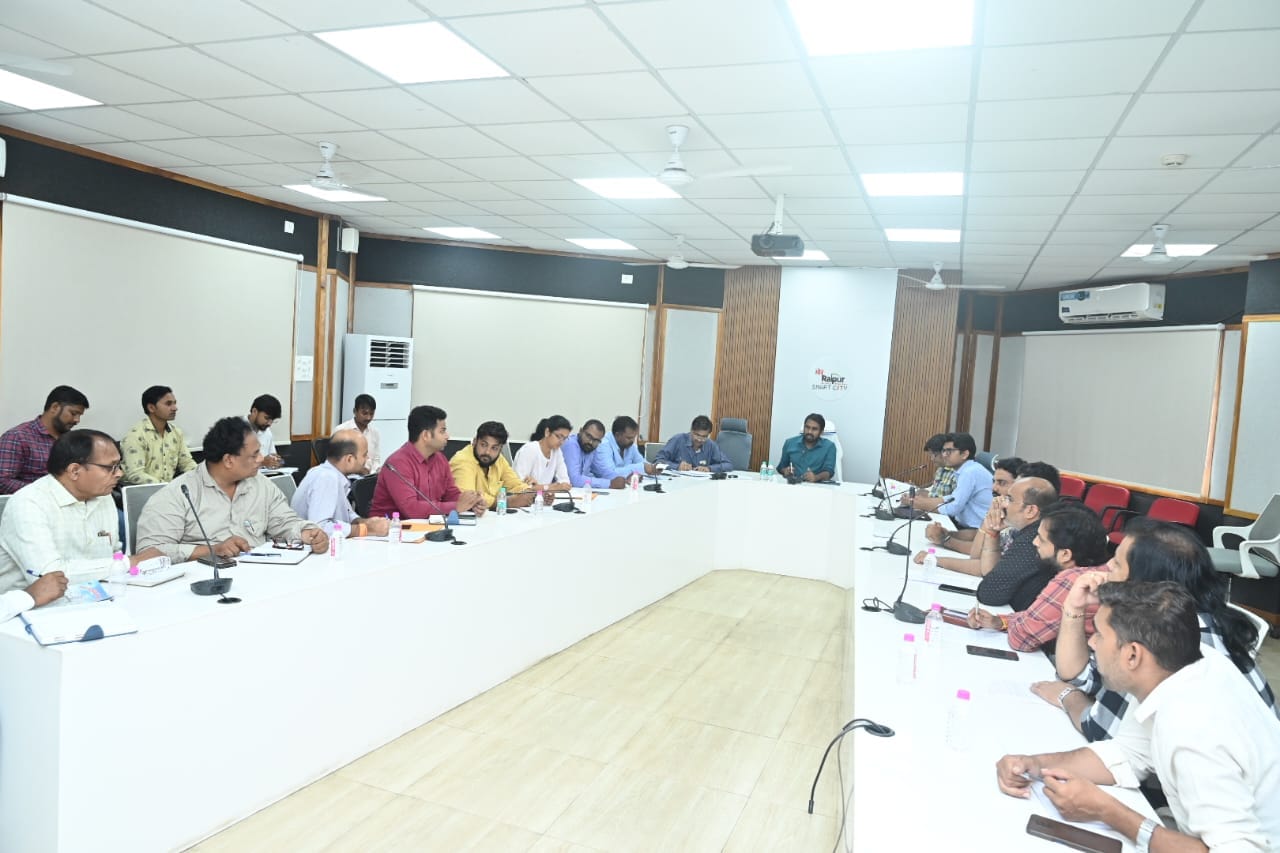
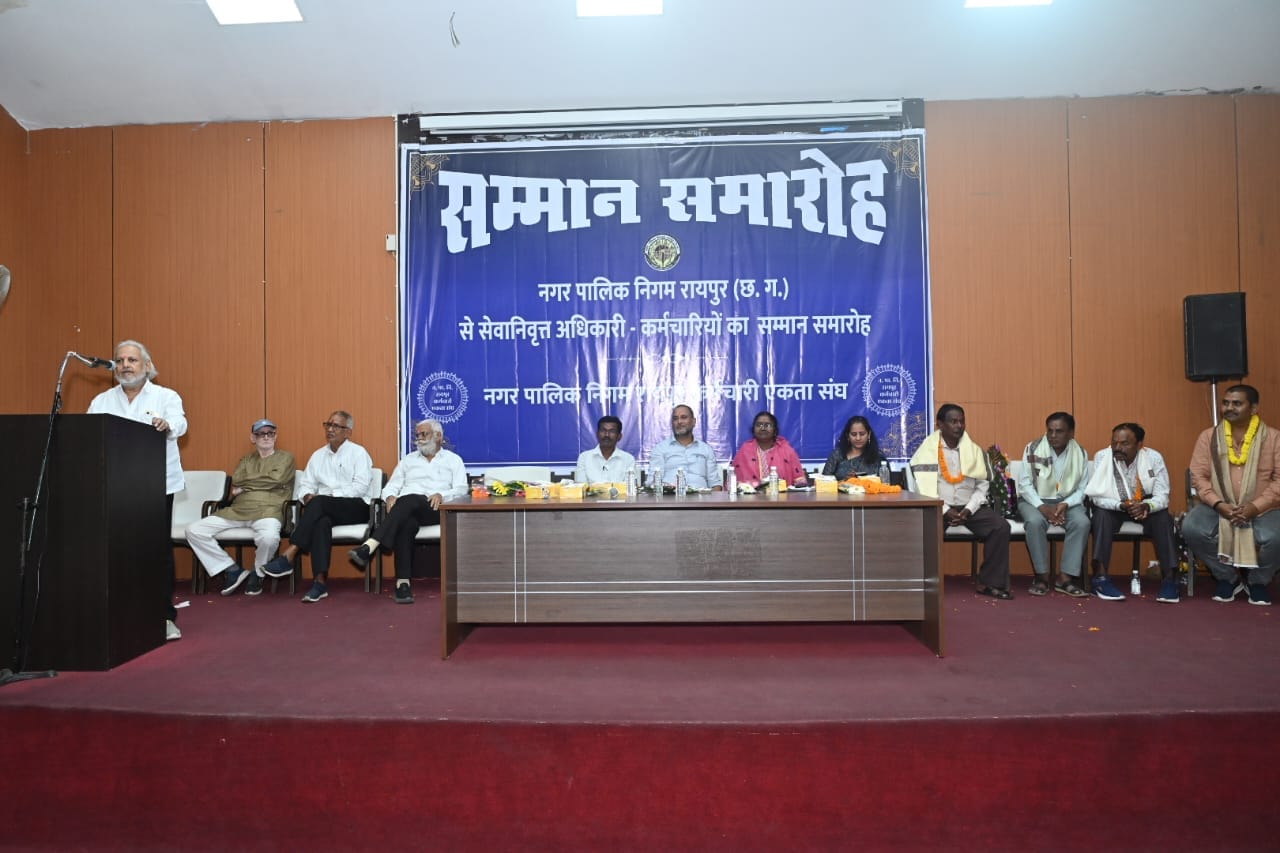
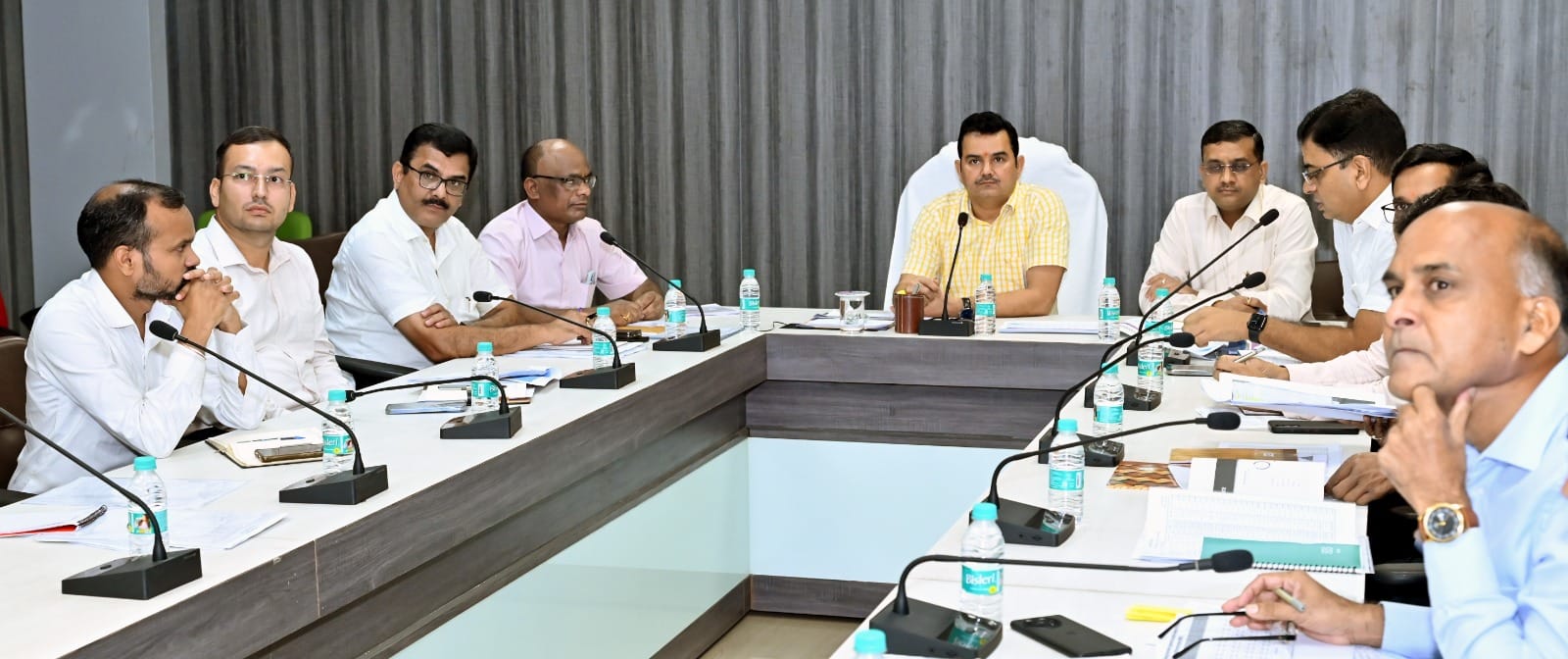
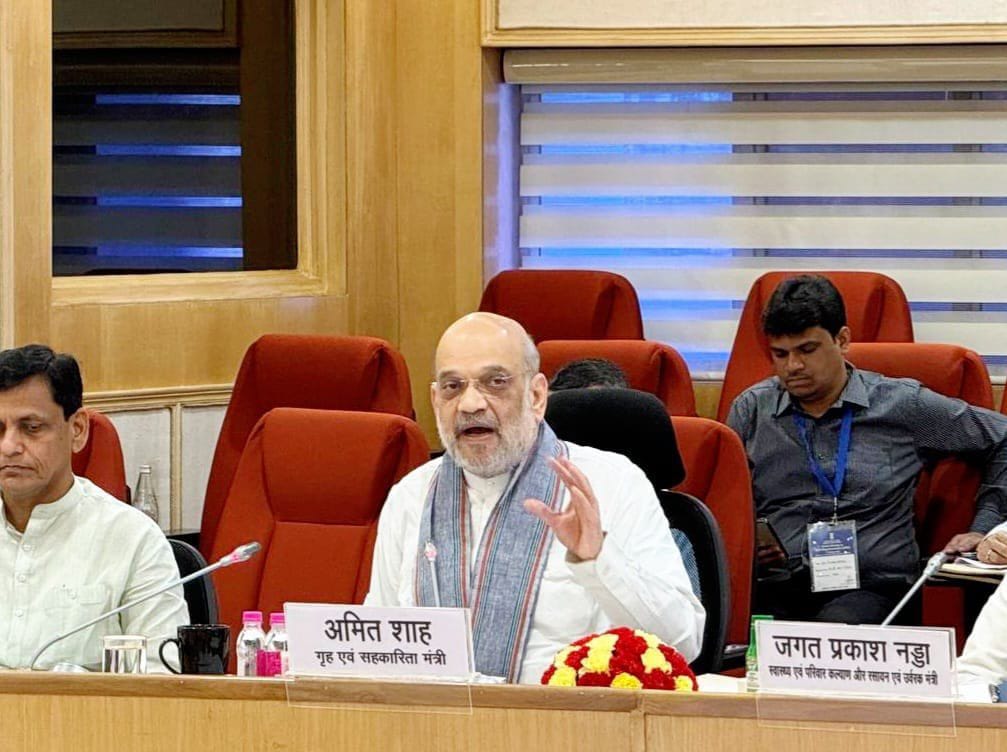
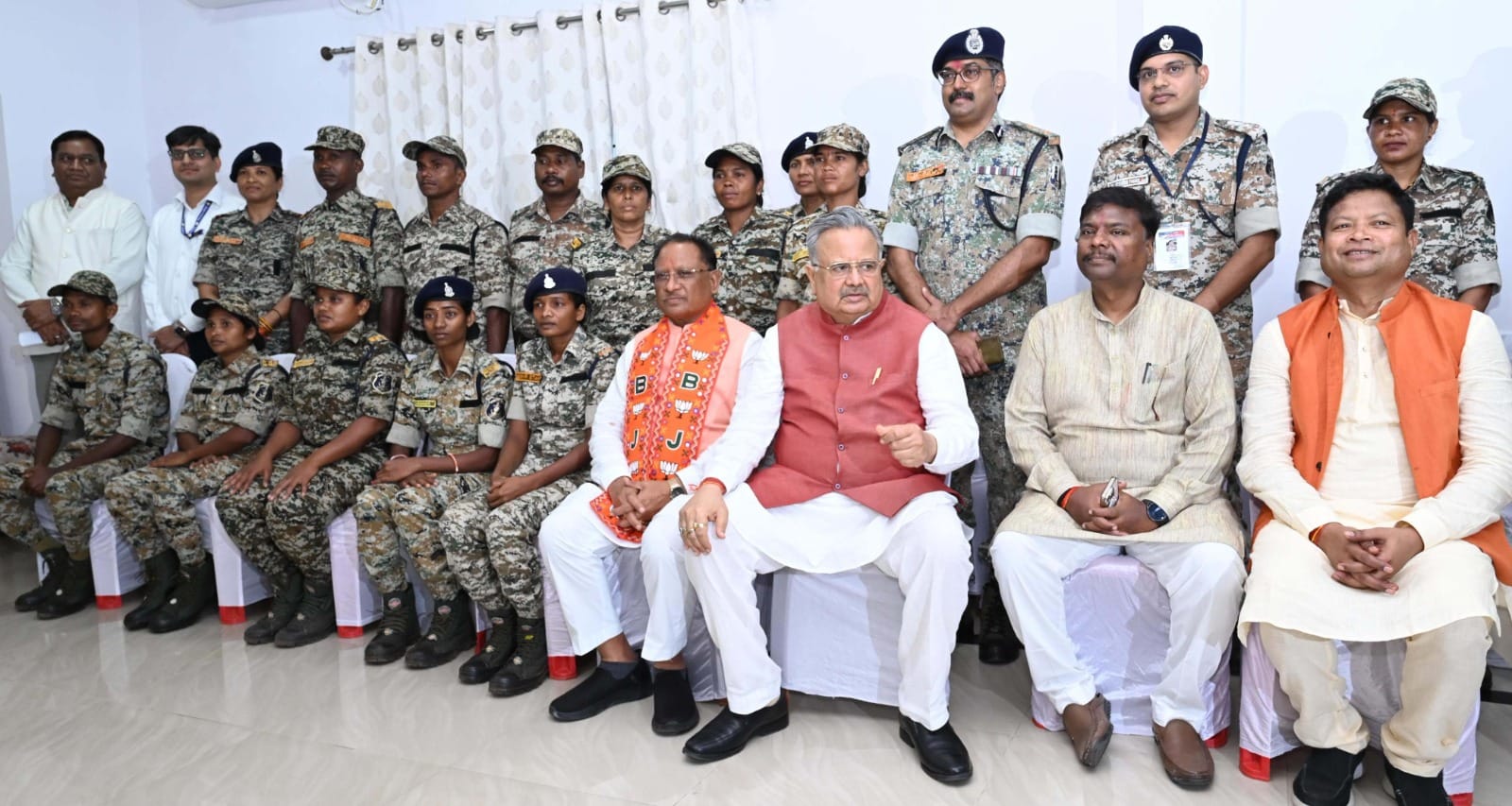
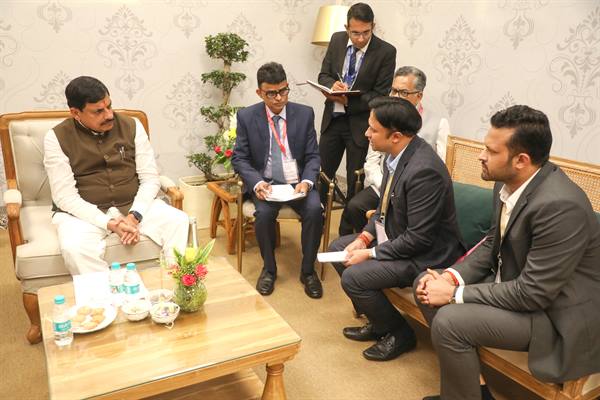
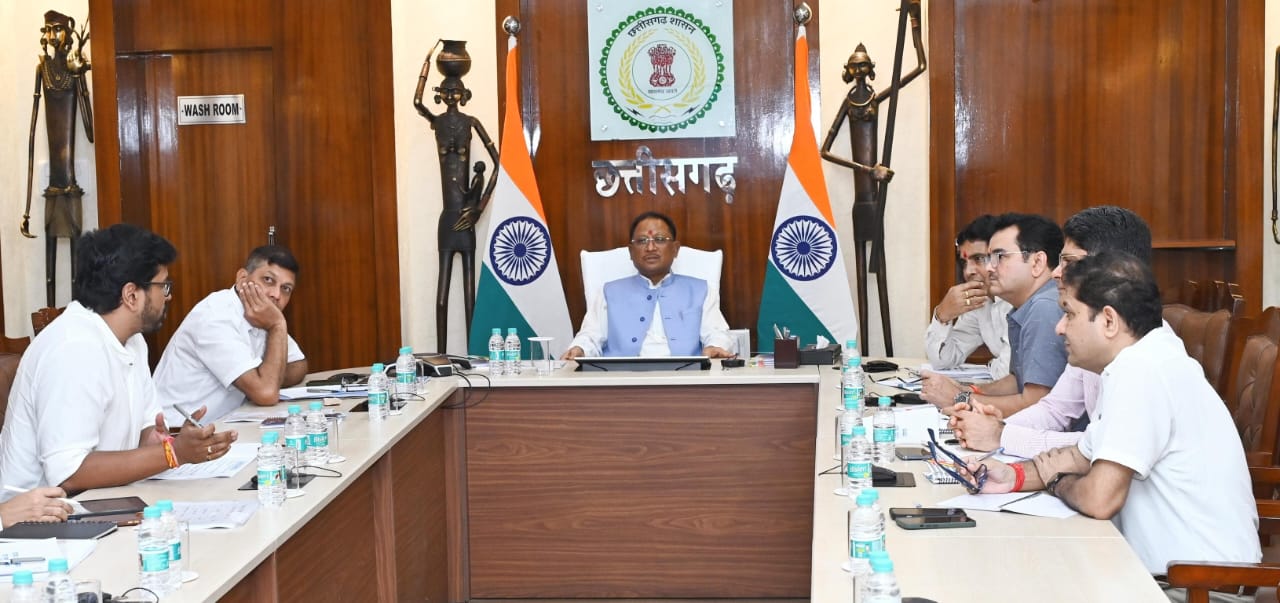
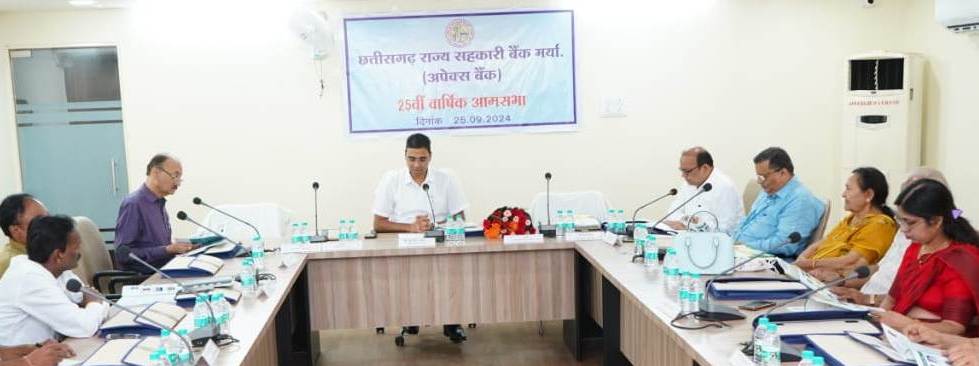
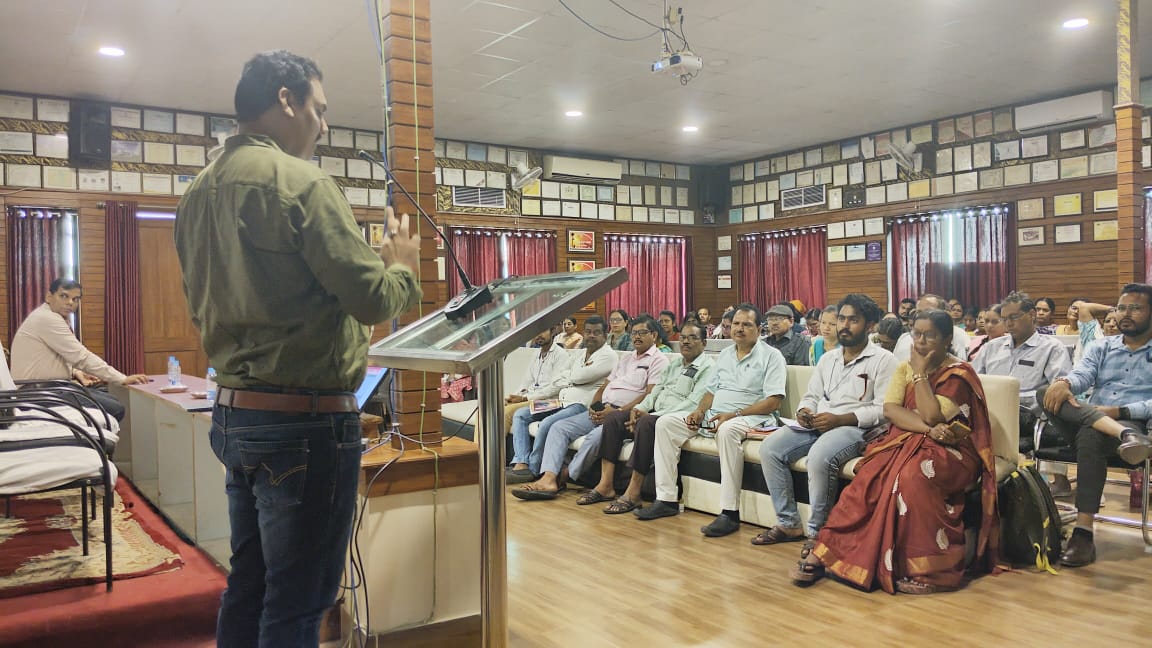
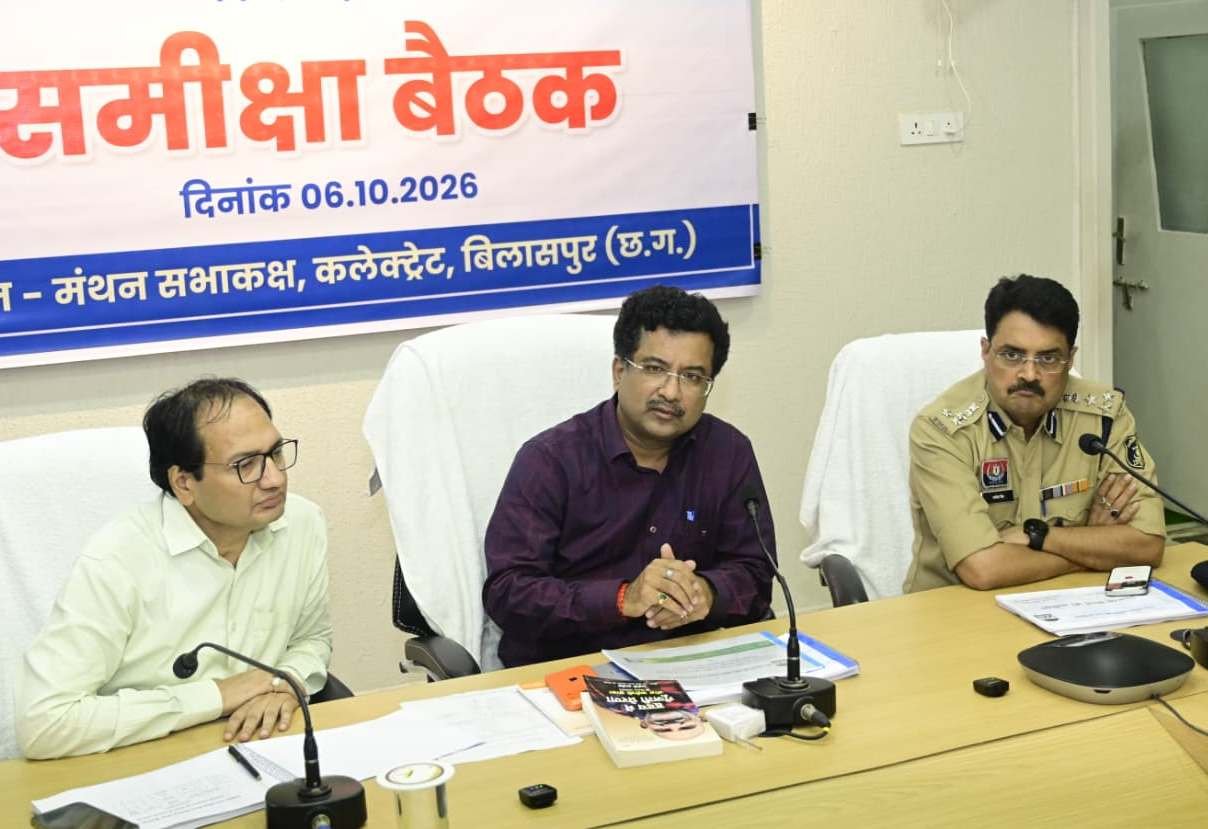
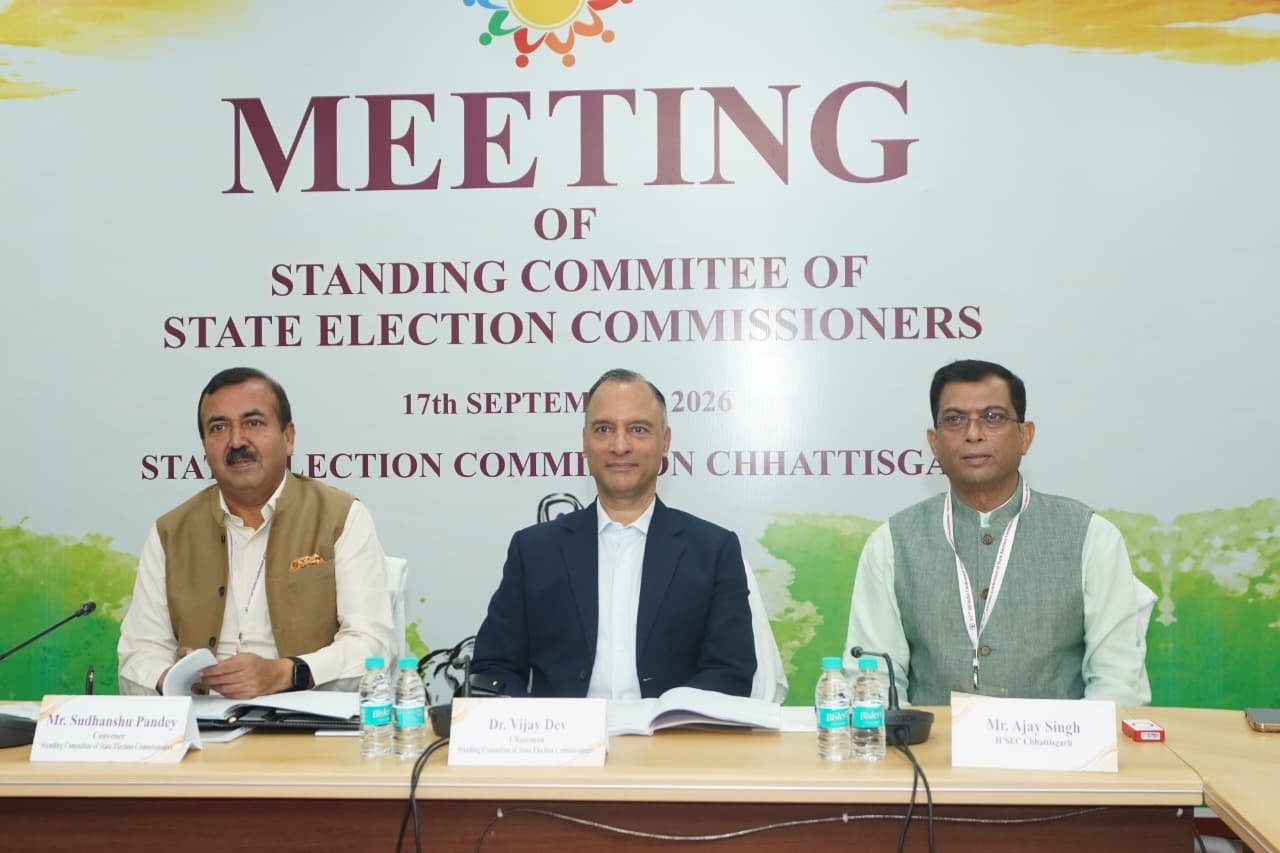
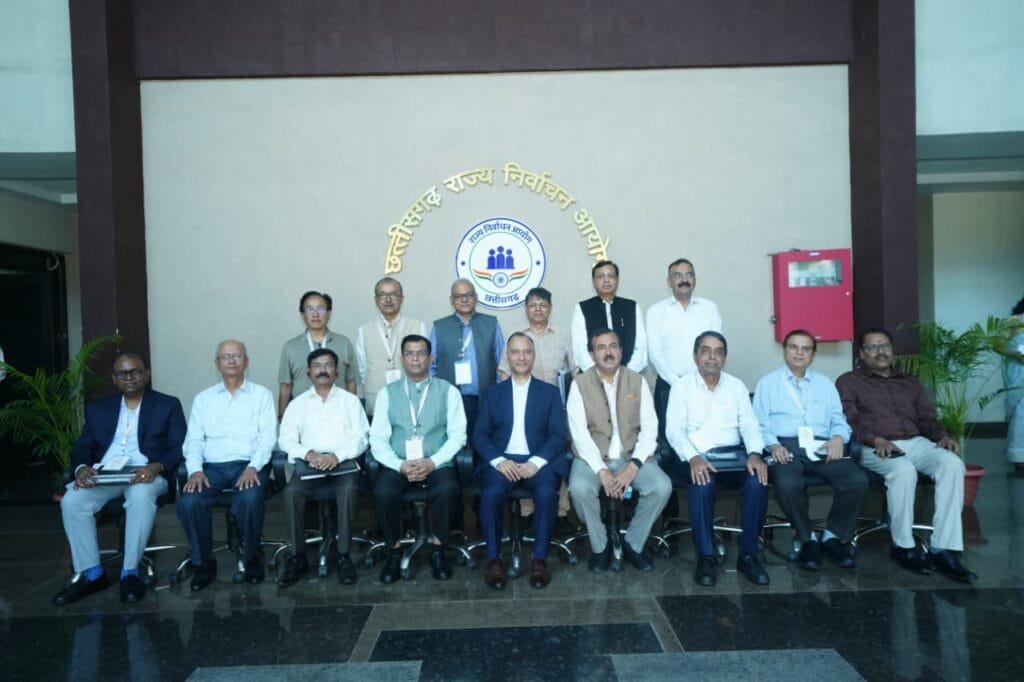
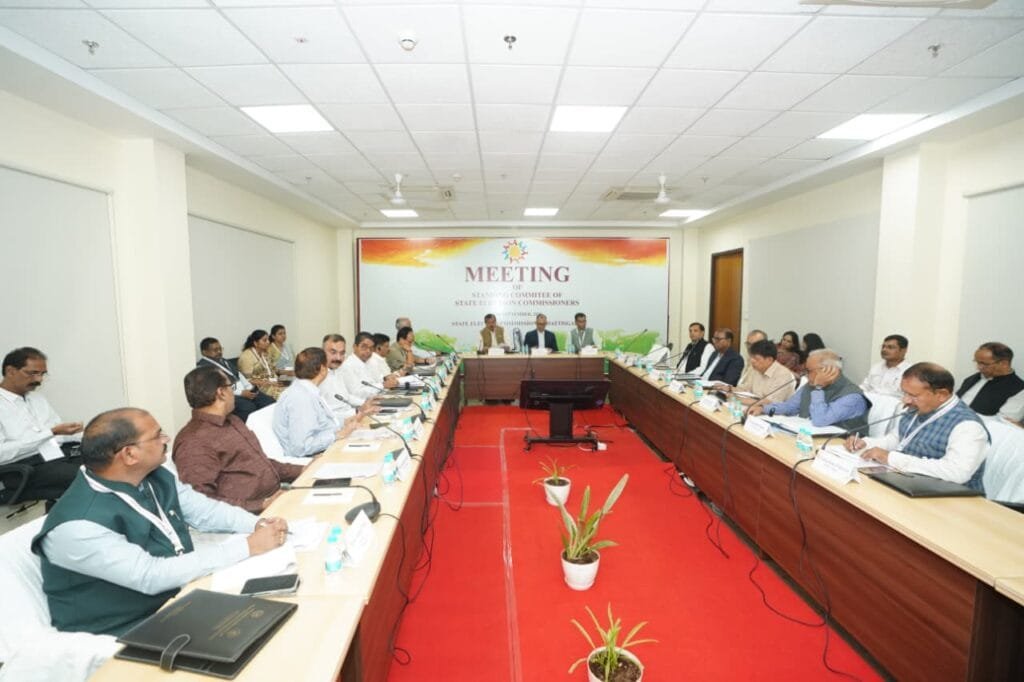
A crucial meeting of the Standing Committee of State Election Commissioners concluded today at the State Election Commission office in Atal Nagar, Naya Raipur, Chhattisgarh. Held as part of the 32nd All India State Election Commissioners’ Conference, the meeting saw Election Commissioners from various states deliberate on key issues regarding making local body elections more accessible, fair, technologically advanced, and timely.
The meeting reviewed the progress of the three sub-committees formed by the Standing Committee. Discussions focused on technical initiatives and online systems implemented in various states, enabling other states to adopt them and improve their electoral operations. Deliberations also took place regarding the development of an ‘EVM Management System Software’ to facilitate the sharing of EVMs between states when needed—a task currently being handled by the Bihar State Election Commission. Additionally, the exchange of best practices for successful election conduct and strategies to resolve practical challenges in holding timely elections were discussed.
- Consensus on Electoral Databases and M-3 Model EVMs
The meeting considered the sharing of electoral databases among states, a proposal originally put forward by the State Election Commissions of Gujarat and Maharashtra. A consensus was also reached on a proposal by the West Bengal State Election Commission to make M-3 model EVMs available to states during times of need and to establish a system for their shared utilization. Emphasis was placed on sharing information regarding election schedules and undertaking mutual study visits to better understand the electoral systems and innovations of other states.

Furthermore, Pune was selected as the potential venue for the upcoming national conference of State Election Commissioners, which will focus on the theme of ‘Cooperative Federalism and Multilevel Governance.’ Meanwhile, Mr. Chandan Kumar, Chief Executive Officer of the Naya Raipur Atal Nagar Development Authority (NRDA), delivered a presentation on the development and modern layout of Naya Raipur.
- Appreciation for the New Legislative Assembly and Naya Raipur
Following the meeting, Election Commissioners from various states, accompanied by their families, visited Chhattisgarh’s new Legislative Assembly building located in Sector-19 of Naya Raipur. During the visit, they toured the House chamber and gained insights into legislative proceedings and the operational mechanisms of the assembly. It is noteworthy that Prime Minister Mr. Narendra Modi inaugurated this new assembly building on November 1, 2025, marking the completion of 25 years since the state’s formation. They also inspected key sectors of Naya Raipur. The Commissioners observed the rapidly developing world-class facilities in education, healthcare, and new technology, and praised the development model of Naya Raipur as a modern, well-planned smart city.
- Glimpse of Chhattisgarh’s Tribal Struggles at the Digital Tribal Museum
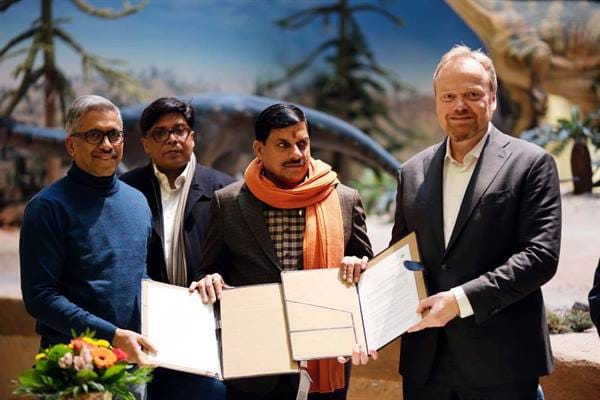
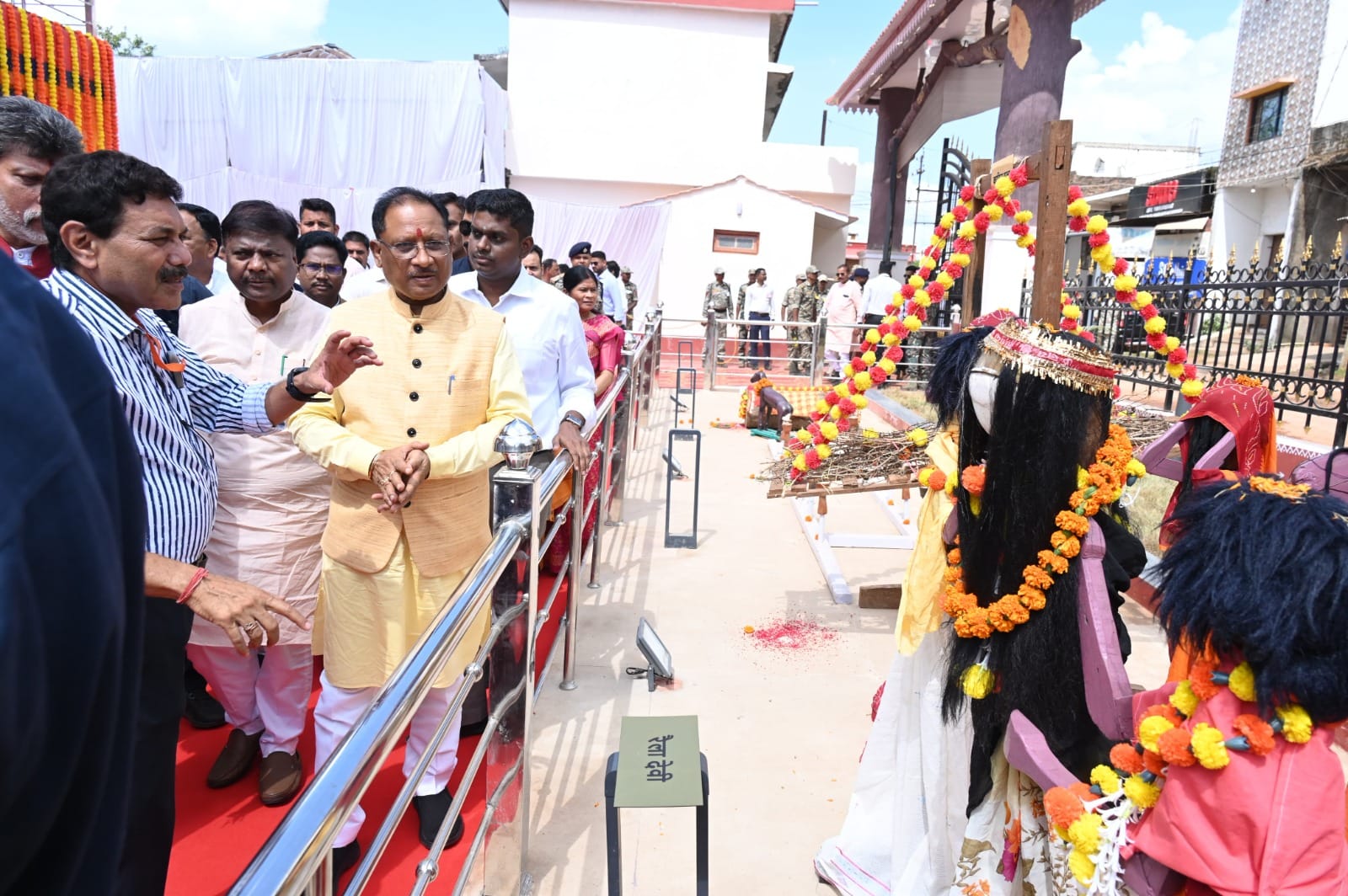
At the conclusion of the tour, the Election Commissioners and their families visited the country’s first digital tribal museum in Naya Raipur—the Shaheed Veer Narayan Singh Memorial-cum-Tribal Freedom Fighters Museum. Across the museum’s 14 distinct sections, the Commissioners closely examined and understood the inspiring narratives of Chhattisgarh’s historic tribal movements and the freedom struggle, presented through digital technology and screens. They highly praised the vivid presentations of historic struggles such as the Halba Rebellion, Sarguja Rebellion, and the uprisings in Bhopalpatnam, Parlkot, Tarapur, Lingagiri, Koi, Meria, Muria, Rani Chauris, Bhumkal, and Sonakhan, as well as the Jhanda Satyagraha and Jungle Satyagraha. Afterward, they enjoyed performances by renowned folk artists of Chhattisgarh during an evening cultural program held at the tribal museum.