
















- Chief Minister Dr. Yadav released 5 vultures of endangered species in Halali Dam watershed,
- with innovations like satellite telemetry continuously increasing vulture numbers in Madhya Pradesh.
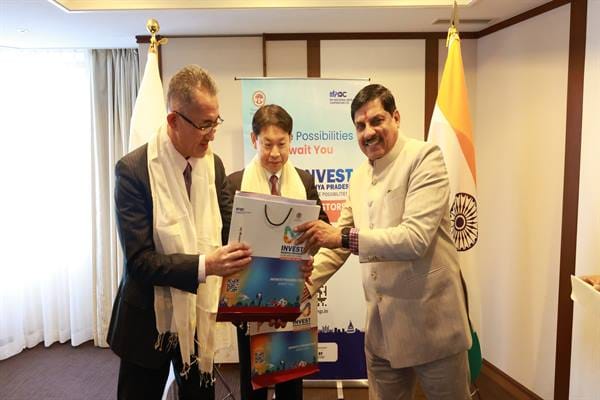
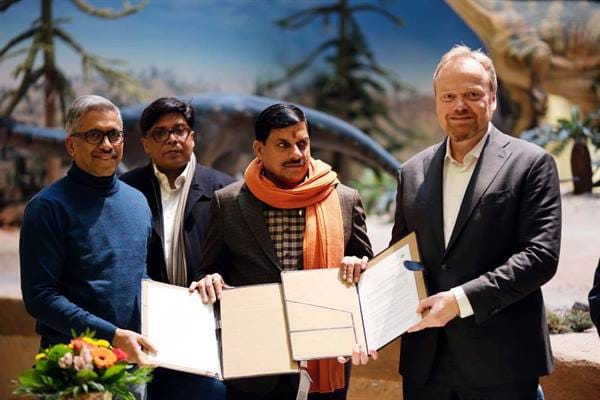
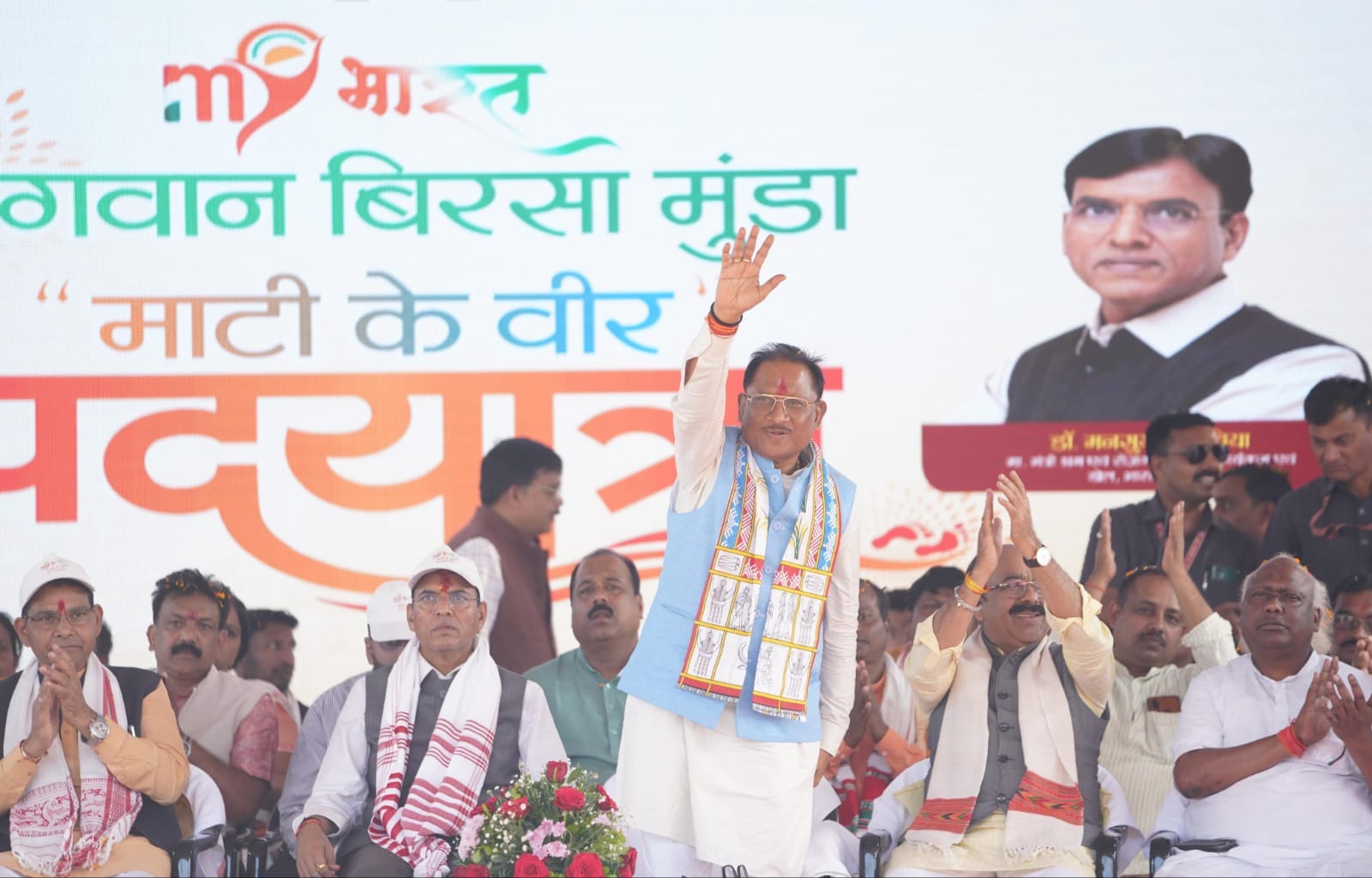
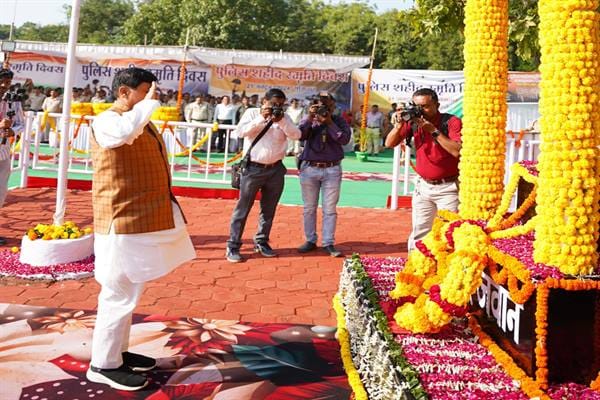
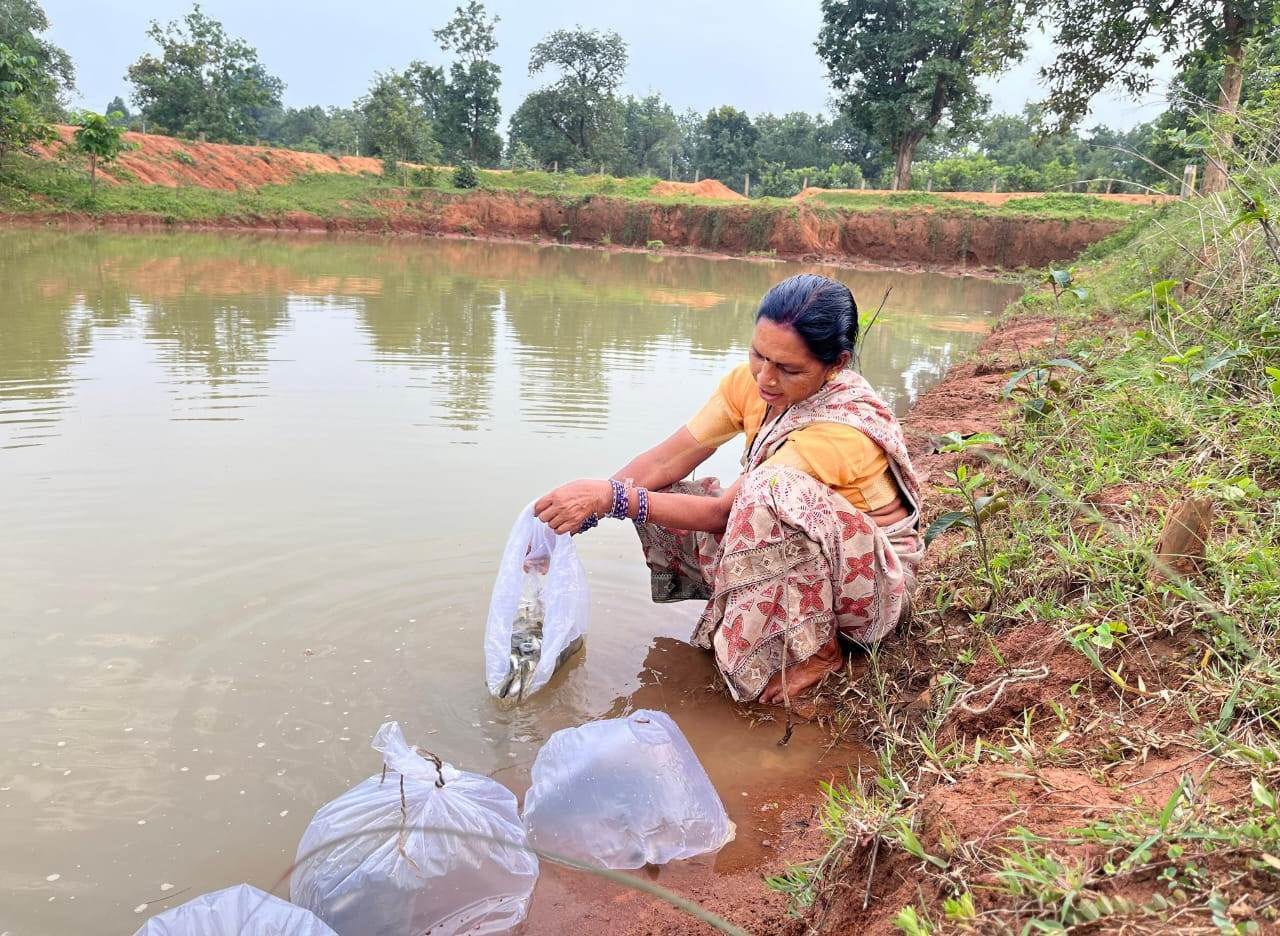
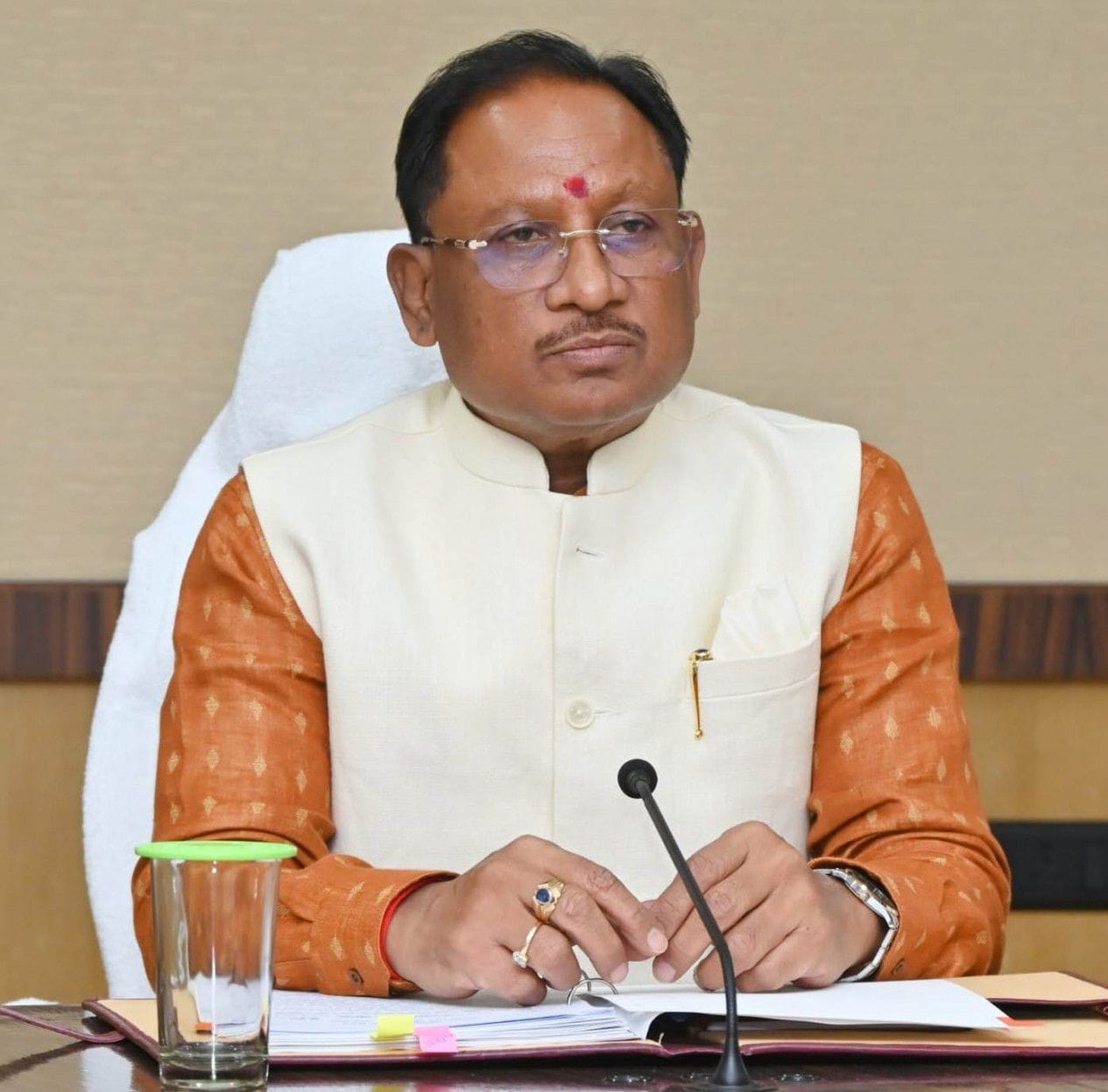
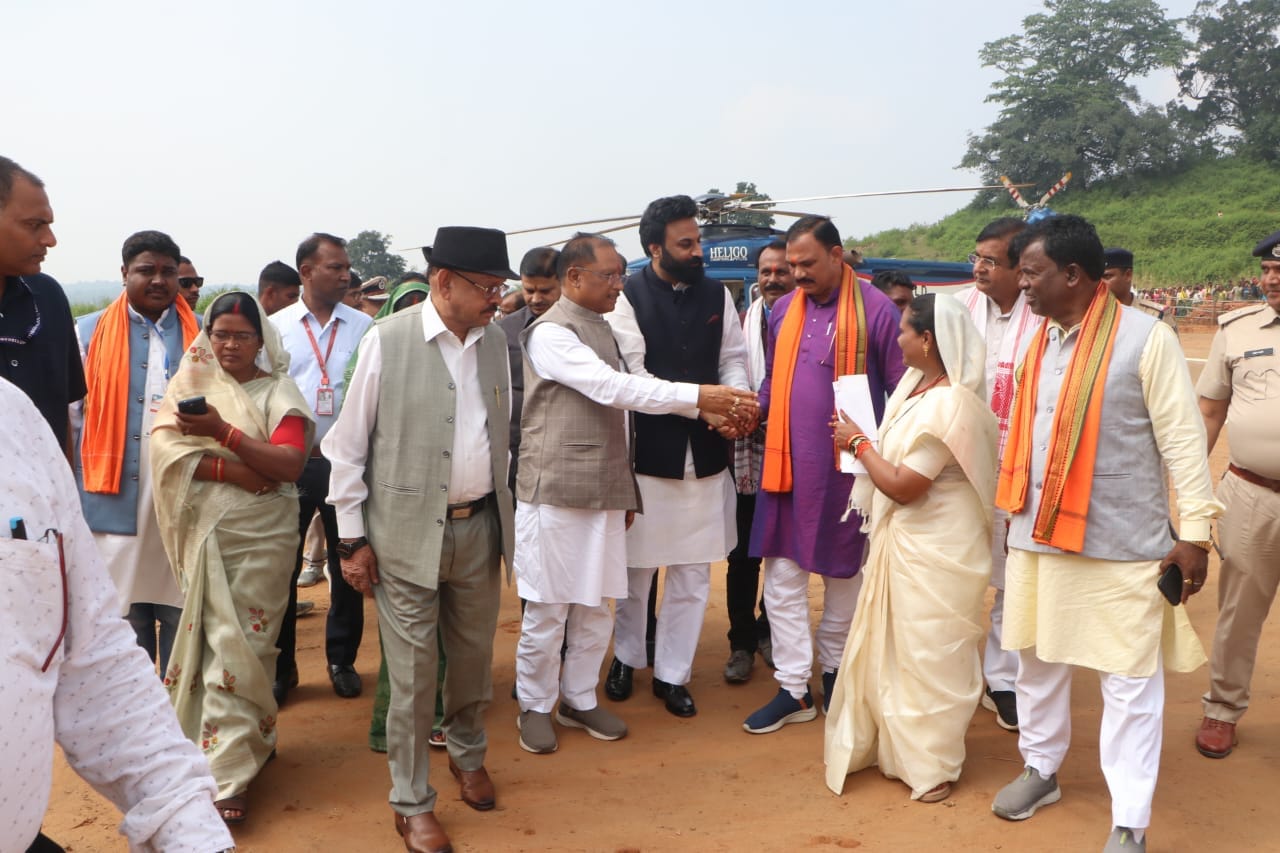
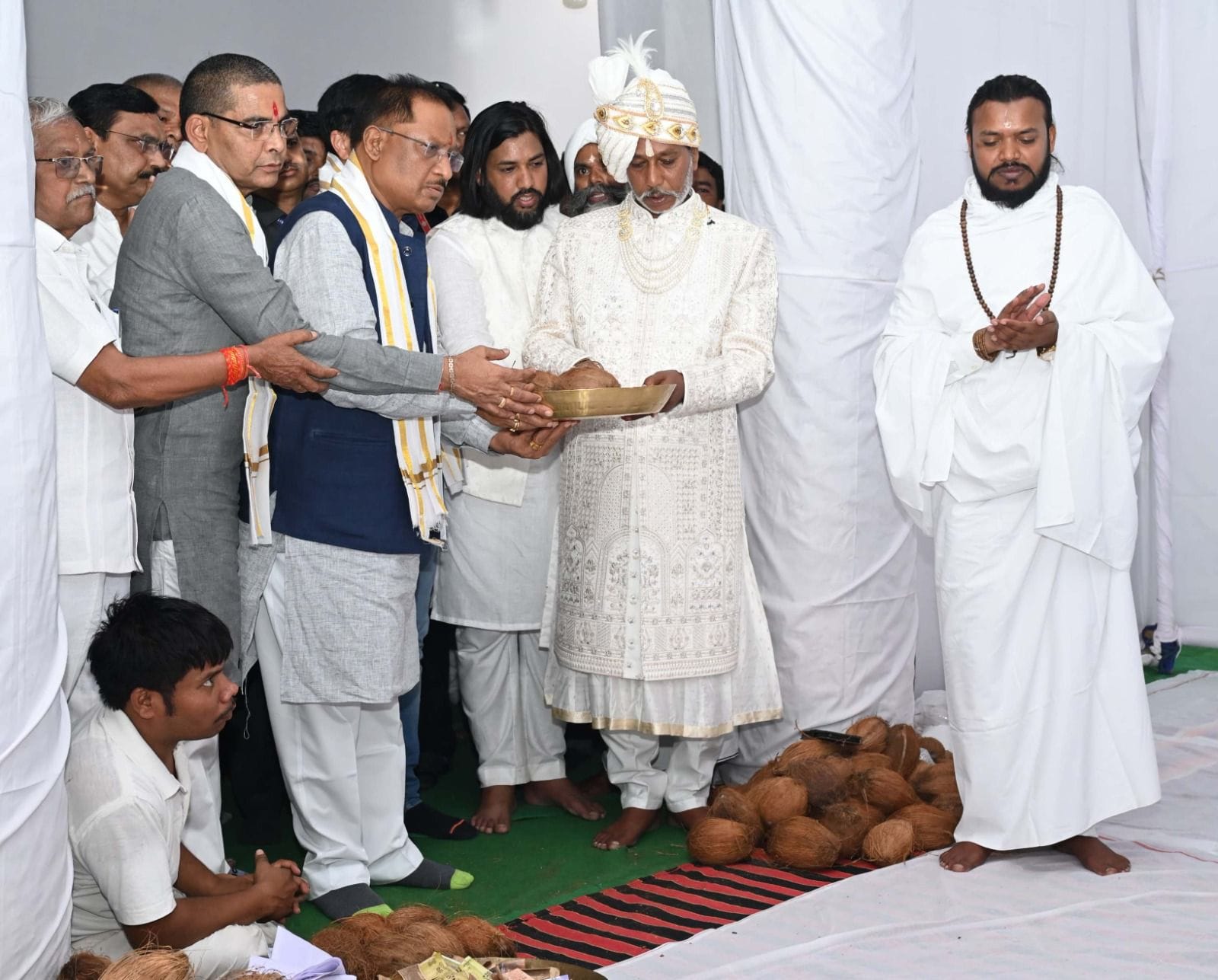
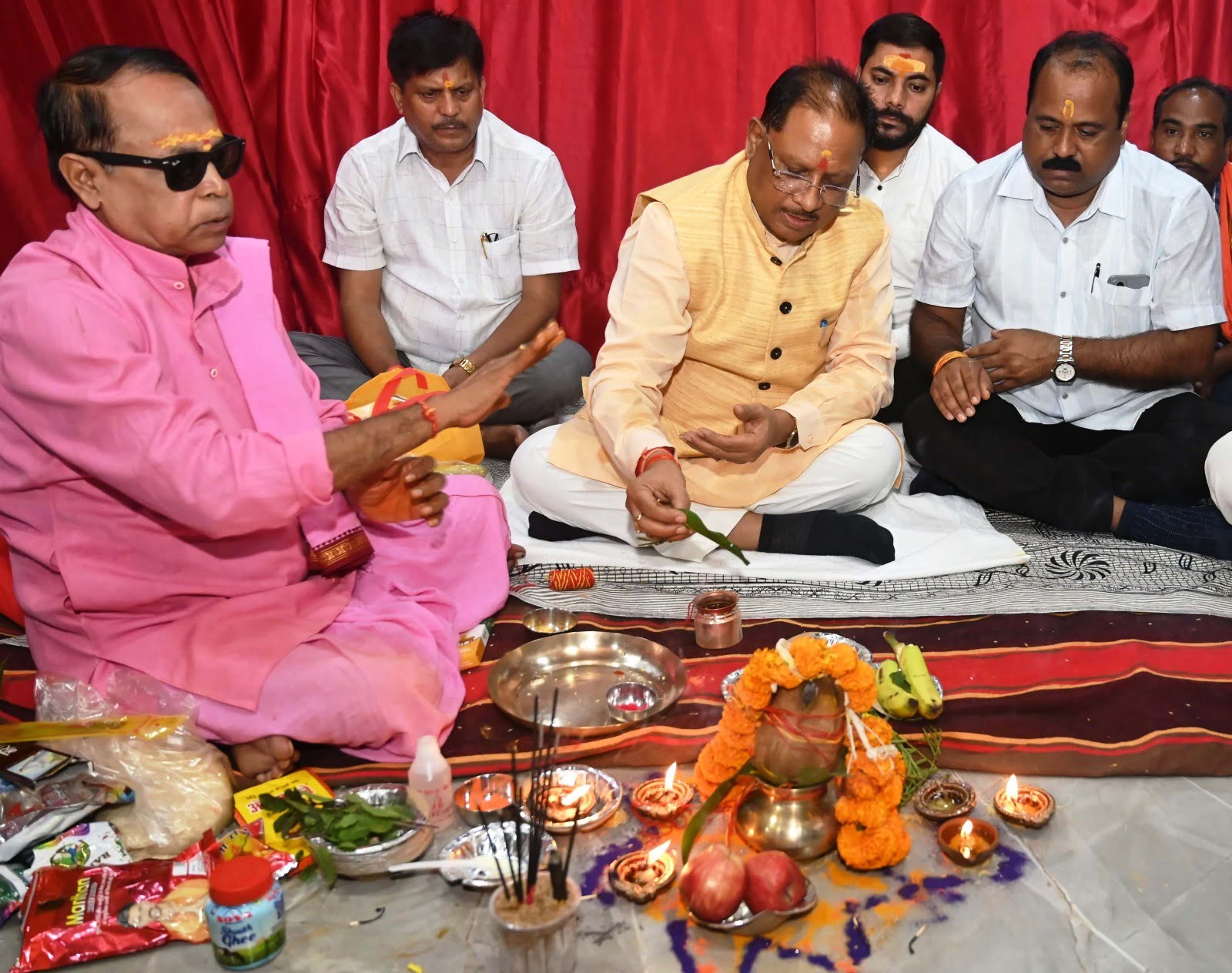
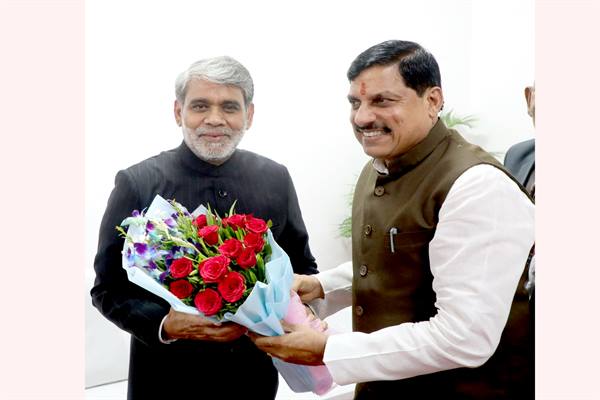
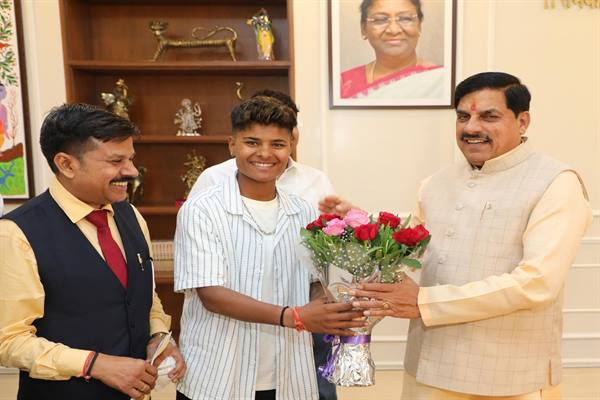
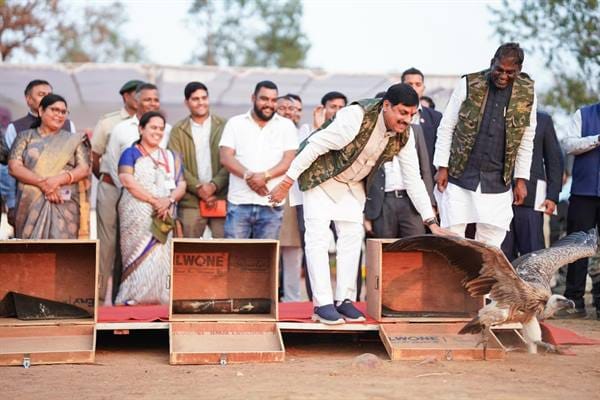
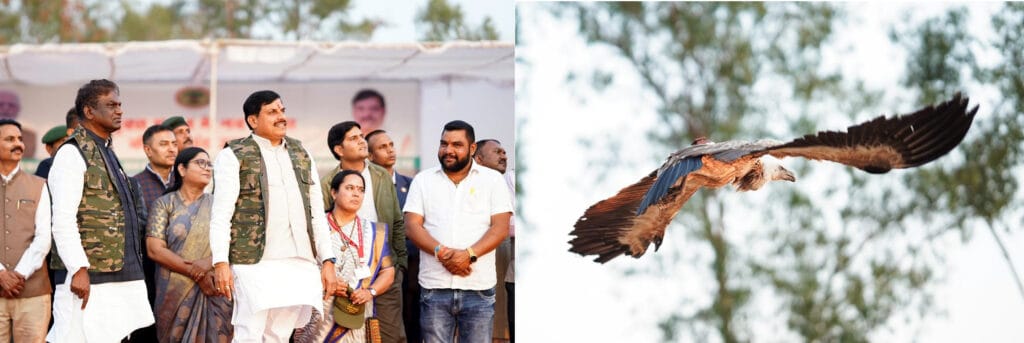
Chief Minister Dr. Mohan Yadav released 5 vultures of endangered species in their natural habitat in Halali Dam area on Monday. These include four Indian vultures (Gyps indicus) and one cinereous vulture (Aegyptius monacus). On this occasion Chief Minister Dr. Yadav said that the state government is committed to protect the animals and birds that are partners in the ecosystem. Madhya Pradesh is the state with the highest number of tigers, leopards and other wild animals and also ranks first in the country in the protection of vultures. Madhya Pradesh has more number of vultures than any other state. This includes the passenger vulture. These birds have a special contribution in the ecosystem. Chief Minister Dr. Yadav congratulated the forest department and the local administration for their efforts to protect the vulture bird.
It was informed on this occasion that five rare species of vultures equipped with high precision GPS-GSM satellite transmitters have been released after a proper acclimatization and observation period at the Vulture Conservation Breeding Center in Bhopal. The tagging process was conducted under the supervision of Wildlife Veterinarians of Wildlife SOS in the presence of representatives of all concerned organizations and forest department. This initiative is an important step towards understanding the ‘vulture scenario’ that develops in central India. While Indian vultures generally stay in one area, cinereous vultures travel long distances within the Central Asian Flyway, a major migratory bird corridor in the world spanning more than 30 countries.
Vulture conservation and bird conservation efforts
Taking an important step in the direction of bird conservation, the Forest Department of Madhya Pradesh has started a satellite telemetry program to monitor and monitor the movements of vultures in collaboration with WWF-India and Bombay Natural History Society. Telemetry data provides important information about vultures’ landscape use, movement patterns and their response to anthropogenic pressures. This is helping to identify key staging areas and feeding areas, understand their ecology in protected and human-dominated areas, and identify high-risk areas such as lightning strikes, toxicity and habitat degradation. The scientific evidence collected in this process will help to develop more effective threat-mitigation strategies and strengthen conservation plans at the landscape level, including cross-border cooperation.
An ecosystem of integrated data-based and landscape-level conservation of vulture conservation has been developed in Madhya Pradesh through satellite telemetry. This will protect the endangered vulture species and ensure their role as guardians of environmental health in the long term.
In Indian tradition, vultures are considered symbols of power and dignity. In the Ramayana, it is mentioned that Jatayu sacrificed himself in an attempt to protect mother Sita from Ravana. In Ramayana, this is also the story of his brother Sampati, who sacrificed his younger brother Jatayu to save him from the heat of the sun. Vultures play an important role in the environmental ecosystem as scavengers of nature. Vultures are helpful in maintaining the ecological balance, and also contribute significantly in preventing the spread of diseases. Madhya Pradesh has long been the center of a rich population of vultures in the country. Species like Indian vulture (long-billed vulture), cinereous vulture (black vulture), Egyptian vulture (white scavenger vulture) and Himalayan griffon are found in the region. Recently, on the first day of Vulture Estimation-2026, more than one thousand vultures were observed in Dakshina Panna forest division, which is the highest number in recent years.
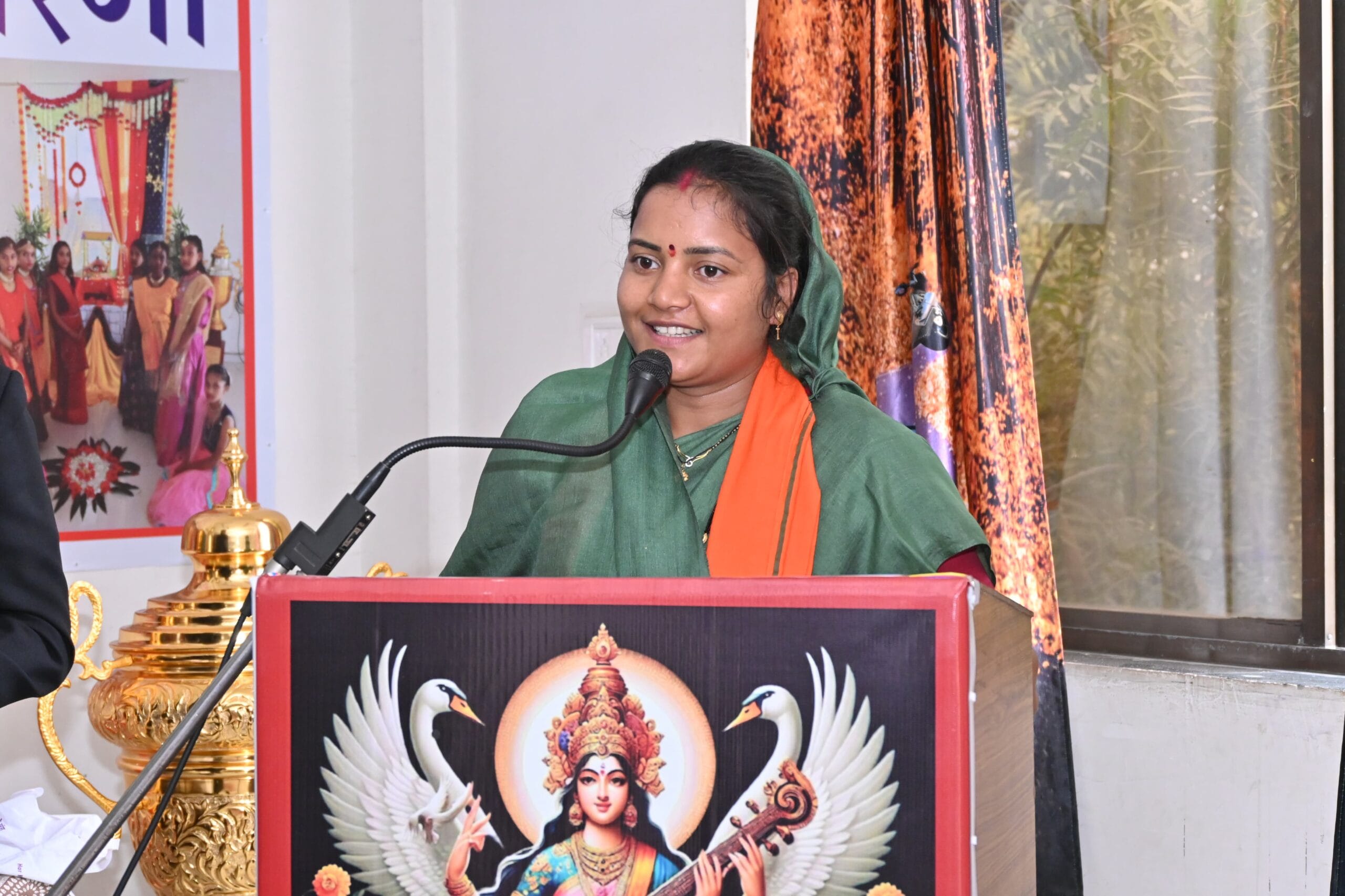
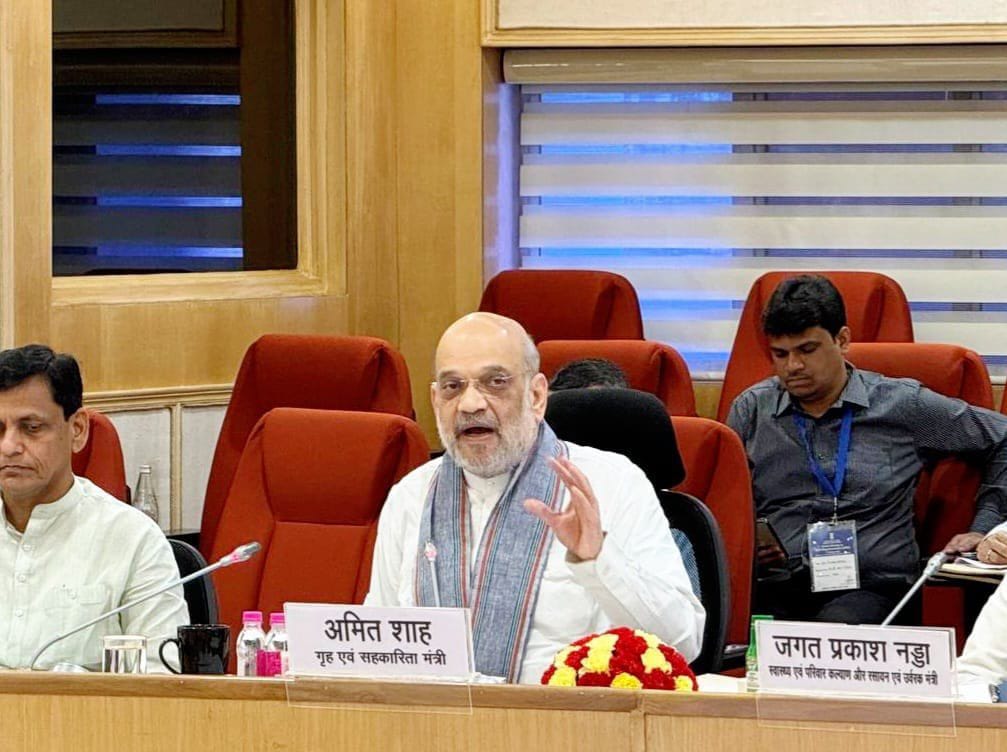
In the program, Senior MLA Dr. Prabhuram Chaudhary, District Panchayat Officer Mr. Yashwant Meena, Mr. Rakesh Sharma, along with Ms. Rajo Malviya, public representatives were present. The program was moderated by Shri Kamlesh Bahadur Singh.