























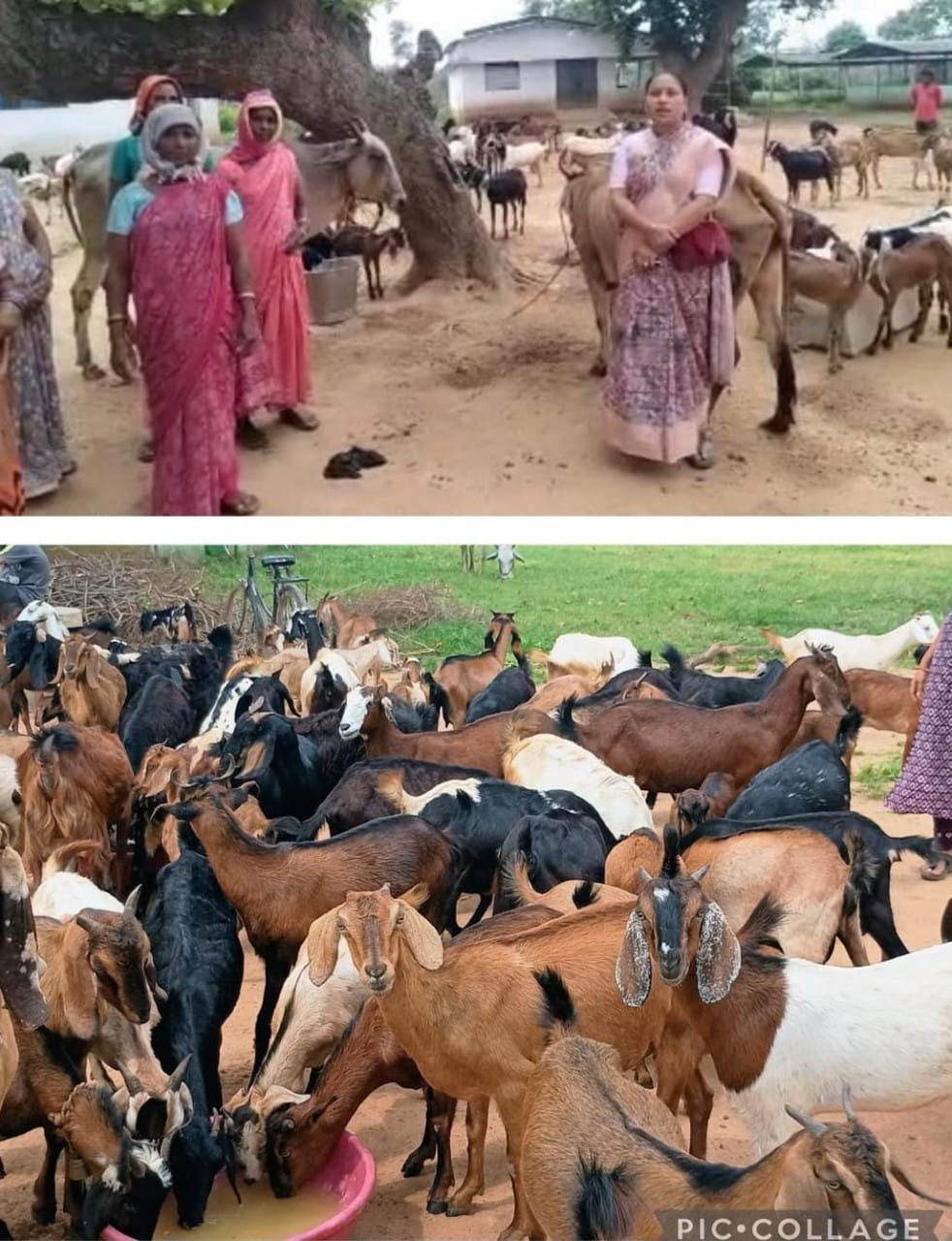
- Scope expanded from goat rearing to mini rice mill, makhana production and canteen operation
- Each member earns 8,000 to 10,000 rupees per month; they have also received national recognition.
- A new example of women empowerment created through collective will, administrative support and innovation
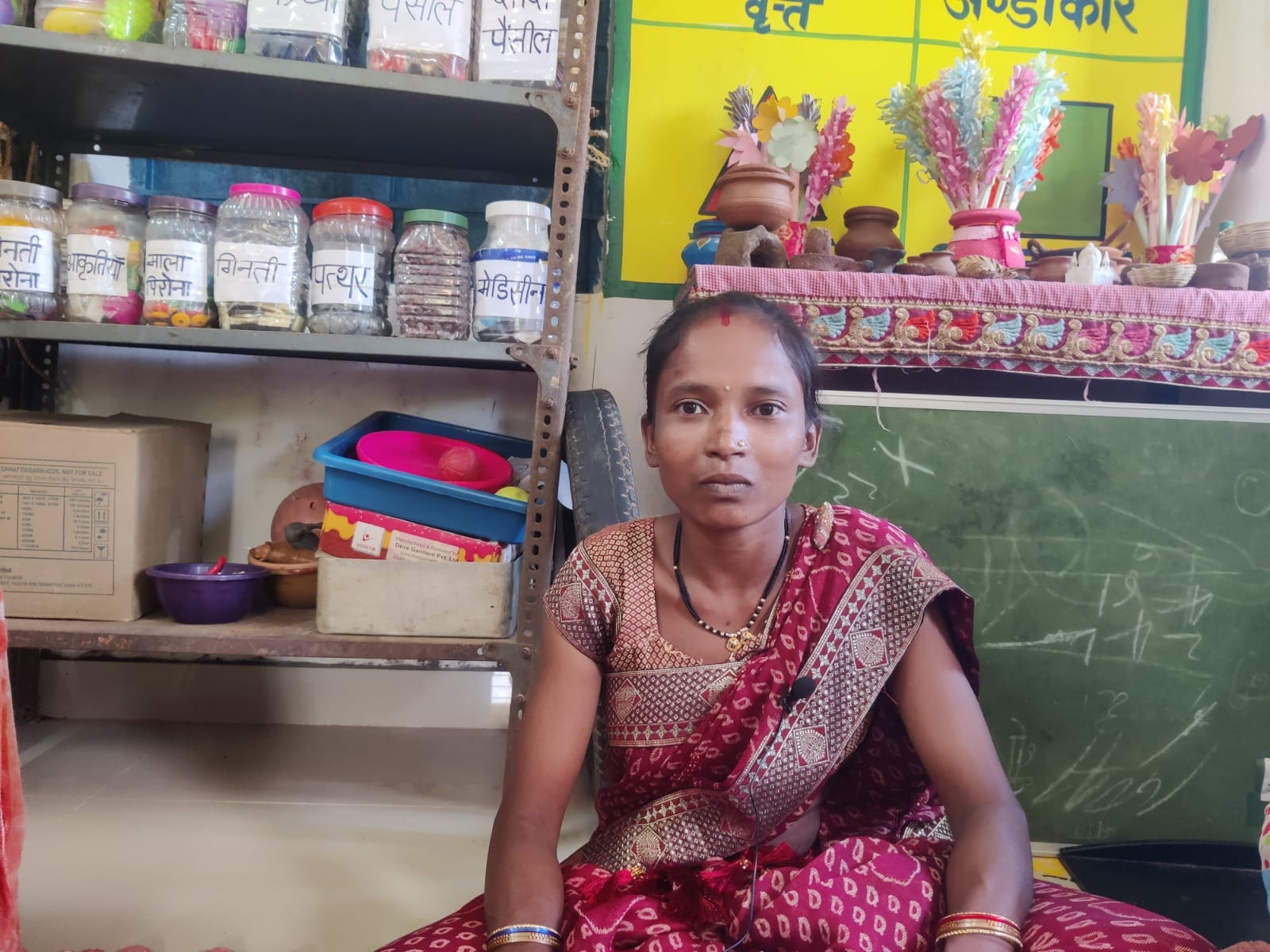
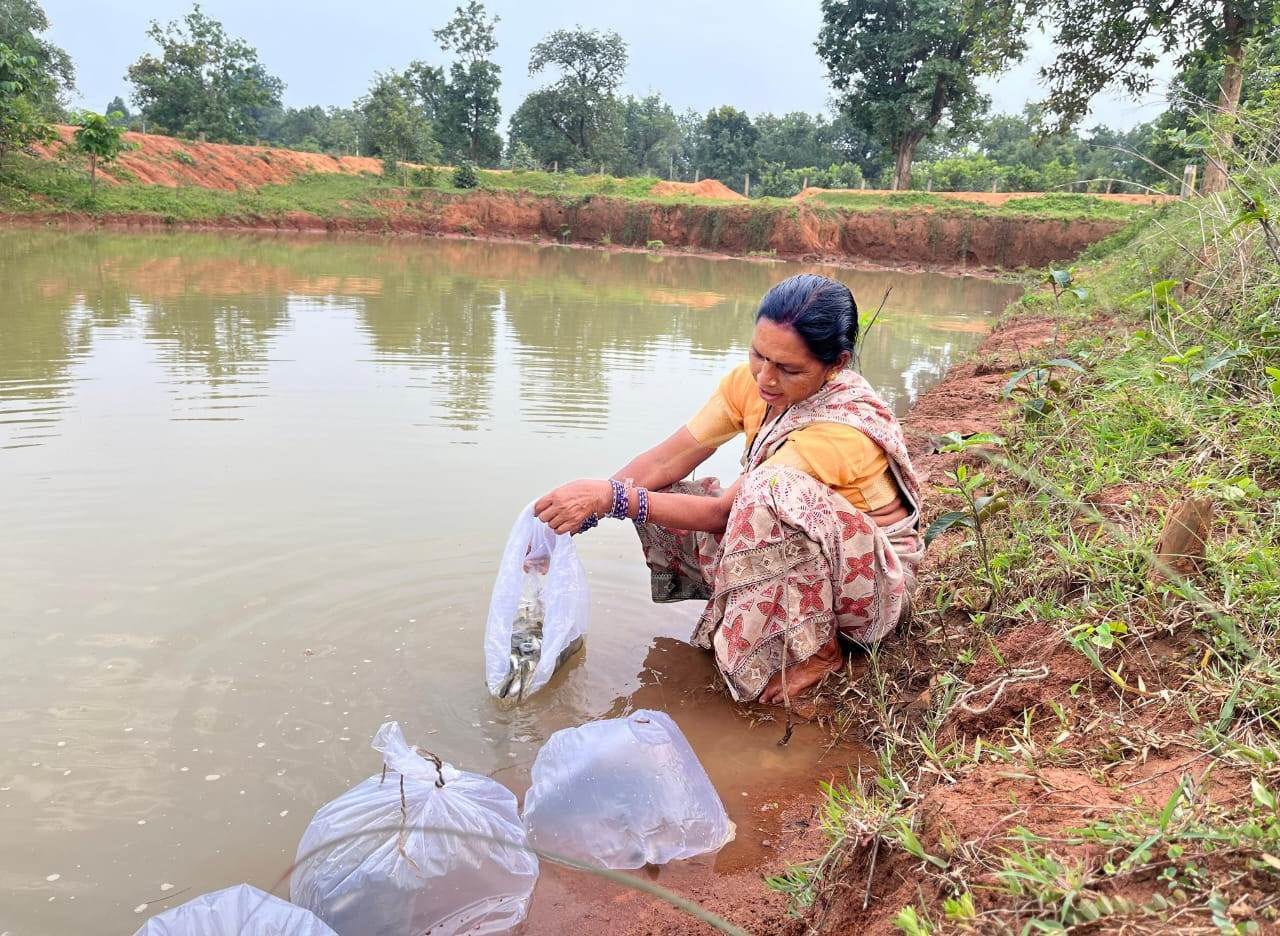
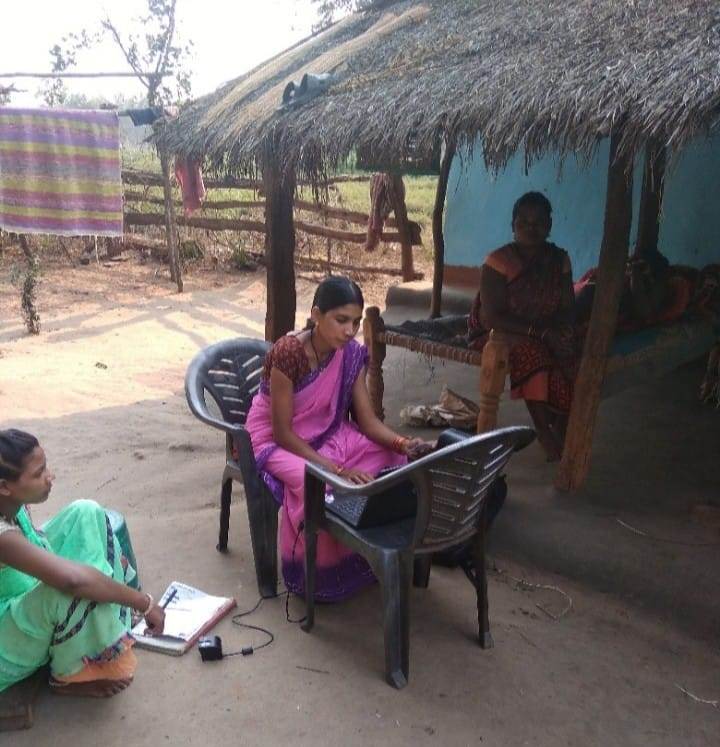
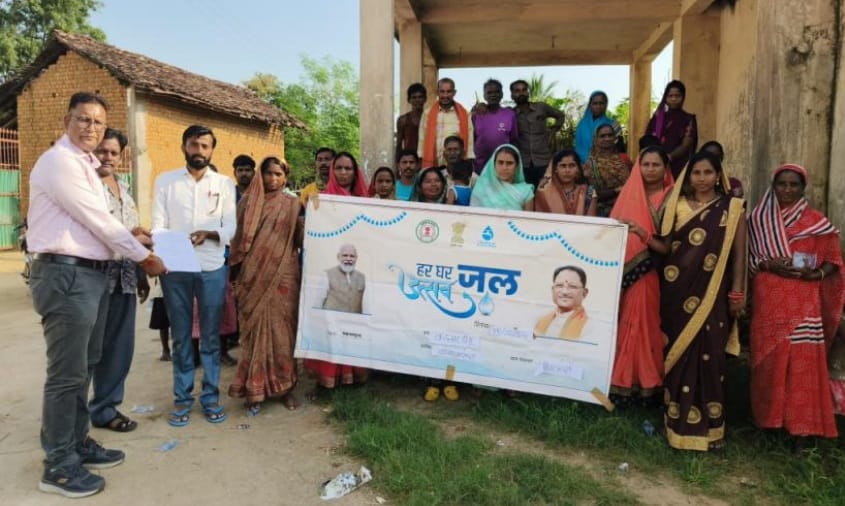
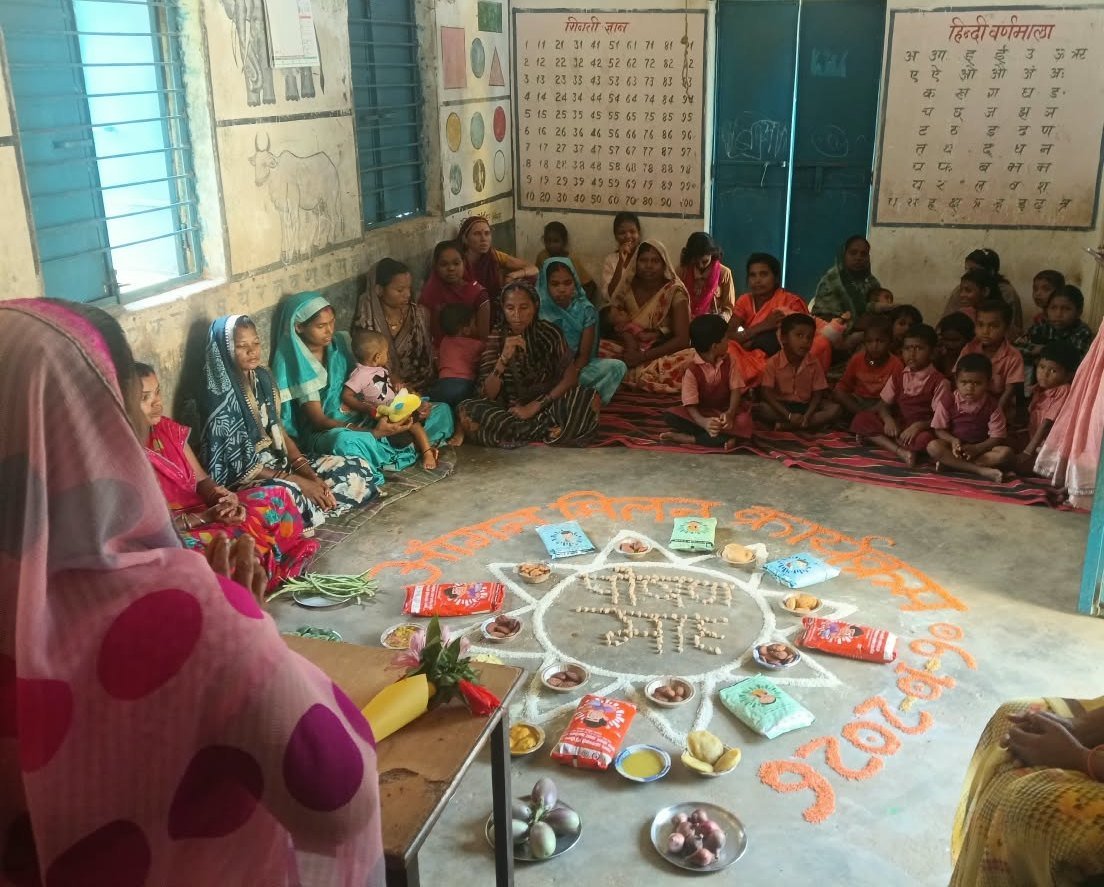
Cow and goat rearing, combined with makhana production, can be a highly profitable dairy business. The peel and waste left after harvesting makhana make excellent and nutritious fodder for animals. This reduces feed costs and increases milk production profits. If rural women are determined, they can write a new history of self-reliance, even with limited resources. The women of Chhipli village in the Nagari development block of Dhamtari district, Chhattisgarh, have demonstrated this. Overcoming struggles and challenges, the women of this self-reliant women’s self-help group have not only strengthened their economic situation but have also emerged as role models for rural livelihoods and women’s empowerment across the state.
- Challenges turned into ladders, foundation laid by goat rearing
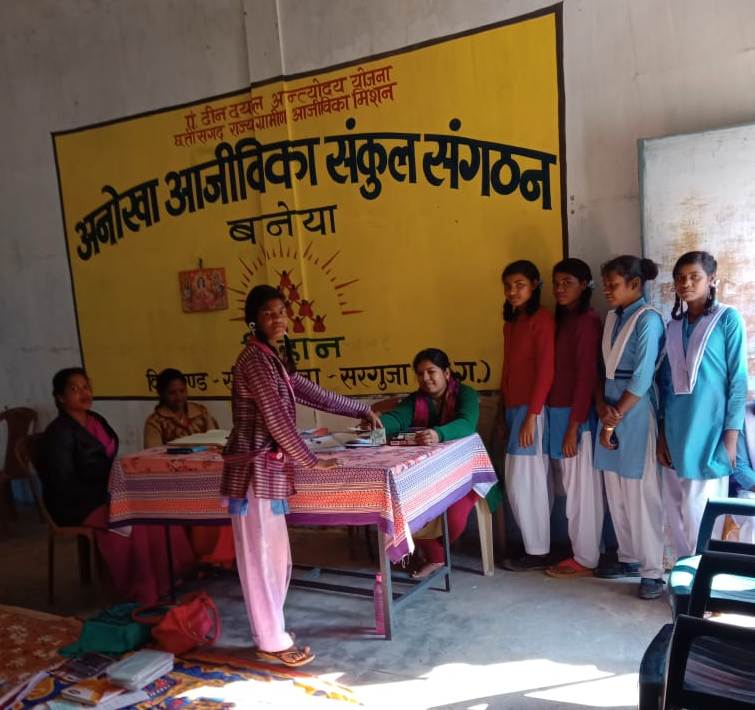
The group’s president, Mrs. Durgesh Nandani Sahu, explains that the initial phase was not easy. The first and biggest challenge was to unite the village women and develop a culture of collective work. With mutual coordination and unwavering faith, the sisters, under the guidance of the Animal Husbandry Department, made goat rearing their main source of livelihood. In the early days, they faced market fluctuations and losses, but instead of giving up, the women understood the nuances of management and animal health. The result of continuous efforts is that today each sister in the group earns a respectable income of 8 to 10 thousand rupees per month.
- Multidimensional expansion of livelihoods – from goat rearing to mini rice mill
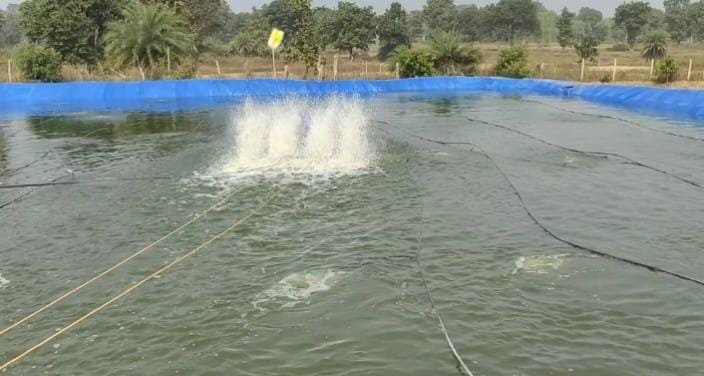
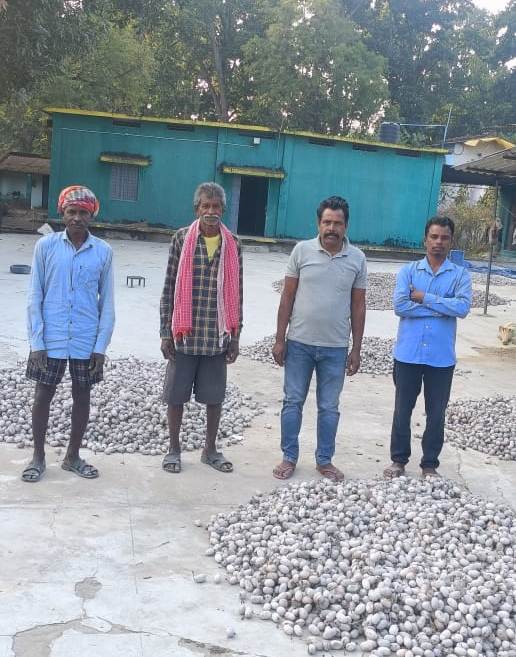
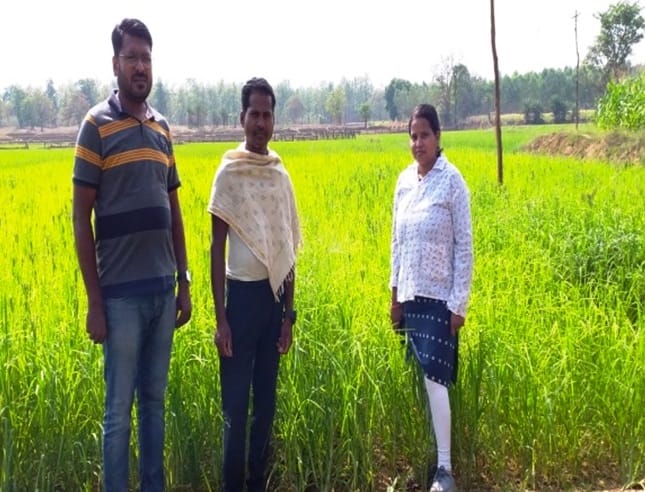
After tasting success, the sisters of Chhipli didn’t limit themselves to goat rearing. Giving their entrepreneurship a new dimension, the group expanded its activities in a multifaceted manner. They prepared the village pond for makhana production and boosted the dairy business through cow and goat rearing. They adopted scientific cultivation of fruit trees along with pulses and oilseed crops. They developed a stable source of daily income by starting a mini rice mill and operating a canteen in the village.

- Administrative Strength and National Identity
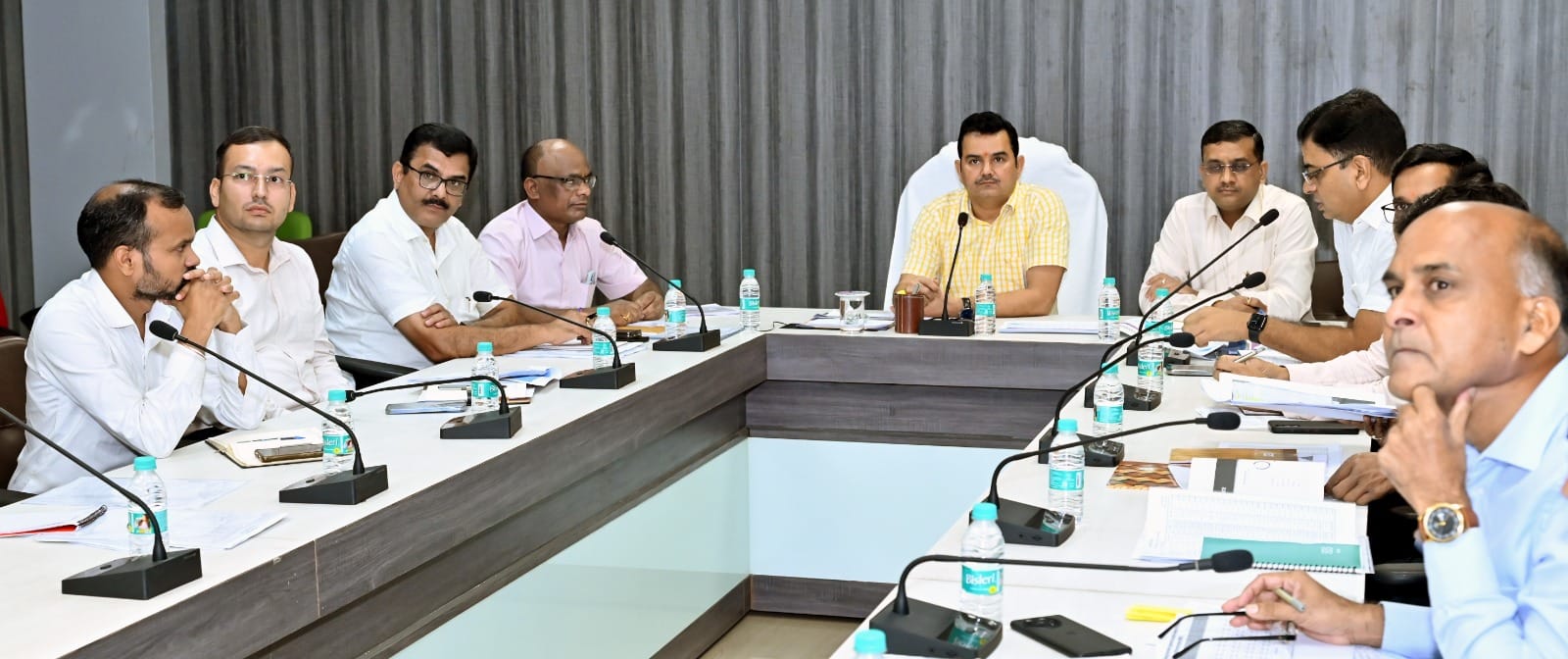
Technical support from the district administration and the Animal Husbandry Department proved a strong support for the sisters. The Collector stated that connecting women to economic activities through self-help groups in villages strengthens the backbone of the rural economy. The women of Chipli have proven that given the right opportunities and guidance, rural women can reach new heights of livelihood. The district administration is committed to providing such groups with access to markets, training, and all possible departmental support.
- A living example of self-reliance and women empowerment
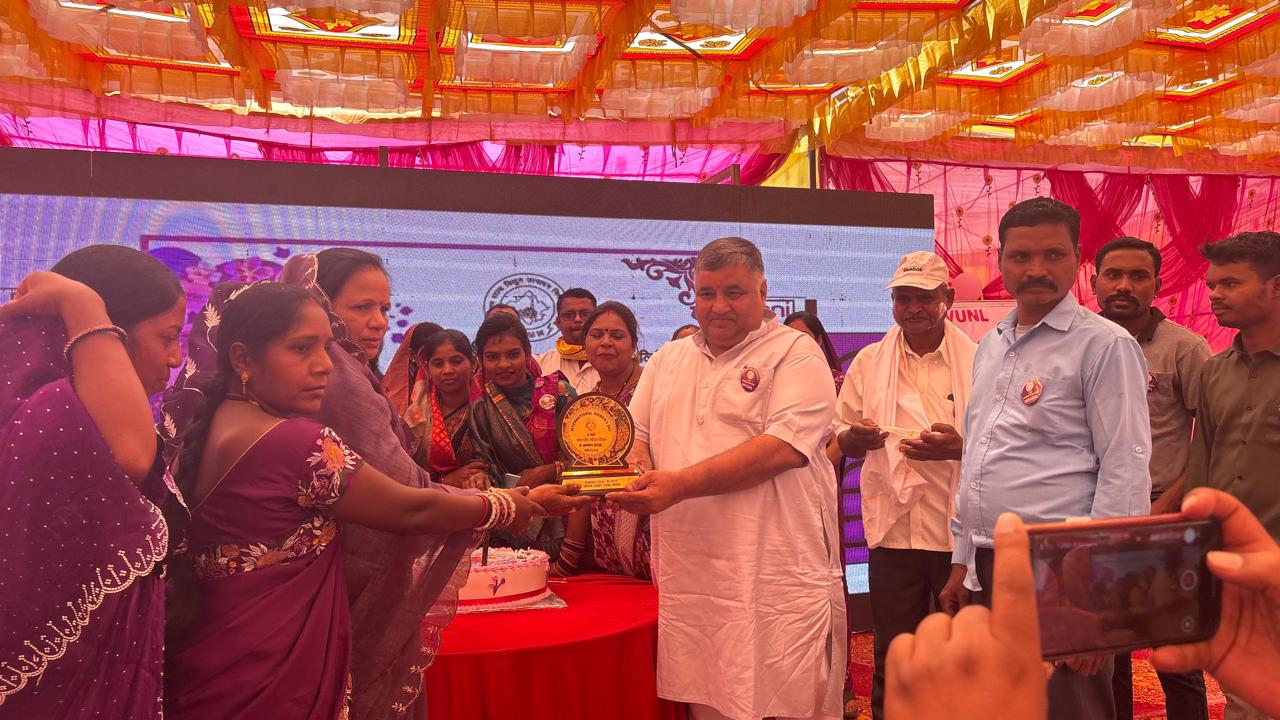
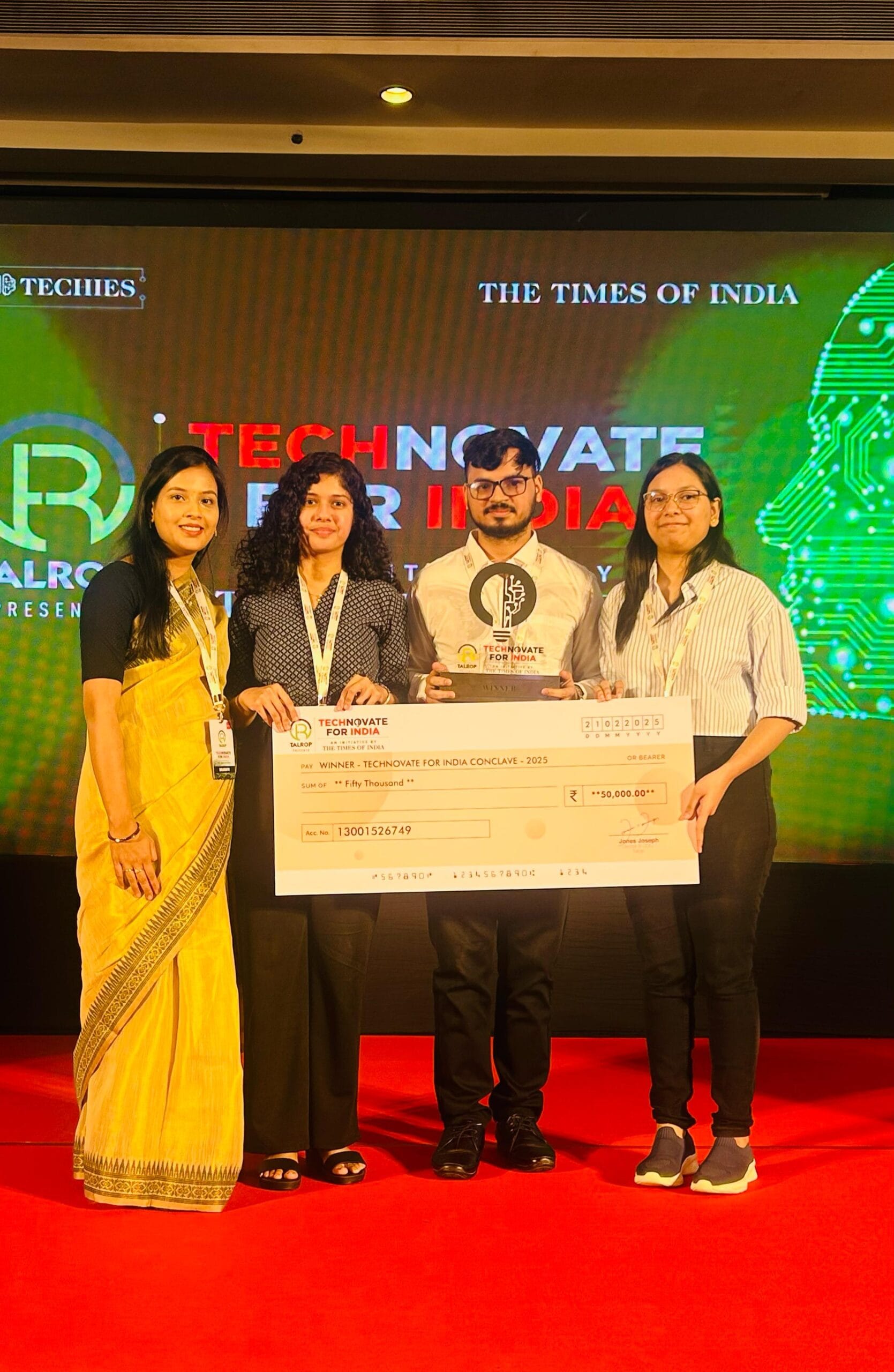
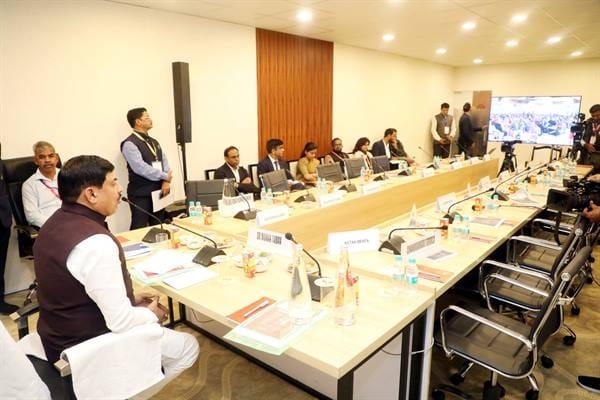
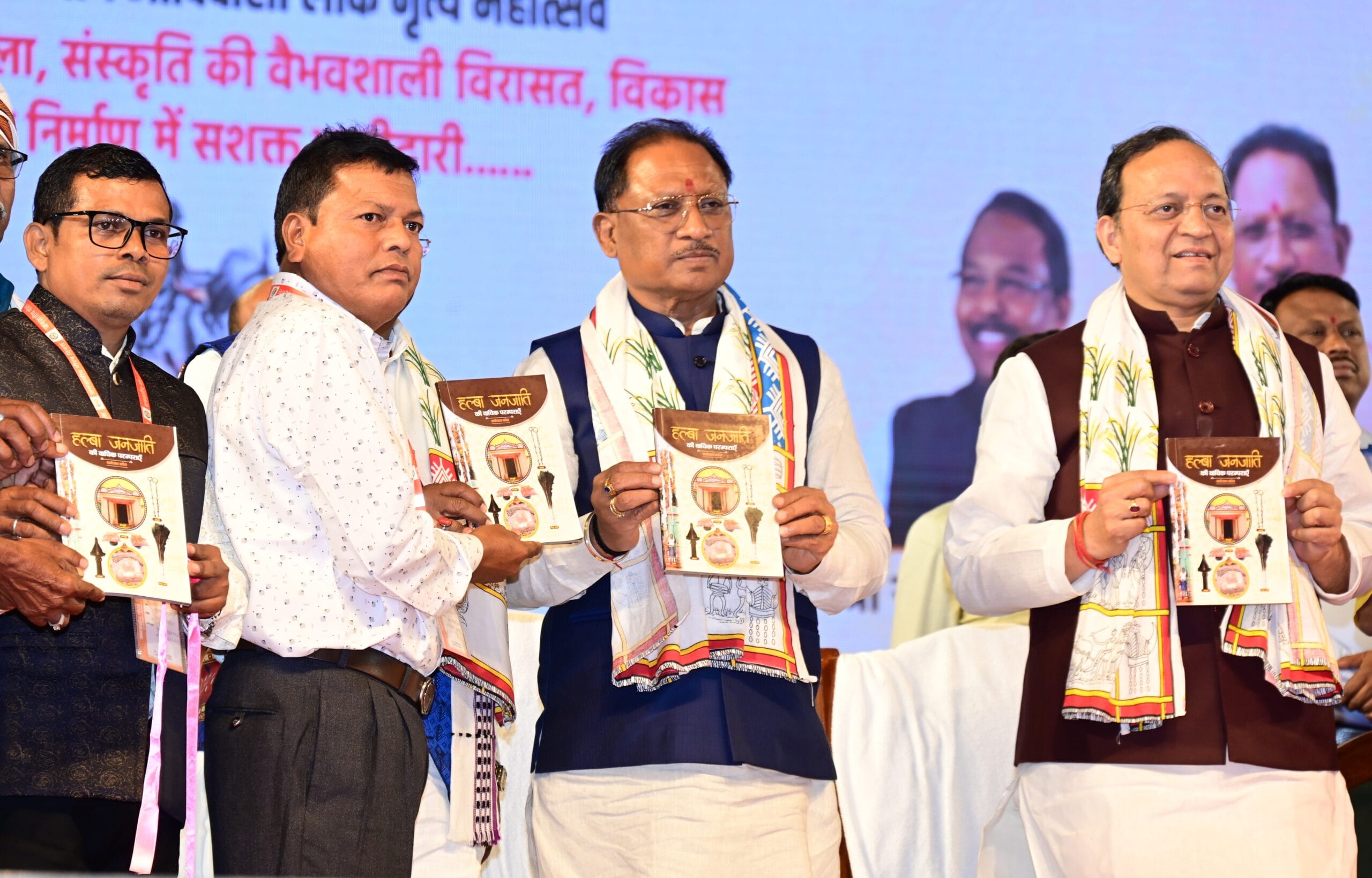
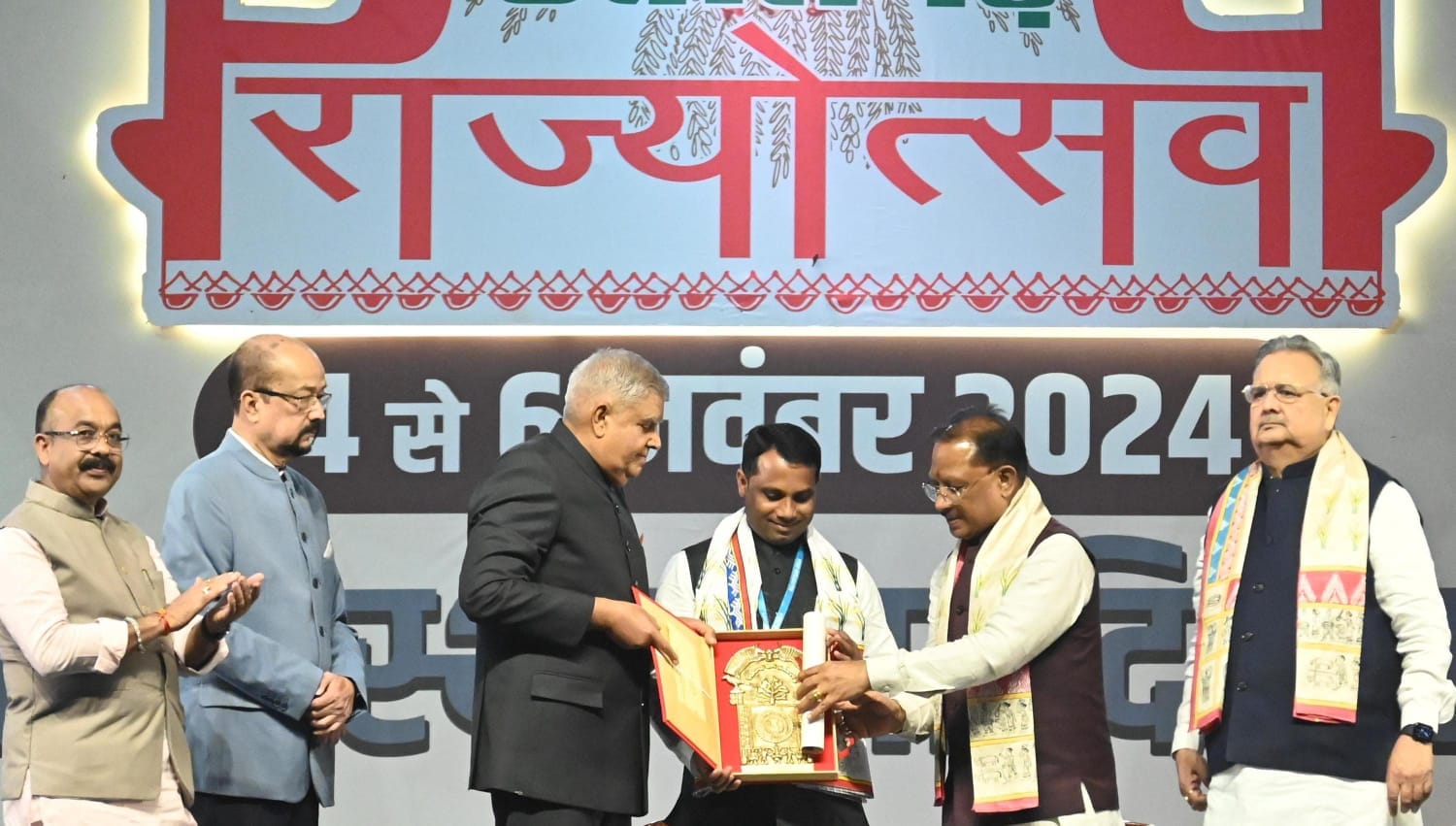
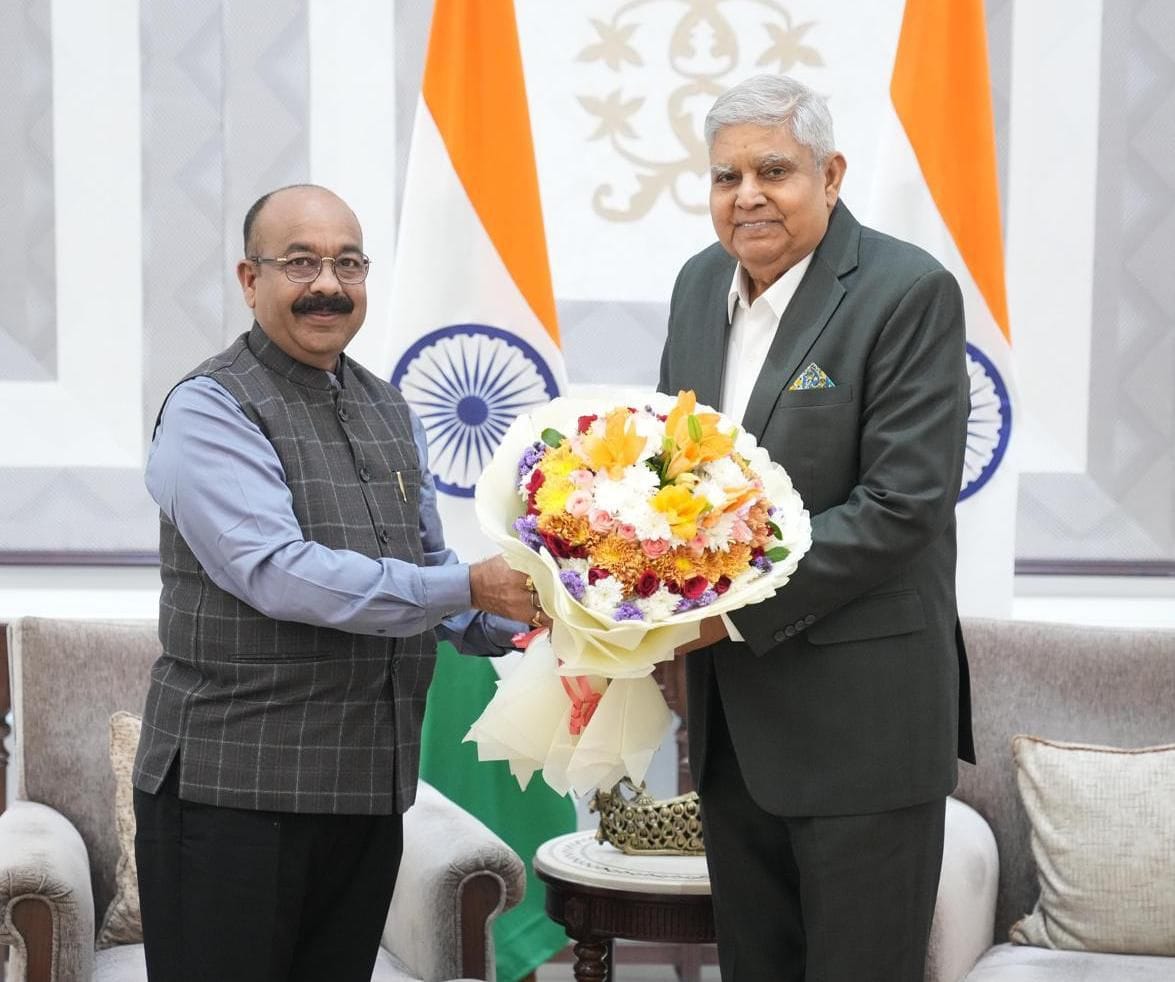
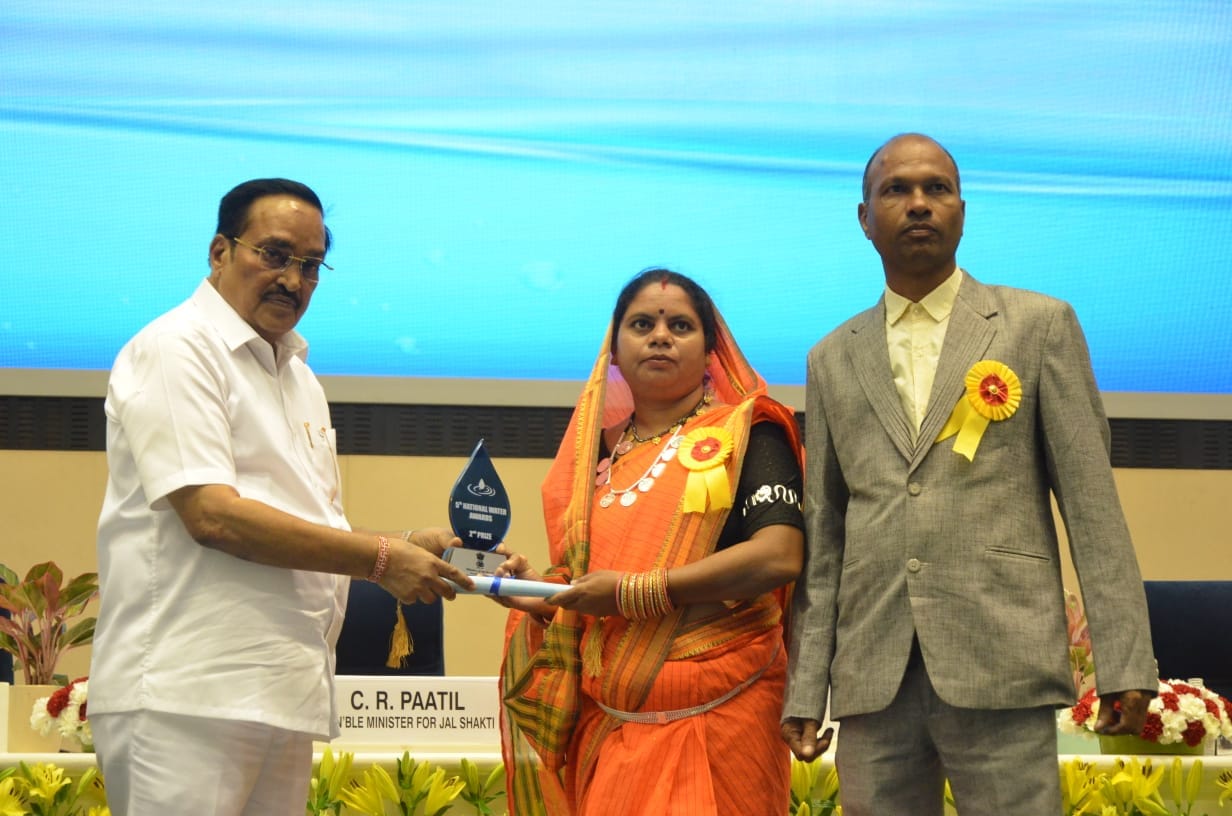
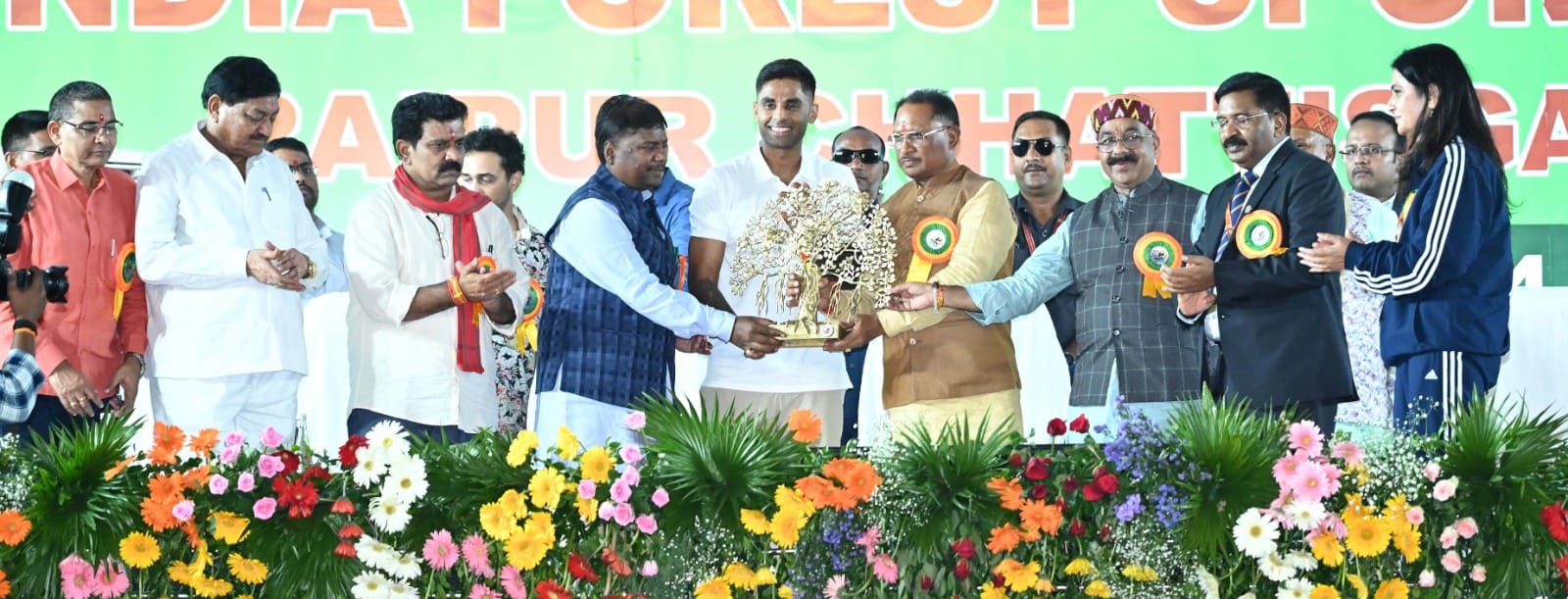
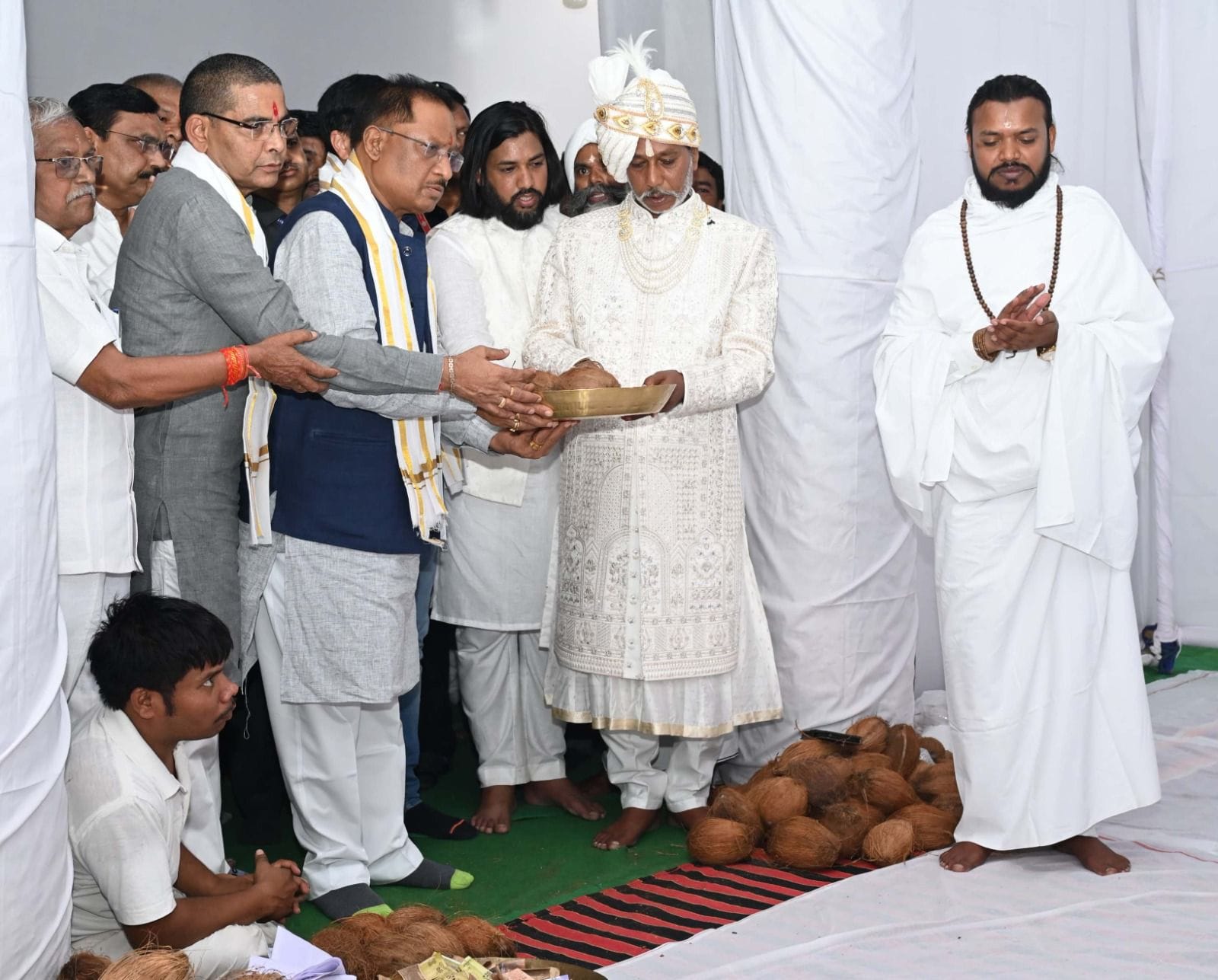
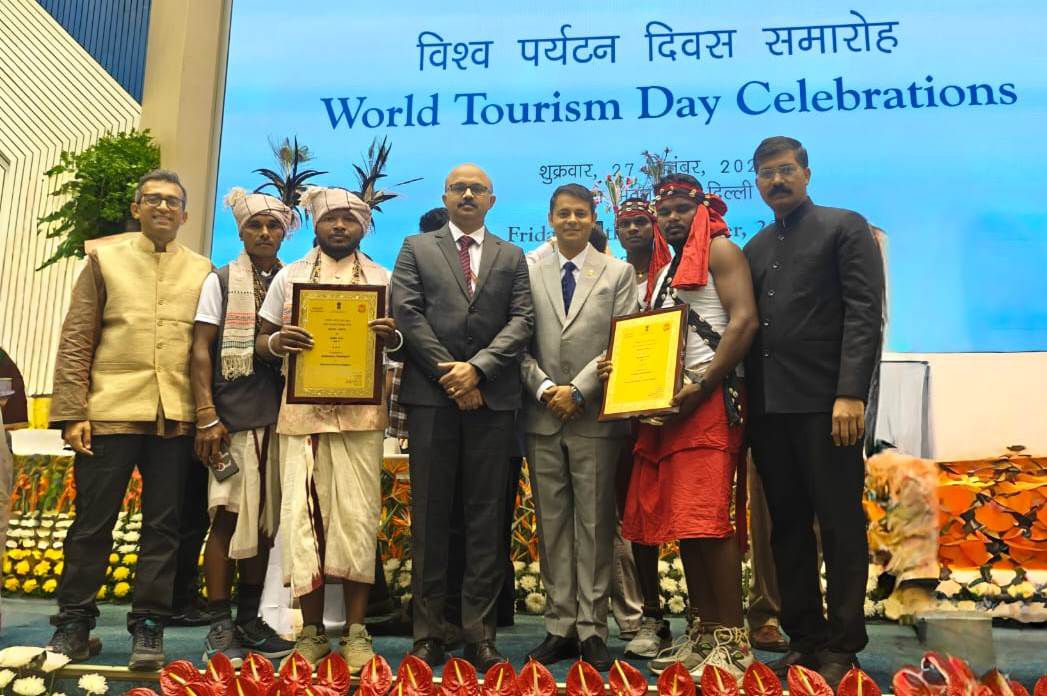
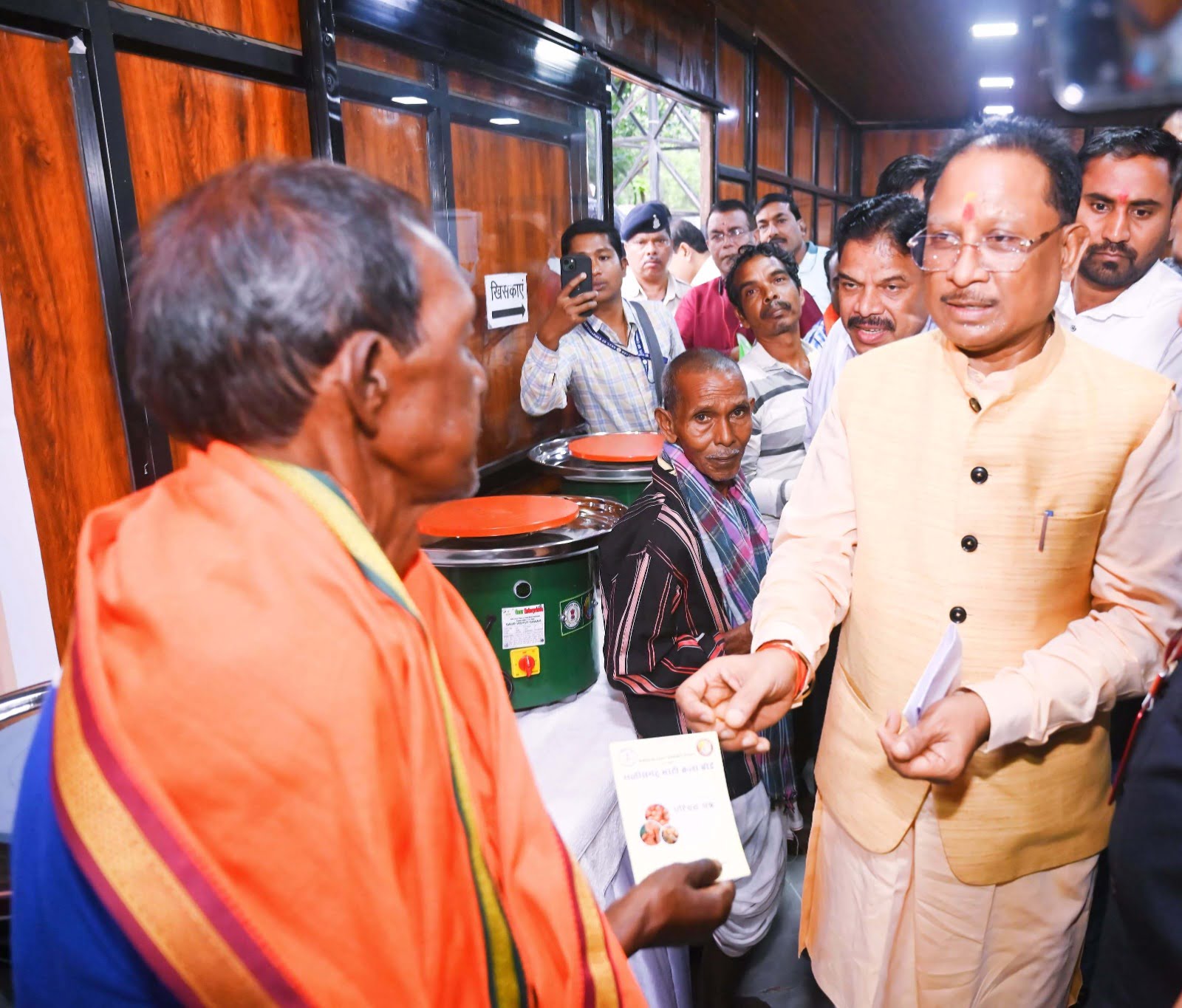
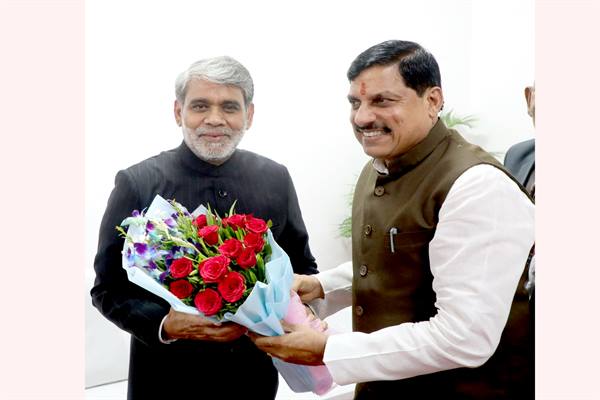
The group’s exemplary model has also received national acclaim. Being honored by former Union Minister Shri Shivraj Singh Chauhan is a testament to these women’s unwavering struggle and collective resolve. This success story from Chhipli village clearly demonstrates that with collective action, hard work, and innovation in the right direction, no goal is far away. Once unsure of their dreams, these Didis are not only strengthening the economic foundation of their families but have also become a living example of self-reliance and women’s empowerment for the entire state.