














- Officials of commissions, corporations, boards, including religious and social organizations, gave suggestions.
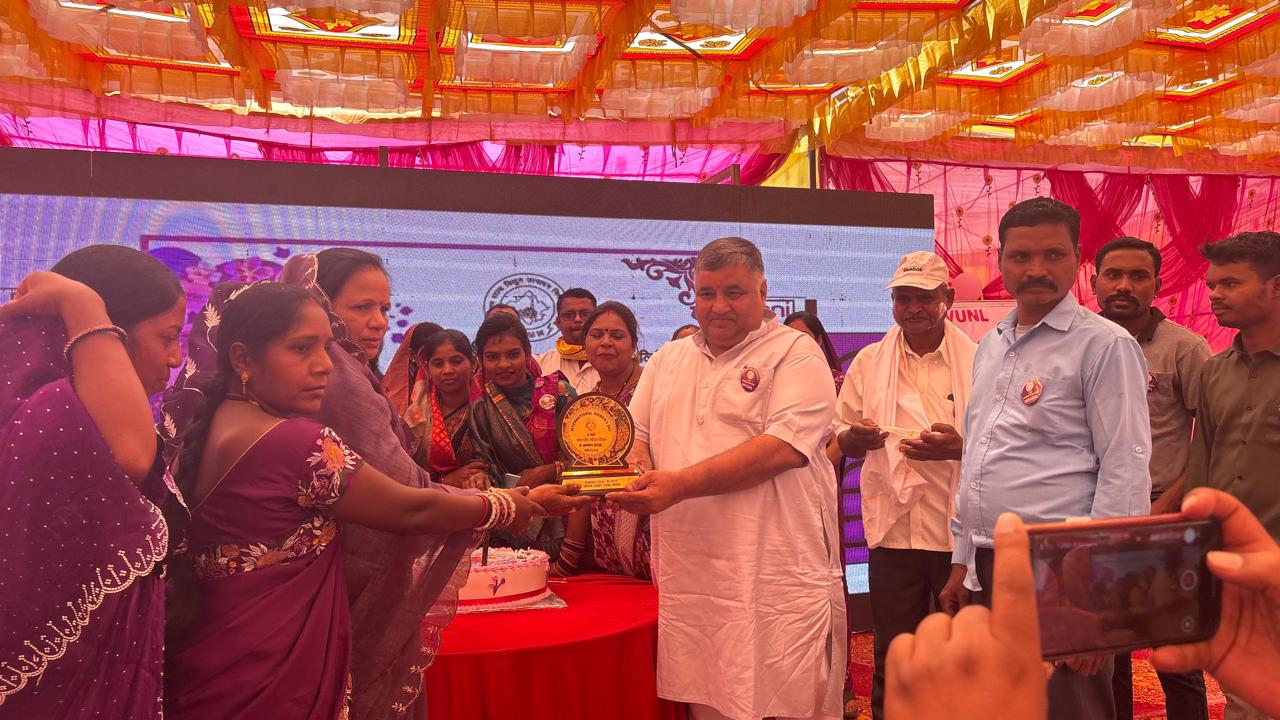
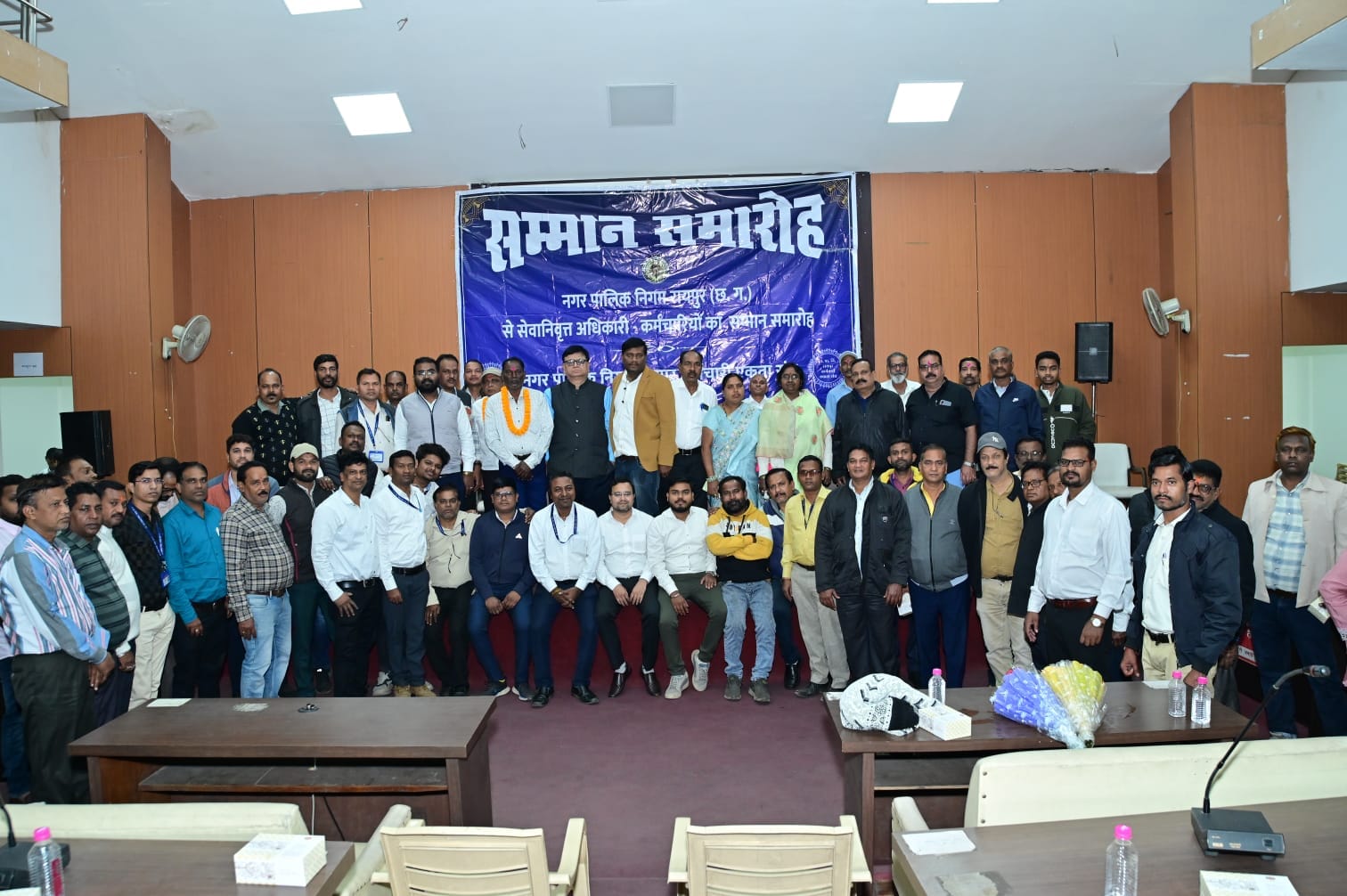
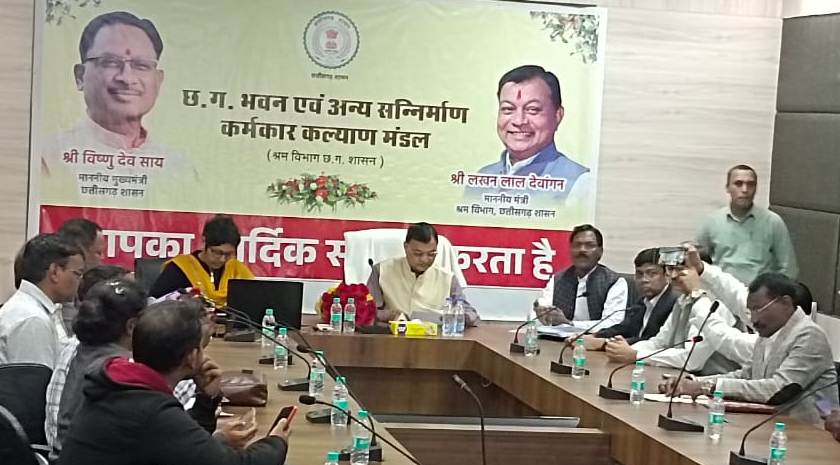
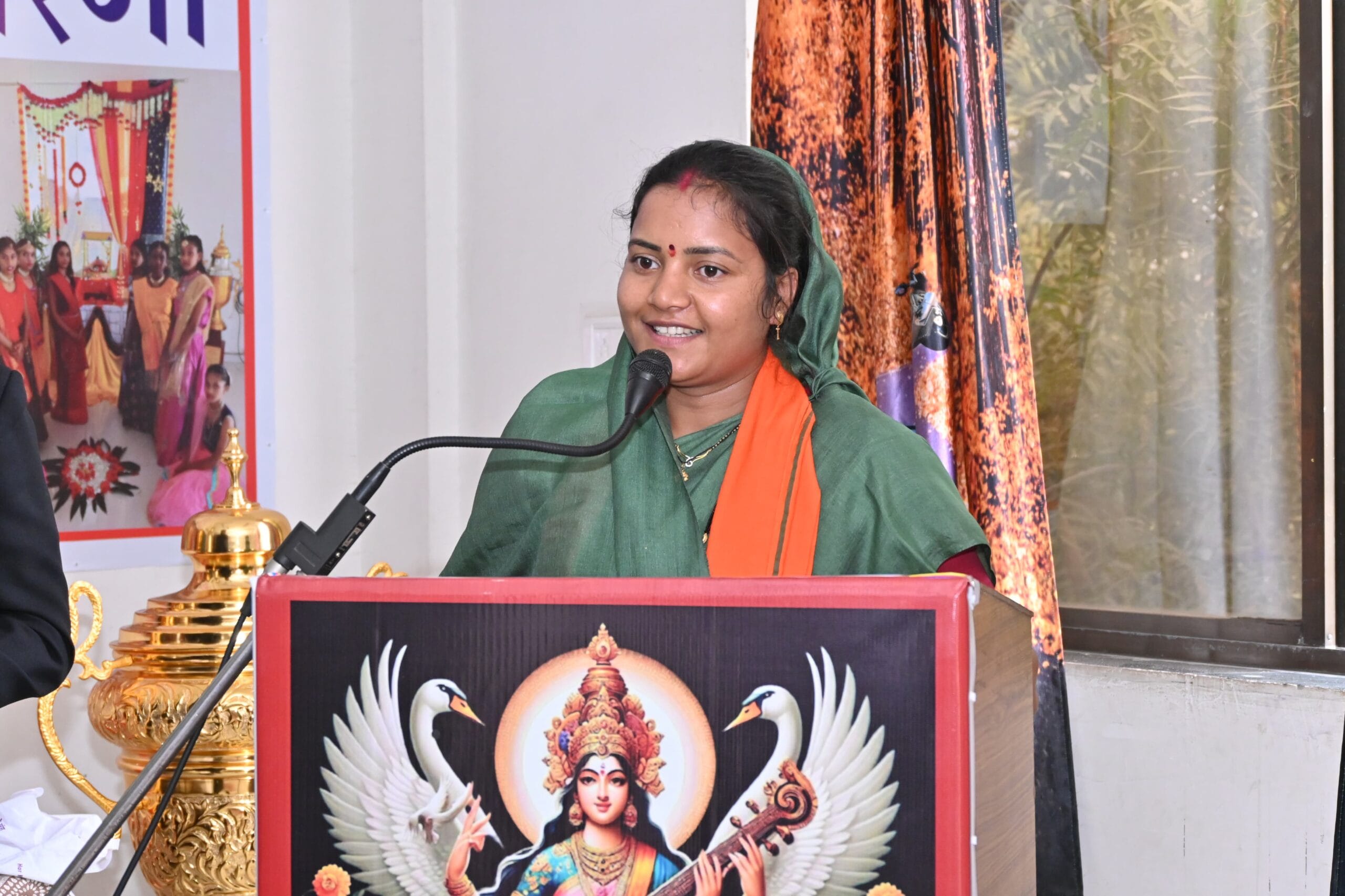
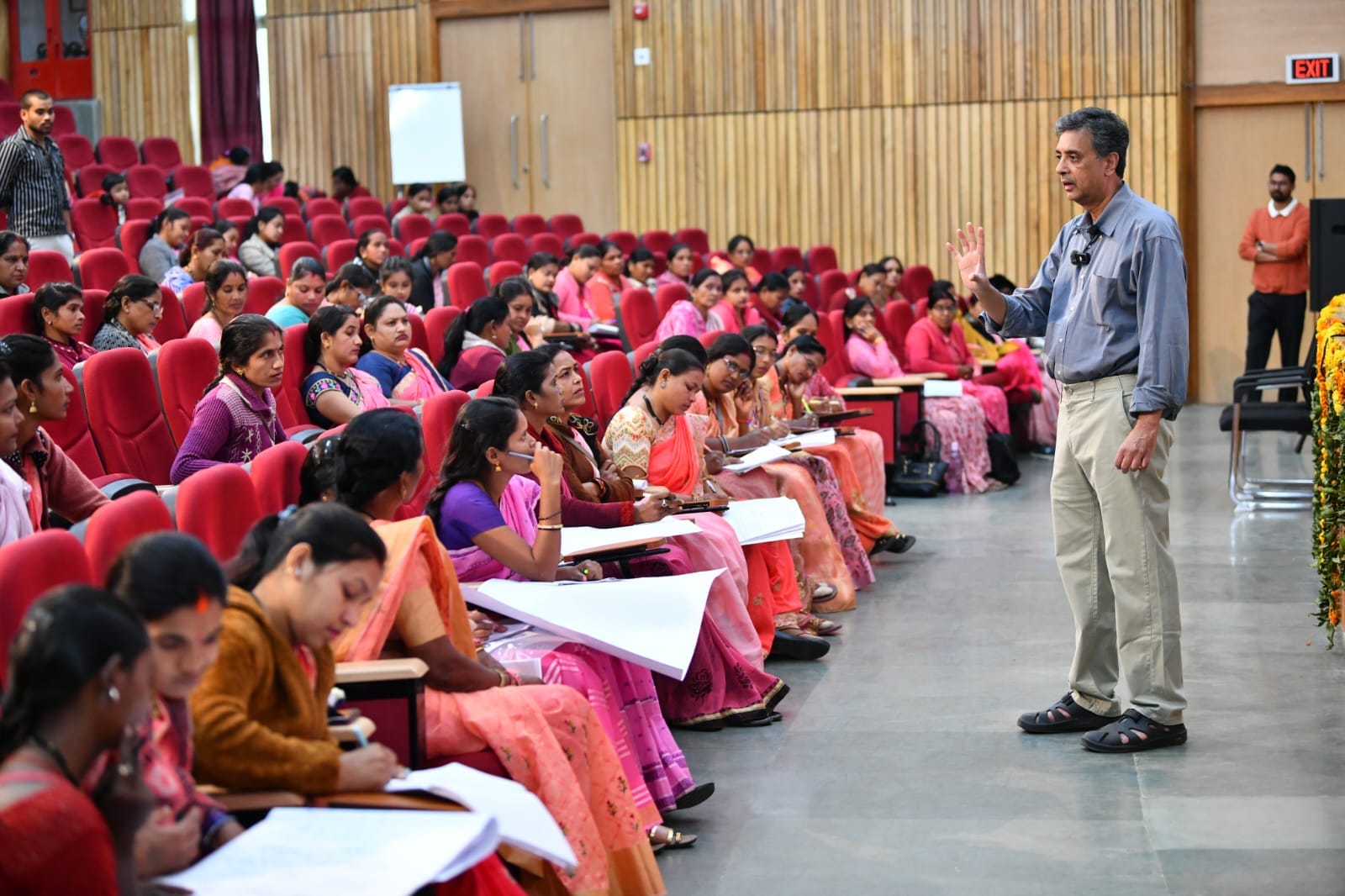
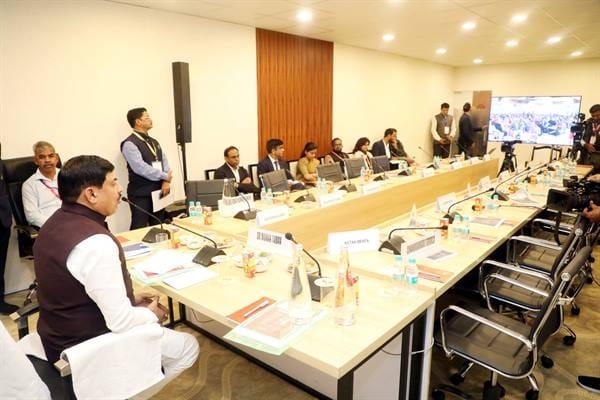
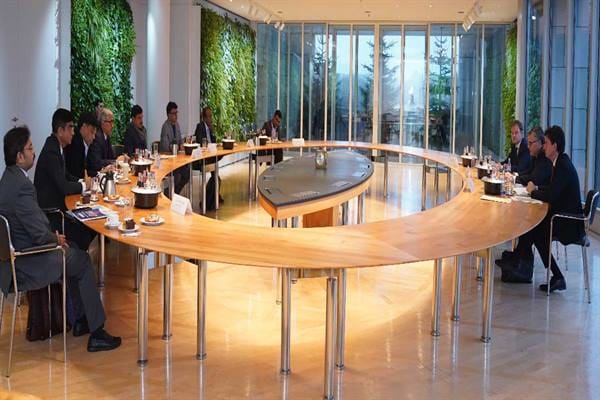
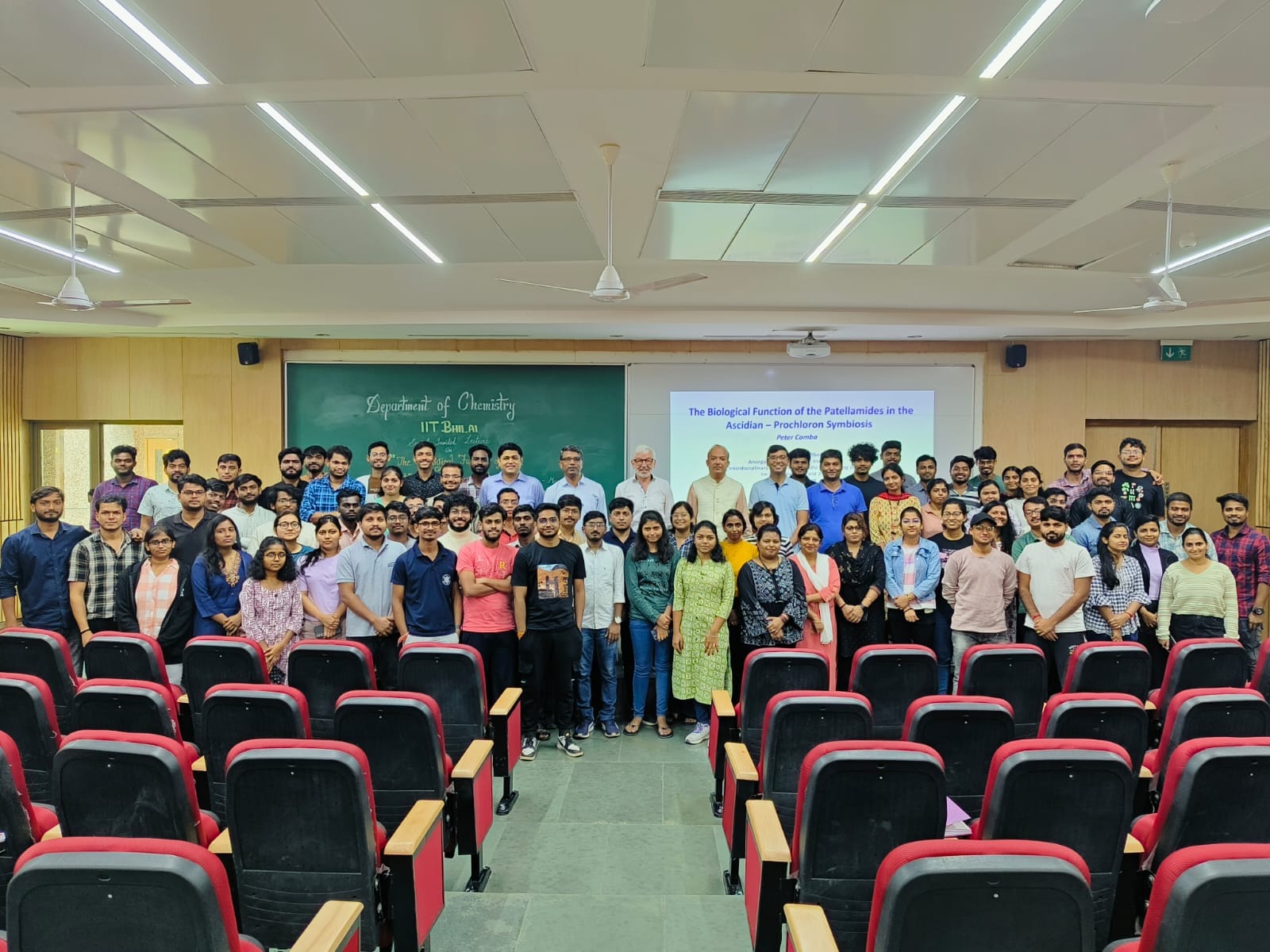
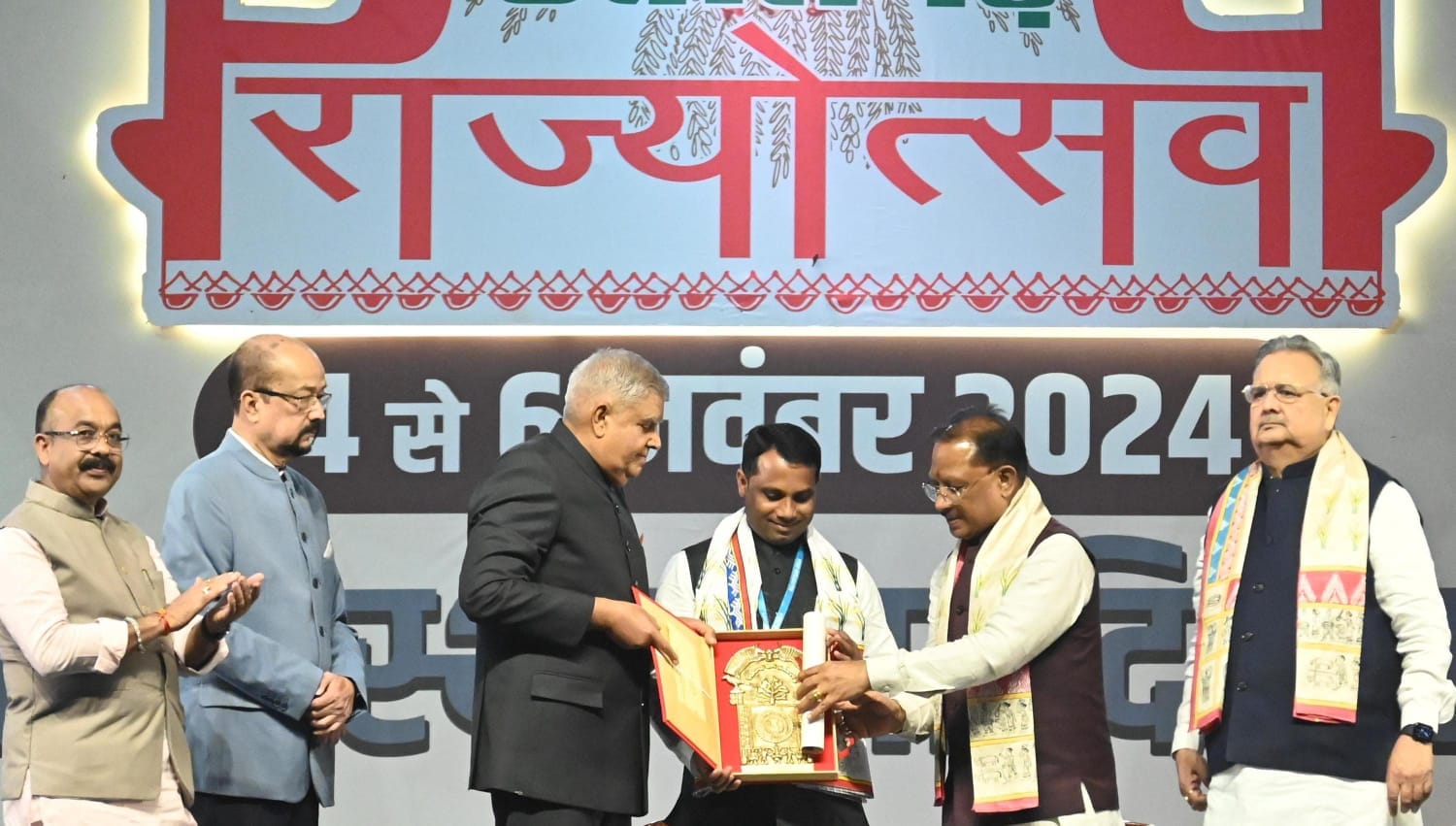
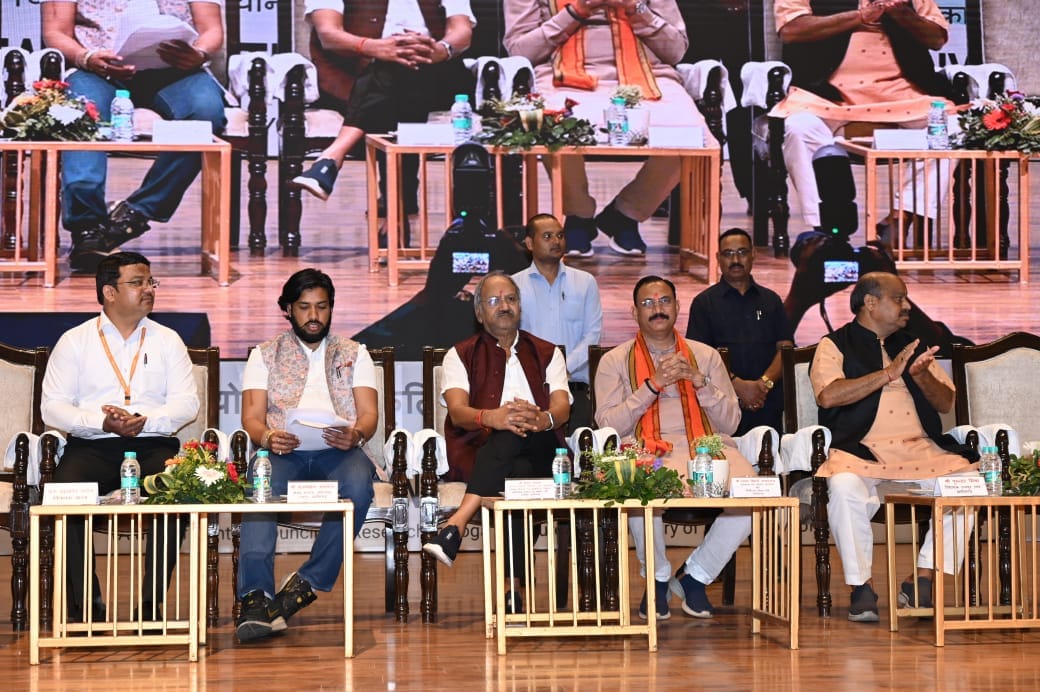
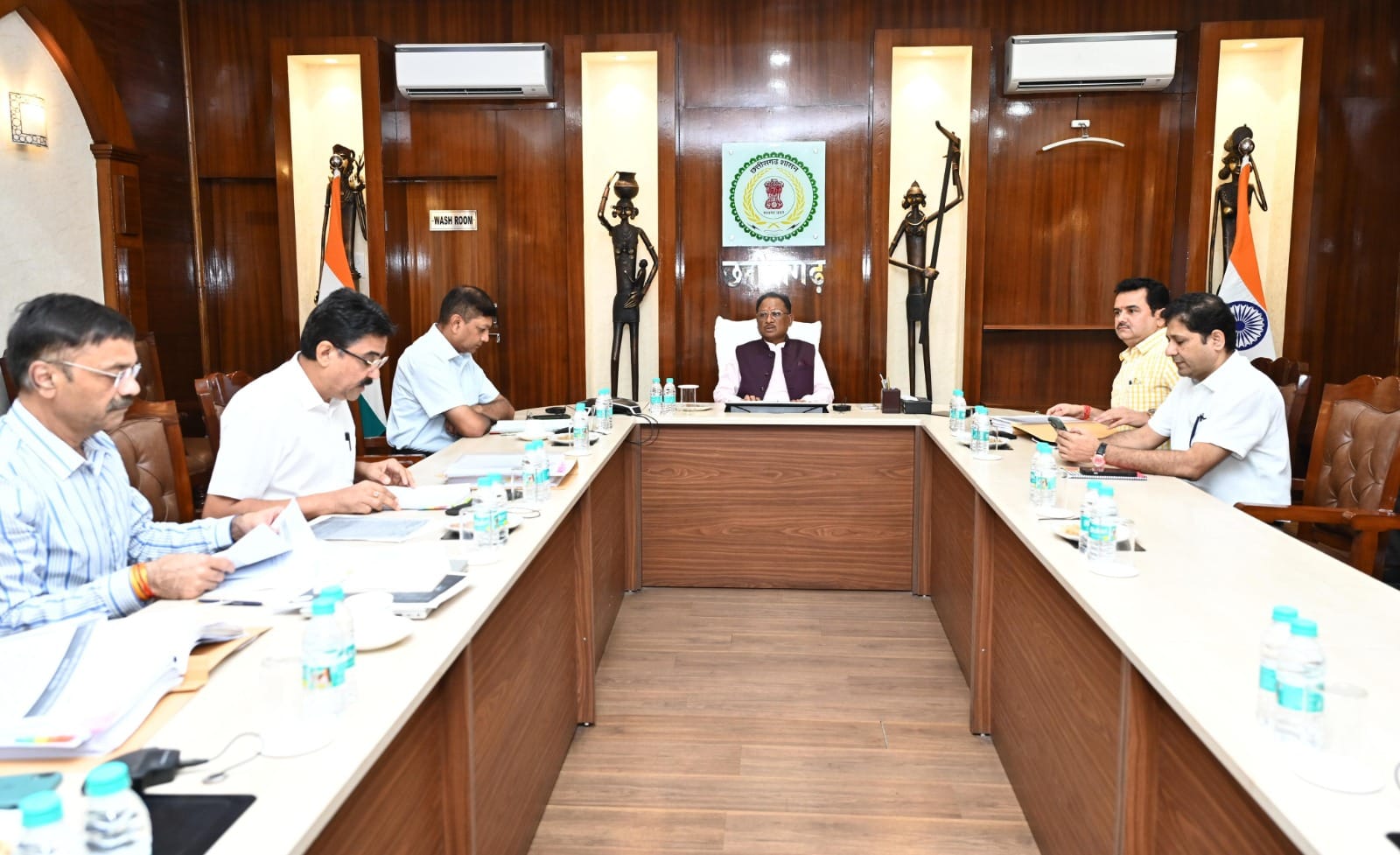
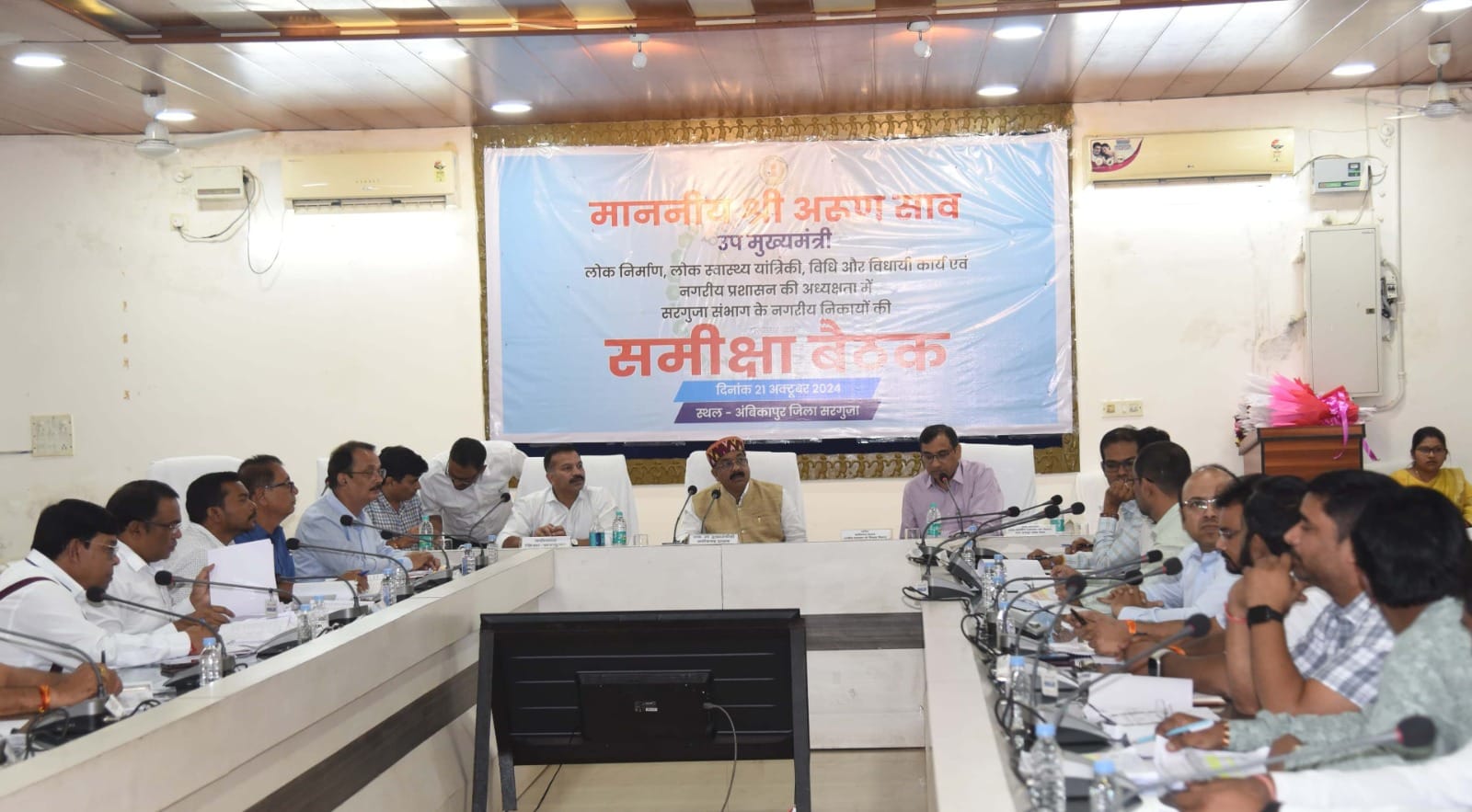
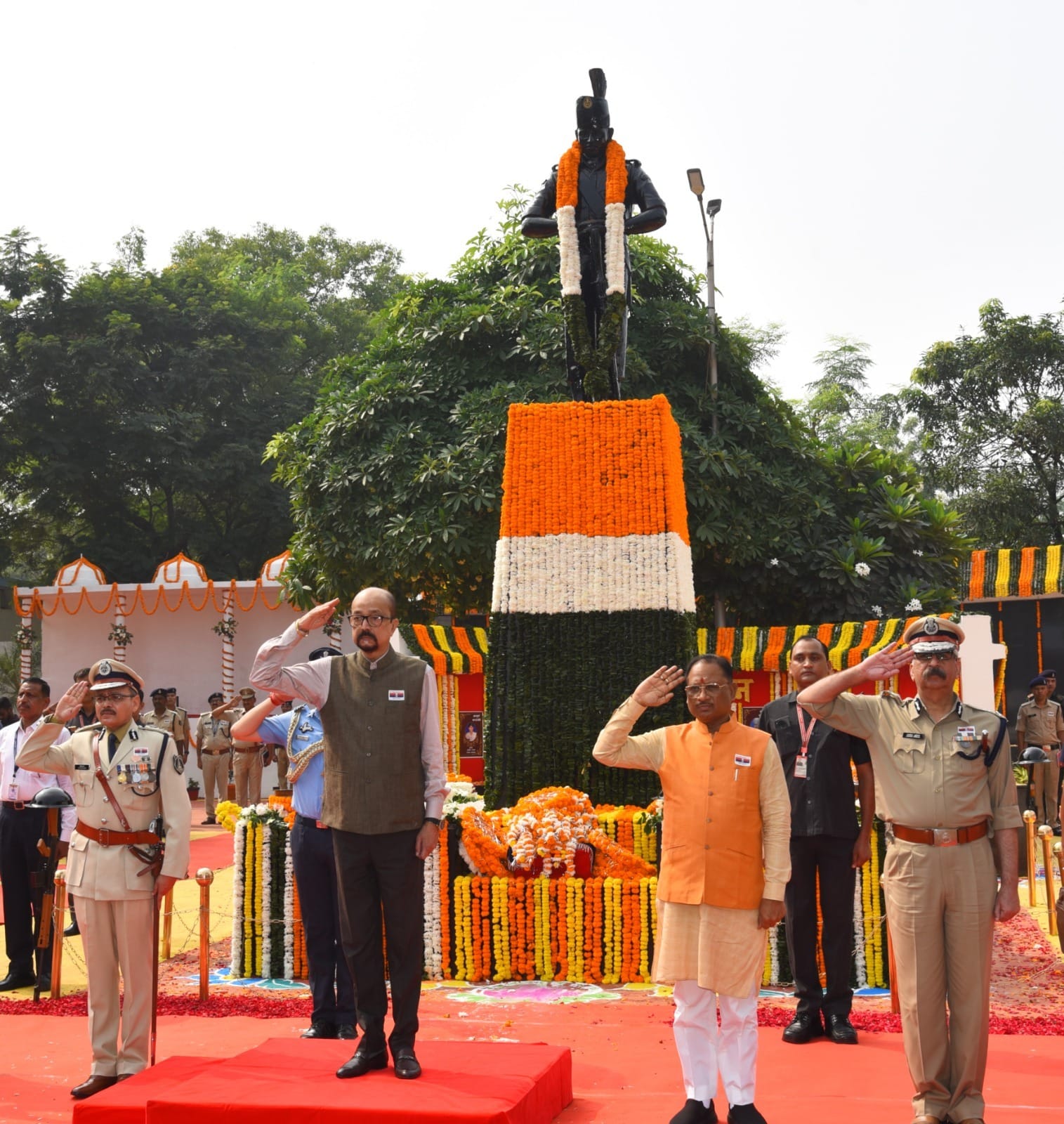
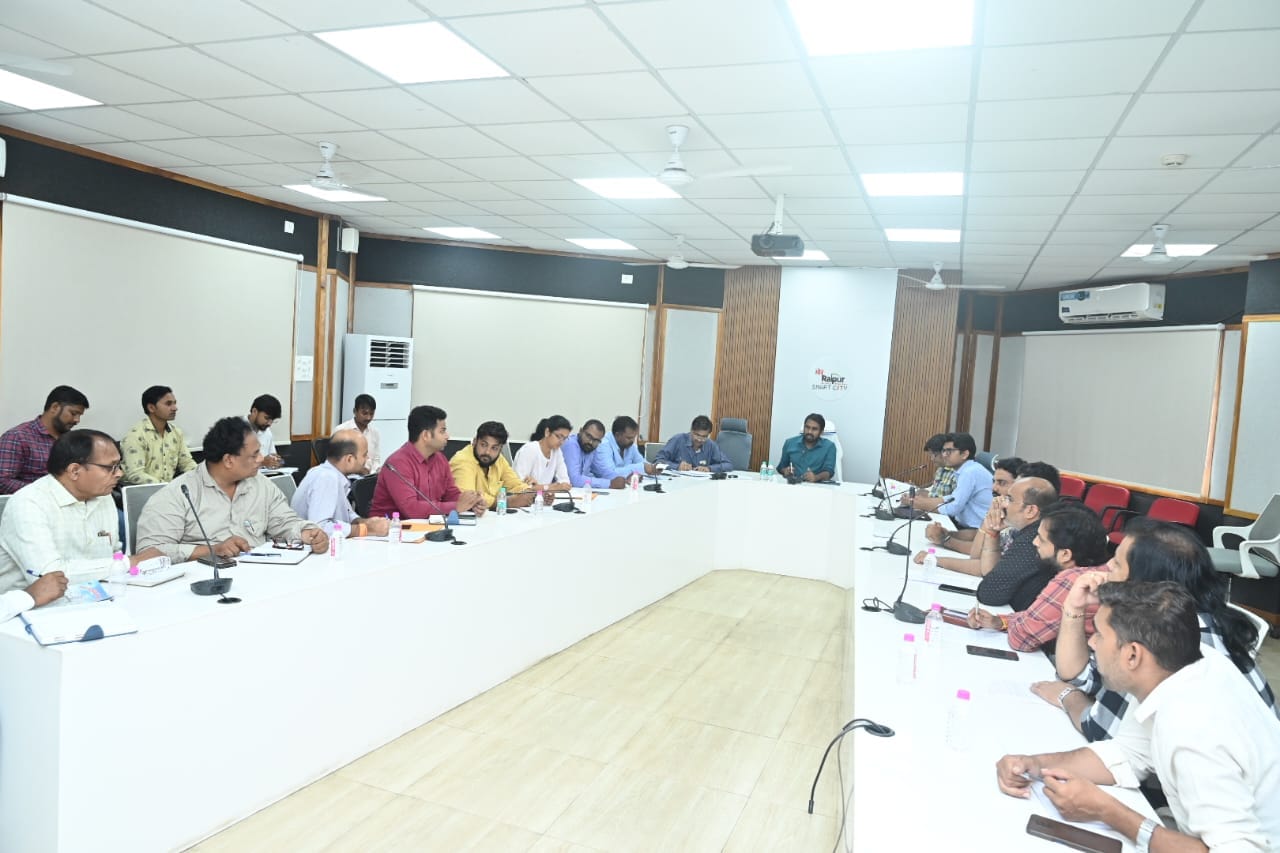
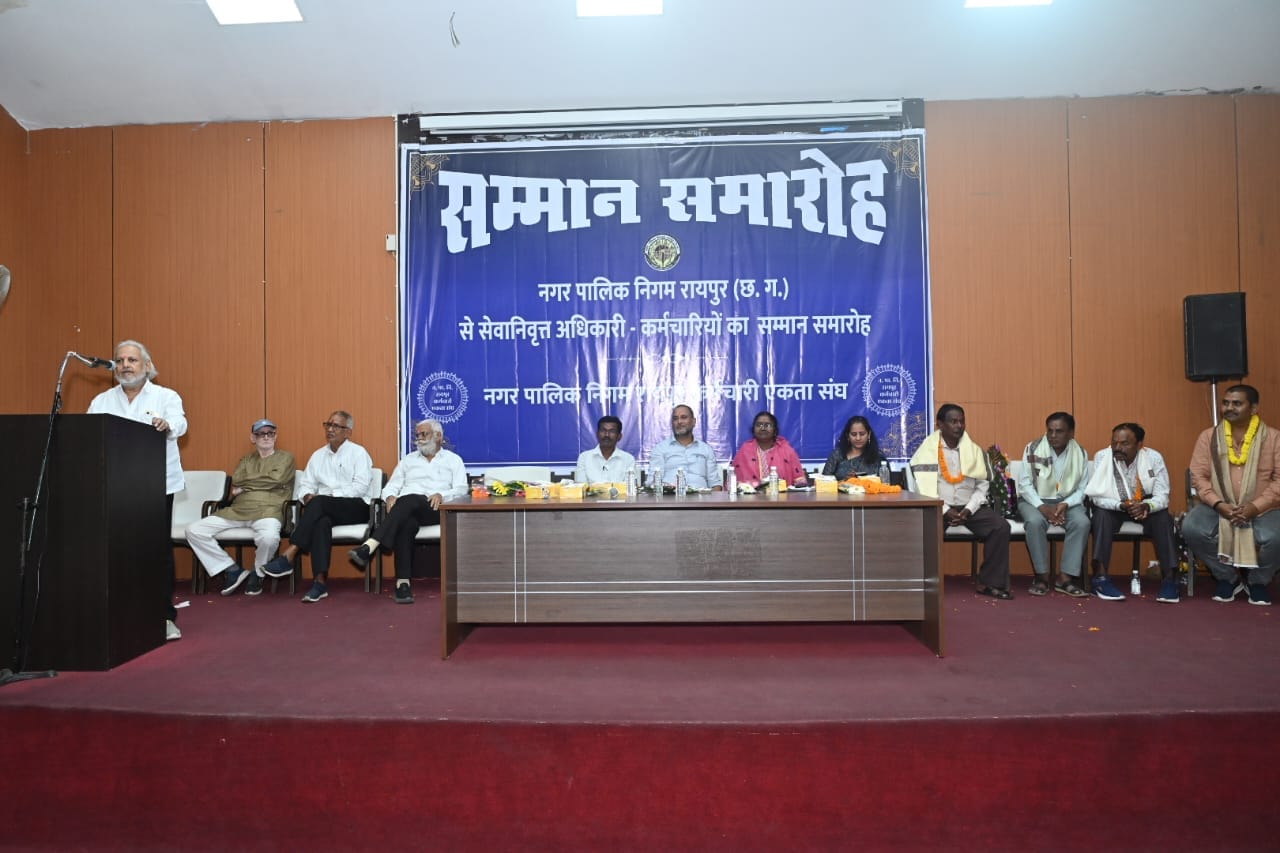
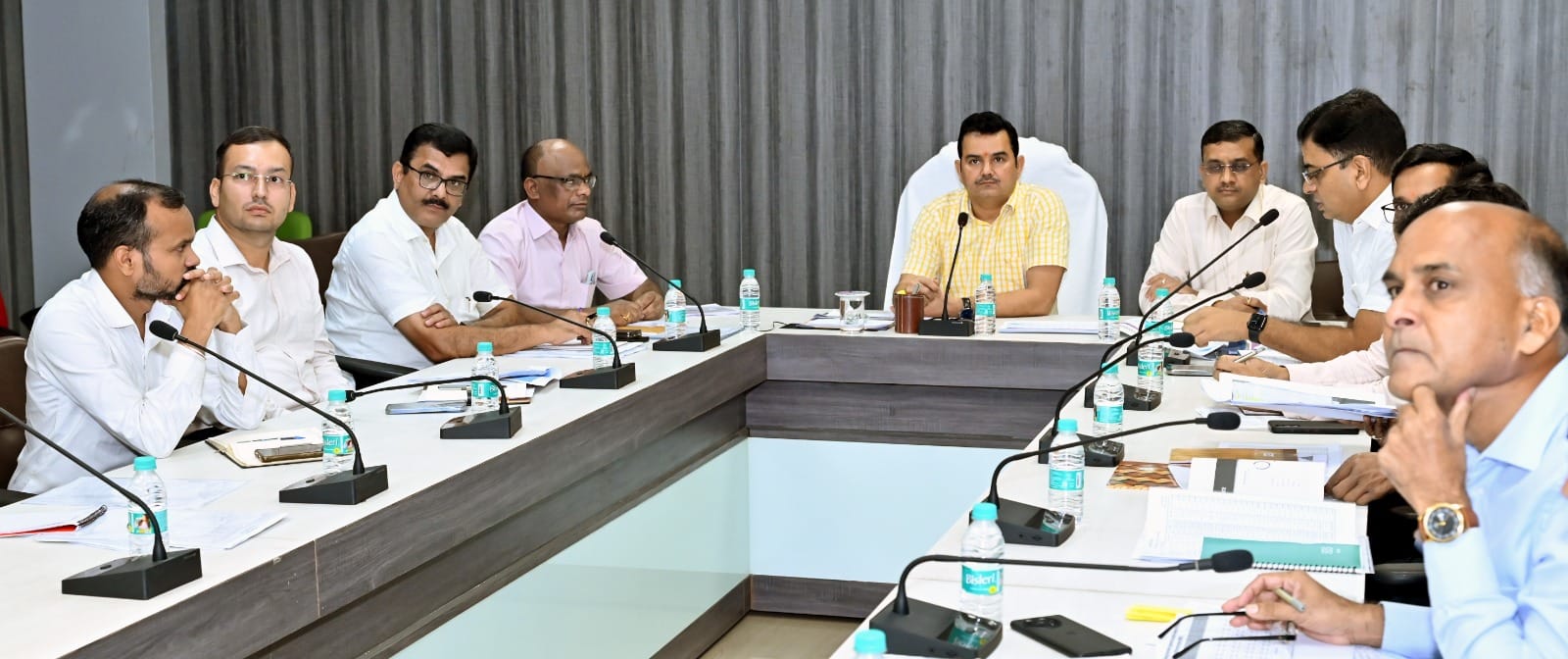
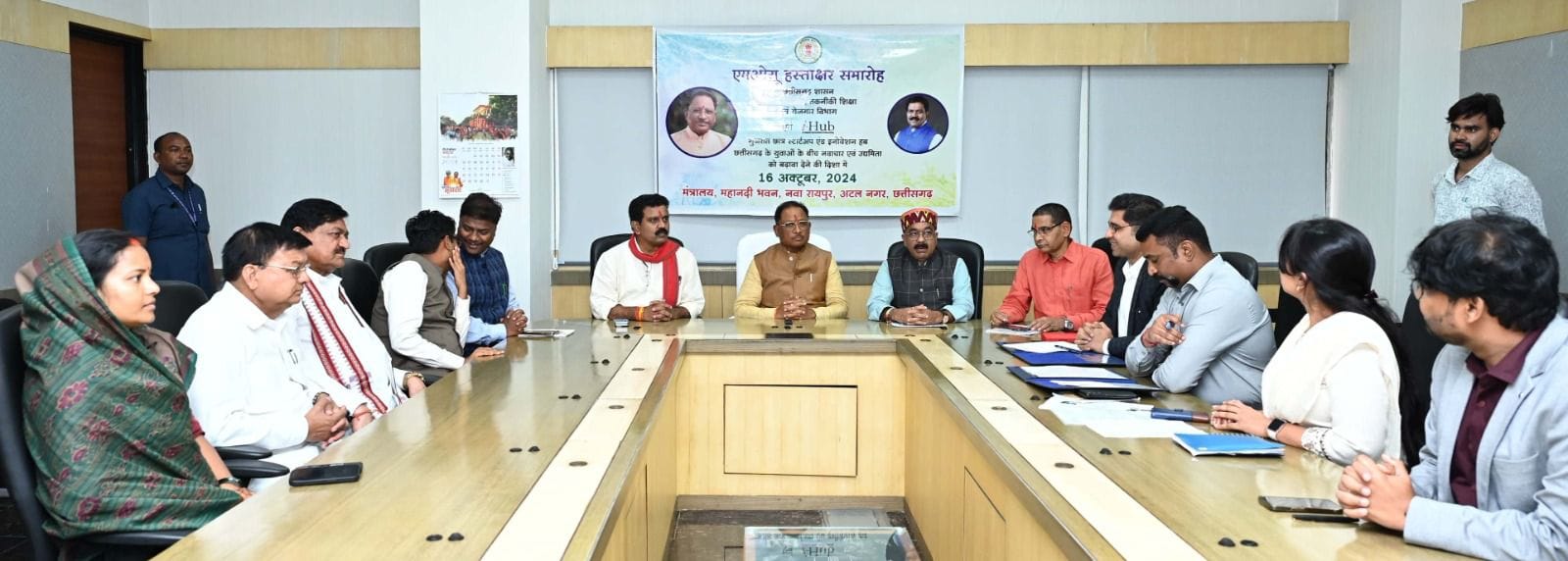
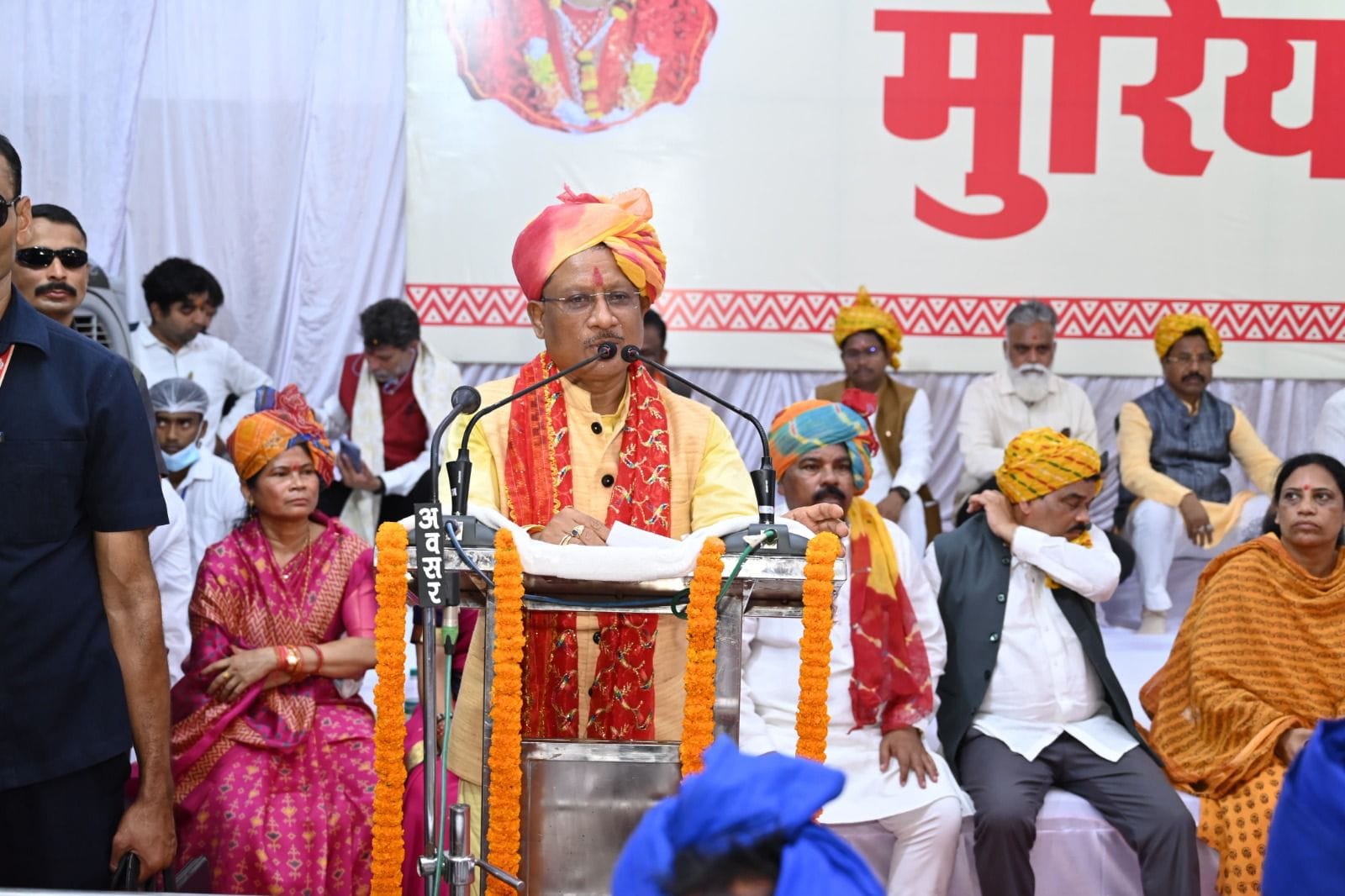
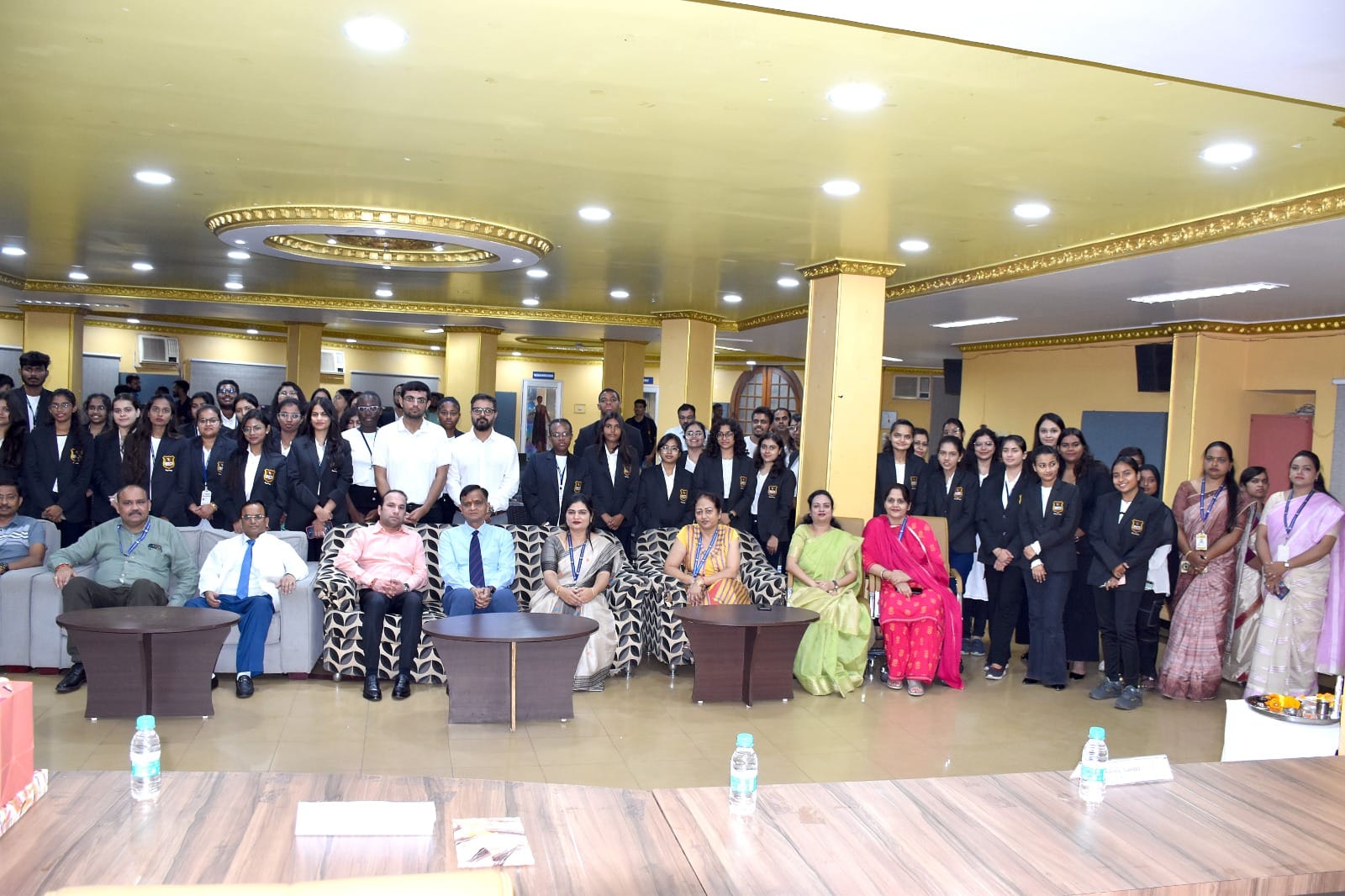
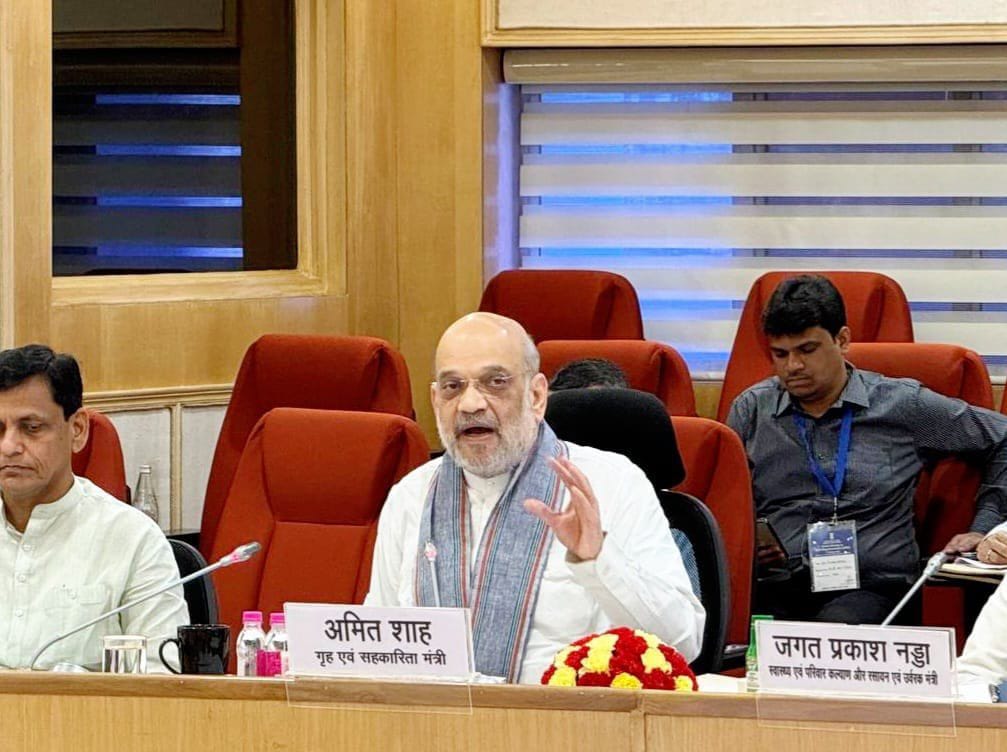
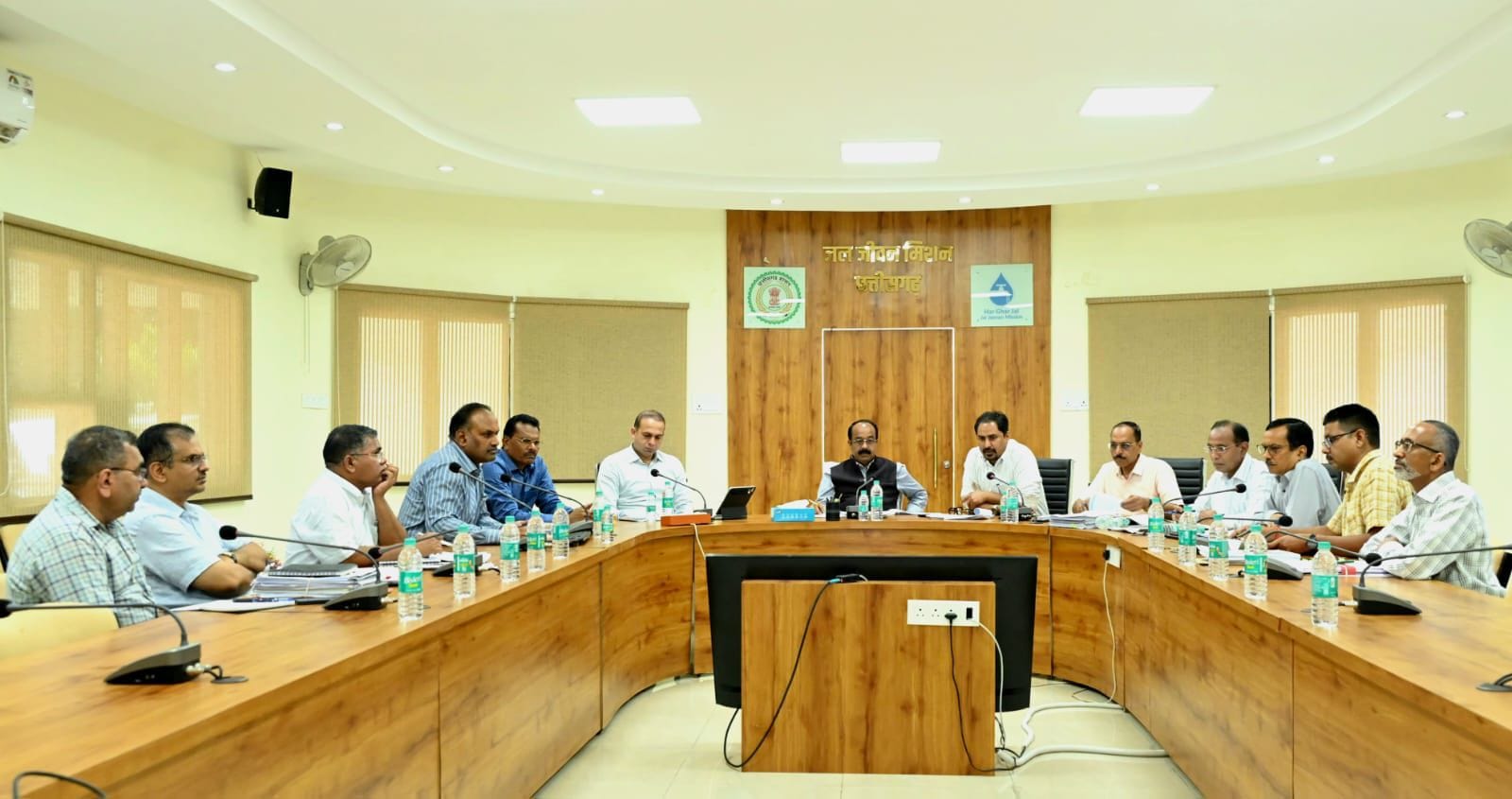
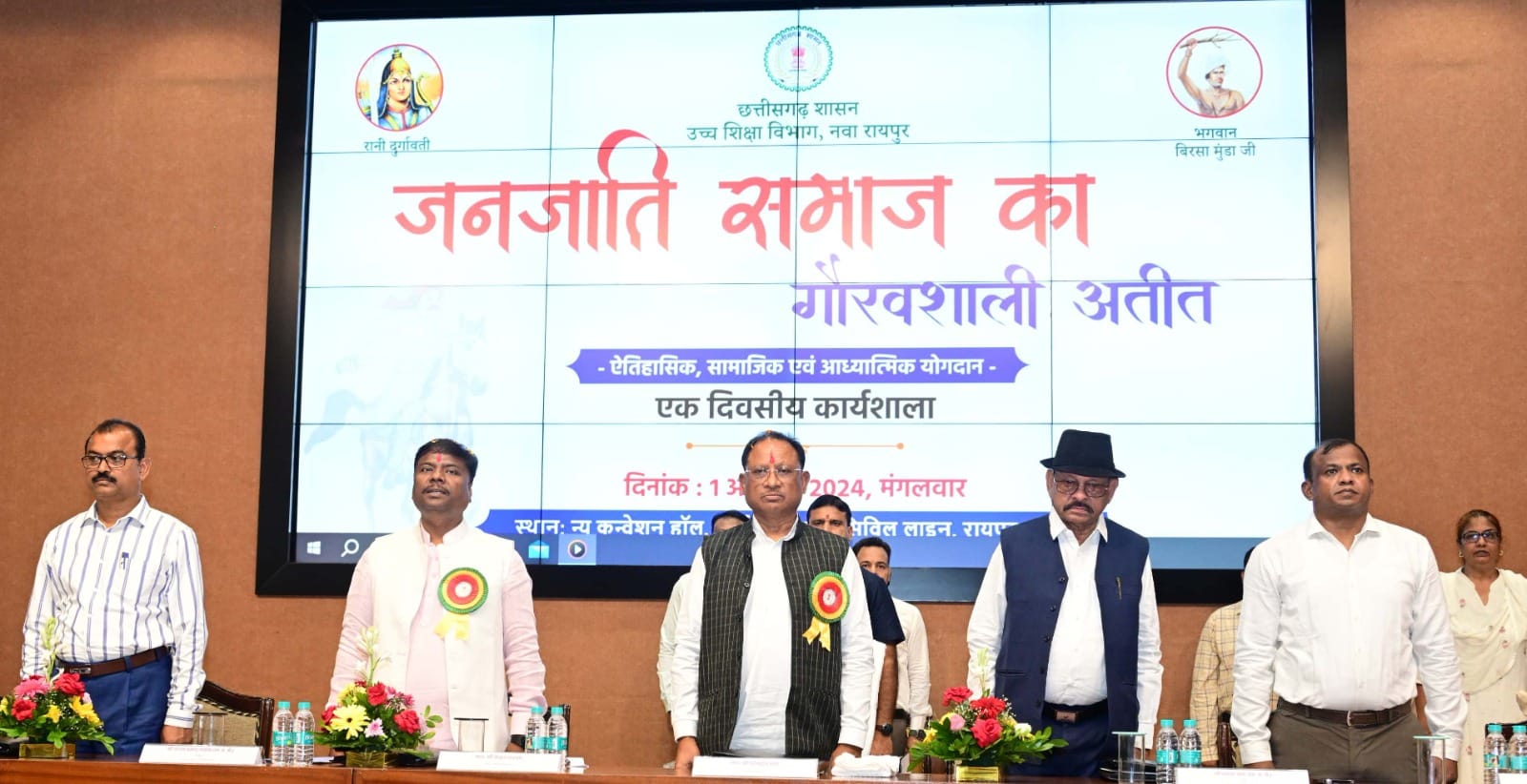
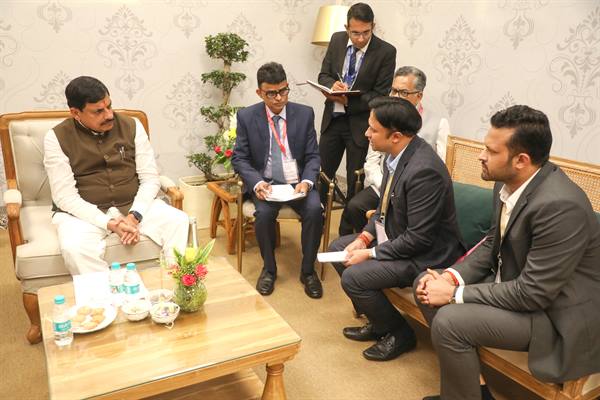
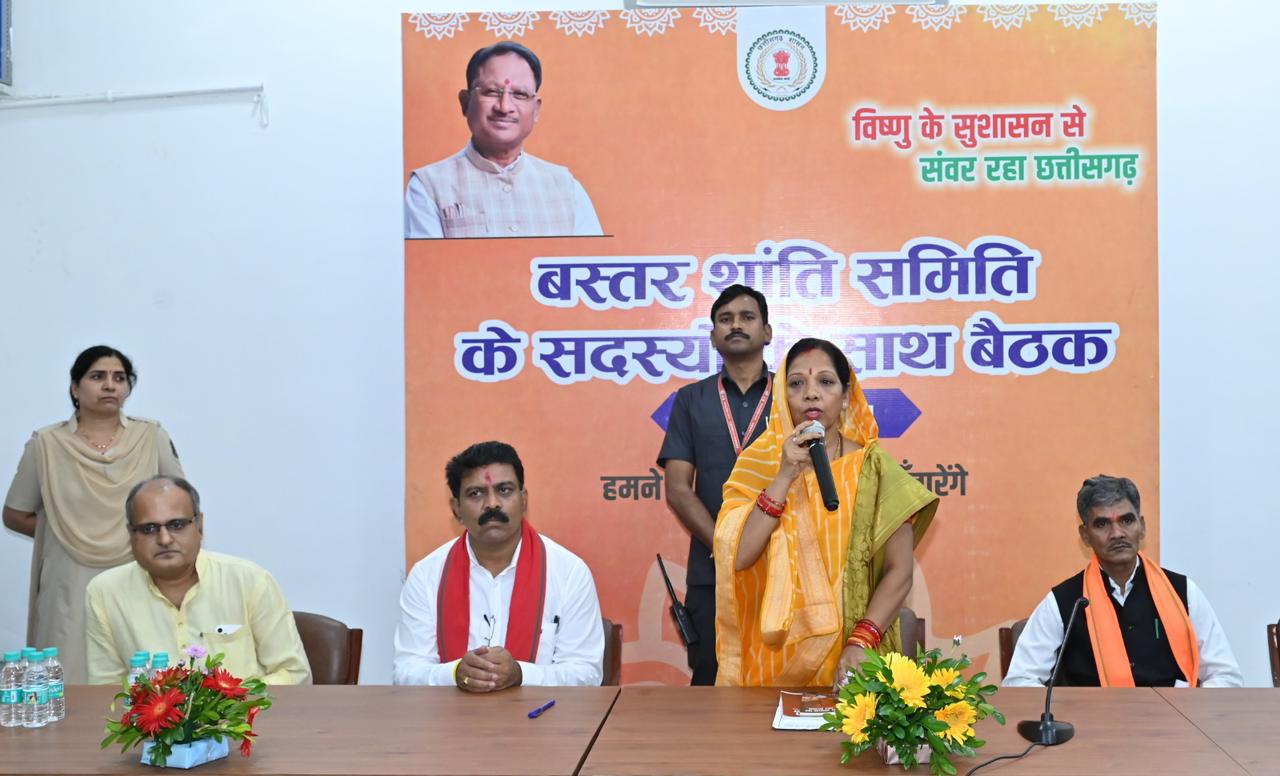
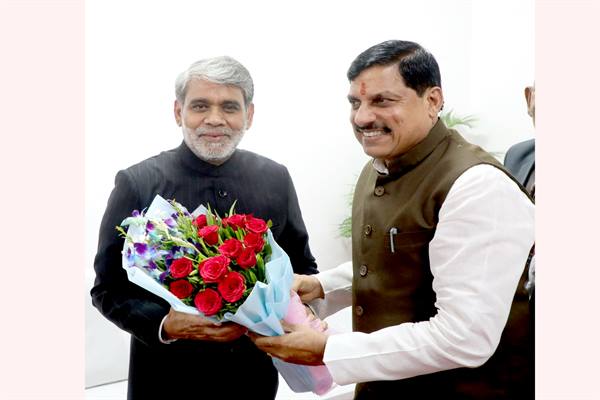
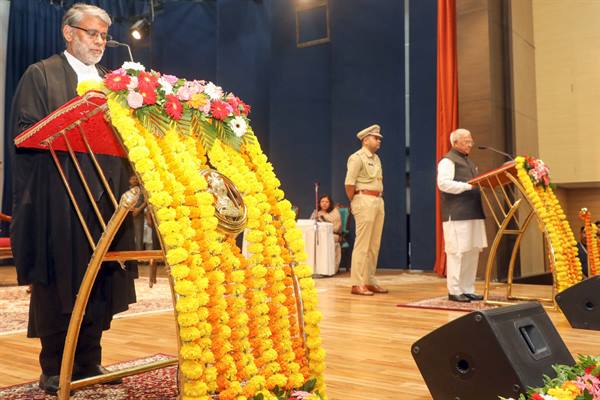
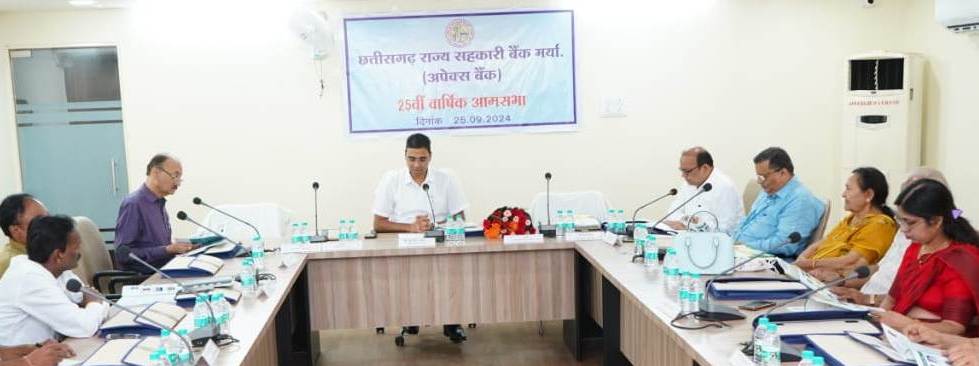
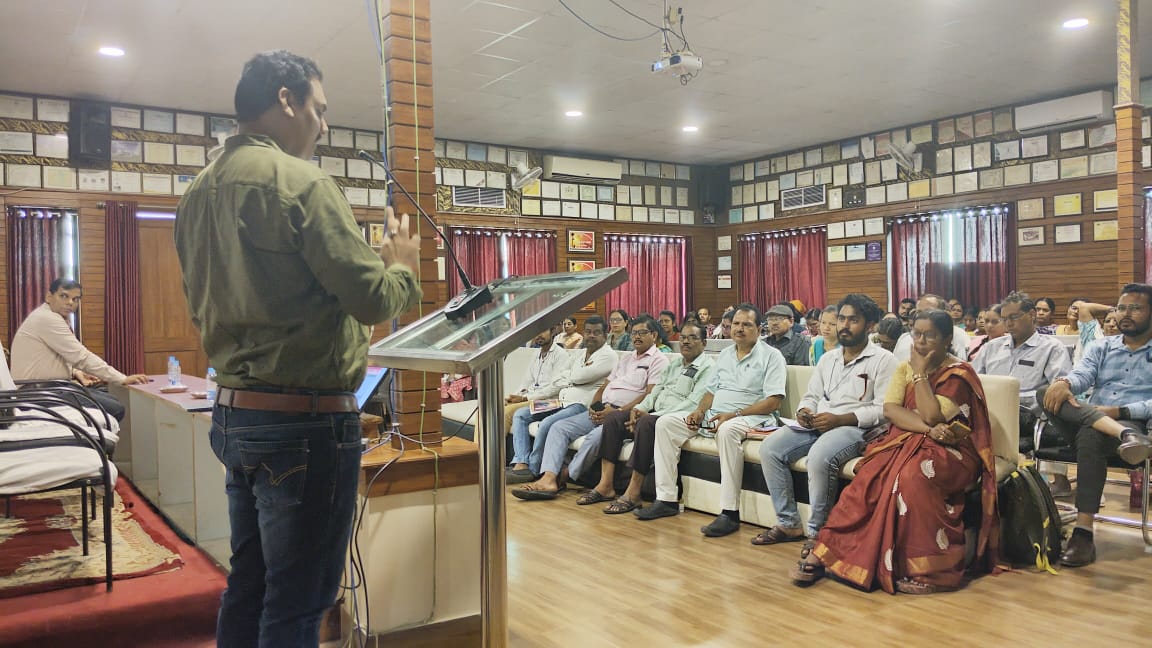
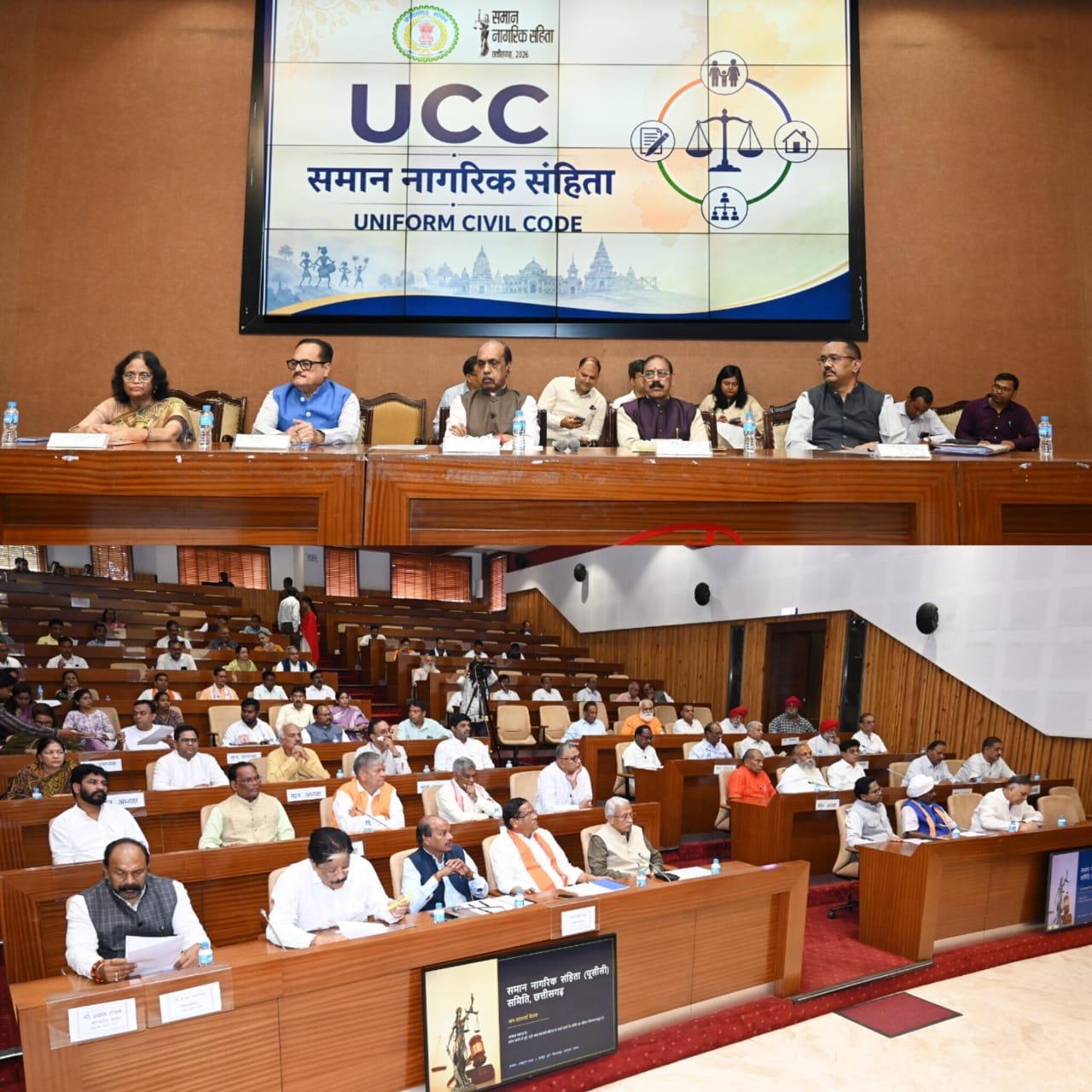
Suggestions regarding the Uniform Civil Code were taken by holding a meeting of officials of commissions, corporations, boards including religious and social organizations in the New Circuit House in the capital Raipur today in front of the members of the committee constituted for the Uniform Civil Code, retired IAS officers Mr. Shatrughan Singh and Mr. M.K. Raut, senior advocate Mr. Mohan Pawar, retired Mrs. Jyoti Rani Singh and member secretary Mr. Shyam Dhavade. The participation of officials of commissions, corporations, boards including religious and social organizations and various sections is being seen continuously before the UCC committee constituted with the aim of realizing the Directive Principles of State Policy under Article 44 of the Constitution.
The Uniform Civil Code aims to establish uniform rules for all citizens of the state, regardless of religion, caste, or sect, in family matters such as marriage, divorce, inheritance, and adoption. Both sons and daughters have been granted equal inheritance rights in property. This code will prohibit oral divorce and some other religious malpractices. Representatives from religious and social organizations, various commissions, corporations, and boards, as well as heads and officials of various societies, intellectuals, and public representatives attended the meeting to offer their valuable suggestions.
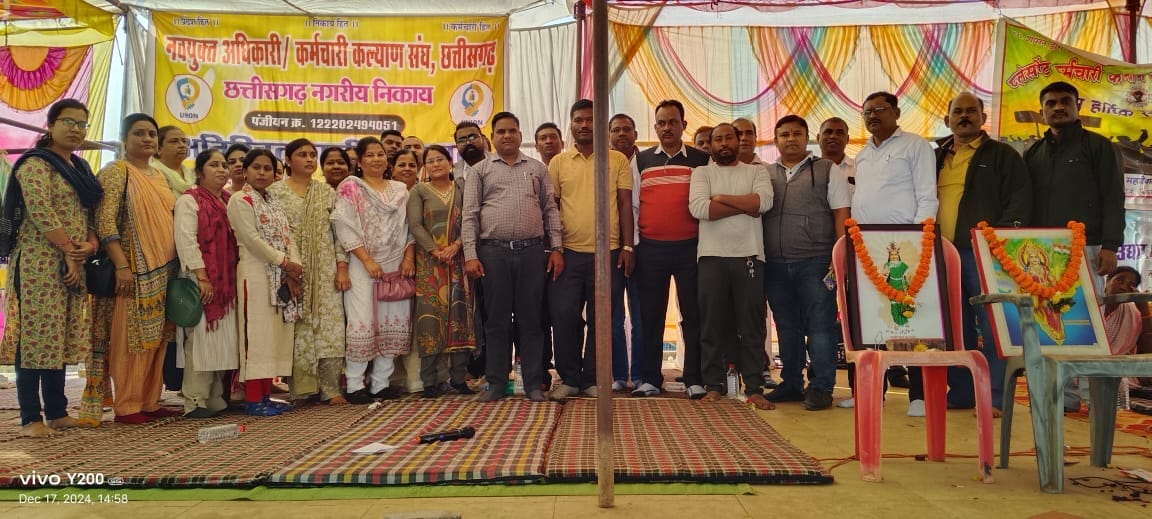
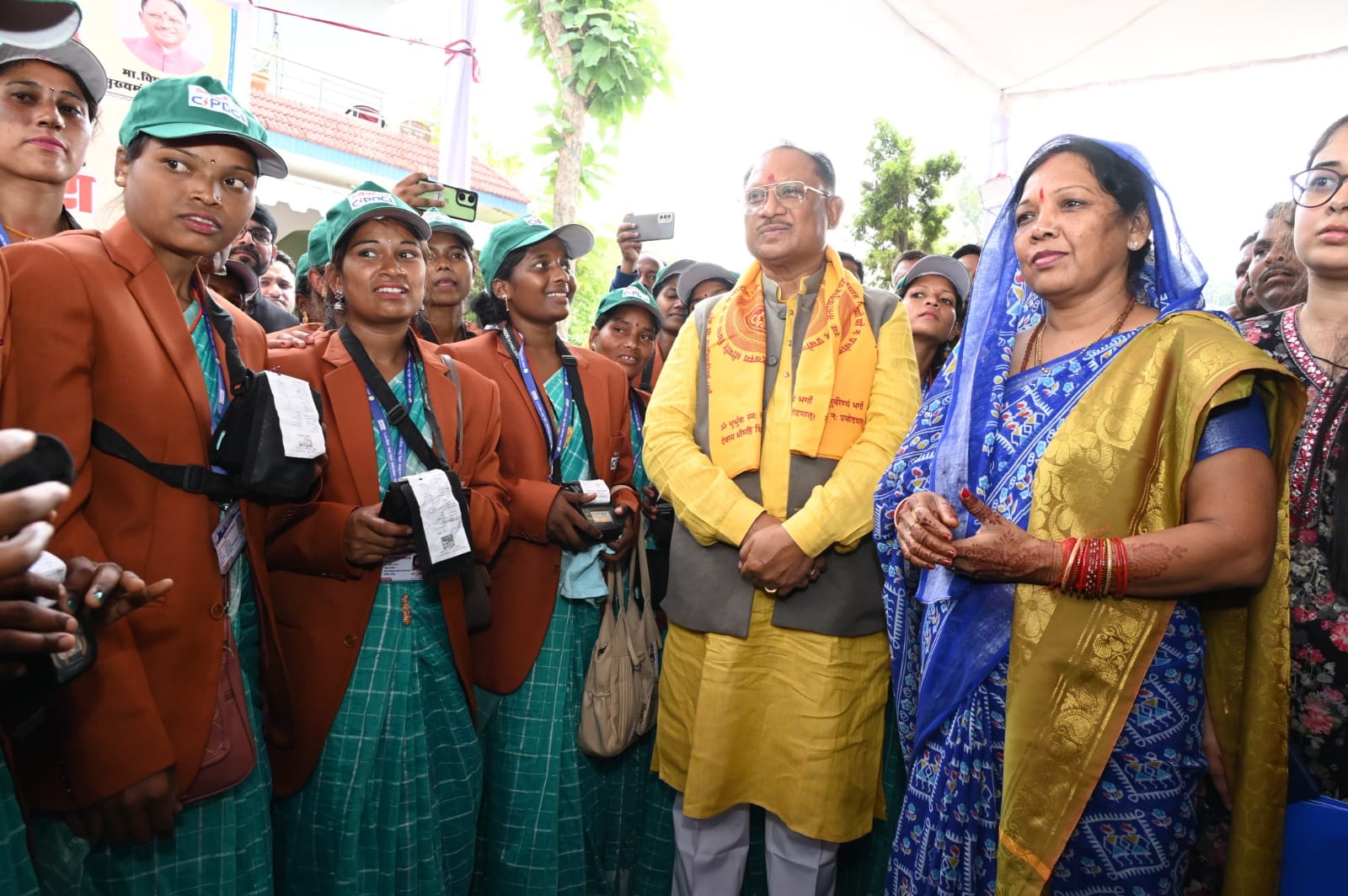
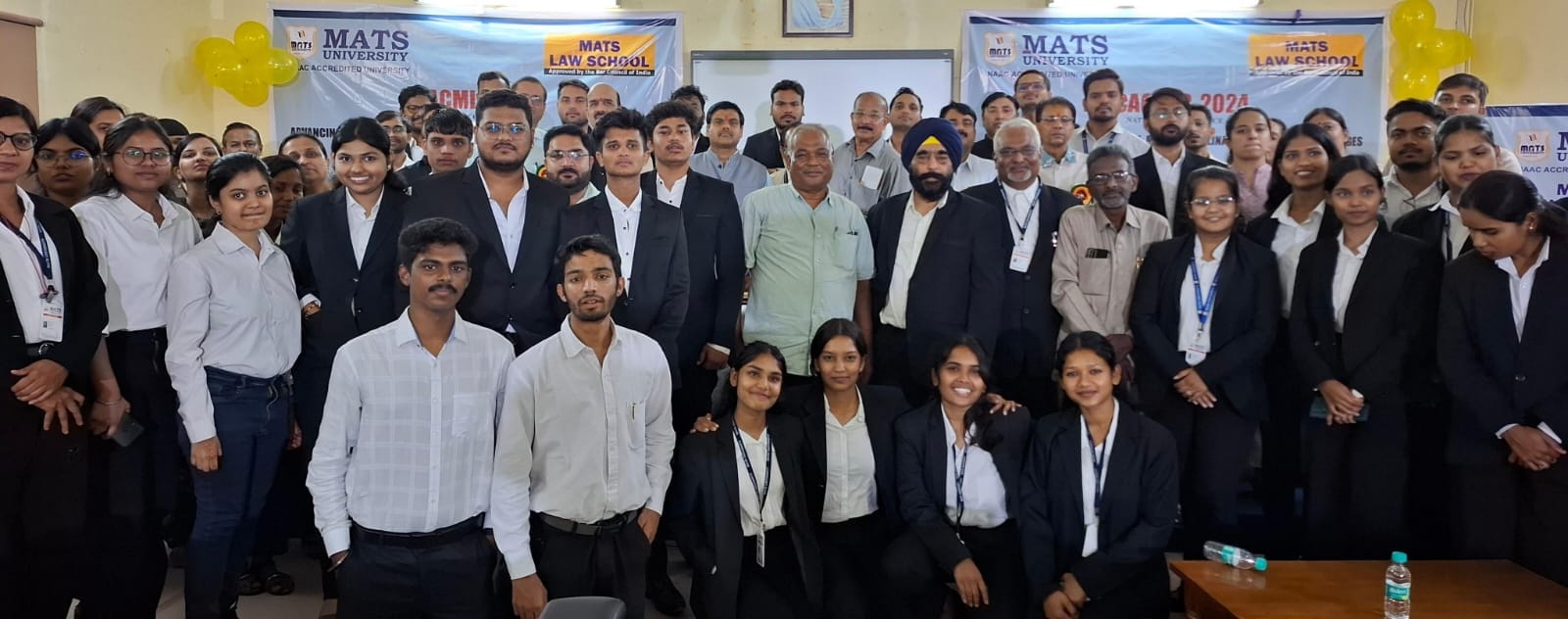
Officials from various commissions, corporations, boards, leaders of various communities, officials, intellectuals, and public representatives attended and shared their valuable suggestions for a Uniform Civil Code. Among those who offered suggestions at the meeting were Vice Chairman of the Central Area Tribal Development Authority, Mr. Pranav Kumar Marpachhi, President of the Vishwa Hindu Parishad, Mr. Lalit Makhija, President of the Vishwa Hindu Parishad, Mr. John Rajesh Paul of the Christian community, President of the Muslim community, Mr. Salam Rizvi, President of the Gurudwara Committee, Mr. Indrajit Chhabra, Vice Chairman of the Other Backward Classes Authority, Mr. Lalit Chandrakar, Chairman of the State Policy Commission, Mr. Ganesh Shankar Mishra. Similarly, Chairman of the State Food Commission, Mr. Sandeep Sharma, Chairperson of the Women’s Commission, Dr. Mamta Sahu, and members Mrs. Sarla Kosaria and Deepika Sori, Chairman of the Cow Service Commission, Mr. Visheshwar Patel, Chairman of the State Minority Commission, Mr. Amarjeet Chhabra, Chairman of the State Civil Supplies Corporation, Mr. Sanjay Srivastava, Chairman of the Scheduled Tribes Commission, Mr. Roop Singh Mandavi, Vice Chairman of the Fishermen Welfare Board, Mr. Lakhan Lal Dhiwar, Mahant of Jaitu Saw Math, Mr. Ram Sundar Das, and several social organizations, including the Agrawal community and Maheshwari community, played an active role in the process.

- Steps taken towards creating a uniform legal framework
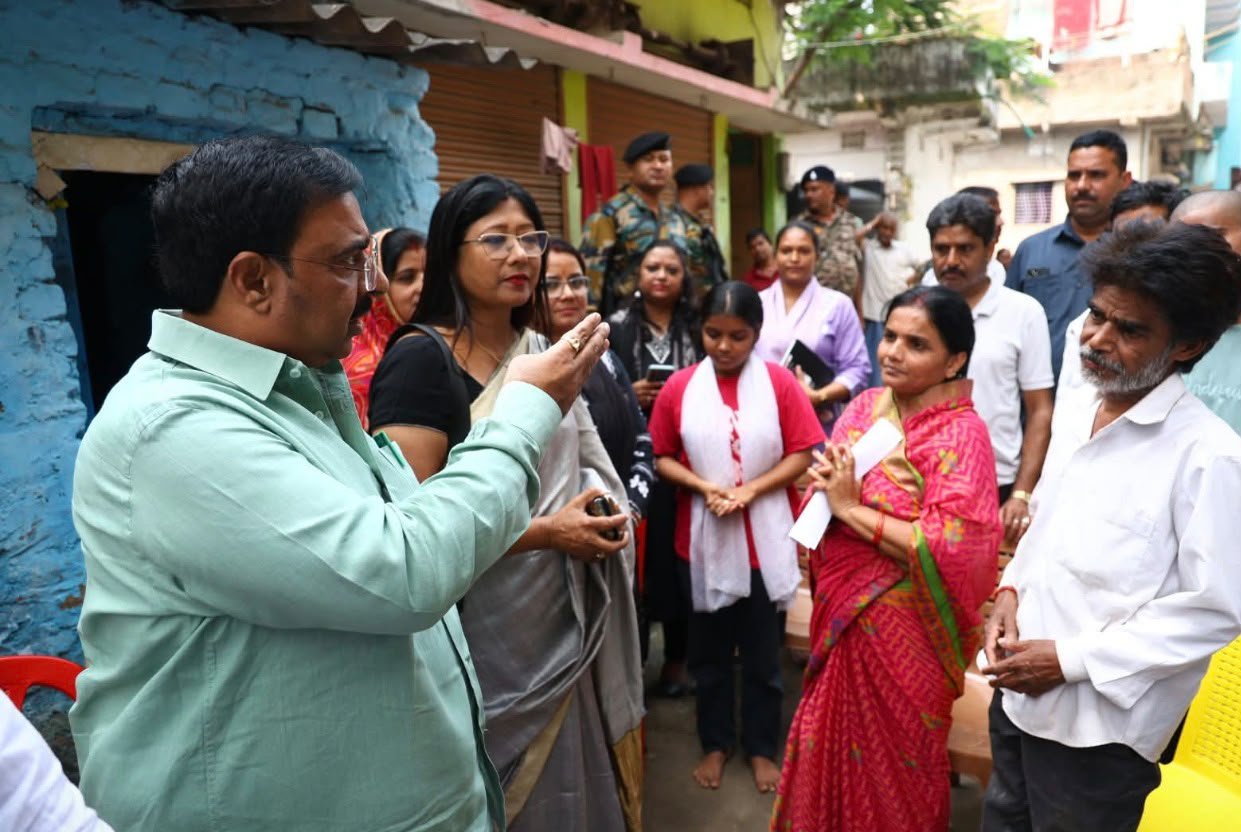
In Chhattisgarh, a major step was suggested towards providing equal and equitable rights to all citizens in personal matters such as marriage, divorce, maintenance, inheritance, and live-in relationships. The proposed Uniform Civil Code’s key dimension is all-inclusive equality. Steps have been taken towards creating a uniform legal framework for all citizens, irrespective of religion or community, in matters such as marriage, divorce, and inheritance. This includes giving women equal rights in inheritance and marital rights and eliminating rules that create inequality. Effective steps are being taken towards creating a clear and well-organized code by removing the complexities and confusion of the various personal laws currently in force.
- Preservation of tribal traditions
The practical impact of the proposed reforms on the state’s unique tribal and traditional traditions will be sensitively assessed. The committee, formed to prepare an inclusive draft through statewide public dialogue, is gathering the opinions of ordinary citizens, socio-religious organizations, and legal experts through field studies, online portals, and public dialogue in all districts of the state. This extensive discussion held at the New Circuit House has further strengthened the process of developing a transparent, inclusive, and people-friendly Uniform Civil Code in the state.