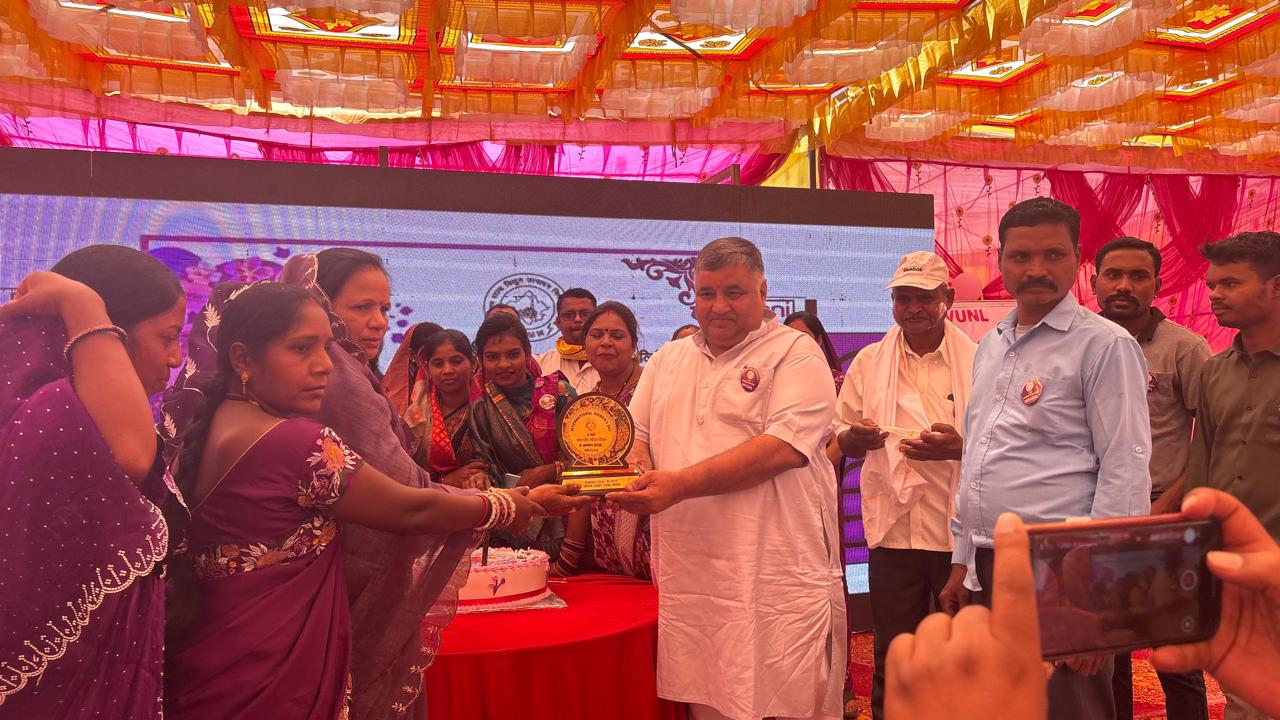




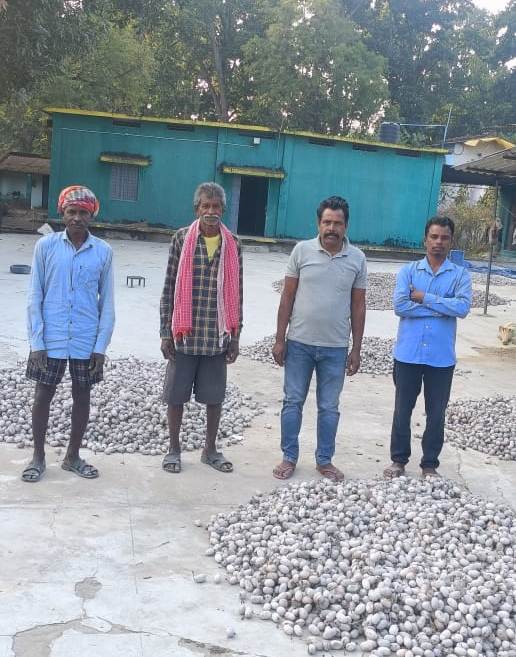
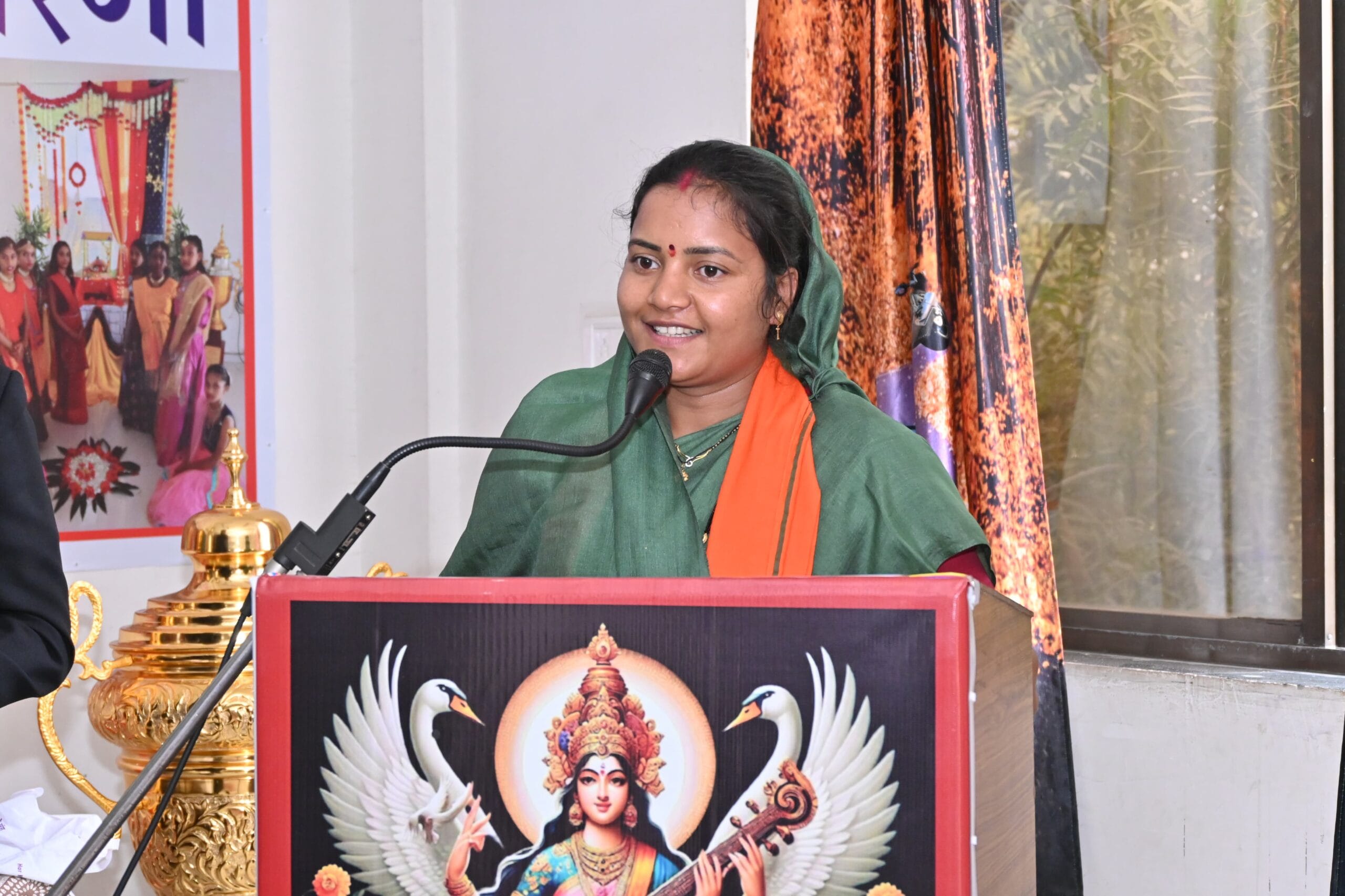



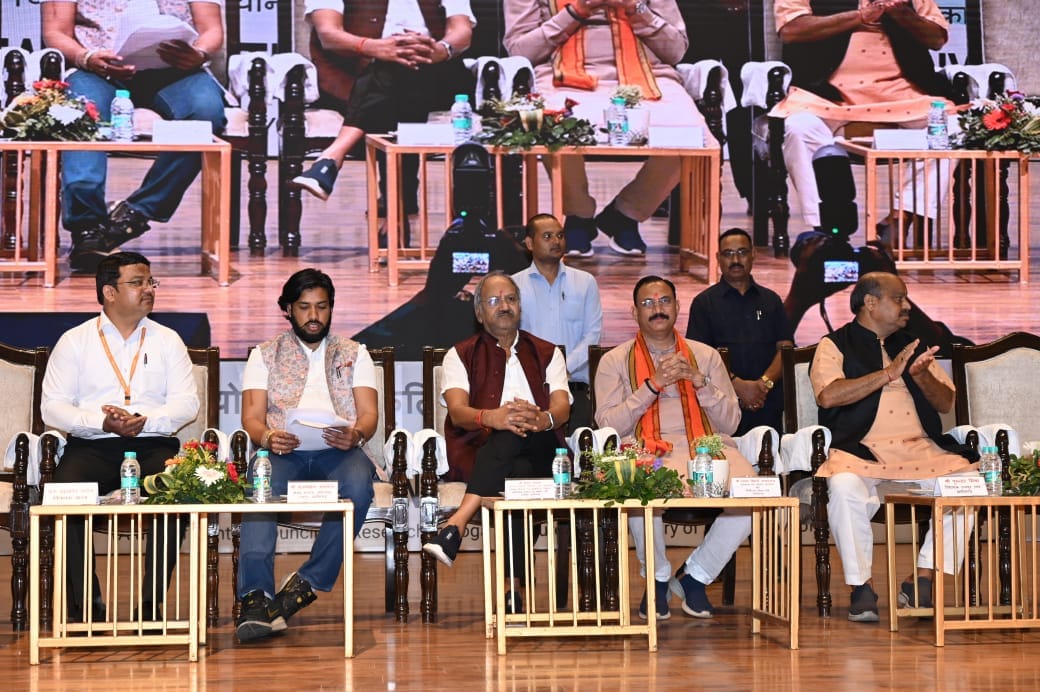
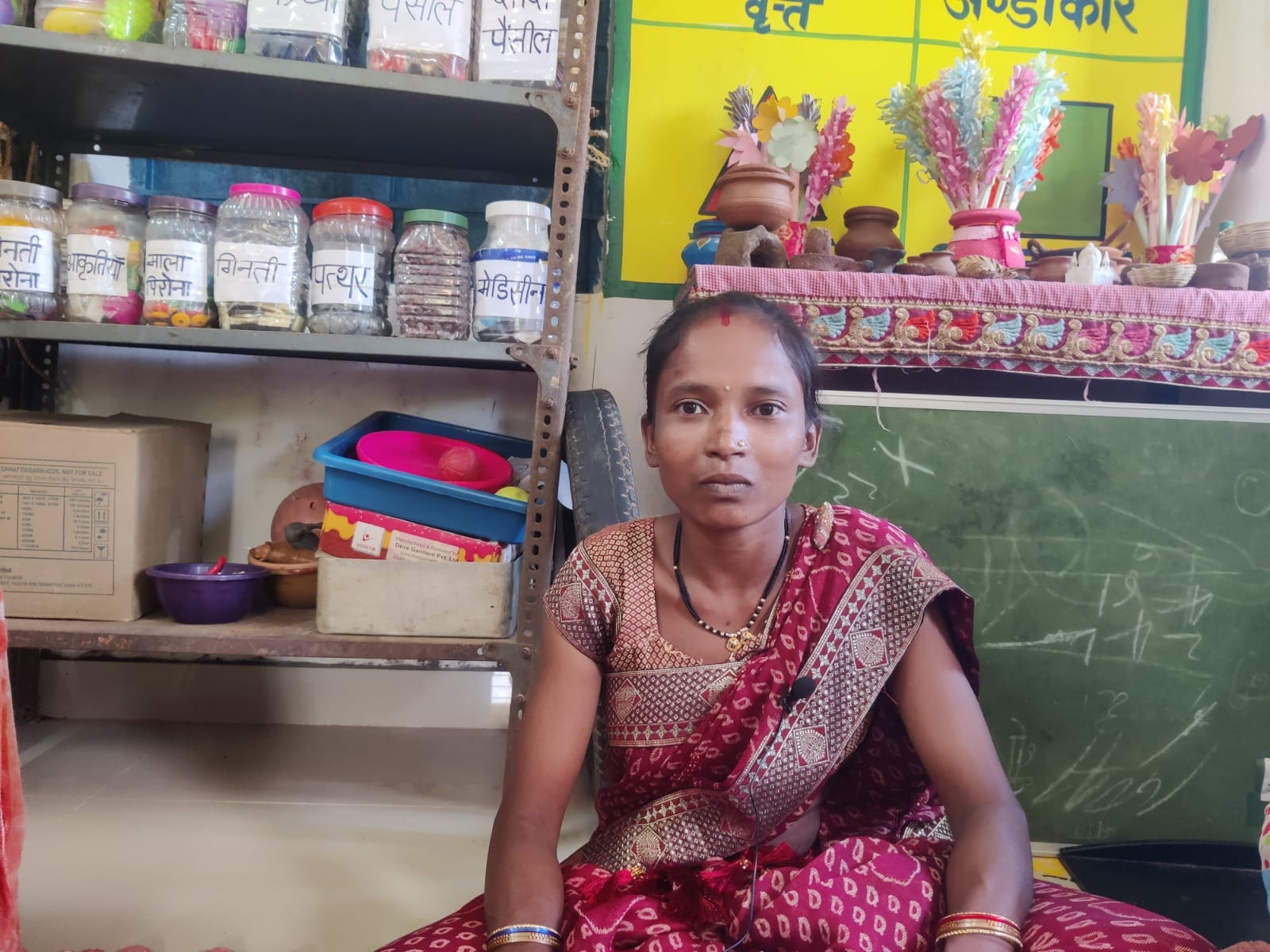

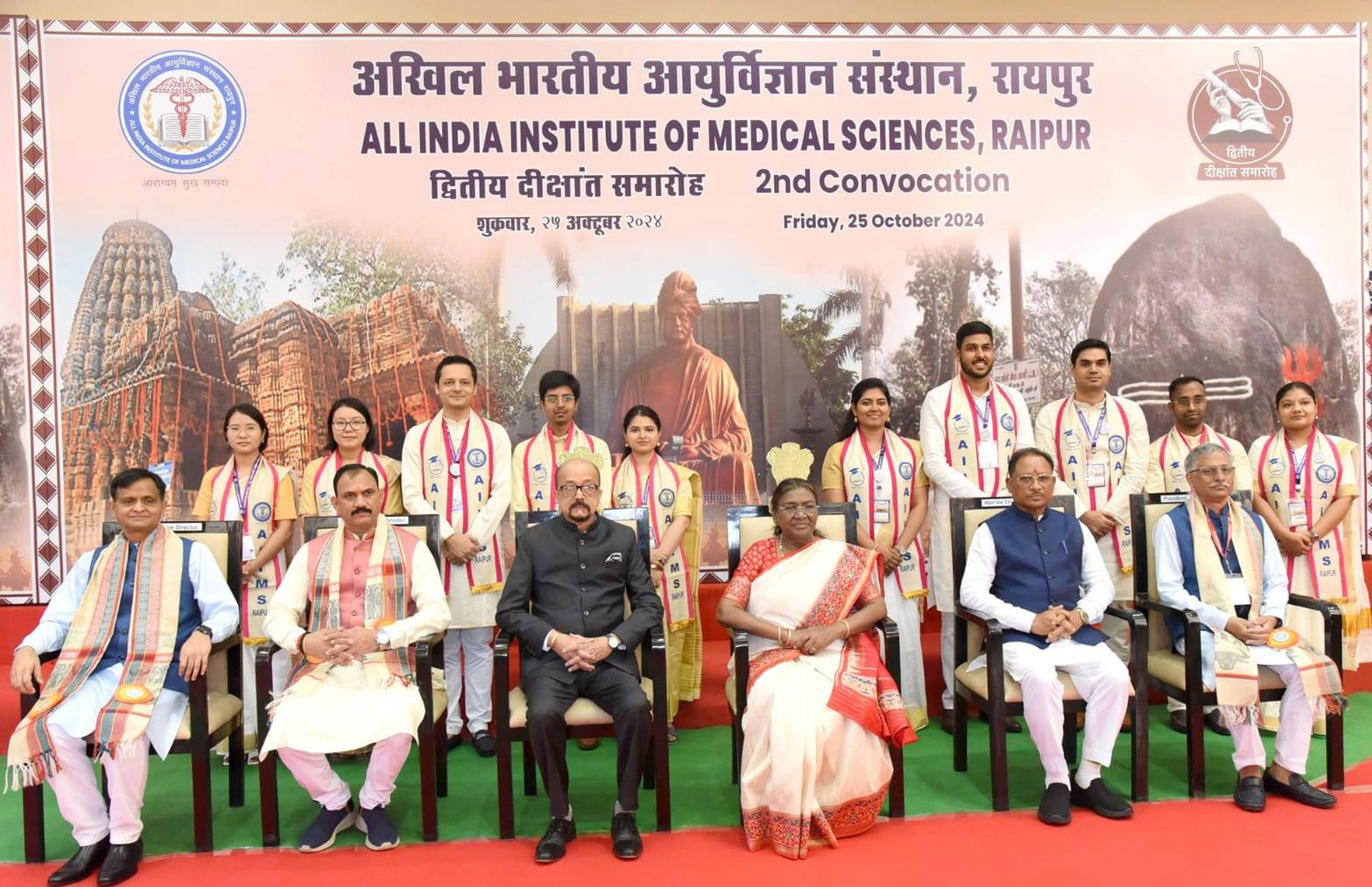
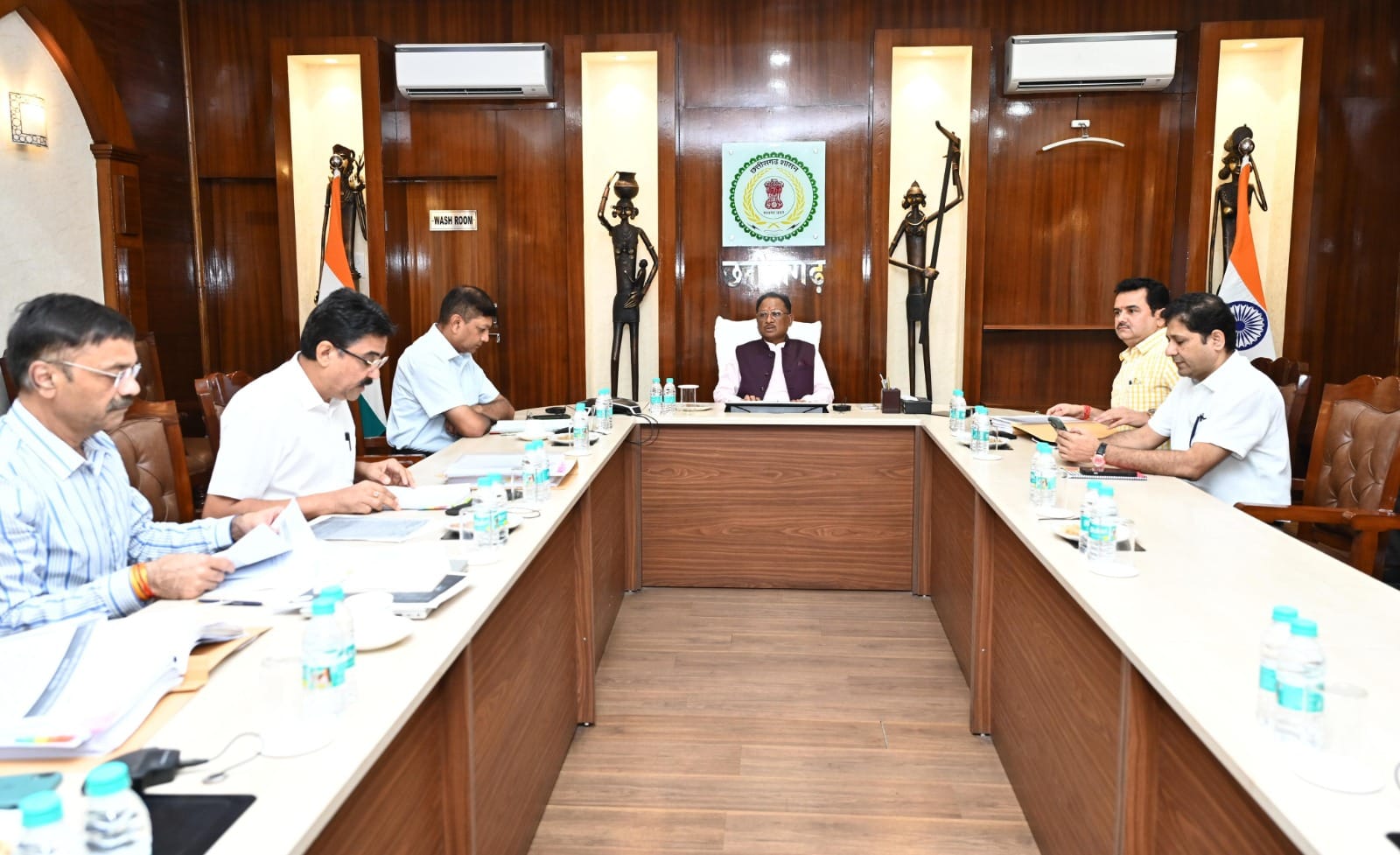

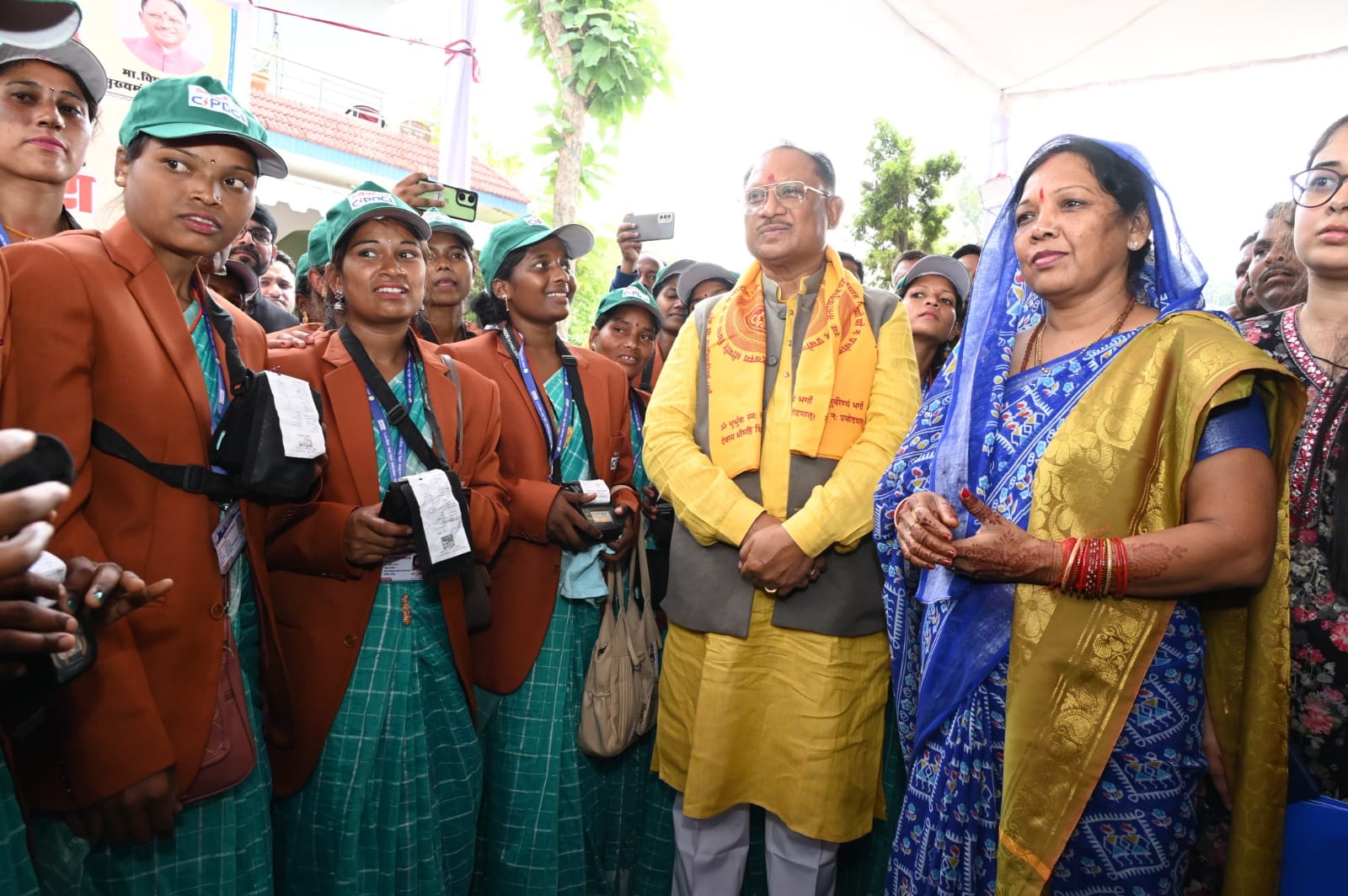



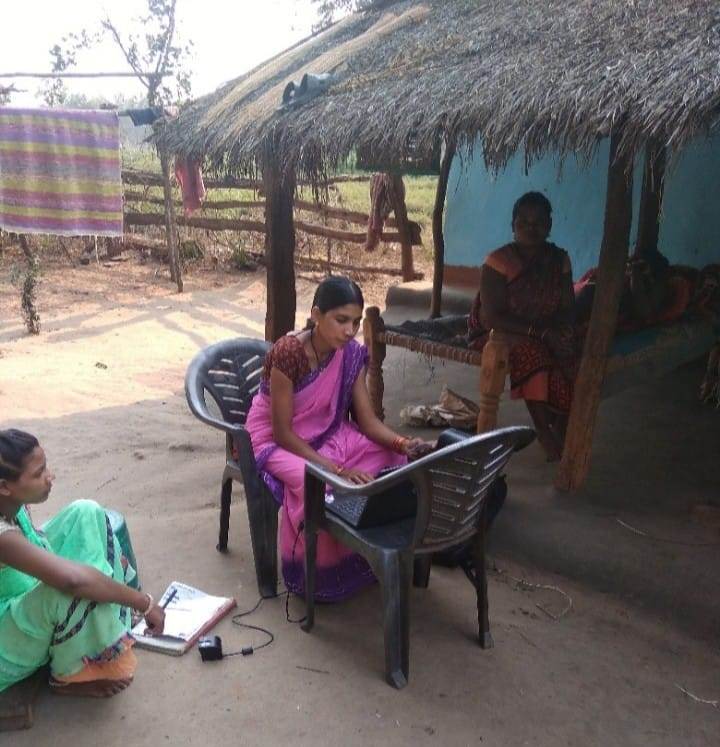
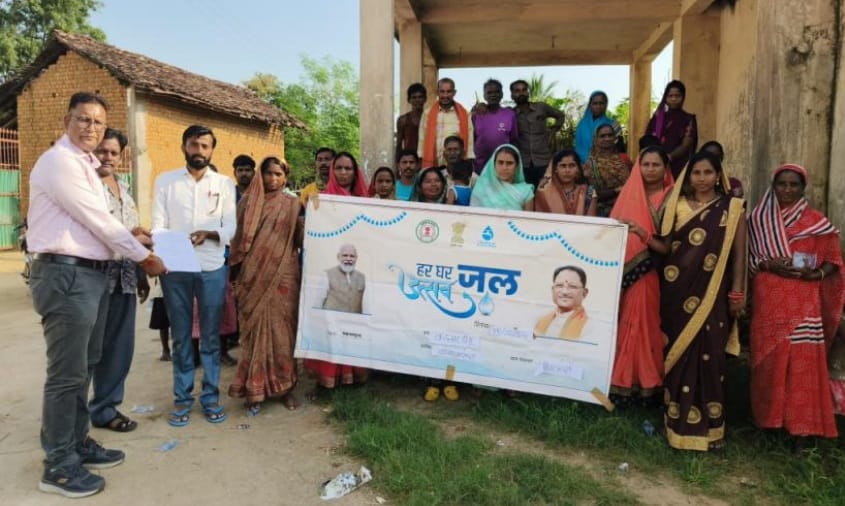
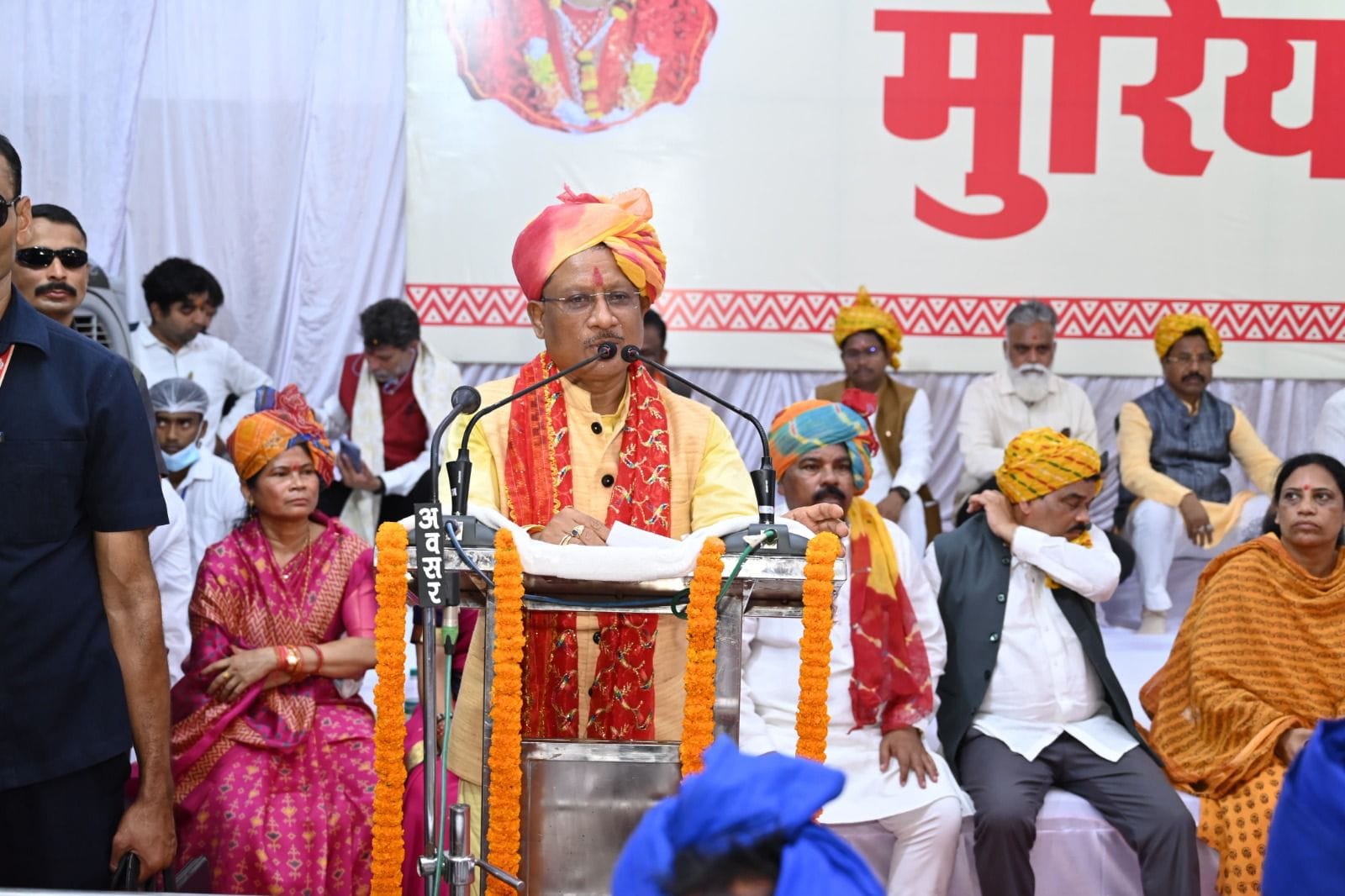





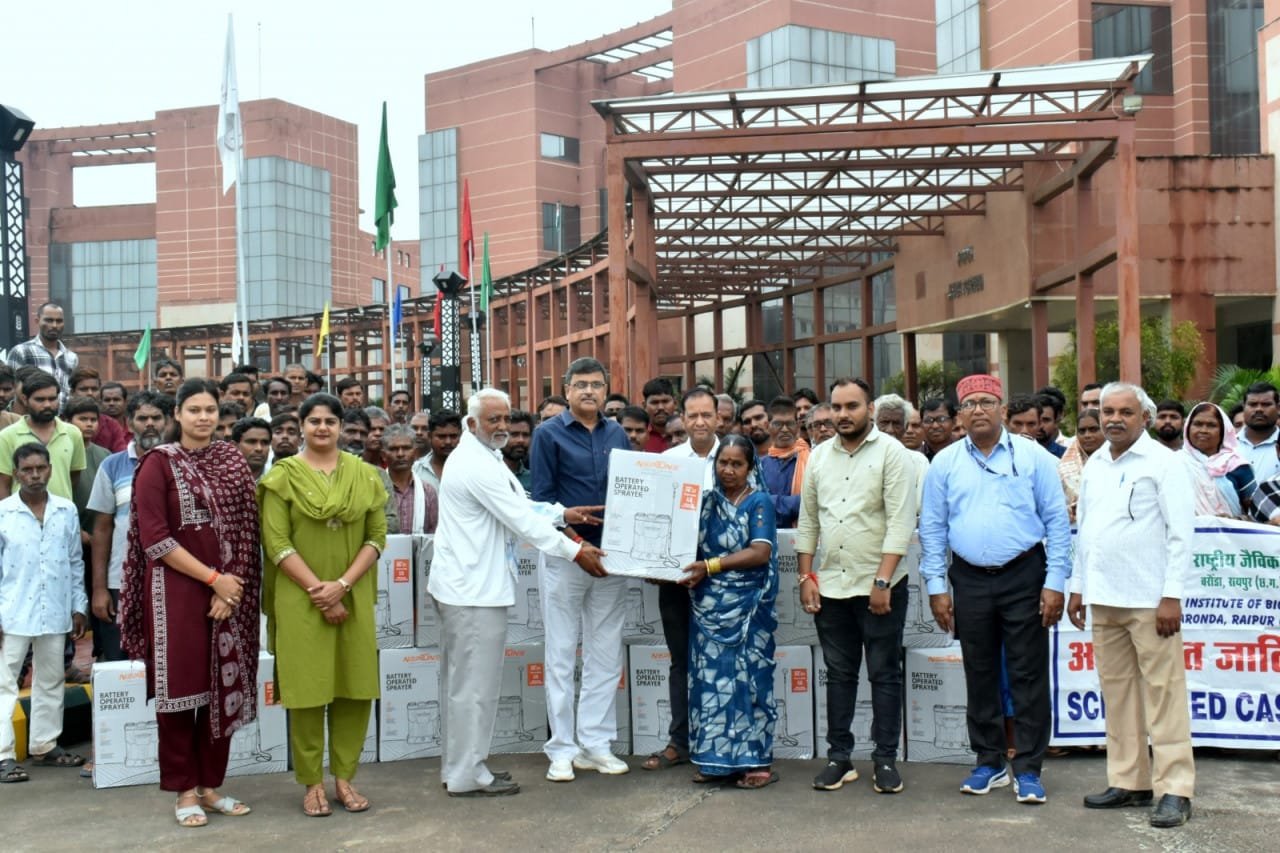
The Indian Council of Agricultural Research-National Institute for Biotic Stress Management (ICAR-NIBSAM), Raipur, distributed 140 battery-operated power sprayers and three sets of solar panels to farmers and women farmers under the Scheduled Caste Sub-Plan (SCSP). The initiative aims to promote agricultural mechanization, reduce farmers’ manual labor and labor, and encourage sustainable agricultural practices. A total of 160 farmers and women farmers from Murra, Bethia, Devgaon, Adesena, and Beltukri villages participated in the program.
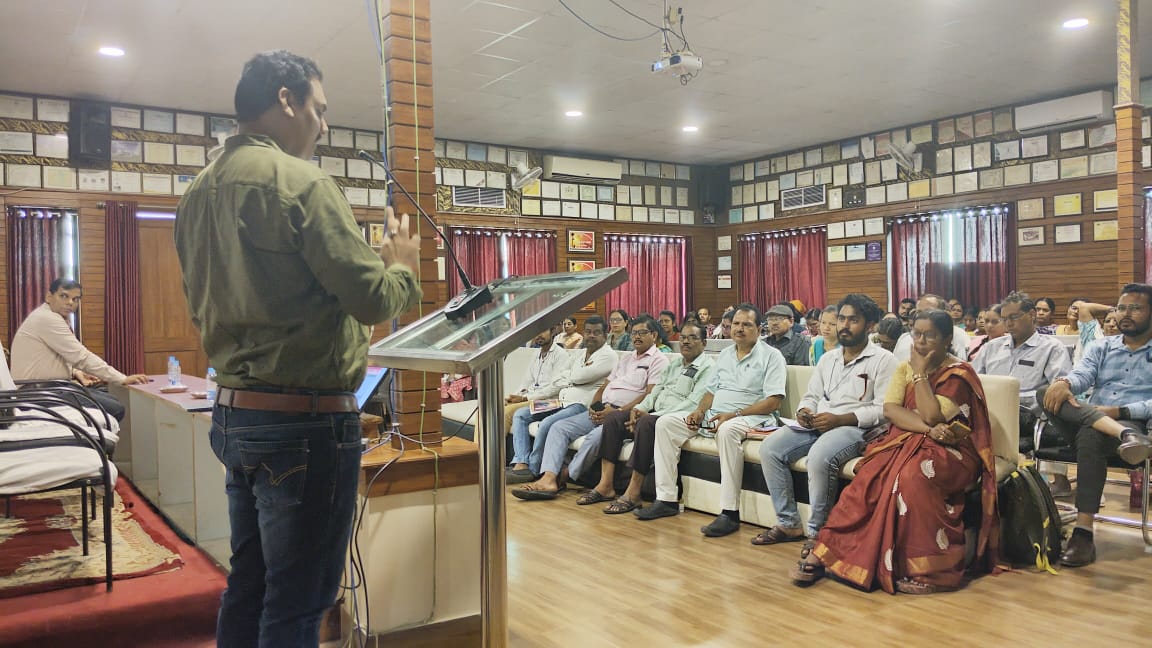
Addressing the farmers, Dr. P.K. Rai, Director, emphasized the need for rainwater harvesting and conservation during the current monsoon season. He urged farmers to collect rainwater in available water conservation and water harvesting structures and to use the stored water judiciously for the production of Rabi crops. He described crop diversification as an important step toward increasing farmers’ income, efficient use of resources, and reducing the risks to agricultural production.
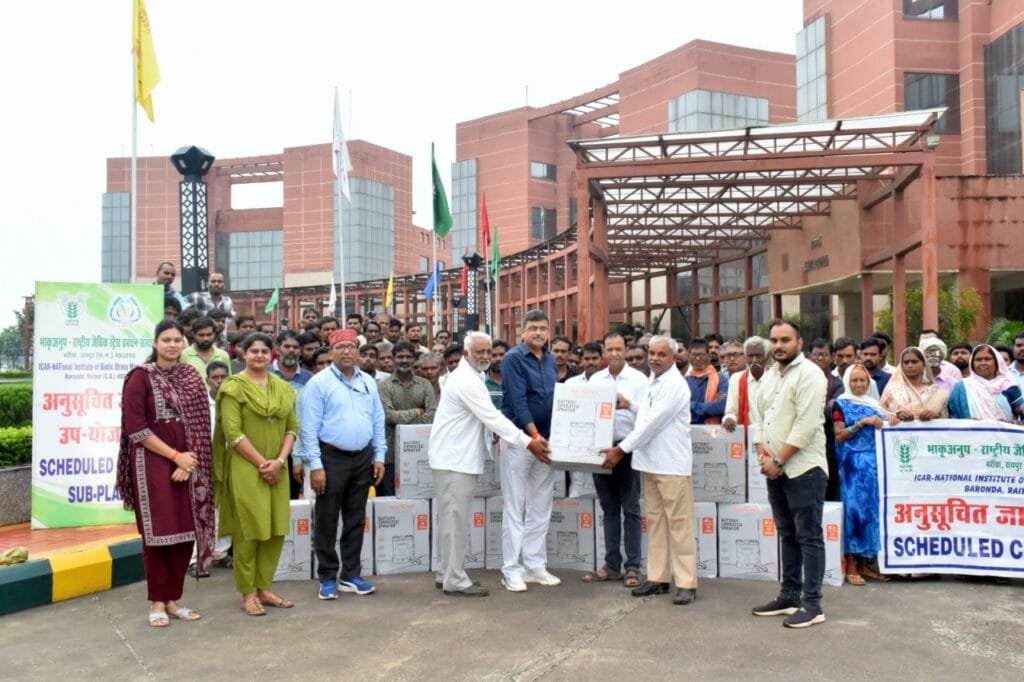
Dr. Rai stated that through SCSP programs, the Institute is continuously providing farmers and women farmers in various villages with tailored technical knowledge, training, and essential agricultural materials and equipment. He added that such initiatives are helpful in enhancing farmers’ capacity and improving agricultural productivity.

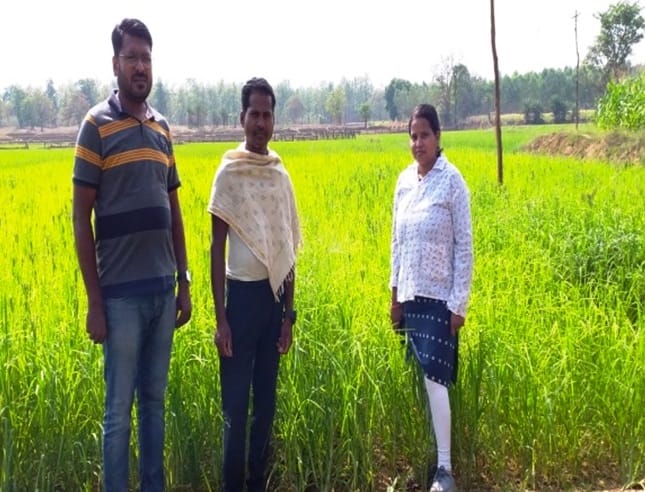
Dr. Pankaj Sharma, Joint Director and Program Coordinator, advised farmers to regularly monitor their rice crops. He explained that the rice crop is currently approximately 40-50 days old after transplanting. Currently, rice is experiencing infestations of yellow stem borer and leaf folder pests, while symptoms of bacterial leaf blight have also been observed in some areas. He urged farmers to identify pests and diseases early, implement timely and appropriate management measures, and avoid unnecessary pesticide use. He advised adopting pheromone traps and trichocards as important components of integrated pest management (IPM), and using chemical pesticides only when necessary and based on the level of pest infestation.
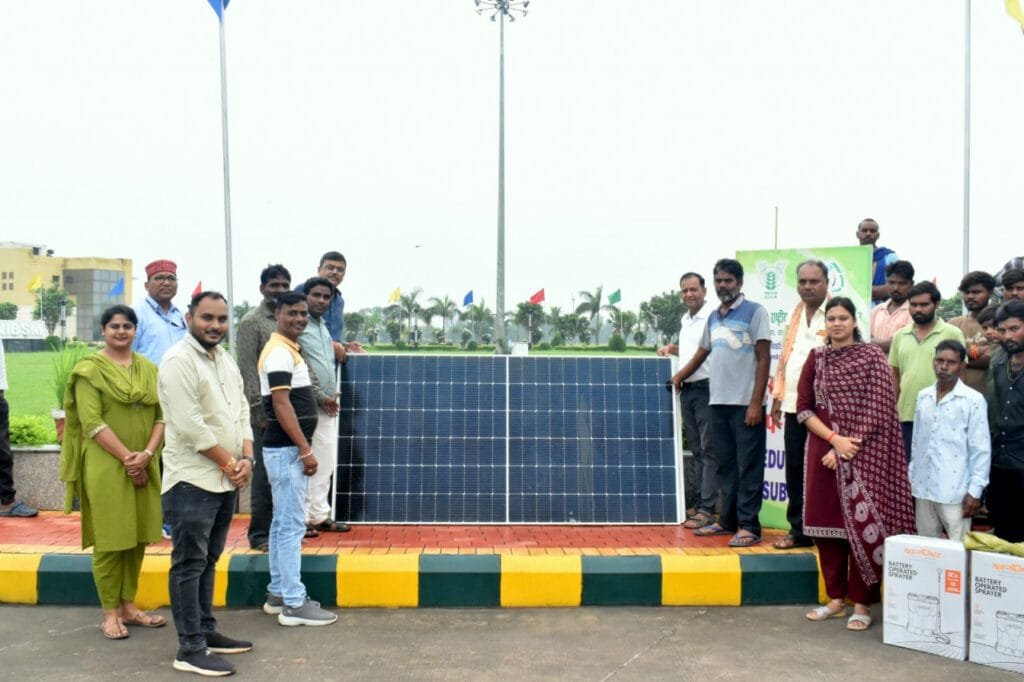
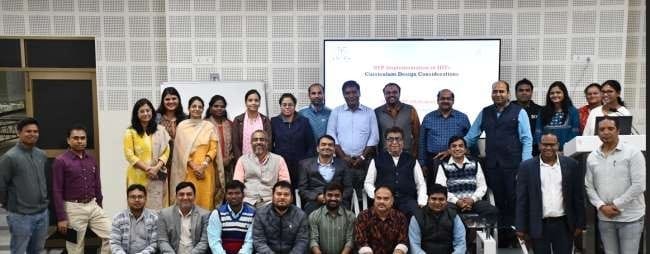
Farmers and village representatives attending the event expressed their gratitude to the Institute for providing technical guidance, agricultural equipment, and essential agricultural inputs under the SCSP program. They described the distribution of power sprayers and solar panels as a useful and important initiative to facilitate agricultural operations and promote sustainable agriculture.
Sarpanch Mrs. Kanchan Gaikwad and Mr. Pradeep Madaria, along with scientists and officials from the institute, were present at the event. The program was coordinated by Dr. K.C. Sharma, Principal Scientist and Nodal Officer.