





















- The Water Resources Department’s 25-year development journey has transformed the agricultural landscape; irrigation capacity has risen from 4,458 hectares to 25,936 hectares.
Under the vision of a ‘Viksit Bharat’ (Developed India) championed by Prime Minister Shri Narendra Modi and the leadership of Chief Minister Shri Vishnu Deo Sai, continuous efforts are being made in Chhattisgarh to improve water resource management, expand irrigation facilities, and strengthen the rural economy. In this context, the 25-year development journey of the Water Resources Department in the Gaurela-Pendra-Marwahi (GPM) district highlights significant transformations in rural development and the agricultural sector. Since the state’s formation, the expansion of irrigation infrastructure has increased the district’s irrigation capacity from 4,458 hectares to 25,936 hectares by the year 2026.
- Limited Irrigation Facilities at the Time of State Formation
At the time of the state’s formation, water resource infrastructure in the district was limited. Prior to November 1, 2000, a total of 28 water resource projects had been constructed in the district. These included 17 reservoirs, 4 diversion schemes, 2 stop dams, and 5 anicuts. These projects provided irrigation to an area of only 4,458 hectares. Due to limited irrigation resources, agriculture relied primarily on monsoon rainfall.
- Construction of 57 New Projects Over 25 Years
Following the state’s formation, the Water Resources Department placed special emphasis on the phased expansion and modernization of irrigation facilities. Over the past 25 years, the construction of 57 new water resource projects has been completed in the district. Combining the 28 pre-existing projects with the 57 new ones, a foundation of 85 water resource schemes has been established in the district.

Efforts were made to deliver water to remote fields through the renovation and expansion of old canals. Micro-irrigation and lift irrigation were promoted to irrigate larger areas with less water. Innovations such as the use of solar pumps and digital technology for monitoring water distribution have been implemented. Alongside this, efforts have been directed towards river conservation, the construction of anicuts, and groundwater augmentation.
- Irrigation capacity increased from 4,458 to 25,936 hectares
The most significant outcome of the Water Resources Department’s efforts is evident in the irrigation capacity of GPM. While irrigation was possible across an area of 4,458 hectares at the time of the state’s formation, this capacity has risen to 25,936 hectares by 2026. Thus, the irrigation capacity has increased by 21,476 hectares over 25 years—an increase of more than six-fold compared to the time of the state’s inception.
- Expansion of irrigation provides a new foundation for agriculture
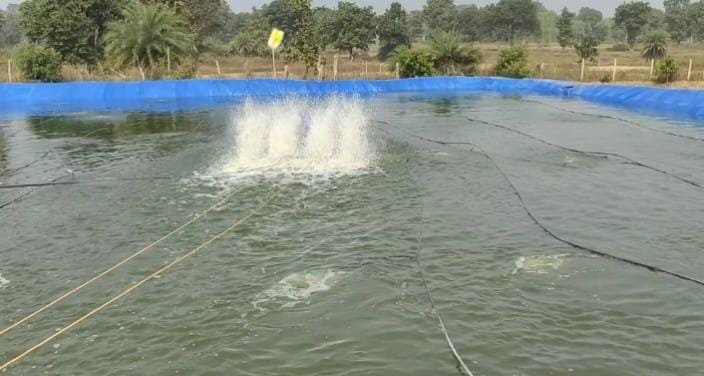
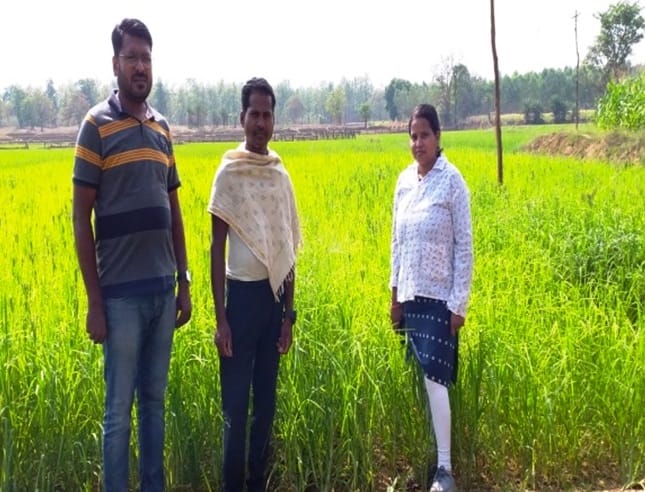
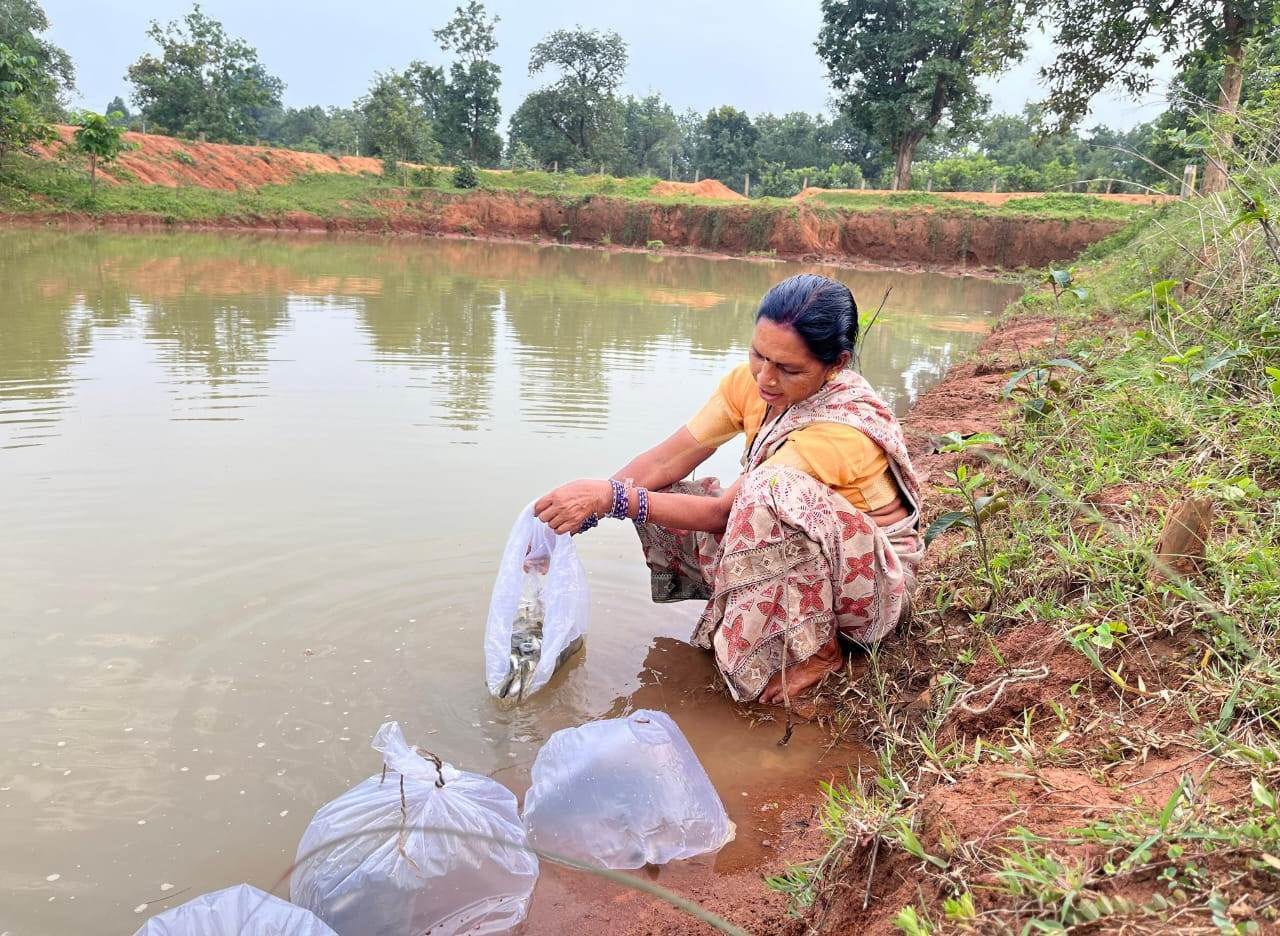
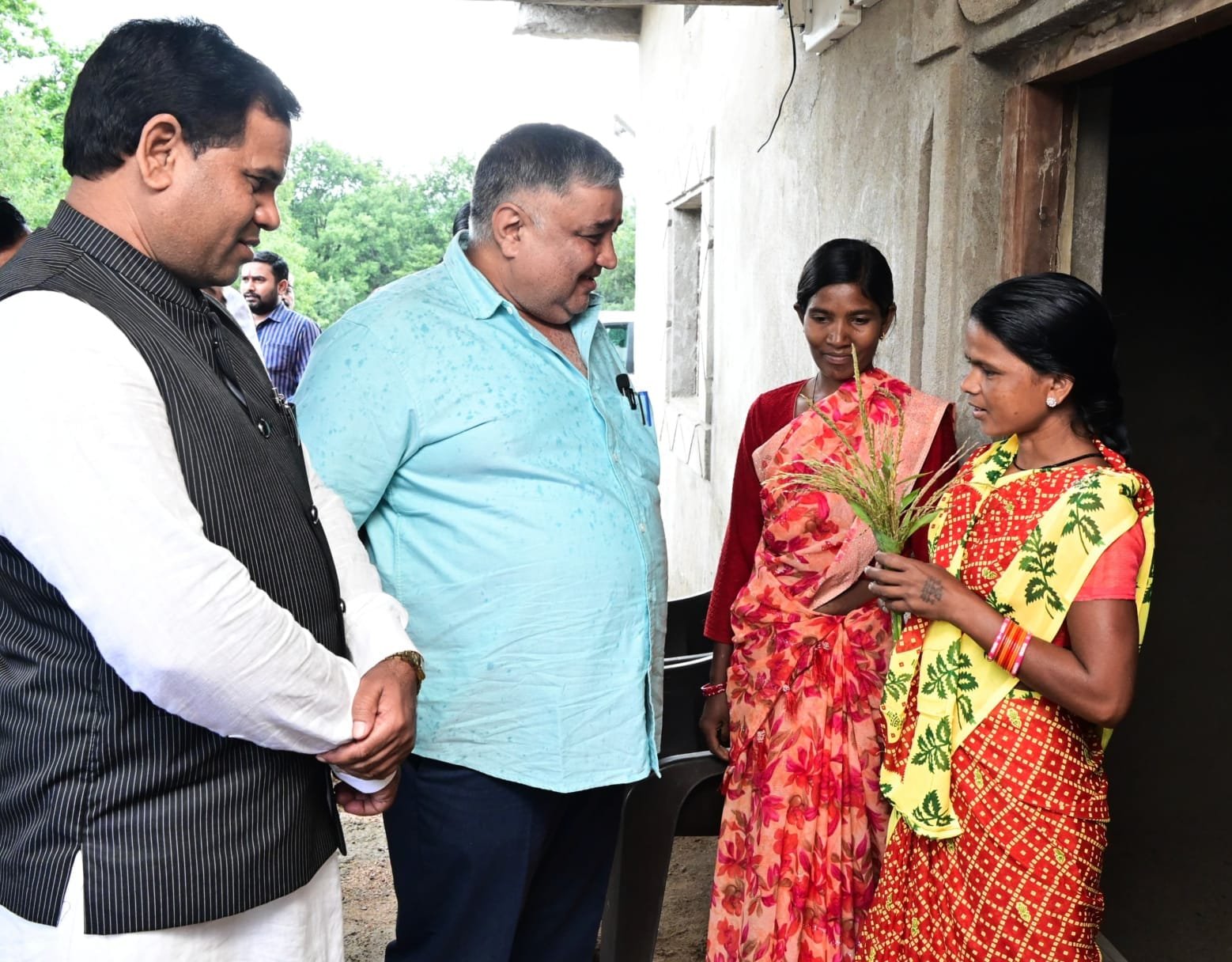
The expansion of irrigation facilities has transformed the agricultural landscape in the district’s rural areas. Increased water availability in fields has enabled farmers to advance local agricultural activities and move towards multi-cropping. The expanded irrigation coverage has led to improved agricultural production and boosted greenery and economic activities in rural areas.
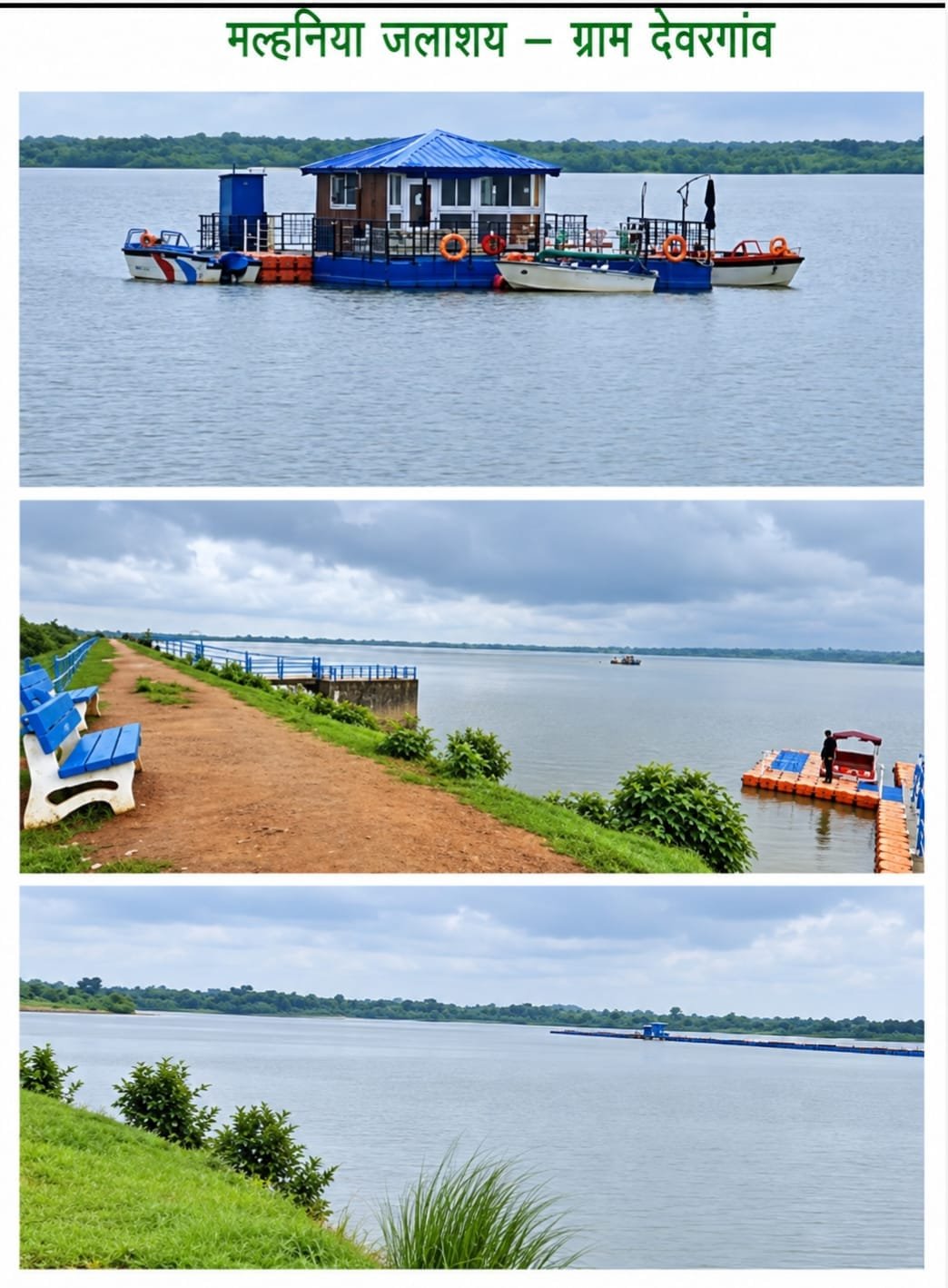
Key water structures in GPM district include the Malaniya Reservoir in Devargaon, the Jogidongri Reservoir in Andul, and the anicut in Banjhorka. These structures showcase the district’s developed water infrastructure and its commitment to water conservation.
- Emphasis on modern technology and conservation in water management
Alongside the expansion of irrigation facilities in GPM, focus has been placed on the efficient use and conservation of water. Water management is being modernized through the use of micro and lift irrigation, solar pumps, and digital technology. Initiatives such as river conservation, anicut construction, and groundwater augmentation are crucial for strengthening water availability.
The construction of water structures and the expansion of irrigation facilities are directly linked to water availability in fields, the growth of agricultural activities, and the economic prospects of rural households. The increase in the district’s irrigation capacity from 4,458 hectares to 25,936 hectares is a significant outcome of this long-term endeavor.
Strengthening water resources, agriculture, and the rural economy is considered a crucial pillar of Prime Minister Shri Narendra Modi’s vision of a ‘Viksit Bharat’ (Developed India). Aligned with this comprehensive vision, the optimal utilization of water resources, the expansion of irrigation infrastructure, and the integration of modern technology are playing a pivotal role in bringing rural areas into the mainstream of development.
Under the leadership of Chief Minister Shri Vishnu Deo Sai, the state government is also prioritizing the expansion of basic amenities in rural areas and the creation of better opportunities for farmers. The achievements of the Water Resources Department in GPM (Gaurela-Pendra-Marwahi) reflect the infrastructural expansion that has taken place in the district.
- Expectation of Further Expansion in Irrigation Capacity through New Schemes
Several new irrigation schemes are currently under construction in the district. Upon their completion, irrigation capacity will expand further. This will provide additional support to the agricultural sector and further strengthen water management infrastructure.
This 25-year journey of the Water Resources Department is not limited merely to the construction of water structures; it is a saga of development encompassing water reaching the fields, growing agricultural potential, the expansion of economic activities in rural areas, and strides towards self-reliance. This achievement of the Gaurela-Pendra-Marwahi district underscores the sustained efforts made to integrate water conservation, irrigation expansion, and public welfare with overall development.