
















































- Women’s Group from Parkhanda Scripts a New Success Story Through Collective Effort
- Income of ₹1.12 Lakh from the First Vetiver Crop
Moving beyond traditional farming, women who adopted the cultivation of medicinal and aromatic crops like Vetiver (Khus) have not only increased their income but also brought about a significant shift in the rural economy. This serves as an excellent example of women’s economic empowerment, agricultural innovation, and self-reliance. Vetiver is a medicinal plant; its high-quality aromatic oil commands a premium price. The aromatic oil extracted from Vetiver roots is used in beverages (sharbat), pan masala, tobacco, perfumes, soaps, and other cosmetic products. Its dried roots are used to impart fragrance to linens and clothing. Additionally, Vetiver is utilized as a medicinal herb in traditional healthcare systems like Ayurveda.
- Earned ₹1.12 Lakh by Producing 11.20 Quintals of Vetiver
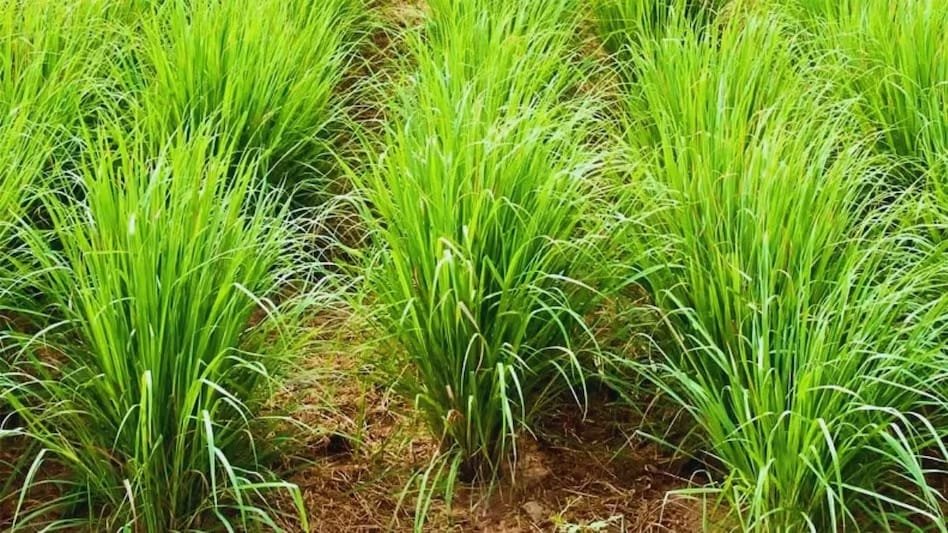
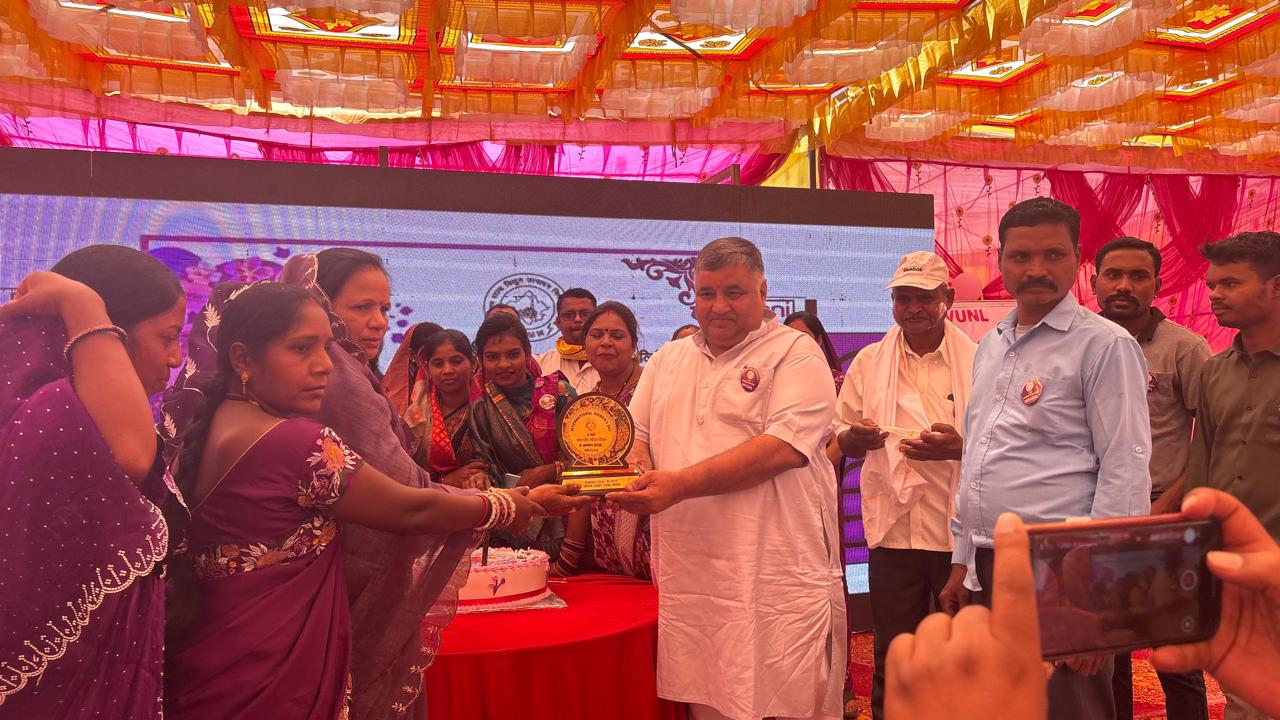
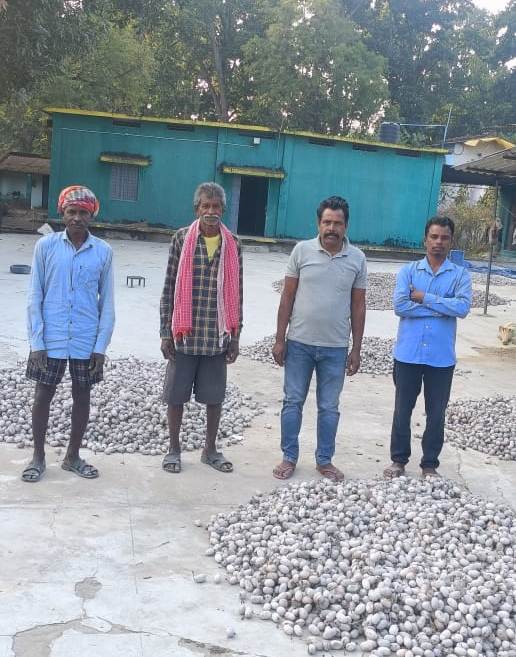
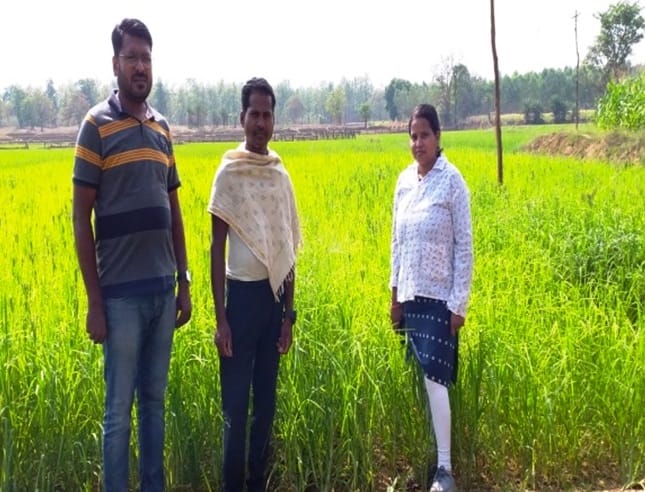
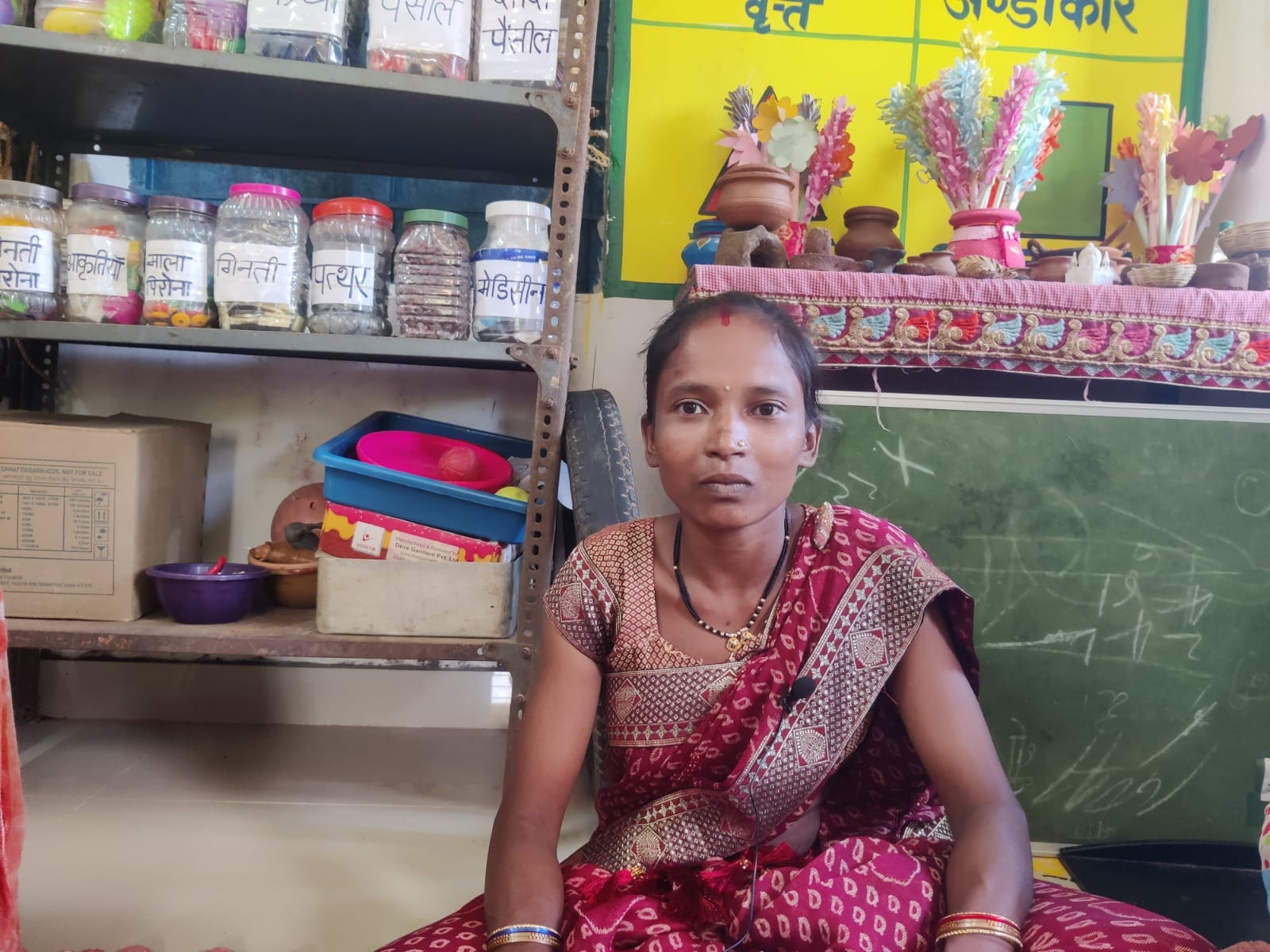
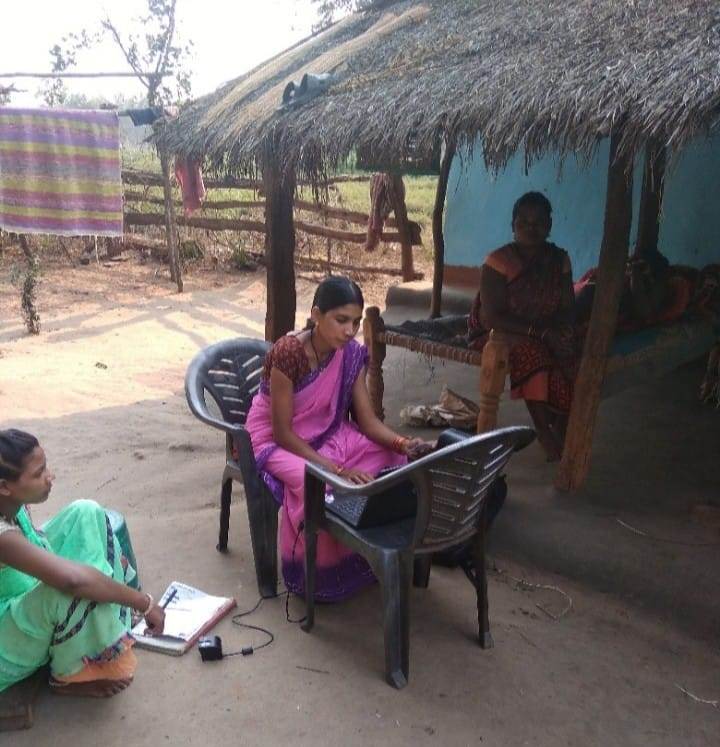
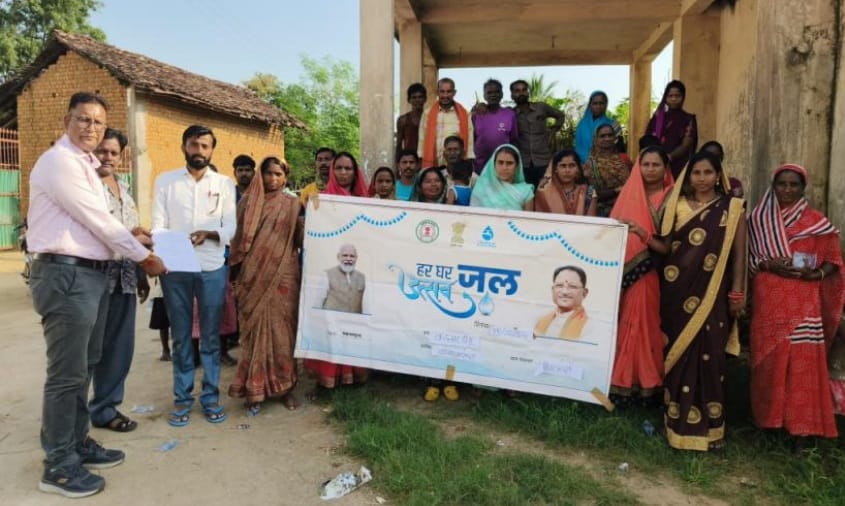
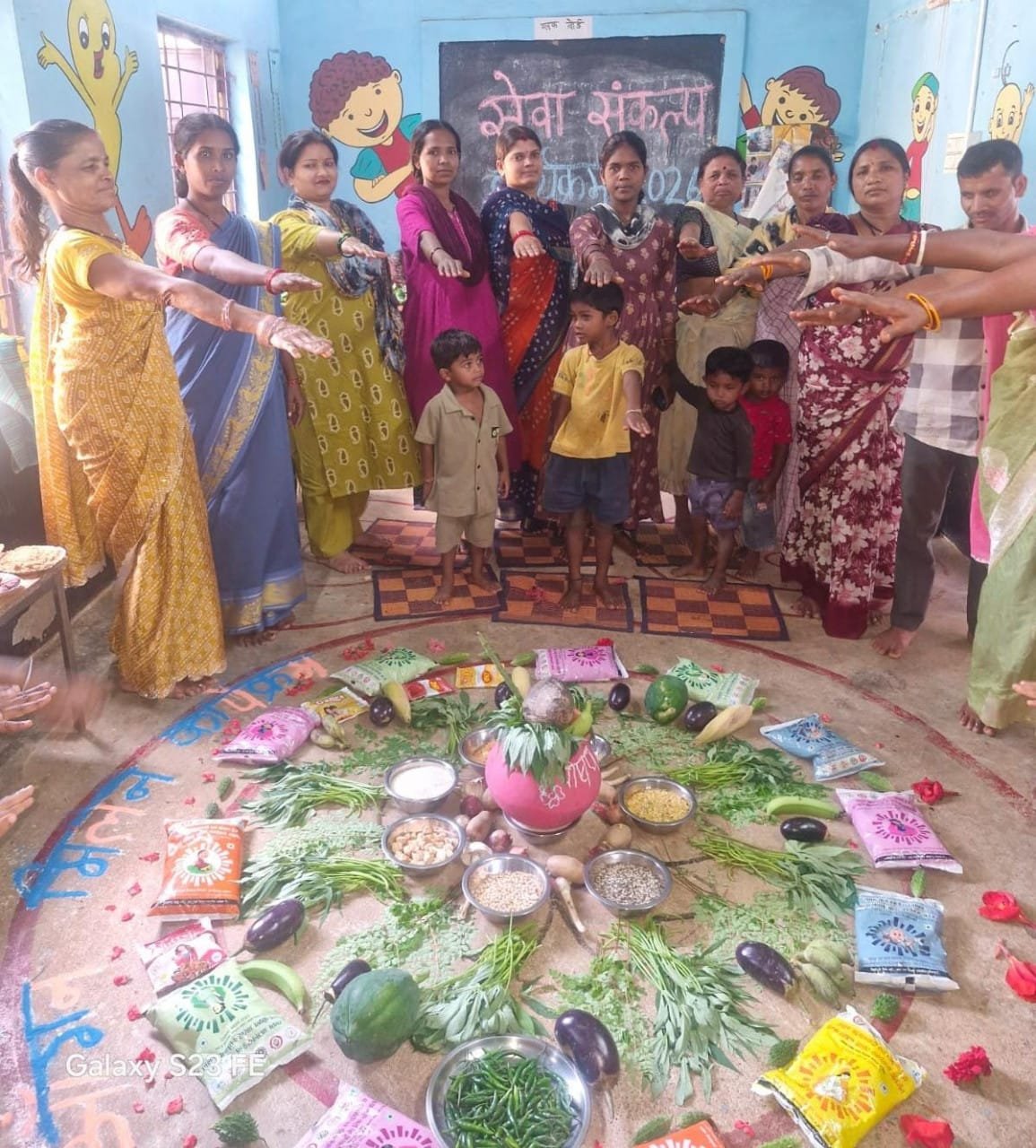
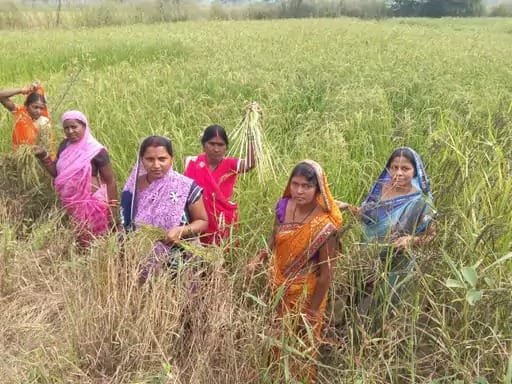
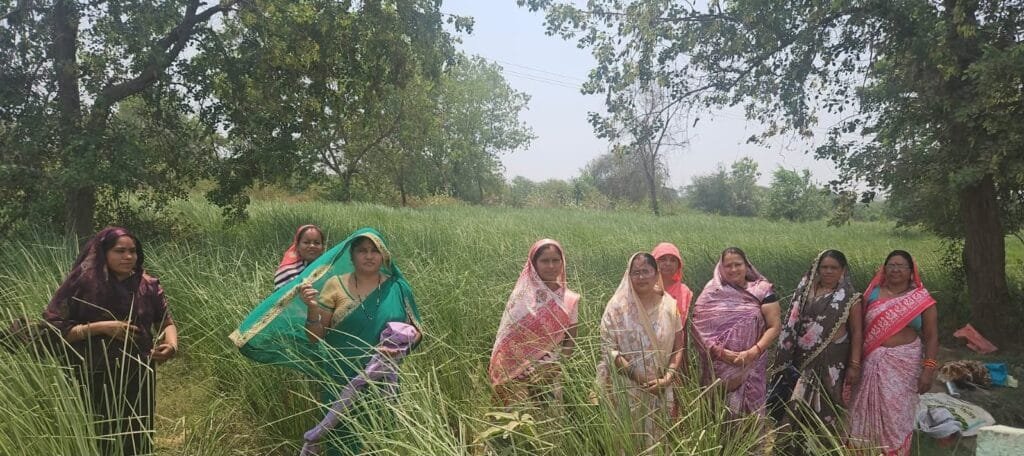
Rural women, who were once confined to traditional farming practices, have now begun exploring new avenues for livelihood by embracing agricultural innovations. Under the ‘Seva Sankalp Abhiyan’ (Service Resolve Campaign), women from the ‘Dhan Ke Katora Utpadak Samiti’ Self-Help Group in Gram Panchayat Parkhanda (Kurud Block, Dhamtari District, Chhattisgarh) have exemplified this transformation by cultivating the medicinal and aromatic crop, Vetiver. The group cultivated Vetiver on 2.50 acres of land and earned an income of ₹1.12 lakh by producing 11.20 quintals of the crop in the very first harvest. This achievement represents not only economic success for the women involved but also serves as a prime example of agricultural diversification and the potential of collective livelihood initiatives. Venturing Beyond Traditional Farming: A New Path and a Harvest of 11.20 Quintals of Vetiver
Agriculture plays a vital role in the rural economy; however, with changing times, it has become essential for farmers and rural families to develop diverse income sources. With this vision, the women of Parkhanda experimented with cultivating medicinal and aromatic crops alongside traditional ones. Vetiver (Khas) cultivation was a novel experience for the women of the ‘Dhan Ka Katora’ (Rice Bowl) Producer Committee. As it was a new crop, the group faced several challenges regarding its production and maintenance; nevertheless, the women moved forward through collective effort, regular care, and a willingness to learn. Their hard work paid off at the time of the first harvest, yielding 11.20 quintals of vetiver.

The sale of the harvested vetiver generated an income of ₹1.12 lakh for the group. This earnings from the very first crop proved encouraging, instilling in the women the confidence that agriculture-based livelihoods could be steered in a new direction through the optimal use of local resources and available land.
- New Income Opportunities Through Medicinal and Value-Added Crops
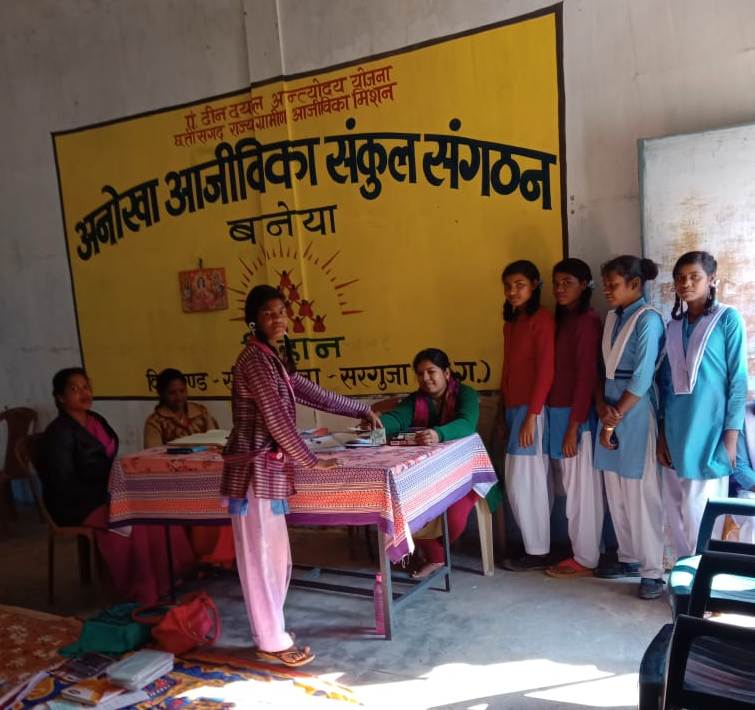
The most significant aspect of this success is the collective effort of the women involved. By joining a self-help group, these women did not limit themselves merely to savings and credit activities; instead, they collectively ventured into production, crop management, and marketing. The income generated from vetiver cultivation has boosted their confidence regarding economic activities. Furthermore, this experience is helping them realize that rather than restricting farming to traditional crops, new income opportunities can be created by adopting demand-driven, medicinal, and value-added crops.
- Mixed Plantation Across 6 Acres: Environmental Conservation Alongside Farming
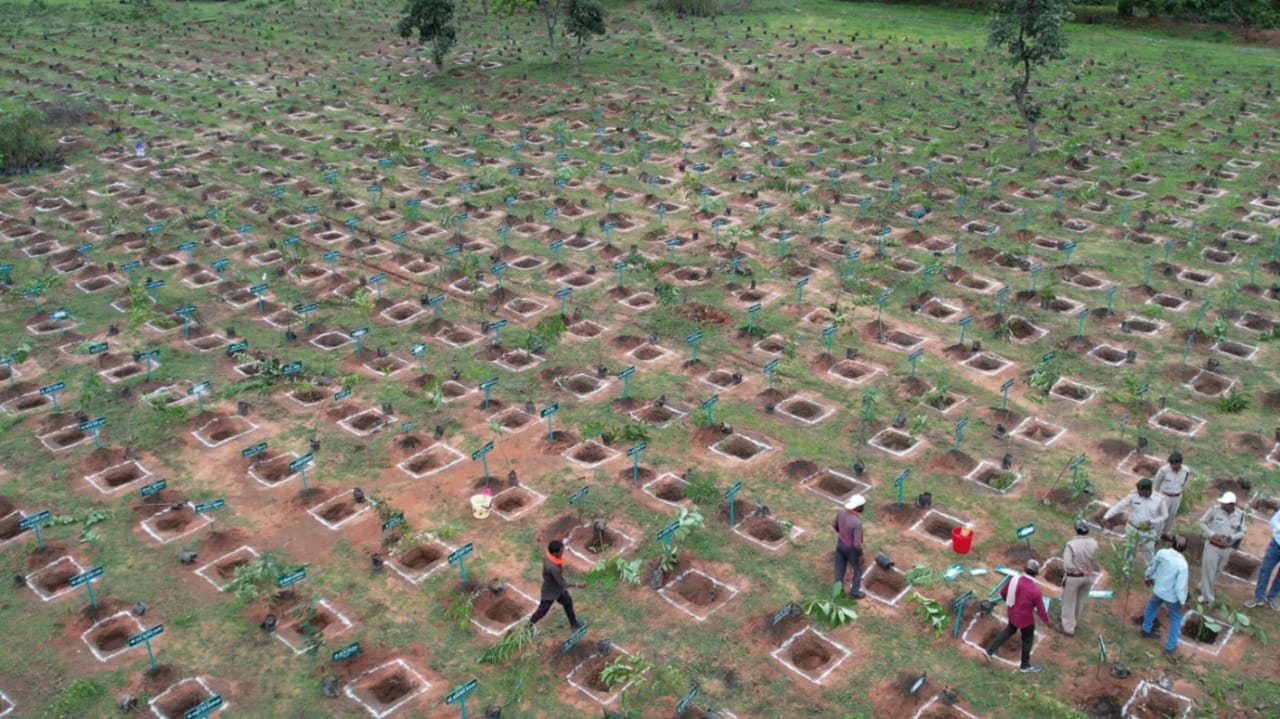
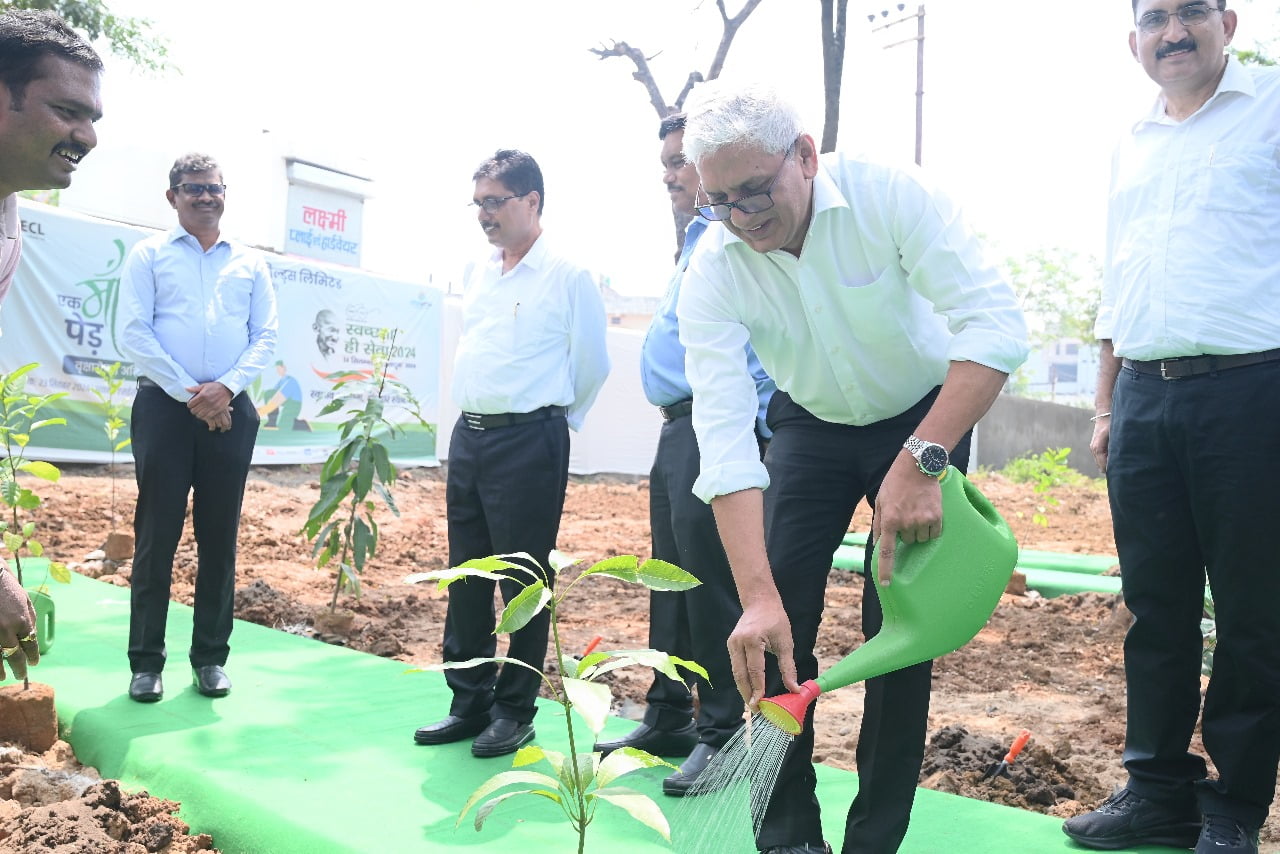
Under the scheme, a mixed plantation drive has also been carried out across a 6-acre area in the Parkhanda Gram Panchayat. The objective of this initiative is to expand green cover in rural areas while promoting the conservation of natural resources and biodiversity. The simultaneous promotion of mixed plantation and medicinal crop cultivation has broadened the scope of this initiative. While tree plantation aids in maintaining environmental balance and increasing green cover, the cultivation of medicinal crops is creating livelihood opportunities for rural families. Thus, the model developed in Parkhanda is effectively realizing the concept of “livelihood enhancement alongside environmental conservation” on the ground.
- Expanding Livelihood Horizons: From Vetiver to Turmeric Cultivation
Following encouraging results from the initial crop, the group has further expanded its activities. Currently, the women are cultivating turmeric alongside vetiver (khas). Adopting a variety of crops is creating multiple avenues for agriculture-based income for the group. Crop diversification reduces dependency on a single crop and enhances the potential for better land utilization. In the future, opportunities to further boost the group’s income may arise through organized market access, value addition of products, and improved marketing strategies.
- A Journey from the Farm to Self-Reliance
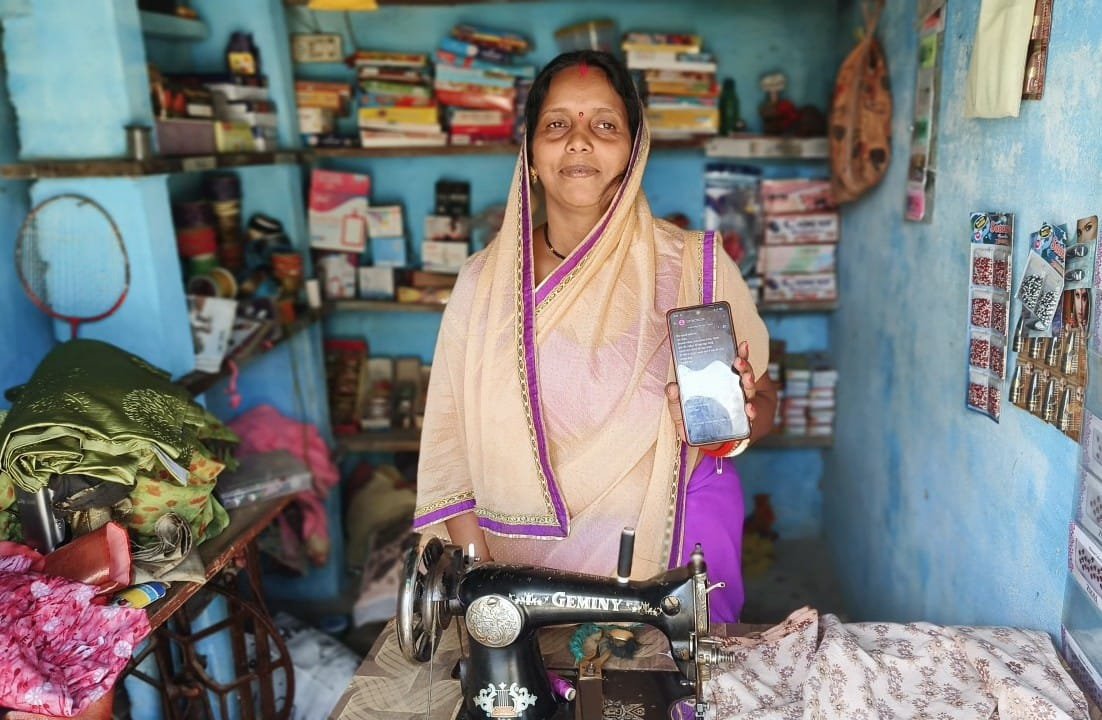
The story of the women of Parkhanda is not merely about the production of 11.20 quintals of vetiver and an income of ₹1.12 lakh; it is a story of transformation where rural women are evolving from passive beneficiaries into active drivers of livelihood activities. What began as a modest experiment in vetiver cultivation has now become a source of self-confidence, collective strength, and economic opportunity for the women in the group. The synergy of agricultural innovation, optimal resource utilization, collective participation by the women’s group, and environmental conservation transforms this Parkhanda initiative into an inspiring model for rural livelihoods.
Today, the women of ParkhandaThey convey the message that when collective effort, innovative thinking, and the optimal use of available resources come together, farms do not merely grow crops; they also script new stories of self-confidence, opportunity, and self-reliance.