










- Families from 13 villages in Narharpur block of Kanker district are getting basic amenities, 22 pucca houses completed
- Shri Tarashankar Sinha, Assistant Director, Public Relations
- Shri Kamlesh Sahu, Assistant Director, Public Relations
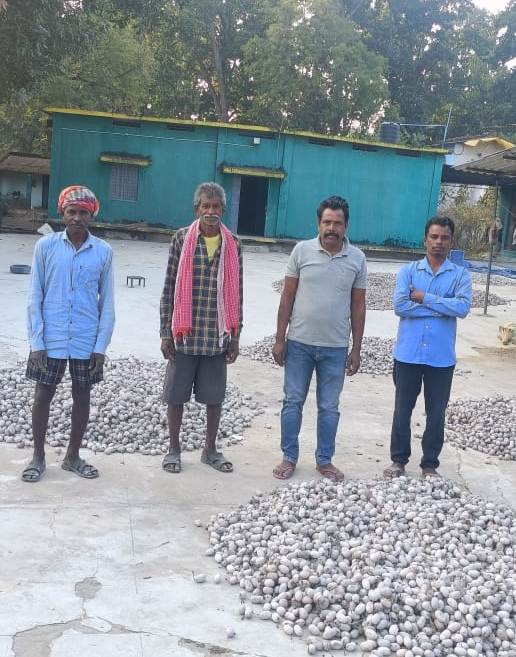
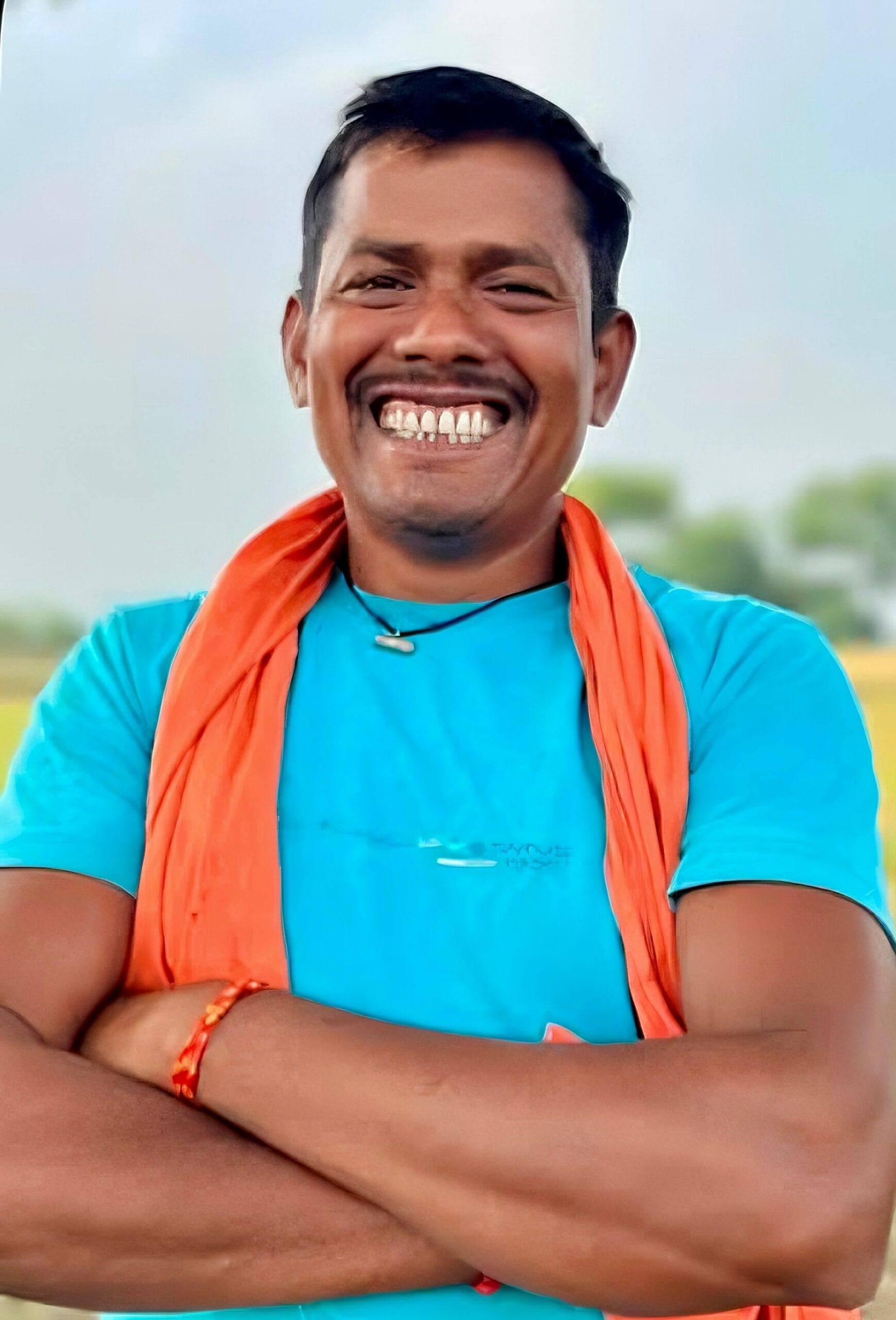
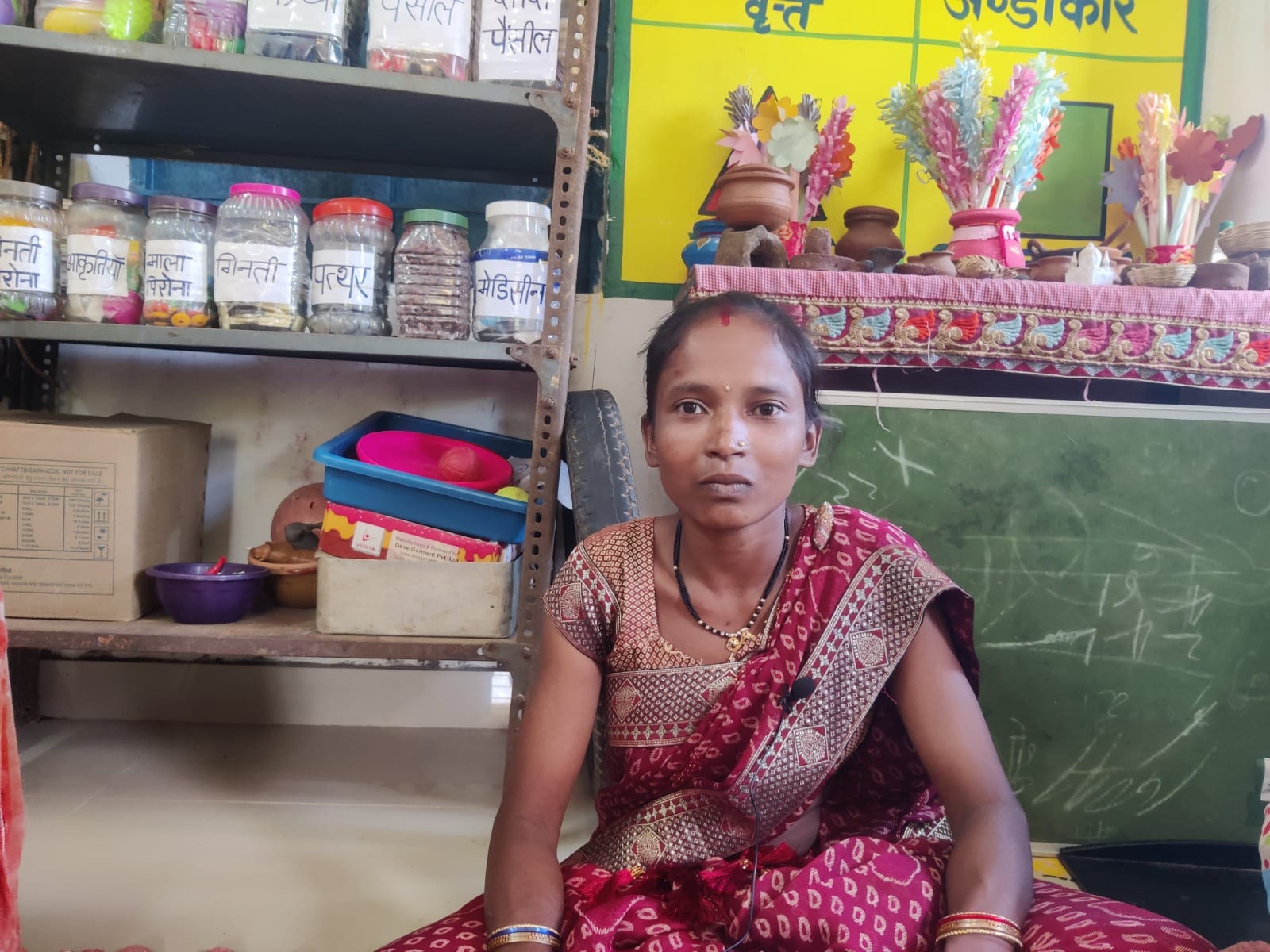
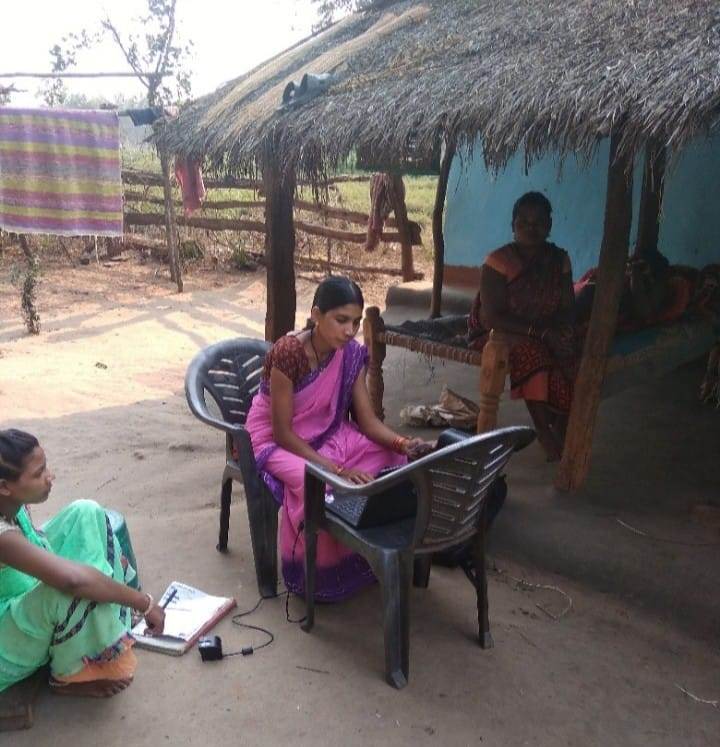
The central and state governments’ high-priority PM Janman Yojana (Pradhan Mantri Janjati Adivasi Nyay Maha Abhiyan) is bringing a new picture of change in the lives of the particularly backward Kamar tribal families of Narharpur development block in Kanker district. These families, who once lived a nomadic life lacking basic amenities, now have access to amenities like permanent housing, clean drinking water, electricity, roads, health, and communication. By joining the government’s various public welfare schemes, Kamar tribal families are joining the mainstream of development and moving towards a better and respectable life.
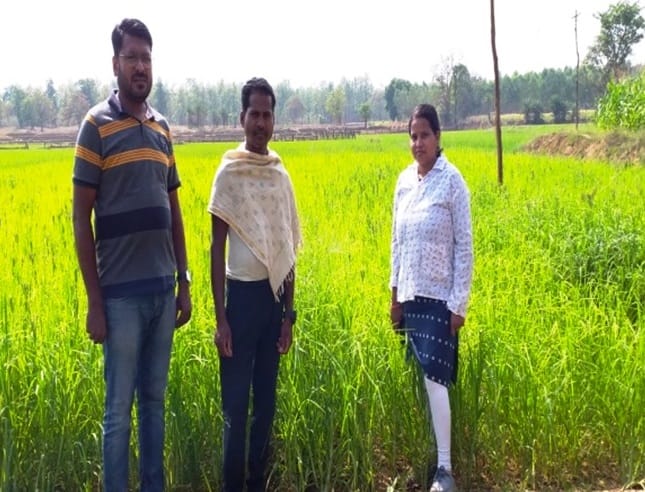
In the Narharpur development block, 79 families of the Kamar tribe reside in 13 villages, including Mavalipara, Bihawapara, Marwari, Dhanora, Saimunda, Musurputta, Dudhawa, Basanwahi, Ganvarsilli, Bhainsmundi, Daldali, Badal, and Dompadar. Previously, these families’ livelihoods depended primarily on bamboo crafts and labor. These families, who lived with limited resources and a lack of basic amenities, are now being provided essential services through the PM Janman Mission.
- The dream of a safe home is being realised through pucca housing
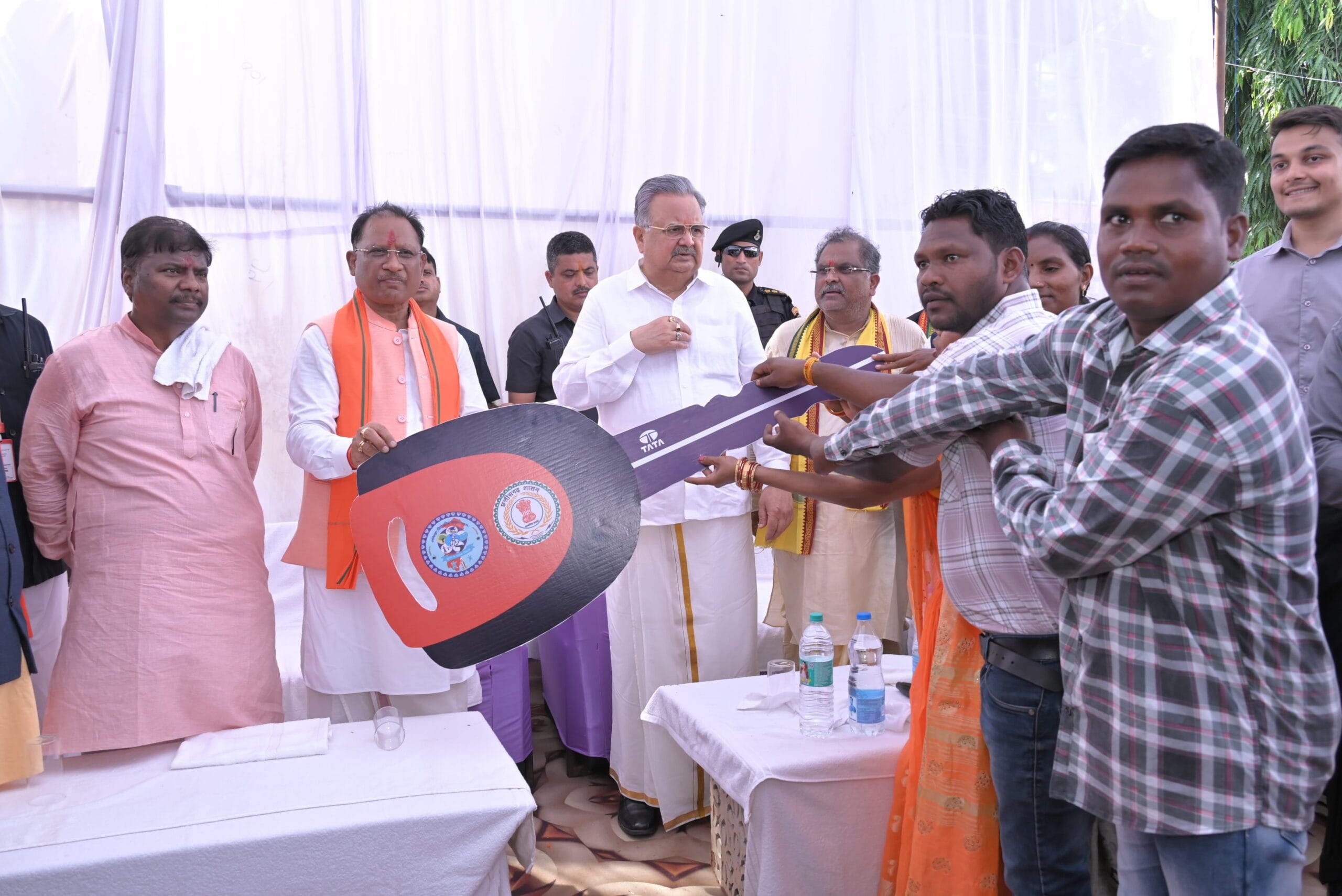
Under the Pradhan Mantri Awas Yojana (Rural) scheme, 22 pucca houses have been completed so far. This has provided safe and comfortable housing to Kamar tribal families. Those benefiting from the scheme include Itwaruram Shori of Bhainsmundi village, Pankuram Markam, Sarjuram Markam, Prabhuram Markam, Rajman, Radhuram, and Sagaram Shori of Musurputta, Mukesh Kumar Netam of Dompadar, Kamalabai Kamar of Daldali, Sonaibai Shori of Bhimadih, Devlibai Netam, Motilal Netam, Lakhanram Netam, and Anjorsingh Markam of Mawalipara, Navalsingh Shori, Dukal Netam, and Jhankeen Netam of Saimunda, Kashiram Markam, Sukman Markam, and Prembai Shori of Bhimadih, and Deven Singh Kunjam and Revati Bai of Badal.

- Expansion of road, electricity, drinking water and communication facilities
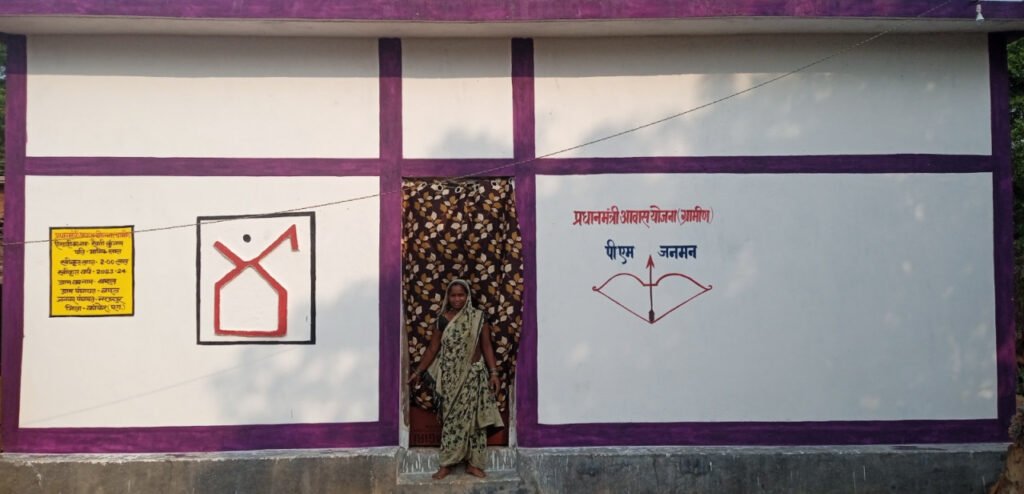
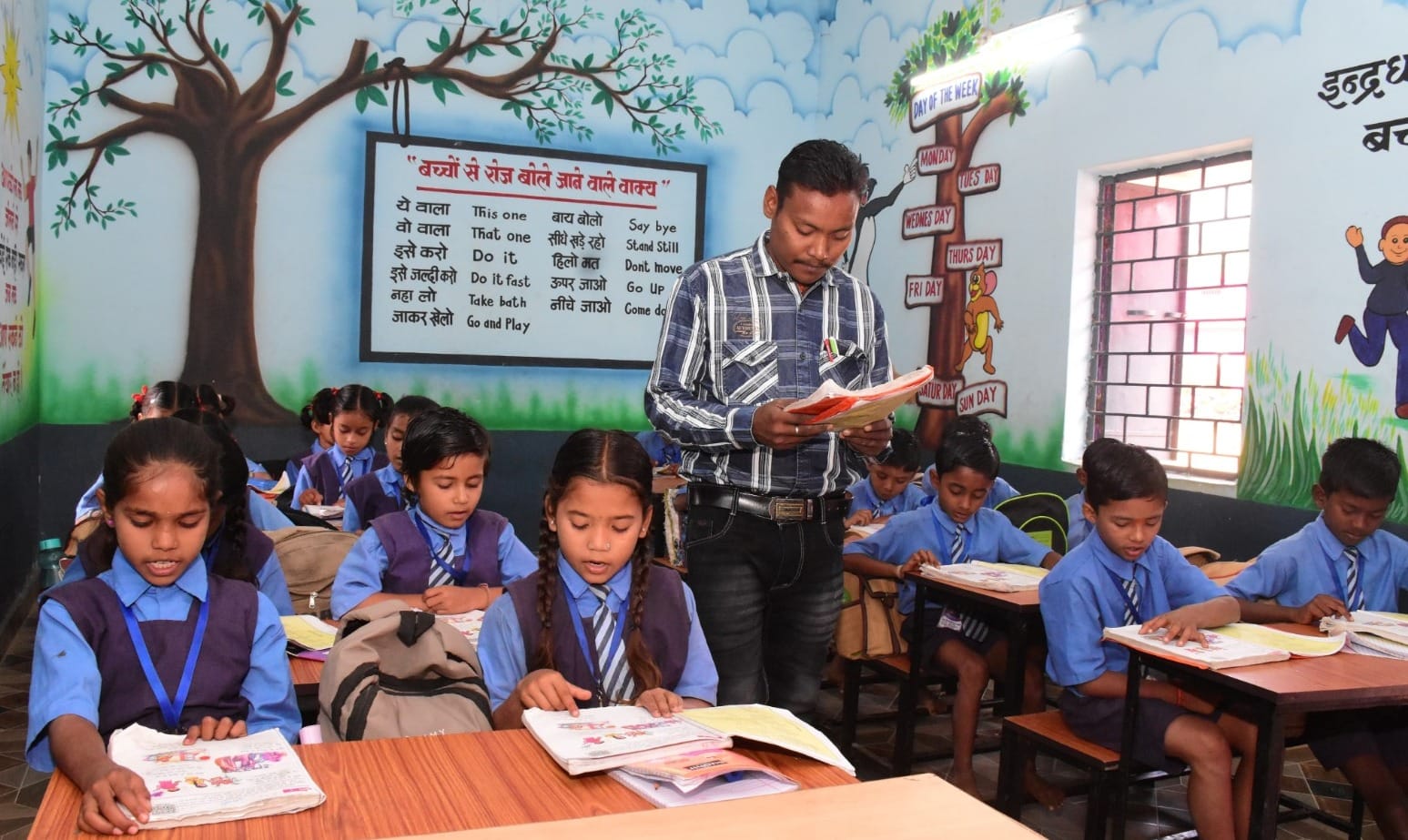
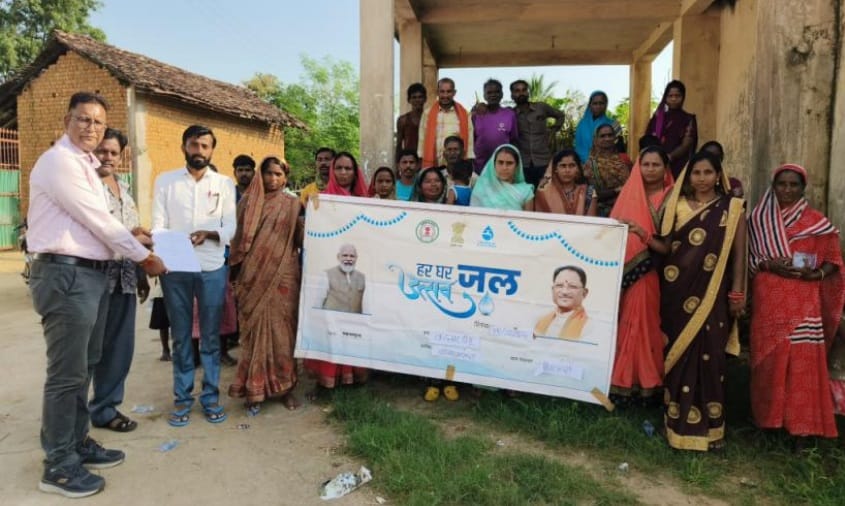
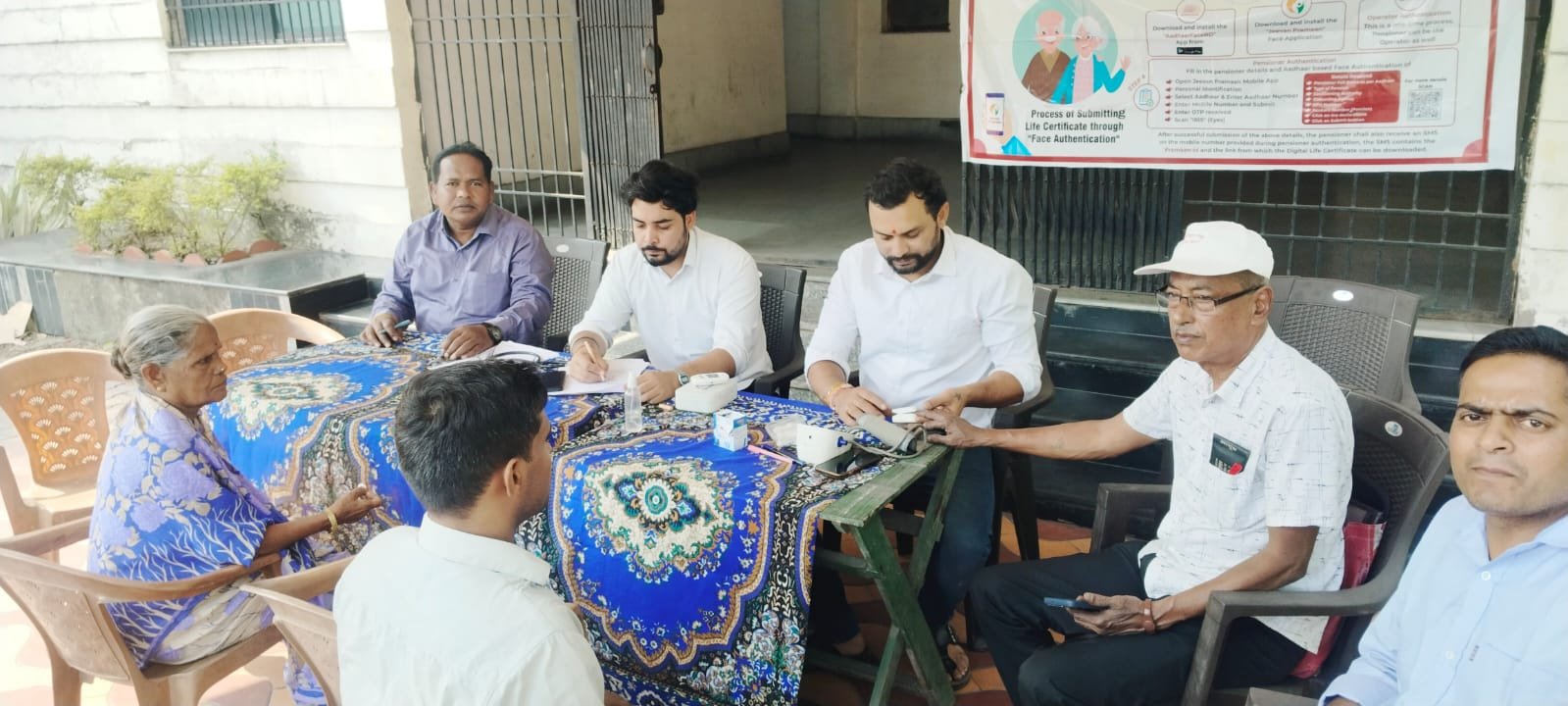
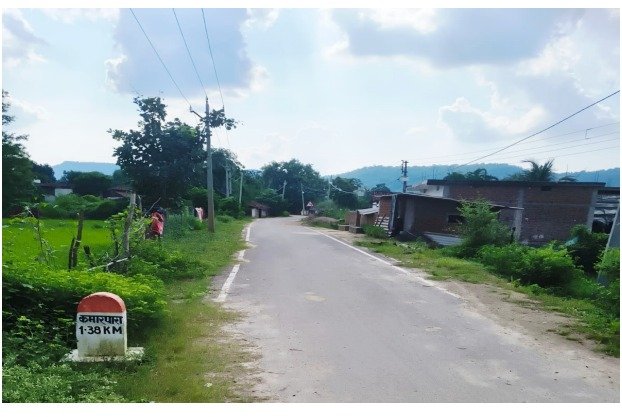
Special attention has been paid to expanding basic amenities in these villages dominated by the Kamar tribe. Clean drinking water is being delivered to homes through the tap water scheme. Road construction has strengthened the village’s connectivity. Roads have been constructed from Daldali to Kamarpara Daldali, from Bhimapara to Bazarpara in Basanwahi, from Awaspara in Mavlipara to Kamarpara, and from Ganwarsilli to Khaspara. Anganwadi centers are operating in all villages, providing children and women with Anganwadi services. All 13 settlements are close to the Van Dhan Kendras in Sarona and Narharpur, facilitating tribal families’ involvement in forest-based livelihood activities. All villages have been electrified, and the availability of mobile tower networks has also connected these settlements to communication facilities. Furthermore, access to clean drinking water and health services is being ensured through mobile medical units.
- Steps towards self-reliance by joining government schemes
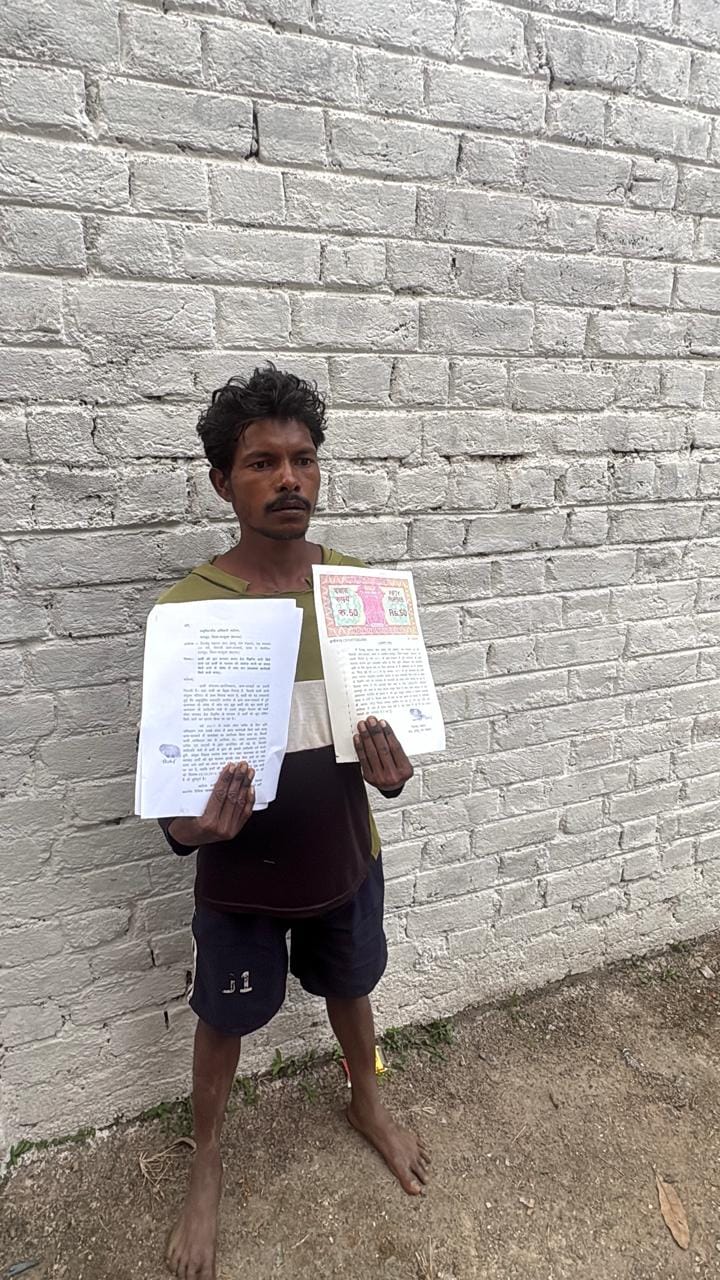
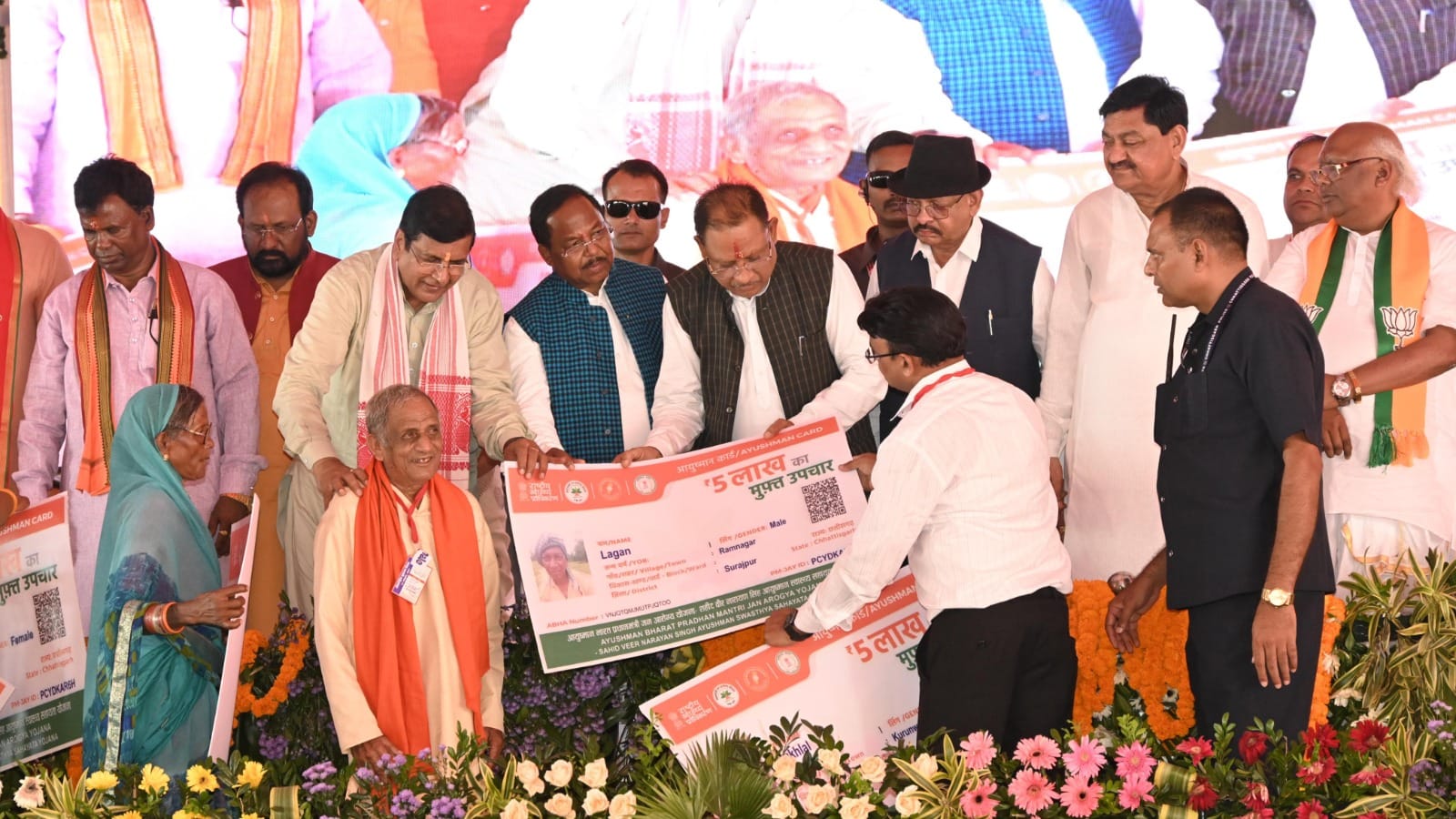
To integrate Particularly Vulnerable Tribal Group (PVTG) families into the mainstream of development, 11 key activities are being conducted in coordination with nine central ministries. Through this, special efforts are being made to ensure that eligible families receive the benefits of government schemes. Members of the Kamar tribe have been linked to essential services such as Aadhaar cards, ration cards, Ayushman cards, Jan Dhan bank accounts, Pradhan Mantri Kisan Samman Nidhi, Kisan Credit Cards, and caste certificates. Twenty-eight youth from Kamar tribal families have also been provided government jobs.
Through the PM Janman Yojana, efforts are being made to connect Kamar tribal families with basic amenities such as housing, roads, drinking water, electricity, health, education, communication, and social security, as well as to strengthen their livelihoods. These government schemes are now bringing development facilities to remote settlements. This is improving the living standards of the families of the particularly backward Kamar tribe, opening up new possibilities for self-reliance and a better future.