
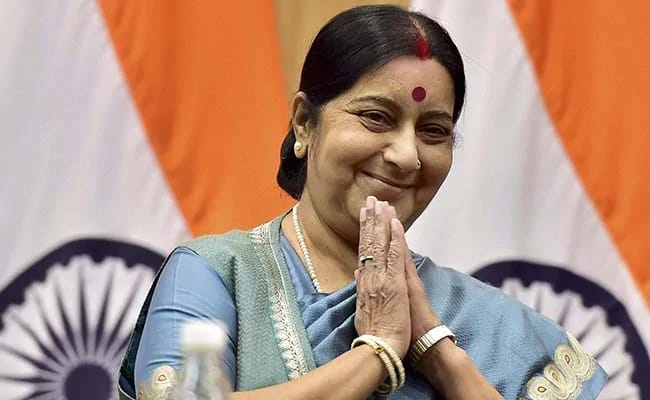






















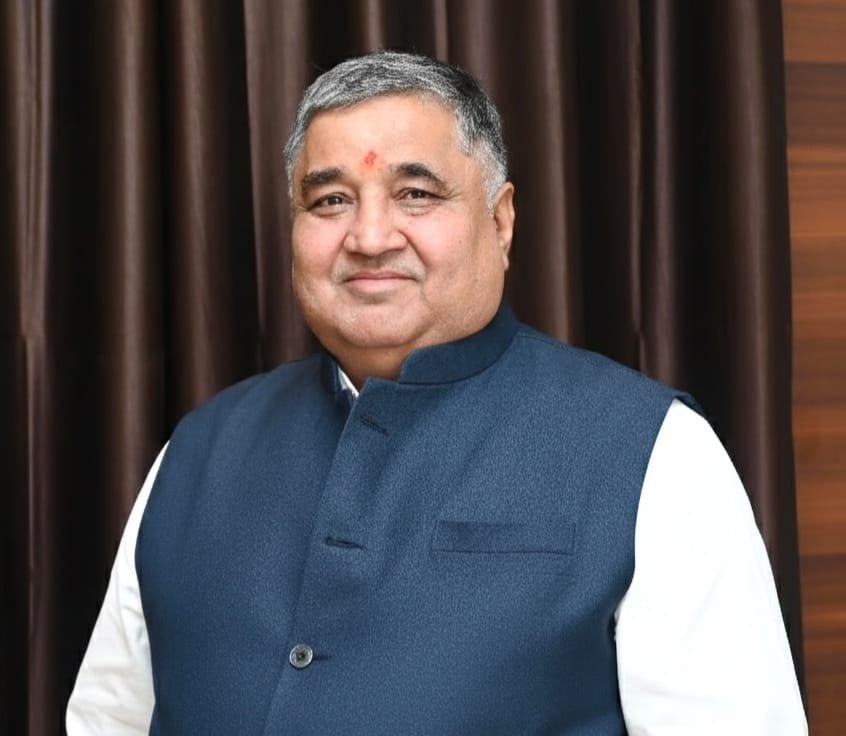

- Shri Rajesh Agrawal, Minister, Department of Tourism, Culture, Religious Trusts, and Endowments, Government of Chhattisgarh
Chhattisgarh is defined by its rich tribal culture, glorious traditions, folk arts, historical heritage, and a lifestyle lived in harmony with nature. The tribal culture of our state is not merely a historical legacy; it is the cornerstone of our social consciousness, cultural identity, and core life values. For centuries, tribal communities have preserved their unique traditions, customs, and cultural heritage while simultaneously safeguarding our water, forests, and land. ‘Tribal Pride Day’ (Janjatiya Gaurav Diwas) serves as a significant occasion to pay tribute to this invaluable heritage and to honor the contributions of tribal society.
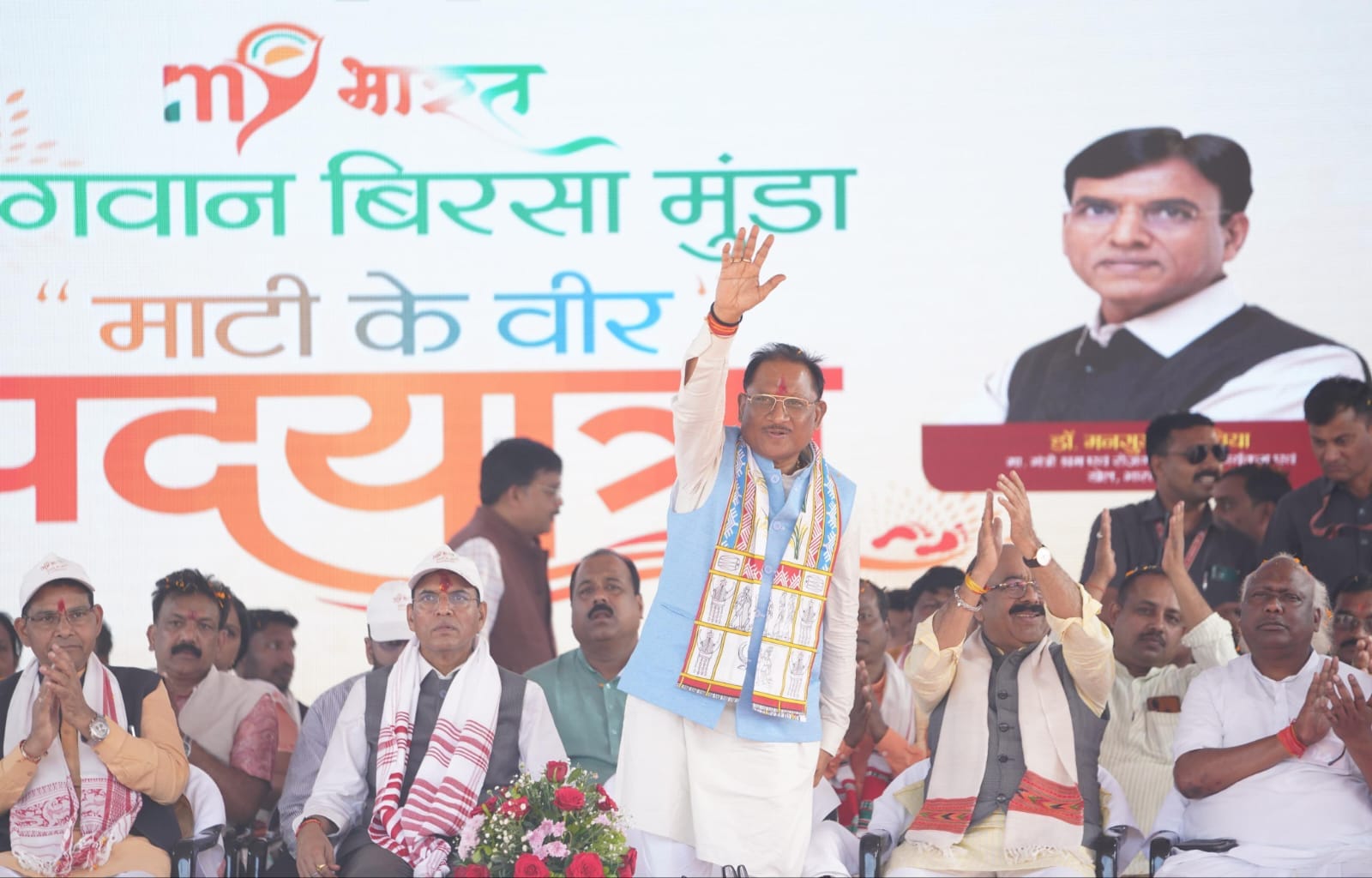
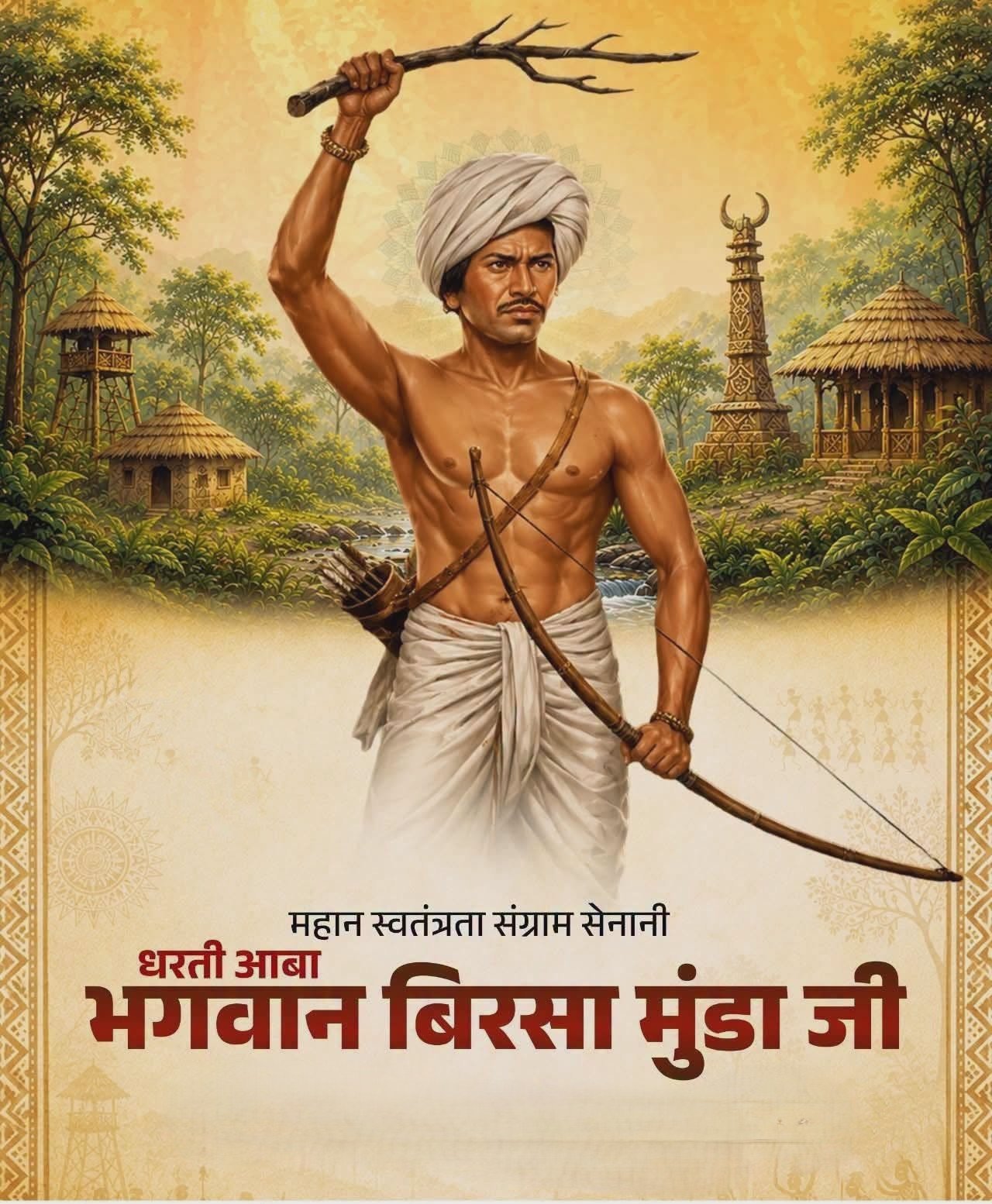
Observed annually on November 15—the birth anniversary of Bhagwan Birsa Munda—Tribal Pride Day reminds us of the unparalleled contributions, struggles, sacrifices, and martyrdom of tribal heroes during the freedom struggle. At a young age, Bhagwan Birsa Munda sounded the clarion call for resistance against the injustice and exploitation of British rule. His life stands as an extraordinary example of self-respect, courage, social consciousness, and dedication to the motherland. He organized the tribal community to defend their rights, culture, and existence. Even today, his struggle inspires us to remain connected to our cultural roots and to work toward the holistic development of society.
The land of Chhattisgarh has also borne witness to the courage, valor, and sacrifices of tribal heroes. Shaheed Veer Narayan Singh made the ultimate sacrifice while fighting against the injustices of British rule, standing up for the public good and self-respect. Veer Gundadhur, the great leader of the ‘Bhumkal’ rebellion, gave a new direction to tribal consciousness against injustice and exploitation from the soil of Bastar. The struggle of these great heroes conveys the message that there is no duty greater than protecting one’s motherland, culture, and self-respect.

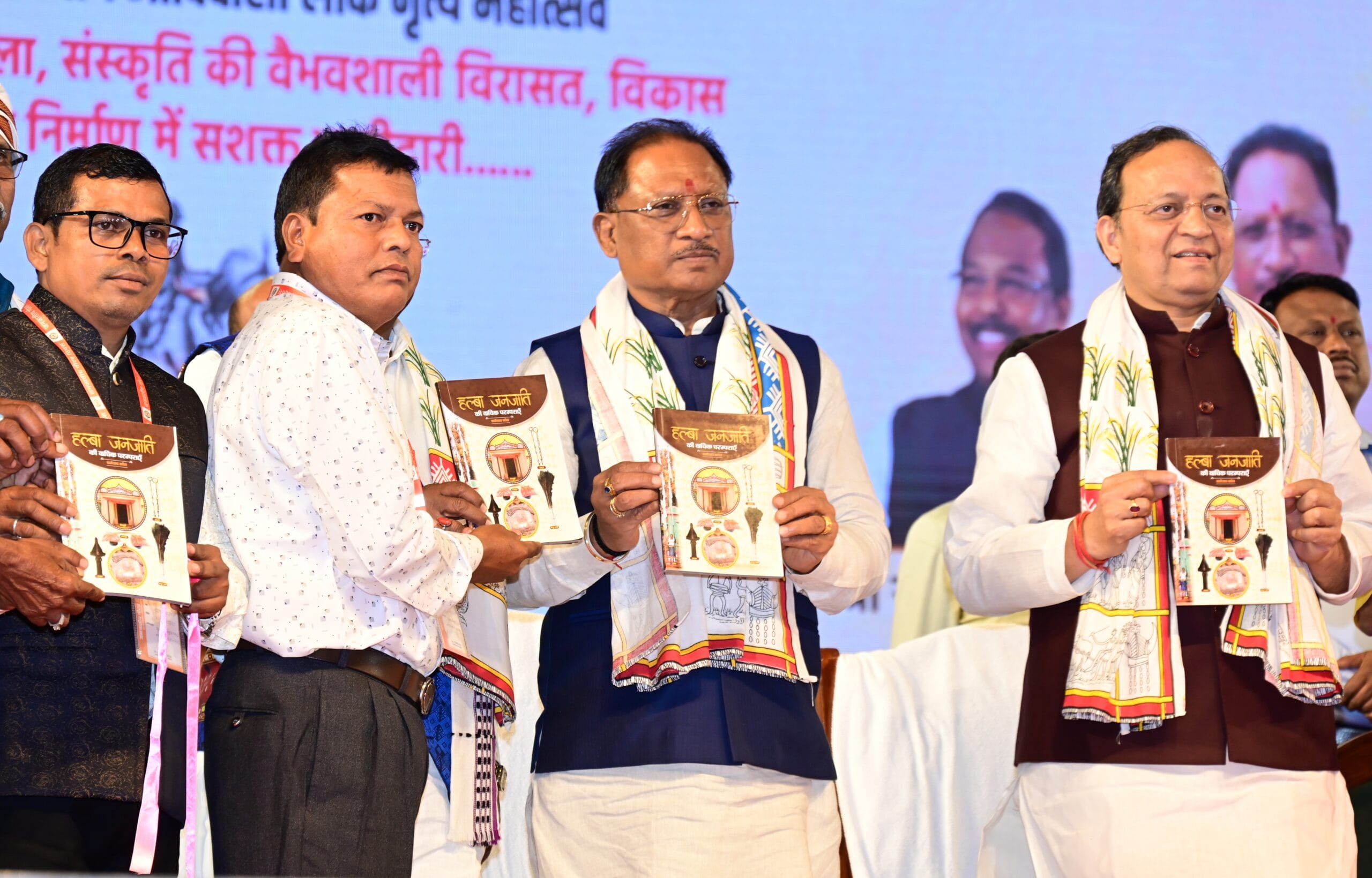
Regions in Chhattisgarh such as Bastar, Surguja, Jashpur, Kanker, Narayanpur, Dantewada, Bijapur, and other tribal areas of the state are invaluable hubs of cultural diversity. The local traditions, festivals, dances, music, attire, handicrafts, and traditional lifestyles found here reflect our rich cultural heritage. Various tribal communities—including the Gond, Muria, Maria, Halba, Oraon, Kanwar, Baiga, and Pahadi Korwa—have preserved their distinct cultural identities through successive generations.
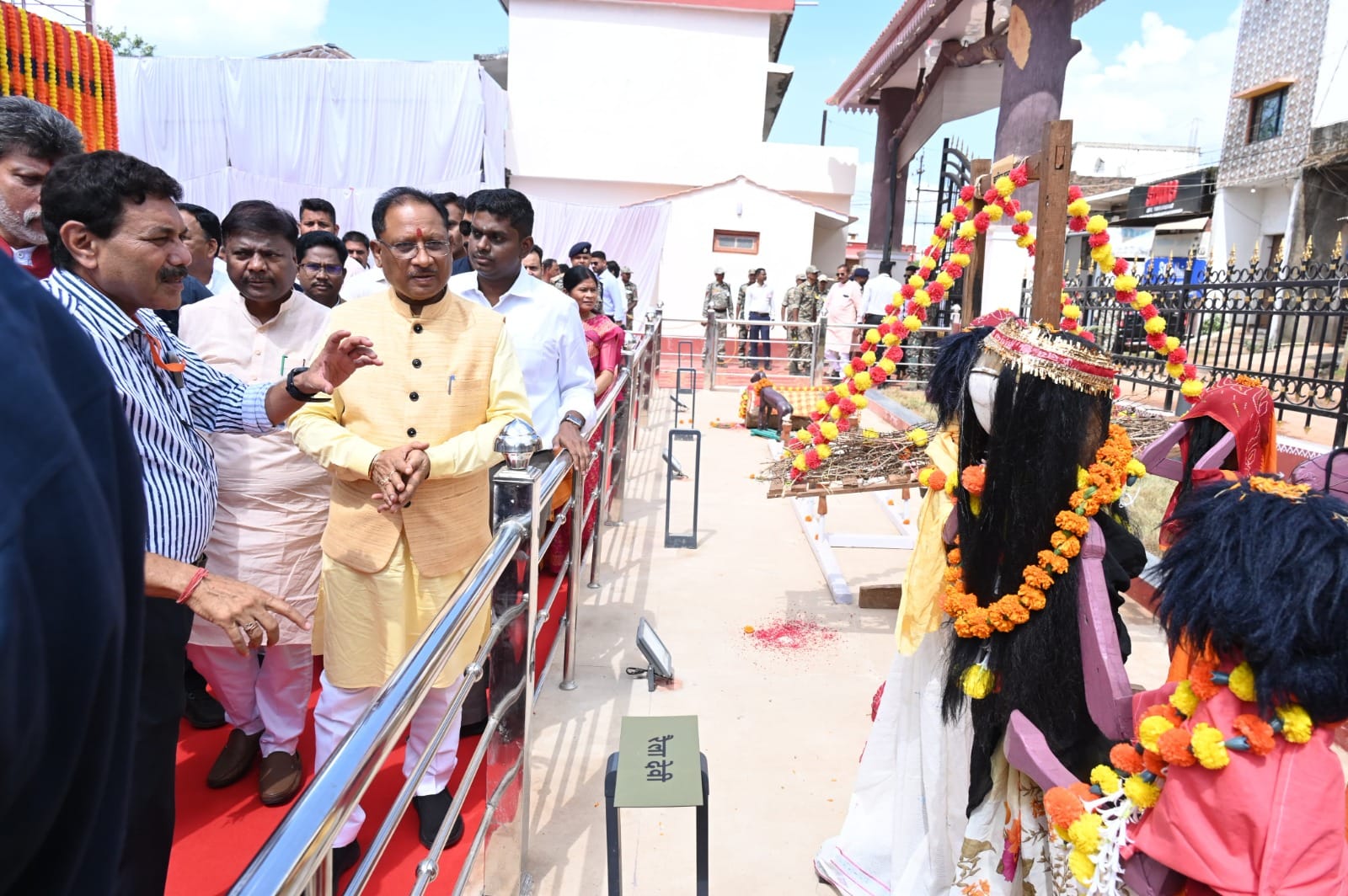
Bastar Dussehra stands as a unique testament to our tribal faith, social participation, and cultural unity. It is not merely a religious event, but a vibrant celebration rooted in the collective involvement of diverse communities and centuries-old traditions. Similarly, the Goncha festival of Bastar, the Madai fairs, the tribal traditions of Surguja and Jashpur, and various local festivals across different regions further enrich the cultural diversity of Chhattisgarh.
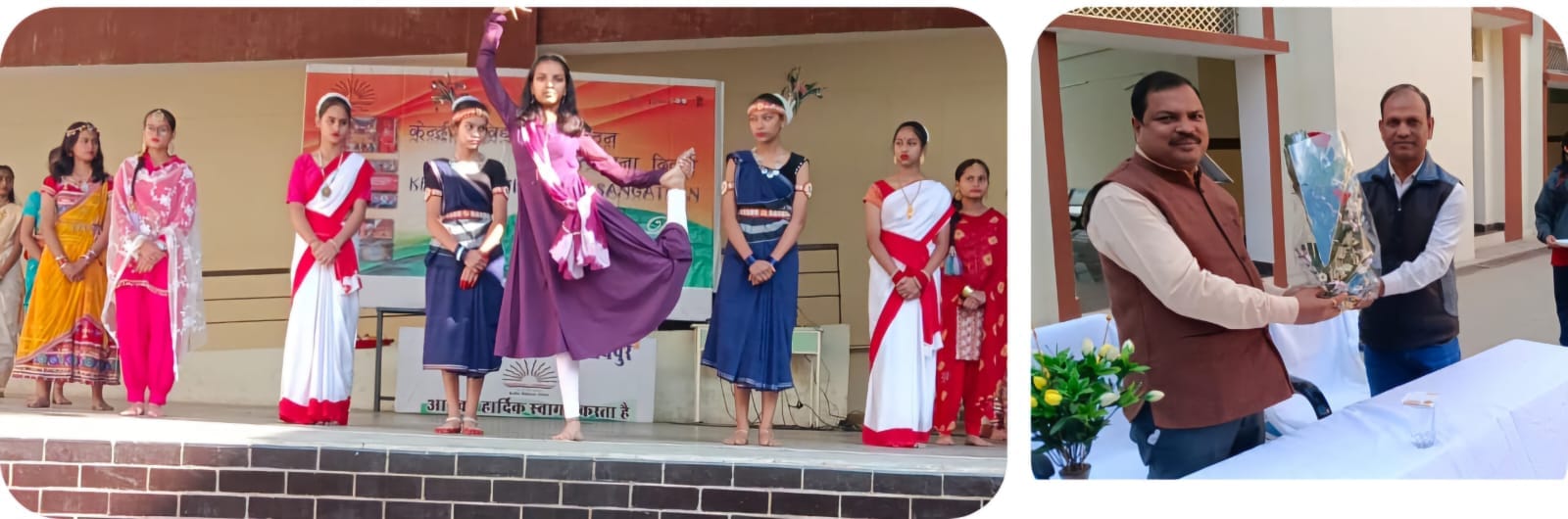
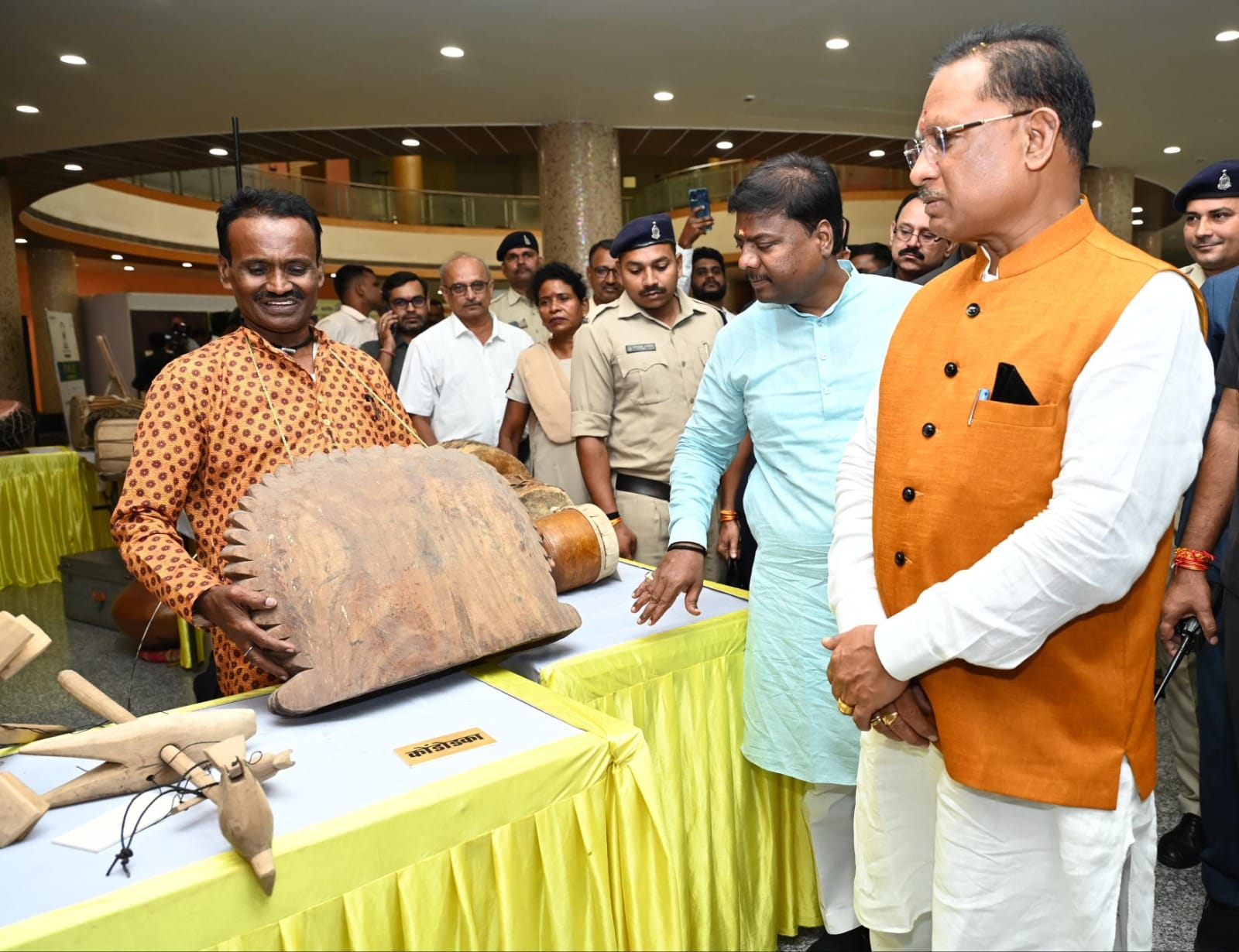
The folk arts of tribal society beautifully express a deep respect for nature, a spirit of communal living, and profound human sensibilities. Traditional folk dances such as Gaur, Karma, Saila, and Sua are integral components of our cultural identity. The resonant sounds of the dhol, mandar, and other traditional musical instruments are more than just music; they represent the memories of our ancestors and a cultural consciousness passed down through generations.
The tribal arts and handicrafts of the state also possess a distinct identity. Bastar’s Dhokra art, along with its iron, wood, and bamboo crafts, as well as its traditional jewelry, showcase the remarkable creativity of tribal artisans. These art forms offer a glimpse into the imagination and hard work of our craftspeople, as well as their profound connection with nature. Preserving these traditional arts is not merely a cultural responsibility; it also serves as a means to create dignified livelihood opportunities for tribal artists and craftspeople.
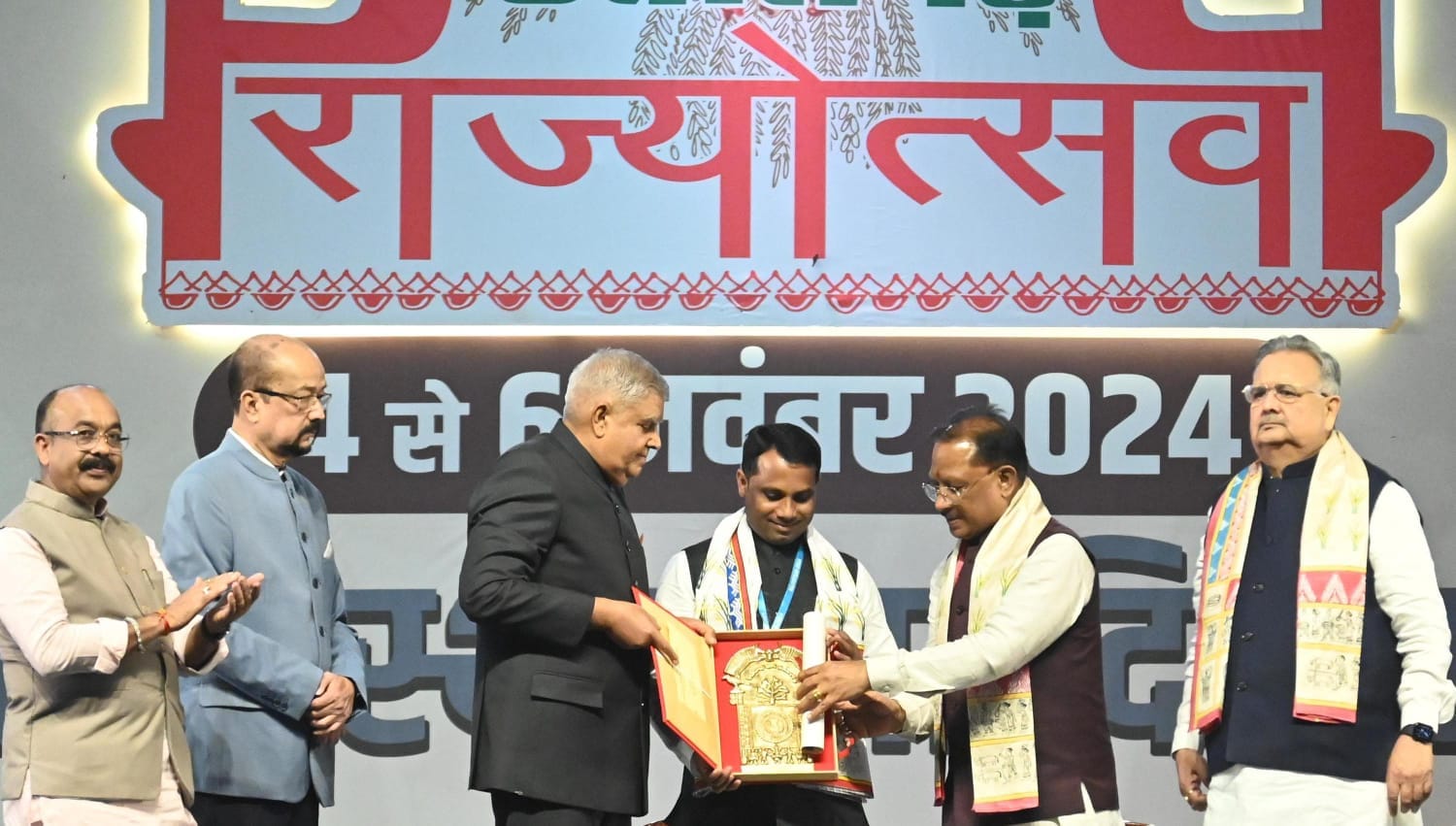
The Government of Chhattisgarh considers the preservation and promotion of tribal culture—and its transmission to the next generation—a vital duty. Under the leadership of Chief Minister Shri Vishnu Deo Sai, efforts are underway to safeguard the state’s cultural heritage, encourage tribal artists, and provide a broader platform for folk arts. Through the Department of Culture, priority is being given to the preservation of folk arts, traditional dances, music, cultural events, and historical heritage.
Our endeavor is to ensure that the talent of tribal artists is not confined to their own villages or regions, but that they gain greater opportunities to showcase their art on cultural platforms across the state, the nation, and the world. Respect for tribal art and culture will only be meaningful when the artists, craftspeople, and custodians of traditional knowledge—who are the primary bearers of these traditions—receive due recognition and opportunities.
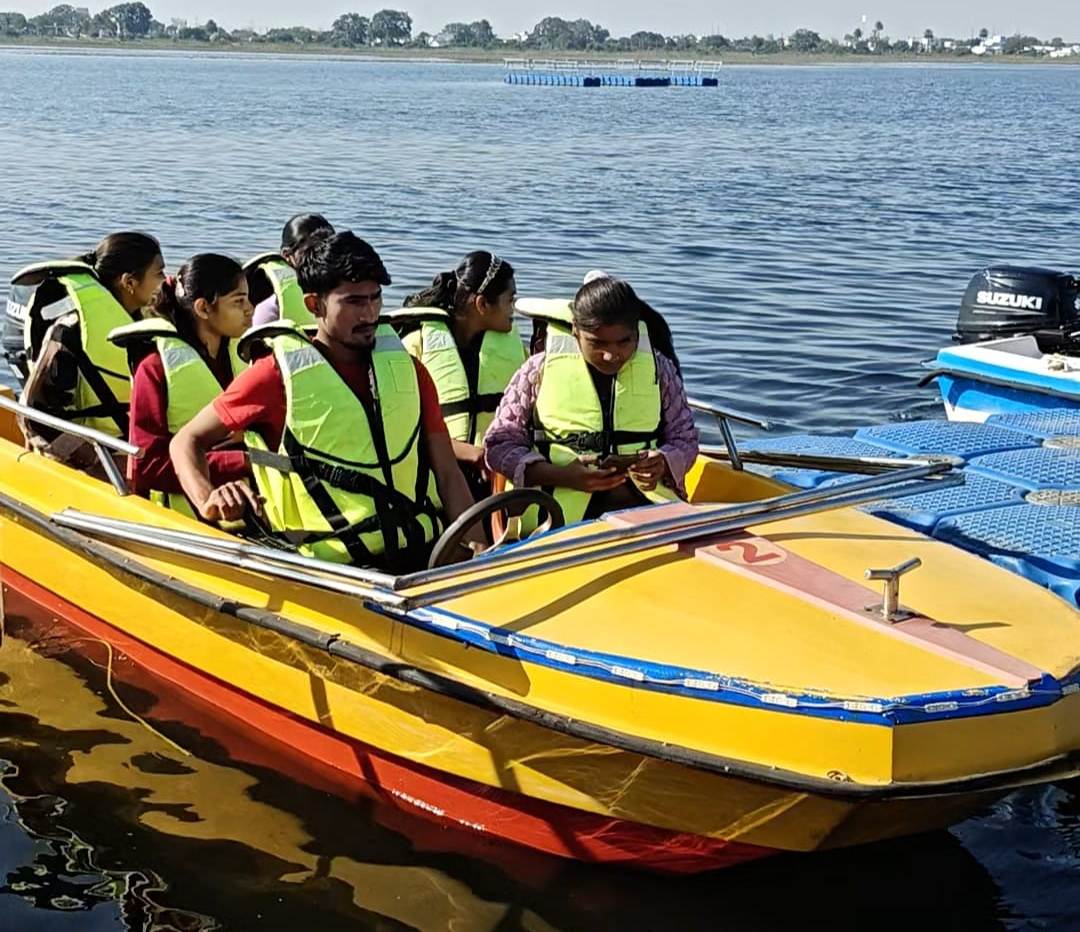
Chhattisgarh’s tribal regions also hold immense potential for tourism. Sites such as the Chitrakote and Tirathgarh waterfalls in Bastar, the natural wealth of Kanger Valley, the religious and cultural heritage of Dantewada, Mainpat in Surguja, and the natural tourist destinations in Jashpur lend a unique identity to the state. The appeal of these locations extends beyond their natural beauty; the tribal lifestyle, traditional cuisine, folk arts, handicrafts, and local culture offer tourists a truly unique experience.
The Department of Tourism prioritizes the promotion of tourism development that ensures the active participation of local tribal communities. This includes community-based tourism, rural tourism, the engagement of local guides, the promotion of traditional cuisine and handicrafts, and the provision of homestay facilities for tourists.Initiatives such as these are creating new prospects for employment and self-employment in tribal regions. Our objective is to transform tourism from a mere means of travel into a vehicle for respecting local culture, conserving the environment, and fostering economic empowerment.
In the development of tribal tourism, it is essential to accord full respect to the traditions, beliefs, and social values of local communities. Tourism should be expanded in a manner that preserves our cultural authenticity, ensures no harm comes to the environment, and guarantees that local communities participate meaningfully in the economic benefits derived from tourism.
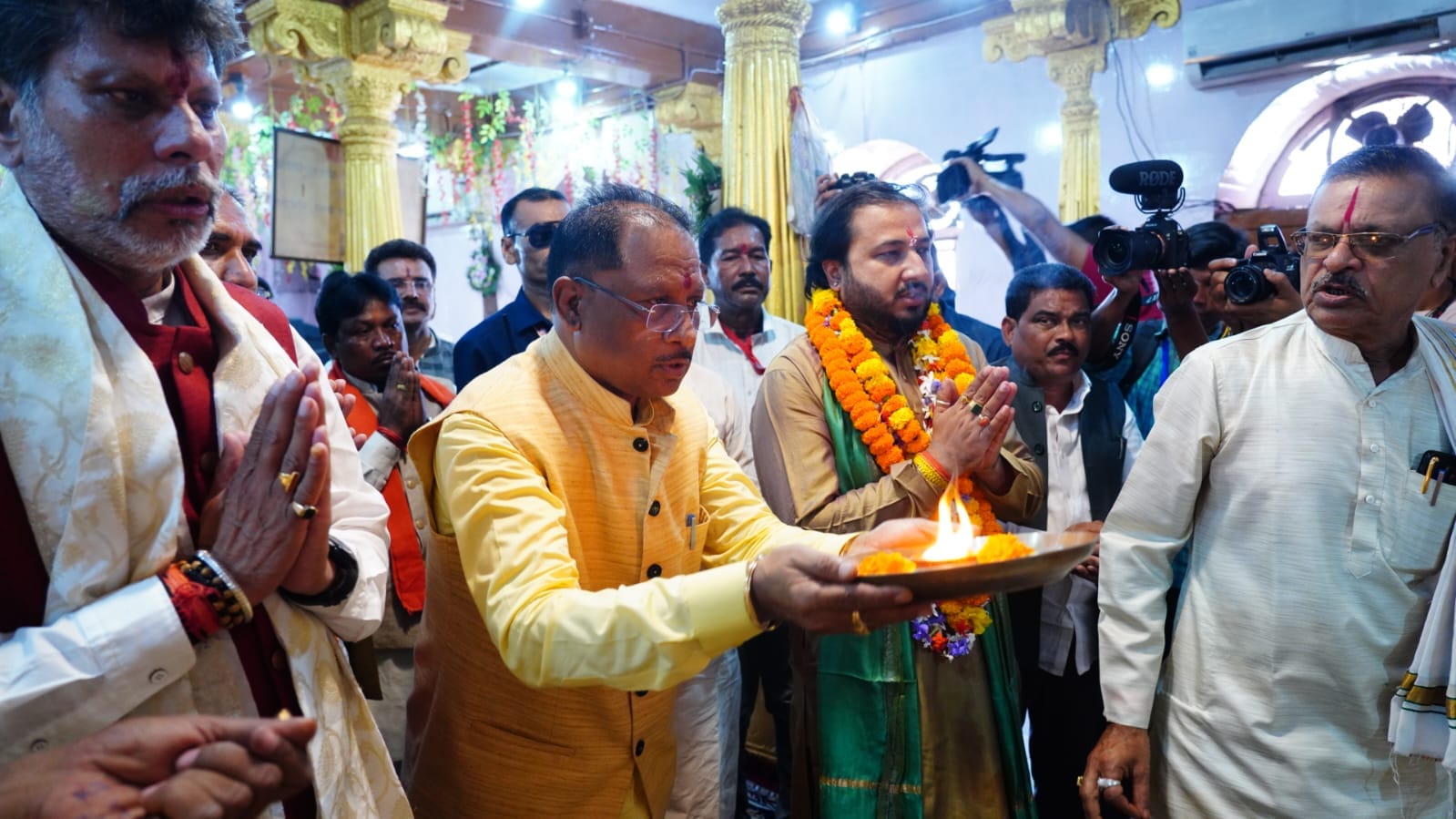
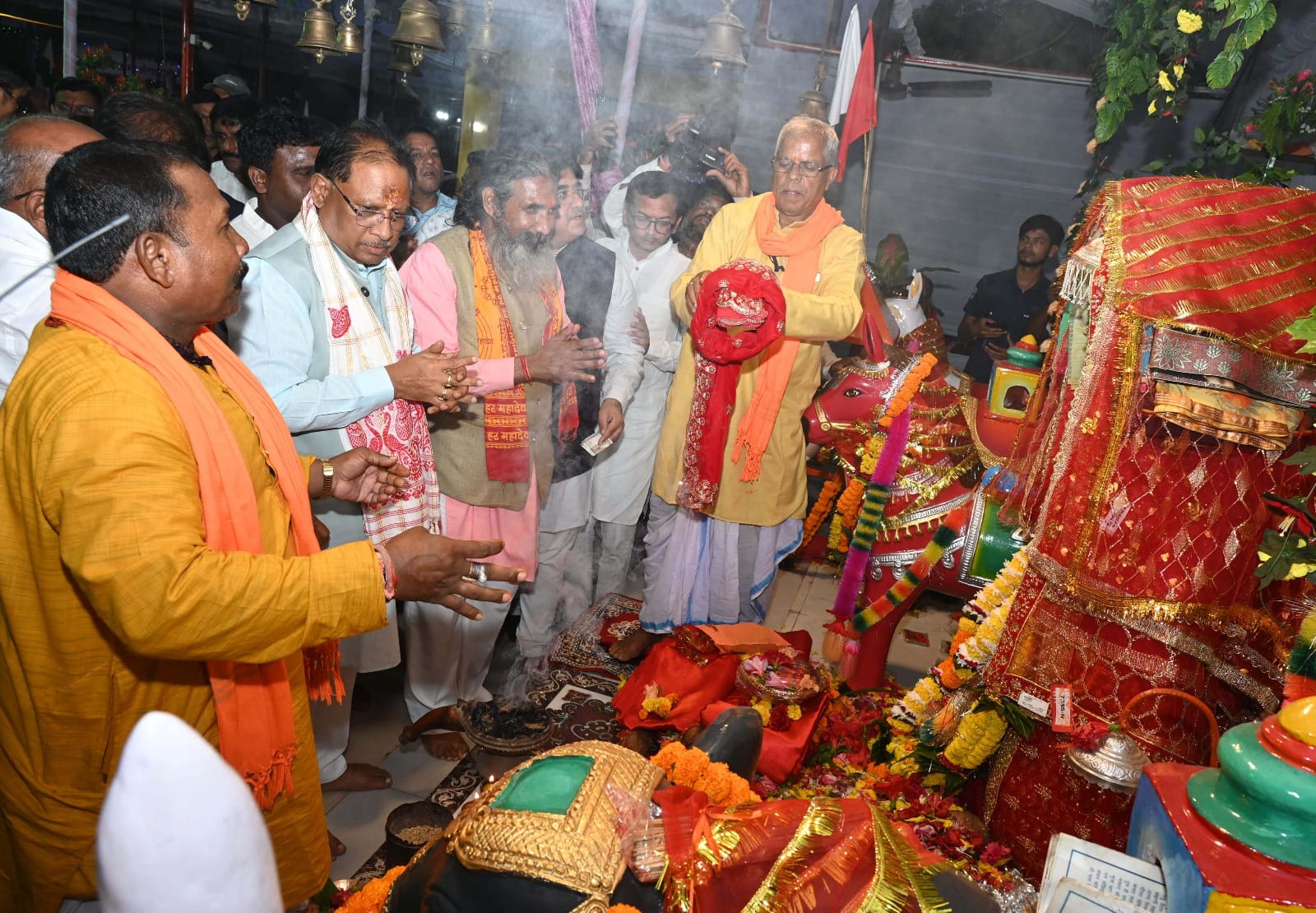
The tribal beliefs and religious traditions of Chhattisgarh are an integral part of our cultural heritage. Tribal society has long held a deep reverence for nature, village deities, folk goddesses, and traditional places of worship. The public devotion toward Maa Danteshwari—the revered deity of Bastar—serves as a significant example of this. Respecting the state’s religious and cultural diversity is of paramount importance. It is our responsibility to develop necessary facilities for pilgrims while safeguarding the dignity, traditions, and historical significance of sites associated with these beliefs.
The national-level recognition of ‘Tribal Pride Day’ (Janjatiya Gaurav Diwas) by Prime Minister Shri Narendra Modi has brought widespread acknowledgment to tribal freedom fighters and the historical roles they played. This occasion serves as a reminder that the saga of India’s freedom struggle and nation-building remains incomplete without the contributions of tribal society.
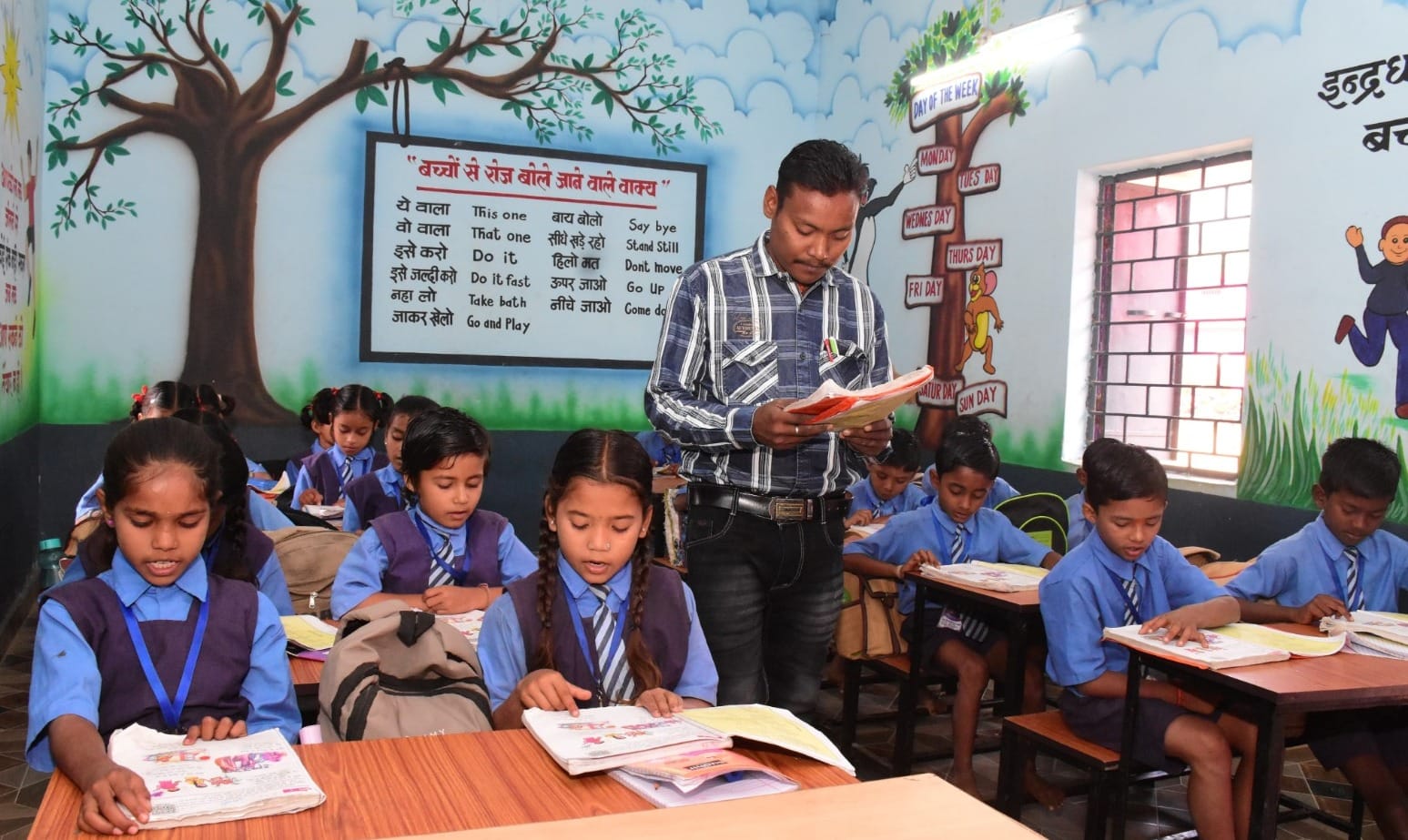
Today, there is a pressing need for the systematic documentation of tribal history, folklore, traditional knowledge, indigenous languages, and cultural heritage. Our younger generation should be introduced to the lives and struggles of our great tribal heroes. Awareness regarding tribal history and traditions should be fostered through schools, colleges, museums, and cultural events. Simultaneously, new opportunities should be created for tribal youth by integrating them into modern education, skill development, tourism, and cultural entrepreneurship.
The lesson taught to us by tribal society—on how to lead a balanced life in harmony with nature—has become even more relevant today, amidst the environmental challenges we face. Their sensitivity toward water, forests, and land, their spirit of collectivism, and their traditional knowledge serve as a source of inspiration for modern society. The preservation of this wisdom and worldview is intrinsically linked to the future of our coming generations.
On the occasion of ‘Janjatiya Gaurav Diwas’ (Tribal Pride Day), let us all resolve to expand new avenues for development while ensuring that the tribal identity, culture, and glorious traditions of Chhattisgarh remain intact. The very concept of inclusive development is incomplete without the respect, cultural identity, and active participation of the tribal community.
Paying tribute to Bhagwan Birsa Munda, Shaheed Veer Narayan Singh, Veer Gundadhur, and all the known and unsung heroes of the tribal community, I extend my heartfelt wishes to the people of the state on ‘Janjatiya Gaurav Diwas’. Let us pledge together to safeguard Chhattisgarh’s glorious tribal heritage, elevate its cultural identity to new heights, and work continuously toward the prosperity, respect, and self-esteem of the tribal community.