
























- Chhattisgarh Government’s Major Initiative to Implement the National Education Policy (NEP-2020) on the Ground
- ‘NEP Cells’ to be Established in Universities; Workshops to be Held at Divisional and District Levels
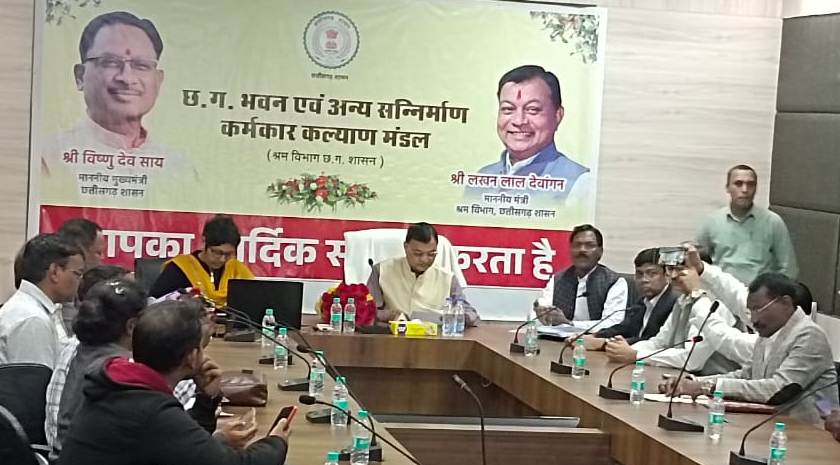
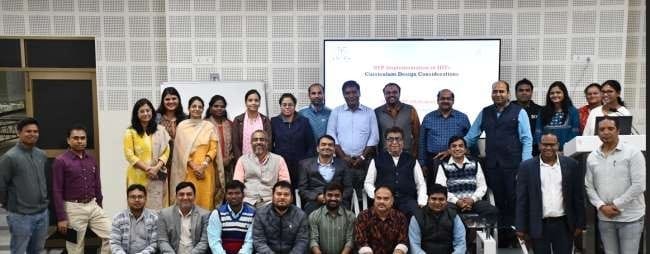
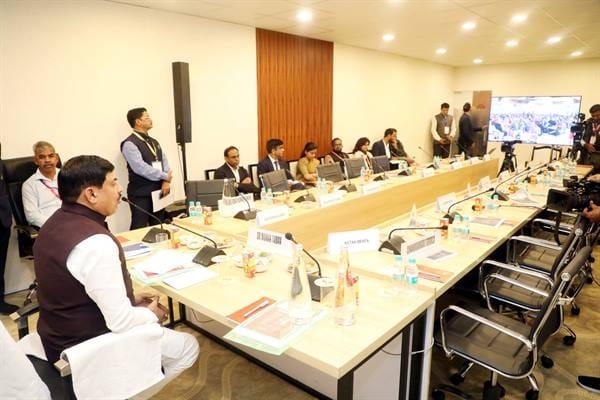
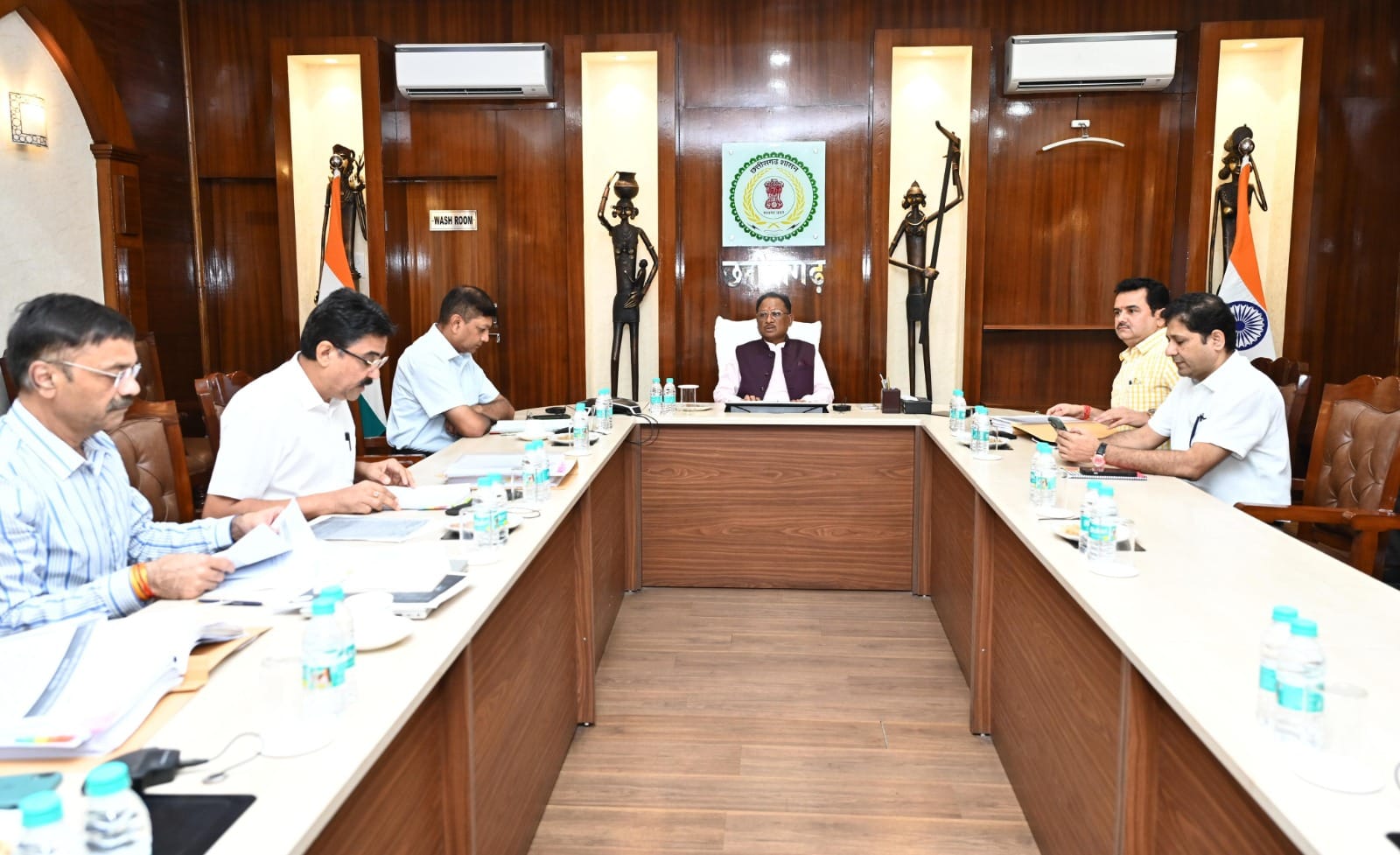
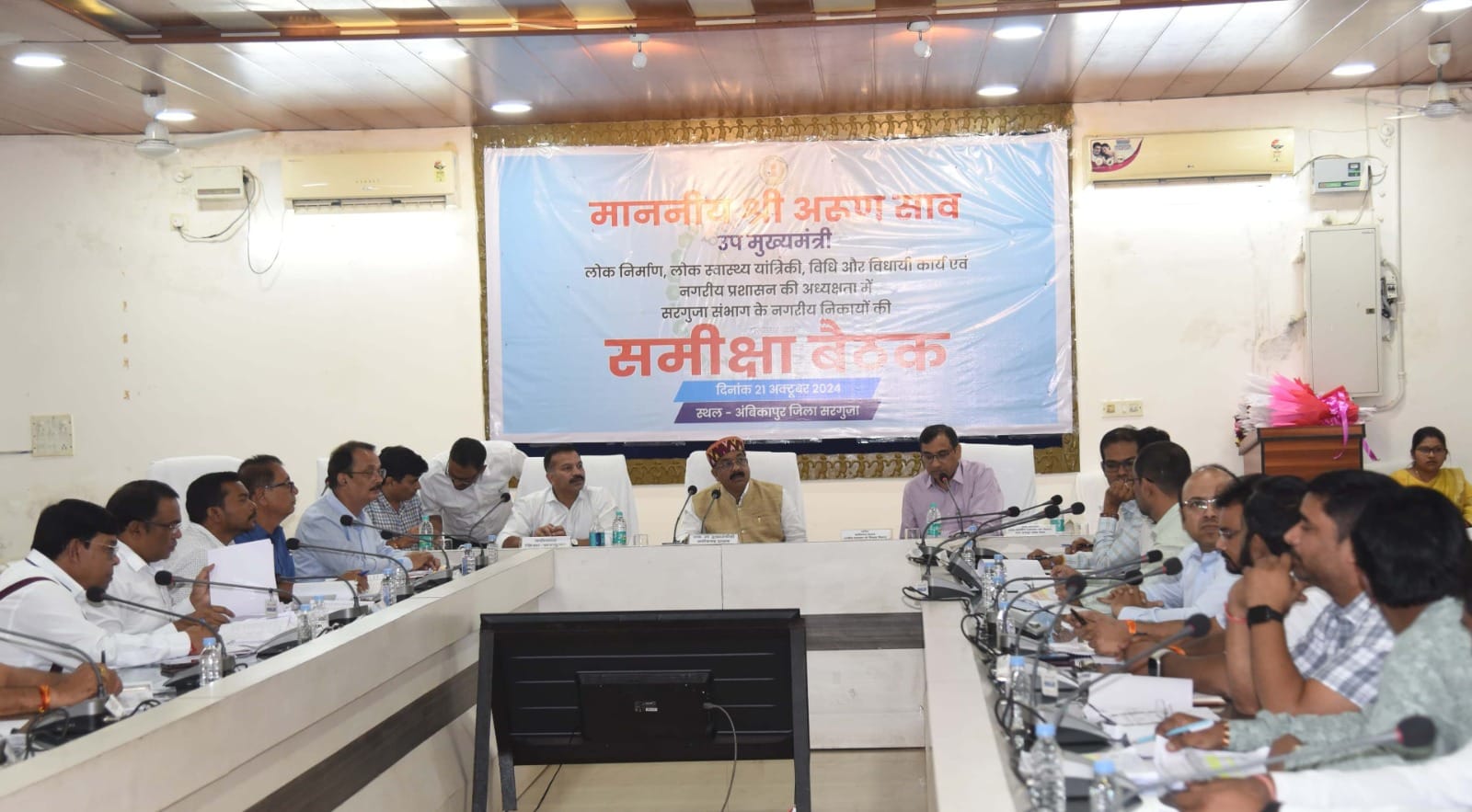
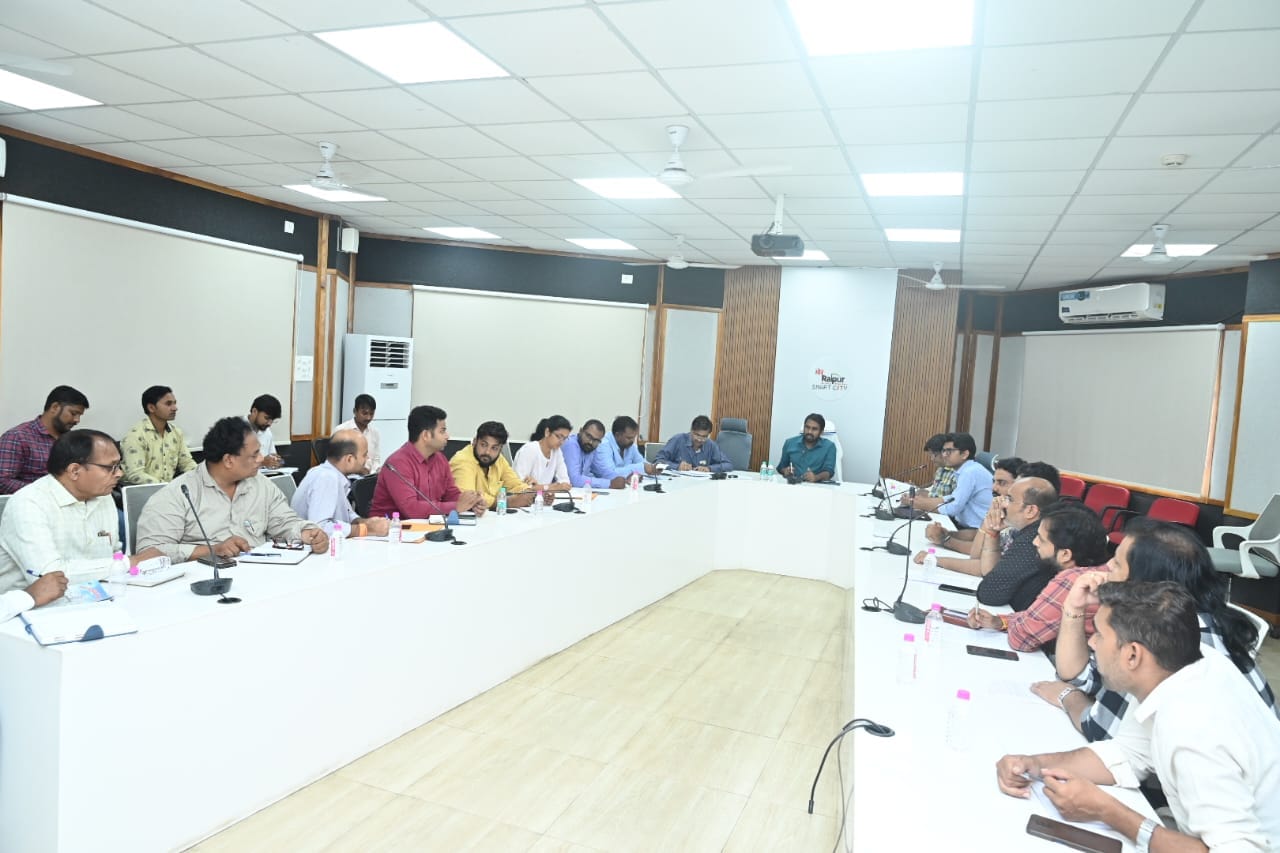
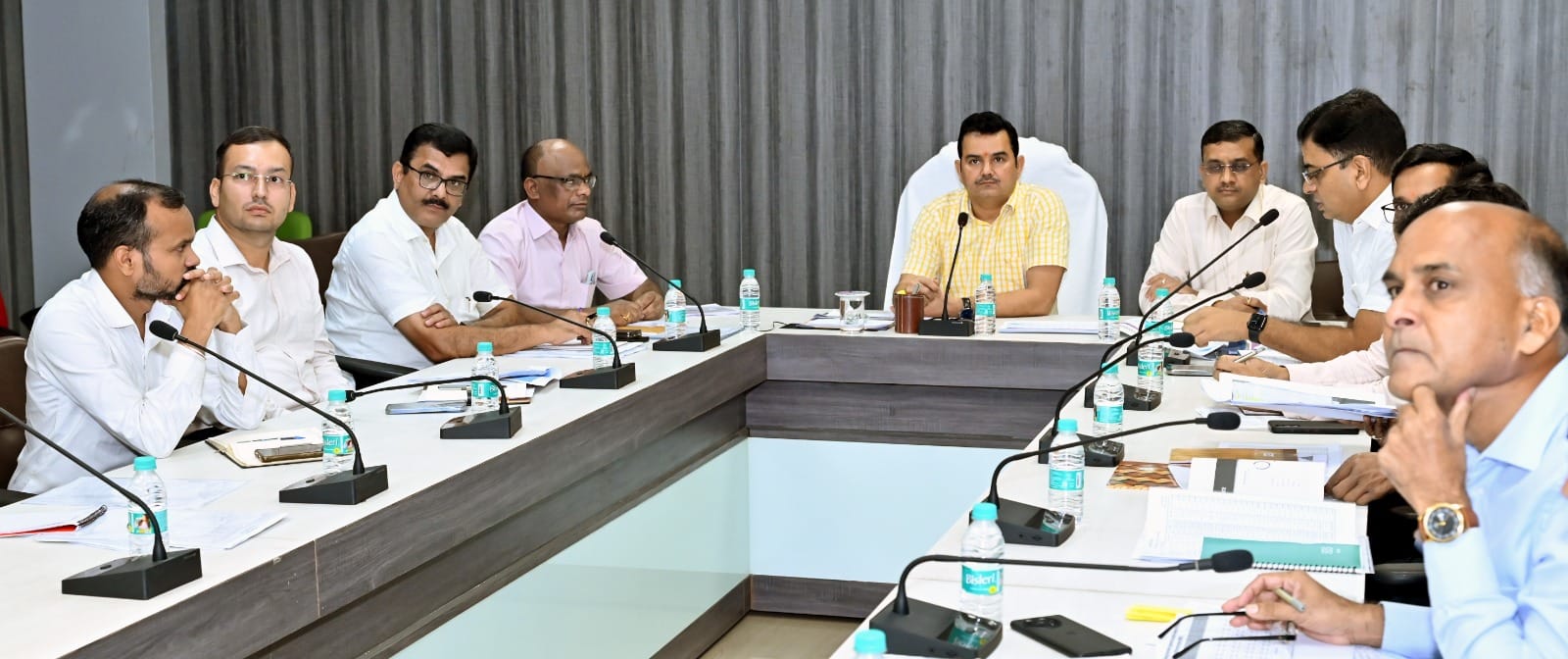
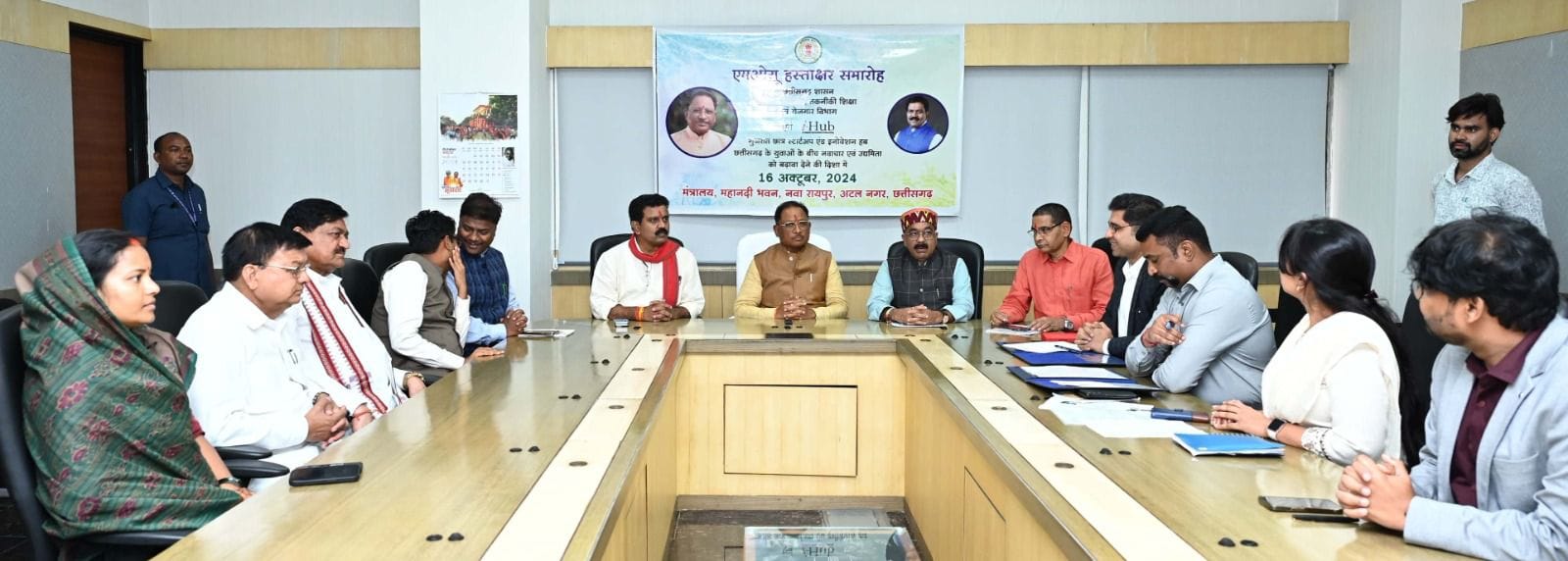
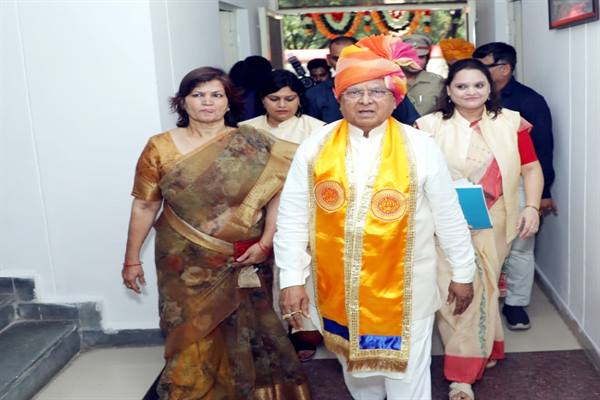
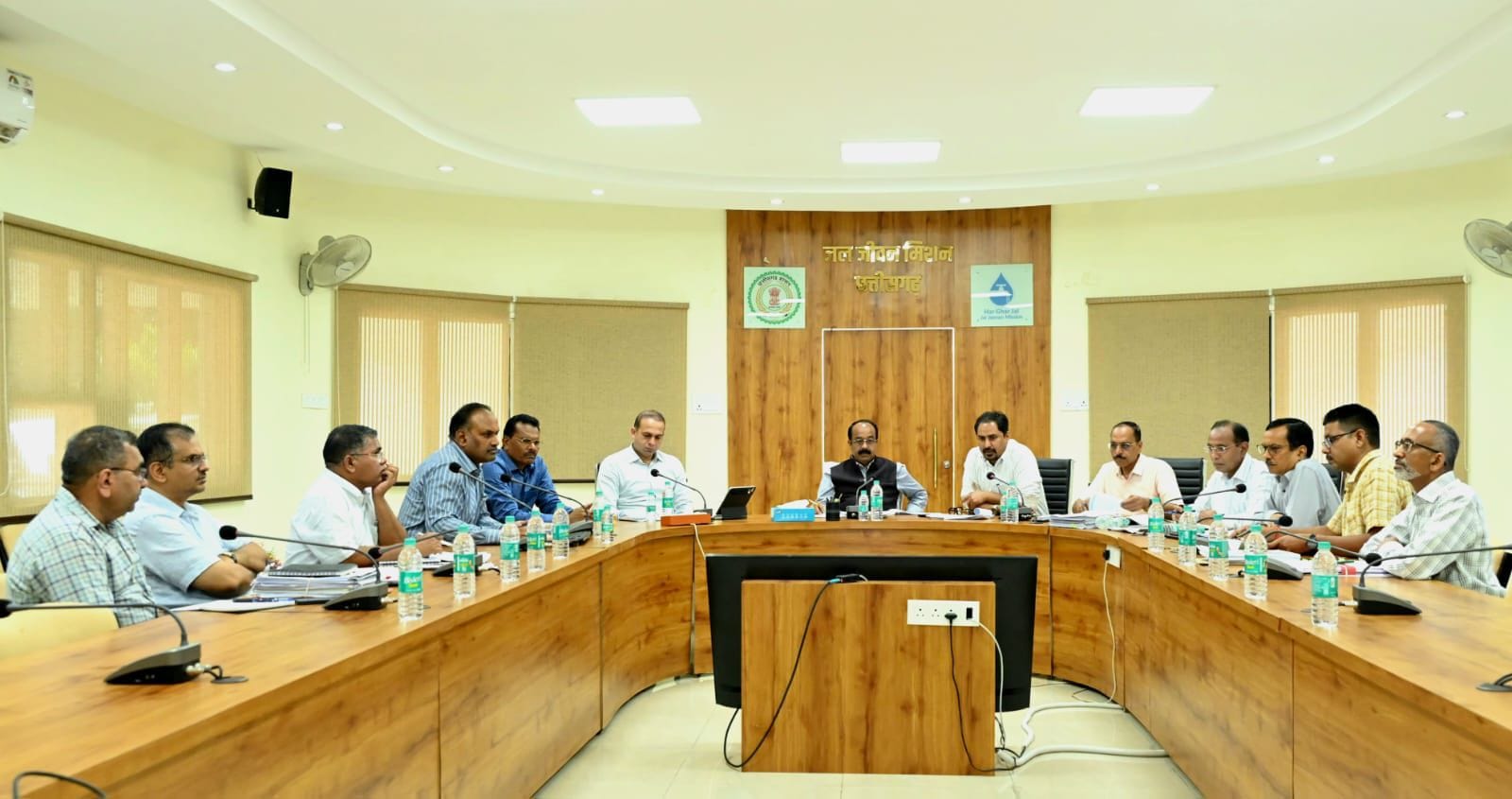
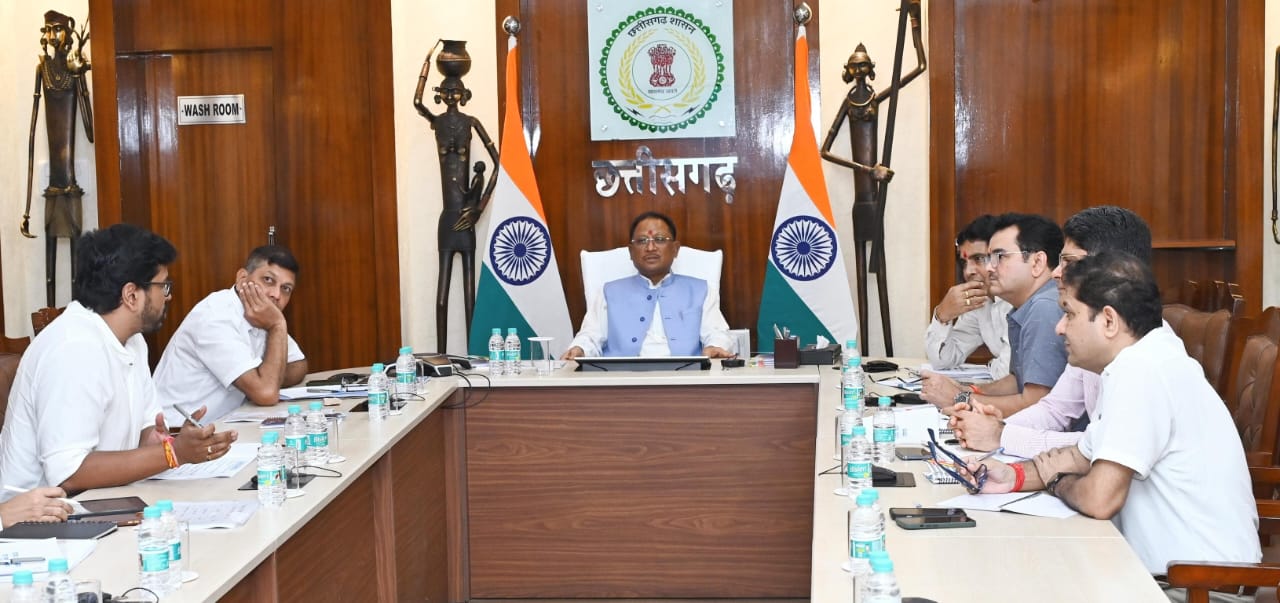
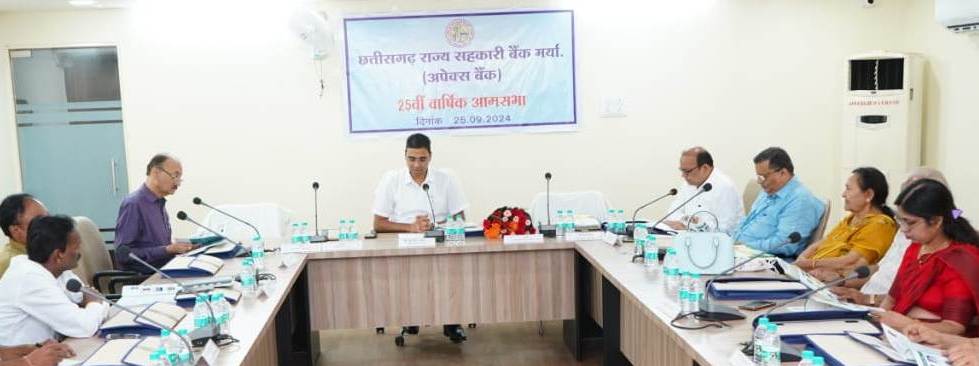
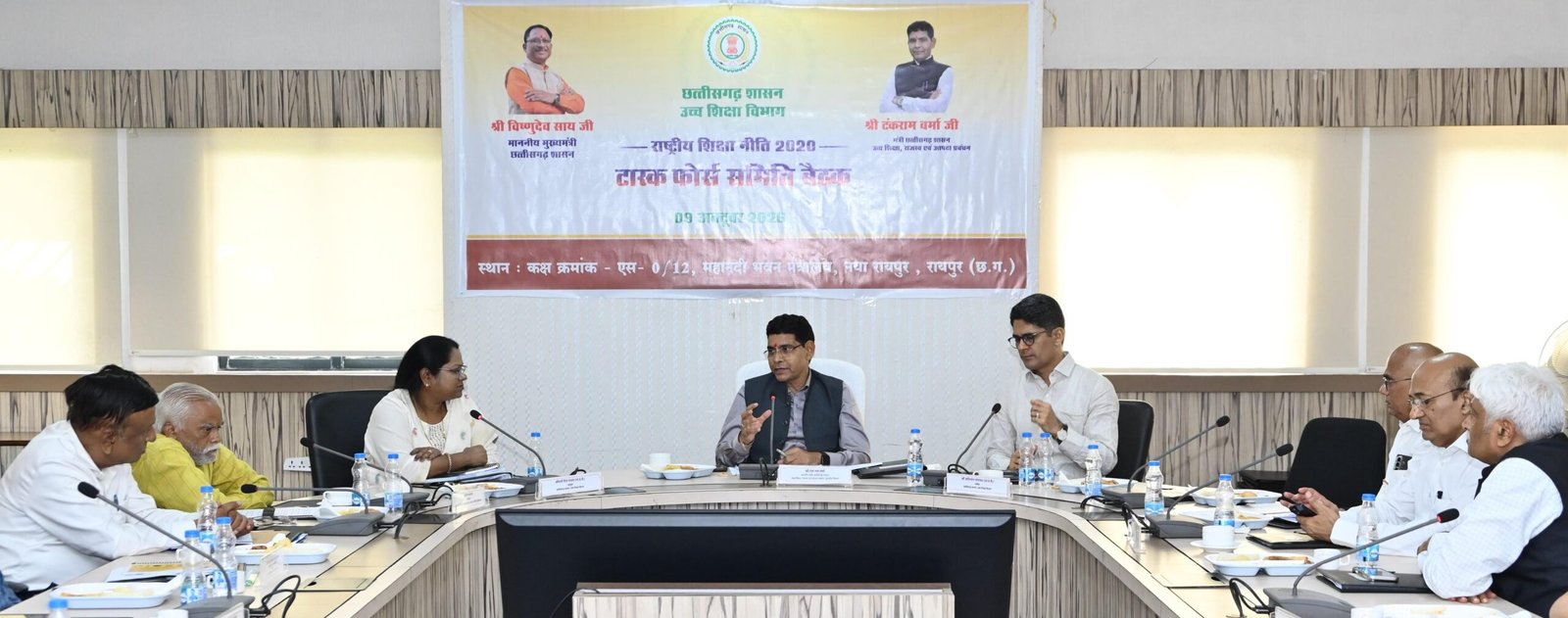
Administrative and academic efforts have intensified at the government level to ensure the smooth, robust, and effective implementation of the National Education Policy (NEP-2020) in Chhattisgarh. A significant first meeting of a high-level inter-departmental review-cum-transformation committee was held at the Mantralaya. The meeting aimed to facilitate the implementation of NEP-2020 in the state’s higher education institutions without practical hurdles and to address challenges identified based on experiences from the past two years.
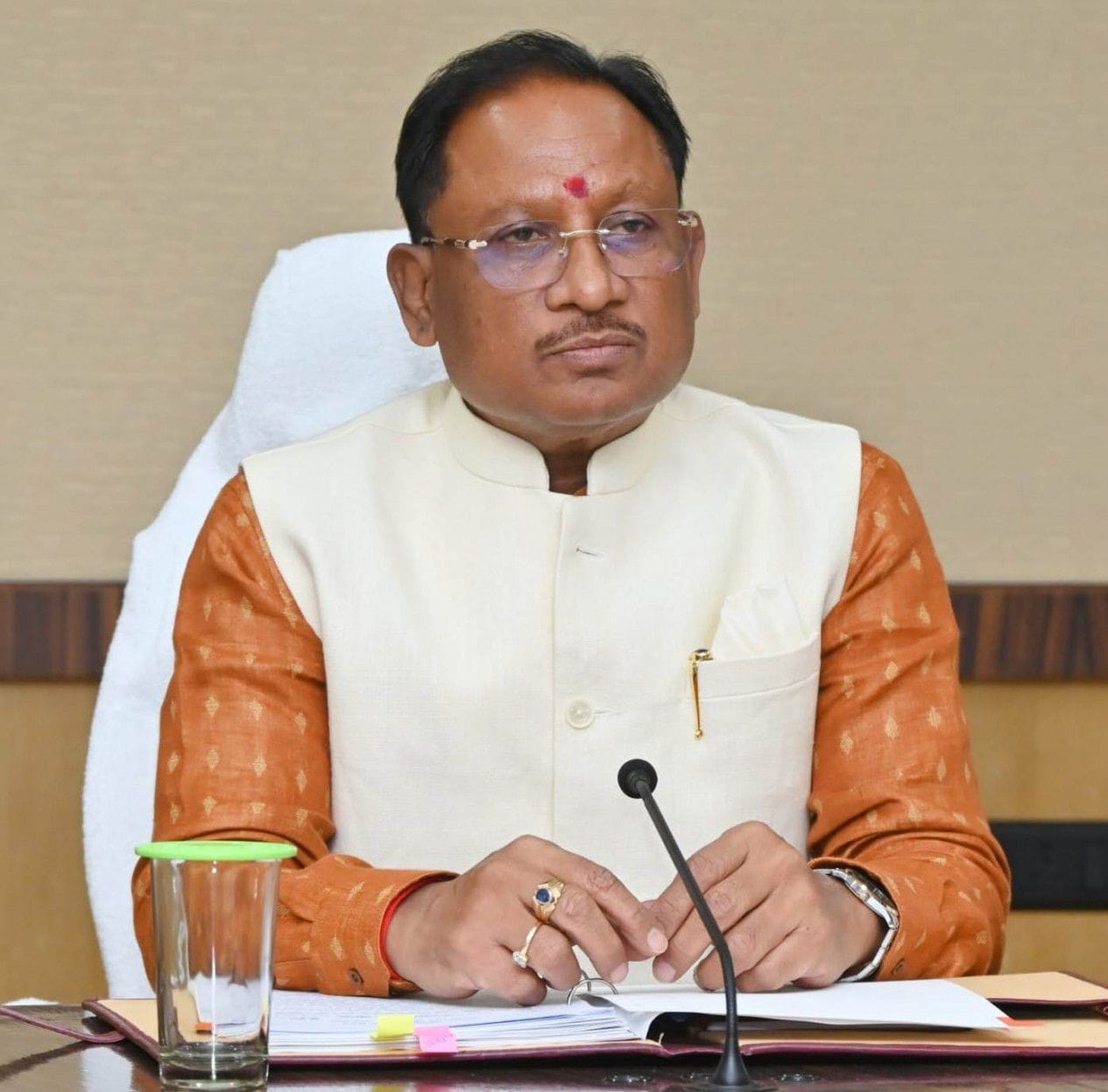
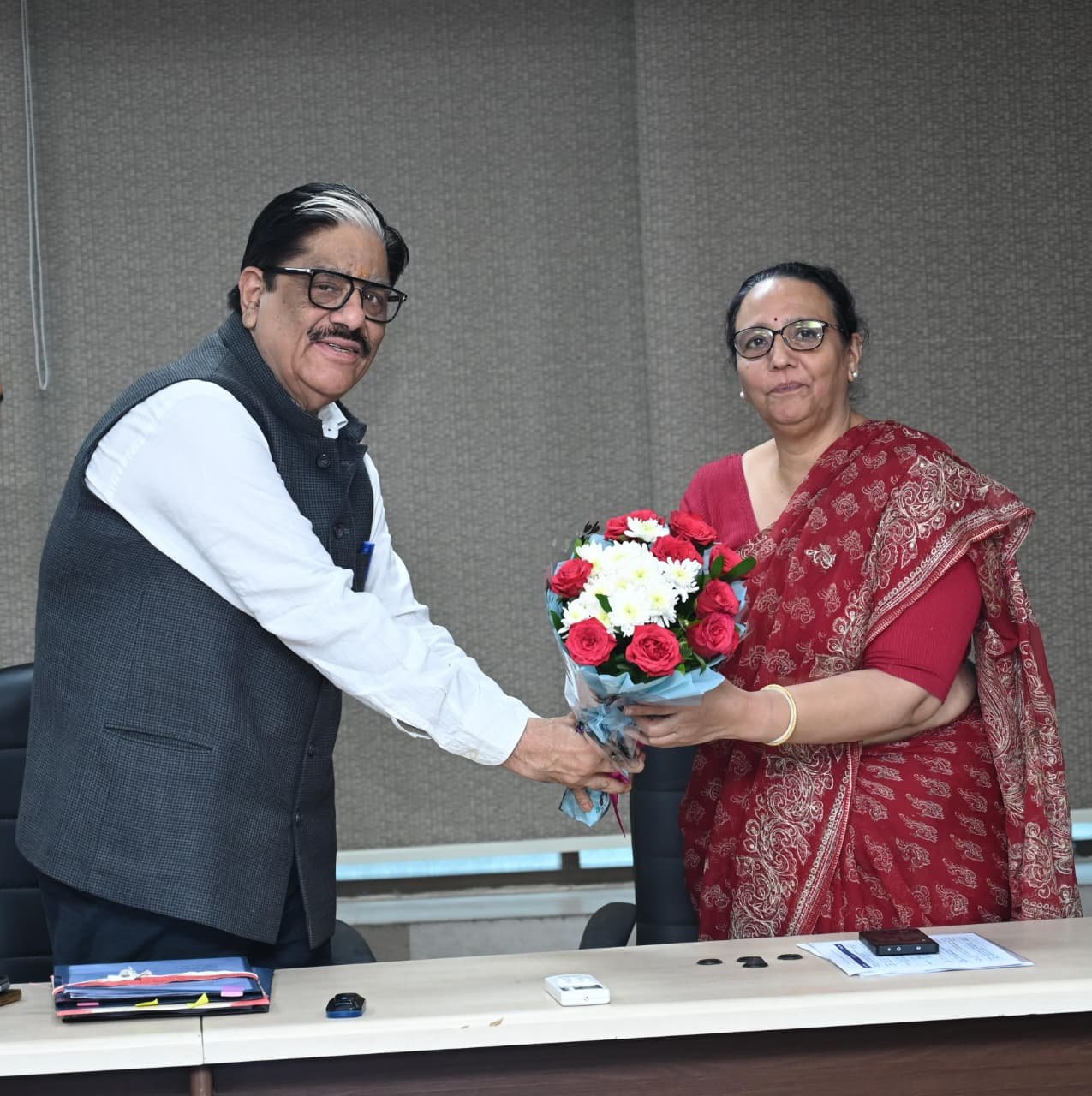
Higher Education Department Secretary Shri Avinash Champawat, Smt. Rita Yadav, Vice-Chancellors of various state universities, and other senior committee members attended the meeting. Minister Shri Tank Ram Verma clarified that the state government is committed to elevating the standard of higher education, shaping students’ futures, and robustly implementing the New Education Policy on the ground.
During the meeting, Higher Education Minister Shri Verma emphasized that the benefits of the National Education Policy 2020 can only be realized if it moves beyond mere paper instructions, meetings, and administrative files to become visibly apparent at the grassroots level. He stated that this New Education Policy would play a pivotal role in realizing Prime Minister Shri Narendra Modi’s vision of a ‘Viksit Bharat’ (Developed India) by 2047 and the Chief Minister’s vision of a ‘Viksit Chhattisgarh’ (Developed Chhattisgarh).

Minister Shri Verma remarked that the core objective of NEP-2020 is not merely to award degrees, but to connect the youth with direct employment and self-employment opportunities alongside providing quality education. To achieve this objective, he directed that students be directly connected with industrialists, industrial houses, and Corporate Social Responsibility (CSR) initiatives, and that industry-academia coordination be strengthened.
- Addressing Practical Difficulties: Training at Divisional and District Levels
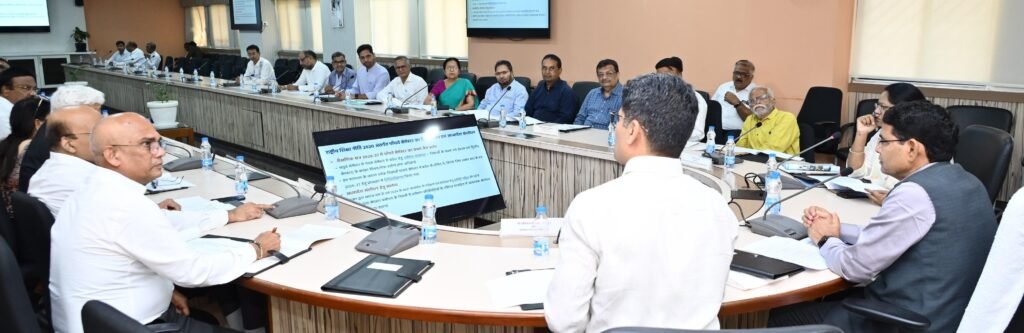
Extensive deliberations were held regarding the practical challenges faced by teachers and students, as well as the confusion surrounding the credit system and subject selection, during the implementation of NEP-2020 over the past two years. To resolve these issues and clear up confusion, Minister Shri Verma directed that large-scale training and awareness campaigns be conducted.
- Organizing Special Workshops
Minister Shri Verma directed that special workshops be organized at the beginning of every semester of the academic session in each university to fully acquaint professors and students with the nuances and provisions of the New Education Policy.
- Divisional and District-Level Training
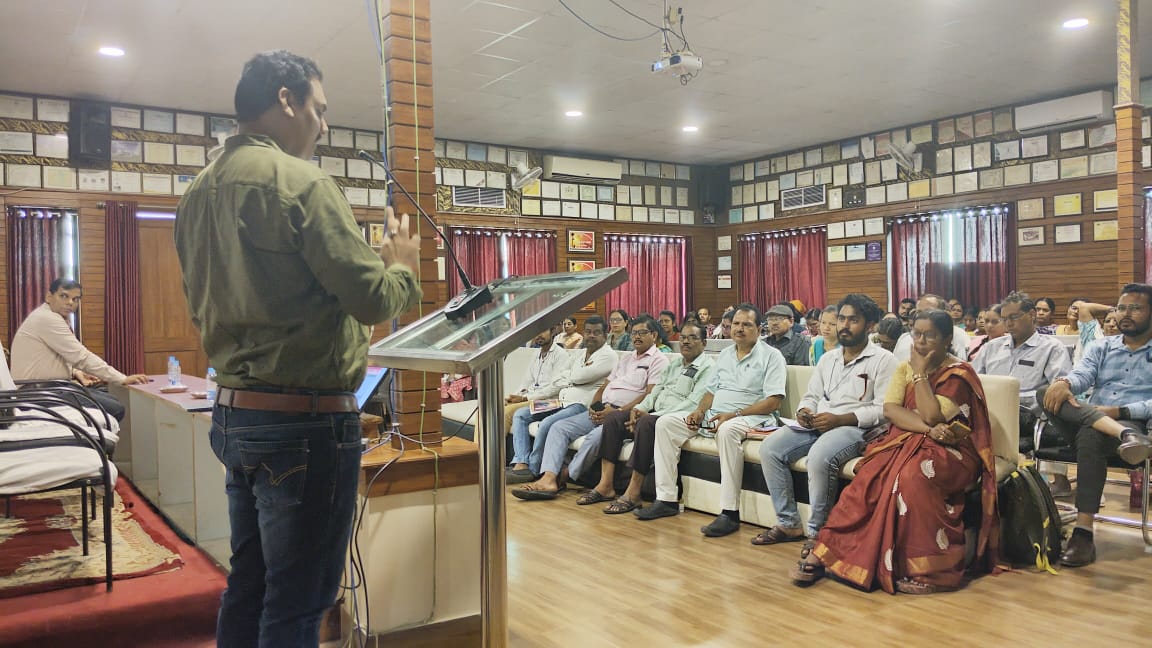
During the meeting, Higher Education Minister Shri Verma directed that large-scale workshops and training programs be organized at the divisional and district levels to enhance mutual understanding between professors and students. Special sessions will be conducted to train principals, nodal officers, and brand ambassadors from all colleges affiliated with the universities.
- Appointment of Nodal Officers and Brand Ambassadors to Strengthen Monitoring
The government decided to establish a new framework aimed at administrative strengthening, grassroots-level monitoring, and improved, rapid information dissemination. A dedicated nodal officer and two student brand ambassadors will be appointed in every university across the state. These officers and ambassadors will facilitate coordination between teachers and students, spread awareness, and handle monitoring tasks. Instructions were also issued to constitute a dedicated ‘NEP Cell’ in every university to provide quick resolutions to students’ queries regarding the policy, subject selection issues, and other administrative questions.
- Emphasis on Curriculum Simplification, Indian Knowledge Tradition, and Mandatory Internships
To streamline the study and examination processes for students, several significant academic reforms were discussed in detail during the meeting. With student convenience in mind, the syllabi and question papers for General Elective (GE) subjects will be made simpler, more practical, and flexible; this ensures that students do not face any inconvenience or mental stress during subject selection or examinations. Directives were issued to prominently and mandatorily incorporate India’s rich cultural, historical, and scientific heritage—specifically the ‘Indian Knowledge Tradition’—into the curricula.
Minister Mr. Verma instructed officials to begin preliminary preparations immediately to ensure the smooth implementation of the mandatory internship program scheduled for the sixth semester, and to establish timely coordination with various industries and business establishments.
- Monitoring of Private Universities and Expediting B.Ed. Course Operations
To ensure uniformity in the quality of education, instructions were issued to form a special monitoring committee—comprising the Additional Director and Vice-Chancellors—to oversee academic standards, regular faculty attendance, and the proper implementation of the New Education Policy across the state’s private universities. Additionally, while reviewing preparations for the upcoming academic session, Minister Mr. Verma addressed the need for the swift and smooth operation of B.Ed. colleges in the state.special emphasis should be placed on this. He directed officials to take prompt action—without any delay—regarding applications received from eligible universities and ‘B++’ graded colleges to conduct B.Ed. programs; this would ensure the timely commencement of these courses and prevent a future shortage of quality teachers in the state.
Concluding the meeting, Revenue Minister Shri Tank Ram Verma directed that immediate action be taken on the constructive suggestions offered by the members. He emphasized that all stakeholders must work together so that Chhattisgarh can emerge as an exemplary model for the successful and transparent implementation of the National Education Policy 2020 across the country.