



























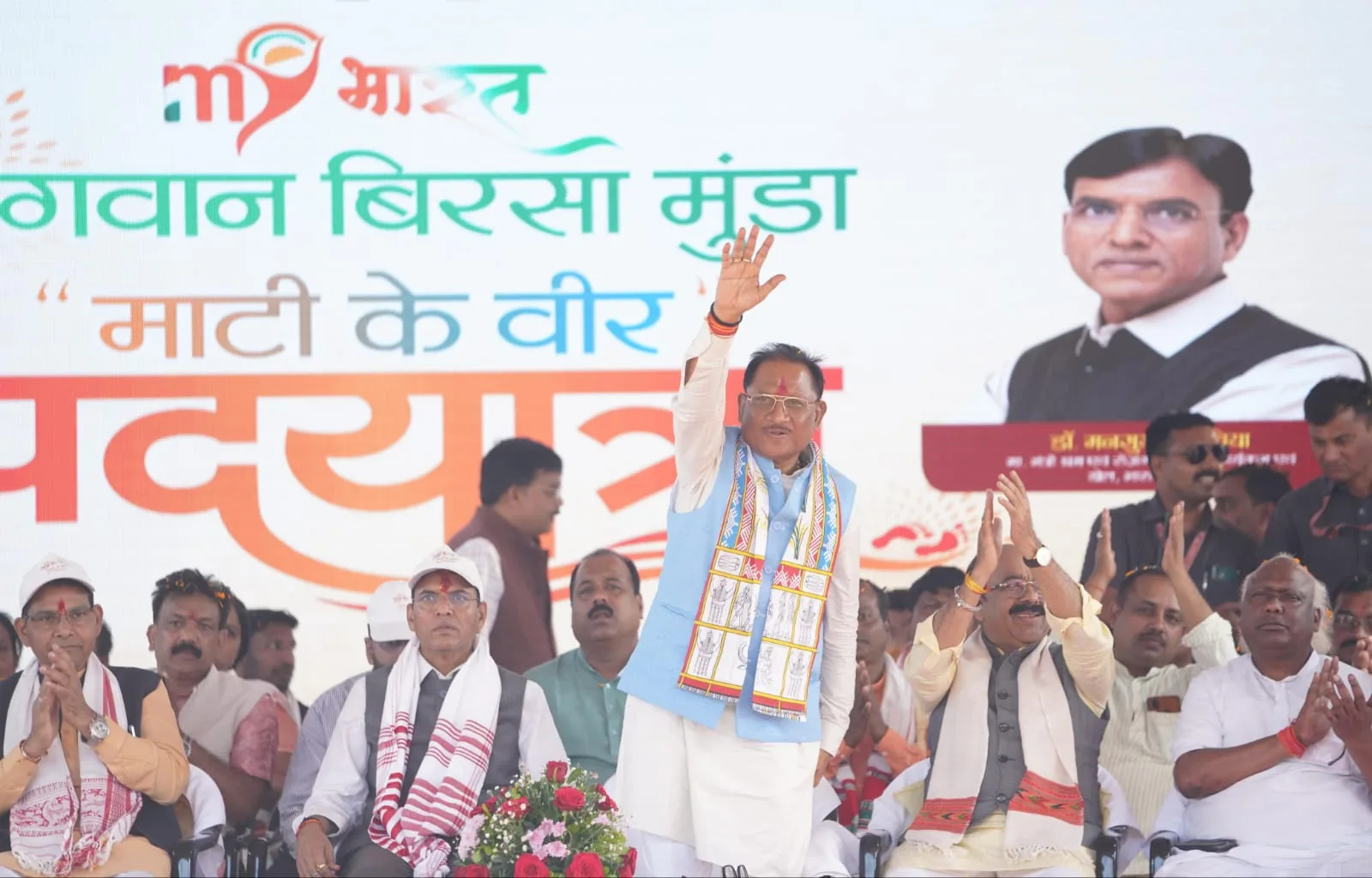











































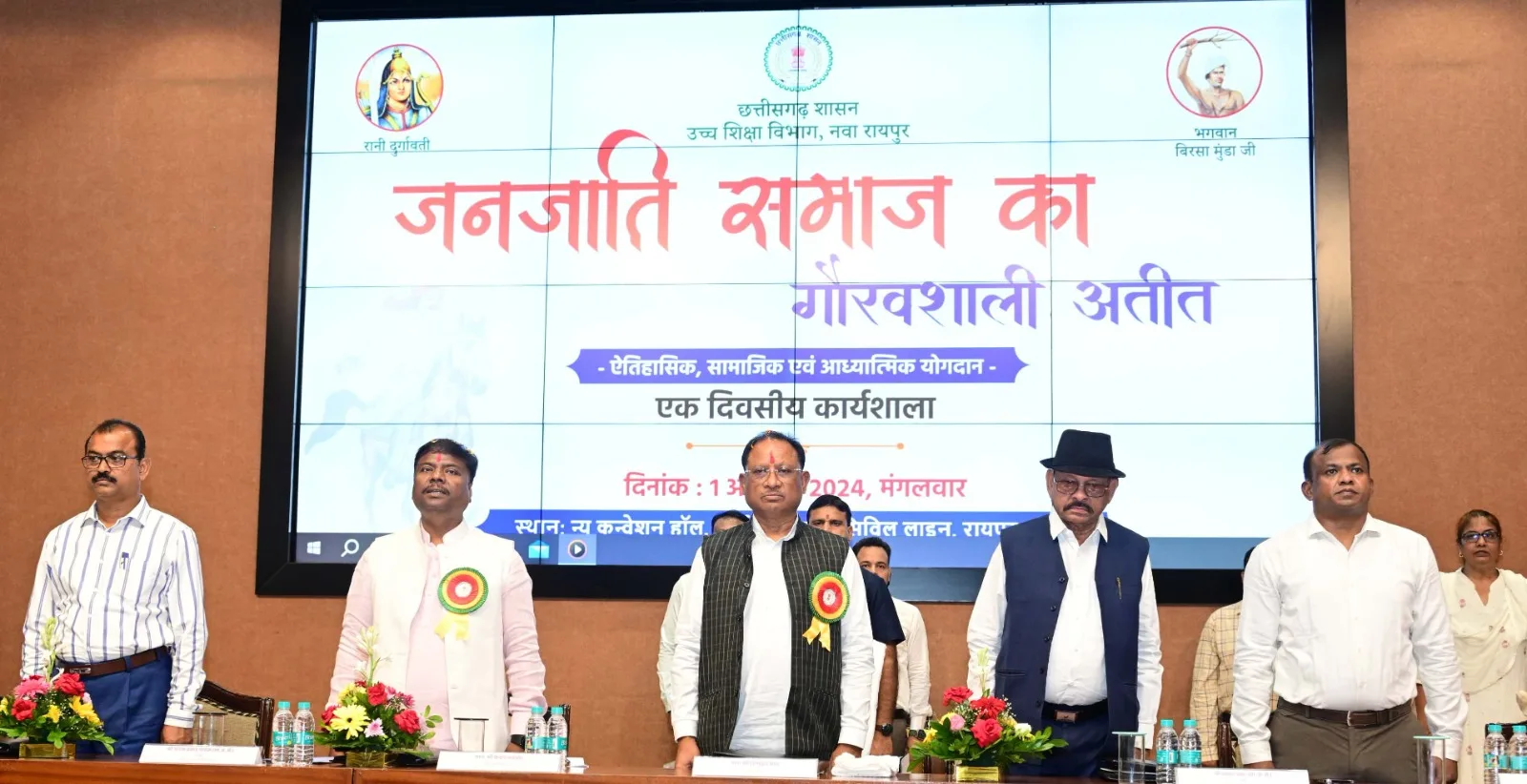















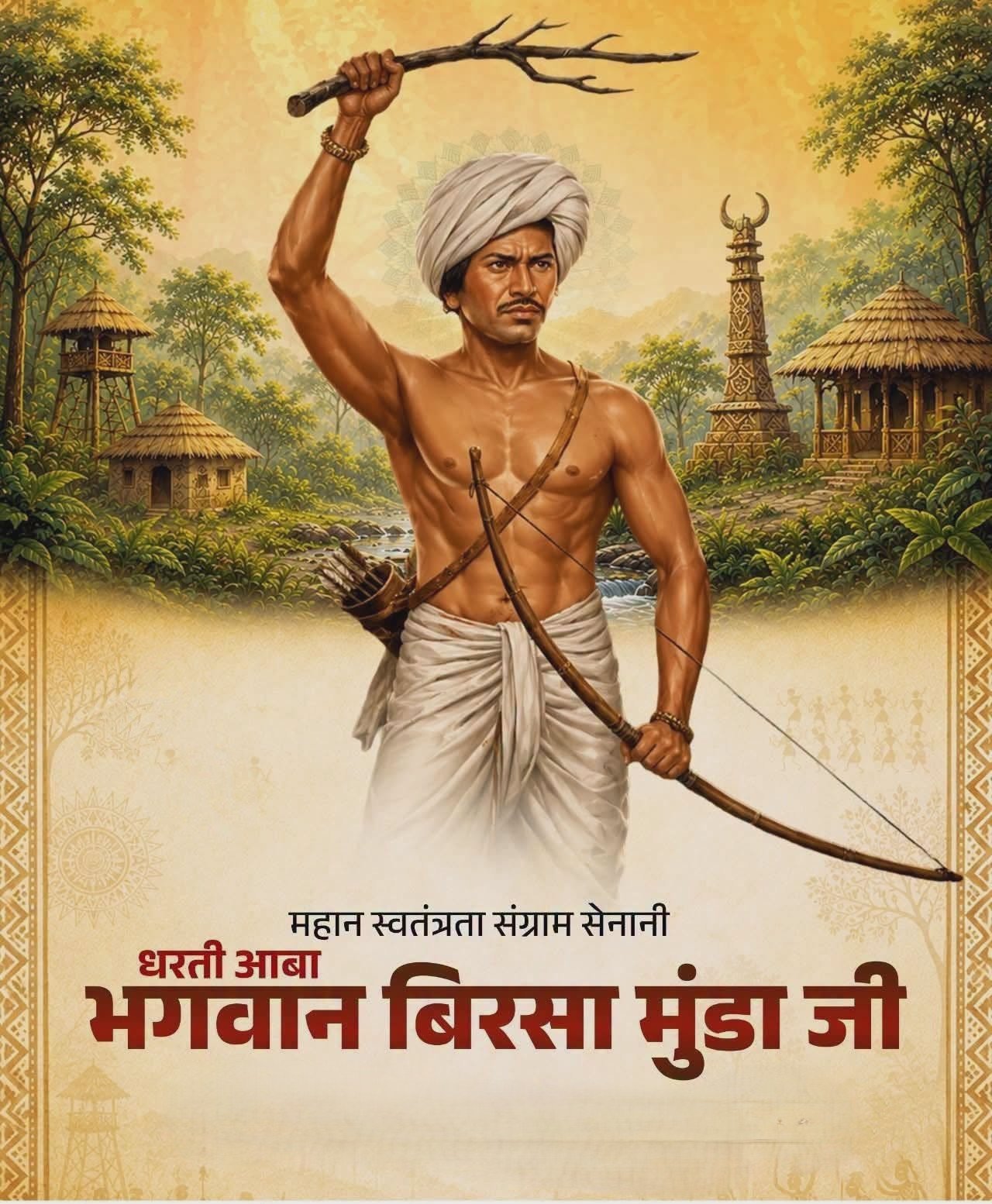
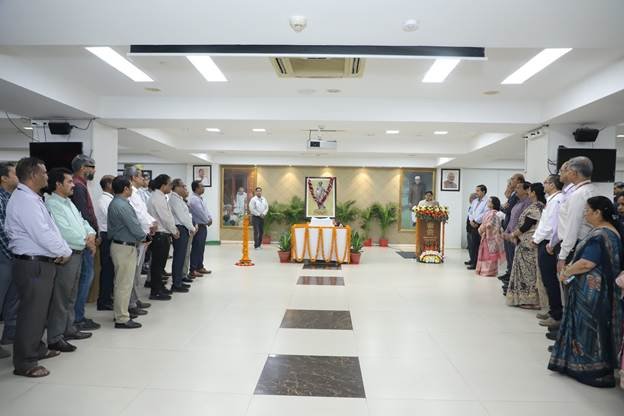




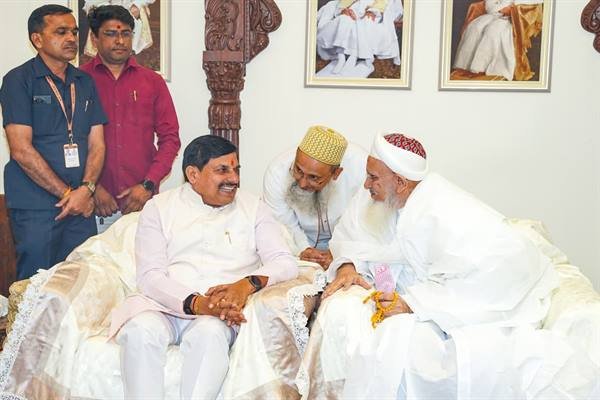



Bhagwan Birsa Munda—a great freedom fighter, a symbol of tribal pride, and the “Dharti Aaba” (Father of the Earth)—served as a vigilant guardian of jal, jungle, zameen (water, forest, and land) and tribal identity. By sounding the clarion call for struggle against injustice and foreign rule, he awakened a sense of self-respect and awareness of rights within the tribal community. His supreme sacrifice—made at a young age to protect his motherland, society, and culture—will remain immortal in Indian history. His courage, leadership, and spirit of public service continue to inspire us today to remain dedicated to social justice, self-respect, and the national interest.
The birth anniversary of Birsa Munda, a legendary hero of the freedom struggle, is celebrated on November 15. Revered in Indian history as “Dharti Aaba” (Father of the Earth), Birsa Munda was not merely a revolutionary; he was the preeminent symbol of tribal consciousness, self-respect, and the defense of jal, jungle, zameen. In the late 19th century, when the British colonial regime and zamindars (landlords) were colluding to exploit the tribal people, Birsa Munda ignited a movement that shook the very foundations of the British Empire.
- Early Life and the Emergence of Consciousness
Birsa Munda was born on November 15, 1875, in the village of Ulihatu, located in the Khunti district of present-day Jharkhand. The Government of India observes his birthday, November 15, as Janjatiya Gaurav Divas (Tribal Pride Day) every year. He spent his childhood amidst the forests and fields of Chaibasa. For his education, he was enrolled for a time in a Christian missionary school, where he was given the name ‘Birsa David’. During his school days, he realized that the missionary and British systems were destroying the culture, language, and traditional rights of the tribal people. Consequently, he left the missionary school and resolved to protect his own culture.

- The Birsa Sect and Social Reform
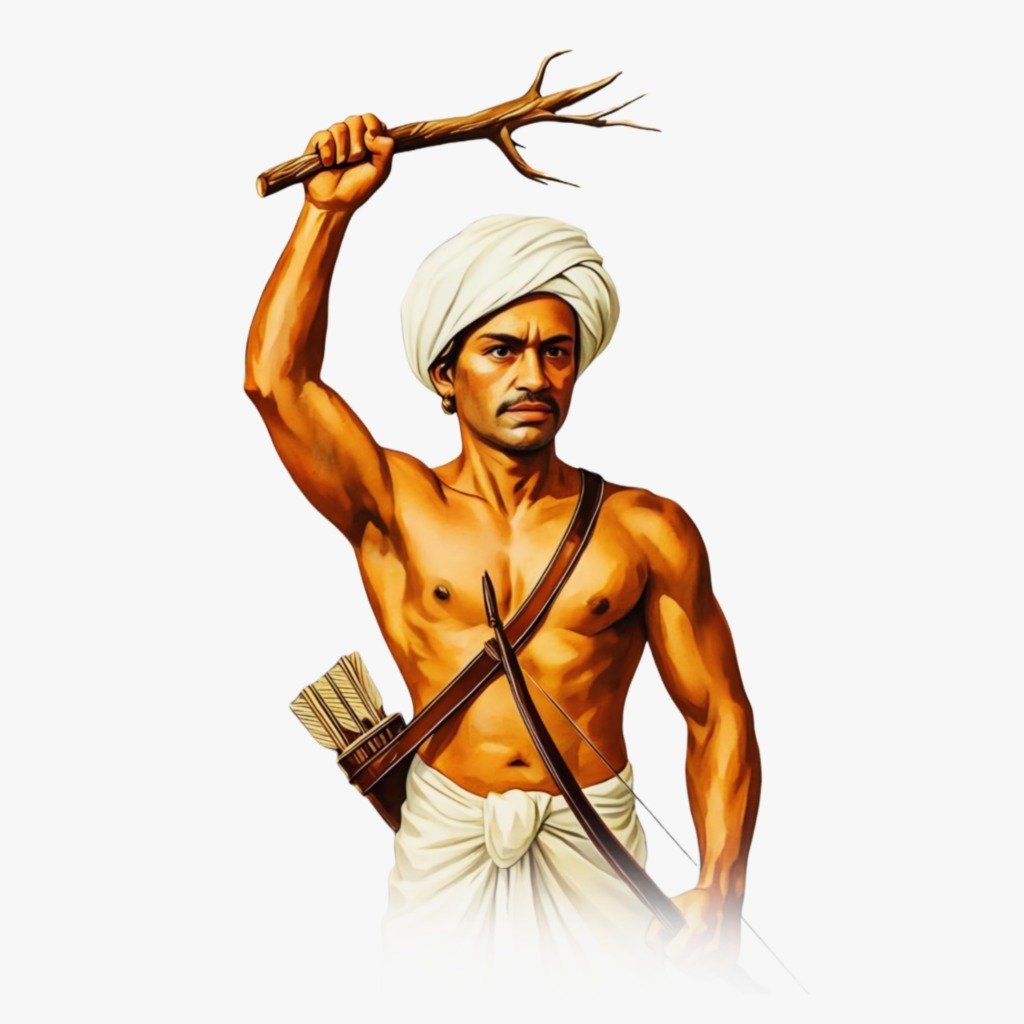
Before the revolution, Birsa Munda worked to strengthen society from within. He observed that tribal society was being weakened by superstition and substance abuse. He advised the tribal people to worship only one God (Singbonga). To eradicate social evils, he advocated for the prohibition of alcohol, opposed animal sacrifice, and emphasized the importance of cleanliness. Inspired by his ideas, thousands of people became his followers, affectionately calling him “Dharti Aaba” (Father of the Earth).
- The Beginning of the ‘Ulgulan’ (Great Uprising)
‘Ulgulan’ is a term in the Mundari language, signifying a great upheaval or rebellion. This movement was directed against the British government’s policy that favored ‘Dikus’ (outsider exploiters, such as landlords and moneylenders) who were seizing tribal lands. Birsa Munda united the tribal people in the forests of Singhbhum and Ranchi, proclaiming: “Abua Raj ete jana, Maharani Raj tundu jana” (meaning, “Our rule has begun, and the Queen’s rule has come to an end”). Armed with bows, arrows, and traditional weapons, the Munda people employed guerrilla warfare to attack British outposts, police stations, and the estates of landlords. The Battle of Dombari Hill became a historic focal point of this movement.
On October 1, 1894, Birsa, emerging as a spirited young leader, raised his voice in defense of the people’s rights. He initiated a movement demanding the waiver of land taxes (rent) in protest against illegal landlordism. The British government perceived this as an open challenge to their authority and arrested him in 1895. He was sentenced to two years of imprisonment in the Hazaribagh Central Jail. After his release, rather than remaining idle, he dedicated himself to serving the people of the Chotanagpur region who were suffering from famine and epidemics. This spirit of service endeared him to the masses, who began calling him ‘Dharti Aaba’ (Father of the Earth). His struggle evolved beyond mere economic issues into a grand crusade for the protection of tribal self-respect and culture. He proclaimed the immortal slogan, “Abua Disum, Abua Raj”—meaning “Our Land, Our Rule”—which awakened a new consciousness within a dormant society.
- The Sacrifice of a Great Hero
Between 1897 and 1900, he launched an armed struggle against British rule, employing guerrilla warfare tactics. His growing influence struck fear into the hearts of British officials and the exploitative classes. On December 24, 1899, the movement intensified significantly, with police stations coming under attack by arrows. During this conflict, the British army opened fire—with brutal disregard—upon unarmed tribal people on the ‘Dombari Buru’ hill. Although the tribal fighters displayed indomitable courage, their bows and arrows could not withstand the modern weaponry and gunfire of the British for long.
Despite being equipped with modern arms, the British forces suffered heavy losses due to the strategic brilliance of Birsa Munda. Ultimately, the British resorted to treachery and placed a bounty on his head. In March 1900, he was deceitfully captured while asleep in the Jamkopai forest of Chakradharpur. On June 9, 1900, at the age of just 24, he breathed his last in Ranchi Jail under mysterious circumstances—officially attributed by the British to cholera. However, historians and his followers believe that he was administered a slow-acting poison by the British while in custody. Following his martyrdom, the British were compelled to enact the Chota Nagpur Tenancy Act, 1908 (CNT Act) to protect tribal land—a law that prohibited outsiders from purchasing such land.
In reality, the British land revenue policy, along with the pressure exerted by missionaries to convert to another religion…The destruction of the ‘Khutkatti’ system (a traditional tribal land-tenure system) and the unethical interference of ‘Dikus’—that is, exploitative outsiders—lay at the root of this rebellion. A slogan of the Munda tribes became particularly famous: “Abua Raj Eter Jana, Maharani Raj Tudu Jana,” which meant, “Let our own rule be established, and let the rule of the British Queen come to an end.” On June 9, 1900, at the young age of just 25, Birsa Munda passed away in Ranchi Jail. Although the British government attributed his death to cholera, the general public and many historians have viewed it with suspicion; some accounts even suggest the possibility that he was poisoned.
‘Dharti Aaba’ (Father of the Earth) Birsa Munda’s life teaches us that when it comes to one’s culture, identity, and rights, a lack of resources can never diminish one’s resolve. Bhagwan (Lord) Birsa Munda stands as a symbol of the preservation of tribal identity, the indomitable struggle of the people, and their self-respect. His mass movement against British colonial rule—fought to protect “Jal, Jungle, aur Zameen” (water, forests, and land)—ignited an enduring flame of tribal pride. His courage and his unparalleled dedication to his society and culture serve as an extraordinary saga of sacrifice and heroism for future generations.
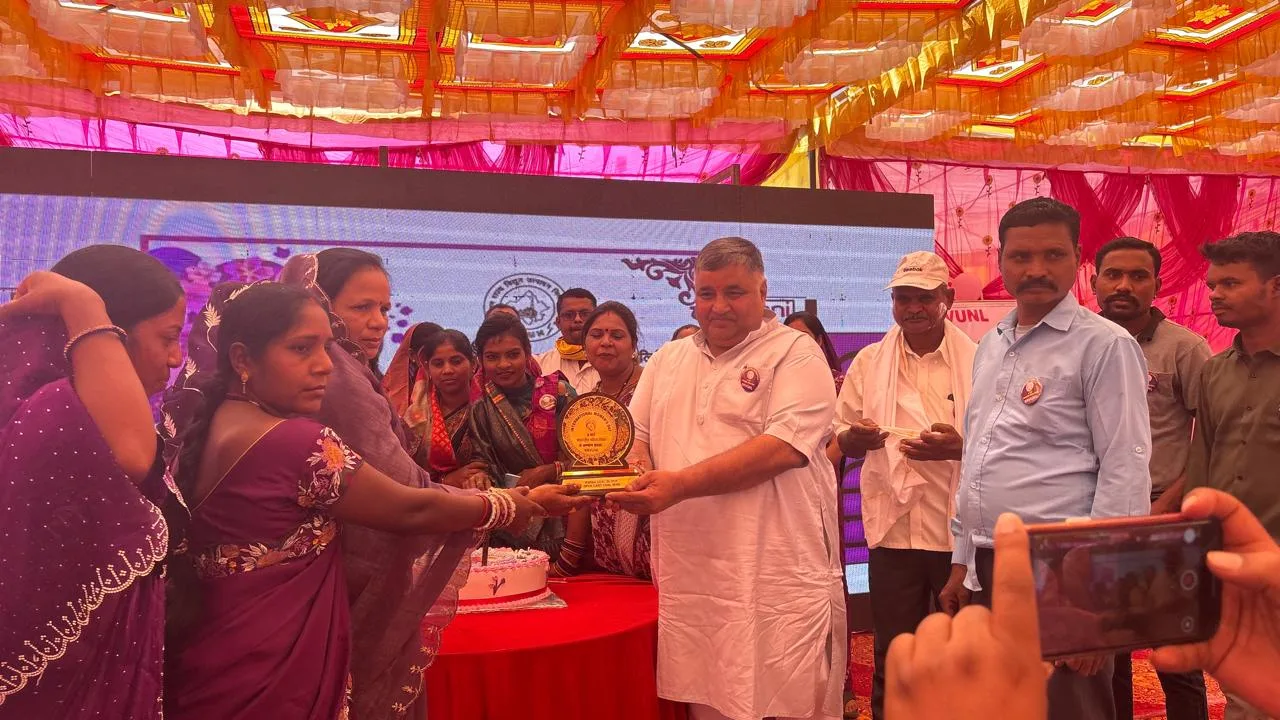
In 2021, marking the 75th year of India’s independence, the Central Government declared November 15 as “Janjatiya Gaurav Diwas” (Tribal Pride Day) to honor the contributions of tribal freedom fighters. Across India, the tribal community—and indeed the nation at large—celebrates Birsa Munda’s birth anniversary with great fervor and joy; Indian society views his contributions as a profound source of inspiration. Birsa Munda was truly a great hero. His life was marked by such extraordinary events that people regard him as an exceptional figure—elevating him to the status of a deity, whom they worship.