
























- Discussion on the role of AI and new technologies in tribal development
- State level online seminar concluded under Tribal Dignity Festival 2026
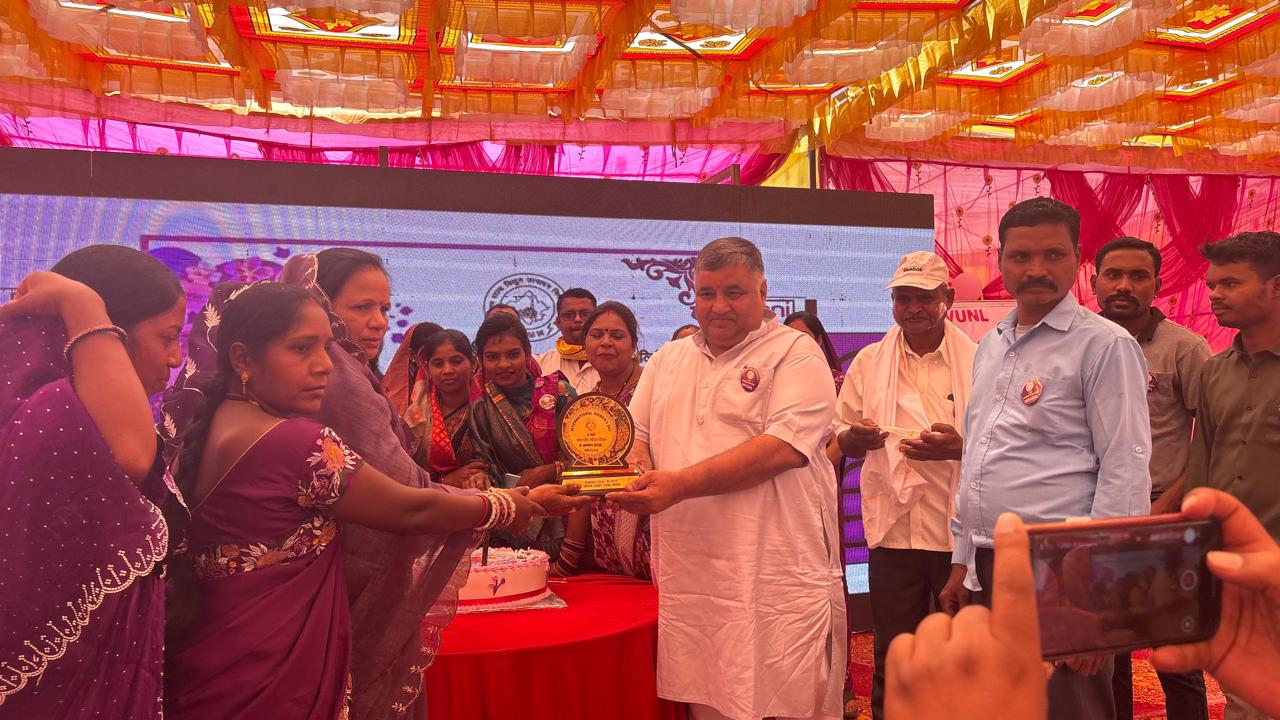
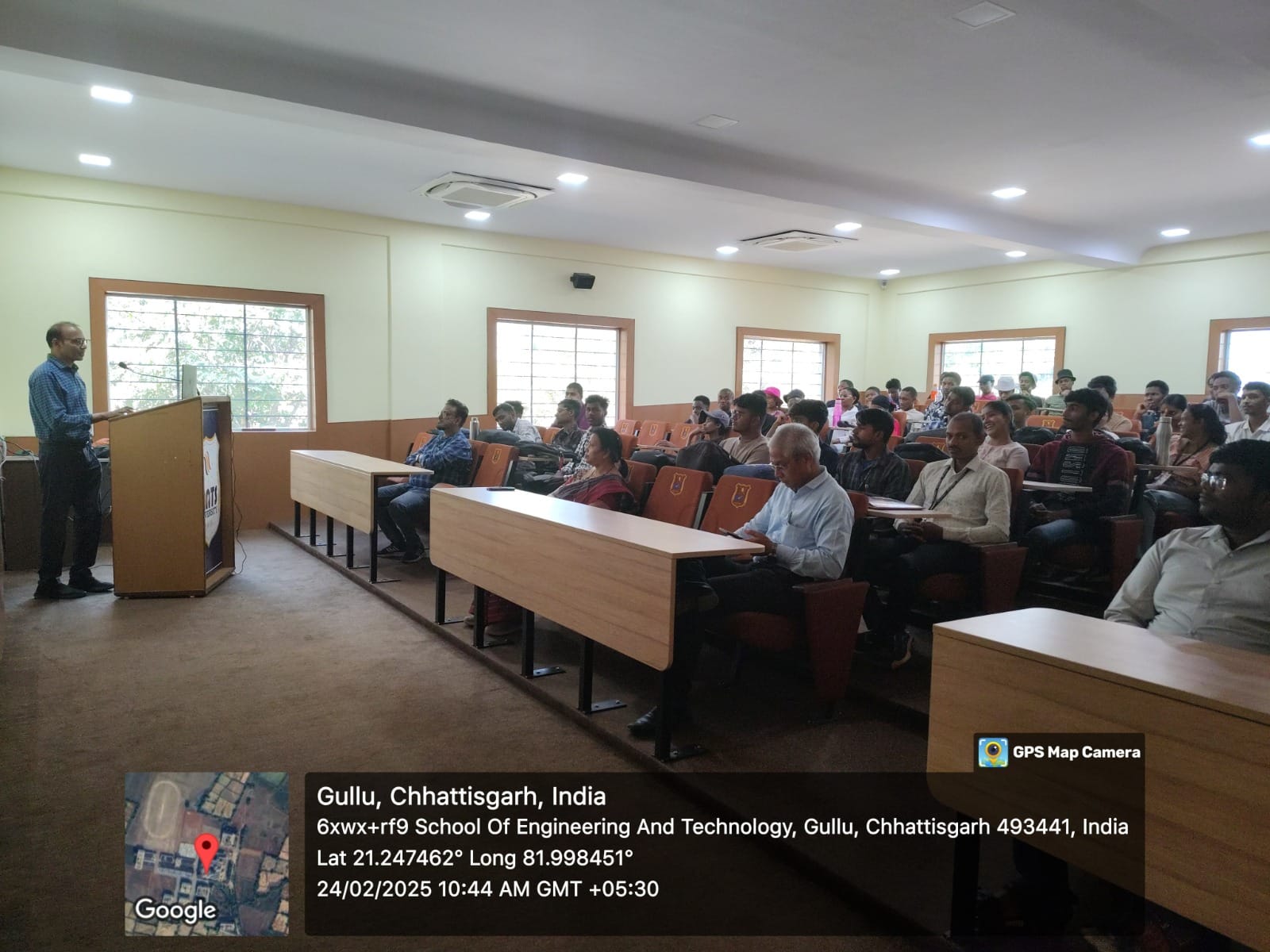
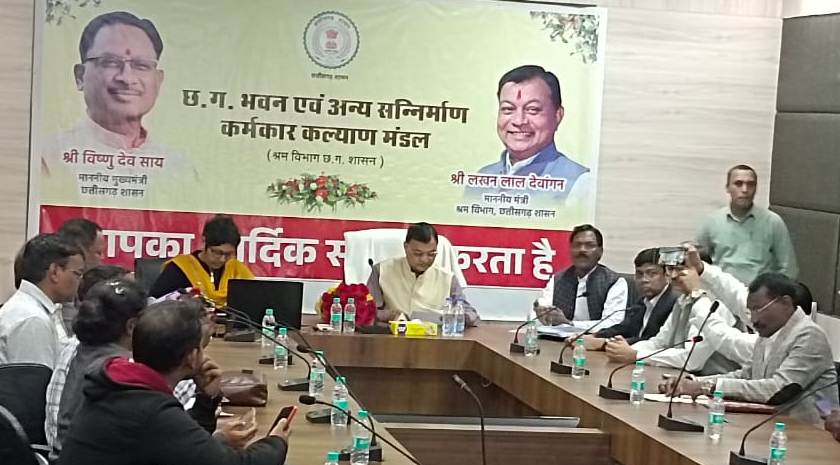
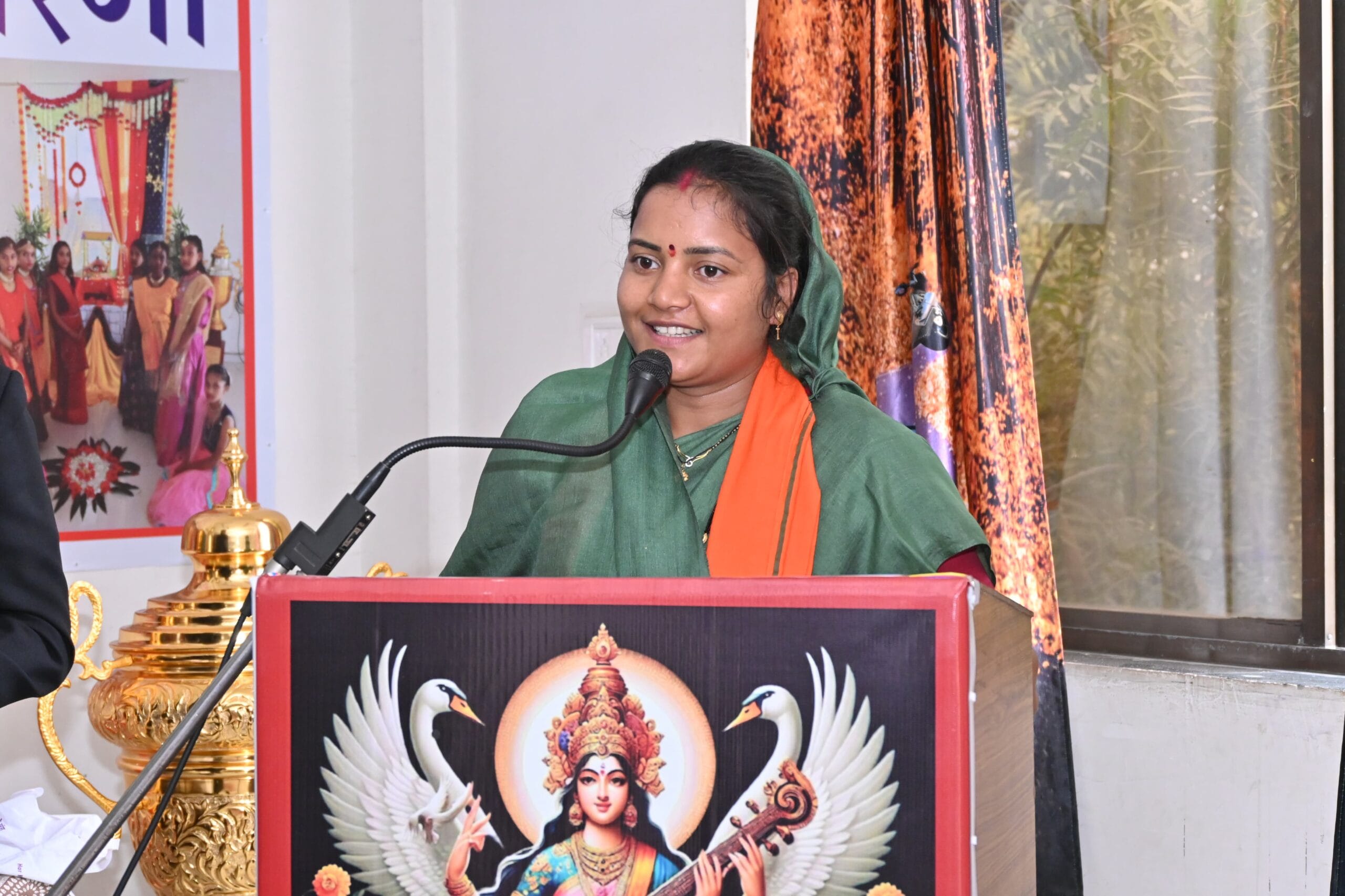
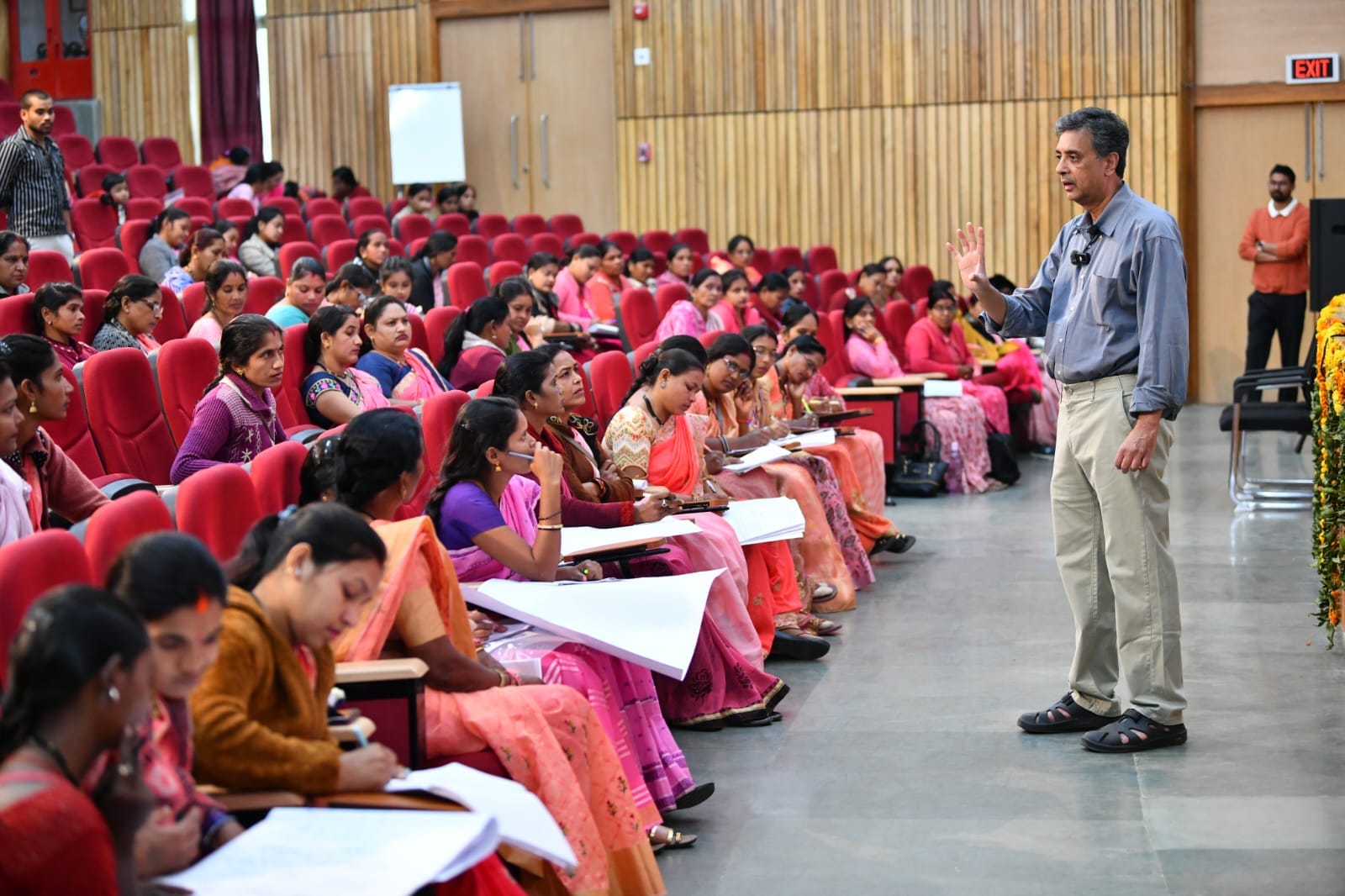
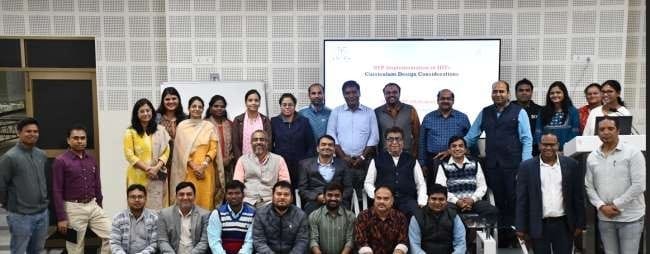
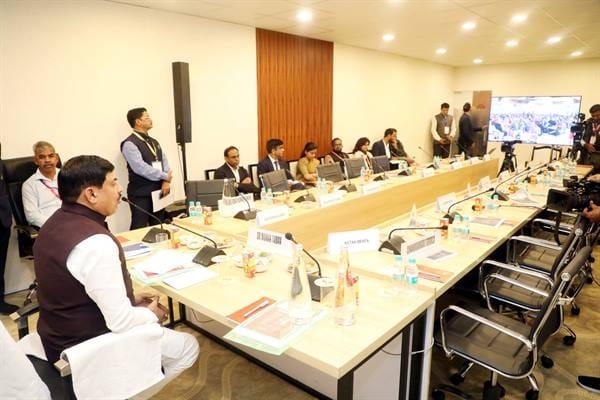
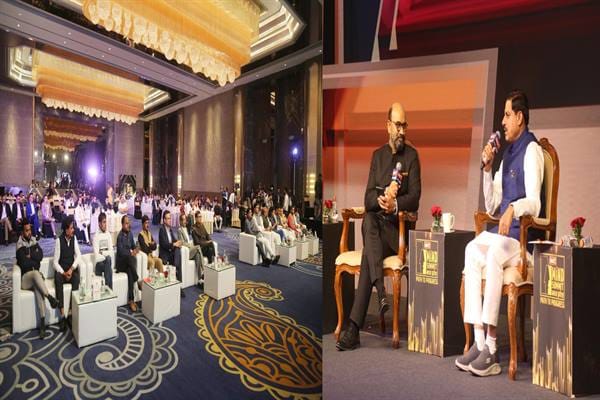
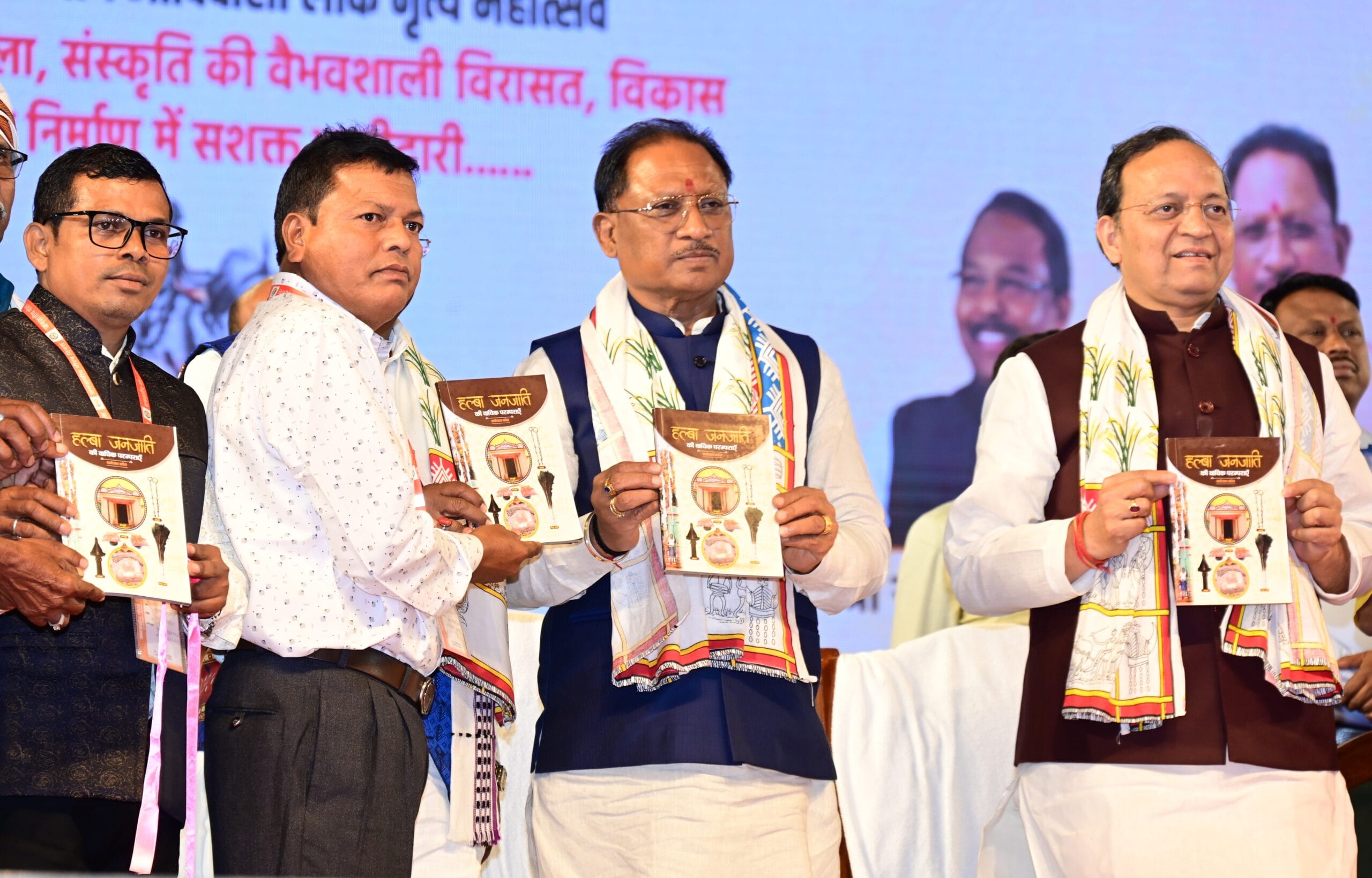
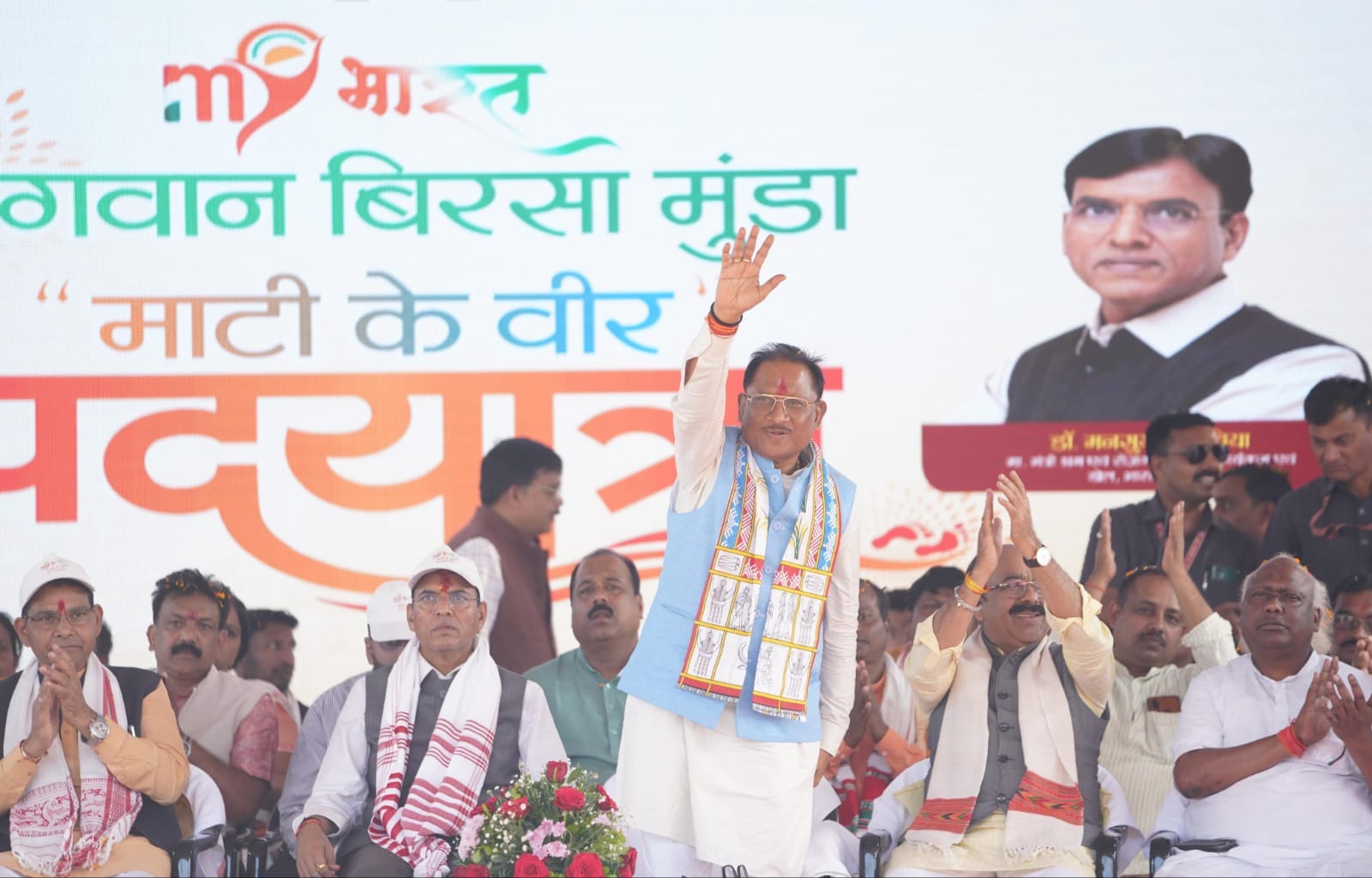
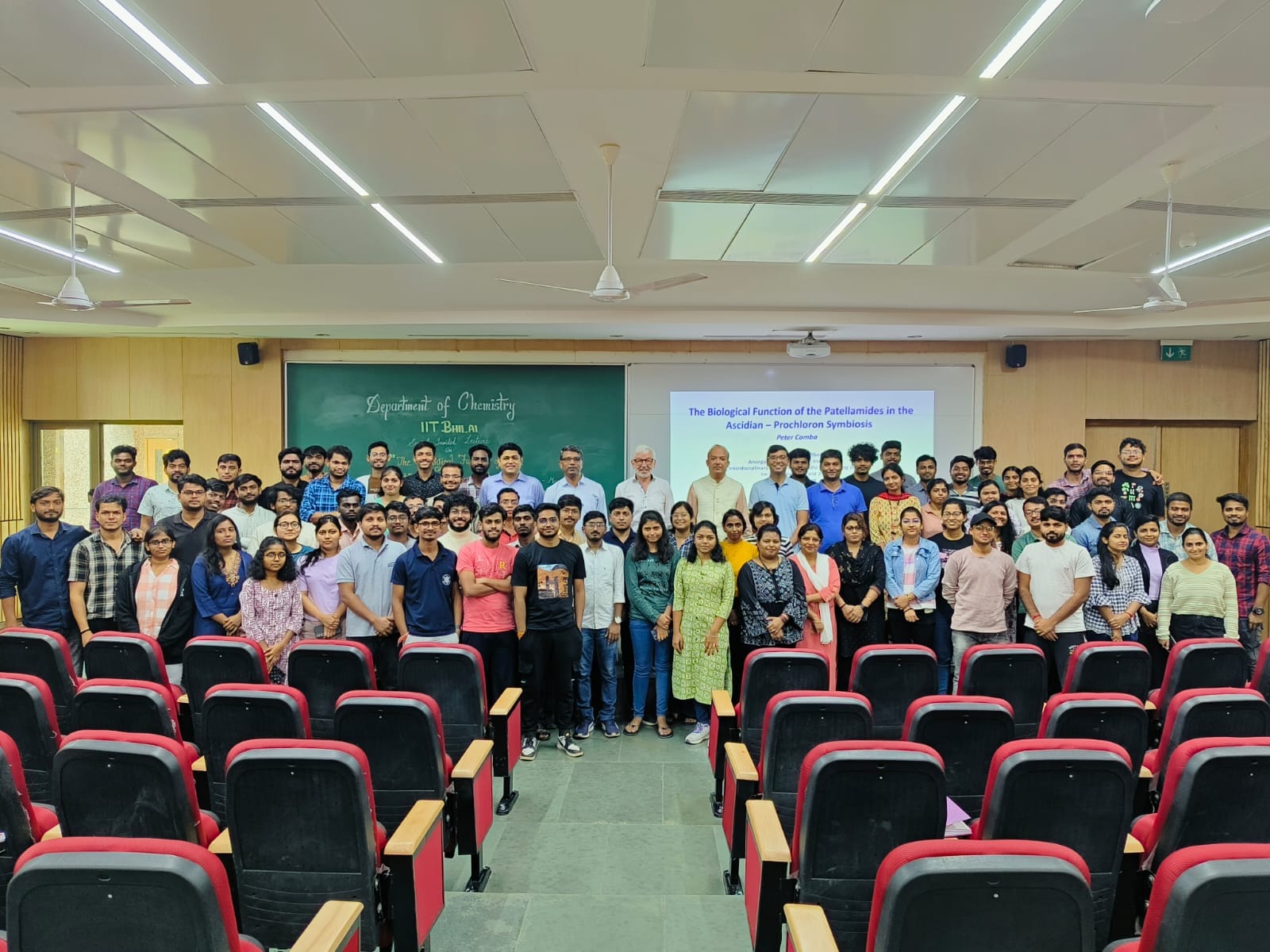
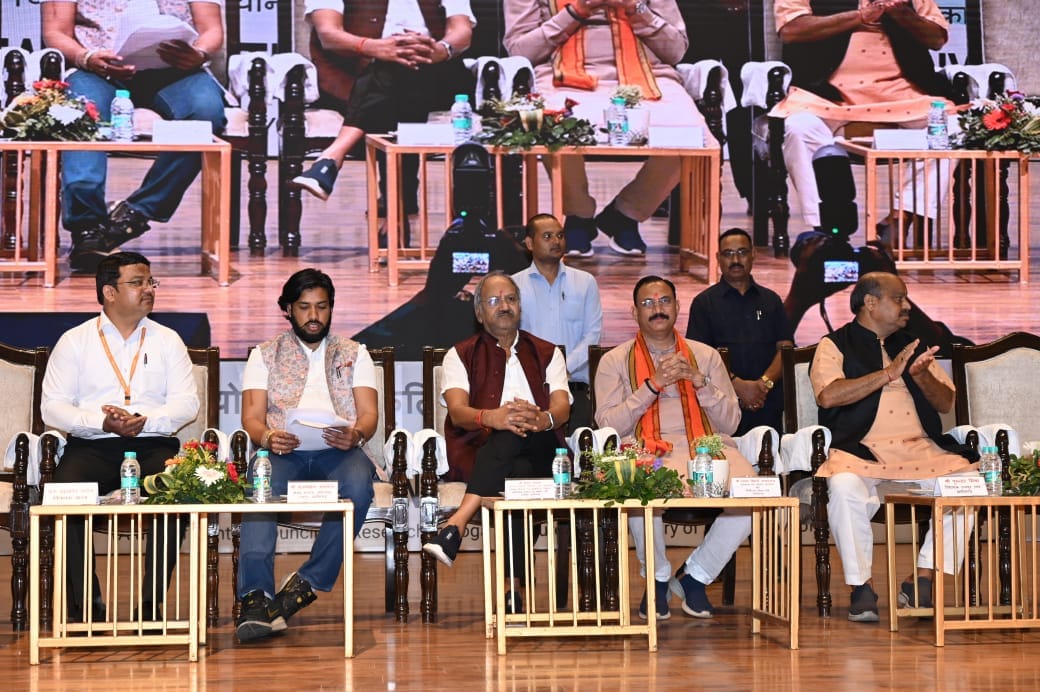
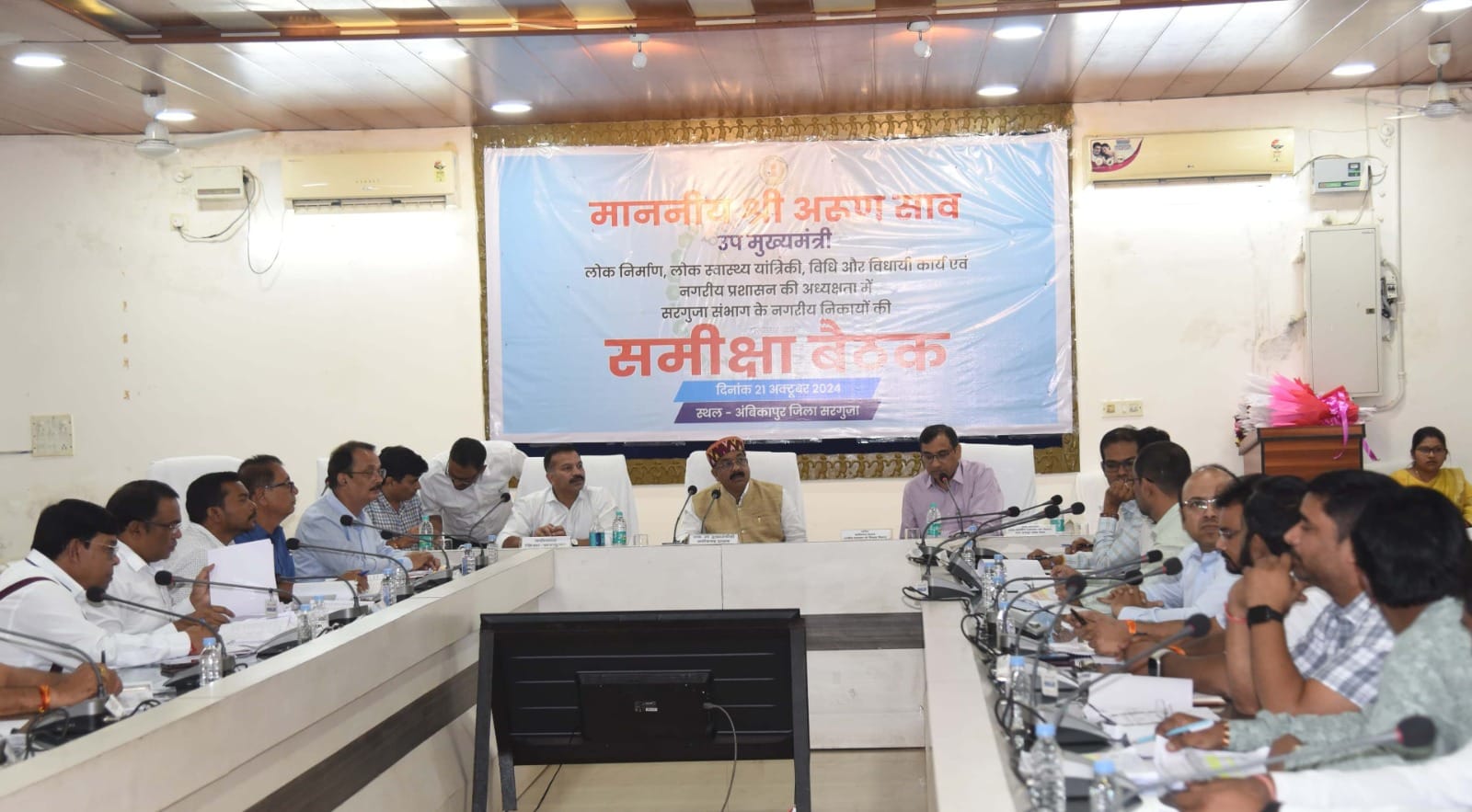
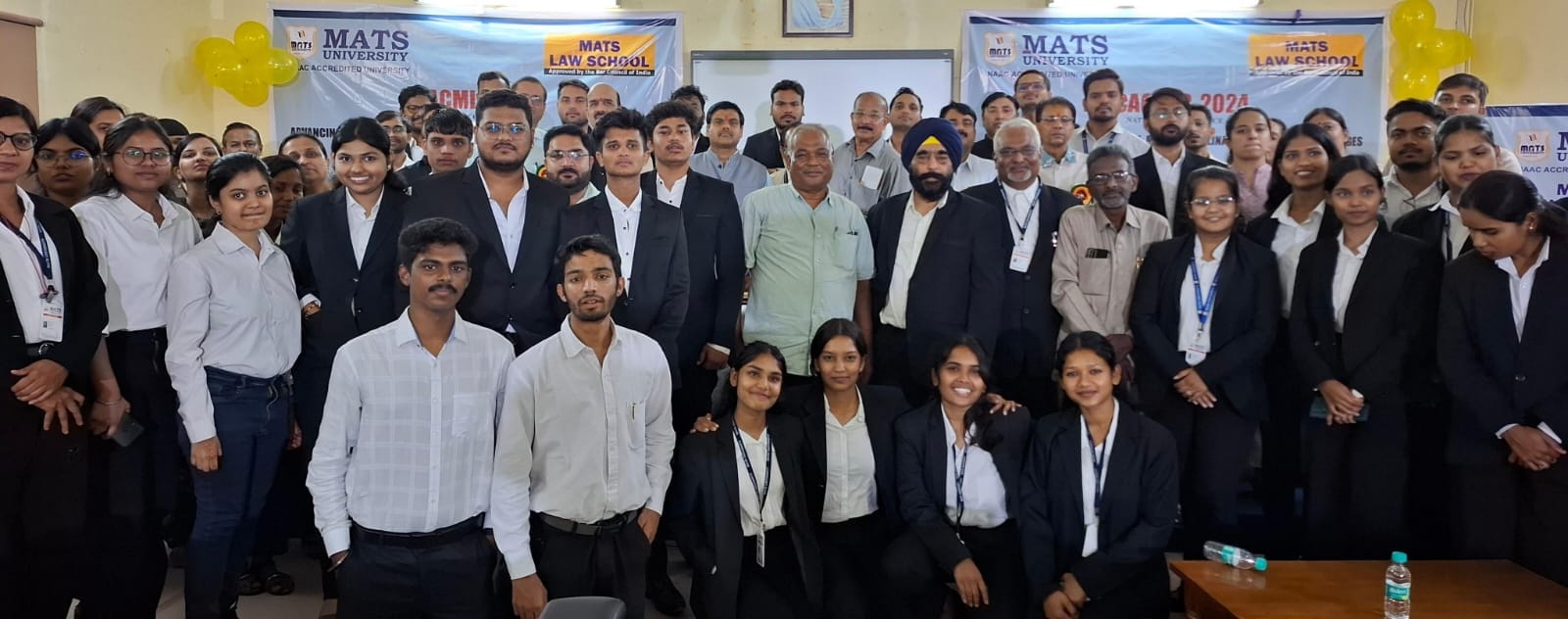
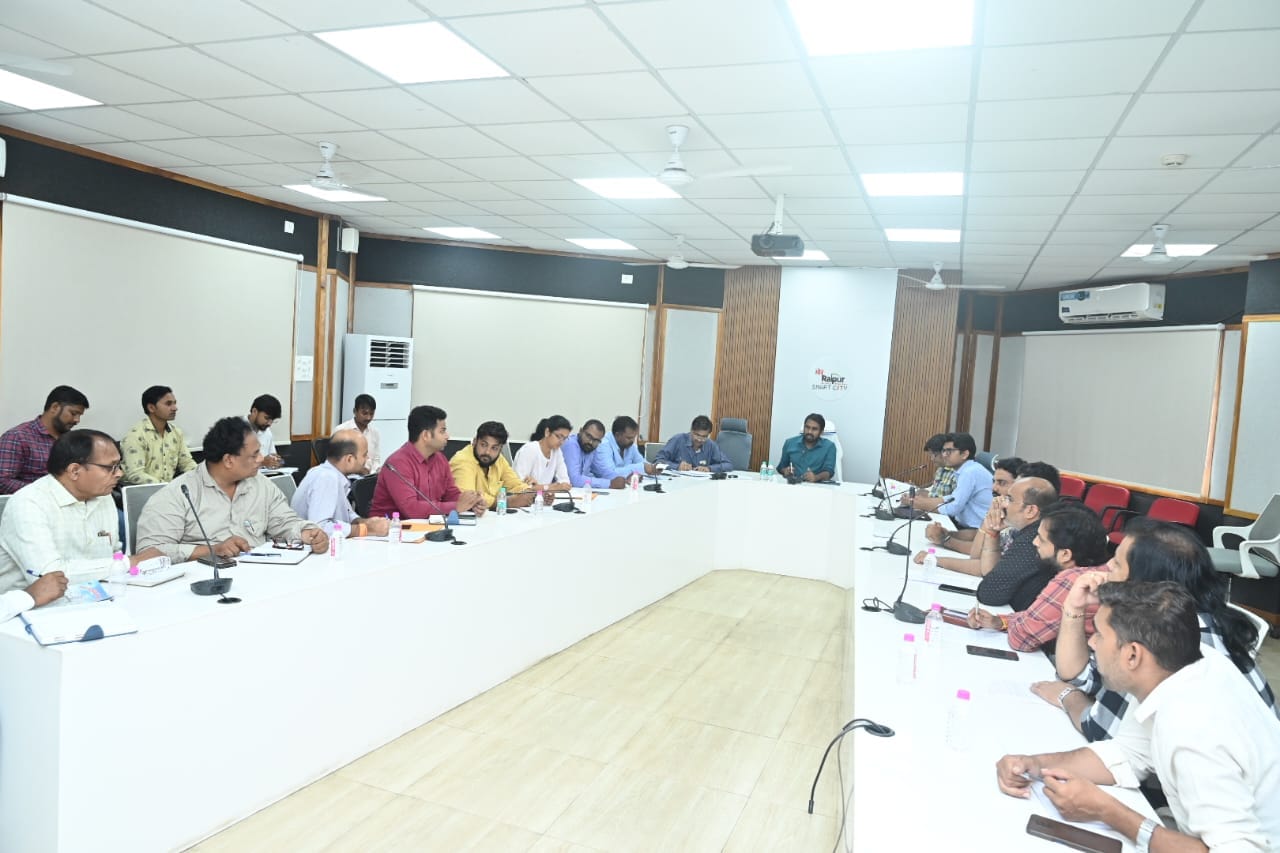
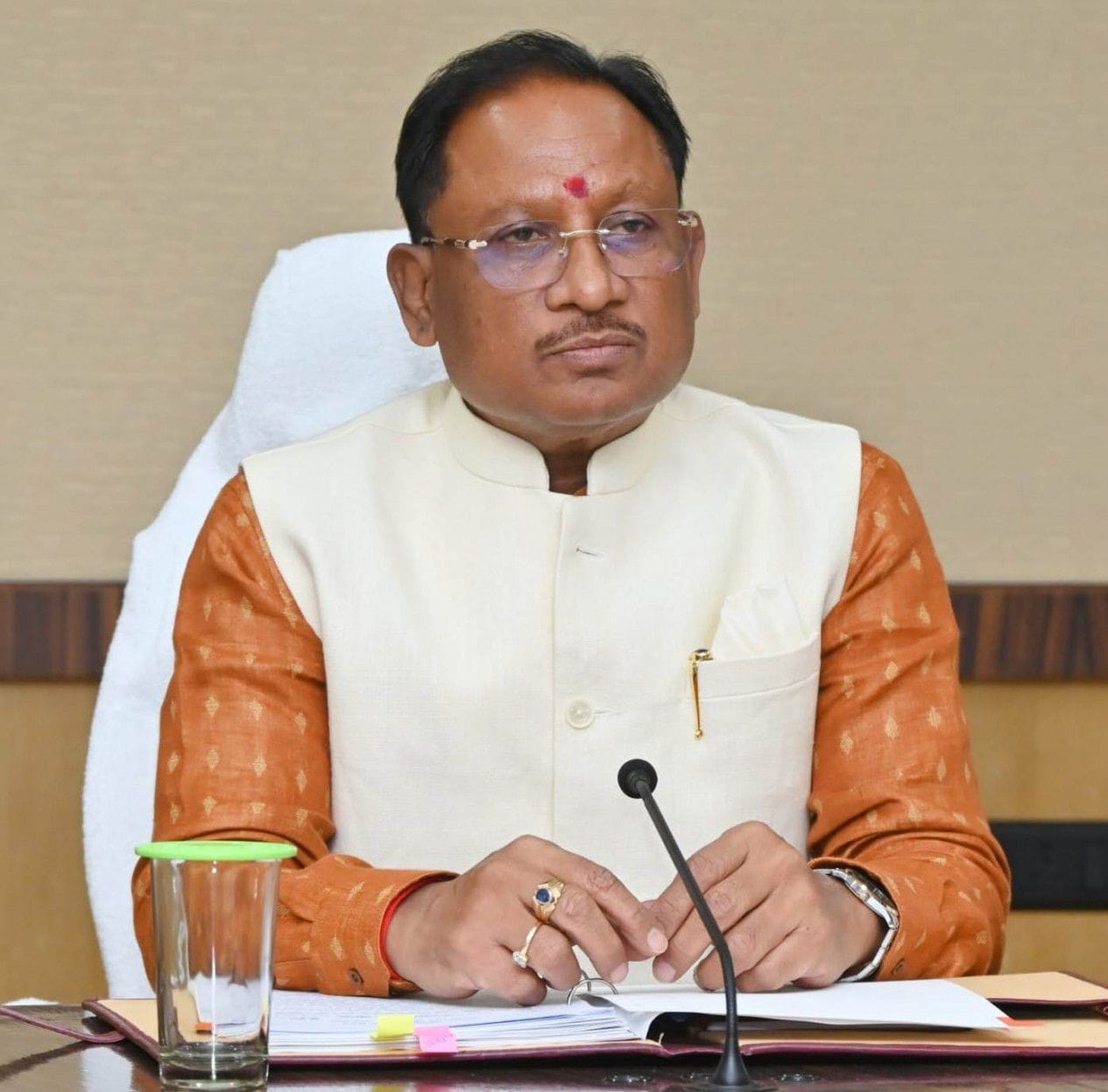
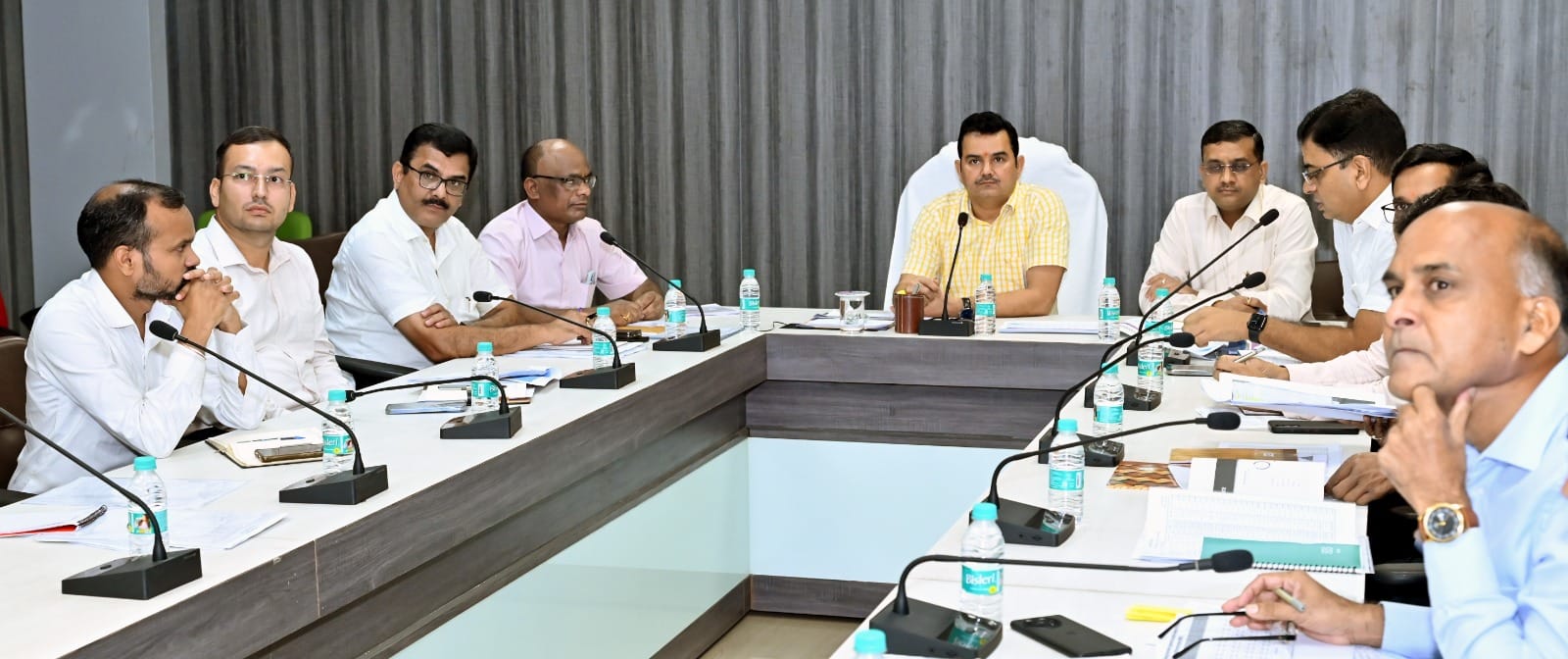
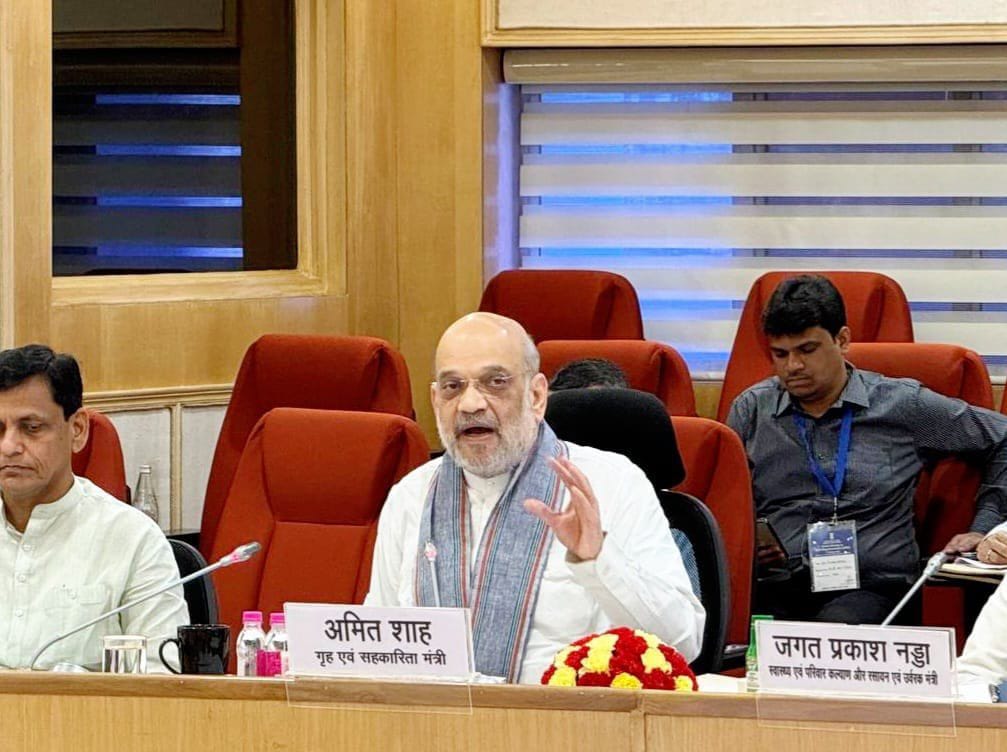
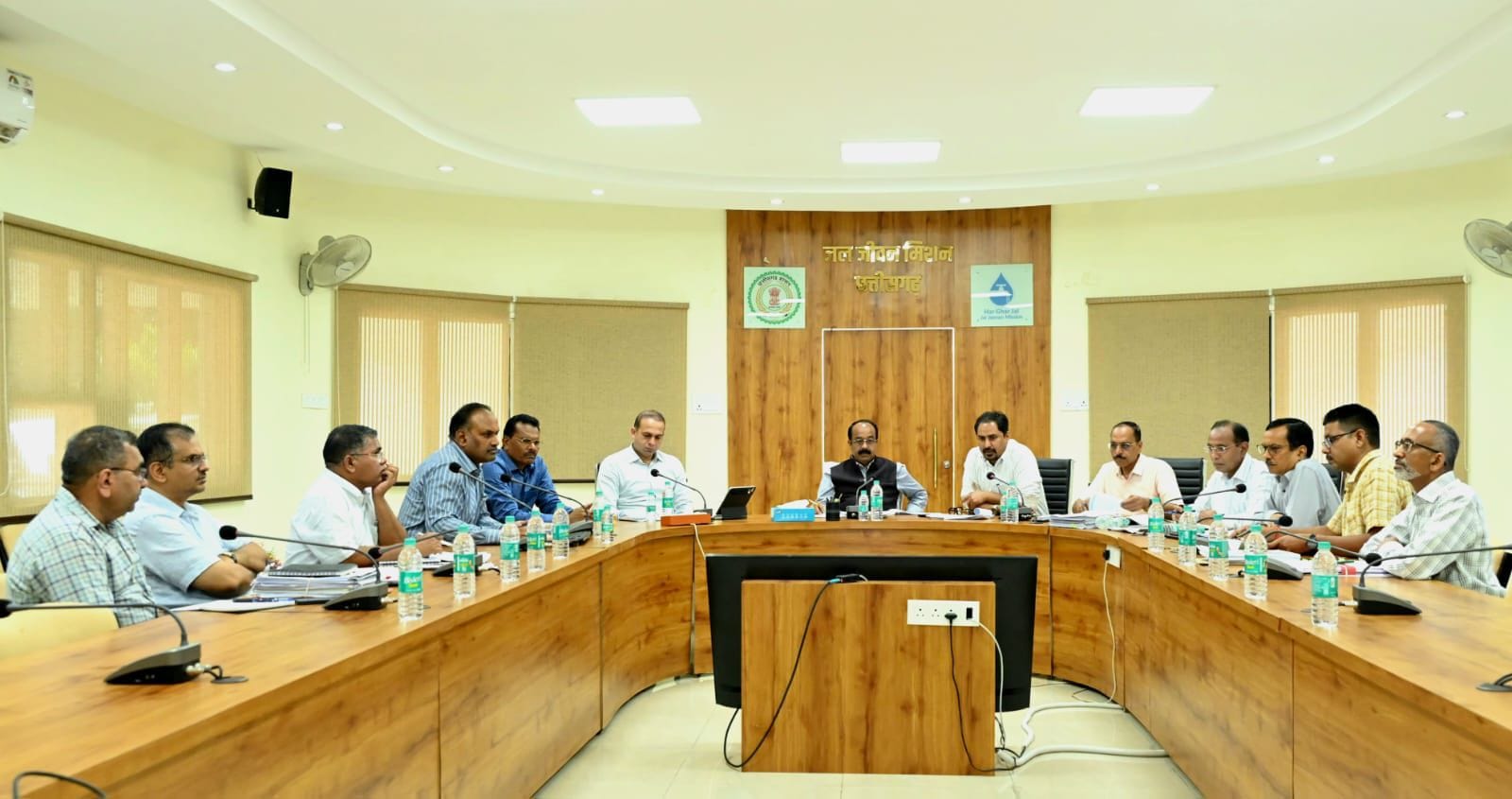
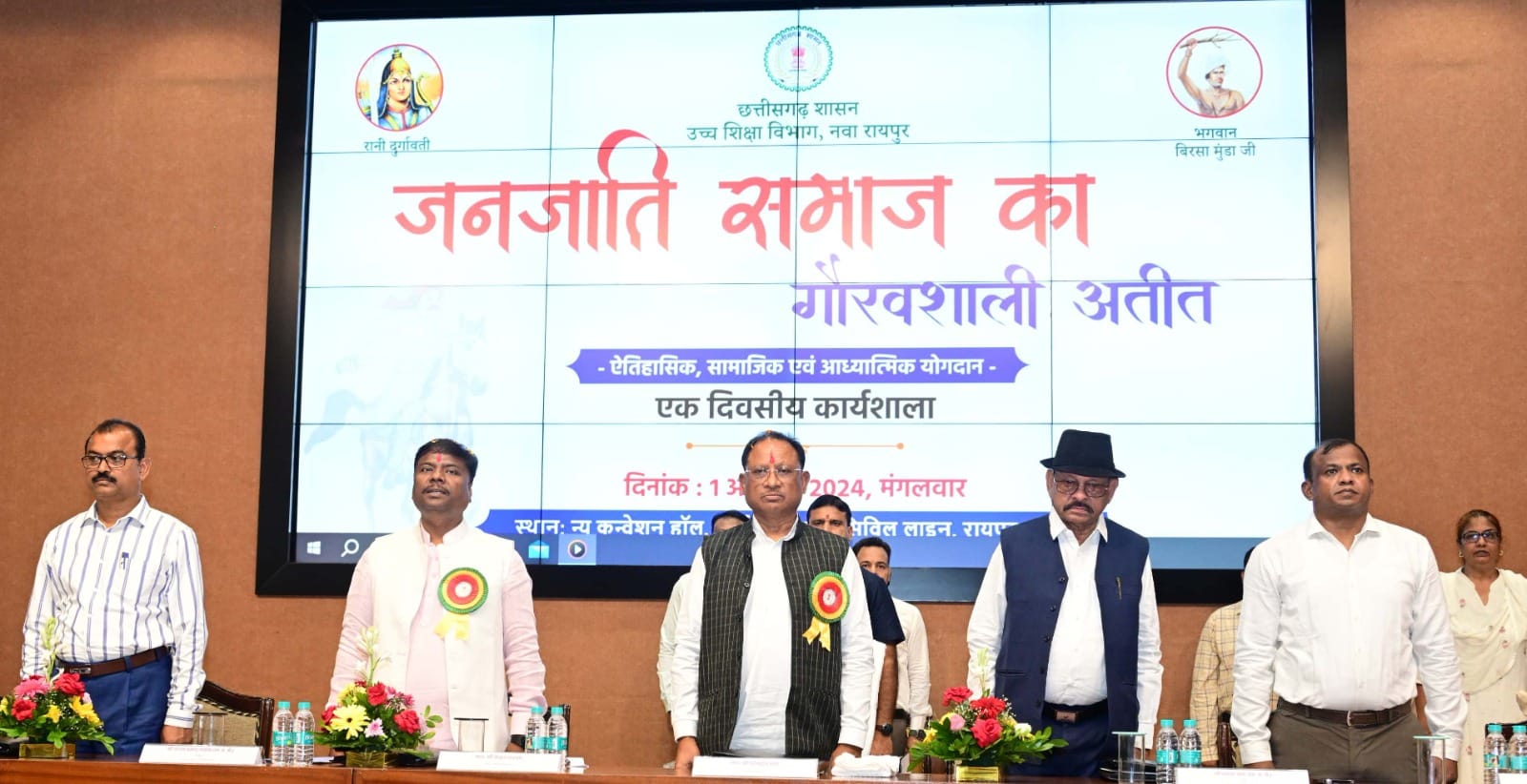
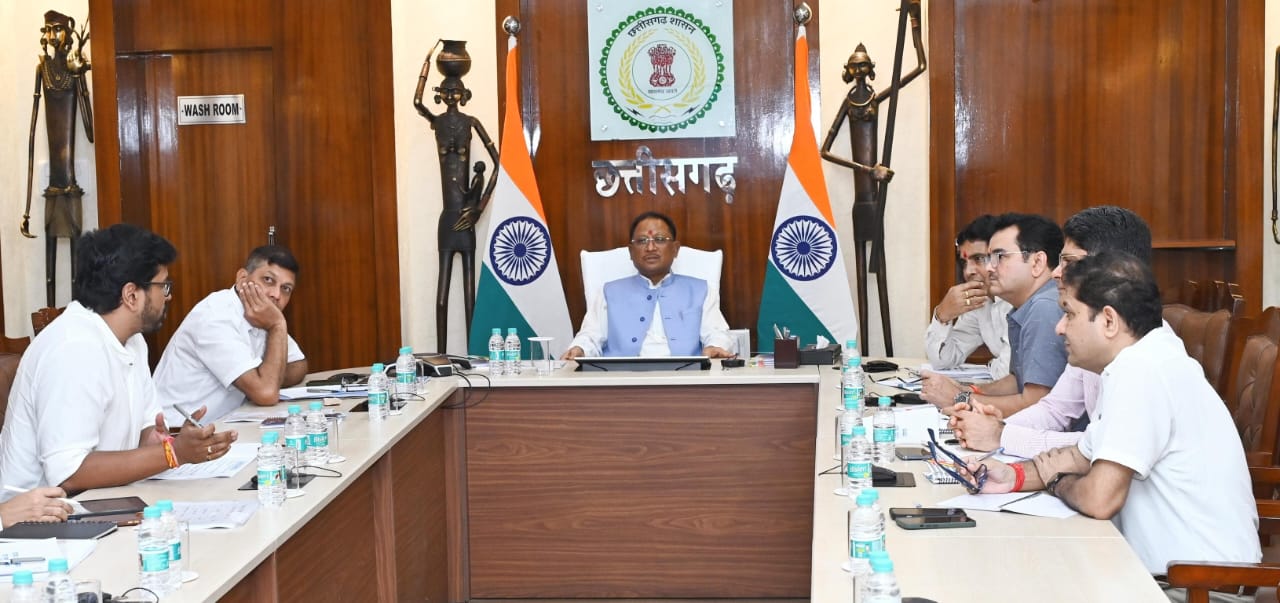
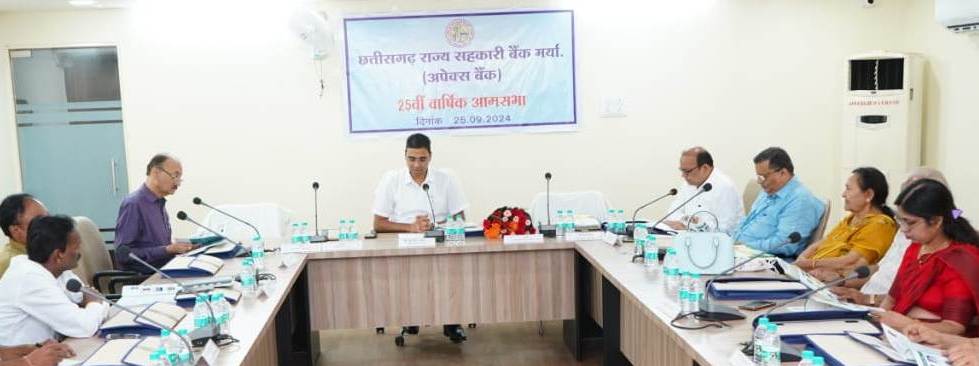
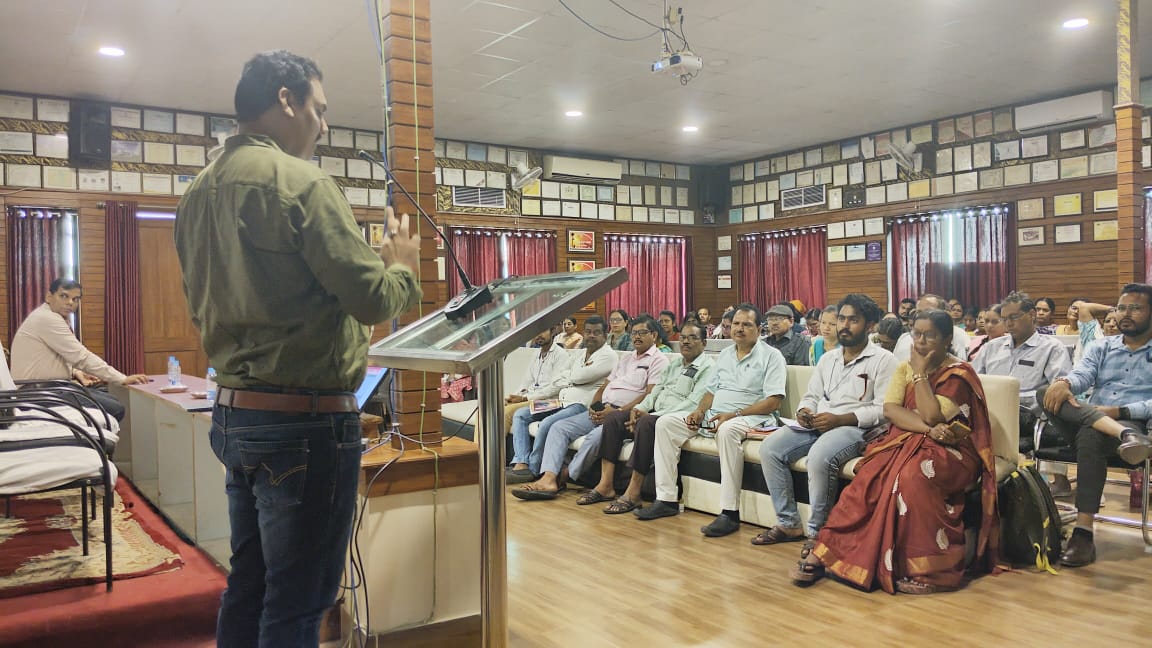
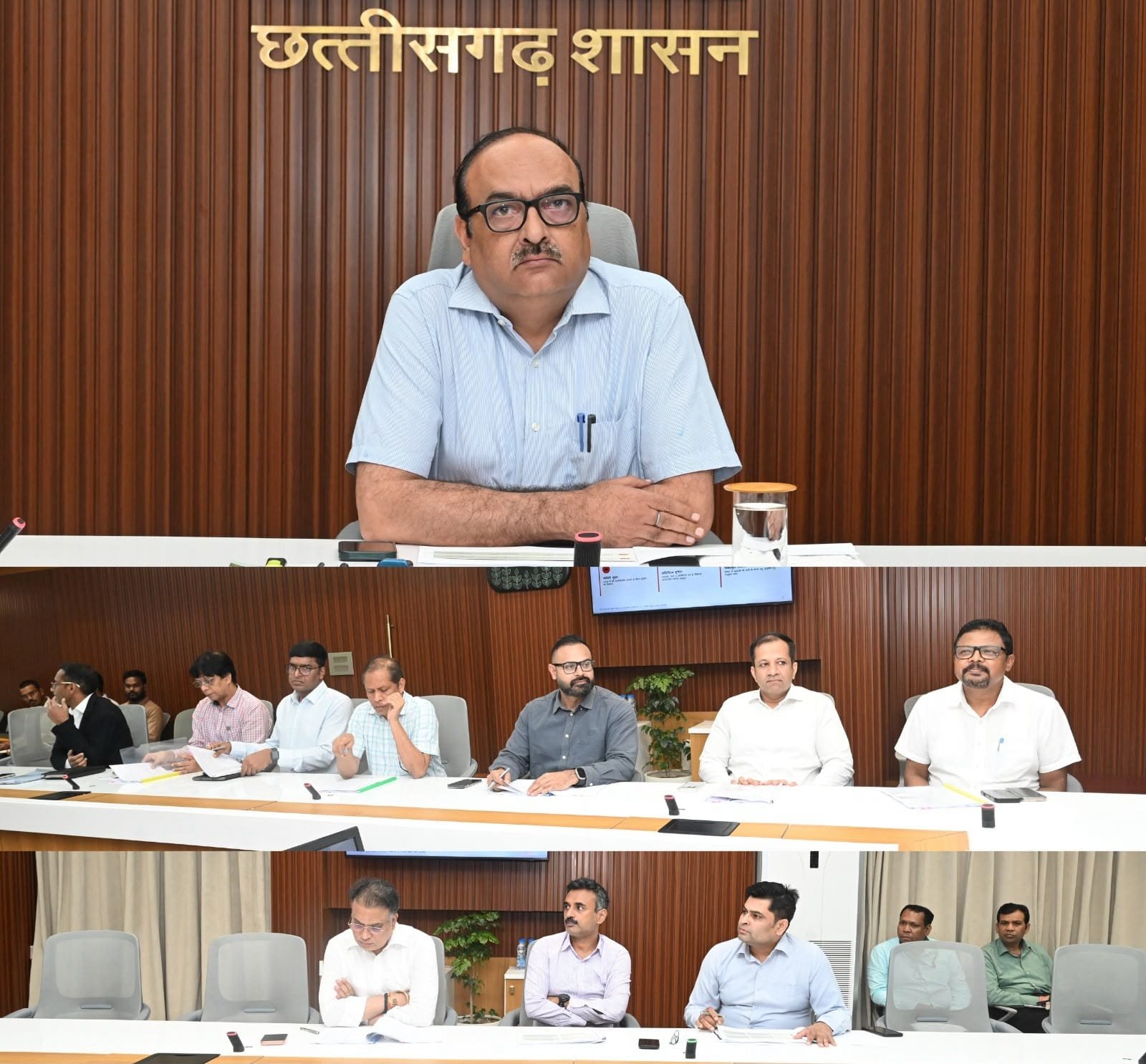
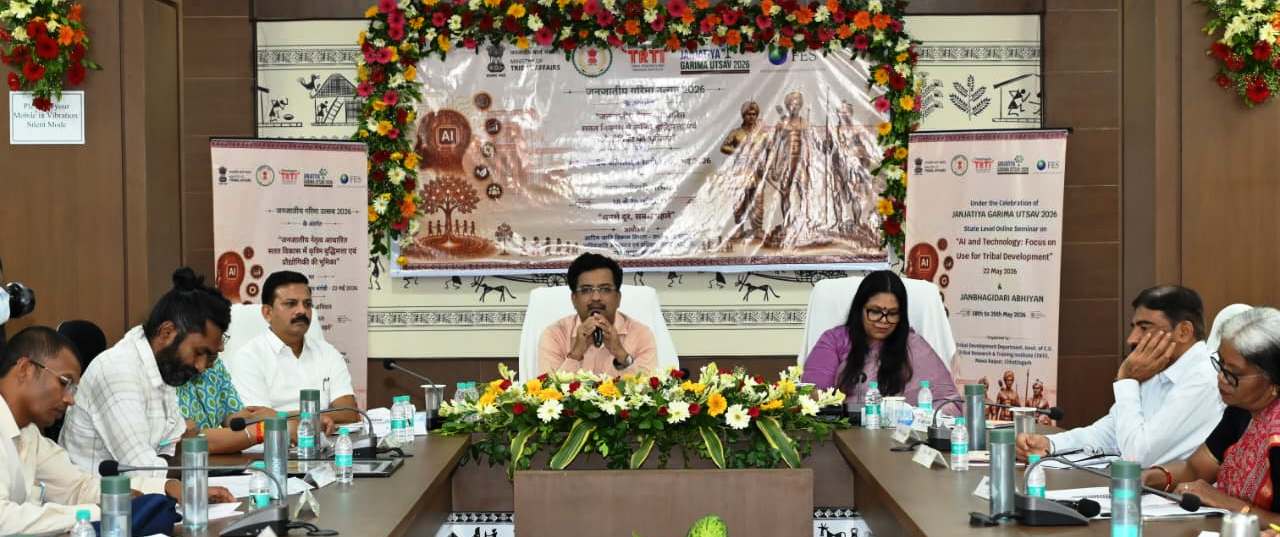
Under the Tribal Dignity Festival 2026, a state level one day seminar was organized today by the Tribal Research and Training Institute under the Tribal Development Department. Padmashree Shri Ajay Mandavi was present in this seminar. In this workshop organized under the aegis of the Tribal Development Department, the Principal Secretary of the department, Shri Sonmani Bora said that the use of Artificial Intelligence (AI) and technology in administration has made transparency, time saving and quick solution of problems sitting at home possible. Digital technology has been used extensively in the Chhattisgarh Tribal Museum and Shaheed Veer Narayan Singh Museum. Chhattisgarh is a leading state in the country in the use of digital technology on a large scale.
Principal Secretary Mr. Bora said that AI can be used to preserve traditional knowledge, improve health in remote areas, digitize minor forest produce and agricultural markets, provide education in local languages, skill development, facilitate information and benefits of government schemes, etc. He said that the use of AI in tribal development is currently increasing rapidly. However, AI cannot replicate the sensitive mentality of humans. Therefore, he stressed the use of AI in tribal areas based on need and utility. He said that the motto of ‘Furthest, First’ has to be made meaningful.
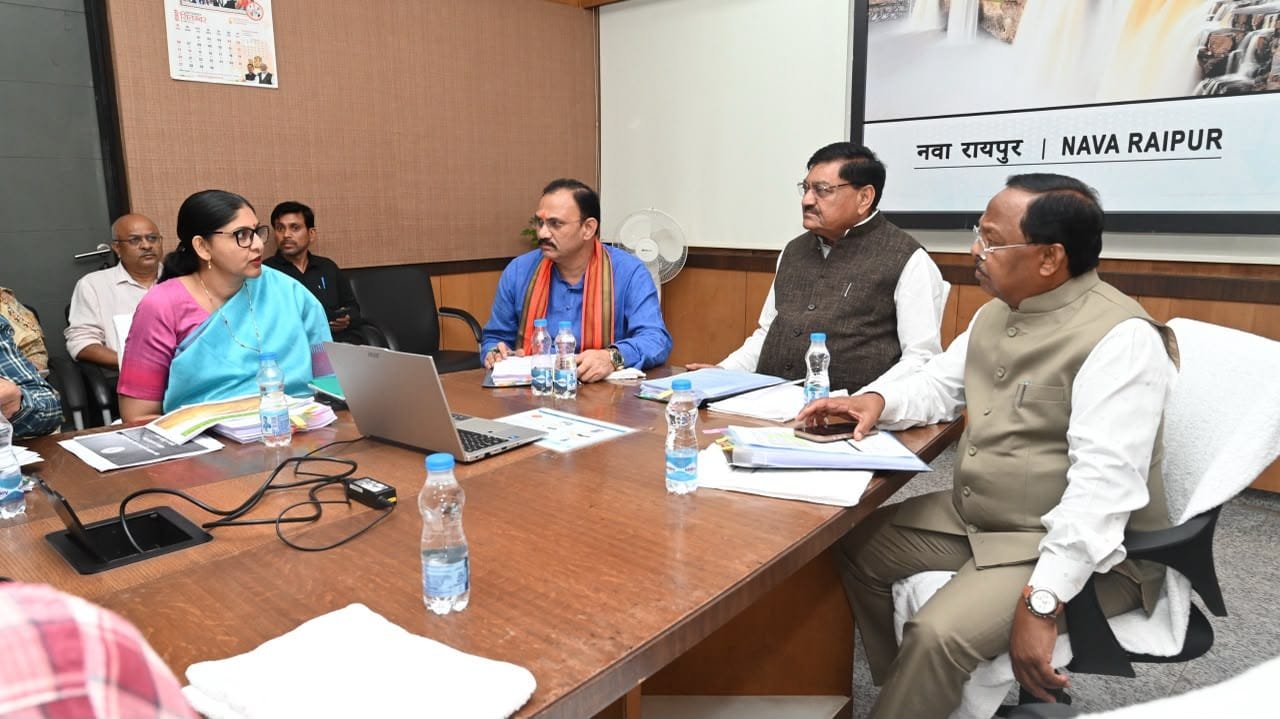
At the symposium, Padmashree Ajay Mandavi informed about the skill development efforts being undertaken for Naxalite tribals imprisoned in Kanker Jail. He stated that the work of eight of these prisoners on Vande Mataram has been included in the Limca Book of World Records. He urged the government to pay attention to their talents and stated that if implemented honestly, artificial intelligence could revolutionize tribal development.

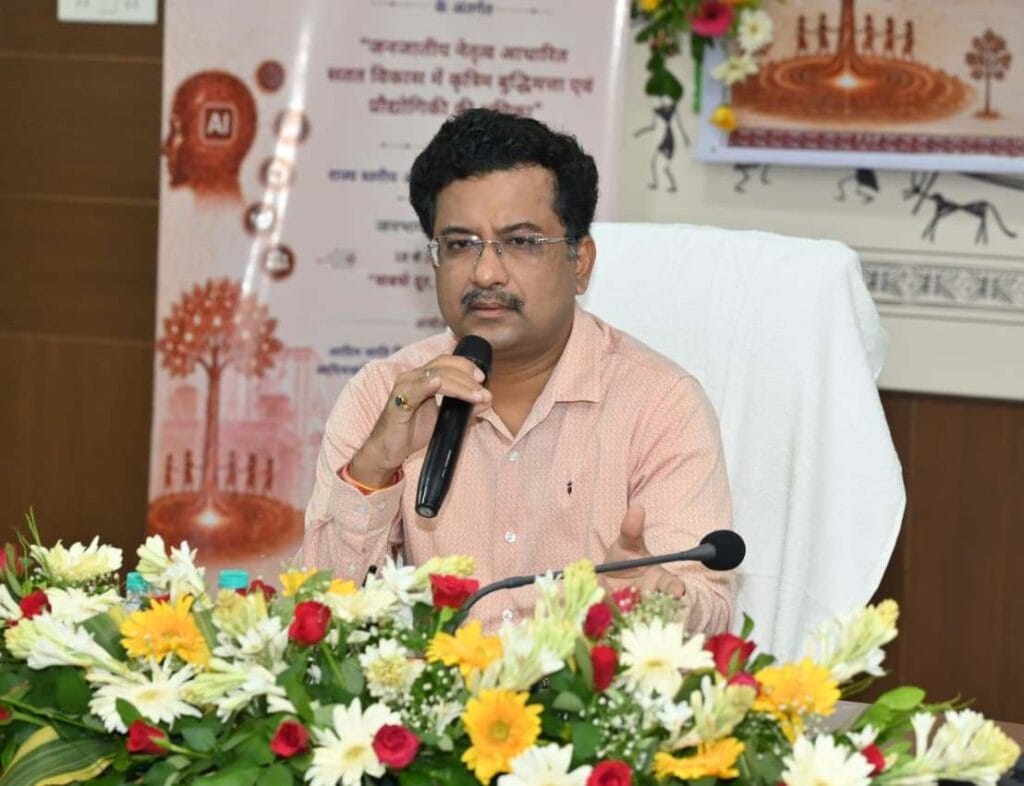
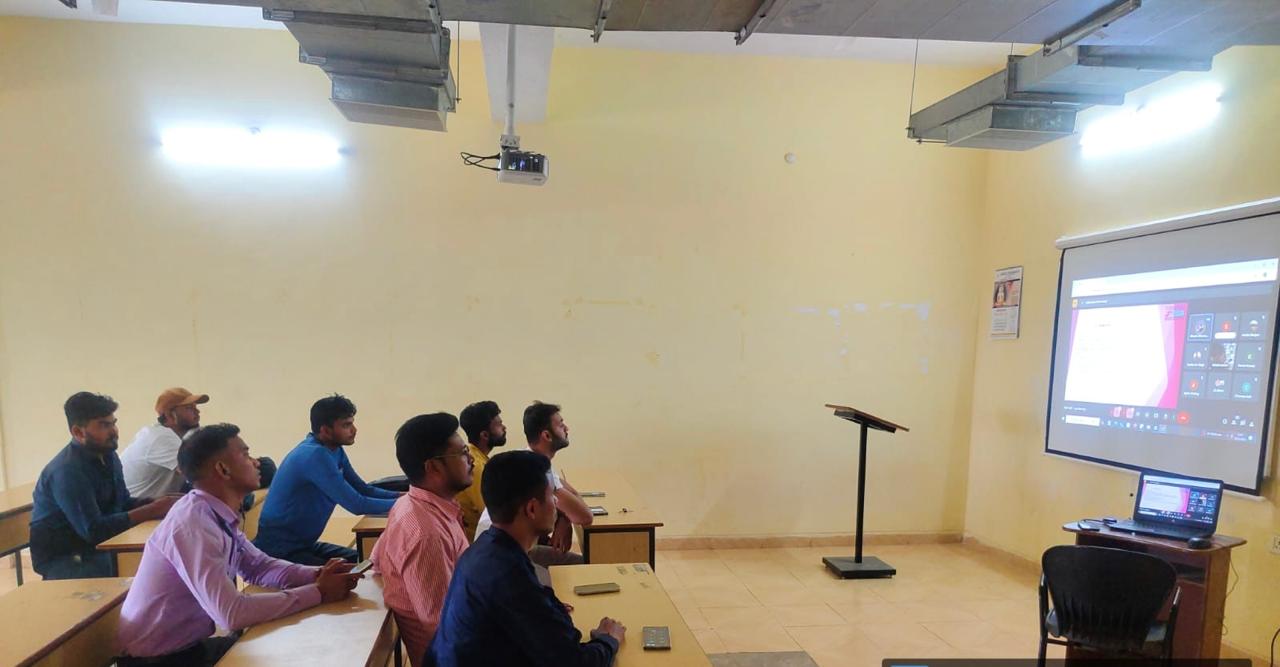
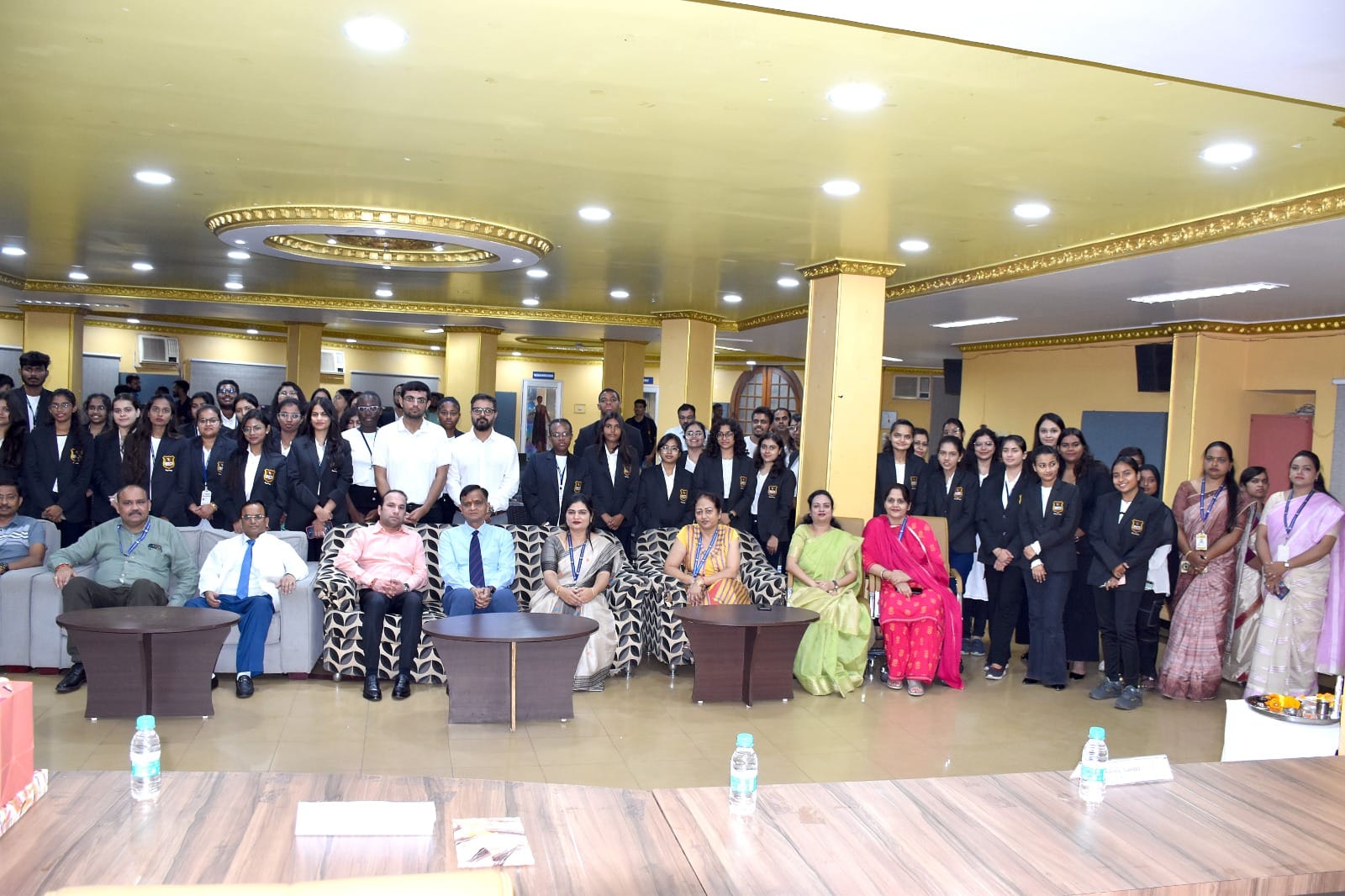
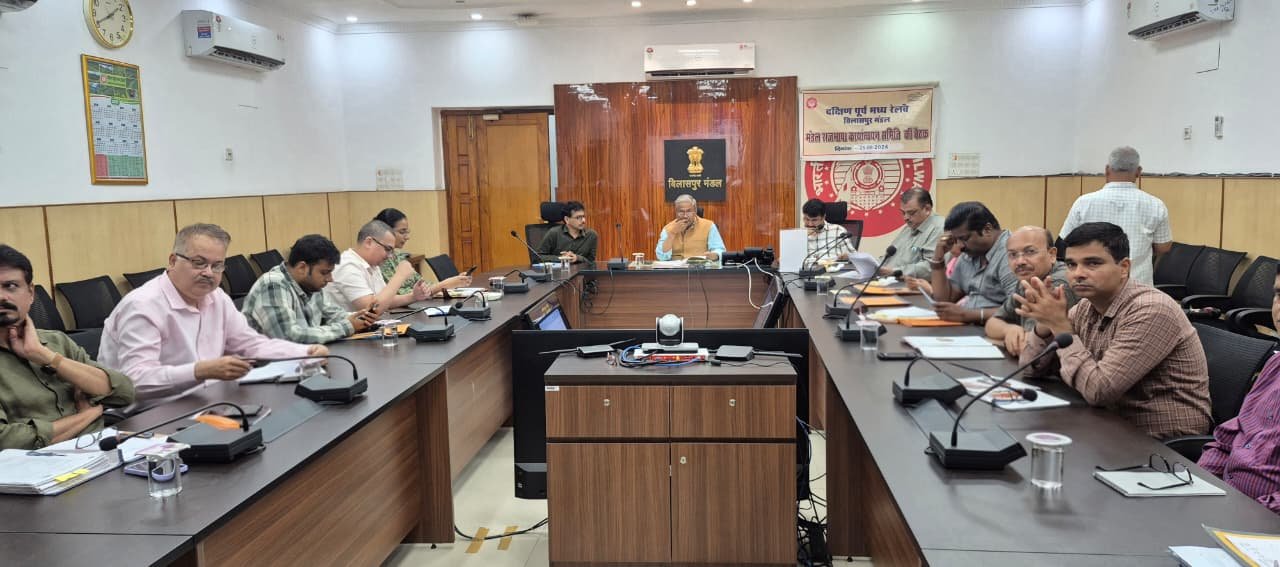
TRTI Director Mrs. Heena Animesh Netam provided information regarding the workshop’s objectives. Additional Director Mr. Sanjay Gaur and Joint Director Mrs. Gayatri Netam were present on the occasion. Assistant Commissioners of Tribal Development and Project Administrators from across the state joined via video conferencing.
NIC Director Mr. Satyesh Sharma stated at the symposium that the use of technology and service delivery are both separate entities and challenges. He explained that quality data collection is a key aspect in the field of technology. He emphasized the need to verify data and address data gaps. He stated that improper data selection will create problems in service delivery. He explained that improper data input will lead to biased results. He added that if AI is integrated into machines, then all decisions will be made by machines, and we will have to try to replace them.
Mr. Amit Kumar of IIM provided information on the use of AI in tribal entrepreneurship and startups. He described local language as the biggest obstacle to the use of AI. He emphasized the importance of knowledge of the dialect for real results. He also suggested a government-level campaign to create awareness among local people about technology and the availability of digital platforms at various levels.
Mr. Devidas Nimje of the Samarthan organization said that if we consider a village at the local level, farmers know everything about farming, but due to a lack of knowledge about new technologies, the focus has to be on just two or three people in the village. He emphasized the need to expand the network, especially among tribal communities, by raising awareness about technology.
Dr. Rakesh Tripathi of NIT provided information at the symposium regarding enhancing local knowledge through AI and applying this knowledge theoretically. He said that by strengthening local language knowledge, the benefits of government welfare schemes can be extended to the last person through AI.
Dr. Ramakrishna of IIIT Nava Raipur provided detailed information regarding dropouts and pass-out rates, and the quality of teaching and learning. He emphasized the importance of data maintenance and the accessibility of technology to the common person. He also expressed his views on protecting AI users and ensuring they do not receive biased information.
Tribal expert Mr. Ashwani Kange delivered his address on the topic, “The Role of Artificial Intelligence and Technology in Tribal-Led Sustainable Development.” Mr. Kange emphasized the need for technology to reach the interior regions, noting that it is impossible to confine tribal traditional knowledge to a single tool. He stated that every aspect of tribal life, such as Bija Pandum and agricultural rituals, contains knowledge that needs to be discussed comprehensively.
Experts at the symposium primarily emphasized the importance of collecting quality data. Experts believe that the more data available on a topic, the more reliable and easier AI will be able to analyze the data and provide accurate evidence.
Additionally, AI will be used to improve the social, economic, educational, and cultural development of tribal communities, as well as to address health issues. This is because the pace of development needs to begin with tribal communities, considered marginalized. Experts emphasized the need to preserve their knowledge in its original form and take their perspectives into account, ensuring a balance between their social values and modern technologies. Other subject experts participating in the symposium also expressed their views.