















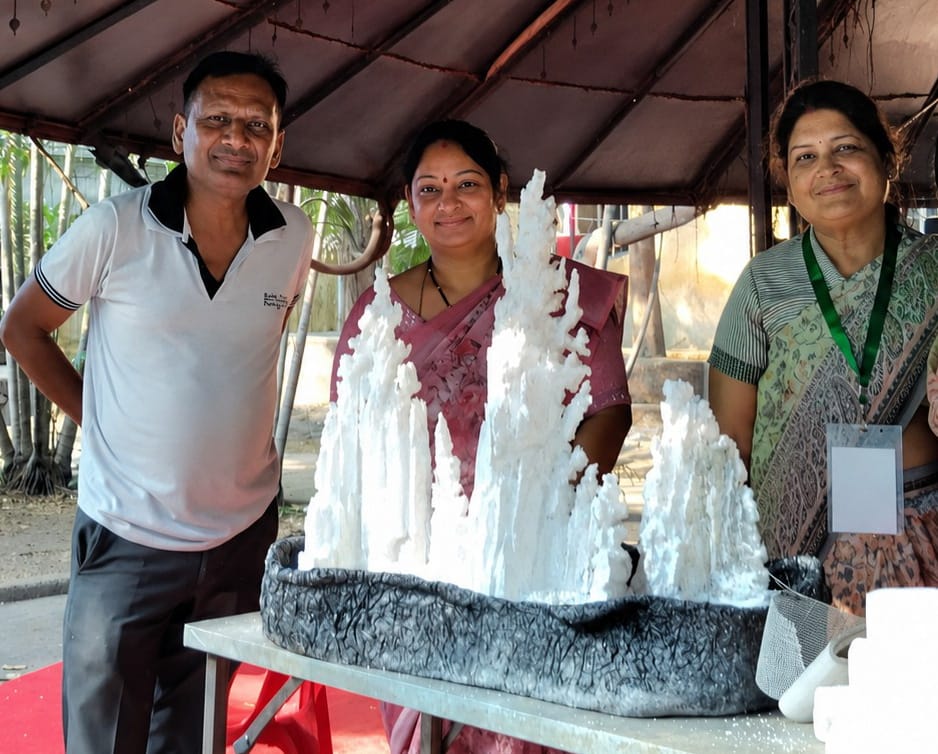
- A unique experiment in bonsai art was conducted at the Culture Department’s training camp; 80 trainees learned innovative techniques related to environmental protection and creativity.
The art training camp ‘Aakar-2026’, organised by the Chhattisgarh Culture Department, this year introduced participants not only to traditional and folk arts, but also to innovation, environmental protection and a unique art form of creativity. During the camp, trainees under the art of Bonsai learnt techniques that transformed Siporex blocks and thermocol pieces, often considered useless, into attractive art pieces.
At the camp, participants learned to create artistic flower pots, natural landscapes, mountains, rocks, and decorative structures in various shapes and sizes from discarded Siporex blocks and thermocol pieces. This remarkable blend of art and environmental protection not only introduced trainees to new creative possibilities but also made them aware of the importance of using waste materials.
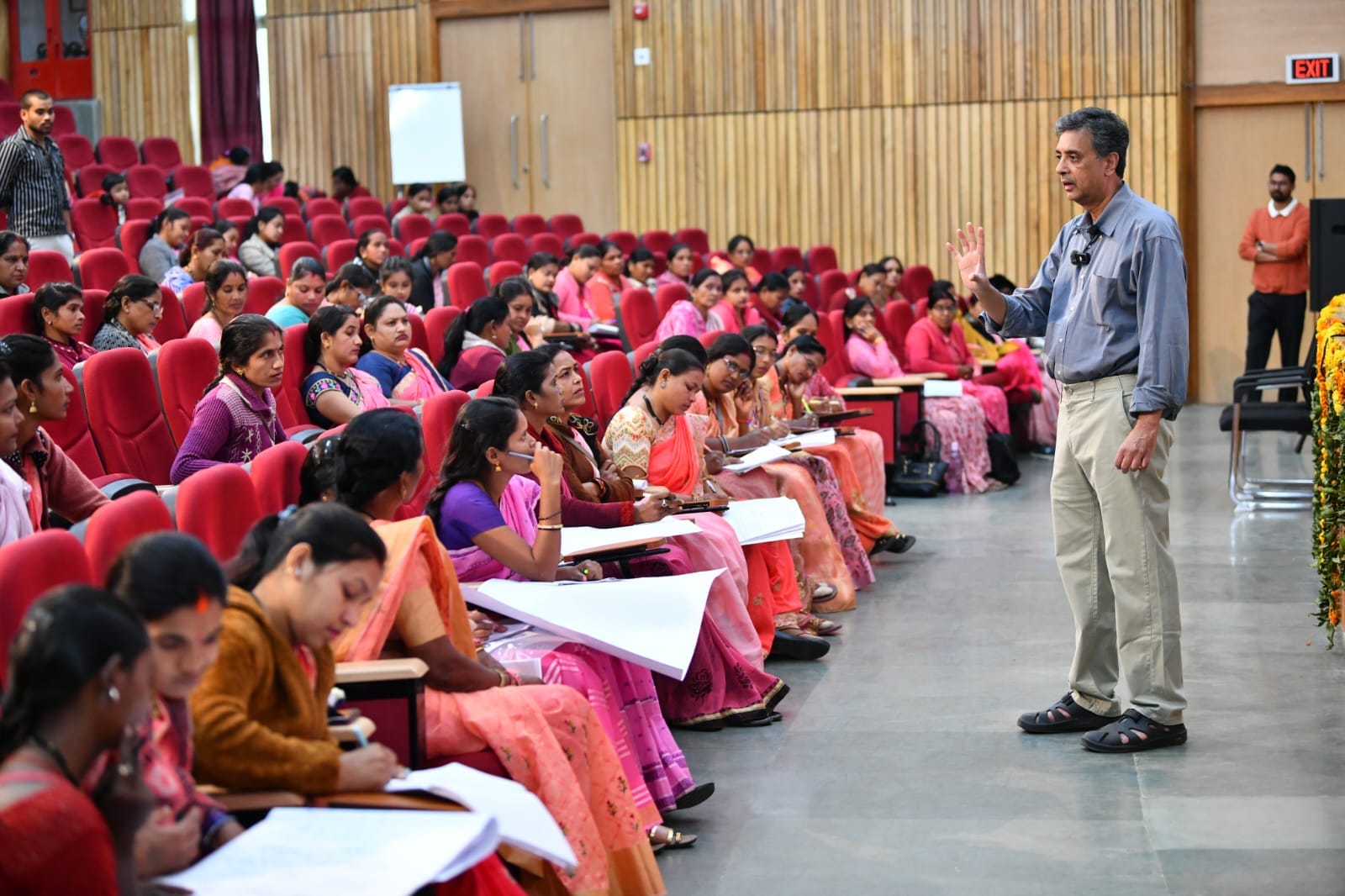
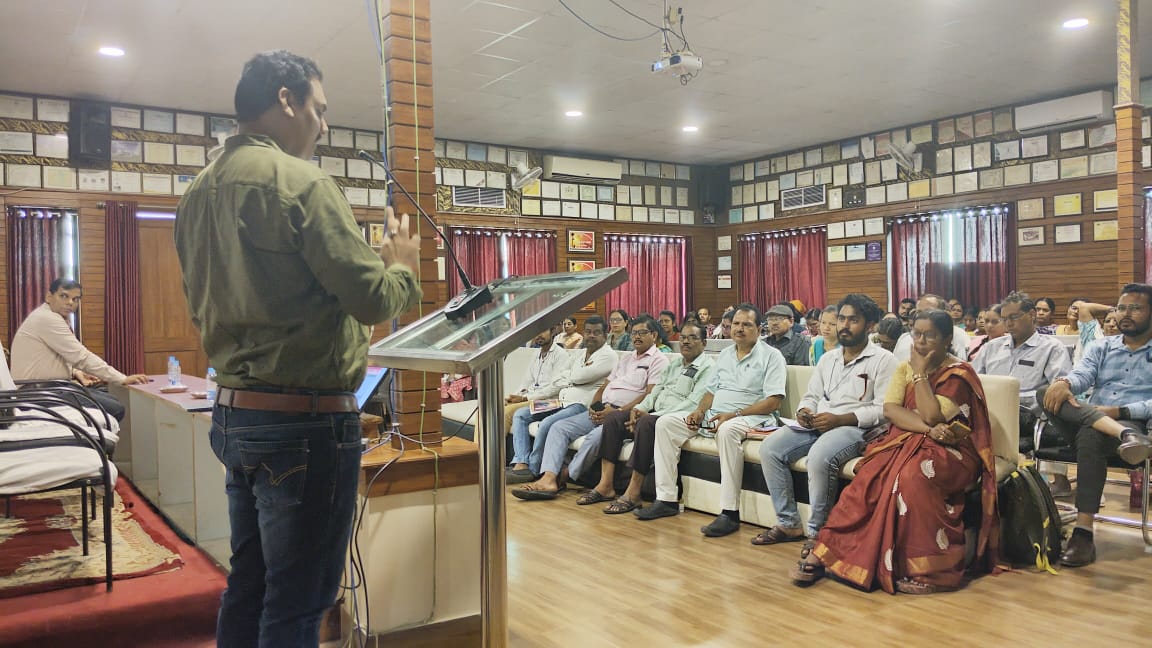
This special training was conducted by renowned bonsai expert Dr. Manoj Agarwal. He taught participants how ordinary and unusable materials can be transformed into attractive works of art through imagination and technical skill. During the training, he also introduced the trainees to the nuances of material selection, design, size determination, color scheme, and creating a suitable landscape for bonsai display.

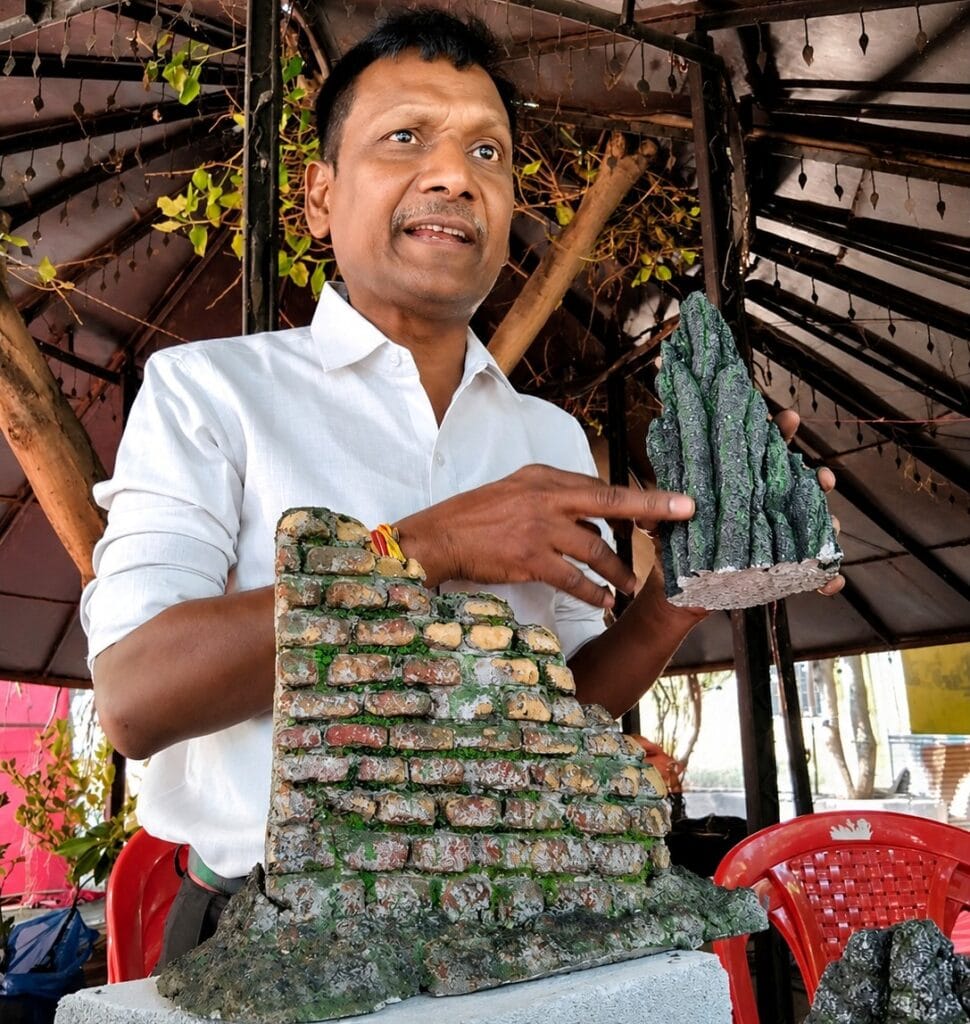
Approximately 80 trainees received training in this unique art form at the camp. The enthusiasm of the participants during the training sessions was palpable. From young artists to senior art lovers, everyone devotedly learned the art and created impressive models with their own hands. The artworks created during the final days of training captivated the audience and other participants.
Trainees explained that this art not only cultivates aesthetic sense but also provides an opportunity to enhance homes, gardens, and public spaces at a low cost. They described this innovative training as one of the most interesting and useful activities of Aakar 2026.
Significantly, nearly all participants expressed a keen interest in this art form and expressed a desire to relearn it and receive advanced training in upcoming “Aakar” camps. Trainees believe this art form could also provide new opportunities for self-employment and creative entrepreneurship in the future.
It is noteworthy that the Culture Department’s art training camp, “Aakar-2026,” held from May 25 to June 9, 2026, provided training in a variety of disciplines, including painting, sculpture, folk and tribal arts. The camp concluded on June 9 with a colorful program showcasing the various arts learned by the participants. The experiment of creating artistic structures from Siporex and thermocol, part of the Bonsai art, was one of the camp’s most popular and appreciated activities.
Such innovations not only open up new vistas of art but also encourage creative thinking while sensitizing young people to the environment. This new learning at Aakar 2026 conveyed to participants that, with creativity, even seemingly useless objects can be transformed into stunning works of art.